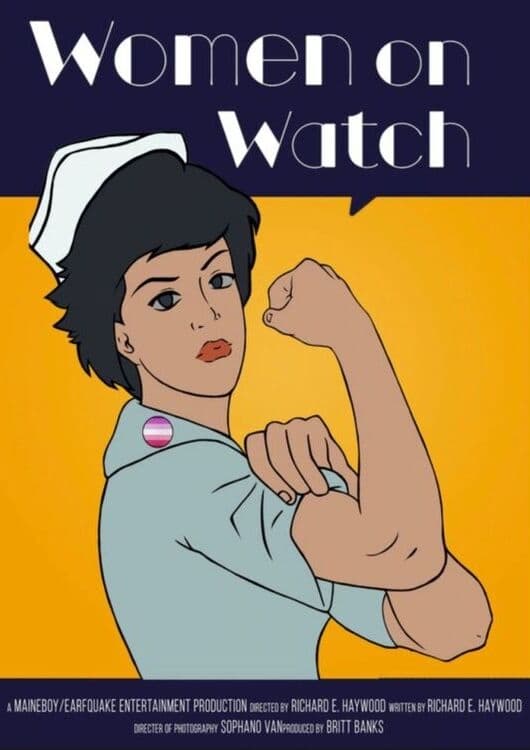
A mini documentary about the untold contributions lesbians made during the A.I.D.S epidemic.
Social & External
Unknown Role
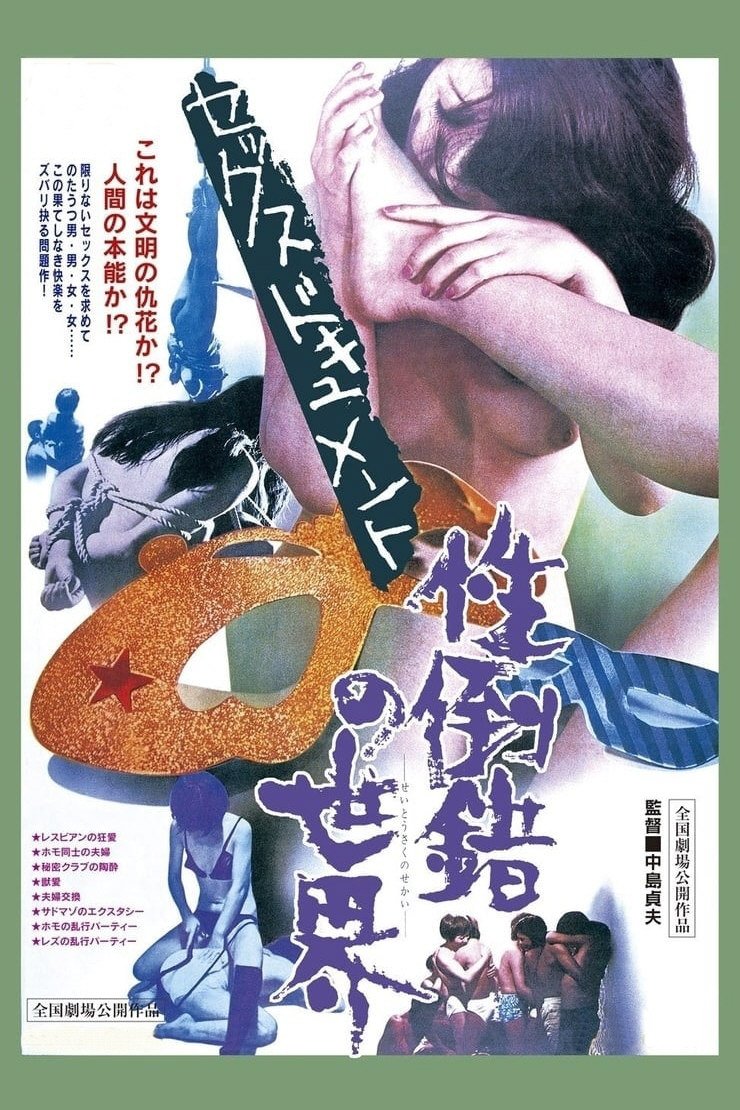
A look at sex in Japan, that covers underground gay life, transvestites, sex change operations, tattoos, and S&M. What does it mean to live an individualistic life in the modern age? By capturing the seemingly bizarre customs of men in drag and women in men's clothing seen on the streets, and examining the world of sexual perversion in an attempt to unravel the mysteries of our homogenized modern society, we explore whether it represents the pinnacle of pleasure, or a world of endless hell.
In 1978 the police attacked demonstrators at the Sydney (Australia) Mardi Gras celebrations. This film details the communities' responses.
The Untold Tales of Armistead Maupin celebrates one of the world’s most beloved storytellers, following his evolution from a conservative son of the Old South into a gay rights pioneer whose novels inspired millions to reclaim their lives.
Barcelona, Spain, June 1977. A chronicle of a demonstration held to demand the repeal of a 1970 Francoist law criminalizing homeless, prostitutes and homosexuals.
She's a cabaret singer. She's fat. She's beautiful.
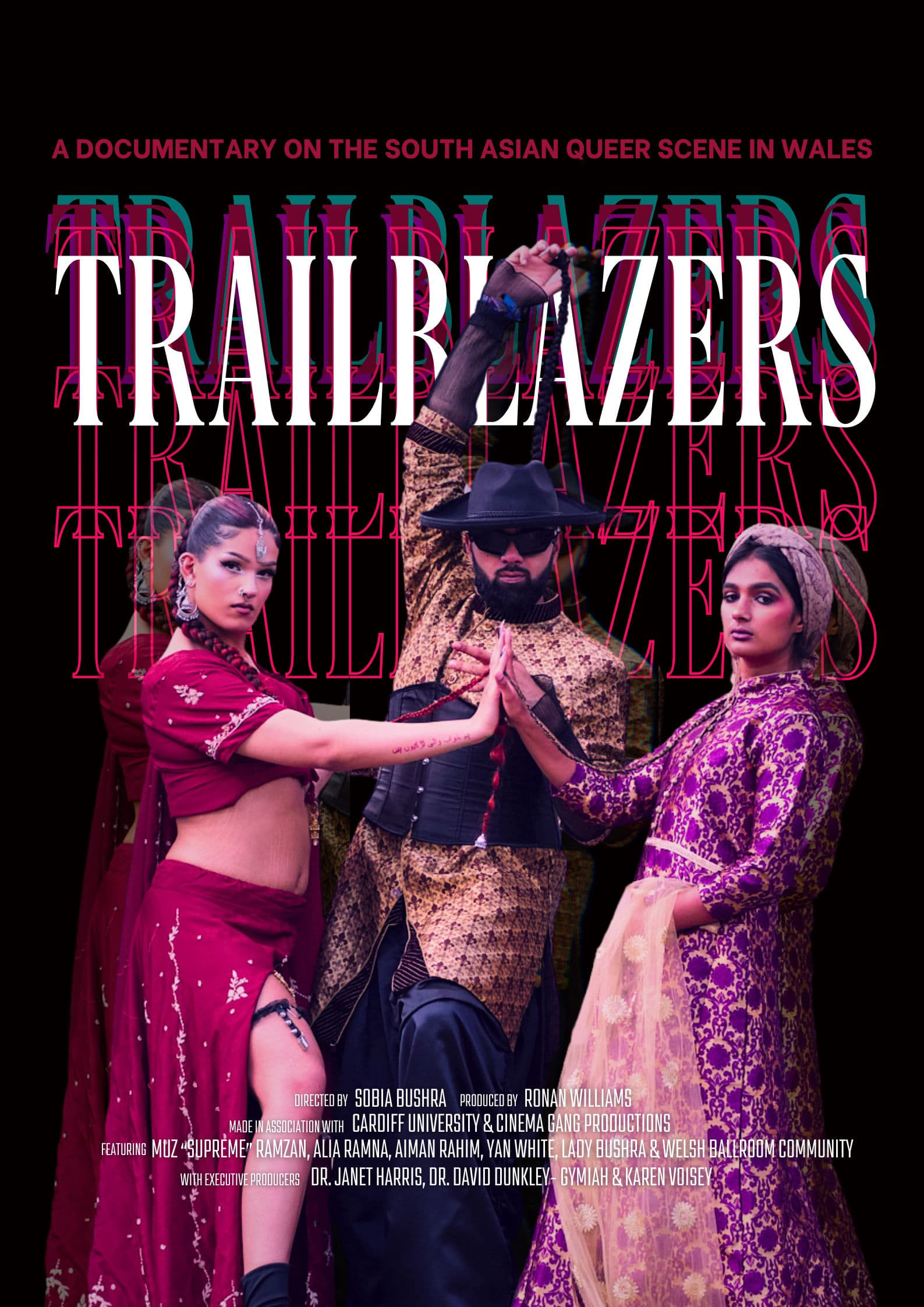
Alia and Muz are Pakistani-Welsh queer chosen siblings who overcome rejection and forge a path towards inclusivity. While being part of the local house ballroom scene, they soon meet Aiman, who compels them to form a trio as an Asian artist's collective in Wales. 'Trailblazers' follow their journey in reclaiming their identities, preserving their cultural heritage, and empowering Asian queer artists who refuse to let their families' rejection define them.
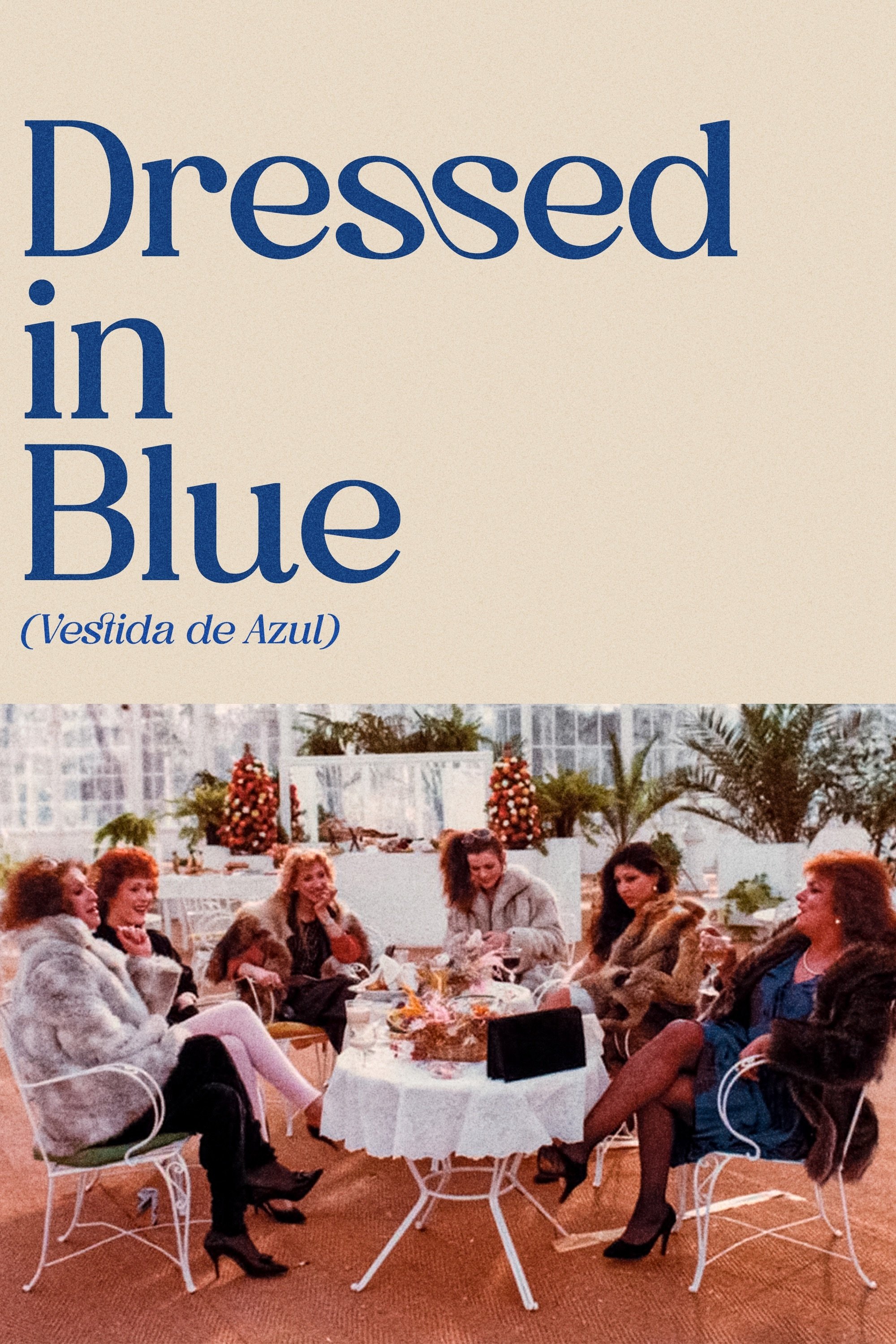
A documentary about the lives of six transgender women in post-Franco Spain.
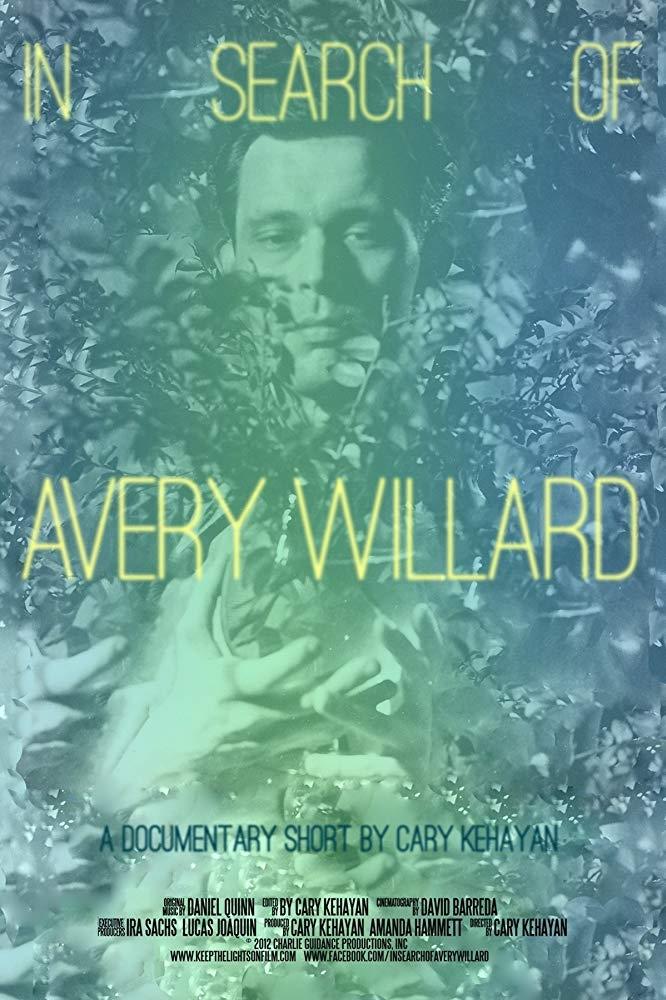
In Search of Avery Willard iIlluminates the life and work of the groundbreaking, and mostly forgotten, artist Avery Willard — photographer, filmmaker, writer, publisher, leatherman, pornographer.
What's it like starting a family when you're both transgender? This intimate film follows Hannah and Jake Graf on a journey through prejudice and surrogacy to birth during lockdown.
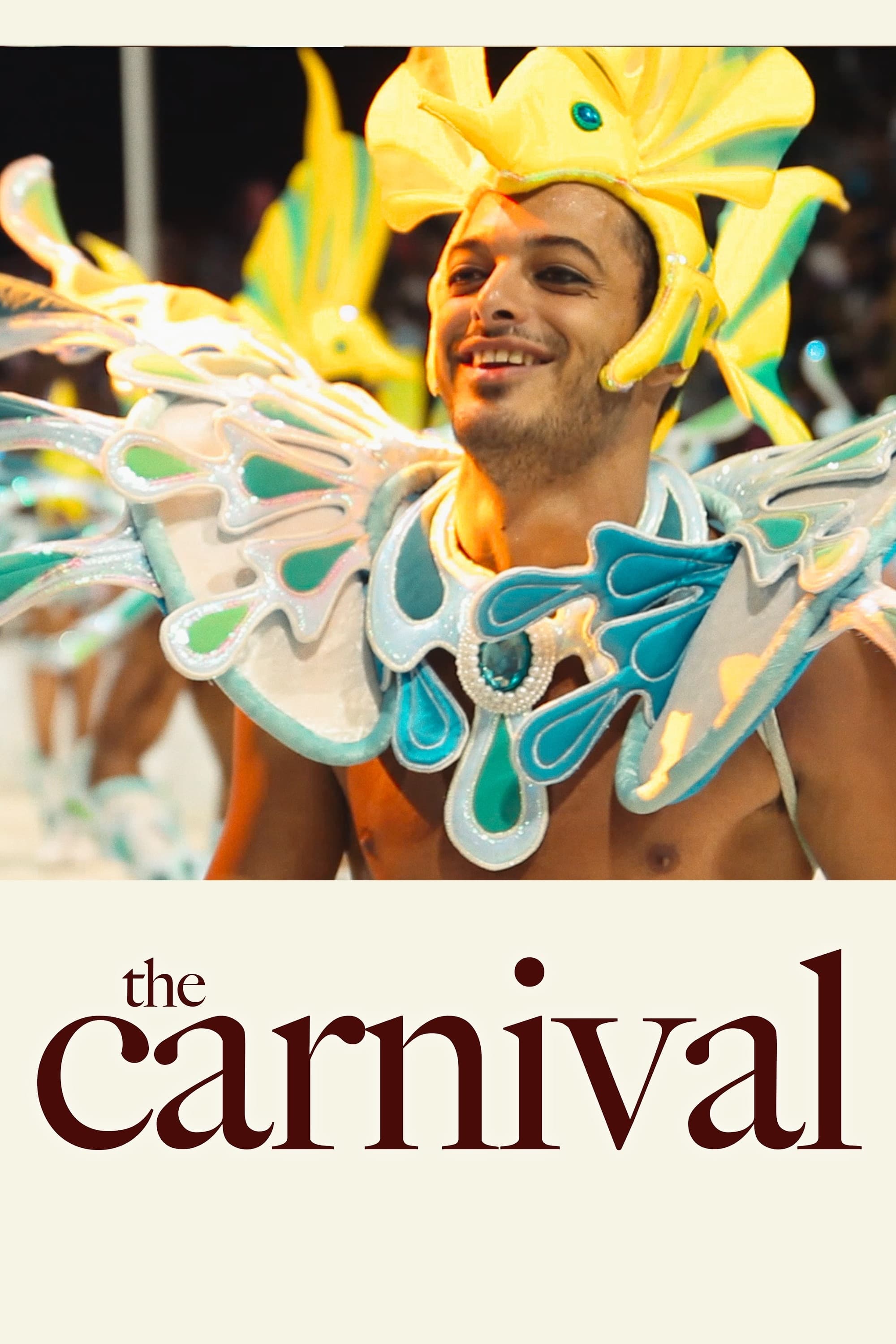
Since they were children, every summer they used to participate together in the traditional carnivals of their hometown. This magical celebration, transform men of the community into dionysiac figures with makeup, coloured costumes, glitter and feathers. Alcohol, friendship and parties out of control become the limelight. Boundaries get blurred with the heat of the sun at the edge of the imposing Paraná River.
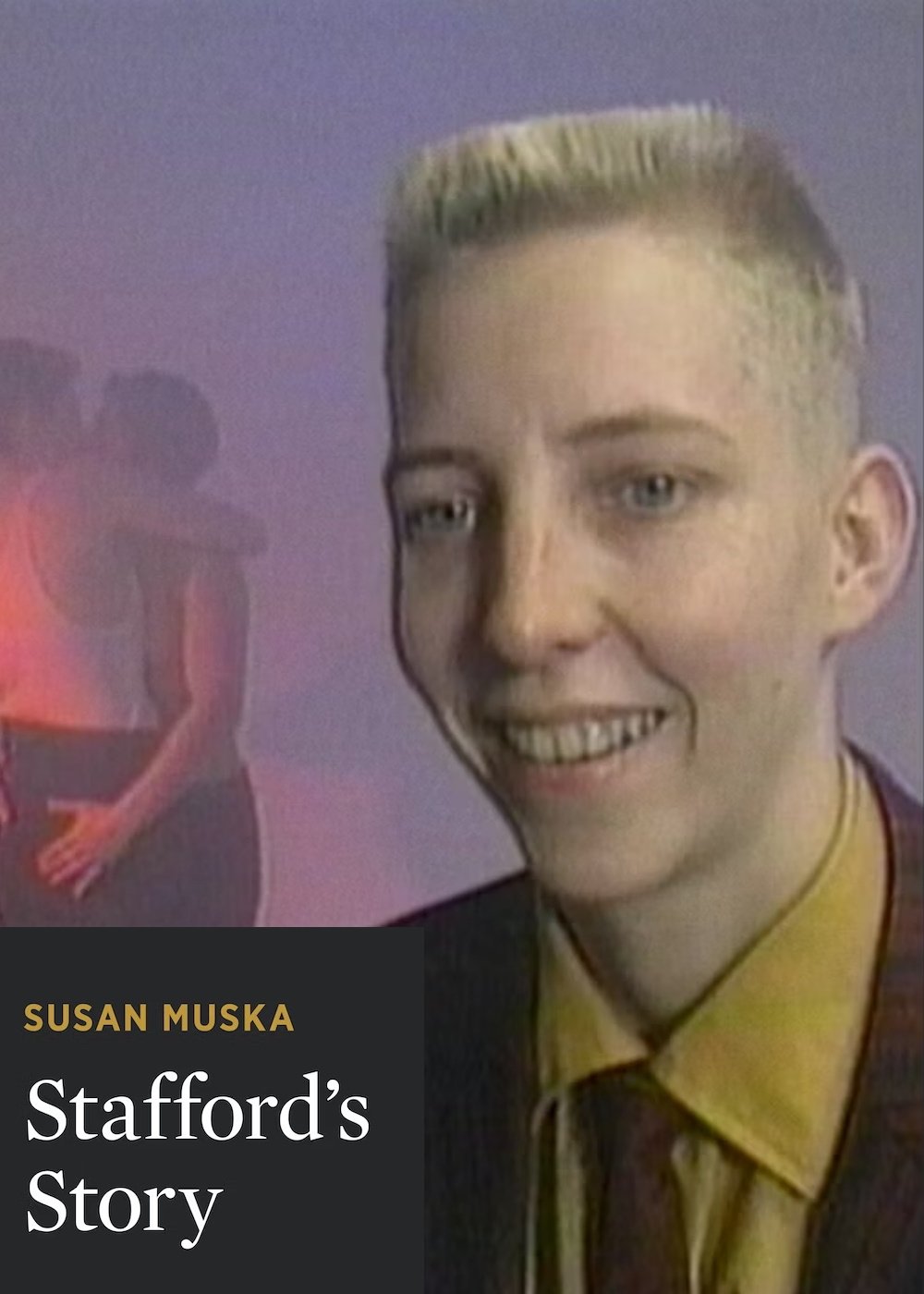
Trans man Stafford candidly tells the story of a memorable encounter he had at a sex club.
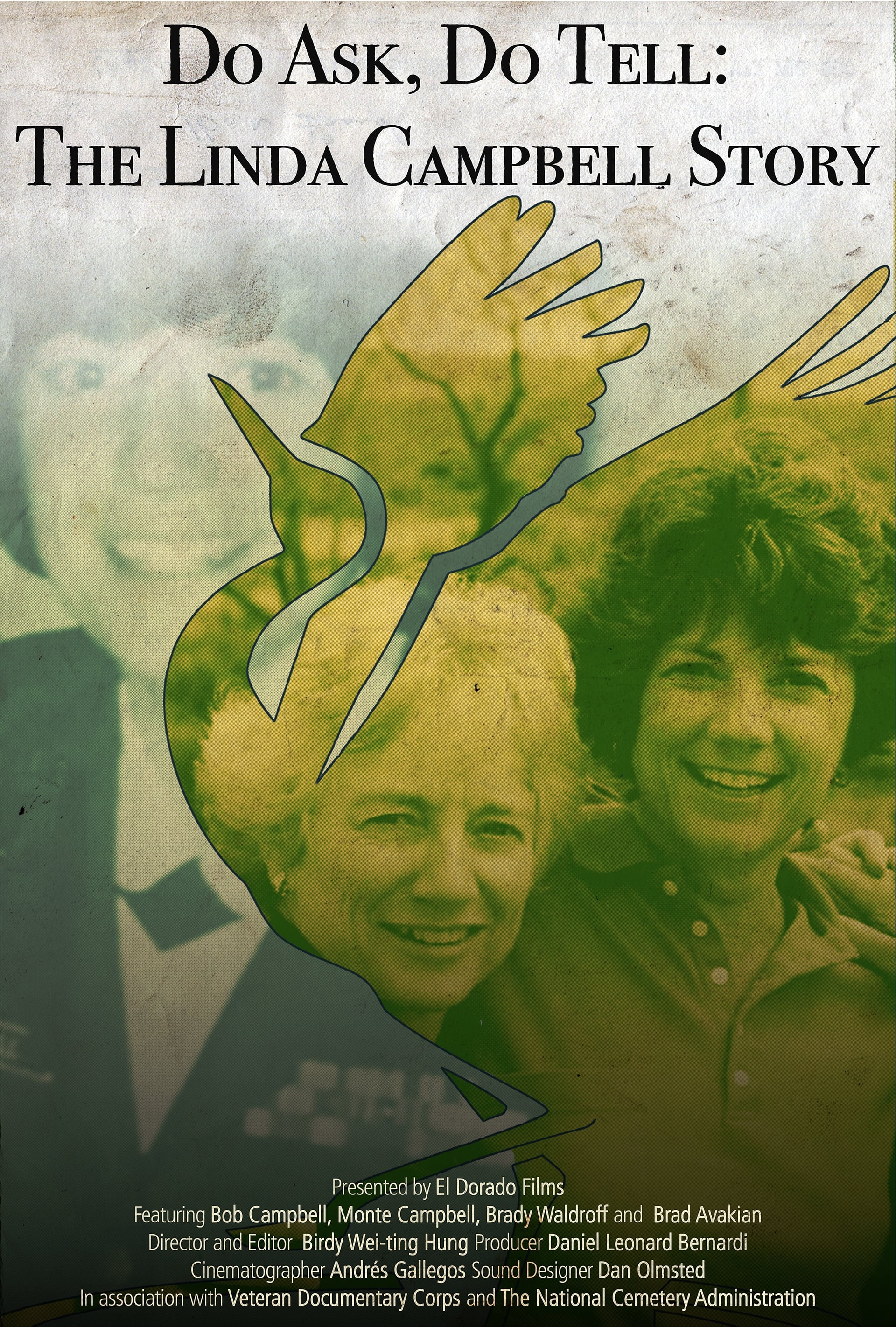
Set against the backdrop of the repeal of the "Don't Ask, Don't Tell" policy, the film chronicles the journey of Lt. Col. Linda Campbell, an Air Force veteran who grappled with hiding her true self during her service tenure. While the national policy shift towards LGBTQ+ rights marks a progressive era, Linda's personal story serves as a powerful testament to the individual battles fought in the shadows of such policies. Subjected to suspicion, prejudice, and threats from her comrades due to her perceived homosexuality, Linda's resilience remain undeterred. Her unwavering love and commitment to her partner, Nancy Lynchild, culminate in a poignant milestone: their eternal rest together in Willamette National Cemetery. Intertwined with this narrative is the account of Linda's brother, Bob Campbell, who delves into their family's conservative roots, Linda's tumultuous coming out, and the eventual familial reconciliation that showcases the transformative power of love and understanding.
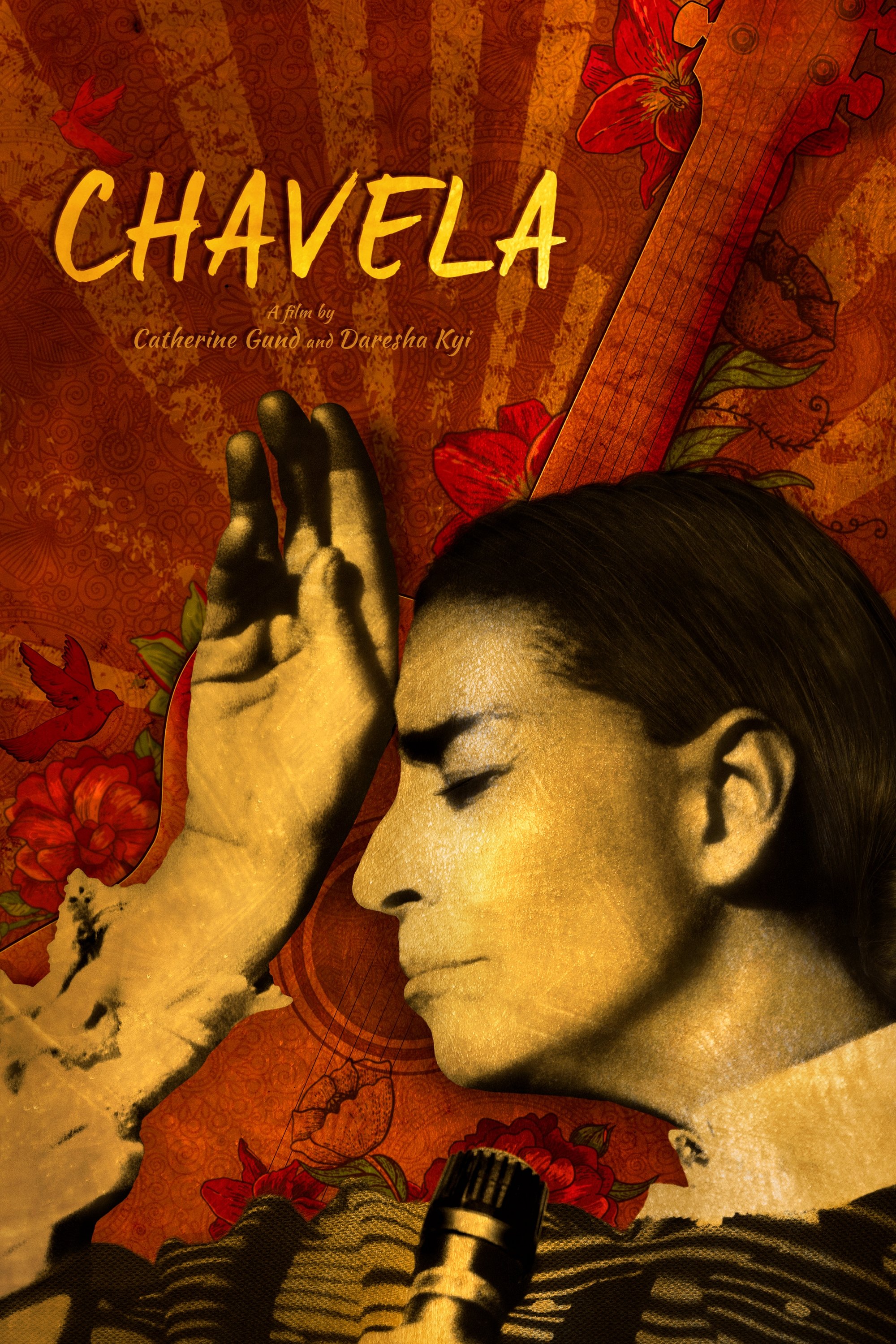
Inspired by an exclusive interview and performance footage of Chavela Vargas shot in 1991 and guided by her unique voice, the film weaves an arresting portrait of a woman who dared to dress, speak, sing, and dream her unique life into being.

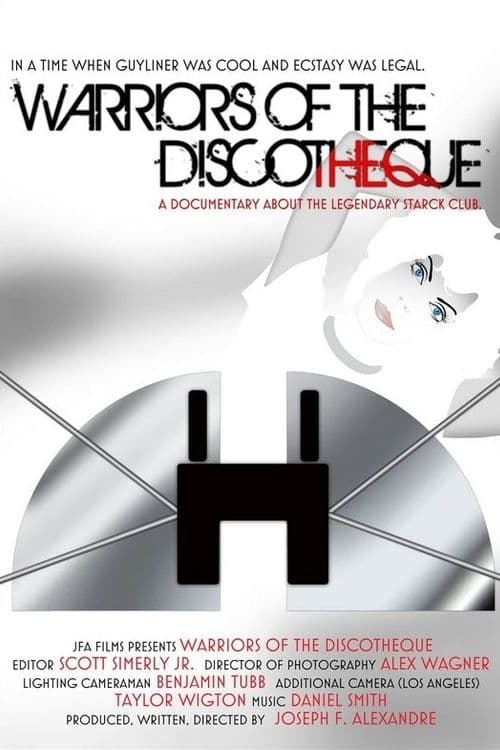
The place is the notorious Starck Club (so called because it was the first major project designed by Philippe Starck in the US.) The Starck Club opened in Dallas in 1984 and not long after hosted the 1984 national Republican Convention. Ironically, it was actually legal to buy MDMA aka ecstasy there, people would put it on their credit cards. The DEA stepped in and made it a category 1 drug on July 1, 1985... In a time when ecstasy was legal & guyliner was cool.
Drag Queens and their cabaret shows are well-known in France, but Drag Kings still remain very much on the sidelines. Chriss Lag traveled all over France and met 22 Kings to bring them front and center.
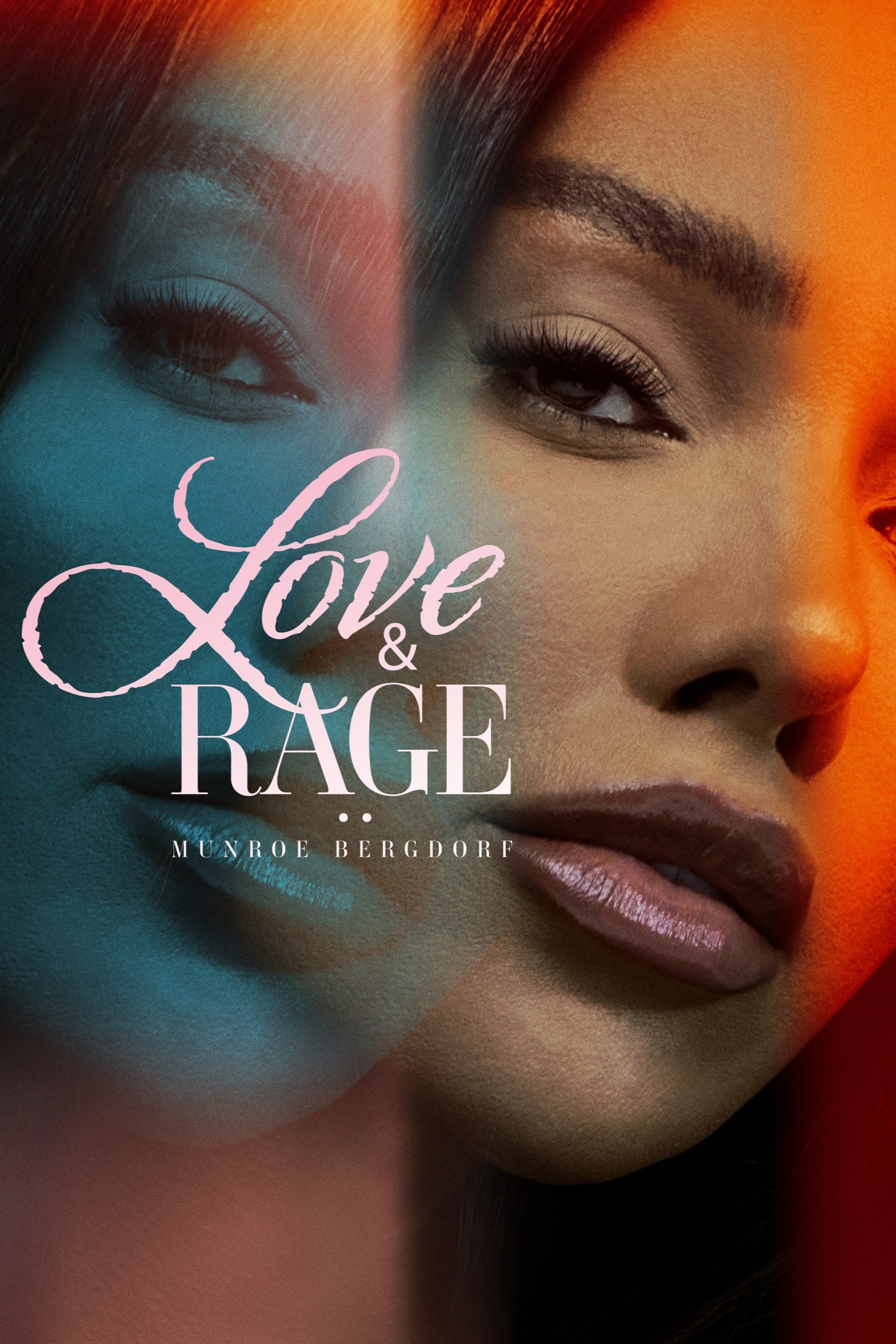
Focuses on one of the most talked about and important issues of our time – how to find yourself and your truth. It follows model and transgender activist Munroe Bergdorf’s journey and provides hope for those facing similar challenges.
Originally broadcast on ABC's True Stories in 1993, Feed Them to the Cannibals tells the story of Sydney's Gay and Lesbian Mardi Gras. It was the first time cameras were allowed at Sleaze Ball and the Mardi Gras Party.
Paco and Manolo are two Catalan photographers from the outskirts of Barcelona who have been working together for thirty years as if they were a single person, capturing their images in Kink magazine, a very personal photography fanzine with a homoerotic aesthetic of Mediterranean essence.
Two queer Brazilians go skinny dipping in a lake where they talk about love, sex, colonialism and migration, on a pandemic summer afternoon in Berlin.
In 1992, at the height of the AIDS pandemic, activist Terence Alan Smith made a historic bid for president of the United States as his drag queen persona Joan Jett Blakk. Today, Smith reflects back on his seminal civil rights campaign and its place in American history.
This searing investigative work shadows a group of activists risking unimaginable peril to confront the ongoing anti-LGBTQ program raging in the repressive and closed Russian republic. Unfettered access and a remarkable approach to protecting anonymity exposes this under-reported atrocity–and an extraordinary group of people confronting evil.
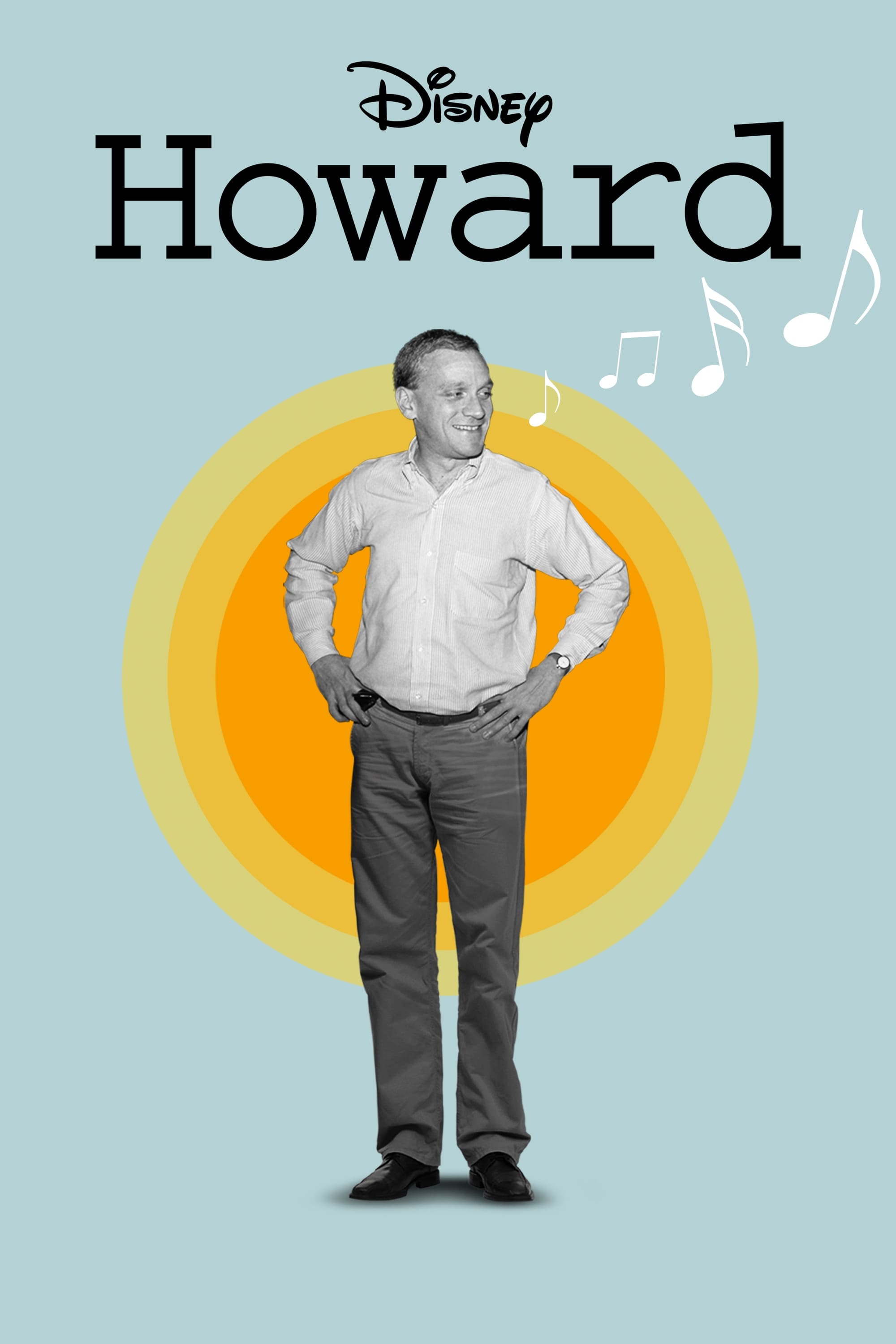
Though legendary lyricist Howard Ashman died far too young, his impact on Broadway, movies, and the culture at large were incalculable. Told entirely through rare archival footage and interviews with Ashman’s family, friends, associates, and longtime partner Bill Lauch, Howard is an intimate tribute to a once-in-a-generation talent and a rousing celebration of musical storytelling itself.
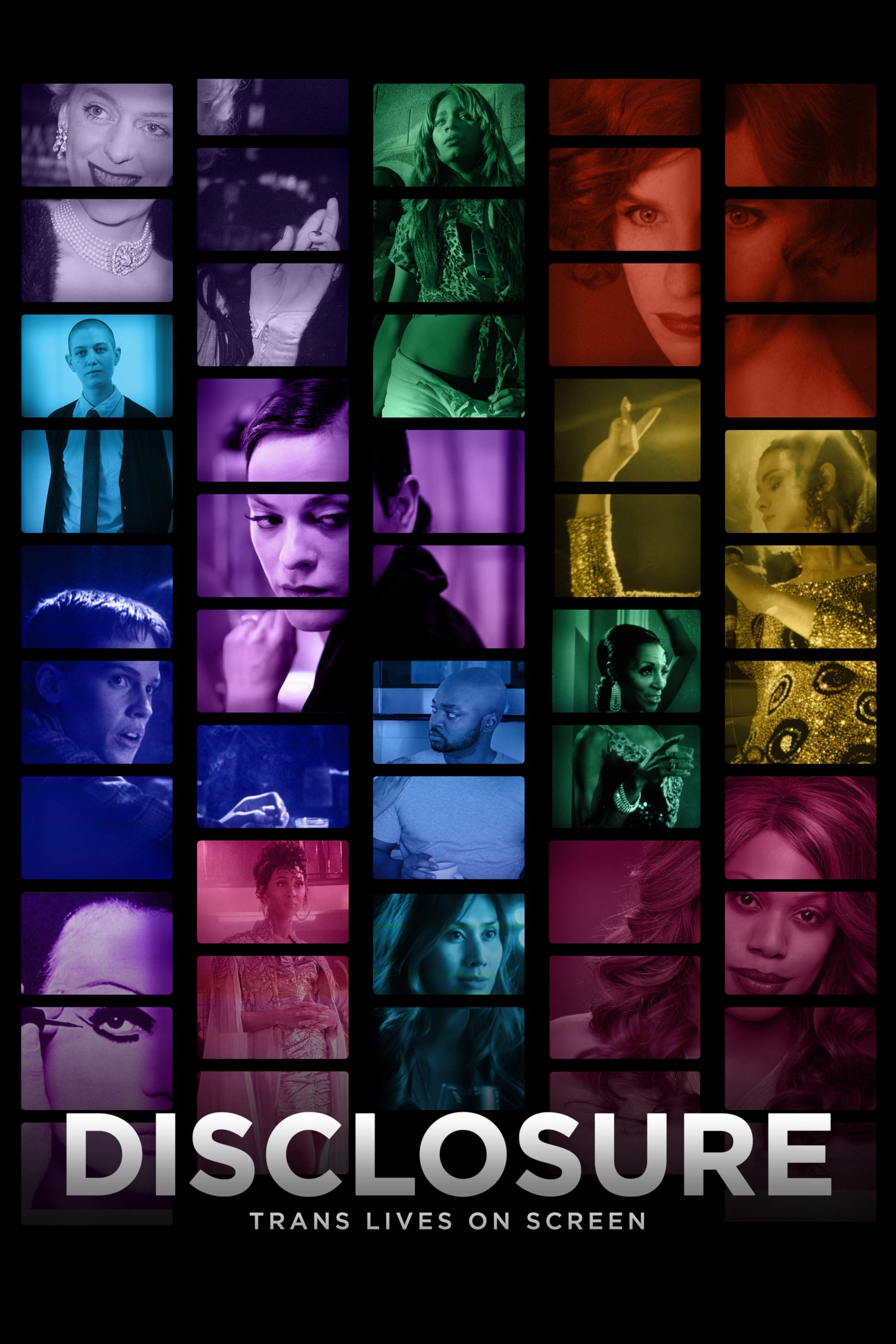
An investigation of how Hollywood's fabled stories have deeply influenced how Americans feel about transgender people, and how transgender people have been taught to feel about themselves.
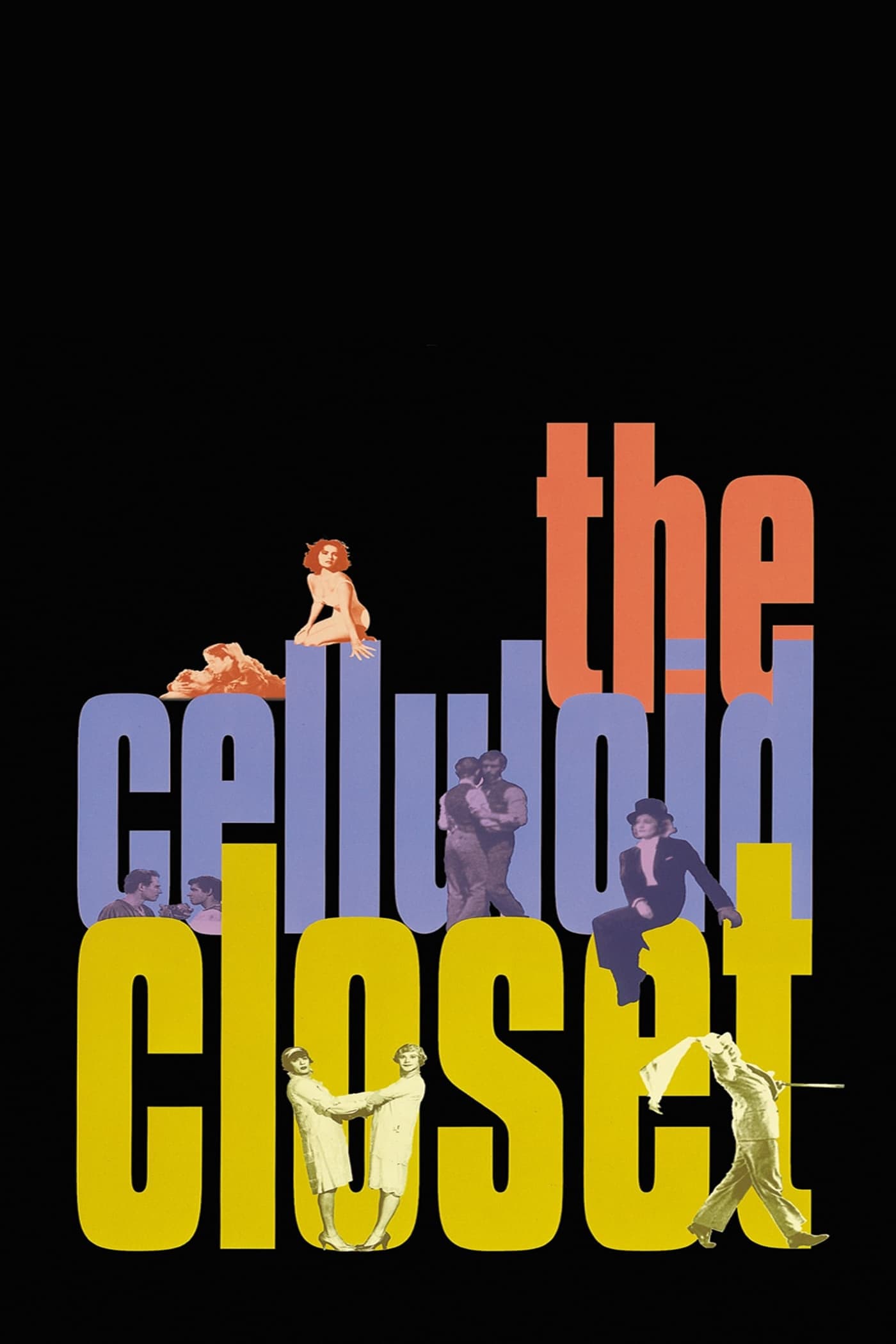
Exuberant, eye-opening movie that serves up a dazzling hundred-year history of the role of gay men and lesbians have had on the silver screen. Film contains fabulous footage from 120 films showing the changing face of cinema sexuality, from cruel stereotypes to covert love to the activist triumphs of the 1990s.
The life of internationally renowned artist and activist Nan Goldin is told through her slideshows, intimate interviews, ground-breaking photography, and rare footage of her personal fight to hold the Sackler family accountable for the overdose crisis.
A reflective look at the arrival and impact of AIDS in San Francisco and how individuals rose to the occasion during the first years of the crisis.
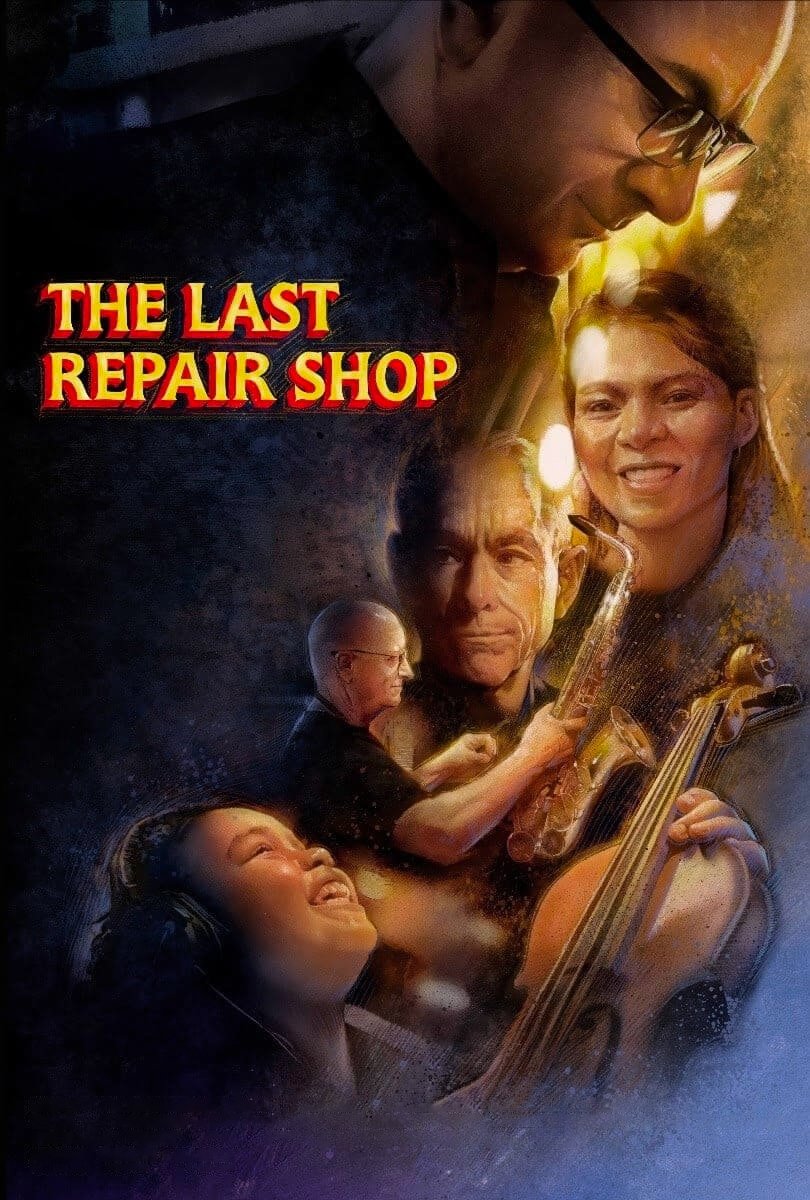
In a warehouse in the heart of Los Angeles, a dwindling handful of devoted craftspeople maintain more than 80,000 student musical instruments, the largest remaining workshop in America of its kind. Meet four unforgettable characters whose broken-and-repaired lives have been dedicated to bringing so much more than music to the schoolchildren of this city.
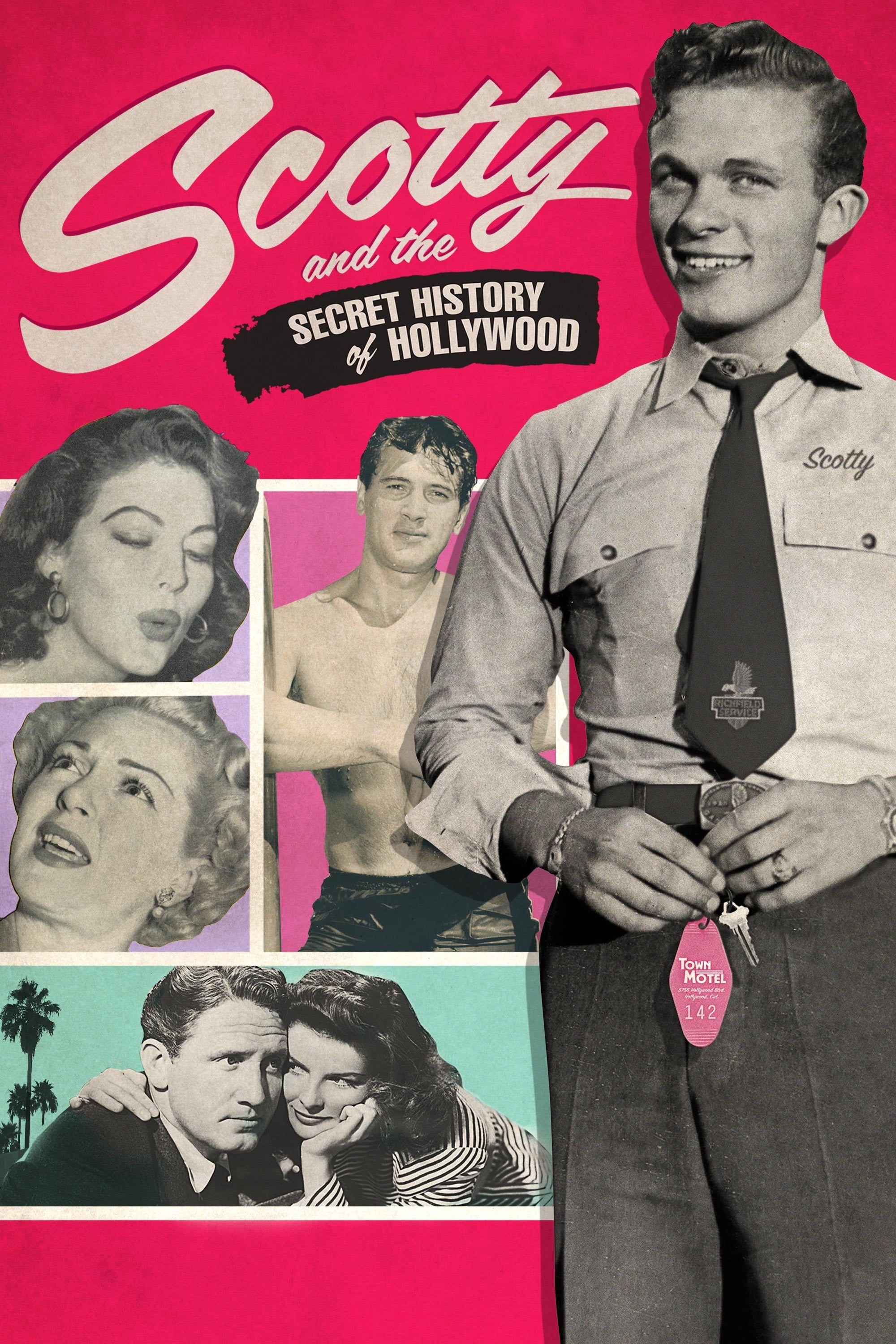
A deliciously scandalous portrait of unsung Hollywood legend Scotty Bowers, whose bestselling memoir chronicled his decades spent as sexual procurer to the stars.
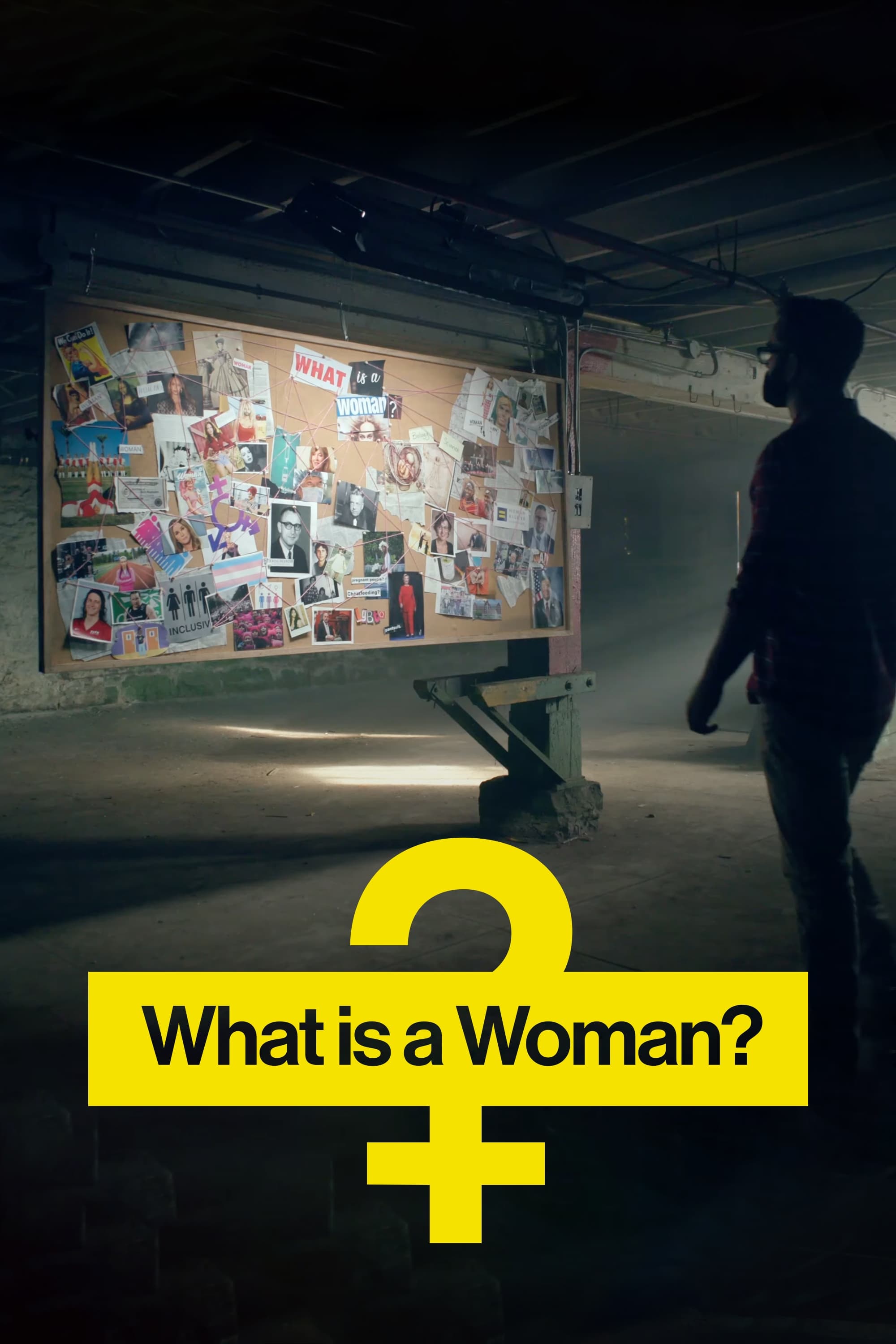
Matt Walsh's controversial doc challenges radical gender ideology through provocative interviews and humor.
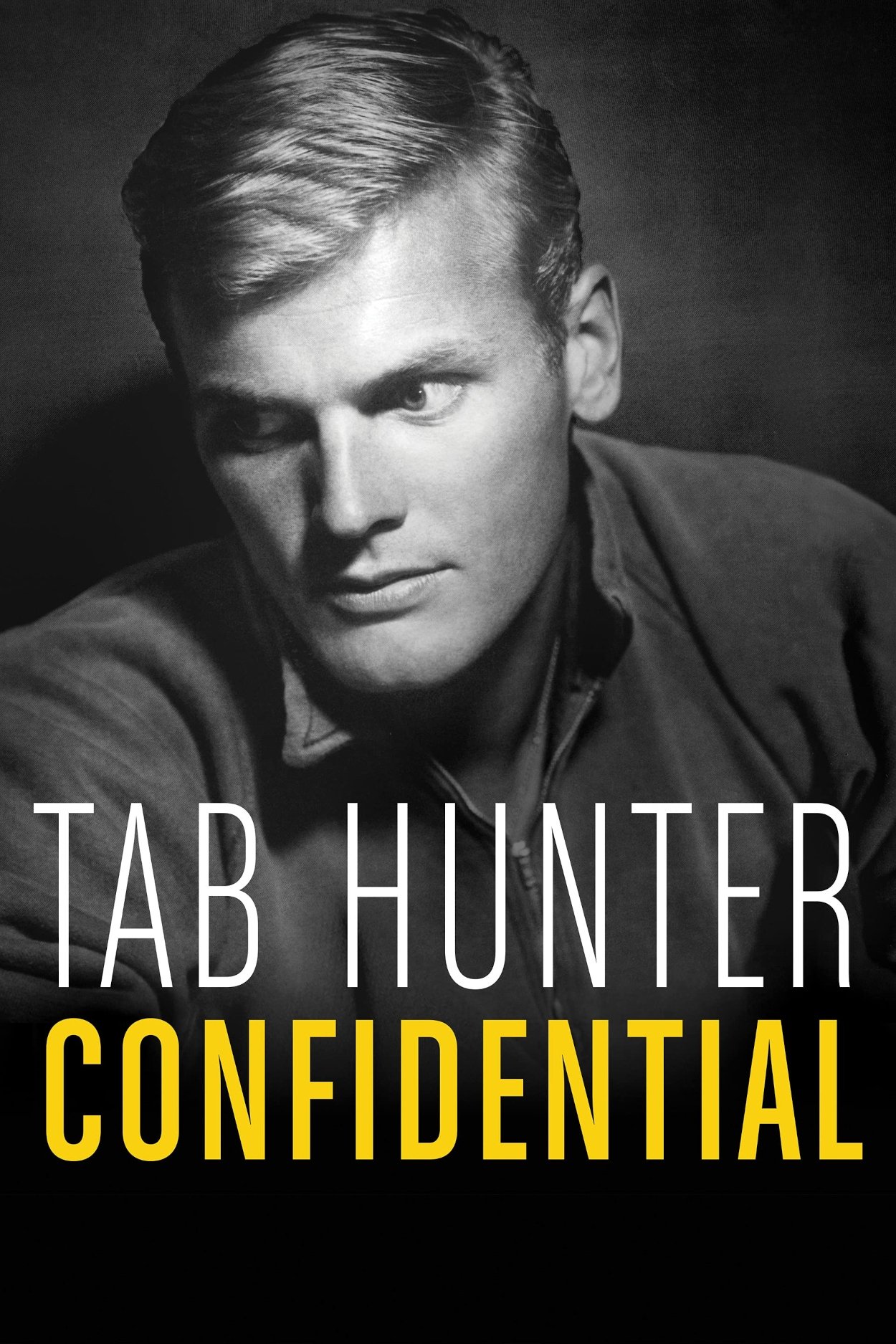
Throughout the 1950s, Tab Hunter reigned as Hollywood’s ultimate male heartthrob. But throughout his years of stardom, Tab had a secret. Tab Hunter was gay, and spent his Hollywood years in a precarious closet that repeatedly threatened to implode and destroy him. Tab Hunter himself shares first hand, for the first time, what it was like to be a studio manufactured movie star during the Golden Age of Hollywood and the consequences of being someone totally different from his studio manufactured image.
Those who knew iconic funnyman John Candy best share his story, in their own words, through never-before-seen archival footage, imagery, and interviews.
Marlon Riggs, with assistance from other gay Black men, especially poet Essex Hemphill, celebrates Black men loving Black men as a revolutionary act. The film intercuts footage of Hemphill reciting his poetry, Riggs telling the story of his growing up, scenes of men in social intercourse and dance, and various comic riffs, including a visit to the "Institute of Snap!thology," where men take lessons in how to snap their fingers: the sling snap, the point snap, the diva snap.
A story of two coalitions – ACT UP and TAG (Treatment Action Group) – whose activism and innovation turned AIDS from a death sentence into a manageable condition. Despite having no scientific training, these self-made activists infiltrated the pharmaceutical industry and helped identify promising new drugs, moving them from experimental trials to patients in record time.
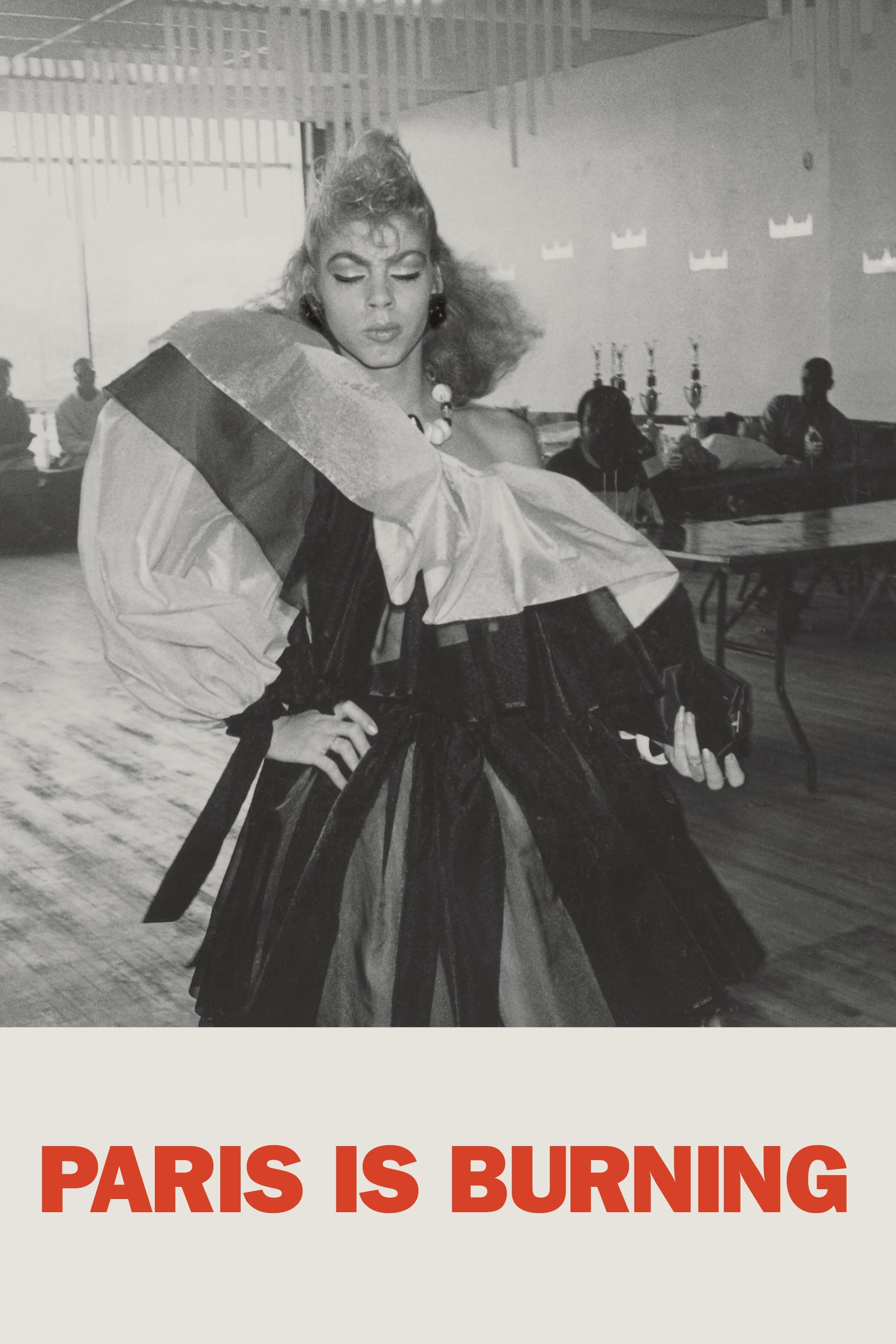
Where does voguing come from, and what, exactly, is throwing shade? This landmark documentary provides a vibrant snapshot of the 1980s through the eyes of New York City's African American and Latinx Harlem drag-ball scene. Made over seven years, PARIS IS BURNING offers an intimate portrait of rival fashion "houses," from fierce contests for trophies to house mothers offering sustenance in a world rampant with homophobia, transphobia, racism, AIDS, and poverty. Featuring legendary voguers, drag queens, and trans women — including Willi Ninja, Pepper LaBeija, Dorian Corey, and Venus Xtravaganza.
In the 1970s, five men struggling with being gay in their Evangelical church started a bible study to help each other leave the "homosexual lifestyle." They quickly received over 25,000 letters from people asking for help and formalized as Exodus International, the largest and most controversial conversion therapy organization in the world. But leaders struggled with a secret: their own “same-sex attractions” never went away. After years as Christian superstars in the religious right, many of these men and women have come out as LGBTQ, disavowing the very movement they helped start. Focusing on the dramatic journeys of former conversion therapy leaders, current members, and a survivor, PRAY AWAY chronicles the “ex gay" movement’s rise to power, persistent influence, and the profound harm it causes.
Live Aid was held on 13 July 1985, simultaneously in Wembley Stadium in London, England, and the John F. Kennedy Stadium in Philadelphia, United States. It was one of the largest scale satellite link-ups and television broadcasts of all time: watched live by an estimated global audience of 1.9 billion, across 150 nations. "It's twelve noon in London, seven AM in Philadelphia, and around the world it's time for Live Aid...!"
Alexander McQueen's rags-to-riches story is a modern-day fairy tale, laced with the gothic. Mirroring the savage beauty, boldness and vivacity of his design, this documentary is an intimate revelation of McQueen's own world, both tortured and inspired, which celebrates a radical and mesmerizing genius of profound influence.
Al Pacino's deeply-felt rumination on Shakespeare's significance and relevance to the modern world through interviews and an in-depth analysis of "Richard III."
A documentary examining the decade of the 1970s as a turning point in American cinema. Some of today's best filmmakers interview the influential directors of that time.
As a visually radical memoir, CAMERAPERSON draws on the remarkable footage that filmmaker Kirsten Johnson has shot and reframes it in ways that illuminate moments and situations that have personally affected her. What emerges is an elegant meditation on the relationship between truth and the camera frame, as Johnson transforms scenes that have been presented on Festival screens as one kind of truth into another kind of story—one about personal journey, craft, and direct human connection.