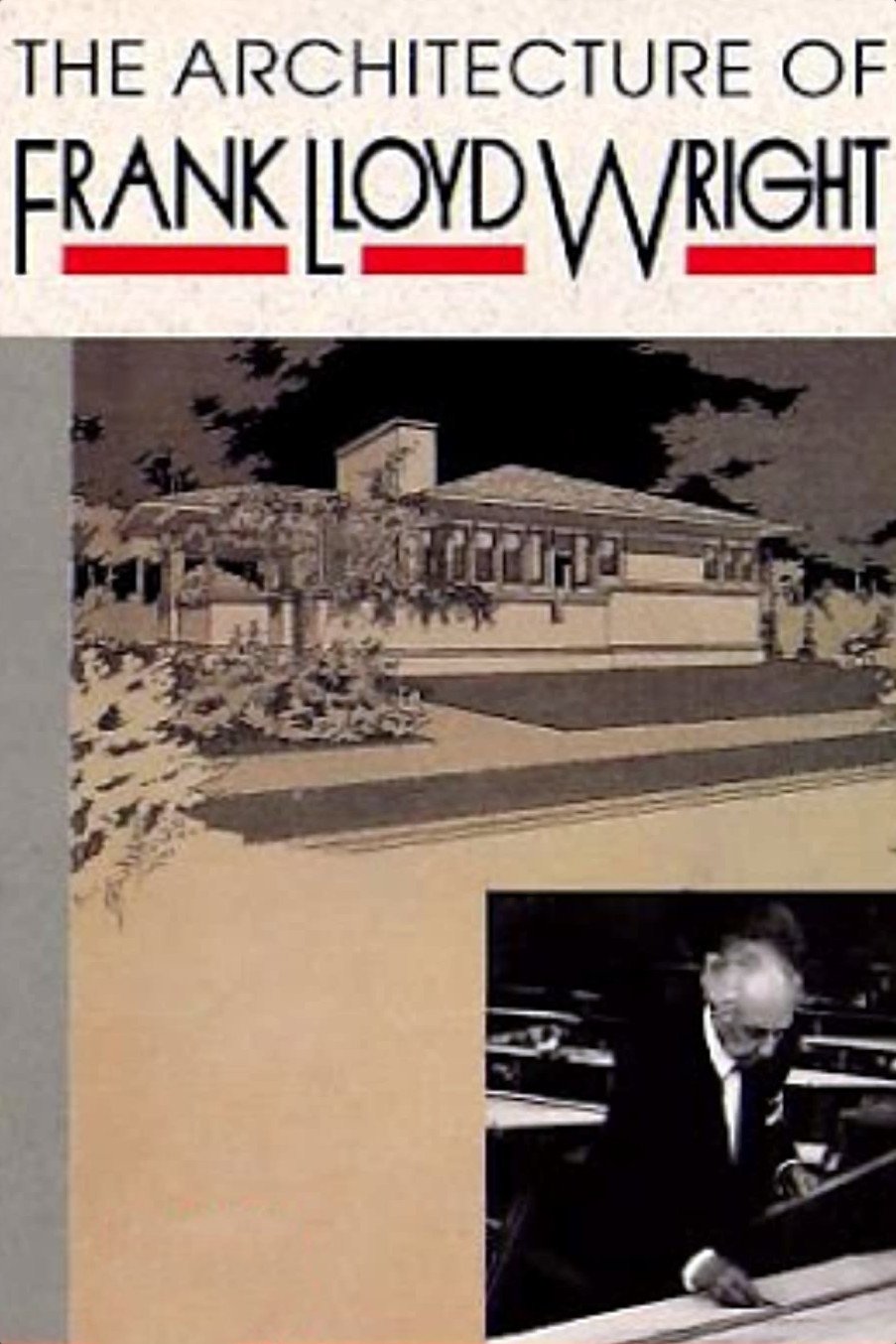
Documentary on the work of Frank Lloyd Wright's architecture.
Social & External
Narrator
Self
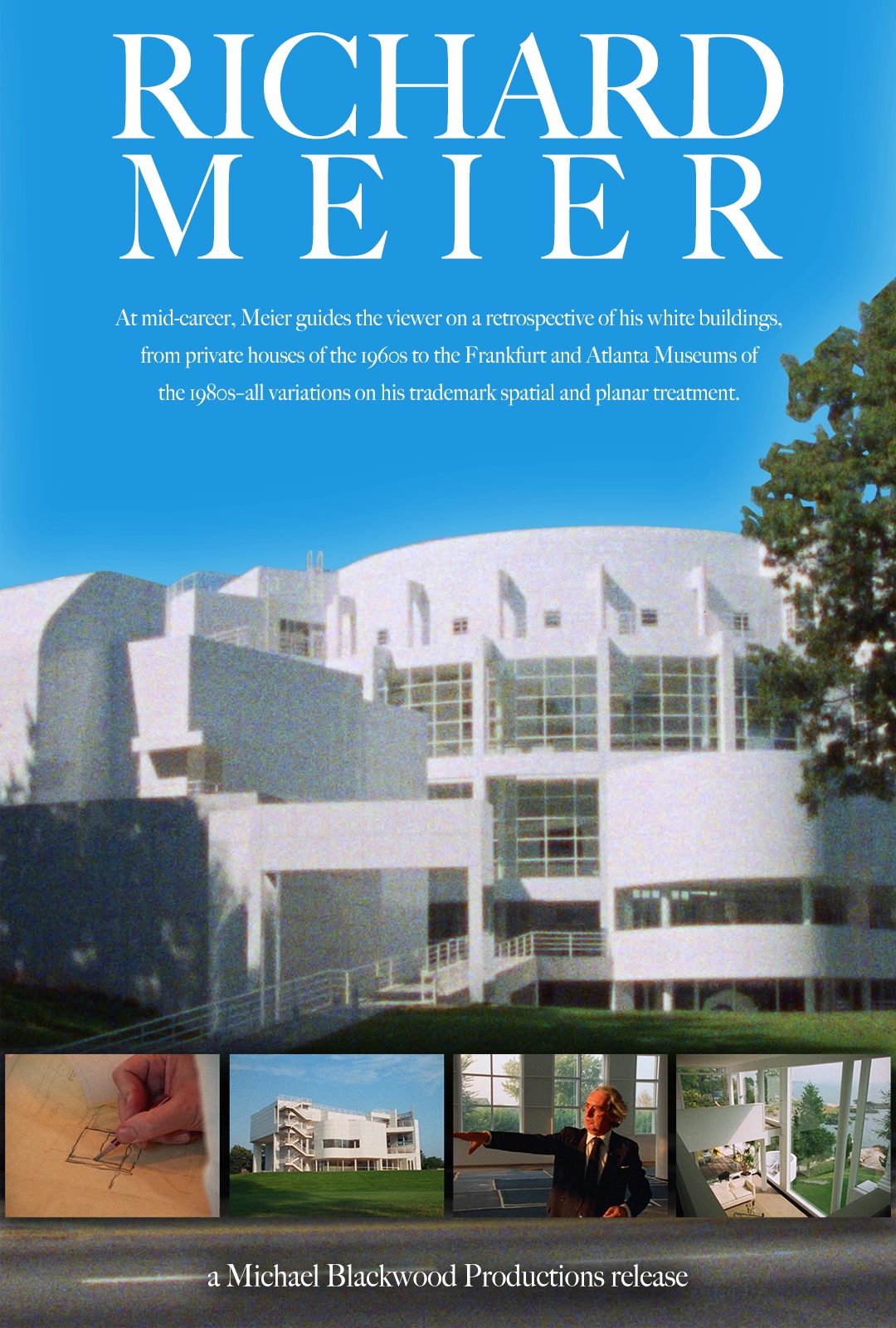
Meier guides the viewer on a retrospective of his white buildings, from private houses of the 1960s to the Frankfurt and Atlanta Museums of the 1980s--all variations on his trademark spatial and planar treatment. His influences from Corbusier, Wright, Mies, and Baroque Germany are shown. Clients and colleagues offer opinions.
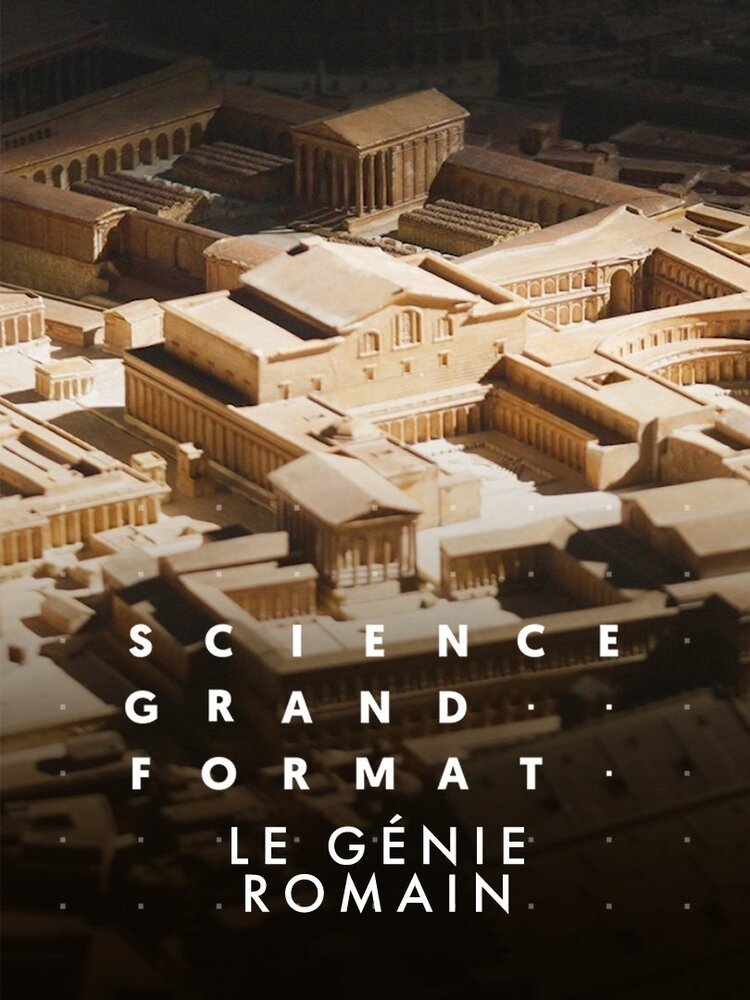
The architectural plans for Berlin from 1938 are used as an example to illustrate the fascist claim to power and its aesthetic effect. The basis for this was the "General Building Inspection" under the direction of Albert Speer, whose enormous projects are illustrated by planning models and archive photographs.
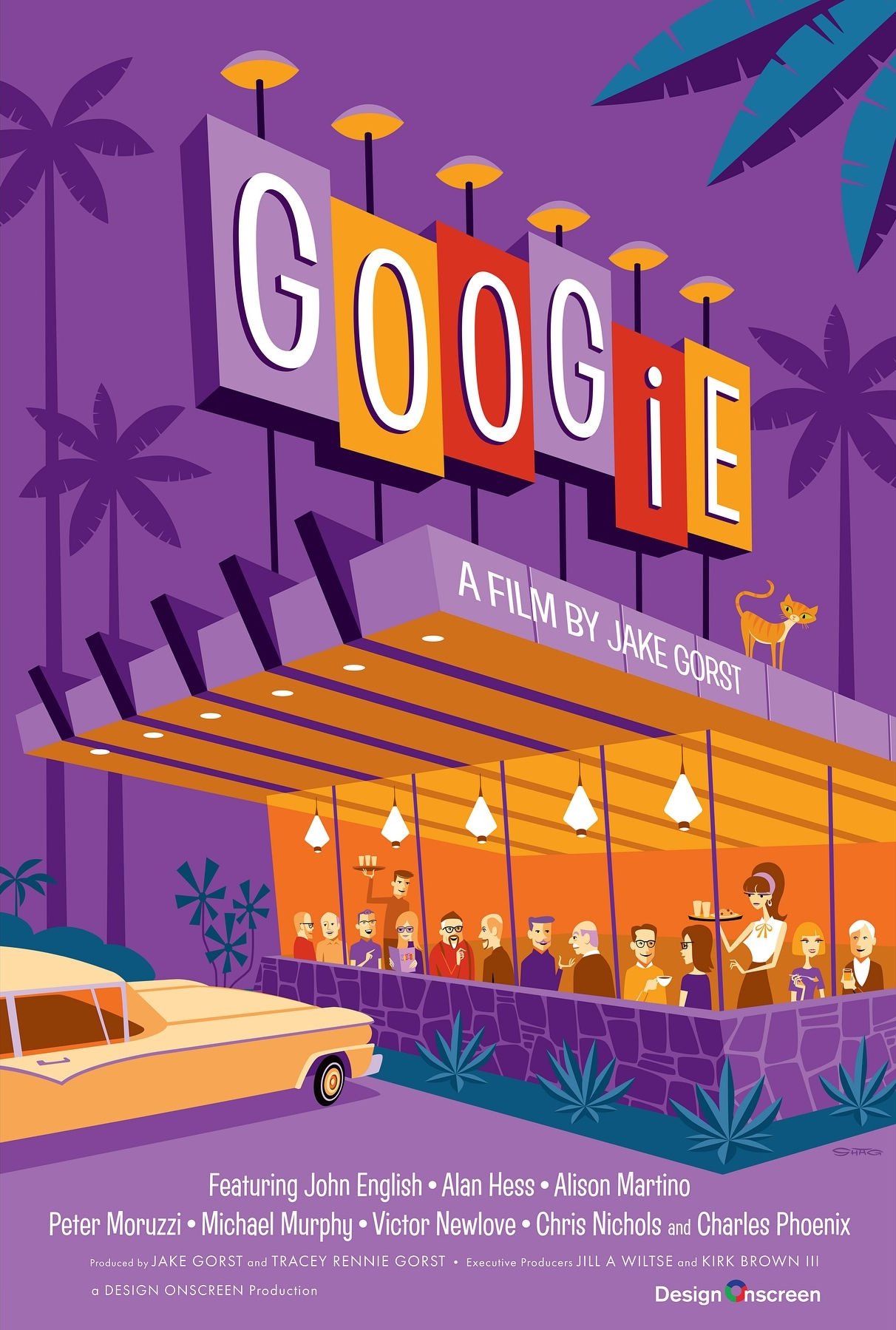
Googie architecture was one of the most visually exuberant and culturally formative design movements of the mid-20th century, yet it remains widely misunderstood. Defined by bold angles, sweeping rooflines, neon signage, and a sense of space-age optimism, Googie transformed everyday buildings into roadside spectacle. Coffee shops, bowling alleys, car washes, banks, and churches were designed not just for function, but to captivate motorists cruising by. Rooted in Los Angeles, the movement drew inspiration from visionary architects such as Frank Lloyd Wright and John Lautner, while firms like Armet & Davis brought futuristic flair to the commercial landscape. Though many original structures have been lost, preservationists now champion Googie as a serious architectural expression—one that captured the aspirations of postwar America and reshaped the visual identity of the modern city.
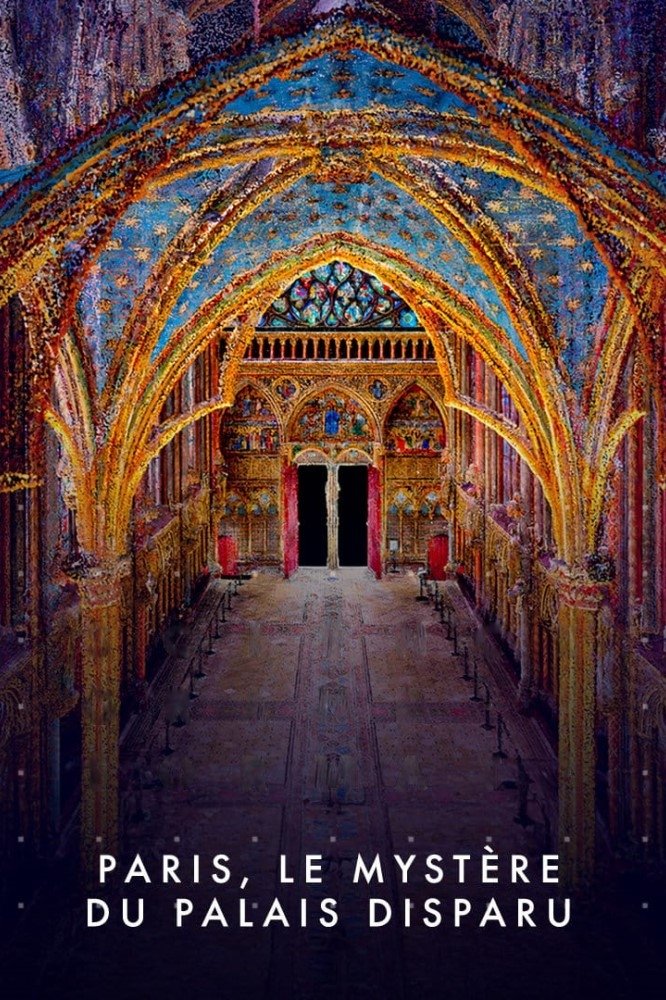
In the heart of Paris, an entire palace has disappeared. It was the very first residence of the kings of France. Long before Versailles, long before the Louvre, the Palais de la Cité stood on the most prestigious island in Paris, the historic cradle of France, facing Notre-Dame. So majestic in the Middle Ages, this palace has become a ghost of history. Over the centuries, this architectural masterpiece has almost completely disappeared. A trio of experts will resurrect it in 3D. Using science and unprecedented excavations, they will track down the pieces of the puzzle to reconstruct it at its peak in the 14th century, and bring back to life those who inhabited it. From the Romans to the Vikings, from Saint Louis to the cursed kings, all have left clues of this 'Versailles of the Middle Ages'.
We all come from houses in which we live, dream, love and die. This long-term documentary project explores the significance of architecture in our everyday lives and takes its audience on a journey to the most impressive places designed by Swiss architect Peter Zumthor.
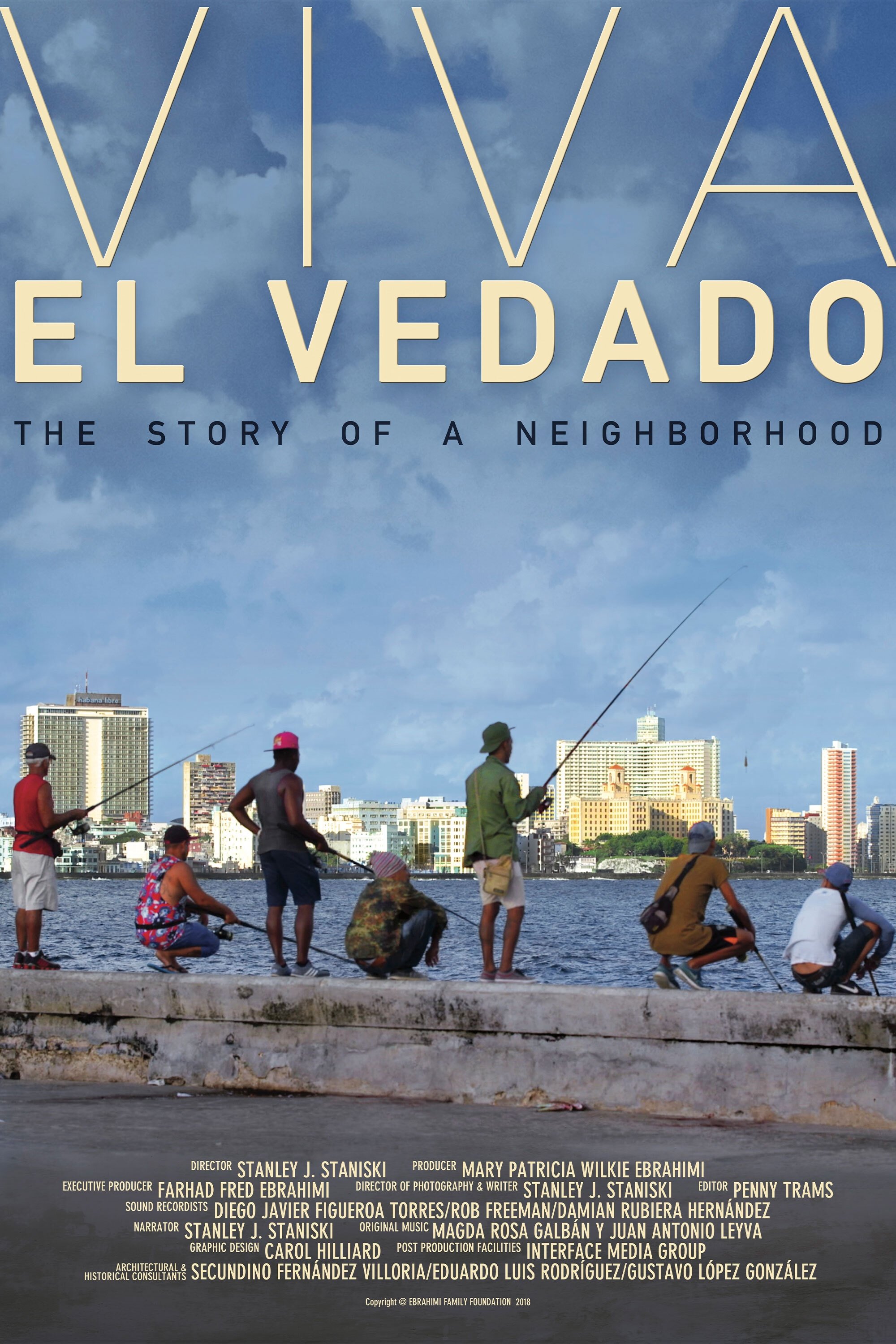
Viva El Vedado presents the history of the Havana neighborhood of El Vedado from the last quarter of the 19th century through the Cuban Revolution and highlights its varied and outstanding architecture. Known as a cultural center of Havana, Vedado is particularly notable for its unique collection of Cuban architecture of the 20th century. The film’s goal is to introduce its audiences to the neighborhood’s remarkable architecture, its vibrant life, and the need for preserving Vedado as part of Havana’s heritage. It is a glimpse beyond tourist fantasies and stereotypes, a rare view of one of Havana’s most important neighborhoods.
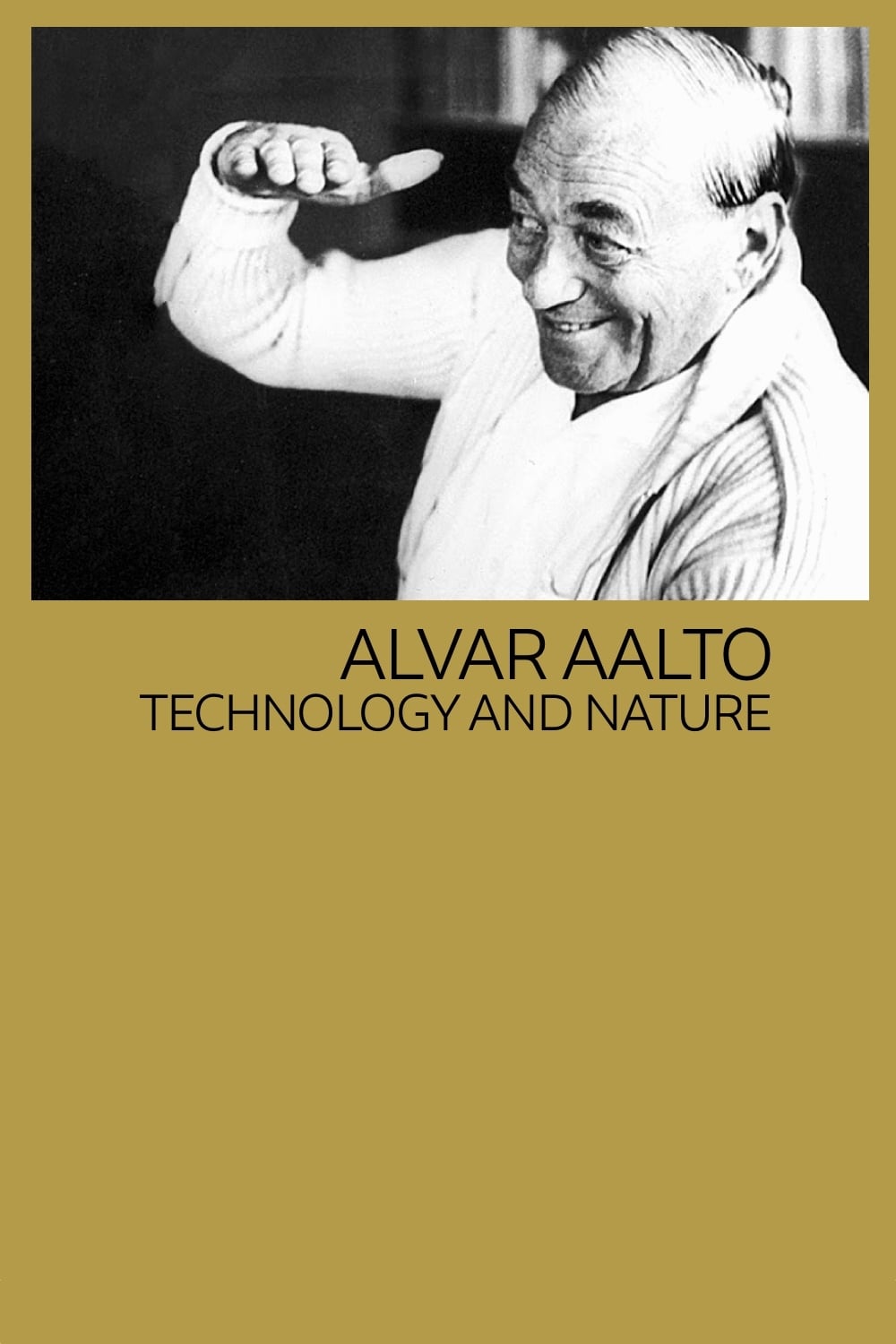
The Finnish architect Alvar Aalto (1898–1976) is one of the great figures of modern architecture, ranked alongside Gropius, Le Corbusier and Mies van der Rohe. This film analyses Aalto’s uniquely successful resolution of the demands and possibilities created by new technology and construction materials with the need to make his buildings sympathetic both to their users and to their natural surroundings. His inventive use of timber in particular represents both a reference to the forest landscape of Finland and a building material that is ‘warm’ and extremely adaptable. Filmed in Finland, Italy, Germany and the USA, this documentary shows how the Finnish natural environment and art traditions were essential elements in Aalto’s pioneering harmonization of technology and nature.
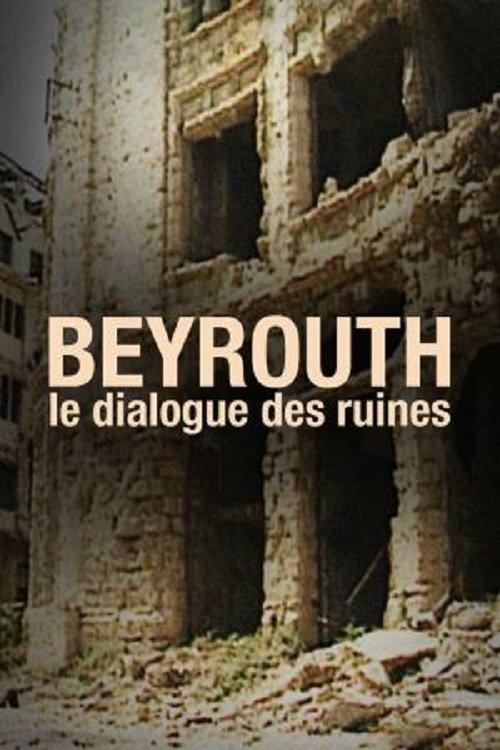
Architecture in Beirut was the second greatest victim of the civil war, with pages of ancient and modern history erased by the end of the conflict. This documentary interviews citizens calling for a reconstruction plan that would preserve Beirut’s spirit of culture and openness.
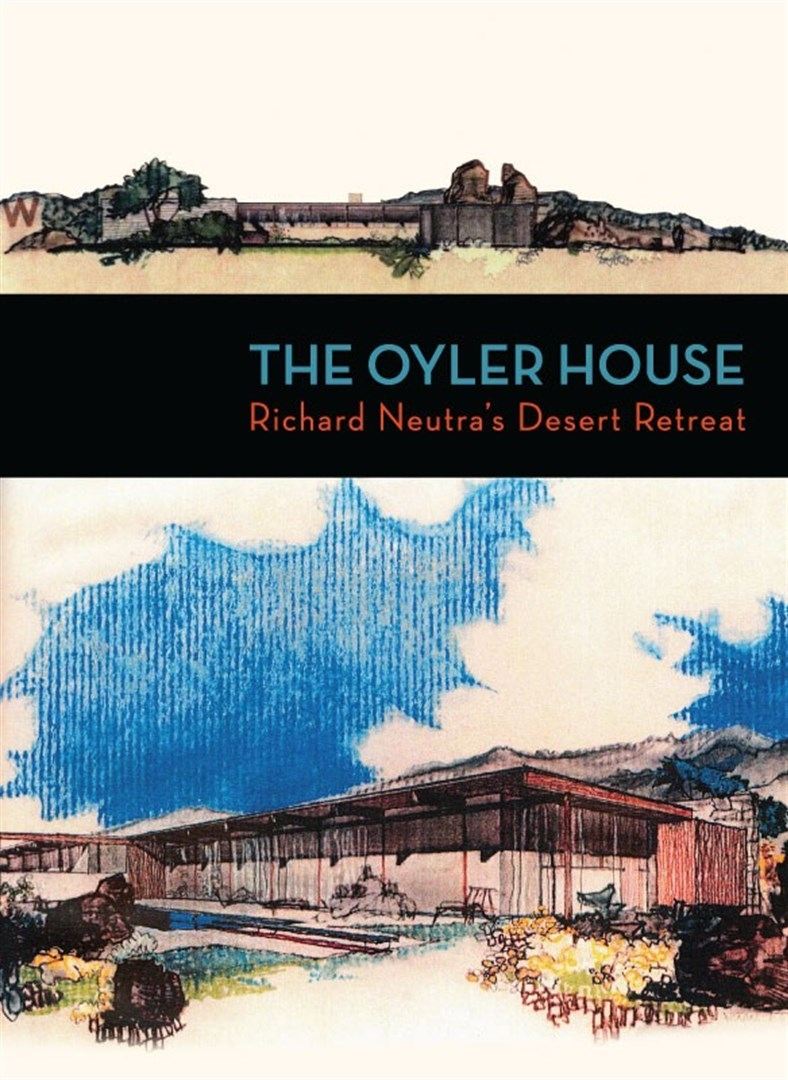
In 1959, a government employee named Richard Oyler, living in the tiny desert town of Lone Pine, California, asked world-famous modern architect Richard Neutra to design his modest family home. To Oyler's surprise, Neutra agreed. Thus began an unlikely friendship that led to the design and construction of an iconic mid-century modern masterpiece.
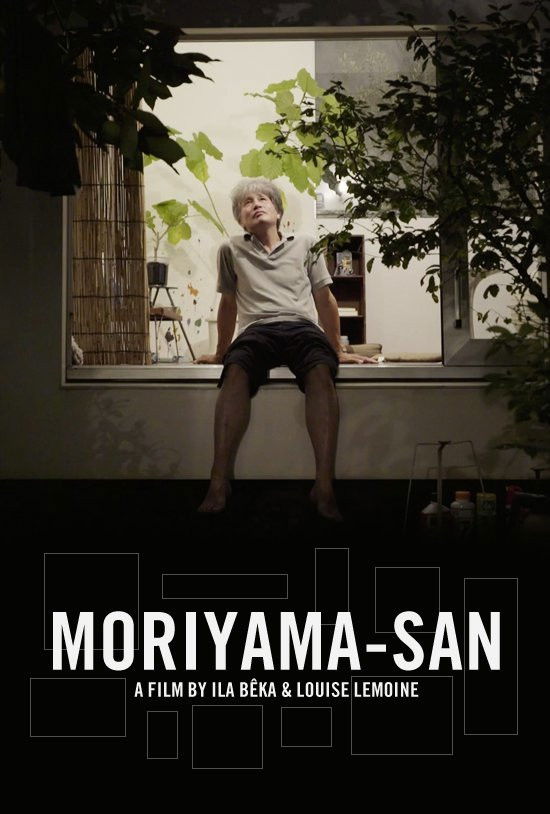
One week in the extraordinary-ordinary life of Mr. Moriyama, a Japanese art, architecture and music enlighted amateur who lives in one of the most famous contemporary Japanese architecture, the Moriyama house, built in Tokyo in 2005 by Pritzker-prize winner Ryue Nishizawa (SANAA). Introduced in the intimacy of this experimental microcosm which redefines completely the common sense of domestic life, Ila Bêka recounts in a very spontaneous and personal way the unique personality of the owner: a urban hermit living in a small archipelago of peace and contemplation in the heart of Tokyo. From noise music to experimental movies, the film let us enter into the ramification of the Mr. Moriyama's free spirit. Moriyama-San, the first film about noise music, acrobatic reading, silent movies, fireworks and Japanese architecture!
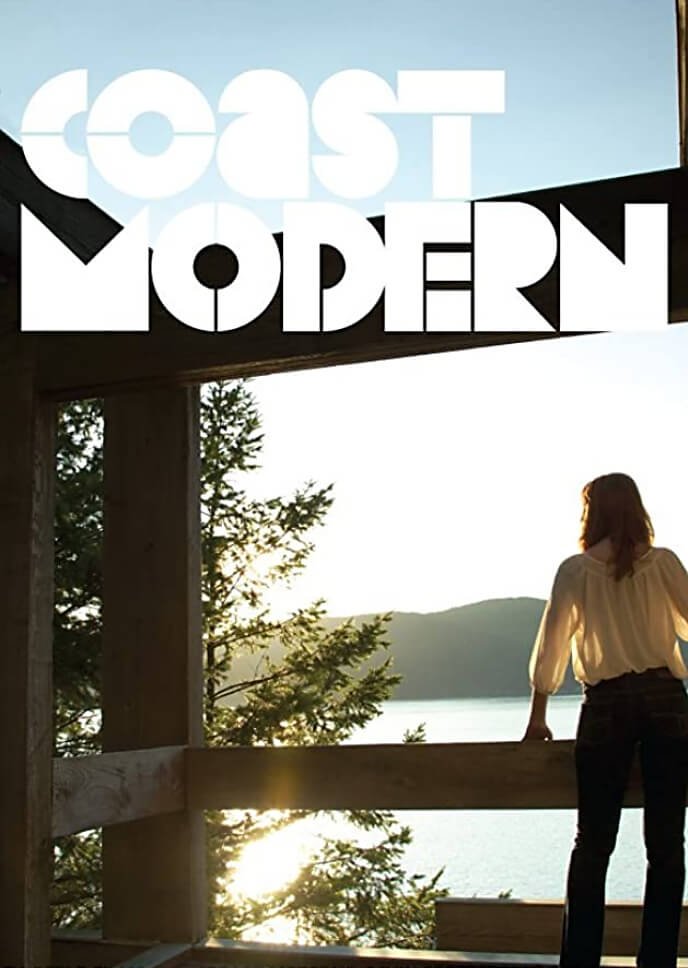
A core group of architects embraced the West Coast from Vancouver to LA with its particular geography and values and left behind a legacy of inspired dwellings. Today, architects celebrate the influence established by their predecessors.
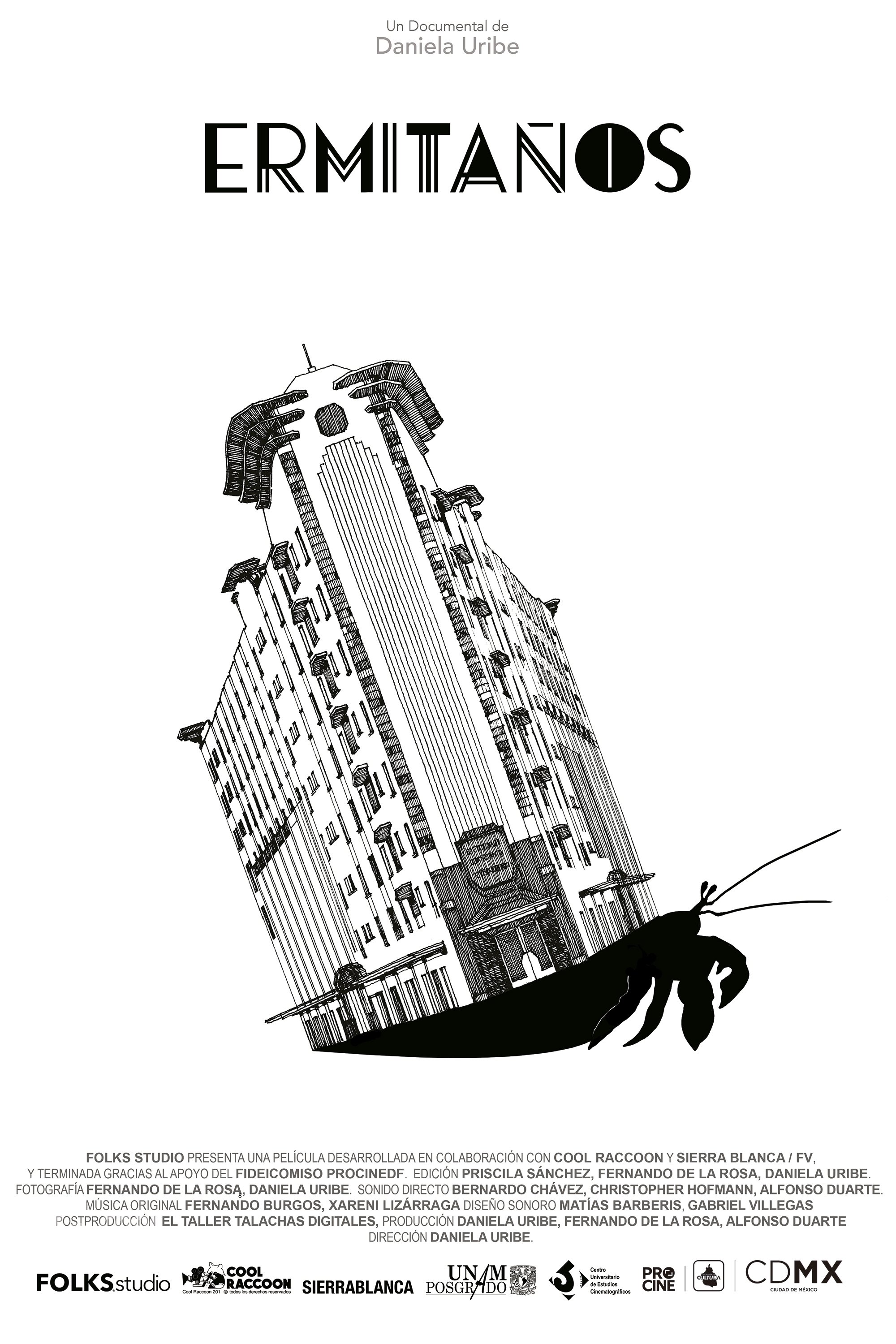
In the midst of the chaos of México City, a group of eight bachelor millennials who call themselves ´The Hermits´, open the doors to their tiny apartments in the historic Ermita Building, in the yet-to-be gentrified neighborhood of Tacubaya, and share their life experiences in a time when precarity changes the way in which we love, feel and relate to each other. As we explore the homes of these eight neighbors, we also witness their personalities intersect in a Whatsapp chat, a virtual space that functions as a supporting system that helps them face the adversities that living alone in this city brings.
Poème Électronique is an 8-minute piece of electronic music by composer Edgard Varèse, written for the Philips Pavilion at the 1958 Brussels World’s Fair. The Philips corporation commissioned Le Corbusier to design the pavilion, which was intended as a showcase of their engineering progress. The pavilion was shaped like a stomach, with a narrow entrance and exit on either side of a large central space. As the audience entered and exited the pavilion, the electronic composition Concret PH by Iannis Xenakis (who also acted as Le Corbusier's architectural assistant for the pavilion's design) was heard. Poème électronique was synchronized to a film of black and white photographs selected by Le Corbusier which touched on vague themes of human existence.
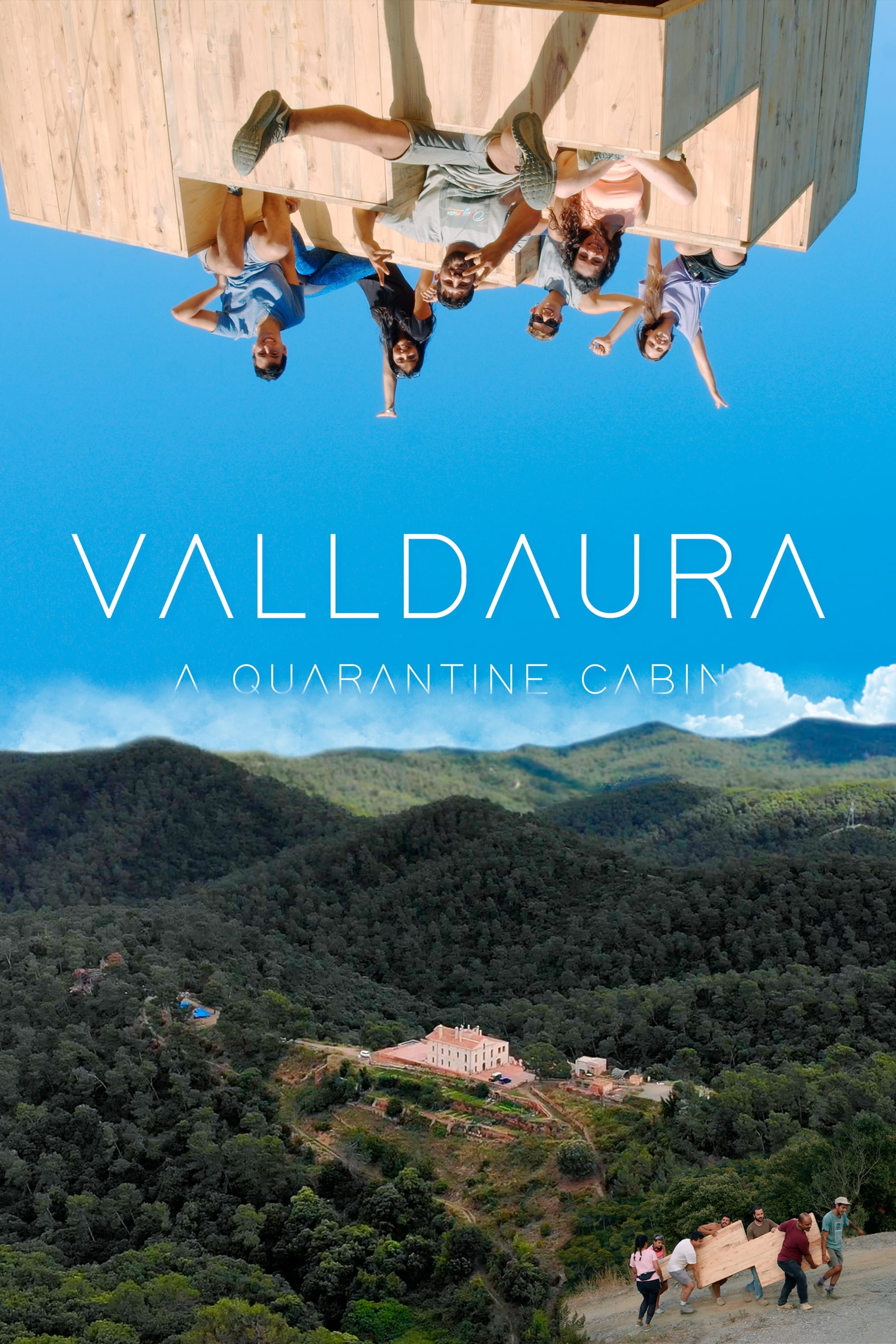
A group of young architects, confined to a forest in Barcelona during the COVID crisis, explore the problems generated by the ambition of wanting to be completely self-sufficient.
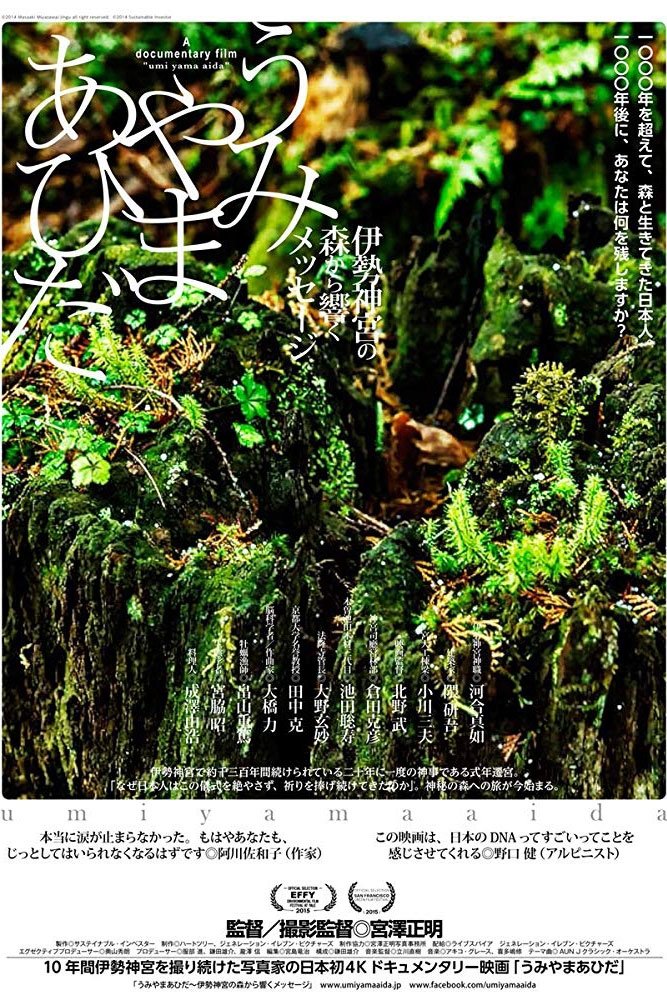
Finding their place between the forest and the sea, the Japanese have always felt awe and gratitude toward Nature. Since ancient times, they have negotiated their own unique relationship with their natural surroundings. Acclaimed photographer Masa-aki Miyazawa discovered the essence of that ancient way of living in Ise Jingu, Japan’s holiest Shinto shrine. Inspired by the idea of sending a message to the future in the same way this ancient shrine keeps alive the traditions of the past, Miyazawa used an ultra-high resolution 4K camera to create a breathtaking visual journey linking the Ise forest with other forests throughout Japan.
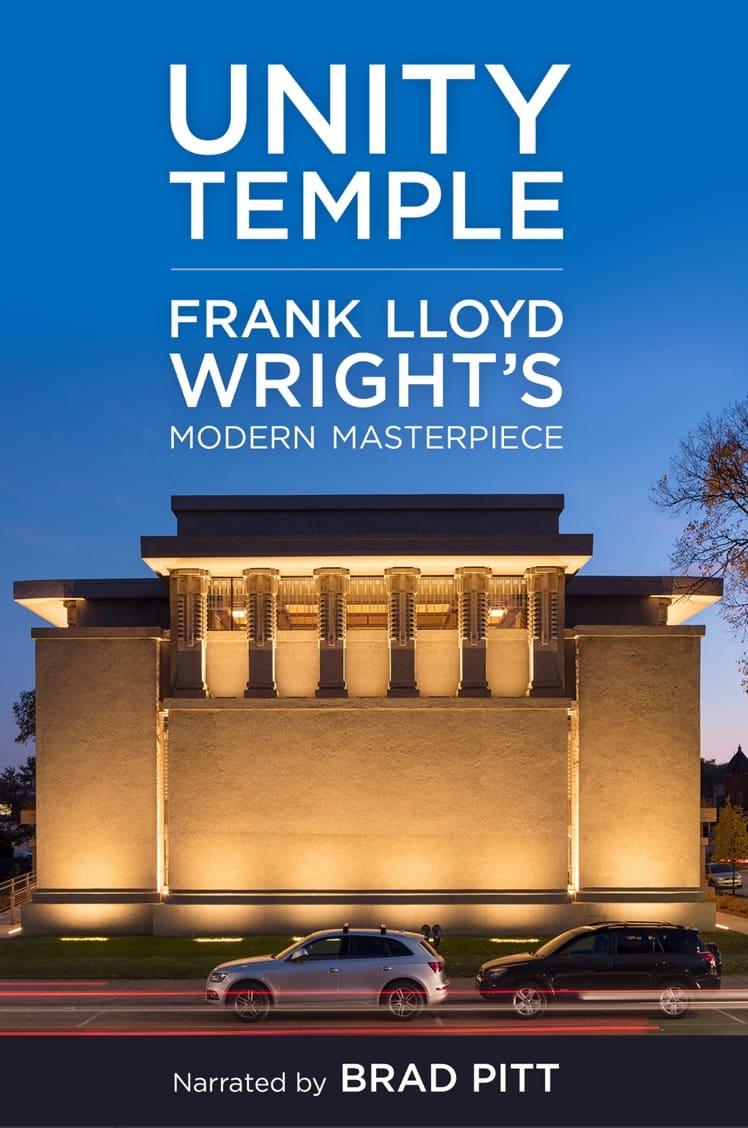
Frank Lloyd Wright’s Modern Masterpiece, Unity Temple is an homage to America’s most renowned architect. The film pulls back the curtain on Wright’s first public commission in the early 1900’s to the painstaking efforts to restore the 100 year old building back to its original beauty. The dedicated team of historians, craftspeople, members of the Unitarian congregation and Unity Temple Restoration Foundation reveal the history of one of Wright’s most innovative buildings that merged his love of architecture with his own spiritual values. The film intersperses the architect’s philosophies with quotes narrated by Brad Pitt.
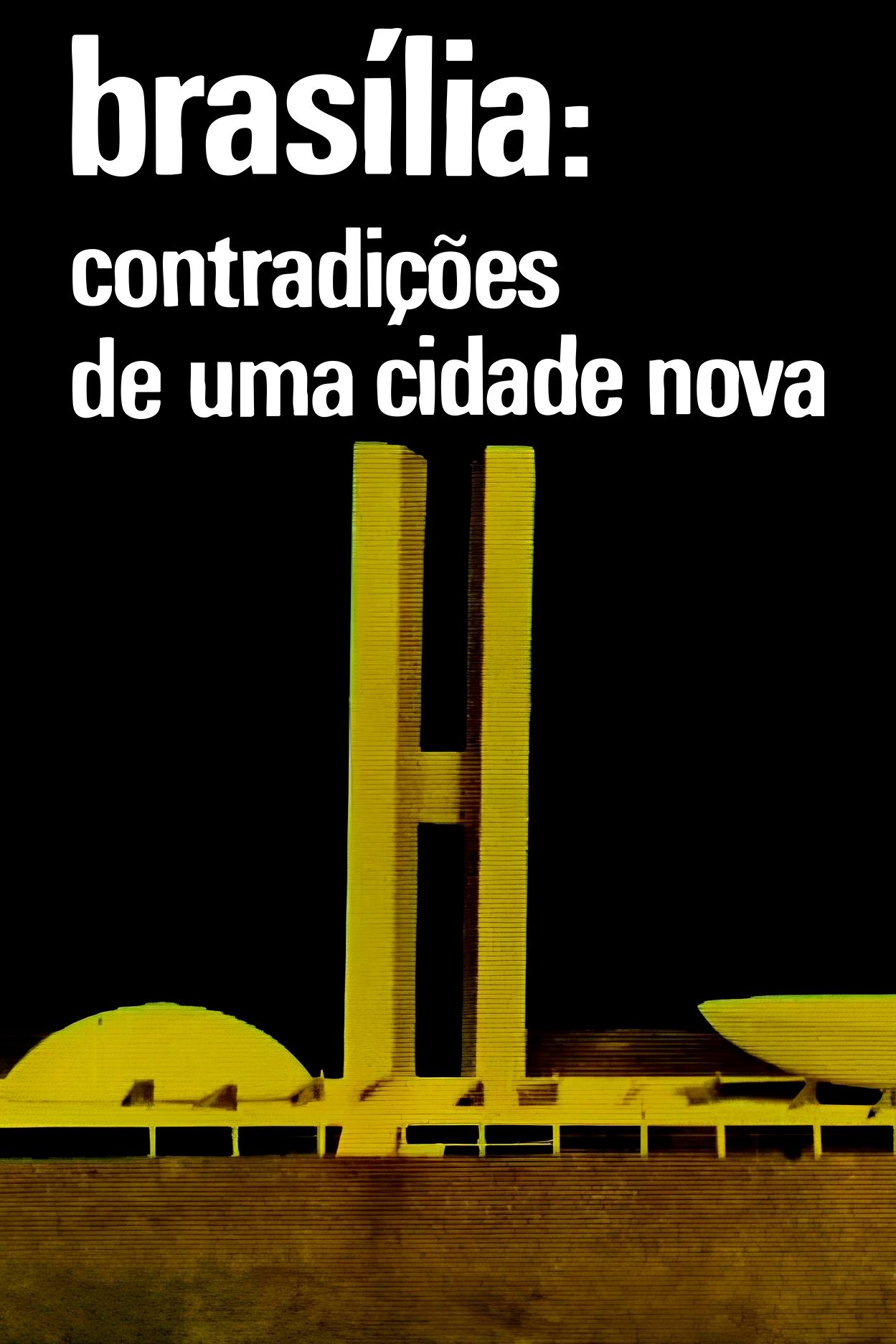
In 1967, de Andrade was invited by the Italian company Olivetti to produce a documentary on the new Brazilian capital city of Brasília. Constructed during the latter half of the 1950s and founded in 1960, the city was part of an effort to populate Brazil’s vast interior region and was to be the embodiment of democratic urban planning, free from the class divisions and inequalities that characterize so many metropolises. Unsurprisingly, Brasília, Contradições de uma Cidade Nova (Brasília, Contradictions of a New City, 1968) revealed Brasília to be utopic only for the wealthy, replicating the same social problems present in every Brazilian city. (Senses of Cinema)
Housing a Dream follows Dutch visionary artist Joost Conijn as he builds his dream home—an unconventional, rotating house that turns with the help of a red bicycle mounted to its floor. By pedaling, Joost can orient the house to follow the sunlight, reflecting his work's delicate balance between function and poetry. Through his process, the film explores the philosophies shaped by a lifetime of craftsmanship, revealing how building a home can become a profound act of artistic creation.
In 1919 an art school opened in Germany that would change the world forever. It was called the Bauhaus. A century later, its radical thinking still shapes our lives today. Bauhaus 100 is the story of Walter Gropius, architect and founder of the Bauhaus, and the teachers and students he gathered to form this influential school. Traumatised by his experiences during the Great War, and determined that technology should never again be used for destruction, Gropius decided to reinvent the way art and design were taught. At the Bauhaus, all the disciplines would come together to create the buildings of the future, and define a new way of living in the modern world.
A visual montage portrait of our contemporary world dominated by globalized technology and violence.
A documentary on the life of John Lennon, with a focus on the time in his life when he transformed from a musician into an antiwar activist.
The life and career of an actor, artist, and icon. His own journey through his own camera.
Lyrical and powerfully personal essay film that reflects on the deaths of her husband Lou Reed, her mother, her beloved dog, and such diverse subjects as family memories, surveillance, and Buddhist teachings.
A documentary that explores the downloading revolution; the kids that created it, the bands and the businesses that were affected by it, and its impact on the world at large.
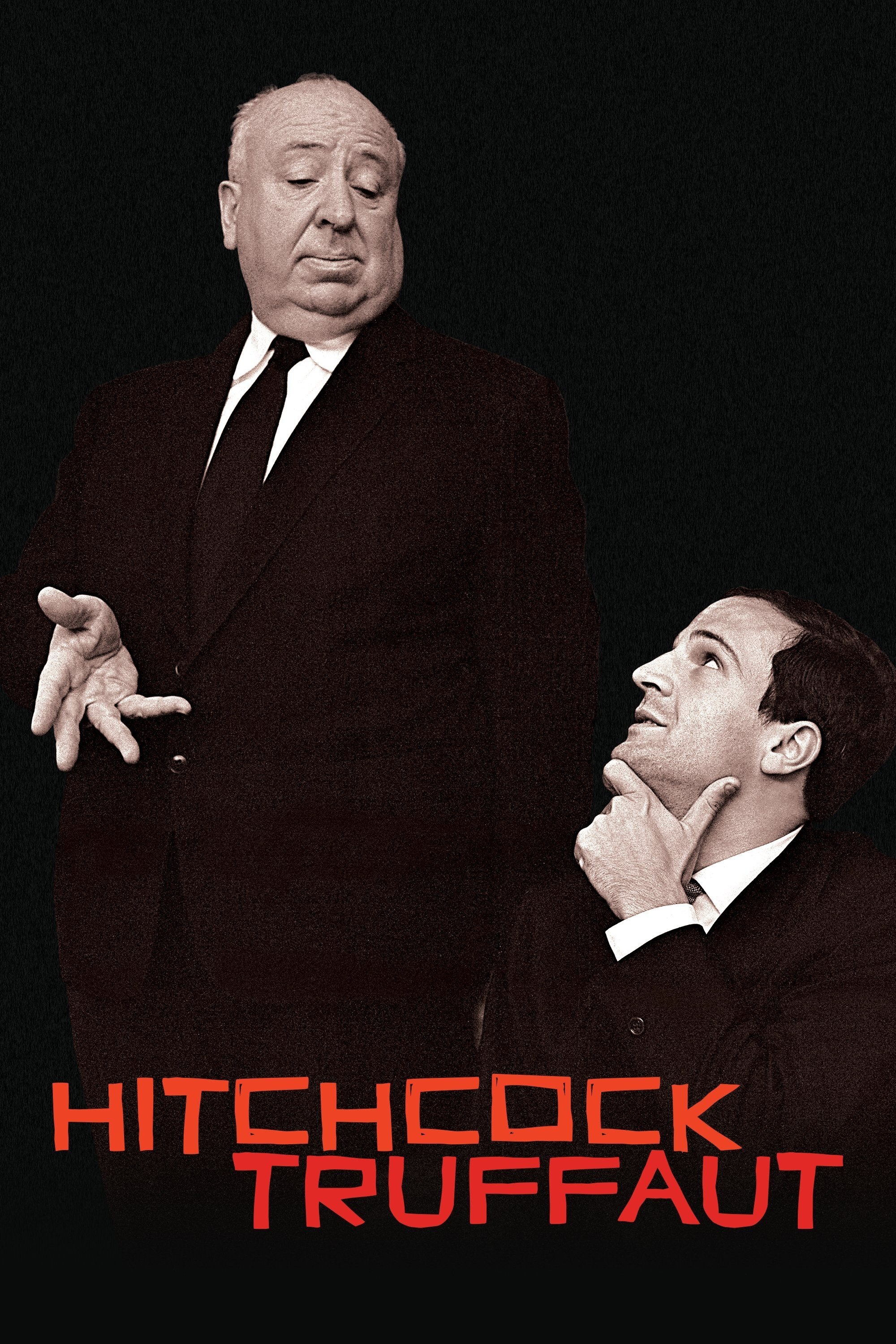
Filmmakers discuss the legacy of Alfred Hitchcock and the book “Hitchcock/Truffaut” (“Le cinéma selon Hitchcock”), written by François Truffaut and published in 1966.
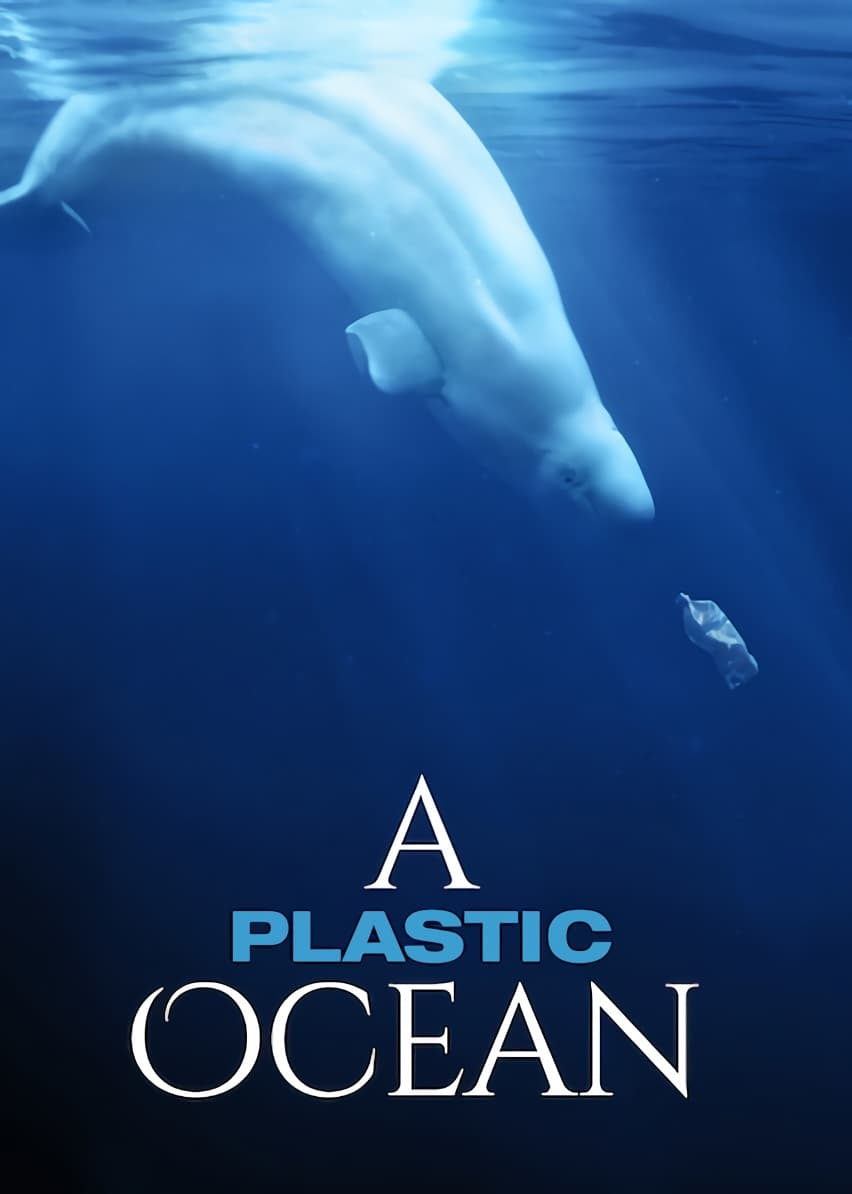
A documentary focused on plastic pollution in the world's oceans.
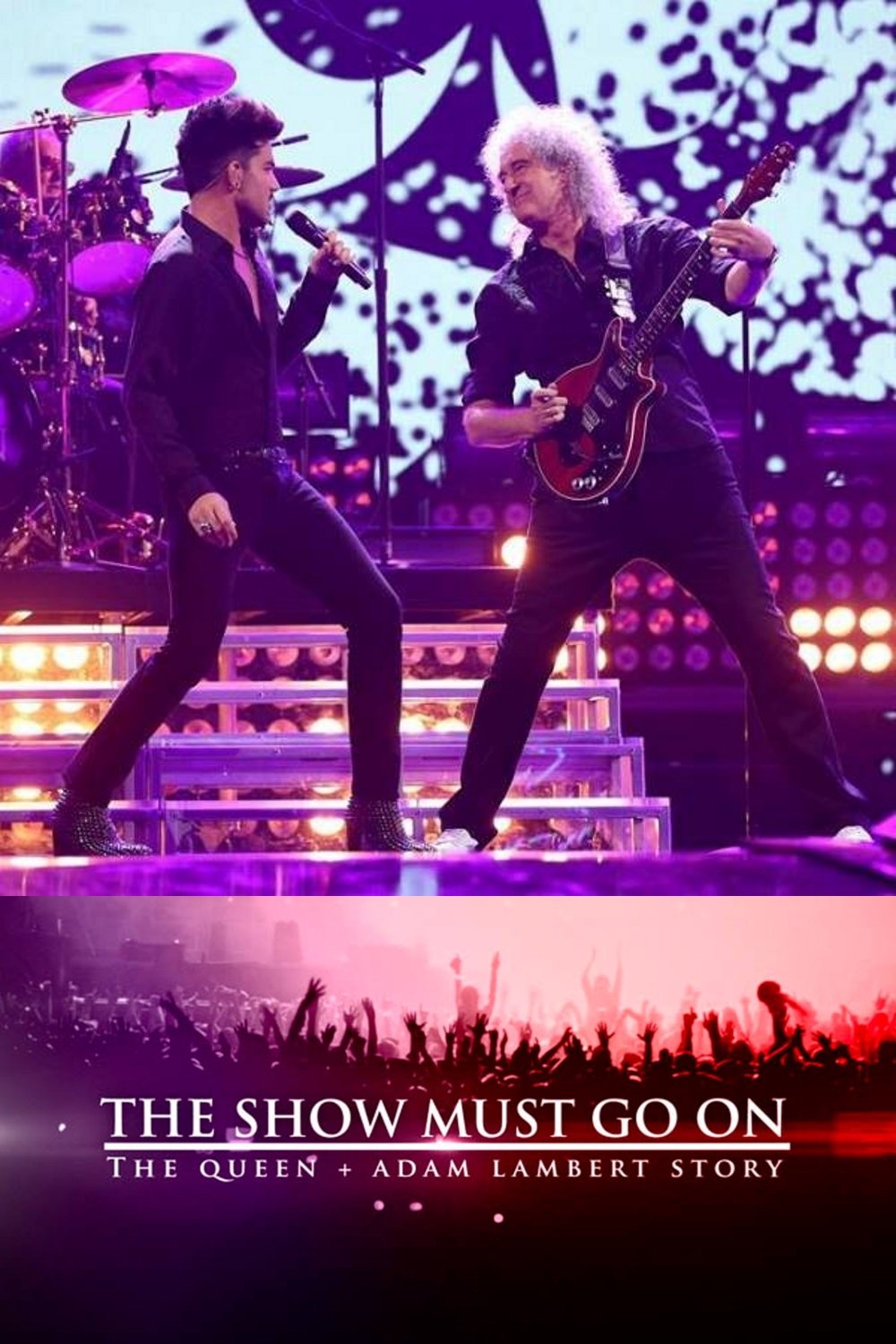
A documentary chronicling Queen and Lambert's incredible journey since they first shared the stage together on "American Idol" in 2009.
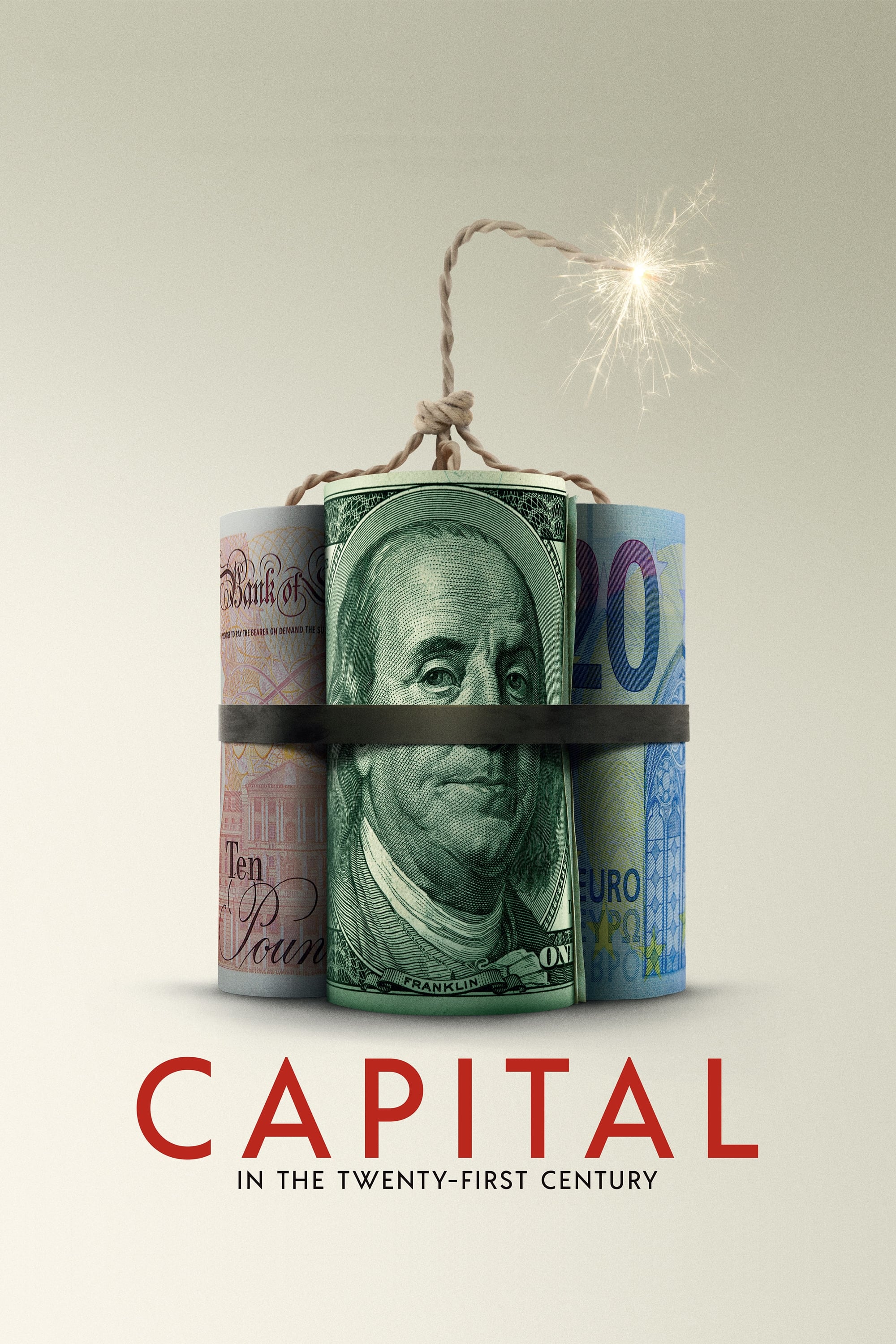
Film adaptation of French economist Thomas Piketty's ground-breaking global bestseller of the same name: an eye-opening journey through wealth and power.
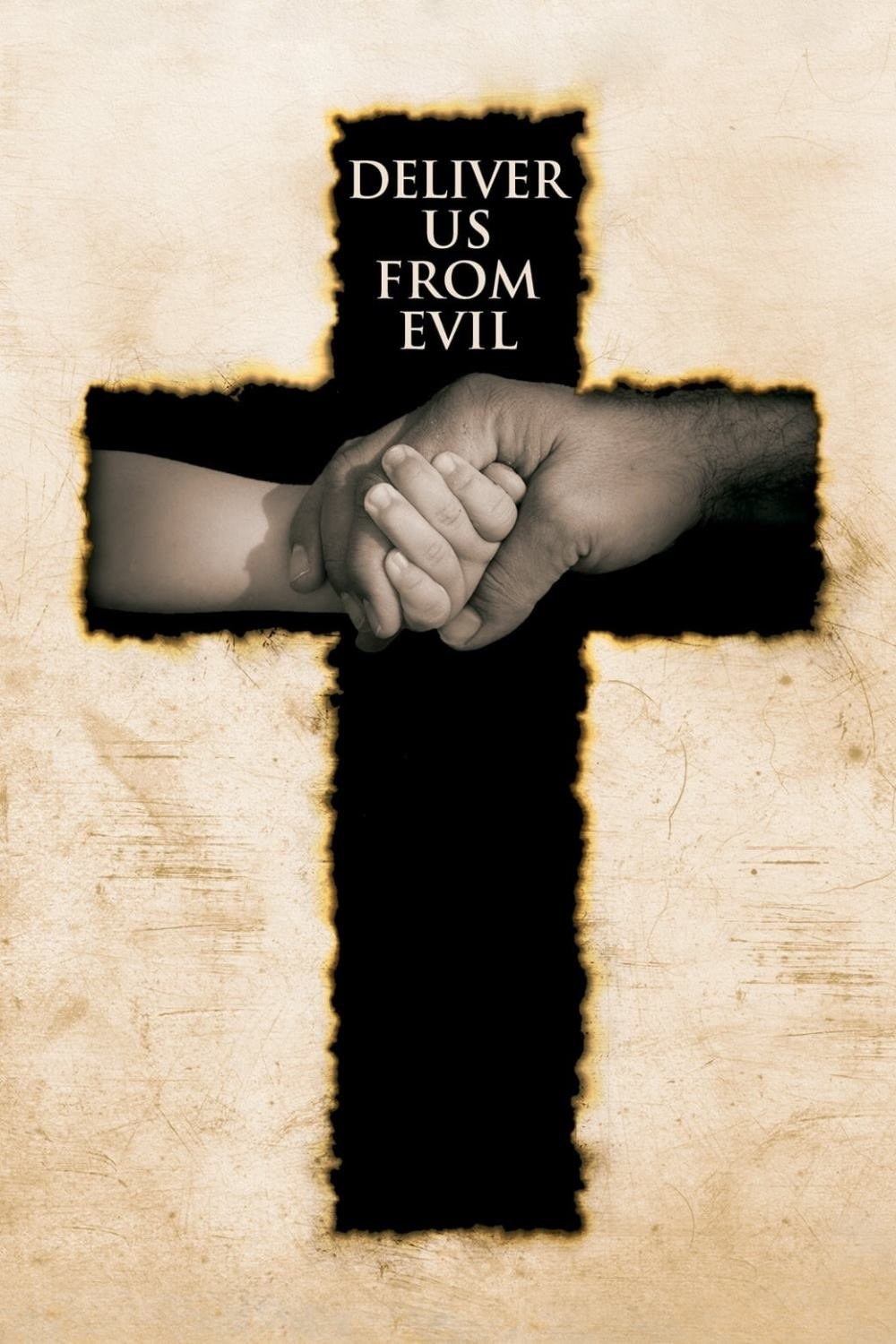
Documentary filmmaker Amy Berg investigates the life of 30-year pedophile Father Oliver O'Grady and exposes the corruption inside the Catholic Church that allowed him to abuse countless children. Victims' stories and a disturbing interview with O'Grady offer a view into the troubled mind of the spiritual leader who moved from parish to parish gaining trust ... all the while betraying so many.
Daniel Craig candidly reflects on his 15 year adventure as James Bond. Including never-before-seen archival footage from Casino Royale to the upcoming 25th film No Time To Die, Craig shares his personal memories in conversation with 007 producers, Michael G Wilson and Barbara Broccoli.
Iverson is the ultimate legacy of NBA legend Allen Iverson, who rose from a childhood of crushing poverty in Hampton, Virginia, to become an 11-time NBA All-Star and universally recognized icon of his sport. Off the court, his audacious rejection of conservative NBA convention and unapologetic embrace of hip hop culture sent shockwaves throughout the league and influenced an entire generation. Told largely in Iverson's own words, the film charts the career highs and lows of one of the most distinctive and accomplished figures the sport of basketball has ever seen.
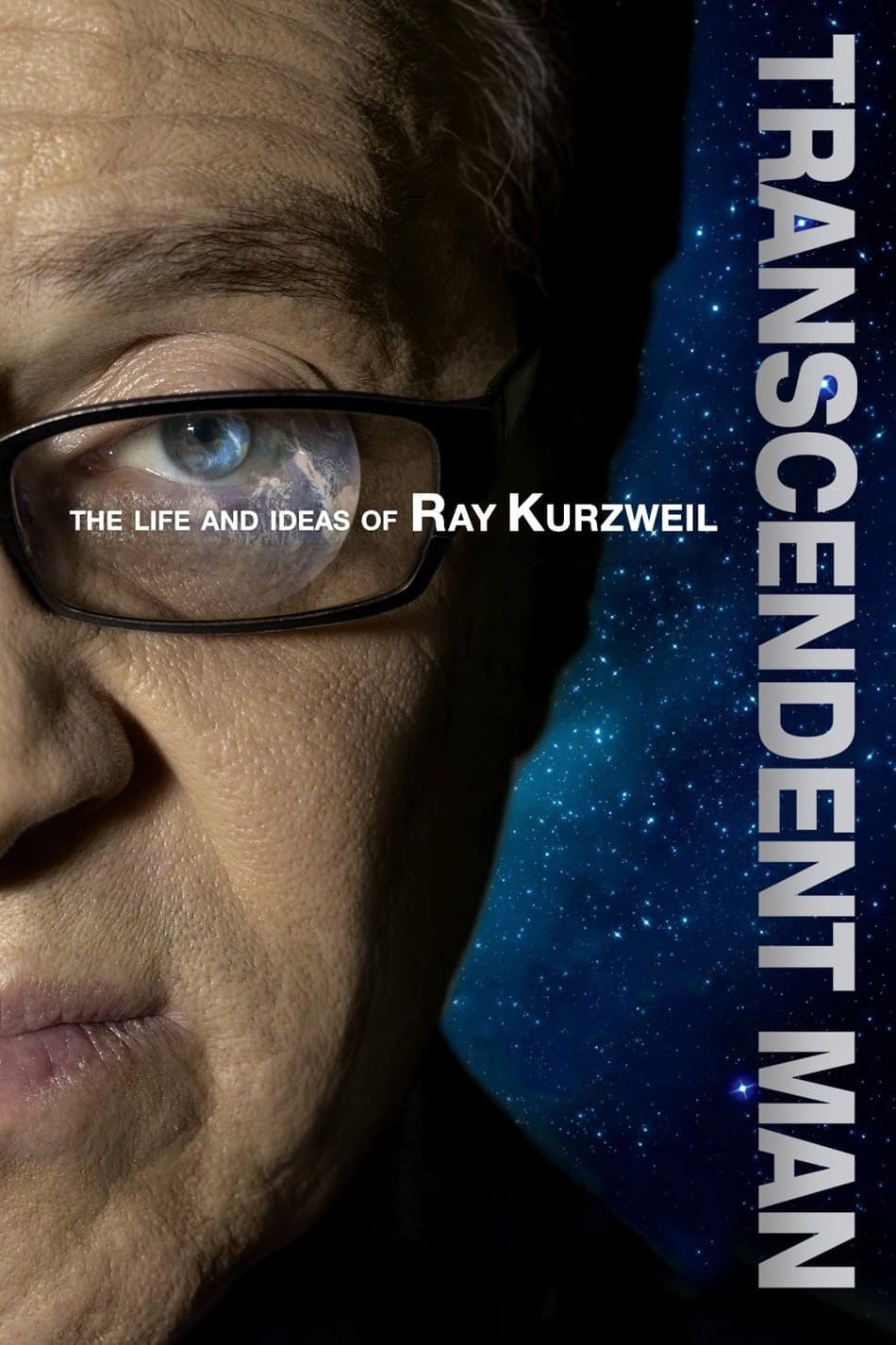
The compelling feature-length documentary film, by director Barry Ptolemy, chronicles the life and controversial ideas of luminary Ray Kurzweil. For more than three decades, inventor, futures, and New York Times best-selling author Ray Kurzweil has been one of the most respected and provocative advocates of the role of technology in our future.
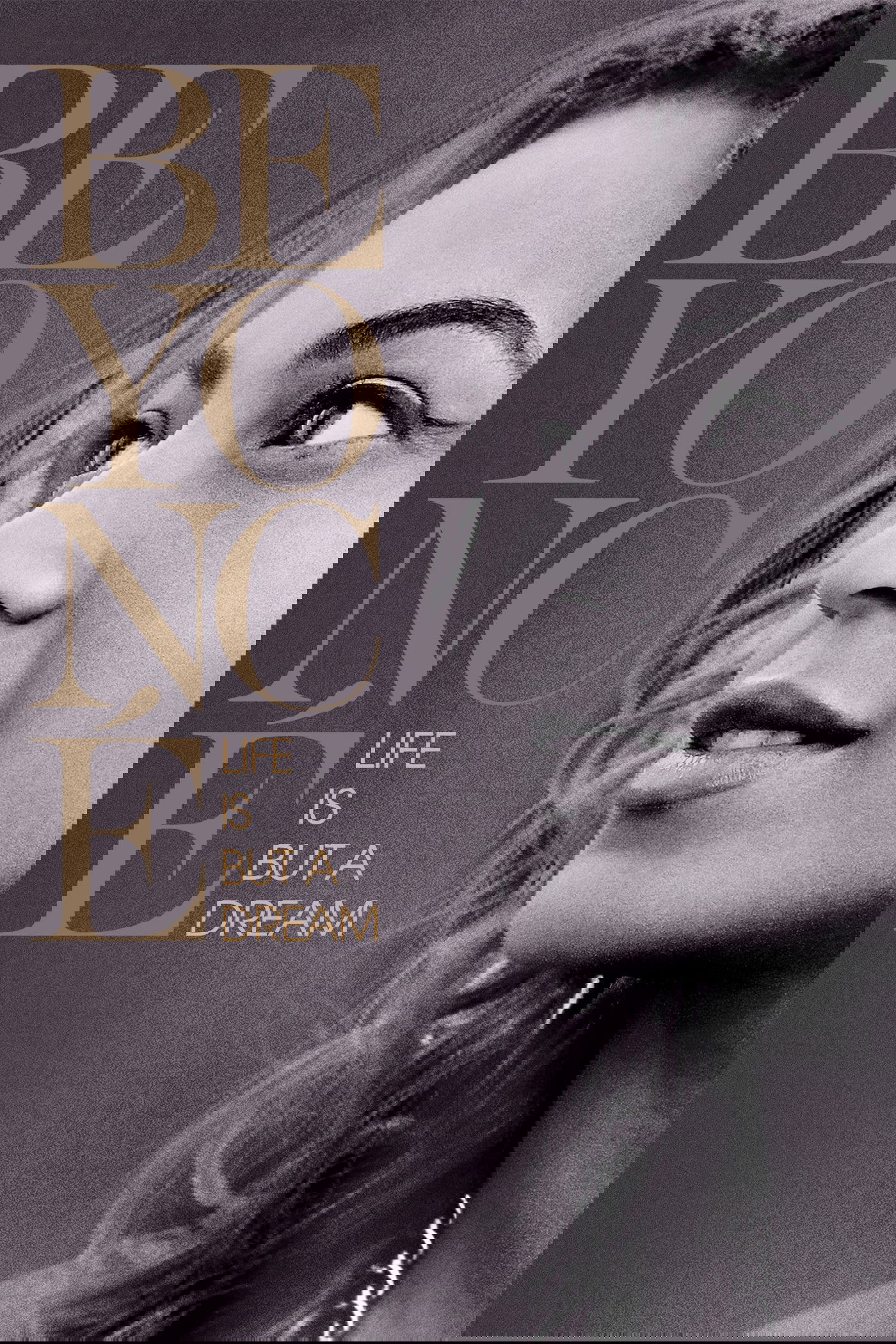
Life Is But a Dream is a HBO documentary about the life of US singer Beyoncé Knowles during the years 2011 and 2012 and on the recording of her fifth album. The film was directed by Beyoncé herself. The film shows Beyoncé from intimate moments of her pregnancy to behind the scenes and rehearsals of the main concerts of that time.
An exploration of technologically developing nations and the effect the transition to Western-style modernization has had on them.
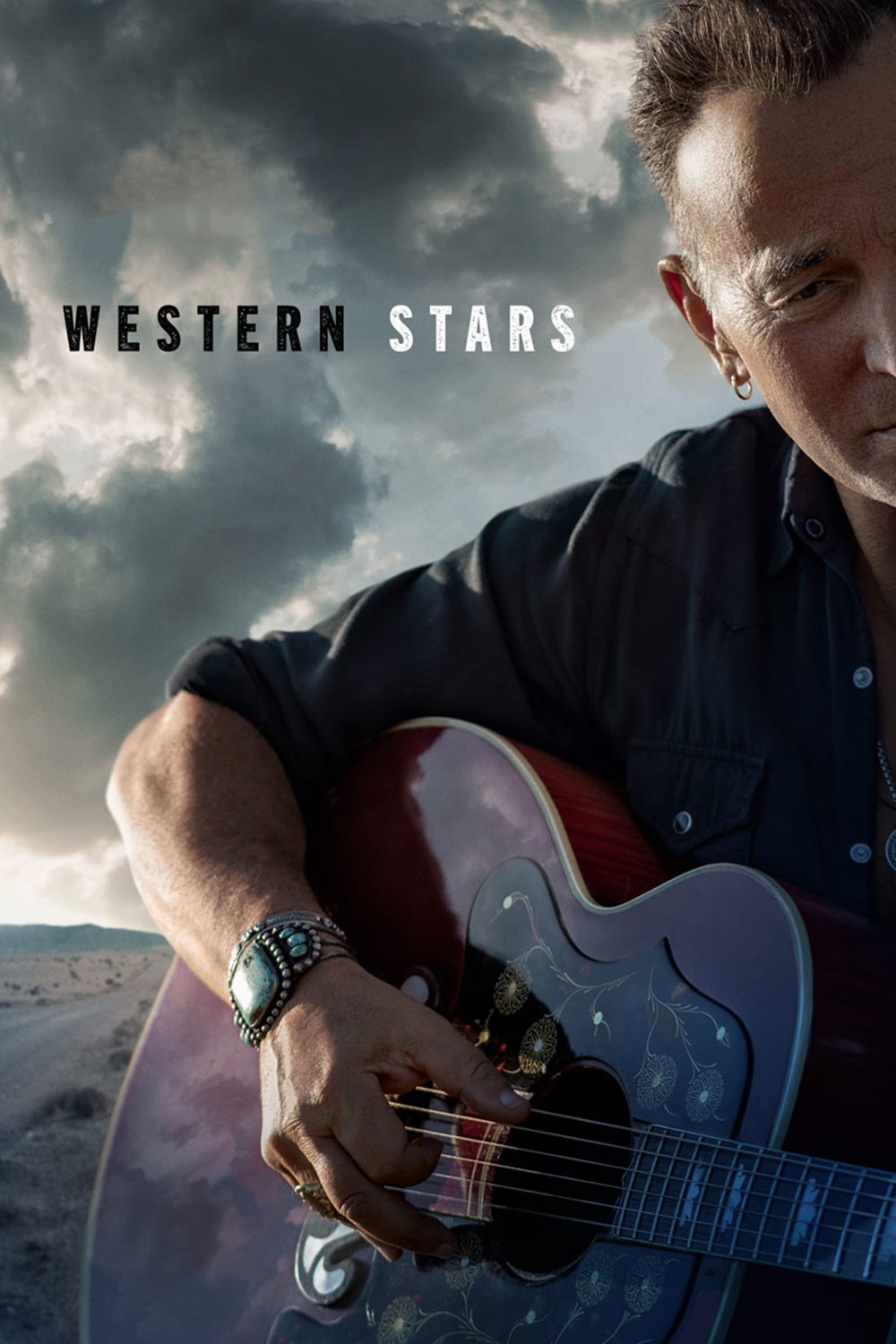
The incomparable Bruce Springsteen performs his critically acclaimed latest album and muses on life, rock, and the American dream, in this intimate and personal concert film co-directed by Thom Zimny and Springsteen himself.
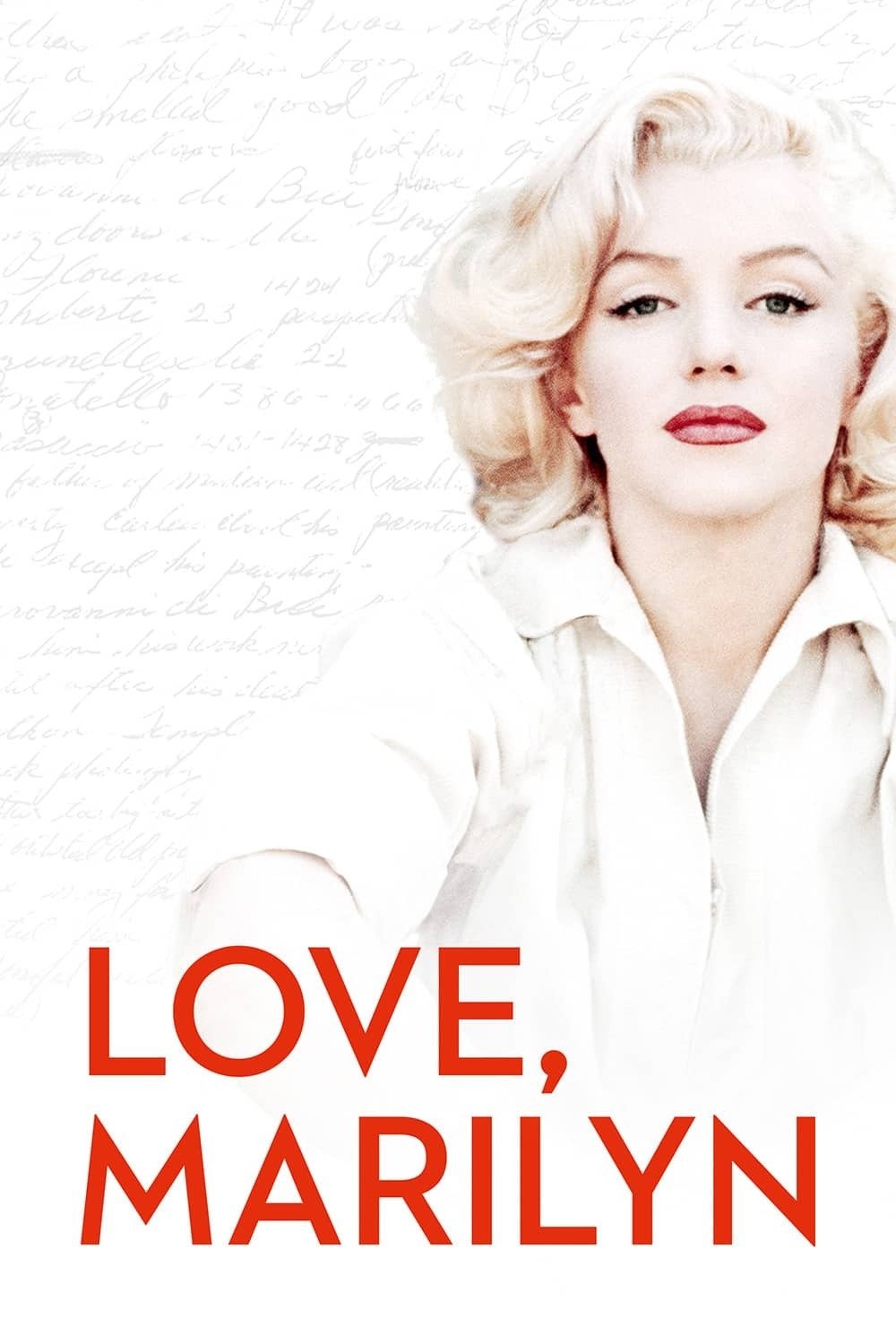
Using the book 'Fragments', which collects Marilyn Monroe's poems, notes and letters, and with participation from the Arthur Miller and Truman Capote estates who have contributed more material, each of the actresses will embody the legend at various stages in her life.
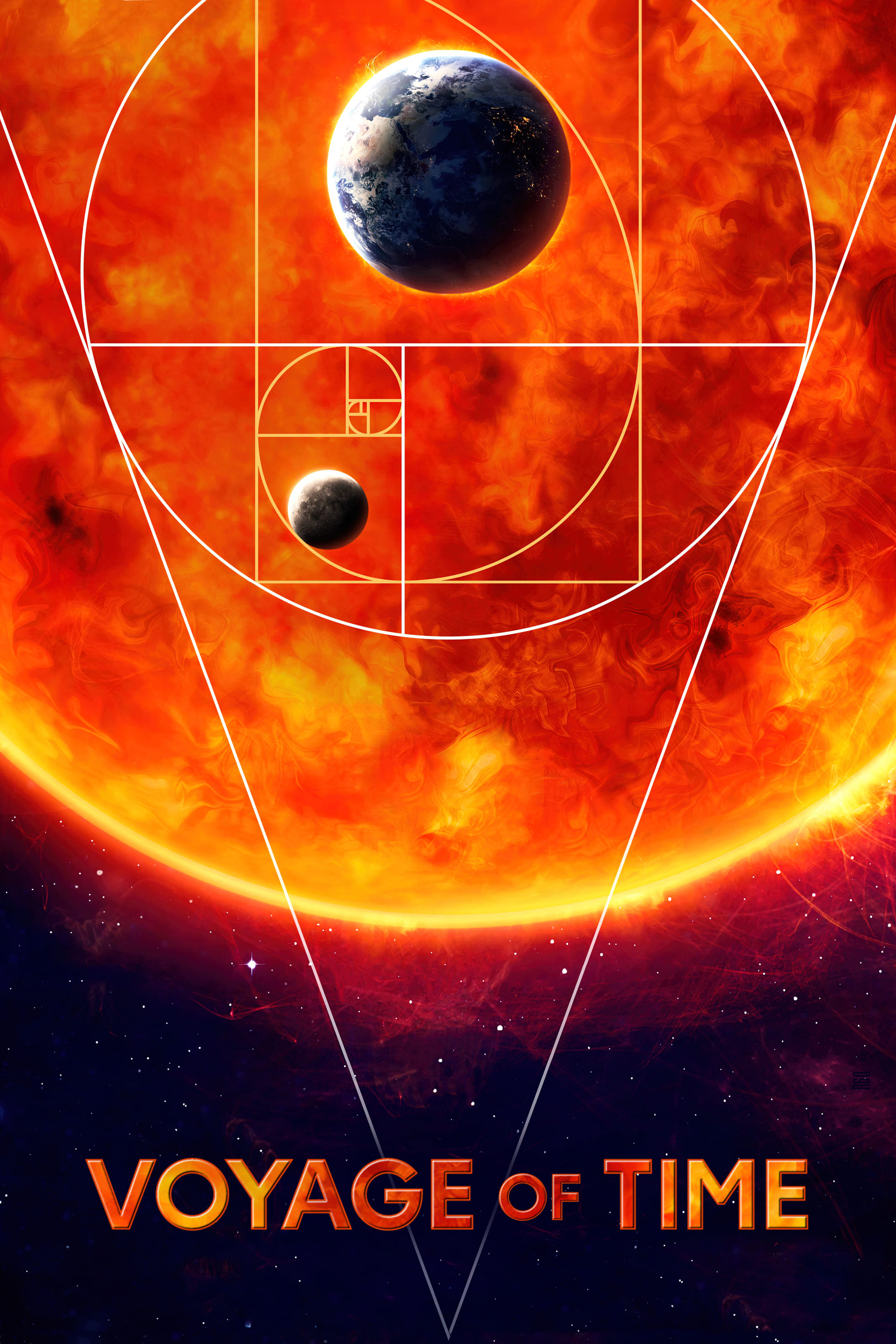
A celebration of the universe, displaying the whole of time, from its start to its final collapse. This film examines all that occurred to prepare the world that stands before us now: science and spirit, birth and death, the grand cosmos and the minute life systems of our planet.
Through deeply personal interviews with her siblings and an examination of the photographs, letters, and belongings left behind, Mariska assembles a new portrait of her mother Jayne Mansfield, an extraordinary and complex woman.
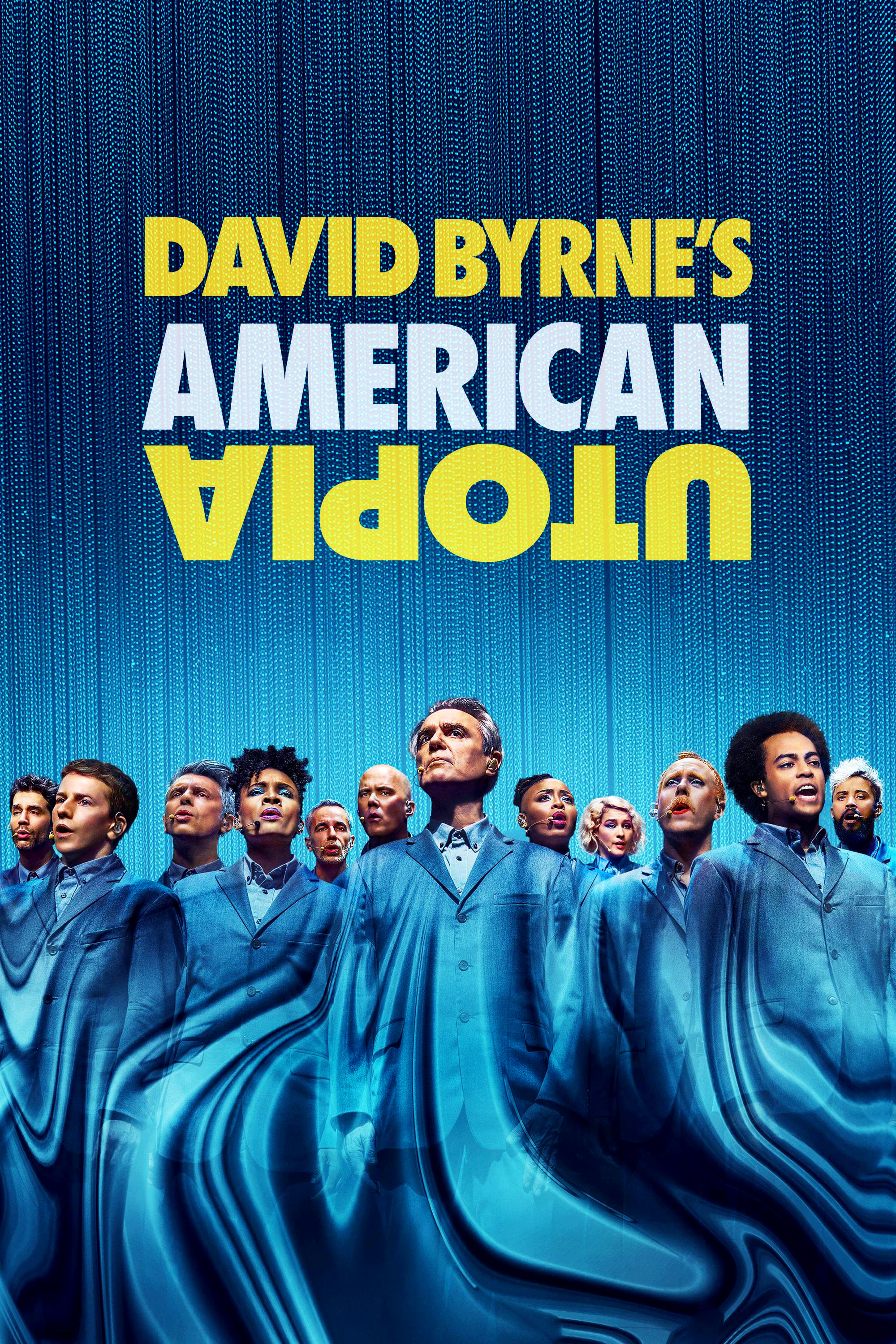
A filmed version of David Byrne's Broadway show, a unifying musical celebration that inspires audiences to connect to each other and to the global community.