Social & External
Director
Marcos Ana
Vida Sender
A particular reading of the hard years of famine, repression and censorship after the massacre of the Spanish Civil War (1936-39), through popular culture: songs, newspapers and magazines, movies and newsreels.
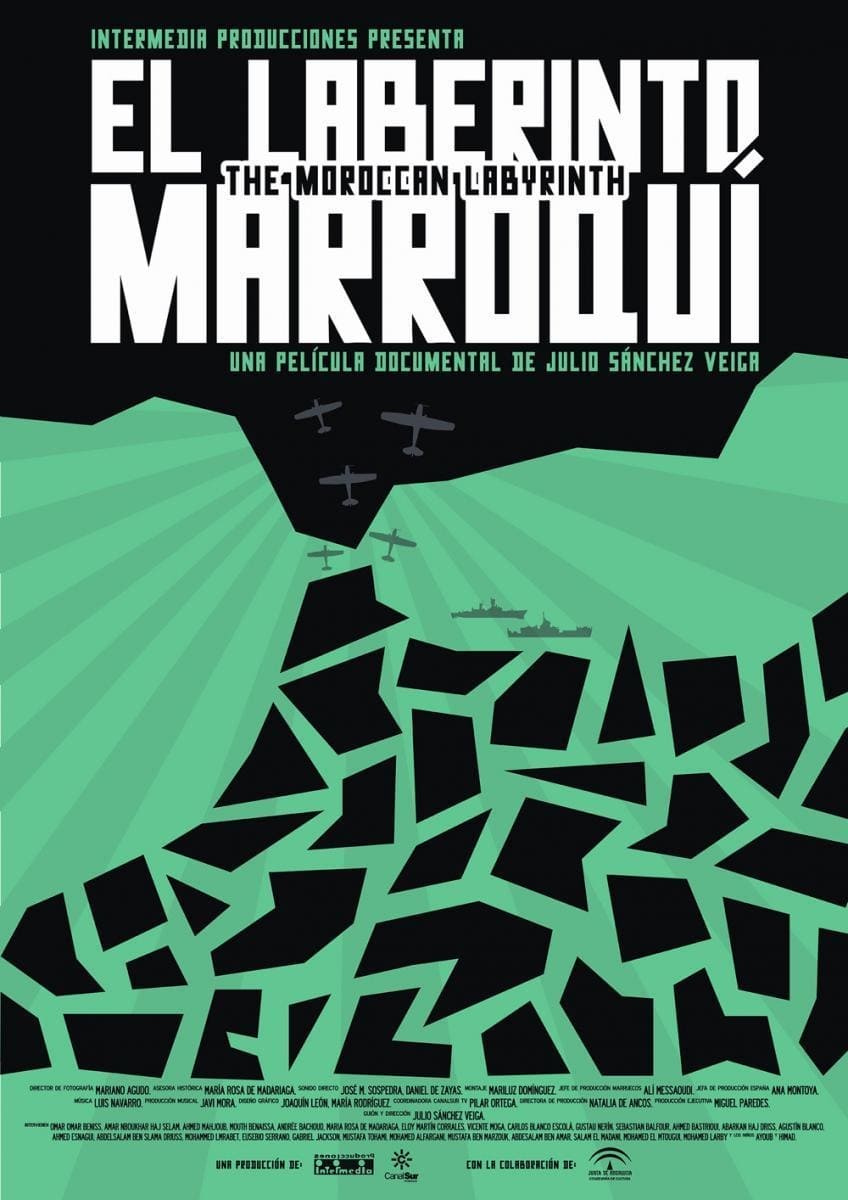
"Tres días de julio" shows what happened in the city of Cádiz in the hours prior to the coup d'état of July 18, 1936, as well as what happened until the moment the Cadiz capital succumbs to the rebels on the morning of Sunday the 19th. The documentary features the participation of historians, relatives of victims of reprisals, and even some direct testimonies of people who lived those tragic days in their youth. The city and province of Cádiz are described as a fundamental piece in the coup because, when it failed in the main cities of the country, they began to play a fundamental role in the strategy followed by the rebels in the immediate Civil War.
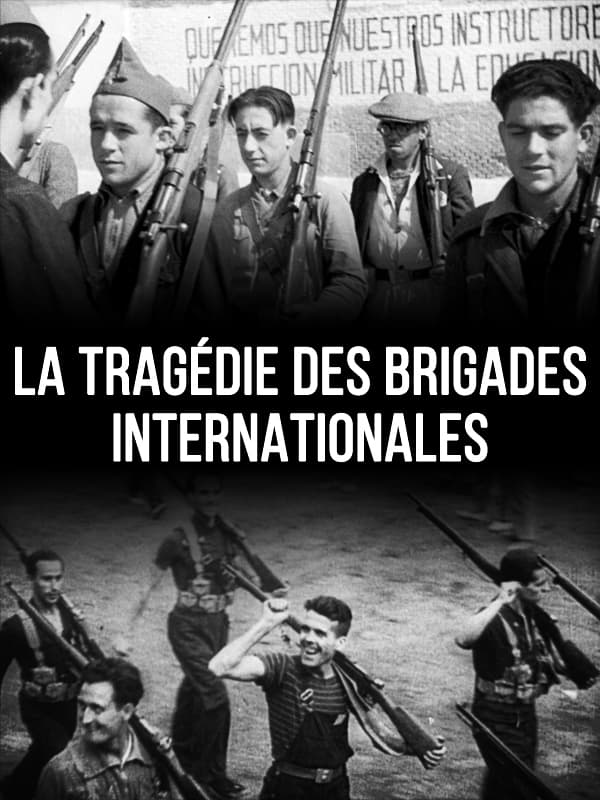
This documentary summarizes one of the most beautiful pages of contemporary history. Thousands of women and men, some "foreigners" wrote them: the page of anti-fascist solidarity with the Spanish Republic and its victorious Popular Front in February 1936 for some, and solidarity with the "revolution" for others; both causes for most of them.
The film shows the genesis of the El Rocío pilgrimage and unveils the economic, socio-political and religious reasons and interests that nurture the phenomenon.
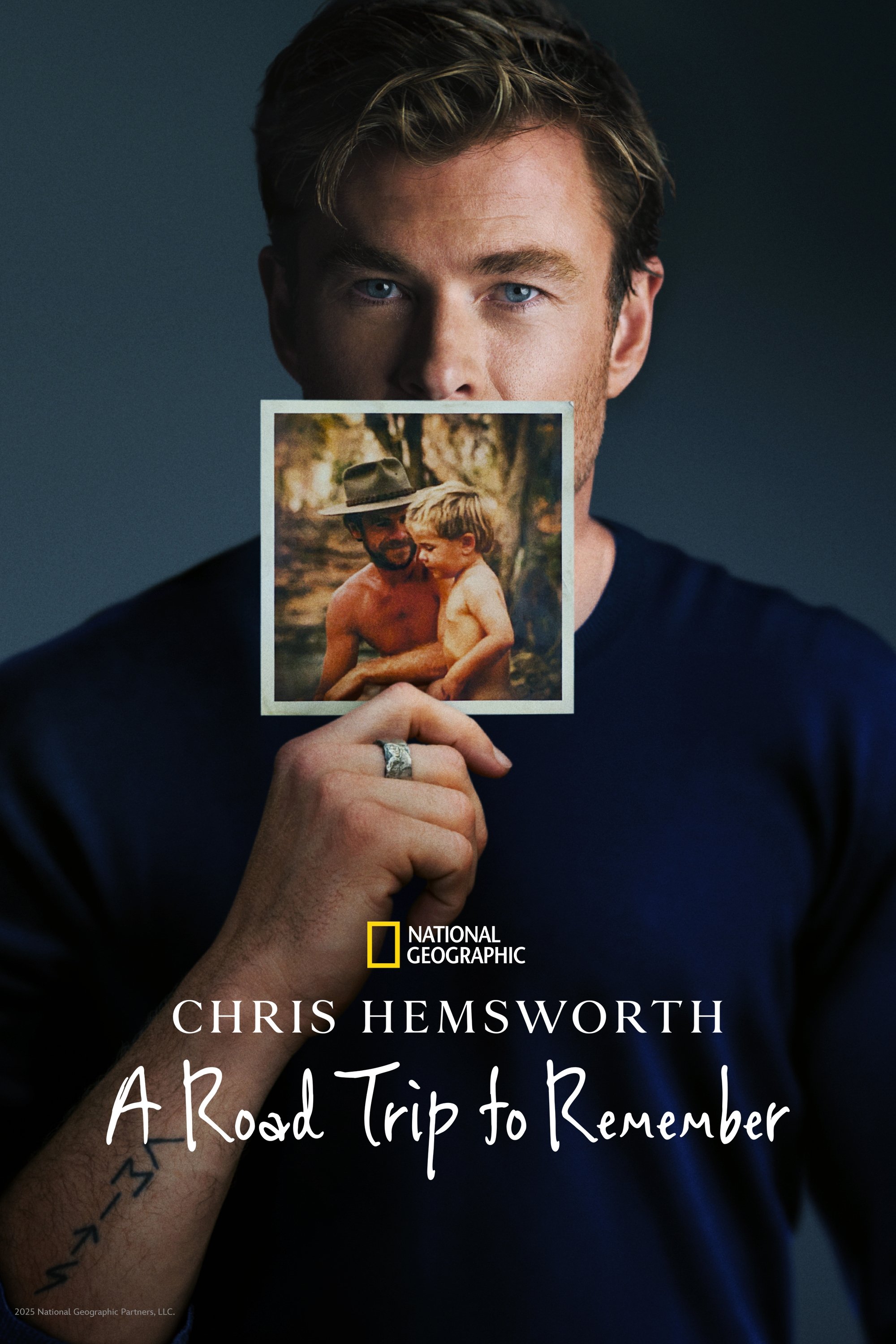
In his most personal documentary yet, Chris Hemsworth turns the camera on his own family after his dad’s recent Alzheimer’s diagnosis. They embark on a road trip into their past, exploring the science of social connection and how it can support memory function. They revisit meaningful places and faces, capturing it all as a home movie, and reviving treasured recollections.
A documentary film detailing Glen Campbell's final tour and his struggle with Alzheimer's disease.
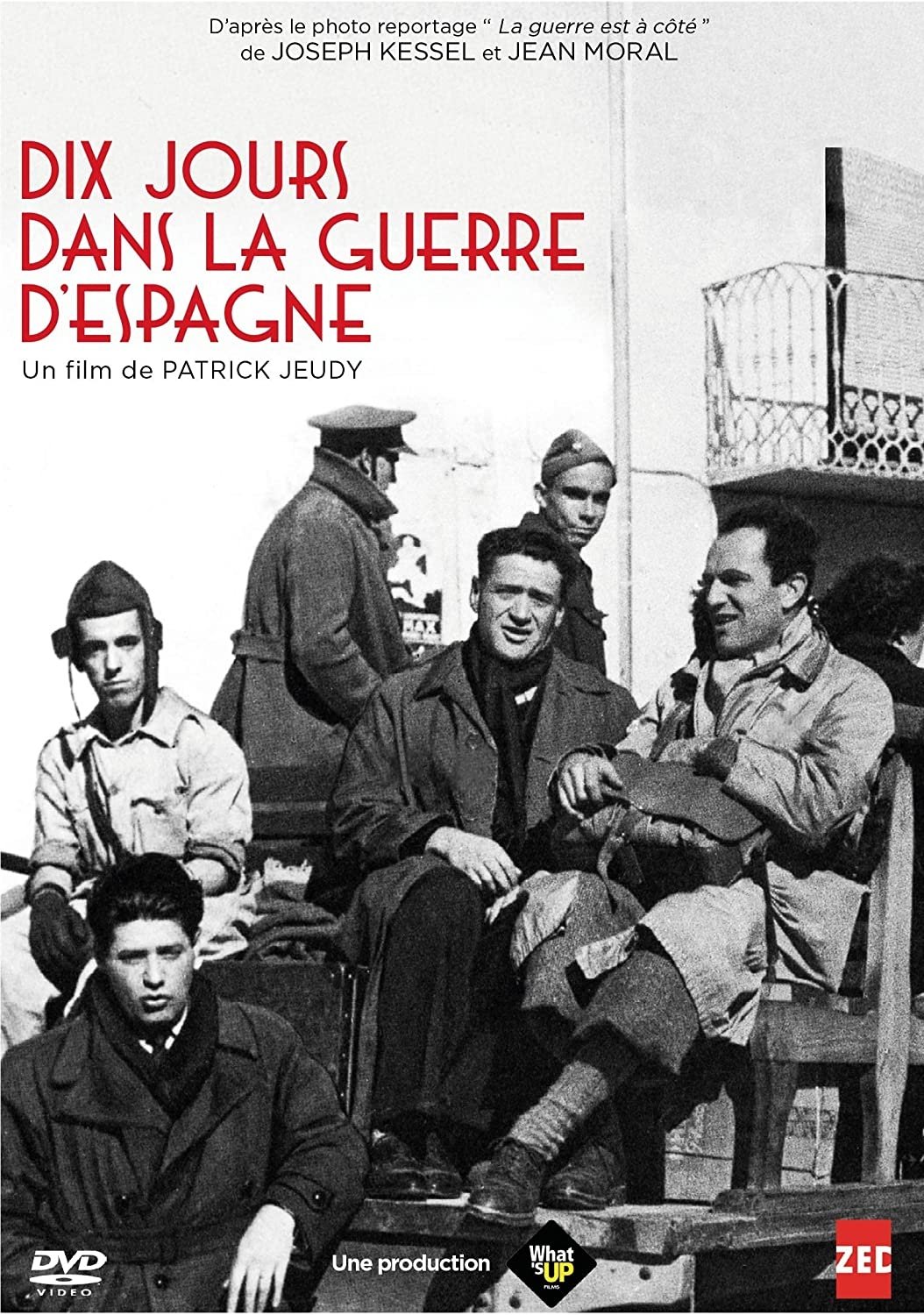
A feature-length documentary based on film reports from the Spanish civil war.
In the mountains of Madrid, Spain, a railway track on an abandoned bridge and a poem erased from the wall of a ruined building reveal a deliberately silenced story: the system established by Franco's dictatorship after the civil war (1936-39) that allowed hundreds of companies to use thousands of convicted Republicans as slave labor.
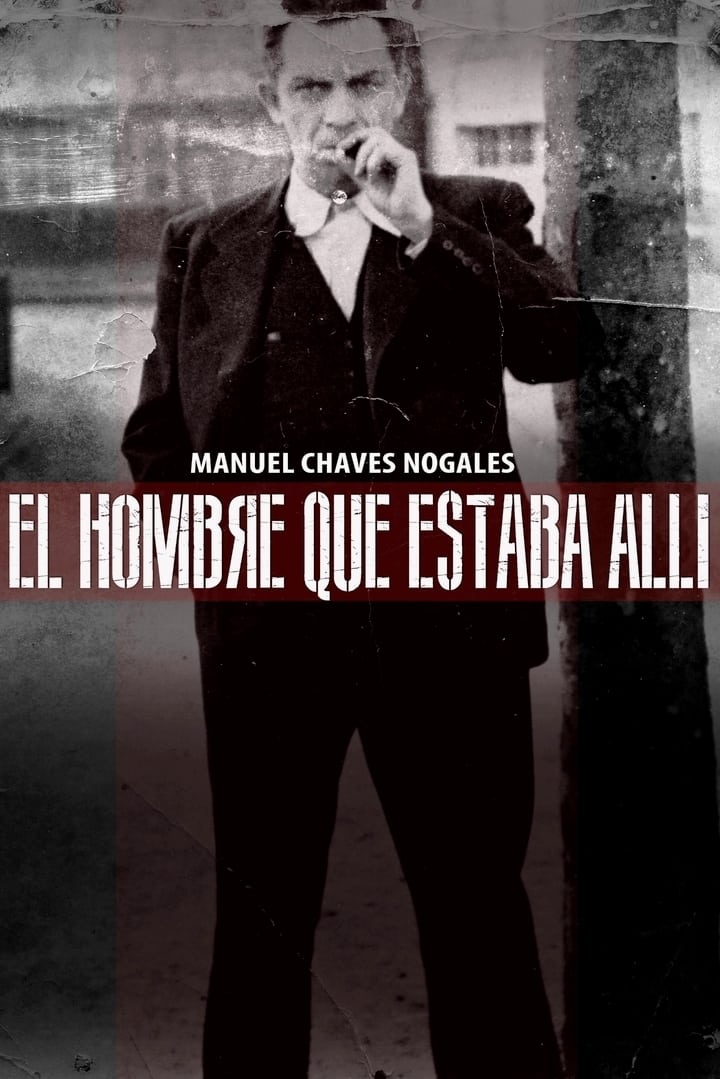
The Spanish journalist Manuel Chaves Nogales (1897-1944) was always there where the news broke out: in the fratricidal Spain of 1936, in Bolshevik Russia, in Fascist Italy, in Nazi Germany, in occupied Paris or in the bombed London of World War II; because his job was to walk, see and tell stories, and thus fight against tyrants, at a time when it was necessary to take sides in order not to be left alone; but he, a man of integrity to the bitter end, never did so.
Documentary directed by Freddy Más, creator of the film Dawn of a Dream, which treats Alzheimer's disease from different points of view: patients, relatives, scientists, pedagogues. The documentary not only reflects the experience and testimony of the different affected.
Caudillo is a documentary film by Spanish film director Basilio Martín Patino. It follows the military and political career of Francisco Franco and the most important moments of the Spanish Civil War. It uses footage from both sides of the war, music from the period and voice-over testimonies of various people.
An account of the brief life of the writer Albert Camus (1913-1960), a Frenchman born in Algeria: his Spanish origin on the isle of Menorca, his childhood in Algiers, his literary career and his constant struggle against the pomposity of French bourgeois intellectuals, his communist commitment, his love for Spain and his opposition to the independence of Algeria, since it would cause the loss of his true home, his definitive estrangement.
The Colegio de Arquitectos de Catalunya commissioned Pere Portabella to make this film for the Joan Miró retrospective exhibit in 1969. There were heated discussions on whether it would be prudent to screen the film during the exhibit. Portabella took the following stance: "either both films are screened or they don't screen any" and, finally, both Miro l'Altre and Aidez l'Espagne were shown. The film was made by combining newsreels and film material from the Spanish Civil War with prints by Miró from the series "Barcelona" (1939-1944). The film ends with the painter's "pochoir" known as Aidez l'Espagne.
Juan Méndez Bernal leaves his house on the 9th of april of 1936 to fight in the imminent Spanish Civil War. 83 years later, his body is still one of the Grass Dwellers. The only thing that he leaves from those years on the front is a collection of 28 letters in his own writing.
When Allied forces liberated the Nazi concentration camps in 1944-45, their terrible discoveries were recorded by army and newsreel cameramen, revealing for the first time the full horror of what had happened. Making use of British, Soviet and American footage, the Ministry of Information’s Sidney Bernstein (later founder of Granada Television) aimed to create a documentary that would provide lasting, undeniable evidence of the Nazis’ unspeakable crimes. He commissioned a wealth of British talent, including editor Stewart McAllister, writer and future cabinet minister Richard Crossman – and, as treatment advisor, his friend Alfred Hitchcock. Yet, despite initial support from the British and US Governments, the film was shelved, and only now, 70 years on, has it been restored and completed by Imperial War Museums under its original title "German Concentration Camps Factual Survey".
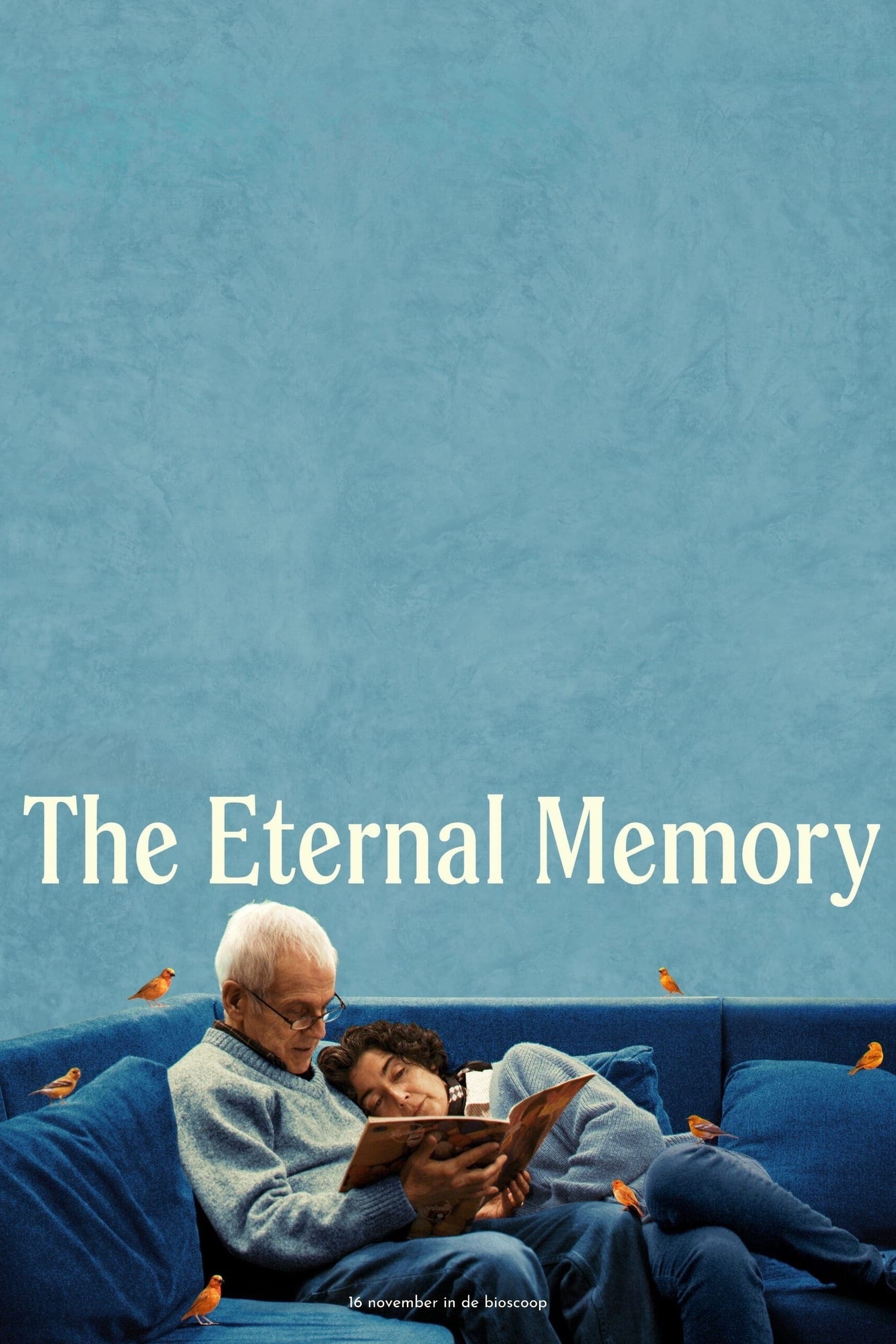
Augusto and Paulina have been together for 25 years. Eight years ago, he was diagnosed with Alzheimer's disease. Both fear the day he no longer recognizes her.
Five million Americans suffer from Alzheimer's disease and dementia—many of them alone in nursing homes. A man with a simple idea discovers that songs embedded deep in memory can ease pain and awaken these fading minds. Joy and life are resuscitated, and our cultural fears over aging are confronted.
The story of the tortuous struggle against the silence of the victims of the dictatorship imposed by General Franco after the victory of the rebel side in the Spanish Civil War (1936-1975). In a democratic country, but still ideologically divided, the survivors seek justice as they organize the so-called “Argentinian lawsuit” and denounce the legally sanctioned pact of oblivion that intends to hide the crimes they were subjects of.
If you ever find yourself traveling down Interstate 49 through Missouri, try not to blink—you may miss Rich Hill, population 1,396. Rich Hill is easy to overlook, but its inhabitants are as woven into the fabric of America as those living in any small town in the country. This movie intimately chronicles the turbulent lives of three boys living in said Midwestern town and the fragile family bonds that sustain them.
A psychological thriller; Mace Sowell, an ex-intelligence operative and whose past government activities catches up with him, faces his own mortality, in the shape of the onset of Alzheimer's disease. Holding the electronic key to secret information which implicates a Presidential front-runner, Mace struggles for his life while battling the debilitating effects of the disease.
A detailing of the rise to prominence and global sporting superstardom of six supremely talented young Manchester United football players (David Beckham, Nicky Butt, Ryan Giggs, Paul Scholes, Phil and Gary Neville). The film covers the period 1992-1999, culminating in Manchester United's European Cup triumph.
A documentary on the expletive's origin, why it offends some people so deeply, and what can be gained from its use.
This revealing documentary honors the legendary Sidney Poitier—iconic actor, filmmaker, and civil rights activist. Featuring interviews with Denzel Washington, Spike Lee, Halle Berry, and more.
A documentary about the life and films of director John Ford.
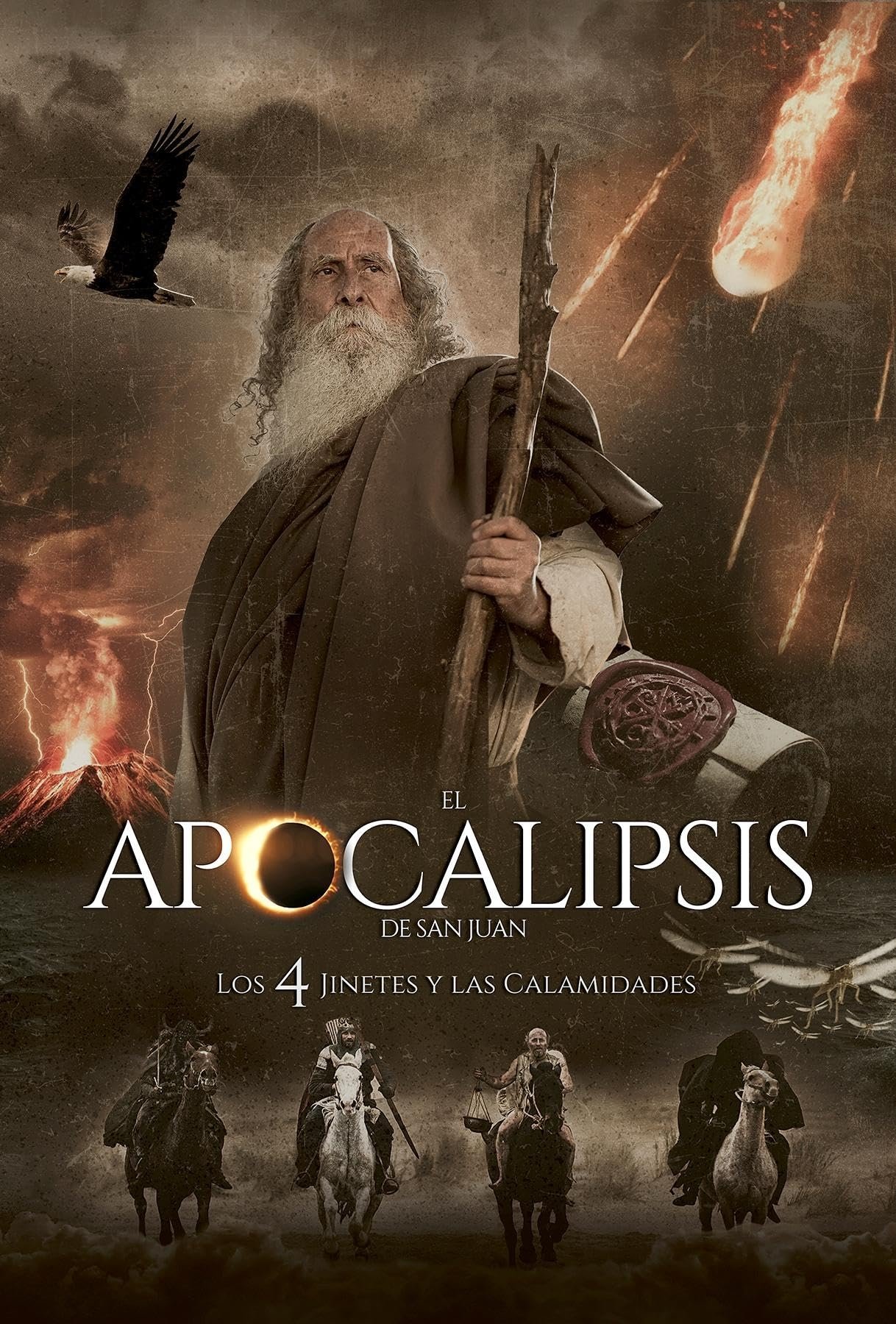
Embark on an epic journey through time and faith with 'The Apocalypse of Saint John.' Join the Apostle John in a stunning visual narrative that unravels the visions of the End Times. Experience each vision like never before, with striking visual effects and epic scenes that immerse you in the apocalyptic narrative.
An inside look at one of the most anticipated movie sequels ever with James Cameron and cast.
As England reach the final of the Euros at last, 6,000 ticketless football fans storm Wembley stadium, leaving destruction in their wake.
On September 15, 1963, a bomb destroyed a black church in Birmingham, Alabama, killing four young girls who were there for Sunday school. It was a crime that shocked the nation--and a defining moment in the history of the civil-rights movement. Spike Lee re-examines the full story of the bombing, including a revealing interview with former Alabama Governor George Wallace.
Brilliant, long in-the-works story of the life and art of the world's greatest comedian and the cinema's first genius, Charlie Chaplin. Produced, written and directed by renowned film critic Richard Schickel.
Acclaimed for his unfiltered reporting and deadpan humor, Andrew Callaghan brings his gonzo style reporting to the undercurrents that led to the January 6 Capitol Riot. As one of the best-known and hardest working journalists of his generation, the 25-year-old ventures on a wild RV journey through America to take the pulse of a divided nation.
BBC Arena's documentary on the Dames of British Theatre and film featuring Maggie Smith, Eileen Atkins, Judi Dench and Joan Plowright on screen together for the first time as they reminisce over a long summer weekend in a house Joan once shared with Sir Laurence Olivier.
From the heights of her modeling fame to her tragic death, this documentary reveals Anna Nicole Smith through the eyes of the people closest to her.
A compilation of over 30 years of private home movie footage shot by Lithuanian-American avant-garde director Jonas Mekas, assembled by Mekas "purely by chance", without concern for chronological order.
A documentary about the making of season five of the acclaimed AMC series Breaking Bad.