Social & External
Short film about astronauts in the GDR
Erich Honecker visits the Republic of Zambia
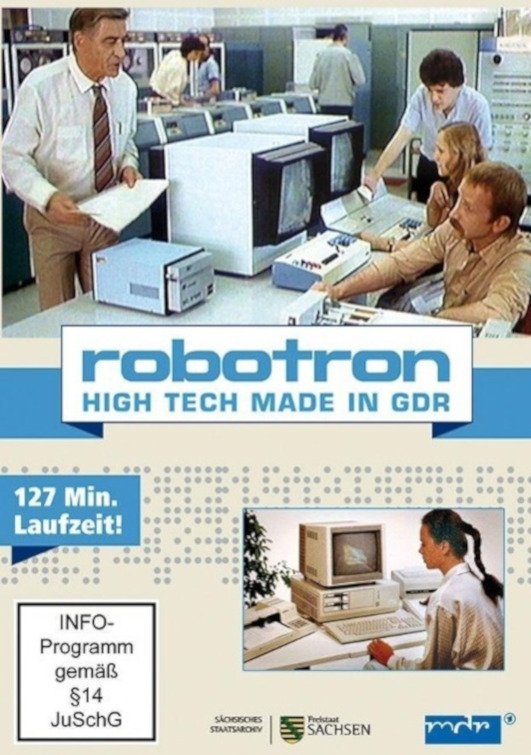
In a world divided by the Iron Curtain, East Germany sought to carve its niche in the technological race. Enter "Robotron" - a name that seamlessly blended "robot" and "electronics." This wasn't just a brand; it was an ambitious answer to the West's technological advancements, a testament to the GDR’s drive to match, if not surpass, Western innovation. Drawing inspiration from the corporate giants of the West, the GDR‘s government merged various businesses to form this tech behemoth. With 16 major hubs in Central Germany alone, it was clear: "Robotron" was to be the DDR's technological crown jewel. But what was the Socialist Unity Party (SED), the GDR's ruling party, envisioning with this grand venture? How did "Robotron" navigate the challenges of operating within a socialist planned economy, while striving for global excellence? And as it grew to dominate East Germany's tech landscape, why did it always seem to be one step behind the leading global tech powers?
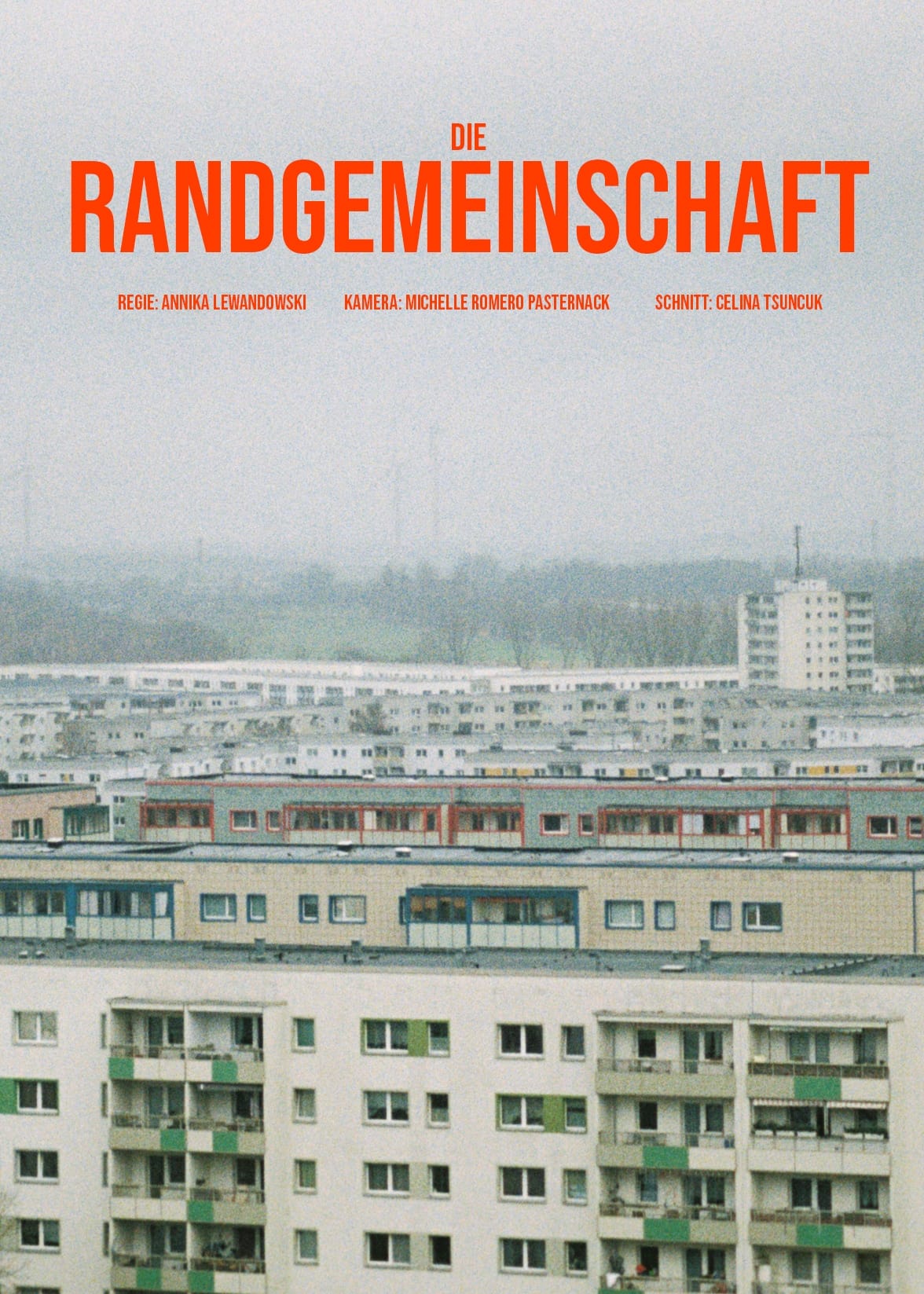
The army of the GDR, called NVA had not survived the reunification of Germany, it was completely absorbed by the Bundeswehr and scrapped subsequently. But what apparently went on so smoothly as a peaceful unification of hostile brothers quietly left deep scars in the East German landscape.
East German short film
Short film about the GDR state border
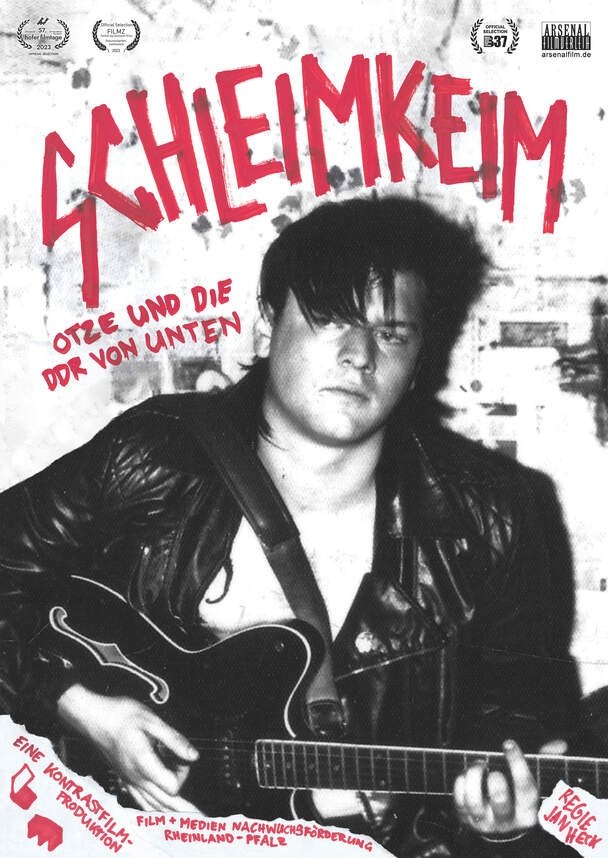
A punk documentary about the life and death of the GDR punk Dieter "Otze" Ehrlich and his band Schleimkeim aus dem Schweinestall. With the fall of the Wall, Otze loses not only his enemy images, but also his life at the price of freedom.
This report was broadcast on ARD in 1993. In 43 minutes, the development of psychiatry "in the third year after reunification" is shown using two institutions in the new federal states as examples. A touchstone for all of psychiatry and disability care to this day. The film shows a shocking way in which disabled people are treated. The commentary uses the perspective of those affected. 50 years after euthanasia in Germany, this documentary reminds us of this once again.
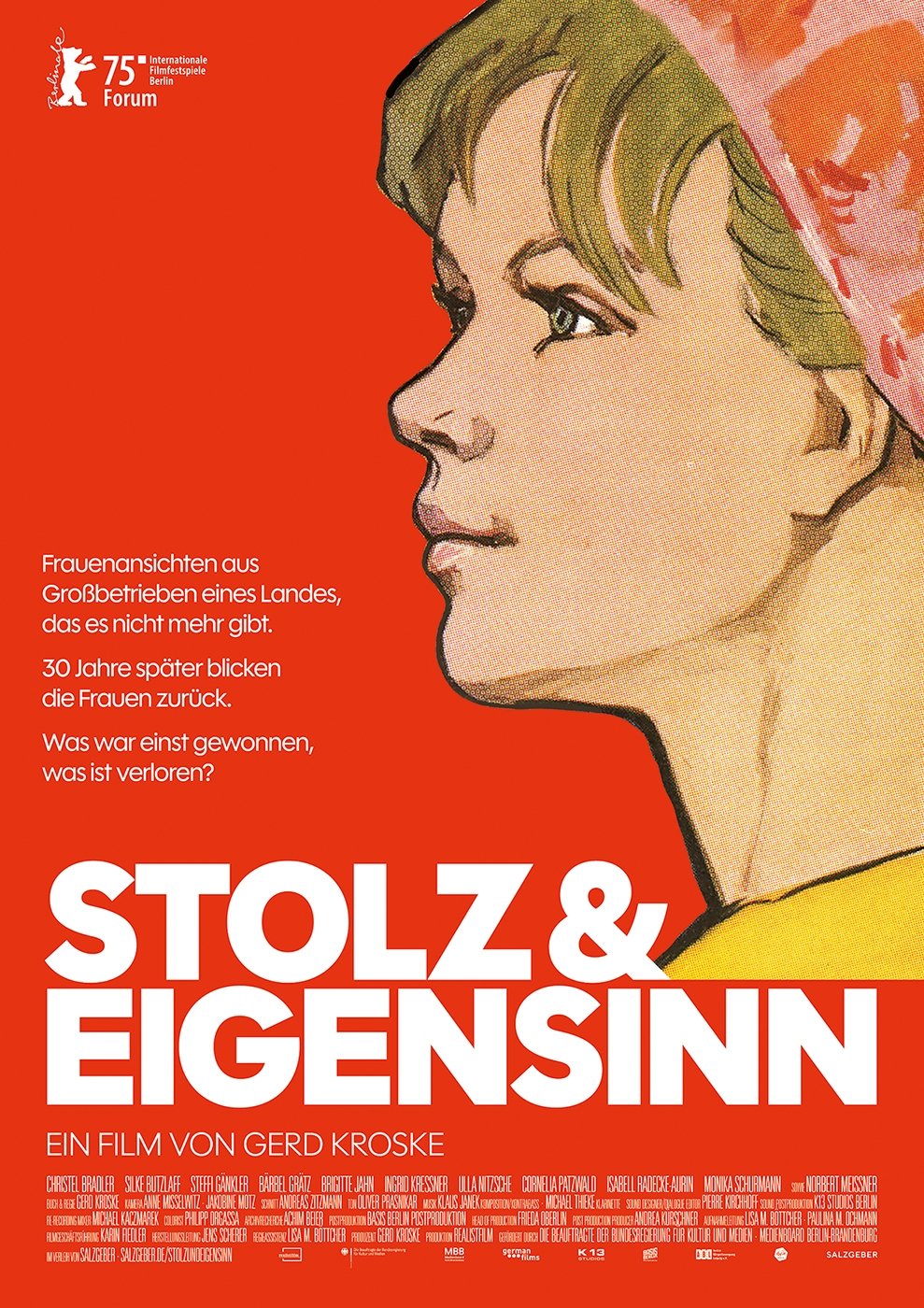
The viewpoints of women from a country that no longer exists preserved on low-band U-matic tape. GDR-FRG. Courageous, self-confident and emancipated: female industry workers talk about gaining autonomy.
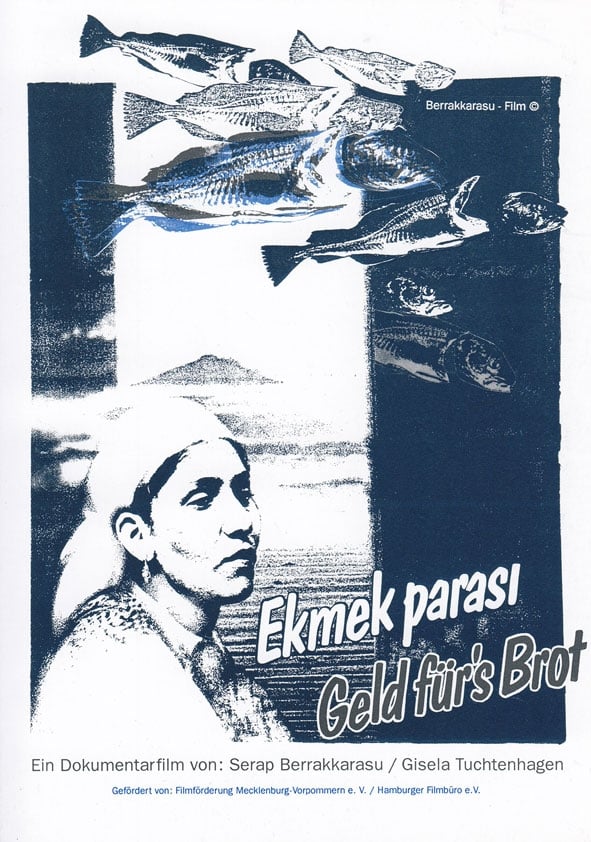
Women from Turkey and Mecklenburg are working together side-by-side at a fish-processing factory in Lübeck. As they work, they share stories about their lives, including their sorrows, griefs, hopes, and dreams, while expressing their longing for home and feelings of being lost in a foreign place.
Born in Germany in 2002, Noa Blanche Beschorner evokes the memory of those who, a generation before her, lived through the separation of East and West Germany. Tapetenwechsel (Change of Scenery) is the story of youth seeking their identity when confronting their collective memory.
In reunified Berlin, a city guide from the Eastern part of the city offers tours for West Berliners and grapples with his pre and post "Wende" identity.
In 1999, Konami Corp. introduced a Japanese-influenced coin-operated arcade stand-up to the U.S. Its draw was unheard of for a video game: the combination of music, competition, and interactive video-gameplay along with actual physical activity. Four years later, Dance Dance Revolution (DDR) has become one of the most popular game crazes stateside and found easily in video game stores and in nationwide retail markets. This story explores the youth culture surrounding the game and follows a group of devoted players and documents their interactions at various arcades and tournaments.
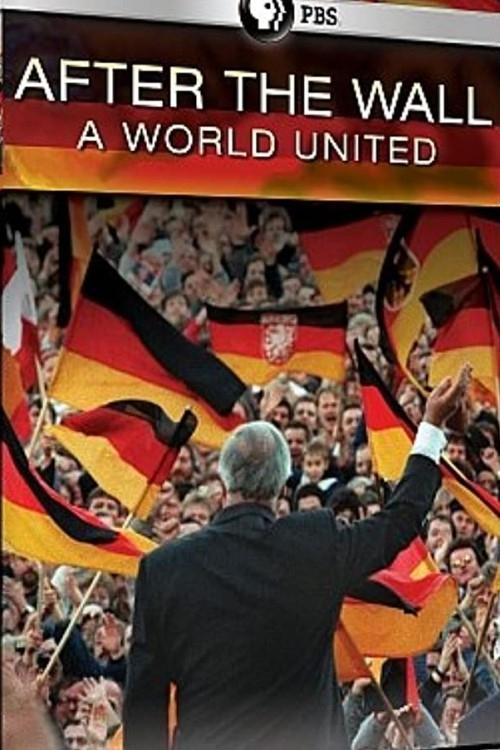
The Berlin Wall came down in 1989, bringing the reunification of Germany and an end to the Cold War. This documentary revisits the events surrounding the wall's historic collapse. Interviews with George Bush, Mikhail Gorbachev and Helmut Kohl offer insight into political maneuvering while firsthand accounts from Germans provide personal perspectives of this historic event that changed the world forever.
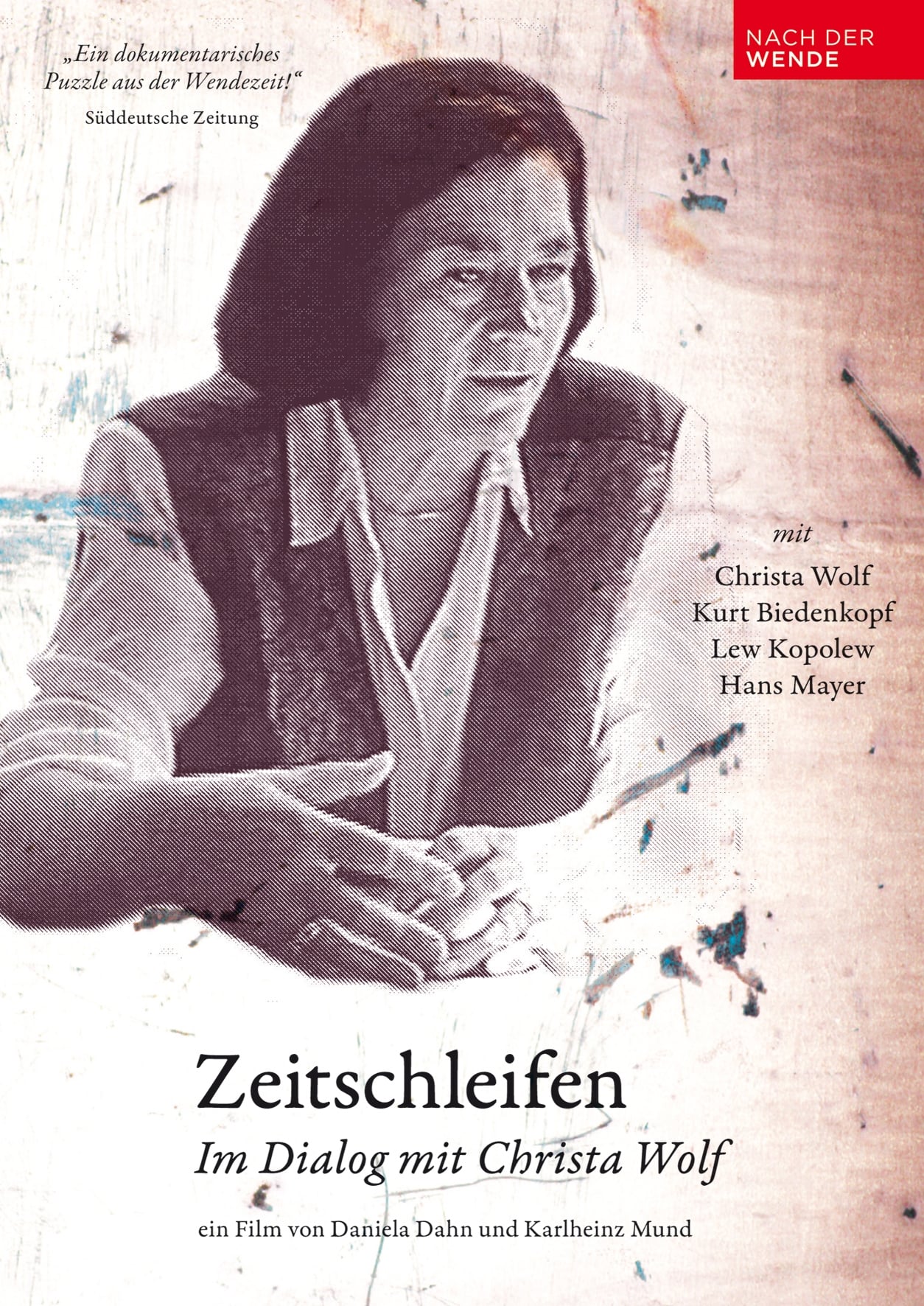
Journalist Daniela Dahn interviews the East-German author Christa Wolf during the German reunification: reflections on history, changing politics, life and work.
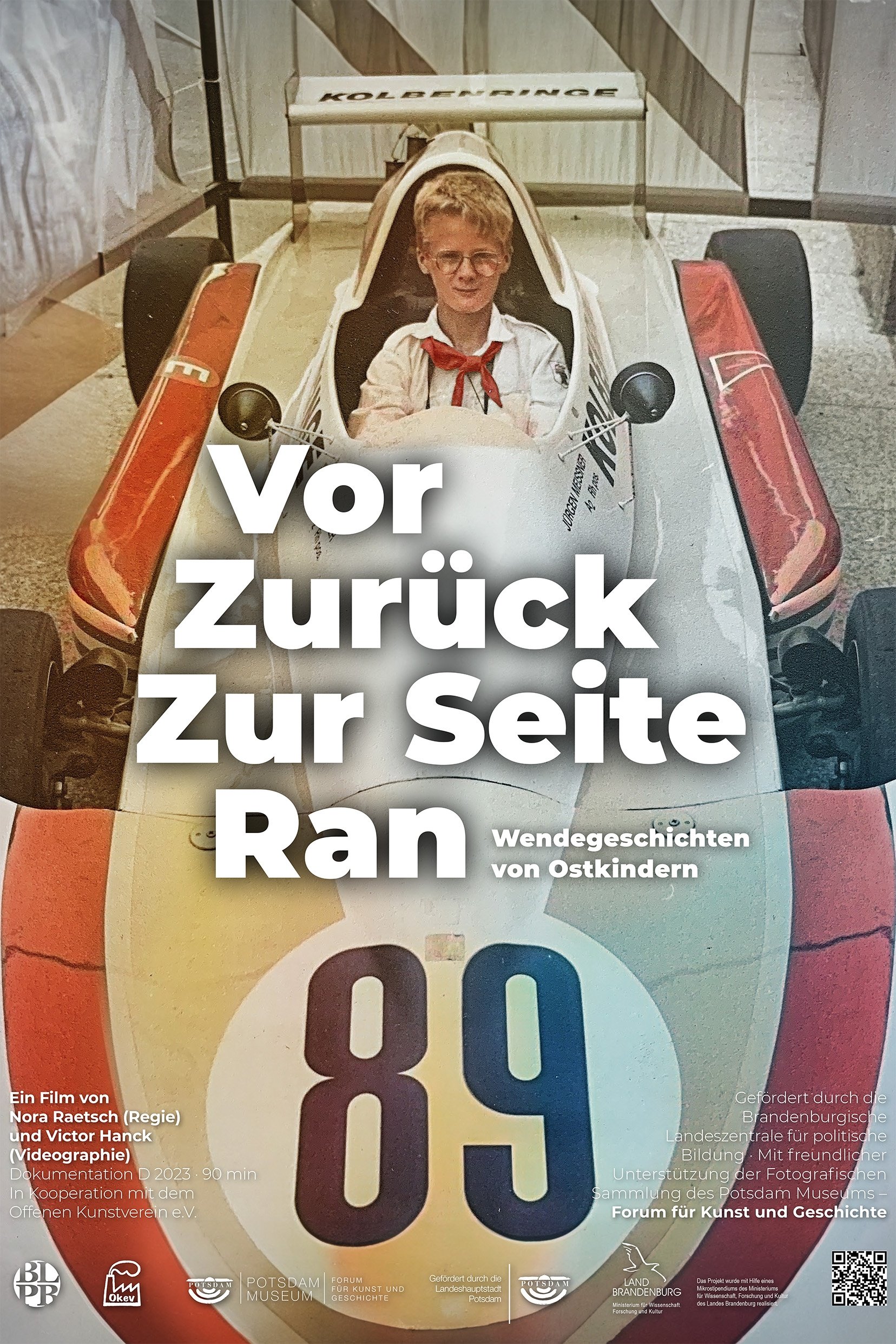
After the fall of the Berlin Wall, citizens of East Germany had to get used to a new way of consuming, working, and living. New-found freedoms were a breath of fresh air for many but in the chaos leading up to reunification with West Germany, the experience was also disconcerting.
In interviews, several important GDR personalities and also GDR citizens comment on the events of October 1989.
JB Smoove and Martin Starr host a celebration of 20 years of "Spider-Man" movies, from the Sam Raimi trilogy to Marc Webb's movies and the trio from Jon Watts.
A purely observational non-fiction film that takes viewers into the ethically murky world of end-of-life decision making in a public hospital.
Featuring interviews with filmmakers and industry legends, discover the origins and evolution of The Joker, and learn why The Clown Prince of Crime is universally hailed as the greatest comic-book supervillain of all time.
An inside look at one of the most anticipated movie sequels ever with James Cameron and cast.
After the high-profile killing of Damilola Taylor, Cornelius' family move out of London. But when they discover their new town is run by racists, Cornelius takes a drastic step to survive.
Daniel Craig candidly reflects on his 15 year adventure as James Bond. Including never-before-seen archival footage from Casino Royale to the upcoming 25th film No Time To Die, Craig shares his personal memories in conversation with 007 producers, Michael G Wilson and Barbara Broccoli.
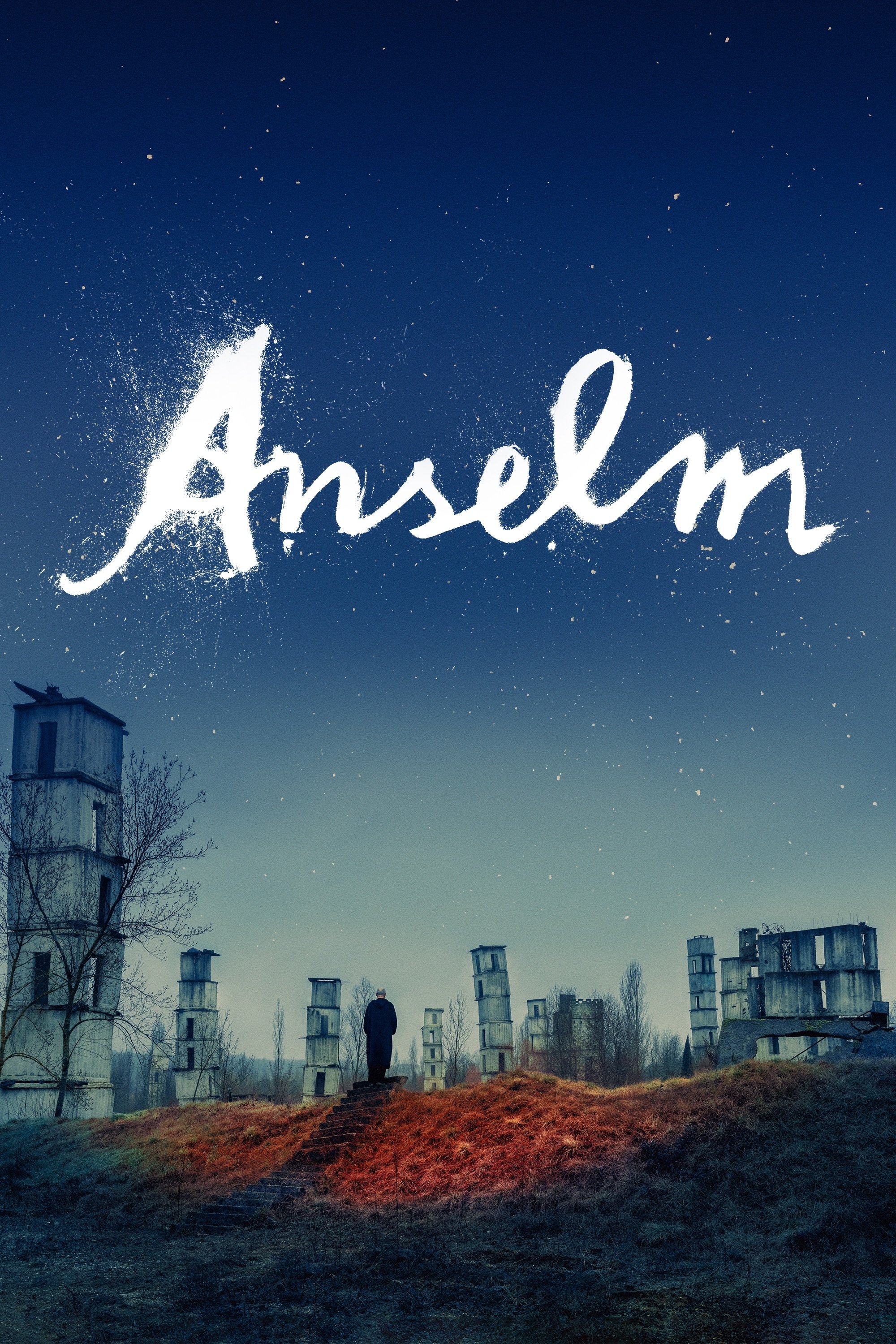
This unique cinematic experience dives deep into an artist’s work and reveals his life path, inspiration, and creative process. It explores his fascination with myth and history. Past and present are interwoven to diffuse the line between film and painting, allowing the audience to be completely immersed in the remarkable world of one of the greatest contemporary artists, Anselm Kiefer. Wim Wenders shot this unique portrait over the course of two years in stunning 3D.
A documentary about the life and films of director John Ford.
Through deeply personal interviews with her siblings and an examination of the photographs, letters, and belongings left behind, Mariska assembles a new portrait of her mother Jayne Mansfield, an extraordinary and complex woman.
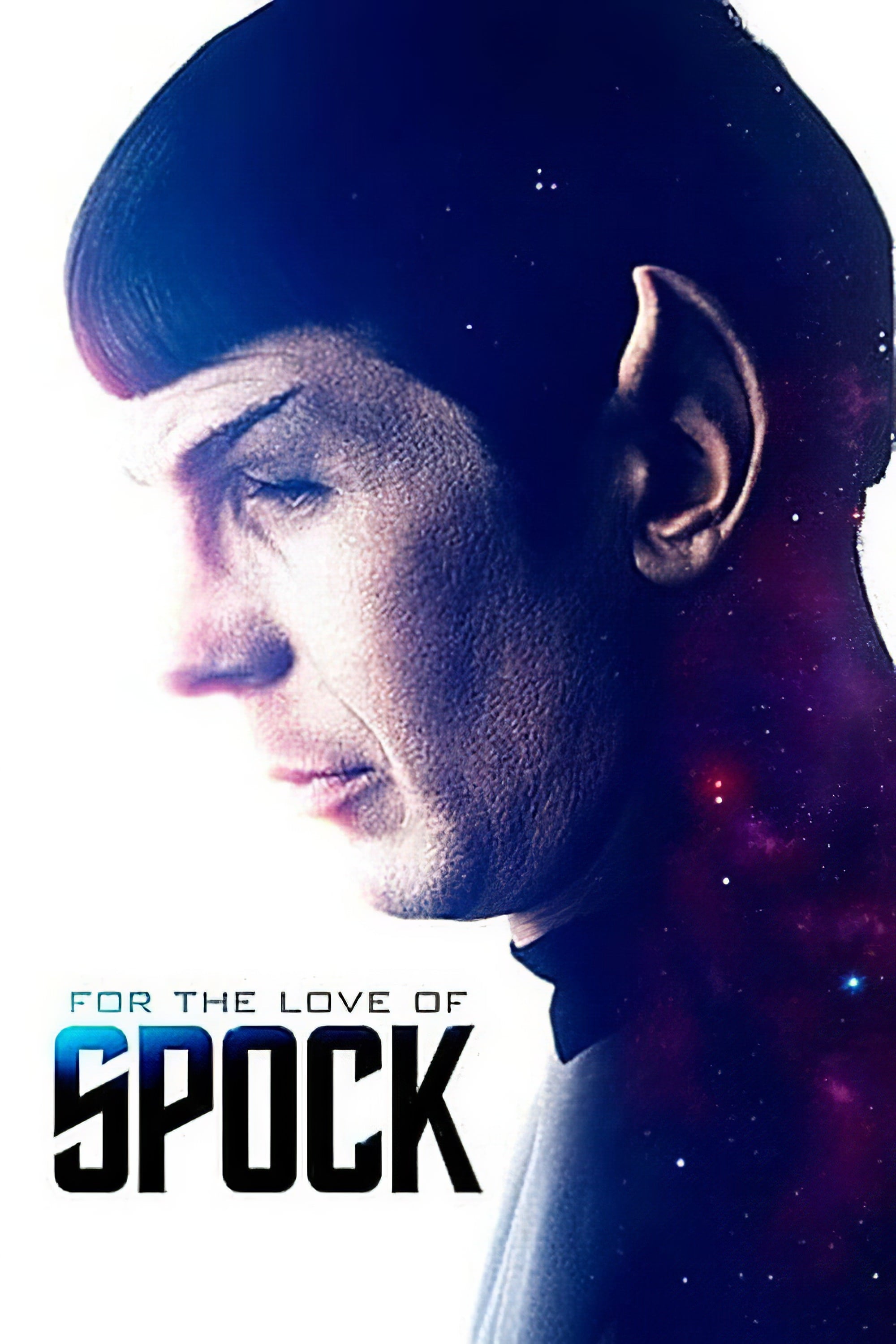
The life of Mr. Spock, as well as that of Leonard Nimoy, the actor who played him for almost fifty years, written and directed by his son: Adam.
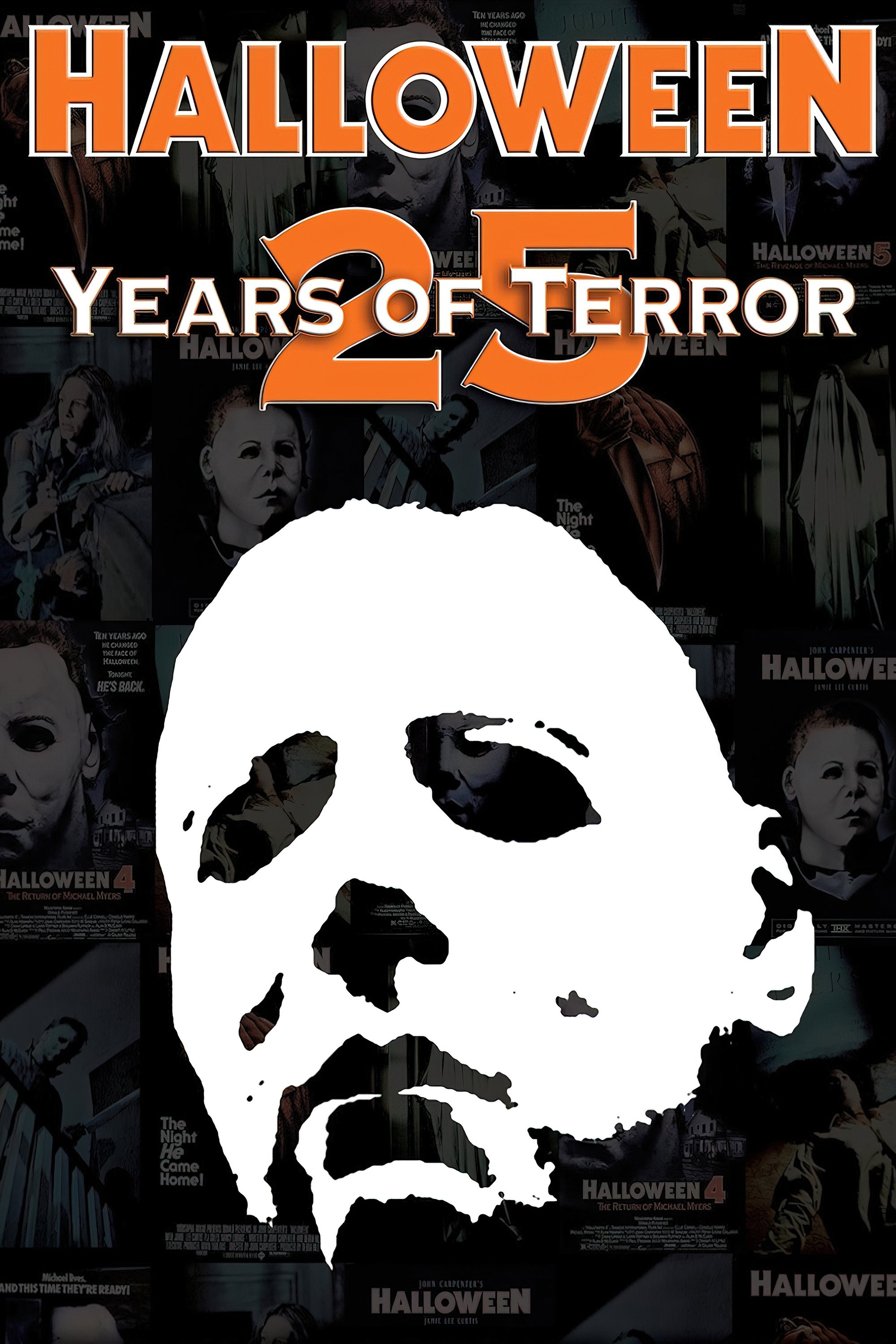
Follow the evolution of the 'Halloween' movies over the past twenty-five years. It examines why the films are so popular and revisits many of the original locations used in the films - seeing the effects on the local community. For the first time, cast, crew, critics and fans join together in the ultimate 'Halloween' retrospective.
The life and career of an actor, artist, and icon. His own journey through his own camera.
Those who knew iconic funnyman John Candy best share his story, in their own words, through never-before-seen archival footage, imagery, and interviews.
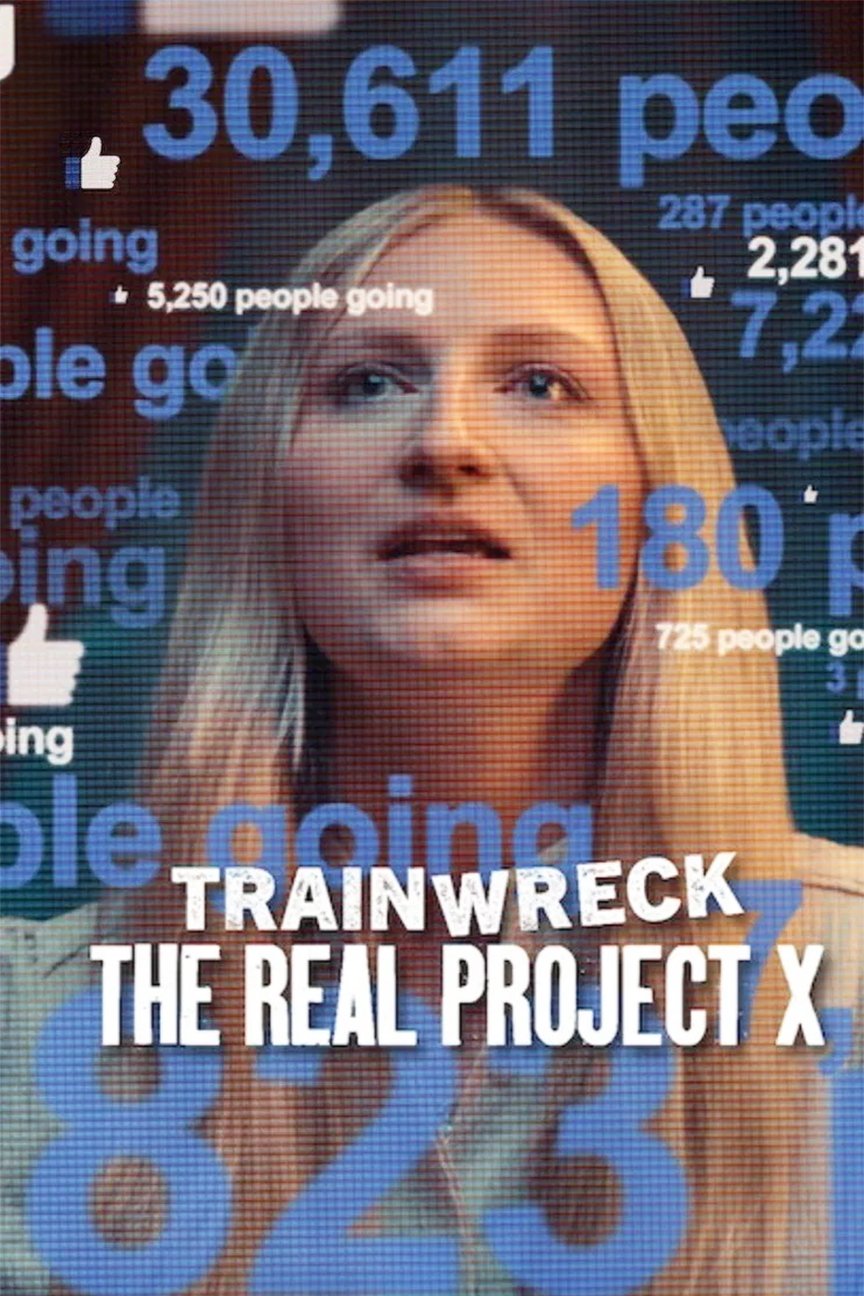
A night of drunken chaos rocks a quiet Dutch town in this shocking documentary about a teen's birthday invite that accidentally went viral on Facebook.
Al Pacino's deeply-felt rumination on Shakespeare's significance and relevance to the modern world through interviews and an in-depth analysis of "Richard III."
In a crime-plagued neighborhood near Miami, brutal, bare-knuckled backyard fights give young men a chance to earn money -- and self-respect.
In the Realms of the Unreal is a documentary about the reclusive Chicago-based artist Henry Darger. Henry Darger was so reclusive that when he died his neighbors were surprised to find a 15,145-page manuscript along with hundreds of paintings depicting The Story of the Vivian Girls, in What is Known as the Realms of the Unreal, of the Glodeco-Angelinnian War Storm, Cased by the Child Slave Rebellion.
Bruce Conner’s most celebrated film for a reason: it takes historical moments that were replayed over and over on television—chilling repetition of Kennedy assassination coverage—and repurposes them into a meditation on how the media tries to exert authority and apply a sense of order to the anarchic. And though it may sound perverse to say so, the film is also—not incidentally—a thrill to watch. -- The A.V. Club
Journey into the extraordinary world of "The Witcher" — from casting the roles to Jaskier's catchy song — in this behind-the-scenes look at the series.
Join the likes of Jeremy Renner, Hailee Steinfeld, Florence Pugh, and Vincent D’Onofrio as they reveal how Marvel Studios’ “Hawkeye” was conceived and created. Witness firsthand what it took to pull off the show’s pulse-pounding action set pieces, and discover how iconic characters from the pages of Marvel Comics such as Kate Bishop were adapted and brought to life for the six-episode series.