Social & External
Narrator
Unknown Role
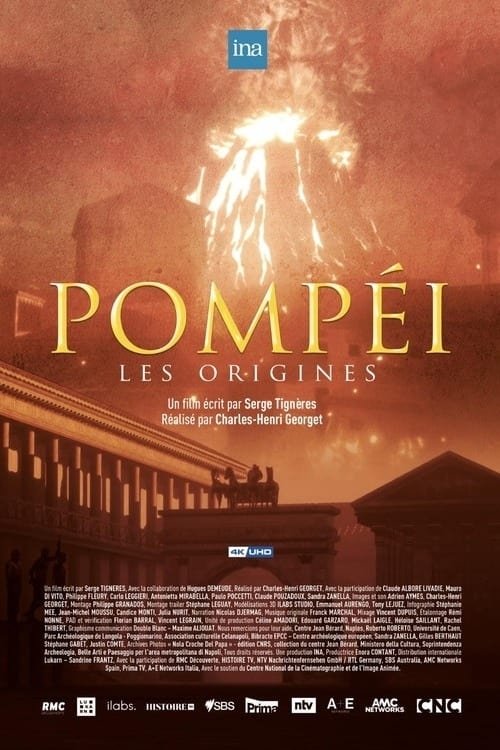
For the first time, and thanks to new archaeological excavations, this documentary reveals how Pompeii, the pride of its builders, developed, from its origins at the end of the seventh century BC until the eruption of Vesuvius in 79 AD. The use of CGI and 3D mapping provides a very clear view of this ancient superstructure and eight centuries of urban evolution. We will revive this great historical fresco through accounts by international archaeologists and historians. Pompeii: The Origins is a journey to the heart of an ancient ‘motion designed’ city.
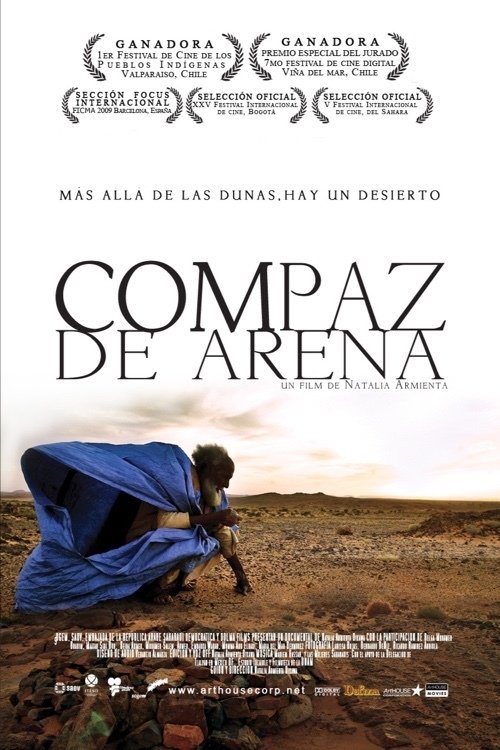
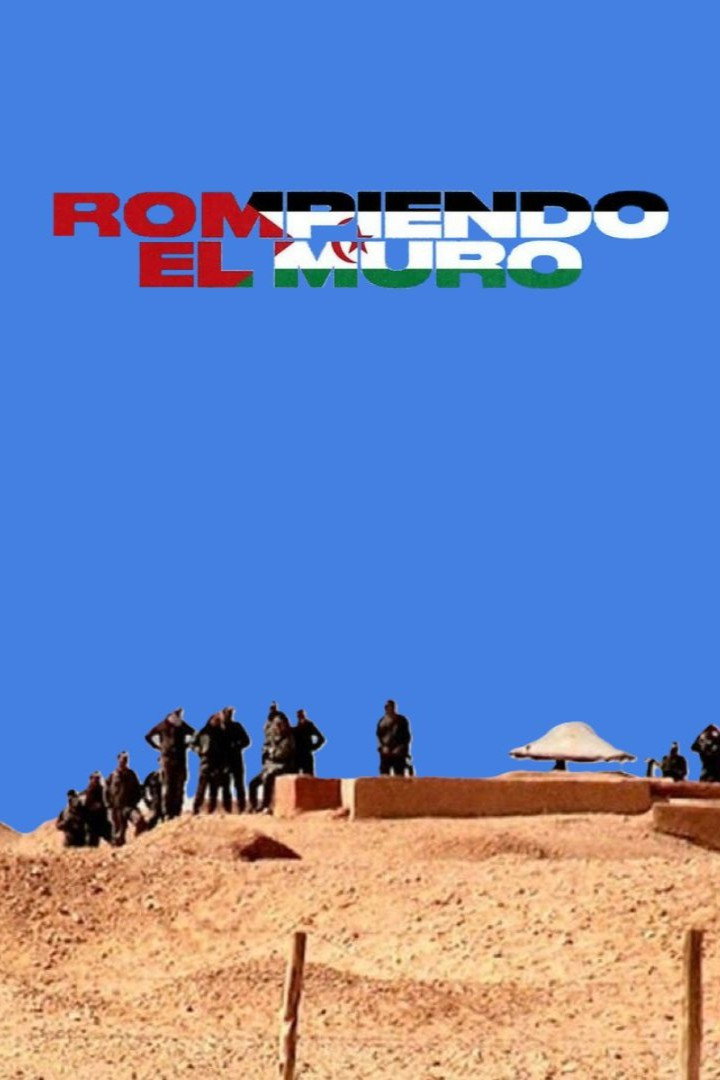
A Crew of Mexican filmmakers decide to cross the world to go in search of a nomad who would guide them in the sea of sand, to find the cave of the djina (a devil) but on the way they find an exiled country, that asks for help them to spread there existence and find a way to prevent that the organizations of United Nations and NGOS do not forget them. It is a history full of magic and feeling, wrapped in the colouring landscapes of the great desert of the Sahara. Among the liberated territories there are 10 million mines, temperatures of up to 60 ° c and little food to testify the wealths of a great people there culture, traditions, tragedy and there similarities with the rest of us.
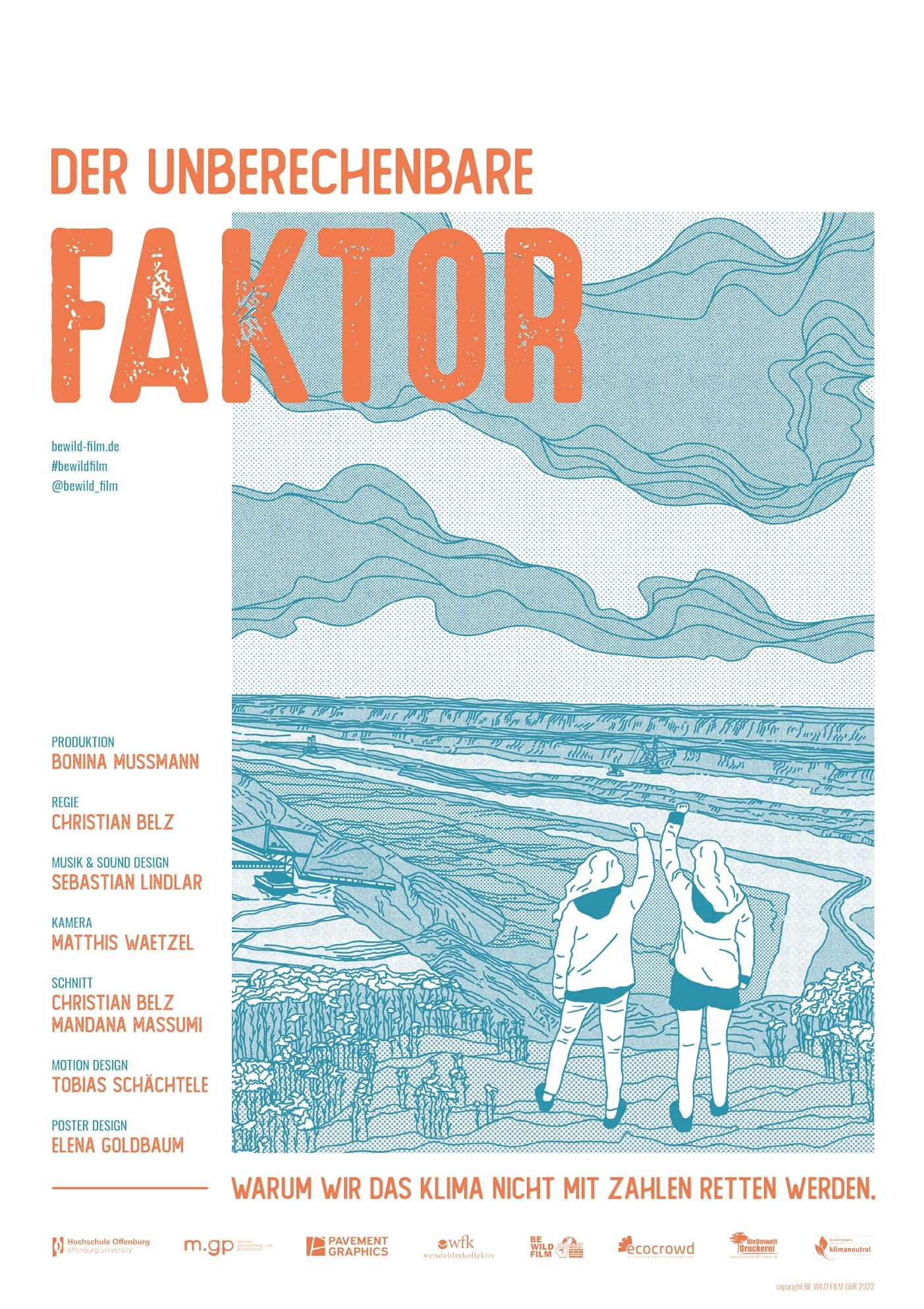
In today's climate debate, there is only one factor that cannot be calculated in climate models - humans. How can we nevertheless understand our role in the climate system and manage the crisis? Climate change is a complex global problem. Increasingly extreme weather events, rising sea levels, and more difficult living conditions - including for us humans - are already the order of the day. Global society has never faced such a complex challenge. For young people in particular, the frightening climate scenarios will be a reality in the future. For the global south, it is already today. To overcome this crisis, different perspectives are needed. "THE UNPREDICTABLE FACTOR" goes back to the origins of the German environmental movement, accompanies today's activists in the Rhineland in their fight against the coal industry and gives a voice to scientists from climate research, ethnology and psychology.
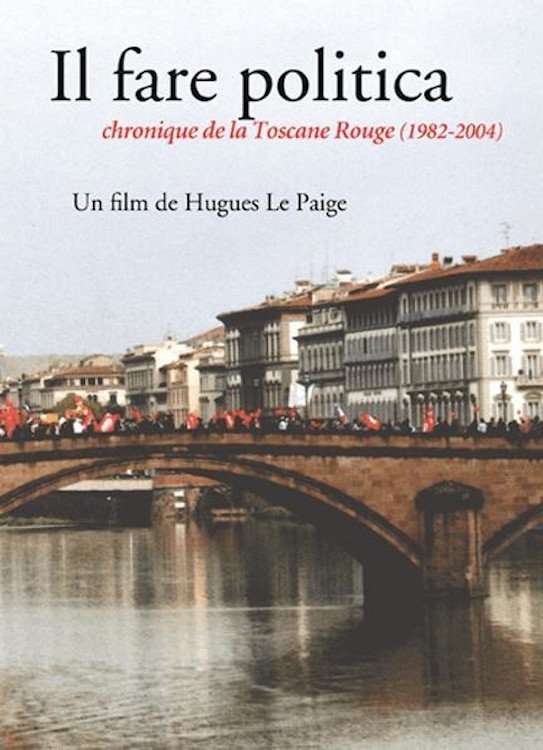
Fabiana, Carlo, Claudio and Vincenzo… I met them in 1982 in Mercatale, their village in Tuscany, near Florence. They were aged between 25 and 45 and were cheerful militants in the Italian Communist Party, that strange party which has made its mark on history and which was both a school and a family for them. I have filmed in Mercatale every two or three years for over 20 years (1982/2004). The fi lm takes the “long view” of their political and personal development against the backdrop of village life. Stories with both human and political interest spanning over a quarter of a century with relevance for present day issues: what has become of the plans to change the world in Berlusconi’s Italy? From a more global perspective: what else can politics do? When the time comes to take stock the paths of their rich and varied personal lives cross once more with all their doubts and allegiances.
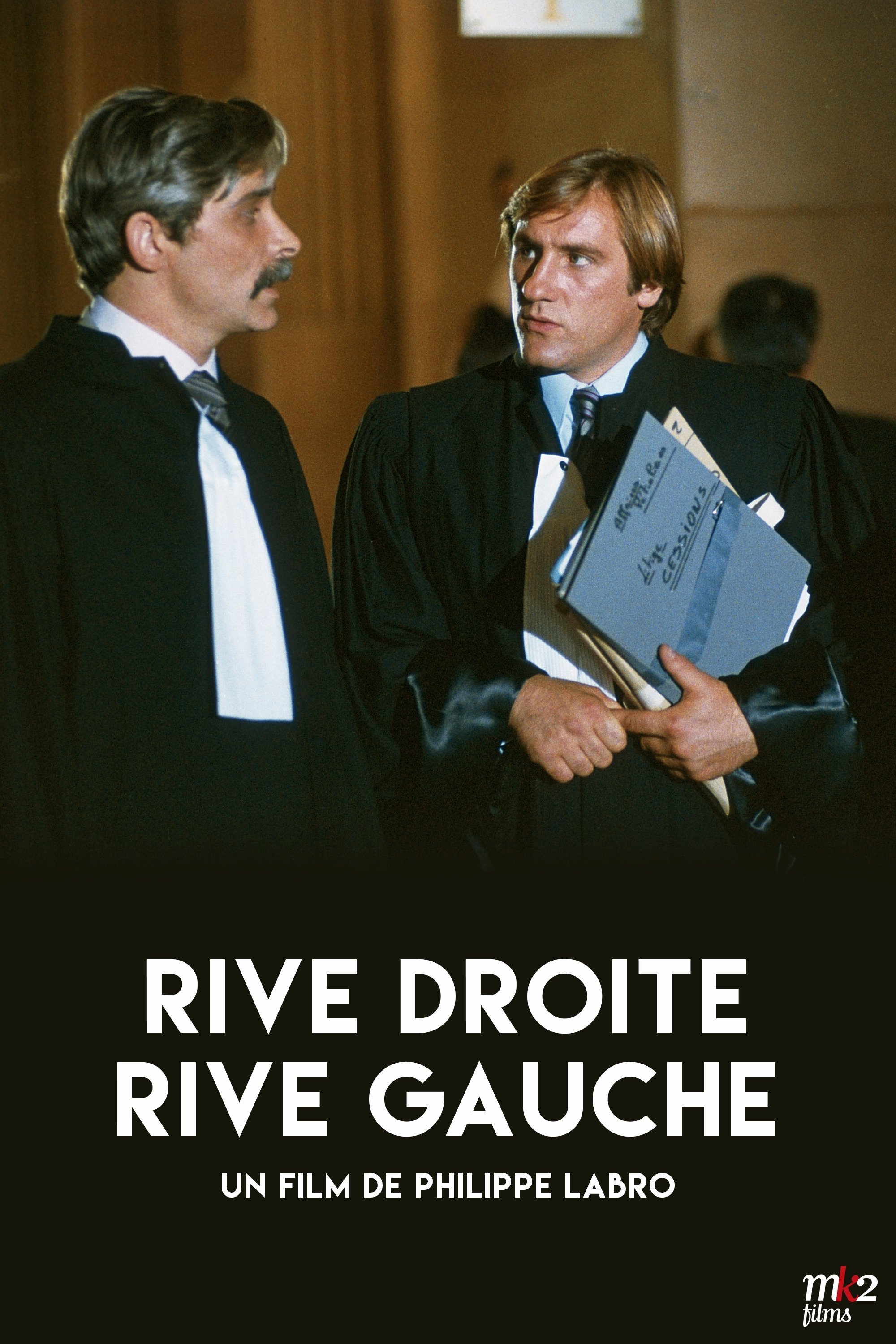
Longtime friends Guarrigue and Sénanques own a successful law practice in Paris. The dreaded businessman Pervillard is one of their clients. One night, Sénanques, who is in an unhappy relationship, meets Sacha. For her sake, he causes a political scandal involving Pervillard and puts himself in danger.
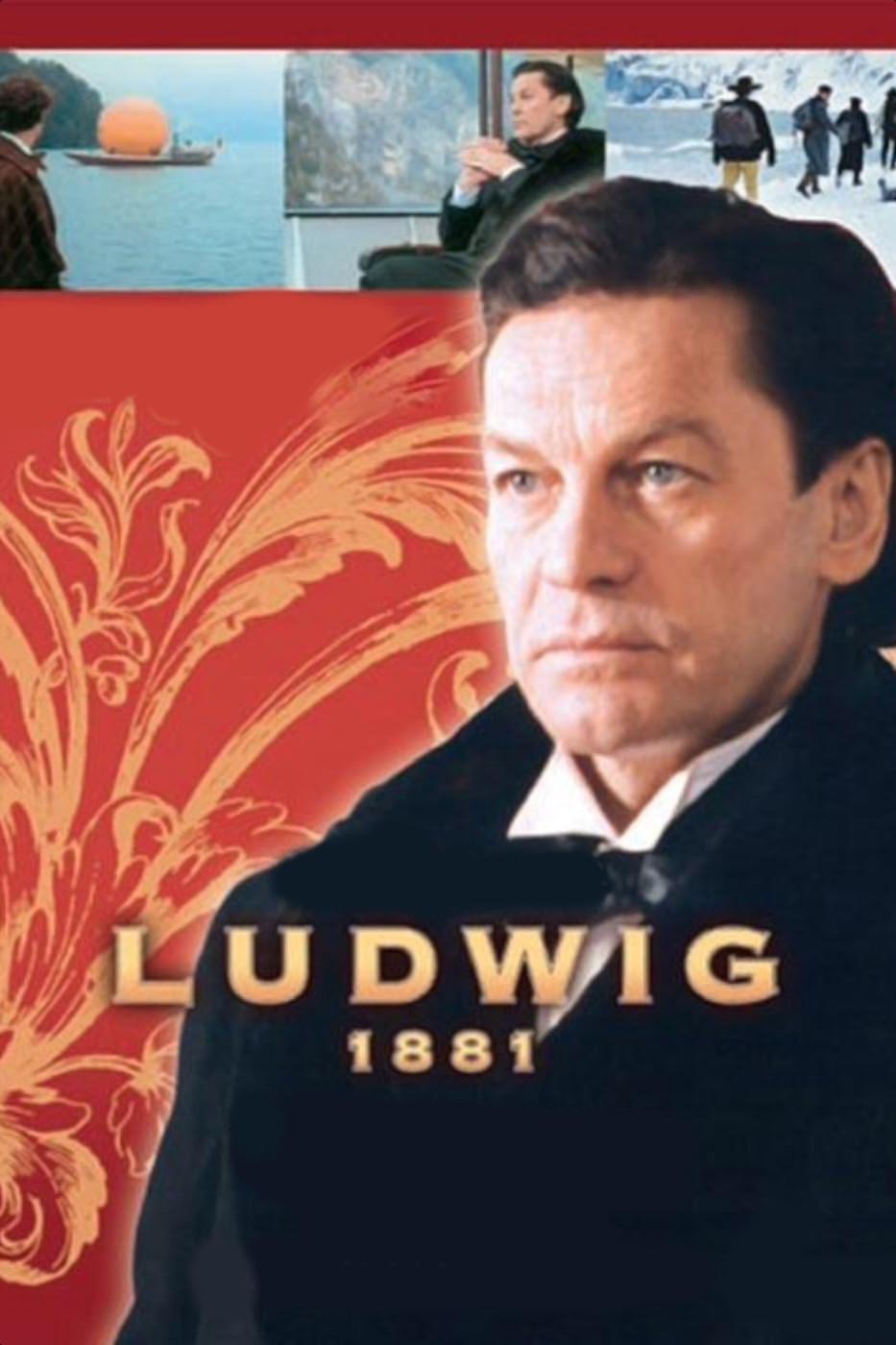
In 1881 Ludwig of Bavaria goes on a cruise on a Swiss lake. He takes with him a famous actor, Josef Kainz, to act out the scenes from a story which took place on the lake, at the actual locations.
Best known for the myth of the Minotaur, Crete gave birth to Europe's first civilization. Yet little is known about those who inhabited the island. But now, with fresh archeological evidence, light is finally being shed on this ancient culture.
Through interviews with leading psychologists and scientists, Neurons to Nirvana explores the history of four powerful psychedelic substances (LSD, Psilocybin, MDMA and Ayahuasca) and their previously established medicinal potential. Strictly focusing on the science and medicinal properties of these drugs, Neurons to Nirvana looks into why our society has created such a social and political bias against even allowing research to continue the exploration of any possible positive effects they can present in treating some of today's most challenging afflictions.
Based on a true story. A Spanish soldier hides out with and aids the Saharawi people of the Western Sahara against the injustices of his own army.
A retrospective on the great election battles of the past in the United States: the Kennedy-Nixon debate in 1960, the first ever to be televised; the Republican campaign of 1972, which proved to be the starting point for the Watergate scandal; and the electoral strategy of Barack Obama in 2008, the first election to fully exploit the potential of the Internet.
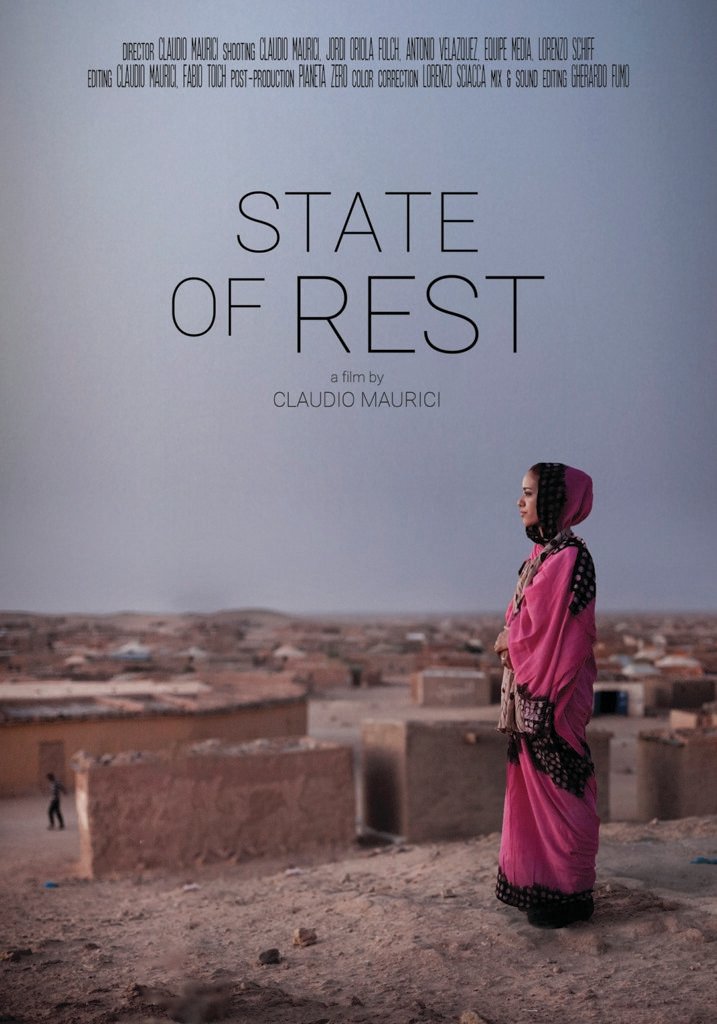
Salka was born as a refugee in the Sahara desert, and grew up in Italy by chance: she was one of the so-called "Little Peace Ambassadors". Sahrawis have been sending to Europe their children for decades, to show the world the injustice they suffer. A 2700 km long mined wall across the desert, and there's no mention of it even in UN resolutions on Western Sahara. This former spanish colony, just in front of Canary Islands, is occupied by Morocco since 1975. In 2011 I spent 5 weeks in the Sahrawi refugee camps near Tindouf, outer south-west of Algeria. This is where the Sahrawi's escape from their war-devastated land stopped, though none of them imagined they would stay there so long. When I met Salka, her foster italian mother Carmen and her mother Aisha, I had finally found what I had been looking for: state of rest began to take shape. Neither Salka nor I were born when it all began. Western Sahara has been occupied by Morocco and plundered by many others for over 40 years
A short documentary in support of the Sahrawi people through the figure of the rapper Yslem "Son of the Desert", Bahia Madmuh, Concha Moya, Nadhira Mohamed and Javier Couso.
The film takes place in the Sahrawi refugee camps installed since 1975 near Tindouf, southwest Algeria. It takes us on a filmed investigation led by two anthropologists and their Sahrawi guide with families of martyrs and seriously wounded from the Sahara War (1975-1991). Throughout the encounters, the narrative evokes the story of a rehabilitation center for war-wounded people known to all under the enigmatic name of Al-Madrasa, "the school".
Election night. Aimar, leader of the left-wing Basque nationalist movement, returns home more tired than ever. Itziar awaits him, exhausted. At the entrance, the remnants of a protest by the radical youth of their own party. Aimar has to make a decision: Does he want to continue dedicating his life to the nationalist cause, even in the worst of times?
In 1931, Germany was awarded the Olympic Games in the hope this would draw them into the international community and world peace would be promoted through sport. For two weeks in August 1936 cameras captured the world’s greatest sporting spectacle, including the Gold Medal triumphs of record-breaking sprinter Jesse Owens. The Berlin Olympics were groundbreaking – many innovations introduced in 1936 such as television coverage and the torch relay became part of every subsequent Games. Hitler’s Games in Colour tells the story of the remarkable amateurs who excelled, but also how Hitler used the Games as propaganda for his brutal regime, to show the Nazis as benign and their military ambitions as modest. Using black and white archive, transformed by cutting-edge restoration and colourisation, this is the story of 16 days that fooled the world…
July 4th, 1976. Two hundred years after the signing of the Declaration of Independence, America has changed a lot. Far removed from the original ideals are some individuals. The youth becoming more and more opposed to the "freedom" promised, while others use their power for their own personal gain. It's enough for the Founding Fathers to be rolling in their graves, literally.
An unprecedented and intimate look at the life, work and enduring legacy of British actress Audrey Hepburn (1929-1993).
Oskar Gröning, known as the "Accountant of Auschwitz," was charged with the murder of 300,000 Jews. When he took the stand in 2015, at the age of 94, his trial made headlines worldwide.
The history of cinematic sound, told by legendary sound designers and visionary filmmakers.
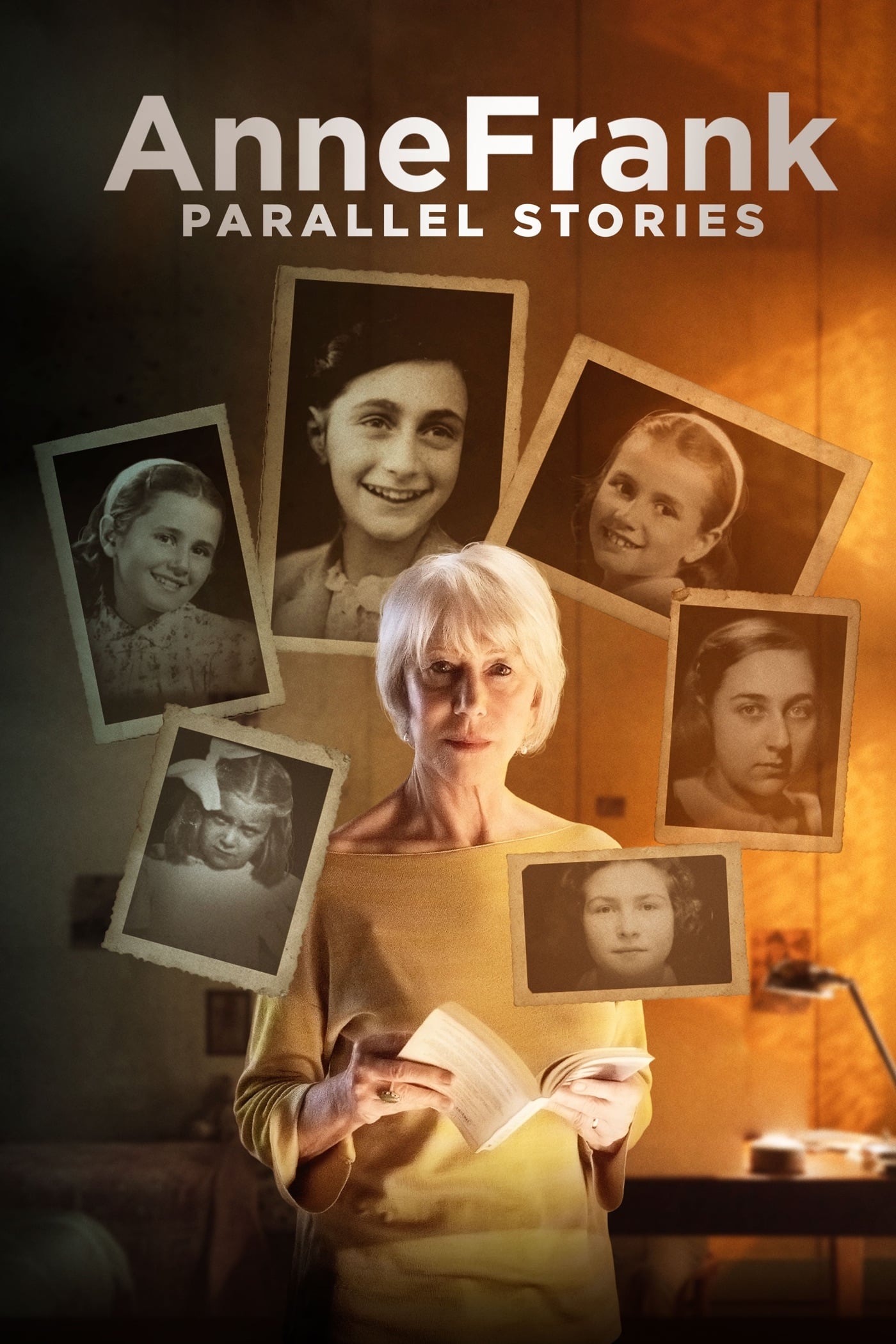
One single Anne Frank moves us more than the countless others who suffered just as she did but whose faces have remained in the shadows-Primo Levi. The Oscar®-winning Helen Mirren will introduce audiences to Anne Frank's story through the words in her diary. The set will be her room in the secret refuge in Amsterdam, reconstructed in every detail by set designers from the Piccolo Theatre in Milan. Anne Frank this year would have been 90 years old. Anne's story is intertwined with that of five Holocaust survivors, teenage girls just like her, with the same ideals, the same desire to live: Arianna Szörenyi, Sarah Lichtsztejn-Montard, Helga Weiss and sisters Andra and Tatiana Bucci. Their testimonies alternate with those of their children and grandchildren.
This documentary examines the 1999 London bombings that targeted Black, Bangladeshi and gay communities, and the race to find the far-right perpetrator. He terrorized a city, seeking to ignite a race war but justice was served by those who wouldn't let his hate win.
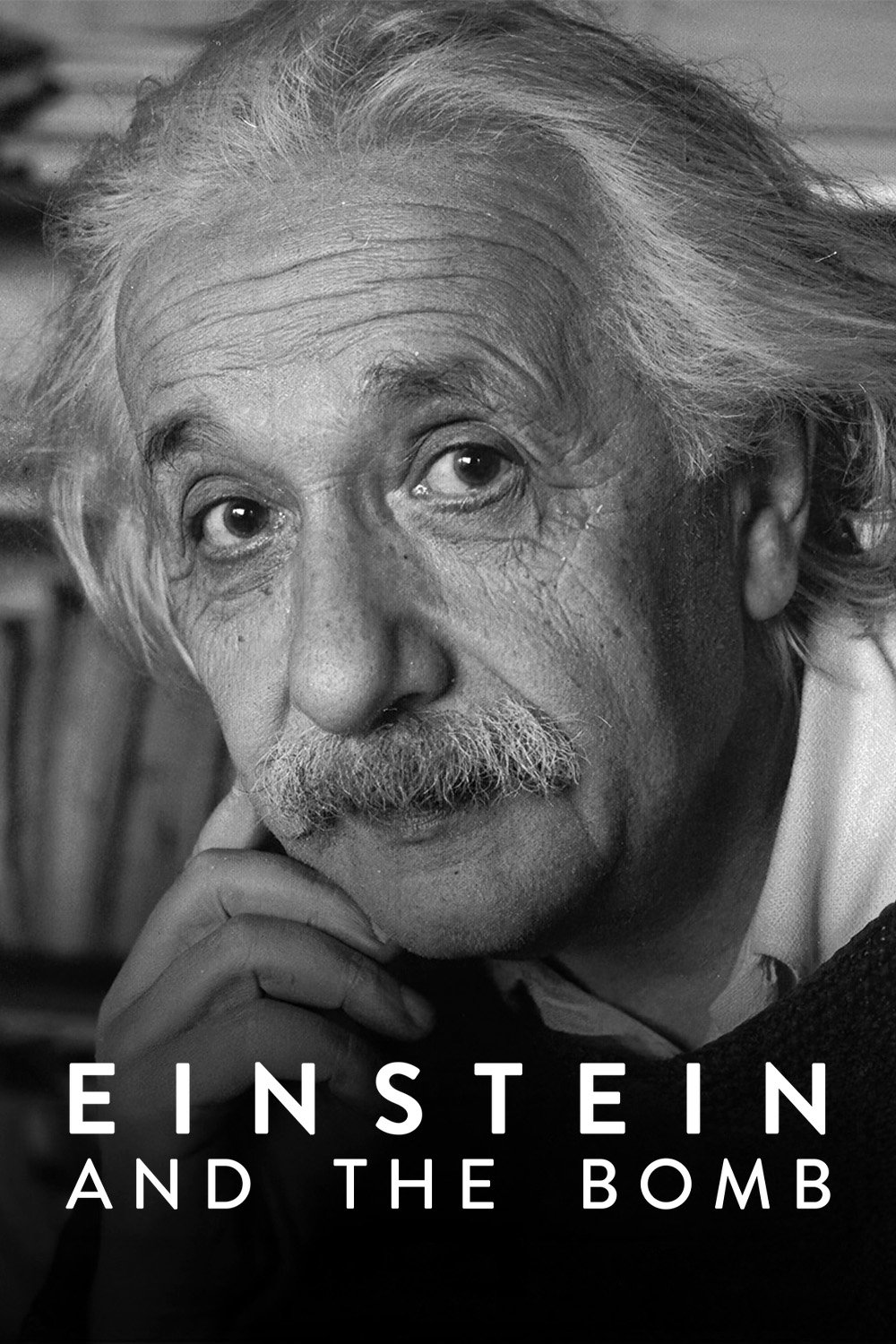
What happened after Einstein fled Nazi Germany? Using archival footage and his own words, this docudrama dives into the mind of a tortured genius.
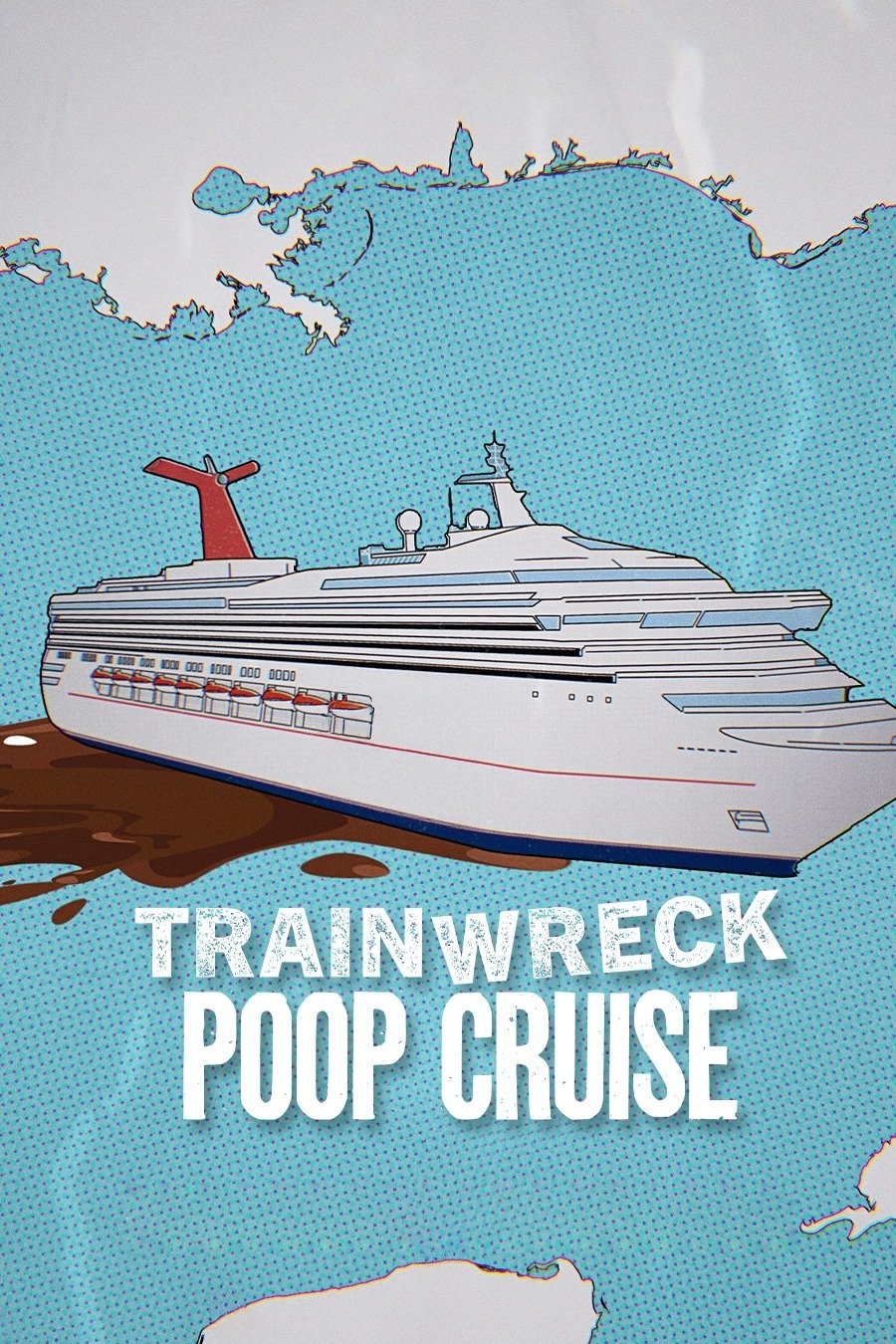
An engine fire leaves 4,000 passengers stranded at sea without power and plumbing in this wild documentary about the infamous "poop cruise" of 2013.
A documentary about the legendary series of nationally televised debates in 1968 between two great public intellectuals, the liberal Gore Vidal and the conservative William F. Buckley Jr. Intended as commentary on the issues of their day, these vitriolic and explosive encounters came to define the modern era of public discourse in the media, marking the big bang moment of our contemporary media landscape when spectacle trumped content and argument replaced substance. Best of Enemies delves into the entangled biographies of these two great thinkers, and luxuriates in the language and the theater of their debates, begging the question, "What has television done to the way we discuss politics in our democracy today?"
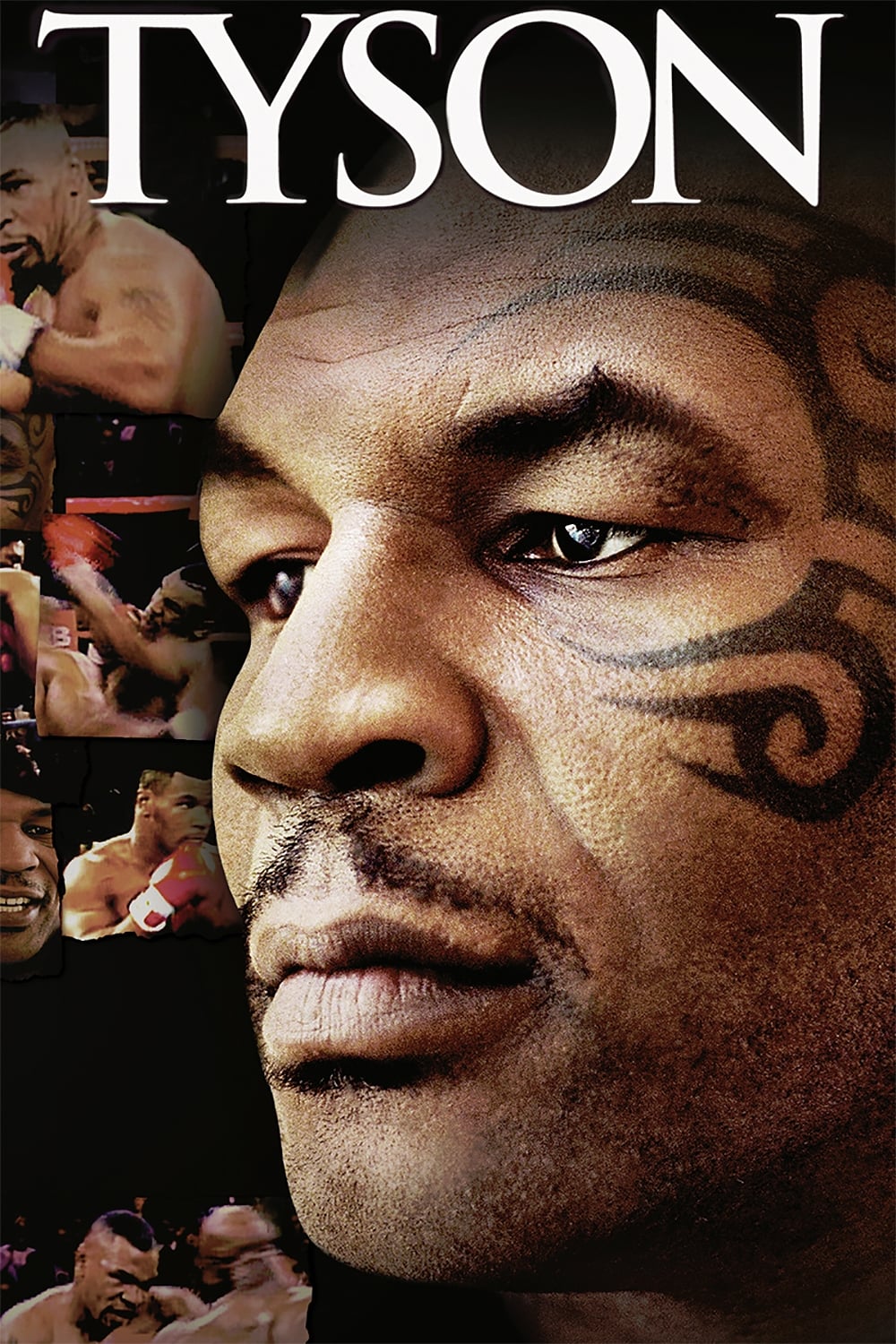
Director James Toback takes an unflinching, uncompromising look at the life of Mike Tyson--almost solely from the perspective of the man himself. TYSON alternates between the controversial boxer addressing the camera and shots of the champion's fights to create an arresting picture of the man.
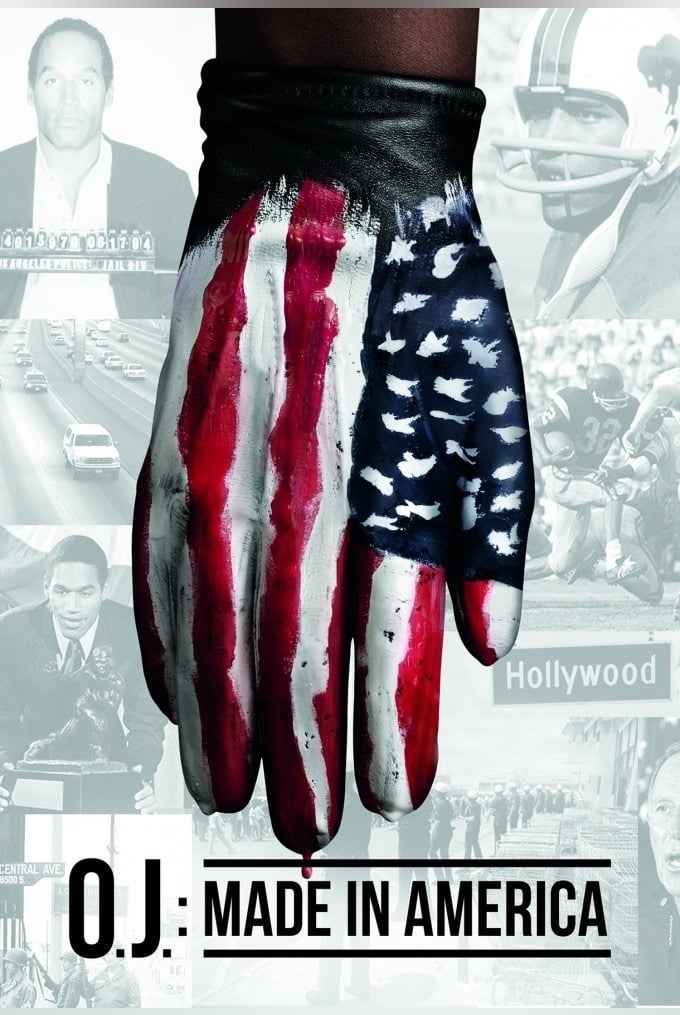
A chronicle of the rise and fall of O.J. Simpson, whose high-profile murder trial exposed the extent of American racial tensions, revealing a fractured and divided nation.
A documentary chronicling the shared experiences of prominent former child stars and the personal and professional price of fame and failure on a child.
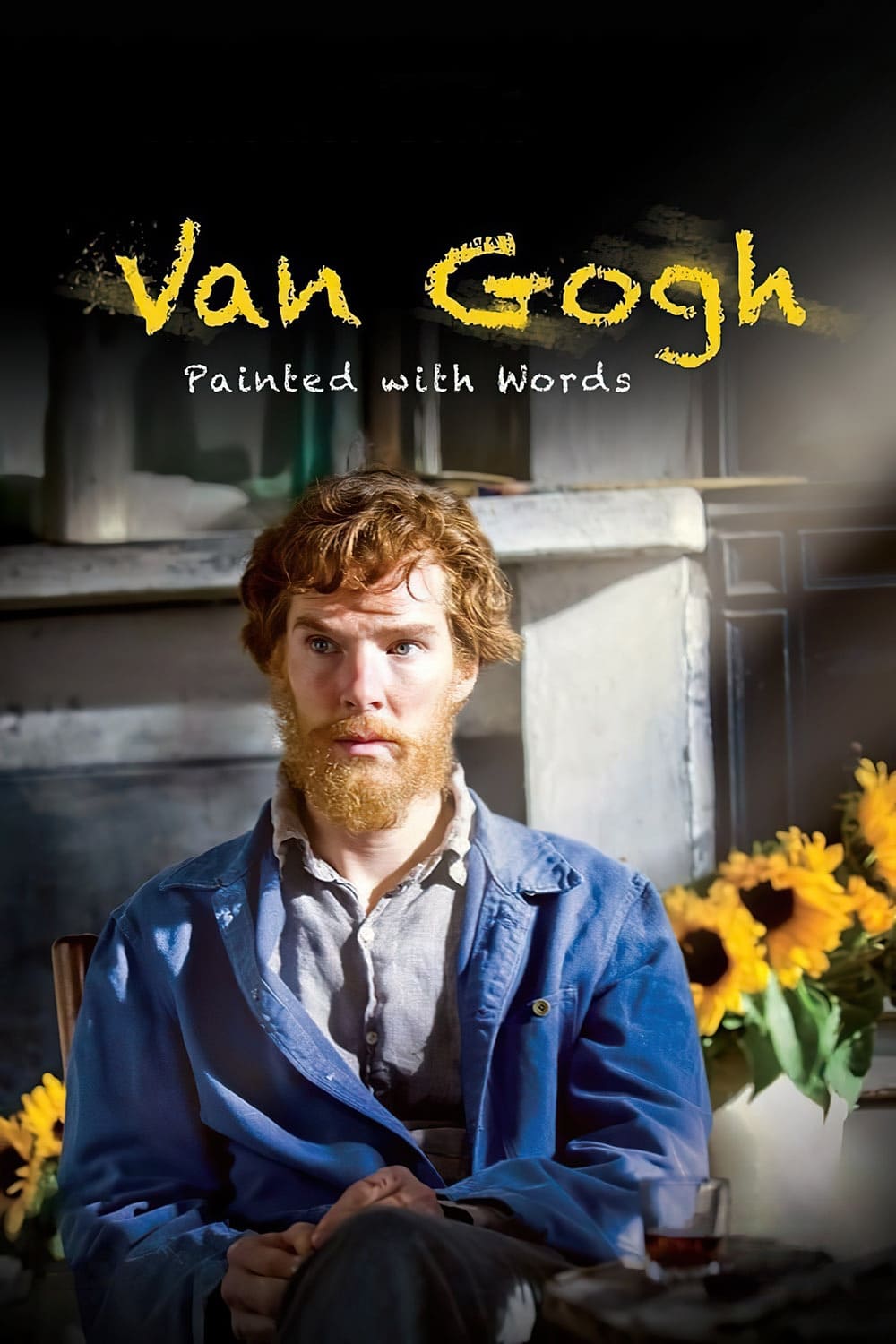
A drama-documentary presented by Alan Yentob, with Benedict Cumberbatch in the lead role. Every word spoken by the actors in this film is sourced from the letters that Van Gogh sent to his younger brother Theo, and of those around him. What emerges is a complex portrait of a sophisticated, civilised and yet tormented man.
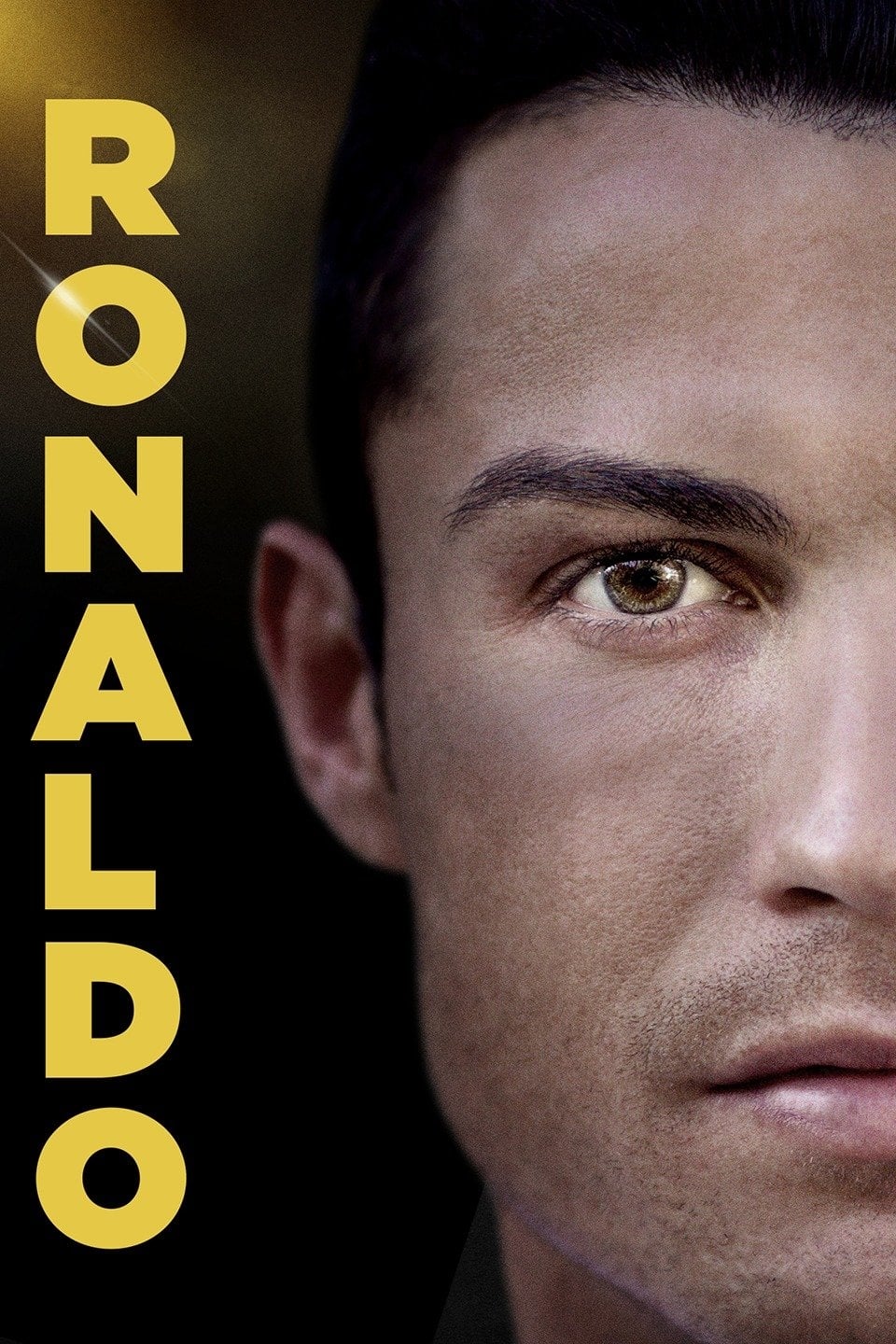
Filmed over 14 months with unprecedented access into the inner circle of the man and the sport, this is the first official and fully authorised film of one of the most celebrated figures in football. For the first time ever, the world gets vividly candid and un-paralleled, behind-closed-doors access to the footballer, father, family-man and friend in this moving & fascinating documentary. Through in-depth conversations, state of the art football footage and never before seen archival footage, the film gives an astonishing insight into the sporting and personal life of triple Ballon D'Or winner Cristiano Ronaldo at the peak of his career. From the makers of ‘Senna’ and ‘Amy’, Ronaldo takes audiences on an intimate and revealing journey of what it’s like to live as an iconic athlete in the eye of the storm.
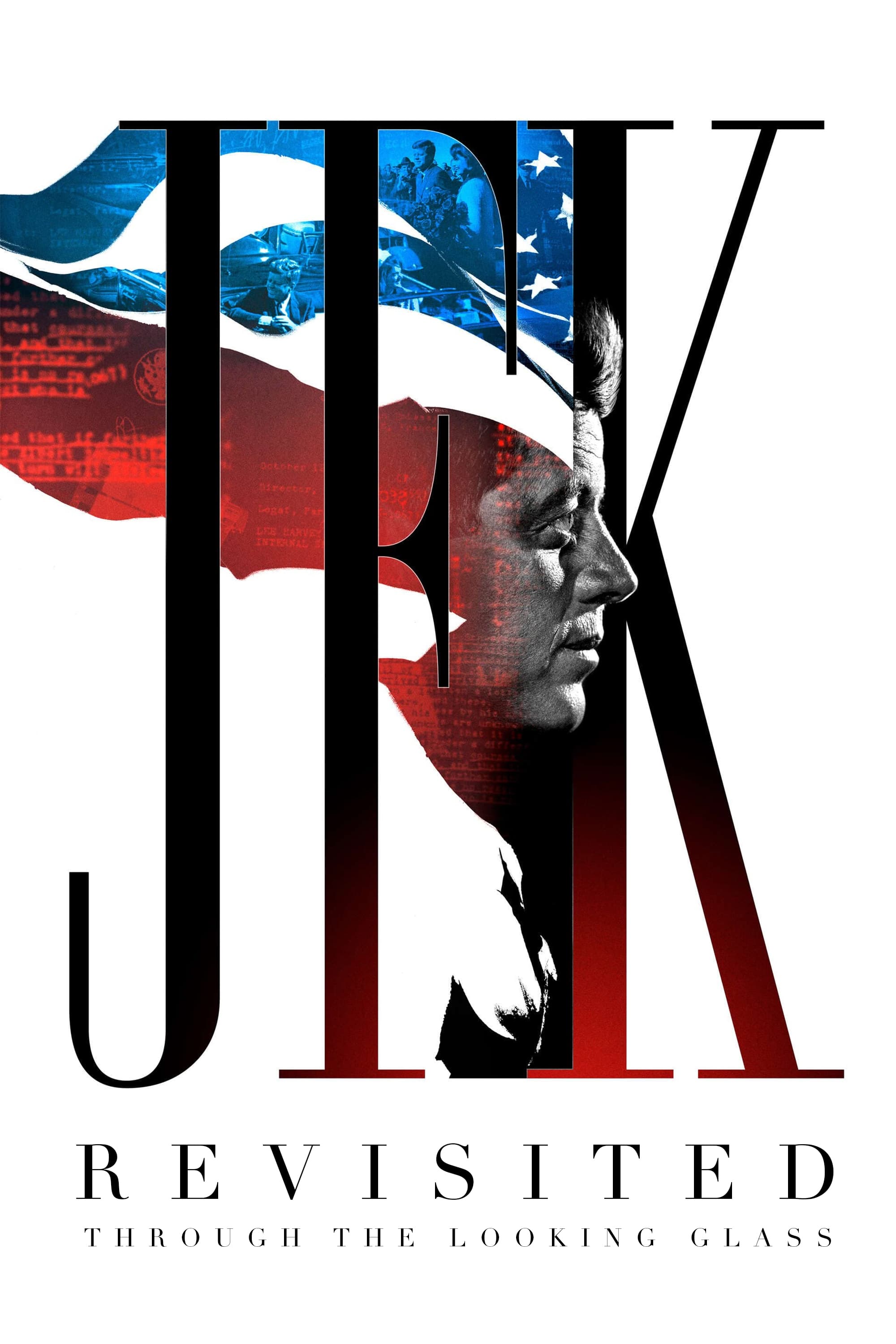
Thirty years after the release of his film JFK (1991), filmmaker Oliver Stone reviews recently declassified evidence related to the assassination of President John F. Kennedy, which took place in Dallas on November 22, 1963.
“The Soviet Story” is a story of an Allied power, which helped the Nazis to fight Jews and which slaughtered its own people on an industrial scale. Assisted by the West, this power triumphed on May 9th, 1945. Its crimes were made taboo, and the complete story of Europe’s most murderous regime has never been told. Until now...
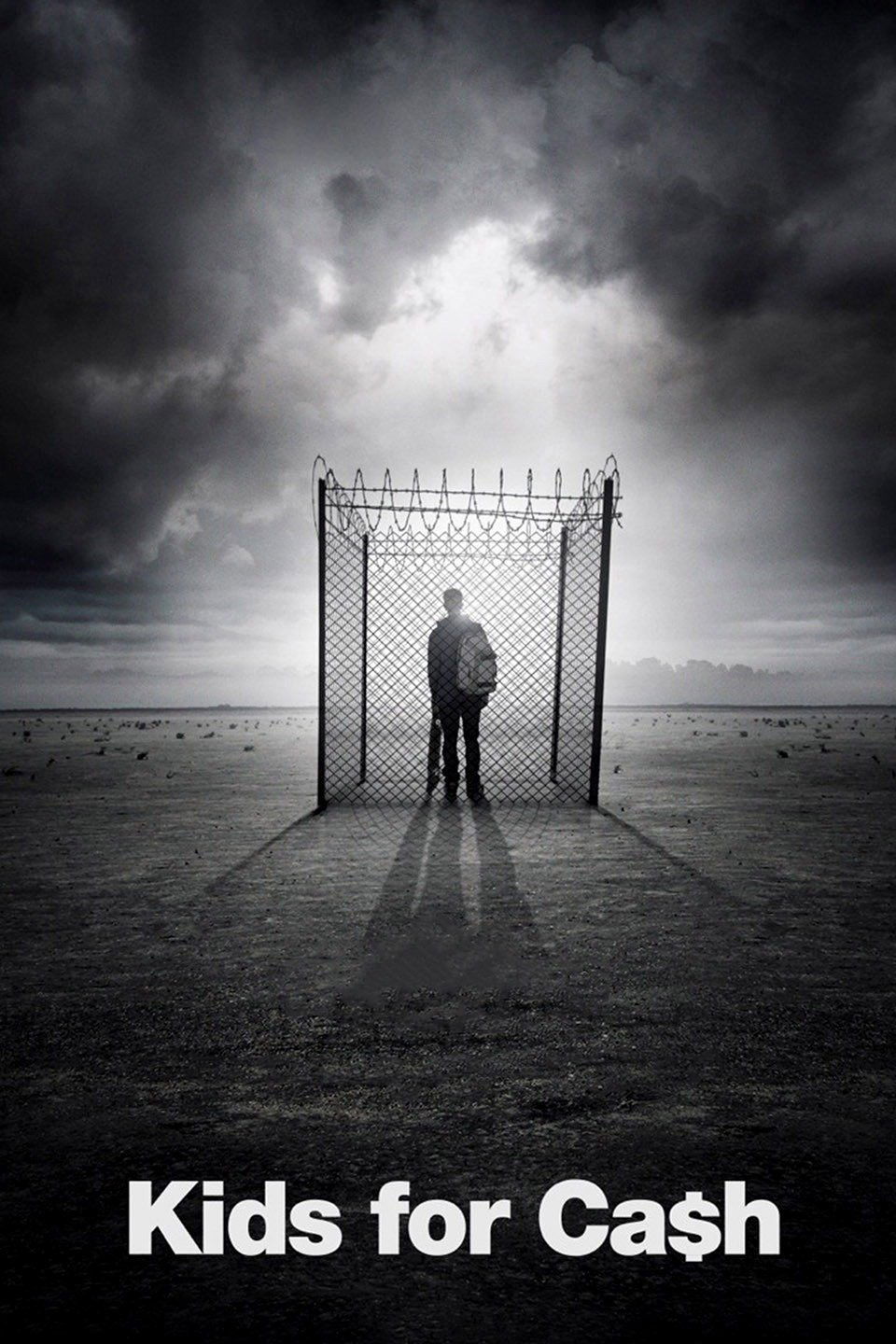
Filmmaker Robert May chronicles the case of a once-respected judge who received kickbacks for sending juvenile offenders to prison, even for minor crimes.
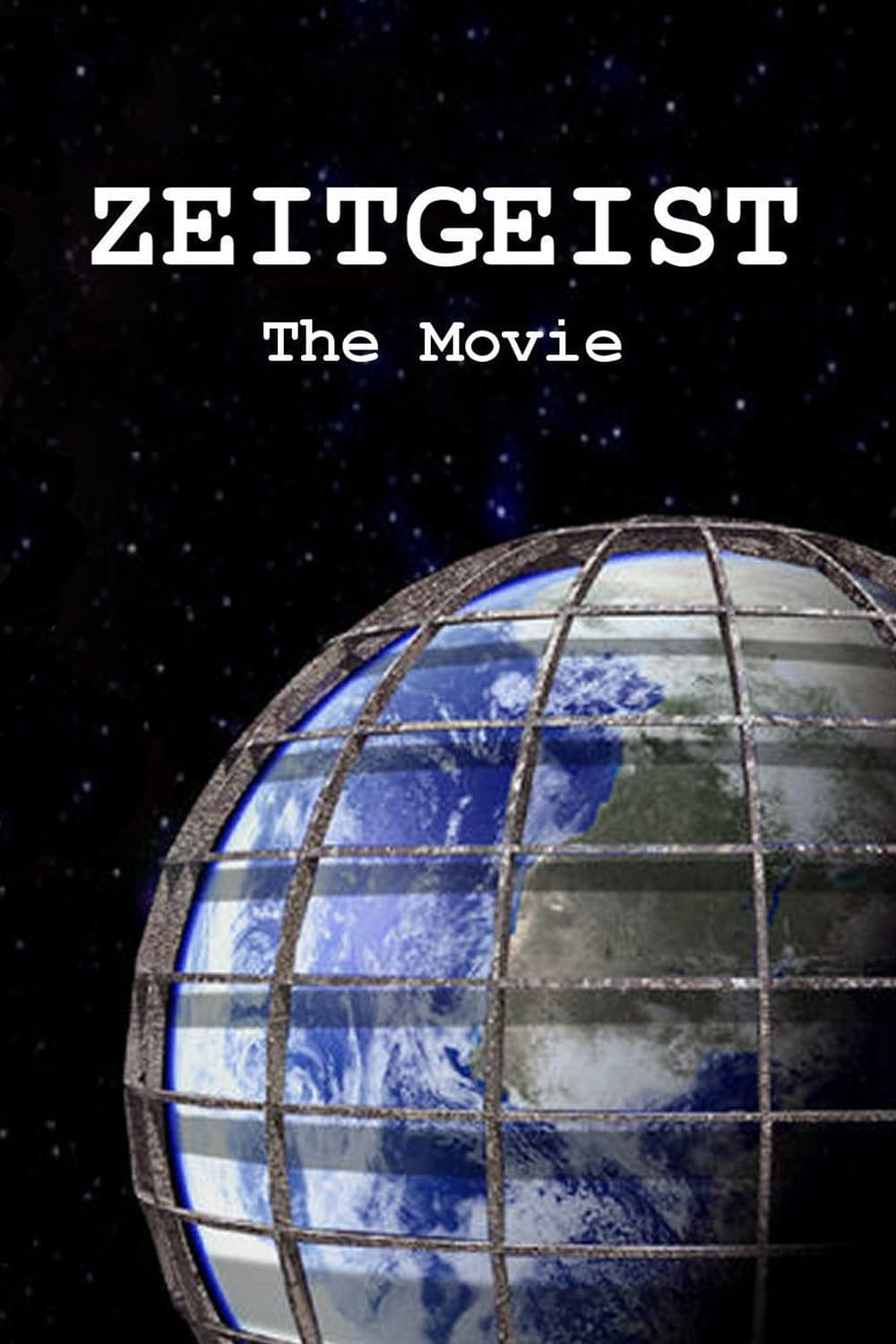
A documentary examining possible historical and modern conspiracies surrounding Christianity, the 9/11 terrorist attacks, and the Federal Reserve bank.
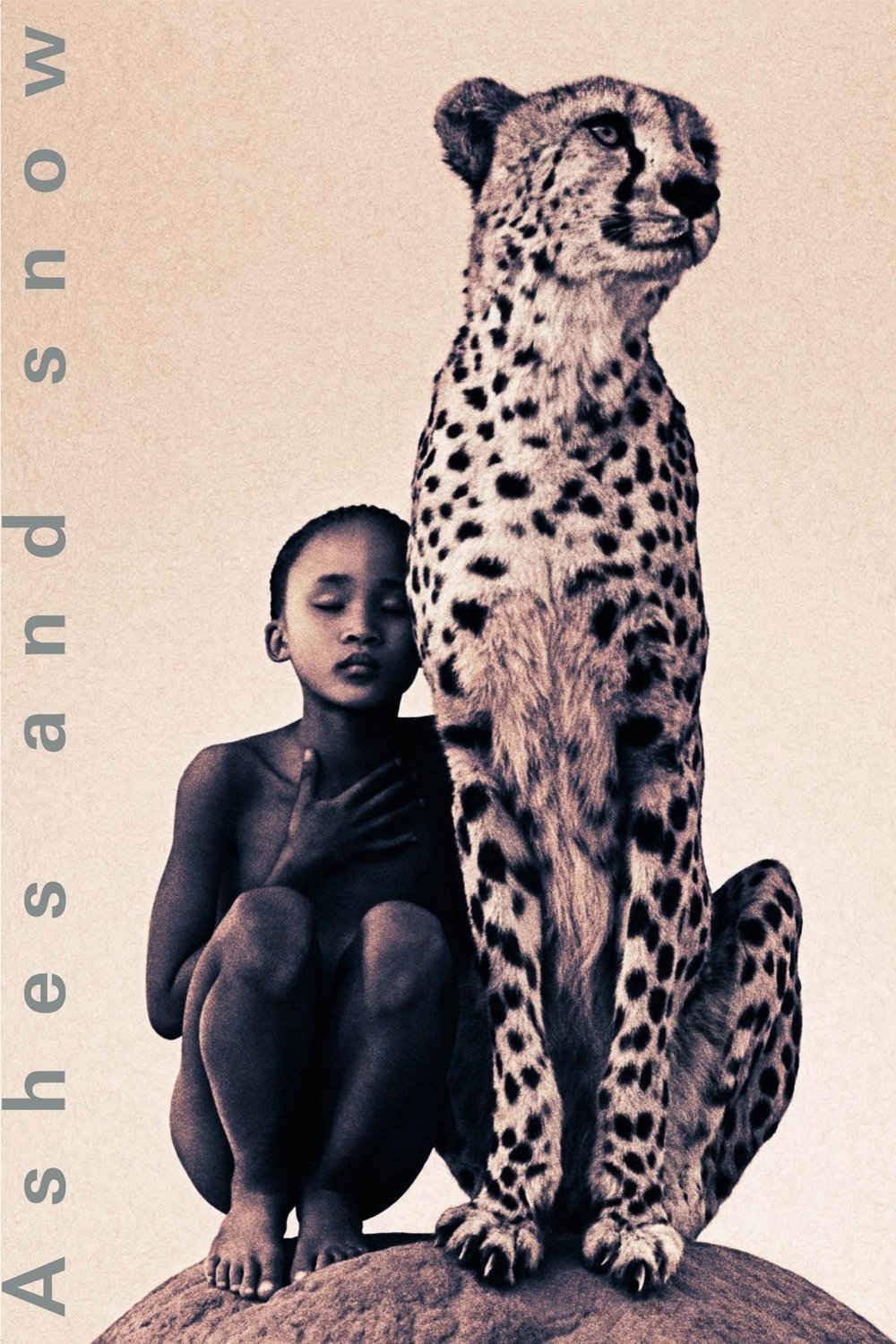
Ashes and Snow, a film by Gregory Colbert, uses both still and movie cameras to explore extraordinary interactions between humans and animals. The 60-minute feature is a poetic narrative rather than a documentary. It aims to lift the natural and artificial barriers between humans and other species, dissolving the distance that exists between them.
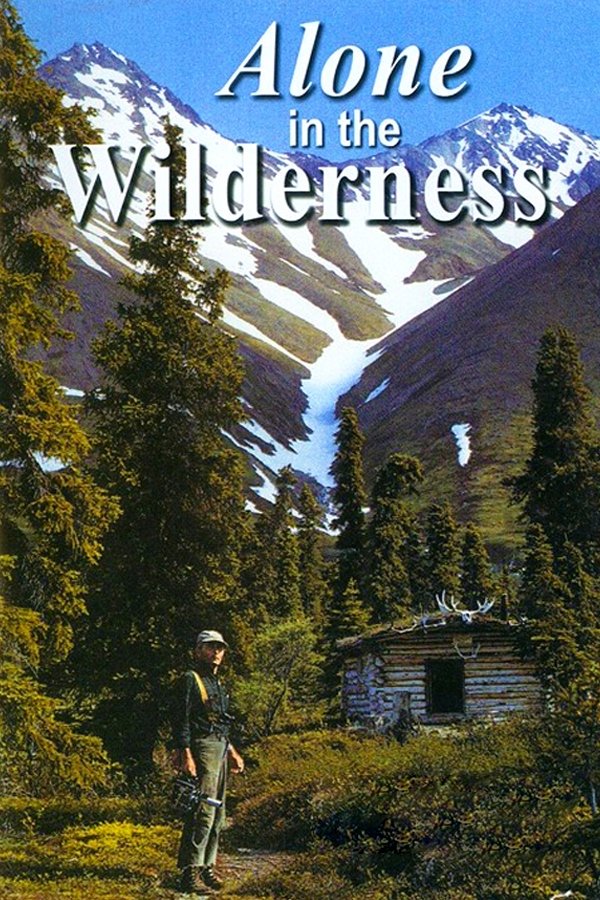
Dick Proenneke retired at age 50 in 1967 and decided to build his own cabin in the wilderness at the base of the Aleutian Peninsula, in what is now Lake Clark National Park. Using color footage he shot himself, Proenneke traces how he came to this remote area, selected a homestead site and built his log cabin completely by himself. The documentary covers his first year in-country, showing his day-to-day activities and the passing of the seasons as he sought to scratch out a living alone in the wilderness.
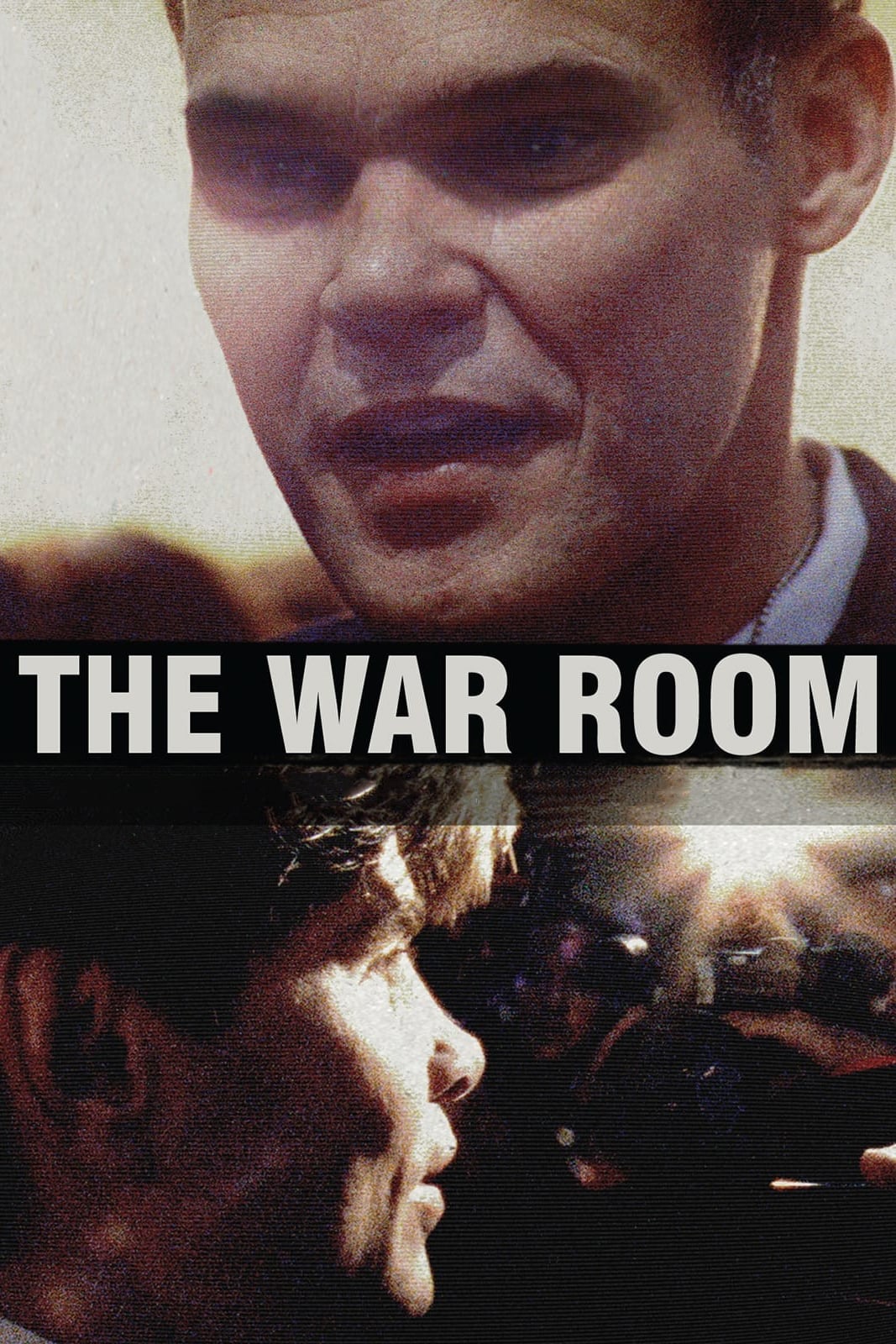
A behind-the-scenes documentary about the Clinton for President campaign, focusing on the adventures of spin doctors James Carville and George Stephanopoulos.