Social & External
The trial of Alfred Plock differed from previous trials in that it did not have an explicitly political background. A group of engineers from the Ministry of Post, Industry, and Standard Electric were charged solely because they wanted to implement a revolutionary technological innovation and turn Prague into the headquarters of a new pan-European telecommunications system. Among other things, they wanted to enhance their country's prestige on the international stage. However, it was precisely this intention that aroused the suspicion of the security authorities and Soviet advisers. They therefore decided to take decisive action.
Three family cope with having lost their only child in 2008 deadly Chinese earthquake.
The story of what daily life was like in Poland under communism: private conversations, cruel interrogations, recruitment attempts, recorded and filmed with hidden devices; of how the secret services spied on every activity of ordinary citizens: nothing escaped the brutal system of control developed by the Soviets in the name of freedom.
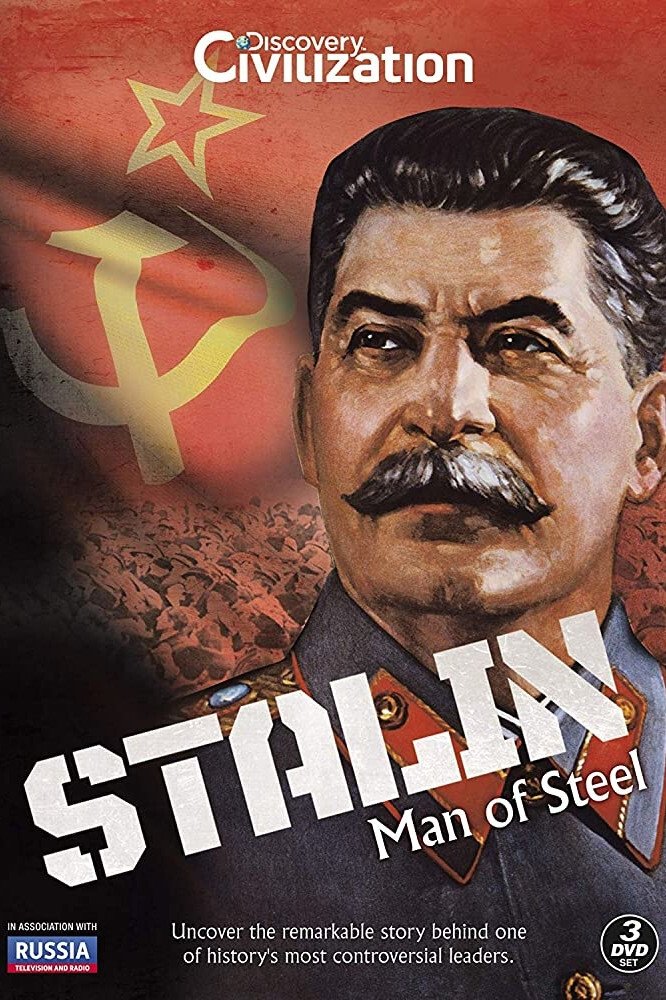
Emmy Awards nominee for "Outstanding Individual Achievement in a Craft: Research: Multi-faceted portrait of the man who succeeded Lenin as the head of the Soviet Union. With a captivating blend of period documents, newly-released information, newsreel and archival footage and interviews with experts, the program examines his rise to power, deconstructs the cult of personality that helped him maintain an iron grip over his vast empire, and analyzes the policies he introduced, including the deadly expansion of the notorious gulags where he banished so many of his countrymen to certain death.
A documentary about the modern controversy between Poland and Russia over Russian prisoners of war from the time when Poland regained its independence, after the First World War.
This excellent and breathtaking documentary is the result of a long study on the Gulag to try to understand why more than 60 million Soviet citizens were sent to the camps from 1918 to 1956, how such a massive confinement could take place during two generations. From the Solovki in the north-west to the Kolima in Siberia, from Lenine to Kroutchev, a polar geography is erected into the Gulag system. One does not escape from camps. After ten years of imprisonment, one dies. Some survived, some left traces; they witness: organisation, work and discipline, but also resistance, repression and revolt.
The forest in Bykovnia near Kyiv hides the remains of more than 30,000 NKVD victims, including several thousand Poles. In 2006, a team of Polish archeologists, with the cooperation of the Ukrainian side, conducted exhumation work there, which confirmed that Poles were buried in the cemetery. At the time, two people whose fathers are believed to be buried there also came to the Bykovsky forest. The film tells the story of the history of the place, the local residents' perception of it, and the search for the fathers' graves.
A woman prisoner is harshly incarcerated and suddenly released.
Young teen girl Xiu Xiu is sent away to a remote corner of the Sichuan steppes for manual labor in 1975 (sending young people to there was a part of Cultural Revolution in China). A year later, she agrees to go to even more remote spot with a Tibetan saddle tramp Lao Jin to learn horse herding.
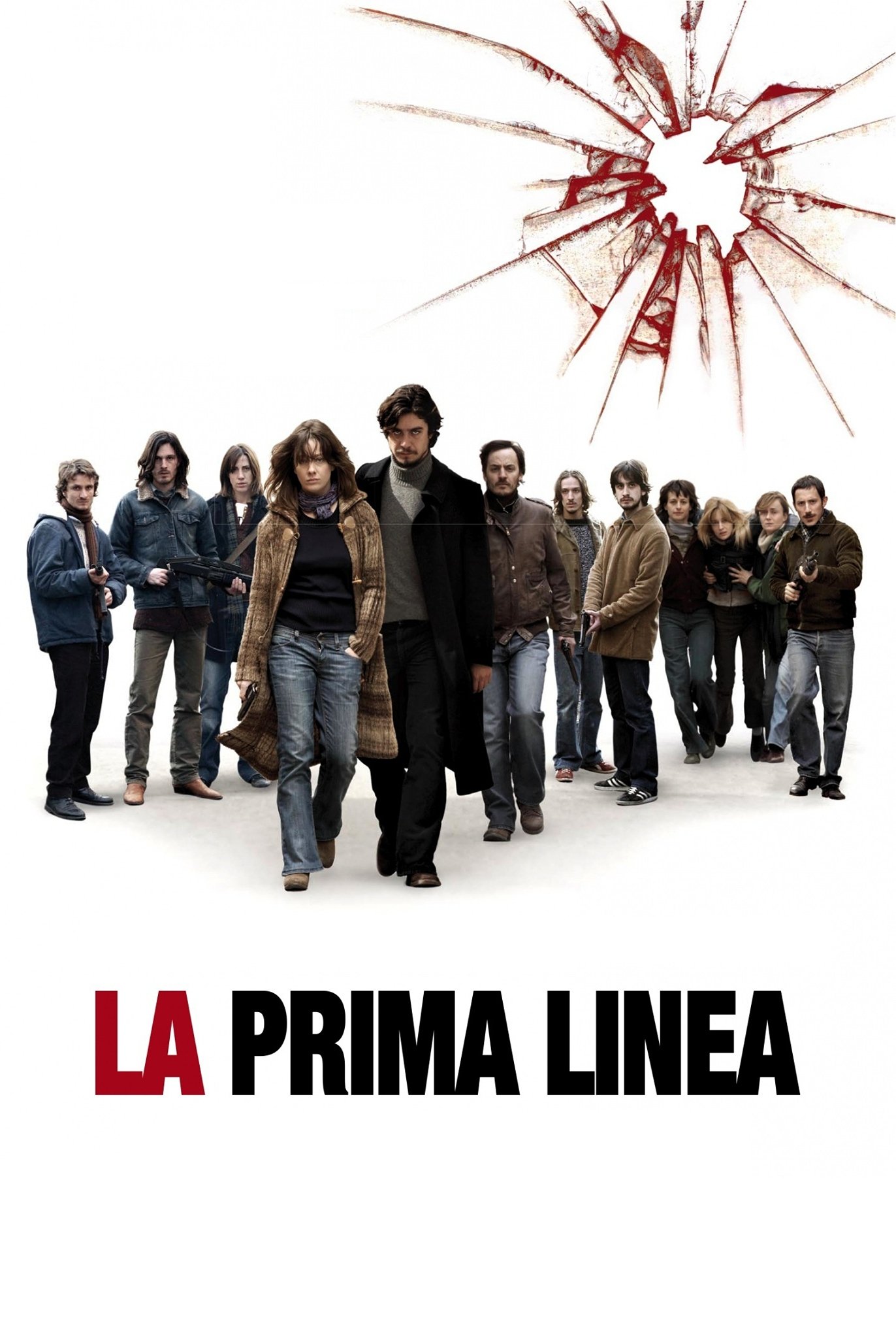
United by an uncompromising struggle as members of the infamous 1970s far-left terrorist group Prima Linea, fugitive couple Sergio and Susanna have become increasingly alienated from the real world. Their luck runs out when Susanna is captured and thrown in jail. Putting his life on the line, Sergio embarks on a radical plan... Loosely based on the memoir by Prima Linea's 'commander' Sergio Segio.
After coming up against homophobia from straight service providers, Queer Gimp Girl (Marg Scott) seeks out other disabled queers and asks about their experiences of disabled awareness and access in the queer communities.
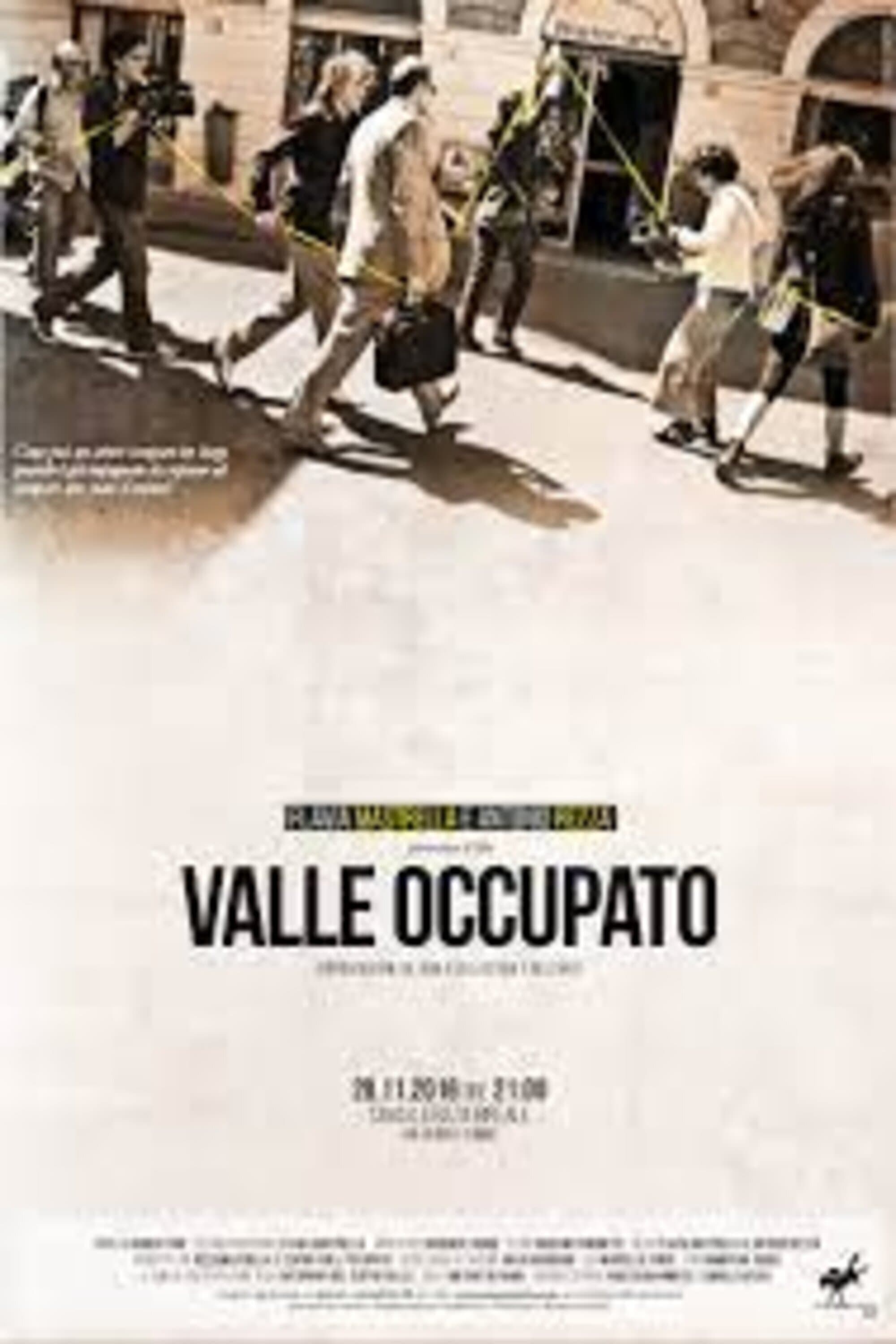
Is art useful to man? The actors are suited to society. Passers-by are people who want to dream but have now lost confidence, laziness on the one hand, conditioning and deschooling on the other, require you to lower your sights and everyone is content to pursue modest cheap expectations. Reality and art are not in communication, impoverished by individualism, the actors and artists dance to the rhythm imposed by power, they slaughter each other, they abuse each other without realizing the possibilities of communication that open up by moving outside the choir. Rome is occupied by every step, the foot walking lightly occupies the public land. But this occupation is not news because it is lightning fast. The criteria of employment mark the time.
Nicolás Barsoff, a young Argentine actor of Austrian and Russian descent, rescues a box of film reels just as his father was about to throw it away. He hopes the box will be the key to unlocking a tendency toward darkness that haunts him as part of an inevitable inheritance he tries to combat with natural medicines. Through the archive, we delve into the story of a family torn apart by World Wars I and II, immigration to Argentina, and the military dictatorship of 1976. His two grandparents are presented as antagonistic characters in the context of the disappearance: two ghostly figures in a genealogy that Nicolás will try to reconstruct.
Recorded at The Lemon Tree, Aberdeen in December 2013, and features a song from every Stranglers studio album up to 1990 and a song from every Hugh Cornwell studio album.
Ten thousand years ago we were all hunter-gatherers. Now, the Yanomami Indians in the Venezuelan Amazon are the last large group of semi-nomadic hunter gathers remaining on earth. For thousands of years their lifestyle remain fundamentally unchanged. During a short 13 year period, when Hugo Chavez decided to bring remote Yanomami Indians into the modern Venezuelan welfare state, new stresses emerged. The filmmakers have been documenting the path of one Yanomami village in the Venezuelan Amazon, from November, 2000 to December, 2020. This period coincided with the rise and fall of the Venezuelan economy and the related Chavez socialist revolution. The challenges and changes for the people in this village as a result of these forces... compressing thousands of years of adaptation into two decades... created dramatic conflicts still unresolved.
Breaking taboos: Belarusian contemporary artist Aliaksei Kuzmich gives us the keys to understanding his art of action.
E. Jean Carroll v. Donald Trump is a powerful documentary that brings to life the brave testimony of writer E. Jean Carroll, who accused former President Donald Trump of sexual abuse. In a landmark legal case, Trump was held liable for sexual abuse and defamation, with a court ordering him to pay $83.3 million in damages. Directed by Robert Greenwald, this Brave New Films production features powerful performances from prominent actors, including Kathryn Hahn, Ellen Burstyn, Lexi Underwood, and Regina Taylor. Through their voices, the film vividly portrays Carroll’s courageous fight for justice. As Election Day nears, E. Jean Carroll v. Donald Trump is a must-watch for anyone concerned about justice, accountability, and the future of American democracy. Watch now and share with friends, especially those in battleground states, as we fight to make sure the truth is heard.
In the Realms of the Unreal is a documentary about the reclusive Chicago-based artist Henry Darger. Henry Darger was so reclusive that when he died his neighbors were surprised to find a 15,145-page manuscript along with hundreds of paintings depicting The Story of the Vivian Girls, in What is Known as the Realms of the Unreal, of the Glodeco-Angelinnian War Storm, Cased by the Child Slave Rebellion.
A night of drunken chaos rocks a quiet Dutch town in this shocking documentary about a teen's birthday invite that accidentally went viral on Facebook.
A look at the origins, history and conspiracies behind the "Majestic 12", a clandestine group of military and corporate figureheads charged with reverse-engineering extraterrestrial technology.
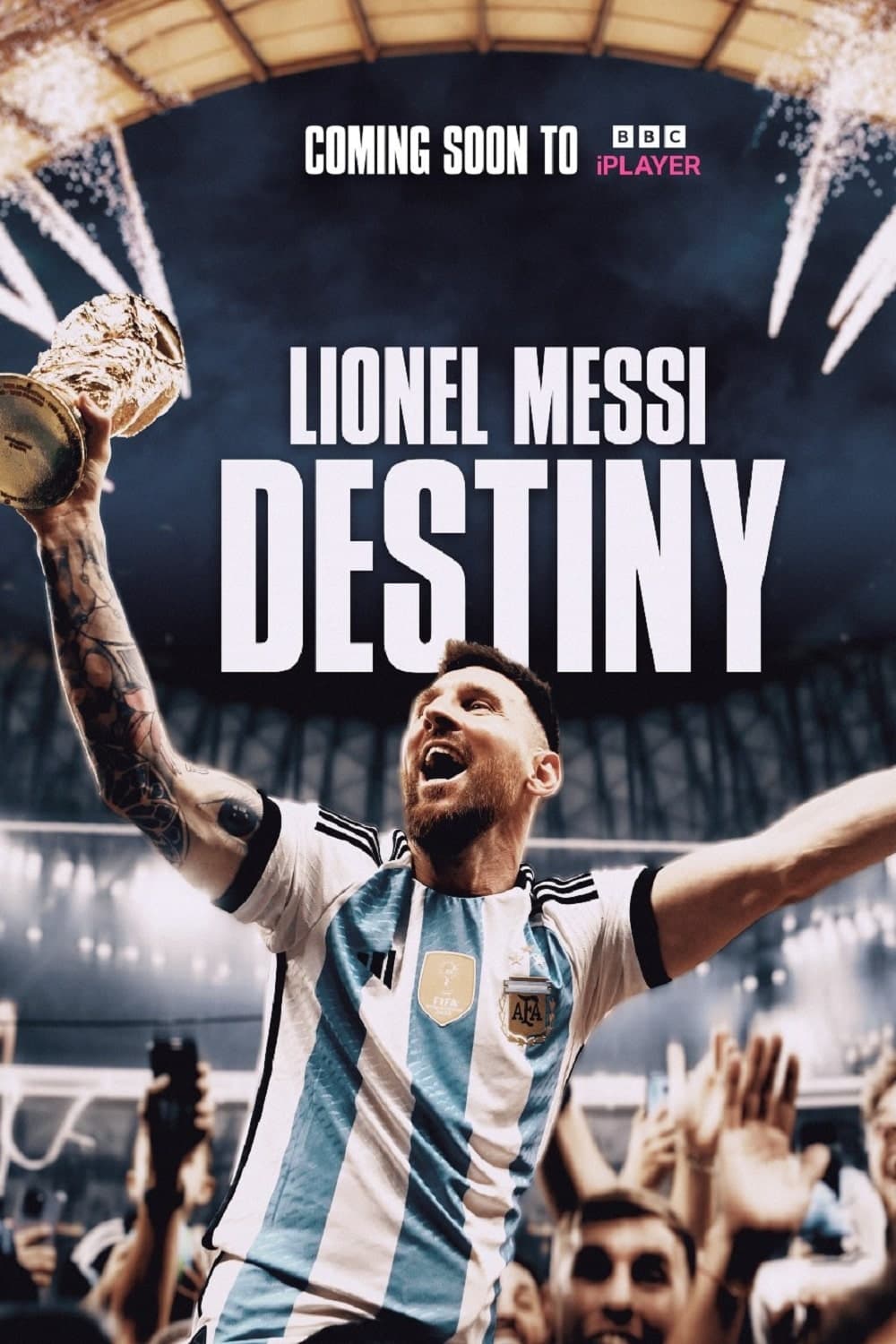
Behind-the-scenes documentary about how Lionel Messi succeeded in lifting the World Cup – the only trophy to have eluded him in an incredible career.
JB Smoove and Martin Starr host a celebration of 20 years of "Spider-Man" movies, from the Sam Raimi trilogy to Marc Webb's movies and the trio from Jon Watts.
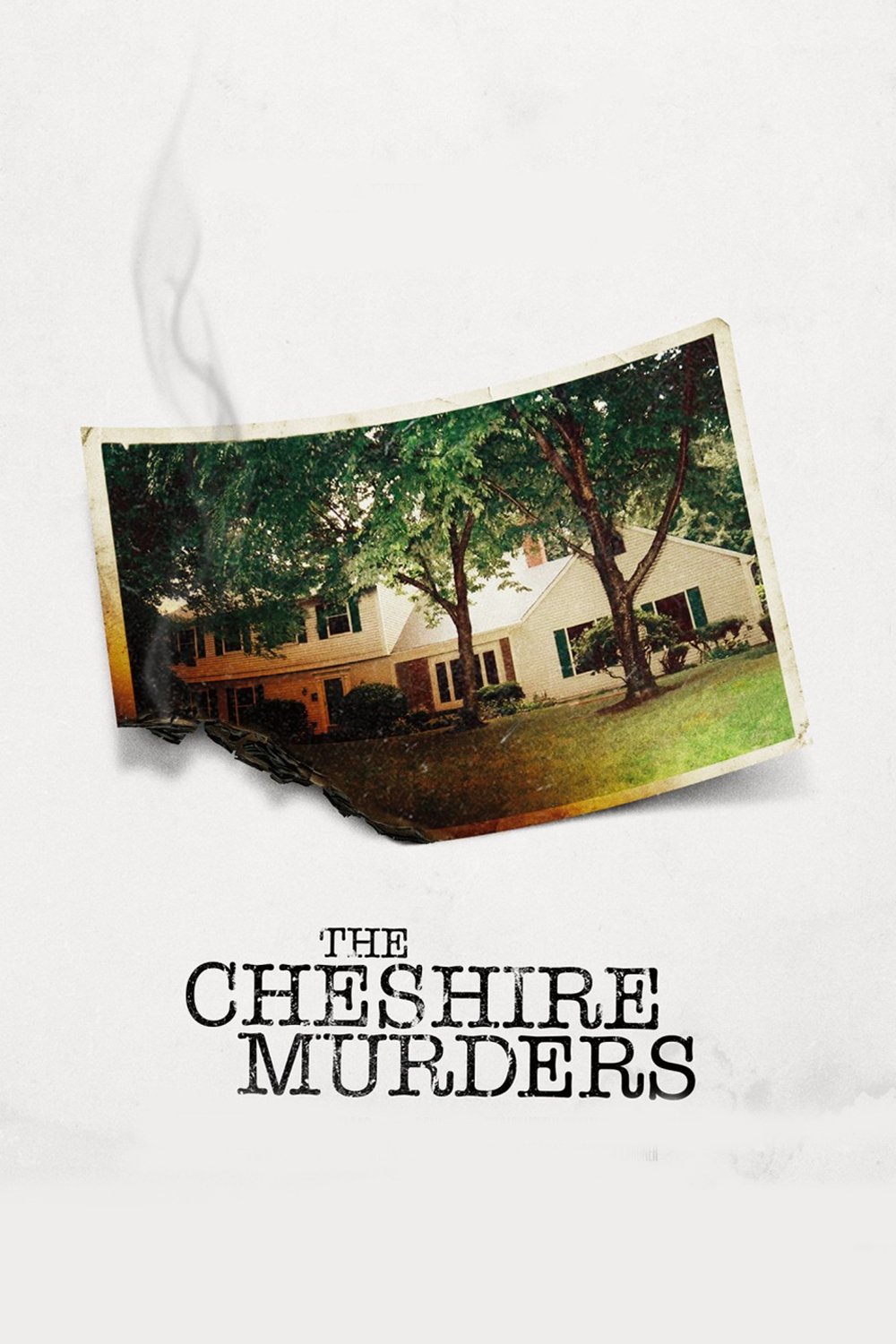
In the early-morning hours of July 23, 2007, in Cheshire, Conn., ex-convicts Steven Hayes and Joshua Komisarjevsky broke into the family home of William Petit, his wife, Jennifer, and their daughters, Michaela, 11, and Hayley, 17. Dr. Petit was beaten and tied to a pole in the basement. The three women were bound in their bedrooms while the men ransacked the house. The brutal ordeal continued throughout the morning, ending with rape, arson and a horrific triple homicide.
Through deeply personal interviews with her siblings and an examination of the photographs, letters, and belongings left behind, Mariska assembles a new portrait of her mother Jayne Mansfield, an extraordinary and complex woman.
Police pull over a woman who claims she just gave birth. But the baby — and the blood — aren't hers. Twisted lies unravel in this true-crime documentary.
The film follows adventurer Jeff Johnson as he retraces the epic 1968 journey of his heroes Yvon Chouinard and Doug Tompkins to Patagonia.
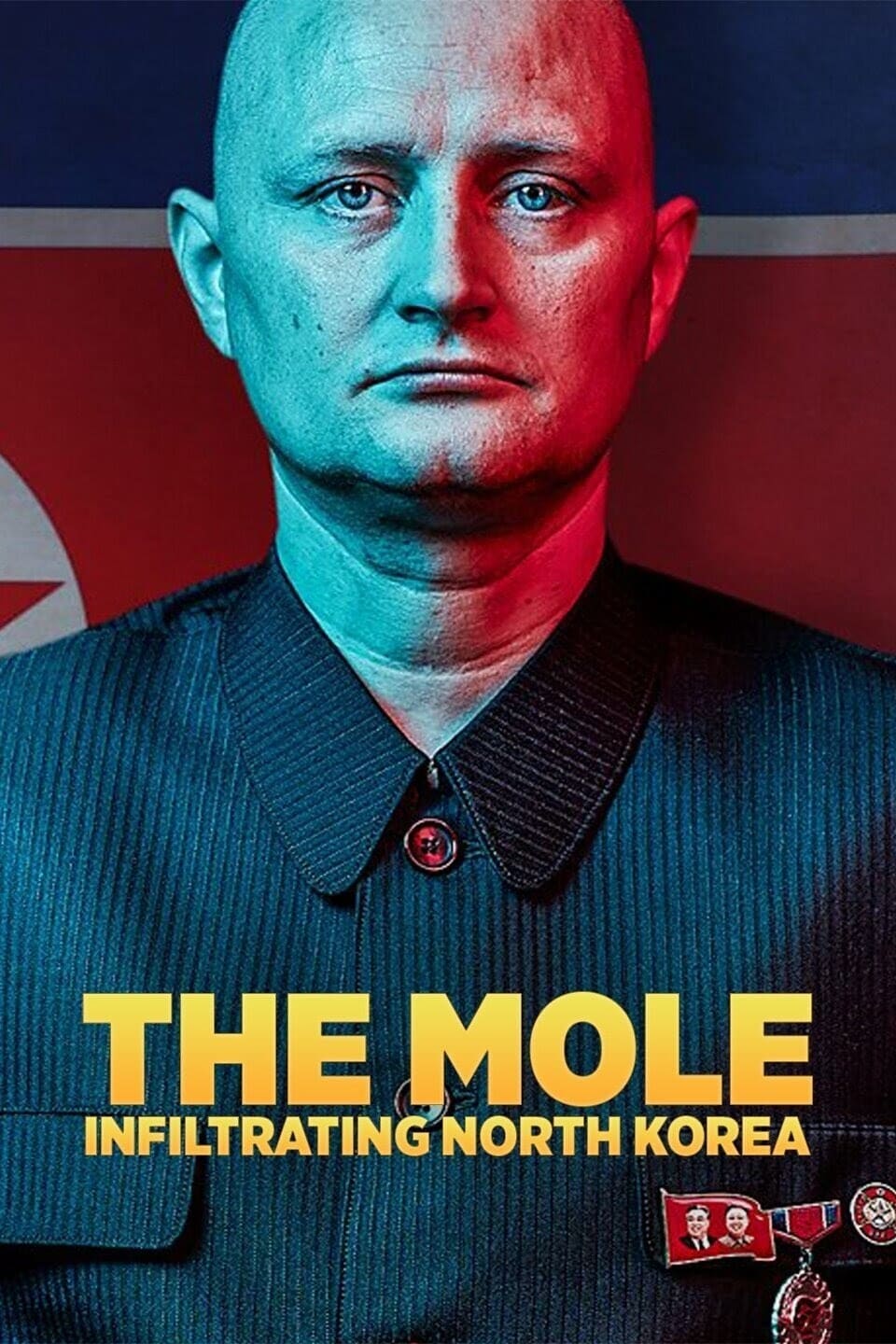
A real-life undercover thriller about two ordinary men who embark on an outrageously dangerous ten-year mission to penetrate the world's most secretive and brutal dictatorship: North Korea.
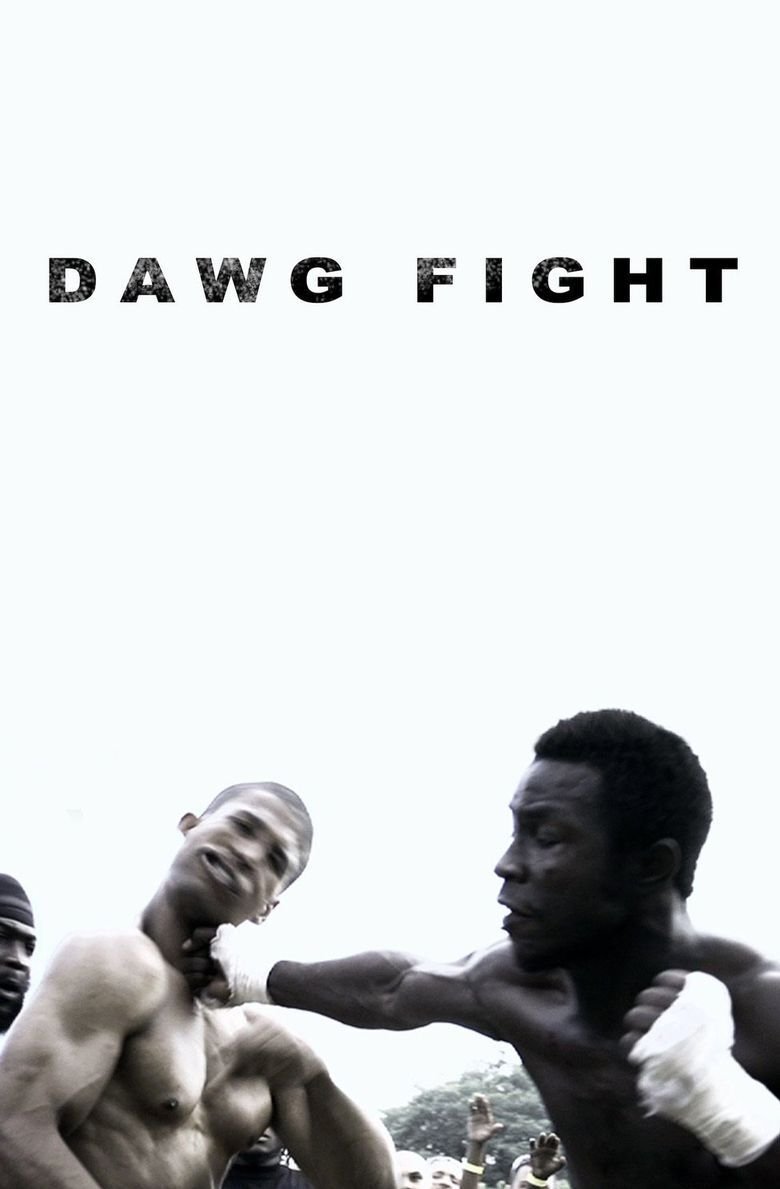
In a crime-plagued neighborhood near Miami, brutal, bare-knuckled backyard fights give young men a chance to earn money -- and self-respect.
Those who knew iconic funnyman John Candy best share his story, in their own words, through never-before-seen archival footage, imagery, and interviews.
Al Pacino's deeply-felt rumination on Shakespeare's significance and relevance to the modern world through interviews and an in-depth analysis of "Richard III."
A documentary about the making of season five of the acclaimed AMC series Breaking Bad.
A documentary about the life and films of director John Ford.
Alexander McQueen's rags-to-riches story is a modern-day fairy tale, laced with the gothic. Mirroring the savage beauty, boldness and vivacity of his design, this documentary is an intimate revelation of McQueen's own world, both tortured and inspired, which celebrates a radical and mesmerizing genius of profound influence.
A detailing of the rise to prominence and global sporting superstardom of six supremely talented young Manchester United football players (David Beckham, Nicky Butt, Ryan Giggs, Paul Scholes, Phil and Gary Neville). The film covers the period 1992-1999, culminating in Manchester United's European Cup triumph.
A teen slams her car into a building, killing her boyfriend and his friend. What seems like a tragic accident becomes a murder case.
After the high-profile killing of Damilola Taylor, Cornelius' family move out of London. But when they discover their new town is run by racists, Cornelius takes a drastic step to survive.
An inside look at one of the most anticipated movie sequels ever with James Cameron and cast.