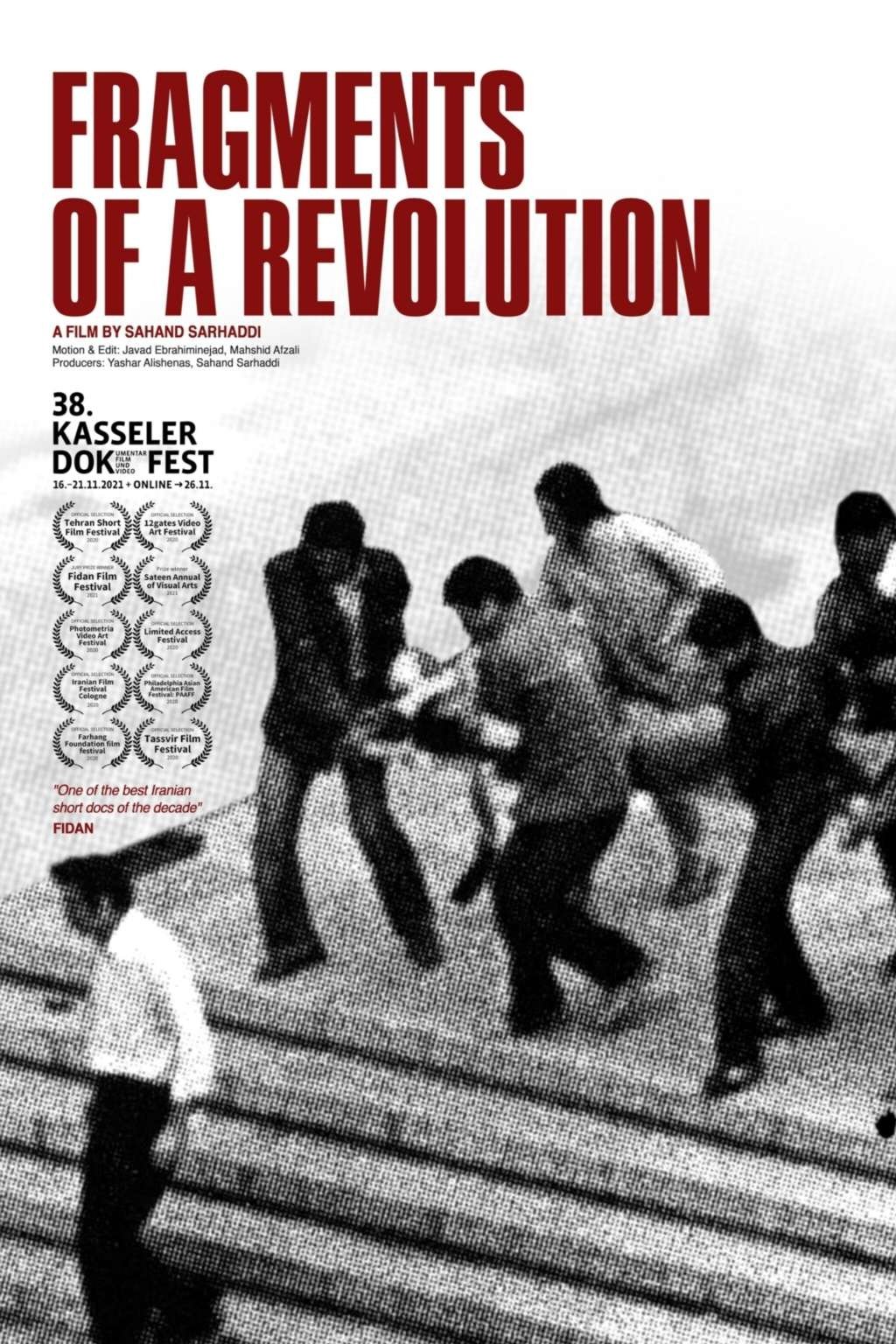
An experimental film about narrations of two journal photos from Iran's revolution in 1979.
Social & External
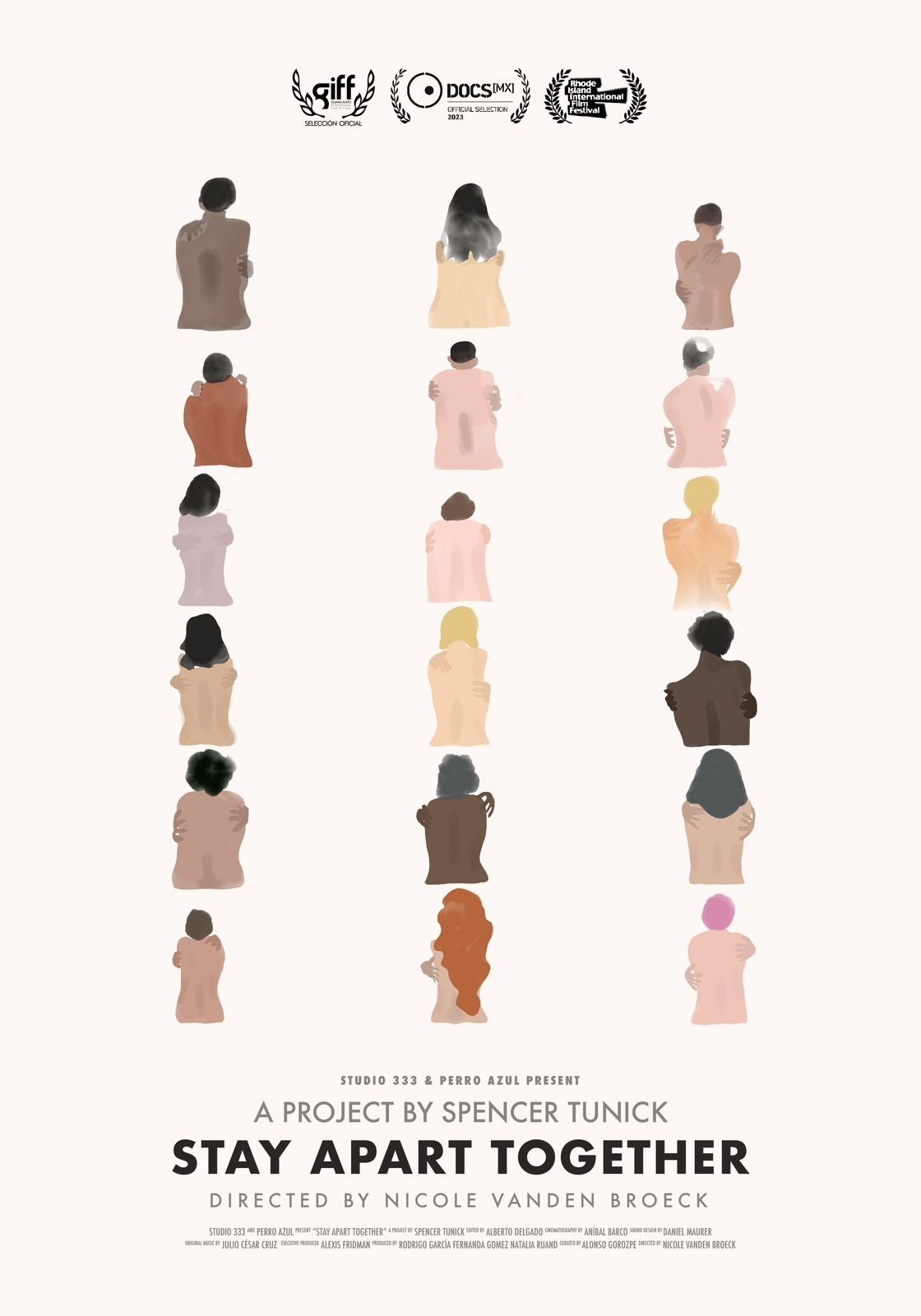
When the COVID-19 pandemic puts the world on lockdown, photographer Spencer Tunick reinvents his art to find a way to bring everyone together while staying apart.
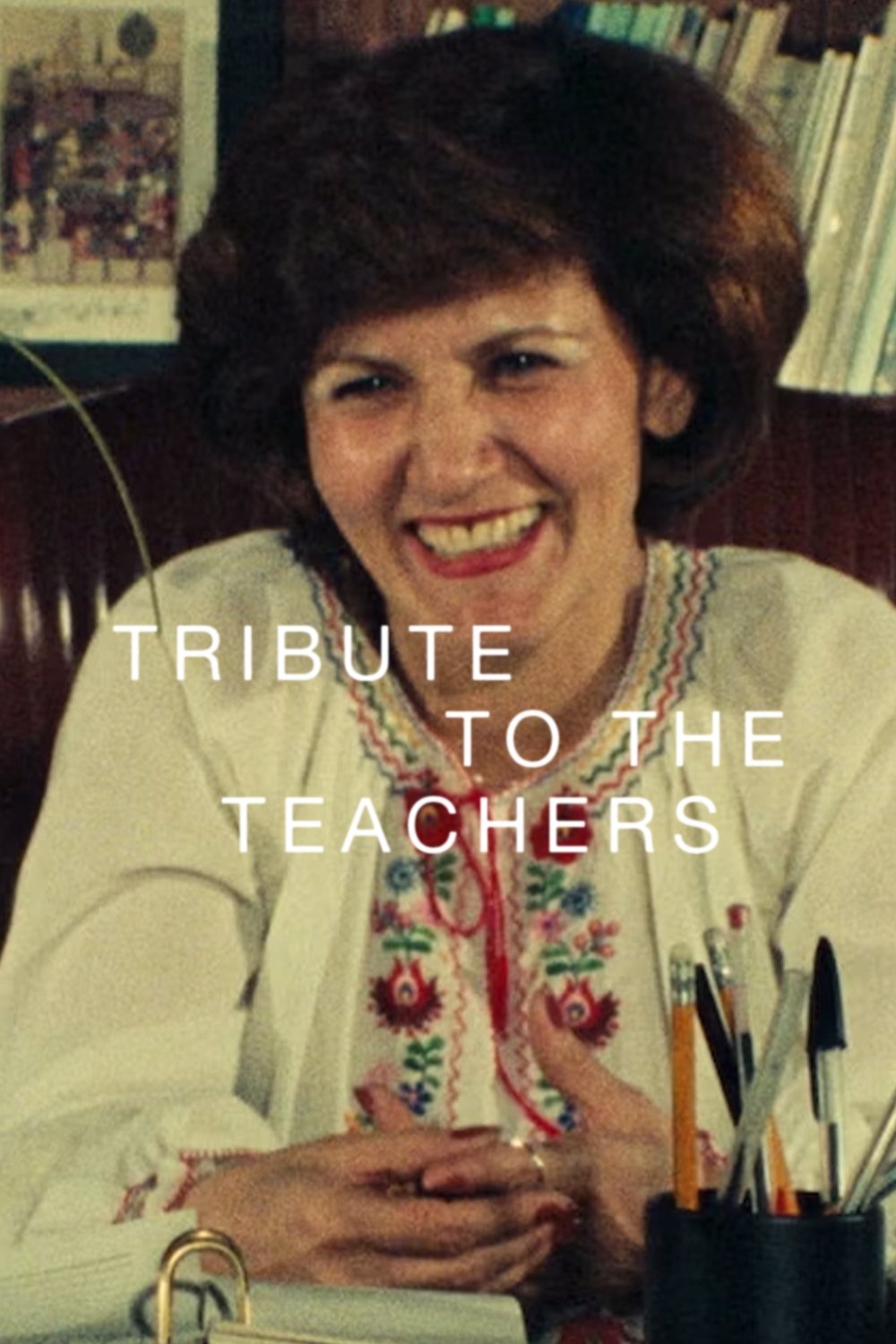
A documentary featuring interviews with teachers and officials on the profession of teaching and what it means to them.
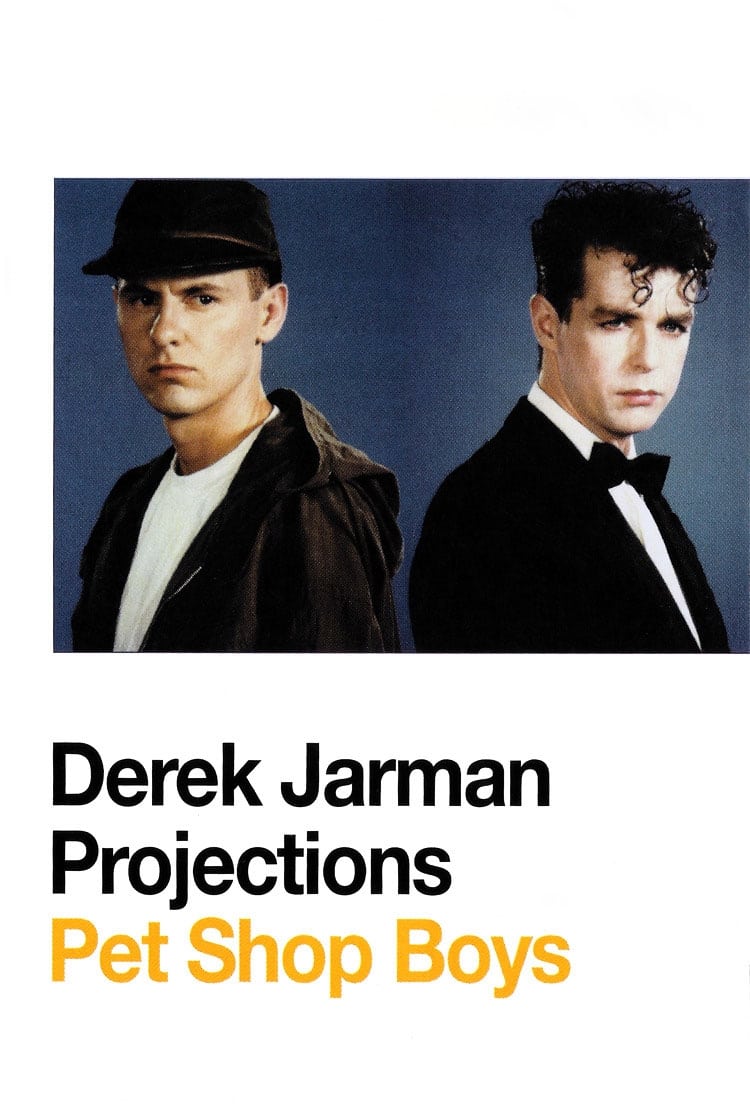
The innovative and influential British filmmaker Derek Jarman was invited to direct the Pet Shop Boys' 1989 tour. This film is a series of iconoclastic images he created for the background projections. Stunning, specially shot sequences (featuring actors, the Pet Shop Boys, and friends of Jarman) contrast with documentary montages of nature, all skillfully edited to music tracks.
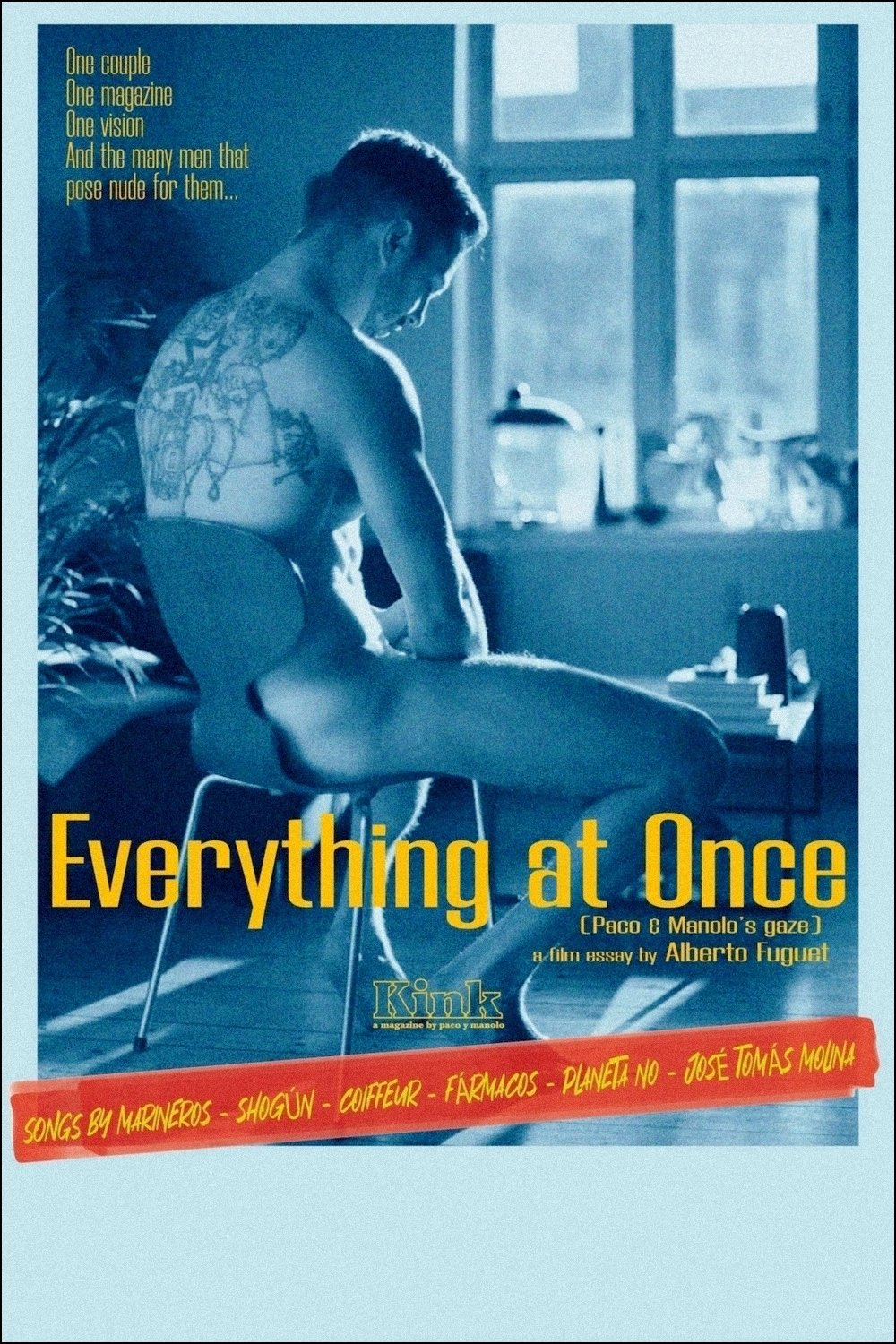
Paco and Manolo are two Catalan photographers from the outskirts of Barcelona who have been working together for thirty years as if they were a single person, capturing their images in Kink magazine, a very personal photography fanzine with a homoerotic aesthetic of Mediterranean essence.
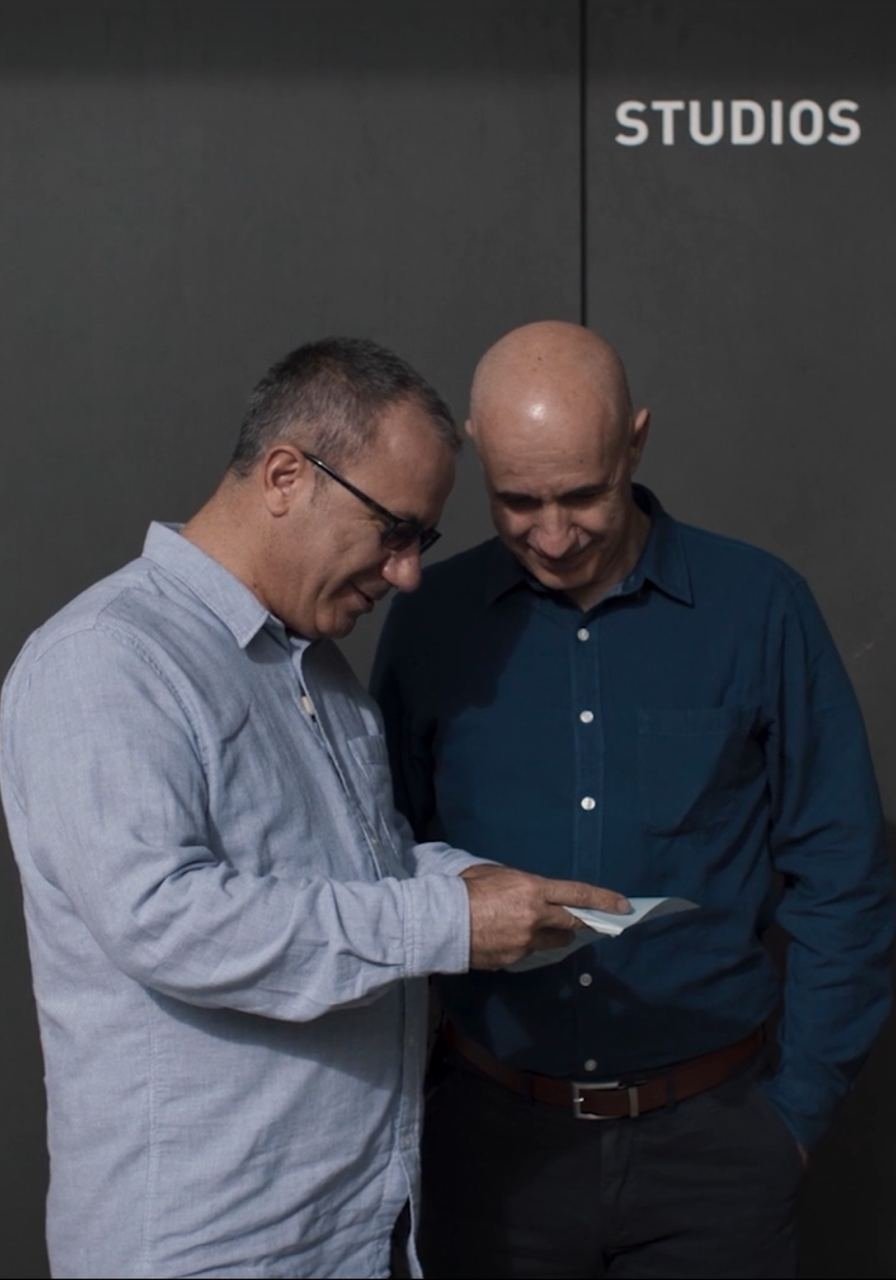
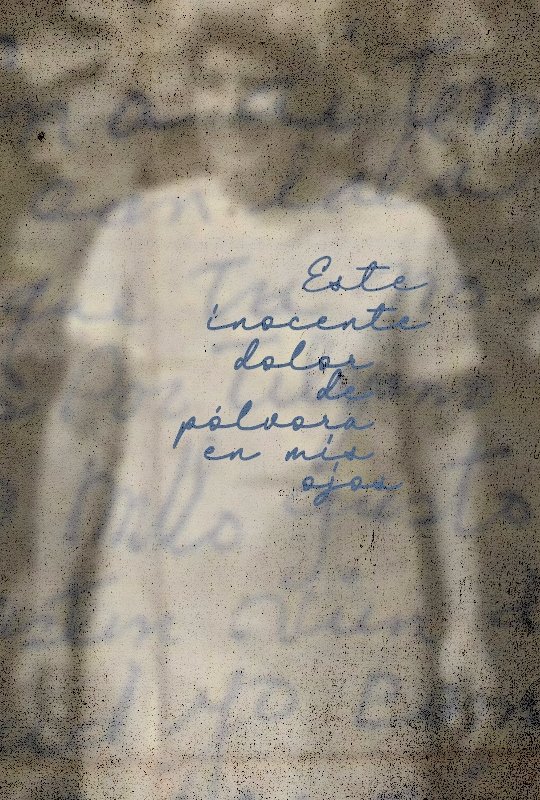
Two men, the hint of a sofa corner and a pile of letters. Using minimalist means, the film tells the story of two brothers caught between exile in a foreign country and resistance in the underground. It takes us back to the time when the revolution seized power in Iran and tells of life between the fronts. Daniel Asadi Faezi sketches the story of his father and his brothers - based on correspondence that has lain in the cellar for 30 years.
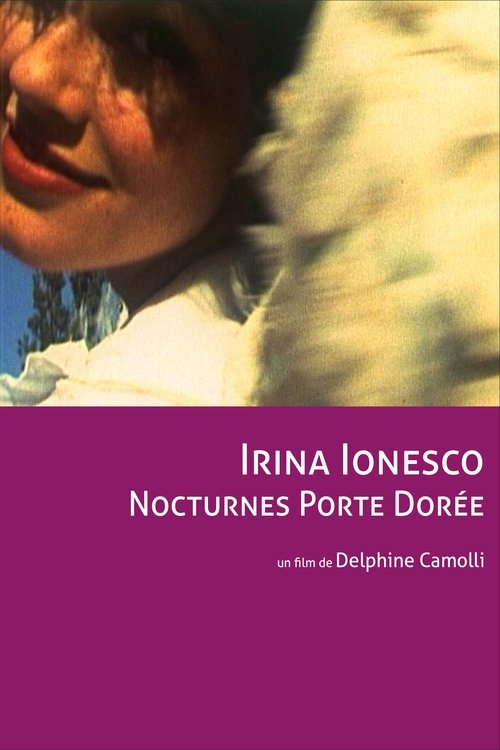
"Nocturnes at the Golden Gate" - invites us to discover the world and work of Irina Ionesco, a unique figure of contemporary photography. Since the early 70's, she photographer has been working in her apartment near the Porte Dorée, in Paris, principally with the female body. Scraps from the past and elements of the present come together to evoke the coherence and multiple meanings of Irina's baroque universe : the solitude of her Romanian childhood ; her youthful debut in the music hall ; her relationships with her models and her way of building images. Little by little, her work is illuminated and takes on different vibrations, though we have never left the apartment : her workspace, temple and museum.
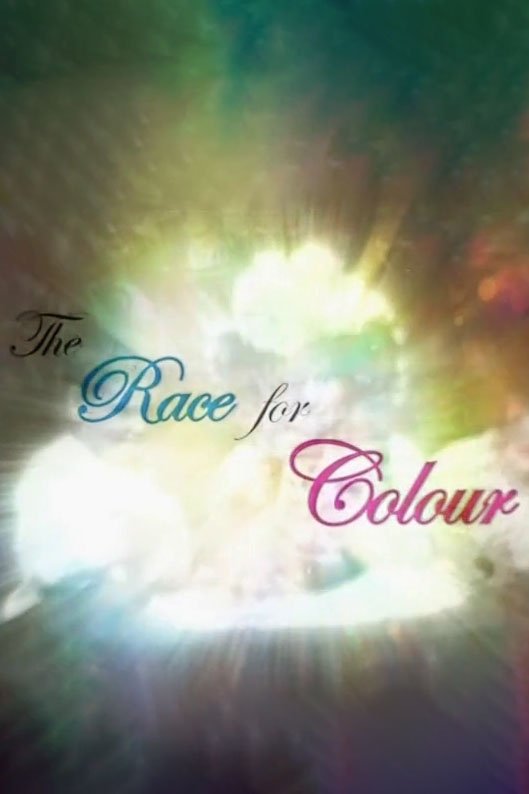
Antonia Quirke looks at the history of the colour film industry to find out who produced the first moving colour images.
Larry Towell is the only Canadian member of the legendary Magnum Photo agency, known for its humanist and universal approach. Towell belongs to this tradition. This documentary reveals the artist and the man through his photography and his thoughts.
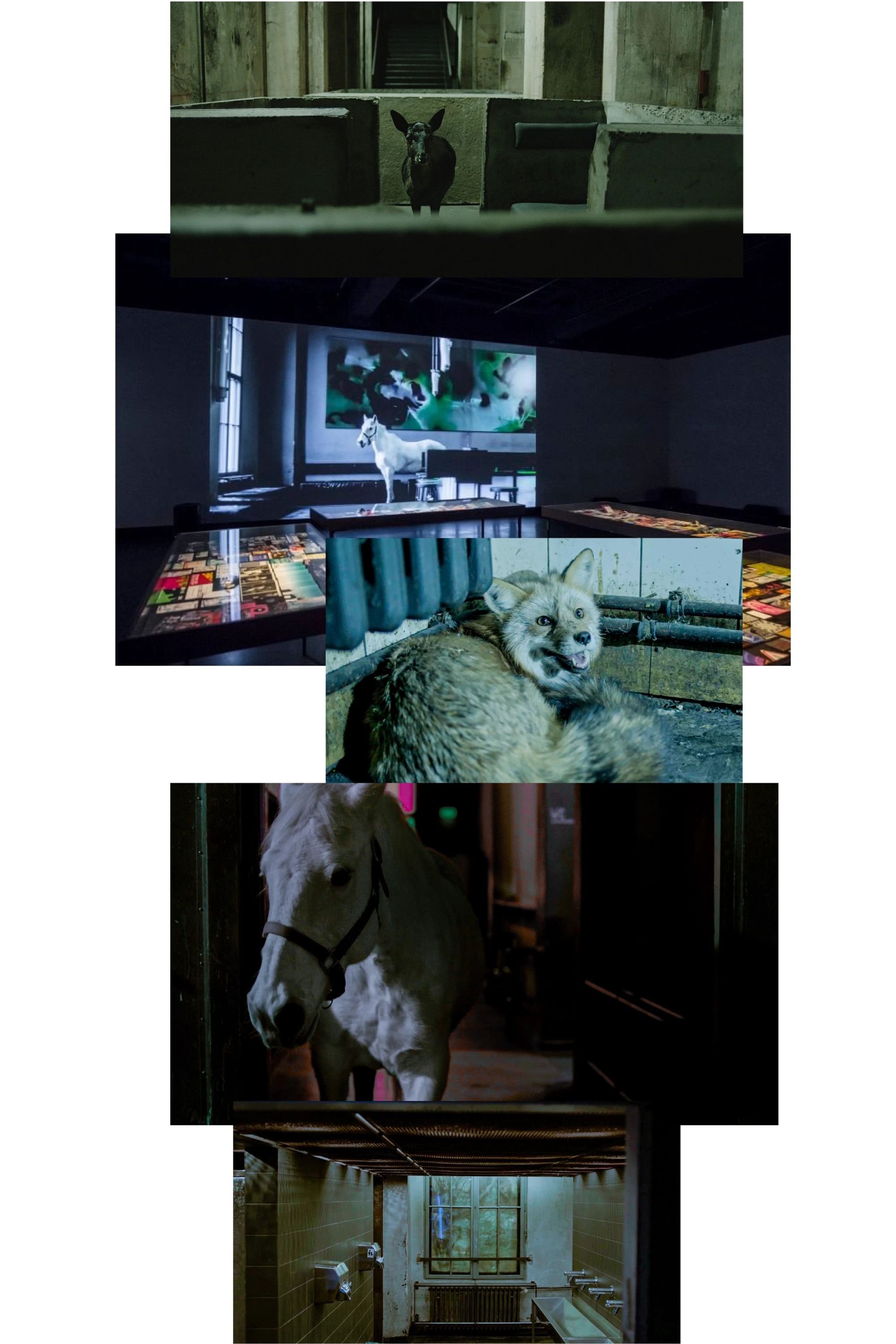
Something strange and unpredictable takes inthe mysteriously vacant rooms of Berlin’s infamous Techno club Berghain. A group of wild animals occupy the monumental spaces of the former power station. We explore the building together with the animals and experience its dimensions from a new, nonhuman perspective. The brutality of the industrial architecture is confronted with the beauty of these shy creatures.
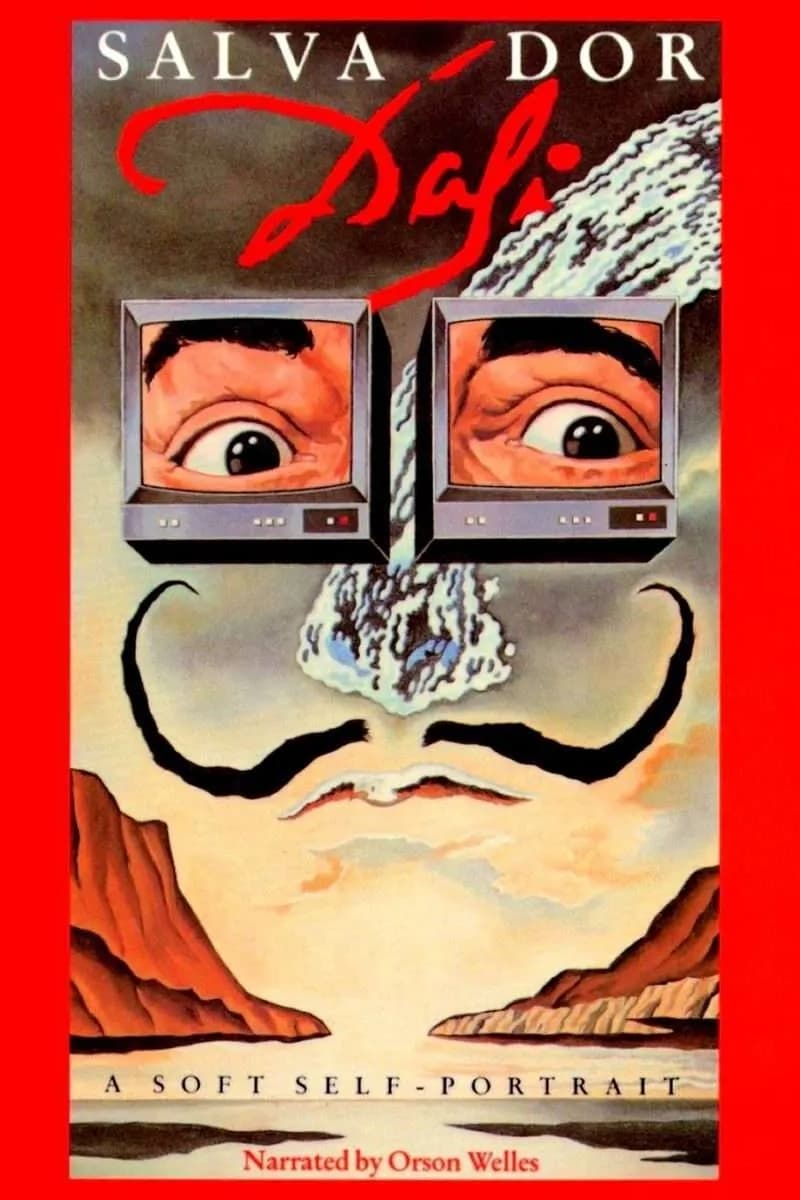
A documentary about surrealist artist Salvador Dali, narrated by Orson Welles.
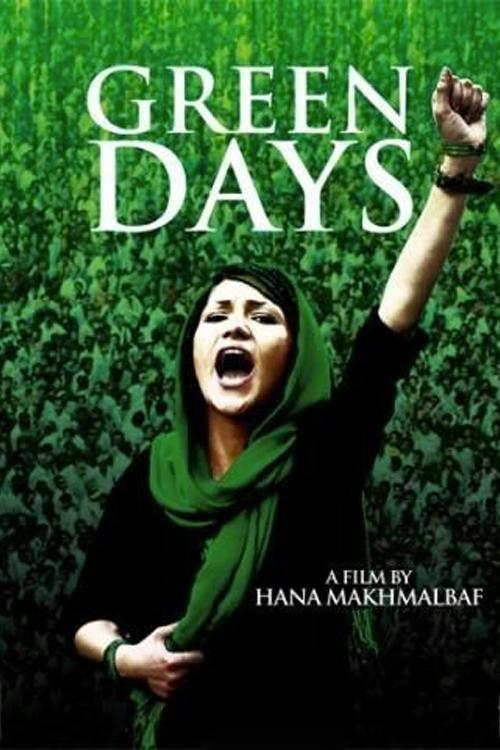
A playwright Iran tries to confront a creative crisis while political clashes erupt during her country's 2009 election.
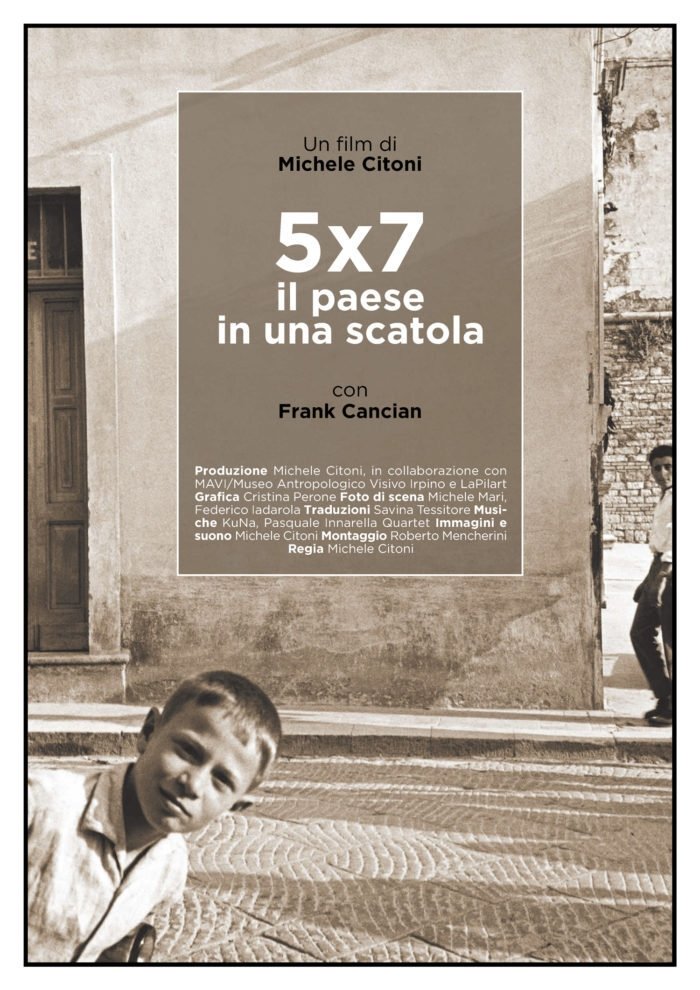
A beautiful collection of pictures ties Frank Cancian, an elderly photographer and retired professor of anthropology, American with origin from Veneto, to the people of Lacedonia, a small town in southern Italy. Thanks to the rediscovery of the photos taken in 1957 by the young Cancian in that rural village where he had arrived almost by chance, the story resumes there where it was interrupted 60 years earlier. And the thread of memories ties back to people and places, bringing with itself some essential reflections on how photography can become an ethnographic look at small communities.
Fifteen images of a camera running in a park and in obscurity searching the space of light through distorsion and the sensory of rapid motion.
After five years studying in Paris, Arash has not adjusted to life there and has decided to return to Iran to live. Hoping to change his mind, his two friends Hossein and Ashkan convince him to take a last trip through France.
"When I first started to photograph in dark and unfamiliar places all over Singapore in 2003, I had no idea that those images I made would come to define me as a photographer. Born out of a curiosity of the unknown, as well as a young photographer’s restlessness, While You Were Sleeping grew to say as much about our country as it did of me. Eighteen years, two books and two exhibitions later, Singapore is now a very different place. Many of the locations I visited in the early 2000s, once alien, are now completely transformed." – Darren Soh, photographer
A tribute to the cameramen of the newsreel companies and the service film units, in the form of a compilation of film of the cameramen themselves, their training and some of their most dramatic film.
In 1967, Beulah struck Reynosa. Family survives through images from memory circling the wreck. Rituals of celebration and violence like hurricane, shift between dancing, cyanotypes, blue fire and lost family archive. We have come to see the damage that was done and the treasures that prevail. Thus invent colors that burn the eyelid like 火藥.
Twenty images of a camera running next to a chemical platform and capturing abstract light throught improvised gestures and asymmetrical motion
Naturists visit Panther Beach in Santa Cruz, California.
An atmospheric essay, which is an alternative version of Count Dracula, a film directed by Jess Franco in 1970; a ghostly narration between fiction and reality.
A love letter from a young mother to her daughter, the film tells the story of Waad al-Kateab’s life through five years of the uprising in Aleppo, Syria as she falls in love, gets married and gives birth to Sama, all while cataclysmic conflict rises around her. Her camera captures incredible stories of loss, laughter and survival as Waad wrestles with an impossible choice– whether or not to flee the city to protect her daughter’s life, when leaving means abandoning the struggle for freedom for which she has already sacrificed so much.
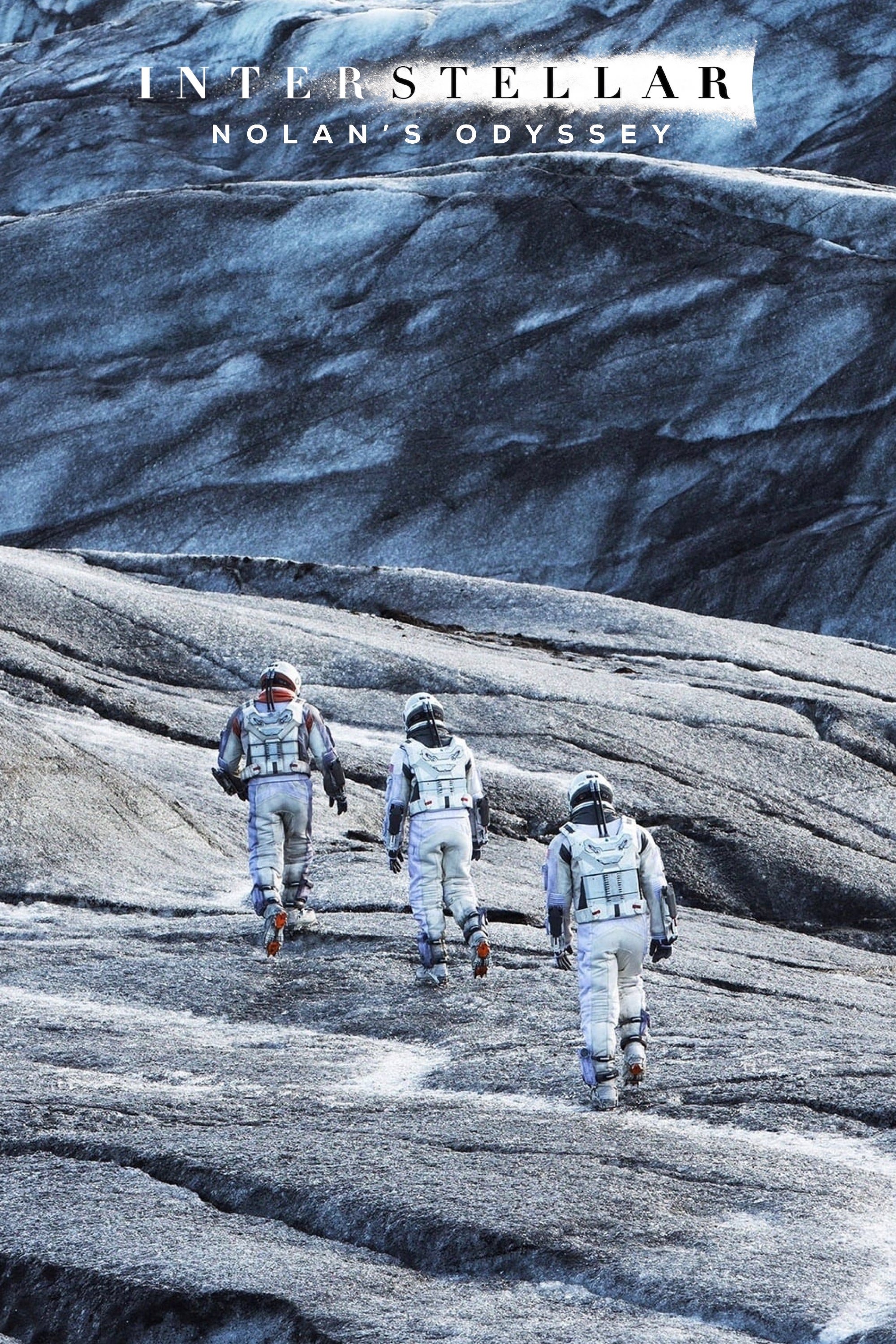
A look behind the lens of Christopher Nolan's space epic.
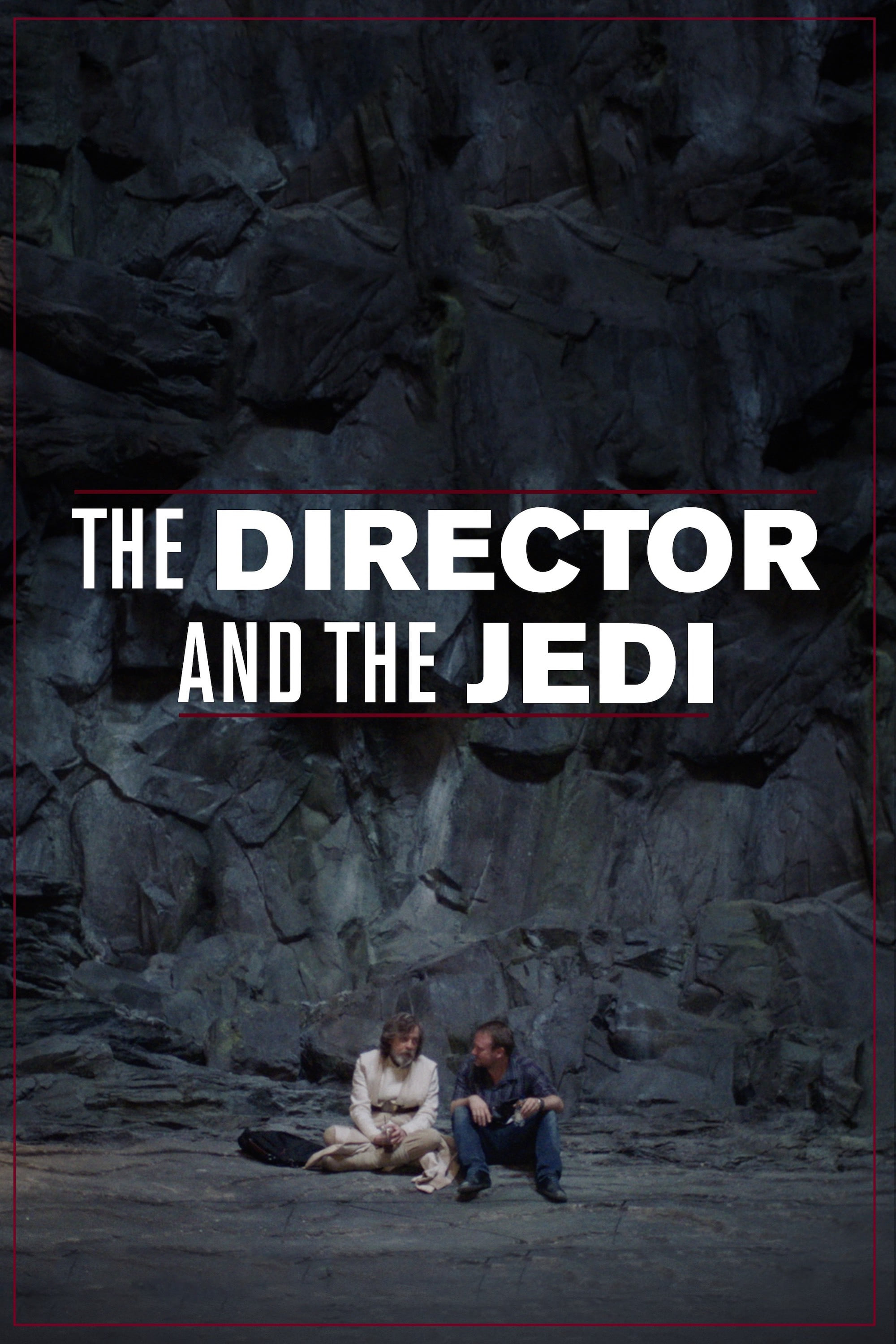
An intimate documentary delving into Rian Johnson's process as he comes in as a director new to the Star Wars universe.
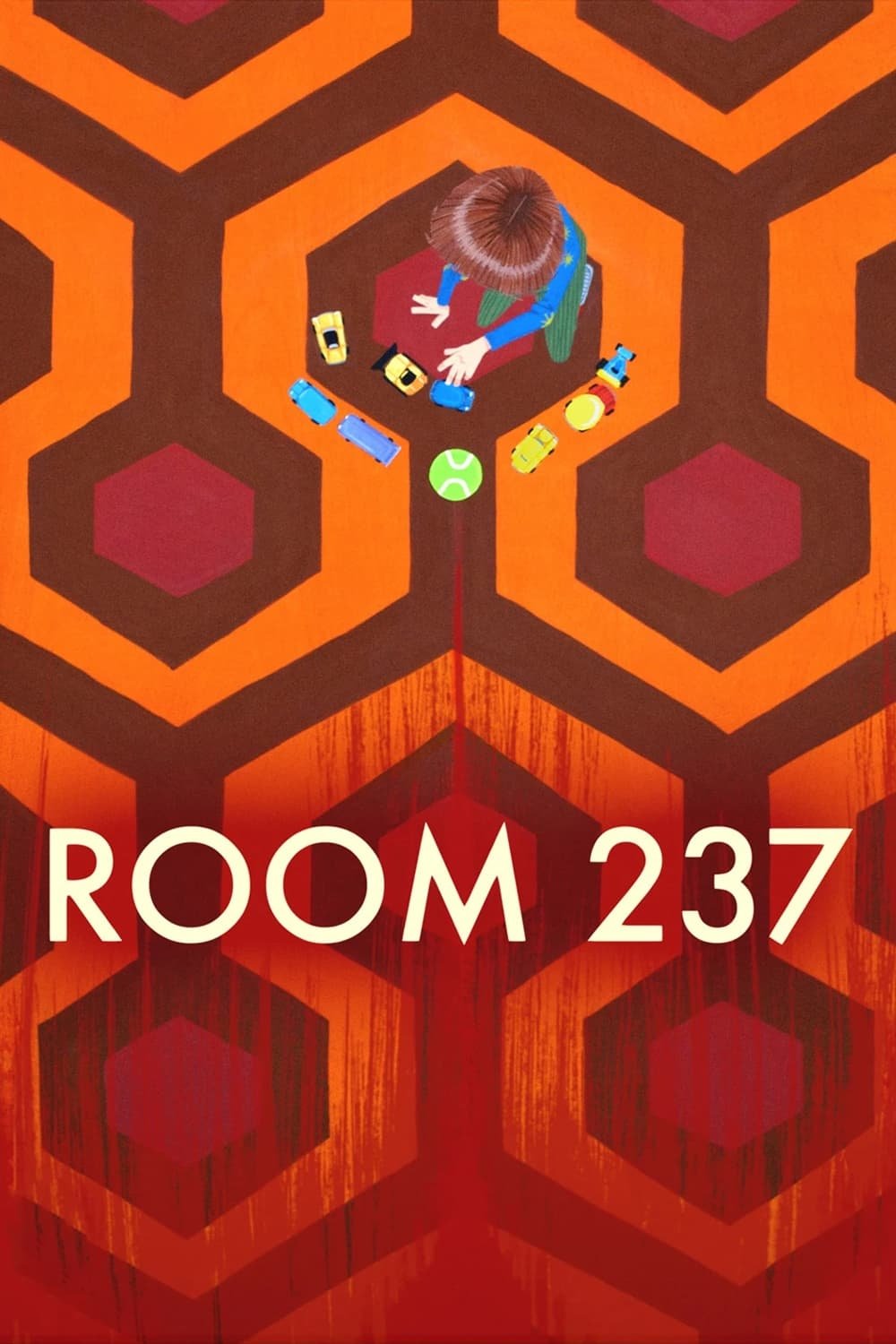
A subjective documentary that explores various theories about hidden meanings in Stanley Kubrick's classic film The Shining. Five very different points of view are illuminated through voice over, film clips, animation and dramatic reenactments.
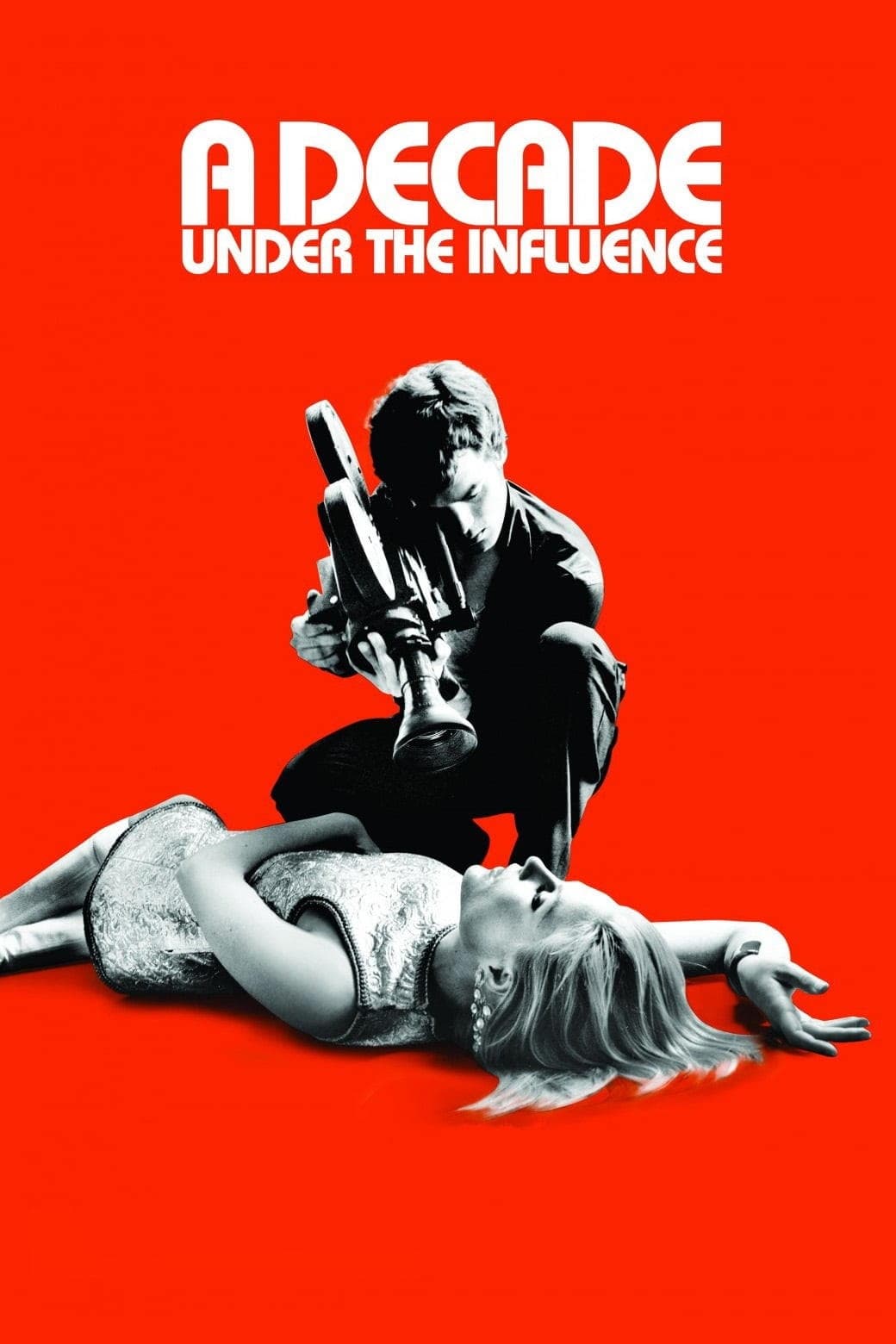
A documentary examining the decade of the 1970s as a turning point in American cinema. Some of today's best filmmakers interview the influential directors of that time.
A documentary on the expletive's origin, why it offends some people so deeply, and what can be gained from its use.
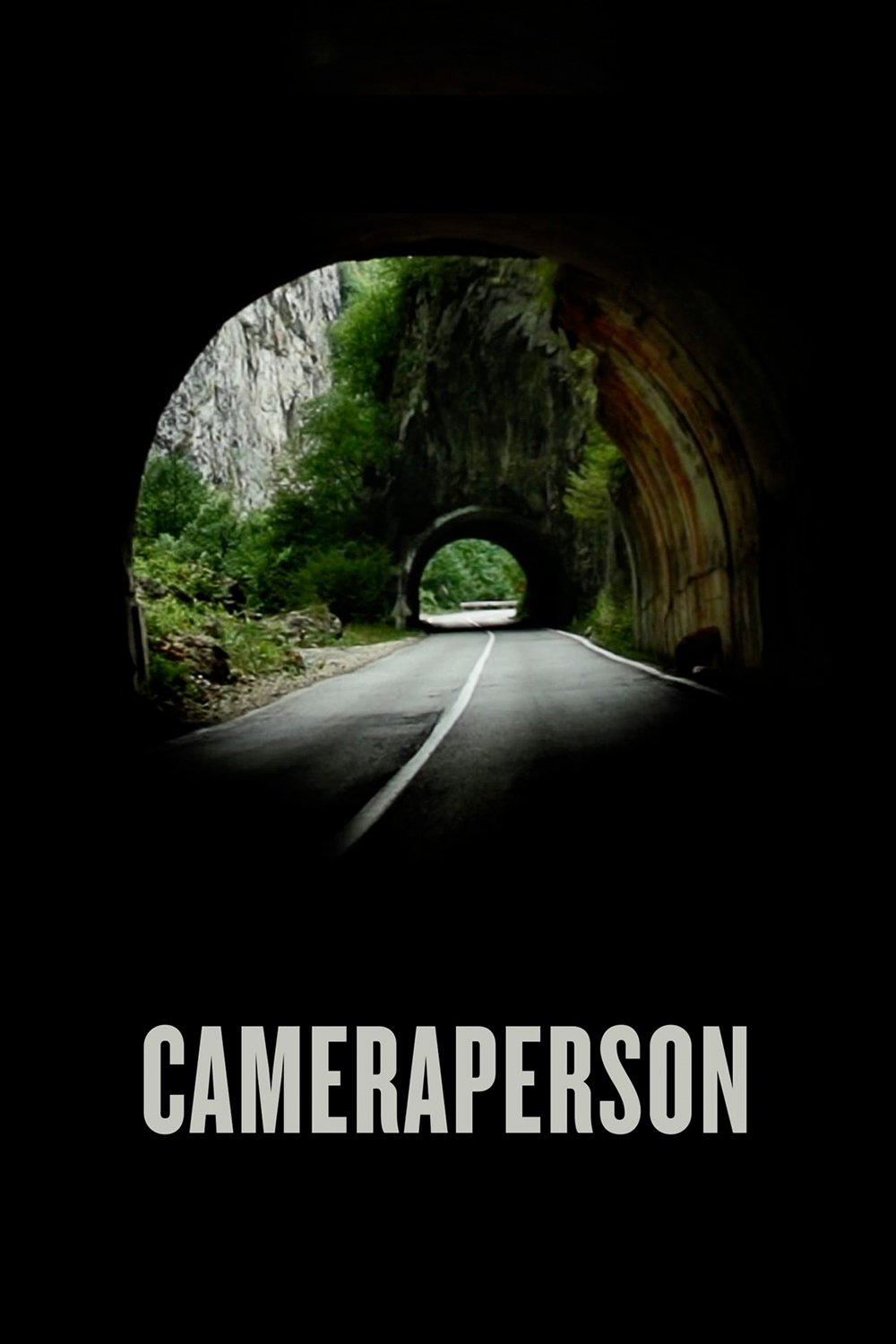
As a visually radical memoir, CAMERAPERSON draws on the remarkable footage that filmmaker Kirsten Johnson has shot and reframes it in ways that illuminate moments and situations that have personally affected her. What emerges is an elegant meditation on the relationship between truth and the camera frame, as Johnson transforms scenes that have been presented on Festival screens as one kind of truth into another kind of story—one about personal journey, craft, and direct human connection.
In the Realms of the Unreal is a documentary about the reclusive Chicago-based artist Henry Darger. Henry Darger was so reclusive that when he died his neighbors were surprised to find a 15,145-page manuscript along with hundreds of paintings depicting The Story of the Vivian Girls, in What is Known as the Realms of the Unreal, of the Glodeco-Angelinnian War Storm, Cased by the Child Slave Rebellion.
The history of cinematic sound, told by legendary sound designers and visionary filmmakers.
The film follows adventurer Jeff Johnson as he retraces the epic 1968 journey of his heroes Yvon Chouinard and Doug Tompkins to Patagonia.
The story lives forever in this feature-length documentary that charts the making of Star Wars: The Rise of Skywalker.
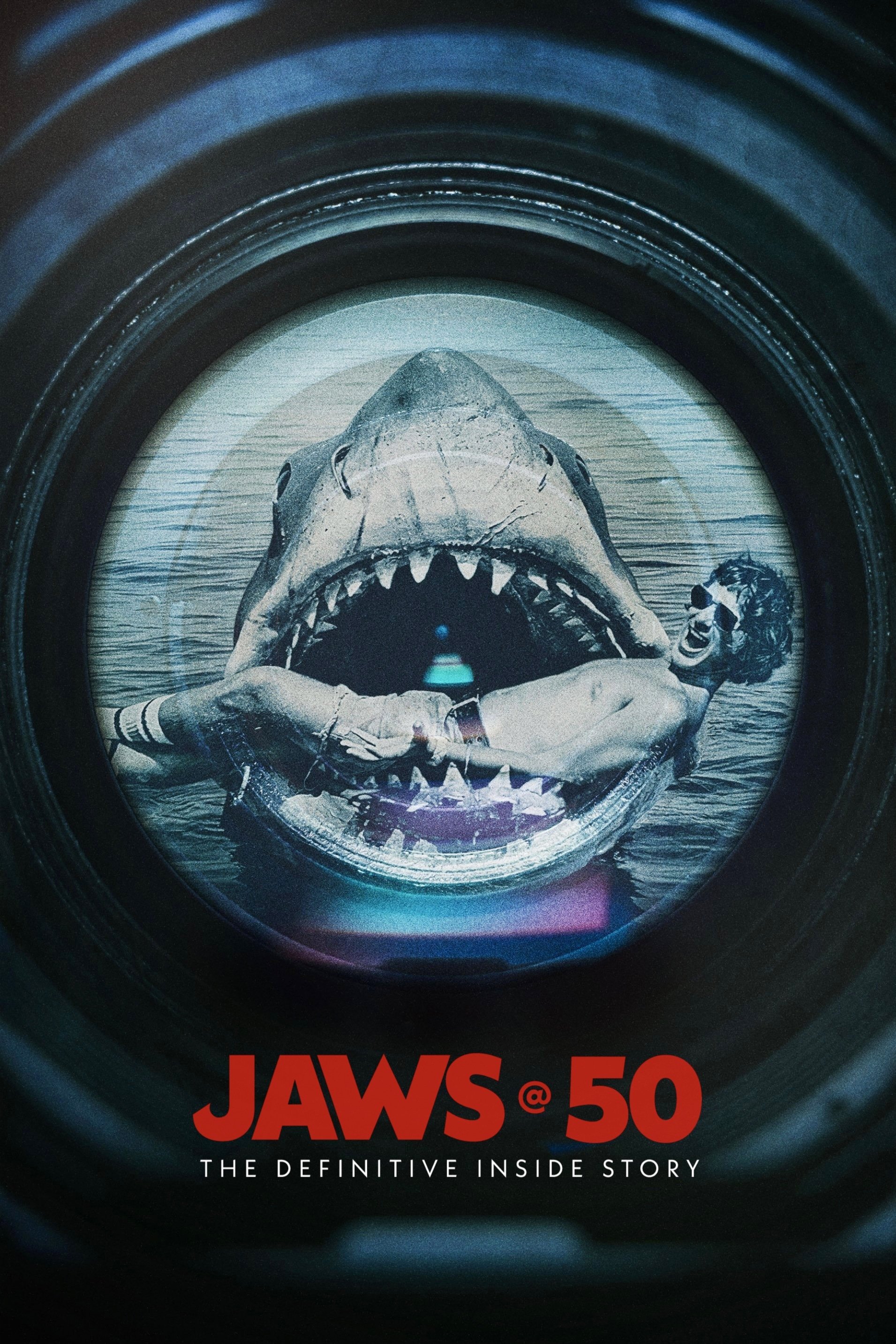
The authorized documentary celebrating the film that redefined Hollywood, 50 years after its premiere. Featuring rare archival footage and interviews with acclaimed Hollywood directors alongside Steven Spielberg, top shark scientists, and conservationists, the film uncovers the behind-the-scenes chaos and how the film launched the summer blockbuster, inspired a new wave of filmmakers, and paved the way for shark conservation that continues today.
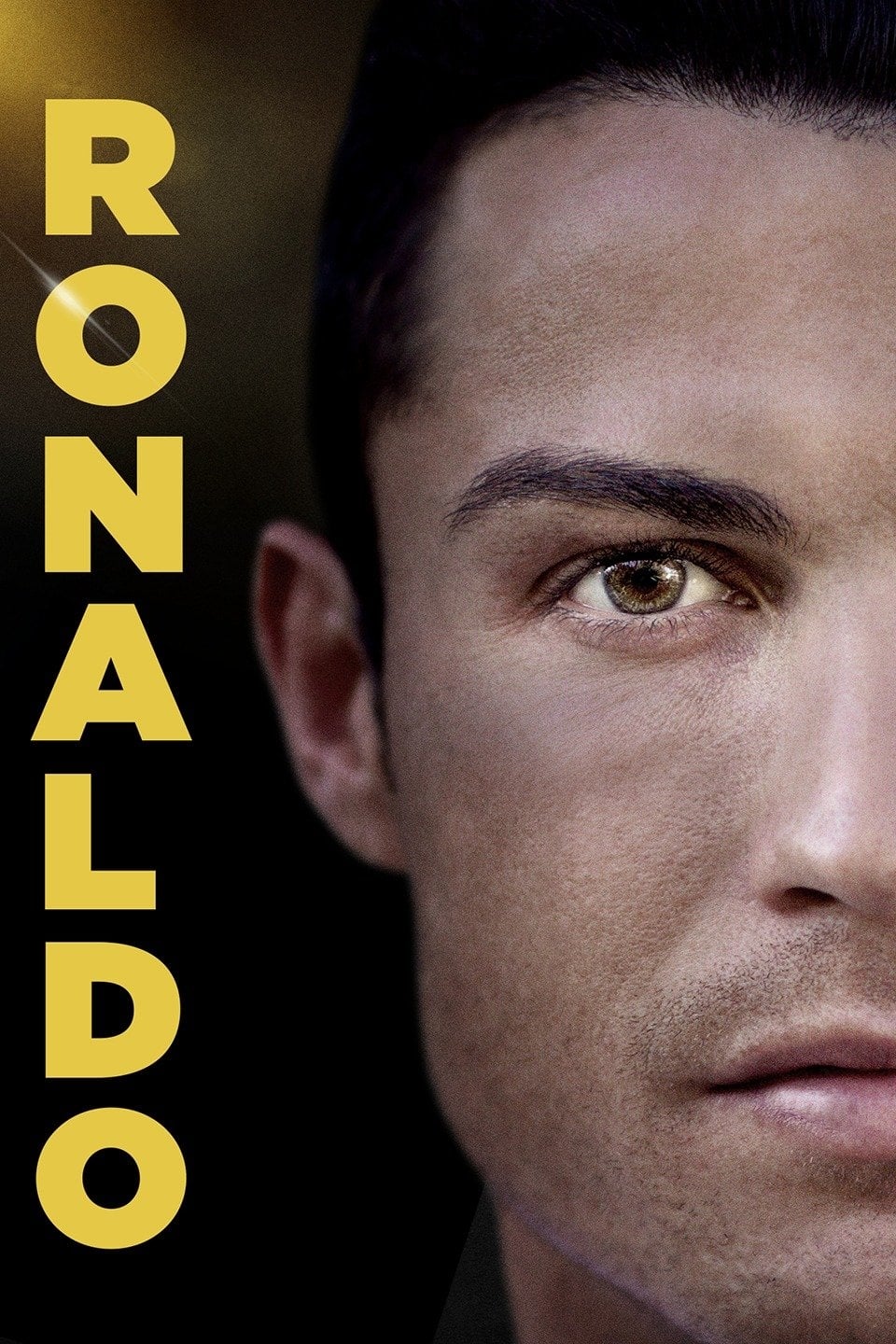
Filmed over 14 months with unprecedented access into the inner circle of the man and the sport, this is the first official and fully authorised film of one of the most celebrated figures in football. For the first time ever, the world gets vividly candid and un-paralleled, behind-closed-doors access to the footballer, father, family-man and friend in this moving & fascinating documentary. Through in-depth conversations, state of the art football footage and never before seen archival footage, the film gives an astonishing insight into the sporting and personal life of triple Ballon D'Or winner Cristiano Ronaldo at the peak of his career. From the makers of ‘Senna’ and ‘Amy’, Ronaldo takes audiences on an intimate and revealing journey of what it’s like to live as an iconic athlete in the eye of the storm.
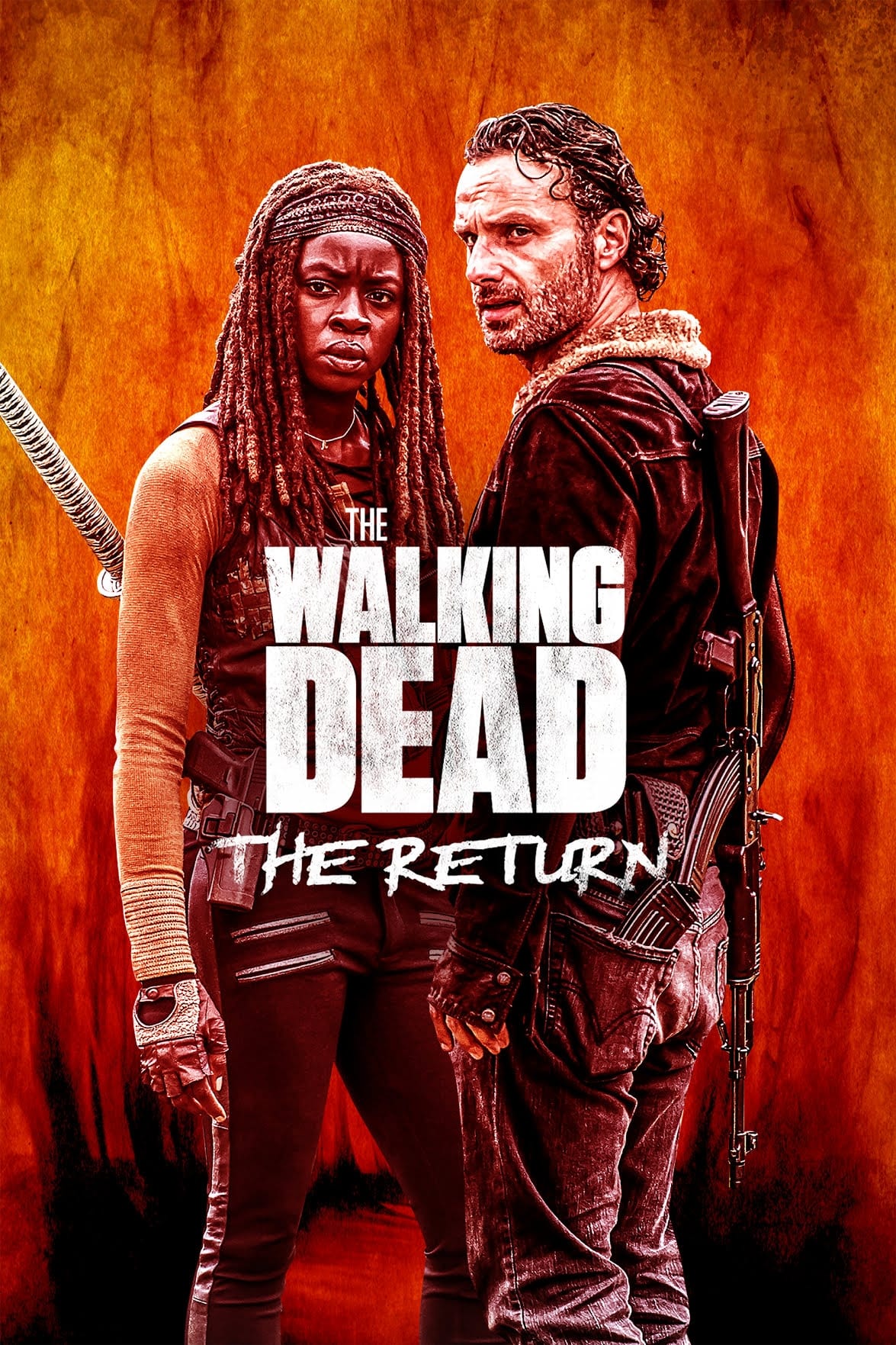
Stars of "The Walking Dead," Andrew Lincoln and Danai Gurira, walk down memory lane and visit iconic locations where pivotal moments between their characters, Rick and Michonne, were filmed.
The making of Matrix Revolutions, The (2003) is briefly touched on here in this documentary. Interviews with various cast and crew members inform us how they were affected by the deaths of Gloria Foster and Aaliyah, and also delve into the making of the visual effects that takes up a lot of screen time. Written by Rhyl Donnelly
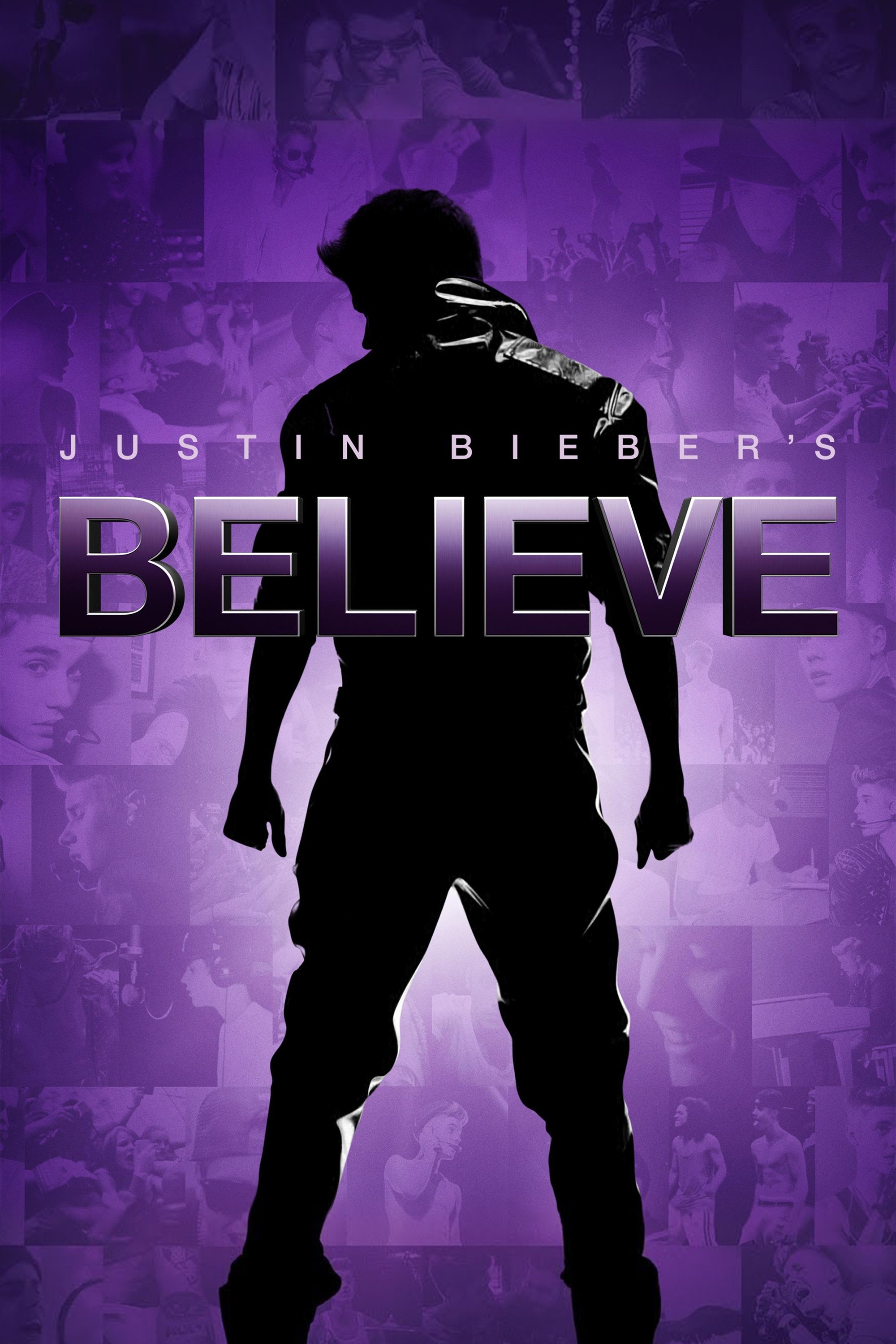
A backstage and on-stage look at Justin Bieber during his rise to super stardom.
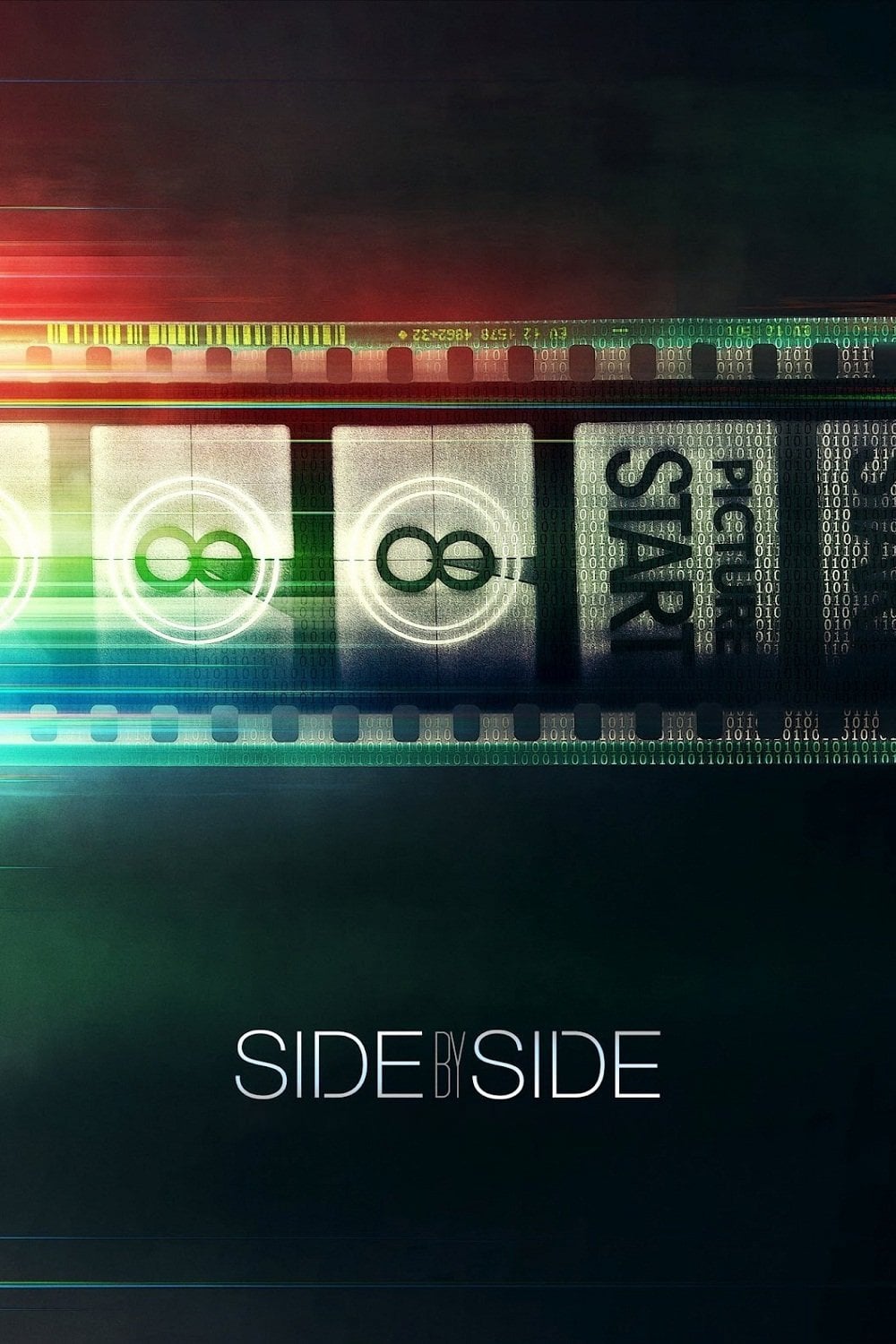
Since the invention of cinema, the standard format for recording moving images has been film. Over the past two decades, a new form of digital filmmaking has emerged, creating a groundbreaking evolution in the medium. Keanu Reeves explores the development of cinema and the impact of digital filmmaking via in-depth interviews with Hollywood masters, such as James Cameron, David Fincher, David Lynch, Christopher Nolan, Martin Scorsese, George Lucas, Steven Soderbergh, and many more.
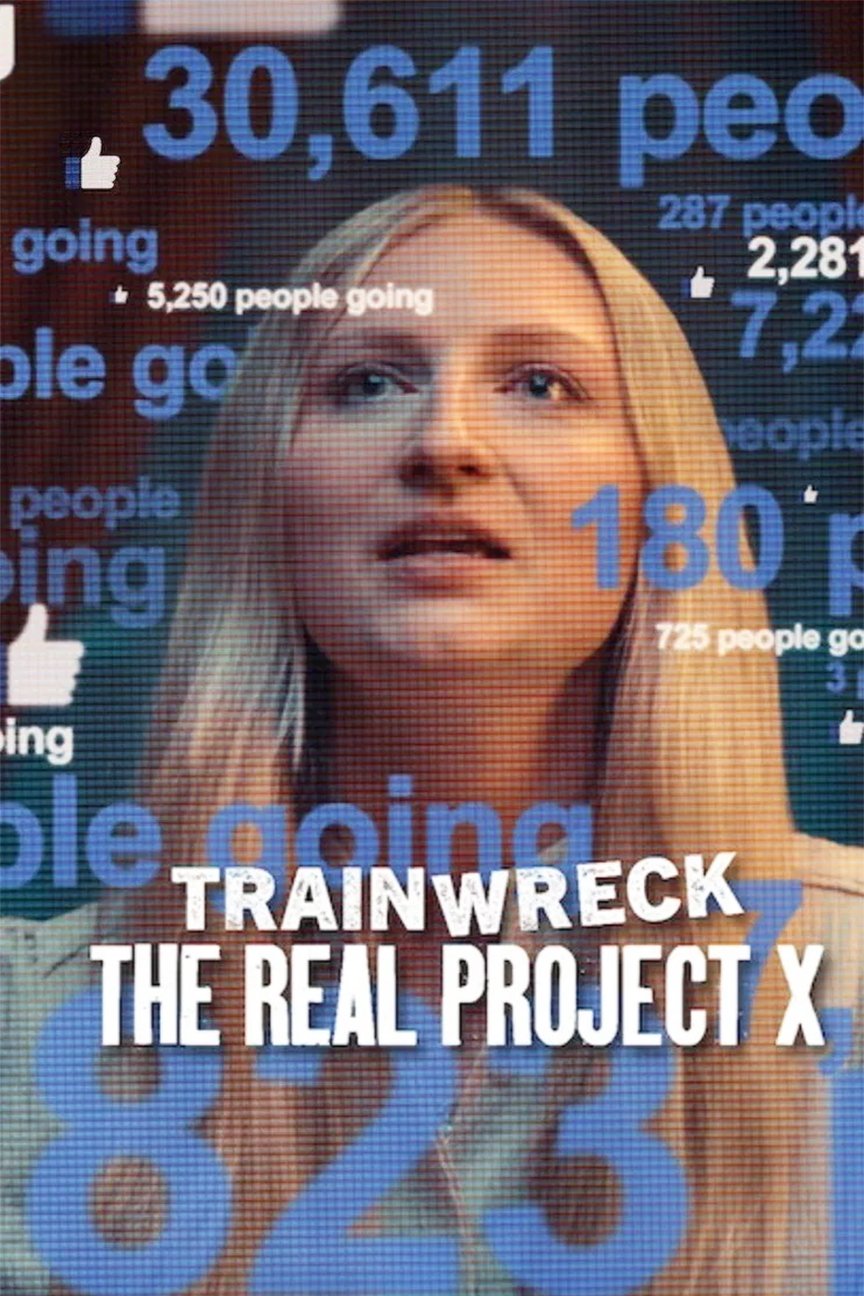
A night of drunken chaos rocks a quiet Dutch town in this shocking documentary about a teen's birthday invite that accidentally went viral on Facebook.
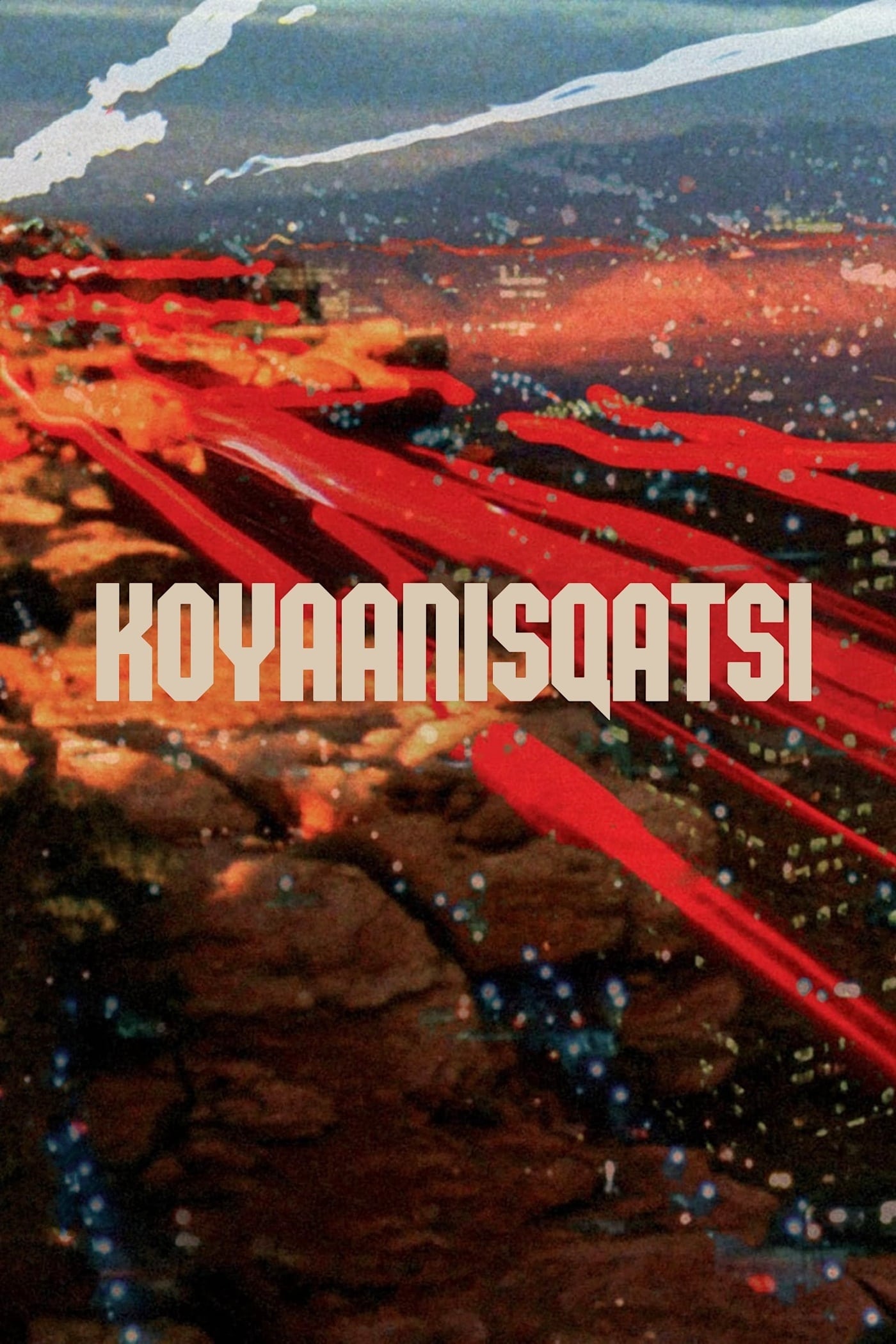
Takes us to locations all around the US and shows us the heavy toll that modern technology is having on humans and the earth. The visual tone poem contains neither dialogue nor a vocalized narration: its tone is set by the juxtaposition of images and the exceptional music by Philip Glass.