

Social & External
Ali
Yema
Omar
Raphaël
Messaoud
Robinson
Mademoiselle Ceylac
Docteur Herman
Oncle Mohamed
Unknown Role
Madame Sanchez

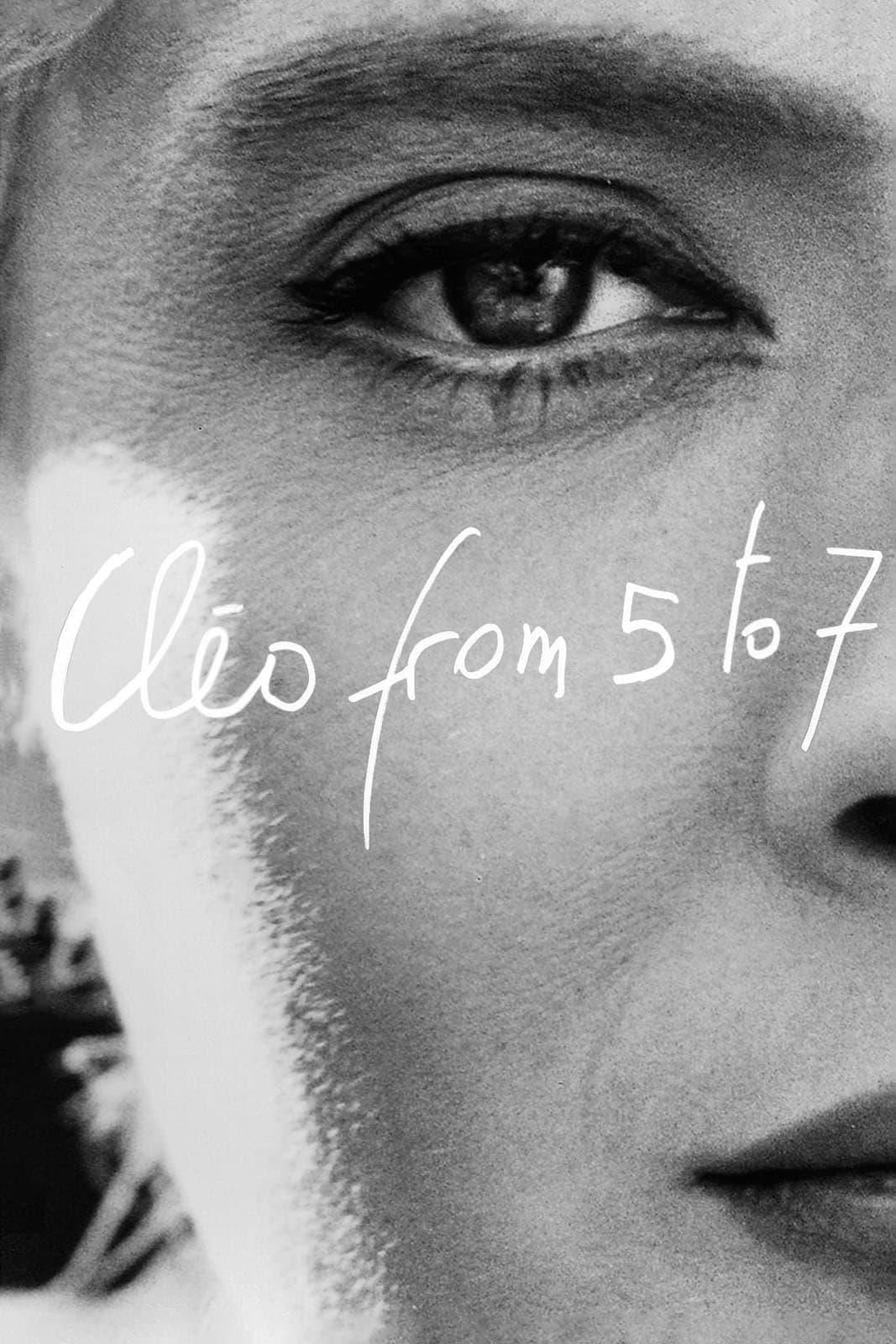
Agnès Varda eloquently captures Paris in the sixties with this real-time portrait of a singer set adrift in the city as she awaits test results of a biopsy. A chronicle of the minutes of one woman’s life, Cléo from 5 to 7 is a spirited mix of vivid vérité and melodrama, featuring a score by Michel Legrand and cameos by Jean-Luc Godard and Anna Karina.
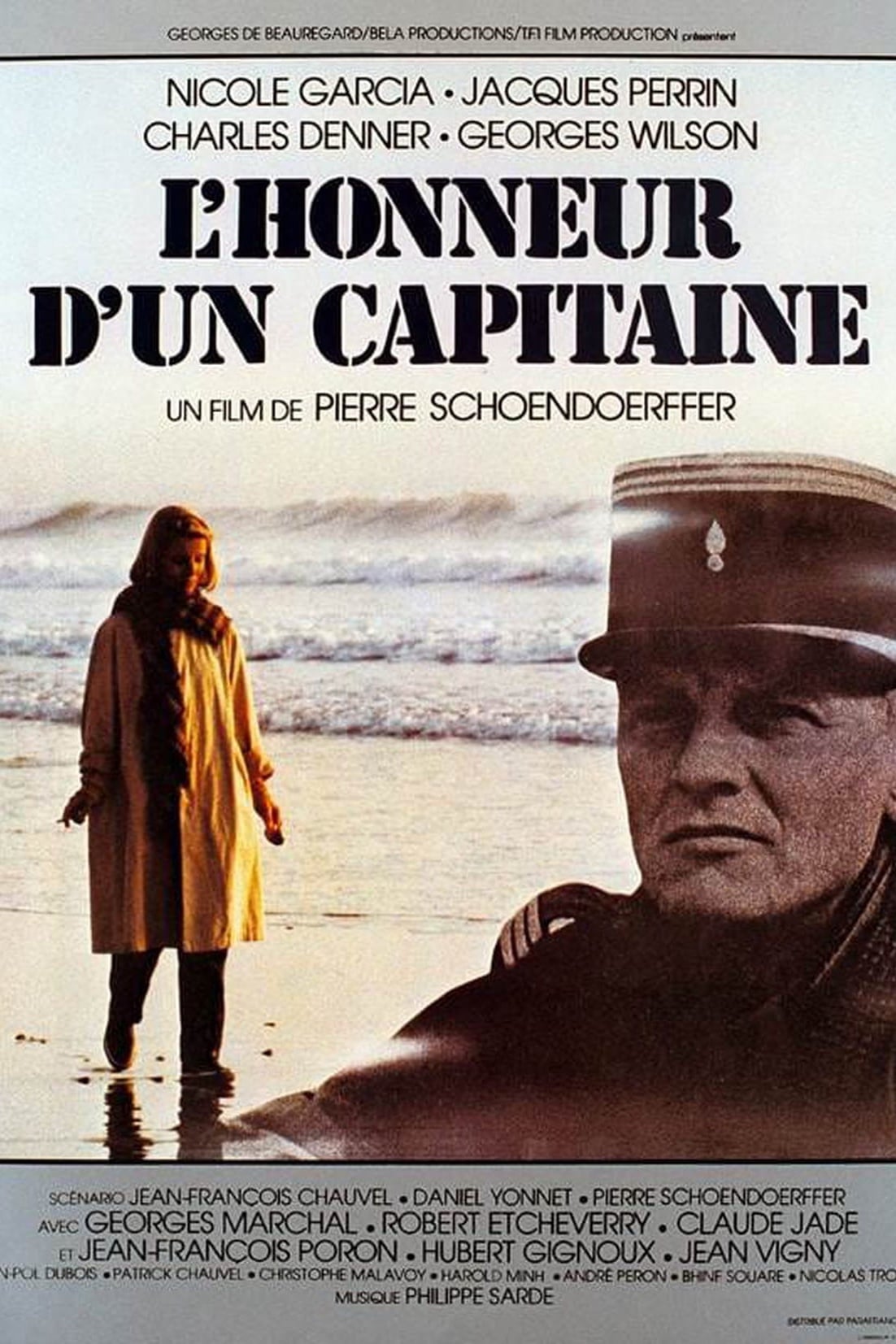
During a televised debate on the Algerian war in the early 1980s, Professor Paulet denounced the methods of Captain Caron, killed in action in 1957. The widow of the captain, Patricia, decided to file a defamation suit.
Jacques Mesrine, a loyal son and dedicated soldier, is back home and living with his parents after serving in the Algerian War. Soon he is seduced by the neon glamour of sixties Paris and the easy money it presents. Mentored by Guido, Mesrine turns his back on middle class law-abiding and soon moves swiftly up the criminal ladder.
After a bad breakup, a college-aged Parisian moves into her father's flat only to discover that he is living with his new girlfriend - a young woman her age.
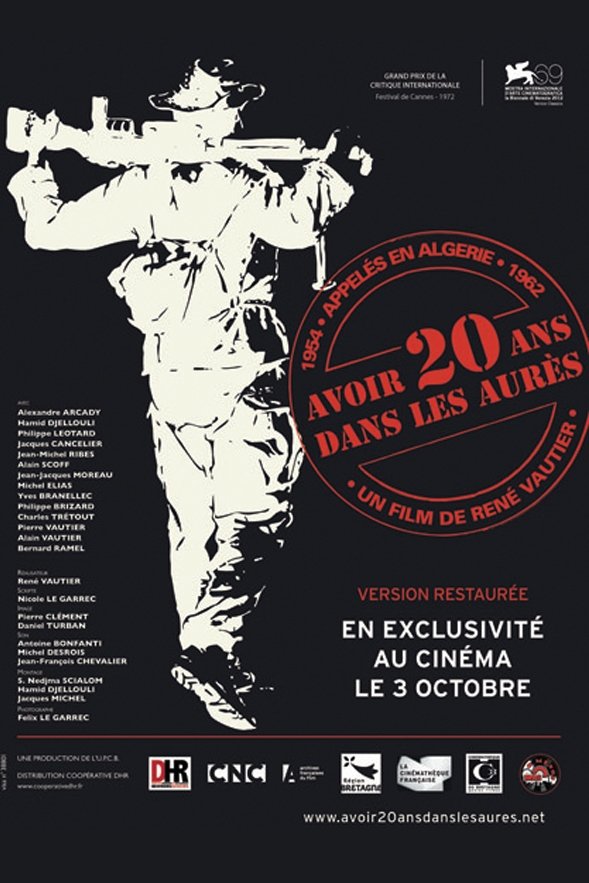
A group of refractory and pacifist Bretons is sent to Algeria. These beings confronted with the horrors of war gradually become killing machines. One of them did not accept it and deserted, taking with him an FLN prisoner who was to be executed the next day.
Frantz Fanon, a French psychiatrist from Martinique, has just been appointed head of department at the psychiatric hospital in Blida, Algeria. His methods contrast with those of the other doctors in a context of colonization. A biopic in the heart of the Algerian war where a fight is waged in the name of Humanity.
Parisian authorities clash with the Front de Libération Nationale (FLN) in director Alain Tasma’s recounting of one of the darkest moments of the Algerian War of Independence. As the war wound to a close and violence persisted in the streets of Paris, the FLN and its supporters adopted the tactic of murdering French policemen in hopes of forcing a withdrawal. When French law enforcement retaliated by brutalizing Algerians and imposing a strict curfew, the FLN organizes a peaceful demonstration that drew over 11,000 supporters, resulting in an order from the Paris police chief to take brutal countermeasures. Told through the eyes of both French policemen as well as Algerian protestors, Tasma’s film attempts to get to the root of the tragedy by presenting both sides of the story.
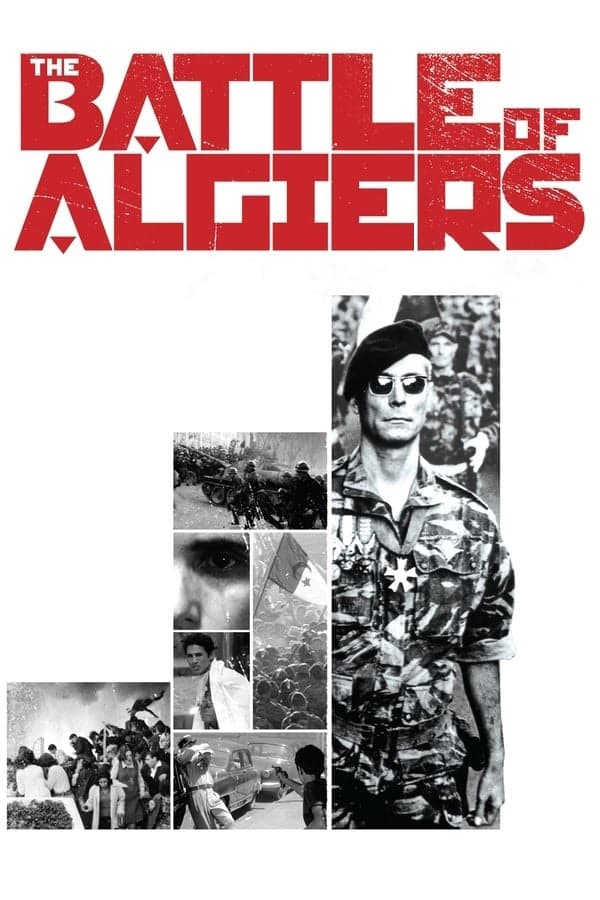
Paratrooper commander Colonel Mathieu, a former French Resistance fighter during World War II, is sent to Algeria to reinforce efforts to squelch the uprisings of the Algerian War. There he faces Ali la Pointe, a former petty criminal who, as the leader of the Algerian Front de Liberation Nationale, directs terror strategies against the colonial French government occupation. As each side resorts to ever-increasing brutality, no violent act is too unthinkable.
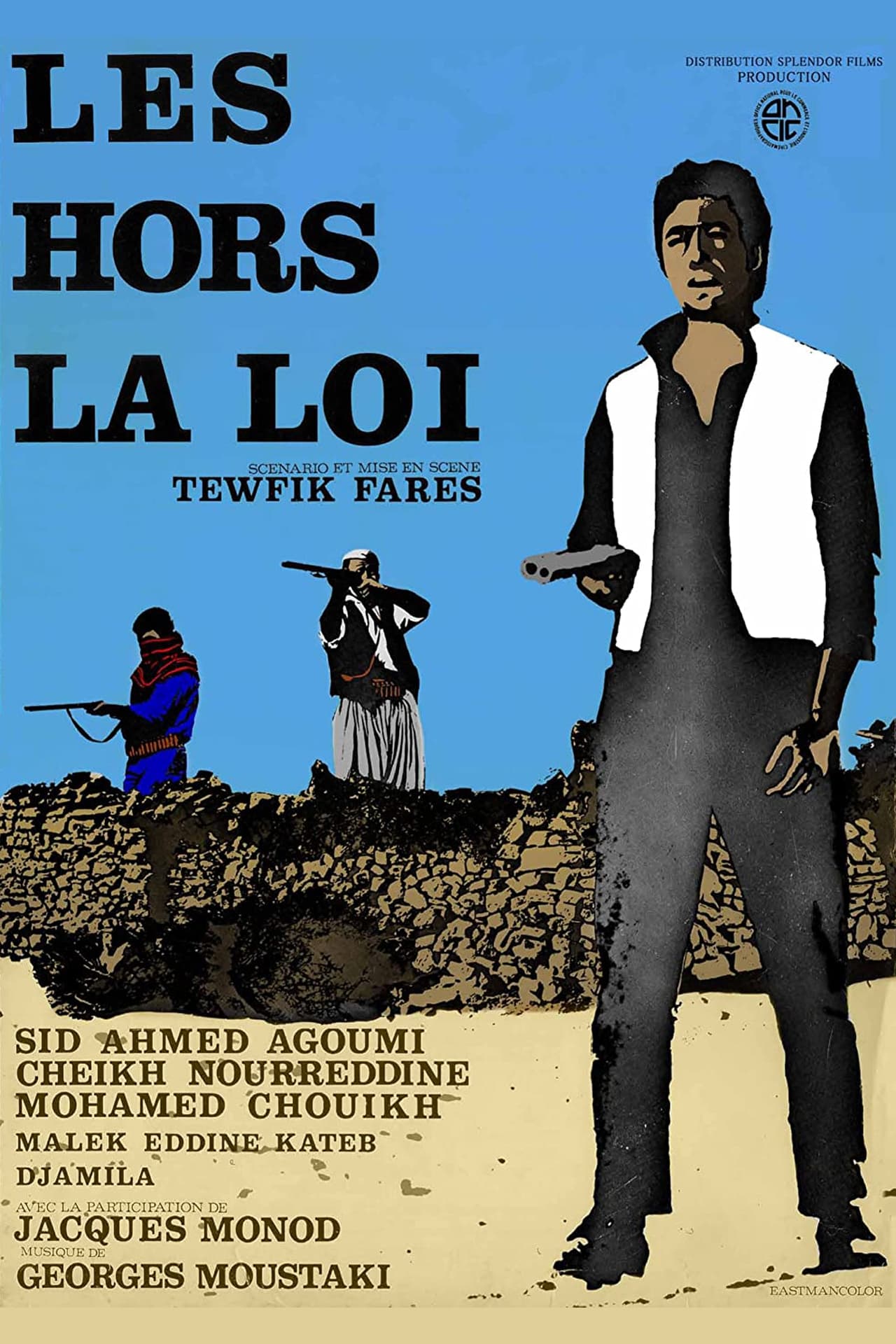
In prison in colonial Algeria, shortly after the end of the Second World War, three indigenous cellmates make out. Once free, they attack the authority represented by the triad of the boss, the gendarme and the administrator. “Living the colonial condition,” confided Tewfik Farès, “is something! It’s not sociologically or historically speaking. It’s life. And I think that’s all there in it. [...] For a hundred and thirty years, we wait. We hold back. We push back. We hope. At the same time, on different occasions, there are skirmishes, unrest.
The Oath, a TV film produced by Algerian television in 1963 following the end of the war of independence, tells the story of young Algerians who joined the resistance after the bloody repressions of May 1945 in Constantinois by the French colonial army .
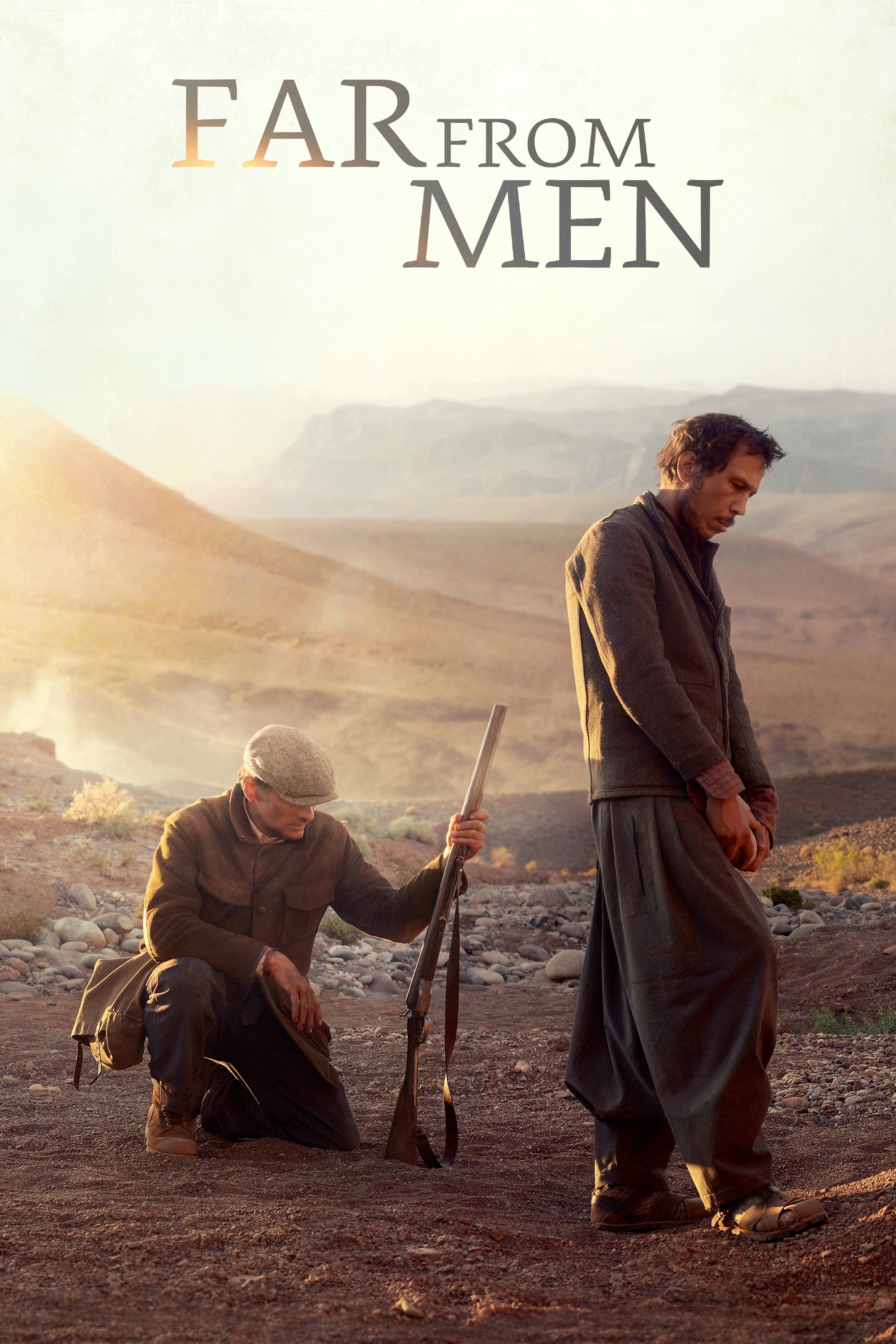
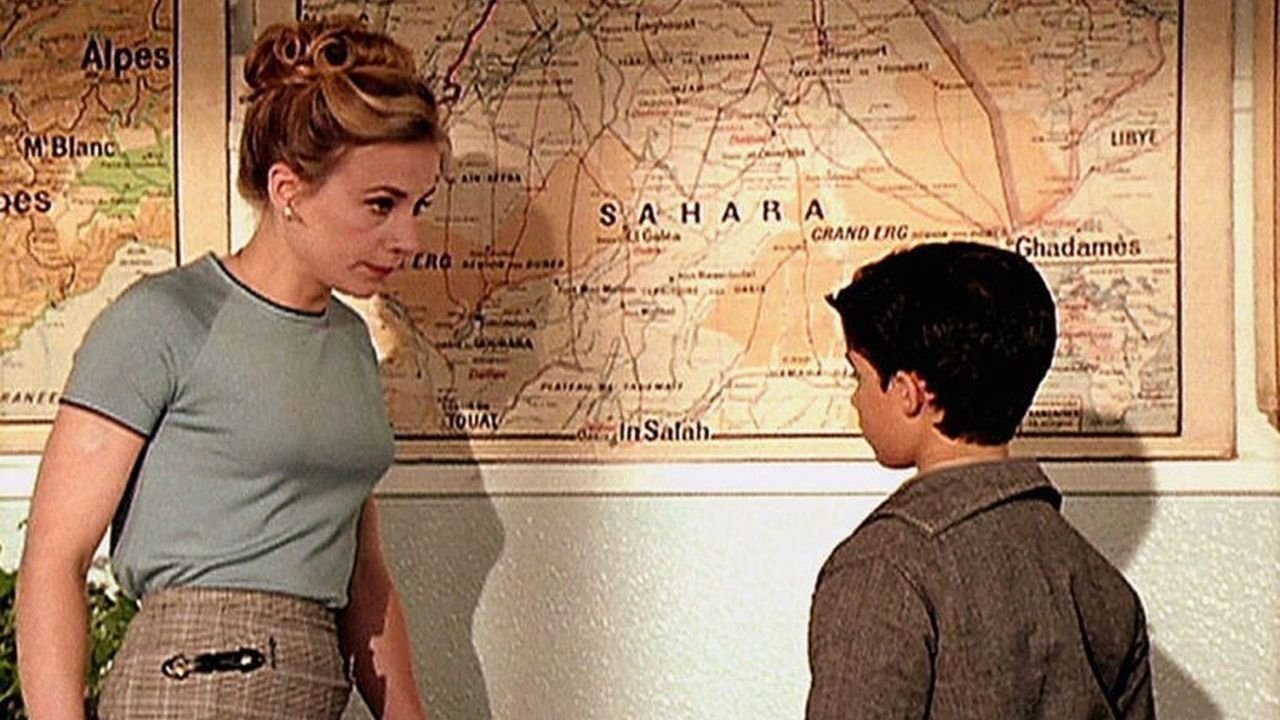
A French teacher in a small Algerian village during the Algerian War forms an unexpected bond with a dissident who is ordered to be turned in to the authorities.
In 1958 in Paris, during the Algerian War, a young trainee lawyer, Maître Chabrier, was assigned to defend an Algerian garbage collector against paratroopers who had beaten him. Stay out of Algerian affairs, his peers advise him because the trial is taking a political turn. Chabrier acquired the reputation of the Fellaghas' lawyer.
This film retraces the combat journey of Krim Belkacem, one of the leading figures of the Algerian War. When he left the Dellys barracks in October 1945, the day after the Second World War, Krim Belkacem was 23 years old. He is a man revolted by the May massacres in Sétif, Guelma, Kherrata and several other localities in the ravaged country. But it is also and above all a young Algerian who questions the future of Algeria. On March 21, 1947, Krim at the age of 25, he dug up his "Sten" submachine gun, he took action against the boss of his douar who was none other than his cousin. He goes into hiding with six companions. He meshes this entire part of Algeria with a dense and dense network with the sole objective of taking action which will lead to the outbreak of the armed struggle on November 1, 1954.
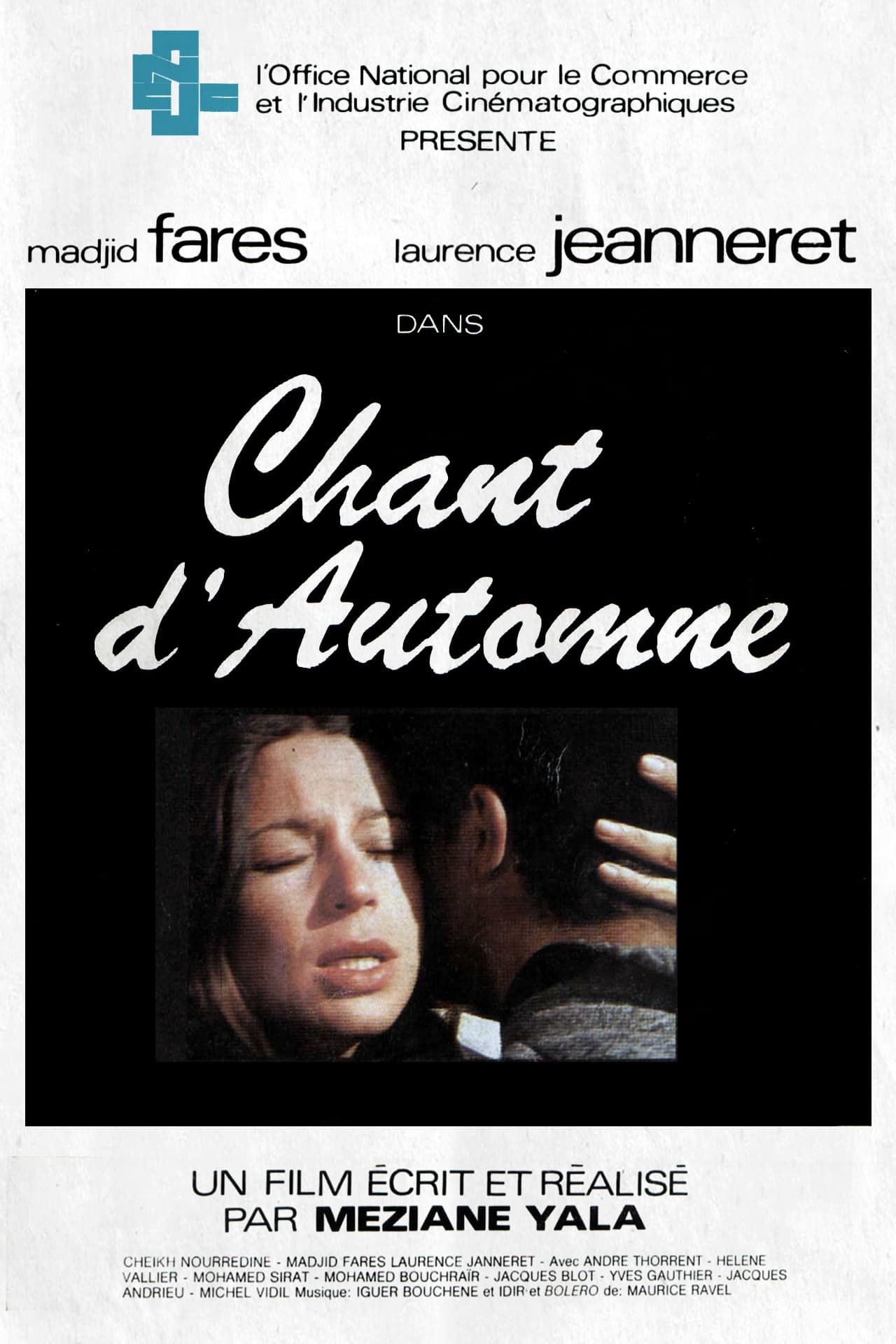
Chants d’Automne (Song of Autumn), is a story of daily life on a colonial farm, at the start of the war of liberation in Algeria, describing individual and group behavior in this context. An unthinkable, even dangerous, romantic relationship, born in this context between Catherine, daughter of a settler, and Abdelmalek, son of a blacksmith. Managing his vast property in a feudal manner, Monsieur Marcel whose only ambition is his personal enrichment to the detriment of the community. Everyone fears his authority except his daughter Catherine, a student in France, who returns home during the holidays. She does not stop herself from expressing to him her ideas of justice which go against family and colonial practices. Catherine and Abdelmalek's romance makes relationships increasingly strained, but the call for freedom will be stronger than a woman's love.
A drama following a French platoon during Algeria's war of independence.
In 1982, Hadj Rahim directed "Serkadji", a fiction film about the men's quarters of the Barberousse military prison in Algiers, where hundreds of FLN fighters were incarcerated and executed during the war of independence. Algeria between 1954 and 1962.
Djamila, a young Algerian woman living with her brother Hadi and her uncle Mustafa in the Casbah district of Algiers under the French occupation of Algeria, sees the full extent of injustice, tyranny and cruelty on his compatriots by French soldiers. Jamila's nationalist spirit will be strengthened when French forces invade her university to arrest her classmate Amina who commits suicide by ingesting poison. Shortly after the prominent Algerian guerrilla leader Youssef takes refuge with her, she realizes that her uncle Mustafa is part of this network of anti-colonial rebel fighters. Her uncle linked her to the National Liberation Front (FLN). A series of events illustrate Jamila's participation in resistance operations against the occupier before she was finally captured and tortured. Finally, despite the efforts of her French lawyer, Jamila is sentenced to death...
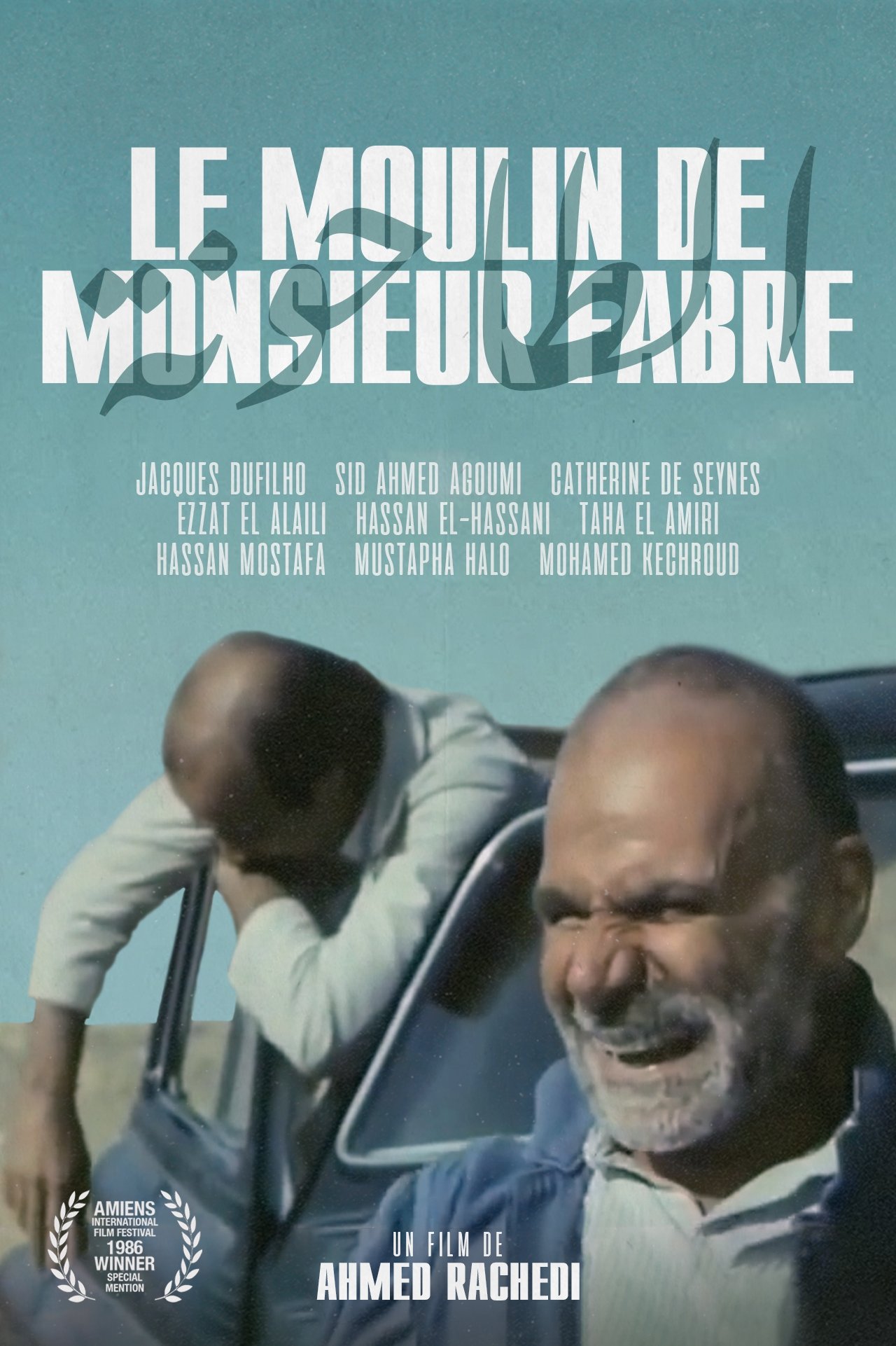
The story of the post-independence nationalization of the mill of Monsieur Fabre, an old man attached to the land of Algeria where he was born. In this small town in eastern Algeria, there was nothing else to nationalize and they were actively preparing for the arrival of high dignitaries who would elevate the mill to the rank of an industrial flour mill even though it was threatened with ruin. The comedy gets worse when the football player from the local team withdraws for love, the officials' visit is canceled and Mr. Fabre returns.
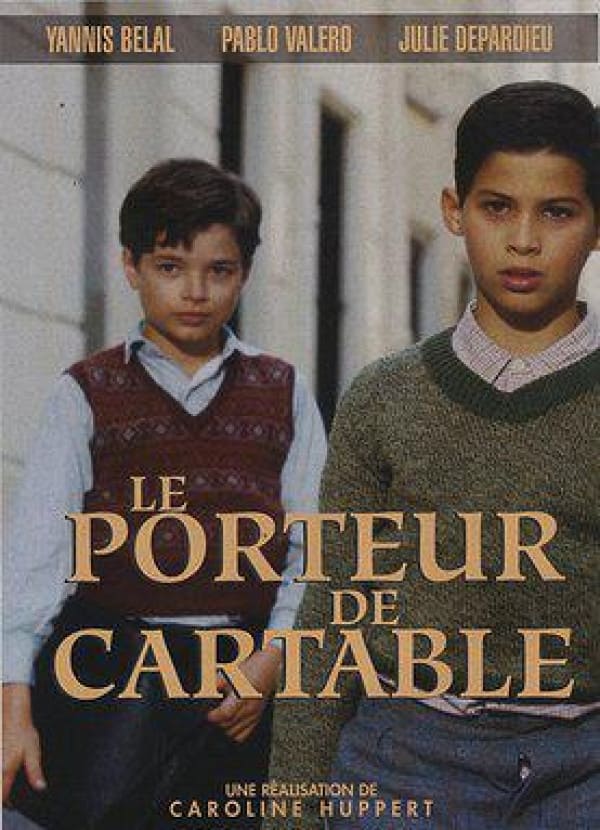
As the Algerian War draws to a close, a teenager with a girlfriend starts feeling homosexual urges for two of his classmates: a country boy, and a French-Algerian intellectual.
The son of a French colonialist in Algeria returns to Algeria after learning that his father is ill. Memories from childhood return. He also must deal with some problems involving the Algerian fight for independence.
A woman has a close bond with her beloved Algeriann grandfather, who protected her from a toxic home life as a child; his death triggers a deep identity crisis as tensions between her extended family members escalate, revealing new depths of resentment and bitterness.
A shady Parisian tries to take advantage of a family of French-descended Algerians forced to move to France.
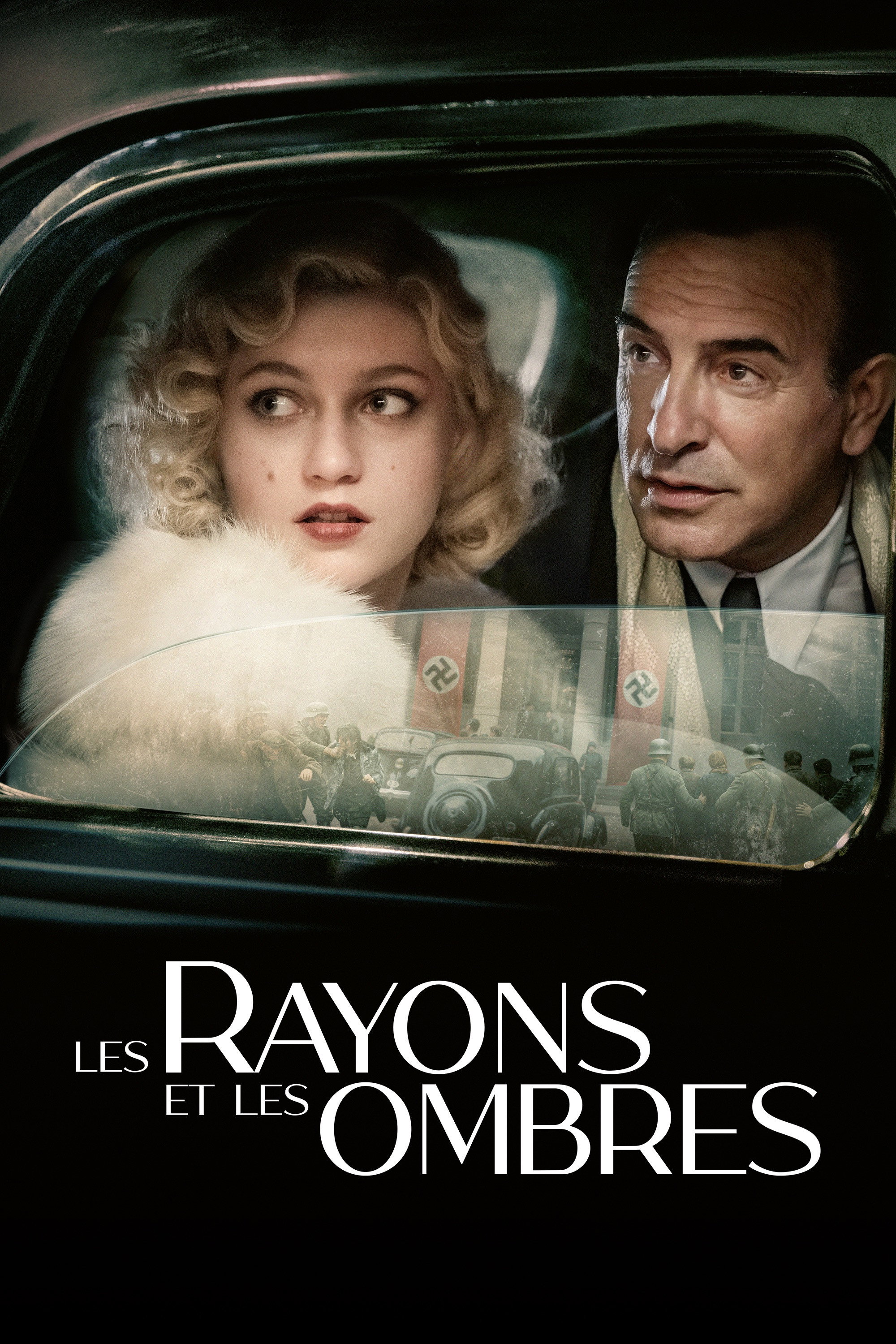
Jean and Otto, a French newspaperman and a young German Francophile, are fighting for peace in Europe. Jean’s daughter, Corinne, is launching a brilliant acting career in the film world, but war breaks out and France is occupied. The two friends have a major role to play in this new France. Jean becomes a big press baron and an ardent advocate of collaboration with the occupying forces, while Otto becomes the Reich’s ambassador in Paris. Corinne, meanwhile, finds herself thrown into the lion’s pit.
Aissa, a young officer of Algerian origin, tragically loses his life during a fresher initiation ritual at the prestigious French military academy of Saint-Cyr. As the death tears through his family, controversy arises over Aissa’s funeral plans when the Army refuses to take responsibility. Ismael, his older, rebellious brother, tries to keep the family united as they fight to win justice for Aissa.
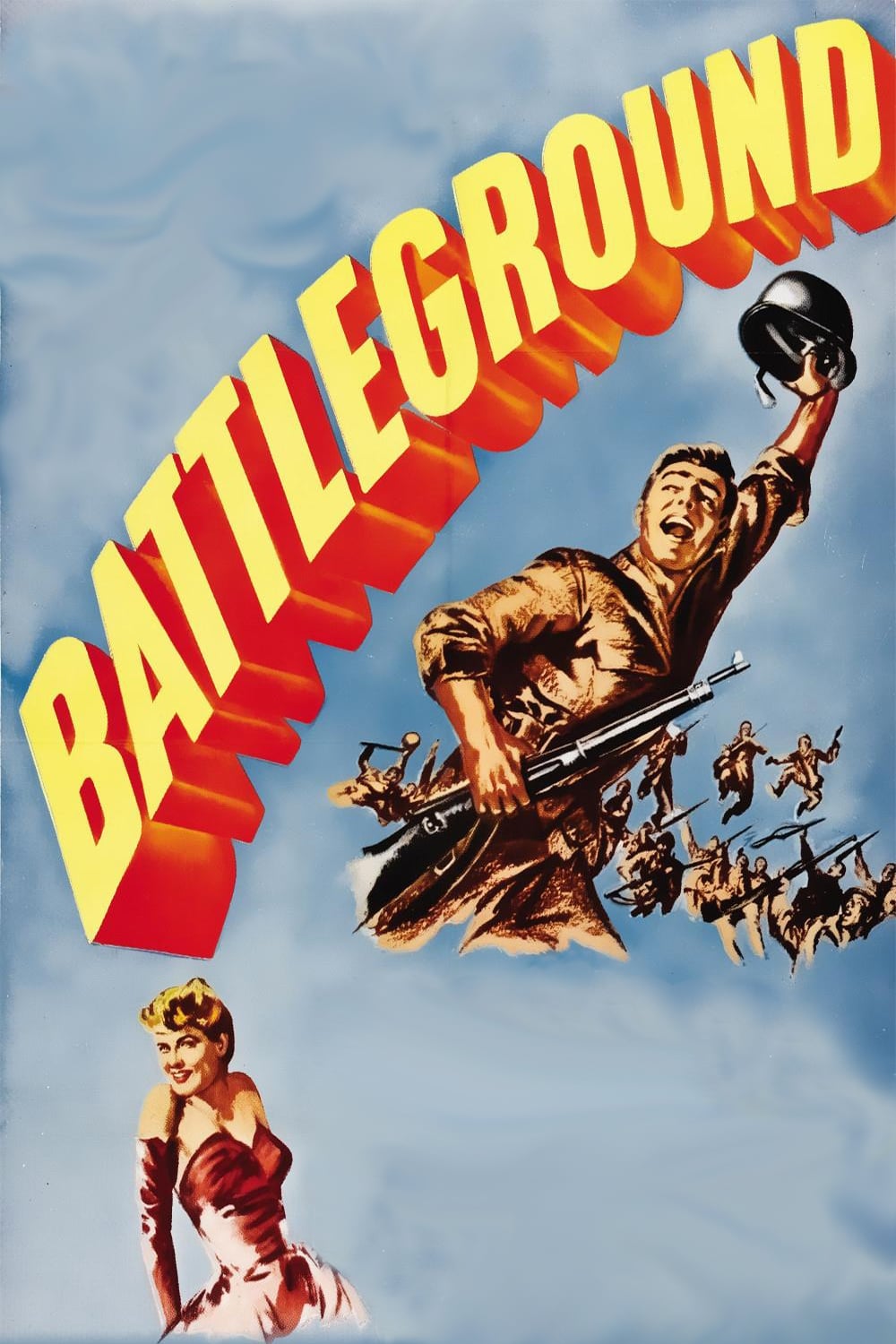
Members of the U.S. Army's 101st Airborne Division are fighting for their country amidst the rugged terrain of Bastogne, Belgium, in December 1944. Holley and his American compatriots have already seen one of their own, Roderigues, perish under enemy fire. The men try to rebuff another series of Nazi attacks, but what they really need is a change in the weather. Without clear skies, they'll never get the air support they need.
Algiers, 1938. Meursault, a quiet and unassuming employee in his early thirties, attends his mother's funeral without shedding a tear. The next day, he begins a casual affair with Marie, a work colleague. He quickly slips back into his usual routine.
Raf and Julie, a couple on the verge of breaking up, find themselves in an emergency ward bordering on collapse on the evening of a Parisian Yellow Vest protest. Their encounter with Yann, an angry and injured demonstrator, will shatter each person's certainties and prejudices. Outside, the tension escalates.
Thomas Montgomery, a married father of two young daughters, gets seduced by the world of online gambling and chat rooms where a virtual romance and sexual obsession ultimately leads to the murder of an innocent man.
When his helicopter goes down during his fourth tour of duty in Afghanistan, Marine Sam Cahill is presumed dead. Back home, brother Tommy steps in to look over Sam’s wife, Grace, and two children. Sam’s surprise homecoming triggers domestic mayhem.
After an emotional exchange between a Lebanese Christian and a Palestinian refugee escalates, the men end up in a court case that gets national attention.
Master car thieves square off against French gangsters in the South of France with money, women and lives all on the line.
Just outside of the Malian city of Timbuktu, now occupied by militant Islamic rebels who impose the Sharia on civilians and inconvenience their daily life, a cattleman kills a fisherman.
Based on a true story, during World War II, four Jewish brothers escape their Nazi-occupied homeland of West Belarus in Poland and join the Soviet partisans to combat the Nazis. The brothers begin the rescue of roughly 1,200 Jews still trapped in the ghettos of Poland.
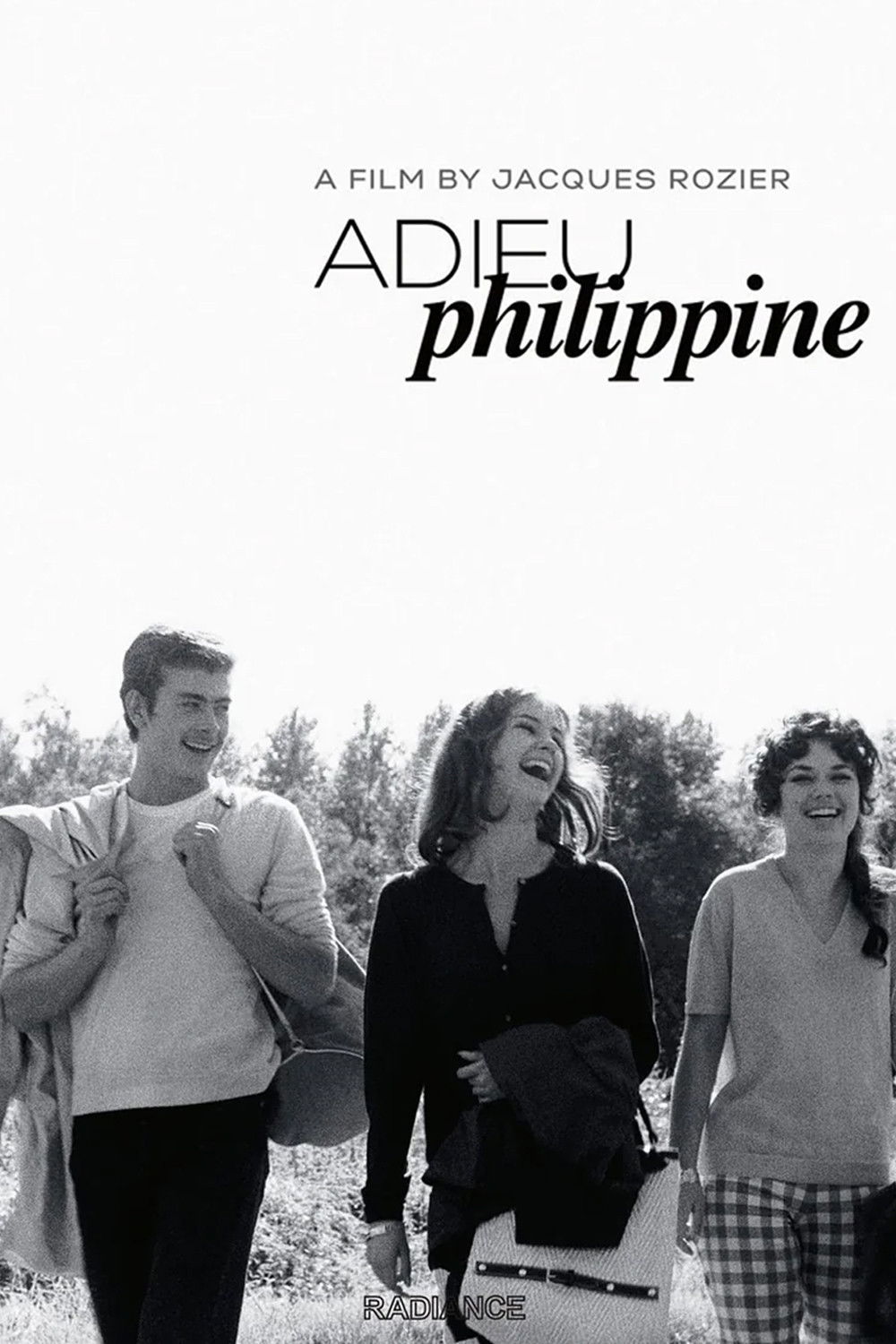
Michel is a young technician in the fledgling TV industry and is due for military service in two months at the time of the Algerian War. Juliette and Liliane are inseparable best friends, and aspiring actresses, who hang around outside the TV studio. Michel invites them in to watch, flirts with them both, and dates them separately and together. When Michel goes on a holiday to Corsica, just before he is drafted, the girls follow.
In 1953, a sensitive French boy finds out from a neighbor that his family's Jewish. François Grimbert becomes a physician, and gradually peels the layers of his buried family history which resulted in his difficult upbringing, raised as Catholic by his "Aryan" appearing parents. His athletic father labored to stamp out stereotypical Jewish characteristics he perceived in his son, to keep the family's many secrets, as most relatives fought in World War II, and later were hauled off to labor and death camps by the Gestapo.
In 1983, in France experiencing intolerance and racial violence , three young teens and the priest Minguettes launching a largely peaceful march for equality and against racism, over 1,000 km between Marseille and Paris . Despite the difficulties and resistance encountered, their movement will bring about a real boost of hope in the way of Gandhi and Martin Luther King. They unite with their arrival more than 100 000 people from all walks of life and give France its new face.
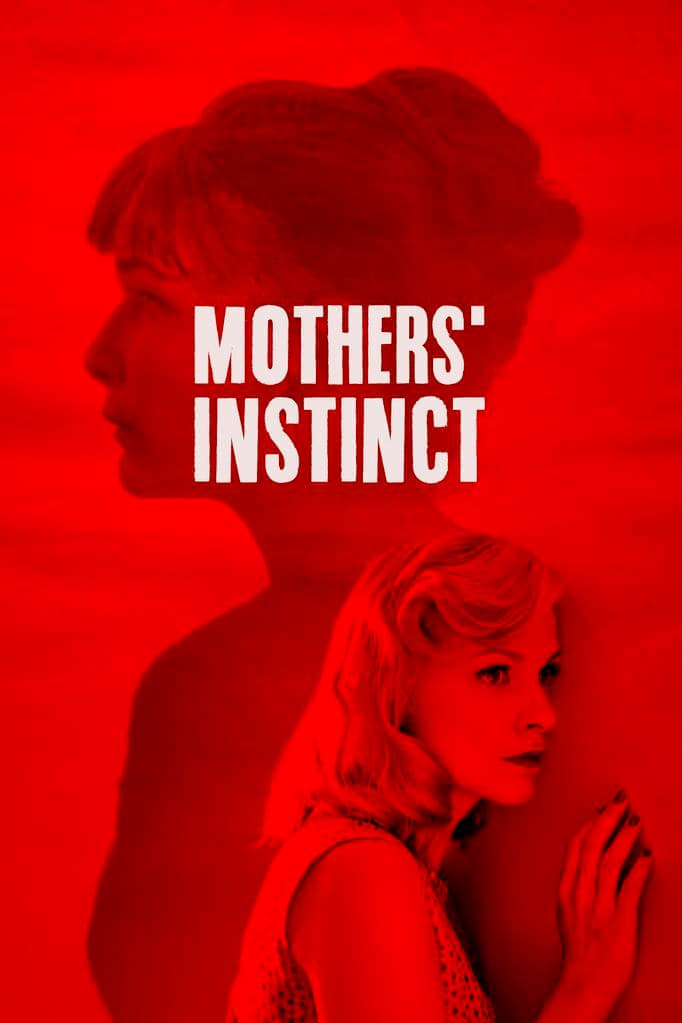
Juliette goes back in her hometown to spend some time with her family. She finds herself between a loving but moody father, a New Age mother, a sister in the midst of an existential crisis, and a grandmother slowly losing her mind. Buried memories and family secrets rise to the surface in this sweet, tender and sometimes extravagant family portrait.
A pair of twin brothers from East L.A. choose to live their lives differently and end up on opposite sides of the law.