Social & External
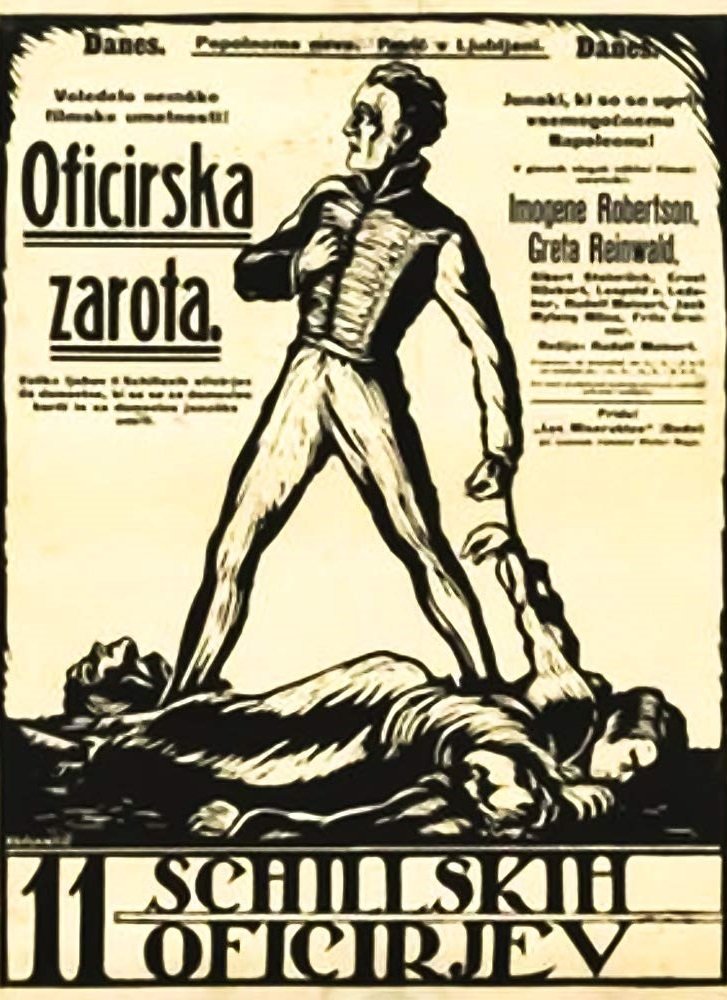
The film depicts the failed 1809 uprising of Prussian soldiers led by Ferdinand von Schill against the occupying French during the Napoleonic War.
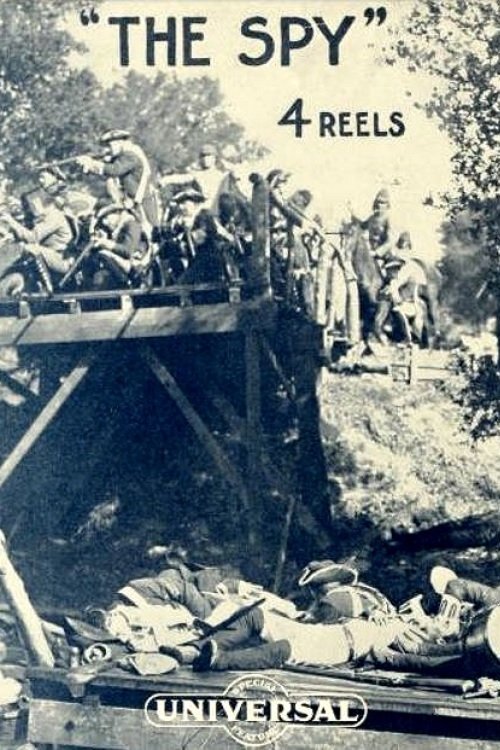
An American agent exchanges places in prison with a condemned British officer and brother of a woman he greatly admires and goes to the gallows.
Second attempt to create a feature film out of the 200,000-plus feet of film which Soviet film-maker Sergei Eisenstein shot during 1931-32 in Mexico for American socialist author Upton Sinclair, his wife and a small company of investors. The projected film, to be called "Que Viva Mexico", was never completed due to exhaustion of funds and Stalin's demand that Eisenstein return to the USSR (he had been absent since 1929). The first attempt at editing the footage, in the USA, resulted in "Thunder Over Mexico", released in 1934. In 1940, Marie Seton, from the UK, acquired some of the footage from the Sinclairs in an attempt to make a better cutting according to Eisenstein's skeletal outline for the proposed film. This film has apparently been lost.
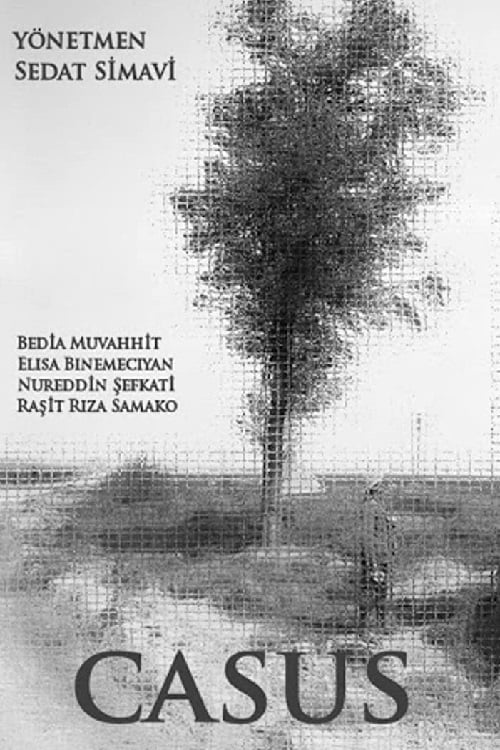
Considered as the one of the first feature-length Turkish movies produced during the reign of the Ottoman Empire, Casus is about a spying adventure which took place in the First World War. The copy of the movie did not survive to the present day.
Documentary that captures Tom Petty and the band in 1982-1983 as they finish, promote, and tour around the “Long After Dark” album (their final with legendary producer Jimmy Iovine). It aired only once on MTV in 1983. After the long lost 16mm reels were finally found, a restored version with 19 minutes of extra footage was released in 2024.
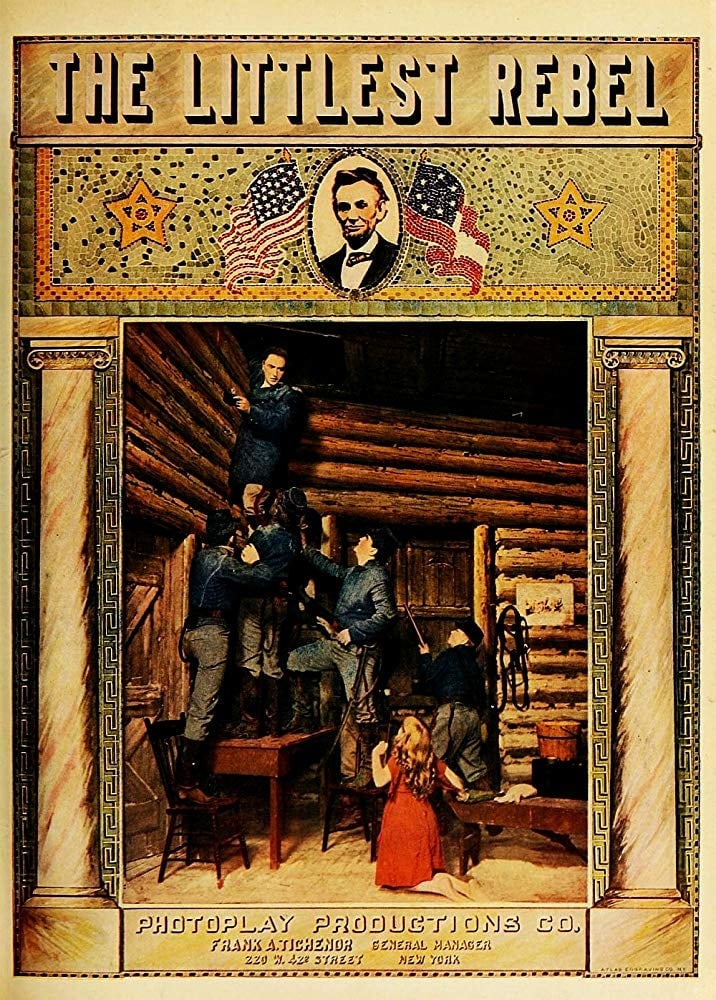
Young Virgie's father, Captain Herbert Cary, is a Confederate soldier. During the Civil War, Virgie, along with her slave Uncle Billy and her mother, are caught between the lines. While Virgie's father is fighting, her family is visited by Union soldiers, including Colonel Morrison, who is assigned to capture her father. Virgie inadvertently helps Morrison, by singing "Dixie" to him and then hiding her father. In the end, Virgie and her father are able to escape, and Virgie even sings "Polly Wolly Doodle" with the Union soldiers and hugs her father, now a Union officer,
Scene from a Trilby-themed stage play. Lost.
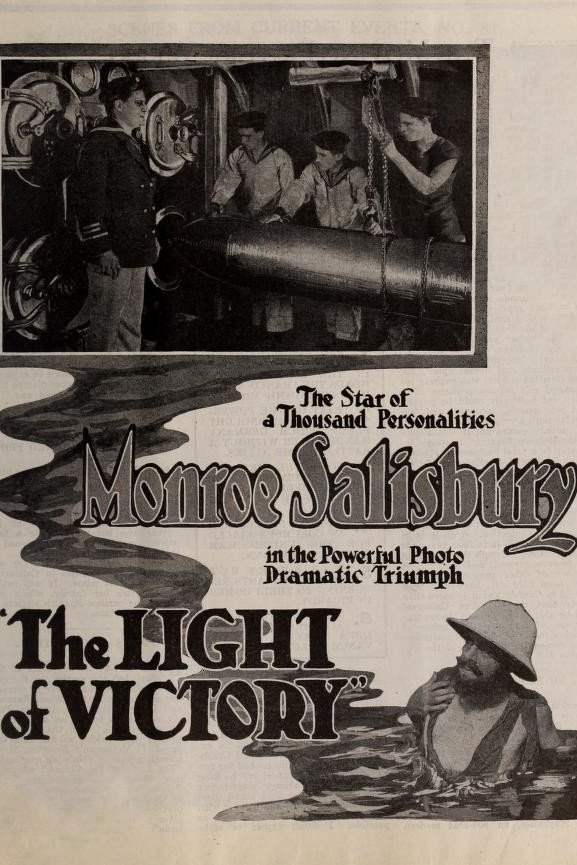
U.S. Navy Lieutenant George Blenton becomes drunk at an official reception, and his fiancee, Jane Ravenslee, the captain's daughter, breaks their engagement. After war is declared, George, entrusted with a secret code book to deliver to an English admiral, drinks and loses the book which German spies recover. During a private court-martial he is offered a pistol for suicide. After drinking again, he fires a shot, but still lives. Put ashore on the island of Tafofu "to rot," George, hating the U.S., moves in with Lehua, a half-white who tries to wean him from drink.
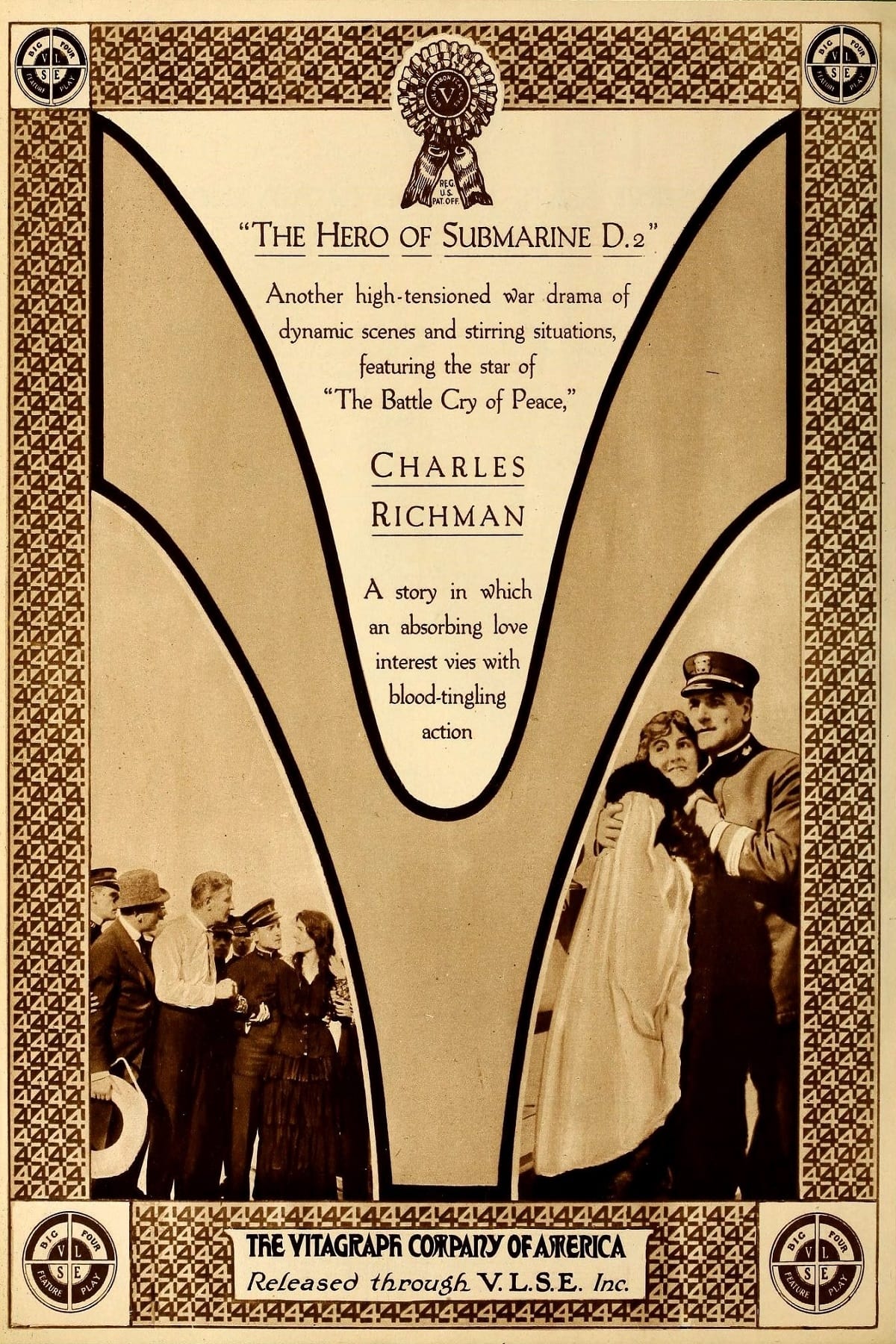
Lieutenant Commander Colton, U.S.N., is in love with Caroline Austen, daughter of a prominent political power in Washington. Colton has a rival in James Archer, a journalist of prominence, unscrupulous and secretly in league with the Ruanian Ambassador, who is endeavoring to obtain for his country inside information as to the United States naval resources.
Richard Randall, a patriotic young lawyer speaks out against food profiteers. When ruthless food combine head, Everett Dearing, blackmails society idler Tony Terle into compromising Randall's wife, Beverly in an attempt to stop Randall's anti-war crusades. Ultimately, Terle is caught and confesses to killing Dearing, leading to Randall and Beverly's reunion.
The good people of the Solax community realize that they have cause to make merry before the New Year because the Almighty has guided their breadwinning footsteps toward the Solax Studio's happy atmosphere, bank together like the big happy family they are, to give expression to their happiness in the form of a gift to the immediate cause of their good fortune and sunshine.
Melia Nobbs, a young Canadian woman, supports both her invalid father Ambrose and brother Henry. When Henry faces arrest for helping himself to his employer's cash, Melia steals the amount from the star of the theater where she has been dancing and offers it to her brother if he will enlist in the army. Henry agrees and goes off to war, making Ambrose proud of his son, but when Ambrose learns that his daughter has been arrested for theft, he disowns her. Melia does not reveal the reason for taking the money and is sent to prison. Meanwhile, Henry fights bravely in France and returns home minus an arm but wearing the Victoria Cross. He finds his sister, weak and worn from overwork, in the prison hospital. Seeing her brother with his medals, Melia realizes that her sacrifices for him and her country have not been in vain, and that in her own way, she has served her country.
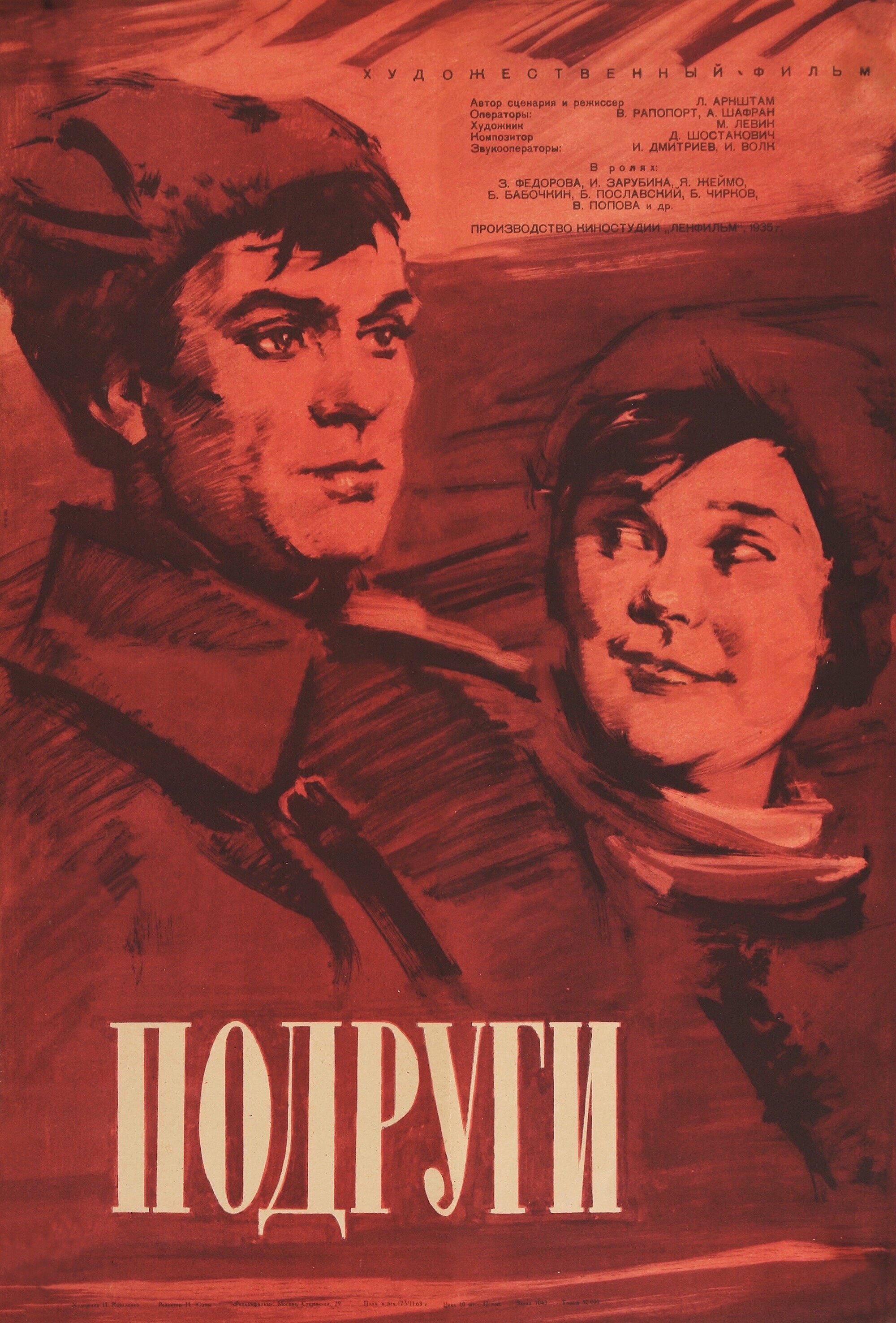
Girlfriends Zoya, Natasha and Asya live in Petrograd. Before the Civil War, young heroines are aware of the social injustice of life. When the war begins, the girls are recorded by the orderlies of the working group to protect the Bolshevik Petrograd from the advance of the whites.
An Italian spy infiltrates a weapons factory in Germany.
Even though his widowed mother and sweetheart, Mary Putnam, disapprove, Worth Stuyvesant insists on going to West Point and becoming a soldier. Ultimately, Mary breaks off their engagement and Stuyvesant goes on a bender. His conduct is reported to the commander, who sends him to the sub post of Del Rio for 60 days of tour duty. There, Stuyvesant meets Lola Montez, an adventuress. With the help of a couple of her pals, Lola gets him drunk and marries him. But Stuyvesant lives up to his duties as a husband and surprisingly, Lola renounces her old ways and becomes a model wife.
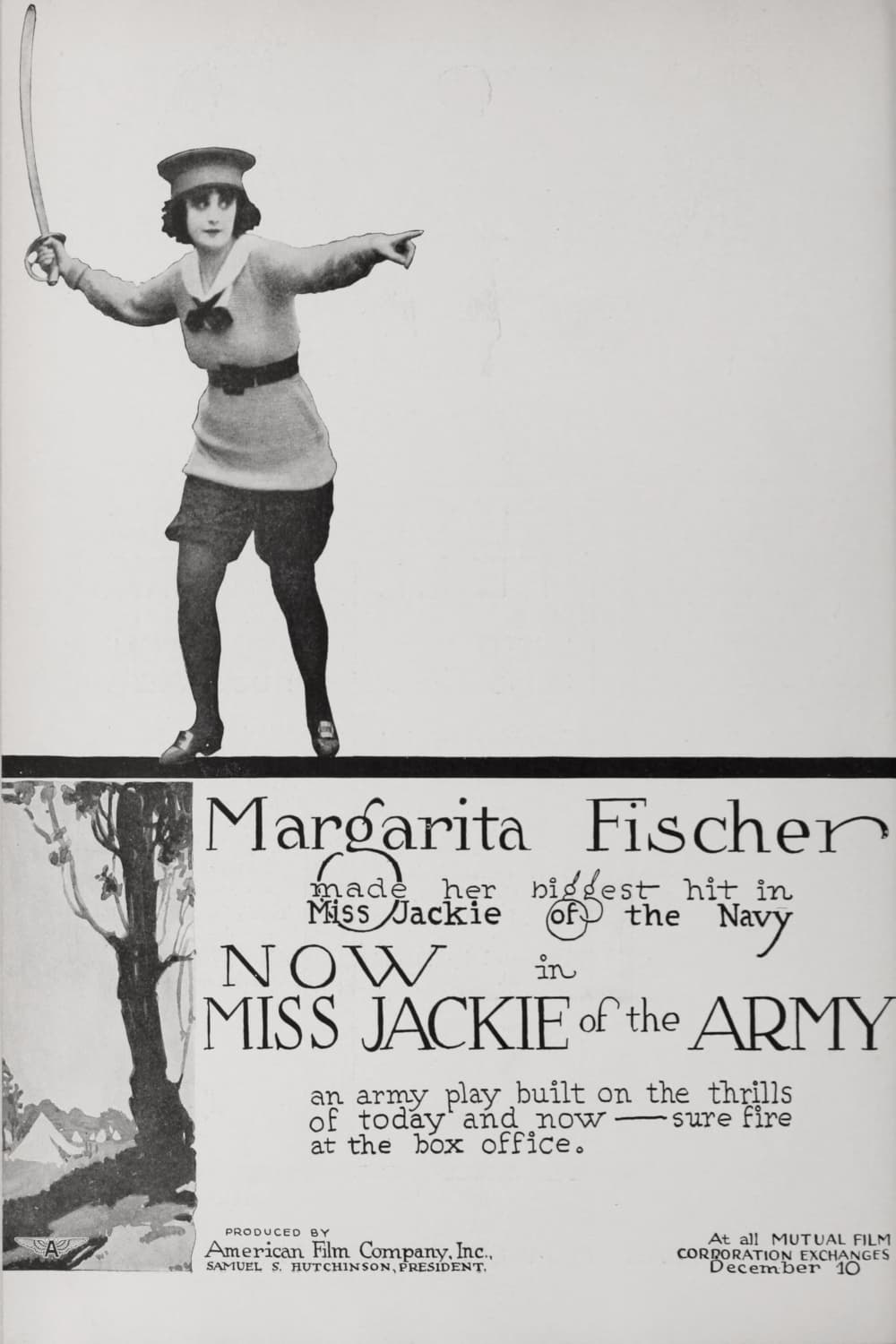
Young Jackie Kernwood, the daughter of the colonel commanding an army post, is bored with the routines of post life, and to break the monotony she organizes a girls' brigade, of which her father disapproves. When the colonel forces her to disband the group, she makes up her mind to run away and become a nurse in the Red Cross. Before she can do that, however, she stumbles across evidence of a spy ring headed by an officer on the post that is plotting to blow up a troop train--and it looks like the chief spy is her boyfriend, Lt. Adair.
A woman detained in Germany attempts to escape so she can reunite with her American lover.
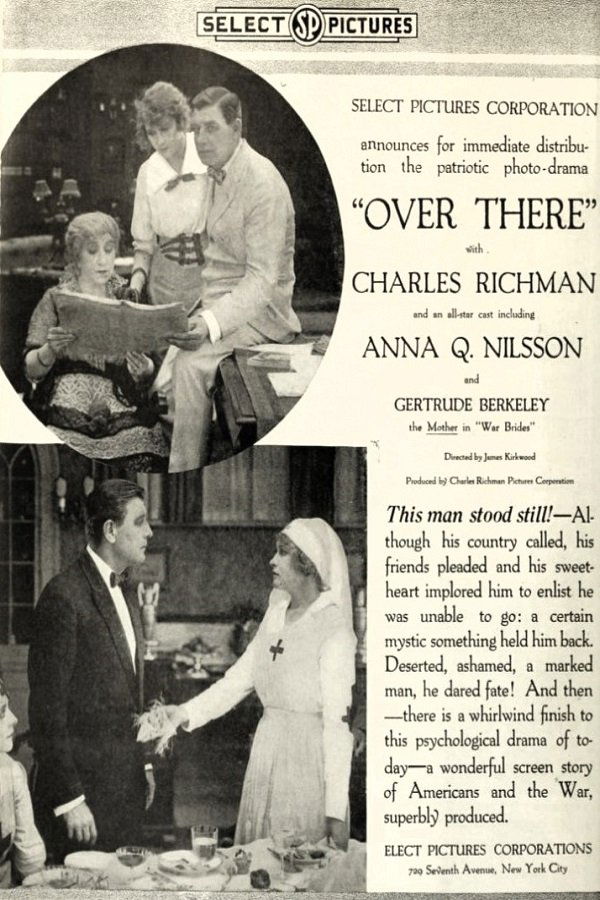
Montgomery Jackson is initially afraid of conflict, refusing to enlist despite pressure from friends and his fiancée Bettie, but later joins the American Expeditionary Force after Bettie volunteers as a Red Cross nurse.
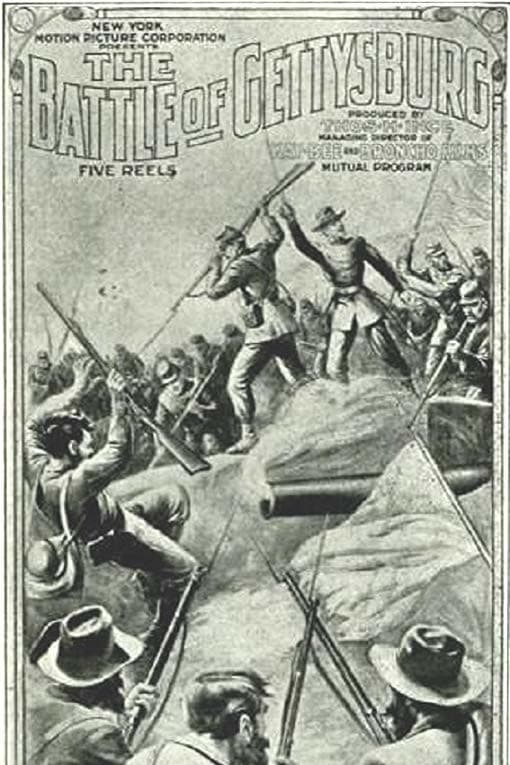
A young woman's sweetheart fights for the Union Army, while her brother fights for the Confederates.
A family suffers greatly during the First World War.
With unprecedented access, this documentary follows the extraordinary journey of “Raqqa is Being Slaughtered Silently”—a group of anonymous citizen journalists who banded together after their homeland was overtaken by ISIS—as they risk their lives to stand up against one of the greatest evils in the world today.
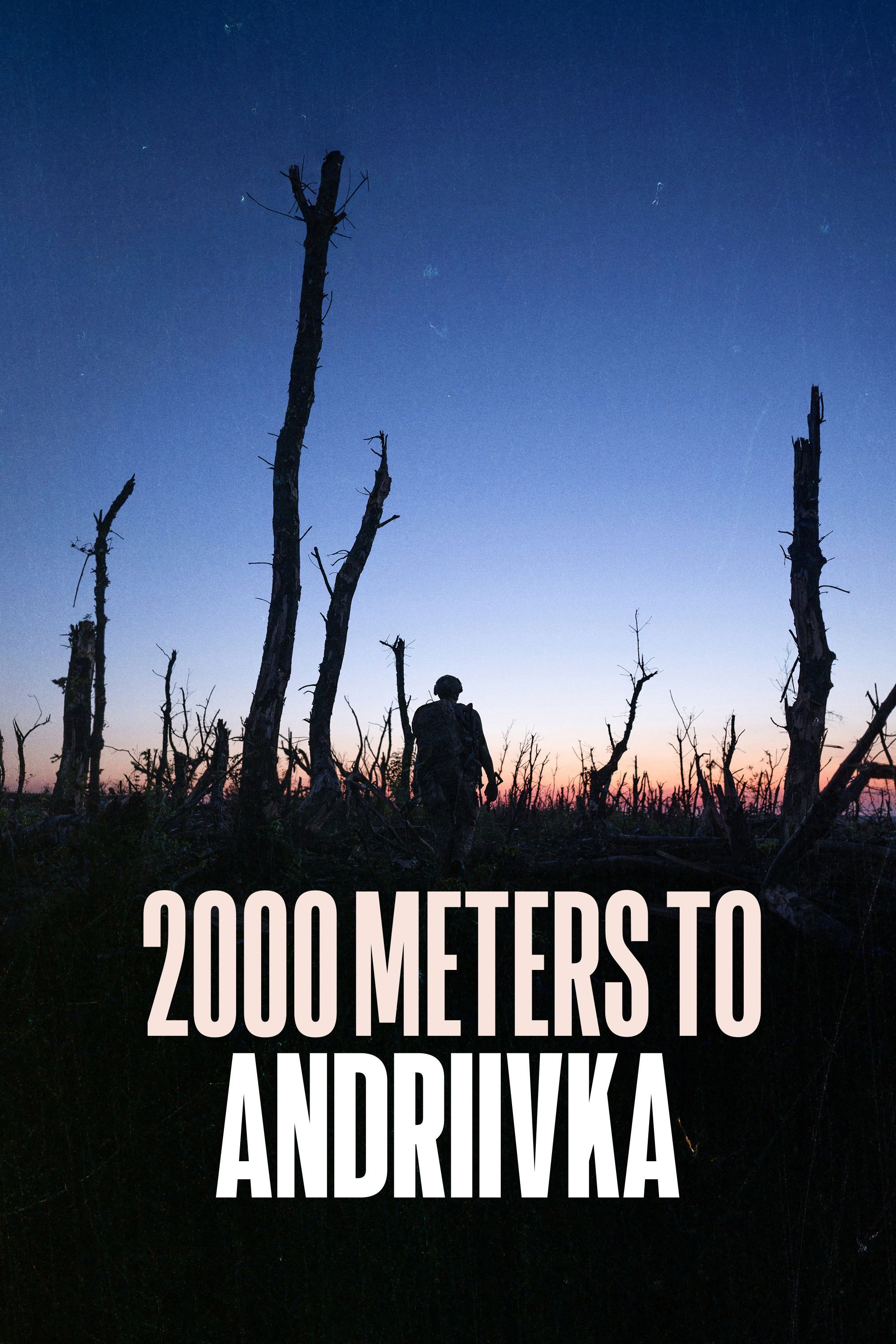
Amid the failing counteroffensive, a journalist follows a Ukrainian platoon on their mission to traverse one mile of heavily fortified forest and liberate a strategic village from Russian occupation. But the farther they advance through their destroyed homeland, the more they realize that this war may never end.
A love letter from a young mother to her daughter, the film tells the story of Waad al-Kateab’s life through five years of the uprising in Aleppo, Syria as she falls in love, gets married and gives birth to Sama, all while cataclysmic conflict rises around her. Her camera captures incredible stories of loss, laughter and survival as Waad wrestles with an impossible choice– whether or not to flee the city to protect her daughter’s life, when leaving means abandoning the struggle for freedom for which she has already sacrificed so much.
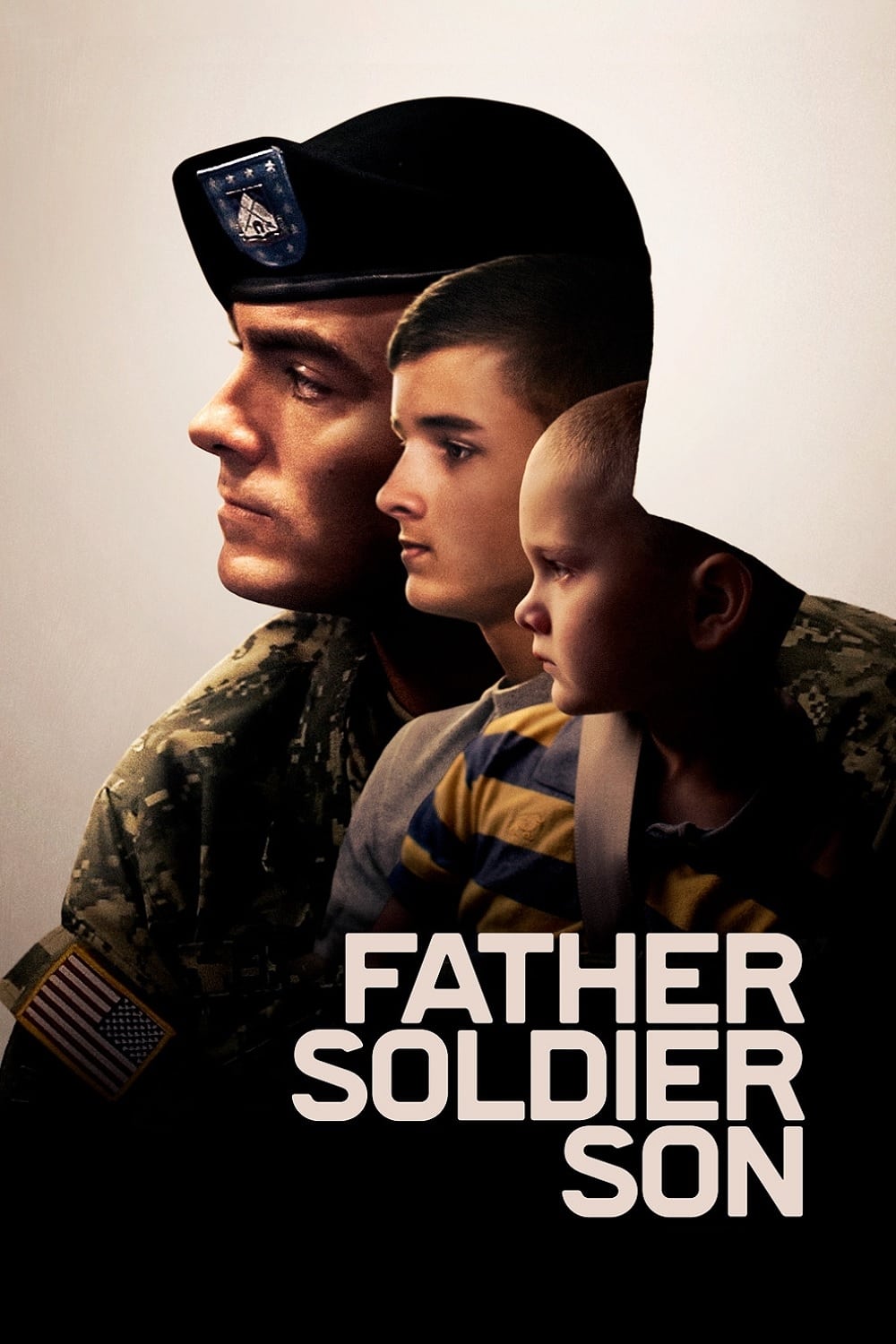
When Sgt. First Class Brian Eisch is critically wounded in Afghanistan, it sets him and his sons on a journey of love, loss, redemption and legacy.
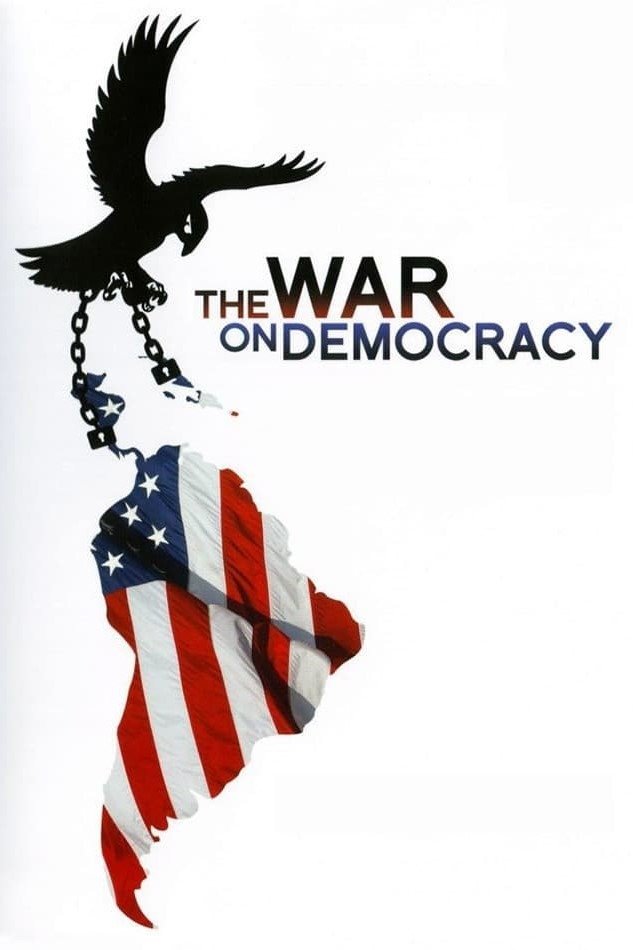
Set both in Latin America and the United States, the film explores the historic and current relationship of Washington with countries such as Venezuela, Bolivia and Chile. Pilger says that the film "...tells a universal story... analysing and revealing, through vivid testimony, the story of great power behind its venerable myths. It allows us to understand the true nature of the so-called "war on terror". According to Pilger, the film’s message is that the greed and power of empire is not invincible and that people power is always the "seed beneath the snow".
Prelude to War was the first film of Frank Capra's Why We Fight propaganda film series, commissioned by the Pentagon and George C. Marshall. It was made to convince American troops of the necessity of combating the Axis Powers during World War II. This film examines the differences between democratic and fascist states.
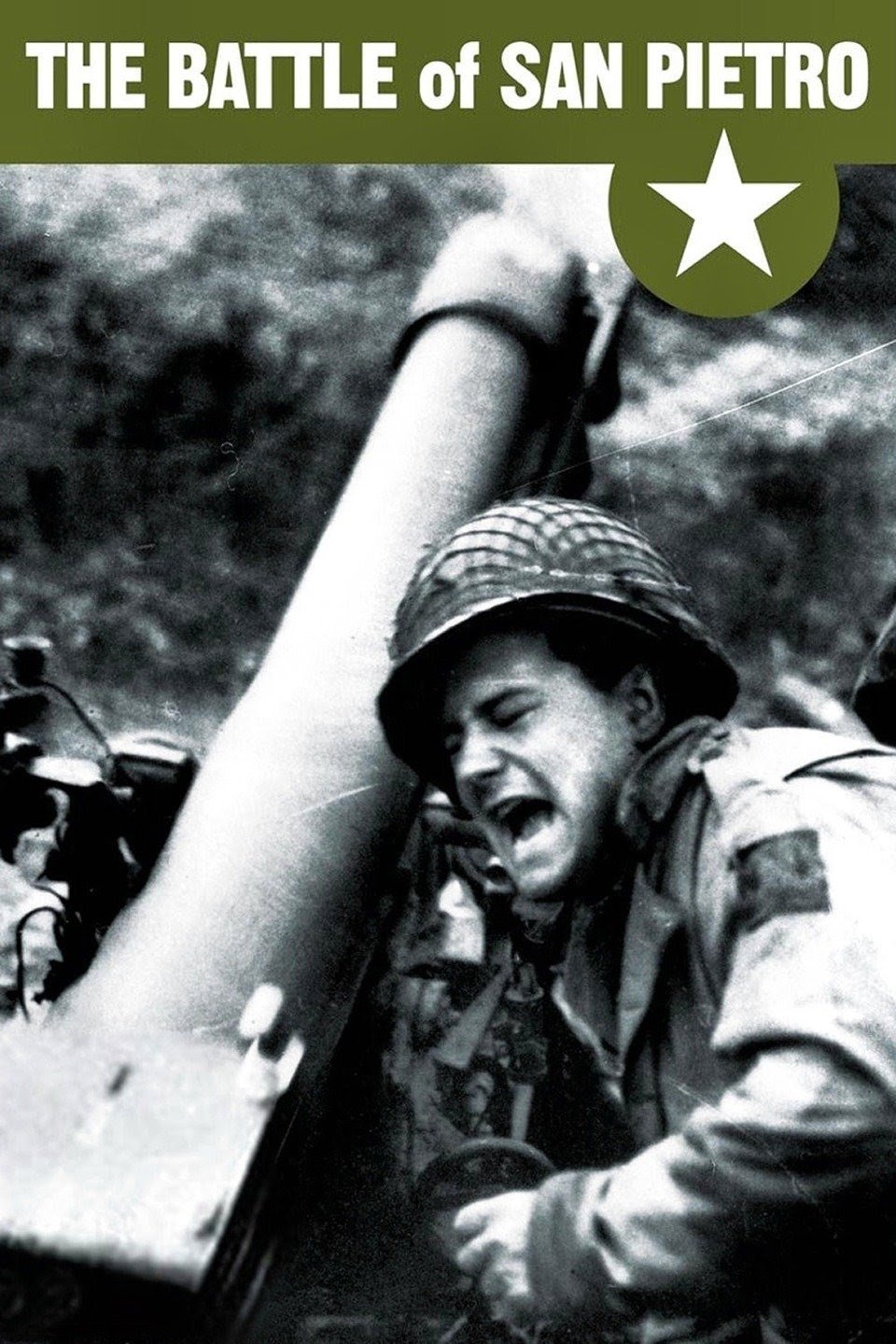
This documentary movie is about the battle of San Pietro, a small village in Italy. Over 1,100 US soldiers were killed while trying to take this location, that blocked the way for the Allied forces from the Germans. Preserved by the Academy Film Archive in 2005.
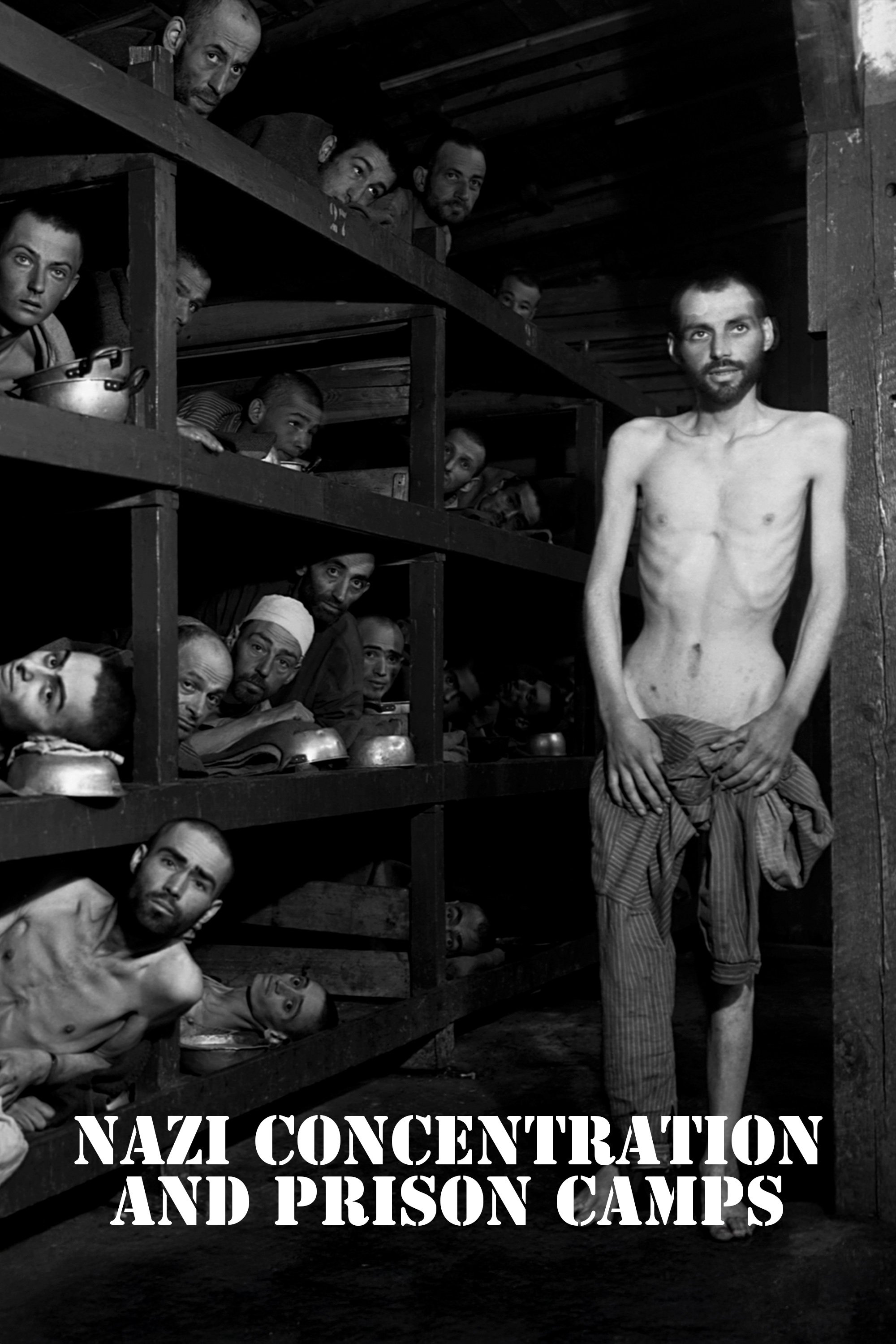
When Allied forces liberated the Nazi concentration camps in 1944-45, their terrible discoveries were recorded by army and newsreel cameramen, revealing for the first time the full horror of what had happened. Making use of British, Soviet and American footage, the Ministry of Information’s Sidney Bernstein (later founder of Granada Television) aimed to create a documentary that would provide lasting, undeniable evidence of the Nazis’ unspeakable crimes. He commissioned a wealth of British talent, including editor Stewart McAllister, writer and future cabinet minister Richard Crossman – and, as treatment advisor, his friend Alfred Hitchcock. Yet, despite initial support from the British and US Governments, the film was shelved, and only now, 70 years on, has it been restored and completed by Imperial War Museums under its original title "German Concentration Camps Factual Survey".
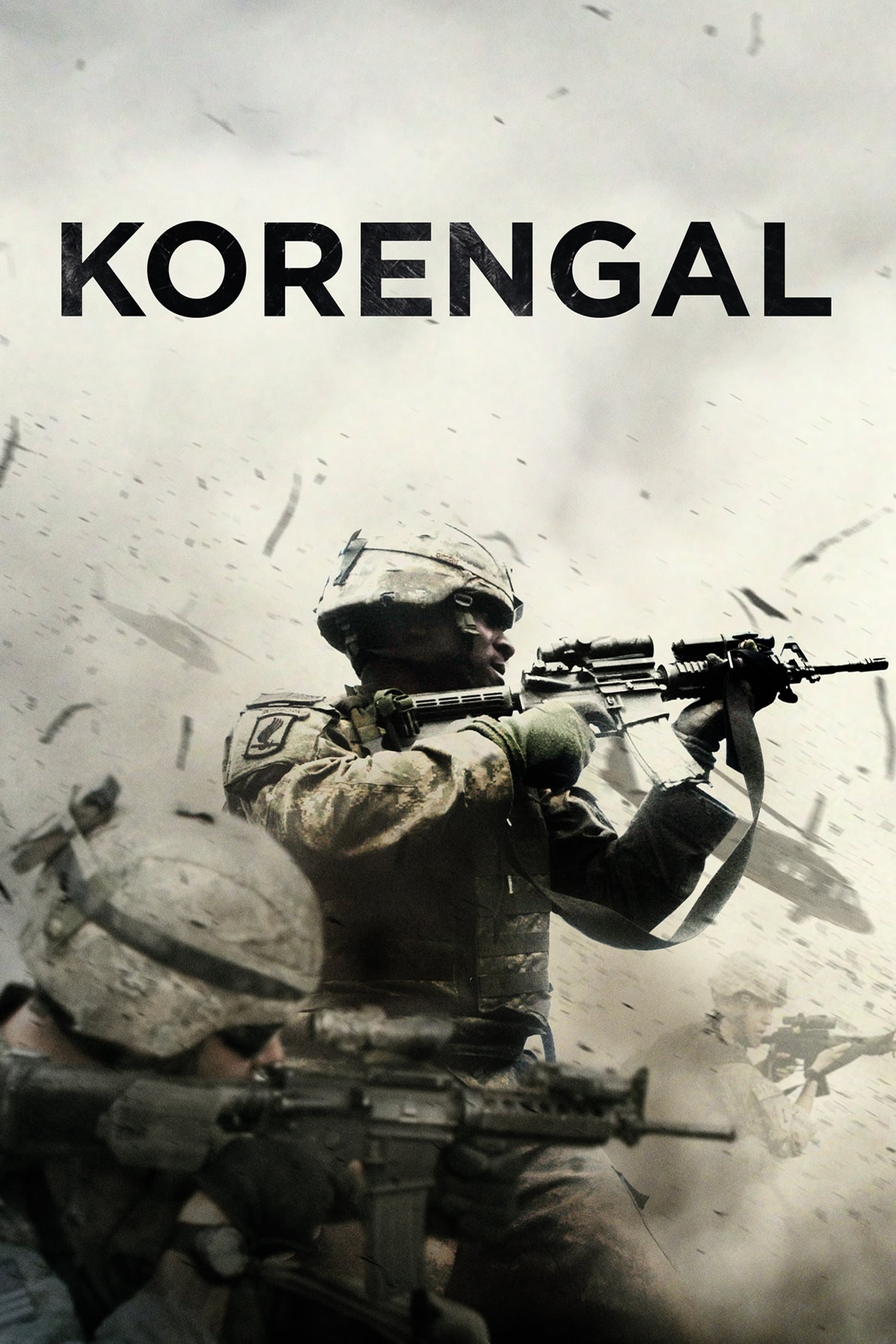
Korengal picks up where Restrepo left off; the same men, the same valley, the same commanders, but a very different look at the experience of war.
The most comprehensive retrospective of the '80s action film genre ever made.
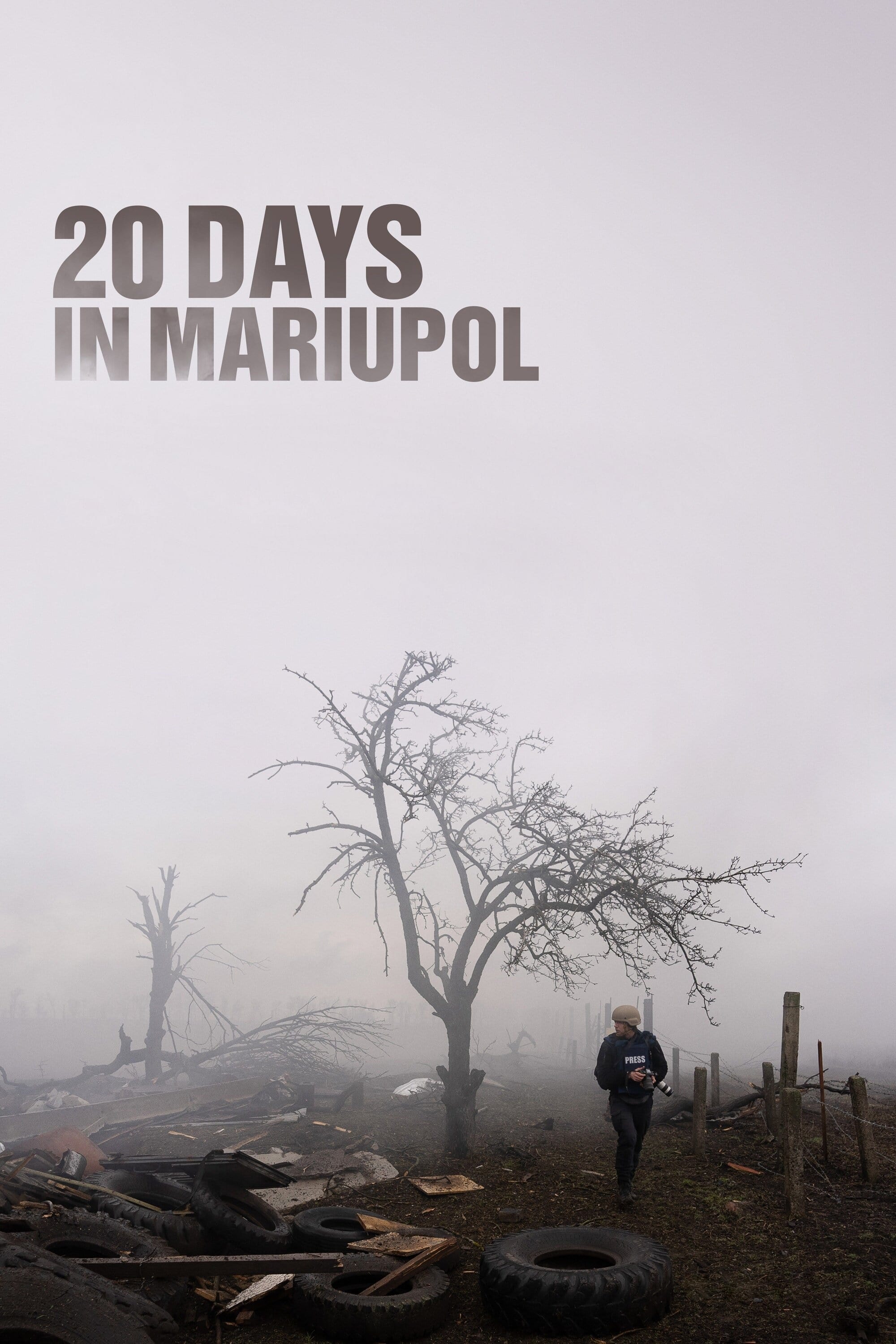
As the Russian invasion begins, a team of Ukrainian journalists trapped in the besieged city of Mariupol struggle to continue their work documenting the war's atrocities.
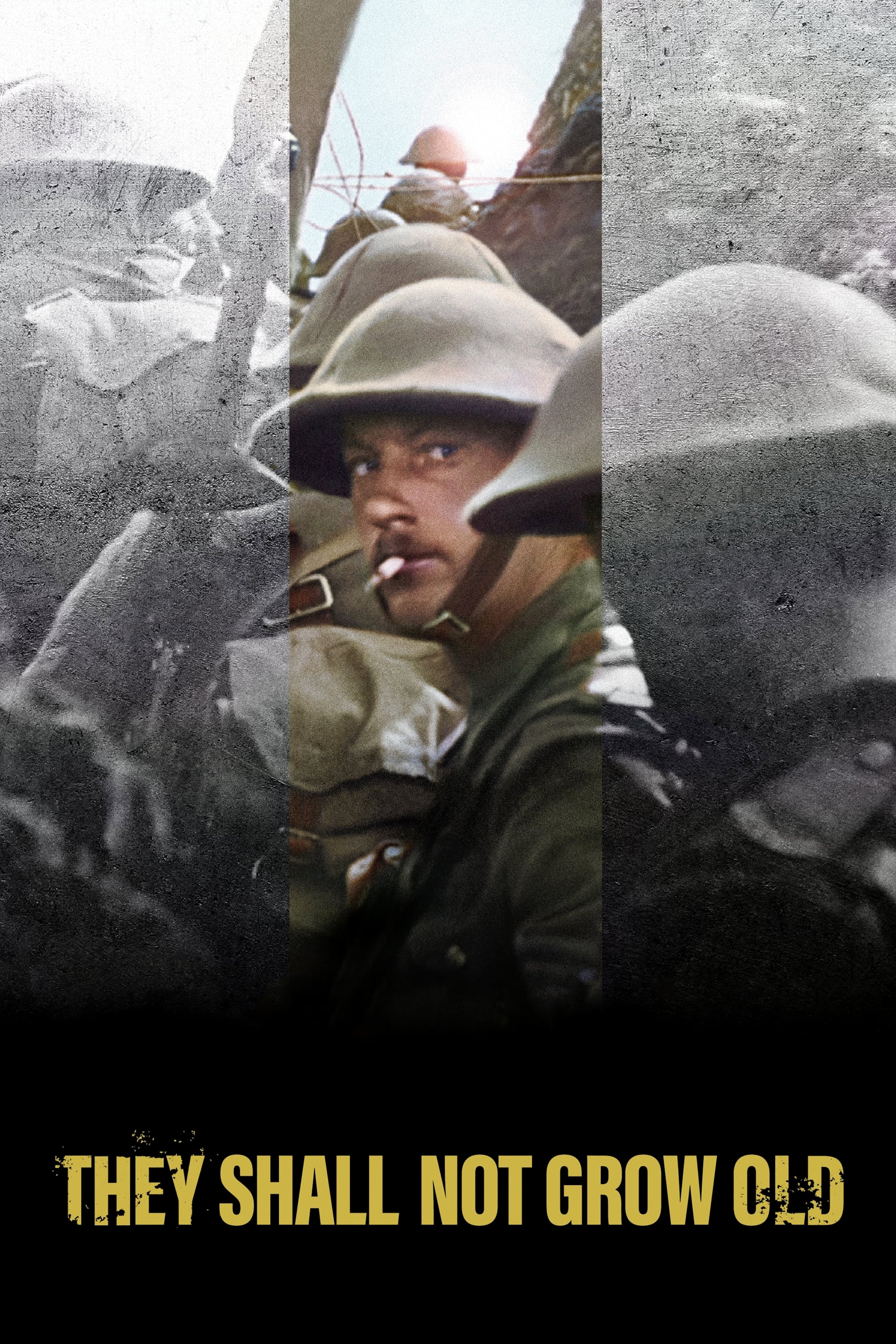
A documentary about World War I with never-before-seen footage to commemorate the centennial of Armistice Day, and the end of the war.
Pete Postlethwaite stars as a man living alone in the devastated future world of 2055, looking at old footage from 2008 and asking: why didn’t we stop climate change when we had the chance?
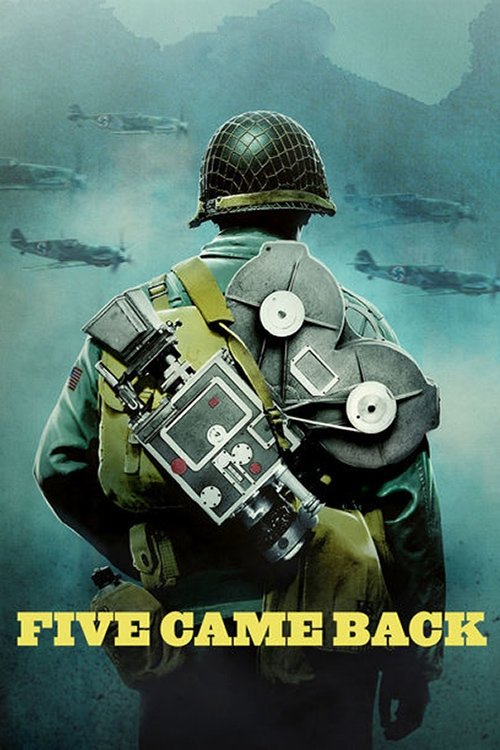
The extraordinary story of how Hollywood changed World War II – and how World War II changed Hollywood, through the interwoven experiences of five legendary filmmakers who went to war to serve their country and bring the truth to the American people: John Ford, William Wyler, John Huston, Frank Capra, and George Stevens. Based on Mark Harris’ best-selling book, “Five Came Back: A Story of Hollywood and the Second World War.”
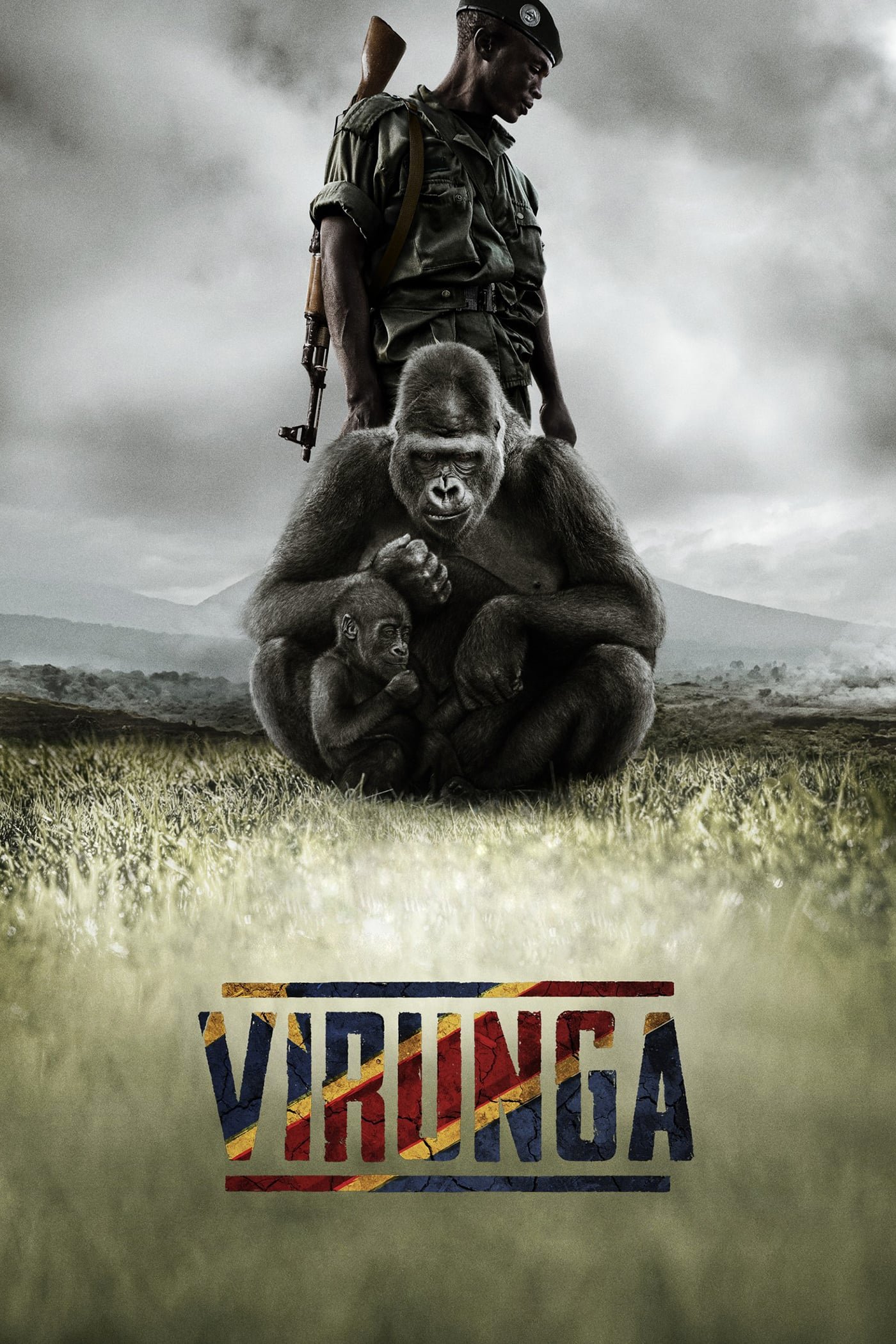
Virunga in the Democratic Republic of the Congo is Africa’s oldest national park, a UNESCO world heritage site, and a contested ground among insurgencies seeking to topple the government that see untold profits in the land. Among this ongoing power struggle, Virunga also happens to be the last natural habitat for the critically endangered mountain gorilla. The only thing standing in the way of the forces closing in around the gorillas: a handful of passionate park rangers and journalists fighting to secure the park’s borders and expose the corruption of its enemies. Filled with shocking footage, and anchored by the surprisingly deep and gentle characters of the gorillas themselves, Virunga is a galvanizing call to action around an ongoing political and environmental crisis in the Congo.
A visual montage portrait of our contemporary world dominated by globalized technology and violence.
Produced and presented as evidence at the Nuremberg war crimes trial of Hermann Göring and twenty other Nazi leaders, this film consists primarily of dead and surviving prisoners and of facilities used to kill and torture during the World War II.
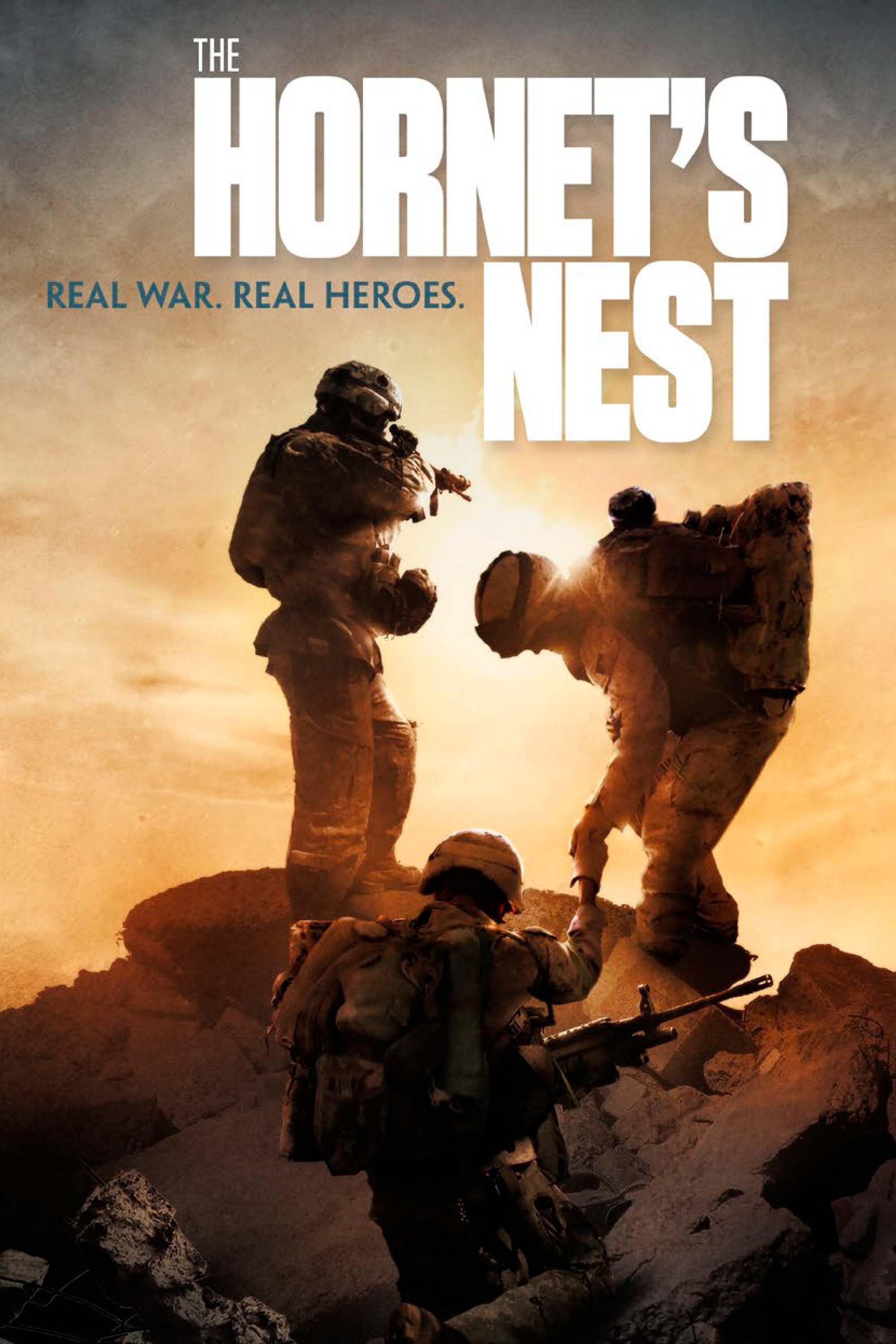
Armed only with their cameras, Peabody and Emmy Award-winning conflict Journalist Mike Boettcher, and his son, Carlos, provide unprecedented access into the longest war in U.S. history: they are embed with U.S. troops during nine days of intense combat in Afghanistan.
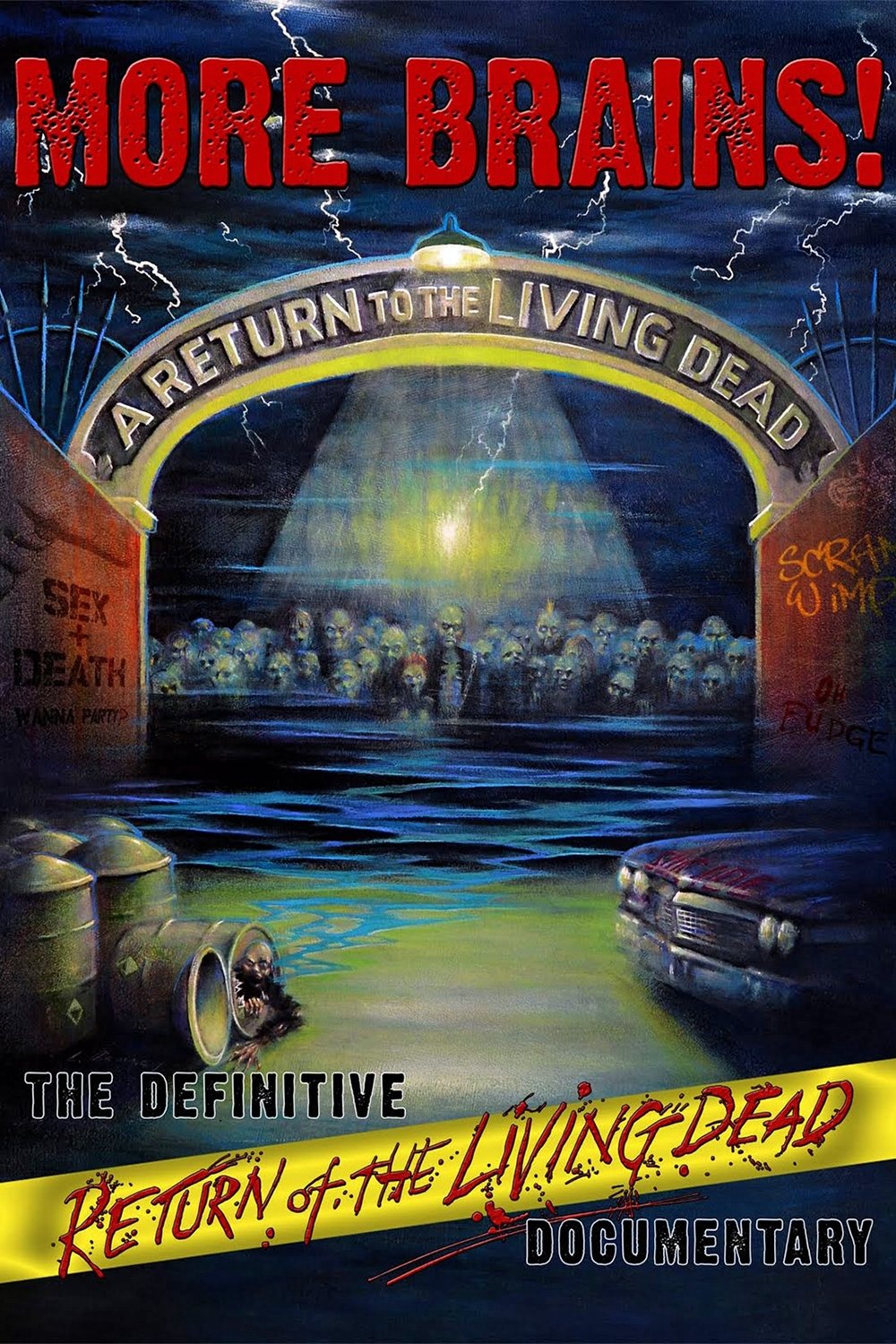
Retrospective documentary about the making of the horror cult classic "The Return of the Living Dead."
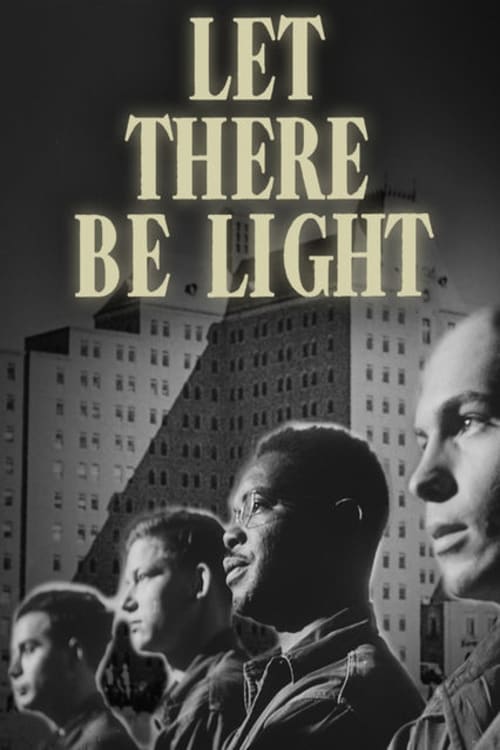
The final entry in a trilogy of films produced for the U.S. government by John Huston. Some returning combat veterans suffer scars that are more psychological than physical. This film follows patients and staff during their treatment. It deals with what would now be called PTSD, but at the time was categorised as psychoneurosis or shell-shock. Government officials deemed this 1946 film counterproductive to postwar efforts; it was not shown publicly until 1981.