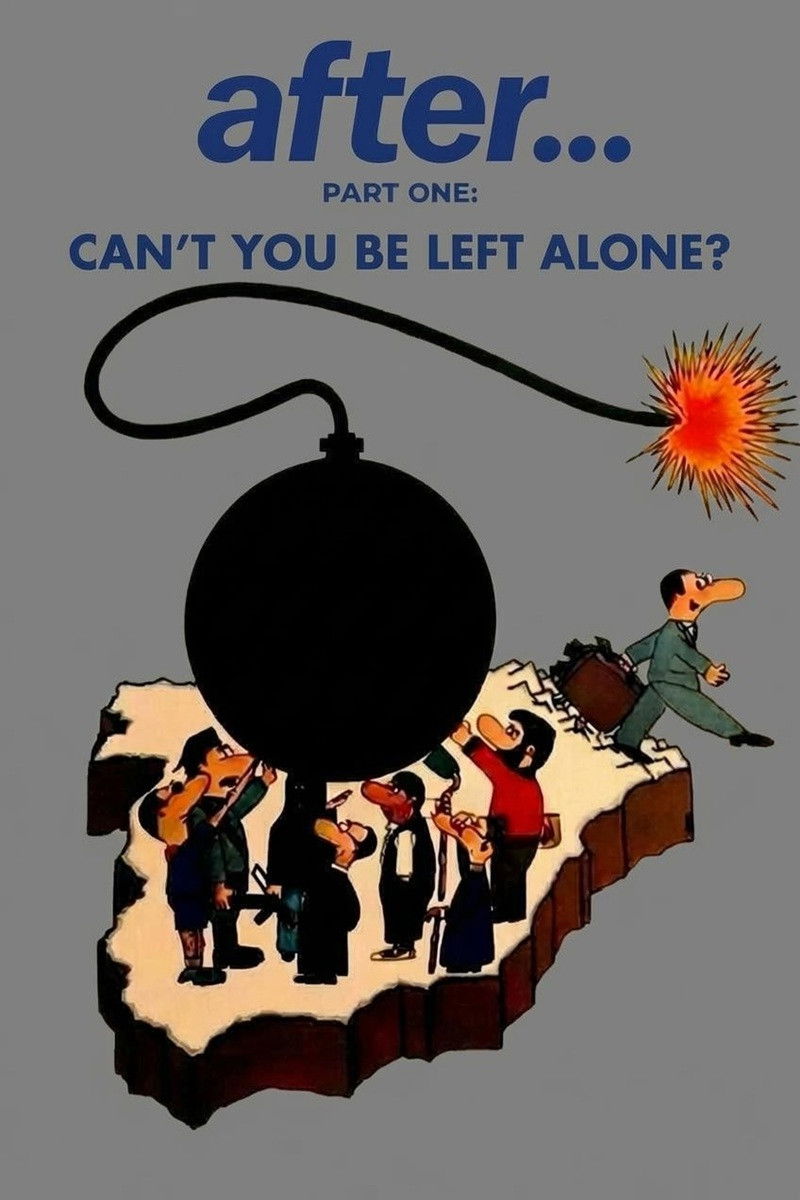
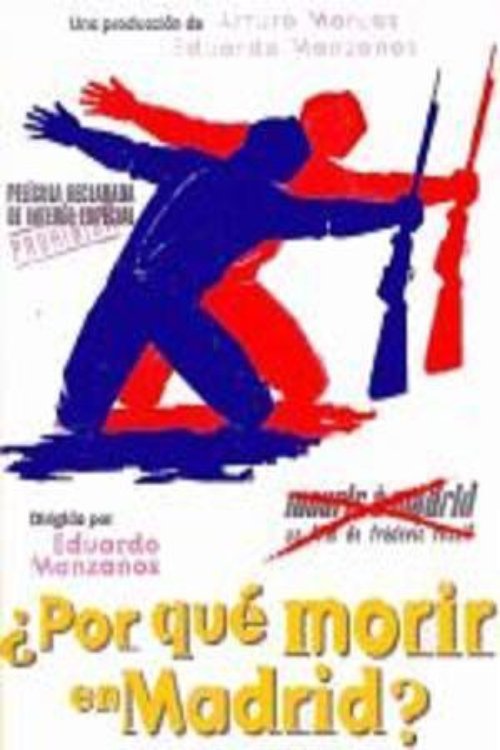
It symbolizes the experience of people without any political involvement who suffered repression in Franco's Spain.
Social & External
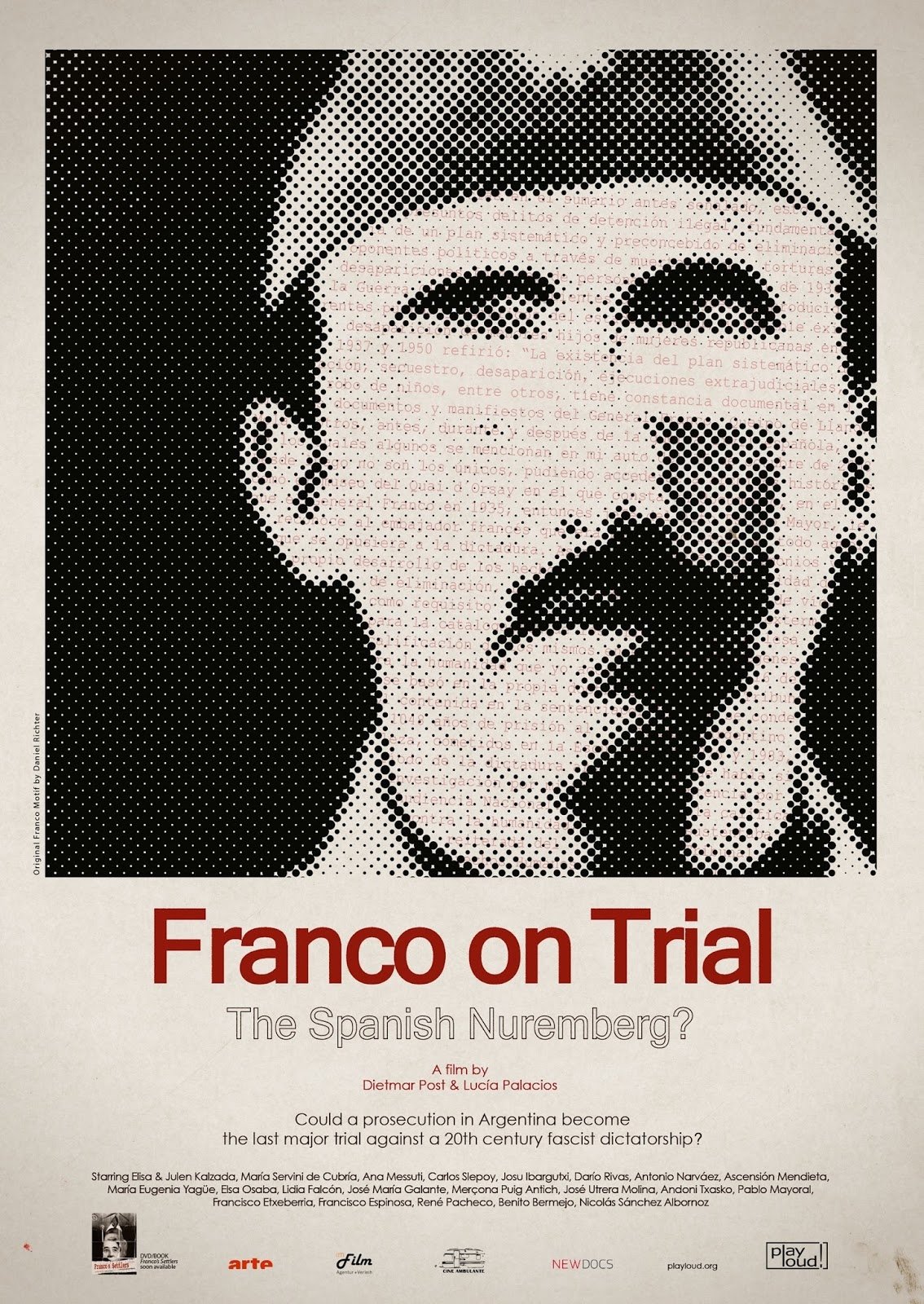
Franco on Trial is the new film by Dietmar Post and Lucía Palacios. After the success of Franco's Settlers, their first encounter with Franco's dictatorship, they are now setting their sights on one of the darkest chapters of European history: the presumed organized extermination that took place during the coup, the war, and the subsequent dictatorship led by Franco, as well as Argentina's current effort, by invoking the principle of universal jurisdiction, to prosecute Francoists accused of committing crimes against humanity. The film is also a sore reminder of an issue that still stands today: the clear-cut accountability held by Germany, Italy, and Portugal. The film accomplishes to give both sides a voice - those against whom the killing has been directed; and the side of the perpetrators.
"El campo para el hombre" was a politically militant documentary about the small holdings of land in the north of Spain and the large estates in the south of the country. This film portrays the exploitation and misery of the Spanish peasants, but also their class-consciousness and their will to fight for their rights and freedom. The film was shot in the late years of Franco's dictatorship, so it was made in secrecy (the directors were connected to the Spanish Communist Party).
Between October 1937 and November 1952 hundreds of Republican supporters took to the mountains of Asturias with two main objectives: to save their lives, and to continue their armed resistance against Franco. Many of them would die in those mountains. This film is centered on filming the places in the present where the major figures of the Asturian Guerrilla Group were killed.
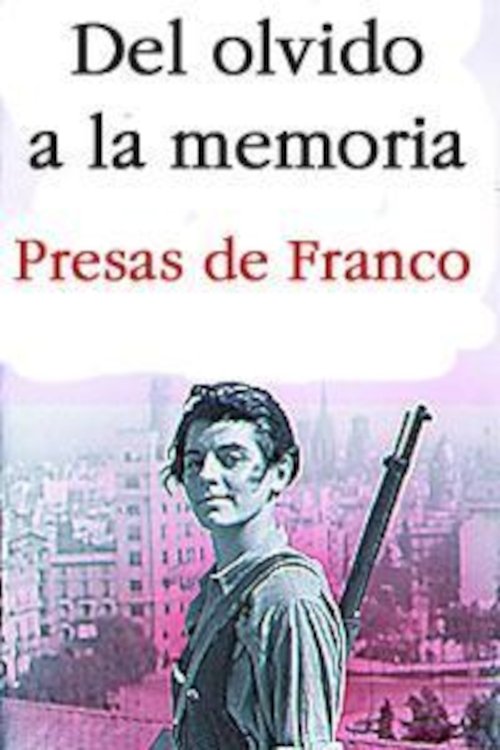
Documentary in which ten republican women remember their time in Franco's prisons. “Some put wedges in her nails; my sister-in-law has currents on her fingers and nipples; some have been raped”; “Since they hit first and then ask questions, they hit me.” “Baby, they have given us the death penalty. I told him: but, Virtudes, they will commute you!". These are some of the testimonies of ten Republican women in Franco's prisons that Tomasa Cuevas, a former member of the Communist Party, collected on an old recorder hidden in her bag so that they would not be lost in oblivion.
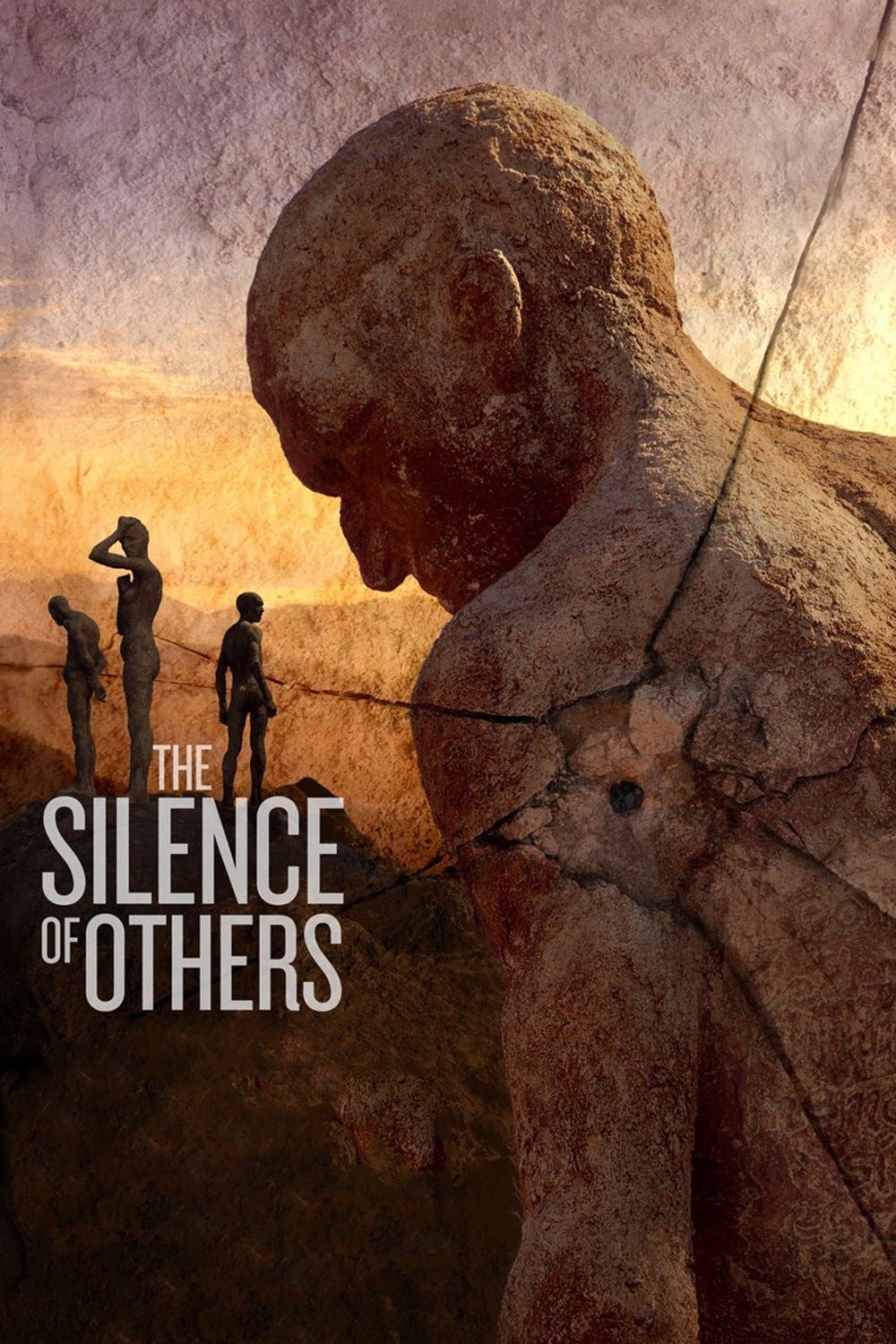
The story of the tortuous struggle against the silence of the victims of the dictatorship imposed by General Franco after the victory of the rebel side in the Spanish Civil War (1936-1975). In a democratic country, but still ideologically divided, the survivors seek justice as they organize the so-called “Argentinian lawsuit” and denounce the legally sanctioned pact of oblivion that intends to hide the crimes they were subjects of.
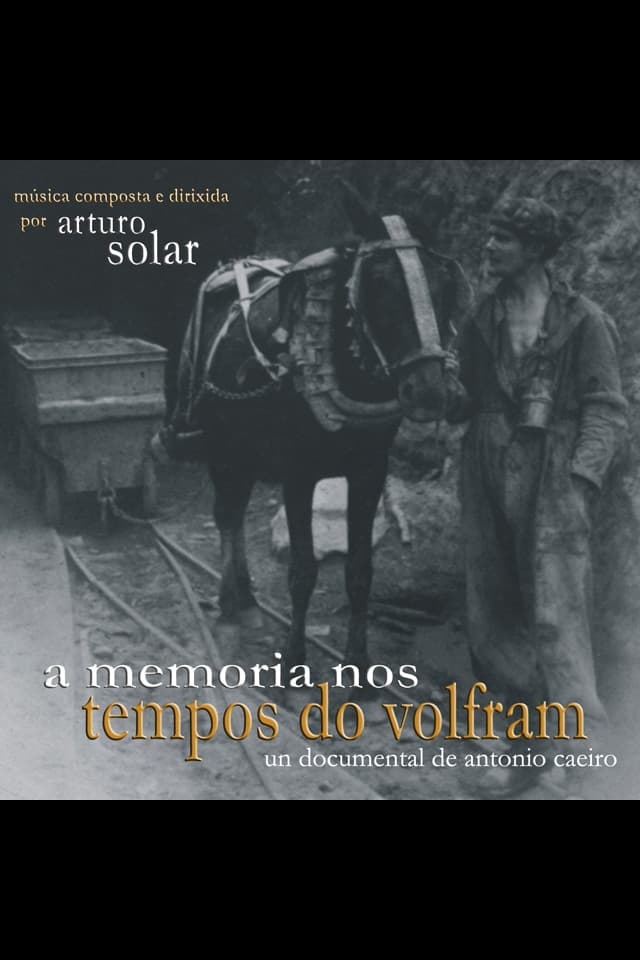
At the beginning of World War II, a mineral became necessary for the German state: wolfram. Galicia became “El Dorado” for many people who were looking for easy money and/or work in those hard years of the Spanish postwar. Miners, adventurers, guerrillas, civil guards, political prisoners, etc., lived together in the Galician mountains and intertwined their lives. This is the story of those people told by themselves.
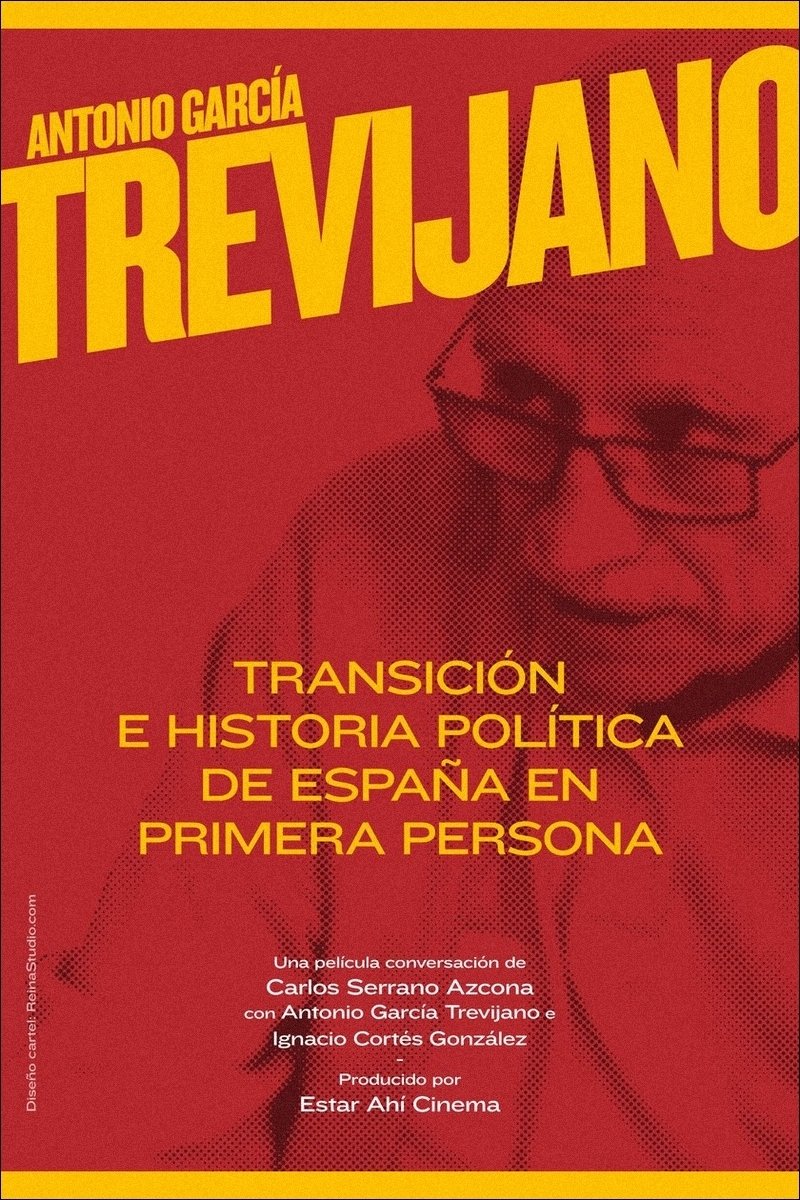
Spanish jurist and republican thinker Antonio García-Trevijano (1927-2018) expounds his political thought and reflects on the recent political history of Spain.
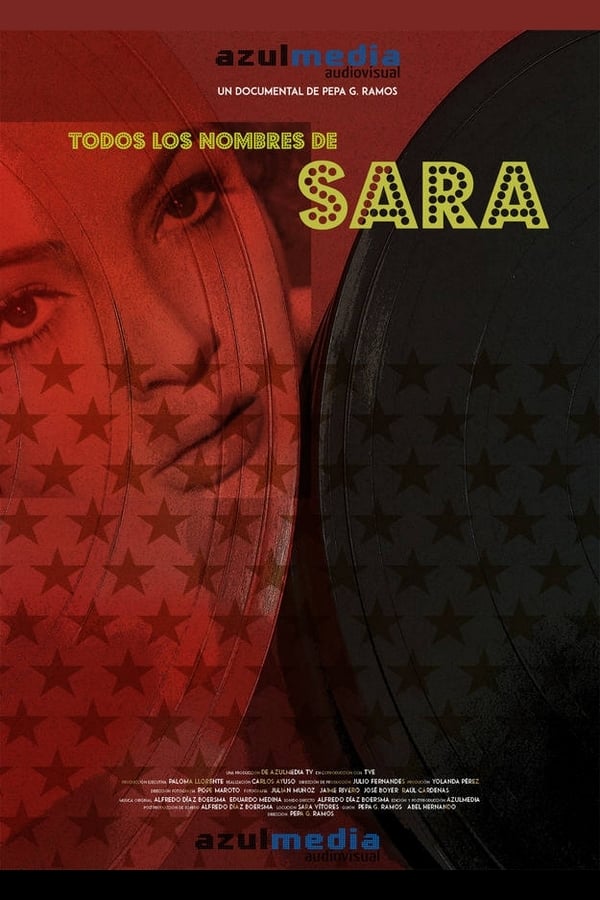
Born in Campo de Criptana, a small village in the Spanish region of La Mancha, Sara Montiel (1928-2013) conquered Mexico, Hollywood, and the hearts of people. The recognition of an unparalleled professional career, an intimate dialogue with a tireless worker who took the stage at the age of twelve and never got off. A movie star who seduced millions of viewers around the world, a singer who reinvented a musical genre, a woman who broke the mold…
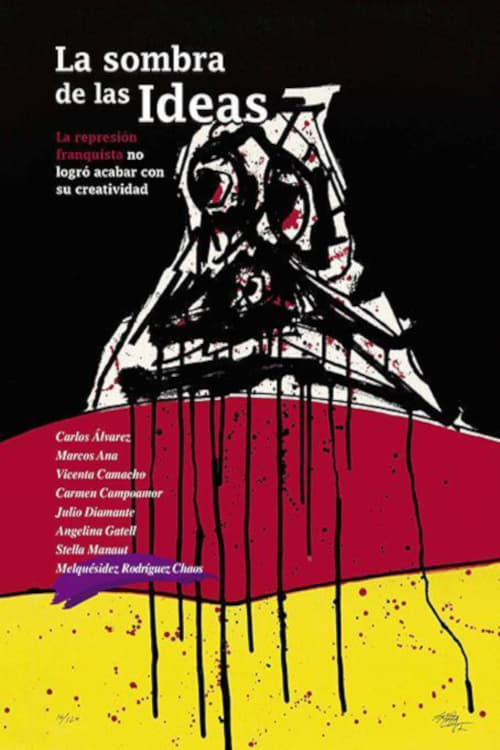
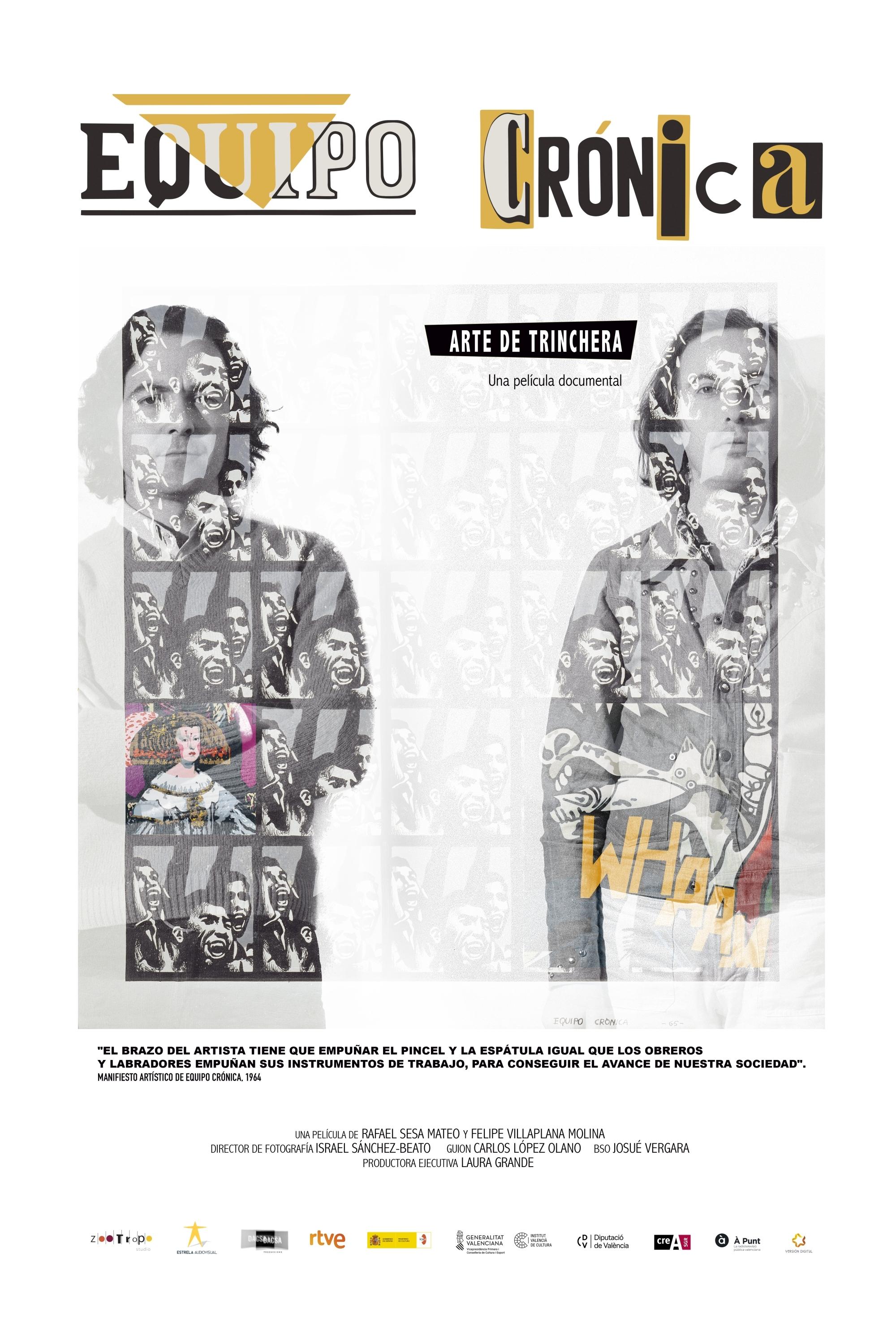
During the Franco regime, the prisons are filled with thousands of people with artistic ideals.
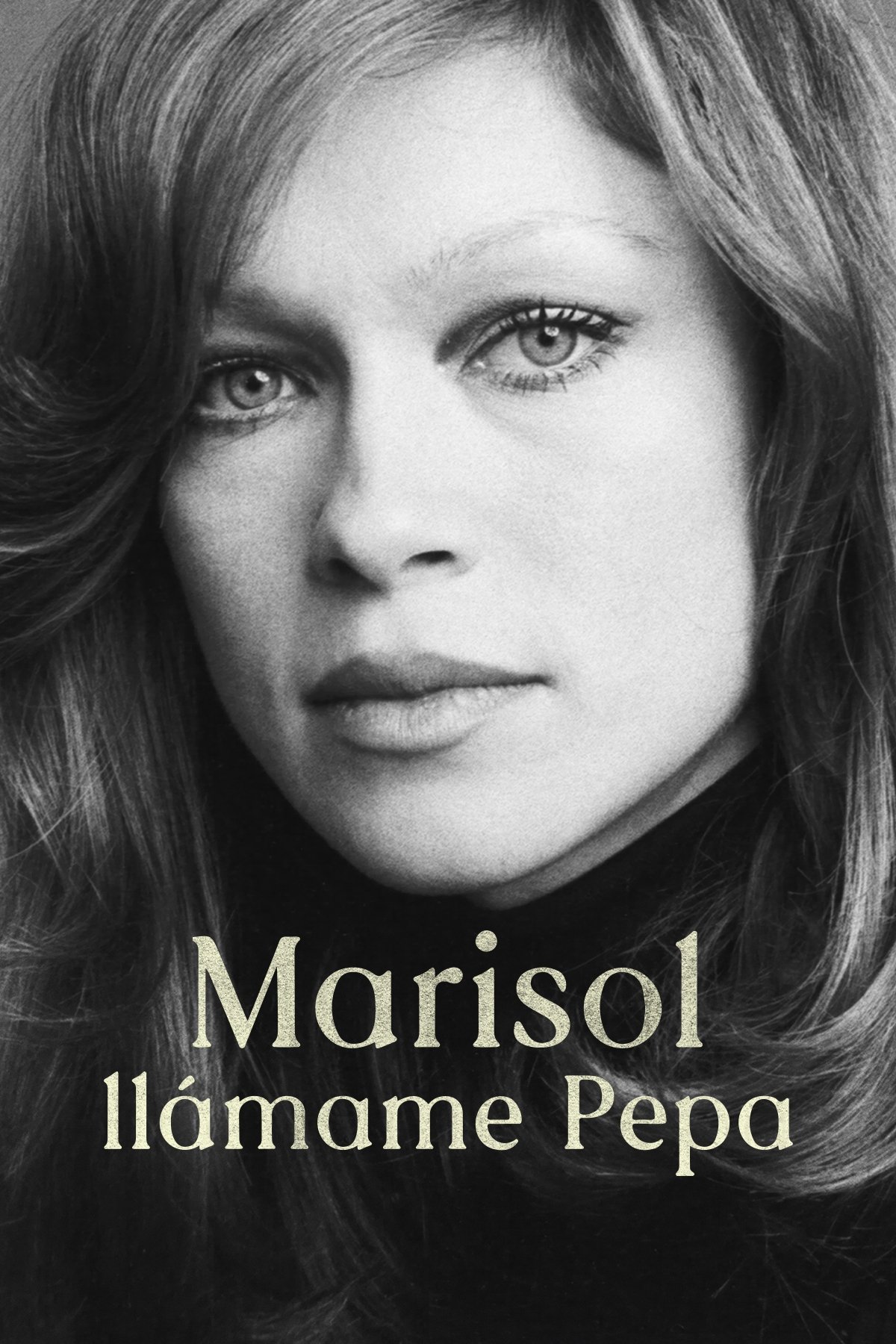
A portrait of the actress and singer Pepa Flores, an incarnation of the recent history of Spain, who, in just twenty-five years of intense career, went from being Marisol, child prodigy of the Franco dictatorship, to being one of the first communist militants, icon of the Transition; an idol of the masses who became a discreet person after having claimed her right to remain silent.
A history of the Spanish Transition told in first person by the main protagonists: on the one hand, the politicians, idealistic or merely opportunistic, who brought it to a successful conclusion in the tribunes and offices; on the other hand, the citizens who, in the streets, supported it sincerely or fought it with ferocity.
A walk through the golden age of Spanish exploitation cinema, from the sixties to the eighties; a low-budget cinema and great popular acceptance that exploited cinematographic fashions: westerns, horror movies, erotic comedies and thrillers about petty criminals.
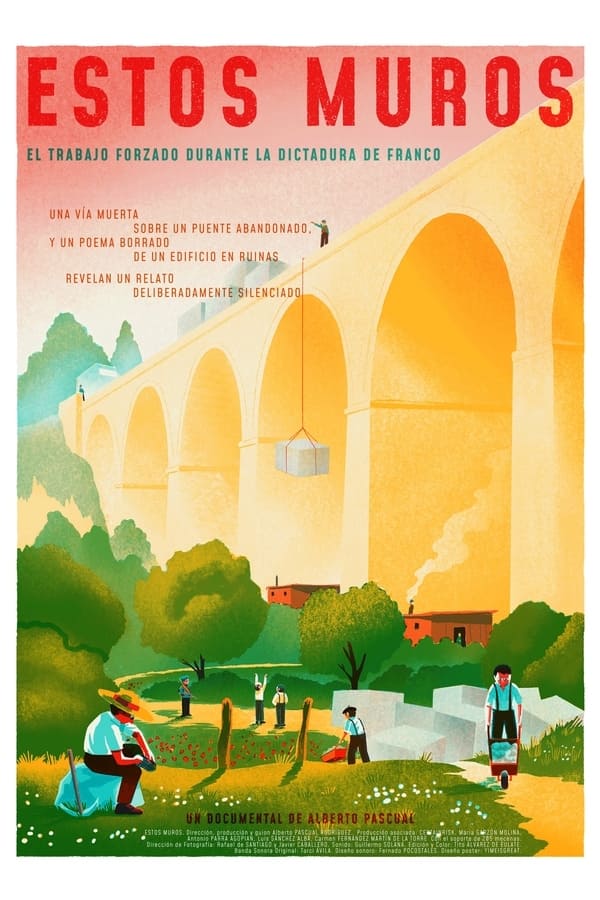
In the mountains of Madrid, Spain, a railway track on an abandoned bridge and a poem erased from the wall of a ruined building reveal a deliberately silenced story: the system established by Franco's dictatorship after the civil war (1936-39) that allowed hundreds of companies to use thousands of convicted Republicans as slave labor.
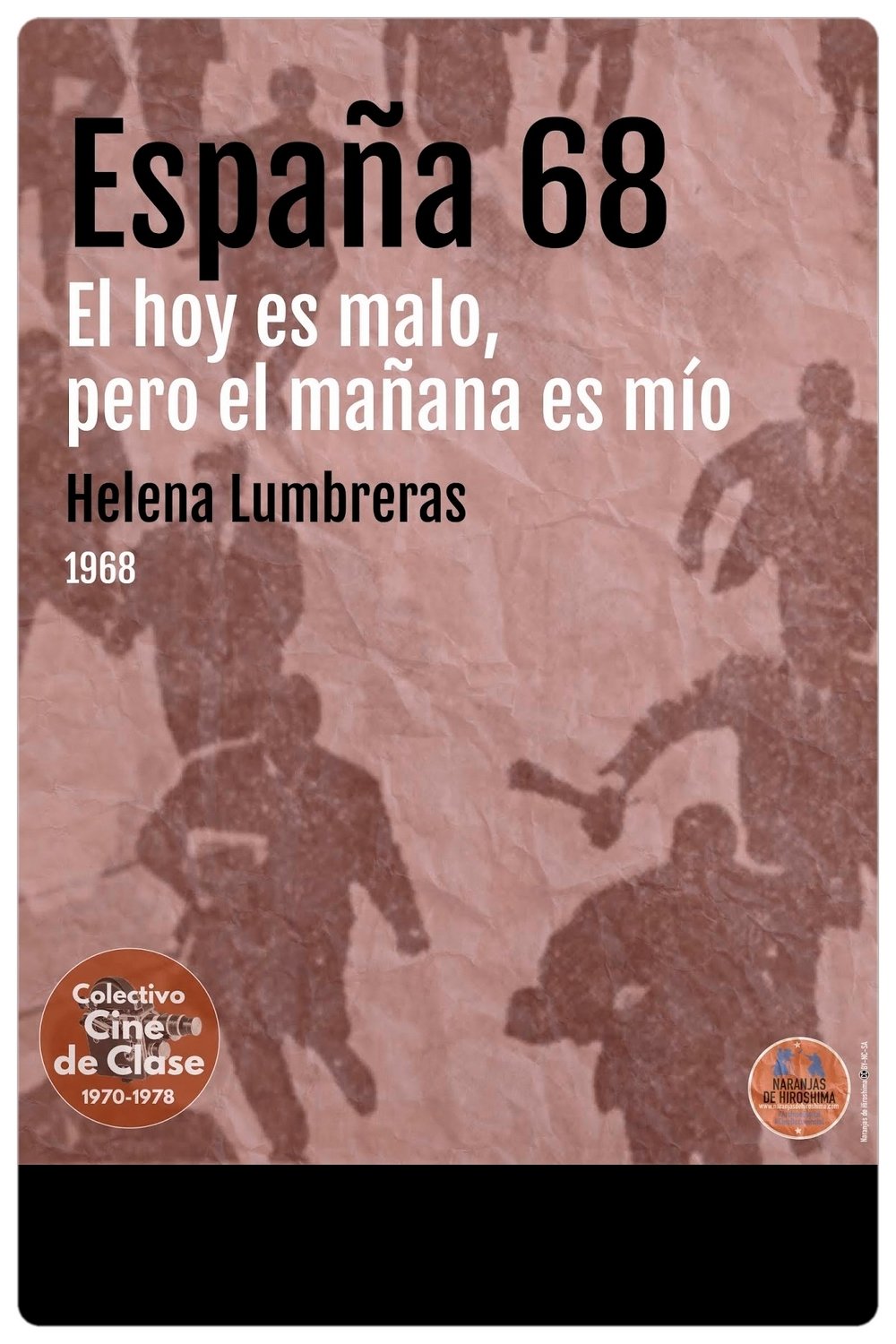
Spain, 1968. An analysis of the political and social situation of the country, suffocated by the boot of General Franco's tyrannical regime. (Filmed clandestinely in Madrid and Barcelona during the spring of 1968.)
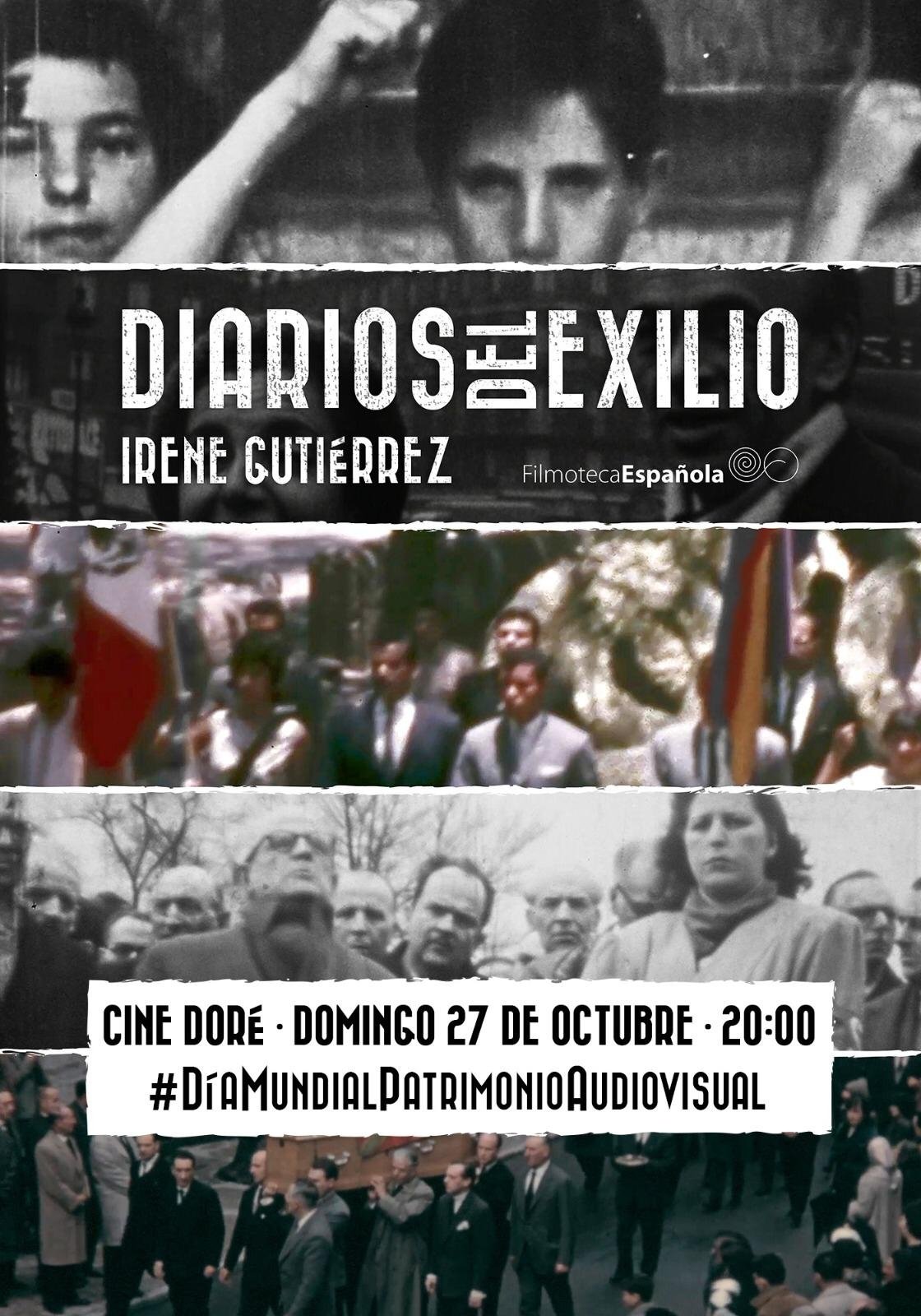
A documentary made with homemade videos of the spanish exiled due to the dictatorship in Spain from 1939 to 1977.
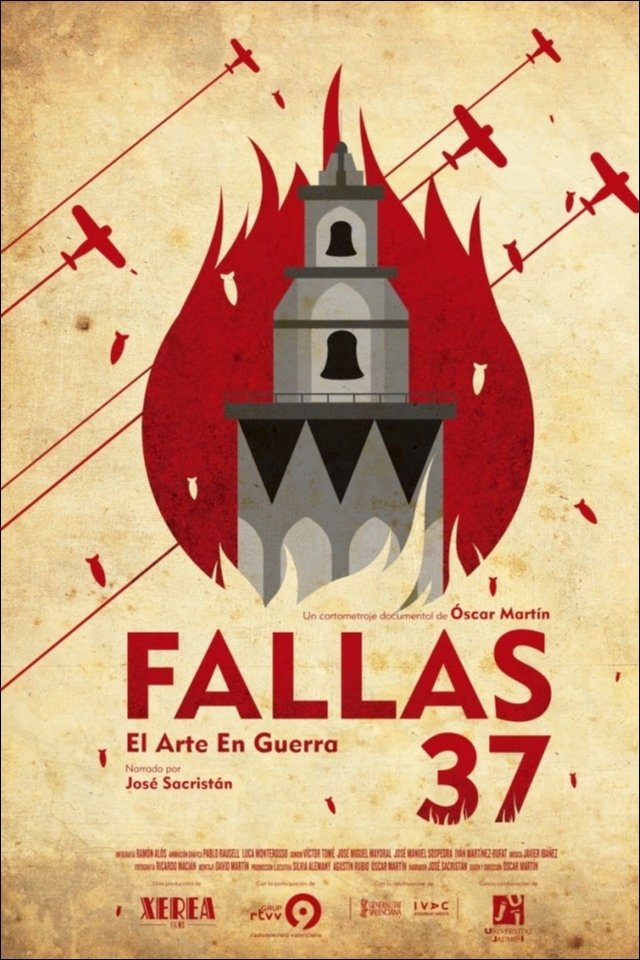
In November 1936, a few months since the beginning of the Spanish Civil War, the government of the Second Republic moves to Valencia. In this situation, several Valencian artists and intellectuals decide to build four fallas — satirical plasterboard sculptures created to be burnt — to mock fascism.
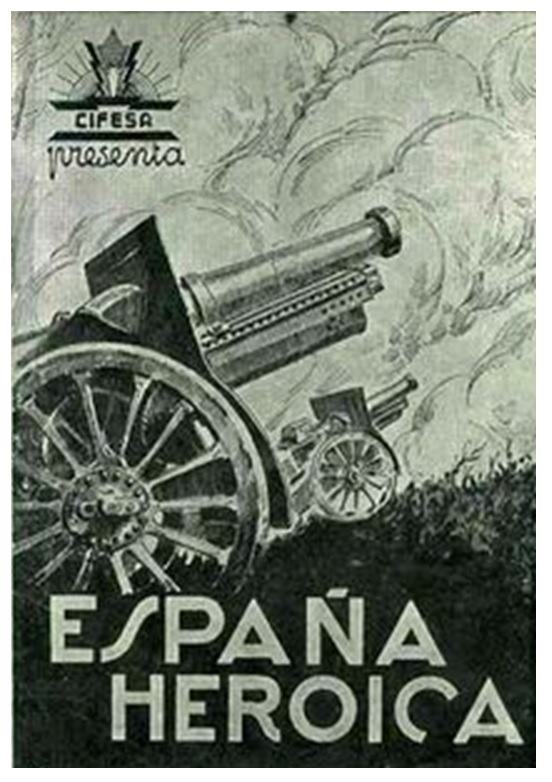
Documentary produced by Falange and edited in Berlin, in response to the international success of the Republican production "Spain 1936" (Le Chanois, 1937).
The history of Bruguera, the most important comic publisher in Spain between the 1940s and the 1980s. How the characters created by great writers and pencilers became Spanish archetypes and how their strips persist nowadays as a portrait of Spain and its people. The daily life of the creators and the founding family, the Brugueras. The world in which hundreds of vivid colorful paper beings lived and still live, in the memory of millions, in the smile of everyone.
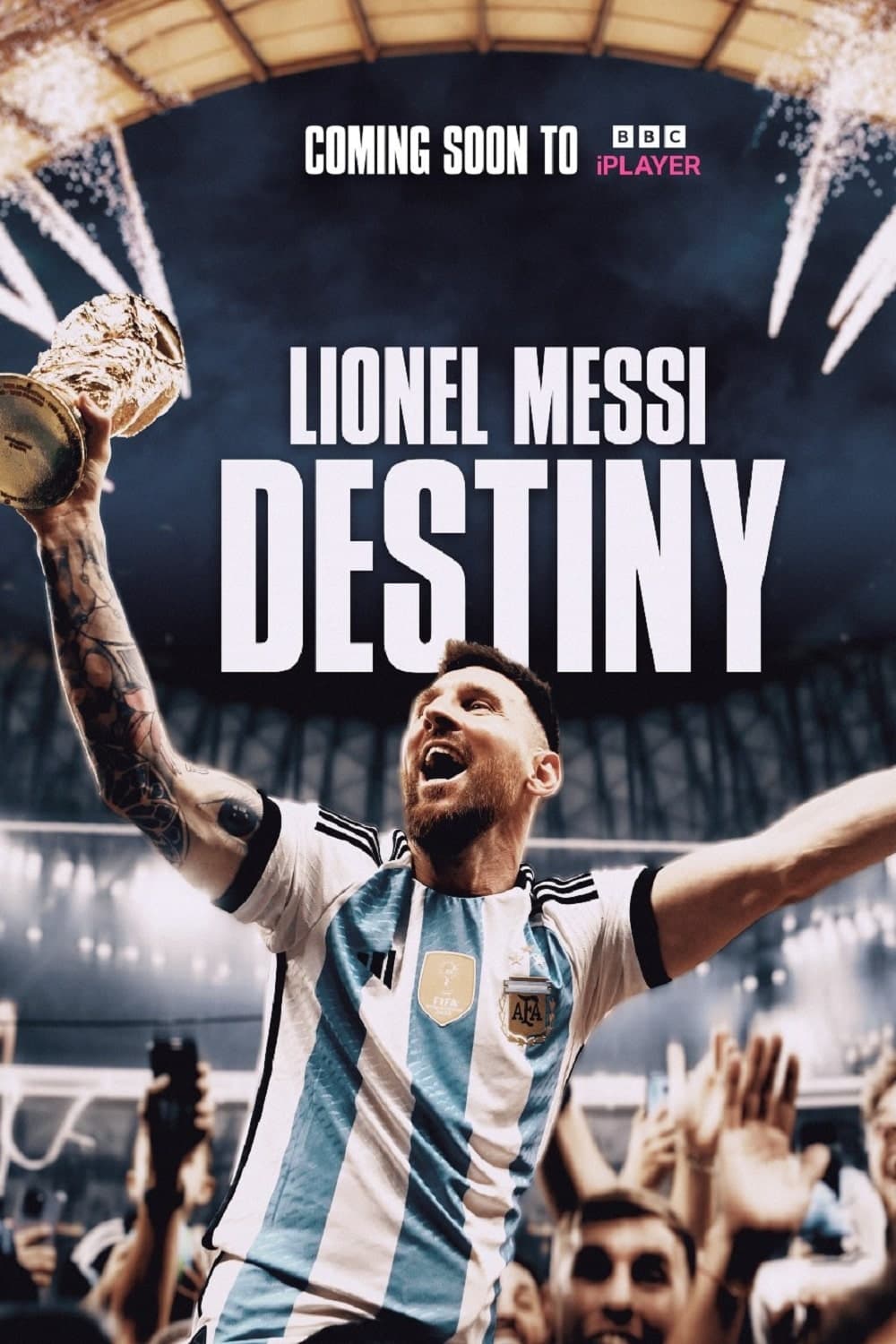
Behind-the-scenes documentary about how Lionel Messi succeeded in lifting the World Cup – the only trophy to have eluded him in an incredible career.
Al Pacino's deeply-felt rumination on Shakespeare's significance and relevance to the modern world through interviews and an in-depth analysis of "Richard III."
A detailing of the rise to prominence and global sporting superstardom of six supremely talented young Manchester United football players (David Beckham, Nicky Butt, Ryan Giggs, Paul Scholes, Phil and Gary Neville). The film covers the period 1992-1999, culminating in Manchester United's European Cup triumph.
Alexander McQueen's rags-to-riches story is a modern-day fairy tale, laced with the gothic. Mirroring the savage beauty, boldness and vivacity of his design, this documentary is an intimate revelation of McQueen's own world, both tortured and inspired, which celebrates a radical and mesmerizing genius of profound influence.
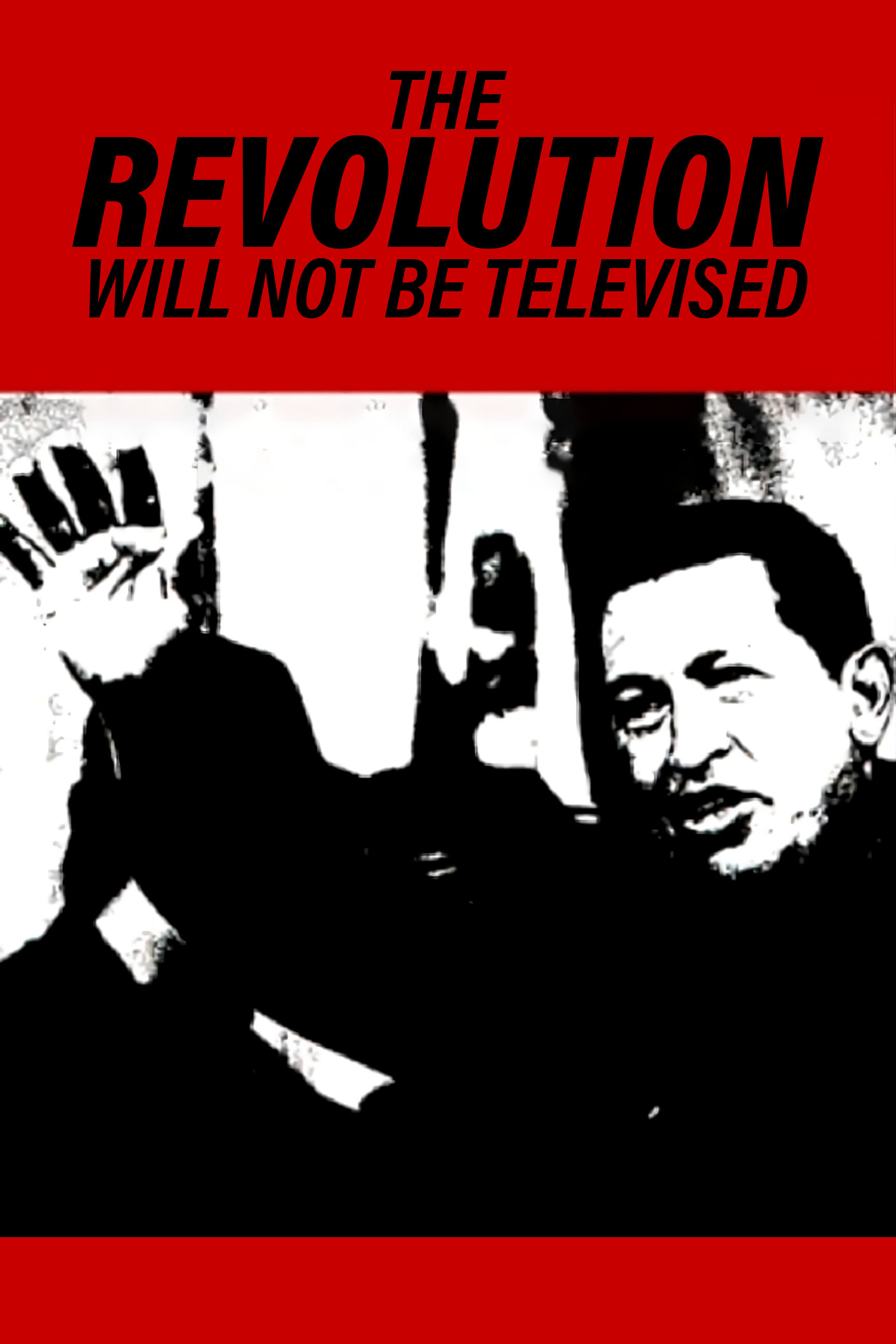
Hugo Chavez was a colourful, unpredictable folk hero who was beloved by his nation’s working class. He was elected president of Venezuela in 1998, and proved to be a tough, quixotic opponent to the power structure that wanted to depose him. When he was forcibly removed from office on 11 April 2002, two independent filmmakers were inside the presidential palace.
The film follows adventurer Jeff Johnson as he retraces the epic 1968 journey of his heroes Yvon Chouinard and Doug Tompkins to Patagonia.
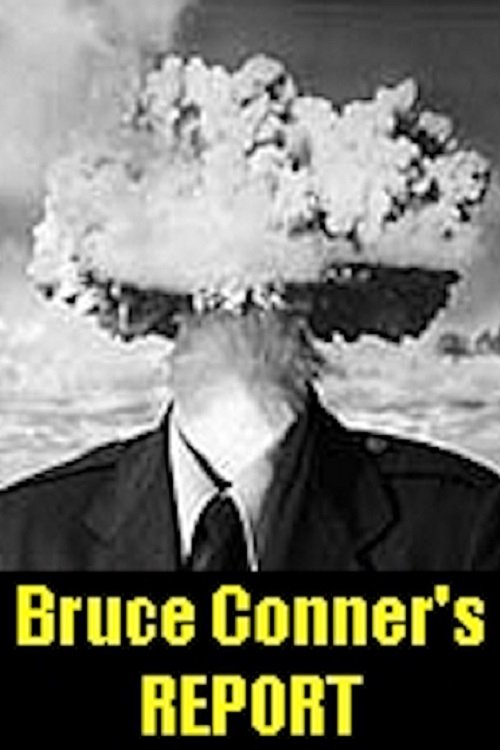
Bruce Conner’s most celebrated film for a reason: it takes historical moments that were replayed over and over on television—chilling repetition of Kennedy assassination coverage—and repurposes them into a meditation on how the media tries to exert authority and apply a sense of order to the anarchic. And though it may sound perverse to say so, the film is also—not incidentally—a thrill to watch. -- The A.V. Club
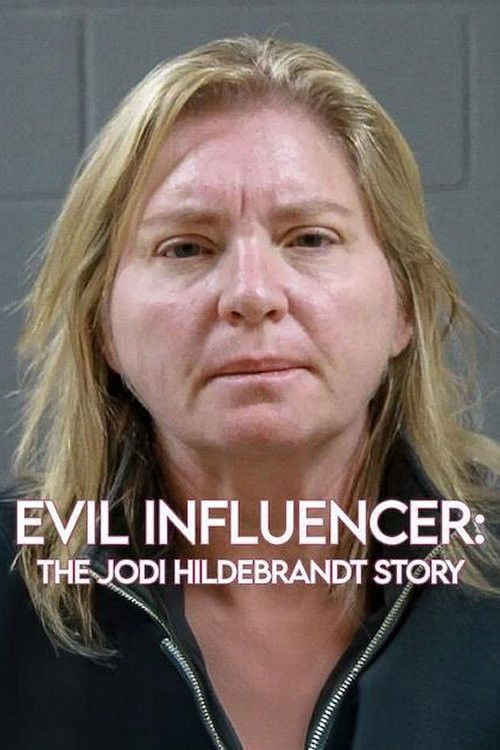
Unravel the case of Utah therapist Jodi Hildebrandt, whose child abuse arrest with parenting YouTuber Ruby Franke exposed a twisted tale of manipulation.
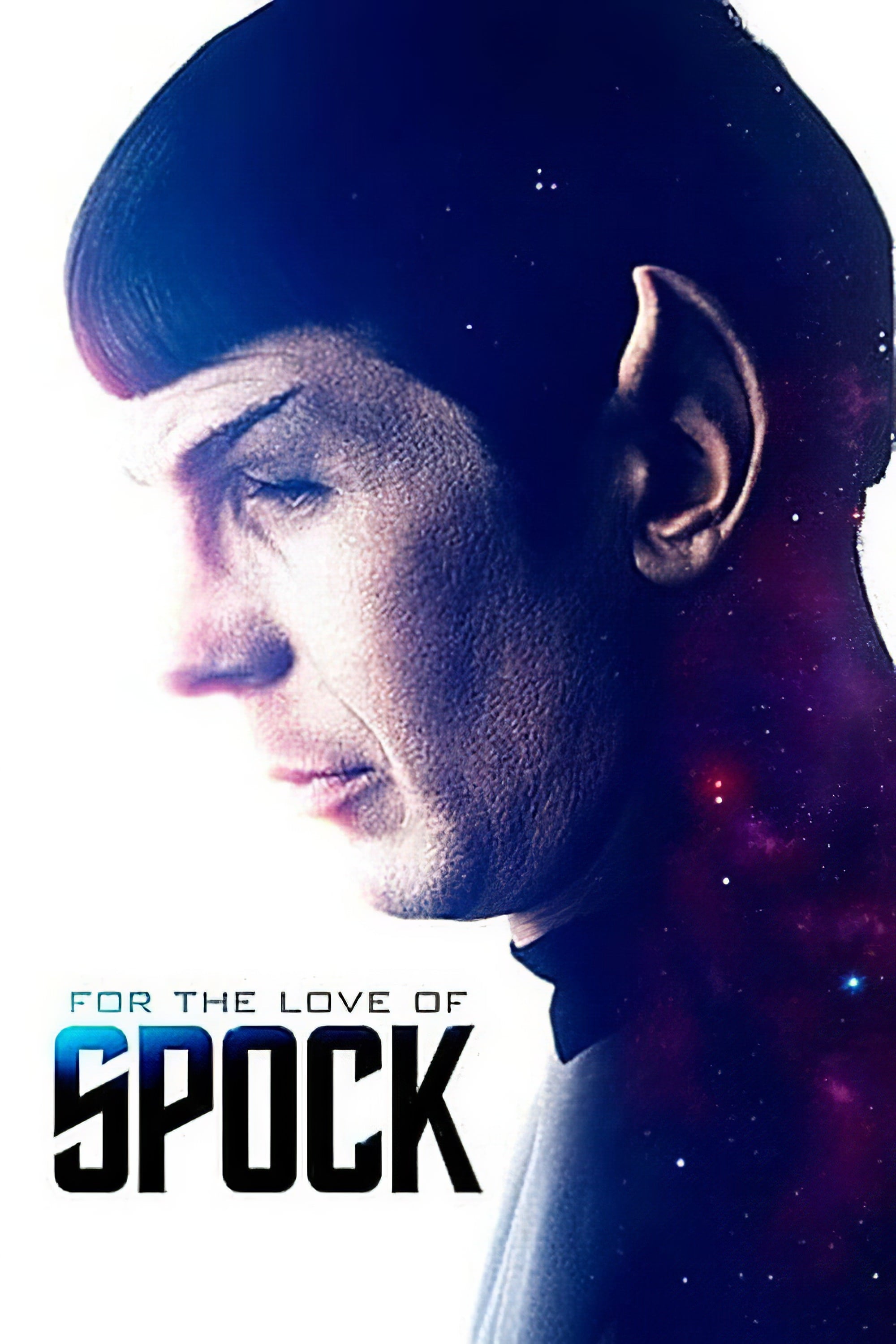
The life of Mr. Spock, as well as that of Leonard Nimoy, the actor who played him for almost fifty years, written and directed by his son: Adam.
The life and career of an actor, artist, and icon. His own journey through his own camera.
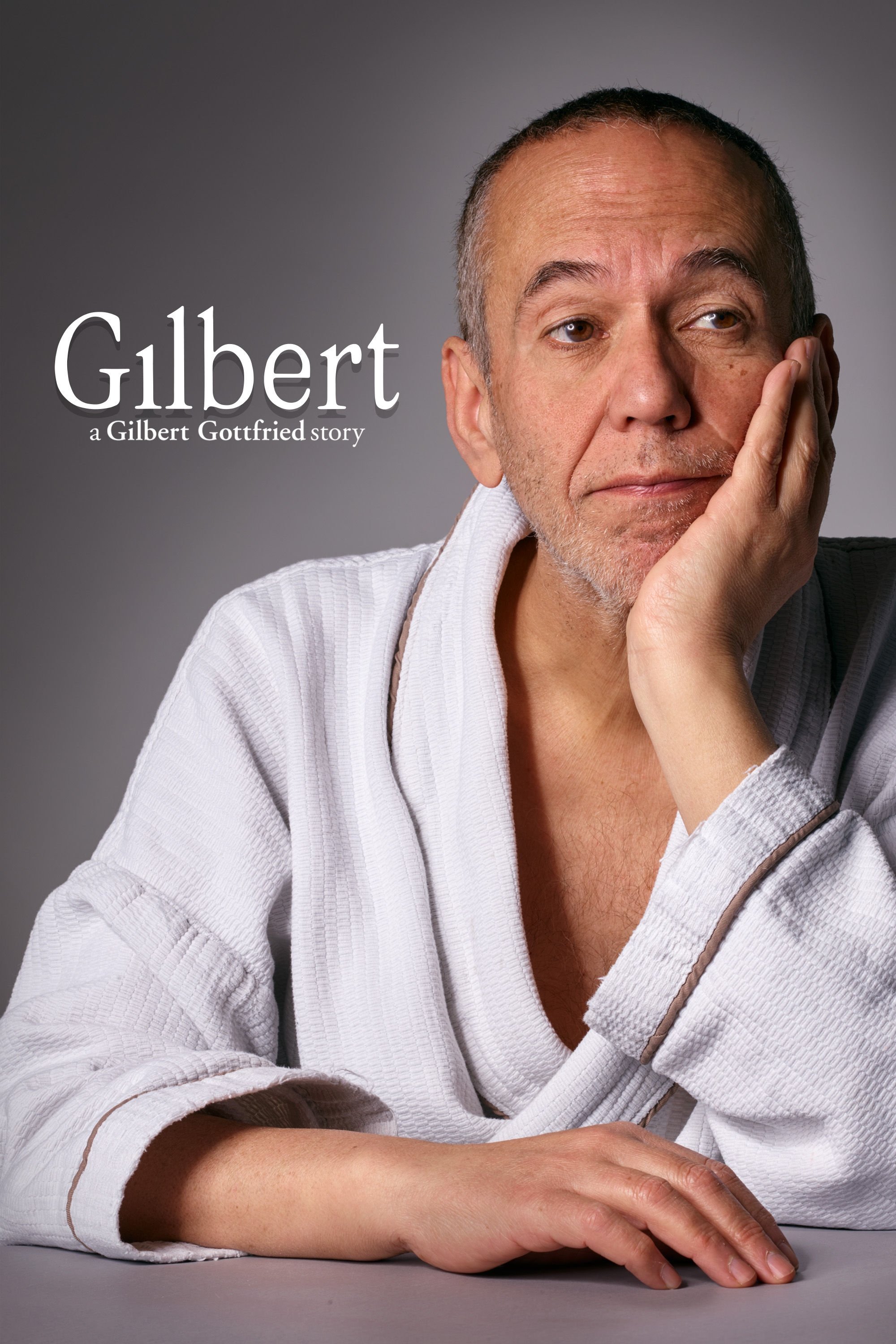
The life and career of one of comedy's most inimitable modern voices, Mr. Gilbert Gottfried.
In the Realms of the Unreal is a documentary about the reclusive Chicago-based artist Henry Darger. Henry Darger was so reclusive that when he died his neighbors were surprised to find a 15,145-page manuscript along with hundreds of paintings depicting The Story of the Vivian Girls, in What is Known as the Realms of the Unreal, of the Glodeco-Angelinnian War Storm, Cased by the Child Slave Rebellion.
A documentary about how a dominant cultural and demographic institution both sustains their traditional activities and adapts to the digital revolution.
SEDUCED AND ABANDONED combines acting legend Alec Baldwin with director James Toback as they lead us on a troublesome and often hilarious journey of raising financing for their next feature film. Moving from director to financier to star actor, the two players provide us with a unique look behind the curtain at the world's biggest and most glamourous film festival, shining a light on the bitter-sweet relationship filmmakers have with Cannes and the film business. Featuring insights from directors Martin Scorsese, 'Bernando Bertolucci' and Roman Polanski; actors Ryan Gosling and Jessica Chastain and a host of film distribution luminaries.
A documentary about the life and films of director John Ford.
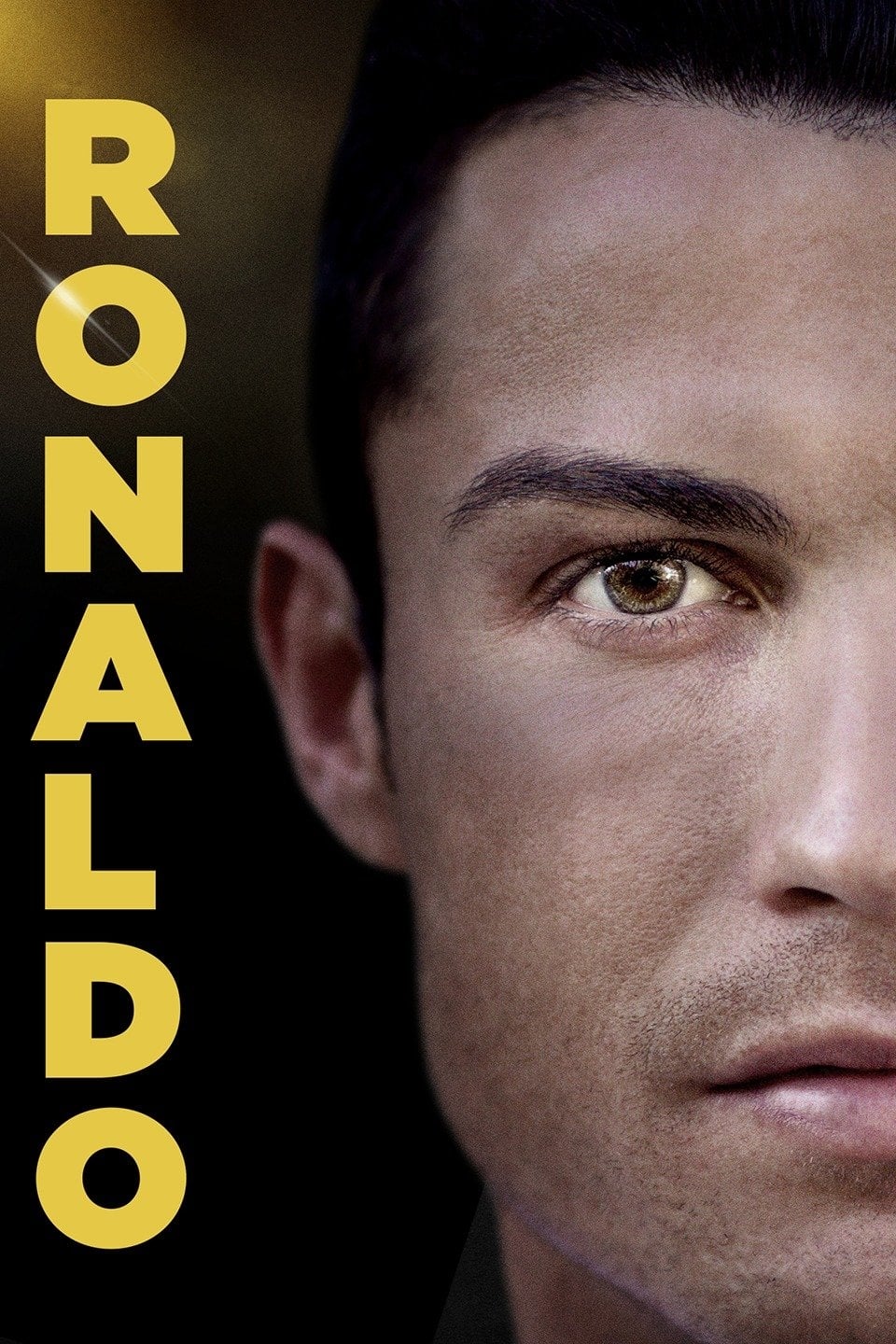
Filmed over 14 months with unprecedented access into the inner circle of the man and the sport, this is the first official and fully authorised film of one of the most celebrated figures in football. For the first time ever, the world gets vividly candid and un-paralleled, behind-closed-doors access to the footballer, father, family-man and friend in this moving & fascinating documentary. Through in-depth conversations, state of the art football footage and never before seen archival footage, the film gives an astonishing insight into the sporting and personal life of triple Ballon D'Or winner Cristiano Ronaldo at the peak of his career. From the makers of ‘Senna’ and ‘Amy’, Ronaldo takes audiences on an intimate and revealing journey of what it’s like to live as an iconic athlete in the eye of the storm.
Through deeply personal interviews with her siblings and an examination of the photographs, letters, and belongings left behind, Mariska assembles a new portrait of her mother Jayne Mansfield, an extraordinary and complex woman.
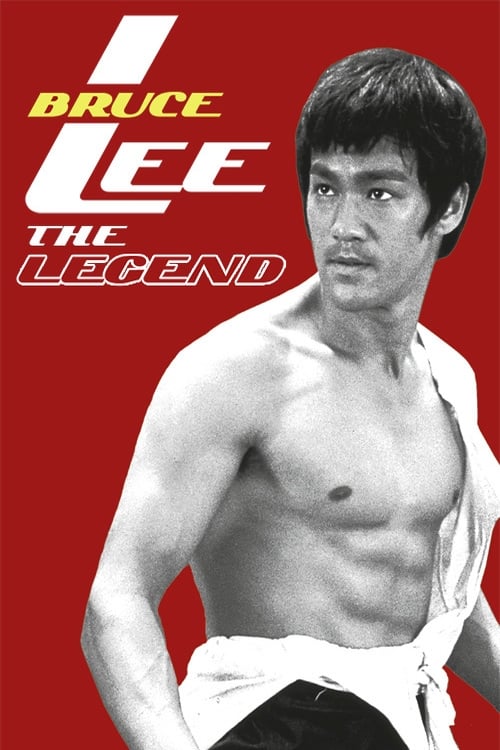
The Official Golden Harvest tribute to the Master of the Martial Arts Film, Bruce Lee.
A documentary on the expletive's origin, why it offends some people so deeply, and what can be gained from its use.
Documentarian Ross McElwee originally set out to make a travelogue of sorts tracing General William T. Sherman's infamous scorched-earth march through the Confederacy in the latter stages of the Civil War. Instead, haunted by a recent breakup with a girlfriend, McElwee ends up documenting his progress -- or lack thereof -- in starting a new relationship. His journey then becomes one of self-reflection and self-discovery rather than a historical/sociological exploration.