"Chernobyl"
Ben Fogle narrates a detailed film revealing the crucial events that led to the 1986 nuclear accident in Ukraine, as Chernobyl Power Plant Reactor 4 exploded with devastating consequences.
Social & External
Self

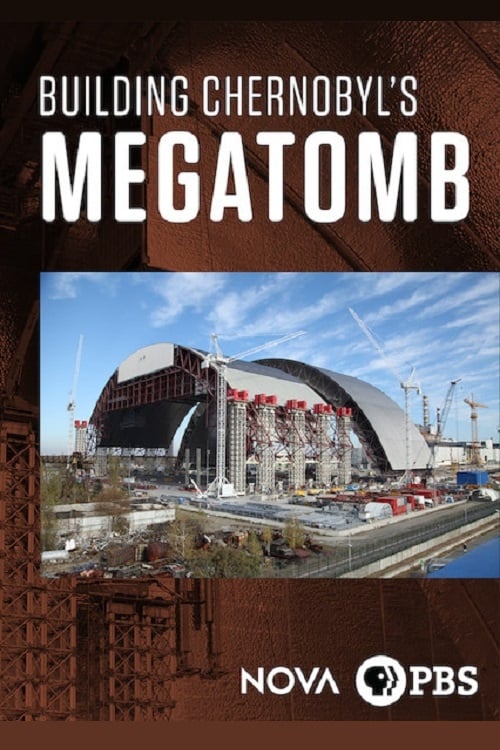
Documentary which follows the construction of a trailblazing 36,000-tonne steel structure to entomb the ruins of the nuclear power plant destroyed in the 1986 Chernobyl disaster.
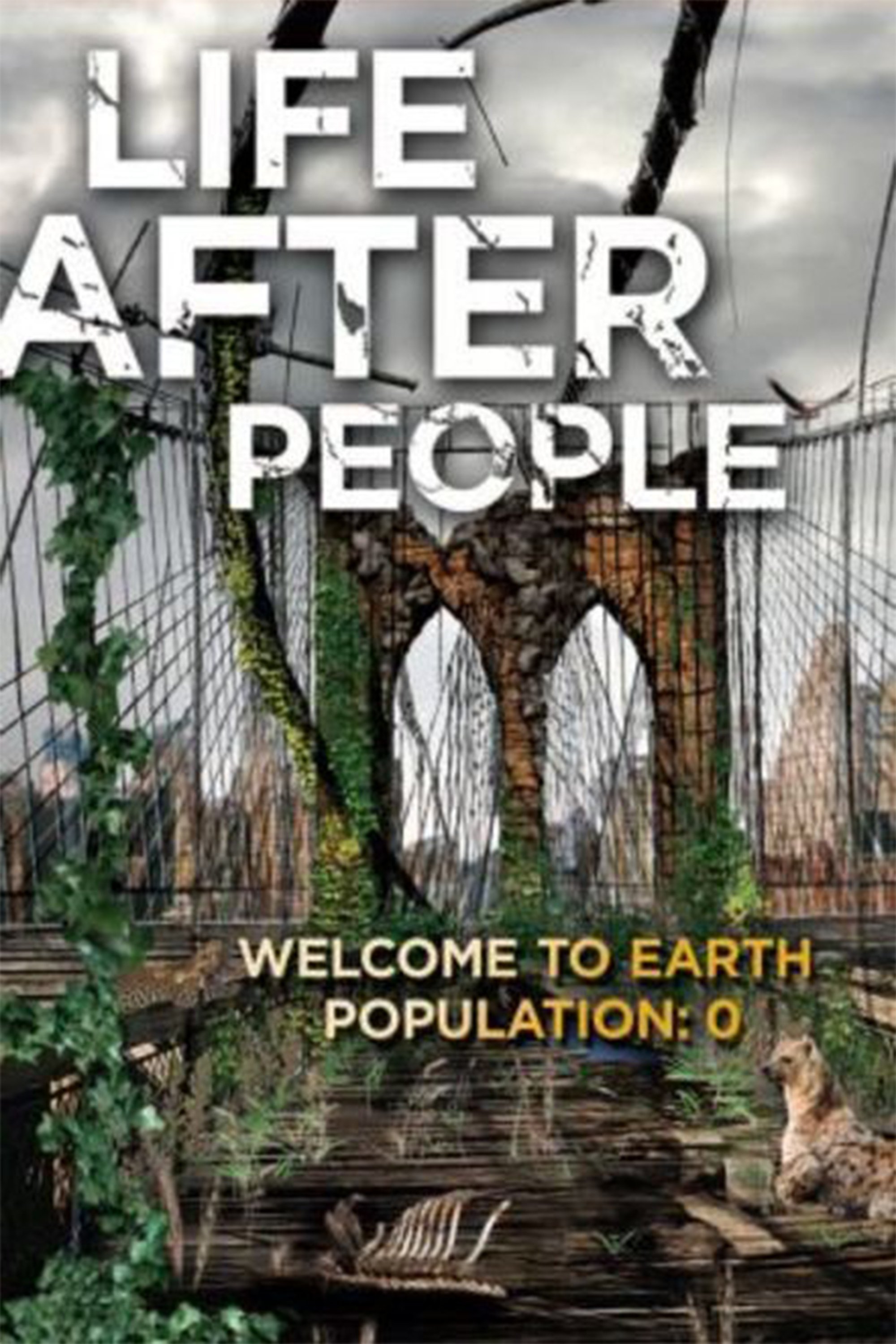
In this special documentary that inspired a two-season television series, scientists and other experts speculate about what the Earth, animal life, and plant life might be like if, suddenly, humanity no longer existed, as well as the effect humanity's disappearance might have on the artificial aspects of civilization.
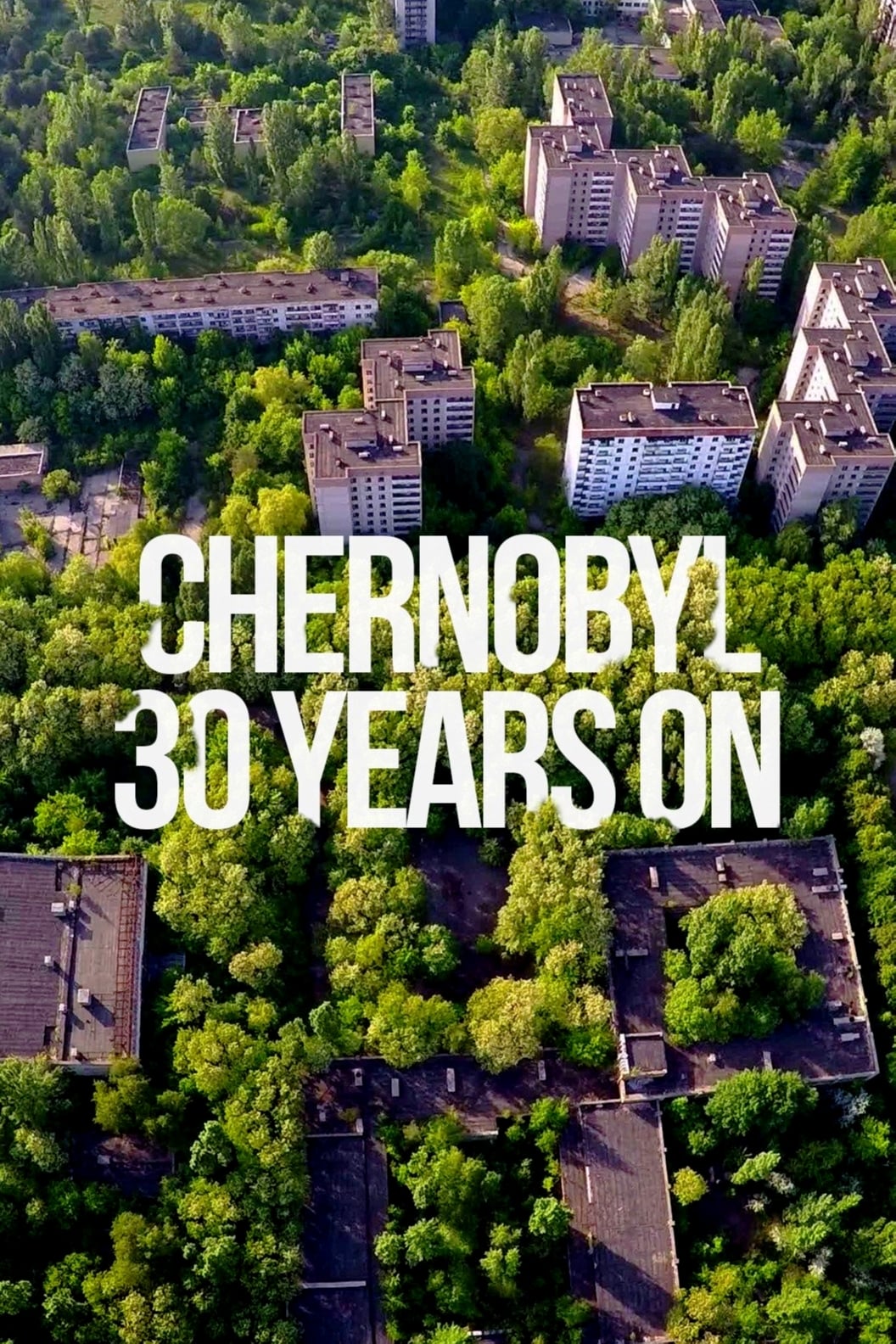
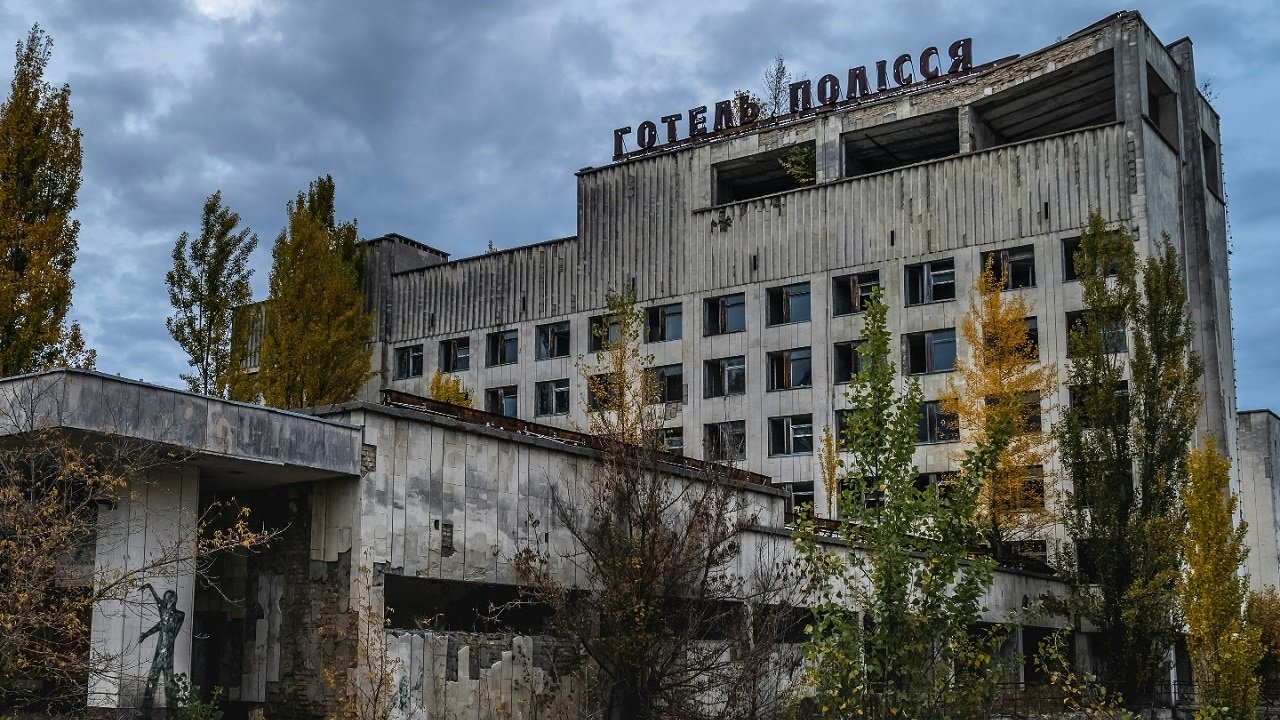
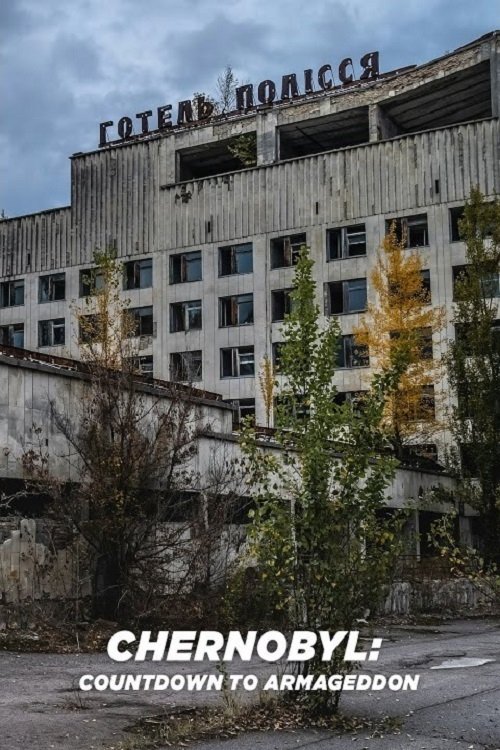
The word Chernobyl became known worldwide shortly after the 1986 blast. The small town Pripyat, situated just 3 km from the Chernobyl nuclear power plant, up to this day serves to remind about the extent of the tragedy. Pripyat used to be a lively little town, both a powerful nuclear centre and a conveniently planned city with schools and urban apartments. It is now a dead, lifeless stretch of land littered with scraps of the past.
Mothers and doctors speak out about the grim reality of life in the five years following the Chernobyl disaster. In children, doctors witnessed a massive increase of recurrent infections, baldness, as well as leukaemia and other cancers.
Thirty years after the Chernobyl disaster, which occurred on the night of April 26, 1986, its causes and consequences are examined. In addition, a report on efforts to strengthen the structures covering the core of the nuclear plant in order to better protect the population and the environment is offered.
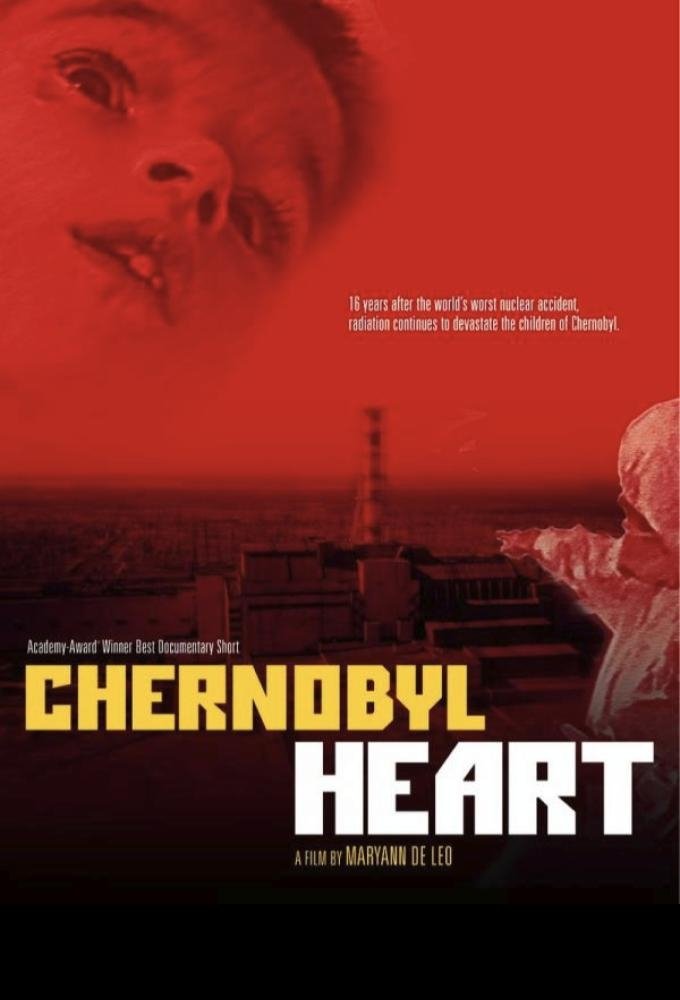
This Academy Award-winning documentary takes a look at children born after the 1986 Chernobyl nuclear plant disaster who have been born with a deteriorated heart condition.
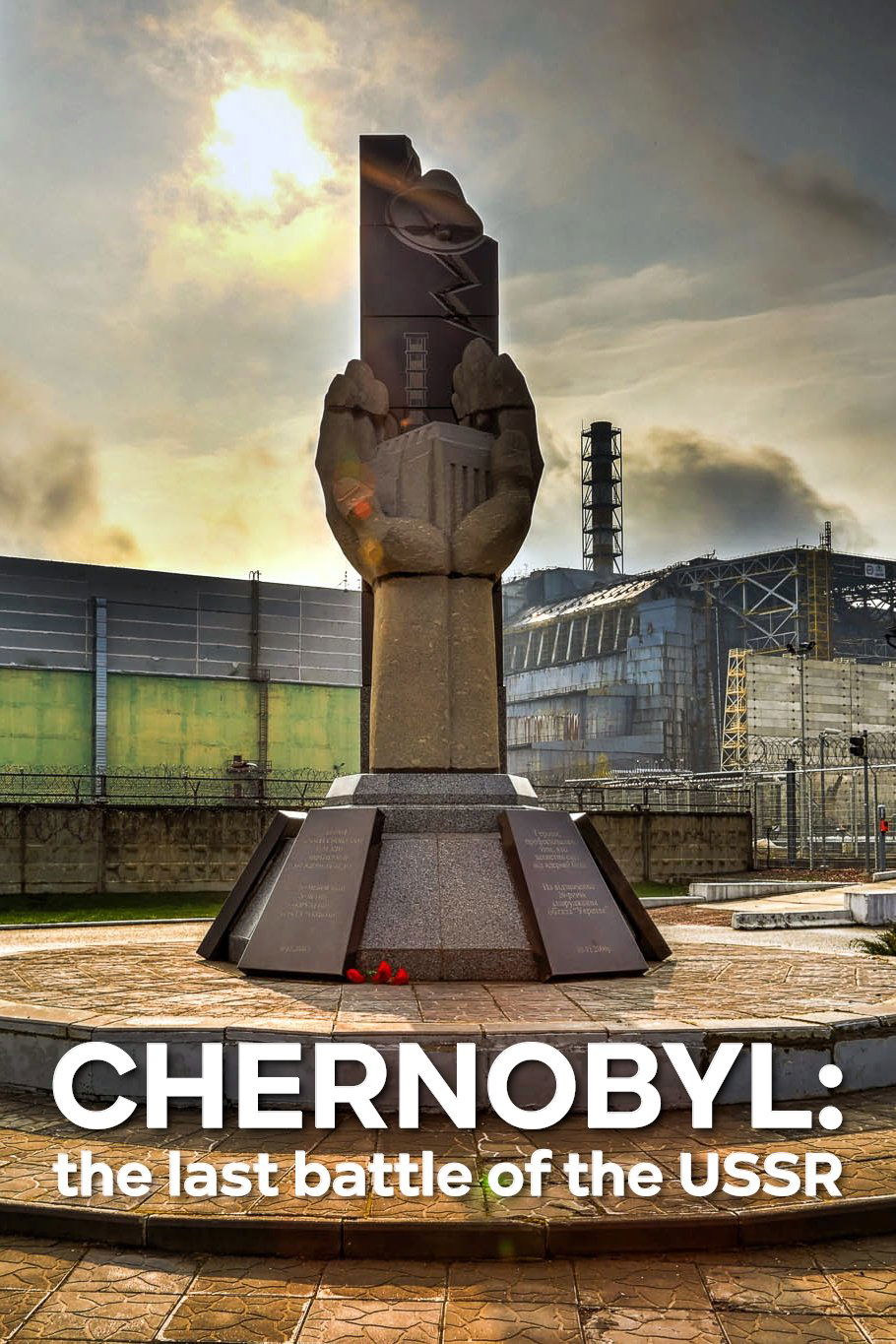
Three decades after the nuclear explosion, almost everything has been said about this ecological and sanitary disaster that made Pripiat a part of History. How did the greatest industrial disaster change the course of History, disrupt global geopolitics and, directly or indirectly, redistribute the balances and power relations of the twentieth century? The world will never be the same again. By retracing the incredible battle waged by the Soviet Union against radiation, this film proposes to retrace and enlighten an extraordinary story, while exploring the historical stakes in the medium and long-term…
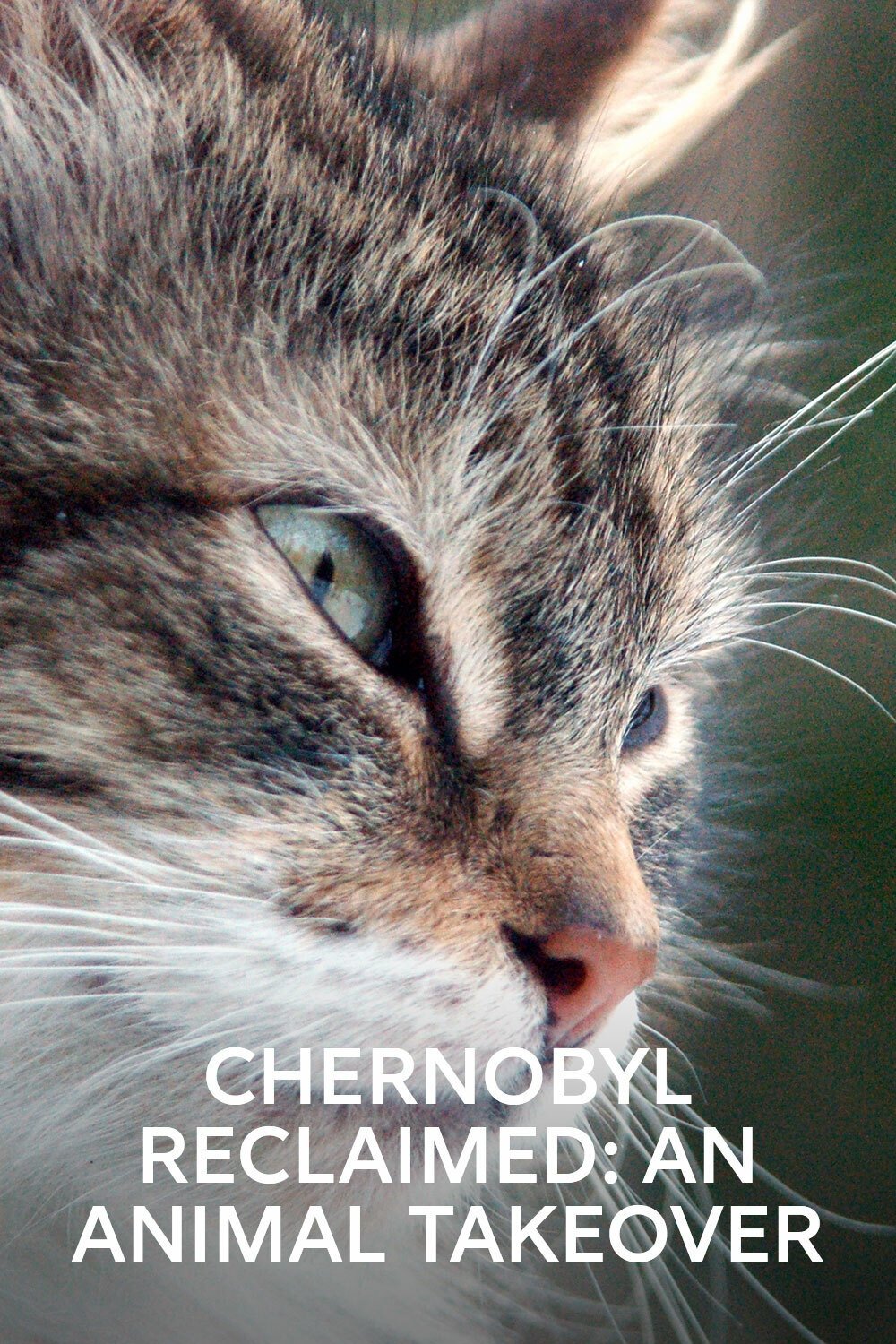
What would happen if the world were suddenly without people - if humans vanished off the face of the earth? How would nature react - and how swiftly? On the edge of Europe, the deserted village of Chernobyl reveals the surprising answer after an unplanned experiment. Chernobyl was abandoned by people after the worst nuclear disaster in history (April 26, 1986). A level 7 meltdown resulted in a severe release of radioactivity following a massive explosion that destroyed the reactor. More than 20 years later, Chernobyl has been taken over by a remarkable collection of wildlife and descendents of pets that were left in the city when its residents fled the nuclear fallout. Unexpectedly in the aftermath of this disaster, Chernobyl has become a sanctuary for plants, birds, and animals, including some species thought to be on the brink of extinction.
With the good of the people in mind, Valery Legasov, a Soviet scientist called to the scene of the Chernobyl nuclear disaster, stands up to censorship behind the iron curtain.
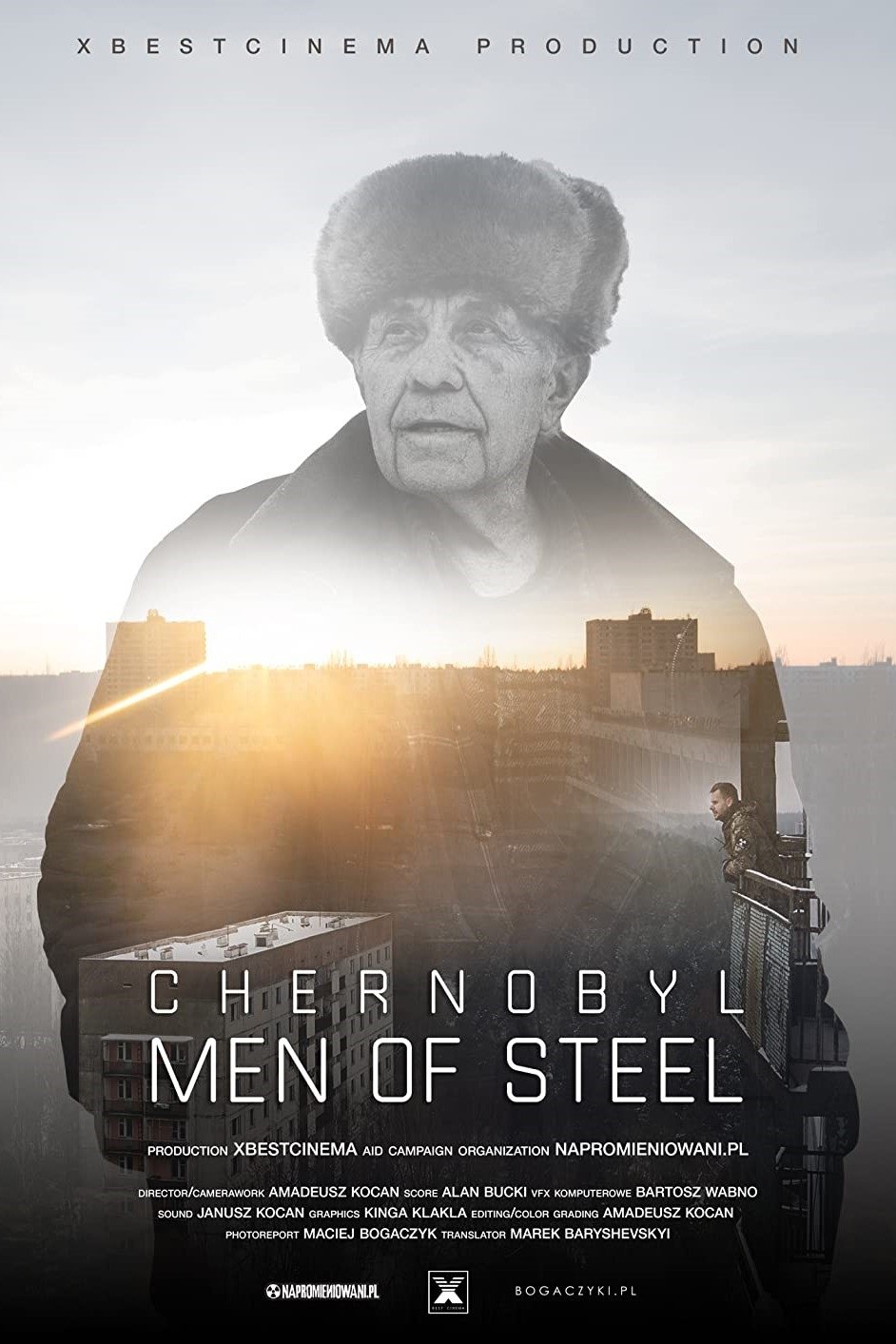
The story about Chornobyl area, all around the world we know of the disaster in 1986. The film may be called a guide to the Exclusion Zone. Thanks to the unique footage from the place of the tragedy, that the crew succeeded to capture, the viewers will have a chance for a full immersion into the atmosphere of the events and, along with the heroes of the film, feel the dreadful and amazing air that reigns where one of the major anthropogenic disasters took place.
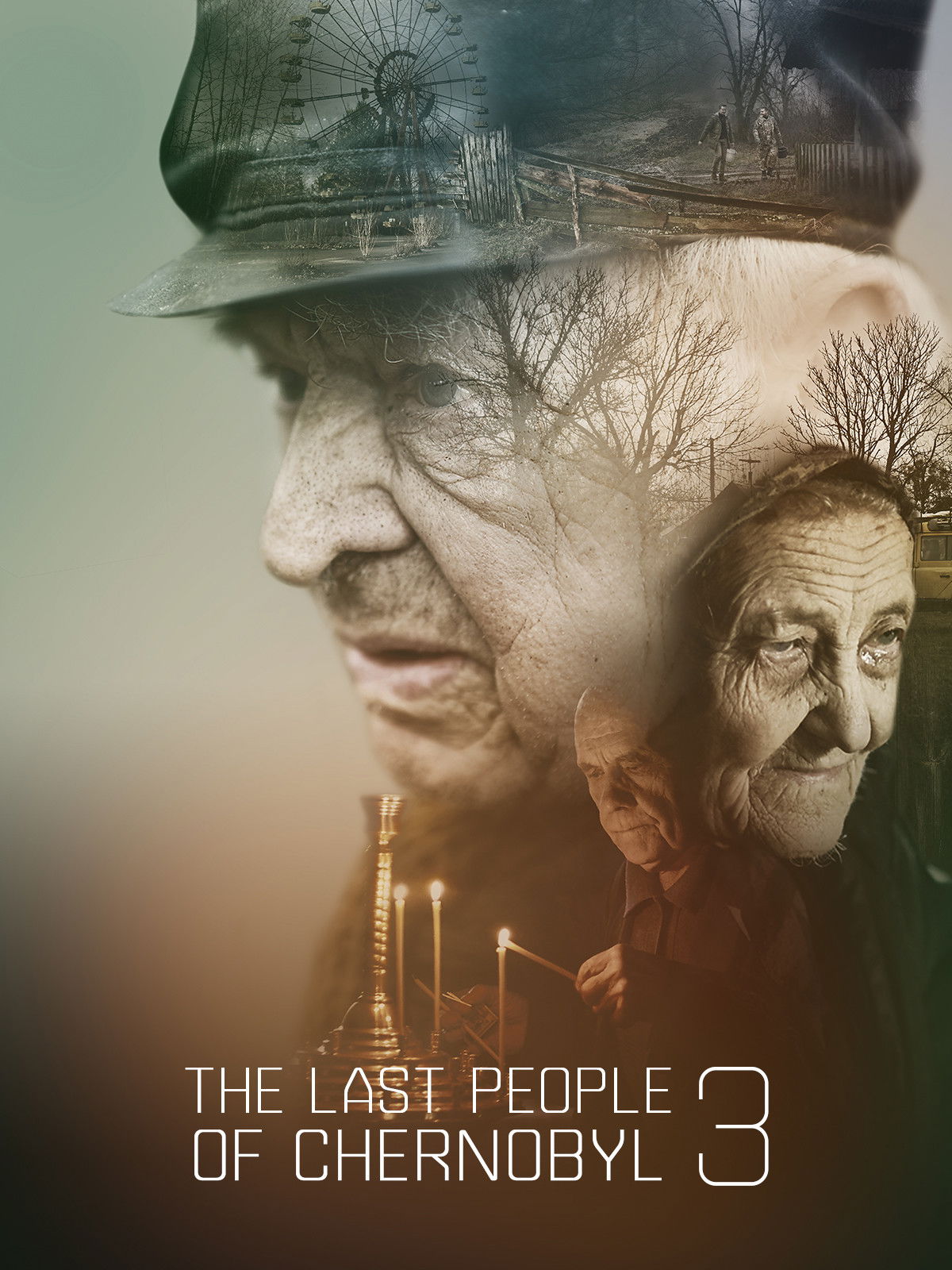
Some 200 women defiantly cling to their ancestral homeland in Chernobyl’s radioactive “Exclusion Zone.”
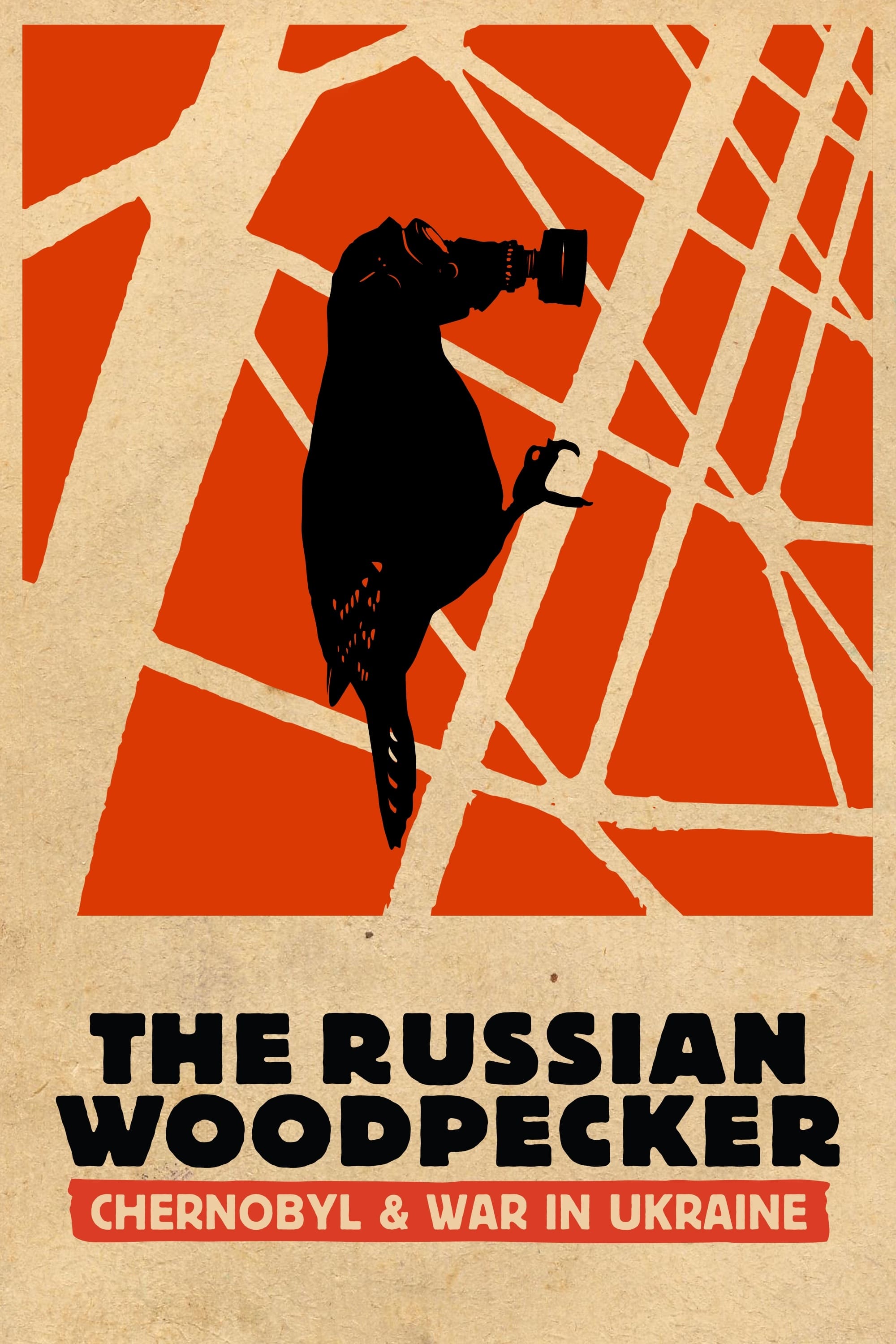
The film uniquely recounts the lives of workers at Ukraine's Chornobyl nuclear power plant, National Guard soldiers and residents of surrounding towns and villages. These have been at the epicenter of the Russian occupation since February 24, 2022. It's a film that shows how a thin line separates humanity from another nuclear catastrophe and how the fight for survival was on a "ticking bomb." Under the constant threat of shelling and rockets.
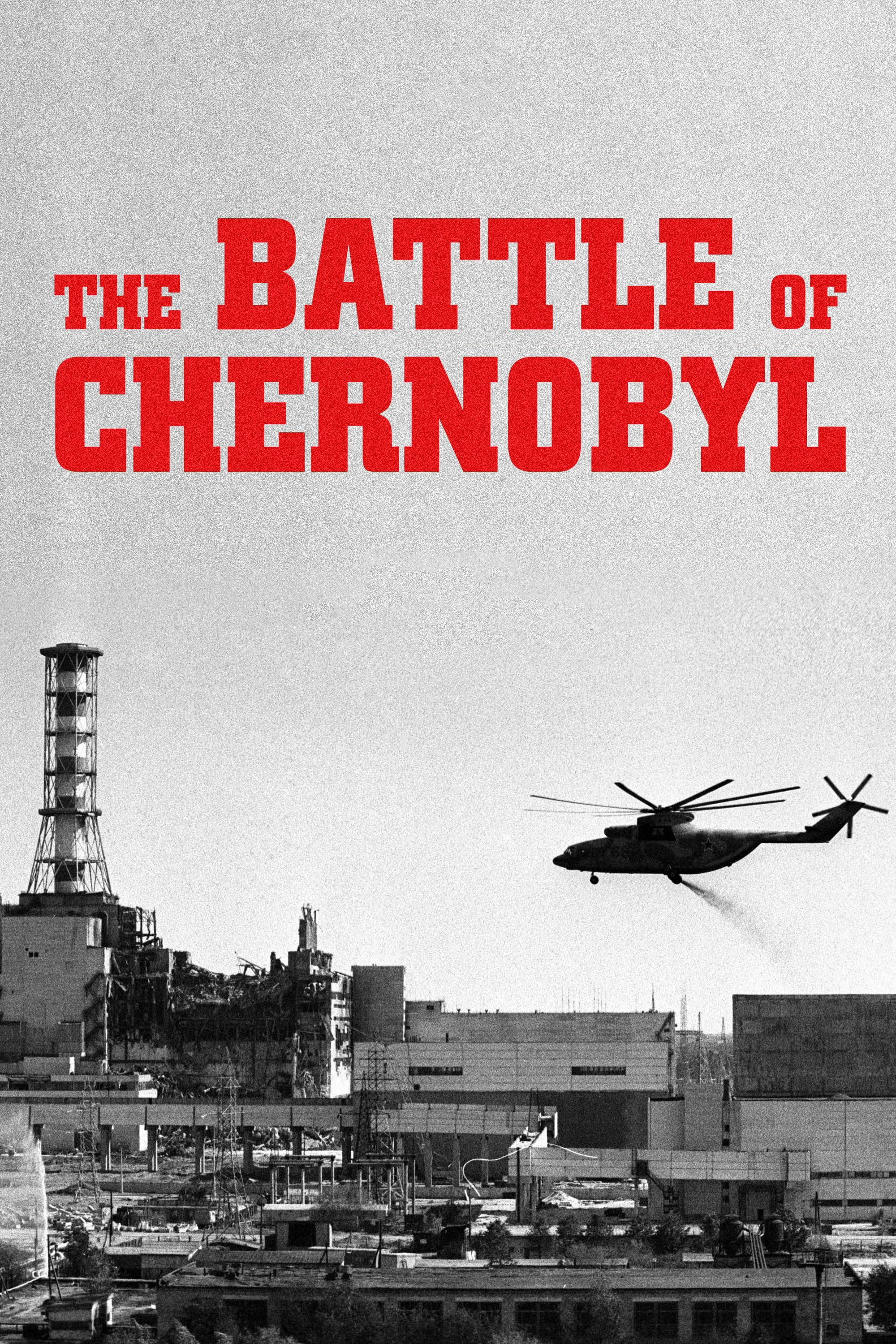
On April 26, 1986, a 1,000 feet high flame rises into the sky of the Ukraine. The fourth reactor of the Chernobyl nuclear power plant just exploded. A battle begins in which 500,000 men are engaged throughout the Soviet Union to "liquidate" the radioactivity, build the "sarcophagus" of the damaged reactor and save the world from a second explosion that would have destroyed half of Europe. Become a reference film, this documentary combines testimonials and unseen footage, tells for the first time the Battle of Chernobyl.
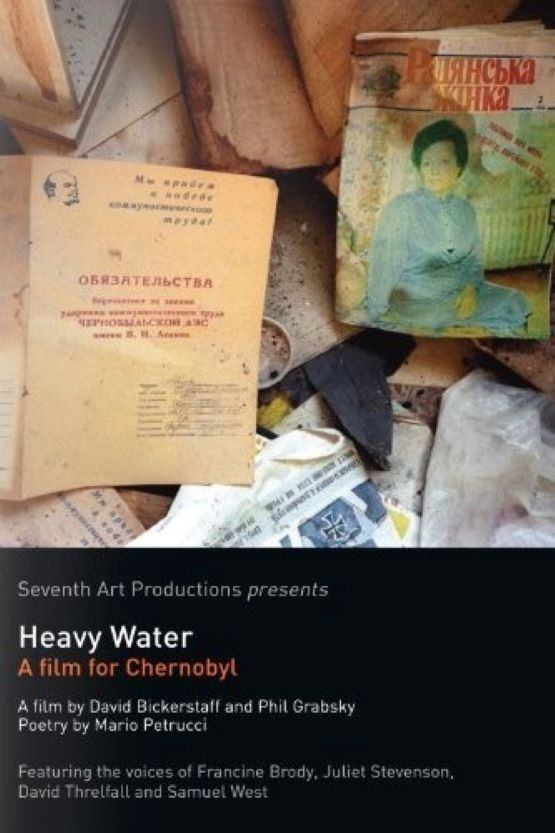
On April 26th, 1986, reactor four at Chernobyl nuclear power station explodes, sending an enormous radioactive cloud over Northern Ukraine and neighbouring Belarus. The danger is kept a secret from the rest of the world and the nearby population who go about their business as usual. May Day celebrations begin, children play and the residents of Pripyat marvel at the spectacular fire raging at the reactor. After three days, an area the size of England becomes contaminated with radioactive dust, creating a 'zone' of poisoned land. Based on Mario Petrucci's award-winning book-length poem (split over two books), 'Heavy Water: a film for Chernobyl', and the shorter version 'Half Life: a Journey to Chernobyl", tells the story of the people who dealt with the disaster at ground-level: the fire-fighters, soldiers, 'liquidators', and their families.
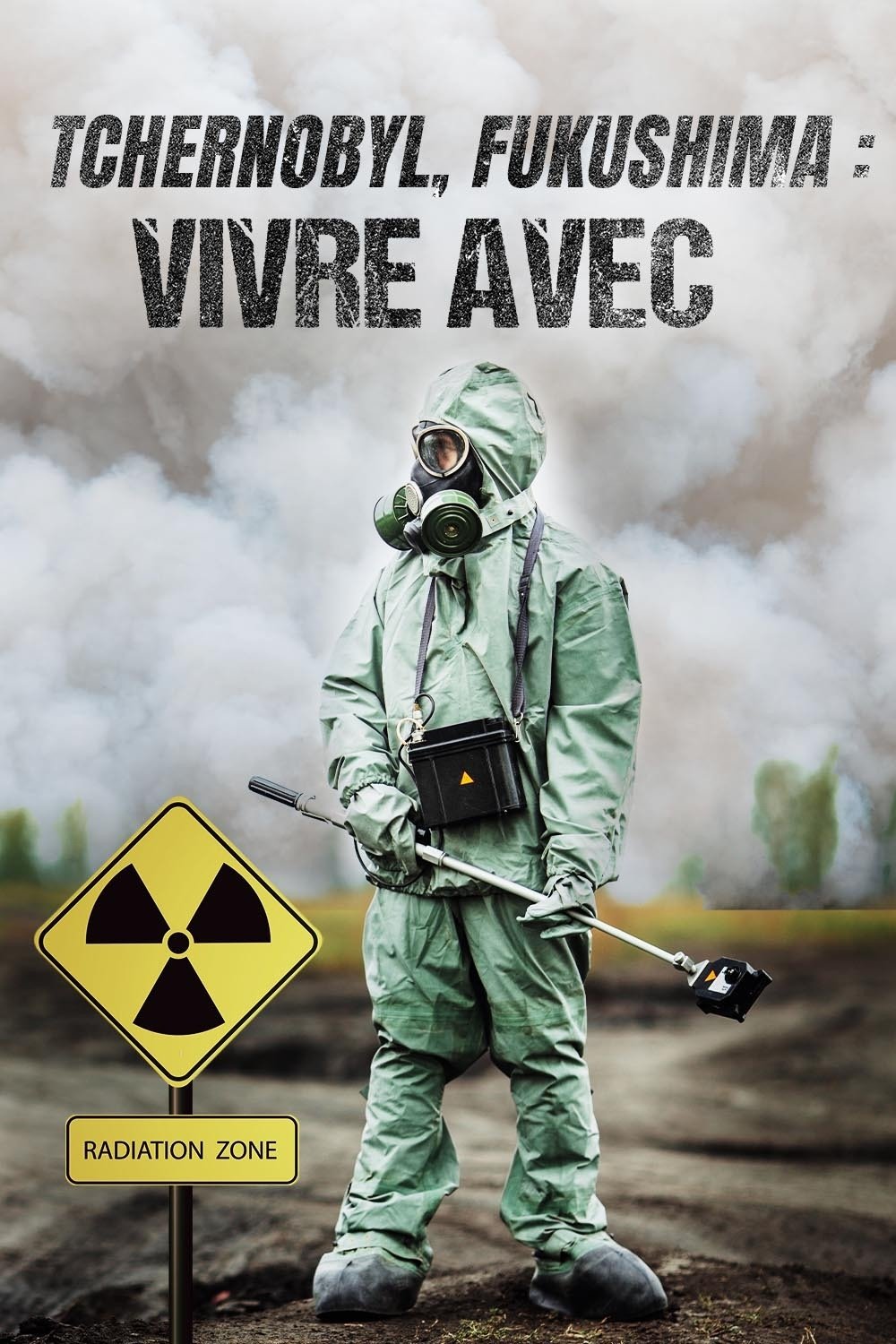
30 years after the Chernobyl catastrophe and 5 years after Fukushima it is time to see what has been happening in the “exclusion zones” where the radioactivity rate is far above normal.
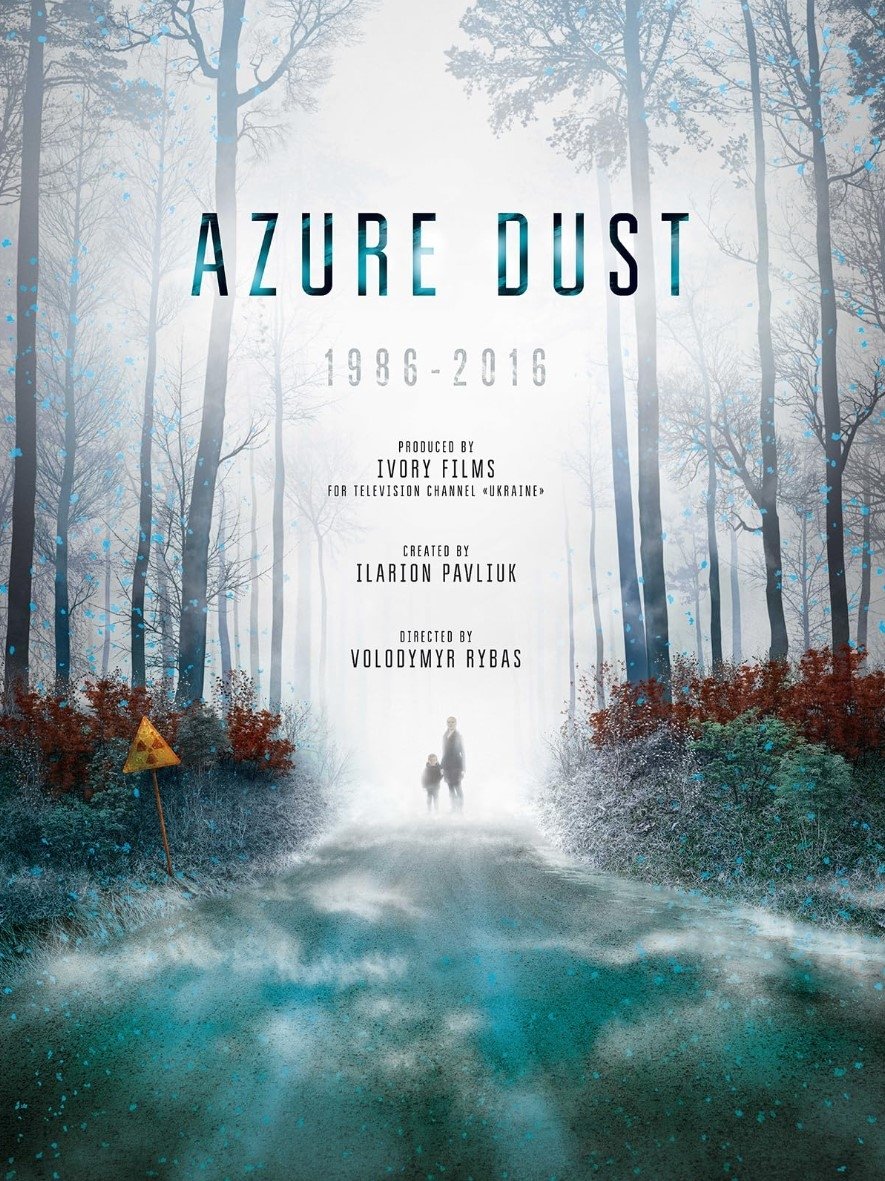
As his country is gripped by revolution and war, a Ukrainian victim of the Chornobyl nuclear disaster discovers a dark secret and must decide whether to risk his life and play his part in the revolution by revealing it.
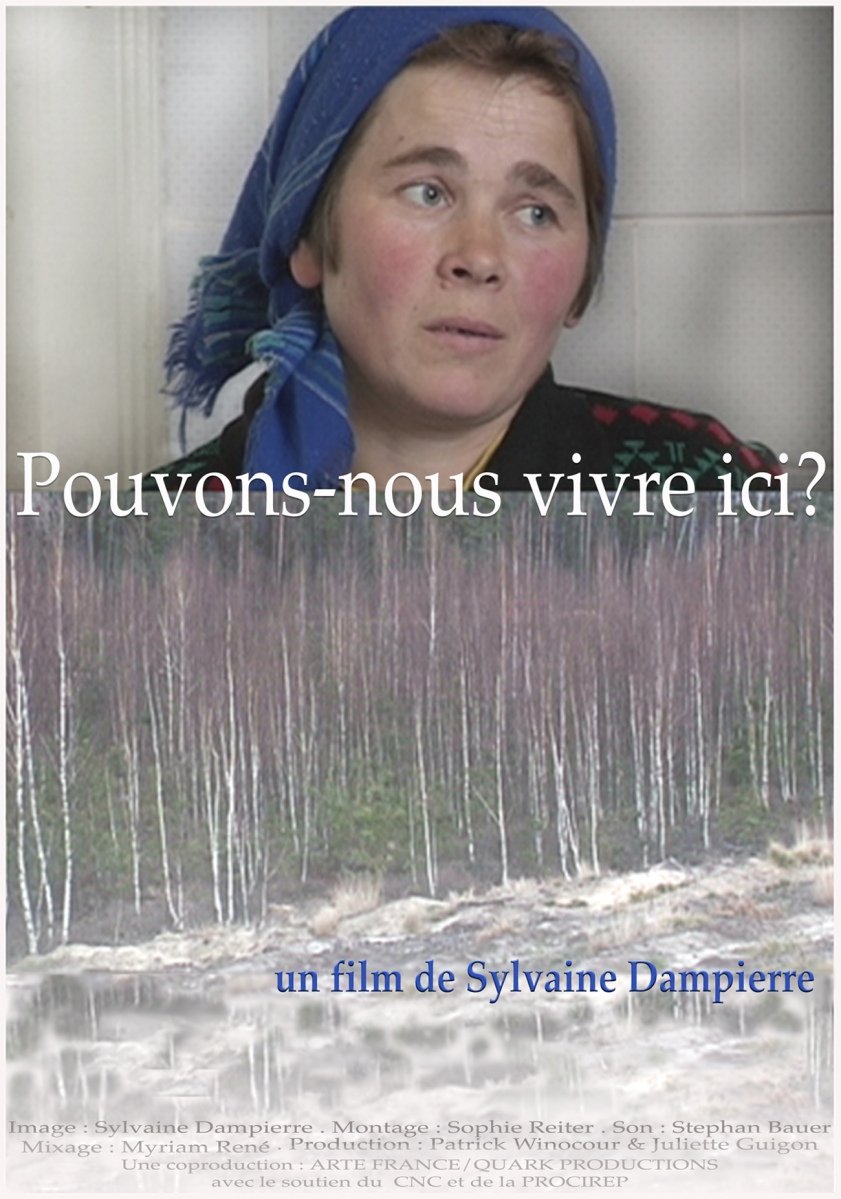
Olmany, Terebejov, Gorodnaïa: Three villages in the Stolyn district, Belarus, 200 kilometers from Chernobyl. In this area, the radiation rate was considered too low to justify the systematic evacuation of the population. Sixteen years after the disaster, life continues in a seemingly unchanged landscape. These farming communities face an invisible threat on a daily basis.
The exciting story of the splitting of the atom, a scientific breakthrough of incalculable importance that ushered in the nuclear age, has a dark side: the many events in which people were exposed to radiation, both intentionally and by accident.
Military people call such places "FRONTLINE", liquidators who worked at the Chernobyl nuclear station called it "ROOF COATING". It was the most contaminated, and therefore the most dangerous, place in the zone. The remains of the roof coating of the 4th reactor. The operation on decontaminating the roof lasted more than five months. We will tell about only two days. About the most important two days in the life of an explorer - dosimetrist Valeriy Starodumov. He participated in this operation until it was over. He himself came out to the roof and led people there. He himself planted the "victory banner" at the level of 75 meters, as the signal for the zone: the roof coating has been decontaminated! Now, 25 years later, Valeriy Starodumov comes back to the zone. Now Chernobyl is a tourist object. But not for him...

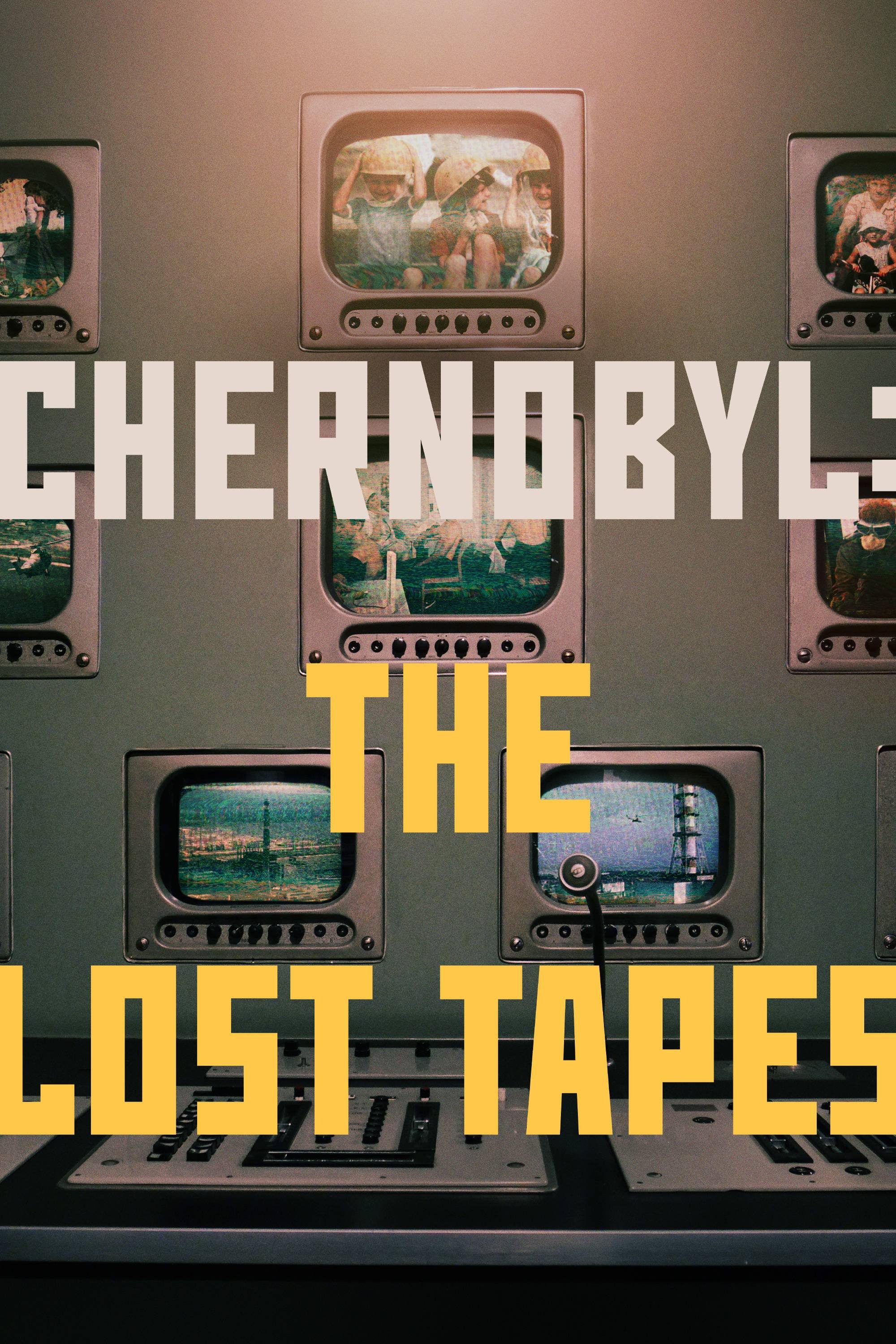
Thirty-six years after the Chernobyl nuclear reactor exploded in Soviet Ukraine, newly uncovered archival footage and recorded interviews with those who were present paint an emotional and gripping portrait of the extent and gravity of the disaster and the lengths to which the Soviet government went to cover up the incident, including the soldiers sent in to “liquidate” the damage. Chernobyl: The Lost Tapes is the full, unvarnished true story of what happened in one of the least understood tragedies of the twentieth century.
A documentary about the making of season five of the acclaimed AMC series Breaking Bad.
The compelling feature-length documentary film, by director Barry Ptolemy, chronicles the life and controversial ideas of luminary Ray Kurzweil. For more than three decades, inventor, futures, and New York Times best-selling author Ray Kurzweil has been one of the most respected and provocative advocates of the role of technology in our future.
A visual montage portrait of our contemporary world dominated by globalized technology and violence.
A documentary on the expletive's origin, why it offends some people so deeply, and what can be gained from its use.
This special explores the return of Obi-Wan Kenobi and Anakin Skywalker to the screen, as well as Ewan McGregor and Hayden Christensen to their classic roles. Director Deborah Chow leads the cast and crew as they create new heroes and villains that live alongside new incarnations of beloved Star Wars characters, and an epic story that dramatically bridges the saga films.
A compilation of over 30 years of private home movie footage shot by Lithuanian-American avant-garde director Jonas Mekas, assembled by Mekas "purely by chance", without concern for chronological order.
Daniel Craig candidly reflects on his 15 year adventure as James Bond. Including never-before-seen archival footage from Casino Royale to the upcoming 25th film No Time To Die, Craig shares his personal memories in conversation with 007 producers, Michael G Wilson and Barbara Broccoli.
The story lives forever in this feature-length documentary that charts the making of Star Wars: The Rise of Skywalker.
In the Realms of the Unreal is a documentary about the reclusive Chicago-based artist Henry Darger. Henry Darger was so reclusive that when he died his neighbors were surprised to find a 15,145-page manuscript along with hundreds of paintings depicting The Story of the Vivian Girls, in What is Known as the Realms of the Unreal, of the Glodeco-Angelinnian War Storm, Cased by the Child Slave Rebellion.
Documentary of the making of the sequel to the popular Schwarzenegger film, The Terminator.
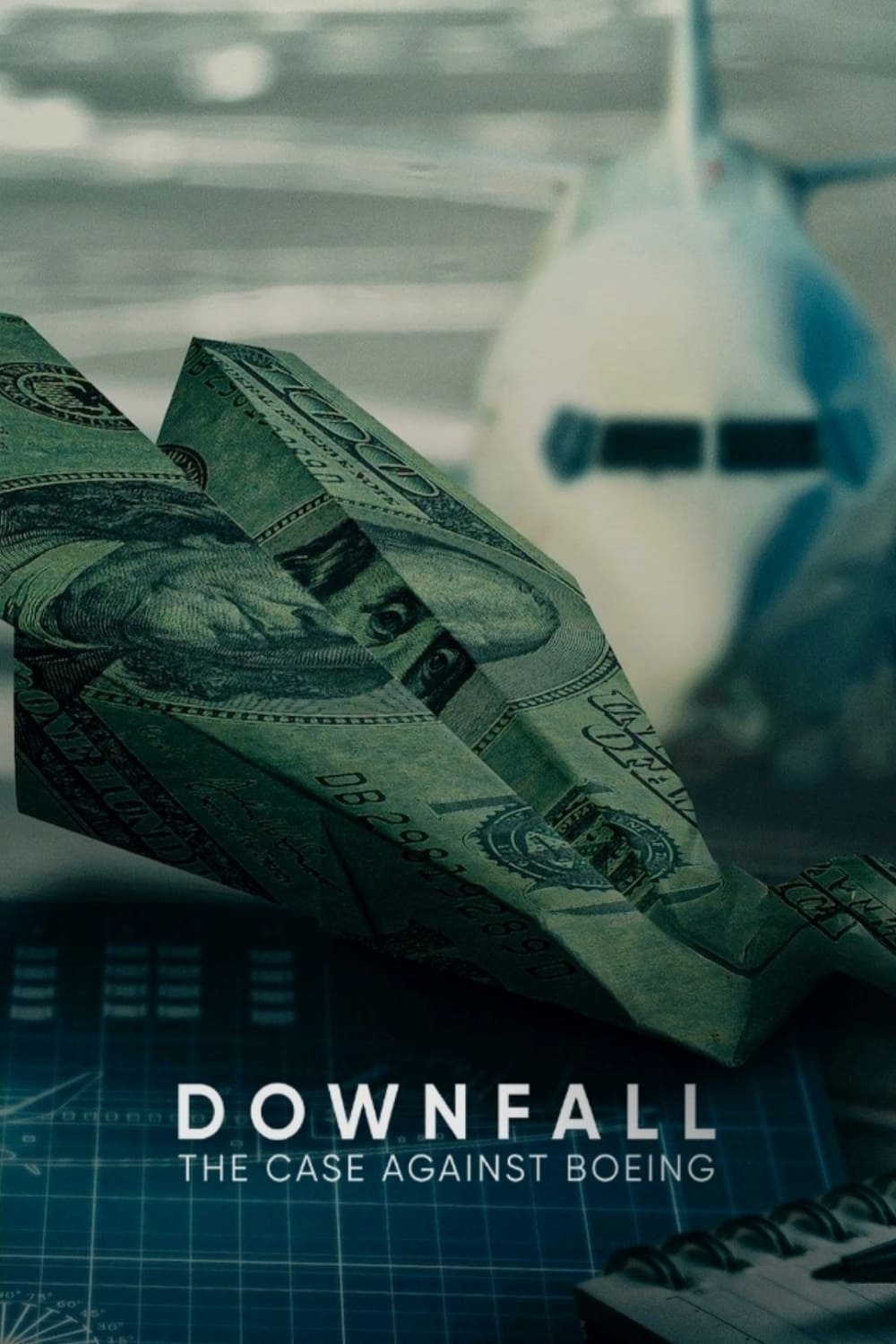
Investigators reveal how Boeing’s alleged priority of profit over safety could have contributed to two catastrophic crashes within months of each other.
The most comprehensive retrospective of the '80s action film genre ever made.
A subjective documentary that explores various theories about hidden meanings in Stanley Kubrick's classic film The Shining. Five very different points of view are illuminated through voice over, film clips, animation and dramatic reenactments.
A documentary that explores the downloading revolution; the kids that created it, the bands and the businesses that were affected by it, and its impact on the world at large.
The life and career of one of comedy's most inimitable modern voices, Mr. Gilbert Gottfried.
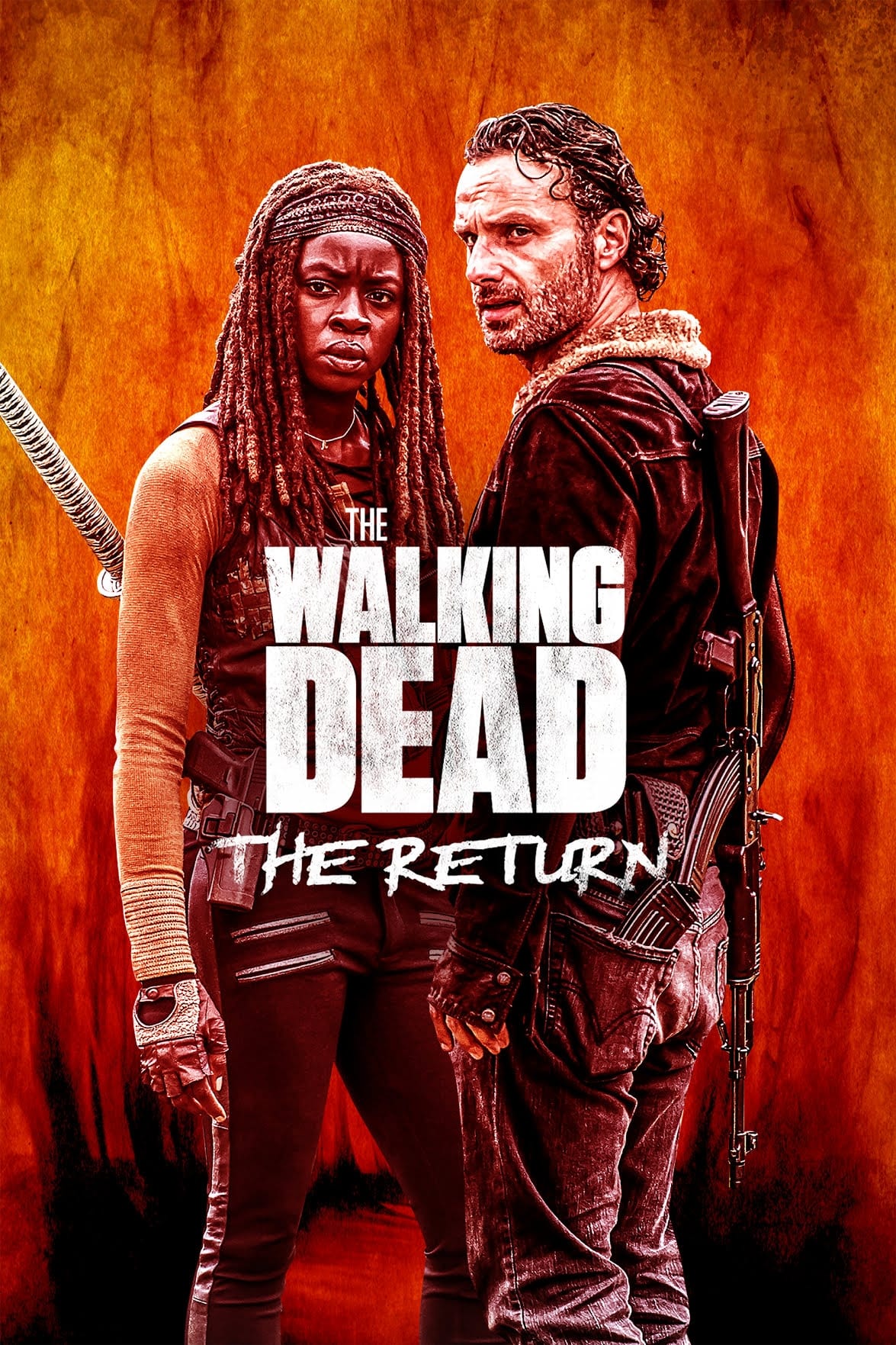
Stars of "The Walking Dead," Andrew Lincoln and Danai Gurira, walk down memory lane and visit iconic locations where pivotal moments between their characters, Rick and Michonne, were filmed.
A detailing of the rise to prominence and global sporting superstardom of six supremely talented young Manchester United football players (David Beckham, Nicky Butt, Ryan Giggs, Paul Scholes, Phil and Gary Neville). The film covers the period 1992-1999, culminating in Manchester United's European Cup triumph.
Retrospective documentary about the making of the horror cult classic "The Return of the Living Dead."
Filmmakers discuss the legacy of Alfred Hitchcock and the book “Hitchcock/Truffaut” (“Le cinéma selon Hitchcock”), written by François Truffaut and published in 1966.