Social & External
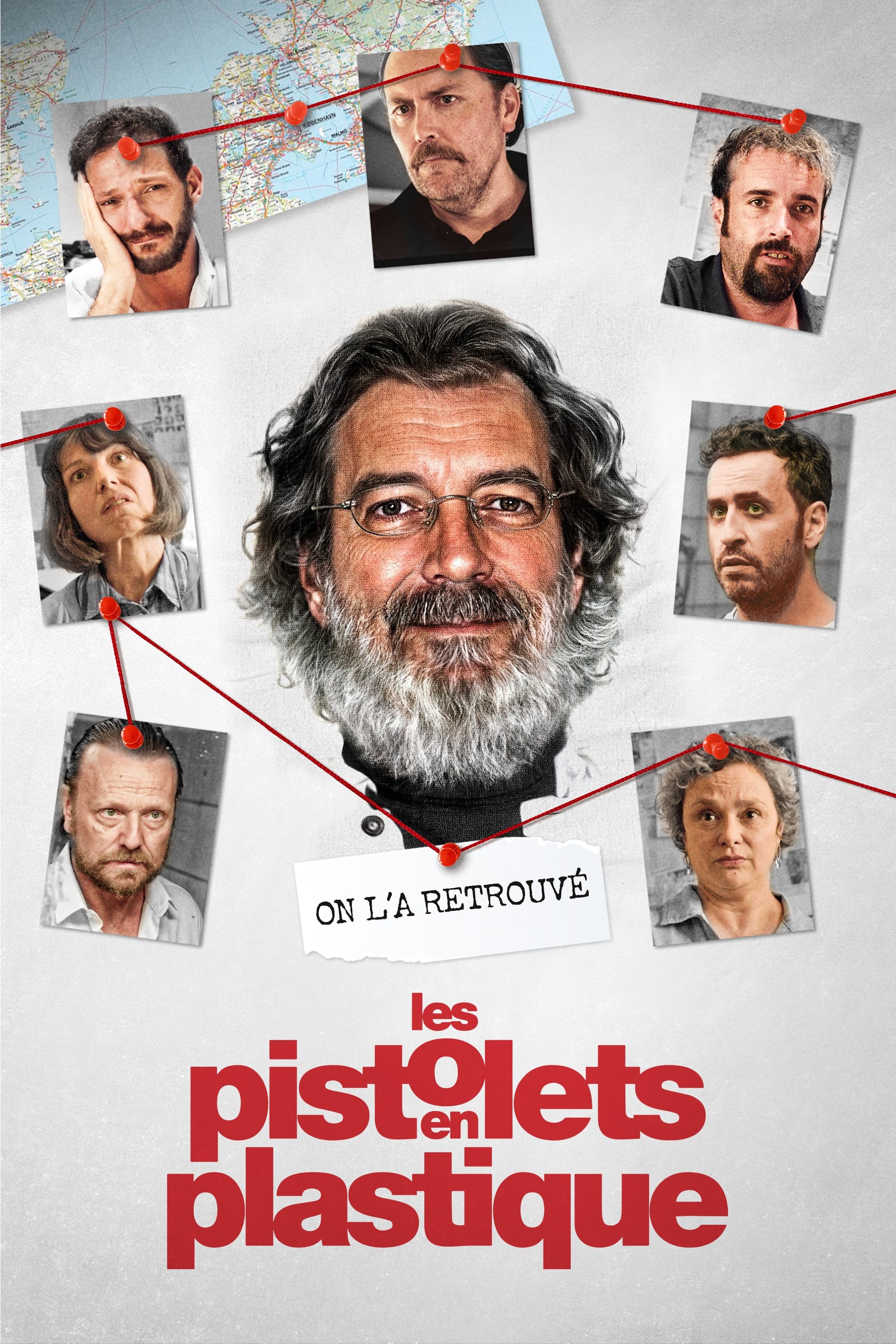
During a trip to Denmark, a man is arrested and accused of murdering his wife and three children. Though maintaining his innocence, he remains jailed as police investigate.
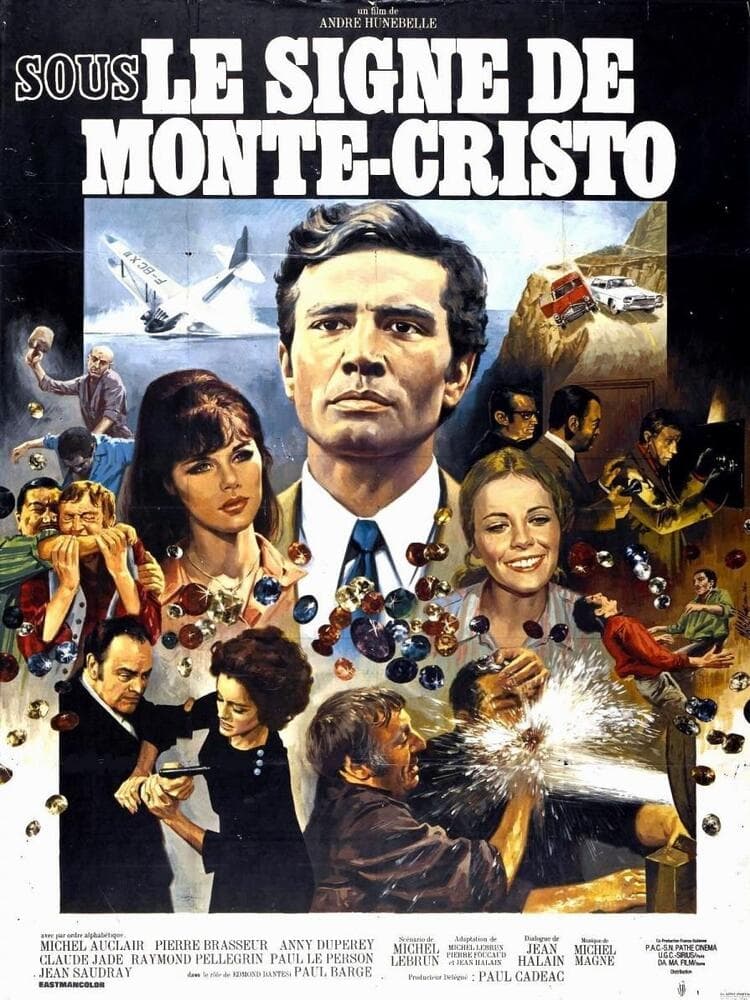
Edmond Dantès, who was active in the resistance against the Nazis, is accused for being a Nazi collaborator and is imprisoned in the fortress of Sisteron.
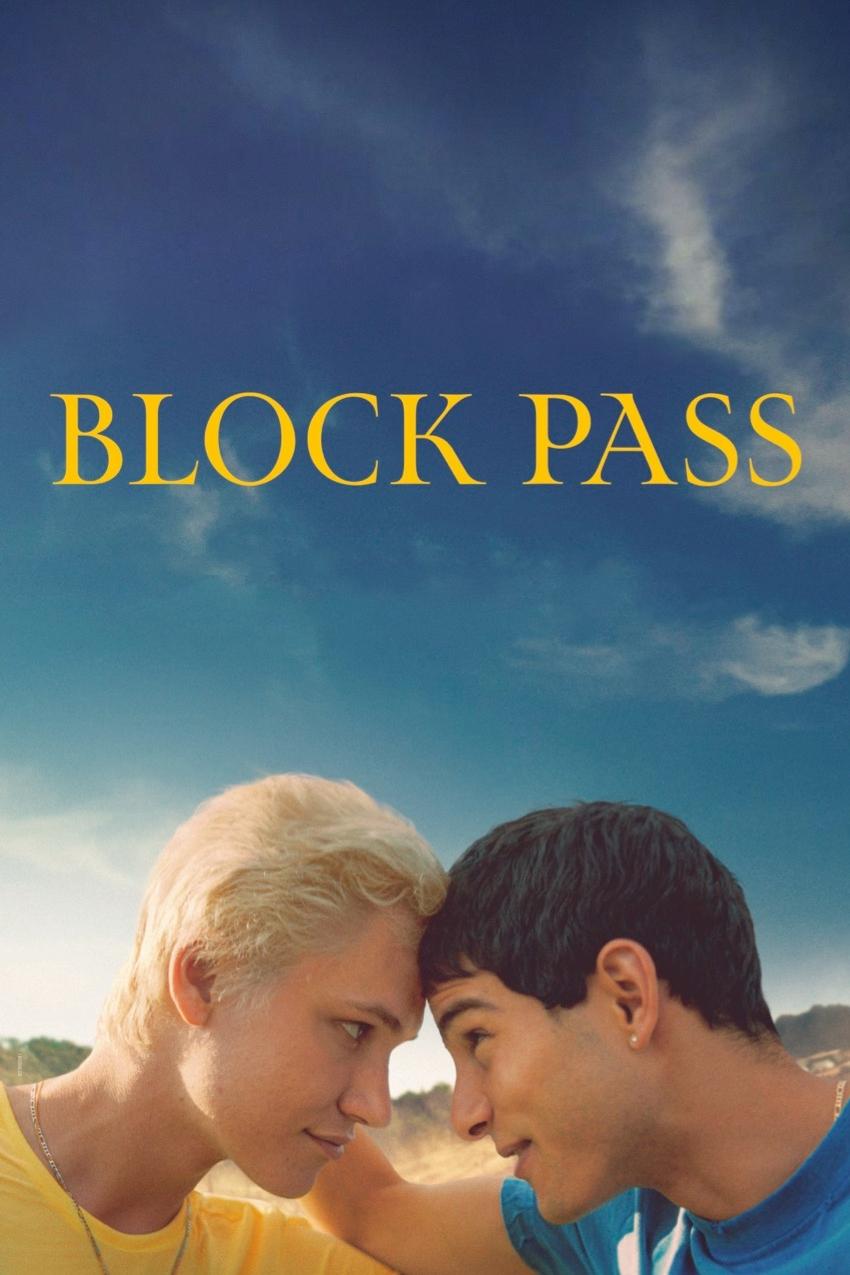
Friendship and rebellion - but how will a secret play out in the masculine world of motocross? Willy and Jojo are best friends. They share a passion for motocross - whereas Willy uses it to honour his deceased father, it is only by excelling in the sport that Jojo’s father will notice him. Also the masculine world or racing is perfectly suited to suppress their own insecurities. Yet when Willy one fateful night discovers the hidden love life of Jojo, he will be forced to take sides in the wave of homophobia that follows.
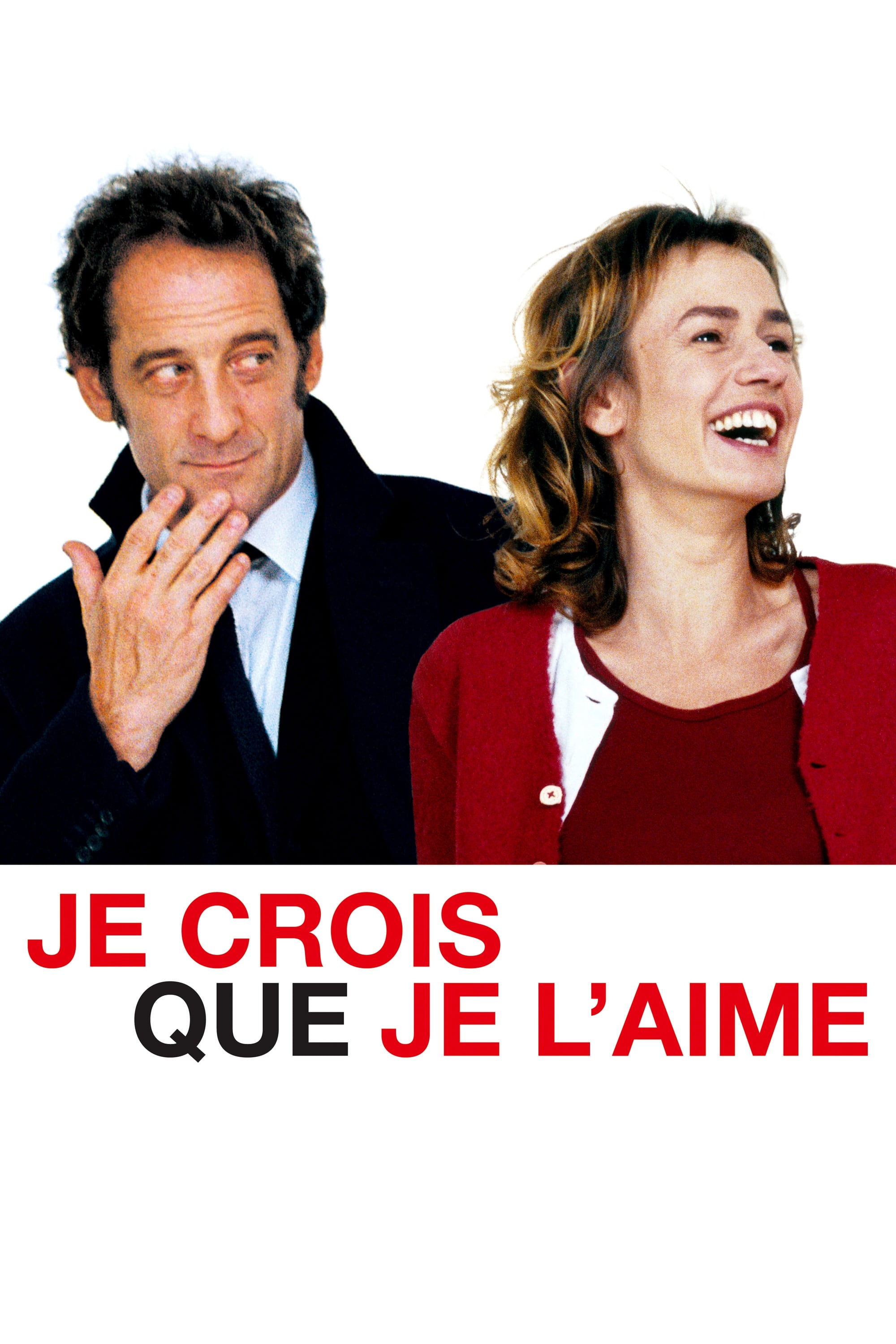
Lucas, a wealthy, 43 year-old divorced businessman, is irresistibly attracted to Elsa, a 38 year old renowned sculptor from whom he has commissioned a piece to decorate the reception at his office.
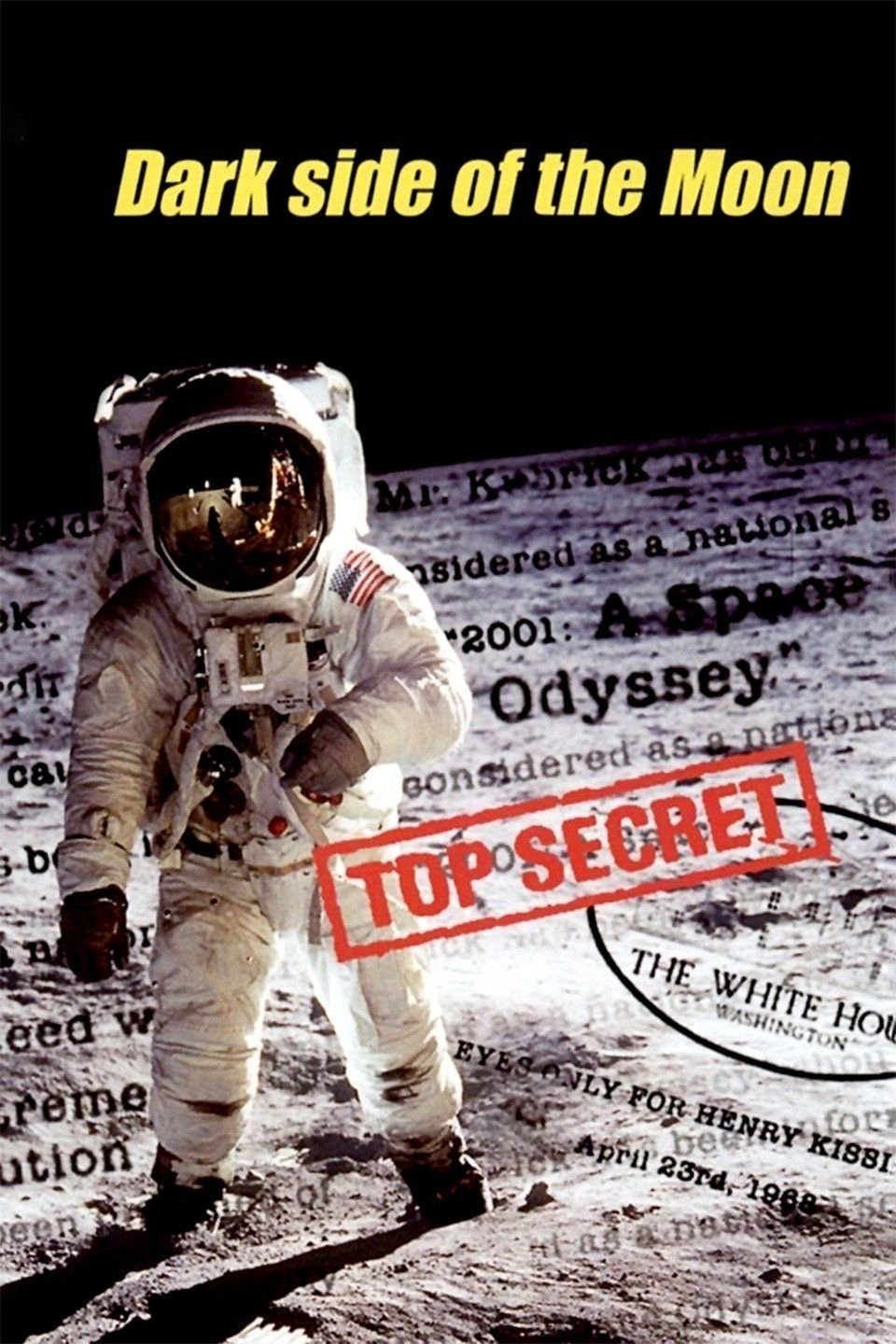
A French documentary or, one might say more accurately, a mockumentary, by director William Karel which originally aired on Arte in 2002 with the title Opération Lune. The basic premise for the film is the theory that the television footage from the Apollo 11 Moon landing was faked and actually recorded in a studio by the CIA with help from director Stanley Kubrick.
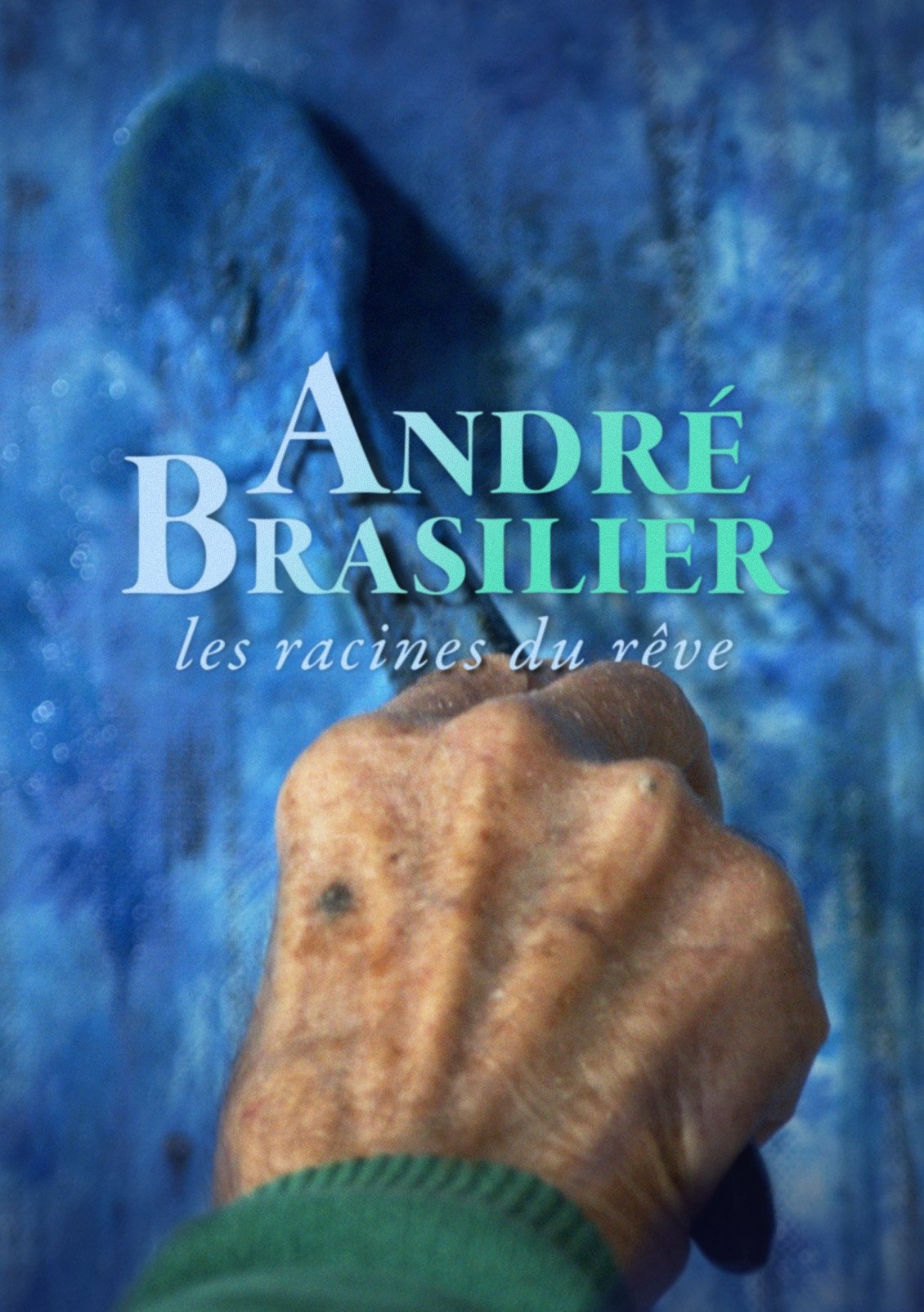
This documentary is a touching and intimate portrait of André Brasilier, both as a man and as an artist. Presented as a testament to his art, the film focuses on two main aspects: André's connection to his youth and early inspirations, and the evolution of his art. The film pays special attention to his wife Chantal, who was André's muse and who appears in many of his paintings.
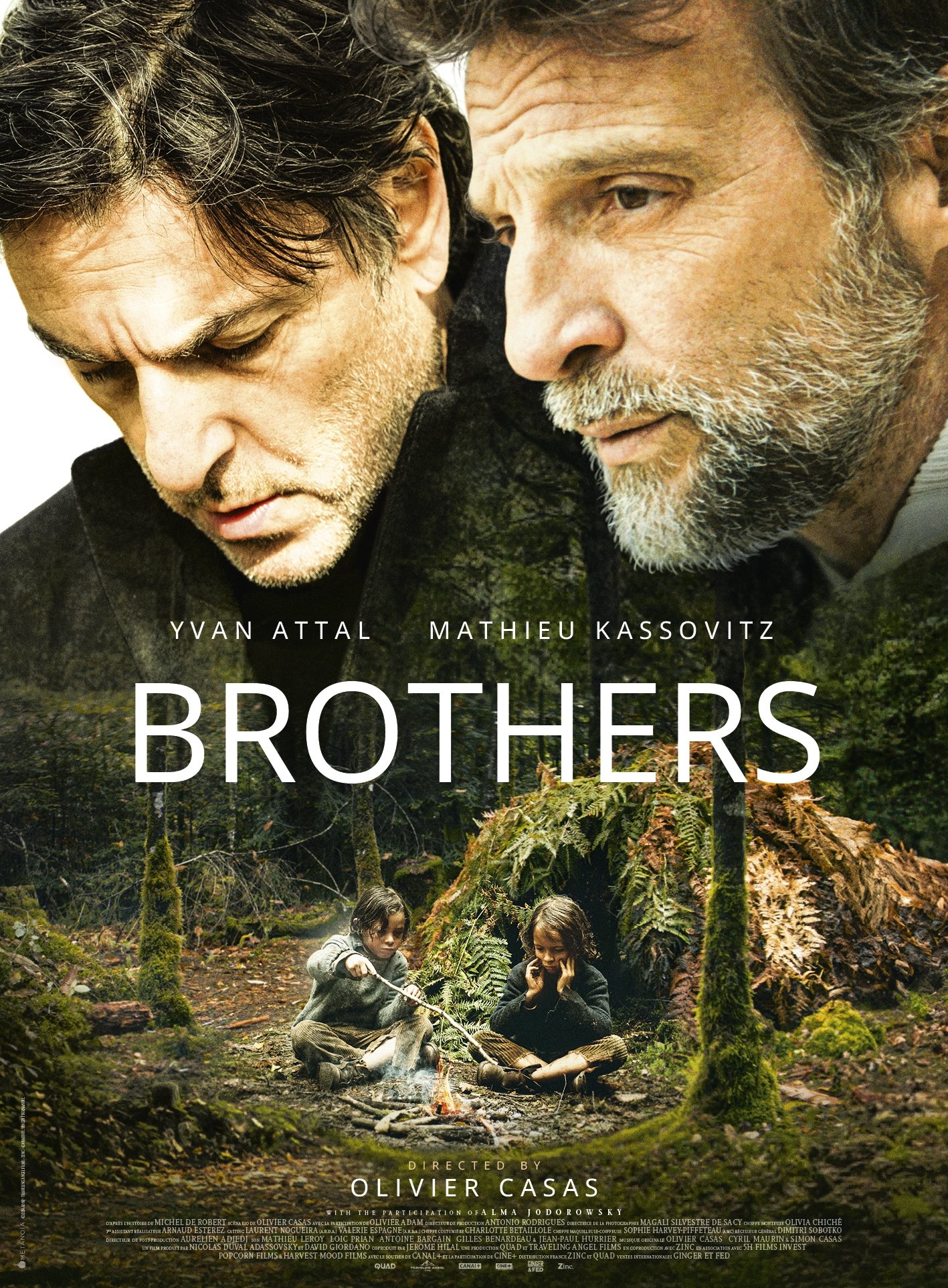
Two young brothers are abandoned by their mother during summer of 1948, they run into the forest and survive there for seven years.
A woman married to a former politician during the 1971 military dictatorship in Brazil is forced to reinvent herself and chart a new course for her family after a violent and arbitrary act.
Julien, a young teacher, is wrongfully accused of sexual misconduct by a teenage girl from his class. As he faces mounting pressures from the girl’s older brother and her classmates, the situation spirals out of control. Allegations spread, the entire school is thrown into turmoil, and the teacher has to fight to clear his name.
Iranian Iradj Azimi directed this French historical drama re-creating events depicted in the famous 1819 painting The Raft of the Medusa by Jean Louis Andre Theodore Gericault (1791-1824). The ill-fated voyage of the frigate Medusa begins when it departs Rochefort for Senegal in 1816. After striking a sandbar off the African coast, 150 civilians row safely to shore, but Captain Chaumareys (Jean Yanne) orders 140 soldiers and sailors onto a raft (minus supplies) and has it cut loose. Only 14 survive from the 140, creating a scandal back in France. Gericault (Laurent Terzieff) later talks to three of the survivors while researching his painting. Work on this film began in 1987, but sets destroyed by Hurricane Hugo caused delays, so the film was not completed until 1990. However, it then remained undistributed until an incident in which writer-director Azimi slashed his wrists in front of French Ministry of Culture officials.
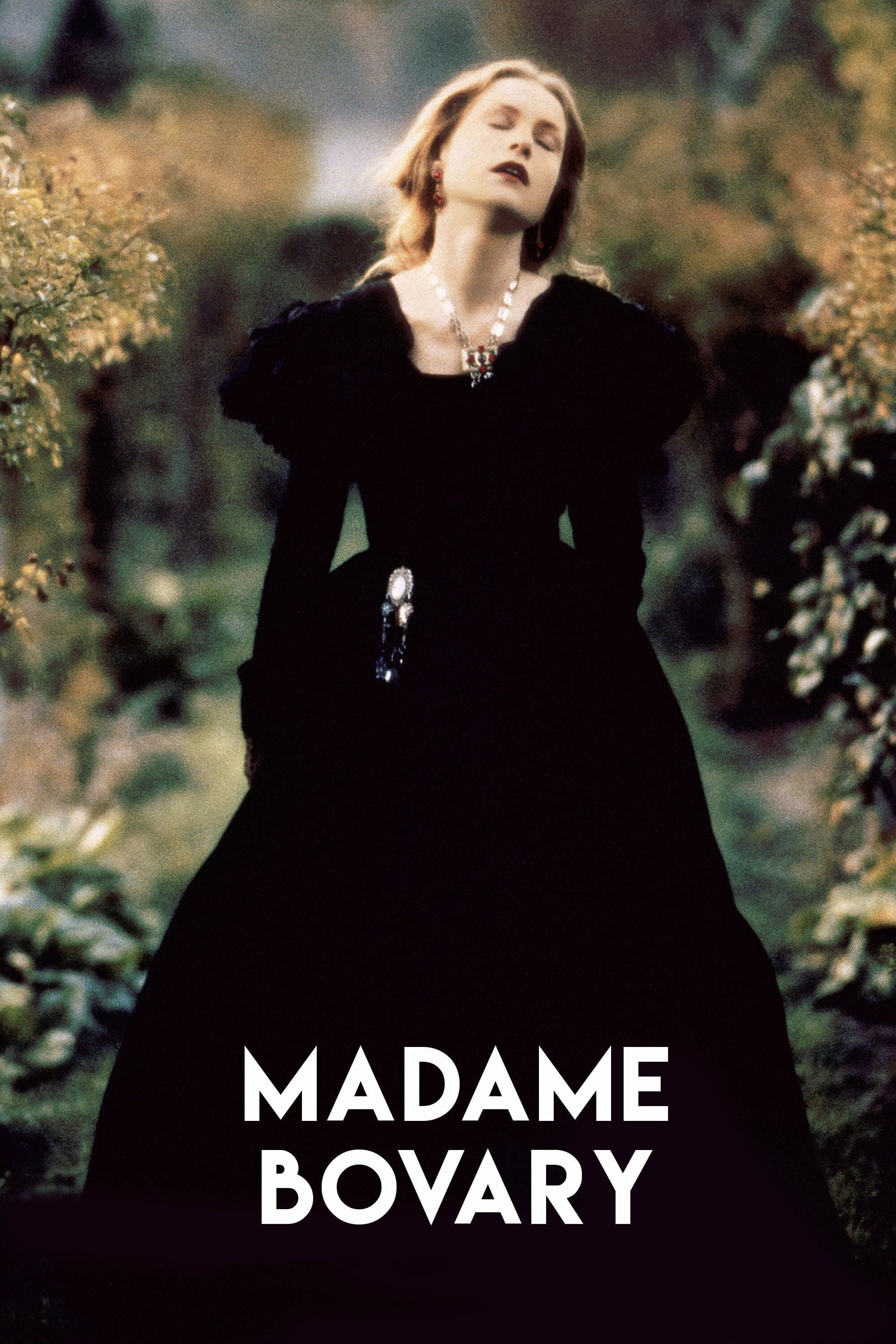
In 19th-century France, doctor's wife Emma Bovary seeks to escape her dull provincial life through various extramarital affairs and extravagant spending, leading to tragic consequences.
A group of underdog scientists set out to repair the hole in the ozone layer and avoid a global environmental catastrophe.
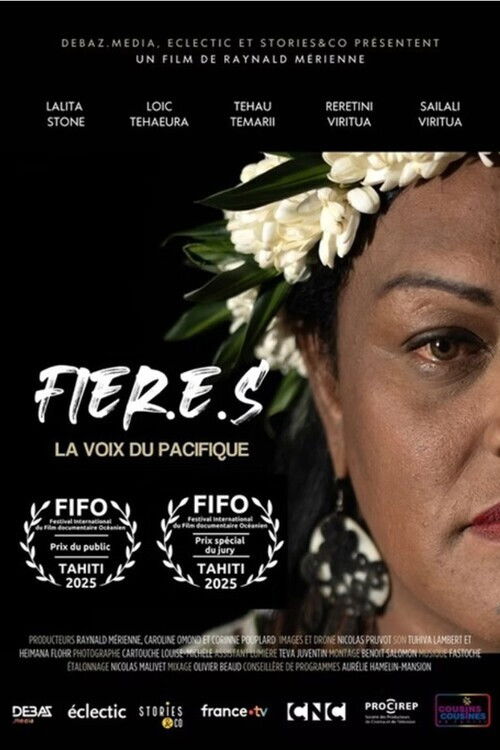
In French Polynesia, transgender people evolve with apparent fluidity in all components of society. Their presence, observed as early as the 18th century by Western travelers and missionaries, has never ceased to intrigue and fascinate, producing over time numerous myths that the transgender women and men of Polynesia are today attempting to deconstruct. Through a series of luminous and intimate portraits, this documentary gives them a voice and proposes a rereading of gender issues in the light of Oceanian thought: an obvious enrichment.
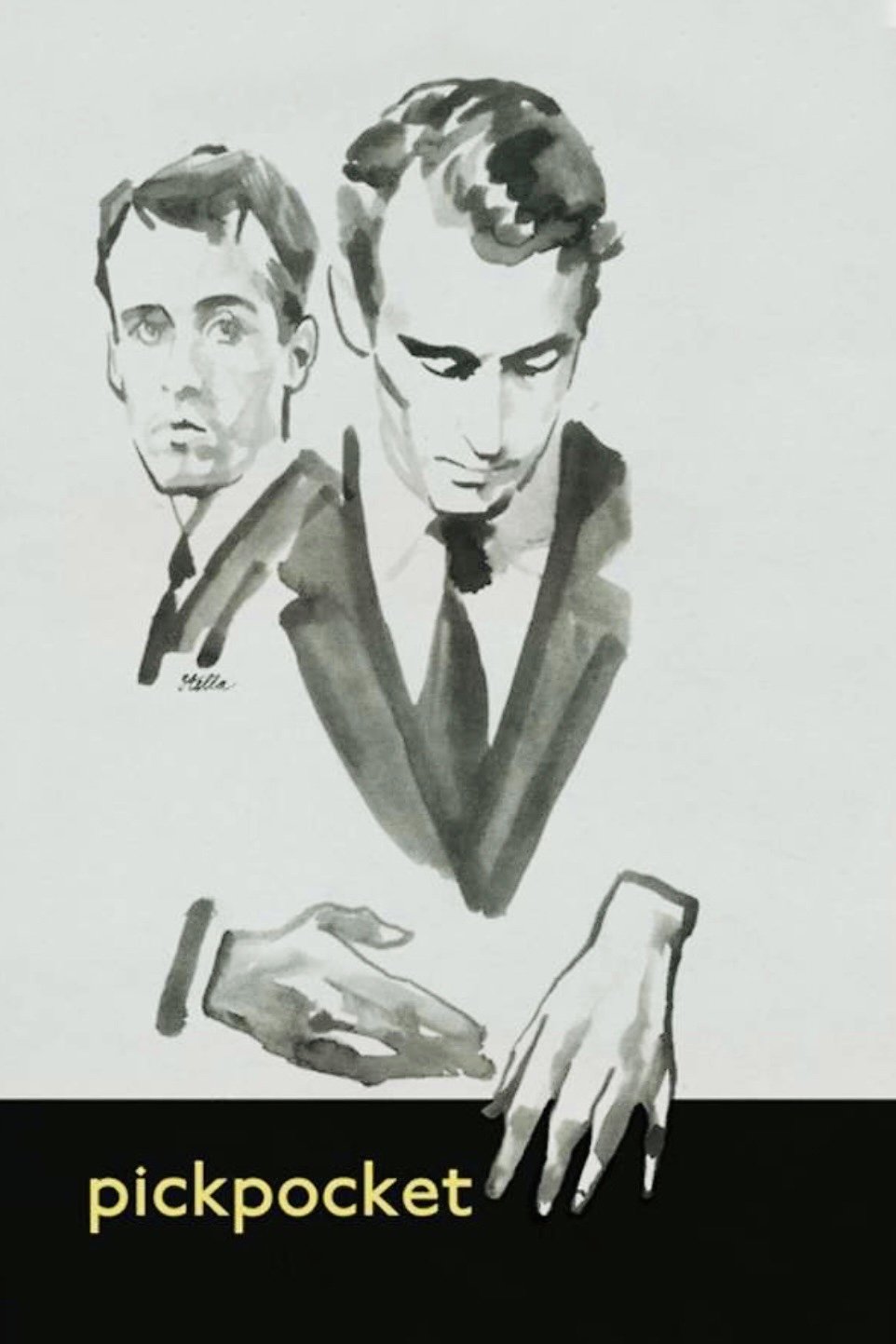
Michel takes up pickpocketing on a lark and is arrested soon after. His mother dies shortly after his release, and despite the objections of his only friend, Jacques, and his mother's neighbor Jeanne, Michel teams up with a couple of petty thieves in order to improve his craft. With a police inspector keeping an eye on him, Michel also tries to get a straight job, but the temptation to steal is hard to resist.
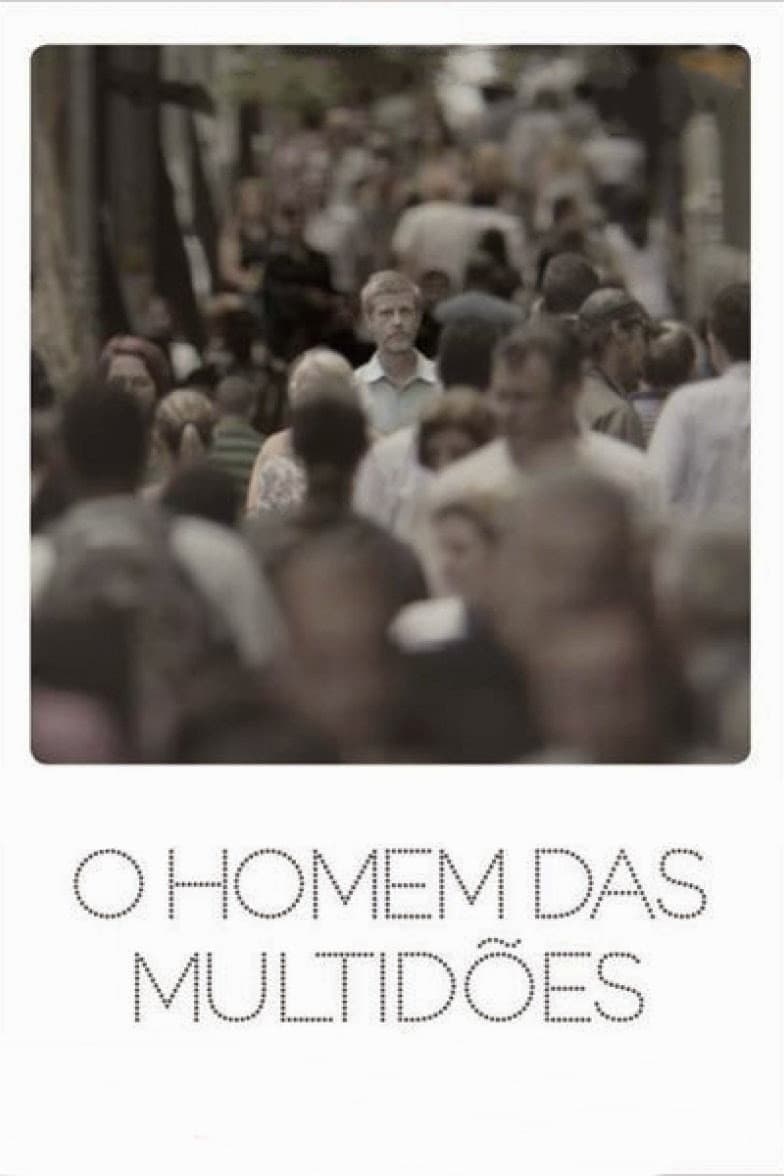
Juvenal is a metro driver from Belo Horizonte. Margô, a station controller. Both live in a state of complete solitude – each in a particular way. Juvenal refuses to be alone and strolls through the streets of this metropolis taking comfort by mingling with the anonimous crowd. Margo seeks relief in the virtual world of social networks where she struggles to establish long lasting relations with real persons.
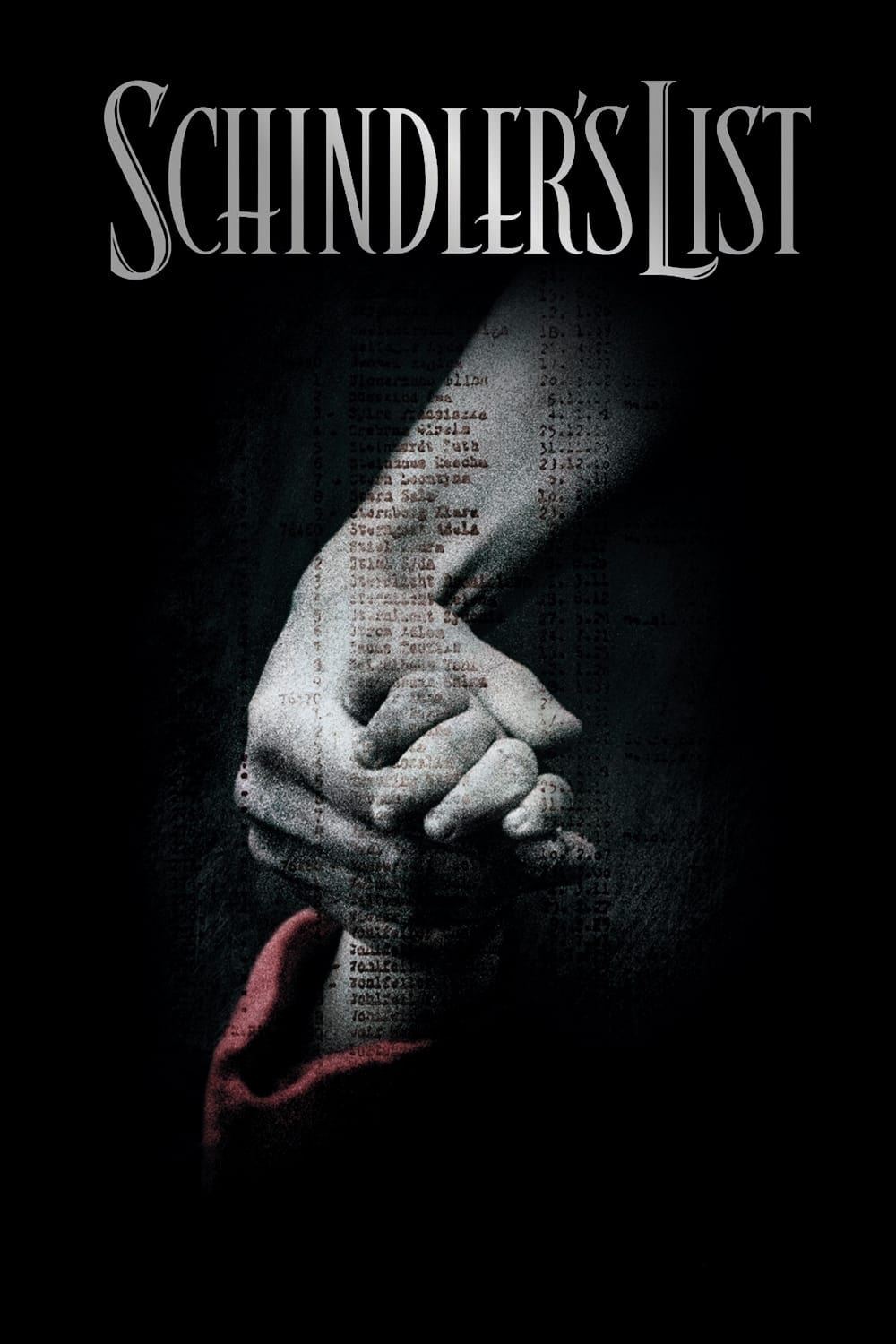
The true story of how businessman Oskar Schindler saved over a thousand Jewish lives from the Nazis while they worked as slaves in his factory during World War II.
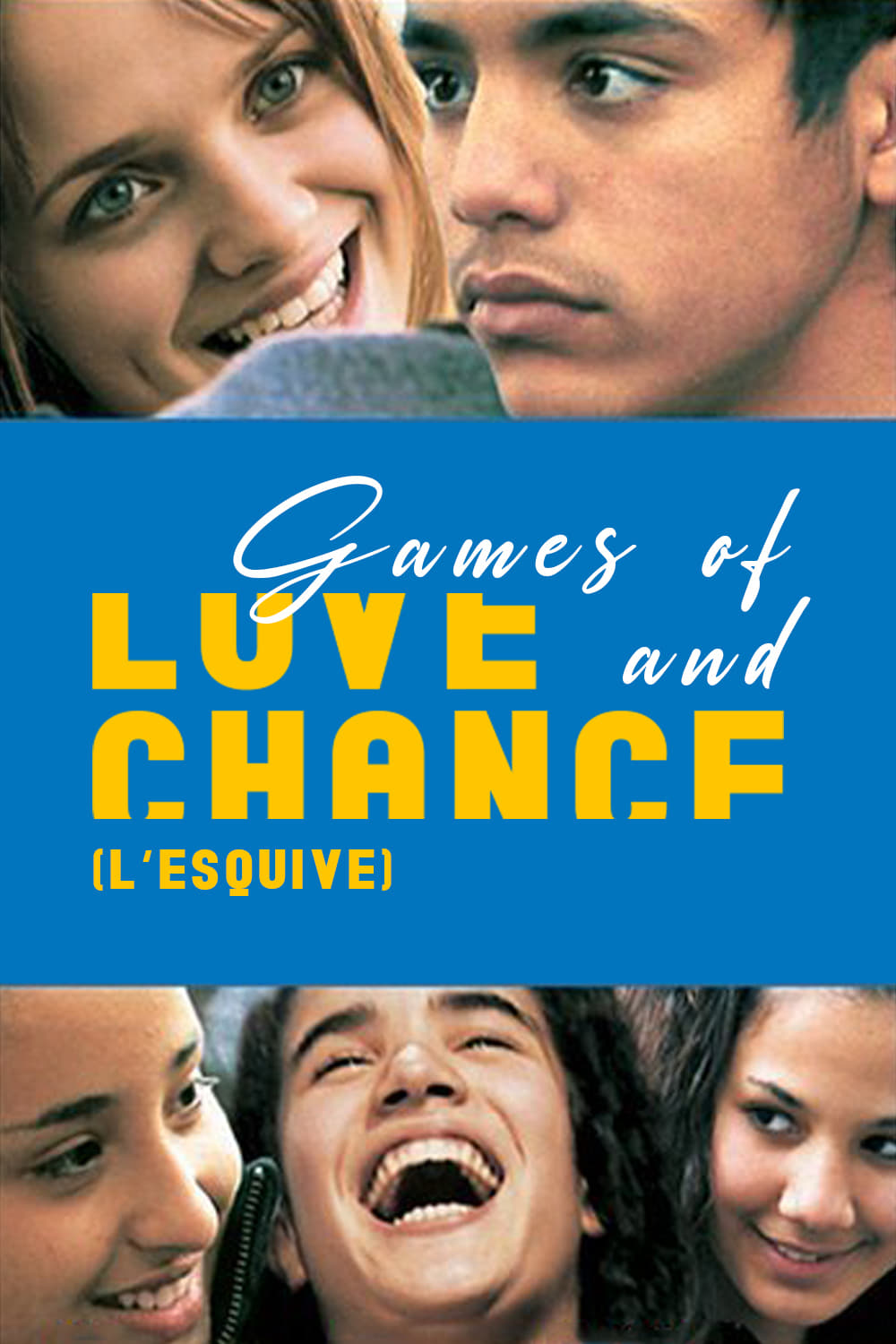
A group of teenagers living in a housing project in the outskirts of Paris rehearse a scene from Marivaux's play of the same name. Krimo is determined not to take part, but after developing feelings for Lydia, he quickly assumes the main role and love interest in the play.
Director Claude Lanzmann spent 11 years on this sprawling documentary about the Holocaust, conducting his own interviews and refusing to use a single frame of archival footage. Dividing Holocaust witnesses into three categories – survivors, bystanders, and perpetrators – Lanzmann presents testimonies from survivors of the Chelmno concentration camp, an Auschwitz escapee, and witnesses of the Warsaw Ghetto Uprising, as well as a chilling report of gas chambers from an SS officer at Treblinka.
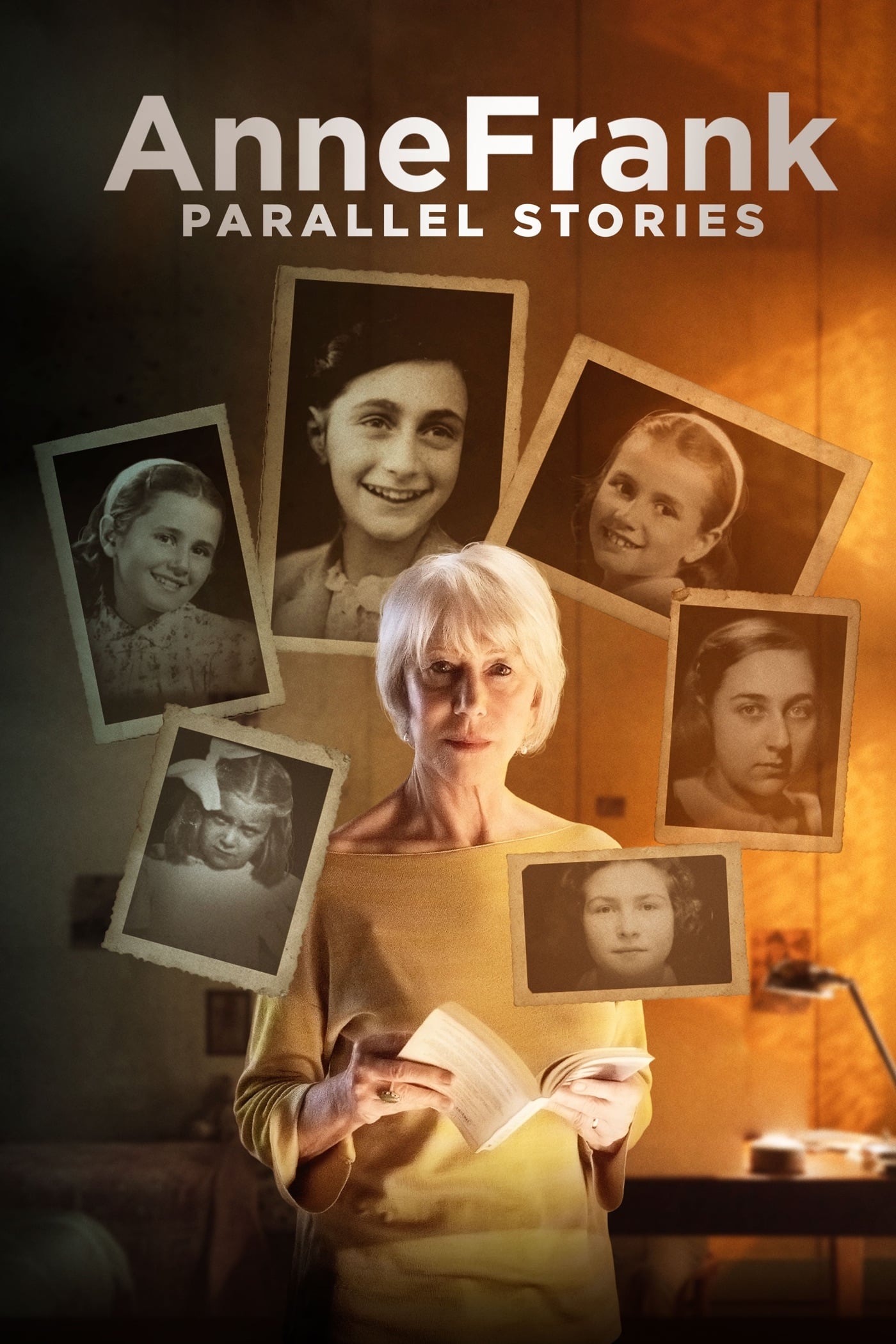
One single Anne Frank moves us more than the countless others who suffered just as she did but whose faces have remained in the shadows-Primo Levi. The Oscar®-winning Helen Mirren will introduce audiences to Anne Frank's story through the words in her diary. The set will be her room in the secret refuge in Amsterdam, reconstructed in every detail by set designers from the Piccolo Theatre in Milan. Anne Frank this year would have been 90 years old. Anne's story is intertwined with that of five Holocaust survivors, teenage girls just like her, with the same ideals, the same desire to live: Arianna Szörenyi, Sarah Lichtsztejn-Montard, Helga Weiss and sisters Andra and Tatiana Bucci. Their testimonies alternate with those of their children and grandchildren.
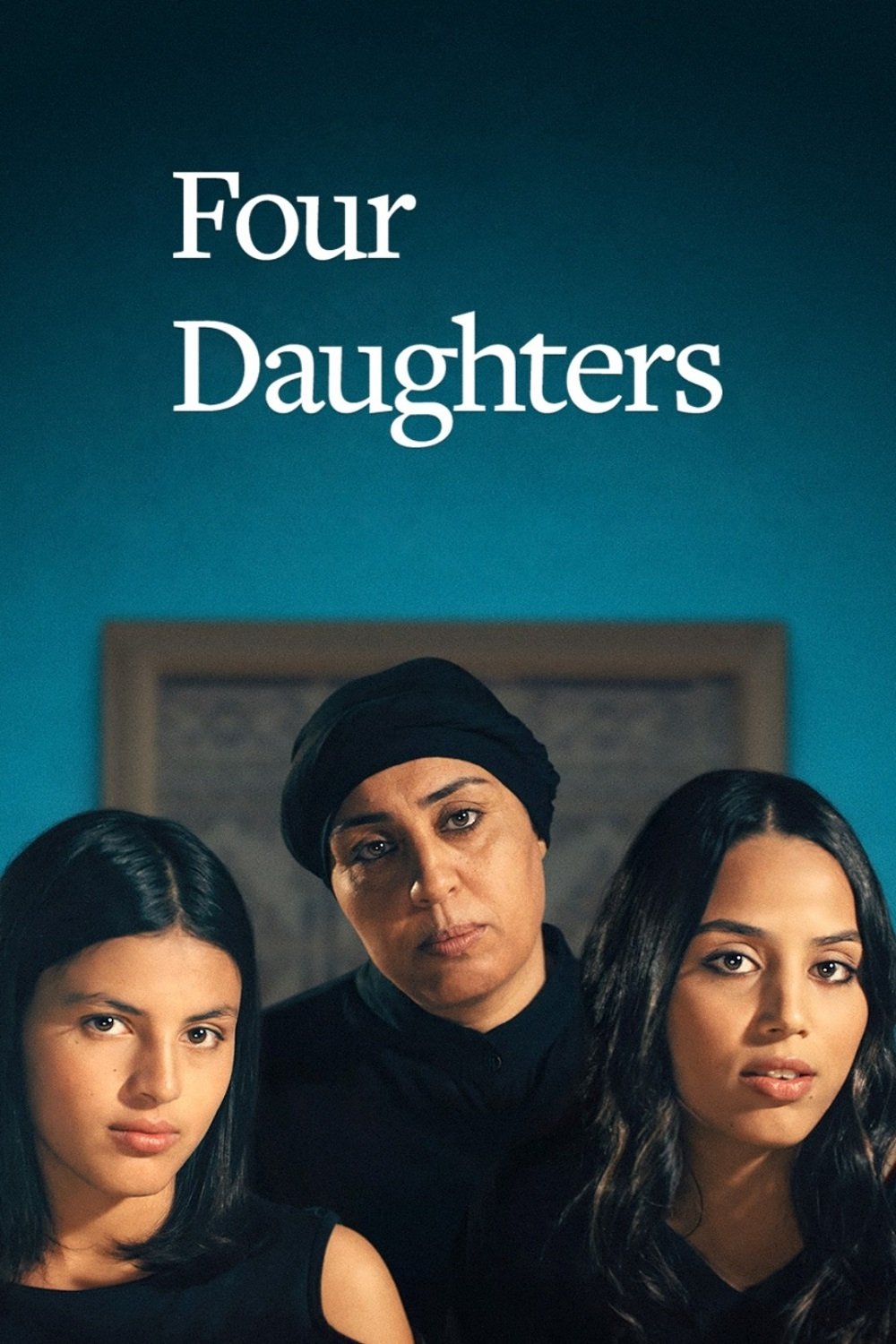
Between light and darkness stands Olfa, a Tunisian woman and the mother of four daughters. One day, her two older daughters disappear. To fill in their absence, the filmmaker Kaouther Ben Hania invites professional actresses and invents a unique cinema experience that will lift the veil on Olfa and her daughters' life stories. An intimate journey of hope, rebellion, violence, transmission and sisterhood that will question the very foundations of our societies.
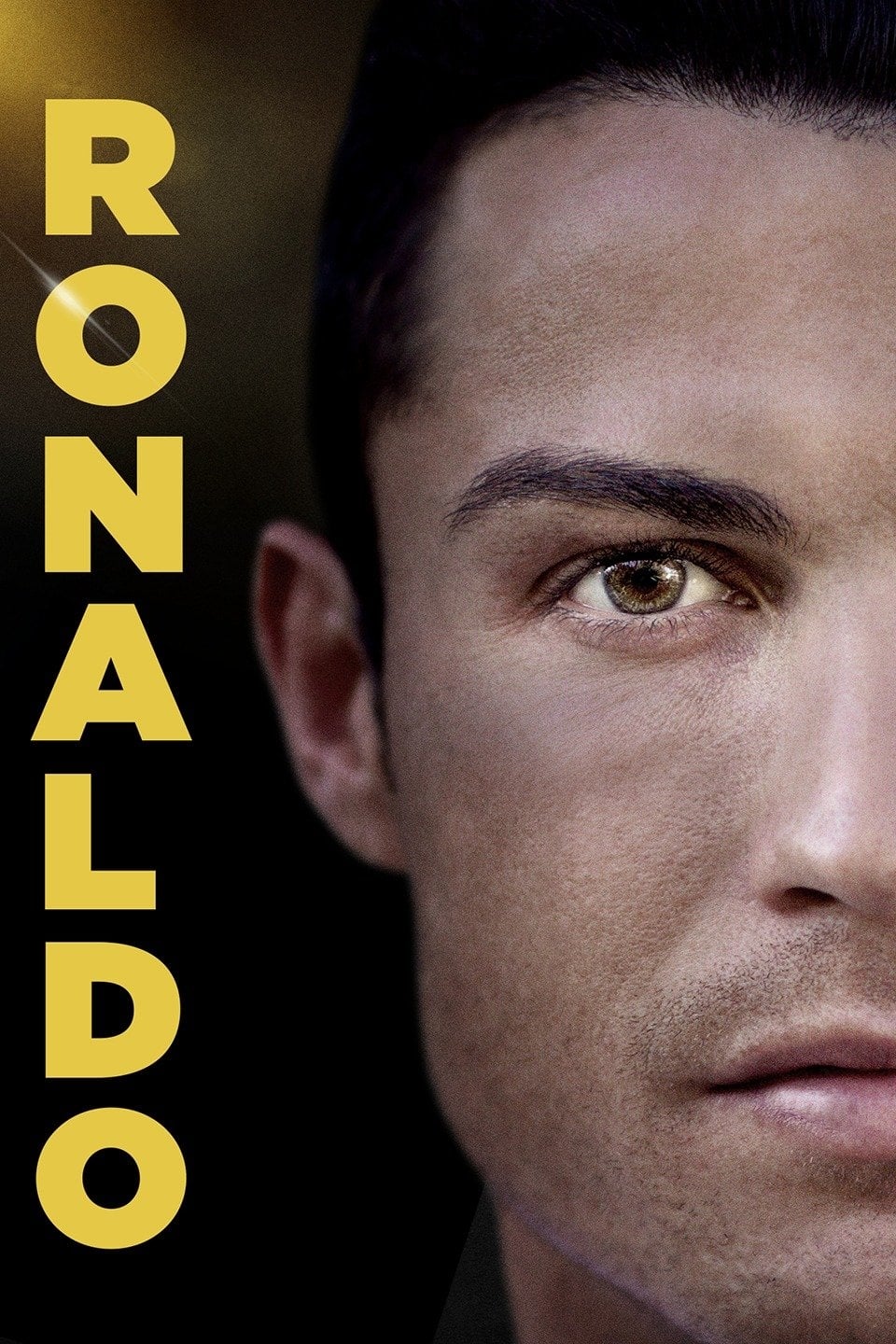
Filmed over 14 months with unprecedented access into the inner circle of the man and the sport, this is the first official and fully authorised film of one of the most celebrated figures in football. For the first time ever, the world gets vividly candid and un-paralleled, behind-closed-doors access to the footballer, father, family-man and friend in this moving & fascinating documentary. Through in-depth conversations, state of the art football footage and never before seen archival footage, the film gives an astonishing insight into the sporting and personal life of triple Ballon D'Or winner Cristiano Ronaldo at the peak of his career. From the makers of ‘Senna’ and ‘Amy’, Ronaldo takes audiences on an intimate and revealing journey of what it’s like to live as an iconic athlete in the eye of the storm.
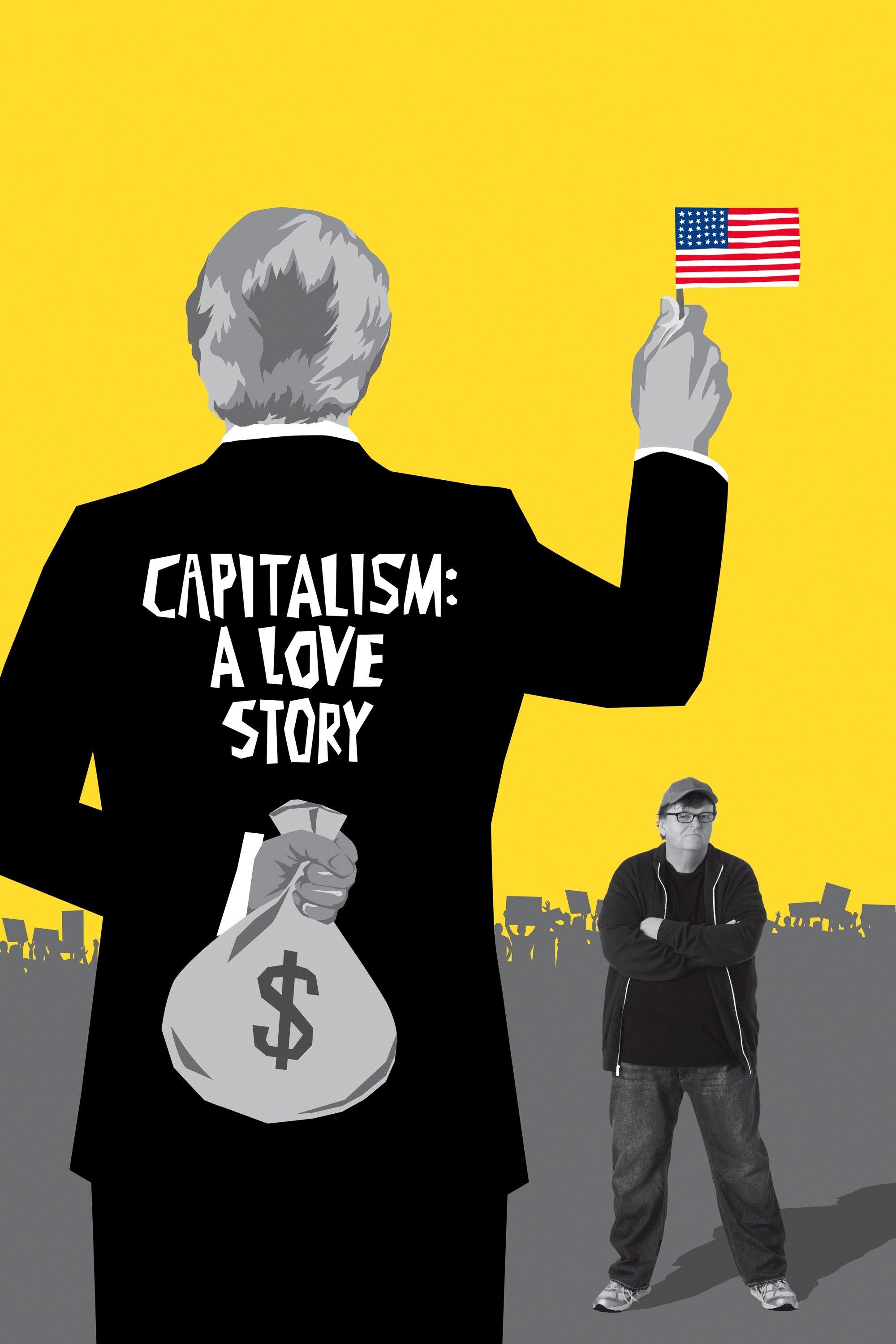
Michael Moore comes home to the issue he's been examining throughout his career: the disastrous impact of corporate dominance on the everyday lives of Americans (and by default, the rest of the world).
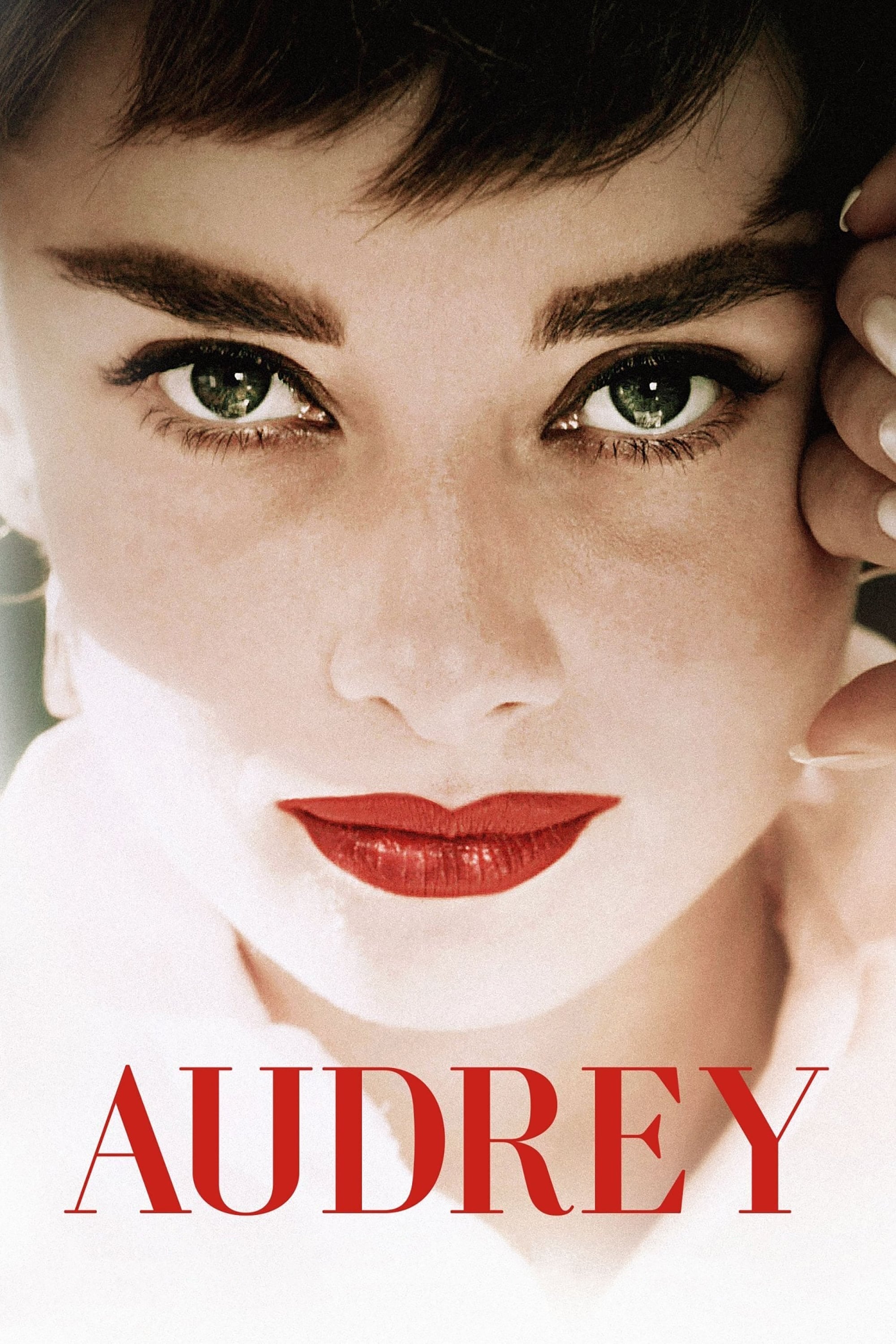
An unprecedented and intimate look at the life, work and enduring legacy of British actress Audrey Hepburn (1929-1993).
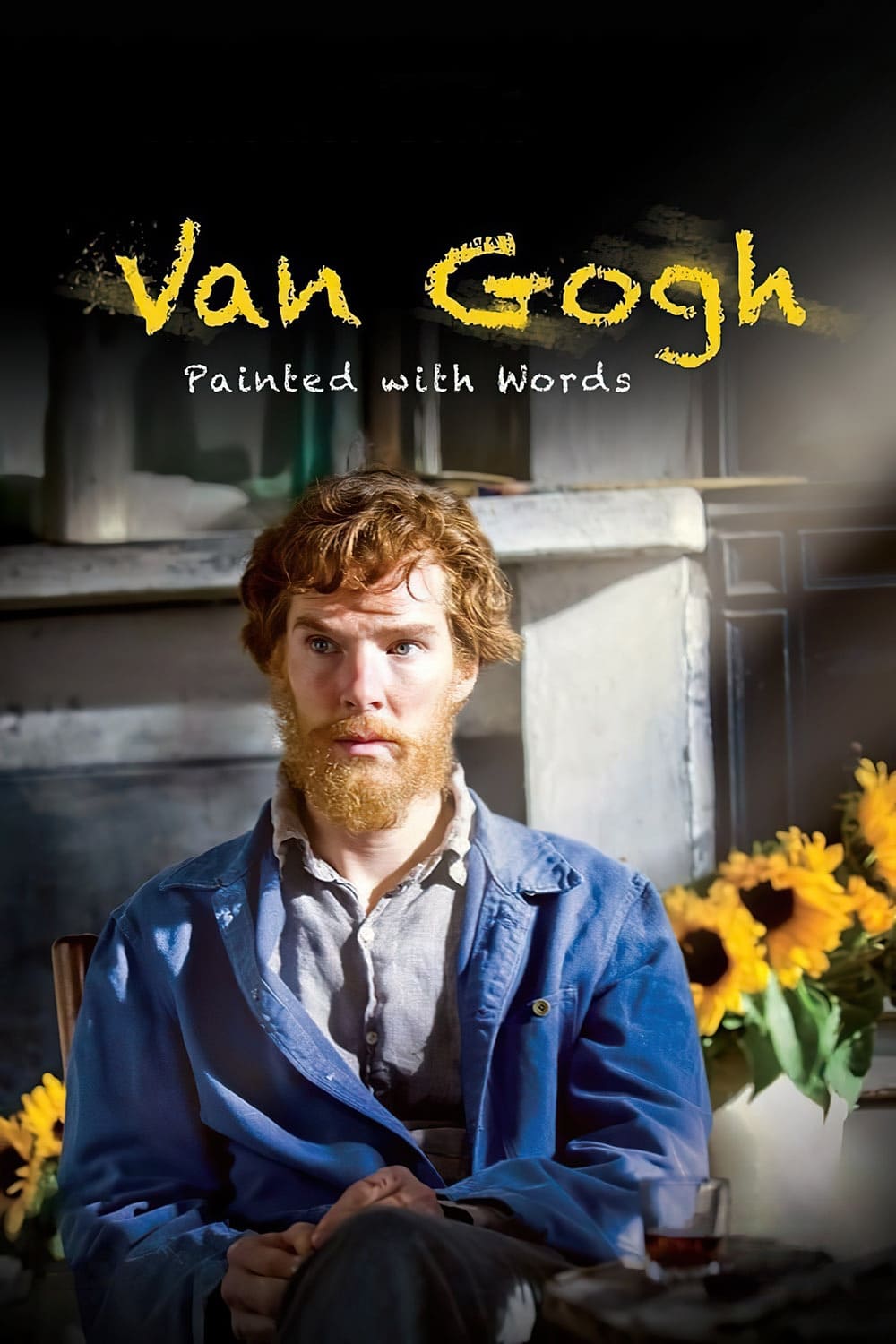
A drama-documentary presented by Alan Yentob, with Benedict Cumberbatch in the lead role. Every word spoken by the actors in this film is sourced from the letters that Van Gogh sent to his younger brother Theo, and of those around him. What emerges is a complex portrait of a sophisticated, civilised and yet tormented man.
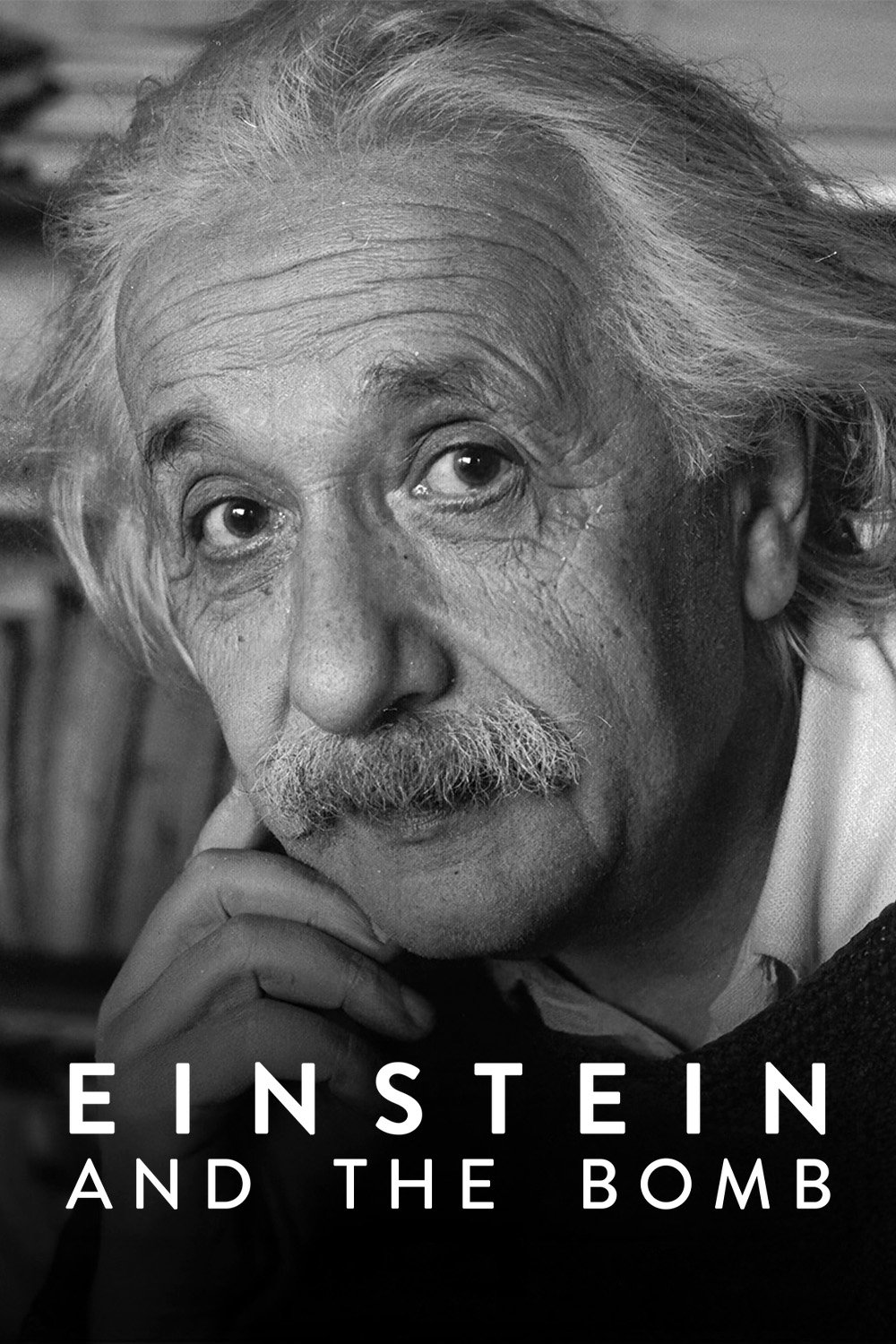
What happened after Einstein fled Nazi Germany? Using archival footage and his own words, this docudrama dives into the mind of a tortured genius.
The odyssey of Senegalese friends who attempt a life-threatening boat crossing.
Filmmaker Alain Resnais documents the atrocities behind the walls of Hitler's concentration camps.
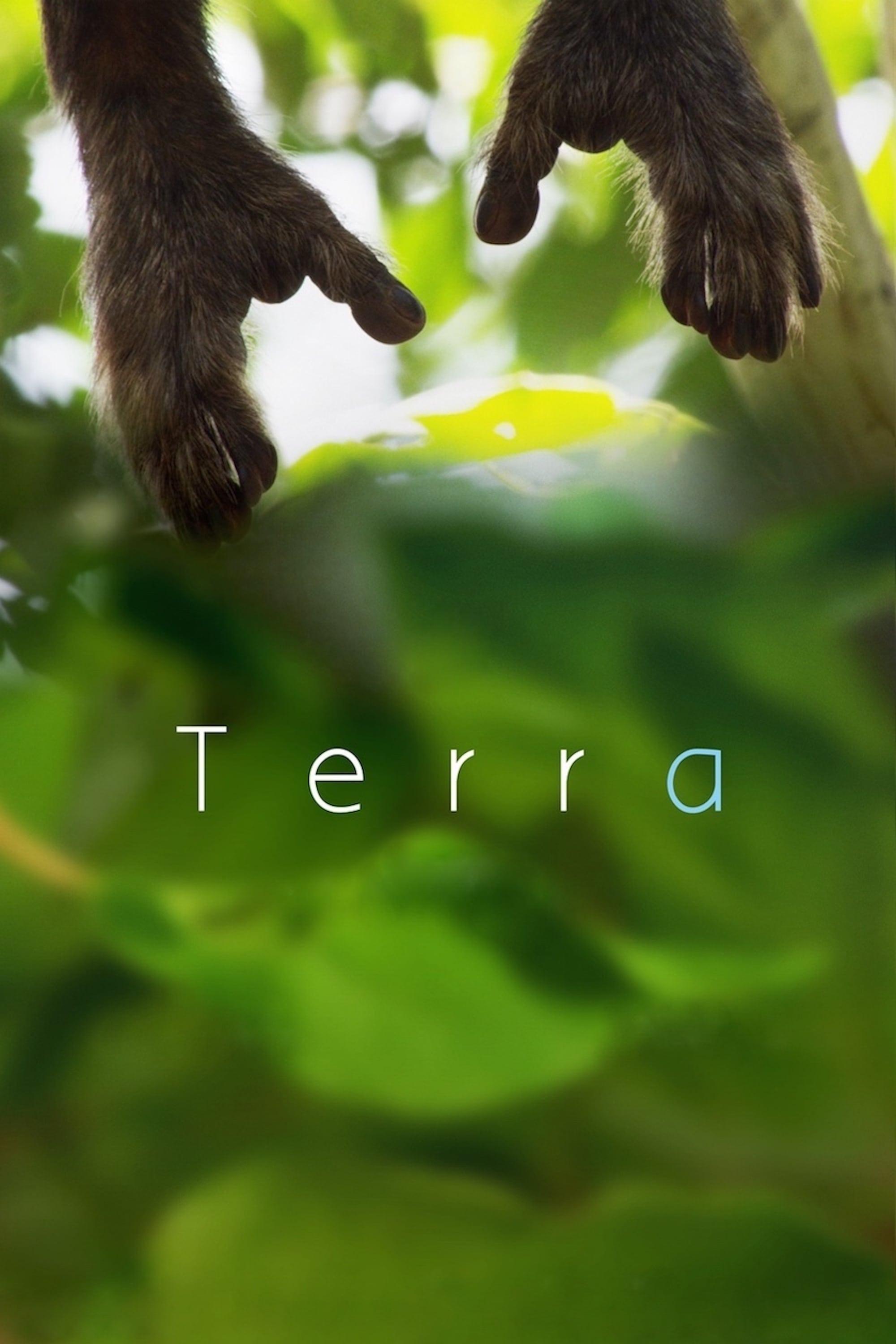
A visually stunning documentary that reflects human's relationship to other species on Earth as humanity becomes more and more isolated from Nature.
A documentary about the legendary series of nationally televised debates in 1968 between two great public intellectuals, the liberal Gore Vidal and the conservative William F. Buckley Jr. Intended as commentary on the issues of their day, these vitriolic and explosive encounters came to define the modern era of public discourse in the media, marking the big bang moment of our contemporary media landscape when spectacle trumped content and argument replaced substance. Best of Enemies delves into the entangled biographies of these two great thinkers, and luxuriates in the language and the theater of their debates, begging the question, "What has television done to the way we discuss politics in our democracy today?"
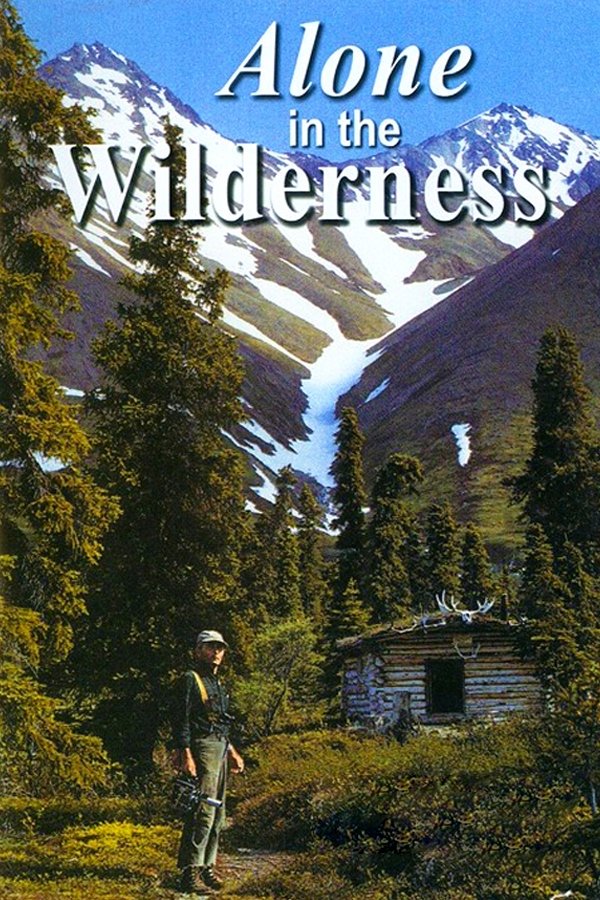
Dick Proenneke retired at age 50 in 1967 and decided to build his own cabin in the wilderness at the base of the Aleutian Peninsula, in what is now Lake Clark National Park. Using color footage he shot himself, Proenneke traces how he came to this remote area, selected a homestead site and built his log cabin completely by himself. The documentary covers his first year in-country, showing his day-to-day activities and the passing of the seasons as he sought to scratch out a living alone in the wilderness.
The history of cinematic sound, told by legendary sound designers and visionary filmmakers.
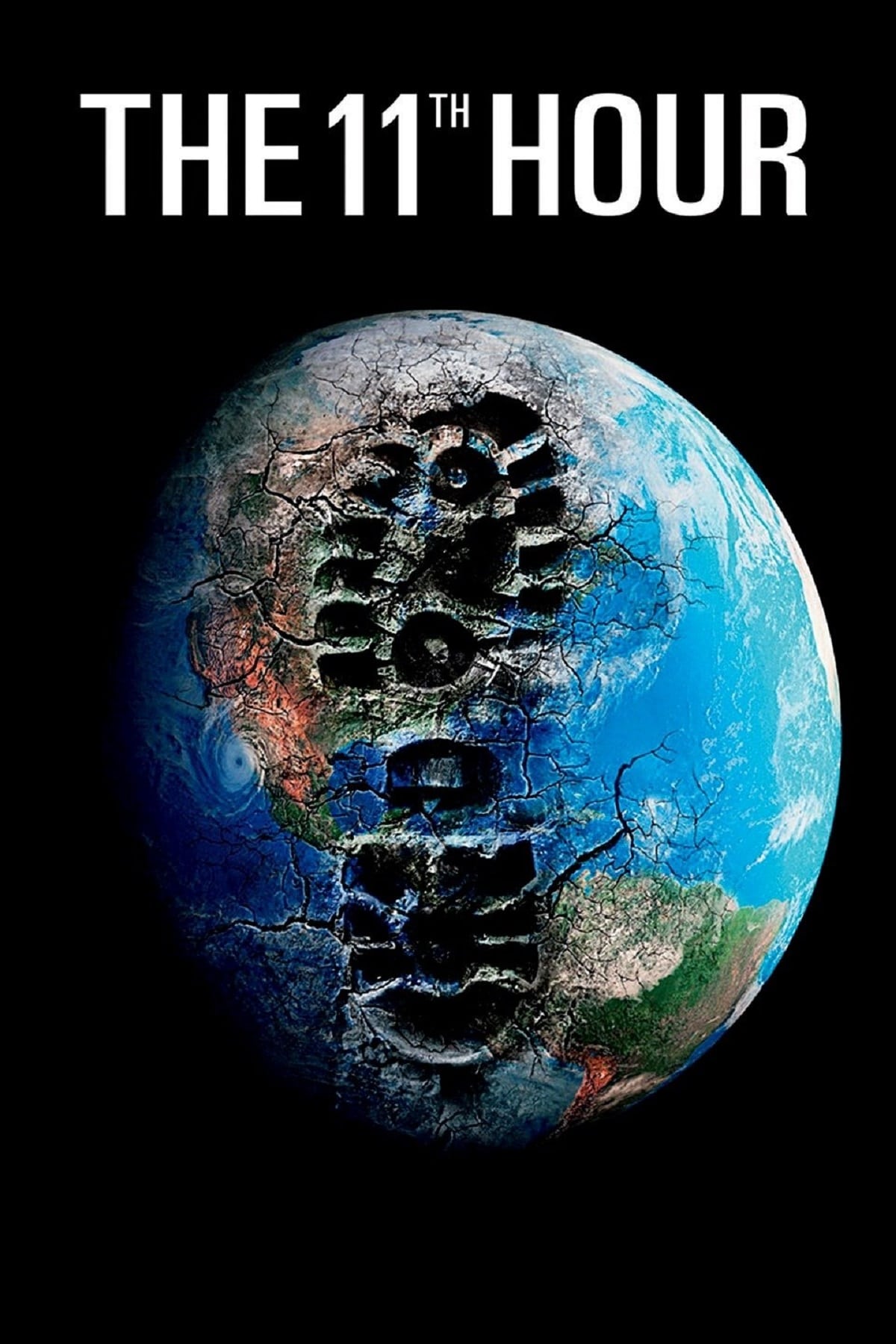
A look at the state of the global environment including visionary and practical solutions for restoring the planet's ecosystems. Featuring ongoing dialogues of experts from all over the world, including former Soviet Prime Minister Mikhail Gorbachev, renowned scientist Stephen Hawking, former head of the CIA R. James Woolse
“The Soviet Story” is a story of an Allied power, which helped the Nazis to fight Jews and which slaughtered its own people on an industrial scale. Assisted by the West, this power triumphed on May 9th, 1945. Its crimes were made taboo, and the complete story of Europe’s most murderous regime has never been told. Until now...
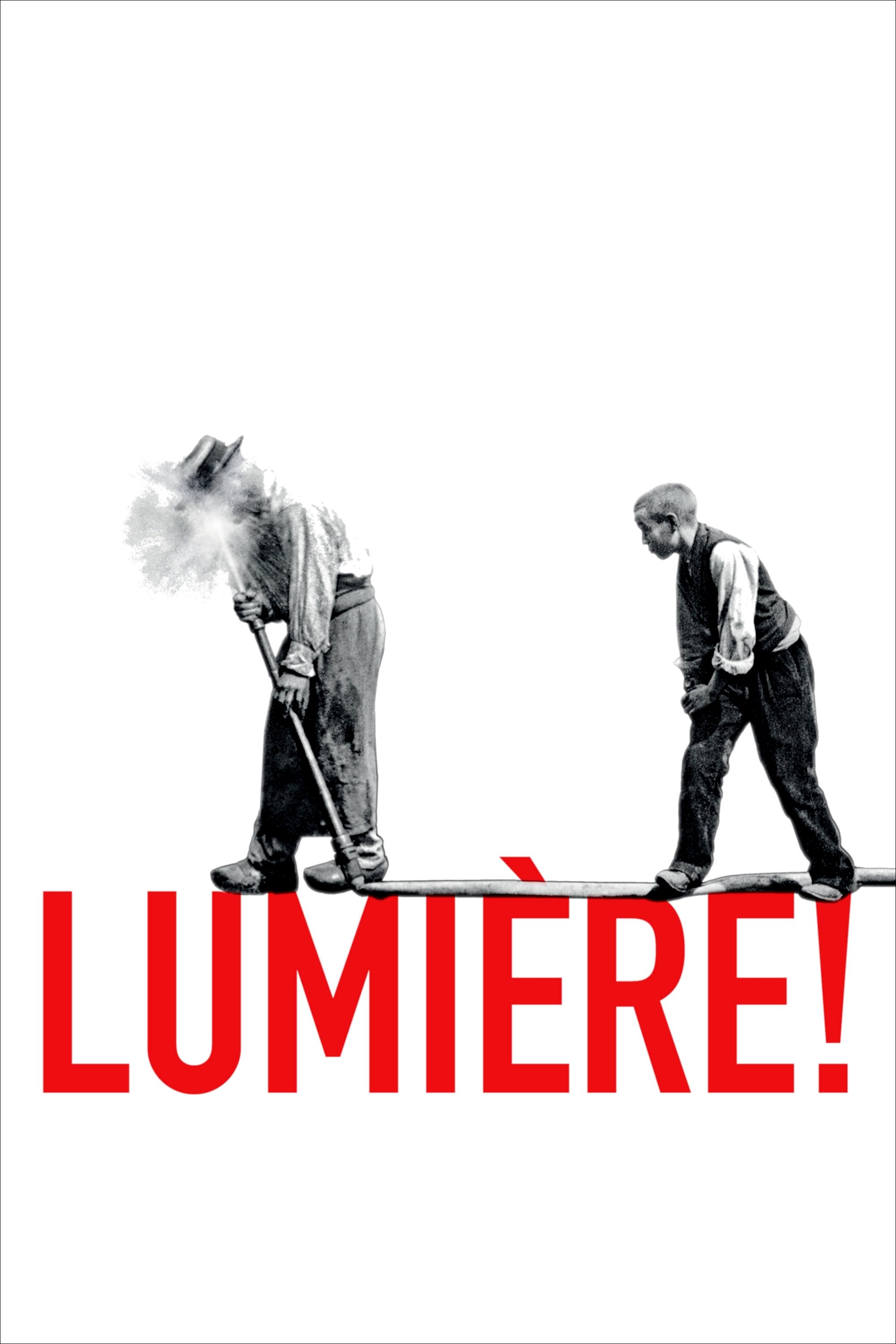
A collection of restored prints from the Lumière Brothers.
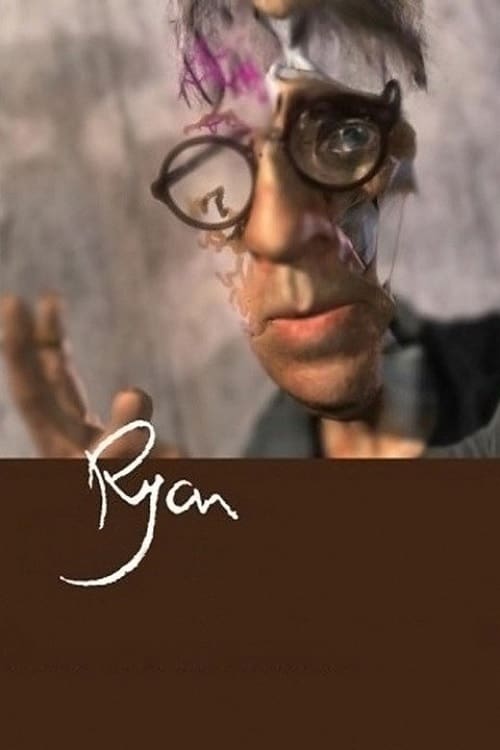
Centres on Canadian animator Ryan Larkin, who in later years lived on skid row in Montreal following a history of drug and alcohol abuse.
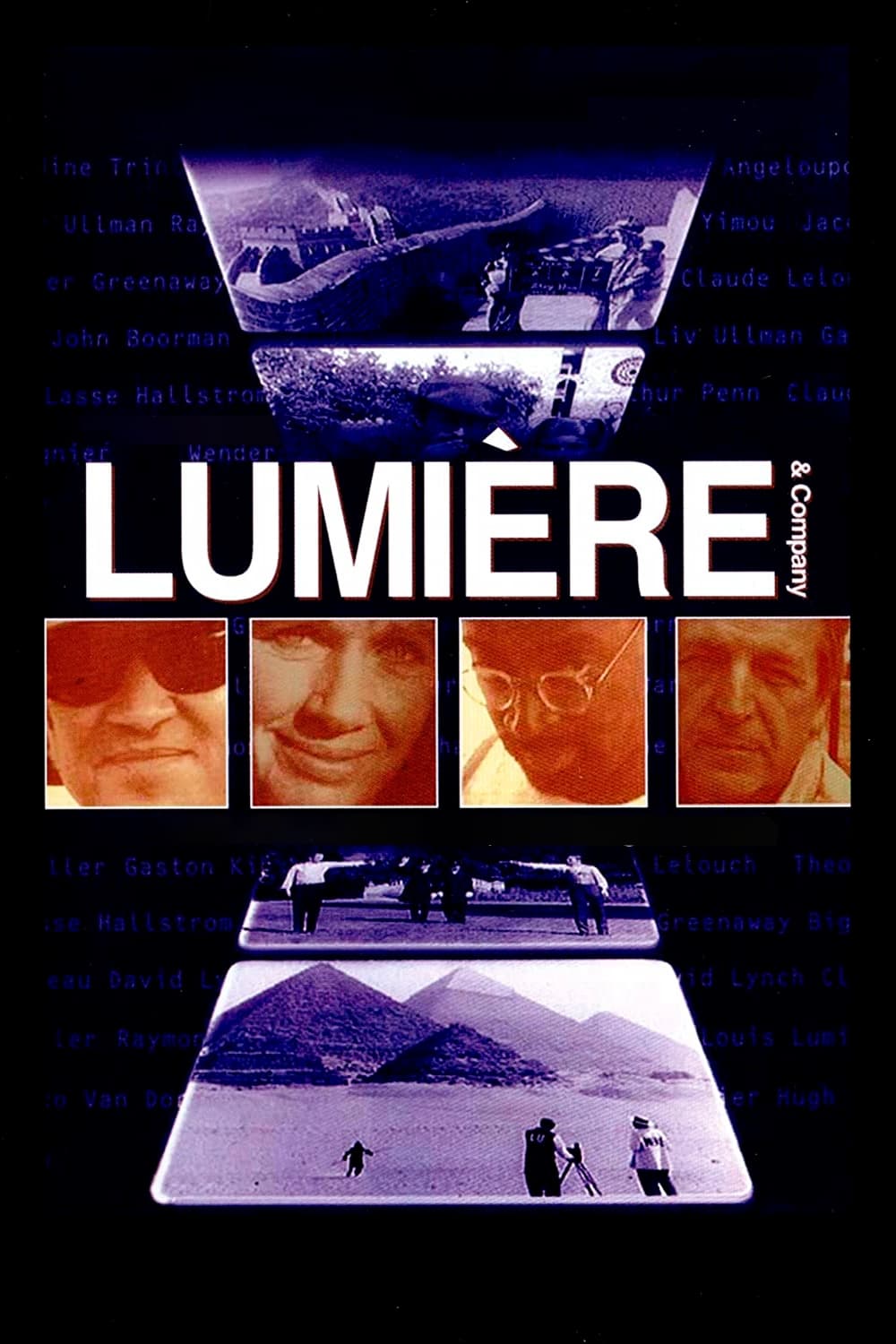
40 international directors were asked to make a short film using the original Cinematographe invented by the Lumière Brothers, working under conditions similar to those of 1895. There were three rules: (1) The film could be no longer than 52 seconds, (2) no synchronized sound was permitted, and (3) no more than three takes.
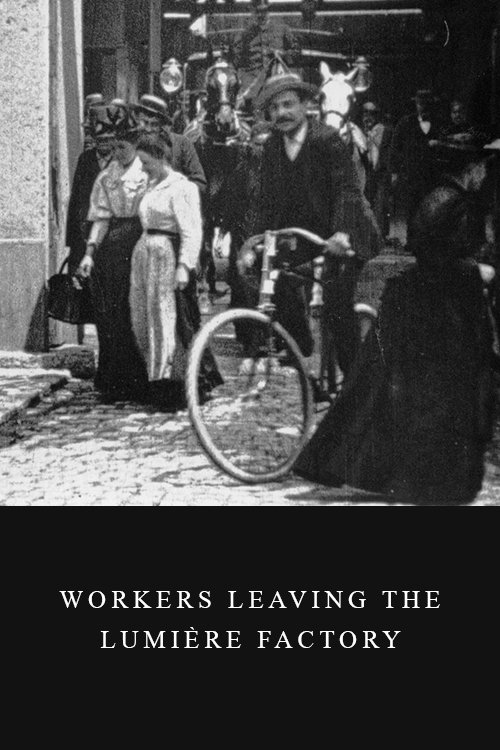
Working men and women leave through the main gate of the Lumière factory in Lyon, France. Filmed on 22 March 1895, it is often referred to as the first real motion picture ever made, although Louis Le Prince's 1888 Roundhay Garden Scene pre-dated it by seven years. Three separate versions of this film exist, which differ from one another in numerous ways. The first version features a carriage drawn by one horse, while in the second version the carriage is drawn by two horses, and there is no carriage at all in the third version. The clothing style is also different between the three versions, demonstrating the different seasons in which each was filmed. This film was made in the 35 mm format with an aspect ratio of 1.33:1, and at a speed of 16 frames per second. At that rate, the 17 meters of film length provided a duration of 46 seconds, holding a total of 800 frames.