Social & External
Narrator (voice)
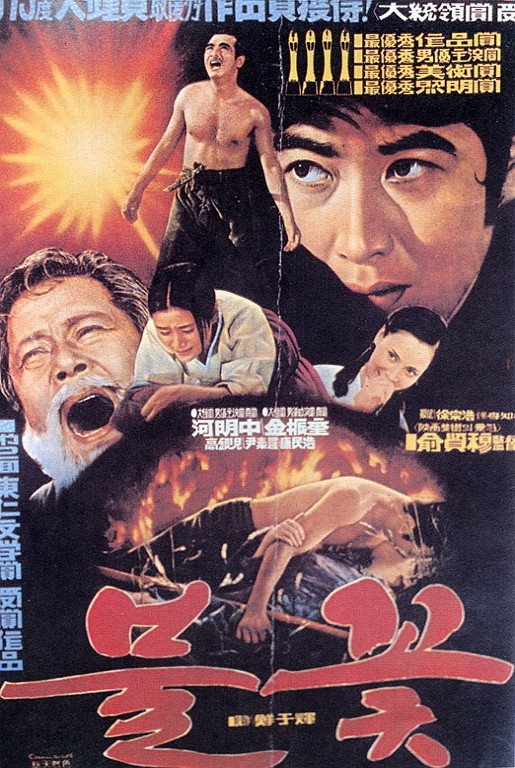
A man wanders around the mountains with a bleeding leg, holding a rifle in his hand. Seemingly a fugitive, he runs from as-yet unknown pursuers, but he also seems to be following somebody who has already walked the same path. As he hides in a secluded cave, past memories sweep through his exhausted mind, memories of lifelong cowardice and evasion. And this recollection leads to a reconstruction of early 20th century Korean history. Winner of Best Picture (Nam-a Pictures Co., Ltd.), Best Actor (Ha Myung-joong), Best Art Direction (Kim Yoo-joon), Best Lighting (Son Young-cheol) at the 14th Grand Bell Awards. (source: Jiro Hong, koreanfilm.org)
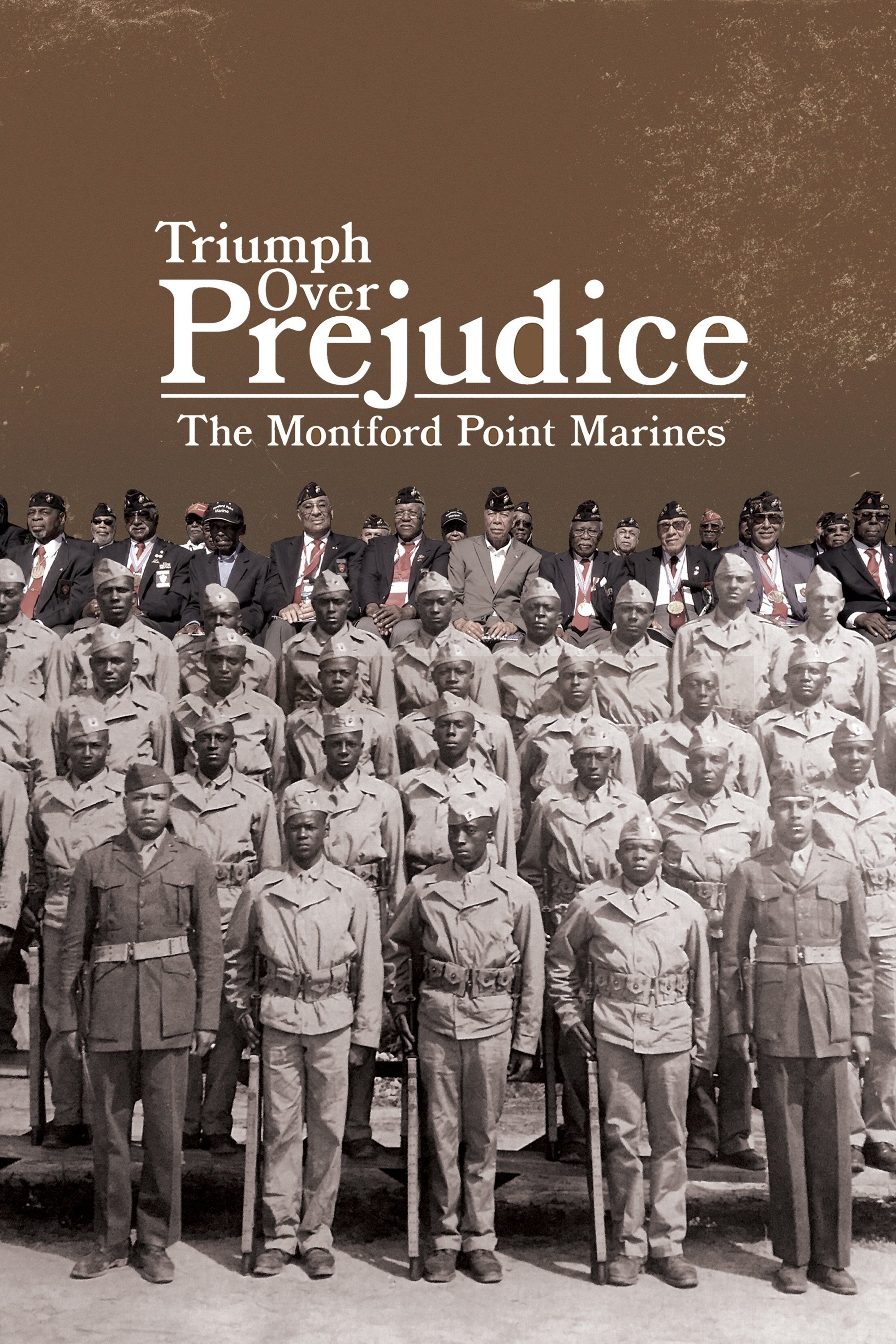
Against the backdrop of a world on the brink, the Montford Point Marines transcended enemy lines and formidable barriers of racial segregation. Beginning in rural Virginia, their journey to the front lines of World War II, the Korean War, and the Vietnam War is more than a testament to their bravery - it's a reflection of their indomitable spirit and unyielding resolve. Confronting racial prejudices, the heartbreaks of war, and the turbulent transition to civilian life, these men never wavered in their commitment. "Triumph Over Prejudice" dives deep into the uncharted terrains of the Black experience in the early 20th century Marine Corps, illuminating stories often shadowed in history's corners. With cinematic finesse fit for a global streaming audience, the film weaves personal narratives into a rich tapestry, culminating in an epic saga of heroism, perseverance, and the enduring legacy of the American veteran.
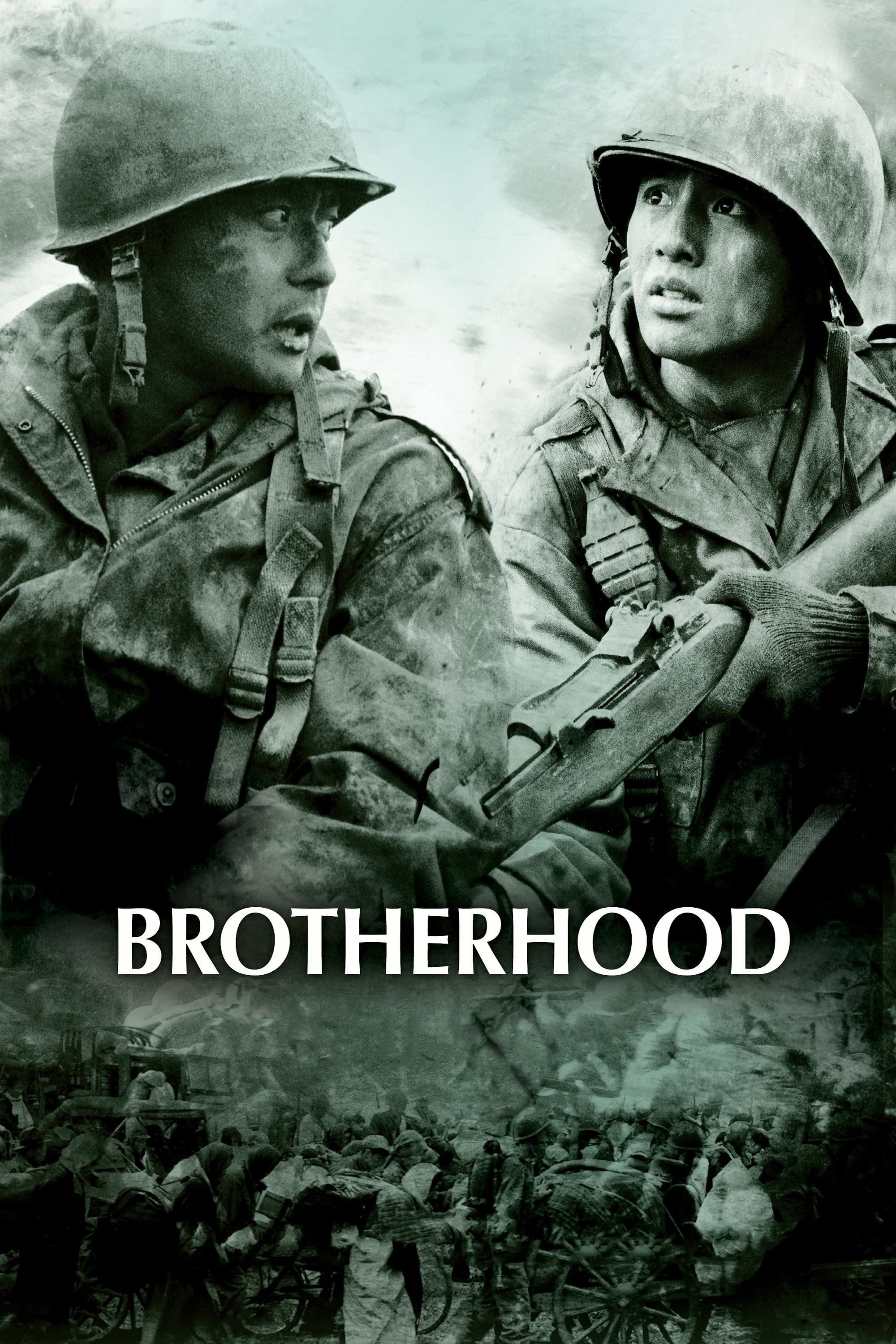
When two brothers are forced to fight in the Korean War, the elder decides to take the riskiest missions if it will help shield the younger from battle.
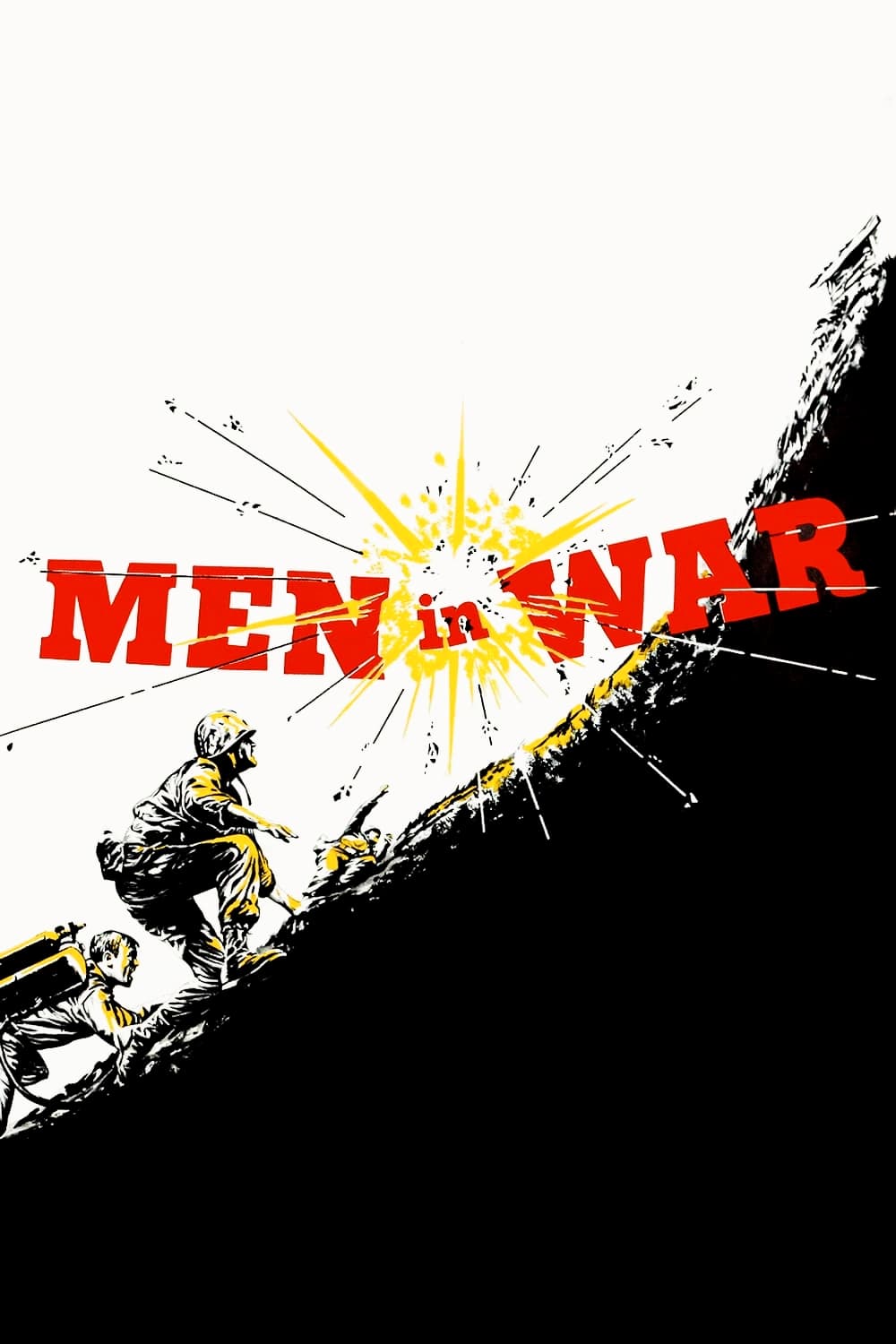
A brigade of five marines are sent on a dangerous mission to capture an enemy stronghold during the Korean War.
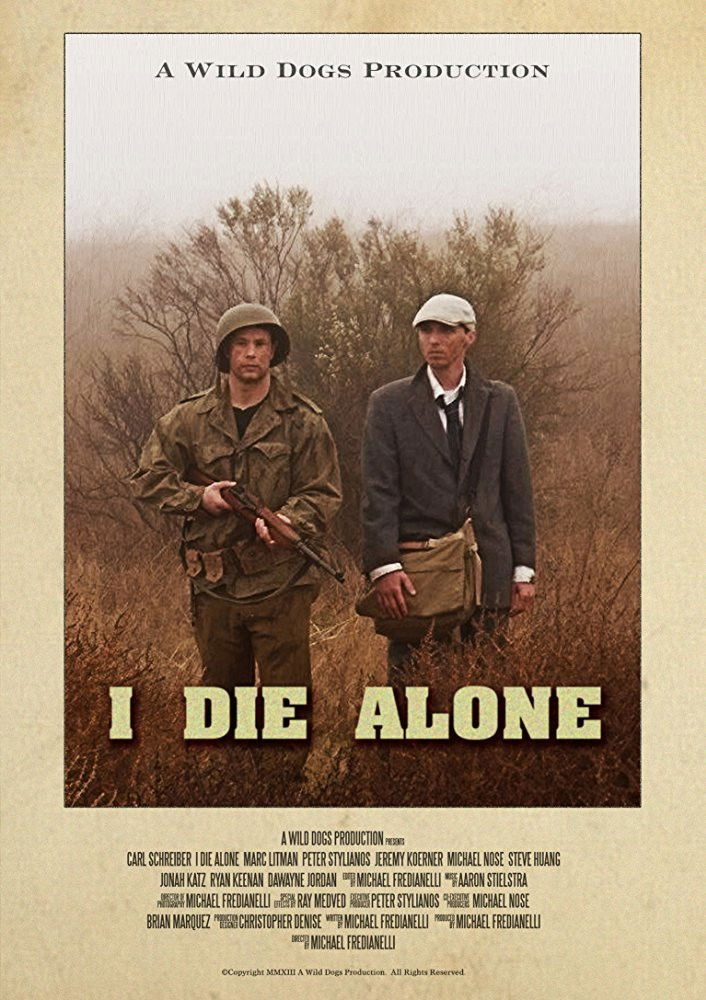
American pacifist Private Finch (Carl Schreiber) finds himself pressured by his superiors to kill a P.O.W. captured from battle. As a direct result of his apprehensions, a fatal confrontation explodes amongst his platoon, and Finch becomes stranded behind enemy lines armed with nothing but limited ammunition and an uncertain sense of direction. Making his way through foreign soil, he encounters a mysterious mailman (Marc Litman) anxious to throw himself into battle. But on their exhausting quest to find a radio and signal for help, it becomes clear that Finch's new friend harbors a few dark secrets that could prove more threatening than the next ambush.
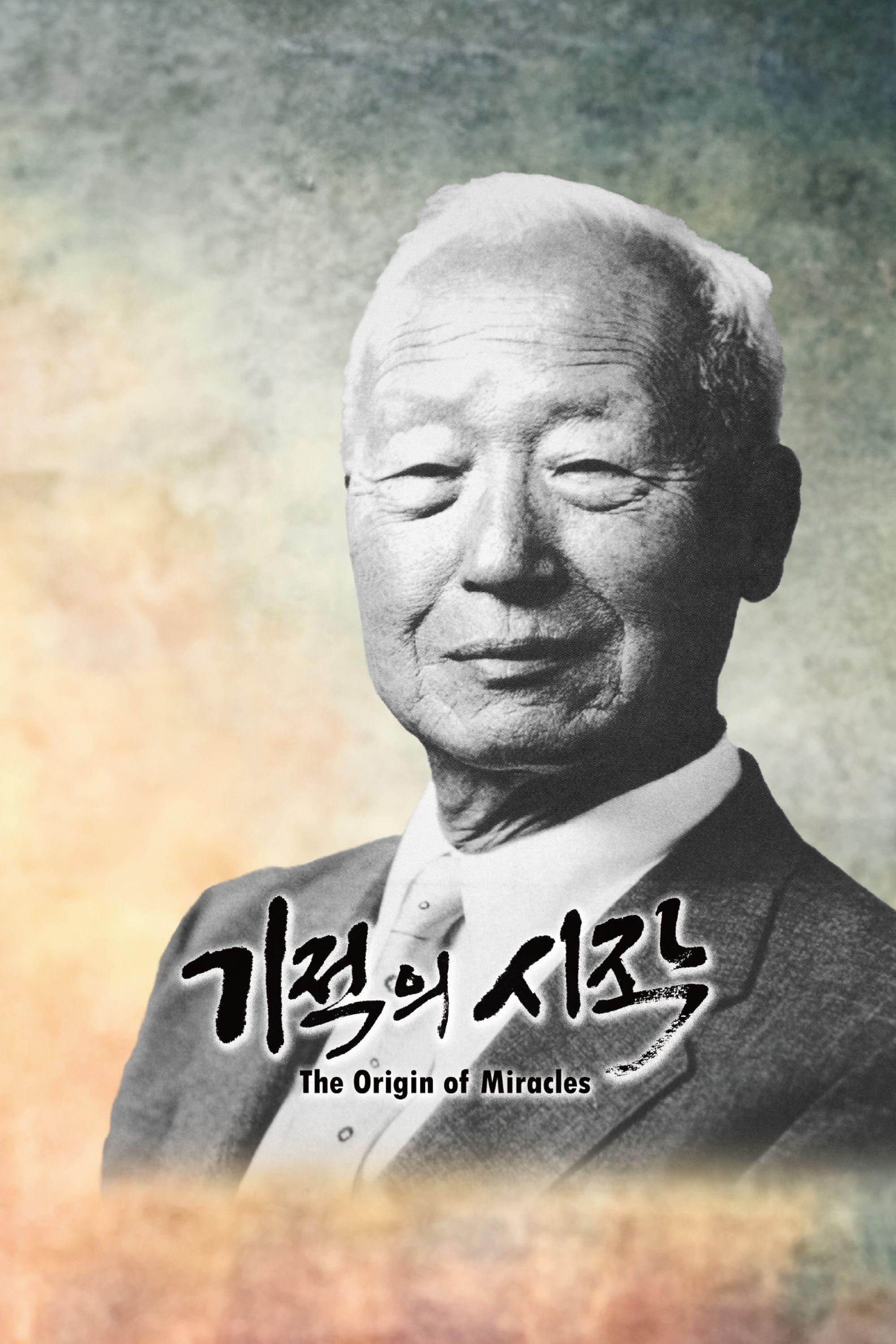
A documentary film covering the life of President Syngman Rhee and the contributions he made to the Republic of Korea, spanning his childhood, focusing on his independence movement, the founding of the nation, the process of leading to victory in the Korean War, and the process of laying the foundation for Korea's industrialization.
June 25, 1950. When second lieutenant Jang has a date with his girl friend during weekend, numerous North Korean jet fighters make sudden air raids to the skies of Seoul. It is the beginning of Korean War. In spite of Korean Army's brave defense, North Korean army reddens South Korea with their state-of-the-art weapons. This movie describes the progress of war from the invasion in June 25, 1950 to the reclamation of territory on the basis of Sun-A's personal experience. Also this film reminds hard lessons from tragic history.
From the archives of the “queer Smithsonian,” San Francisco’s GLBT Historical Society, comes the forgotten history of a gay Korean War veteran tasked with writing the military discharges of outed gay seamen. The Typist details a conflicted clerk’s participation in discrimination and his divided allegiance to homosexuality and heroism.
Based on declassified US military documents and archival footage, as well as testimonies from those who participated in bombings and civilian victims, director Lee Mi-young thoroughly illuminates the reality of the US Air Force’s indiscriminate bombing that resulted in numerous civilian casualties during the three-year Korean War.
As the novel 『LimGeojeong』 becomes a great success, the publisher and the writer's bereaved family in North Korea meet to solve the copyright problem. Their exchanges between South and North Korea create another novel-like story that condenses issues in various fields including politics, economy, and culture together with concerns and hospitality.
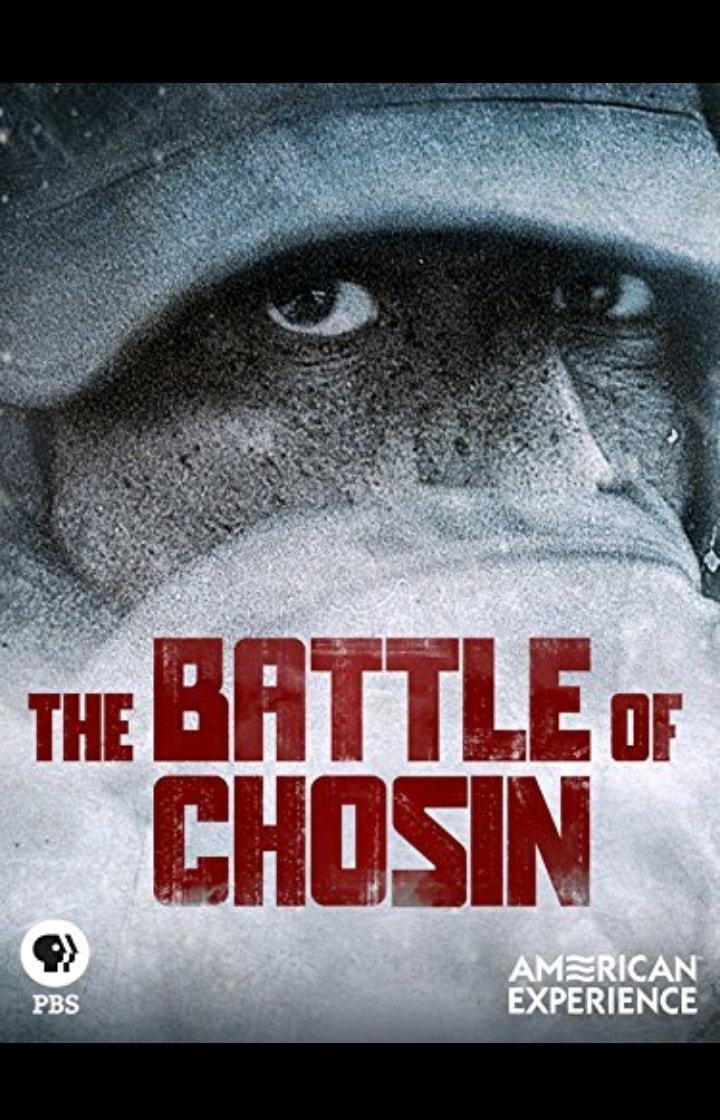
An amazingly harrowing story of the 17 day engagement of bloody combat and heroic survival in subartic temperatures. UN forces largely outnumbered and surrounded, due to a surprise attack led by 120,000 Chinese troops.
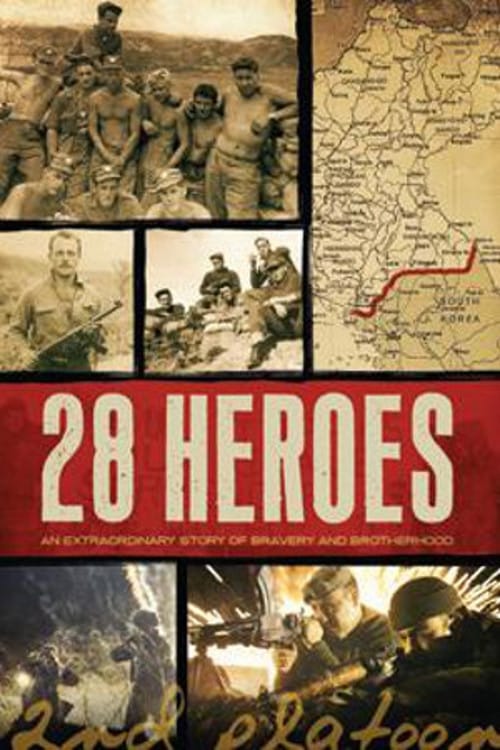
Heroes brings to life the harrowing exploits of a Canadian platoon who fought to hold their vulnerable outpost in the face of repeated attacks during the Korean War.
A cafe is growing, tucked in to the mountainside air raid shelter of the DMZ borderlands. A light light flickers, illuminating the past, present, and future. I'll see you at the DMZ! Shim was a free, one-day pop-up cafe staged in Yangji-ri village’s air raid shelter at the Korean DMZ. Referencing Korean cafe culture’s fixation on third place, the DMZ’s evolution from security tourism, to ecological peace tourism, and its repurposing as art production site, Shim attempts to intervene and align the past and present. Yangji-ri was one of many minbuk propaganda villages established by the Park Chung Hee regime in the 1960s to showcase the farming bounty and prosperity of the south for a North Korean gaze. The village was formerly part of the Civilian Control Line (CCL) until 2013 when it was reterritorialized as a normal part of South Korea.
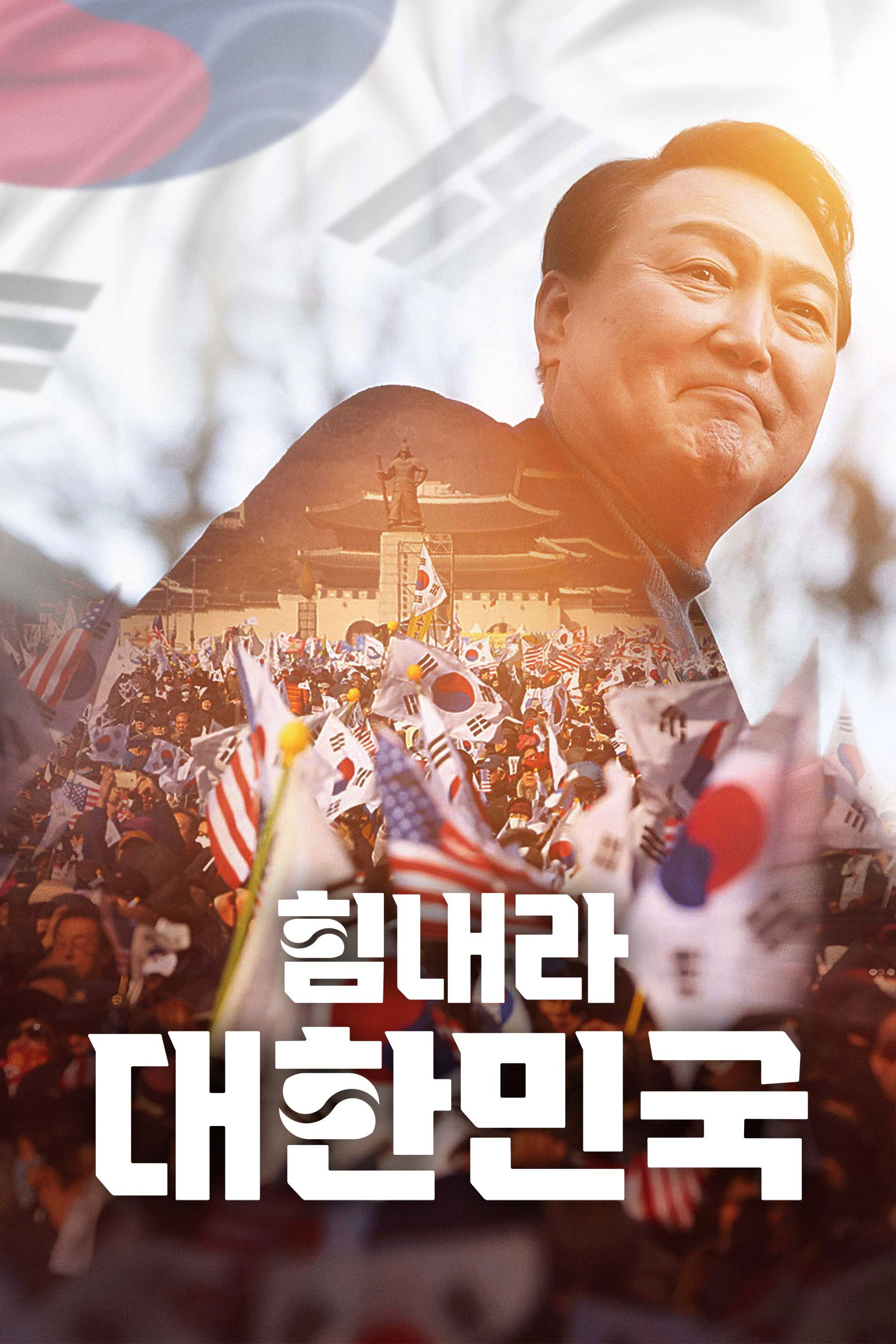
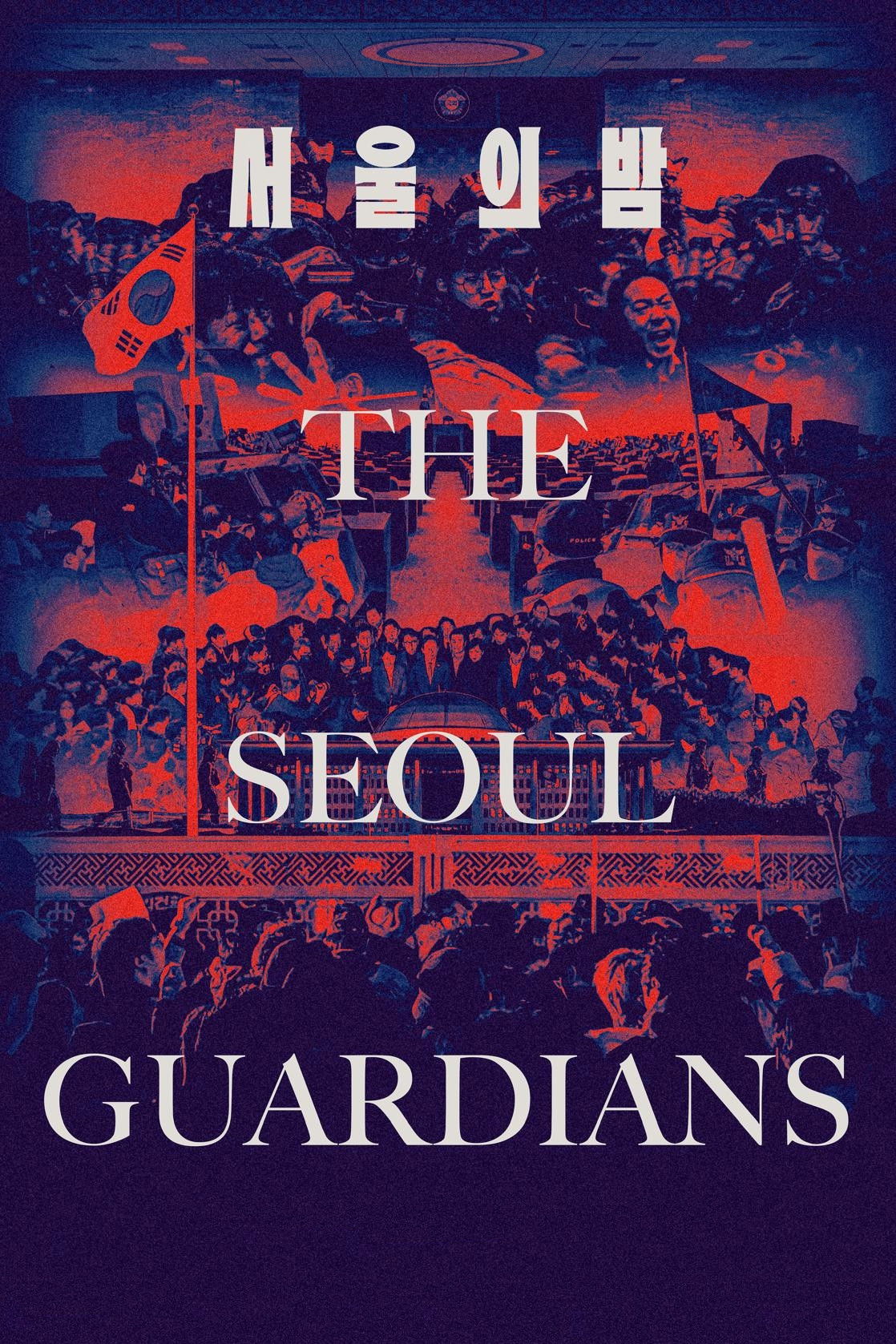
On December 3, 2024, in Seoul, the President of South Korea Yoon Sukyeol declares the martial law. Troops move toward the National Assembly to seize control. Meanwhile, citizens rush to the National Assembly to block the troops, while lawmakers break through police's barricades at the main gate, climb over the walls to attend the session that lifts the martial law.
Nearly 250,000 South Korean children were adopted to the West as “orphans” in the 60 years following the Korean War. Some to loving homes. Others to tragic ends. Raised in places where they looked like nobody else, many were told to forget their past and be grateful. But the innate desire to understand where you came from has led many Korean adoptees to search for their roots. In the process, they discover lies in their past and families they never knew existed. In this documentary series, correspondent Wei Du travels around the world to meet Korean adoptees and accompany a few on their journey to reclaim who they are. Together, they reveal how an “orphan rescue” mission separated families and erased the roots of hundreds of thousands.
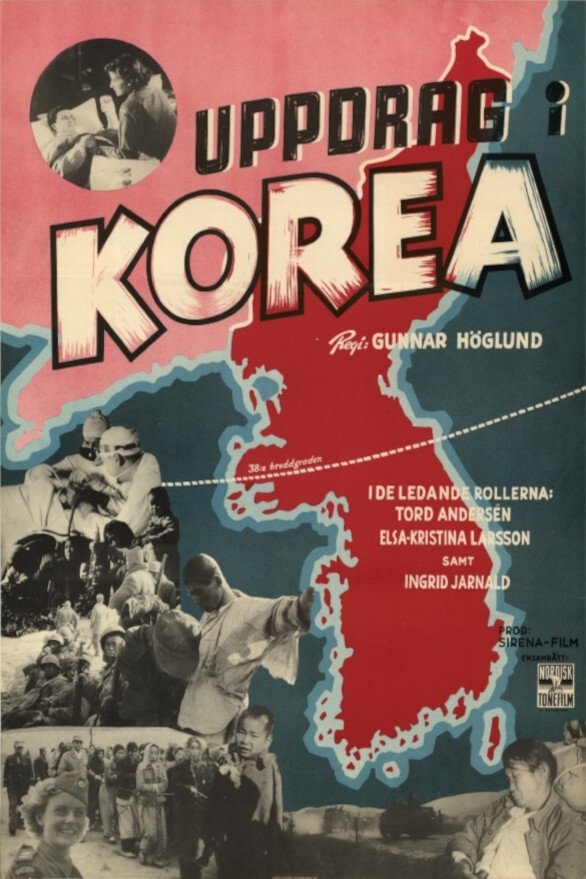
Swedish journalist visits Korea to report on the situation during the war
In Korea, on 6 September 1950, Lieutenant Benson's platoon finds itself isolated in enemy-held territory after a retreat. Soon they are joined by Sergeant Montana, whose overriding concern is caring for his catatonic colonel. Benson and Montana can't stand each other, but together they must get the survivors to Hill 465, where they hope the division is waiting. It's a long, harrowing march, fraught with all the dangers the elusive enemy can summon.
Prelude to War was the first film of Frank Capra's Why We Fight propaganda film series, commissioned by the Pentagon and George C. Marshall. It was made to convince American troops of the necessity of combating the Axis Powers during World War II. This film examines the differences between democratic and fascist states.
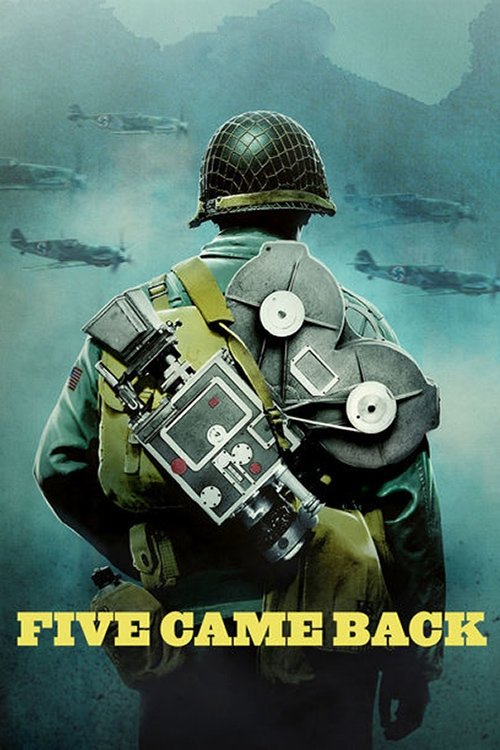
The extraordinary story of how Hollywood changed World War II – and how World War II changed Hollywood, through the interwoven experiences of five legendary filmmakers who went to war to serve their country and bring the truth to the American people: John Ford, William Wyler, John Huston, Frank Capra, and George Stevens. Based on Mark Harris’ best-selling book, “Five Came Back: A Story of Hollywood and the Second World War.”
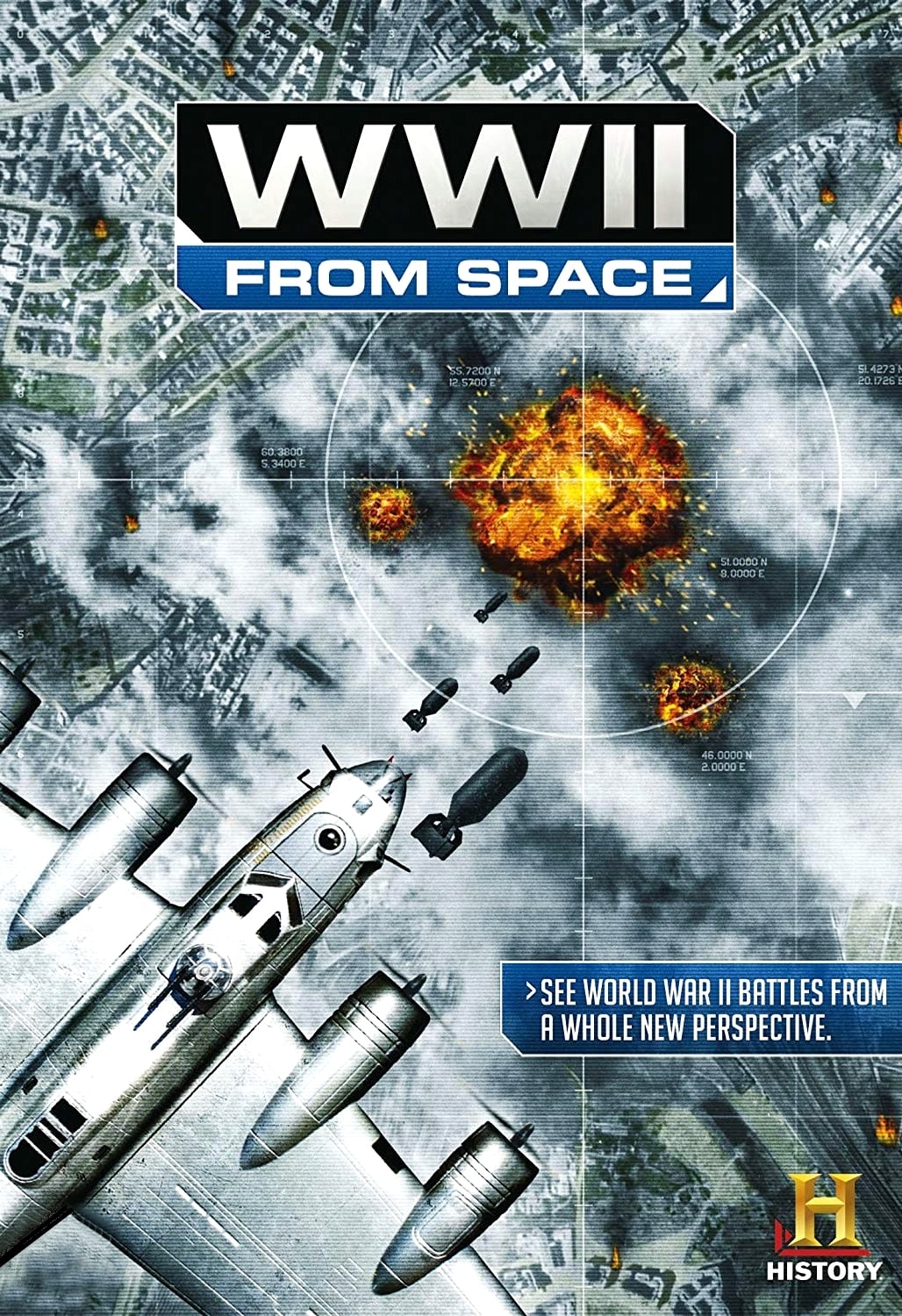
WWII from Space delivers World War II in a way you've never experienced it before. This HISTORY special uses an all-seeing CGI eye that offers a satellite view of the conflict, allowing you to experience it in a way that puts key events and tipping points in a global perspective. By re-creating groundbreaking moments that could never have been captured on camera, and by illustrating the importance of simultaneity and the hidden effects of crucial incidents, HISTORY presents the war's monumental moments in a never-before-seen context. And with new information brought to the forefront, you'll better understand how a nation ranked 19th in the world's militaries in 1939 emerged six years later as the planet's only atomic superpower.
"Trinity and Beyond" is an unsettling yet visually fascinating documentary presenting the history of nuclear weapons development and testing between 1945-1963. Narrated by William Shatner and featuring an original score performed by the Moscow Symphony Orchestra, this award-winning documentary reveals previously unreleased and classified government footage from several countries.
The history of cinematic sound, told by legendary sound designers and visionary filmmakers.
Five broken cameras – and each one has a powerful tale to tell. Embedded in the bullet-ridden remains of digital technology is the story of Emad Burnat, a farmer from the Palestinian village of Bil’in, which famously chose nonviolent resistance when the Israeli army encroached upon its land to make room for Jewish colonists. Emad buys his first camera in 2005 to document the birth of his fourth son, Gibreel. Over the course of the film, he becomes the peaceful archivist of an escalating struggle as olive trees are bulldozed, lives are lost, and a wall is built to segregate burgeoning Israeli settlements.
Oliver Stone charts the history of the United States from the Second World War to the present.
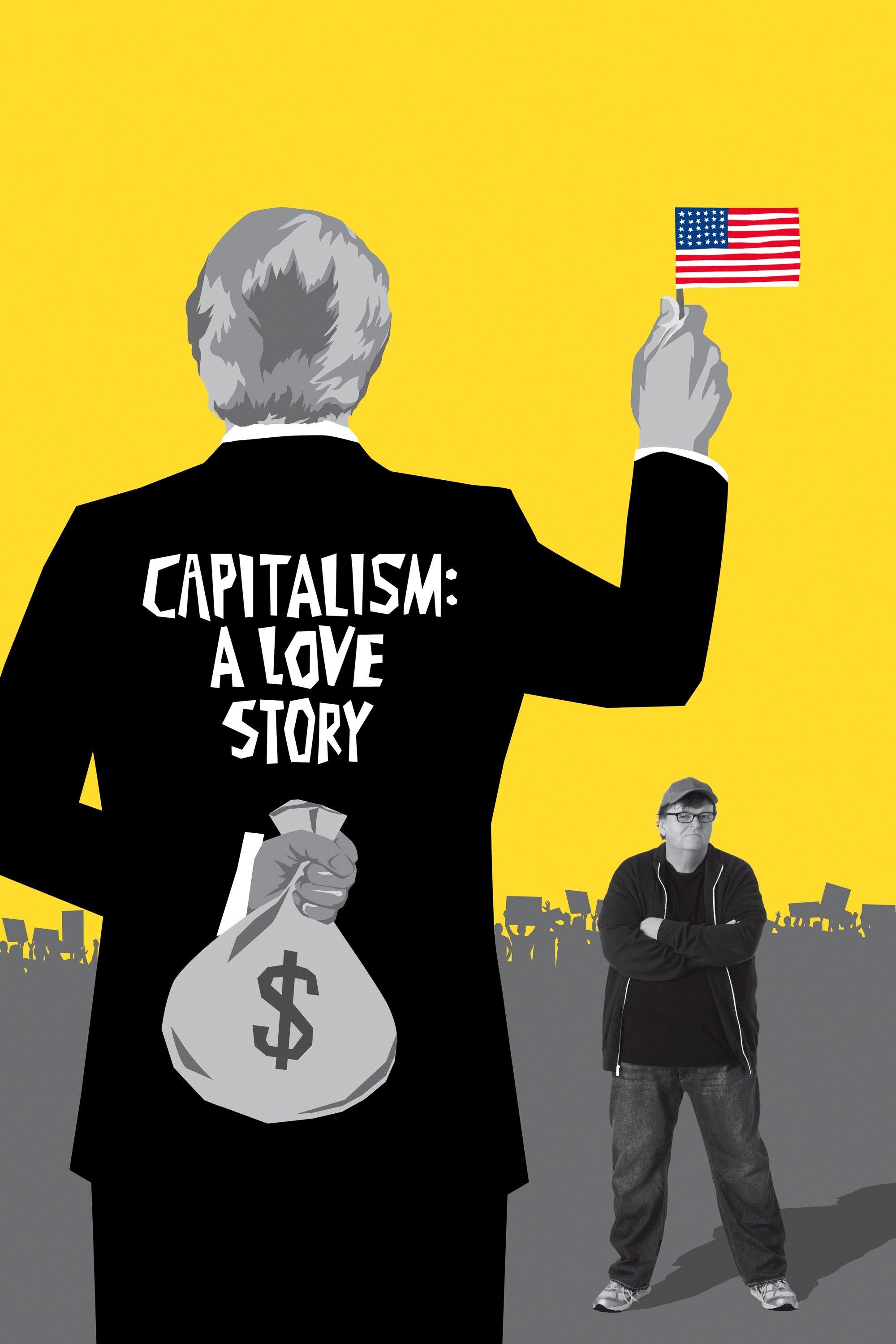
Michael Moore comes home to the issue he's been examining throughout his career: the disastrous impact of corporate dominance on the everyday lives of Americans (and by default, the rest of the world).
Dick Proenneke retired at age 50 in 1967 and decided to build his own cabin in the wilderness at the base of the Aleutian Peninsula, in what is now Lake Clark National Park. Using color footage he shot himself, Proenneke traces how he came to this remote area, selected a homestead site and built his log cabin completely by himself. The documentary covers his first year in-country, showing his day-to-day activities and the passing of the seasons as he sought to scratch out a living alone in the wilderness.
During the chaotic final weeks of the Vietnam War, the North Vietnamese Army closes in on Saigon as the panicked South Vietnamese people desperately attempt to escape. On the ground, American soldiers and diplomats confront a moral quandary: whether to obey White House orders to evacuate only U.S. citizens.
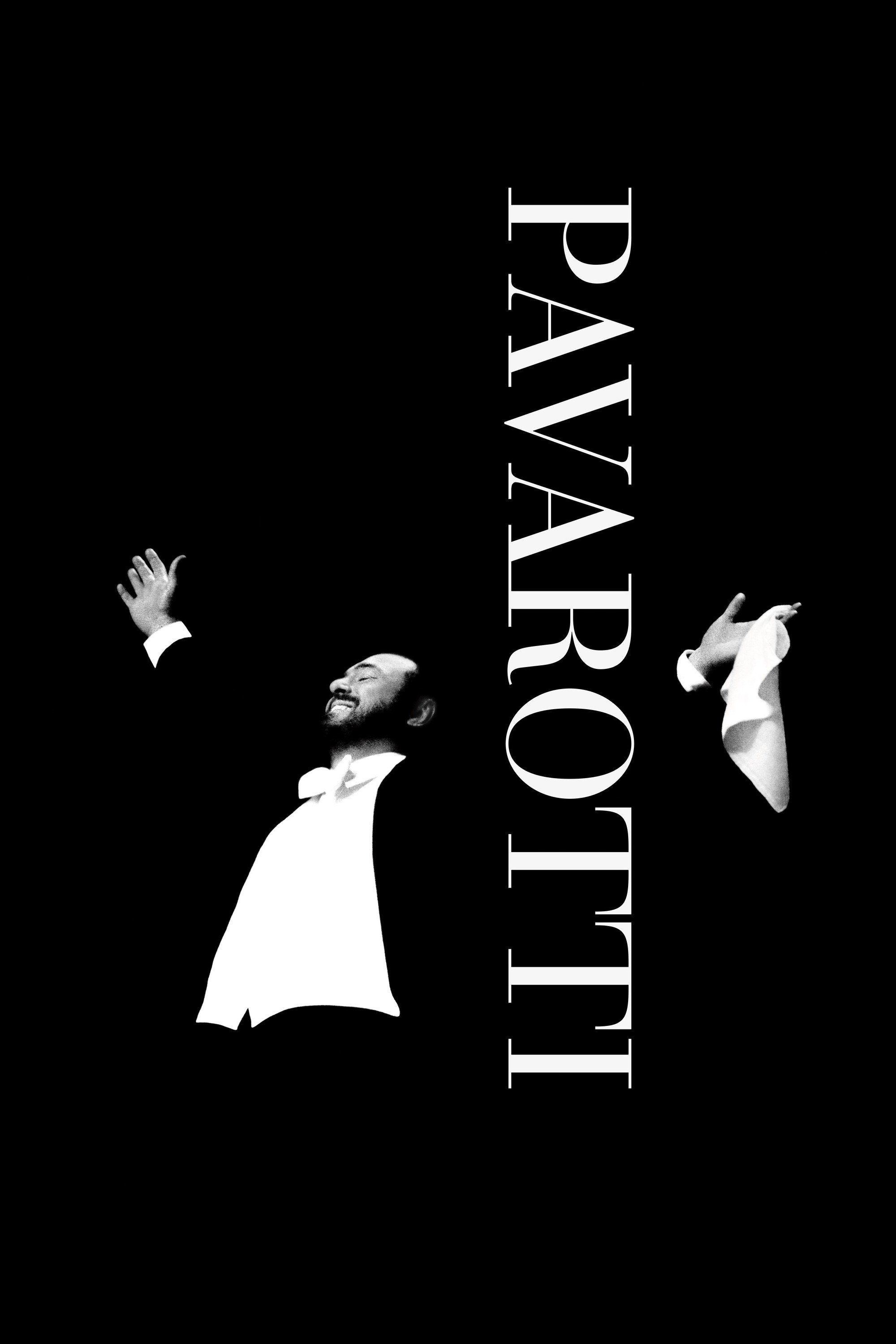
Featuring never-before-seen footage, concert performances and intimate interviews, filmmaker Ron Howard examines the life and career of famed opera tenor Luciano Pavarotti.
Filmed over 14 months with unprecedented access into the inner circle of the man and the sport, this is the first official and fully authorised film of one of the most celebrated figures in football. For the first time ever, the world gets vividly candid and un-paralleled, behind-closed-doors access to the footballer, father, family-man and friend in this moving & fascinating documentary. Through in-depth conversations, state of the art football footage and never before seen archival footage, the film gives an astonishing insight into the sporting and personal life of triple Ballon D'Or winner Cristiano Ronaldo at the peak of his career. From the makers of ‘Senna’ and ‘Amy’, Ronaldo takes audiences on an intimate and revealing journey of what it’s like to live as an iconic athlete in the eye of the storm.
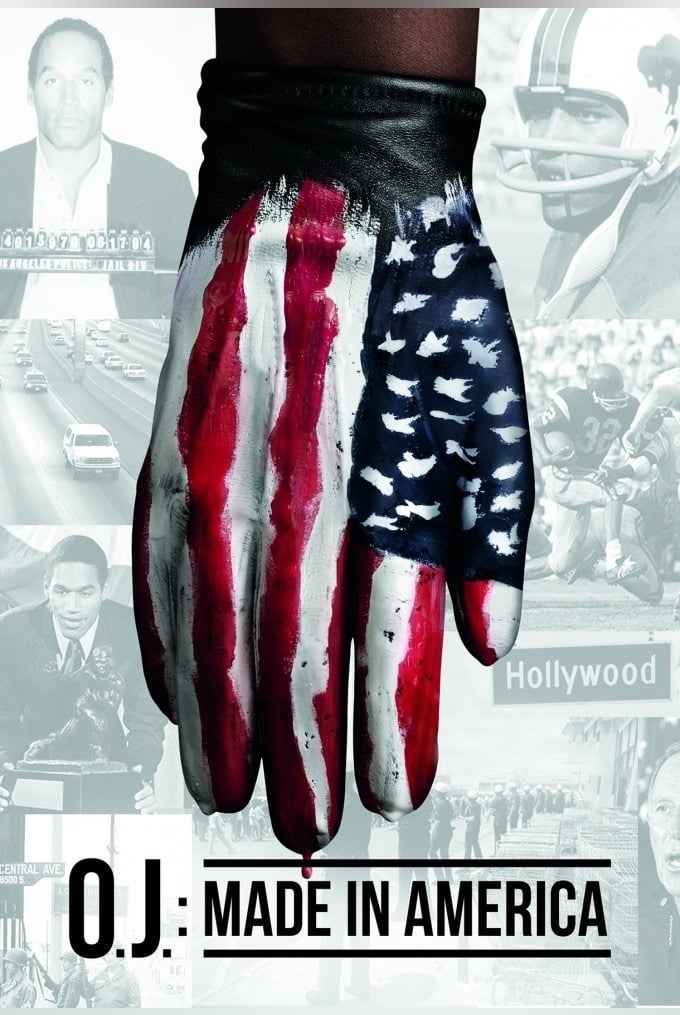
A chronicle of the rise and fall of O.J. Simpson, whose high-profile murder trial exposed the extent of American racial tensions, revealing a fractured and divided nation.
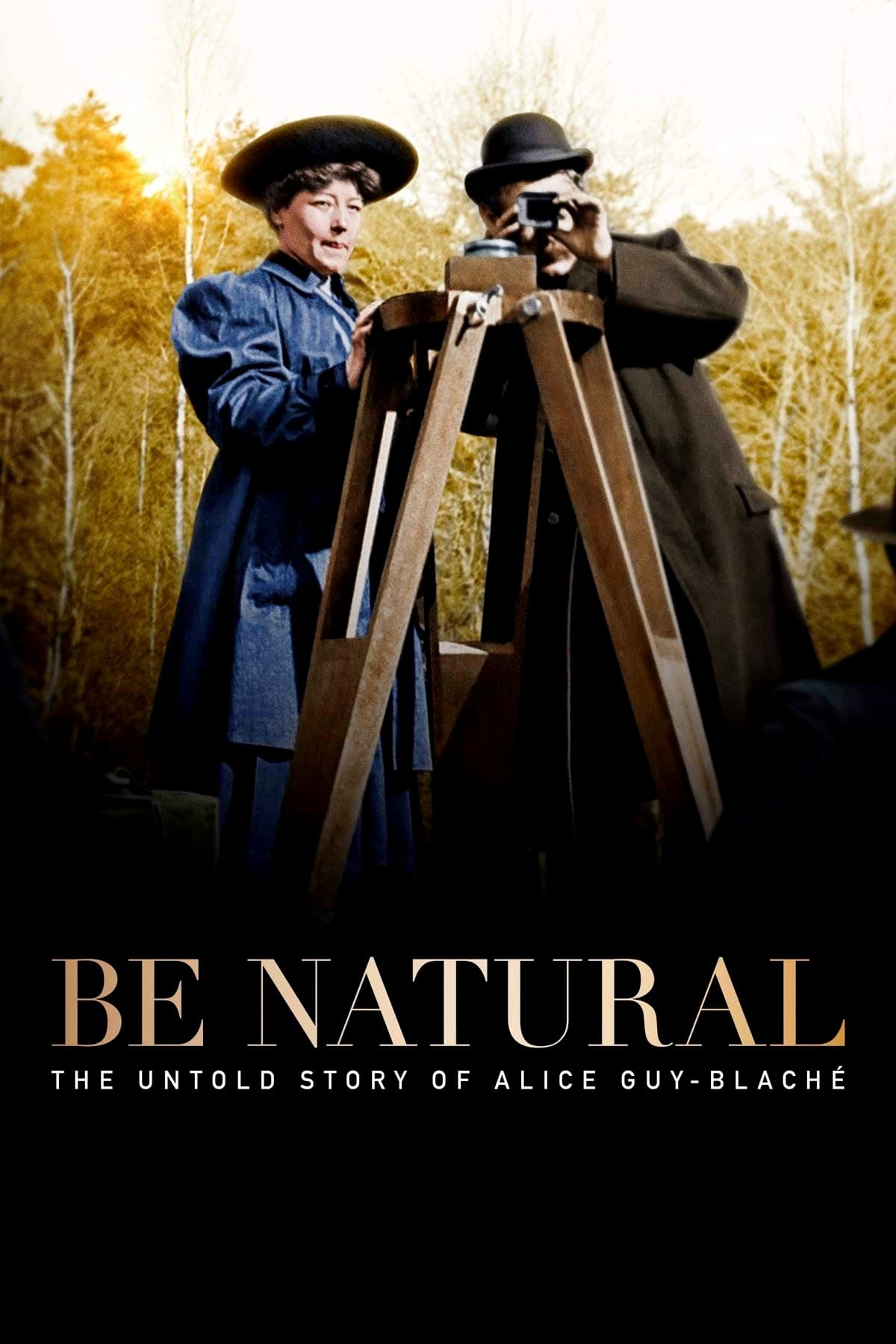
The epic life story of Alice Guy-Blaché (1873–1968), a French screenwriter, director and producer, true pioneer of cinema, the first person who made a narrative fiction film; author of hundreds of movies, but banished from history books. Ignored and forgotten. At last remembered.
The vivid and inspiring story of British film icon Michael Caine's personal journey through 1960s swinging London.
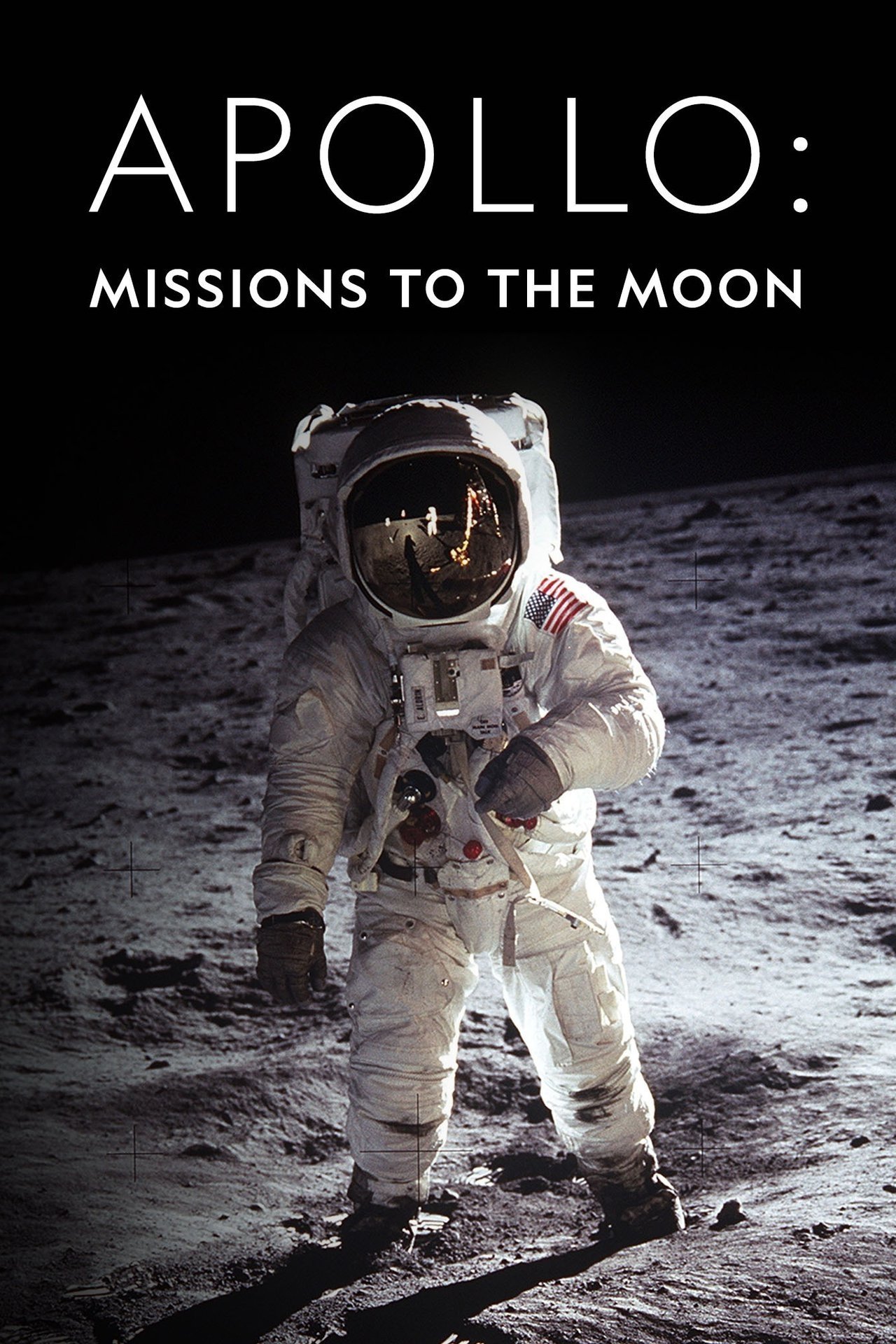
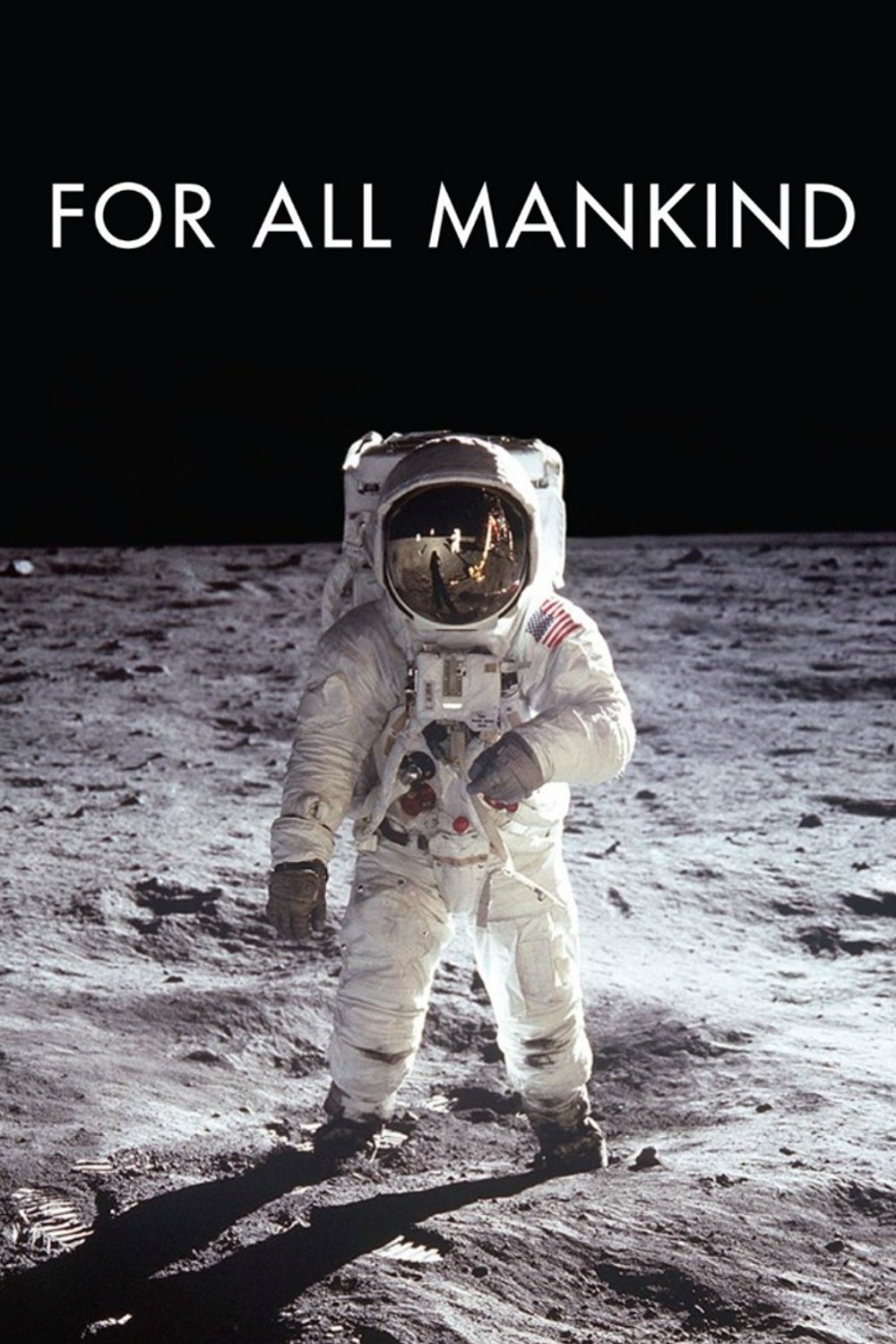
National Geographic's riveting effort recounts all 12 crewed missions using only archival footage, photos and audio.
A testament to NASA's Apollo program of the 1960s and '70s. Composed of actual NASA footage of the missions and astronaut interviews, the documentary offers the viewpoint of the individuals who braved the remarkable journey to the moon and back.
In a tiny Alabama town with the curious name of Muscle Shoals, something miraculous sprang from the mud of the Tennessee River. A group of unassuming, yet incredibly talented, locals came together and spawned some of the greatest music of all time: “Mustang Sally,” “I Never Loved a Man,” “Wild Horses,” and many more. During the most incendiary periods of racial hostility, white folks and black folks came together to create music that would last for generations and gave birth to the incomparable “Muscle Shoals sound.”
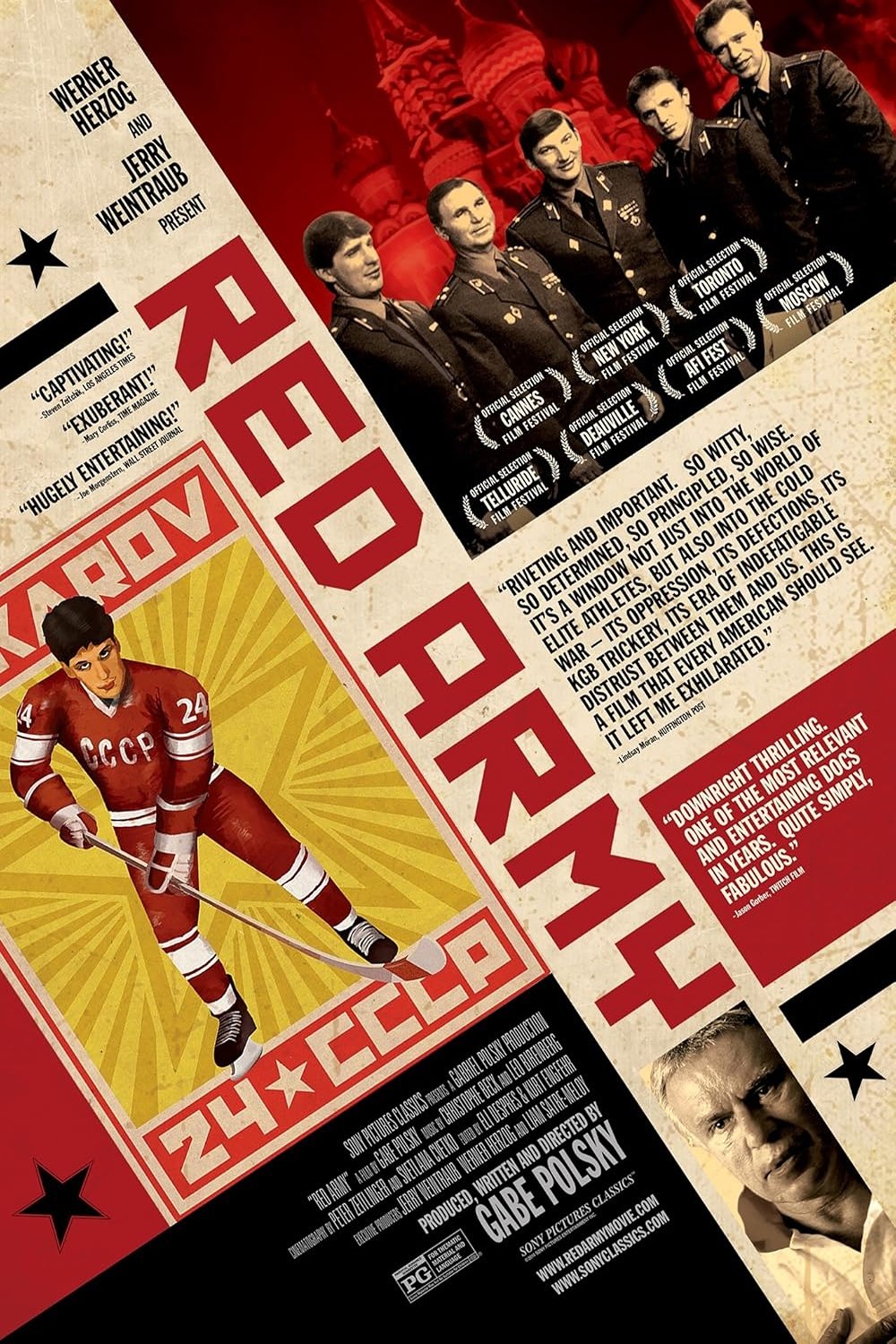
A documentary highlighting the Soviet Union's legendary and enigmatic hockey training culture and world-dominating team through the eyes of the team's Captain Slava Fetisov, following his shift from hockey star and celebrated national hero to political enemy.
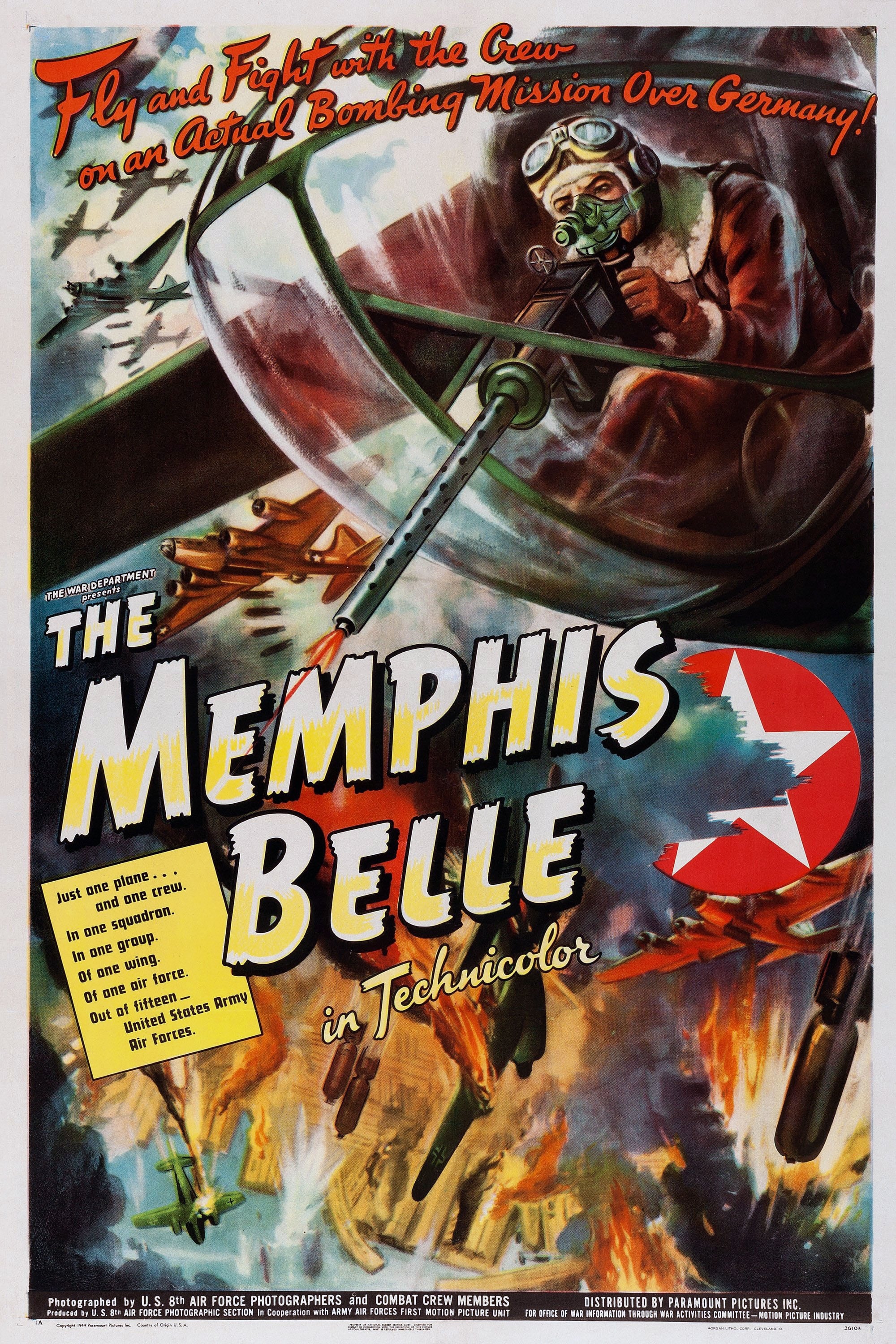
This WW2 documentary centers on the crew of the American B-17 Flying Fortress Memphis Belle as it prepares to execute a strategic bombing raid on Nazi submarine pens in Wilhelmshaven, Germany.