Social & External
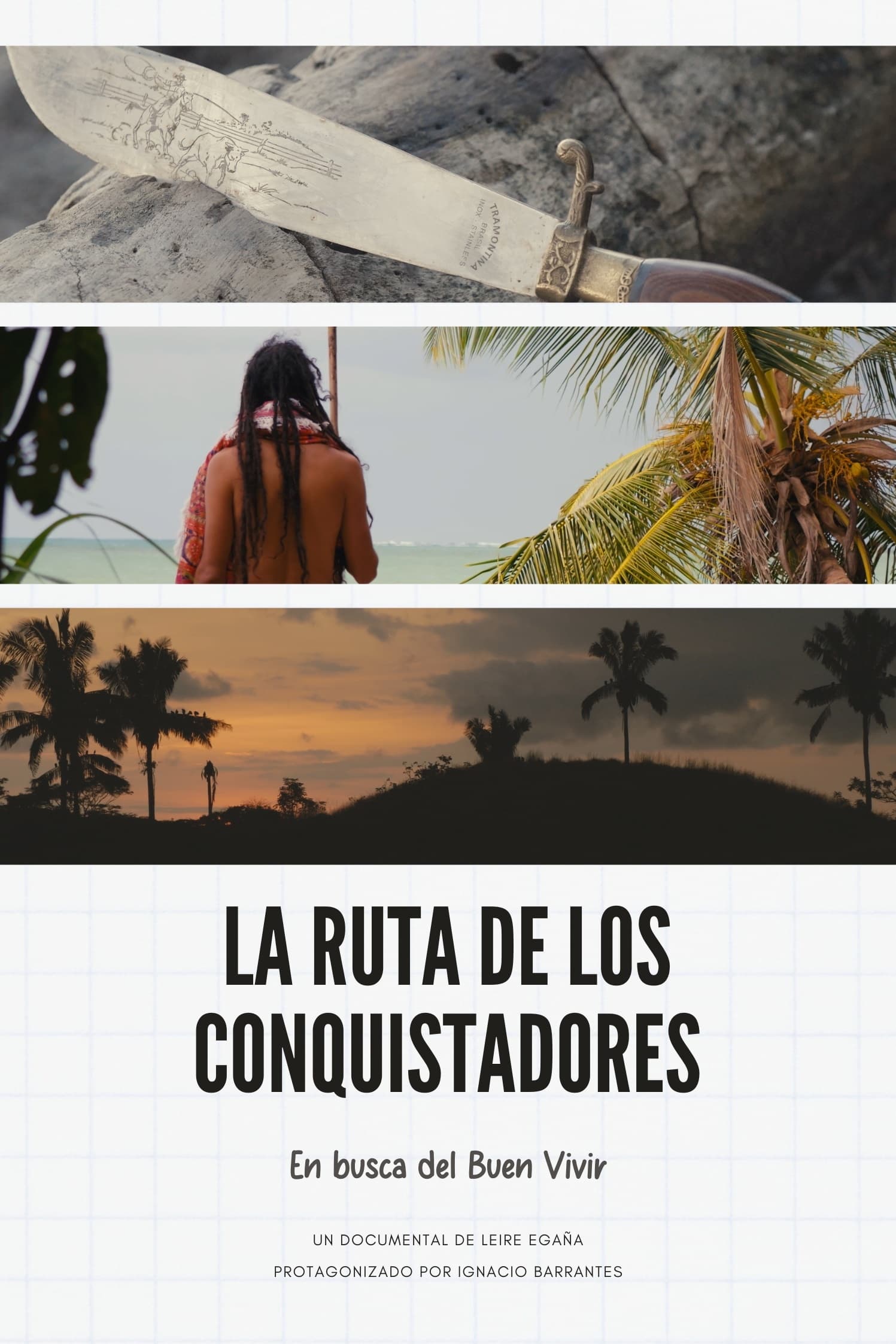
In times of global ecological crisis, Costa Rica seems to be an oasis for its rich biodiversity. Nacho traces a route to learn about agroecological projects, discovering what the indigenous communities call "good living" Could this be the solution?
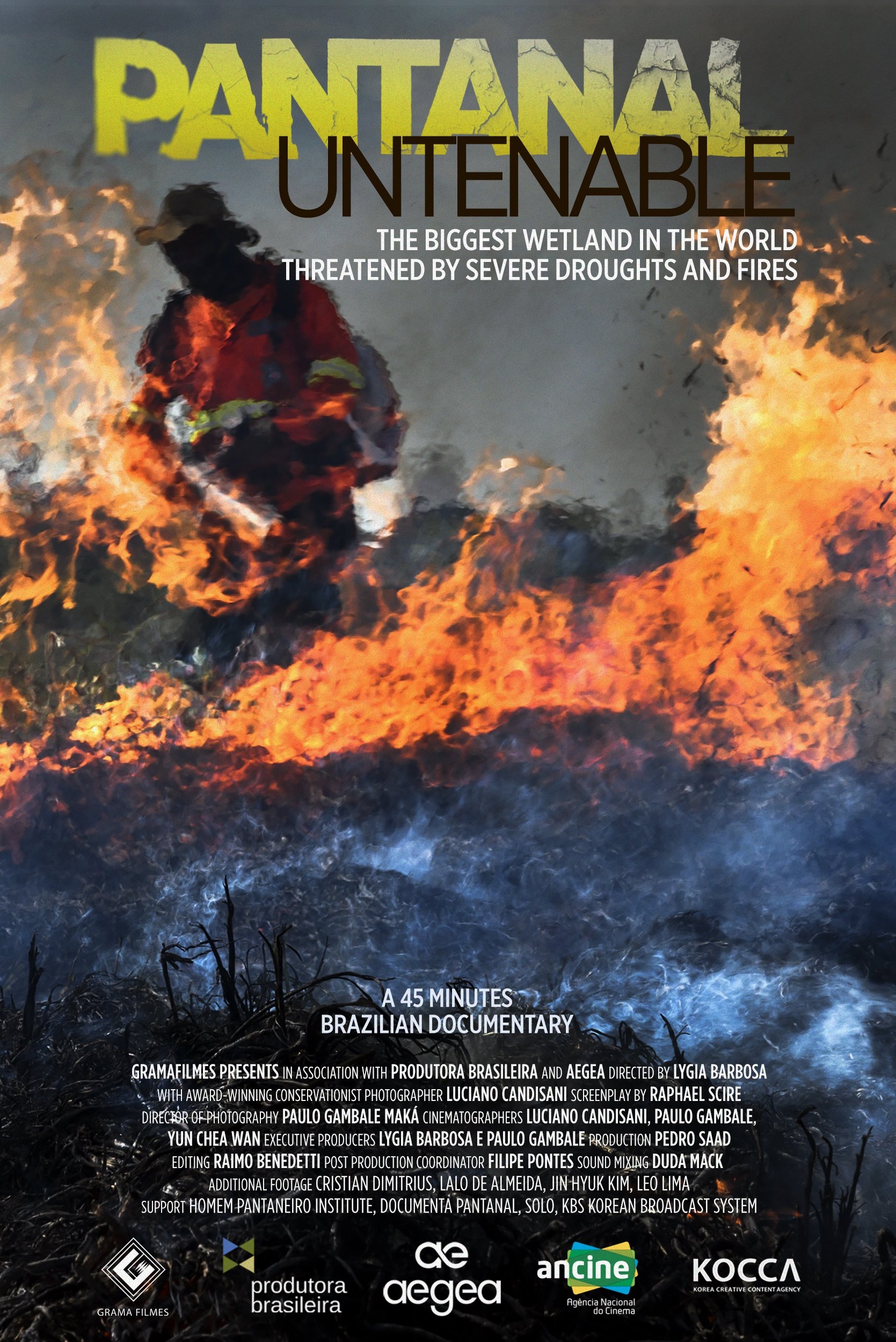
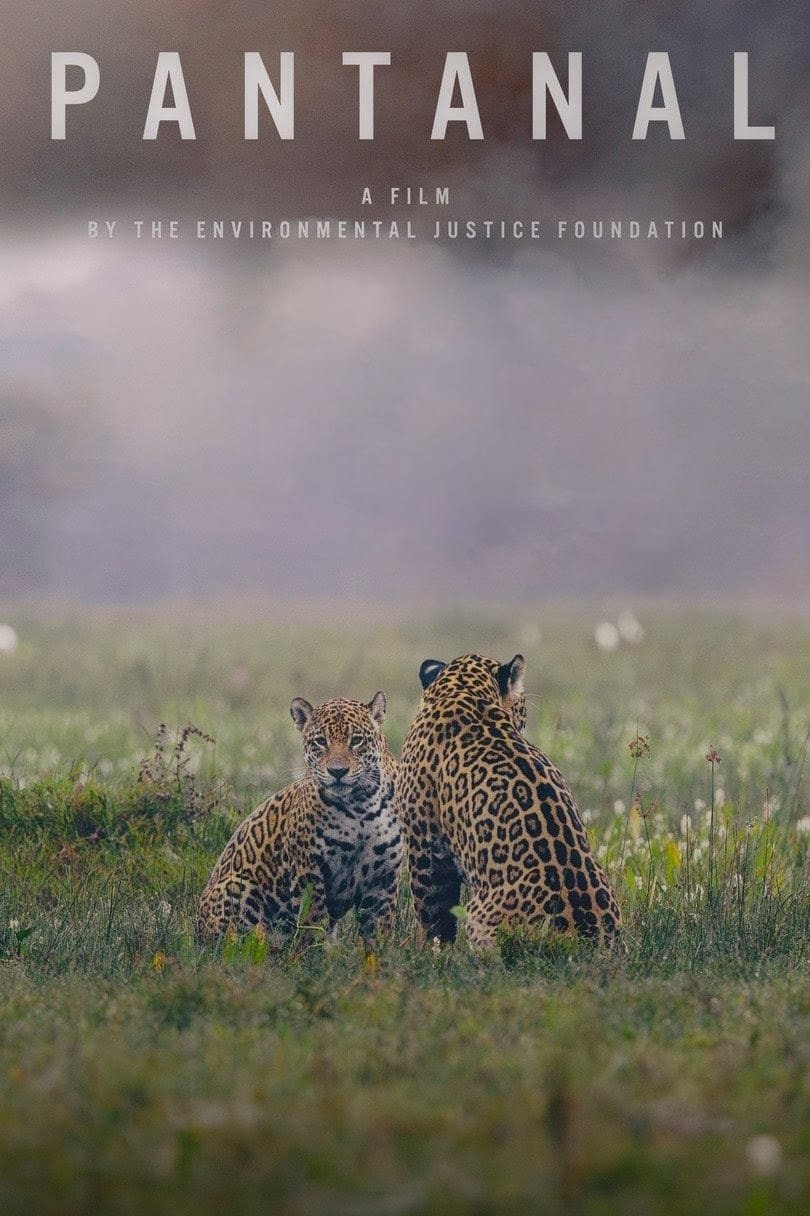
Luciano Candisani, award-winning Brazilian photographer, returns to the Pantanal, the world’s largest floodplain, to document its biodiversity and raise awareness about severe environmental threats. The region faces drastic water flow changes and unprecedented fires, yet Candisani finds hope and resilience amidst the challenges.
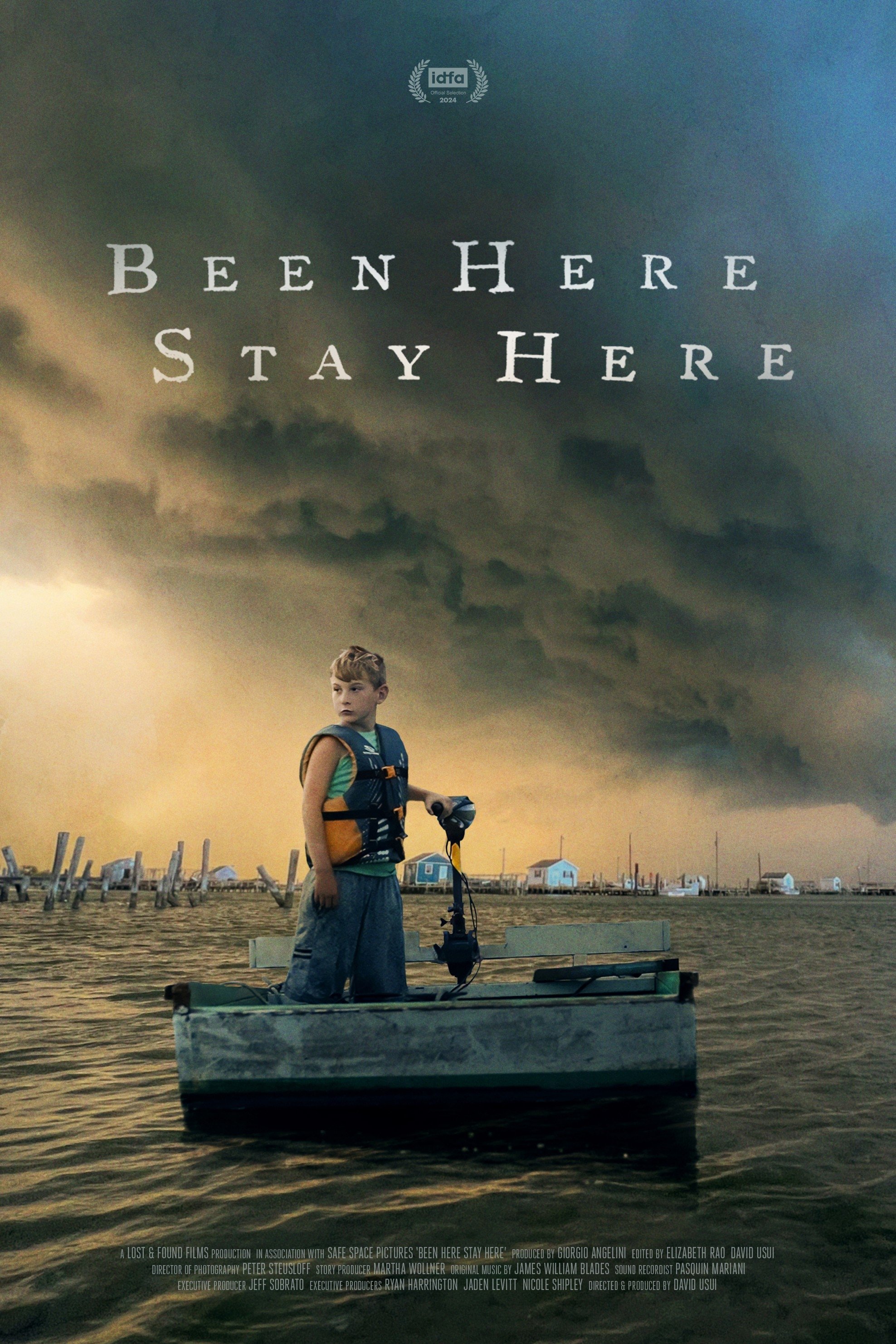
For generations, fishermen have made their home on Tangier Island, in the heart of the Chesapeake Bay on the east coast of the US. Two-thirds of the island has disappeared over the last 150 years, and local people are concerned about rising sea levels—and the lack of progress on reinforcing the sea wall—but the church remains the bedrock of this small, close-knit community.
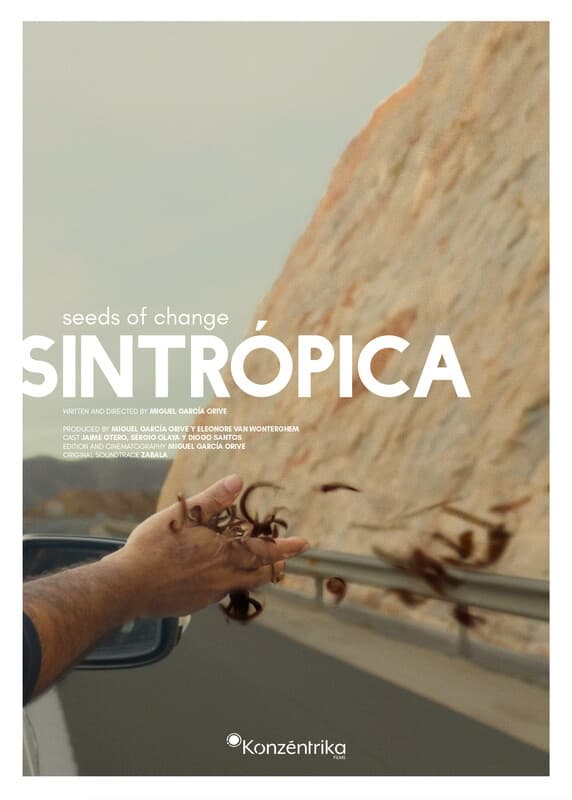
Jaime Otero, a passionate Galician farmer, and his companions Sérgio and Diogo, embark on an odyssey across the Iberian Peninsula, carrying with them the revolutionary philosophy of syntropic farming. This practice is inspired by the forest to produce food while regenerating ecosystems. Their adventure takes them through regions as diverse as Galicia to the sea of plastics in Almería, confronting us with the severe environmental crisis that conventional agricultural practices are leading us towards. The collection and dispersal of seeds becomes the main tool for regeneration and the backbone of this road movie,in which countless people who are also looking for a paradigm shift are immersed in. . Full of passion and hope, these three pioneers invite us to relearn and to look at nature with new eyes. Ultimately, they show us that our ability to transform our current reality will require a steady and collective effort.
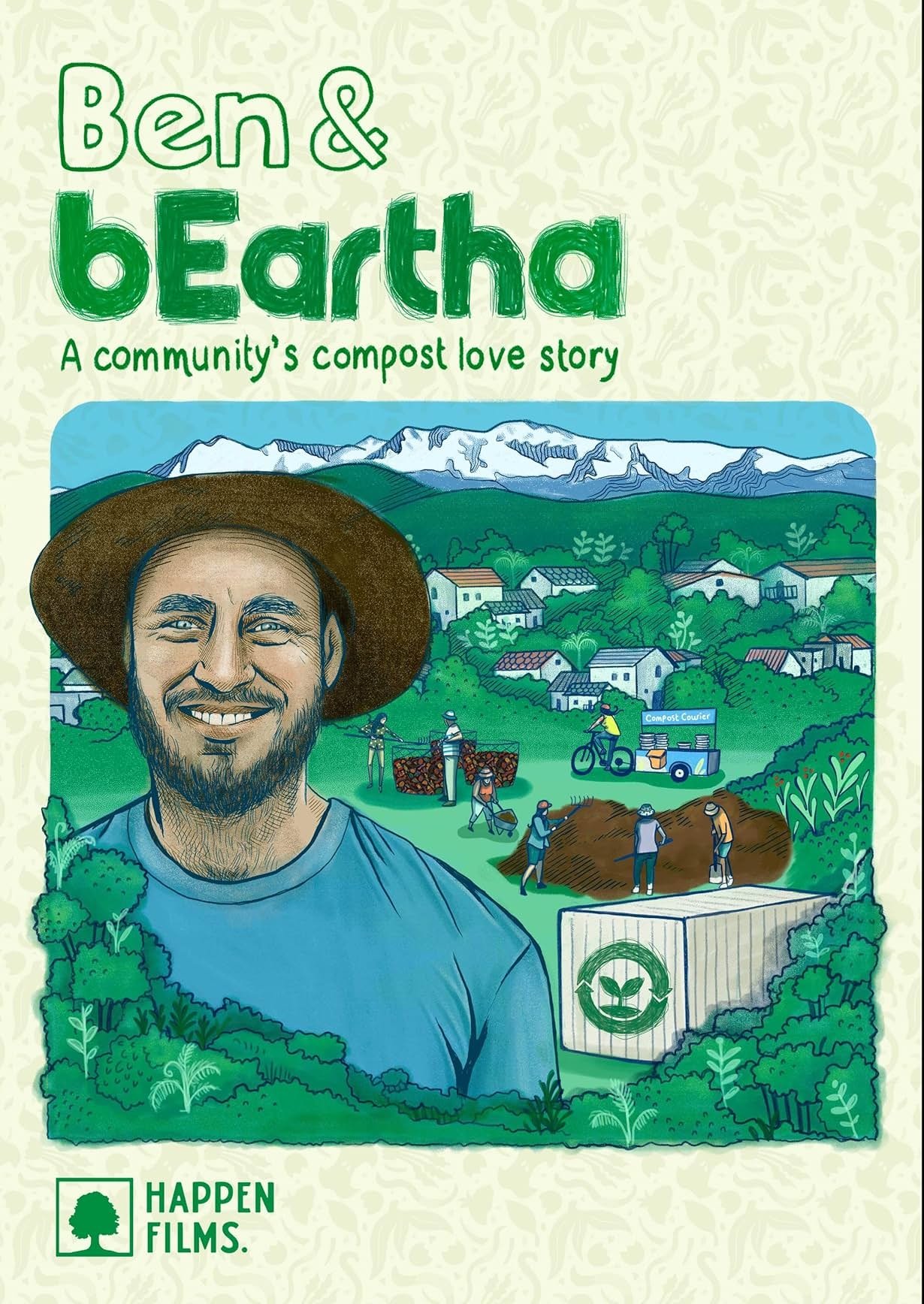
In Ben & bEartha, we follow passionate composter Ben Bushell as he leads a team to develop a machine that enables large-scale composting for any community worldwide. Through Ben's inspiring journey, we discover bEartha, an automatic composting machine set to revolutionize small-scale commercial composting.
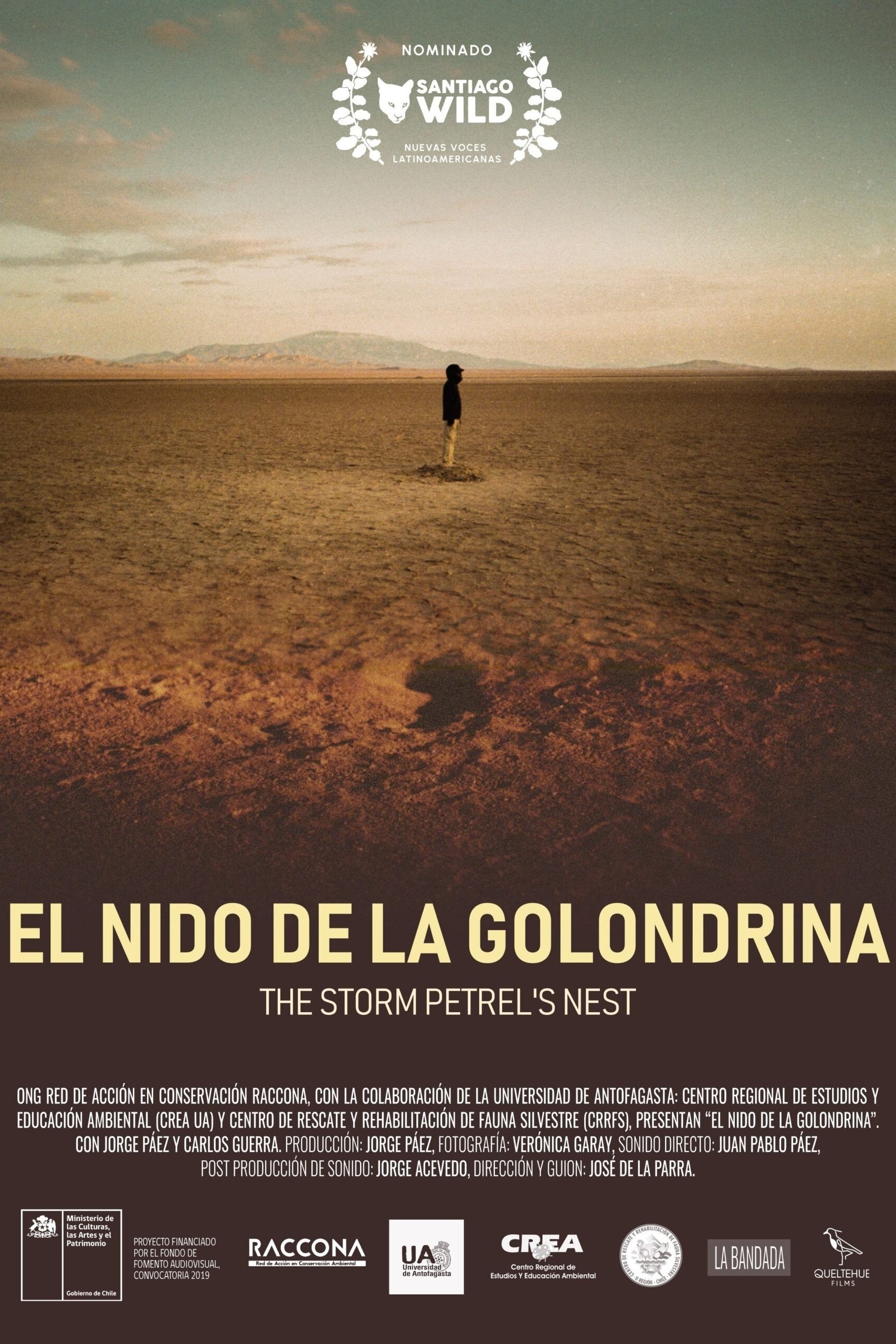
During their first flight between the Atacama Desert and the Pacific Ocean, thousands of ringed storm petrels have fallen victim to light pollution caused by the city and industry. Biologist Jorge Páez is dedicated to the rescue and conservation of this species in the city of Antofagasta. He will face the greatest mystery surrounding this species: despite the hundreds of specimens that fall in the city each year, nobody knows for certain the nesting sites of the species, lost in the vastness of the desert.
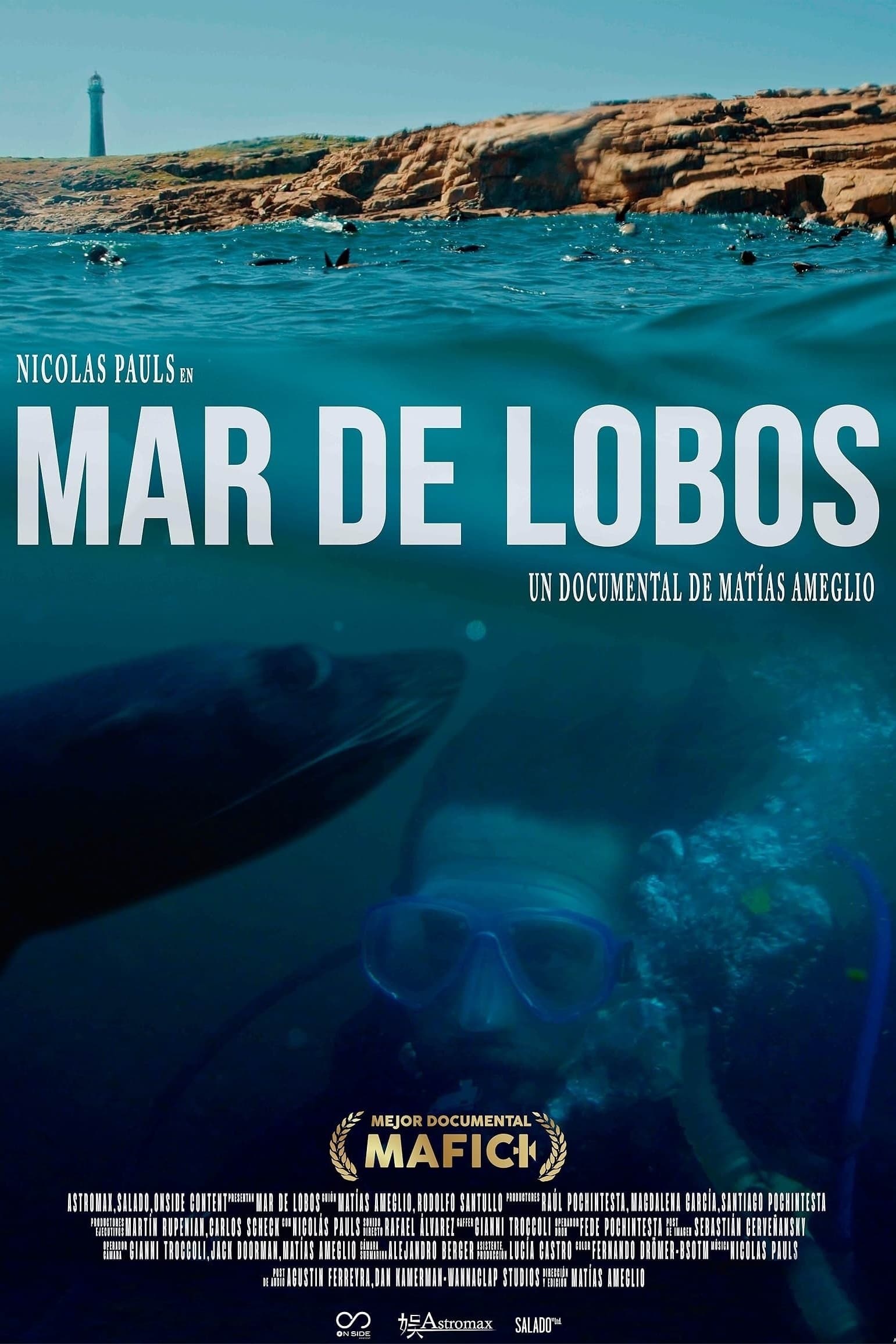
This documentary captures a deeply personal journey by Argentinian actor and musician, Nicolás Pauls, to the Uruguayan coast. This area hosts two of the world's foremost sea lion colonies. Isla de lobos and Cabo Polonio. A famed sanctuary for hundreds of thousands of sea lions. Pauls presents the two sides of the complex conflict between the local artisanal fisherman, struggling to earn their living and the sea lions who risk their survival in leaving the boundaries of the island.
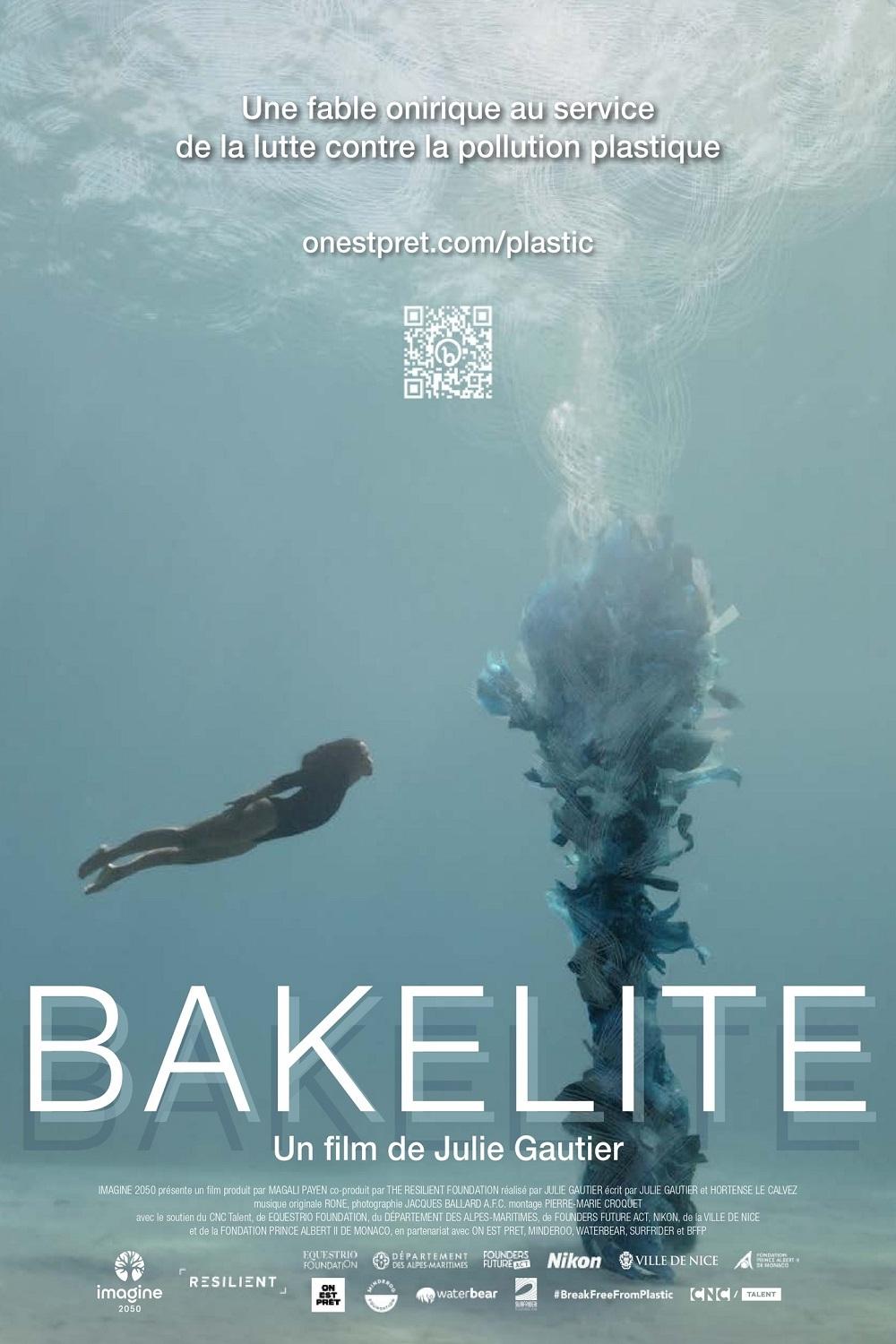
This underwater ballet is an ecological story depicting our paradoxical relationship with plastic. Bakelite launched the #SickOfPlastic campaign from On Est Prêt, along with the Surfrider Foundation, Break Free from Plastic and the Resilient Foundation. Photography was directed by Jacques Ballard, a specialist in underwater cinematography.
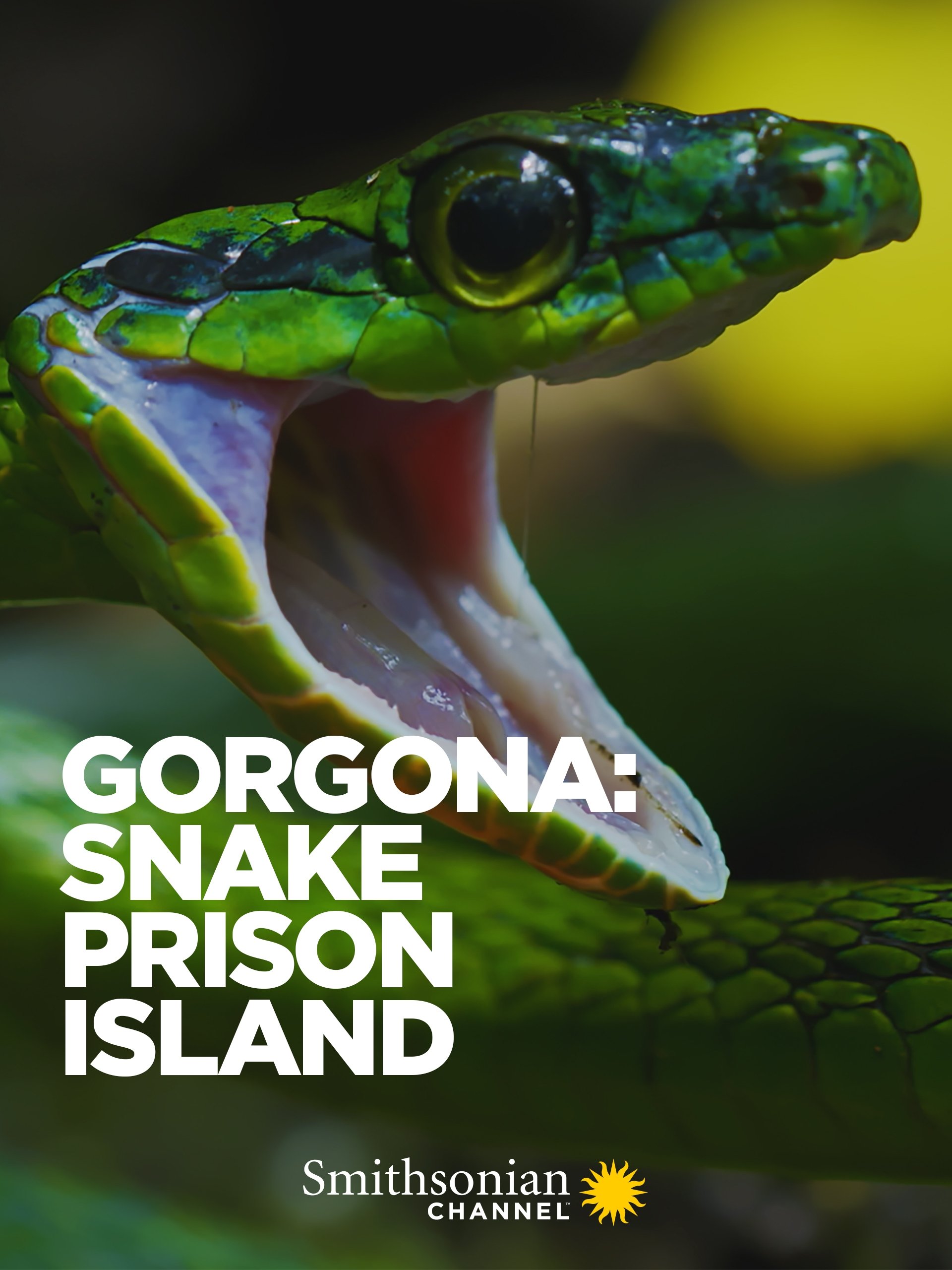
Gorgona, a remote Colombian island, has a dark secret. It’s a natural fortress, surrounded by shark-infested seas, blanketed in impenetrable jungle and teaming with deadly snakes. For that reason it was chosen by the Colombian government as the site of a high security prison, Colombia’s own Alcatraz.
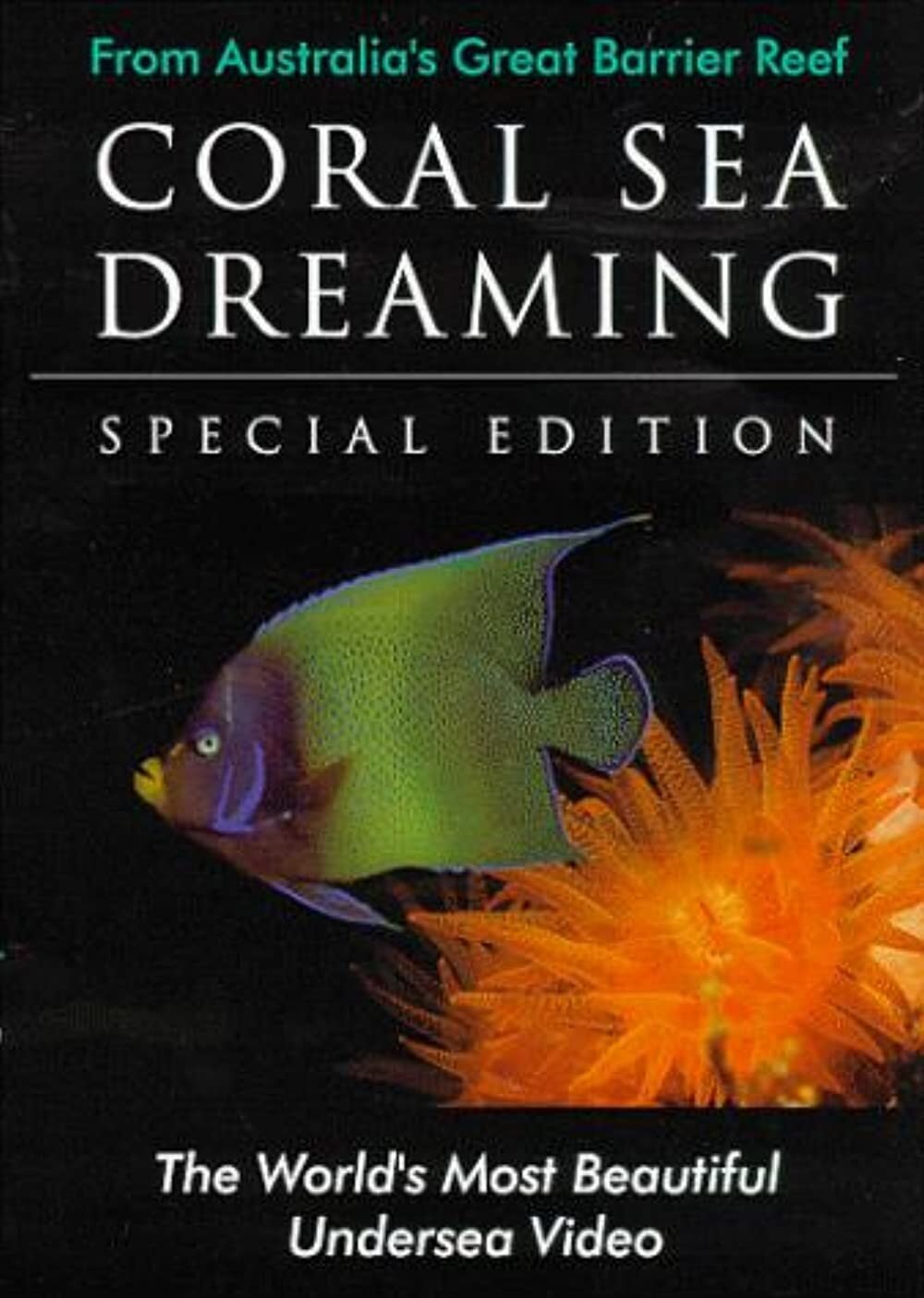
Sit back, relax and dive into the spectacular undersea world of the Great Barrier Reef. Discover crystal-clear video, cool Dolby Digital music, exotic fish of every color of the rainbow. No words, just 83 minutes of great original music, stunning images, 300 creatures in their natural habitat, body surfing dolphins!
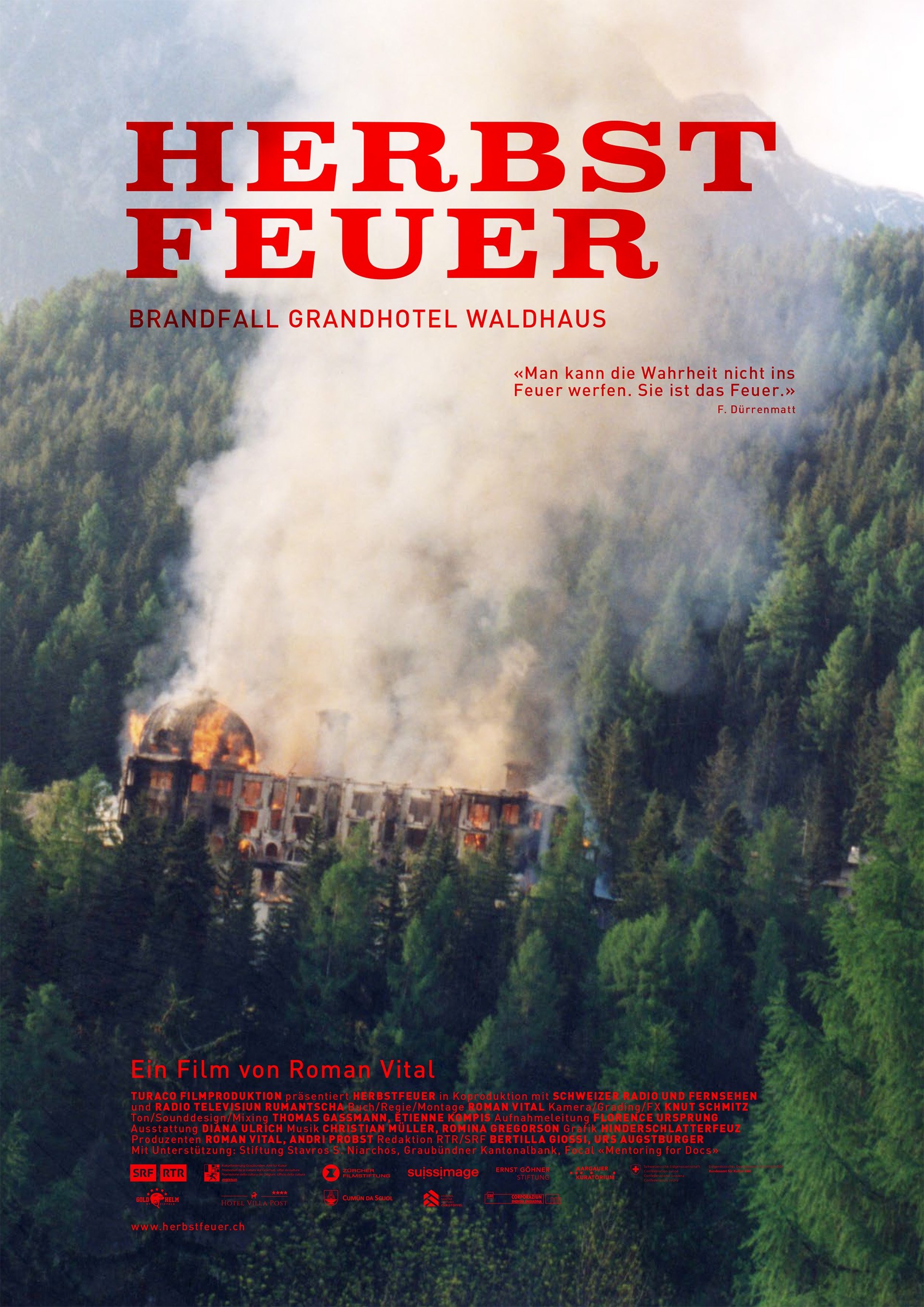
A passionate hotel manager is obsessed with a clairvoyant's claim that he is to blame for the unexplained fire at his legendary grand hotel. To free himself from this burden, he teams up with an astute detective inspector to expose a former employee as the arsonist. This unexpectedly puts him at the centre of the investigation – and he must face the truth.
The film reveals the astonishing beauty and profound ecological importance of the Pantanal: the largest tropical wetland on Earth, spanning over 17 million hectares across Brazil, Bolivia and Paraguay. The wetland is home to several groups of Indigenous peoples as well as rare and endangered wildlife, including species found nowhere else. But the Pantanal has suffered more fire damage than any other ecosystem. Told through the journeys of two environmental defenders, and blending beautiful cinematography with insights from scientists, Indigenous leaders and activists, the film is a wake-up call and an invitation to stand alongside those working to protect one of the last truly wild places on the planet.
Recounts the chilling events leading up to the emergence of the deadly Ebola virus. Shot on location in Africa, Europe and North America, and features interviews with Ebola survivors.
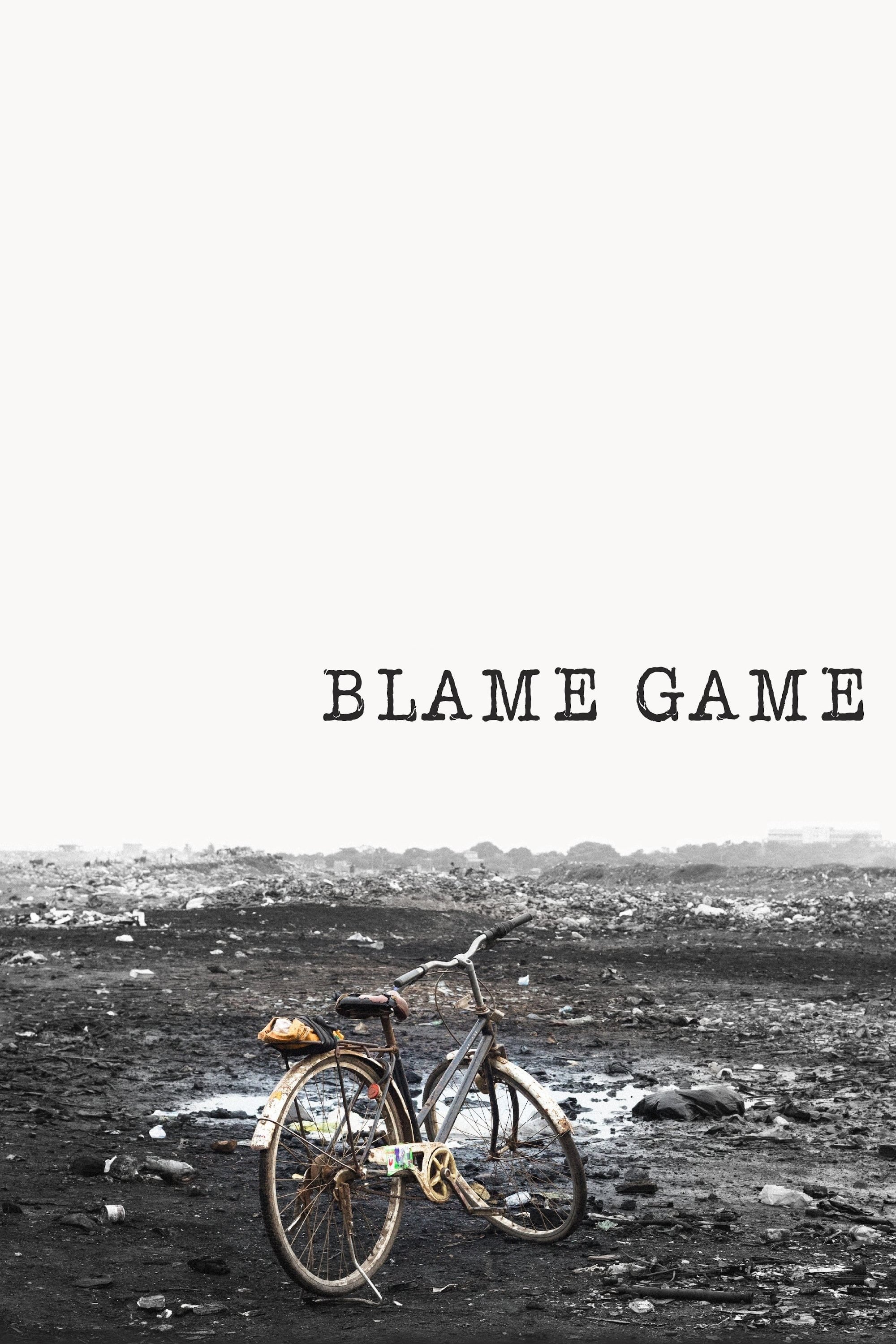
As more and more of us use and replace electronic devices, manufacturers have failed to offer solutions for how to deal with the resulting waste. Much of it is exported to a toxic dump in Ghana, where scavengers do their best to salvage what they can.
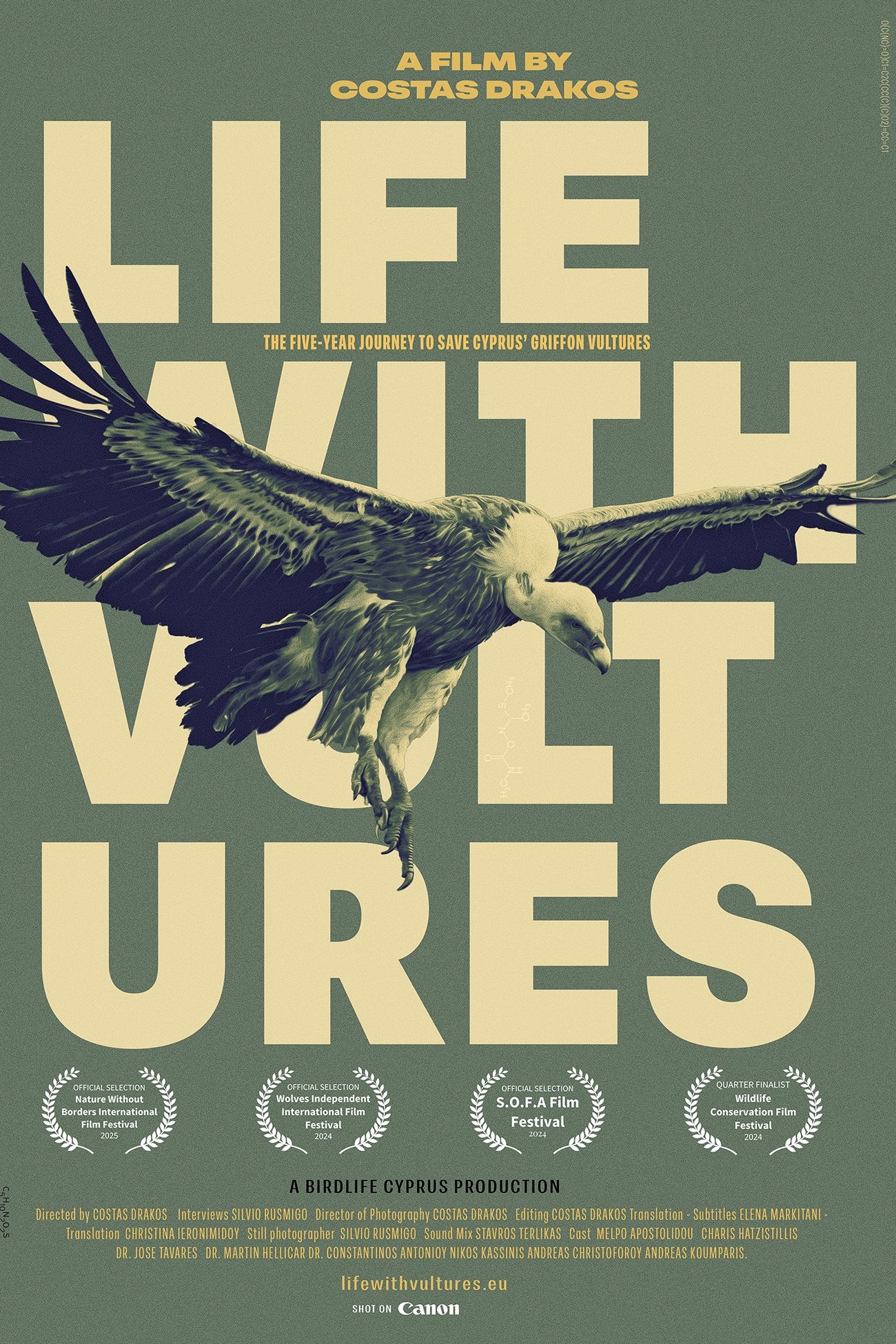
The Film “Life with Vultures” is about the efforts of a handful of NGOs and Government Agencies to save the only remaining Vulture species on the island of Cyprus, and by extension several other species of Birds and other wild animals
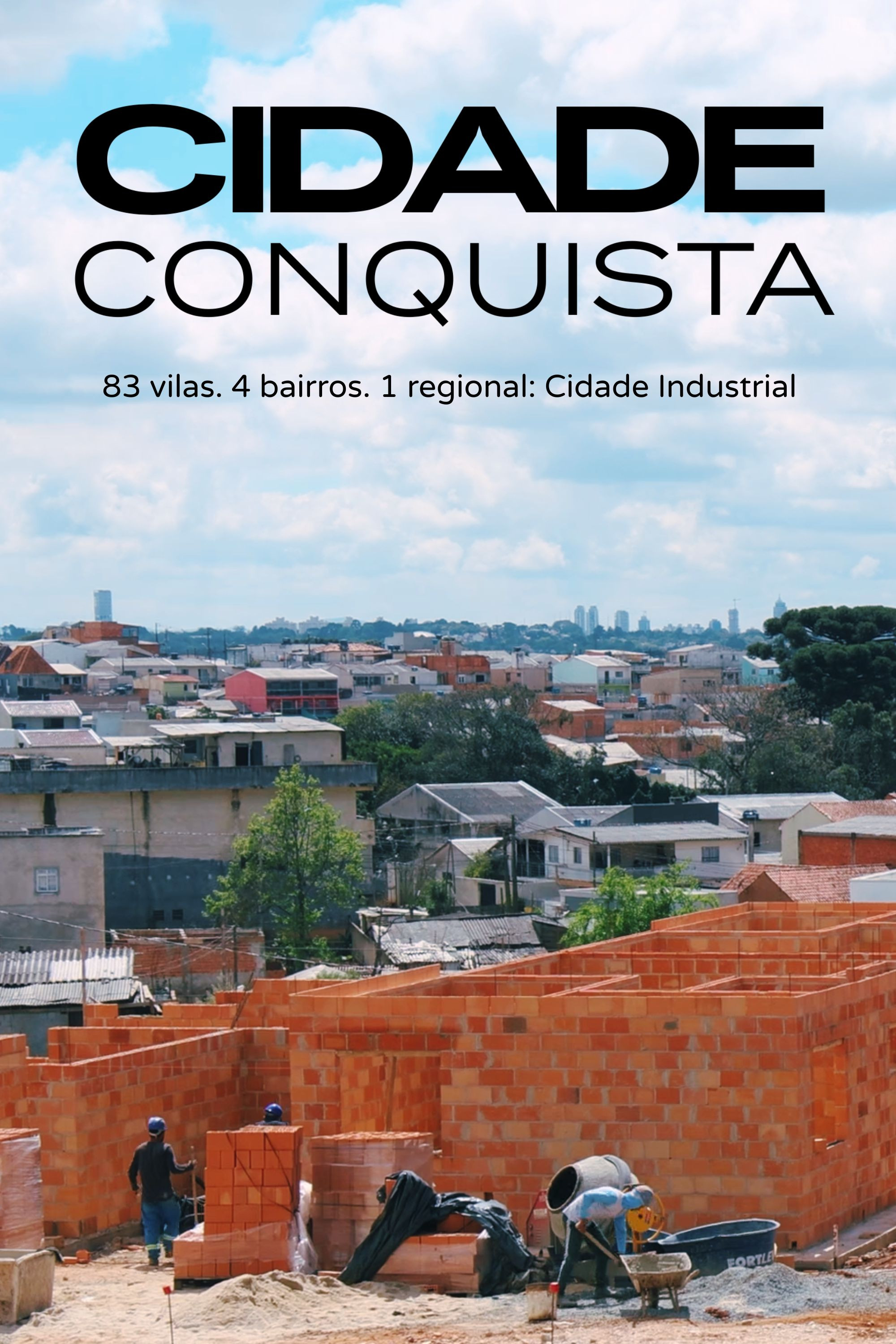
Documentary that explores the various lives, experiences and stories intertwined within the regional Cidade Industrial de Curitiba
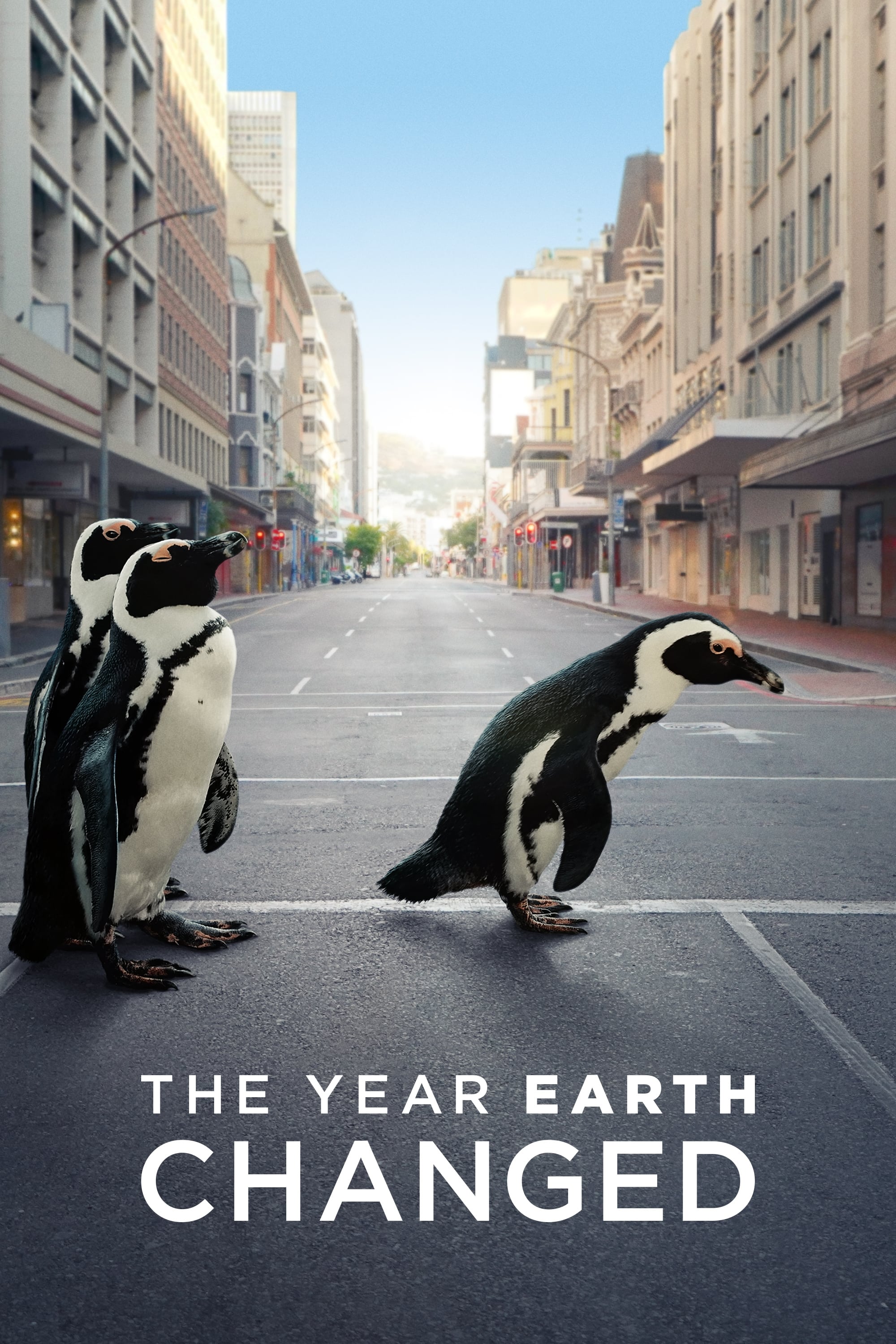
Never-before-seen footage shows how our living in lockdown opened the door for nature to bounce back and thrive. Across the seas, skies, and lands, Earth found its rhythm when we came to a stop.
Stream of consciousness awakened by the shots of an inauspicious summer.
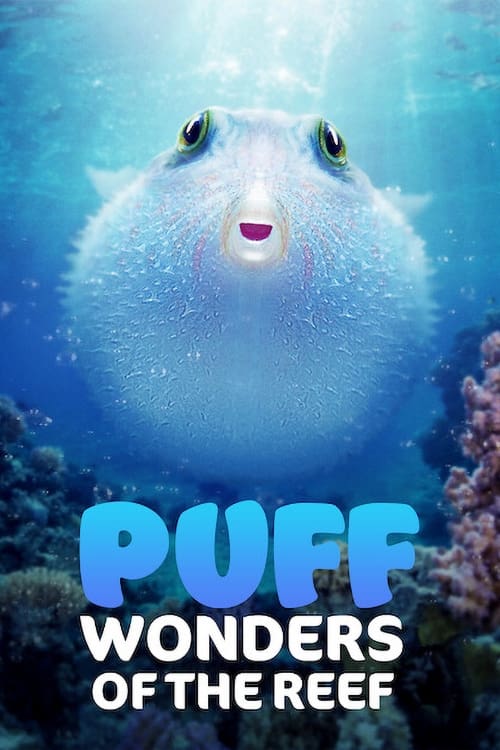
A baby pufferfish travels through a wondrous microworld full of fantastical creatures as he searches for a home on the Great Barrier Reef.
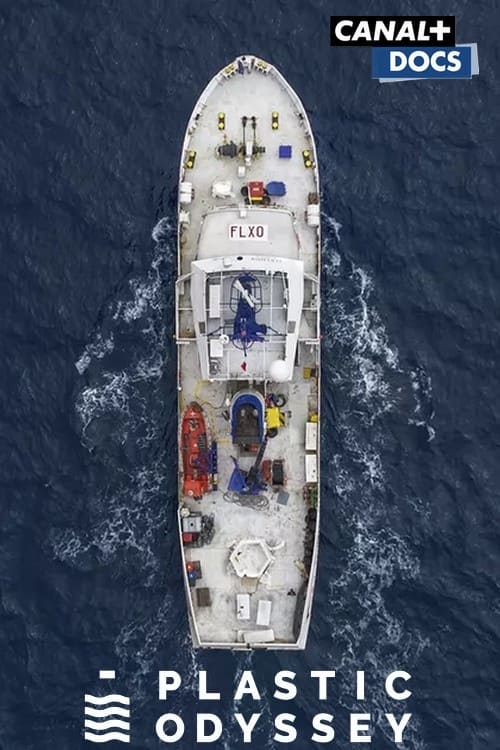
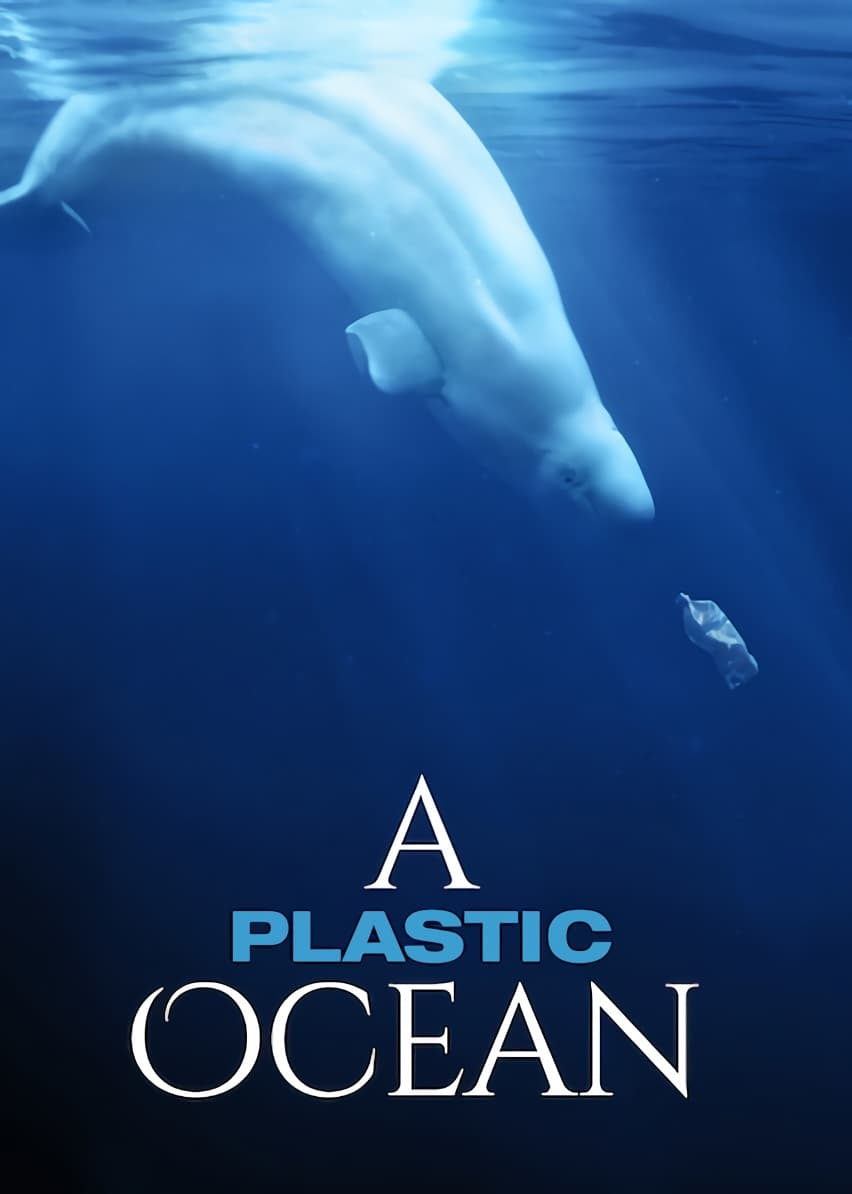
A documentary focused on plastic pollution in the world's oceans.
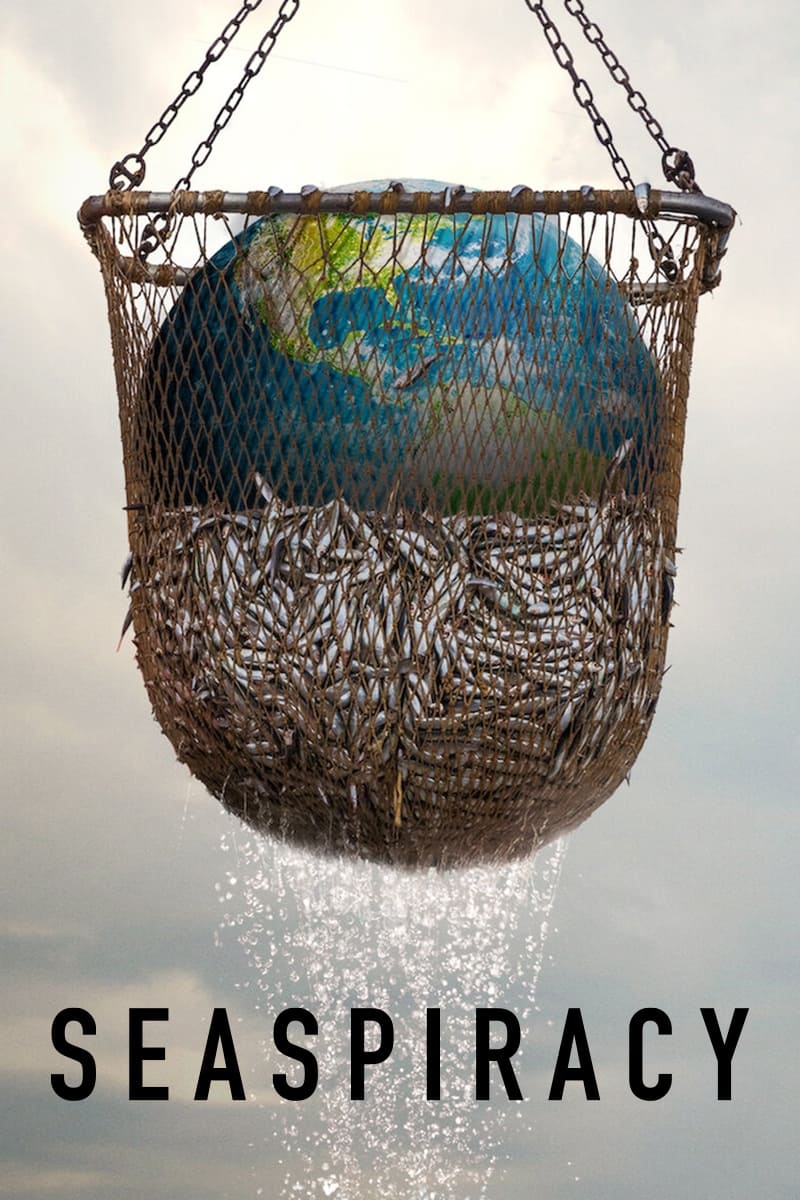
Passionate about ocean life, a filmmaker sets out to document the harm that humans do to marine species — and uncovers an alarming global conspiracy.
Alexander McQueen's rags-to-riches story is a modern-day fairy tale, laced with the gothic. Mirroring the savage beauty, boldness and vivacity of his design, this documentary is an intimate revelation of McQueen's own world, both tortured and inspired, which celebrates a radical and mesmerizing genius of profound influence.
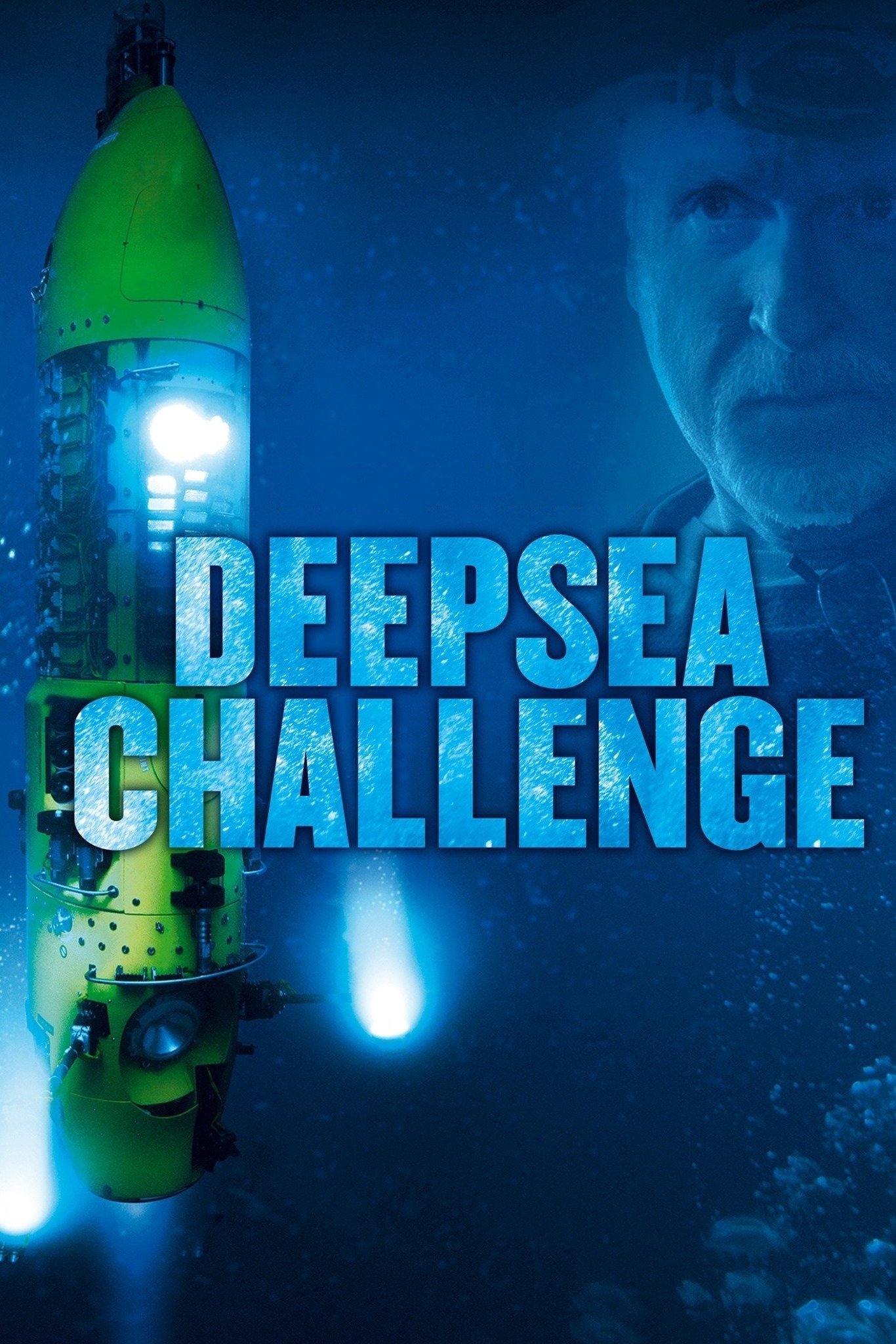
Described as being a film about determination, danger and the ocean’s greatest depths, James Cameron's "Deepsea Challenge 3D" tells the story of Cameron’s journey to fulfill his boyhood dream of becoming an explorer. The movie offers a unique insight into Cameron's world as he makes that dream reality – and makes history – by becoming the first person to travel solo to the deepest point on the planet.
A visual montage portrait of our contemporary world dominated by globalized technology and violence.
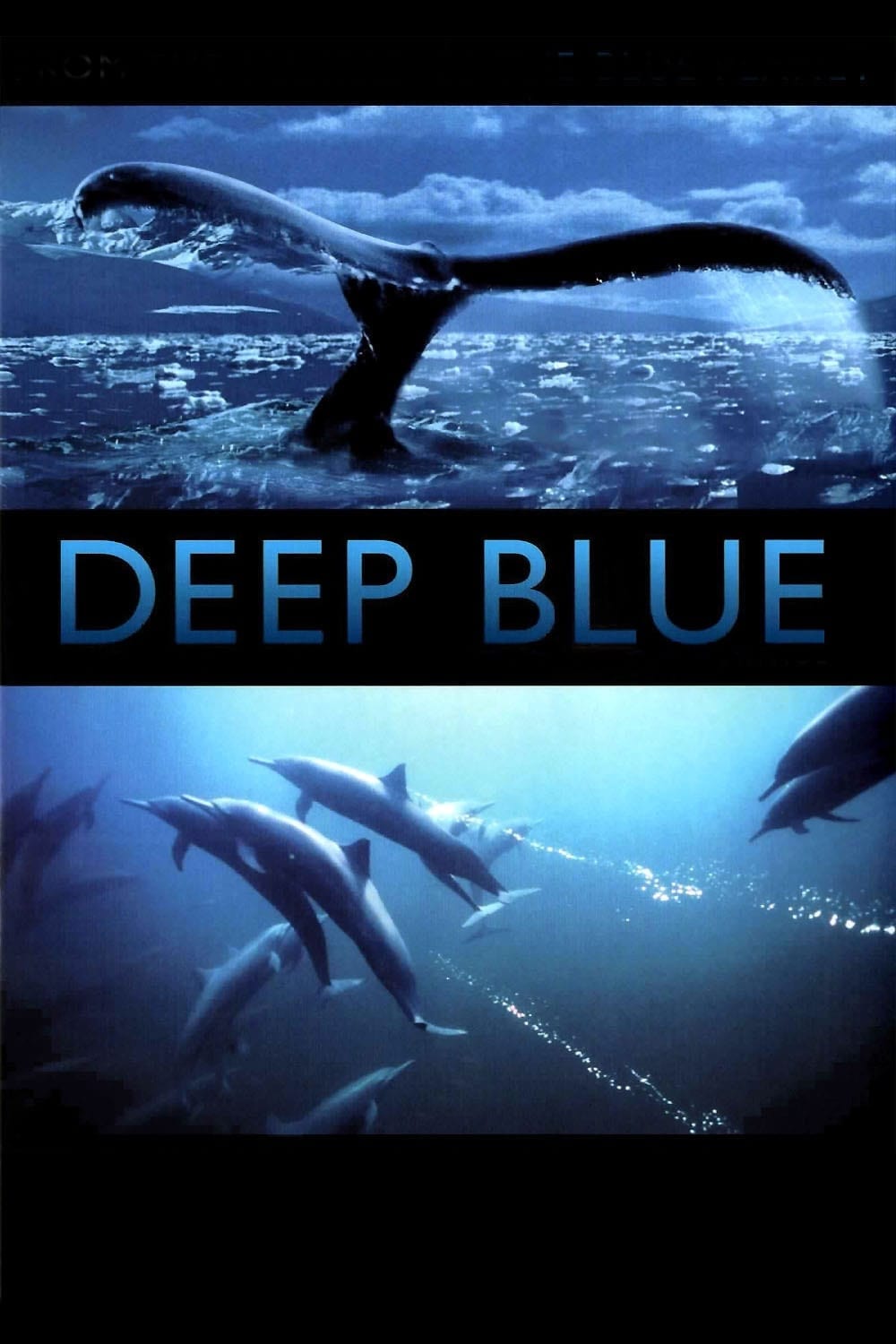
Deep Blue is a major documentary feature film shot by the BBC Natural History Unit. An epic cinematic rollercoaster ride for all ages, Deep Blue uses amazing footage to tell us the story of our oceans and the life they support.
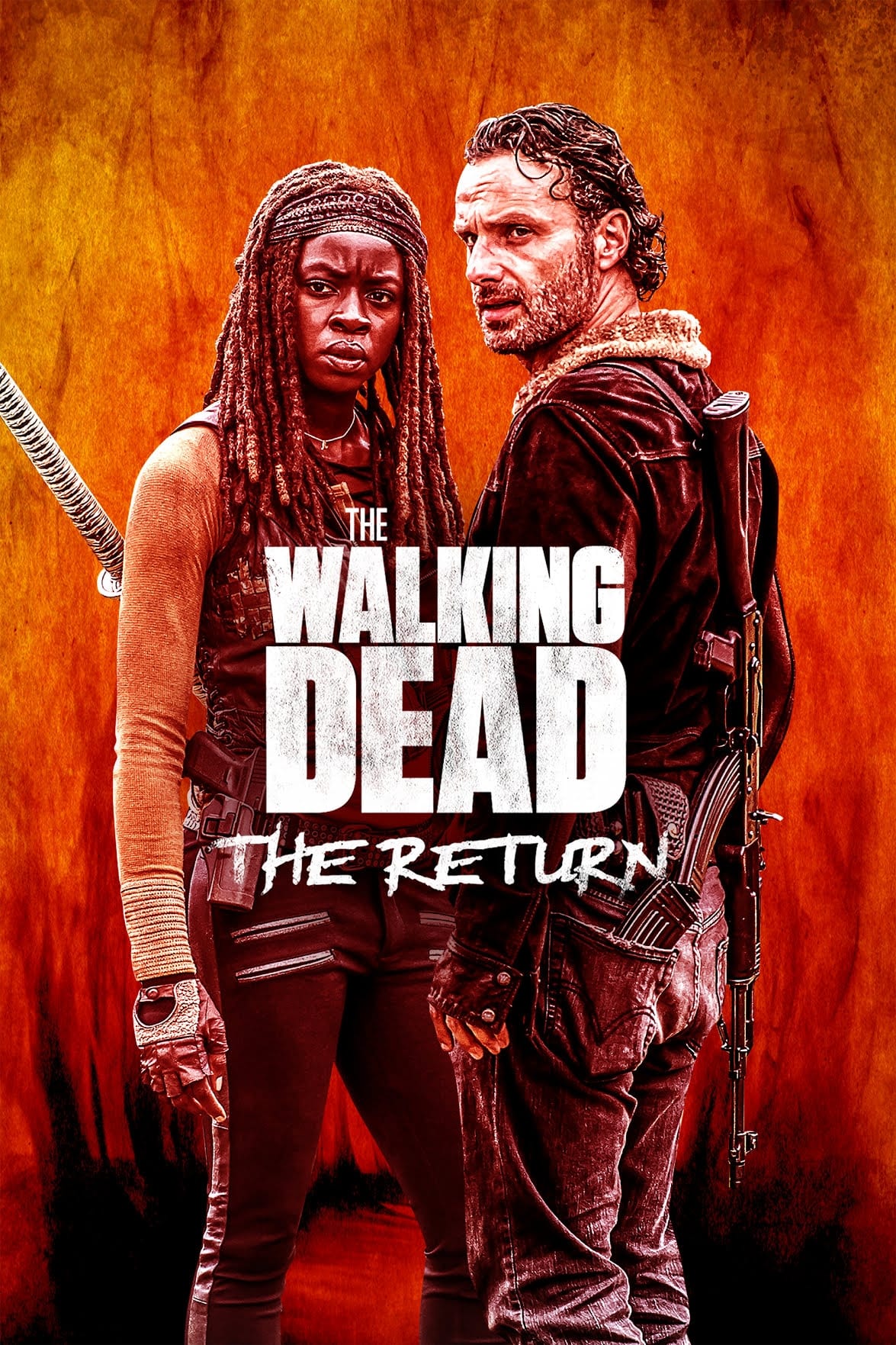
Stars of "The Walking Dead," Andrew Lincoln and Danai Gurira, walk down memory lane and visit iconic locations where pivotal moments between their characters, Rick and Michonne, were filmed.
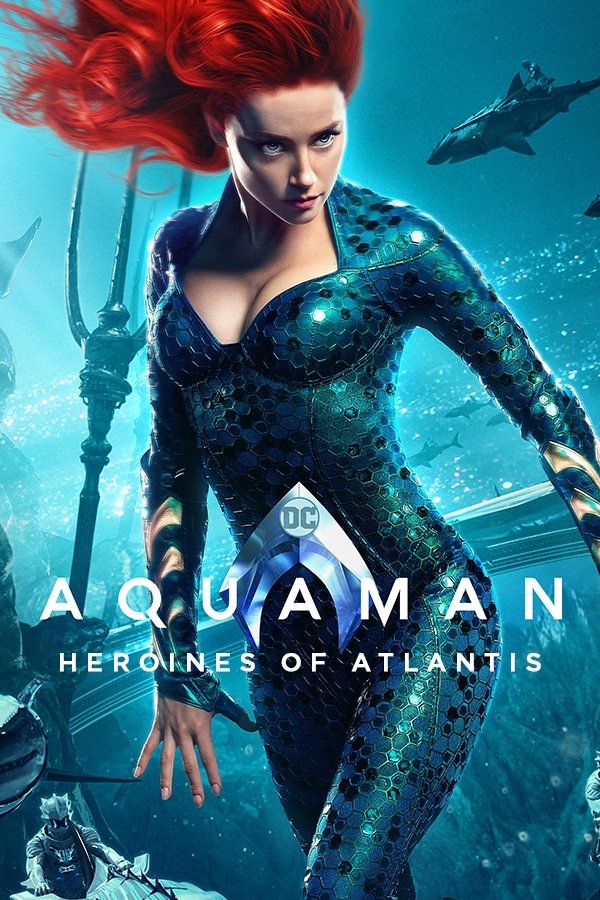
Amber Heard and Nicole Kidman discuss their characters Mera and Atlanna.
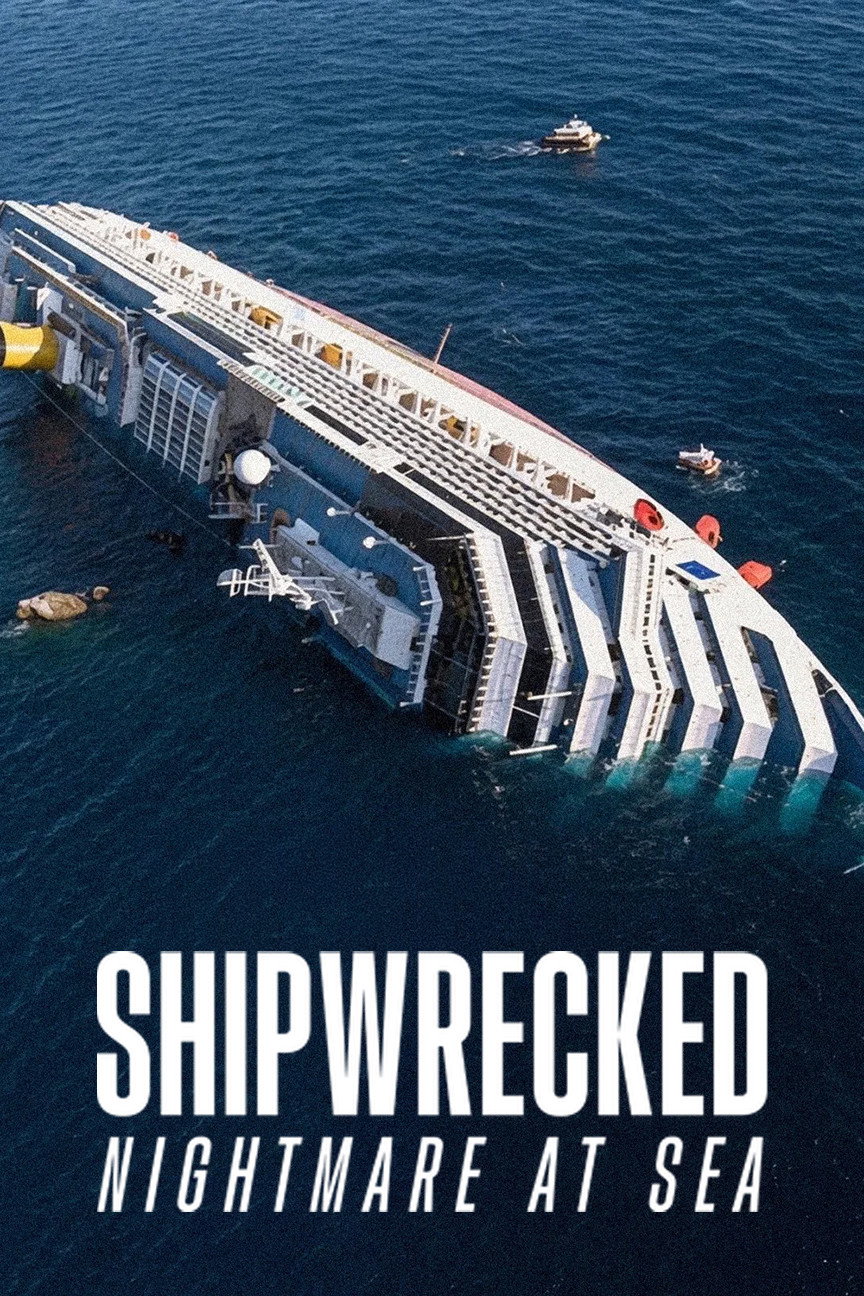
Never-before-seen footage and survivor accounts trace the 2012 shipwreck of a luxury cruise and the disaster that ensued, in this immersive documentary.
After years in the limelight, Selena Gomez achieves unimaginable stardom. But just as she reaches a new peak, an unexpected turn pulls her into darkness. This uniquely raw and intimate documentary spans her six-year journey into a new light.
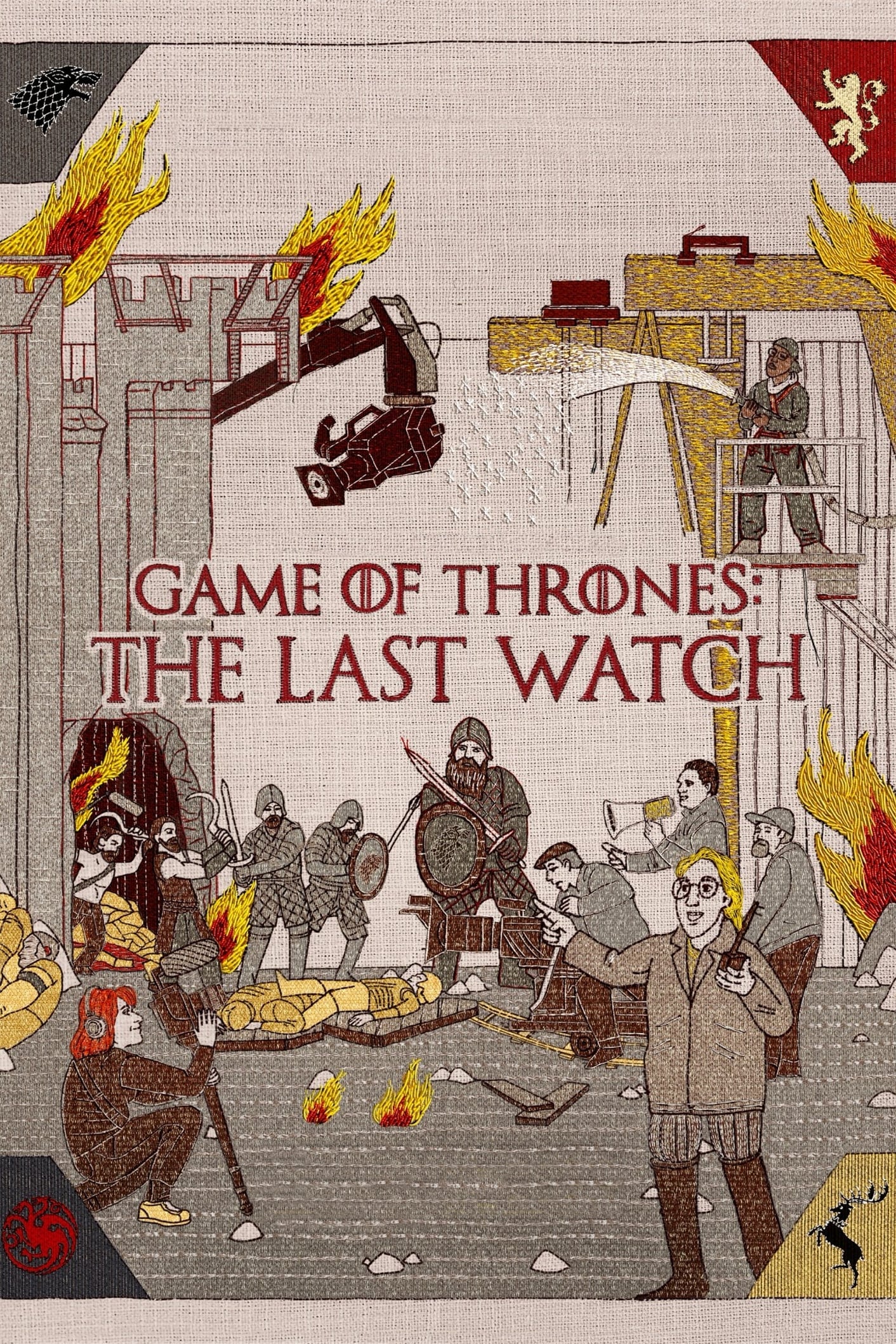
For a year, acclaimed British filmmaker Jeanie Finlay was embedded on the set of the hit HBO series “Game of Thrones,” chronicling the creation of the show’s most ambitious and complicated season. Debuting one week after the series 8 finale, GAME OF THRONES: THE LAST WATCH delves deep into the mud and blood to reveal the tears and triumphs involved in the challenge of bringing the fantasy world of Westeros to life in the very real studios, fields and car-parks of Northern Ireland. Made with unprecedented access, GAME OF THRONES: THE LAST WATCH is an up-close and personal portrait from the trenches of production, following the crew and the cast as they contend with extreme weather, punishing deadlines and an ever-excited fandom hungry for spoilers. Much more than a “making of” documentary, this is a funny, heartbreaking story, told with wit and intimacy, about the bittersweet pleasures of what it means to create a world – and then have to say goodbye to it.
A documentary on the expletive's origin, why it offends some people so deeply, and what can be gained from its use.
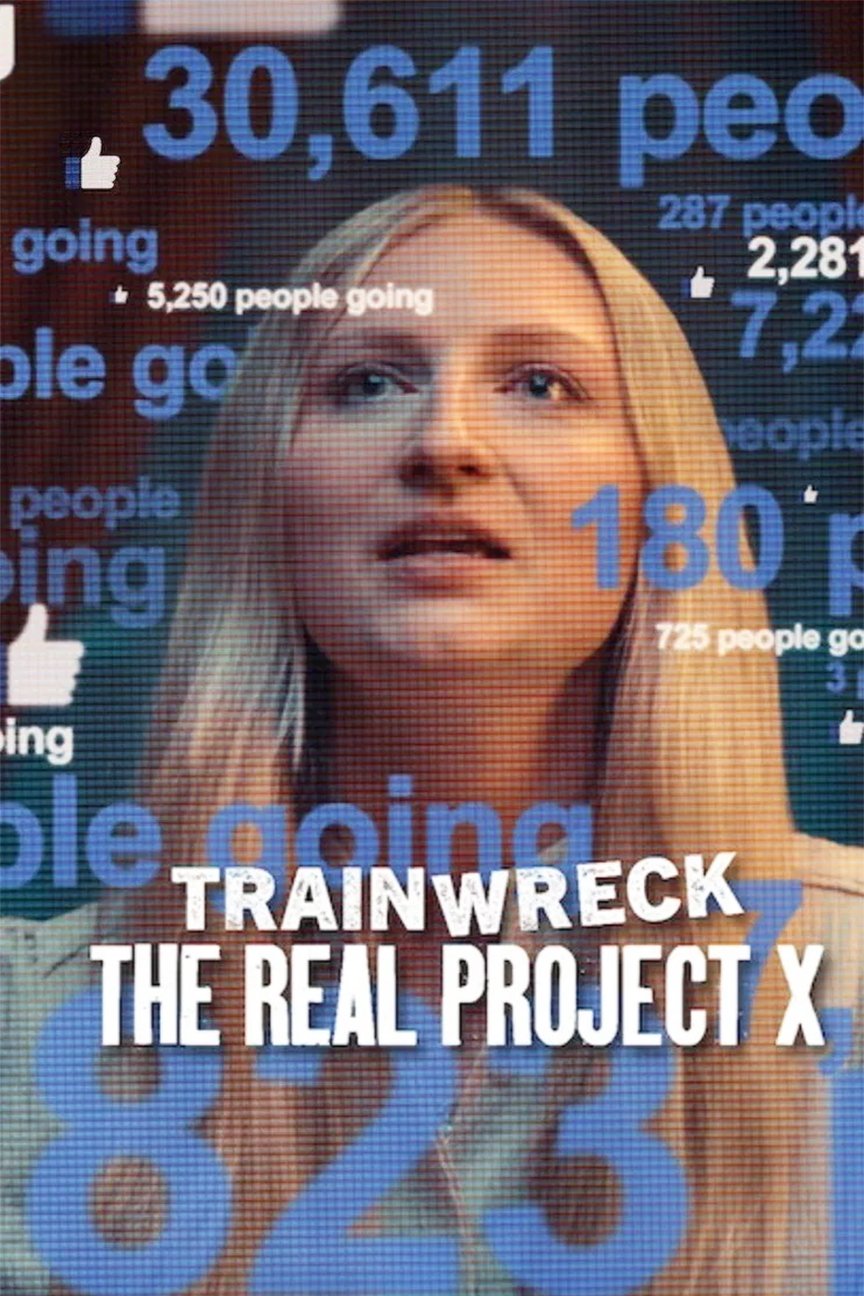
A night of drunken chaos rocks a quiet Dutch town in this shocking documentary about a teen's birthday invite that accidentally went viral on Facebook.
Through deeply personal interviews with her siblings and an examination of the photographs, letters, and belongings left behind, Mariska assembles a new portrait of her mother Jayne Mansfield, an extraordinary and complex woman.
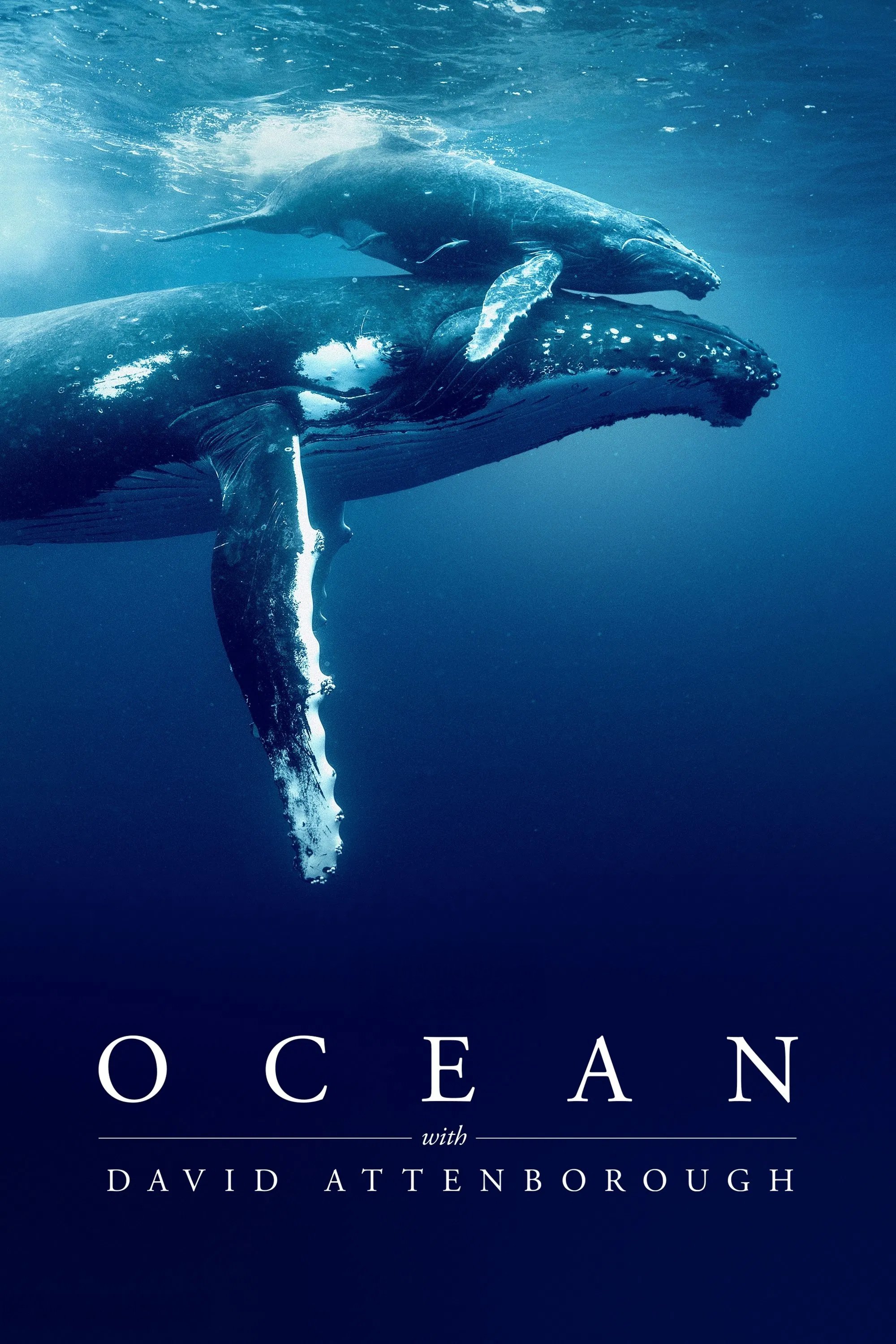
David Attenborough takes viewers on a breathtaking journey showing there is nowhere more vital for our survival, more full of life, wonder, or surprise, than the ocean. Through spectacular sequences featuring coral reefs, kelp forests and the open ocean, Attenborough shares why a healthy ocean keeps the entire planet stable and flourishing.
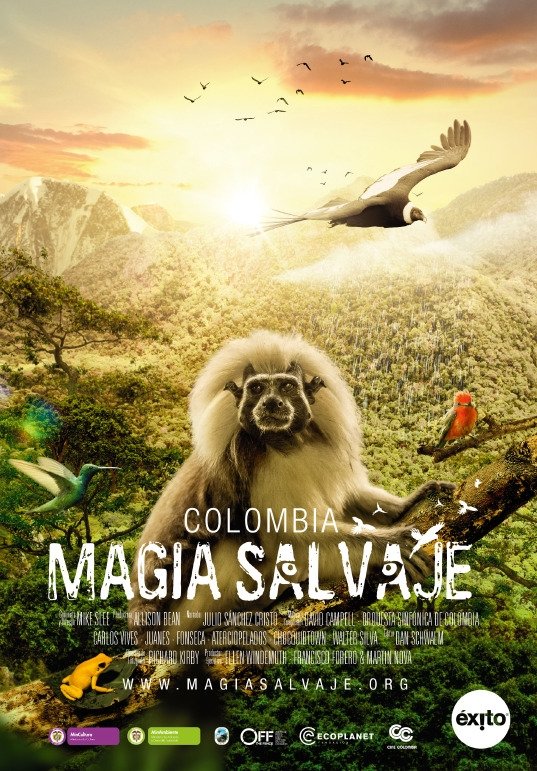
A wonderful country full of amazing creatures in America called Colombia, seen as never before, accompanied by incredible shots, make it a must-see place for adventurers and wildlife lovers this natural paradise.
This revealing documentary honors the legendary Sidney Poitier—iconic actor, filmmaker, and civil rights activist. Featuring interviews with Denzel Washington, Spike Lee, Halle Berry, and more.
In the Realms of the Unreal is a documentary about the reclusive Chicago-based artist Henry Darger. Henry Darger was so reclusive that when he died his neighbors were surprised to find a 15,145-page manuscript along with hundreds of paintings depicting The Story of the Vivian Girls, in What is Known as the Realms of the Unreal, of the Glodeco-Angelinnian War Storm, Cased by the Child Slave Rebellion.
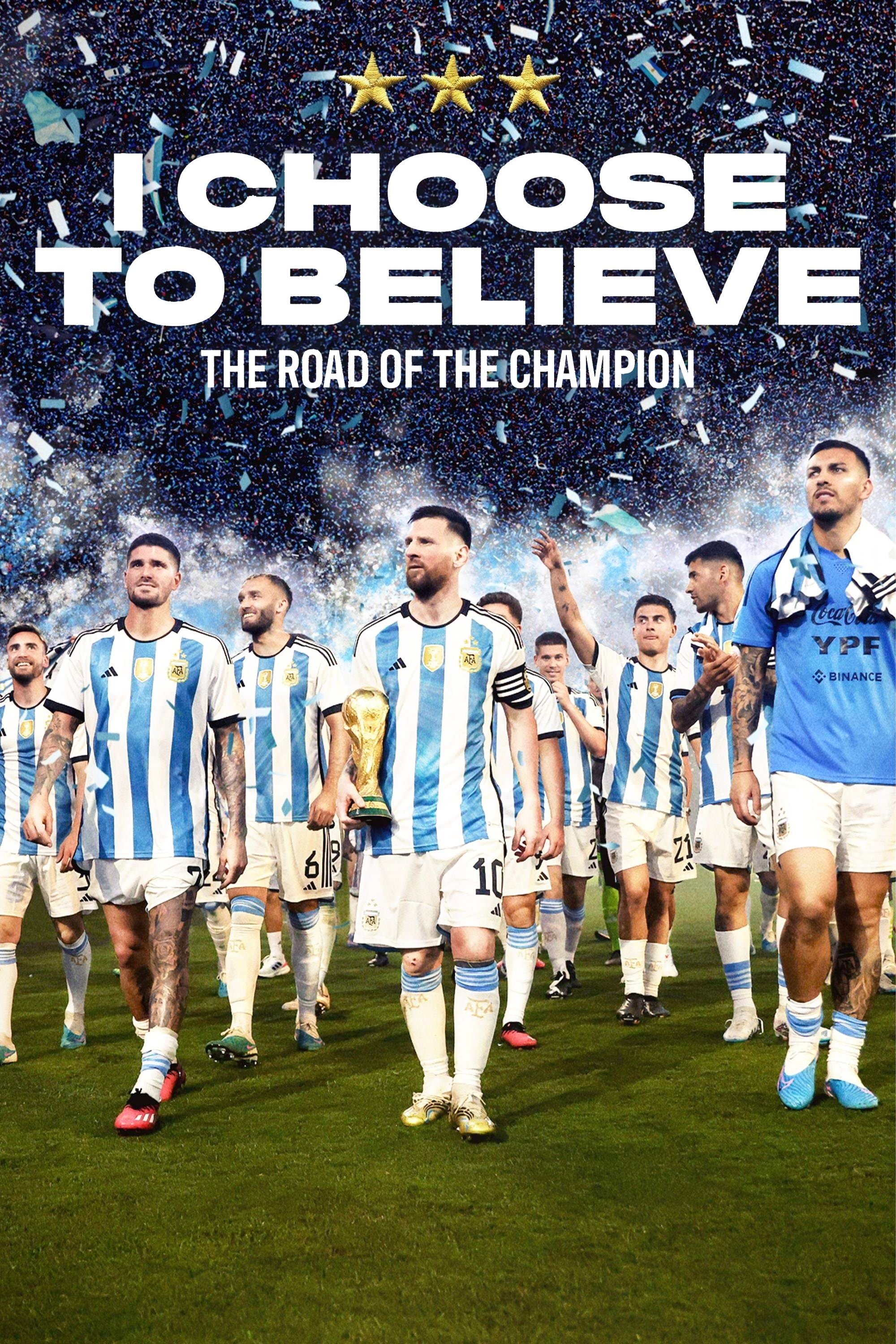
It narrates the epic title obtained by the Argentine National Team in the World Cup Qatar 2022 with testimonies of the protagonists, told from the intimacy and in first person.