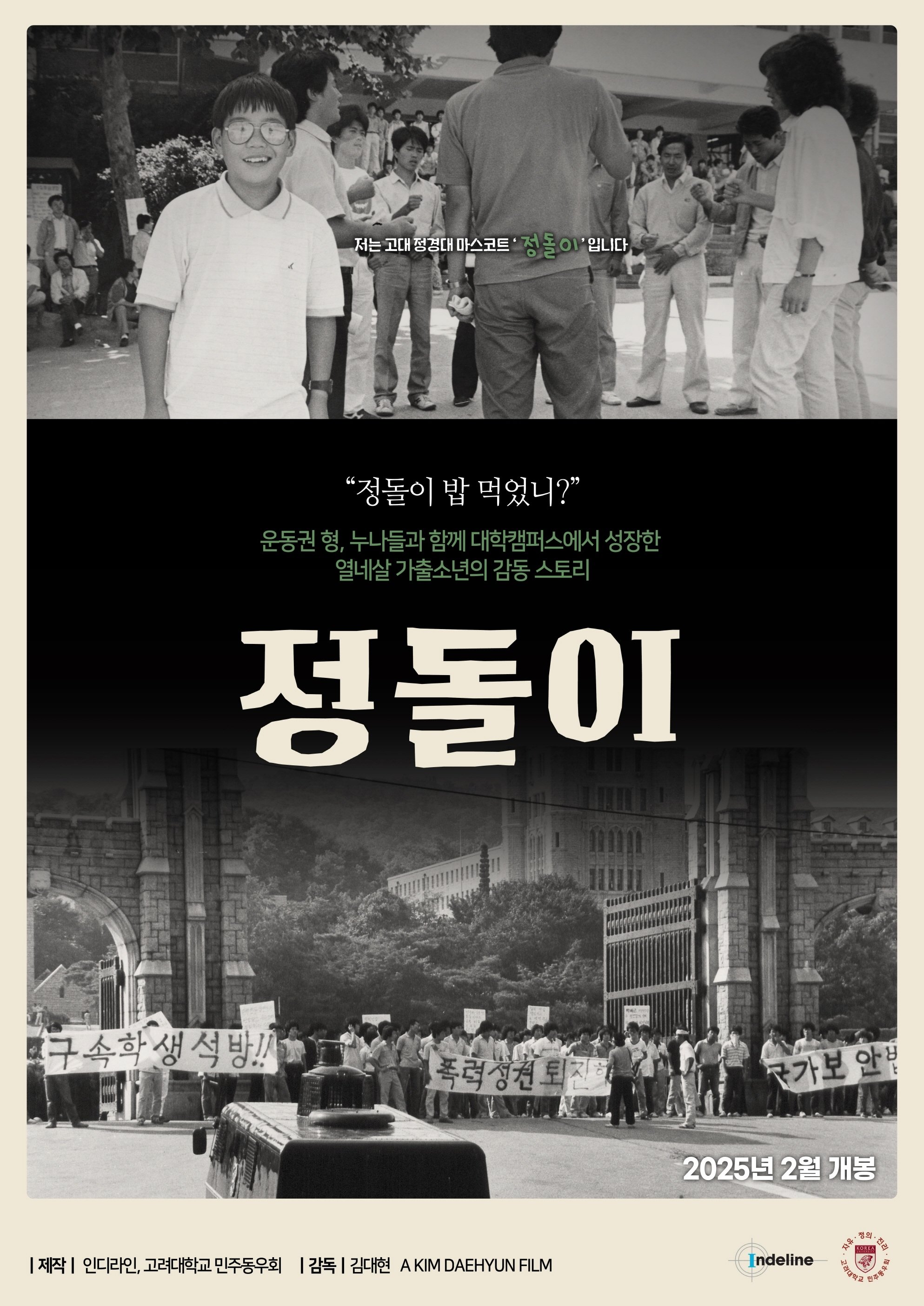
In the spring of 1987, a 14-year old runaway boy ended up in a college campus and made it his home. He grew up on campus under care of students activists. They call him "Poliboy."
Social & External
In 1987 Korea under an oppressive military regime, the unlawful interrogation and death of a college student ignite ordinary citizens to fight for the truth and bring about justice.
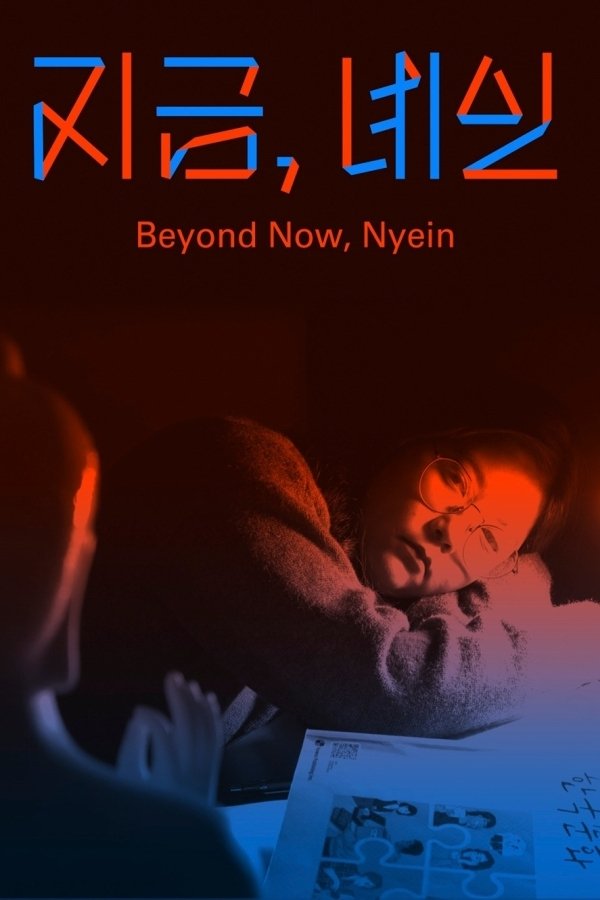
My family has lived in a house across from the Blue House, the presidential palace, for 50 years. During the era of military dictatorship, the Blue House was a place of fear and inaccessibility. But as South Korea democratized, more and more people were allowed to approach it. I had grown up surrounded by countless protests, but it was the first time their sound followed me home. The never-ending noise made the house where I was born and raised feel unfamiliar. But the place they now stood was the very spot where I had held a candle to protest just months before. My right to raise my voice also guarantees theirs.
When the Chinese Communist Party backtracks on its promise of autonomy to Hong Kong, teenager Joshua Wong decides to save his city. Rallying thousands of kids to skip school and occupy the streets, Joshua becomes an unlikely leader in Hong Kong and one of China’s most notorious dissidents.
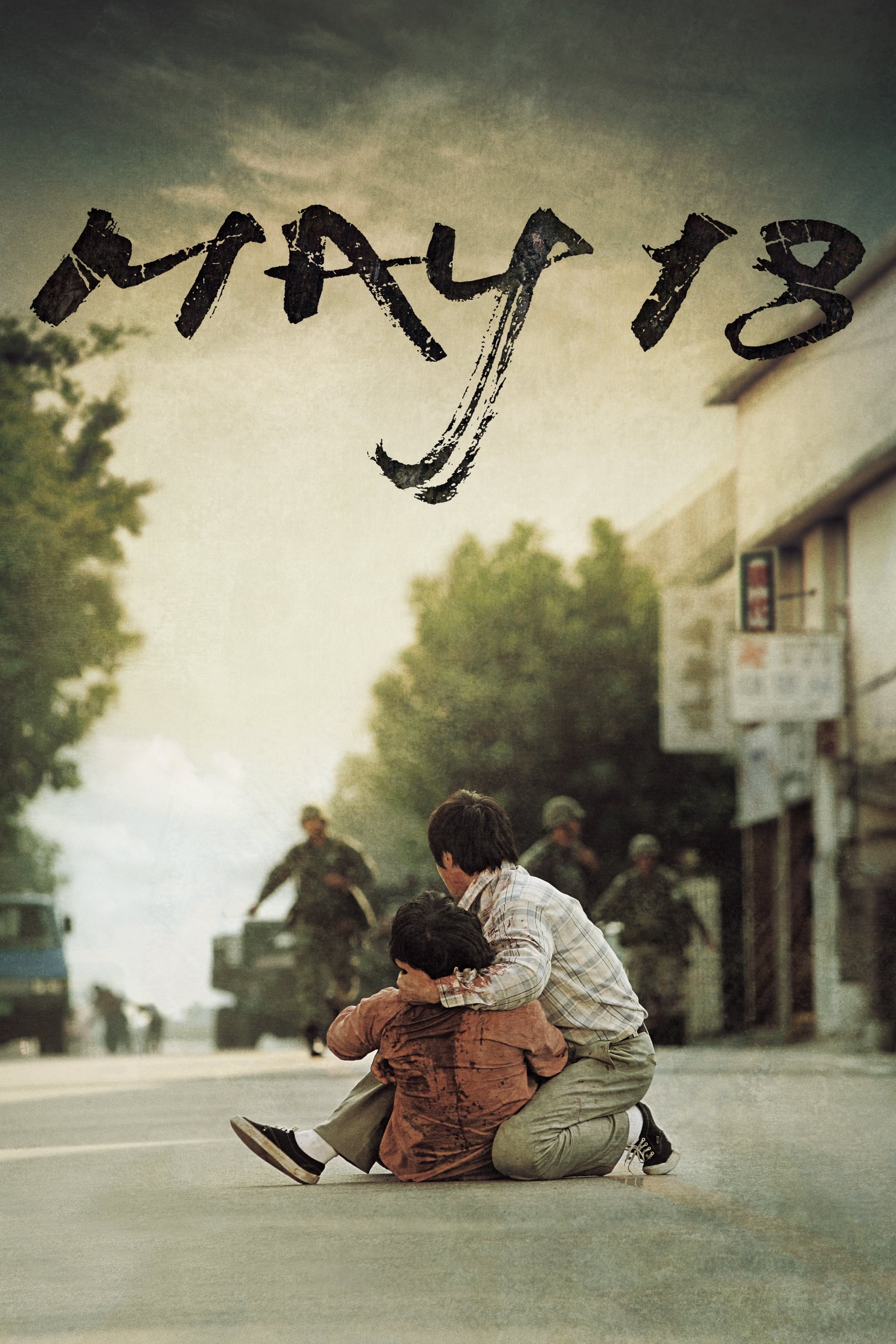
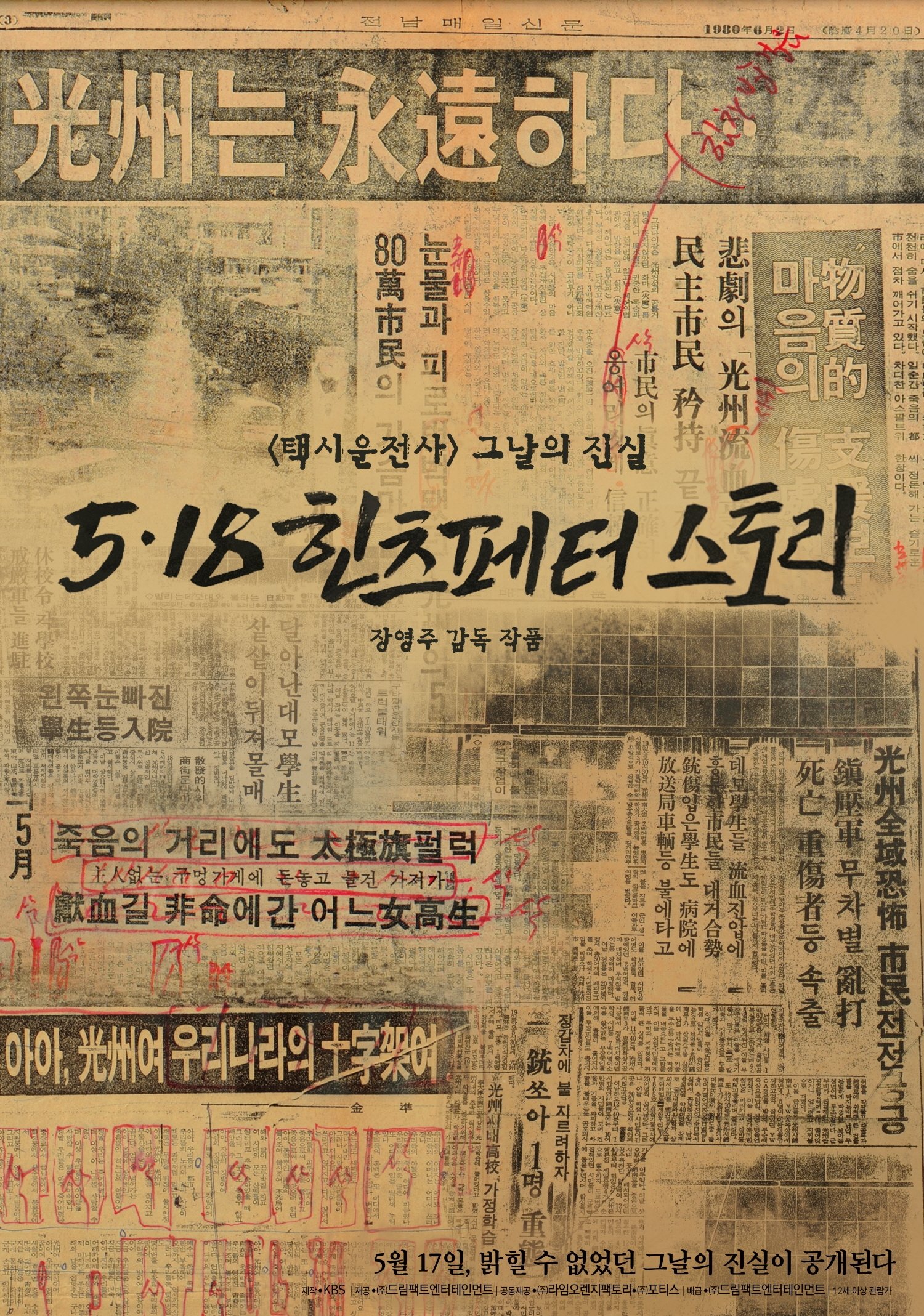
May, 1980. Man-seob is a taxi driver in Seoul who lives from hand to mouth, raising his young daughter alone. One day, he hears that there is a foreigner who will pay big money for a drive down to Gwangju city. Not knowing that he’s a German journalist with a hidden agenda, Man-seob takes the job.
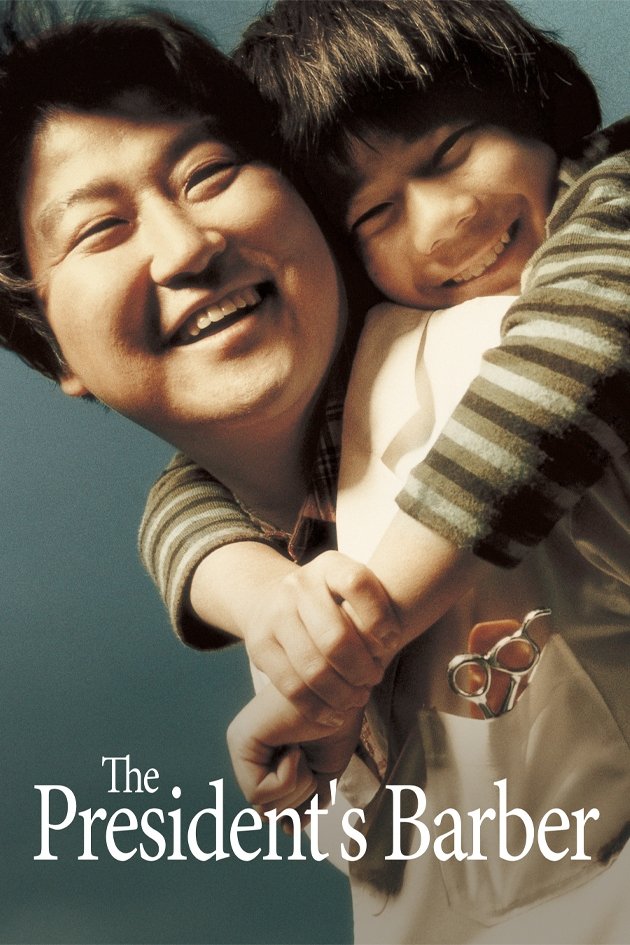
A well-meaning but politically naive barber gets pulled into the inner circle of the South Korean dictator Park Chung-Hee, with rather baleful consequences for his hapless family. This sharp political satire covers roughly twenty years in South Korean political history, from the viewpoint of the barber's son.
Born in 1918 in the ideal village of independence activists in the northern part of Manchuria, pastor Moon Ik-hwan lost his childhood friend Yun Dong-ju under Japanese oppression and Chang Chun-ha during the Yusin regime. Moon survived the mass of modern Korean history, giving hope everywhere suffering.
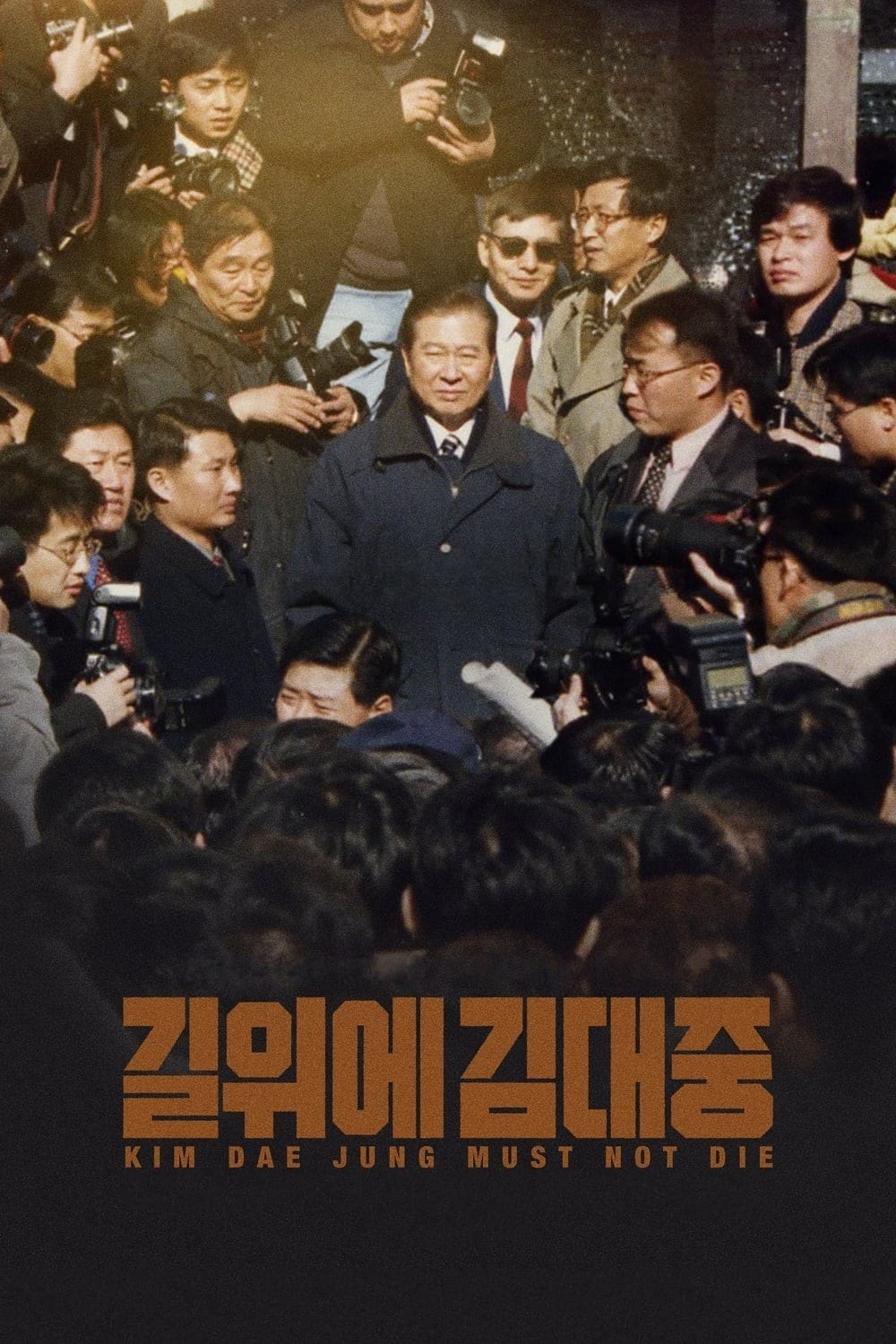
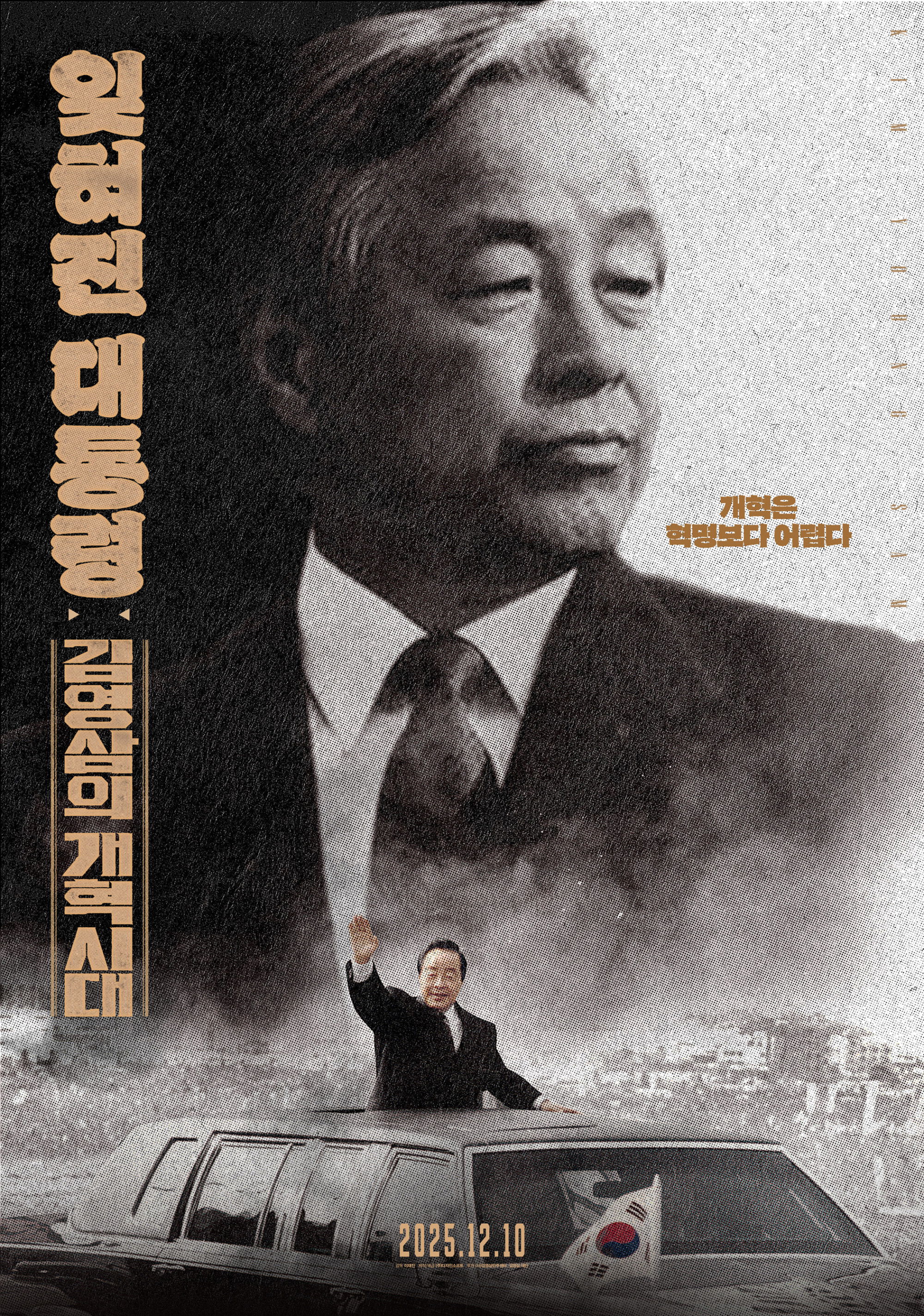
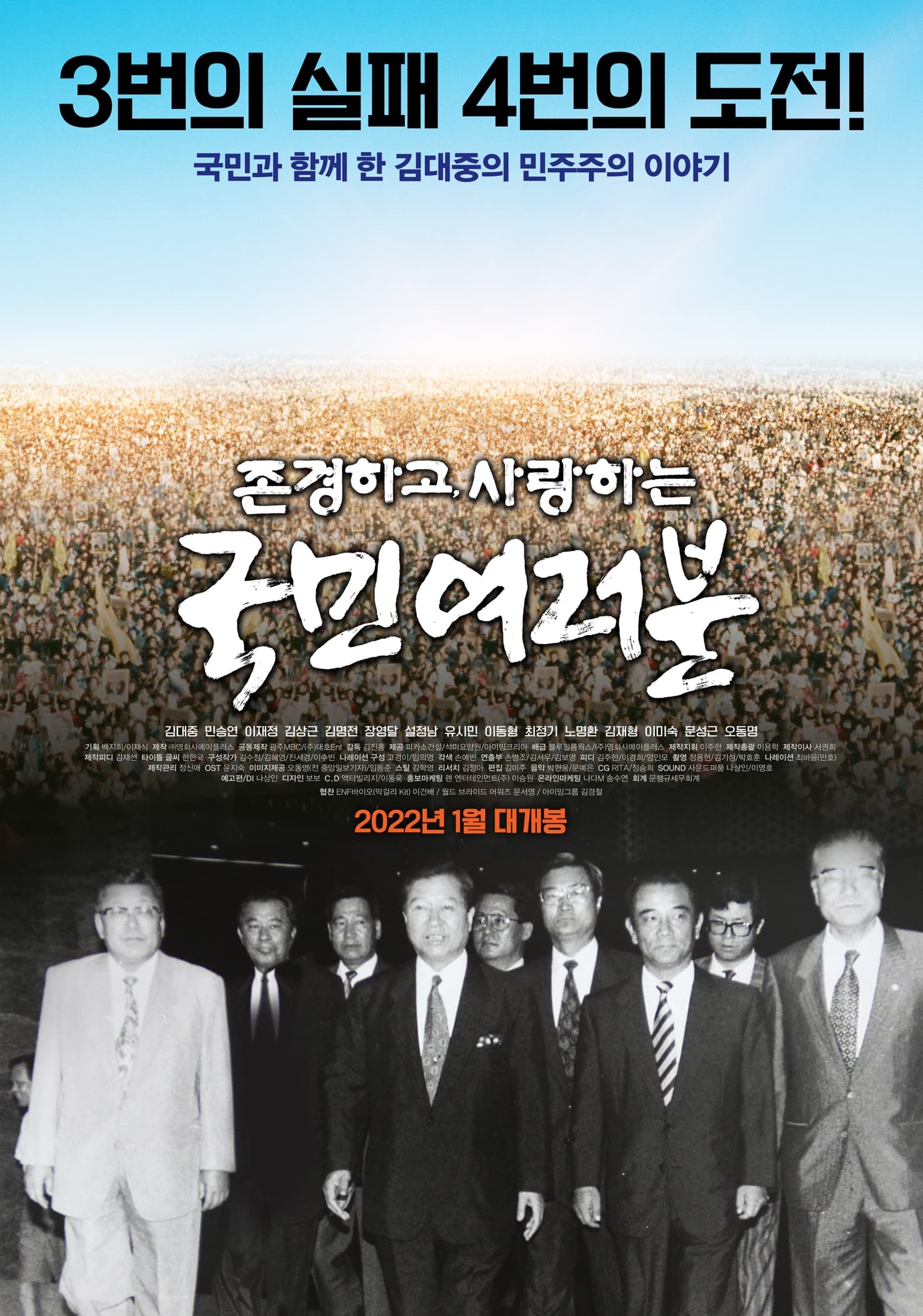
Kim Dae Jung, who stands next to people in the middle of caotic history! A young businessman Kim Dae Jung recognized the victims of ideology. He decided to be a politician to make his country where people's politic and democracy are rooted. The price of being leave from a guaranteed future and take the first step on a bumby road was kidnapping, death threats, imprisonment, and a death sentence that shook him to the core, but even in his final moments, when he was sentenced to death, Kim never wavered. "Democracy will be recovered. I believe in it." The life of President Kim Dae-jung, a death row inmate who survived from the throes of death, four parliamentary elections, and three unsuccessful presidential campaigns, is etched into the modern history of South Korea.
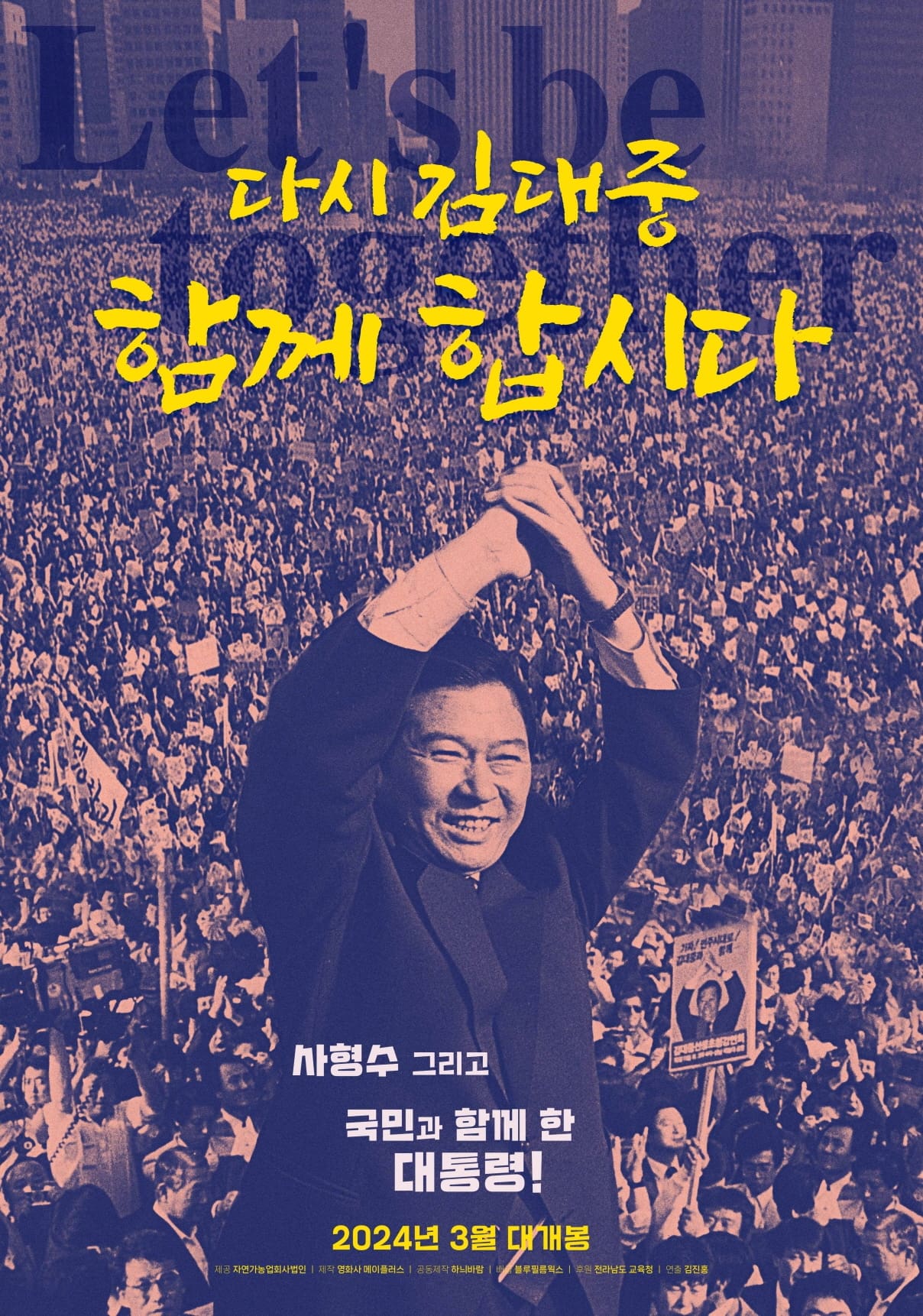
This documentary celebrates the life of former President Kim Dae-joong, who fought for democracy in South Korea and peace in the Korean Peninsula. It marks the 10th anniversary of his passing and covers his challenging journey, from his childhood on an island to his imprisonment, exile, near-death experiences, and ultimately becoming the president.
The citizens of Gwangju lead a relatively peaceful life, until one day the military takes over the city, accusing the residents of conspiracy and claiming that they are communist sympathisers preparing a revolution against the current government. Seeing as the soldiers beat defenceless people, mainly students, to death, the citizens are in for retaliation and form a militia.
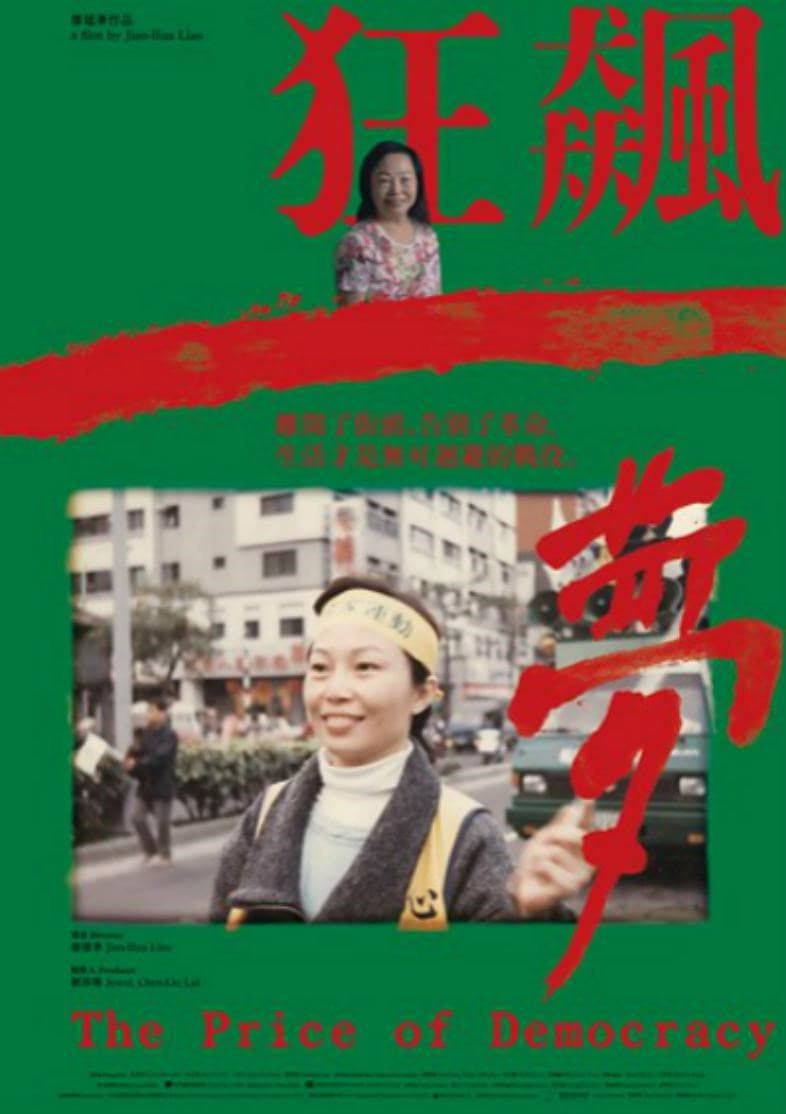
The expressions of democratization are usually interpreted by elites from two different parties but neglect the real faces/ life of every individual among the resistance rally. The director (a confused twenty-something) looks back upon the 40-year-history of democratization of Taiwan through the life experiences of two old-timers (who are grass-root rebels). He attempts to discover what causes their actions and decisions to be lefties, and what are their limitations.

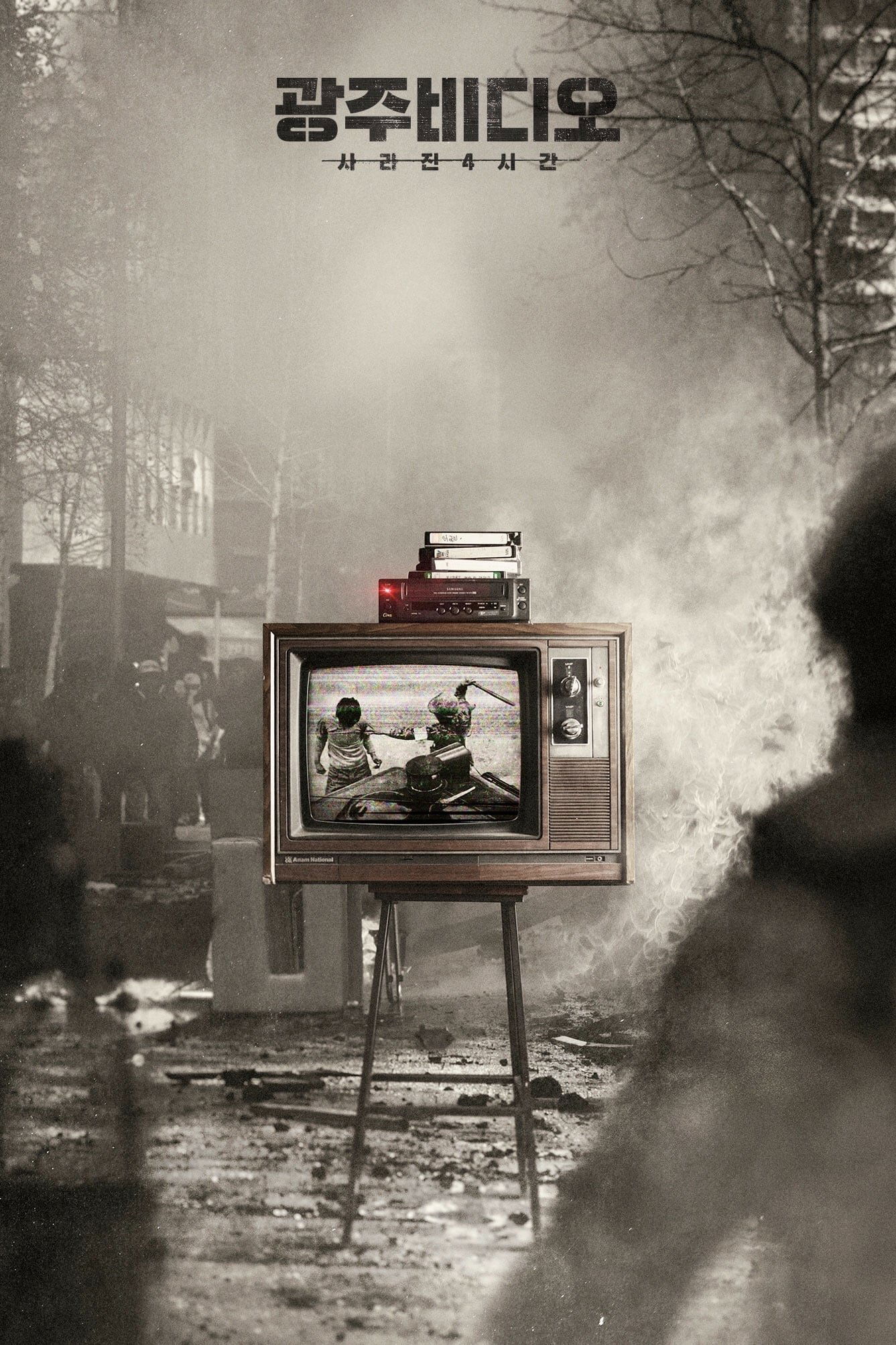
There are people whose lives have been shaken by the 'Gwangju Video'. On May of 1980, the course of their lives changed in front of a huge wave of truth in Gwangju. The people who made and spread the 'Gwangju Video' are also the people who had their bodies on the waves. The hidden stories of these people, the 40th anniversary of the Gwangju Uprising, and the pursuit to trace the missing 4 hours of mass shooting will be revealed for the first time.
After the Gwangju Democratization Movement is terminated by brute force, Jong Soo runs from the authorities and goes to Dongducheon in search of Tae Ho, an older neighbor from his hometown. He is a student at Jeonnam University and a night school teacher who is on the run because of his involvement in the Gwangju Movement.
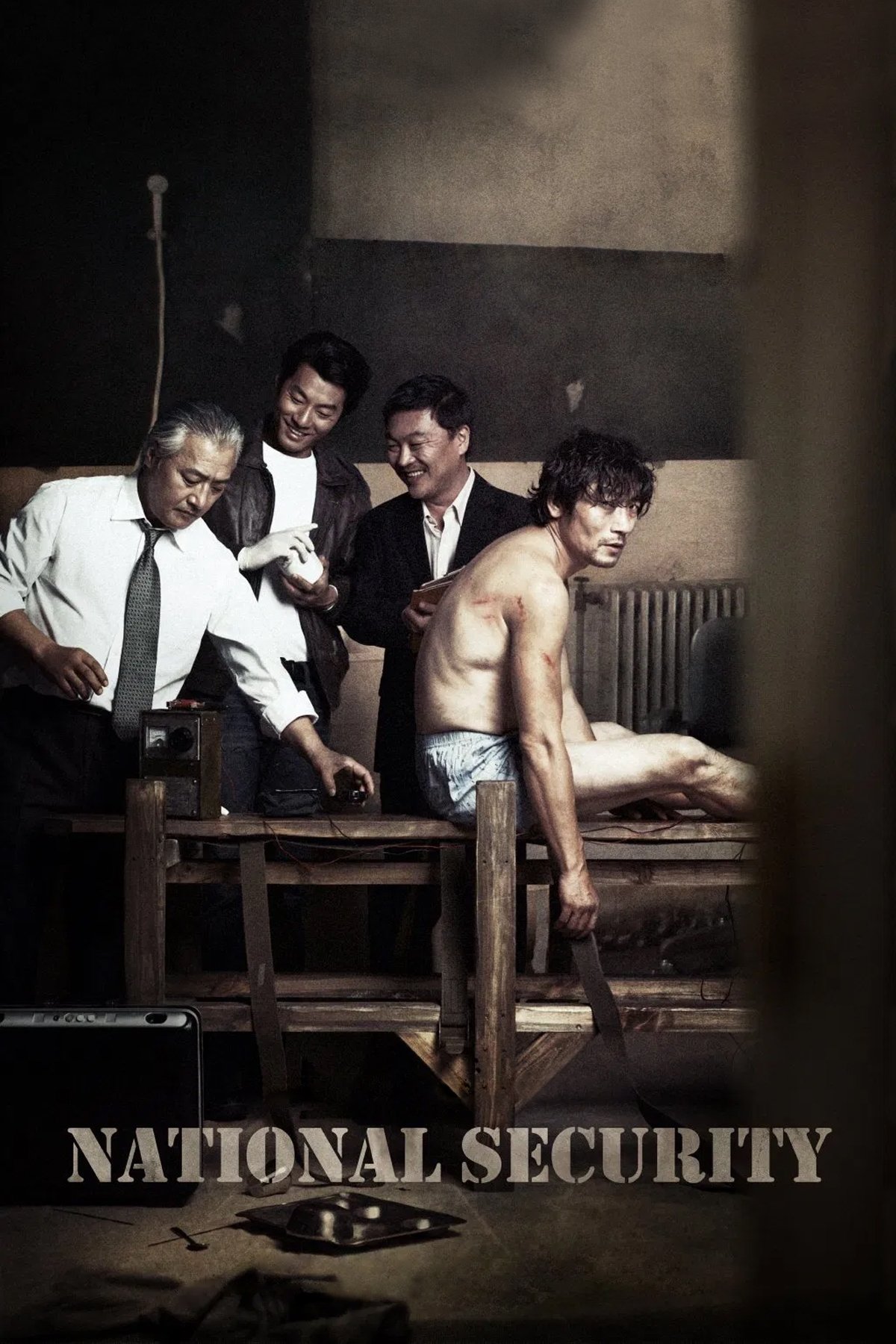
On September 4, 1984, democracy movement leader Kim Jong Tae is arrested and taken to an infamous interrogation facility in Namyeong-dong. For the next 22 days, he would be cruelly and continuously tortured in all manners by interrogators intent on forcing him to confess to communist collaboration.
In May of 1980, the city is locked down and phone lines are dead because of protests and struggles in demand of democracy. Just when Gwangju was being ignored by the media, Jurgen Hinzpeter, a reporter from Germany, sneaks in despite the danger!
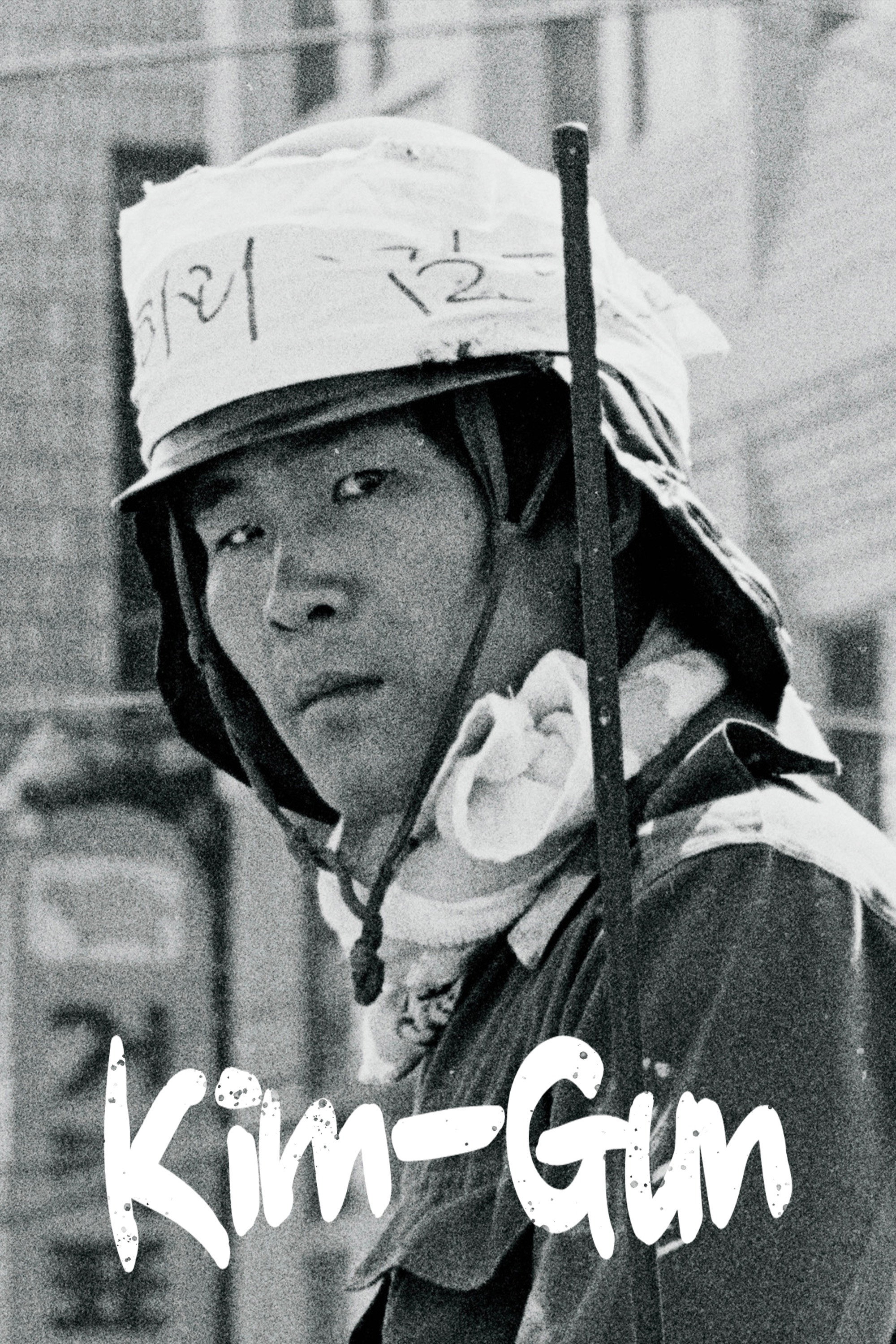
KIM-GUN searches for the whereabouts of a young man whose identity has sparked a national controversy over the 1980 May 18 Gwangju Uprising. Starting with the vague memories of those who had crossed paths with him during that time, the film tracks down those who participated in the Uprising as “Citizen Soldiers.” It also traces KIM’s final steps, based on photographic clues found in the firearms he carried and the “Surveillance Truck No. 10” in which he rode. By identifying KIM-GUN, we believe that we can find valuable leads to resolving the ongoing controversy over May 18. Why did a nameless young man join the Uprising? Why did he take up arms? Where has he gone afterwards? It is the answers to these questions that the film seeks.
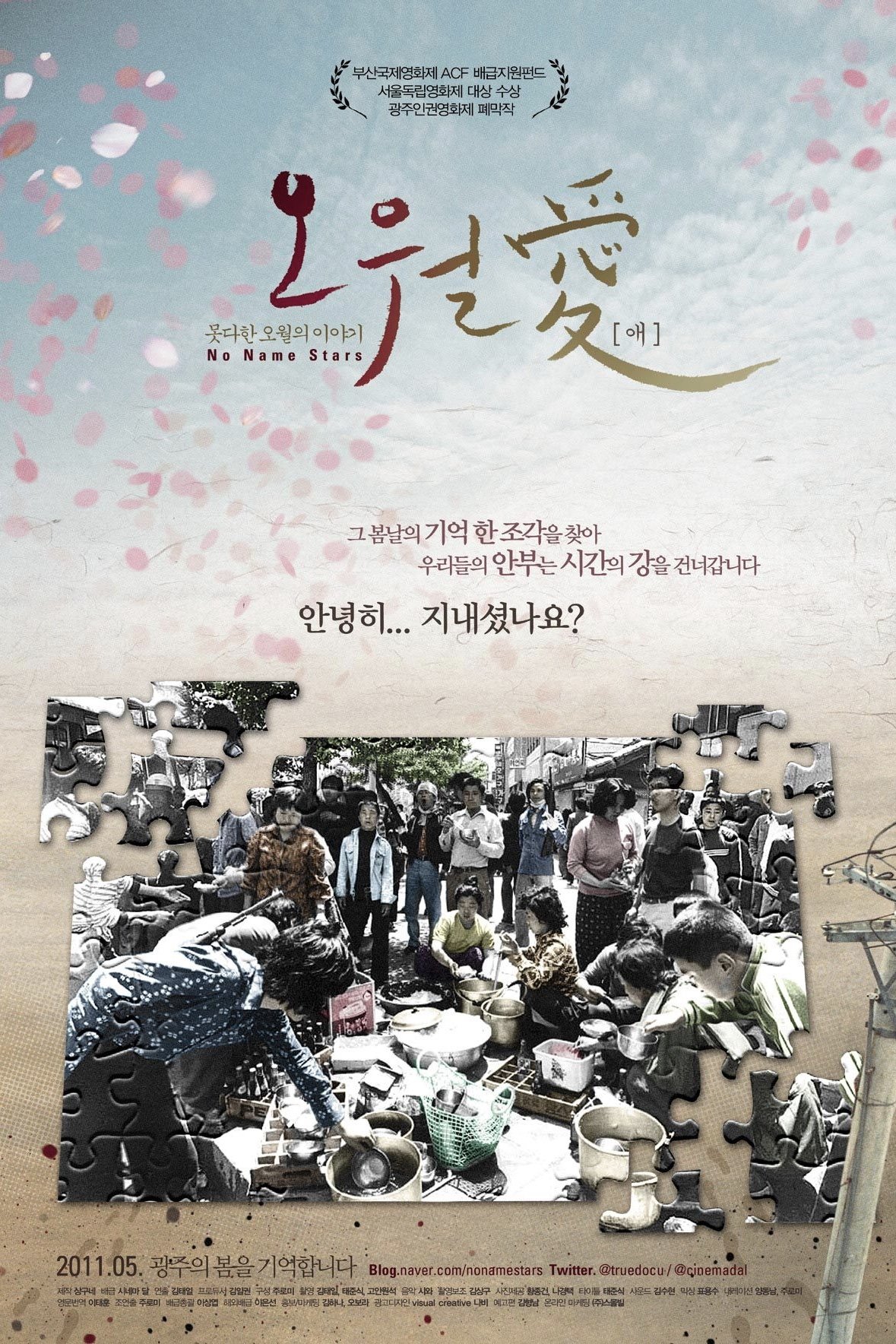
This year is the 30th anniversary of the Gwangju Democratization Movement. Though the country commemorates the event as the official historical records, it does not include any 'real' accounts of the people who experienced it firsthand. The students who were part of the movement; the female vendors who made rice balls for the students; the female high school students cooked at the government building; now, past their middle age, they live as ordinary citizens in Gwangju city. How is the event remembered by these people?
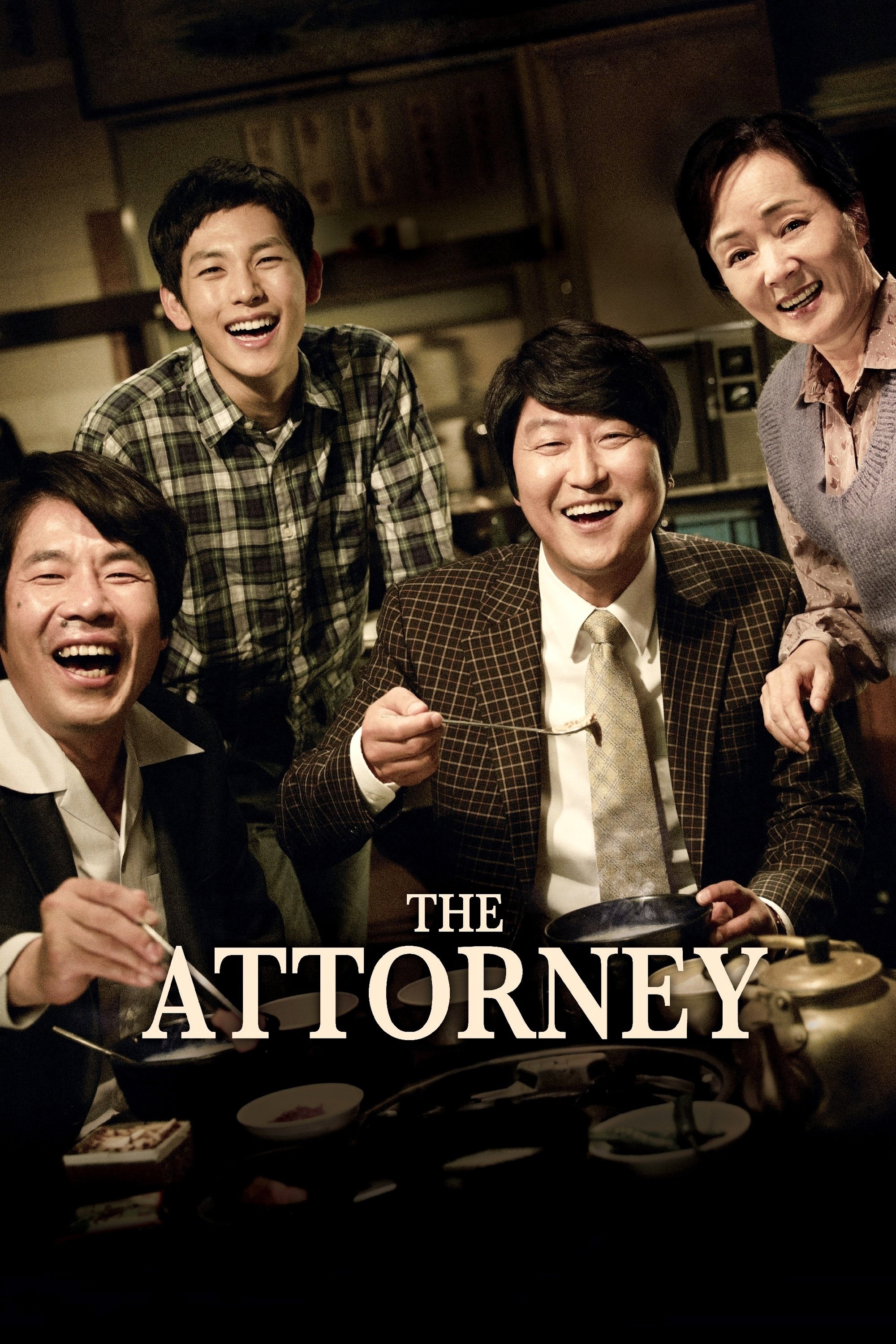
Song Woo-seok is a lawyer with no clients. When his friend's son is falsely accused of a crime and tortured, he takes up the case and the course of his life changes for good.
Oliver Stone charts the history of the United States from the Second World War to the present.
The history of cinematic sound, told by legendary sound designers and visionary filmmakers.
A documentary that explores the downloading revolution; the kids that created it, the bands and the businesses that were affected by it, and its impact on the world at large.
In this concert film, 'Hannah Montana' star Miley Cyrus performs a slew of hit songs, including 'Just Like You' and 'Life's What You Make It.'
Experience the events of September 11, 2001 through the eyes of President Bush and his closest advisors as they personally detail the crucial hours and key decisions from that historic day.
Over seven decades, actor and activist George Takei journeyed from a World War II internment camp to the helm of the Starship Enterprise, and then to the daily news feeds of five million Facebook fans. Join George and his husband, Brad, on a wacky and profound trek for life, liberty, and love.
A road trip across five countries to explore the social and political movements as well as the mainstream media's misperception of South America while interviewing seven of its elected presidents.
Those who knew iconic funnyman John Candy best share his story, in their own words, through never-before-seen archival footage, imagery, and interviews.
A backstage and on-stage look at Justin Bieber during his rise to super stardom.
A detailing of the rise to prominence and global sporting superstardom of six supremely talented young Manchester United football players (David Beckham, Nicky Butt, Ryan Giggs, Paul Scholes, Phil and Gary Neville). The film covers the period 1992-1999, culminating in Manchester United's European Cup triumph.
A behind-the-scenes documentary about the Clinton for President campaign, focusing on the adventures of spin doctors James Carville and George Stephanopoulos.
A documentary highlighting the Soviet Union's legendary and enigmatic hockey training culture and world-dominating team through the eyes of the team's Captain Slava Fetisov, following his shift from hockey star and celebrated national hero to political enemy.
A documentary about the development and spread of the virtual currency called Bitcoin.
A visual montage portrait of our contemporary world dominated by globalized technology and violence.
A look at the origins, history and conspiracies behind the "Majestic 12", a clandestine group of military and corporate figureheads charged with reverse-engineering extraterrestrial technology.
A presentation of a case for a needed transition out of the current socioeconomic monetary paradigm which governs the entire world society. This subject matter will transcend the issues of cultural relativism and traditional ideology and move to relate the core, empirical 'life ground' attributes of human and social survival, extrapolating those immutable natural laws into a new sustainable social paradigm called a 'Resource-Based Economy'.
More than 65 million people around the world have been forced from their homes to escape famine, climate change and war, the greatest displacement since World War II. Filmmaker Ai Weiwei examines the staggering scale of the refugee crisis and its profoundly personal human impact. Over the course of one year in 23 countries, Weiwei follows a chain of urgent human stories that stretch across the globe, including Afghanistan, France, Greece, Germany and Iraq.
SEDUCED AND ABANDONED combines acting legend Alec Baldwin with director James Toback as they lead us on a troublesome and often hilarious journey of raising financing for their next feature film. Moving from director to financier to star actor, the two players provide us with a unique look behind the curtain at the world's biggest and most glamourous film festival, shining a light on the bitter-sweet relationship filmmakers have with Cannes and the film business. Featuring insights from directors Martin Scorsese, 'Bernando Bertolucci' and Roman Polanski; actors Ryan Gosling and Jessica Chastain and a host of film distribution luminaries.
This revealing documentary honors the legendary Sidney Poitier—iconic actor, filmmaker, and civil rights activist. Featuring interviews with Denzel Washington, Spike Lee, Halle Berry, and more.
An unprecedented and intimate look at the life, work and enduring legacy of British actress Audrey Hepburn (1929-1993).