Social & External
The story of a young boy forced to spend all five years of his short life in hospital while the federal and provincial governments argued over which was responsible for his care, as well as the long struggle of Indigenous activists to force the Canadian government to enforce “Jordan’s Principle” — the promise that no First Nations children would experience inequitable access to government-funded services again.
A documentary short that uses fish to explore identity and belonging in a metropolis.
Openland is an art film guided by issues surrounding micro states and its derivative definitions. Through intertwining interviews, meta-narratives, and digital landscapes, Openland unfurls a dialogue between consciousness, individuality and collectivity.
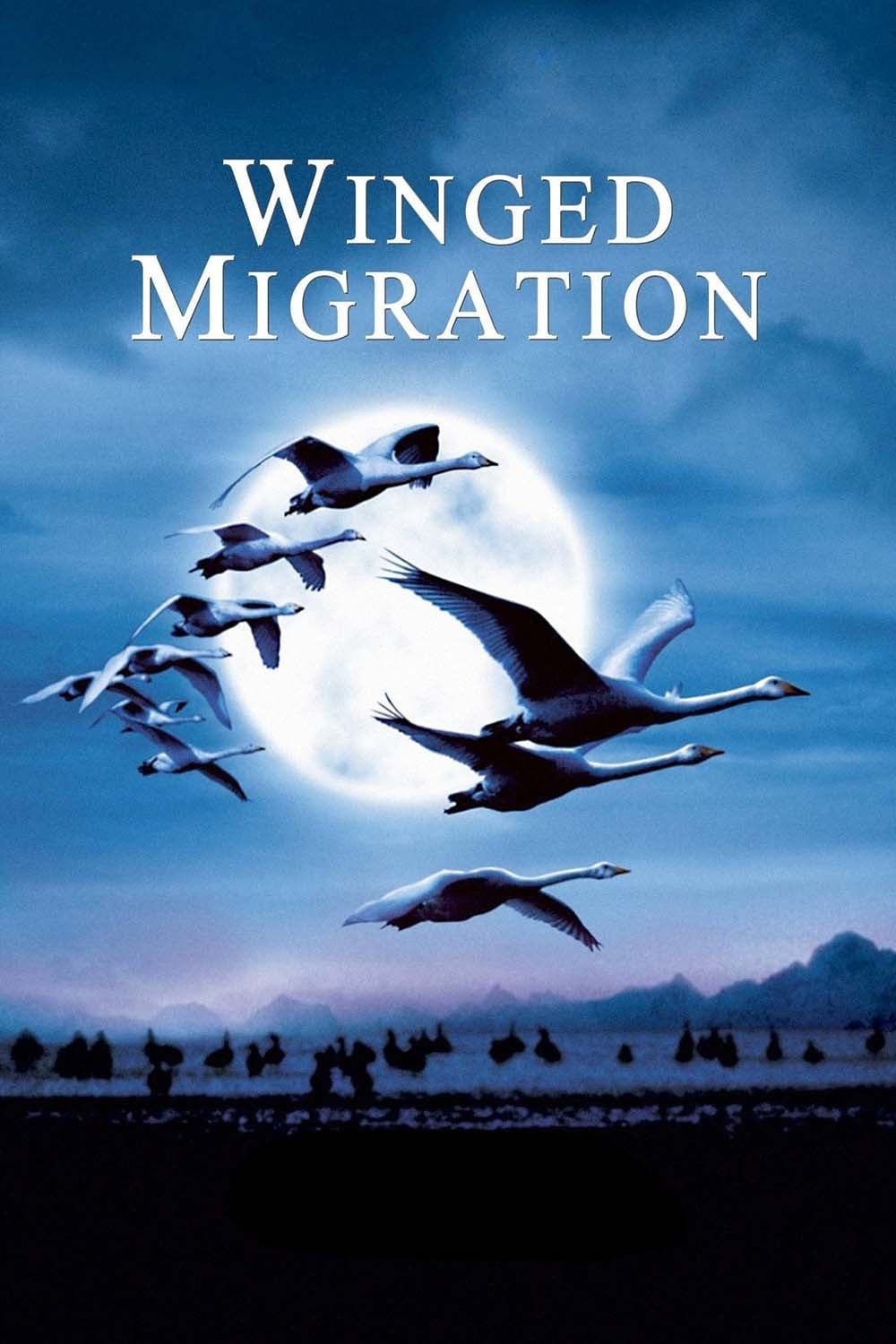
This documentary follows various migratory bird species on their long journeys from their summer homes to the equator and back, covering thousands of miles and navigating by the stars. These arduous treks are crucial for survival, seeking hospitable climates and food sources. Birds face numerous challenges, including crossing oceans and evading predators, illness, and injury. Although migrations are undertaken as a community, birds disperse into family units once they reach their destinations, and every continent is affected by these migrations, hosting migratory bird species at least part of the year.
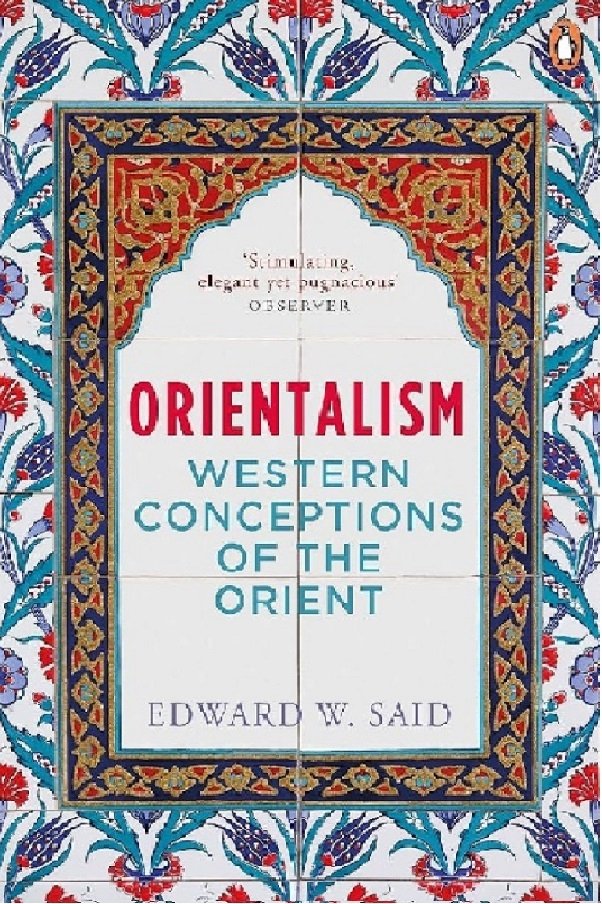
Edward Said's book Orientalism has been profoundly influential in a diverse range of disciplines since its publication in 1978. In this engaging and lavishly illustrated interview he talks about the context within which the book was conceived, its main themes, and how its original thesis relates to the contemporary understanding of "the Orient" as represented in the mass media. "That's the power of the discourse of Orientalism. If you're thinking about people and Islam, and about that part of the world, those are the words you constantly have to use. To think past it, to go beyond it, not to use it, is virtually impossible, because there is no knowledge that isn't codified in this way about that part of the world." -Edward Said
Dublin, June 2024: thousands of men seeking asylum in Ireland are homeless. Olivia and her group of volunteers are trying to find safe locations where the men can sleep each night, but the government is actively enforcing its new policy against homeless encampments, and the far-right are lurking.
This film begins, so to speak, where ‘Vol spécial’ left off. The reality of migration bears its teeth: Following a scuffle, 20-year-old Koumba from France is sent back to the place where she was raised – Senegal. She returns to the lost village of her ancestors hysterical, argumentative and unproductively rebellious. Now the mother of a toddler, she continues to come to terms with the two cultures; the outcome is unforeseeable, as is the outcome of this cinematic long-term observation. The risk of its failure due to its protagonist is palpable. But Koumba’s fascinating metamorphosis is also obvious, her body and character have taken on a more harmonious nature. All hope is not lost.
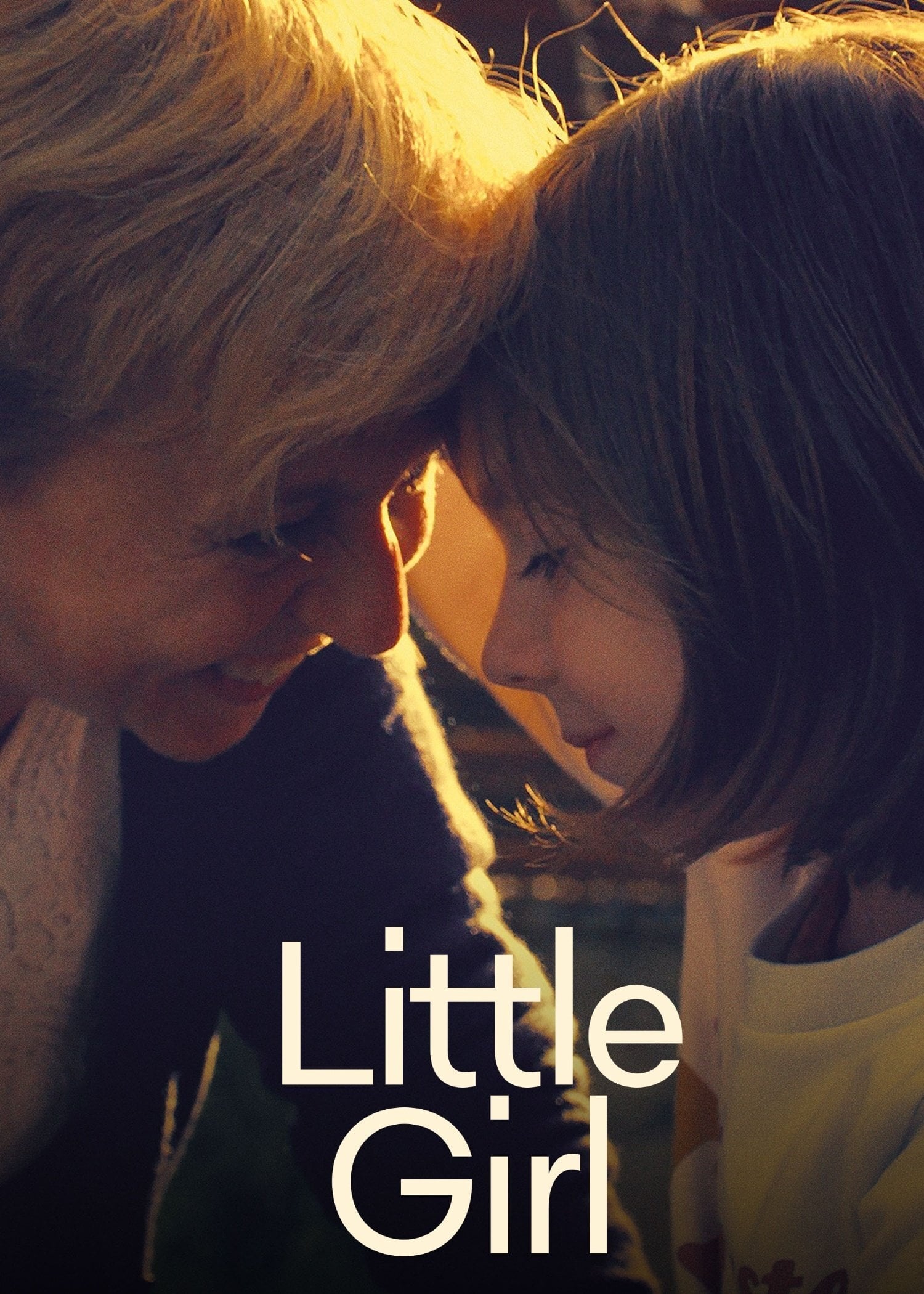
7-year-old Sasha has always known that she is a girl. Sasha’s family has recently accepted her gender identity, embracing their daughter for who she truly is while working to confront outdated norms and find affirmation in a small community of rural France.
A film about homes on both sides of an ocean.
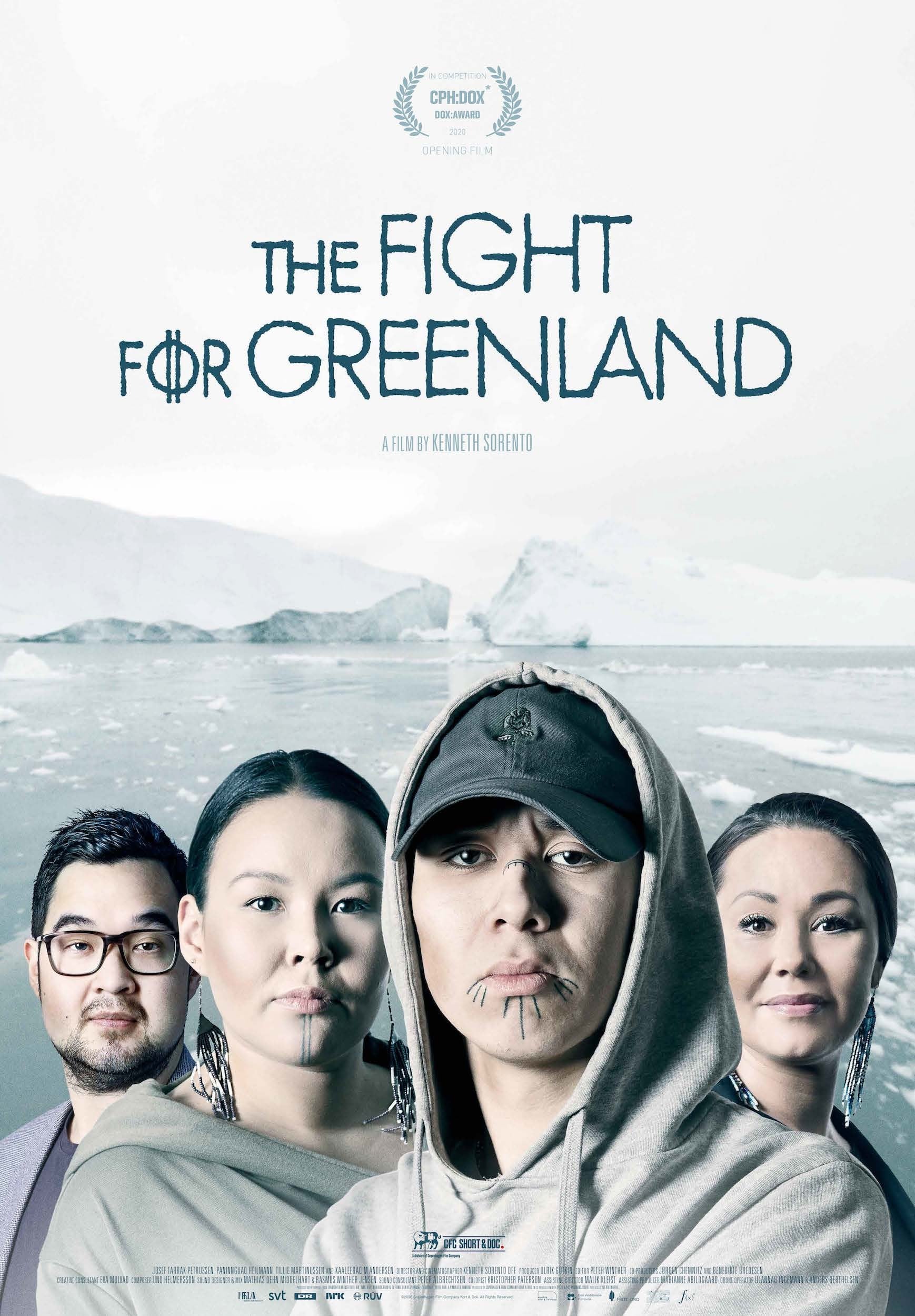
The world's largest island has been part of Denmark since 1721, but a significant majority of the 56.000 inhabitants now want independence. They feel their culture and language is threatened and is the main reason for the many suicides among young people. But the Danish speaking Greenlanders feel discriminated and want to keep the ties to Denmark. The film follows four strong young Greenlanders, who each in their own way insist on taking responsibility for the future of their country. The documentary explores the difficult balance between the right to self-determination and xenophobic nationalism. Between traditional culture and globalization.
What if you are made to feel ashamed when you speak your "mother tongue" or ridiculed because of your accent? "Pidgin: The Voice of Hawai'i" addresses these questions through its lively examination of Pidgin - the language spoken by over half of Hawai'i's people.
Migrants from the countryside and unemployed people from neighbouring cities take over some unused land and establish a neighbourhood in the industrial zone of Maracay. The event coincides with a presidential election campaign, which motivates political demonstrations in that town.
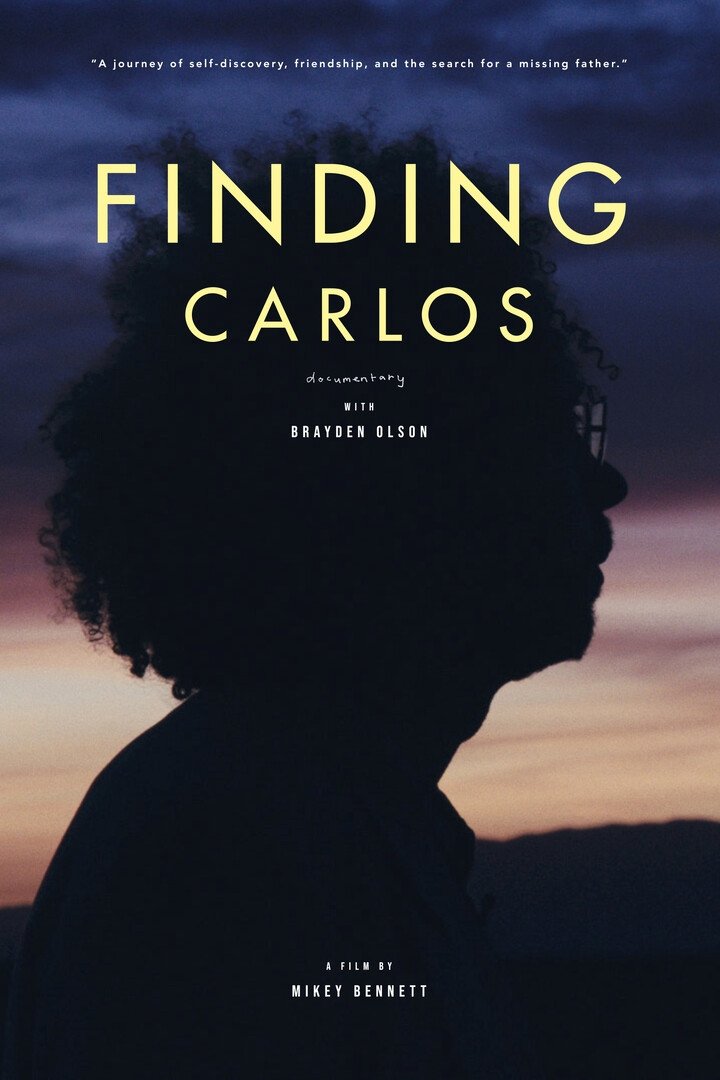
Brayden Olson has spent his life wondering about the father he never knew. Armed with only a name, a faded photograph, and an improbable lead, he sets out across continents to uncover the mystery of Carlos. But as each revelation brings him closer to the truth, Brayden risks unraveling the life he’s always known — especially the bond with the mother who raised him alone. Raw, intimate, and deeply human, Finding Carlos explores identity, family, and the silent epidemic of fatherlessness.
By land, by air, and by sea, viewers can now experience the struggle that millions of creatures endure in the name of migration as wildlife photographers show just how deeply survival instincts have become ingrained into to the animals of planet Earth. From the monarch butterflies that swarm the highlands of Mexico to the birds who navigate by the stars and the millions of red crabs who make the perilous land journey across Christmas Island, this release offers a look at animal instinct in it's purest form.
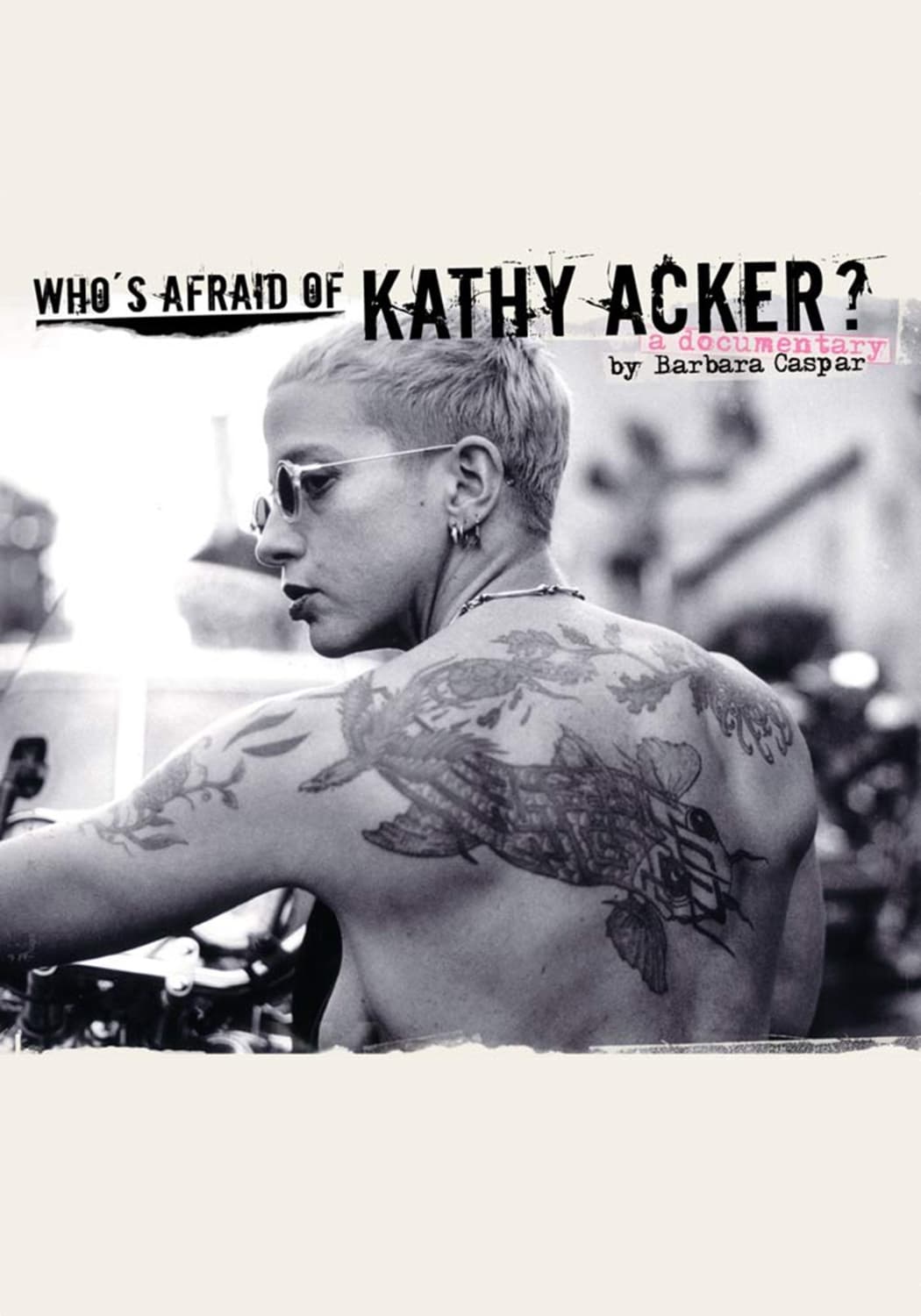
Documentary tracing the extreme life of outlaw writer, performance artist and punk icon, Kathy Acker. Through animation, archival footage, interviews and dramatic reenactments, director Barbara Caspar explores Acker's colorful history, from her well-heeled upbringing to her role as the scribe of society's fringe.
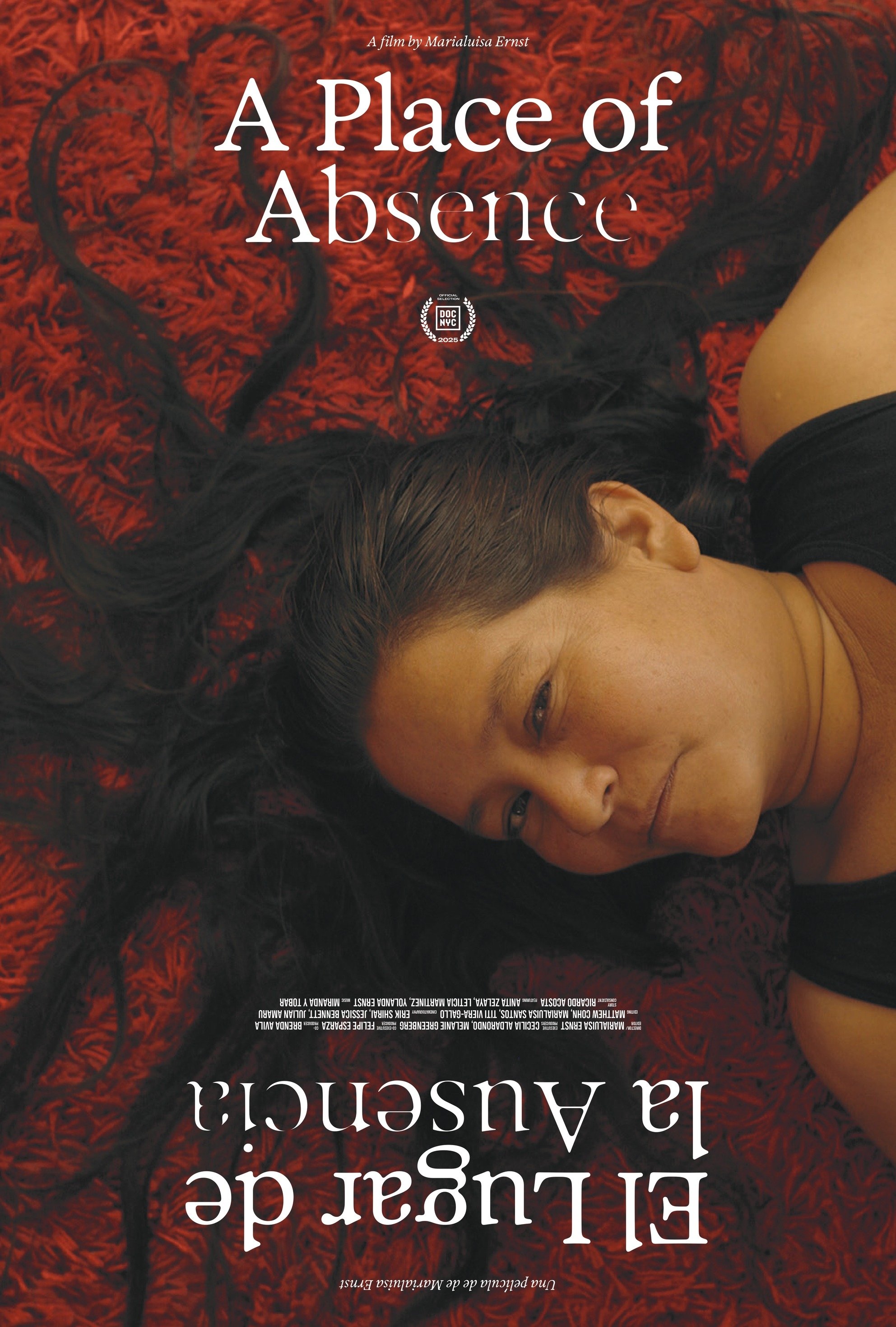
This poetic film follows director Marialuisa's journey with Anita and Leticia, Central American women traveling with the Caravan of Mothers of Missing Migrants.
The life and career of an actor, artist, and icon. His own journey through his own camera.
The film follows adventurer Jeff Johnson as he retraces the epic 1968 journey of his heroes Yvon Chouinard and Doug Tompkins to Patagonia.
Those who knew iconic funnyman John Candy best share his story, in their own words, through never-before-seen archival footage, imagery, and interviews.
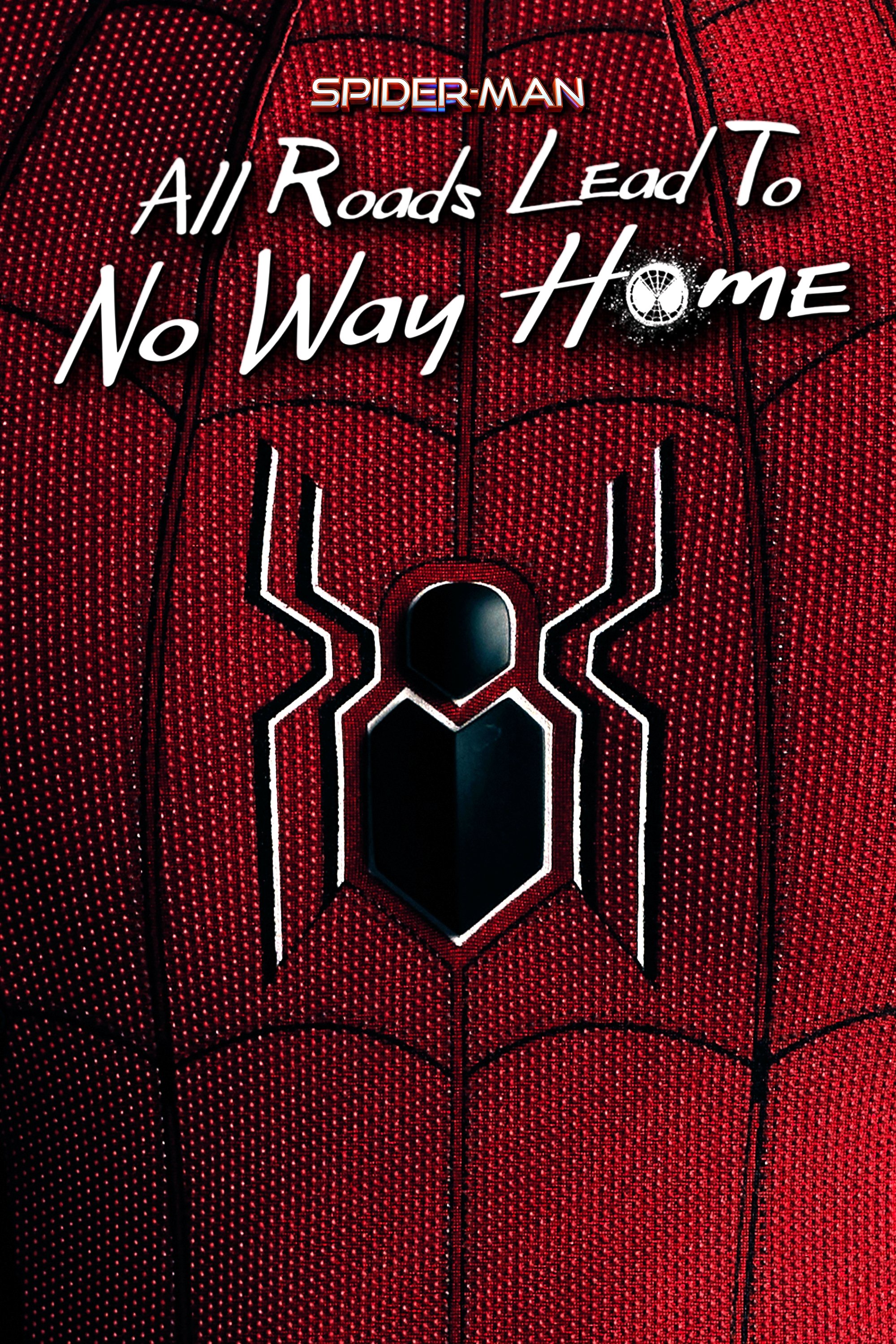
JB Smoove and Martin Starr host a celebration of 20 years of "Spider-Man" movies, from the Sam Raimi trilogy to Marc Webb's movies and the trio from Jon Watts.
The life of Mr. Spock, as well as that of Leonard Nimoy, the actor who played him for almost fifty years, written and directed by his son: Adam.
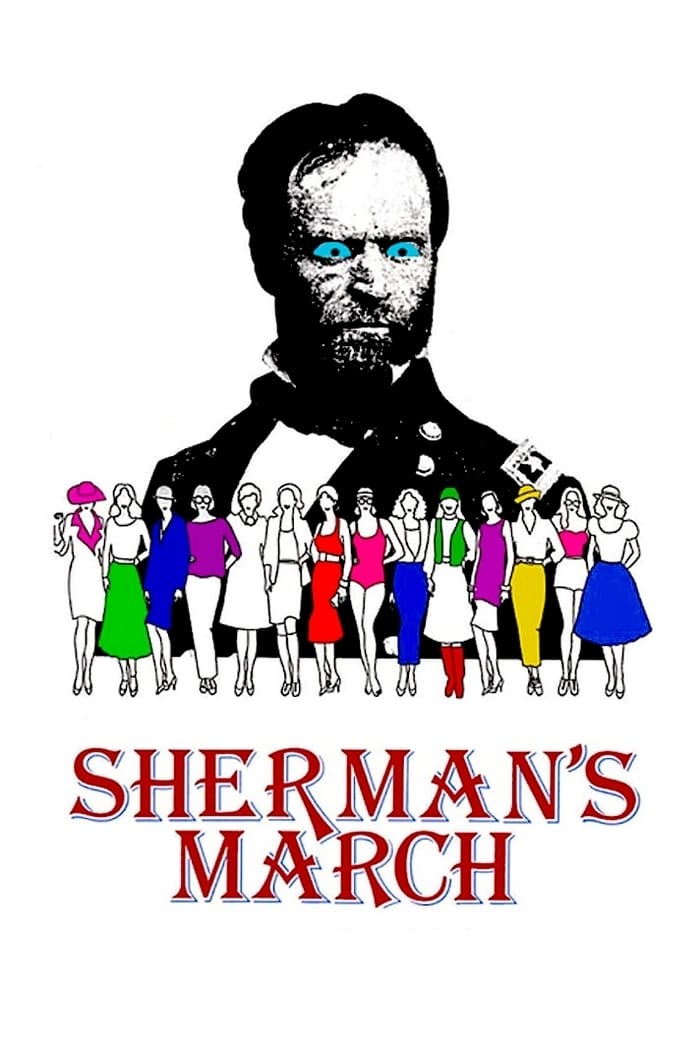
Documentarian Ross McElwee originally set out to make a travelogue of sorts tracing General William T. Sherman's infamous scorched-earth march through the Confederacy in the latter stages of the Civil War. Instead, haunted by a recent breakup with a girlfriend, McElwee ends up documenting his progress -- or lack thereof -- in starting a new relationship. His journey then becomes one of self-reflection and self-discovery rather than a historical/sociological exploration.
Daniel Craig candidly reflects on his 15 year adventure as James Bond. Including never-before-seen archival footage from Casino Royale to the upcoming 25th film No Time To Die, Craig shares his personal memories in conversation with 007 producers, Michael G Wilson and Barbara Broccoli.
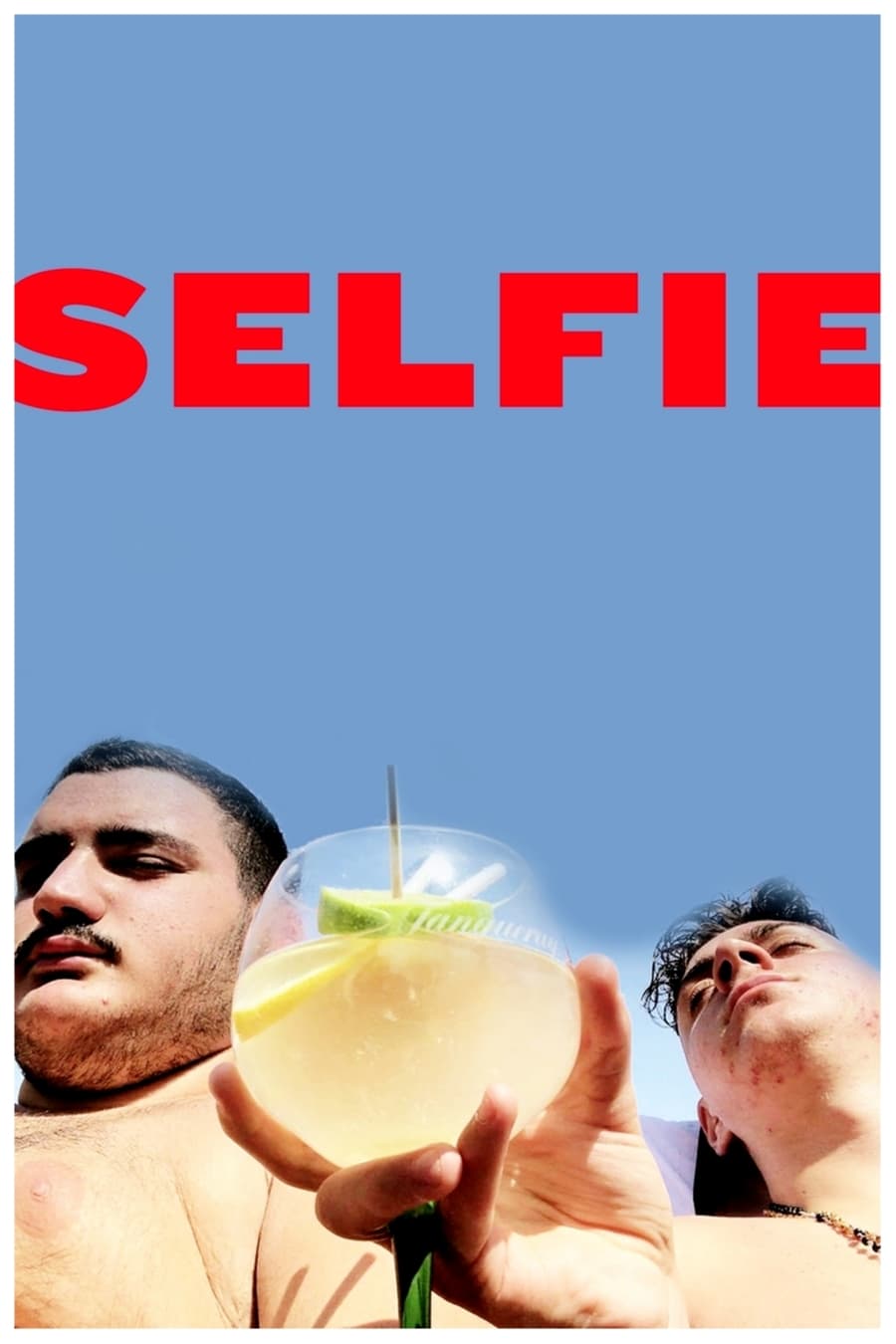
Naples, Trajan's district. Initially it was intended for the inhabitants of the shantytowns on the seafront of Naples, who were homeless after the war. But it soon became a kind of ghetto. Alessandro and Pietro are two teenagers who film with an iPhone to tell their difficult neighborhood, their daily life, the friendship that binds them.
Through deeply personal interviews with her siblings and an examination of the photographs, letters, and belongings left behind, Mariska assembles a new portrait of her mother Jayne Mansfield, an extraordinary and complex woman.
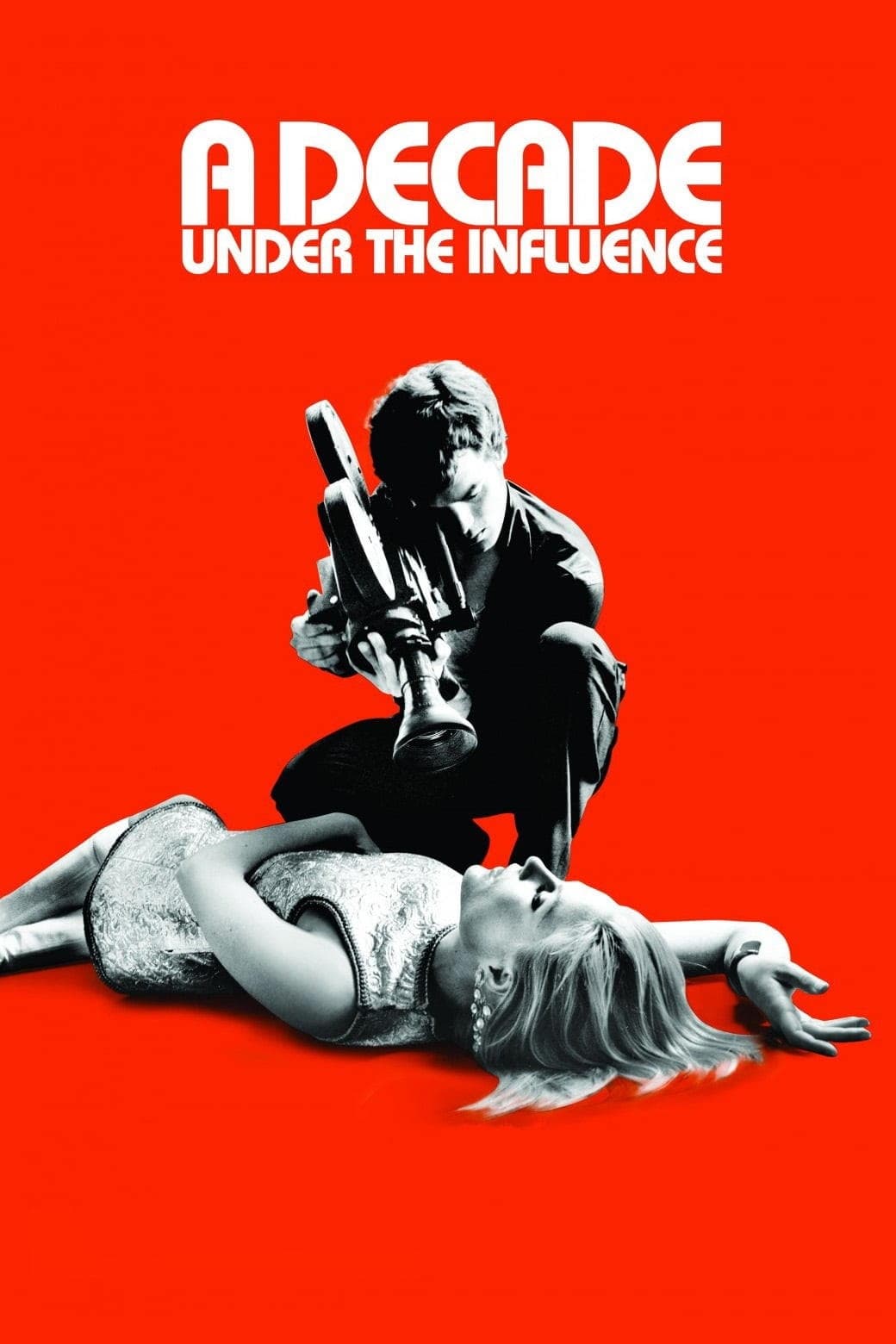
A documentary examining the decade of the 1970s as a turning point in American cinema. Some of today's best filmmakers interview the influential directors of that time.
The life and career of one of comedy's most inimitable modern voices, Mr. Gilbert Gottfried.
A purely observational non-fiction film that takes viewers into the ethically murky world of end-of-life decision making in a public hospital.
A documentary about how a dominant cultural and demographic institution both sustains their traditional activities and adapts to the digital revolution.
From a prolific career in film and television, Anton Yelchin left an indelible legacy as an actor. Through his journals and other writings, his photography, the original music he wrote, and interviews with his family, friends, and colleagues, this film looks not just at Anton's impressive career, but at a broader portrait of the man.
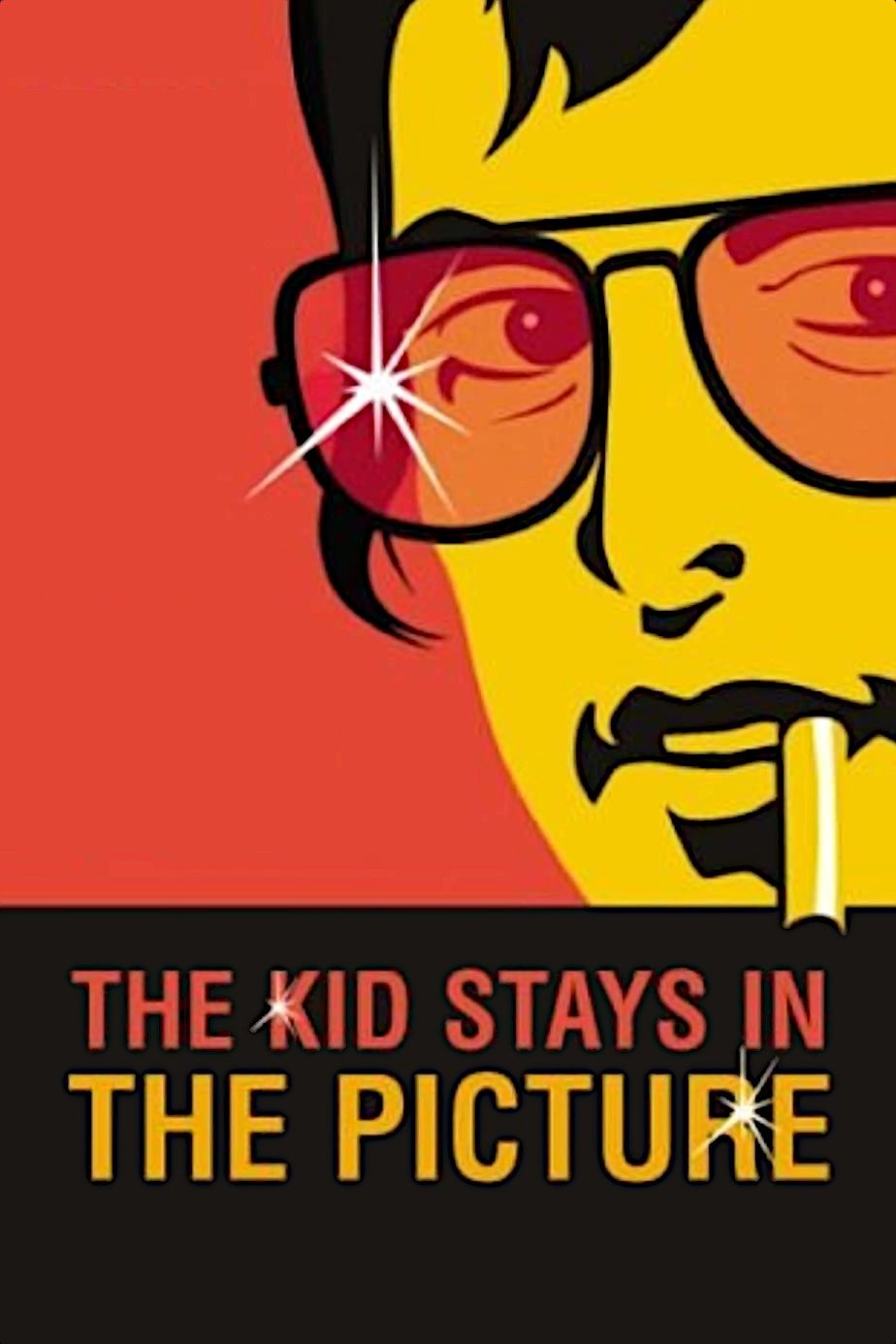
Documentary about legendary Paramount producer Robert Evans, based on his famous 1994 autobiography.
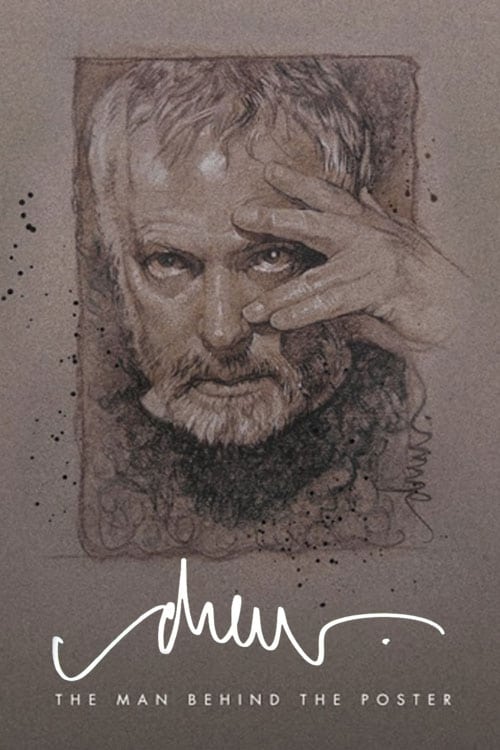
A documentary on legendary movie-poster artist Drew Struzan.
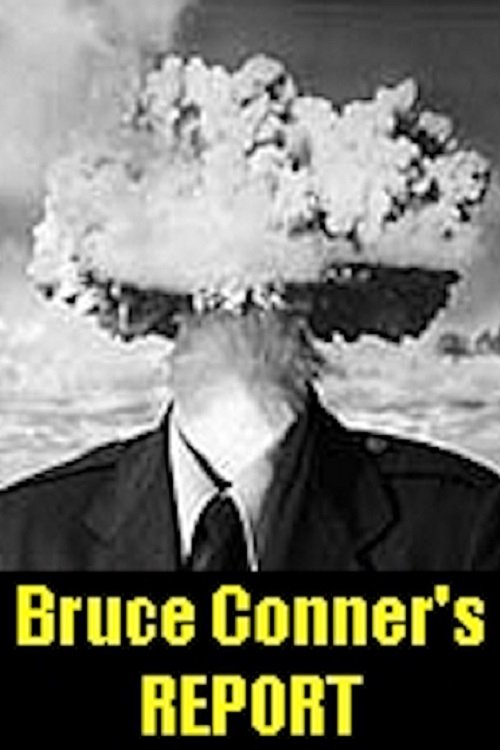
Bruce Conner’s most celebrated film for a reason: it takes historical moments that were replayed over and over on television—chilling repetition of Kennedy assassination coverage—and repurposes them into a meditation on how the media tries to exert authority and apply a sense of order to the anarchic. And though it may sound perverse to say so, the film is also—not incidentally—a thrill to watch. -- The A.V. Club
This documentary focuses on the actors and their journey over two summers to create the remake to the original IT, by Stephen King. The documentary originally released as bonus material, bundled with IT: Chapter Two.
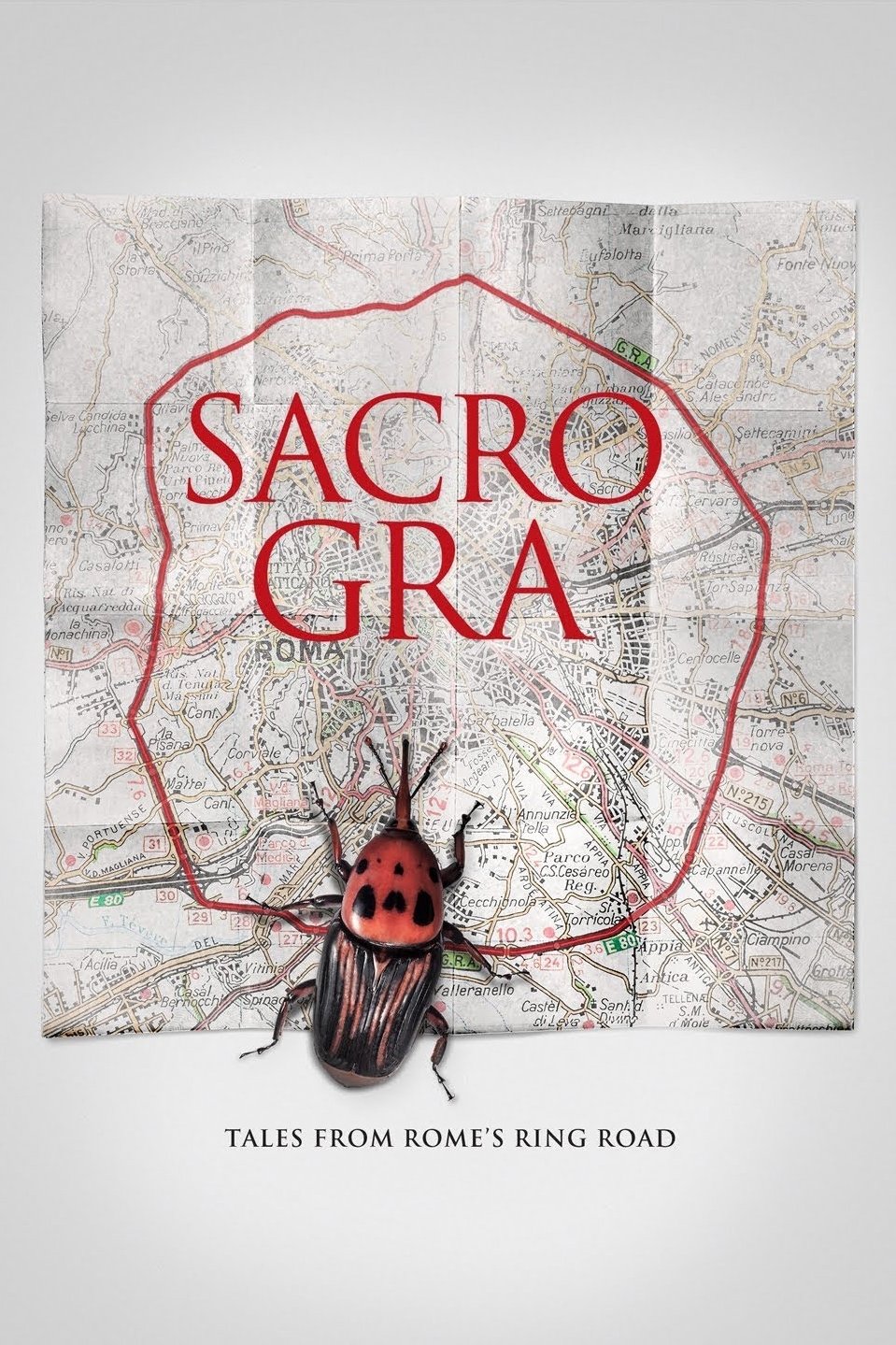
After the India of Varanasi’s boatmen, the American desert of the dropouts, and the Mexico of the killers of drugtrade, Gianfranco Rosi has decided to tell the tale of a part of his own country, roaming and filming for over two years in a minivan on Rome’s giant ring road—the Grande Raccordo Anulare, or GRA—to discover the invisible worlds and possible futures harbored in this area of constant turmoil. Elusive characters and fleeting apparitions emerge from the background of the winding zone: a nobleman from the Piemonte region and his college student daughter sharing a one-room efficiency in a modern apartment building along the GRA.
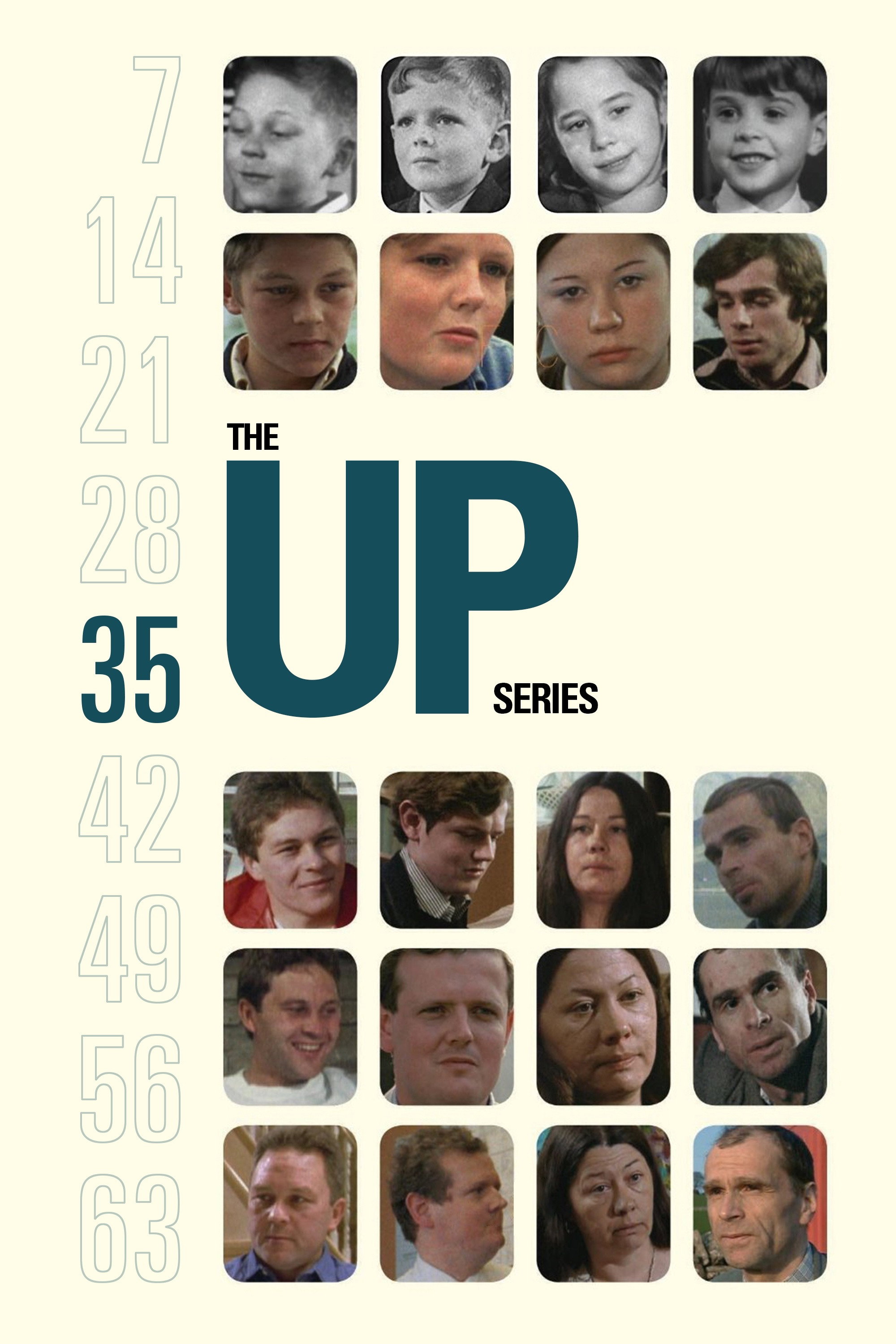
Director Michael Apted revisits the same group of British-born adults after a 7 year wait. The subjects are interviewed as to the changes that have occurred in their lives during the last seven years.