A surrealistic look at the future if man does not learn to control pollution.
Social & External
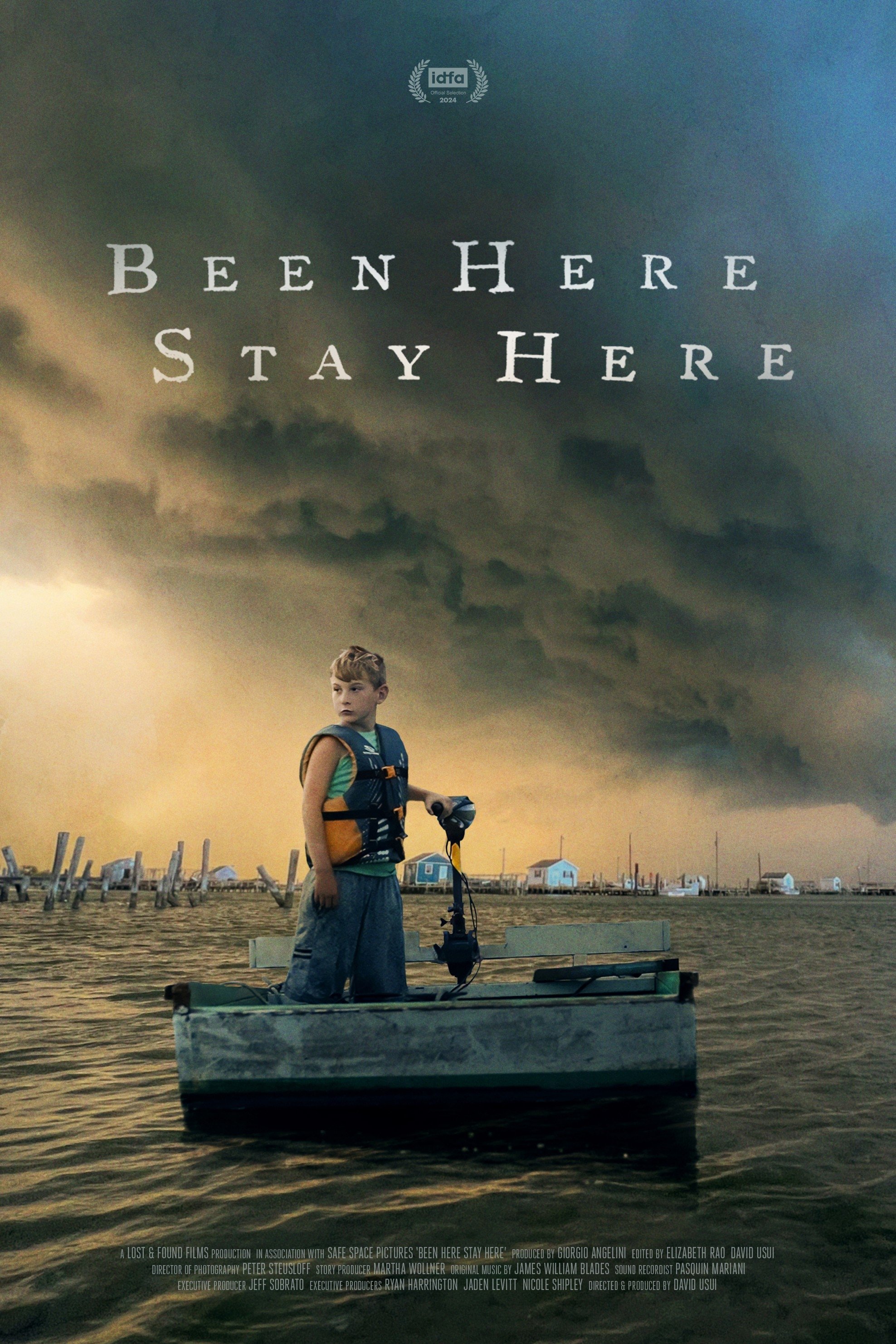
For generations, fishermen have made their home on Tangier Island, in the heart of the Chesapeake Bay on the east coast of the US. Two-thirds of the island has disappeared over the last 150 years, and local people are concerned about rising sea levels—and the lack of progress on reinforcing the sea wall—but the church remains the bedrock of this small, close-knit community.
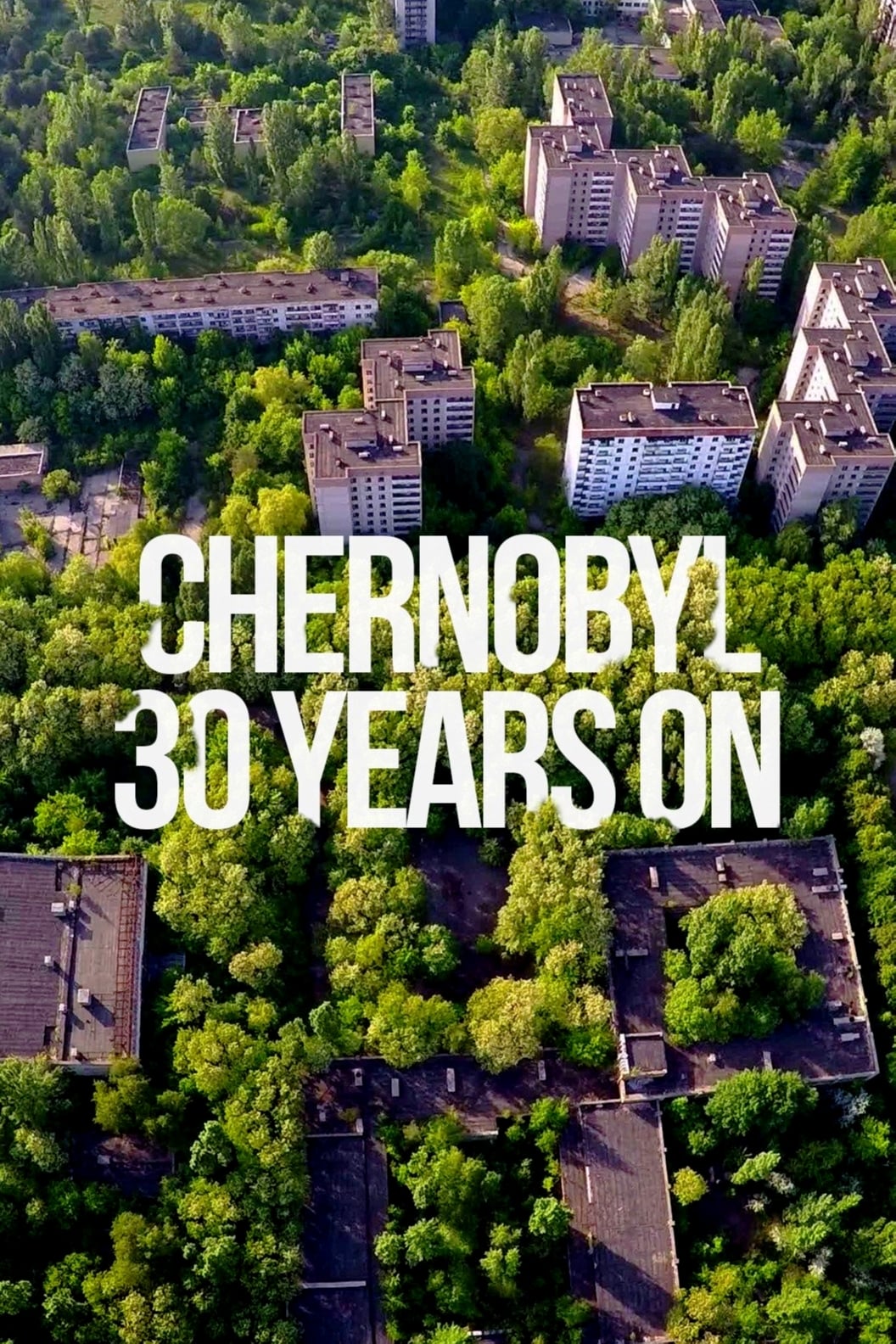
Thirty years after the Chernobyl disaster, which occurred on the night of April 26, 1986, its causes and consequences are examined. In addition, a report on efforts to strengthen the structures covering the core of the nuclear plant in order to better protect the population and the environment is offered.
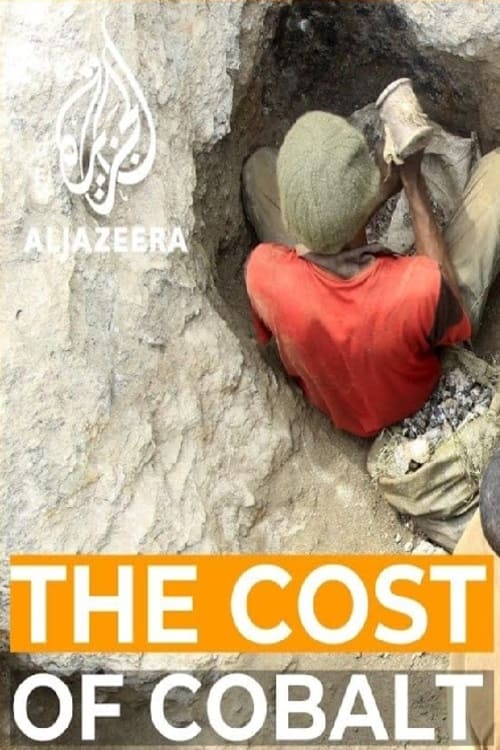
In the cobalt mining areas of Katanga in the Democratic Republic of the Congo (DRC), babies are being born with horrific birth defects. Scientists and doctors are finding increasing evidence of environmental pollution from industrial mining which, they believe, may be the cause of a range of malformations from cleft palate to some so serious the baby is stillborn. More than 60% of the world’s reserves of cobalt are in the DRC and this mineral is essential for the production of electric car batteries, which may be the key to reducing carbon emissions and to slowing climate change. In The Cost of Cobalt we meet the doctors treating the children affected and the scientists who are measuring the pollution. Cobalt may be part of the global solution to climate change, but is it right that Congo’s next generation pay the price with their health? Many are hoping that the more the world understands their plight, the more pressure will be put on the industry here to clean up its act.
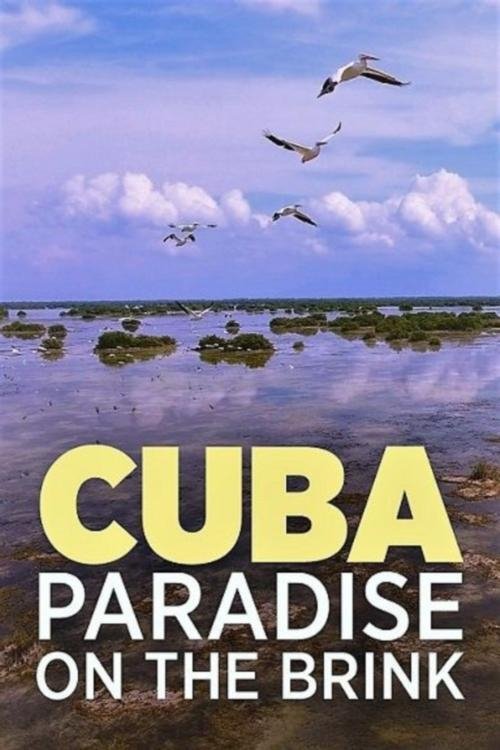
Will Cubans be able to safeguard their heritage of pristine Nature and preserved ecological treasures under this new era, as they are facing the combined pressure of money and tourism? What policies can be implemented to maintain the island’s spectacular wilderness?
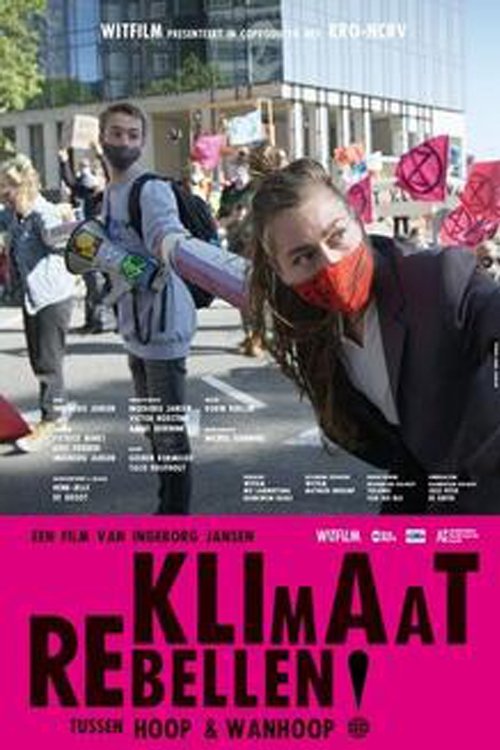
A growing group of Dutch people in their twenties see the earth becoming less livable. They join the climate group Extinction Rebellion and campaign to fight the climate crisis. There is little they shy away from in their struggle: nightly campaigns, high-altitude actions, and even arrests or a criminal record. Everything for a better planet.
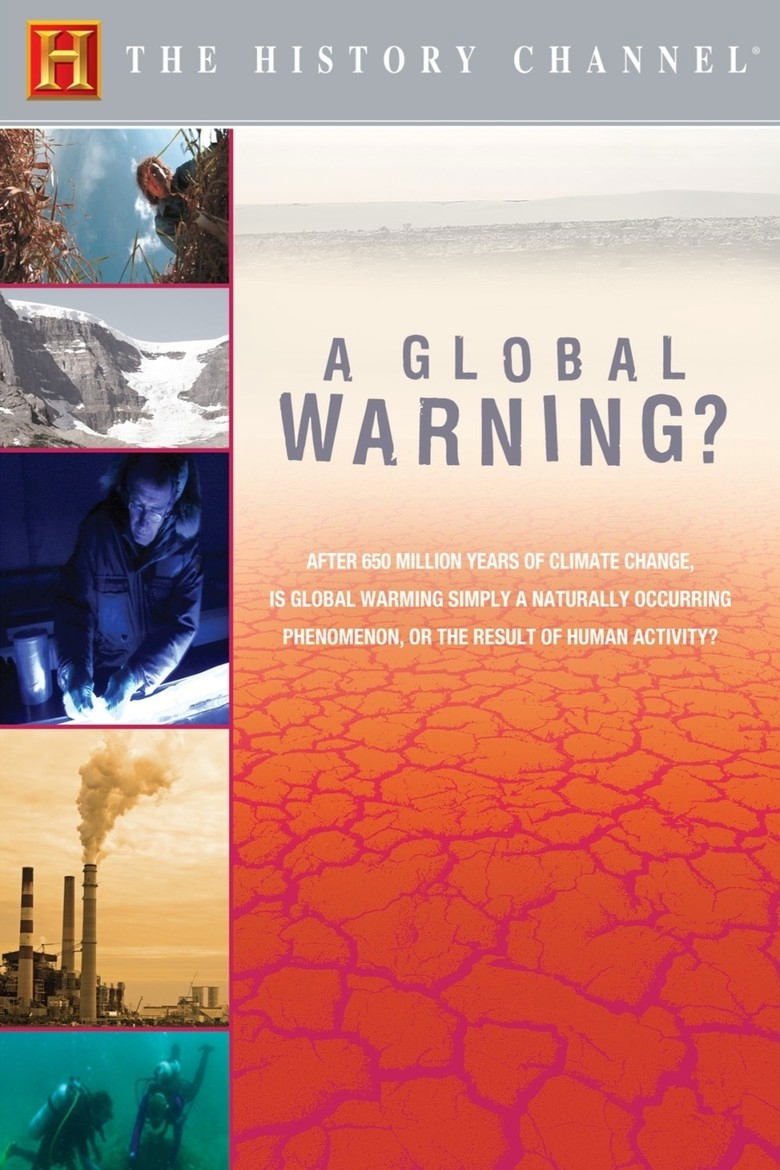
Global warming in context. What the climate of the past tells us about the climate of the future.
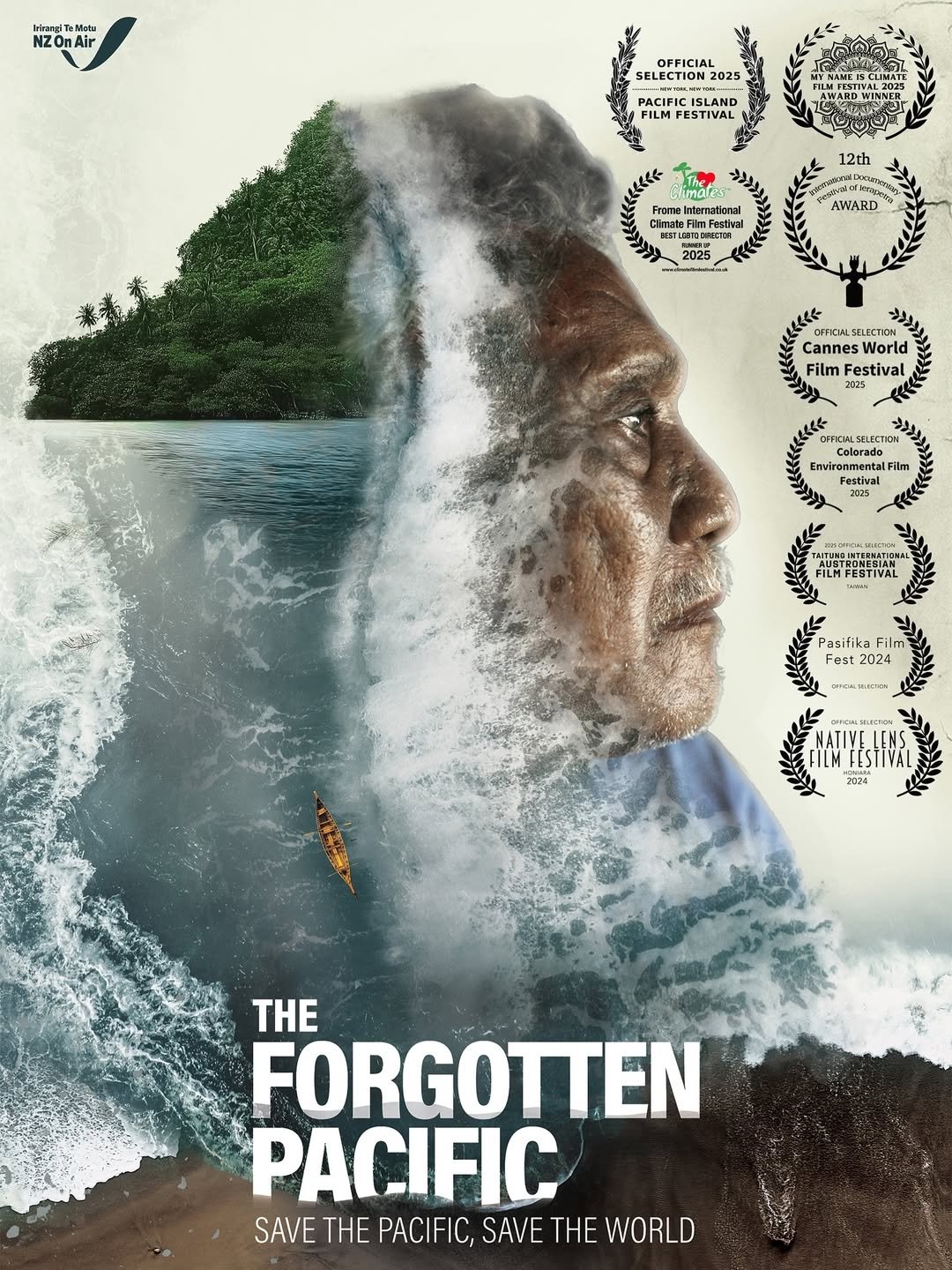
'The Forgotten Pacific' travels to five Pacific islands to discover how communities are weaving indigenous knowledge into the modern-day fight to adapt, rebuild and save their islands from climate change.
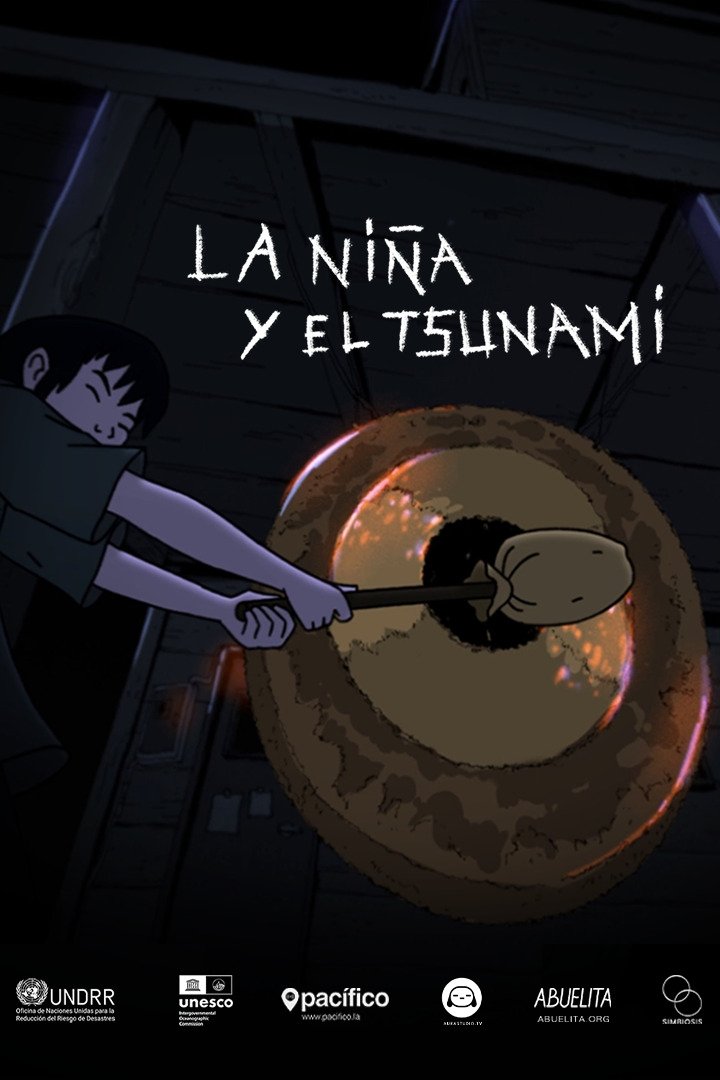
February 2010. On a remote island in the Pacific Ocean called Juan Fernández, everyone slept in town. But a 12-year-old girl felt a tremor and warned of imminent danger.
The Filomena snowstorm in central Spain was undoubtedly exceptional. Its return period in many places exceeded half a century, particularly in Madrid. Despite accurate weather forecasts, Filomena brought roads, public transport, health centers, and other basic services in Madrid to a standstill. What went wrong in the management of this weather event?
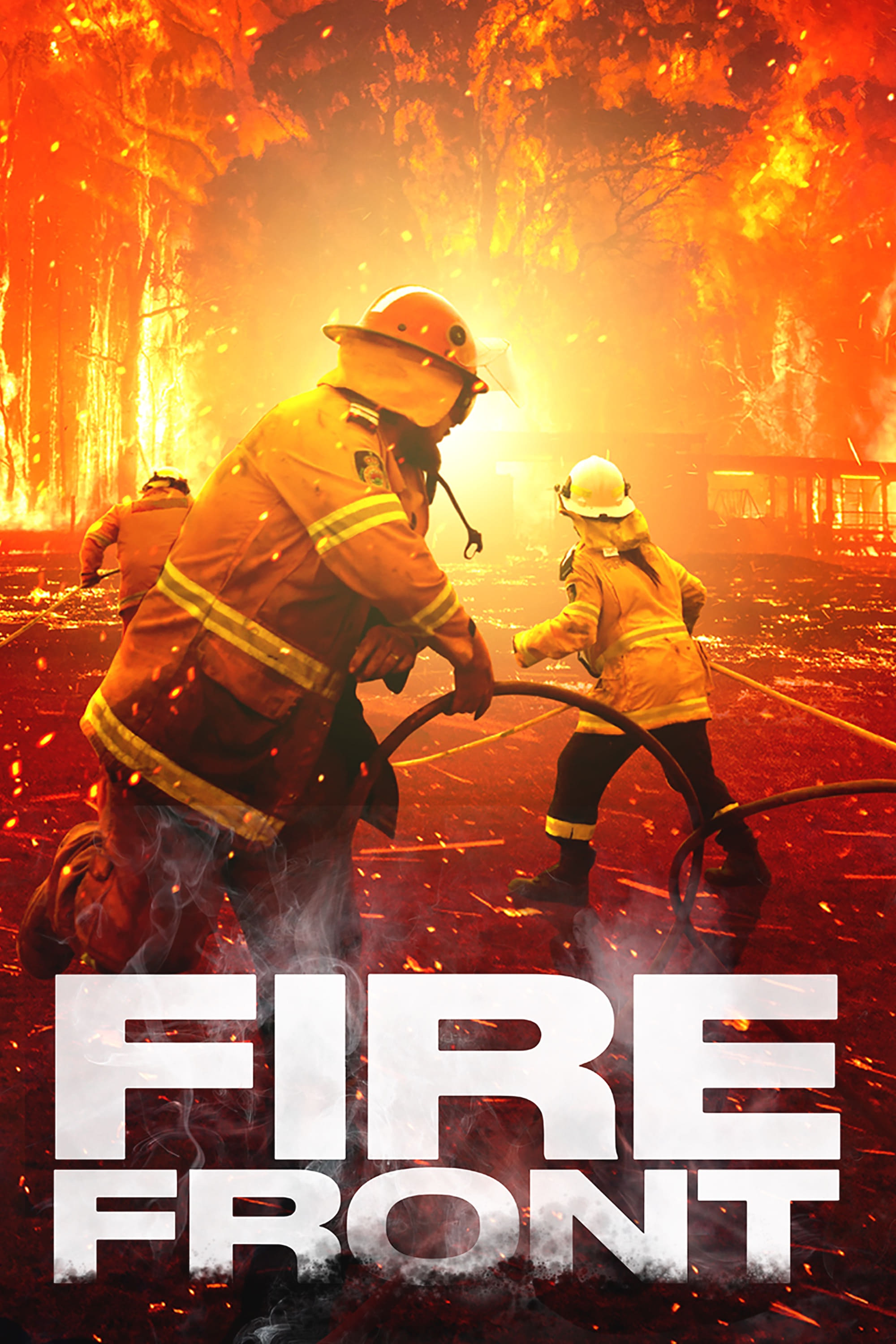
Leading Australian documentarian Eddie Martin puts viewers on the frontlines of the deadly 2019–2020 bushfires, capturing the catastrophe with a perspective and scale never before seen. 24 million hectares were burnt, 3000 homes were destroyed, 33 people died, and nearly three billion animals perished or were displaced. Fire Front is a powerful account of that calamitous antipodean summer, told from the ground where climate change took on the face of hell.
The undertaking of an enthusiastic group of scientists to transform an indoor cycle racing-track built for the 1968 Montréal Olympics into an ecological park. The Biodôme of Montréal contains 4 ecosystems of the 3 Americas, from the Tropical Forrest to the Polar World, from the Laurentian Forrest to the St-Lawrence Marine Environment.
Women's civil defense activities, especially in case of gas attacks.
When the 2004 tsunami hit the coast of Sri Lanka, 65-year-old Anton Ambrose's wife and daughter were killed. "In five minutes," he says, "I lost everything." A year later, Anton returns to Sri Lanka. With him is his nephew, award-winning filmmaker Rohan Fernando. A Tamil, Anton moved to California in the 1970s and became a very successful gynecologist. His daughter, Orlantha, made the opposite journey, returning to Sri Lanka where she ran a non-profit group that gave underprivileged children free violin lessons. Blood and Water is the story of one man's search for meaning in the face of overwhelming loss, but it is also filled with improbable characters, unintentional comedy and situational ironies.
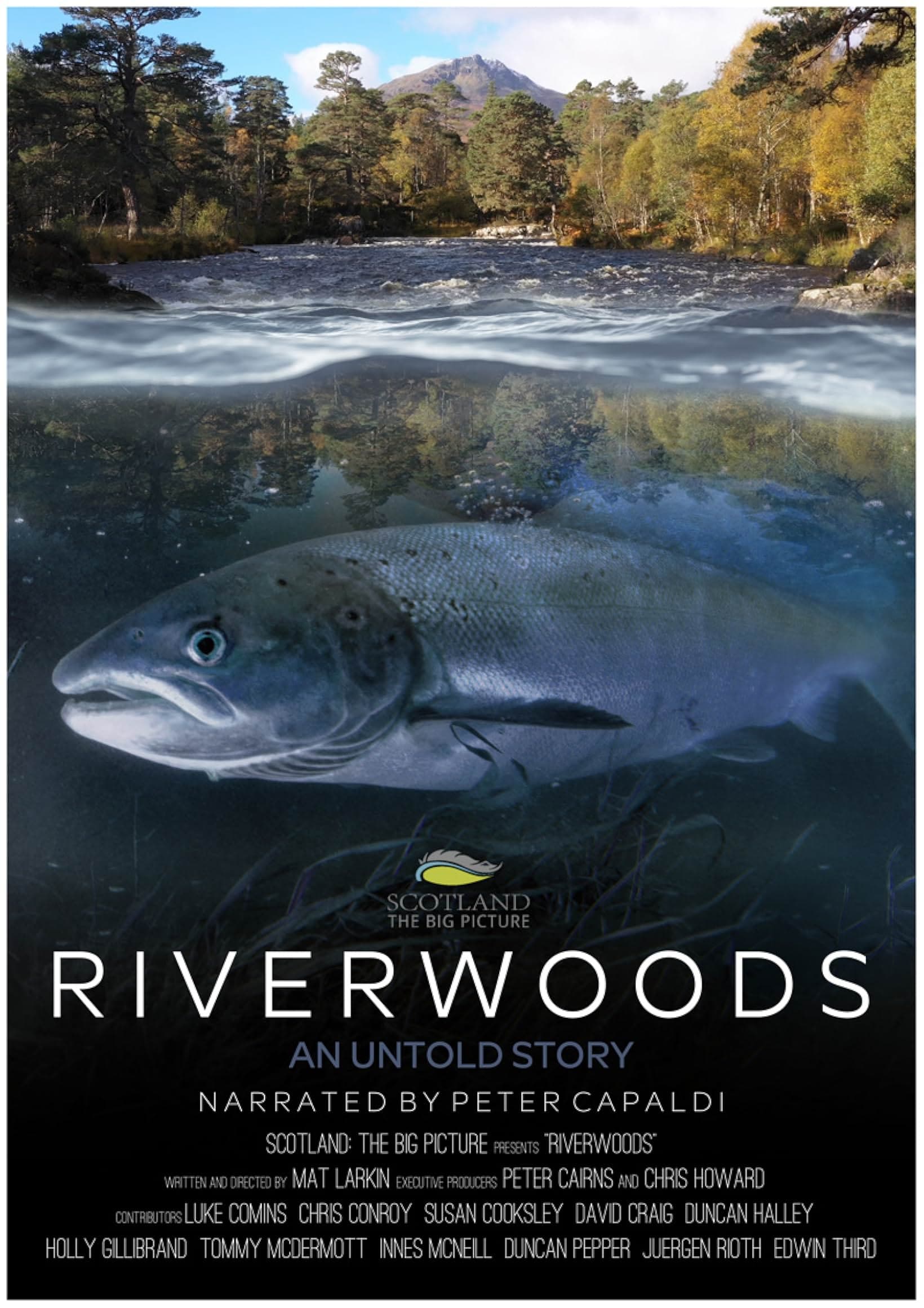
Three years in the making, this feature-length documentary shines a light on the perilous state of Scotland’s salmon, and tells the compelling story of a fish that once lived in the forest.
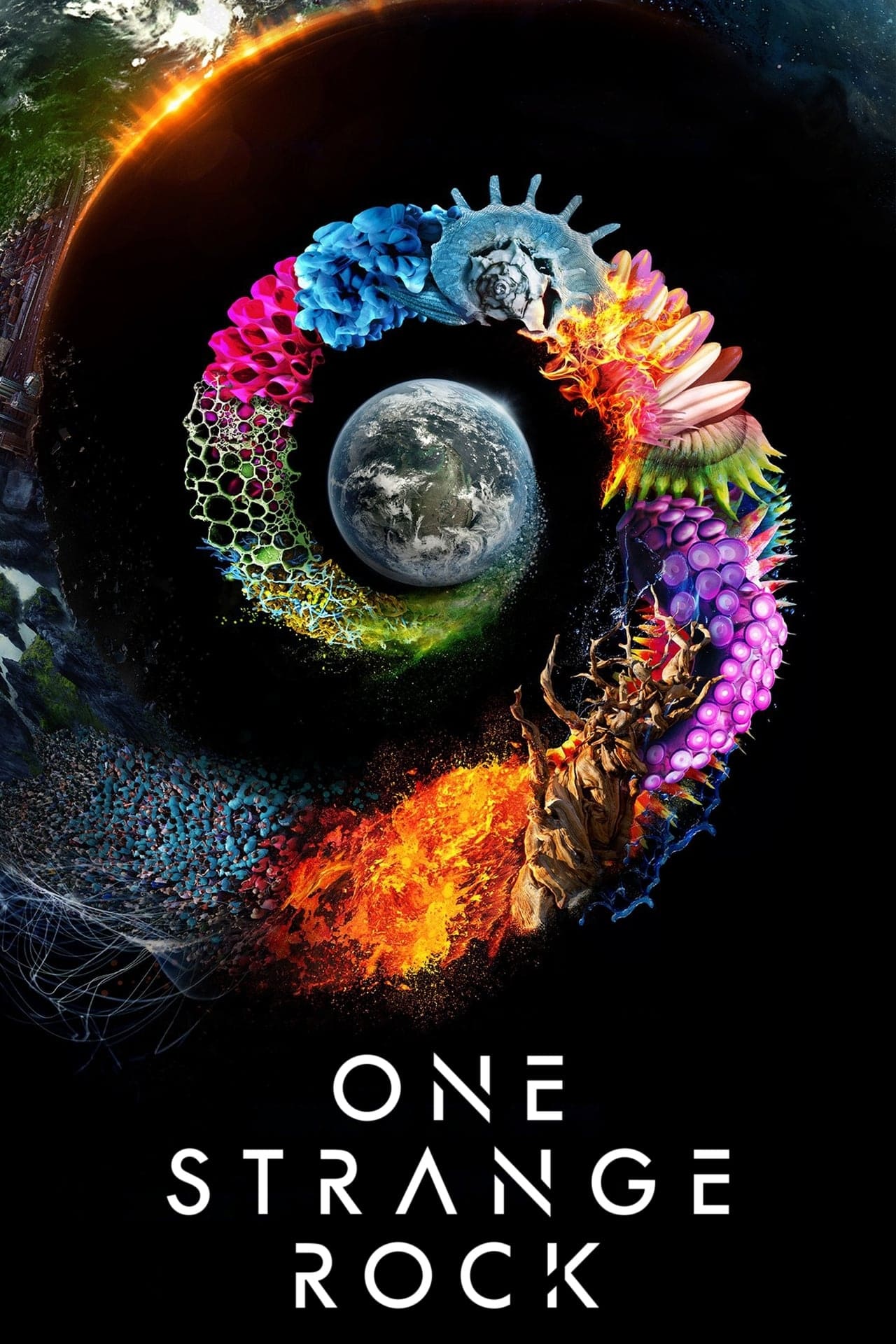
A mind-bending, thrilling journey exploring the fragility and wonder of planet Earth, one of the most peculiar, unique places in the entire universe, brought to life by the only people to have left it behind – the world’s most well known and leading astronauts. This edit combined episodes one and ten to create a new movie.
CHARBON depicts how Europe was built on fossil fuels over the past 100 years. And how it was torn apart by wars that were the result of these same fossil fuels. During 3 trips to Ukraine, Italy and Iraq, filmmaker Manu Riche explains how he and his French-German family are inseparably connected to the fate of the Iraqi filmmaker and refugee Hayder Helo.
We get to know a few inhabitants of central European rivers.
Whales beached after ingesting plastic, oceans soiled: a quarter of marine waste today comes from cans and plastic bottles. The drinks industry produces 470 billion single-use bottles each year, 25% of which come from Coca-Cola. Although the world's largest soft drink producer has set ambitious targets to prevent this environmental pollution, it has often failed to do so. In the 1950s, the company sold its drink exclusively in returnable glass bottles, which it washed and refilled. Two decades later, these were replaced by disposable bottles - a decision whose devastating effects still linger.
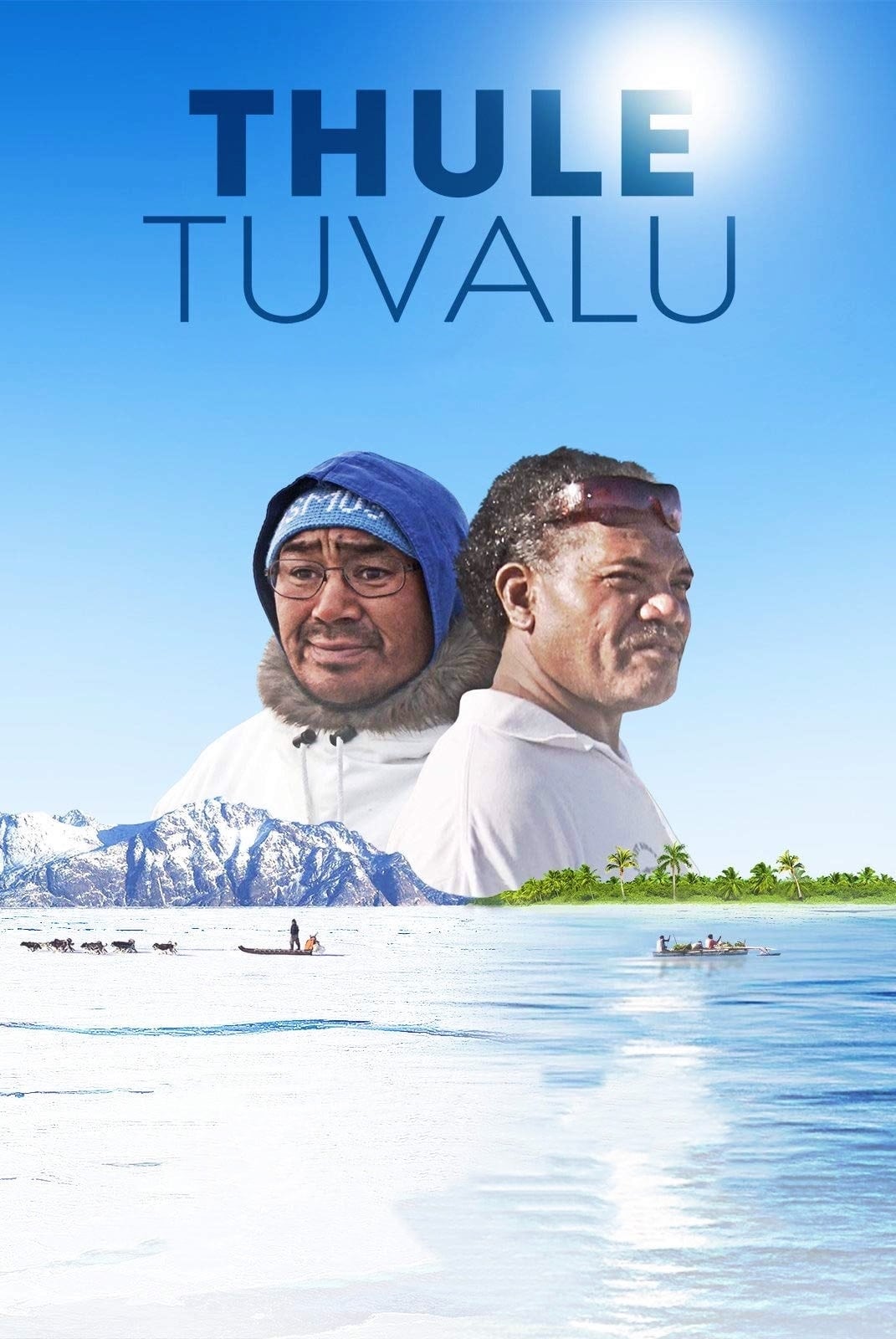
Thule, Greenland, also called Qaanaaqis, one of the northernmost towns in the world. As the climate warms and the ice caps begin to melt, the gentle balance of life for the people of this community is in jeopardy. On the other side of the globe, the melting ice caps are raising sea levels around the Polynesian island nation of Tuvalu, threatening to wipe the island right off the map. Though a world apart, these two communities are intricately connected as environmental balance begins to tip and traditional ways of life are threatened. 'ThuleTuvalu' is a stunning documentary addressing the high price of a hundred years of development and how two very different communities are now bound together in facing an uncertain future.
A documentary on Al Gore's campaign to make the issue of global warming a recognized problem worldwide.
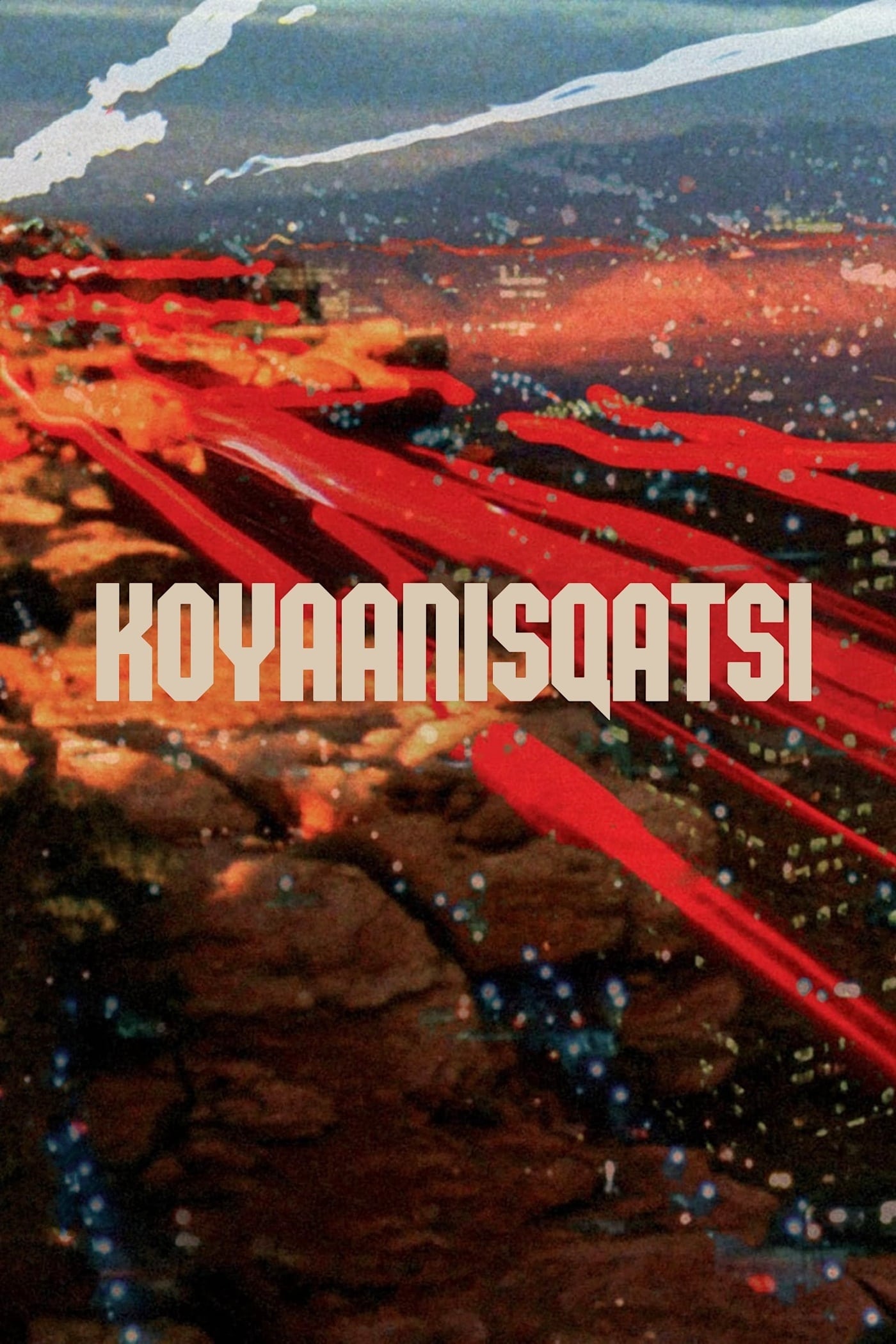
Takes us to locations all around the US and shows us the heavy toll that modern technology is having on humans and the earth. The visual tone poem contains neither dialogue nor a vocalized narration: its tone is set by the juxtaposition of images and the exceptional music by Philip Glass.
David Attenborough and scientist Johan Rockström examine Earth's biodiversity collapse and how this crisis can still be averted.
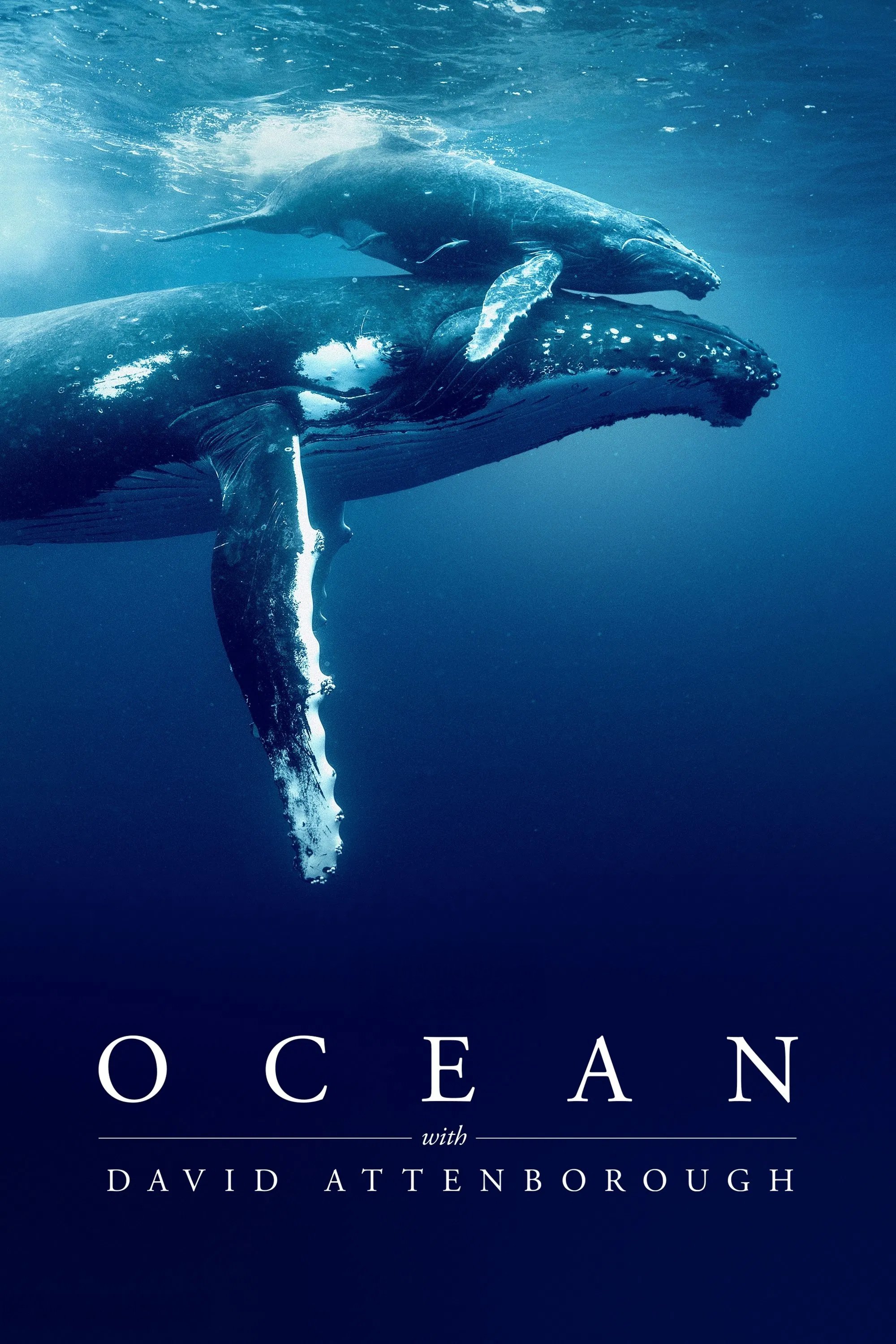
David Attenborough takes viewers on a breathtaking journey showing there is nowhere more vital for our survival, more full of life, wonder, or surprise, than the ocean. Through spectacular sequences featuring coral reefs, kelp forests and the open ocean, Attenborough shares why a healthy ocean keeps the entire planet stable and flourishing.
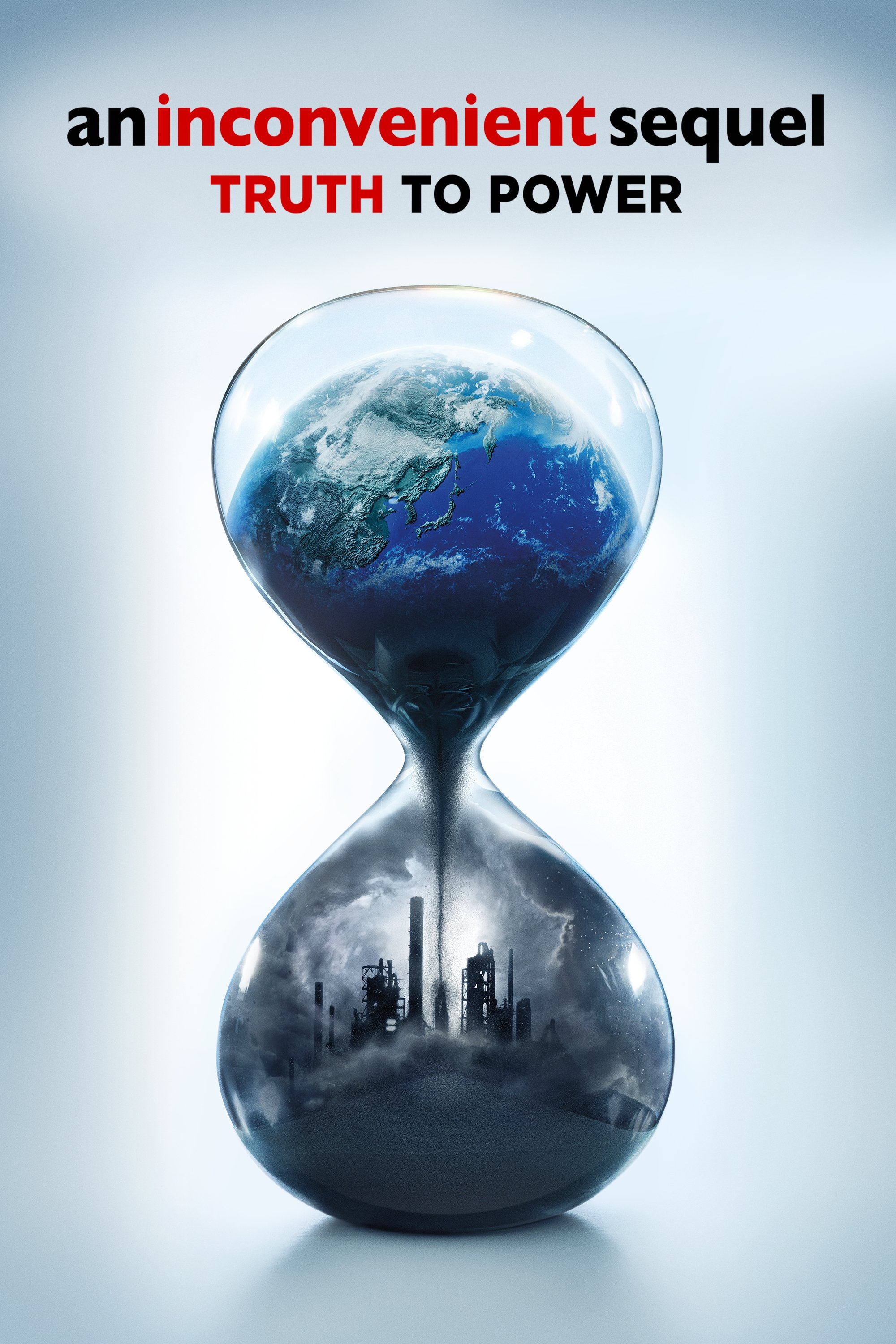
A decade after An Inconvenient Truth brought climate change into the heart of popular culture comes the riveting and rousing follow-up that shows just how close we are to a real energy revolution. Vice President Al Gore continues his tireless fight, traveling around the world training an army of climate champions and influencing international climate policy. Cameras follow him behind the scenes—in moments private and public, funny and poignant—as he pursues the empowering notion that while the stakes have never been higher, the perils of climate change can be overcome with human ingenuity and passion.
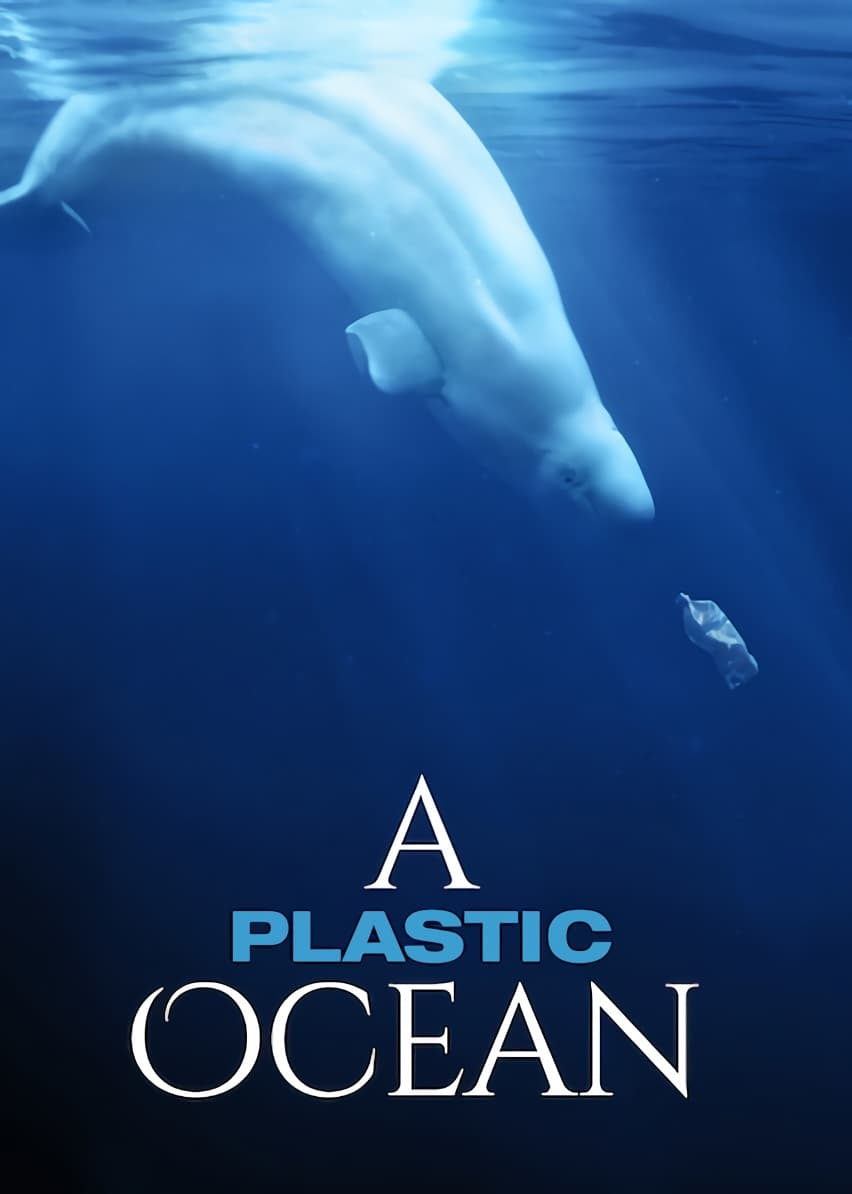
A documentary focused on plastic pollution in the world's oceans.
A visual montage portrait of our contemporary world dominated by globalized technology and violence.
Capturing Avatar is a feature length behind-the-scenes documentary about the making of Avatar. It uses footage from the film's development, as well as stock footage from as far back as the production of Titanic in 1995. Also included are numerous interviews with cast, artists, and other crew members. The documentary was released as a bonus feature on the extended collector's edition of Avatar.
Sheds light on an alternative approach to farming called “regenerative agriculture” that could balance our climate, replenish our vast water supplies, and feed the world.
Never-before-seen footage shows how our living in lockdown opened the door for nature to bounce back and thrive. Across the seas, skies, and lands, Earth found its rhythm when we came to a stop.
Humanity’s ascent is often measured by the speed of progress. But what if progress is actually spiraling us downwards, towards collapse? Ronald Wright, whose best-seller, “A Short History Of Progress” inspired “Surviving Progress”, shows how past civilizations were destroyed by “progress traps”—alluring technologies and belief systems that serve immediate needs, but ransom the future. As pressure on the world’s resources accelerates and financial elites bankrupt nations, can our globally-entwined civilization escape a final, catastrophic progress trap? With potent images and illuminating insights from thinkers who have probed our genes, our brains, and our social behaviour, this requiem to progress-as-usual also poses a challenge: to prove that making apes smarter isn’t an evolutionary dead-end.
After years of swimming every day in the freezing ocean at the tip of Africa, Craig Foster meets an unlikely teacher: a young octopus who displays remarkable curiosity. Visiting her den and tracking her movements for months on end he eventually wins the animal’s trust and they develop a never-before-seen bond between human and wild animal.
JB Smoove and Martin Starr host a celebration of 20 years of "Spider-Man" movies, from the Sam Raimi trilogy to Marc Webb's movies and the trio from Jon Watts.
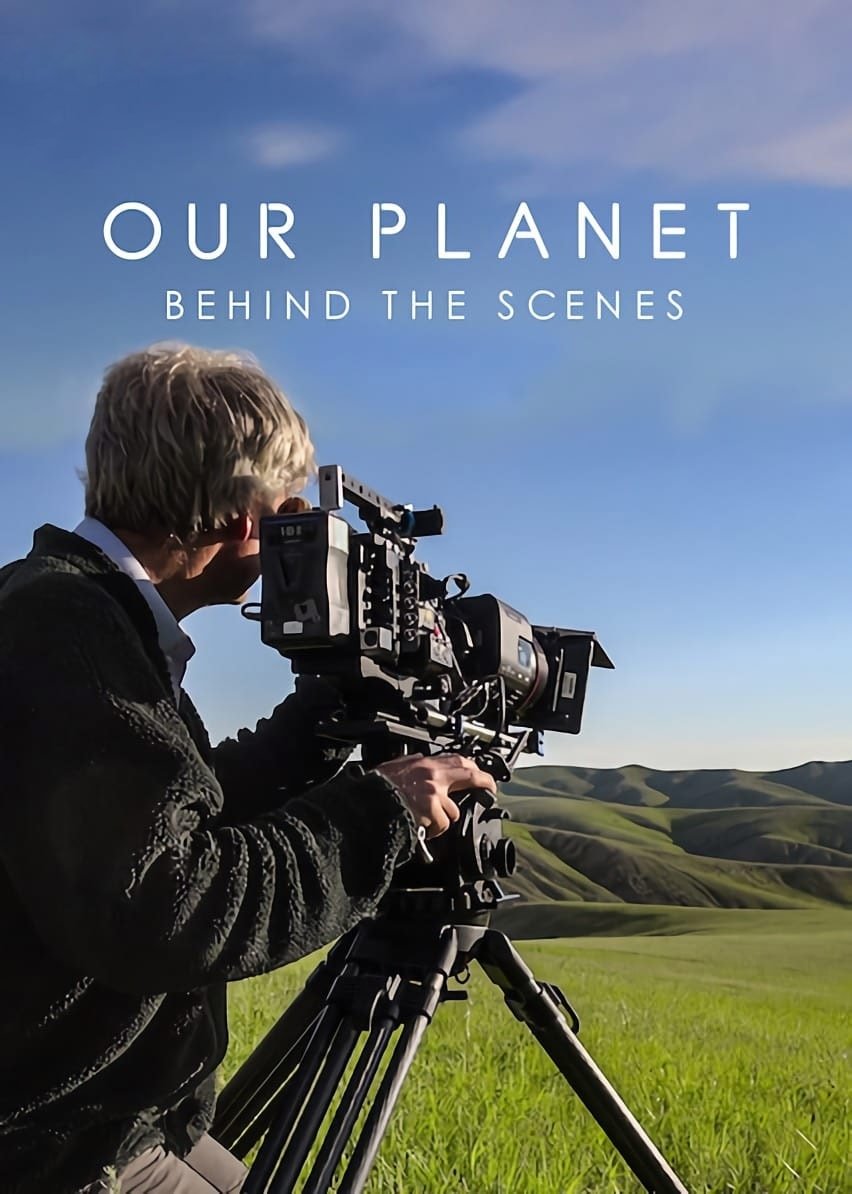
Years spent recording footage of creatures from every corner of the globe is bound to produce a bit of drama. Here's a behind-the-scenes look.
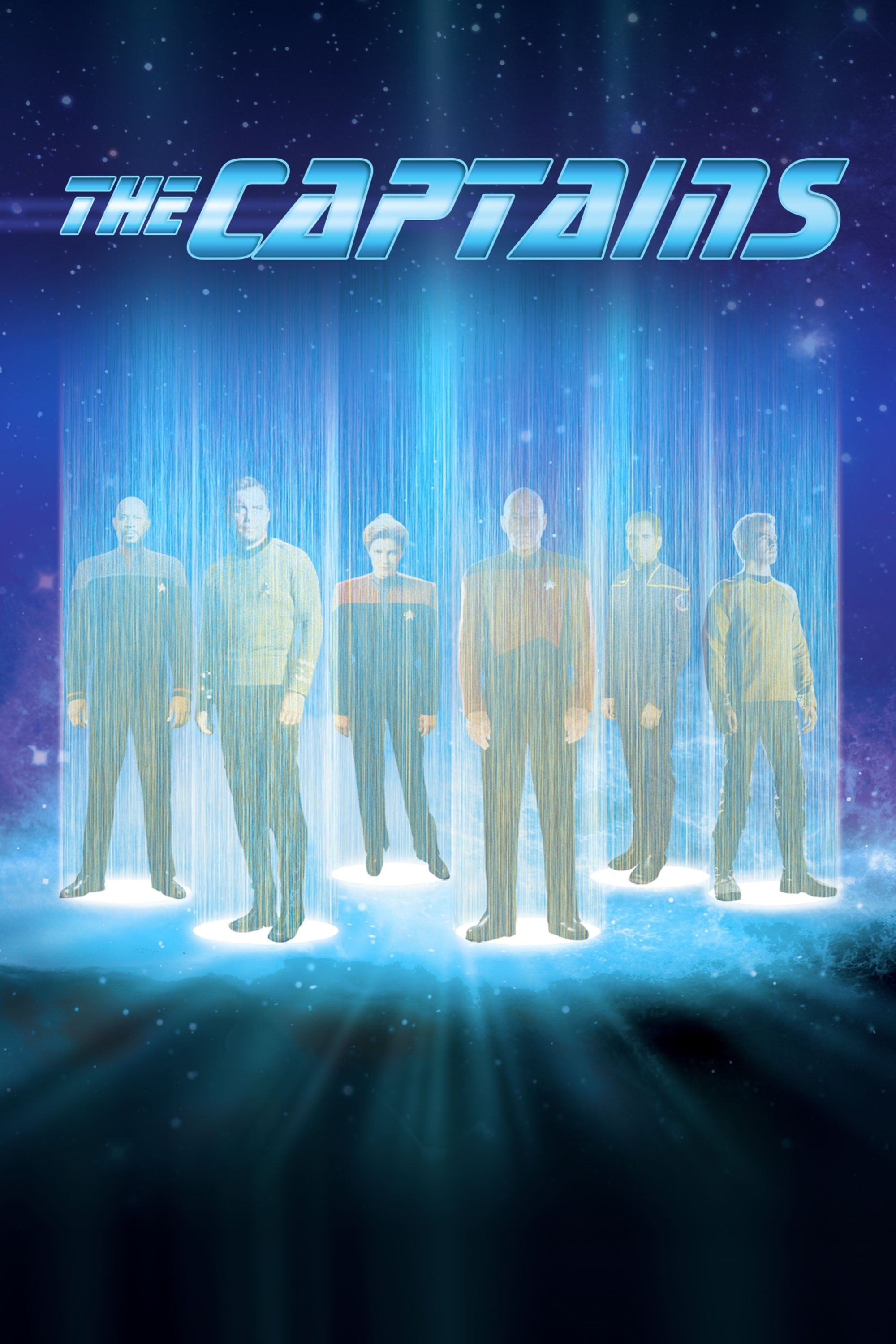
The Captains is a feature-length documentary film written and directed by William Shatner. The film follows Shatner as he interviews the other actors who have portrayed starship captains in the Star Trek franchise.
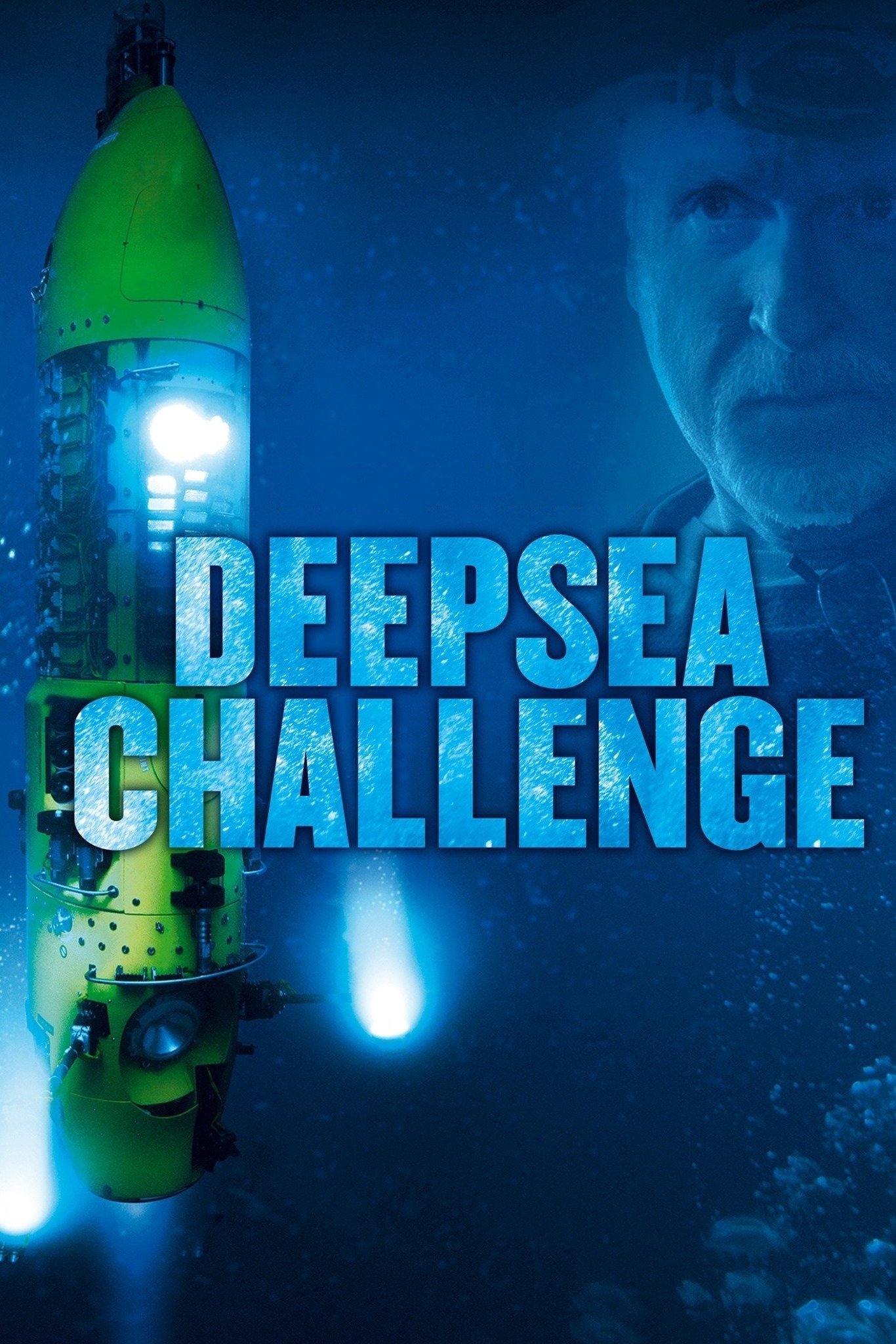
Described as being a film about determination, danger and the ocean’s greatest depths, James Cameron's "Deepsea Challenge 3D" tells the story of Cameron’s journey to fulfill his boyhood dream of becoming an explorer. The movie offers a unique insight into Cameron's world as he makes that dream reality – and makes history – by becoming the first person to travel solo to the deepest point on the planet.
Lupita Nyong'o narrates a documentary about Peanuts and its creator, Charles M. Schulz. Famous fans—including Drew Barrymore, Kevin Smith, and Al Roker—share its influence on them, and a new animated story finds Charlie Brown on a quest.
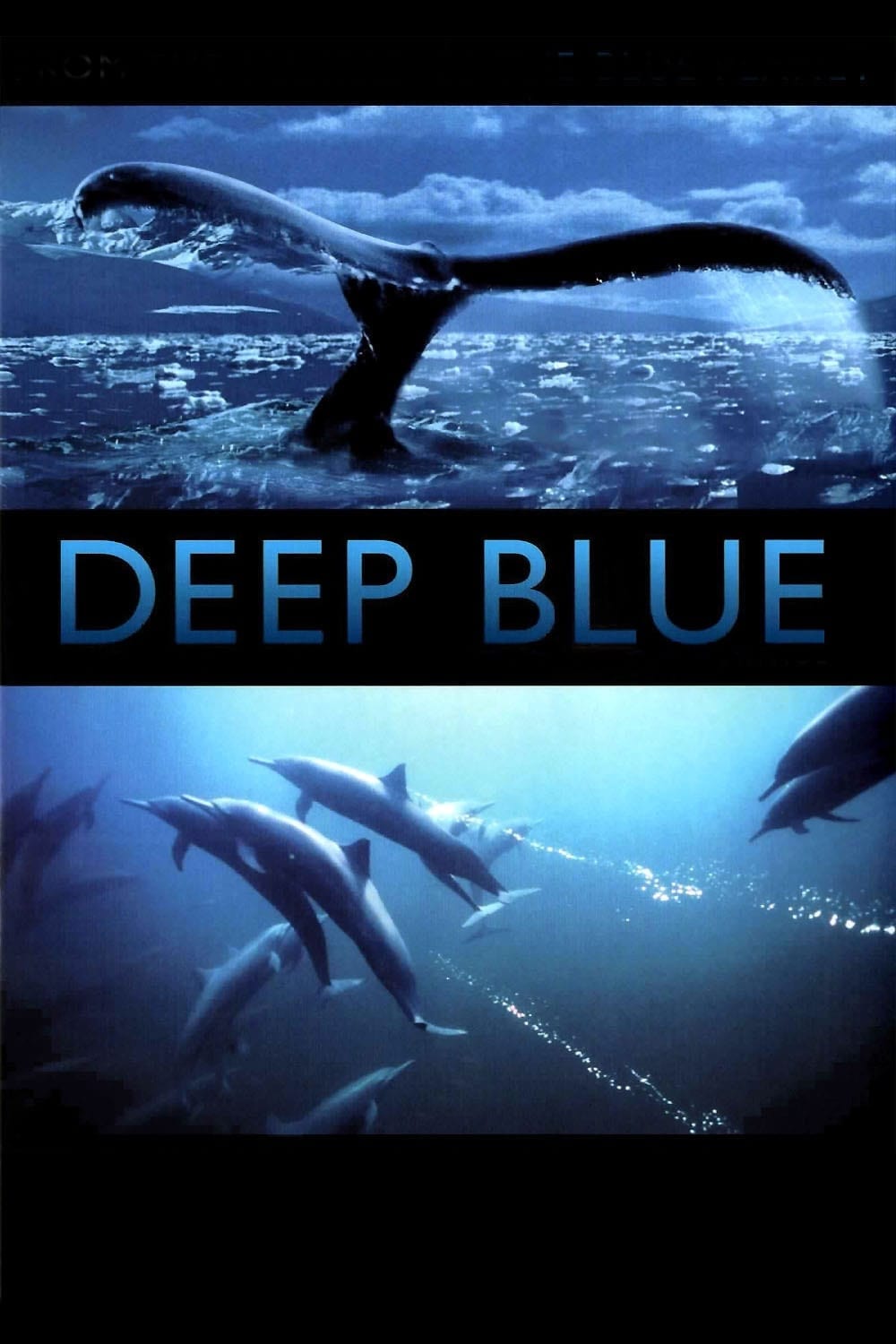
Deep Blue is a major documentary feature film shot by the BBC Natural History Unit. An epic cinematic rollercoaster ride for all ages, Deep Blue uses amazing footage to tell us the story of our oceans and the life they support.
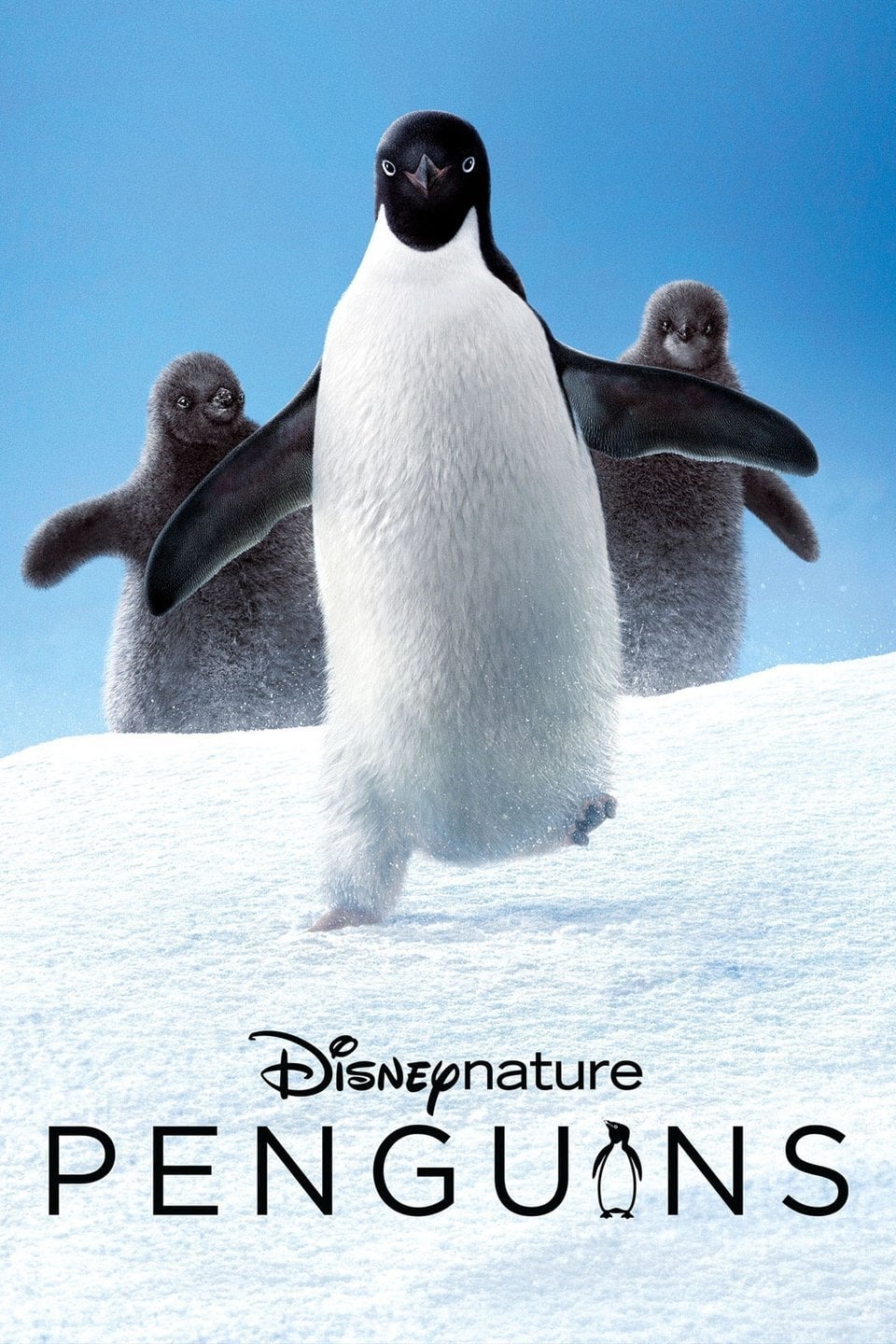
The story of Steve, an Adélie penguin, on a quest to find a life partner and start a family. When Steve meets with Wuzzo the emperor penguin they become friends. But nothing comes easy in the icy Antarctic.
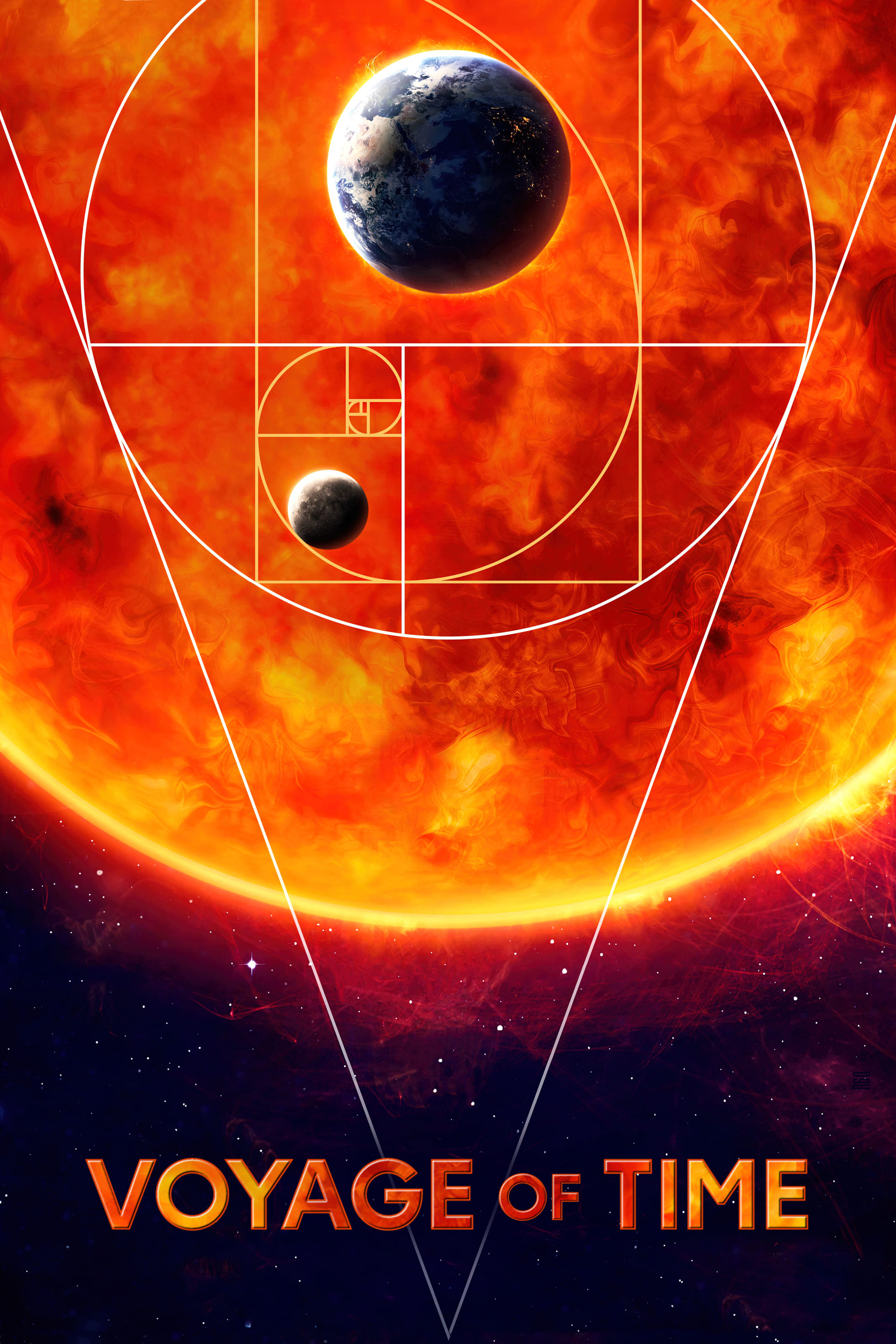
A celebration of the universe, displaying the whole of time, from its start to its final collapse. This film examines all that occurred to prepare the world that stands before us now: science and spirit, birth and death, the grand cosmos and the minute life systems of our planet.