Social & External
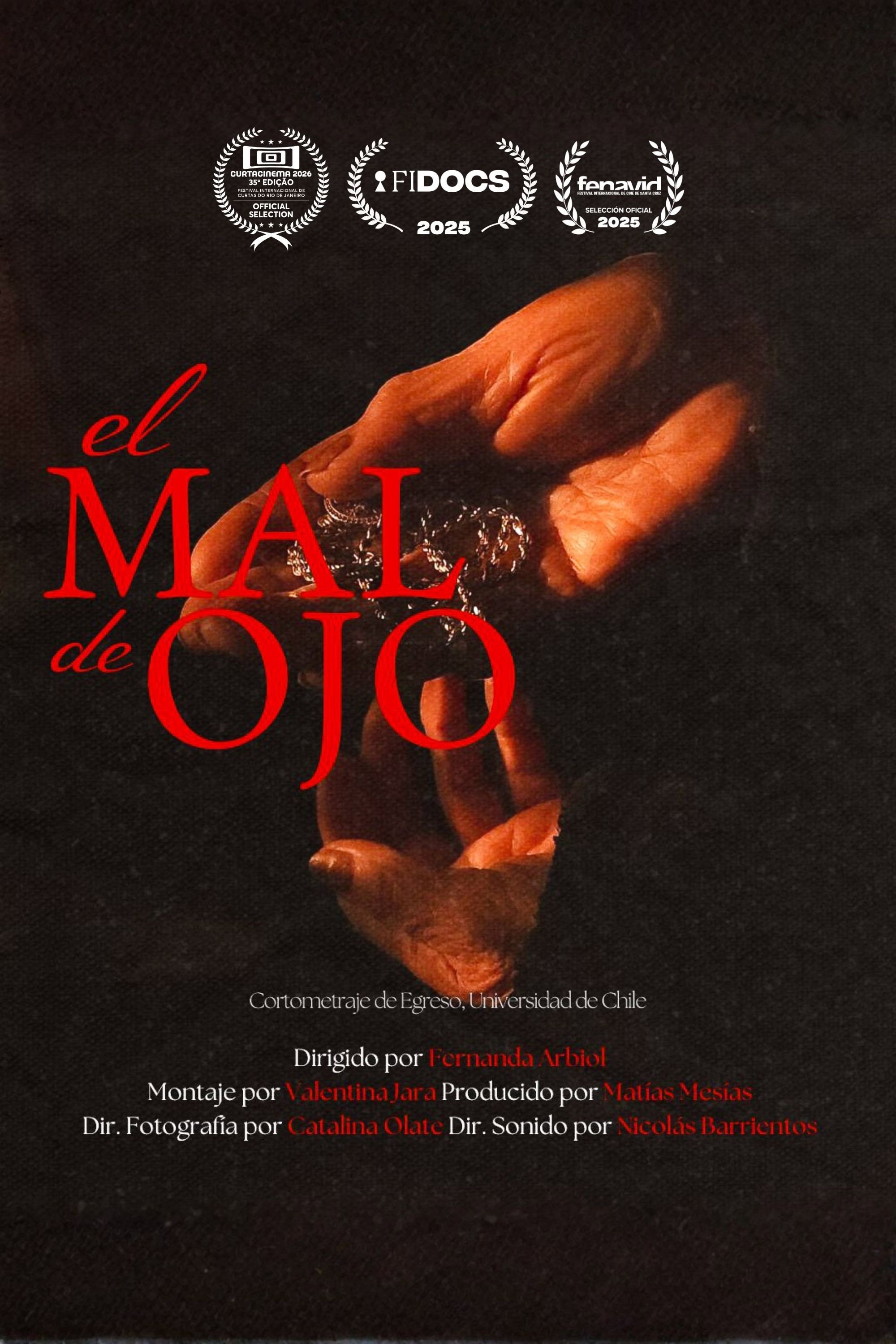
Mercedes, an elder healer, keeps alive the tradition of healing the “Evil Eye” while facing the fear of social judgment in a community that has lost its faith.
Revisiting her film set photos, director Léa Pool reflects on her prolific career. The filmmaker left Switzerland at the age of 25 to settle in Quebec and embark on a surprising career. She reinvents herself from film to film, exploring themes that deeply resonate with her: identity, exile, maternal absence, transitional spaces... In both documentary and fiction, she has directed 20 feature films that feature strong female characters and contemporary issues. Somewhere between a masterclass and an intimate conversation, this documentary invites Léa to share her cinematic journey in front of the camera.
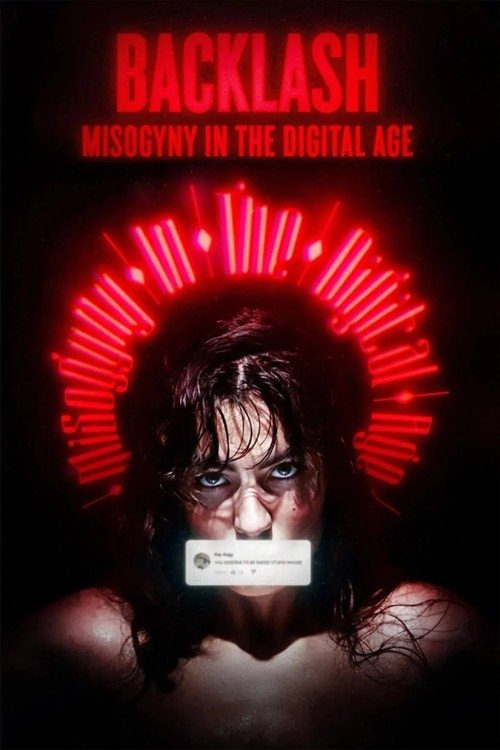
This documentary by Léa Clermont-Dion and Guylaine Maroist plunges us into the vortex of online misogyny and documents hatred towards women. This bleak opus, reminiscent of a psychological thriller, follows four women across two continents: former President of the Italian parliament Laura Boldrini, former Democratic representative Kiah Morris, French actor and YouTuber Marion Séclin, and Donna Zuckerberg, a specialist in online violence against women and the sister of Facebook’s founder. This tour de force reveals the devastating effects such unapologetic hatred has on victims, and brings to light the singular objective of cyber-misogyny: to silence women who shine. Some targets of cyber-violence will crumble under the crystallizing force of the click. Others, proud warriors, will stand tall and refuse to be silenced.
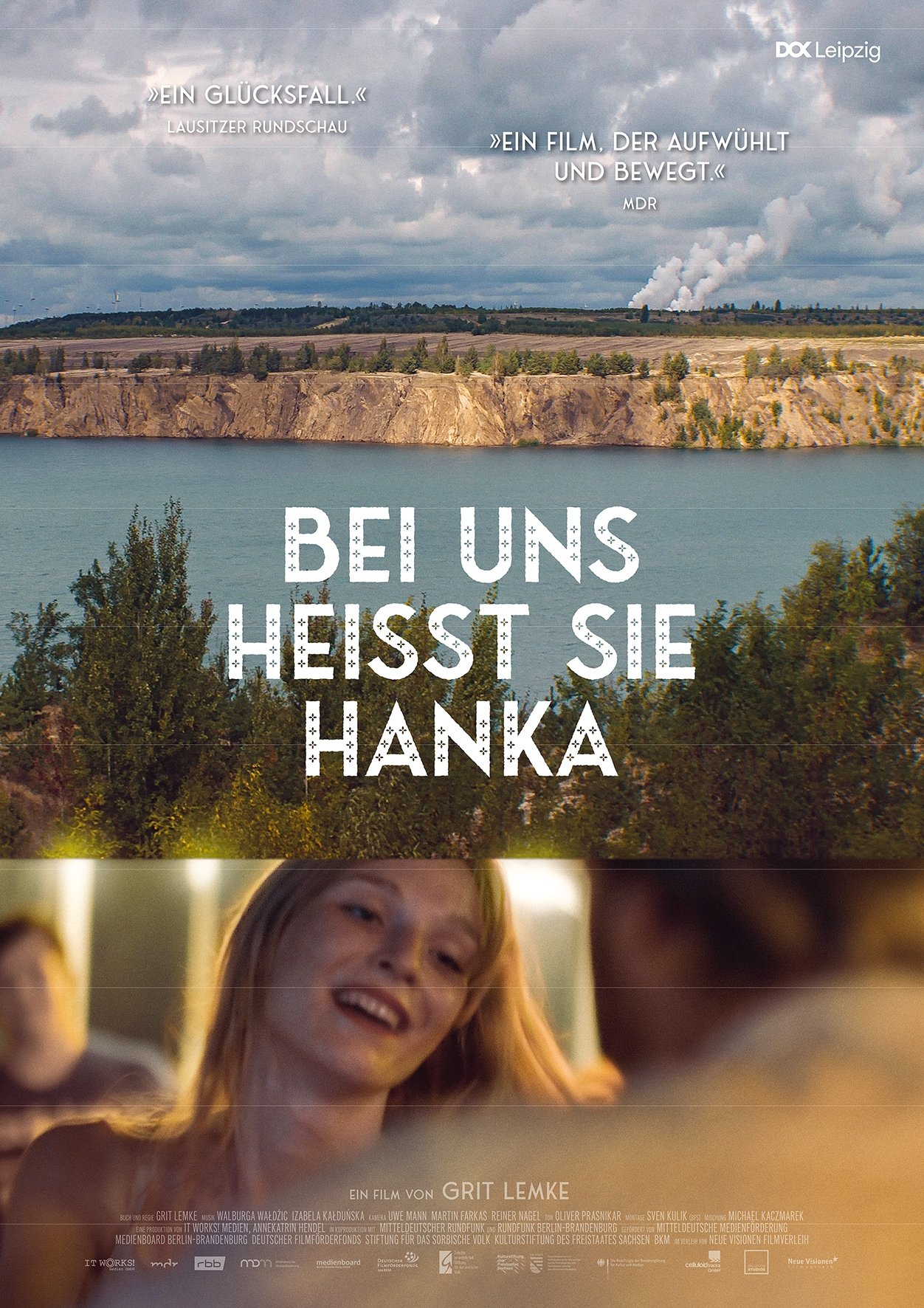
A green lawn like an unused carpet, encircled by a neat forest edge, in the background the steaming cooling towers of a coal power station – impressionistic camera images from Lusatia. They summarise in one pan how a used-up utilitarian landscape is trying to recultivate itself. Can ancient identity and language be re-discovered amid this strange artificiality? The director travelled through this region in search of her origins. She was born here, in Lusatia. This is her home and that of the smallest of all Slavic peoples: the Sorbs.
Openland is an art film guided by issues surrounding micro states and its derivative definitions. Through intertwining interviews, meta-narratives, and digital landscapes, Openland unfurls a dialogue between consciousness, individuality and collectivity.
On the morning of October 30, 1995, tension was palpable throughout Quebec. On this Referendum Day, 15 years after René Lévesque chanted "À la prochaine fois!", would the people of Quebec say yes or no to their independence?
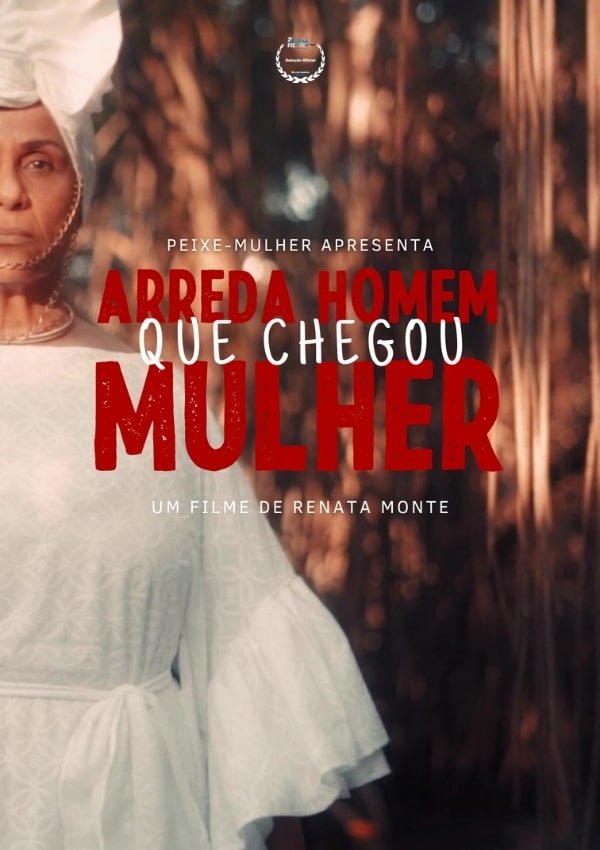
Documentary about terreiro women in Fortaleza who occupy the highest positions in the hierarchy, subverting the patriarchal tradition of religious communities.
Advances in artificial intelligence are accelerating at a breakneck pace. A journalist connects these innovations to the changes they bring to our daily lives. A documentary that makes it easy to understand these technological upheavals.
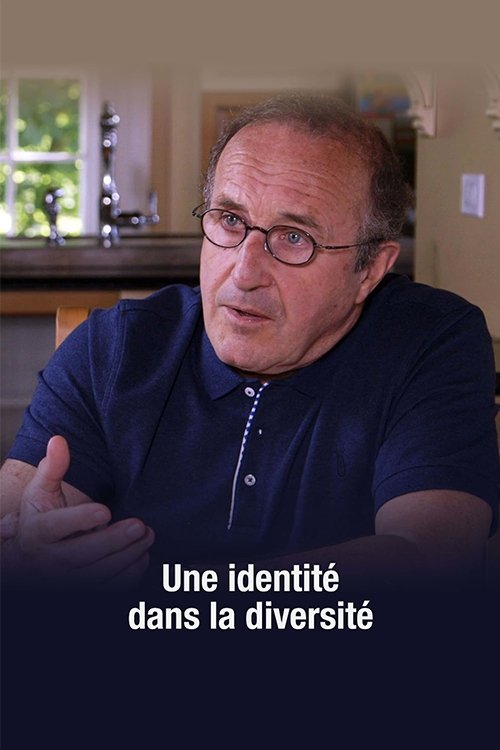
Michel is the charismatic subject of this documentary about following your sex drive. Sharing unique life experiences with great verve, an aging lothario strikes an honest and simply unforgettable pose.
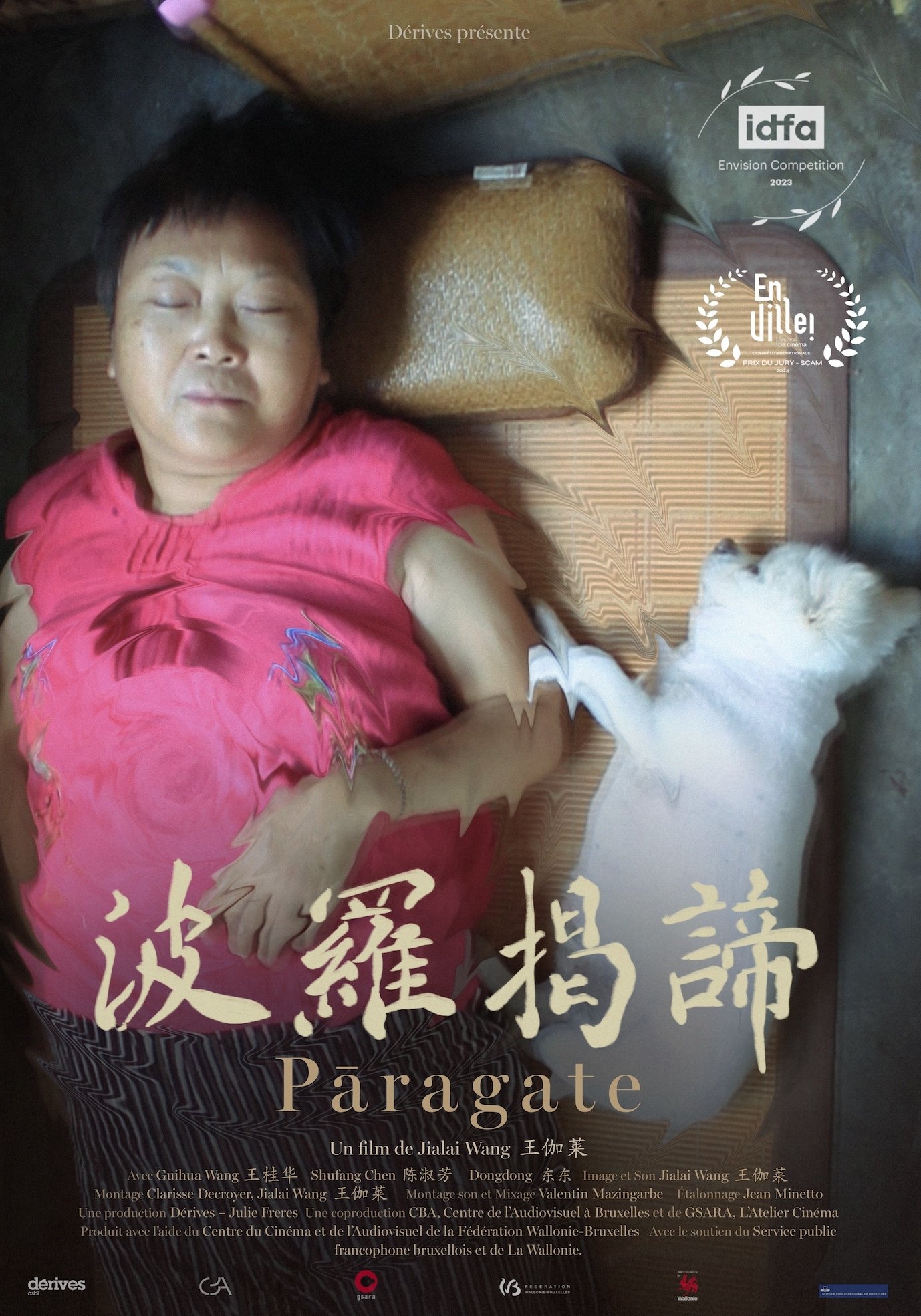
From Belgium, Jialai Wang maintains contact via smartphone and camera with her mother and grandmother in China. When her grandmother’s health deteriorates, Jialai returns to Shanghai, but when she arrives, her grandmother has already died, and she is left alone with her mother. A devout Buddhist, her mother seems to pay more attention to her daily prayers, Maoist past and dog Dongdong than she does to her daughter. She herself had been abandoned as a child by her own mother, when she divorced Jialai’s grandfather and moved to the city.
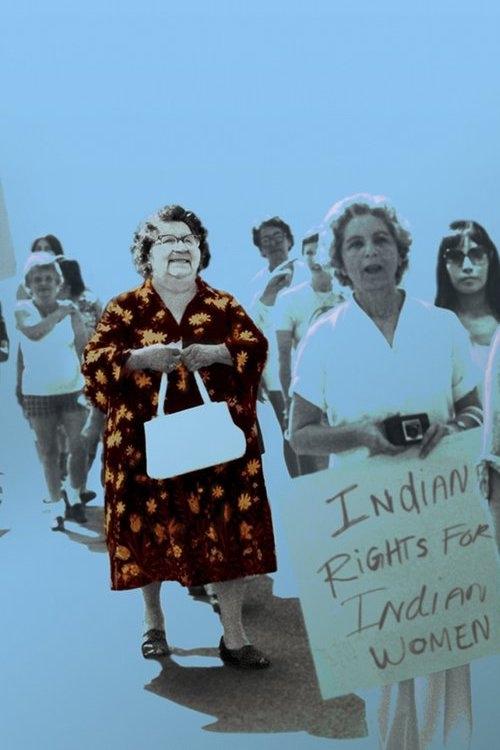
After marrying a settler, Mary Two-Axe Earley lost her legal status as a First Nations woman. Dedicating her life to activism, she campaigned to have First Nations women's rights restored and coordinated a movement that continues to this day. Kahnawake filmmaker Courtney Montour honours this inspiring leader while drawing attention to contemporary injustices that remain in this era of truth and reconciliation.
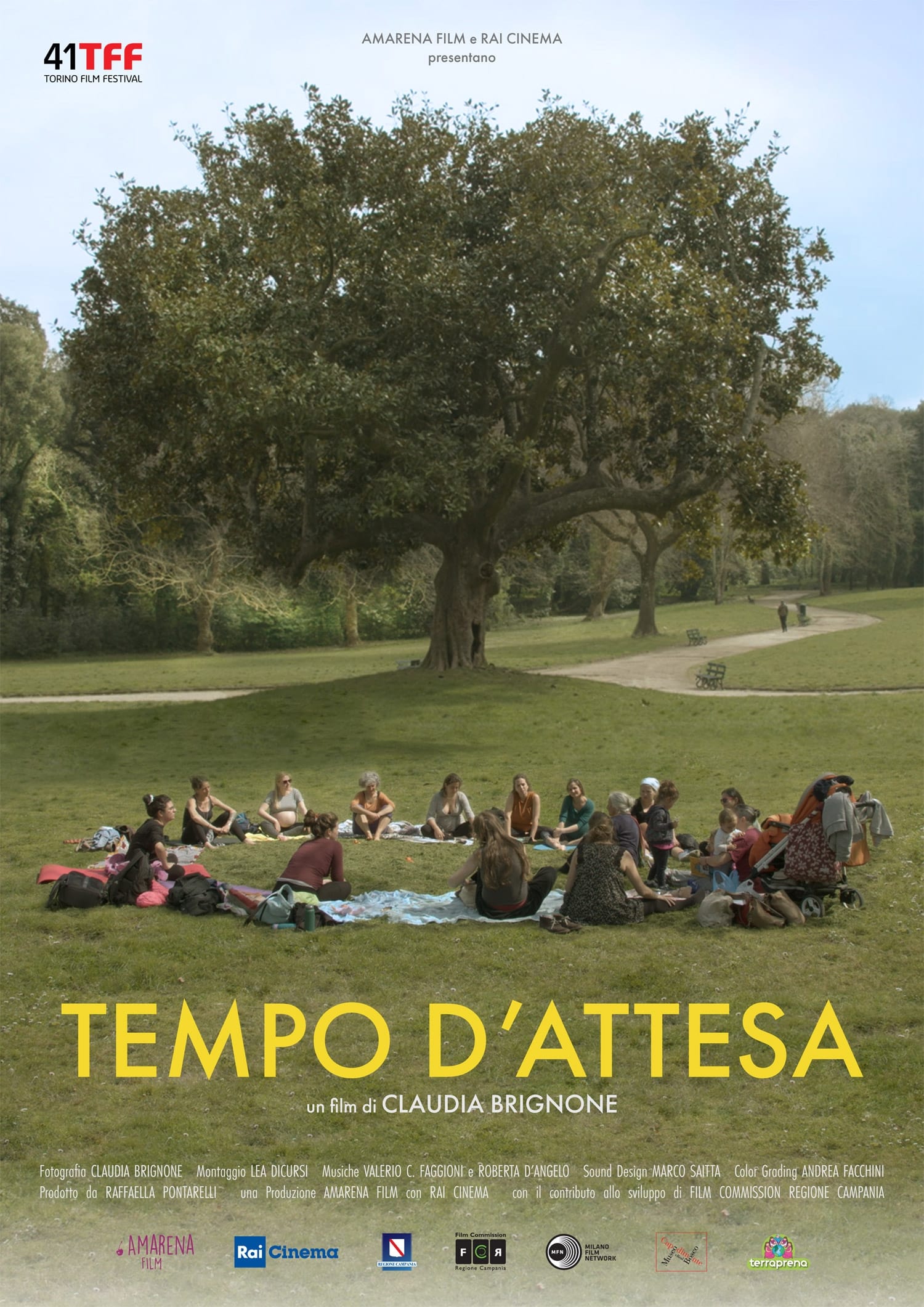
Under the shade of a Magnolia tree, a group of pregnant women gathers weekly. Among them is Teresa, an experienced midwife who listens to them attentively. Sitting in a circle, the women reflect on the impending birth of their children and their own emerging roles as mothers.
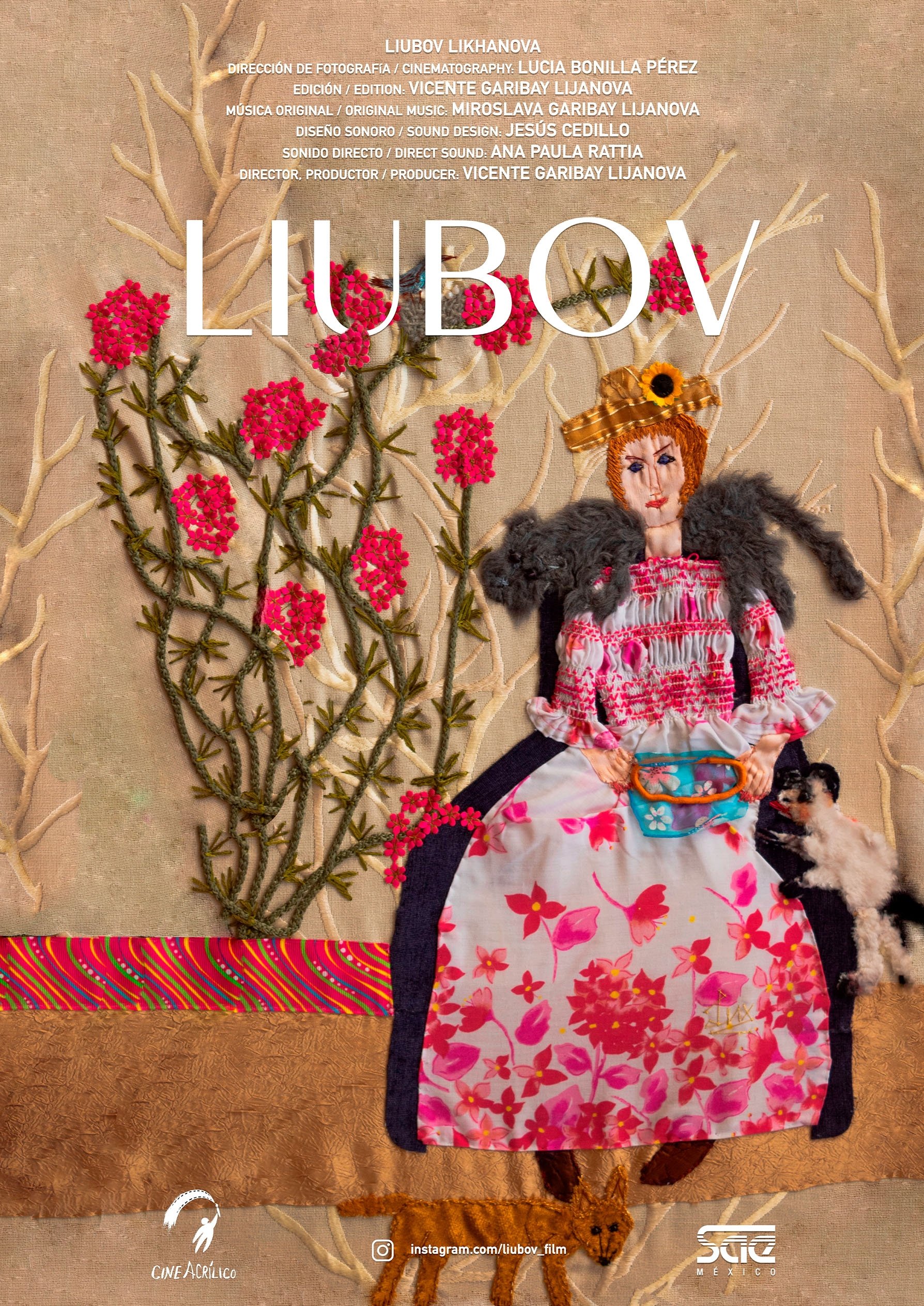
Liubov, a Russian lady who lives in Mexico City. During the routine of her day, Liubov will recall the experiences she had with death, from childhood to adulthood.
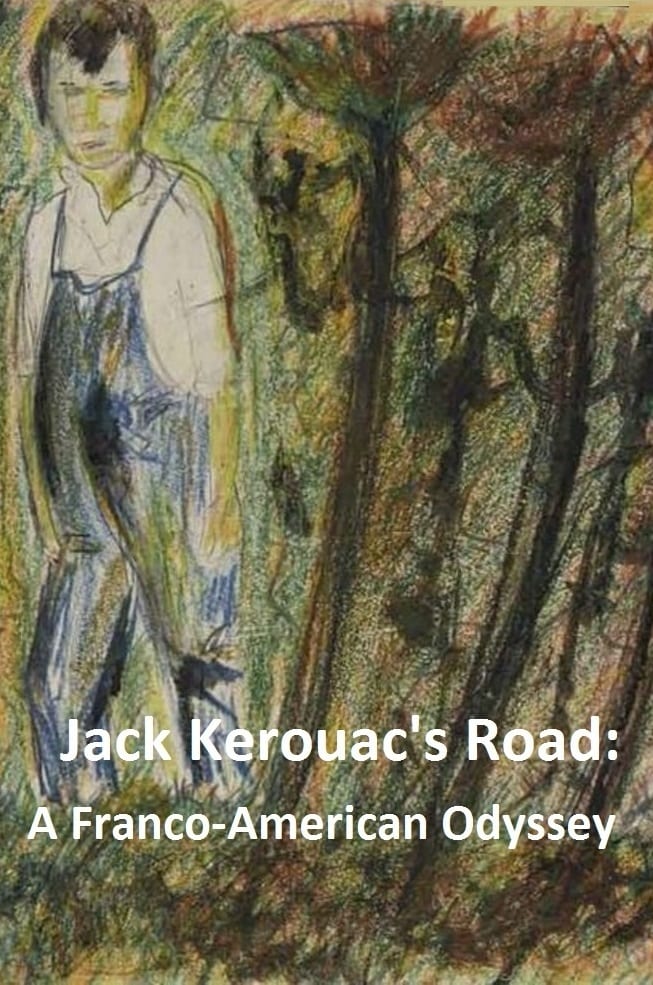
Part documentary, part drama, this film presents the life and work of Jack Kerouac, an American writer with Québec roots who became one of the most important spokesmen for his generation. Intercut with archival footage, photographs and interviews, this film takes apart the heroic myth and even returns to the childhood of the author whose life and work contributed greatly to the cultural, sexual and social revolution of the 1960s.
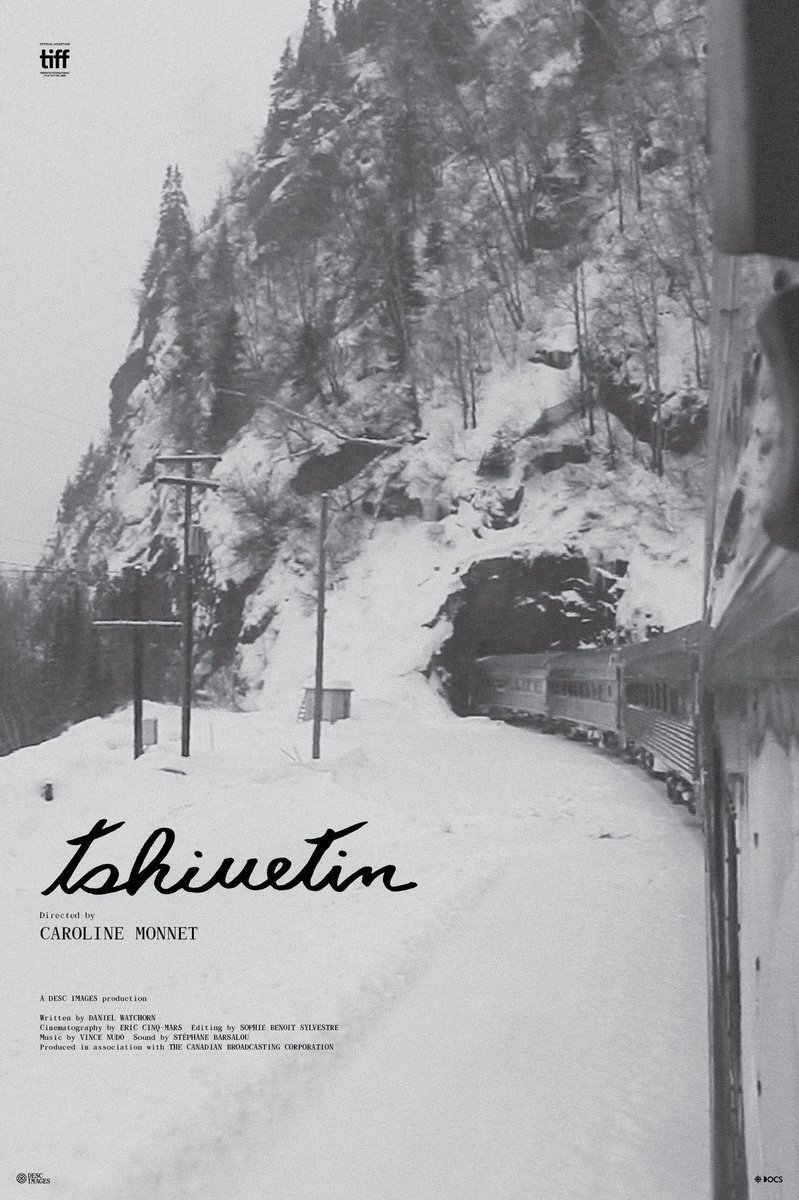
Take a breathtaking train a ride through Nothern Quebec and Labrador on Canada’s first First Nations-owned railway. Come for the celebration of the power of independence, the crucial importance of aboriginal owned businesses and stay for the beauty of the northern landscape.
About Stefan Stricker, who calls himself Juwelia and has been running a gallery on Sanderstraße in Berlin Neukölln for many years. Every weekend he invites guests to shamelessly recount from his life and to sing poetic songs written with his friend from Hollywood Jose Promis. Juwelia has been poor and sexy all her life, has always struggled for recognition, but only partially.
Yagorihwanirats, a Mohawk child from Kahnawake Mohawk Territory in Quebec, attends a unique and special school: Karihwanoron. It is a Mohawk immersion program that teaches Mohawk language, culture and philosophy. Yagorihwanirats is so excited to go to school that she never wants to miss a day – even if she is sick.
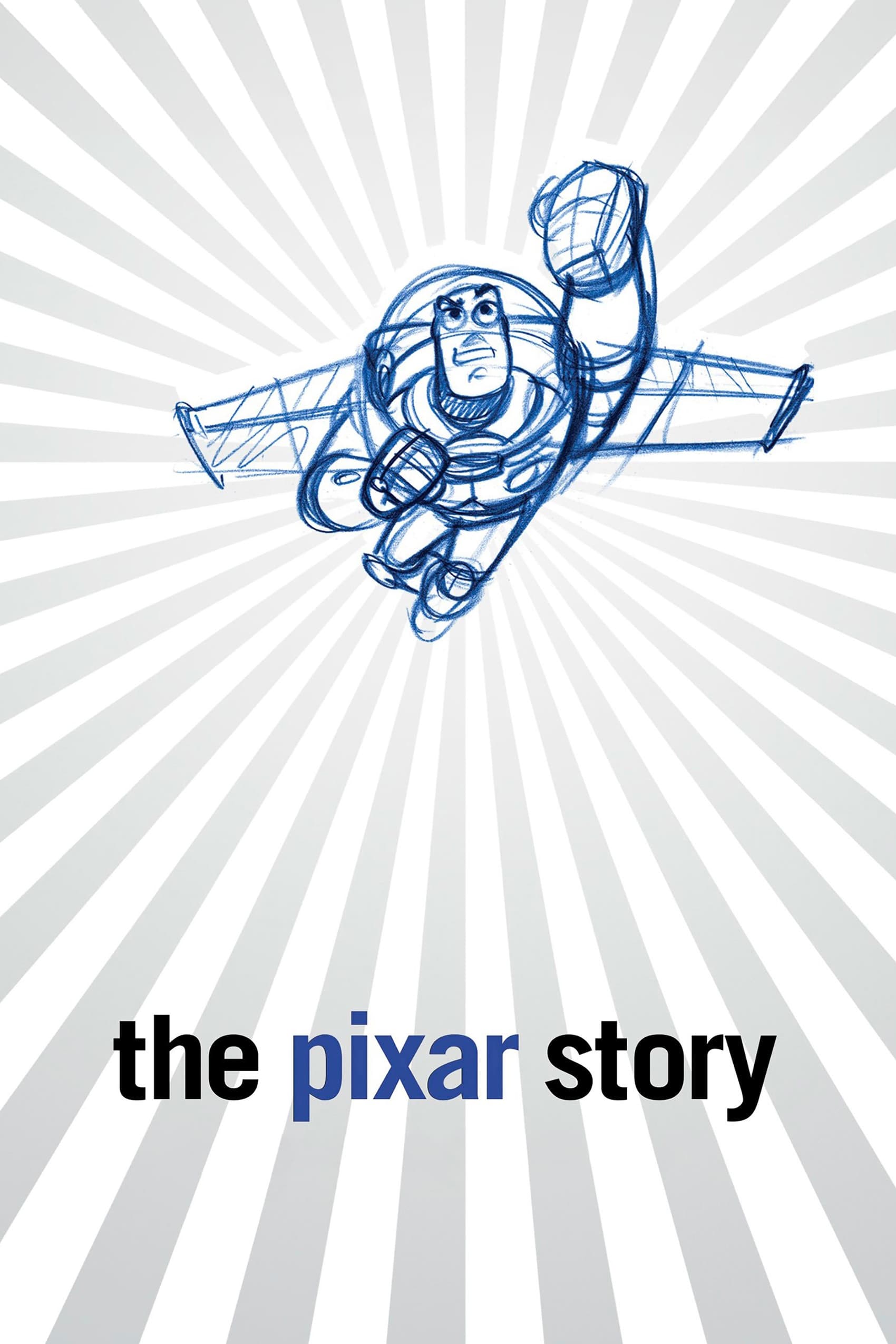
A look at the first years of Pixar Animation Studios - from the success of "Toy Story" and Pixar's promotion of talented people, to the building of its East Bay campus, the company's relationship with Disney, and its remarkable initial string of eight hits. The contributions of John Lasseter, Ed Catmull and Steve Jobs are profiled. The decline of two-dimensional animation is chronicled as three-dimensional animation rises. Hard work and creativity seem to share the screen in equal proportions.
In the Realms of the Unreal is a documentary about the reclusive Chicago-based artist Henry Darger. Henry Darger was so reclusive that when he died his neighbors were surprised to find a 15,145-page manuscript along with hundreds of paintings depicting The Story of the Vivian Girls, in What is Known as the Realms of the Unreal, of the Glodeco-Angelinnian War Storm, Cased by the Child Slave Rebellion.
Since the late 18th century American legal decision that the business corporation organizational model is legally a person, it has become a dominant economic, political and social force around the globe. This film takes an in-depth psychological examination of the organization model through various case studies. What the study illustrates is that in the its behaviour, this type of "person" typically acts like a dangerously destructive psychopath without conscience. Furthermore, we see the profound threat this psychopath has for our world and our future, but also how the people with courage, intelligence and determination can do to stop it.
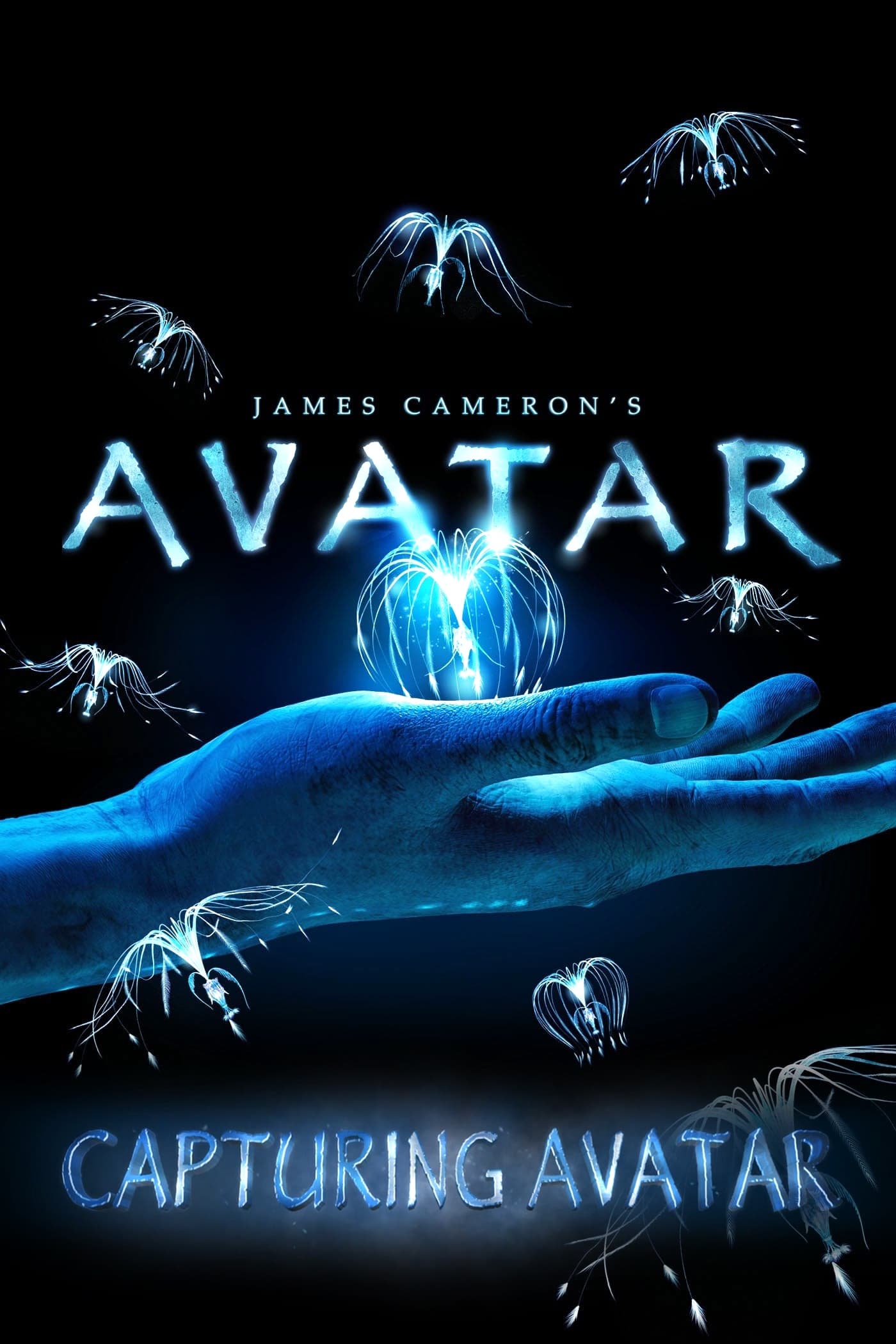
Capturing Avatar is a feature length behind-the-scenes documentary about the making of Avatar. It uses footage from the film's development, as well as stock footage from as far back as the production of Titanic in 1995. Also included are numerous interviews with cast, artists, and other crew members. The documentary was released as a bonus feature on the extended collector's edition of Avatar.
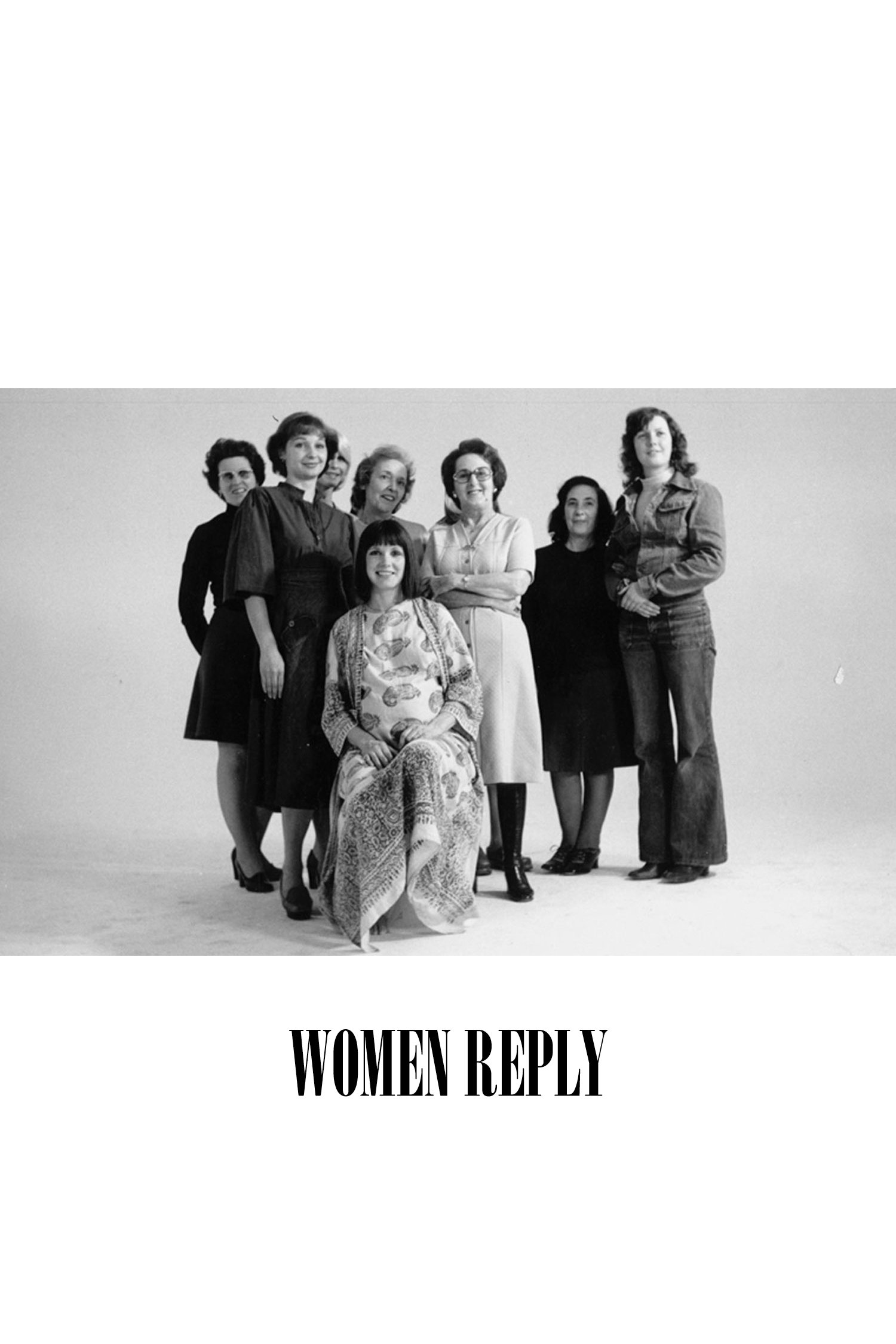
What does being a woman really mean? How do women live the status society reserves for them? A group of women, beautiful or not, young or not, gifted with motherly instinct or not, answer before Agnès Varda's camera.
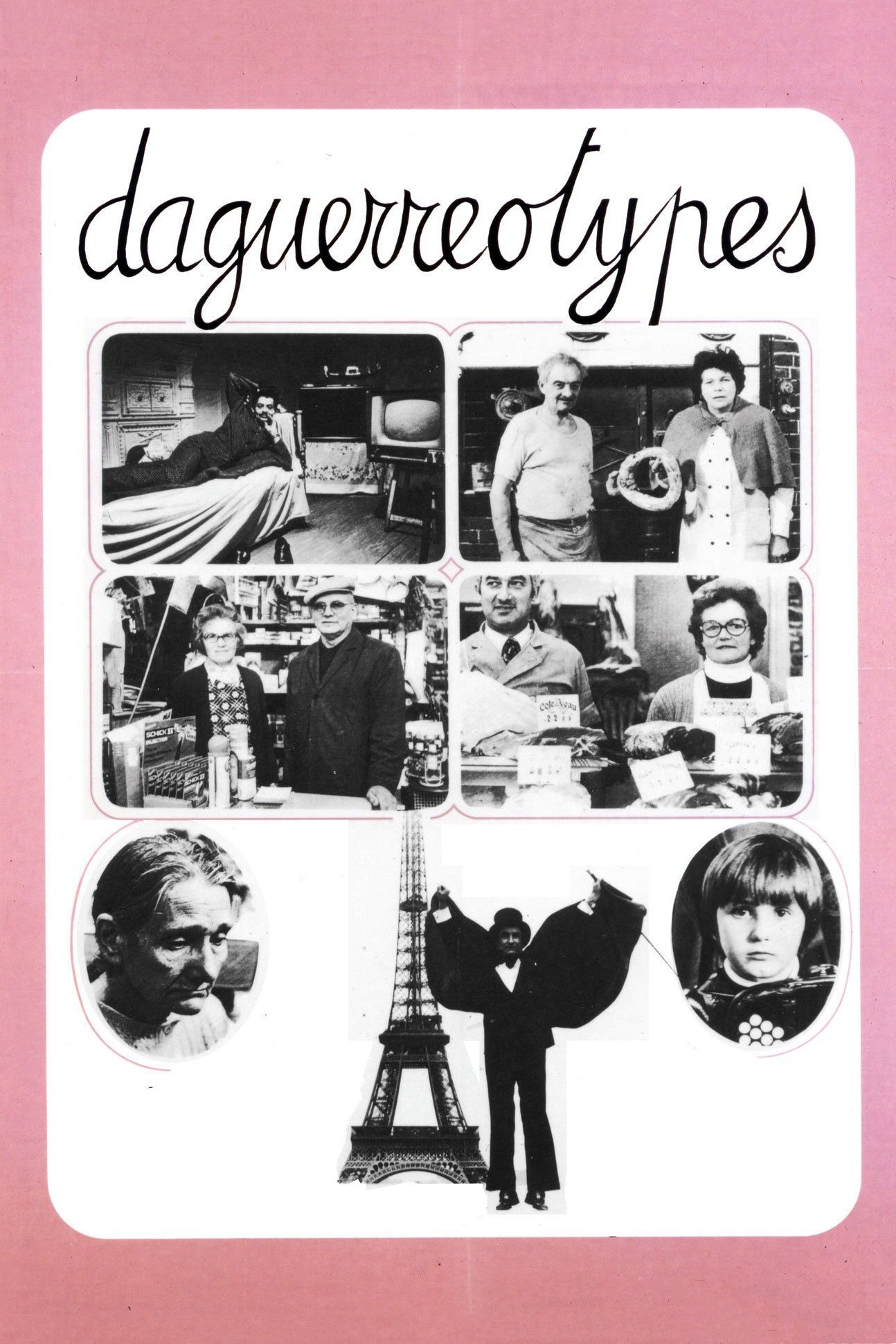
An intimate portrait of the small shops and shopkeepers of the Rue Daguerre in Paris, a picturesque street that has been the filmmaker’s home for more than 50 years.
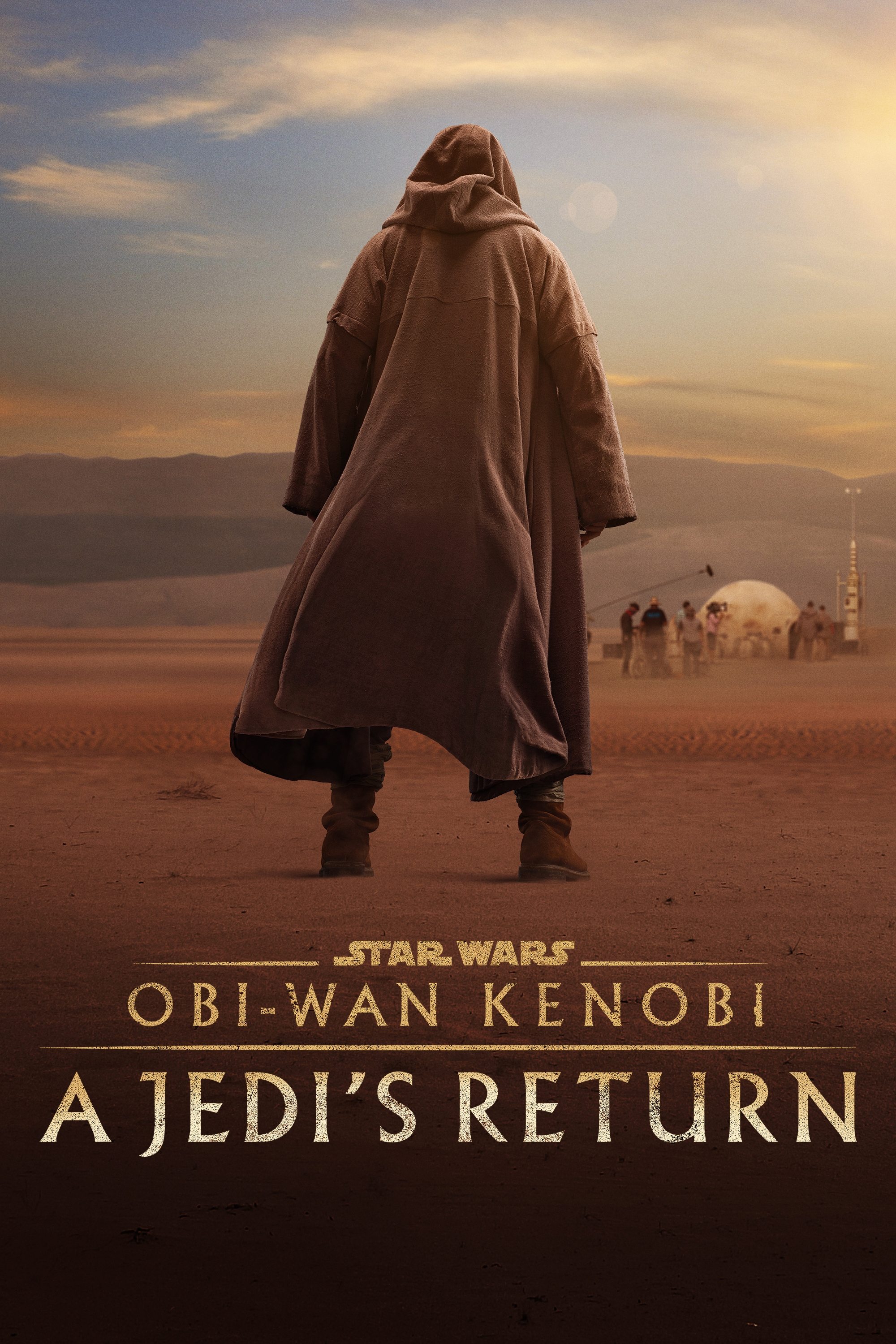
This special explores the return of Obi-Wan Kenobi and Anakin Skywalker to the screen, as well as Ewan McGregor and Hayden Christensen to their classic roles. Director Deborah Chow leads the cast and crew as they create new heroes and villains that live alongside new incarnations of beloved Star Wars characters, and an epic story that dramatically bridges the saga films.
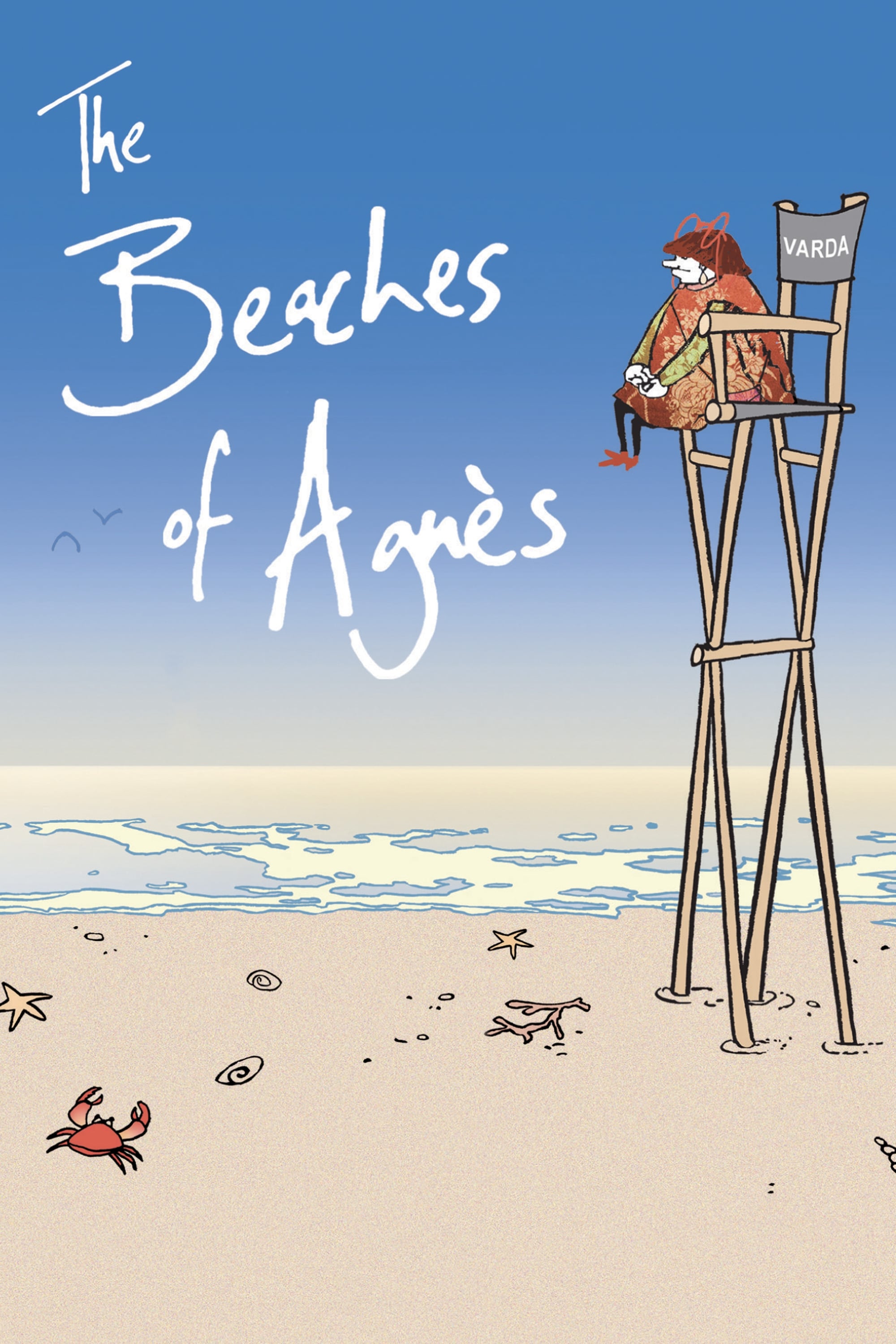
Filmmaking icon Agnès Varda, the award-winning director regarded by many as the grandmother of the French new wave, turns the camera on herself with this unique autobiographical documentary. Composed of film excerpts and elaborate dramatic re-creations, Varda's self-portrait recounts the highs and lows of her professional career, the many friendships that affected her life and her longtime marriage to cinematic giant Jacques Demy.
Alexander McQueen's rags-to-riches story is a modern-day fairy tale, laced with the gothic. Mirroring the savage beauty, boldness and vivacity of his design, this documentary is an intimate revelation of McQueen's own world, both tortured and inspired, which celebrates a radical and mesmerizing genius of profound influence.
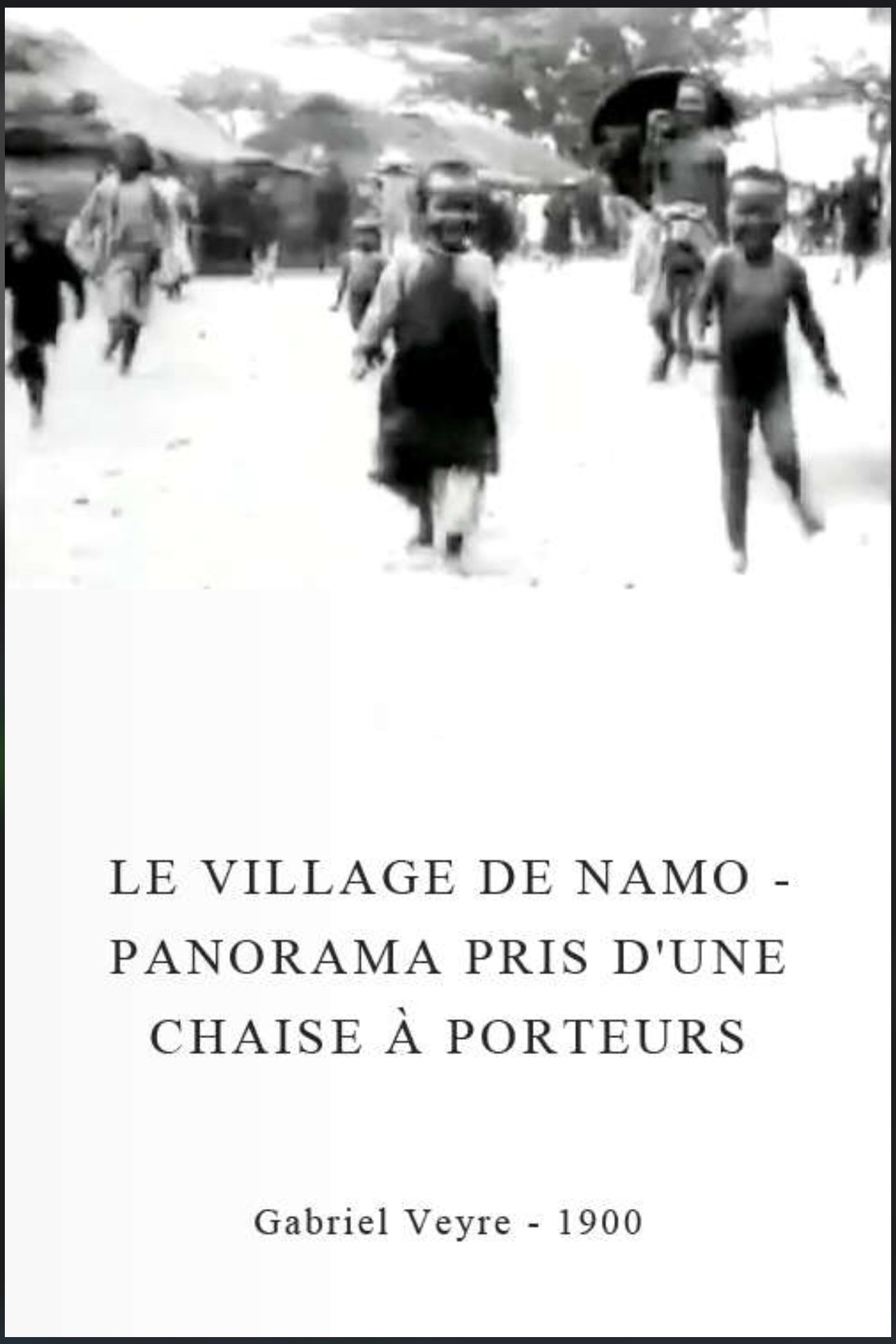
The film is a panorama shot-scene lasting just under a minute. The panorama film, as coined by Lumière, is a moving-camera shot--usually accomplished by placing the camera on a moving transport, such as a boat or train.
A documentary about the making of David Fincher's 2008 film THE CURIOUS CASE OF BENJAMIN BUTTON. Virtually every element in the evolution of the Fincher's film is documented here, from the project's attachment to numerous other directors during the 1990s, to its shoot in 2006 and 2007 in New Orleans, to its complex, CGI-intensive postproduction process.
Through deeply personal interviews with her siblings and an examination of the photographs, letters, and belongings left behind, Mariska assembles a new portrait of her mother Jayne Mansfield, an extraordinary and complex woman.
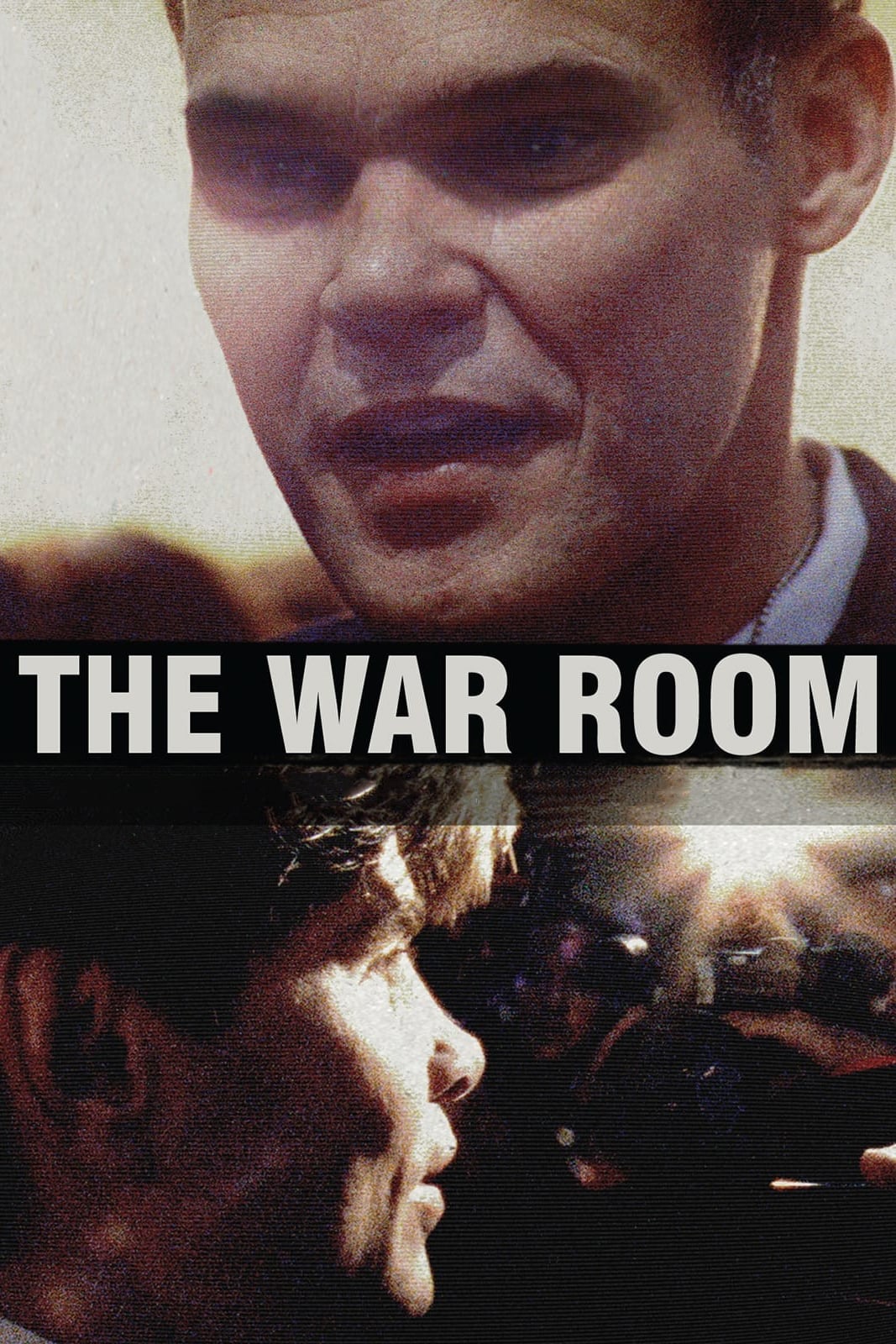
A behind-the-scenes documentary about the Clinton for President campaign, focusing on the adventures of spin doctors James Carville and George Stephanopoulos.
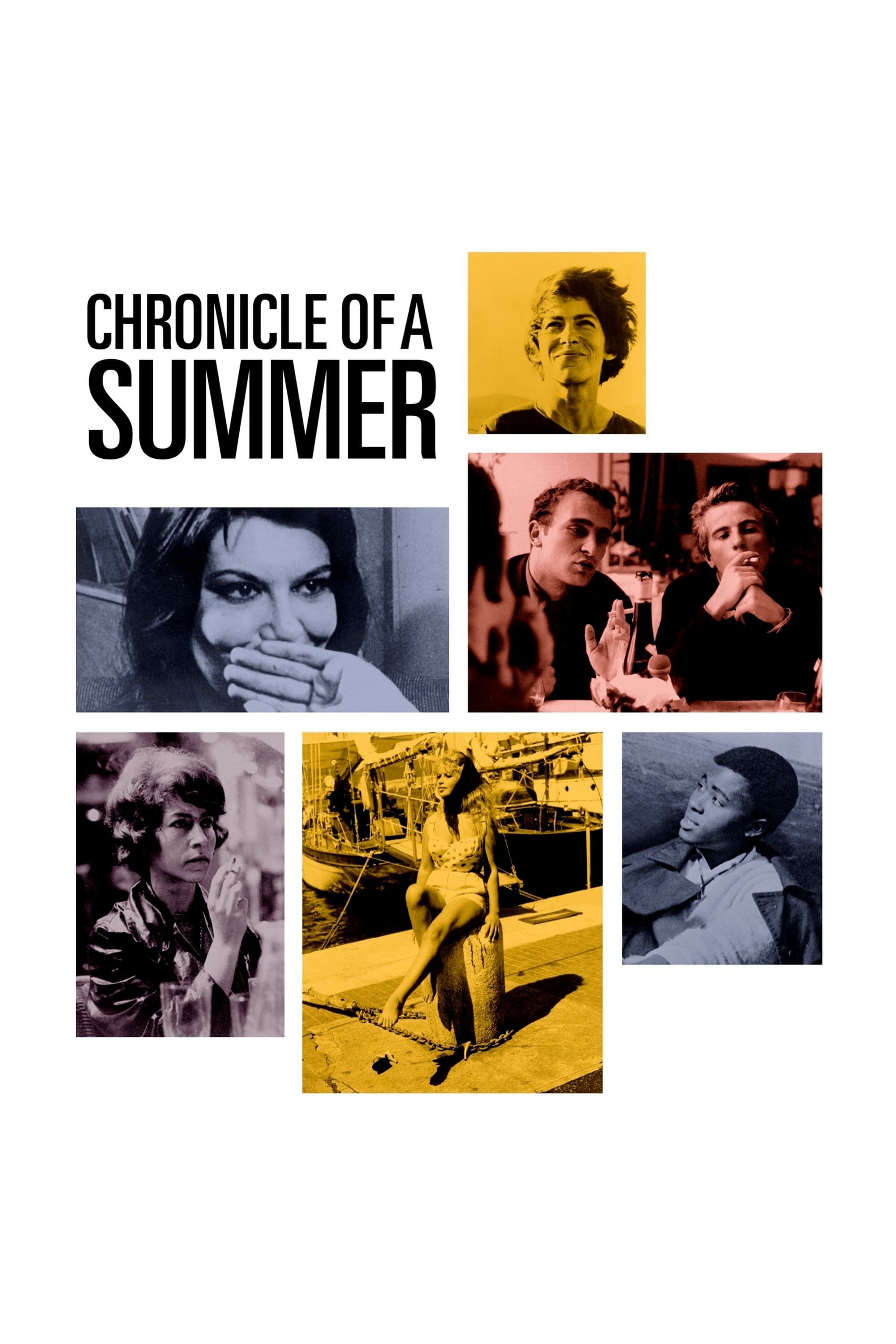
Paris, summer 1960. Anthropologist and filmmaker Jean Rouch and sociologist and film critic Edgar Morin wander through the crowded streets asking passersby how they cope with life's misfortunes.
Stars of "The Walking Dead," Andrew Lincoln and Danai Gurira, walk down memory lane and visit iconic locations where pivotal moments between their characters, Rick and Michonne, were filmed.
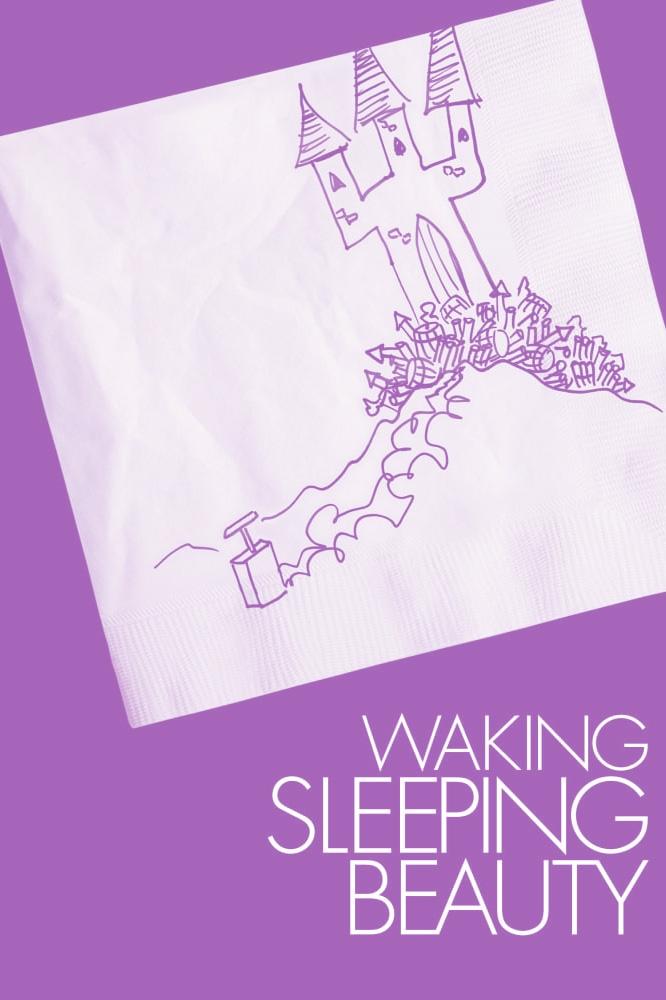
By the mid-1980s, the fabled animation studios of Walt Disney had fallen on hard times. The artists were polarized between newcomers hungry to innovate and old timers not yet ready to relinquish control. These conditions produced a series of box-office flops and pessimistic forecasts: maybe the best days of animation were over. Maybe the public didn't care. Only a miracle or a magic spell could produce a happy ending. Waking Sleeping Beauty is no fairy tale. It's the true story of how Disney regained its magic with a staggering output of hits - "Little Mermaid," "Beauty and the Beast ," "Aladdin," "The Lion King," and more - over a 10-year period.
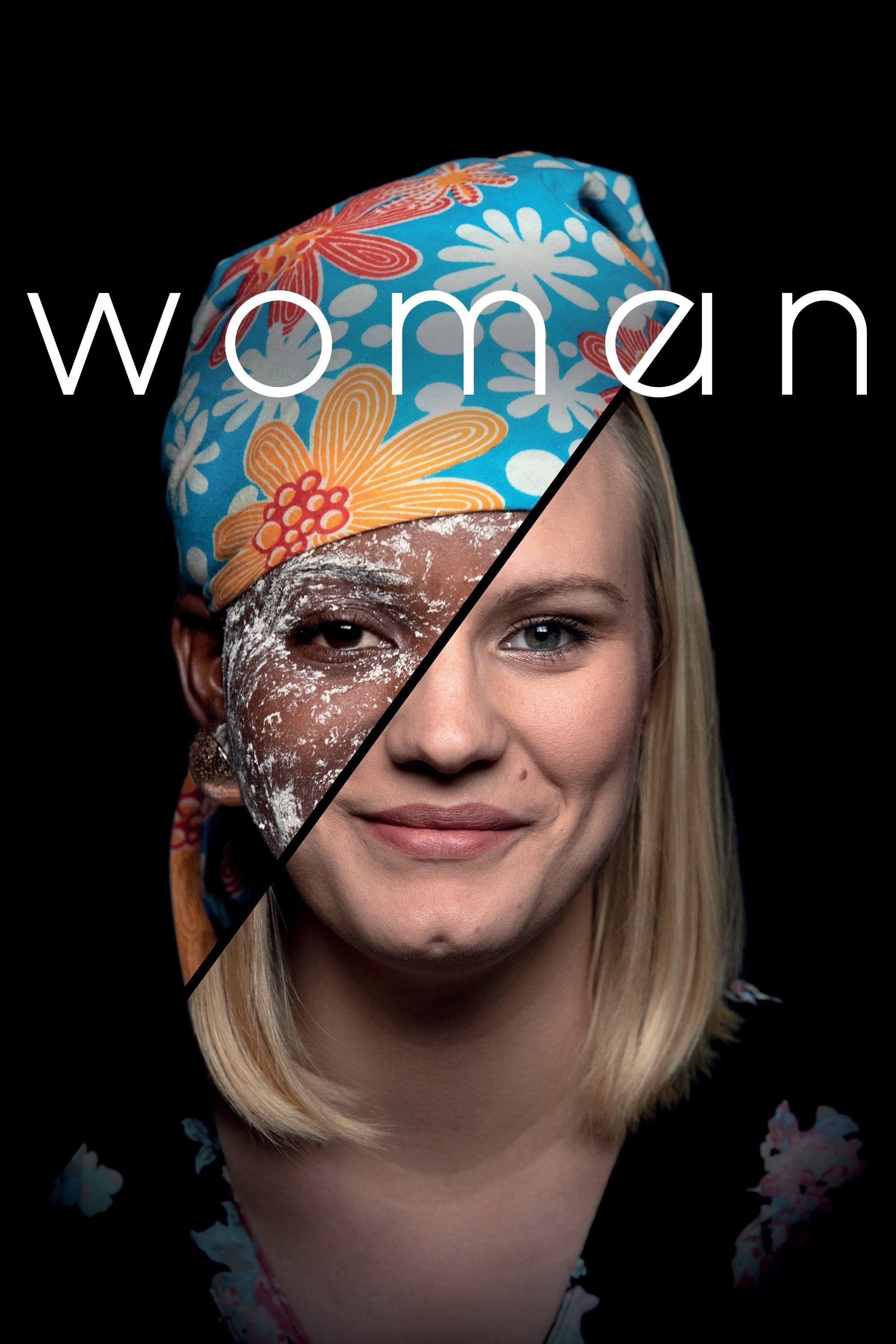
The film is based on interviews with 2,000 women from 50 countries, and covers the status of women all over the world. The topics covered include forced marriages, sexual assault, female genital mutilation, acid attacks, motherhood, sexuality, menstruation, education and the professional success of women.
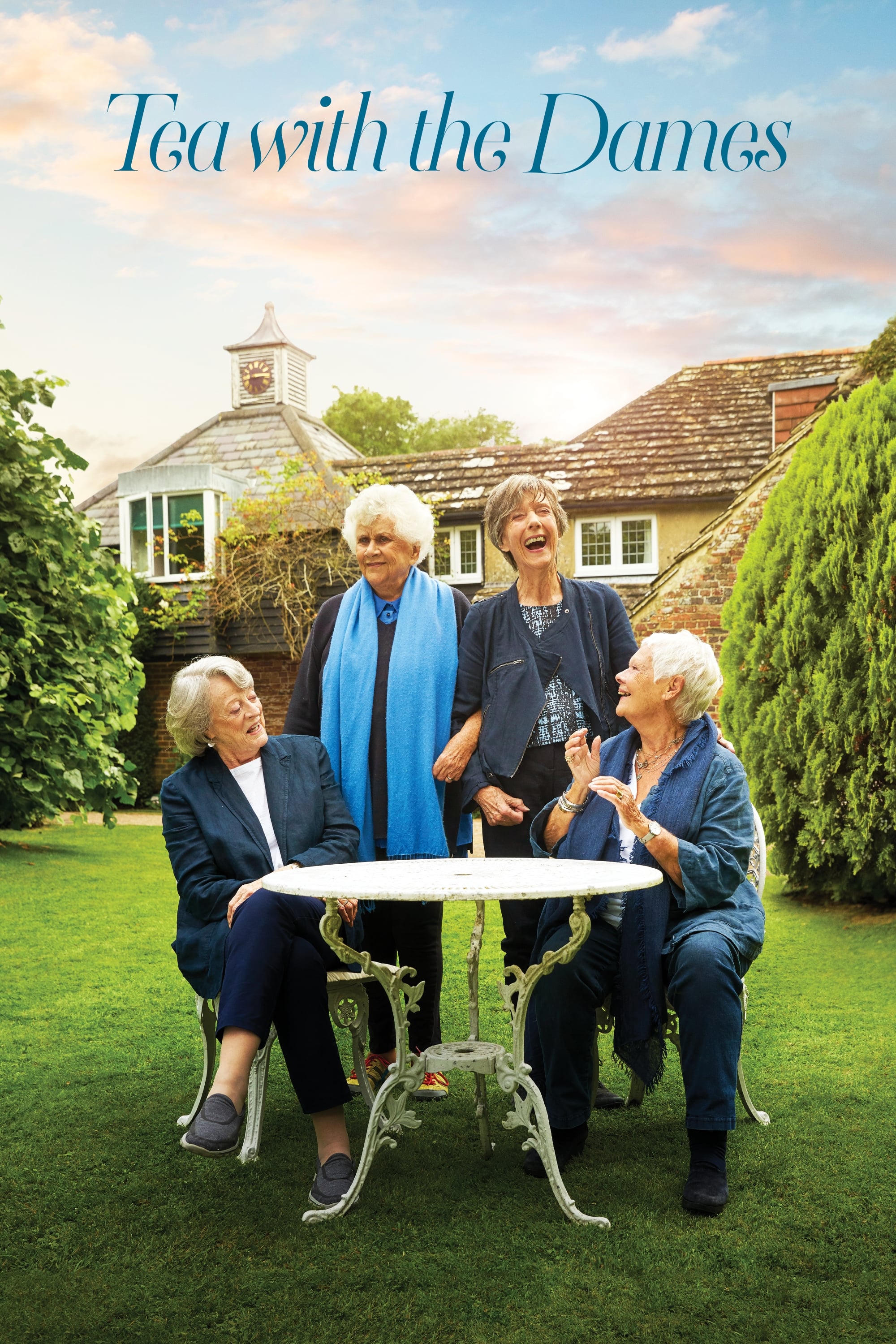
BBC Arena's documentary on the Dames of British Theatre and film featuring Maggie Smith, Eileen Atkins, Judi Dench and Joan Plowright on screen together for the first time as they reminisce over a long summer weekend in a house Joan once shared with Sir Laurence Olivier.
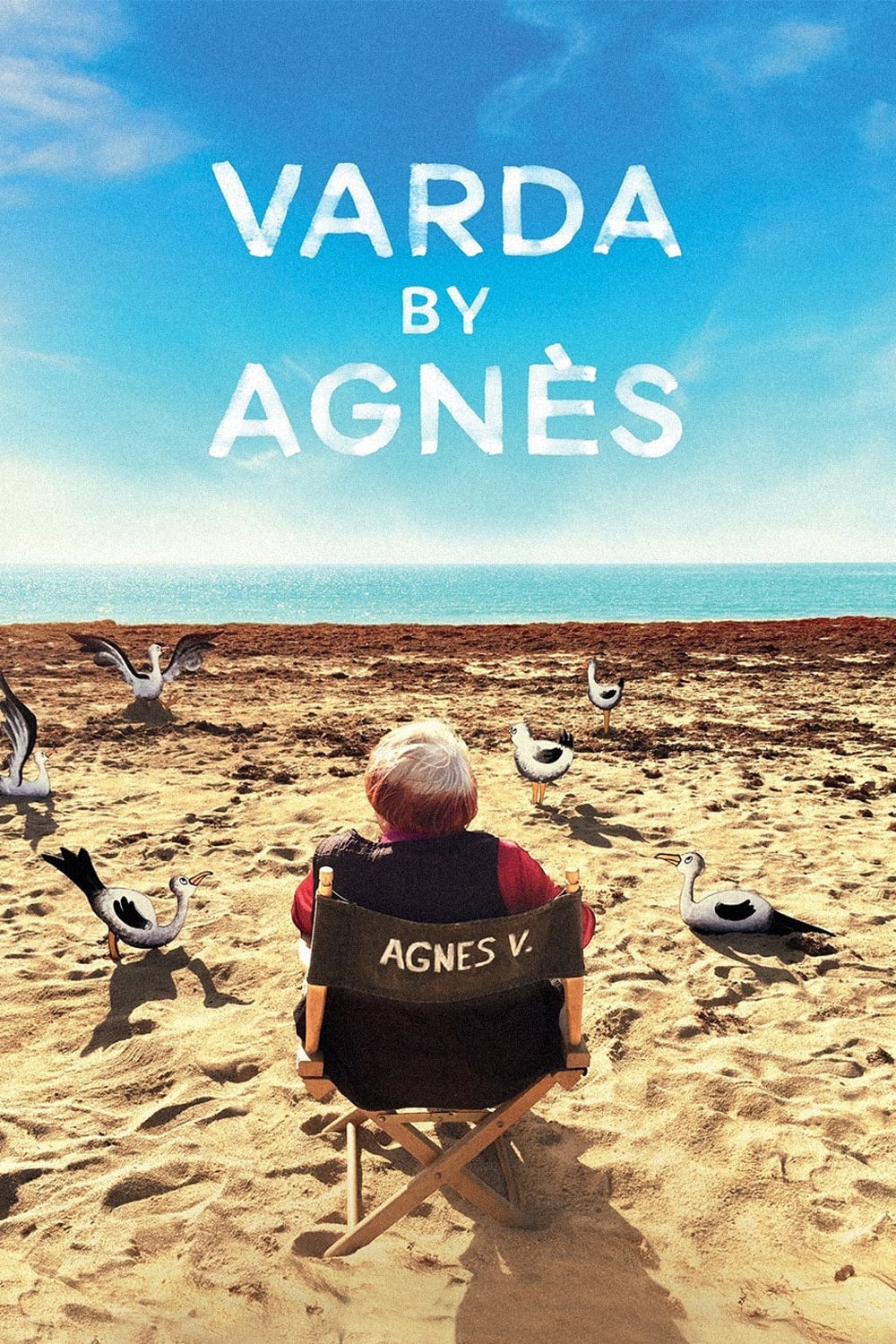
An unpredictable documentary from a fascinating storyteller, Agnès Varda’s last film sheds light on her experience as a director, bringing a personal insight to what she calls "cine-writing," traveling from Rue Daguerre in Paris to Los Angeles and Beijing.
A documentary on the expletive's origin, why it offends some people so deeply, and what can be gained from its use.