Social & External
Self
Paul Wellstone was the charismatic Minnesota progressive who used grassroots organizing to get elected and give ordinary people a stake in government. His 3rd election campaign was cut short when his small plane crashed into the north woods of Minnesota just 11 days before the 2002 election. Wellstone! explores the origin of his politics, his controversial road to the United States Senate, his deep bond with his wife and 'co-senator' Sheila, and the legacy of a life of progressive populism.
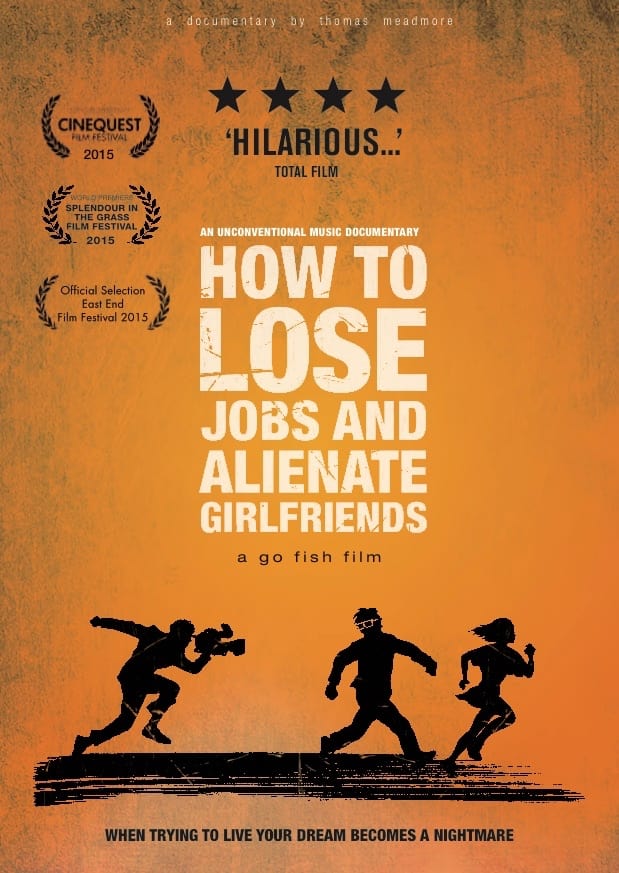
First time filmmaker follows his girlfriend and boss chase their dream as musicians. His insecurities flair while struggling to find a story, and begins challenging their flaws, on camera, jeopardizing the film, relationships and careers.
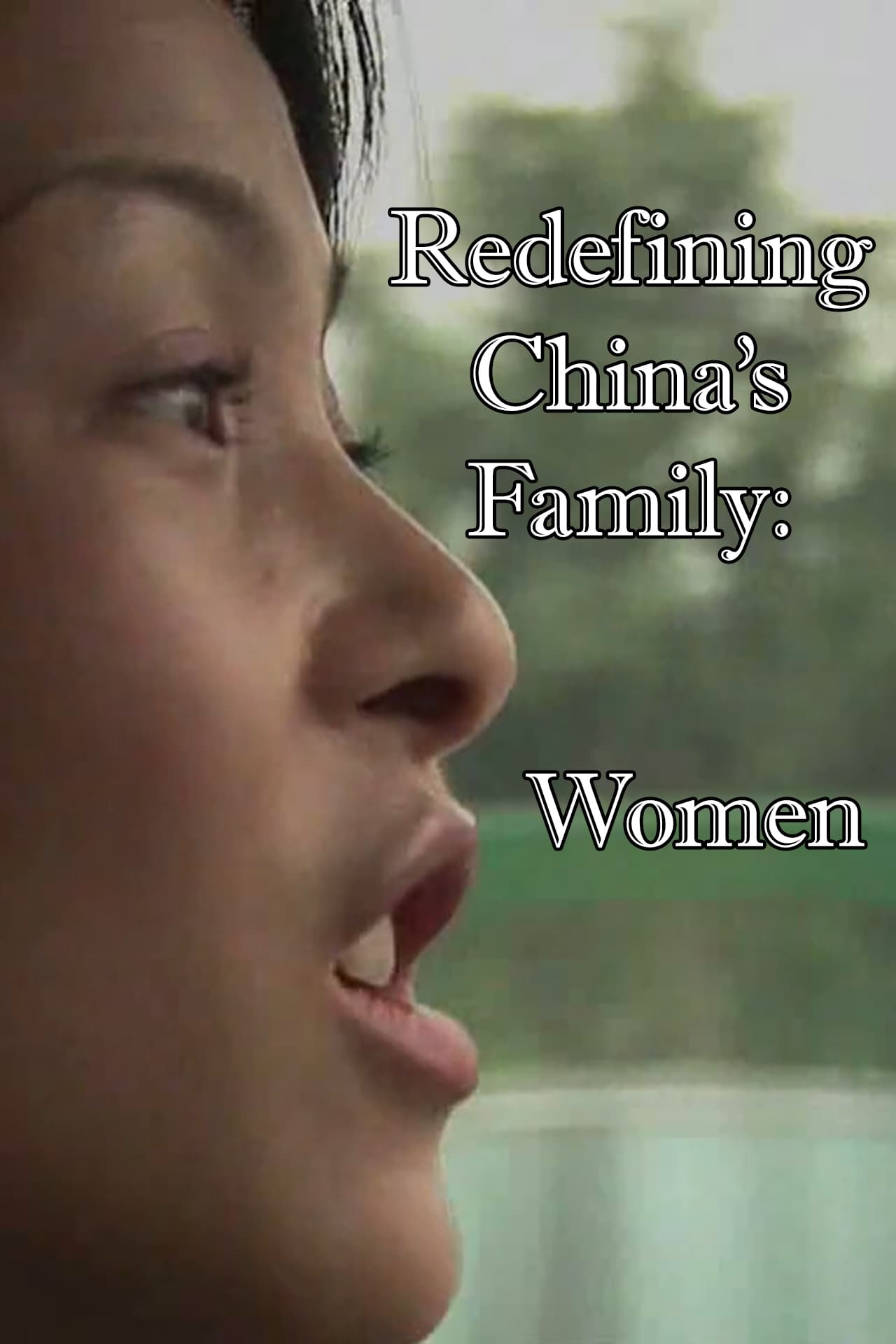
10 May 2007 - China's staggering economic growth has overshadowed a more subtle shift in Chinese society. In domestic life, many women are now ignore the advice of their mothers and grandmothers, turning instead to counselling hotlines and, increasingly, divorce.
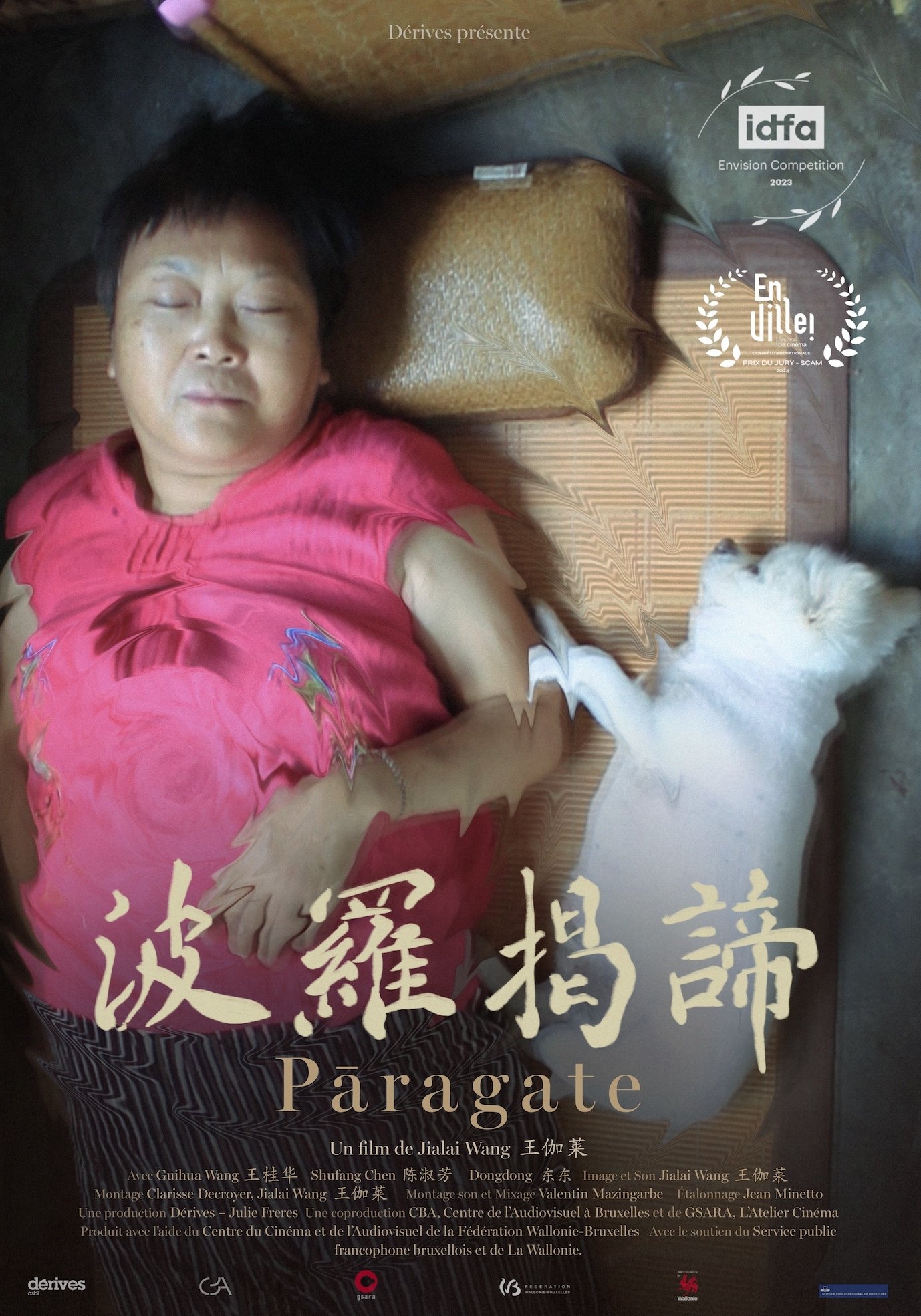
From Belgium, Jialai Wang maintains contact via smartphone and camera with her mother and grandmother in China. When her grandmother’s health deteriorates, Jialai returns to Shanghai, but when she arrives, her grandmother has already died, and she is left alone with her mother. A devout Buddhist, her mother seems to pay more attention to her daily prayers, Maoist past and dog Dongdong than she does to her daughter. She herself had been abandoned as a child by her own mother, when she divorced Jialai’s grandfather and moved to the city.
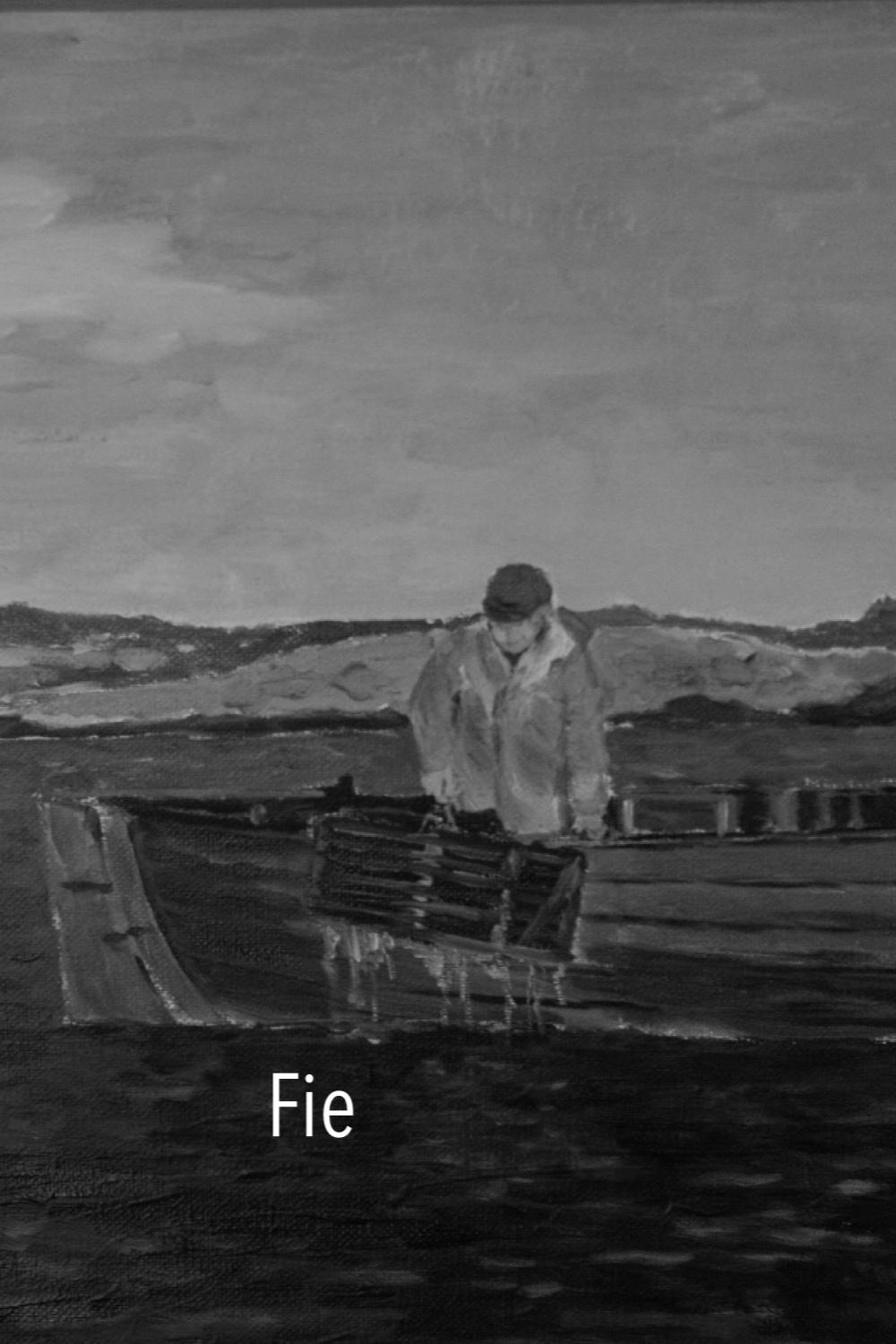
An older woman cooks for a fisherman by the sea.
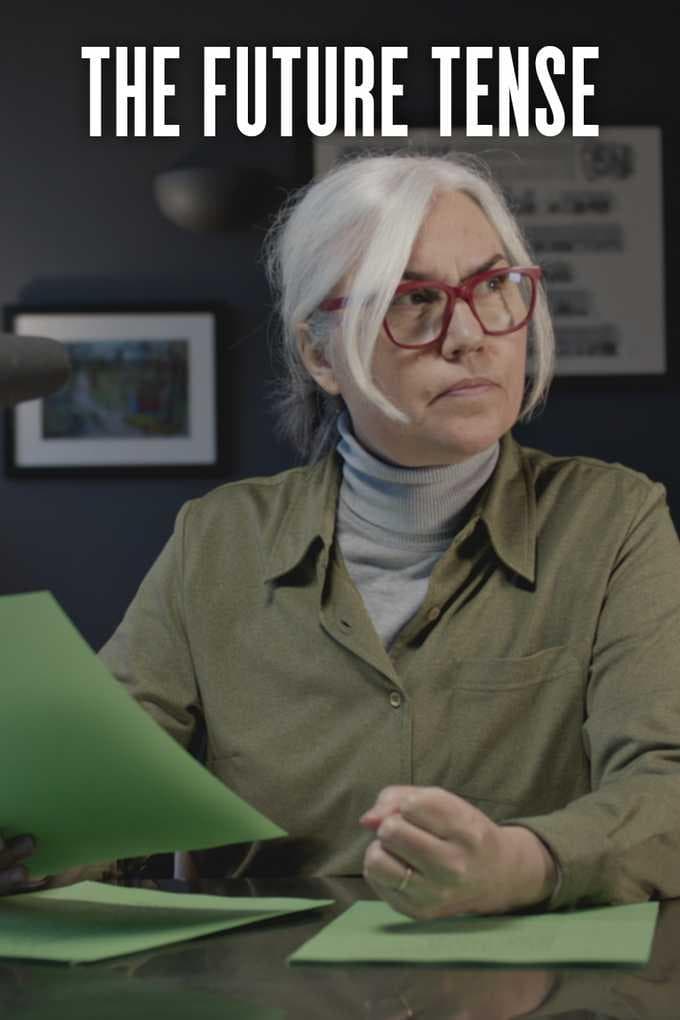
Staged as a series of voiceover sessions, written with gloriously off-balanced precision and dipped in the color green, THE FUTURE TENSE unfolds as a poignant tale of tales, exploring the filmmakers’ own experiences in aging, parenting, mental illness, along with the brutal history that lies submerged beneath Ireland’s heavy, moist earth.
Five women – Palestinian, American, Muslim, Christian, and Jewish – tell stories of humiliation and harassment by Israeli border guards and airport security officials.
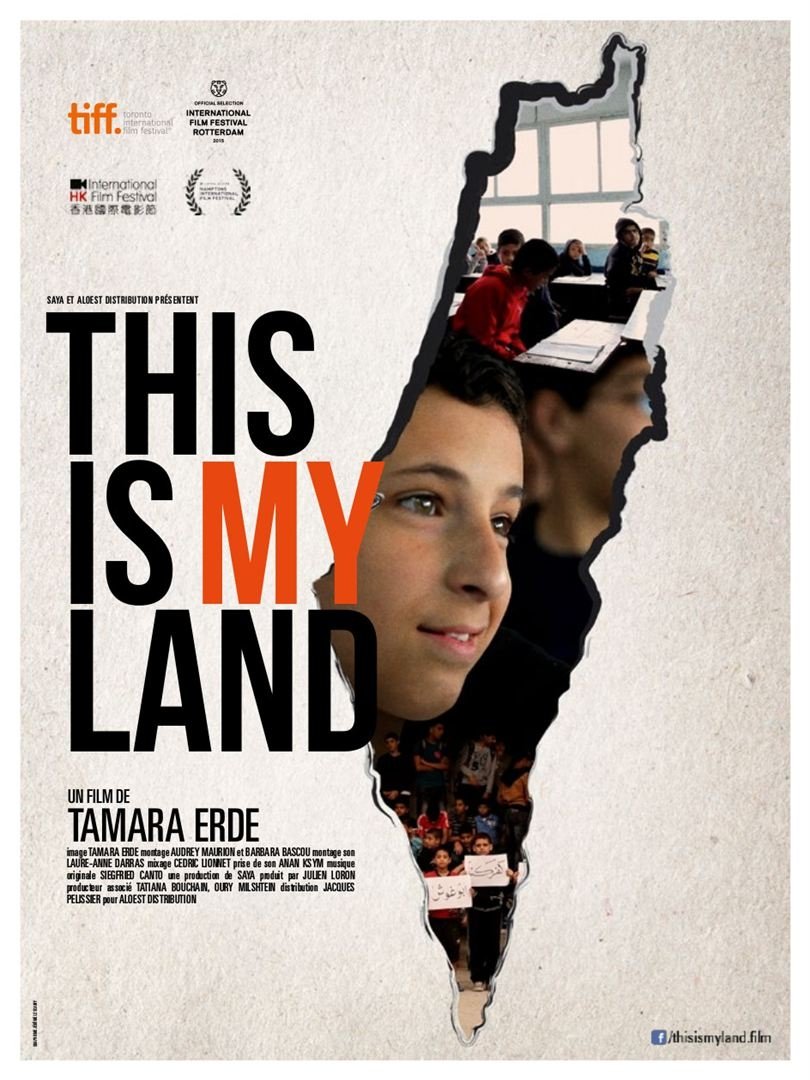
Israeli-born director Tamara Erde visits six independently-run Israeli and Palestinian schools to investigate how history is taught in this contested region.
Short film about racism.
When a Mongolian nomadic family's newest camel colt is rejected by its mother, a musician is needed for a ritual to change her mind.
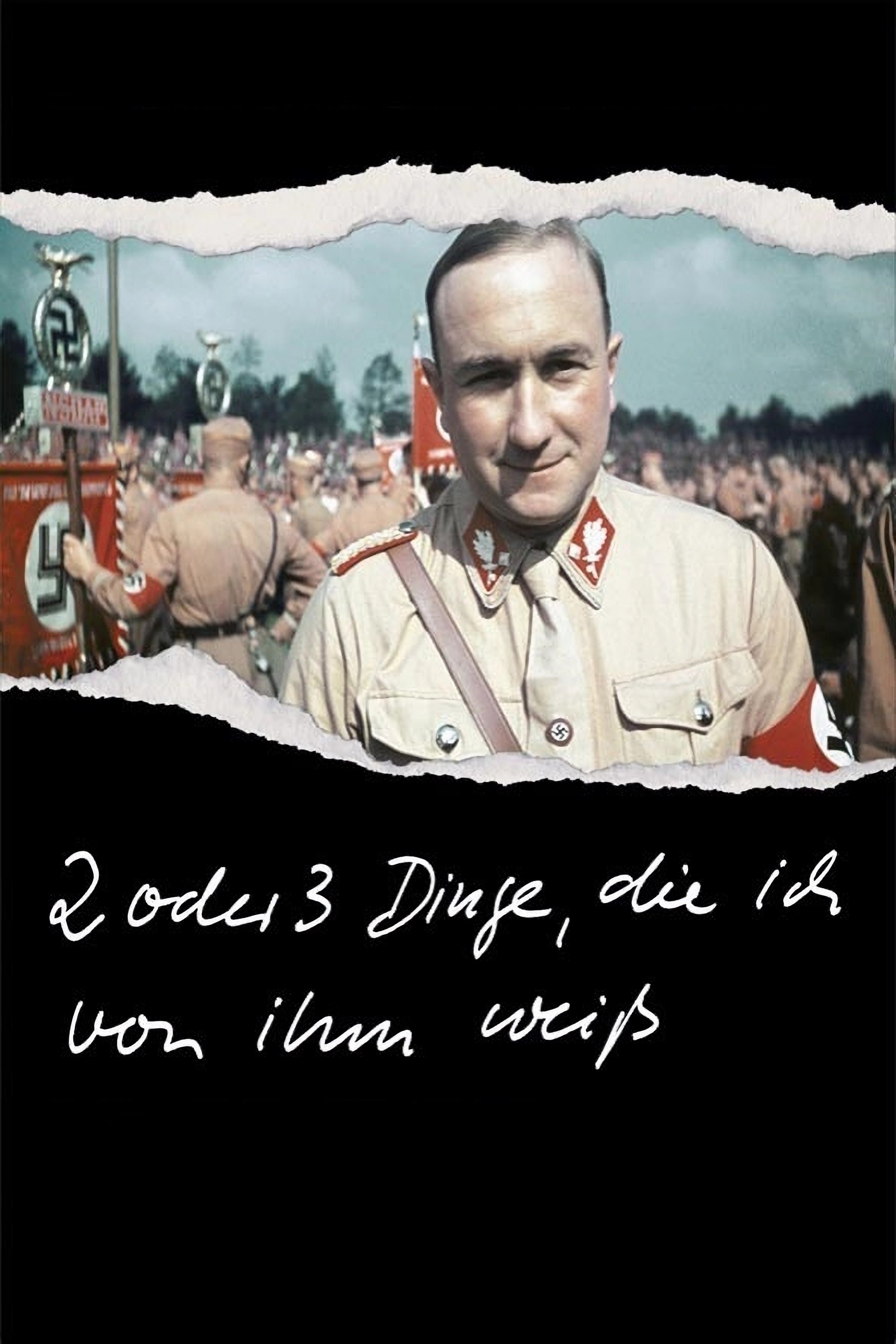
What would your family reminiscences about dad sound like if he had been an early supporter of Hitler’s, a leader of the notorious SA and the Third Reich’s minister in charge of Slovakia, including its Final Solution? Executed as a war criminal in 1947, Hanns Ludin left behind a grieving widow and six young children, the youngest of whom became a filmmaker. It's a fascinating, maddening, sometimes even humorous look at what the director calls "a typical German story." (Film Forum)
Thomas Haemmerli is about to celebrate his fortieth birthday when he learns of his mother's death. A further shock follows when he and his brother Erik discover her apartment, which is filthy and full to bursting with junk. It takes the brothers an entire month to clean out the place. Among the chaos, they find films going back to the 1930s, photos and other memorabilia.
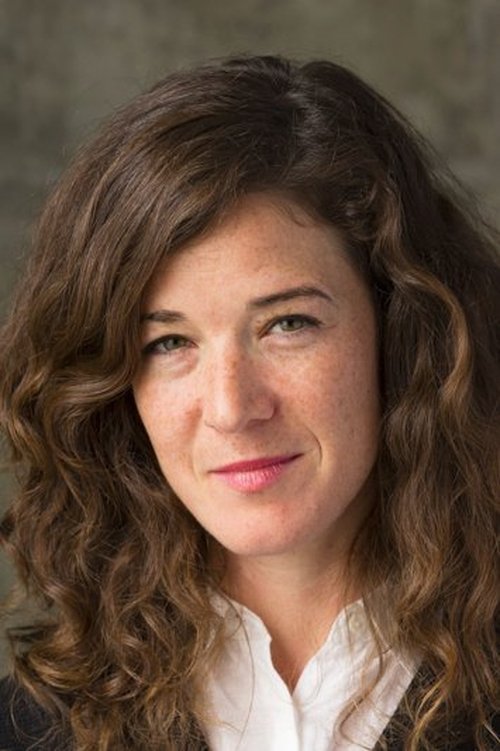
[m]otherhood will make us stop asking women without children why they don’t want to be mothers, because it gives us all the answers. These types of inquiries can become very annoying after a while; at times, the only way to get out gracefully is by smiling and not saying a word. This documentary brings together several women who’ve decided to sound off on the subject, and whose reasons –hard-hitting and solid– knock the concept of contemporary motherhood as an “ideal” off its pedestal.
Call Me Malcolm is an amazing story of the human spirit and God's spirit, and the liberating struggle to realize and express with confidence the marvelous gift of one's truest sense of self. As Malcolm shares his own story and through the stories of others we meet, Call Me Malcolm offers us a glimpse into the real lives of real people who are transgender. But it is only a glimpse. There are many stories to be told and Malcolm helps us make connections to our own stories, encouraging us to share them. That can seem daunting in a culture which has done more to heap shame on persons who identify as transgender. The good news of Malcolm's story is the way in which shame and fear are overcome by grace, compassion and knowledge. Viewers cannot help but come to a deeper understanding of faith, love, and gender identity, and by doing so, arrive at a deeper understanding of their own journey.
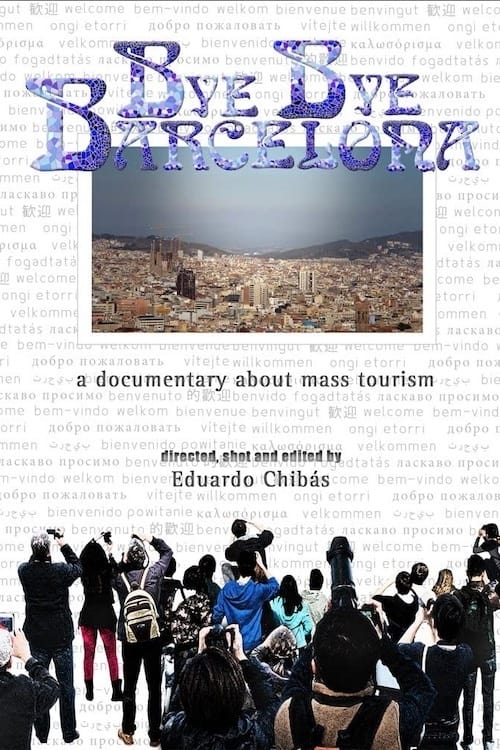
Bye Bye Barcelona is a documentary about a city and its relation to tourism , on the difficult coexistence between Barcelona the city and Barcelona the tourist destination
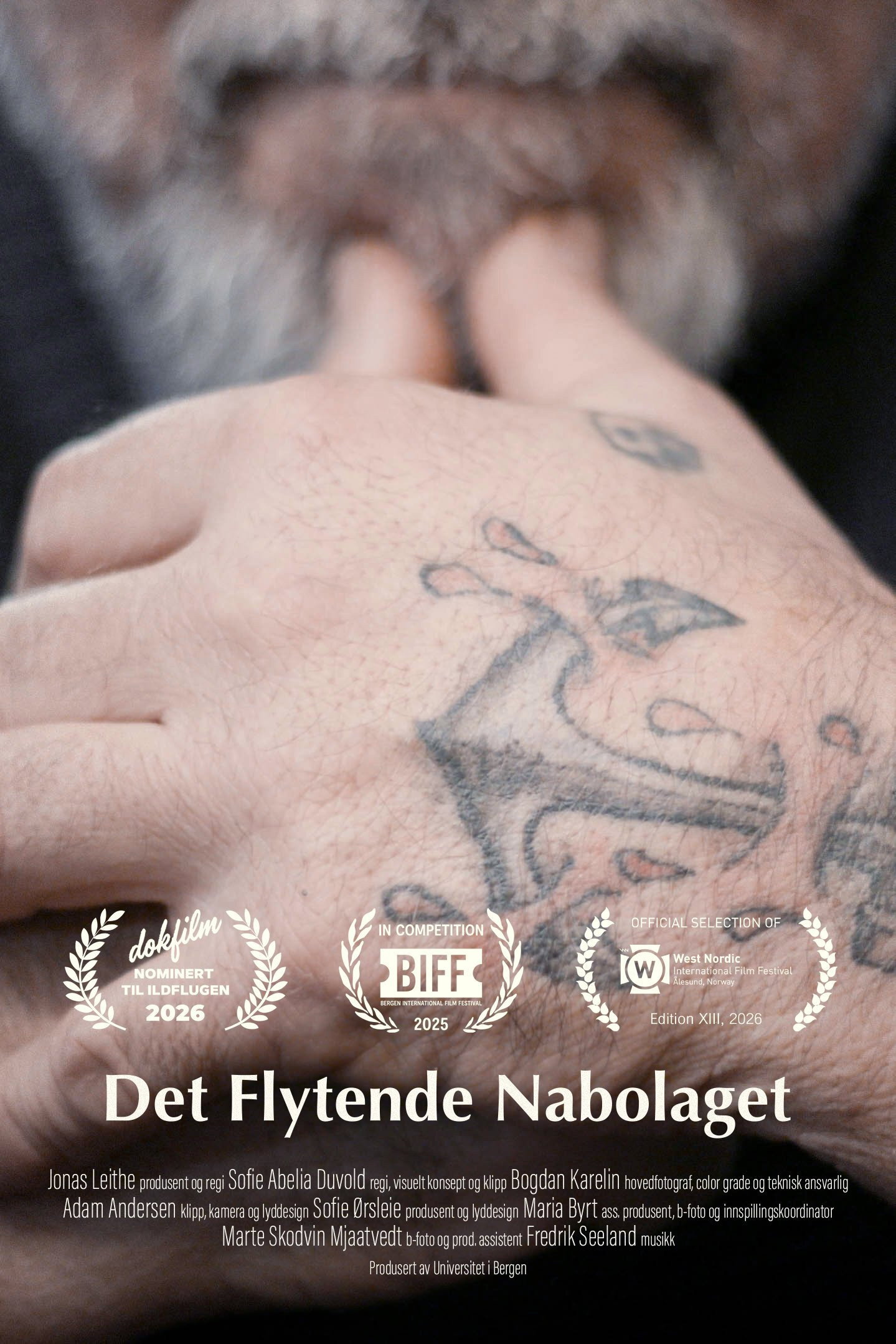
In Bergen, we find one of Norway's largest harbor communities. The residents live close to the water, and even closer to one another.
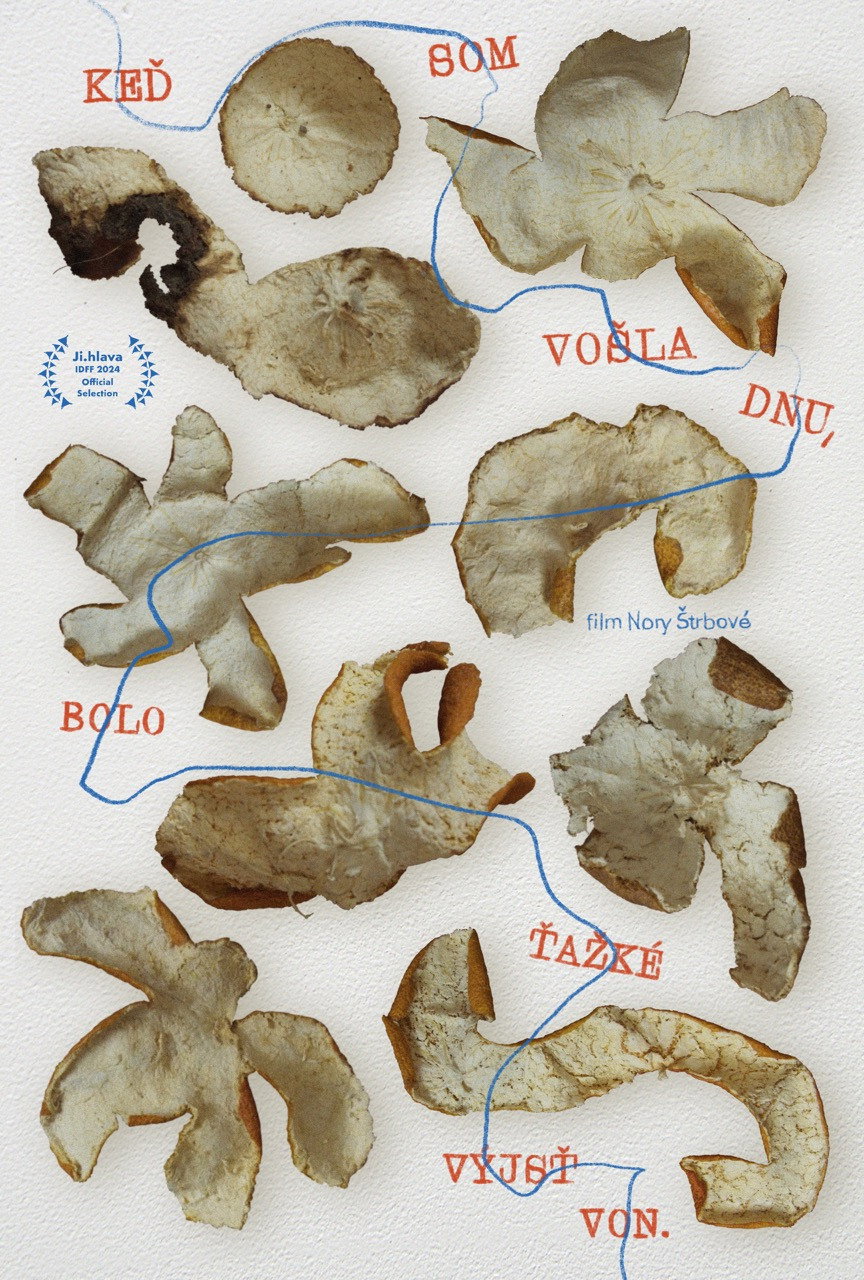
Ida is cleaning out the house that her grandfather, an artist, used to live in. She wades through a studio overflowing with artefacts, oddities and lost history. Similarly to S P A C E S, Štrbová treats the theme of memory and loss, combining fiction and documentary, letting the images of nostalgic childhood and the suffocating past flow associatively. To the sound of Francesco Geminiani's Concerto grosso no. 12, subtitled Madness, the fragile physicality of both dead and living relics stands out. The head of a dead parrot, a cast of her grandmother's breasts or a moss-covered real estate agent represent the discoveries of a personal archaeological site and exhibits of an introspective museum of family history.
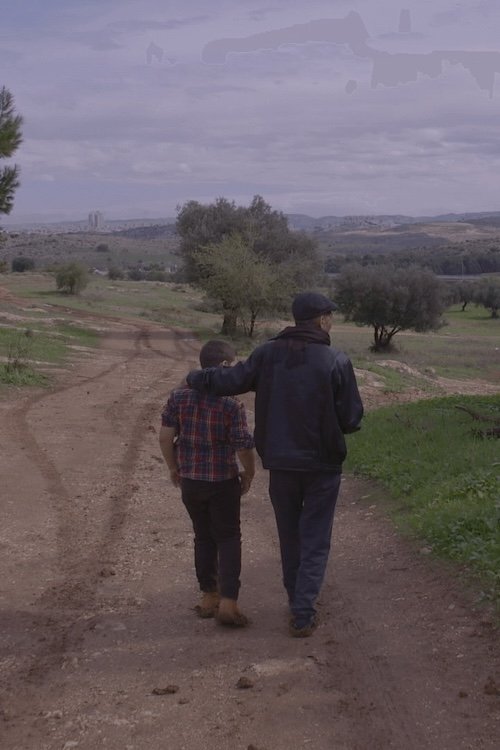
A Palestinian refugee visiting his ruined village is documented in an Israeli film. Amazingly, out of pure coincidence the same person is filmed again returning to his village in a different film, thirty years later. Will it be possible to film the return scene for the third time?
Through deeply personal interviews with her siblings and an examination of the photographs, letters, and belongings left behind, Mariska assembles a new portrait of her mother Jayne Mansfield, an extraordinary and complex woman.
Unravel the case of Utah therapist Jodi Hildebrandt, whose child abuse arrest with parenting YouTuber Ruby Franke exposed a twisted tale of manipulation.
BBC Arena's documentary on the Dames of British Theatre and film featuring Maggie Smith, Eileen Atkins, Judi Dench and Joan Plowright on screen together for the first time as they reminisce over a long summer weekend in a house Joan once shared with Sir Laurence Olivier.
Those who knew iconic funnyman John Candy best share his story, in their own words, through never-before-seen archival footage, imagery, and interviews.
Documentarian Ross McElwee originally set out to make a travelogue of sorts tracing General William T. Sherman's infamous scorched-earth march through the Confederacy in the latter stages of the Civil War. Instead, haunted by a recent breakup with a girlfriend, McElwee ends up documenting his progress -- or lack thereof -- in starting a new relationship. His journey then becomes one of self-reflection and self-discovery rather than a historical/sociological exploration.
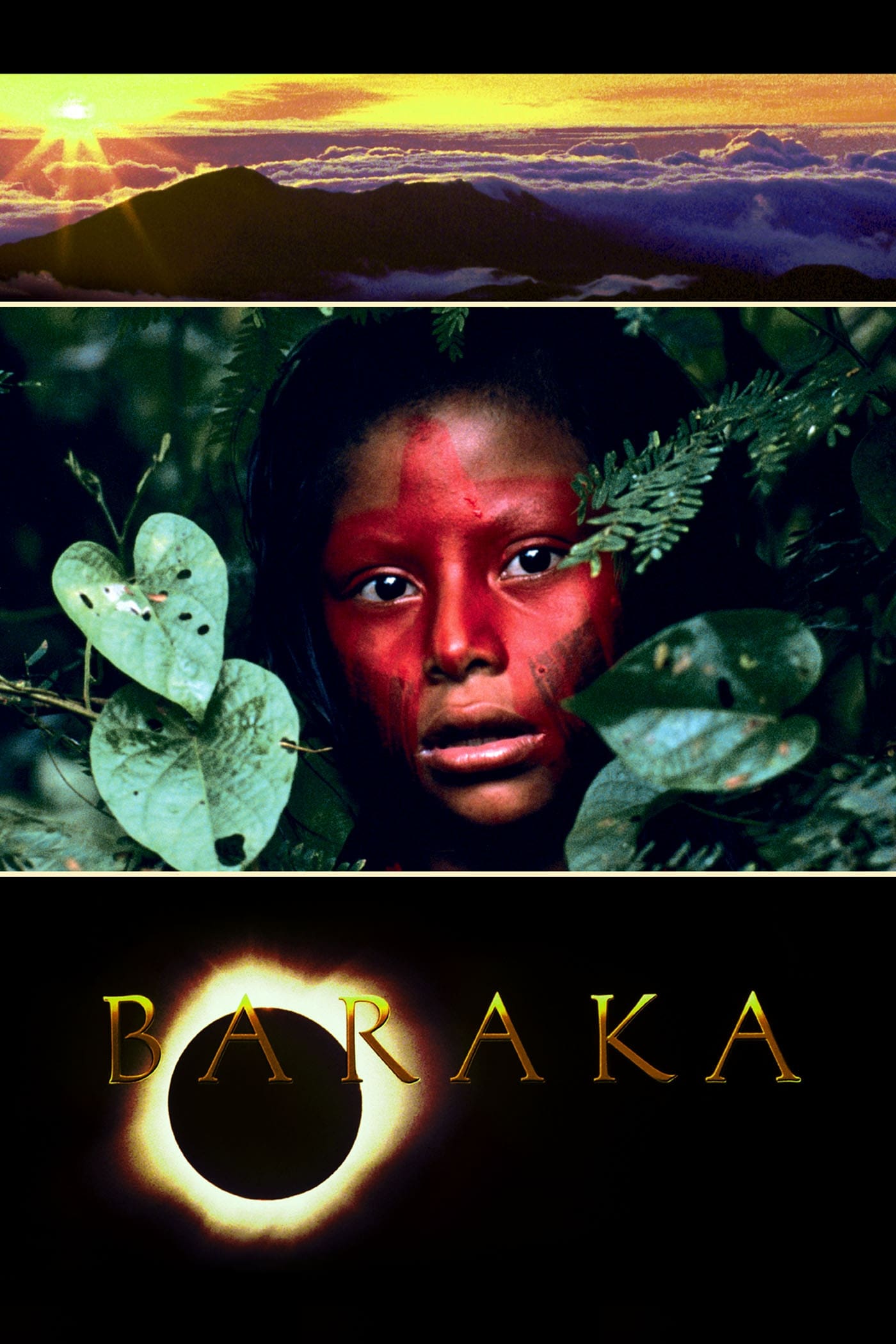
A paralysingly beautiful documentary with a global vision—an odyssey through landscape and time—that attempts to capture the essence of life.
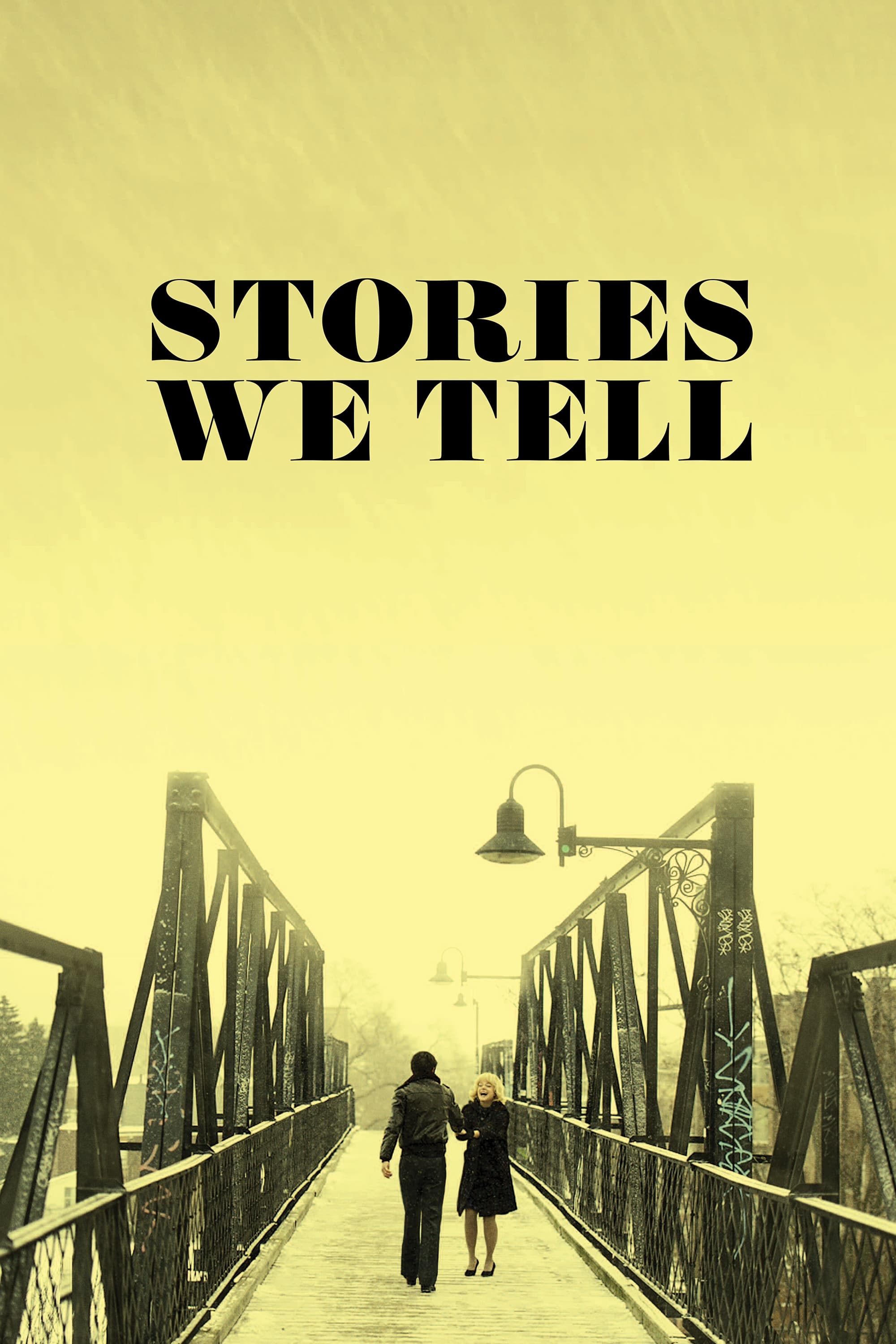
Canadian actress and filmmaker Sarah Polley investigates certain secrets related to her mother, interviewing a group of family members and friends whose reliability varies depending on their implication in the events, which are remembered in different ways; so a trail of questions remains to be answered, because memory is always changing and the discovery of truth often depends on who is telling the tale.
Ranjit, a farmer in India, takes on the fight of his life when he demands justice for his 13-year-old daughter, the victim of a brutal gang rape. His decision to support his daughter is virtually unheard of, and his journey unprecedented.
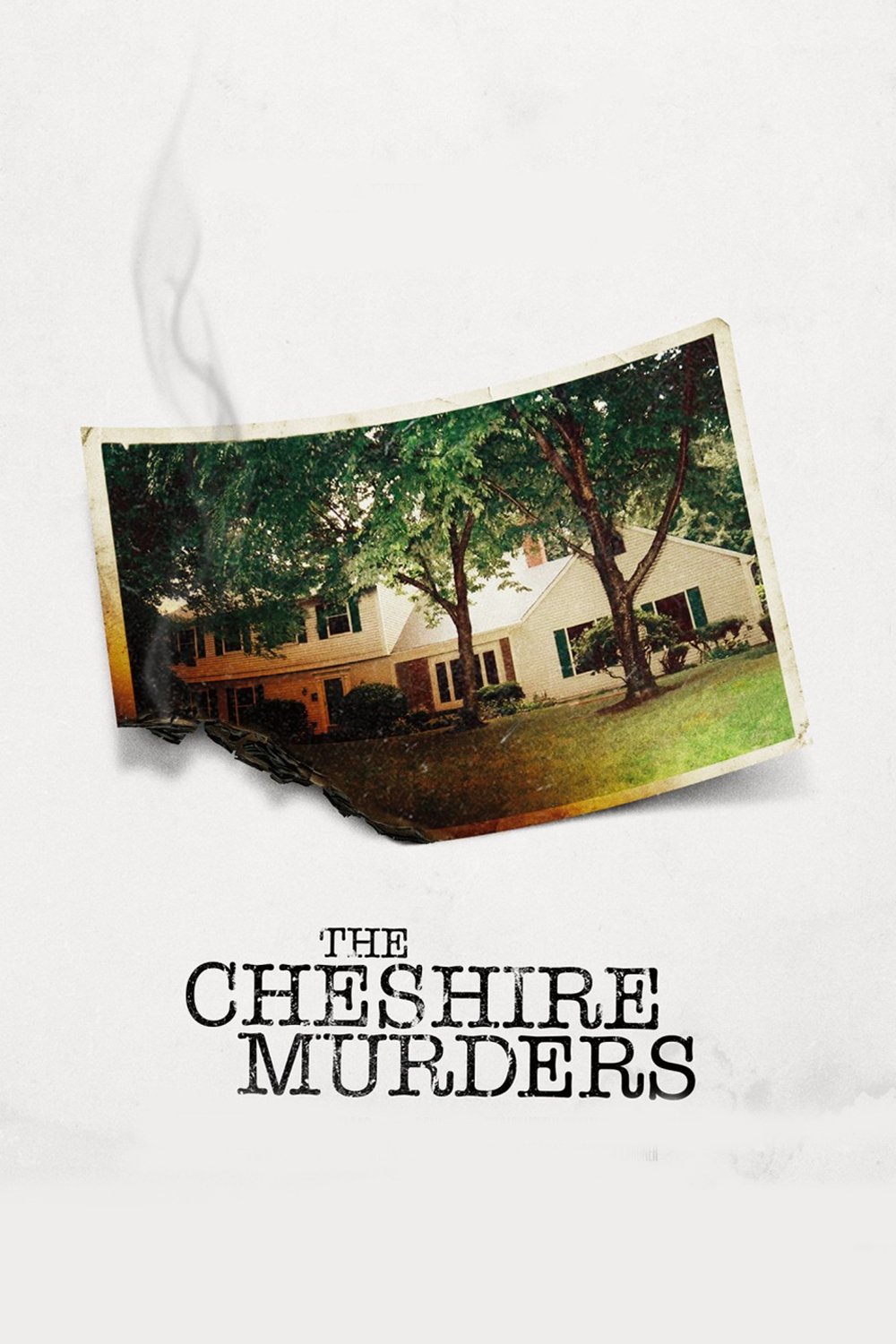
In the early-morning hours of July 23, 2007, in Cheshire, Conn., ex-convicts Steven Hayes and Joshua Komisarjevsky broke into the family home of William Petit, his wife, Jennifer, and their daughters, Michaela, 11, and Hayley, 17. Dr. Petit was beaten and tied to a pole in the basement. The three women were bound in their bedrooms while the men ransacked the house. The brutal ordeal continued throughout the morning, ending with rape, arson and a horrific triple homicide.
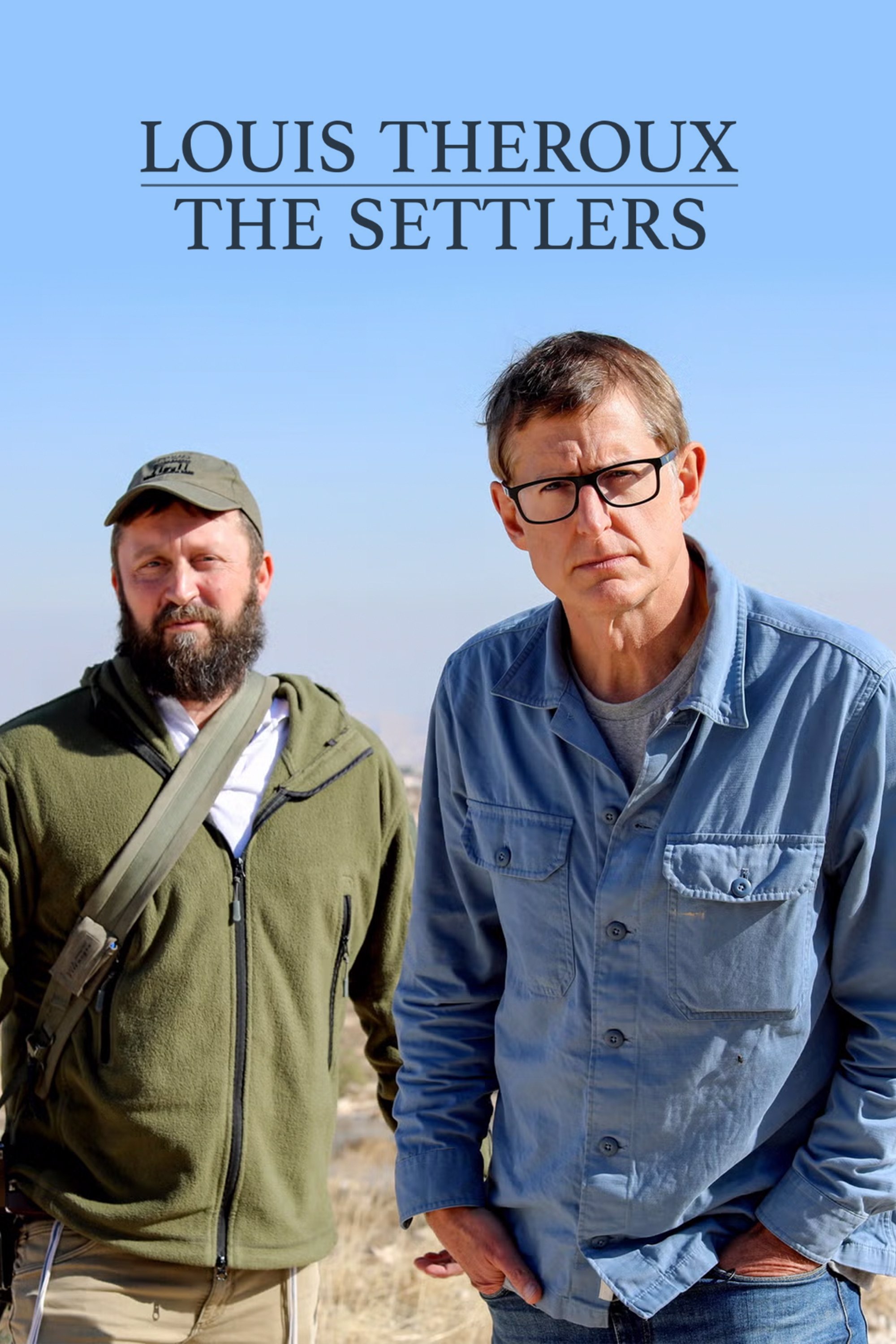
Fourteen years after his first visit, Louis Theroux meets some of the growing community of religious-nationalist Israelis who have settled in the occupied West Bank.
From a prolific career in film and television, Anton Yelchin left an indelible legacy as an actor. Through his journals and other writings, his photography, the original music he wrote, and interviews with his family, friends, and colleagues, this film looks not just at Anton's impressive career, but at a broader portrait of the man.
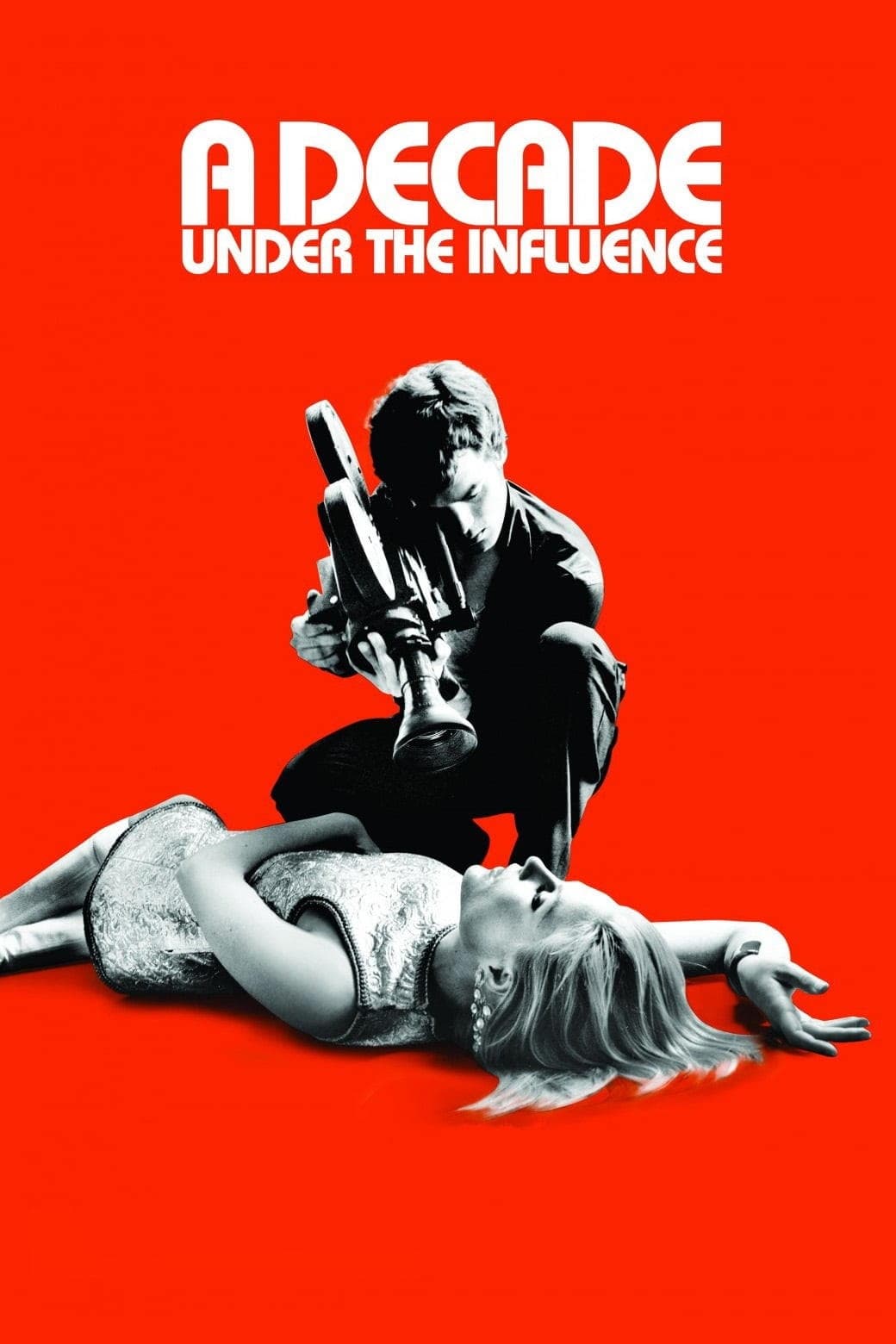
A documentary examining the decade of the 1970s as a turning point in American cinema. Some of today's best filmmakers interview the influential directors of that time.
The life and career of an actor, artist, and icon. His own journey through his own camera.
Vivian Maier's photos were seemingly destined for obscurity, lost among the clutter of the countless objects she'd collected throughout her life. Instead these images have shaken the world of street photography and irrevocably changed the life of the man who brought them to the public eye. This film brings to life the interesting turns and travails of the improbable saga of John Maloof's discovery of Vivian Maier, unravelling this mysterious tale through her documentary films, photographs, odd collections and personal accounts from the people that knew her. What started as a blog to show her work quickly became a viral sensation in the photography world. Photos destined for the trash heap now line gallery exhibitions, a forthcoming book and this documentary film.
A compilation of over 30 years of private home movie footage shot by Lithuanian-American avant-garde director Jonas Mekas, assembled by Mekas "purely by chance", without concern for chronological order.
A documentary on the expletive's origin, why it offends some people so deeply, and what can be gained from its use.
Told through performances, TV interviews, home movies, family photographs, private letters and unpublished memoirs, the film reveals the essence of an extraordinary woman who rose from humble beginnings in New York City to become a glamorous international superstar and one of the greatest artists of all time.
A documentary about how a dominant cultural and demographic institution both sustains their traditional activities and adapts to the digital revolution.
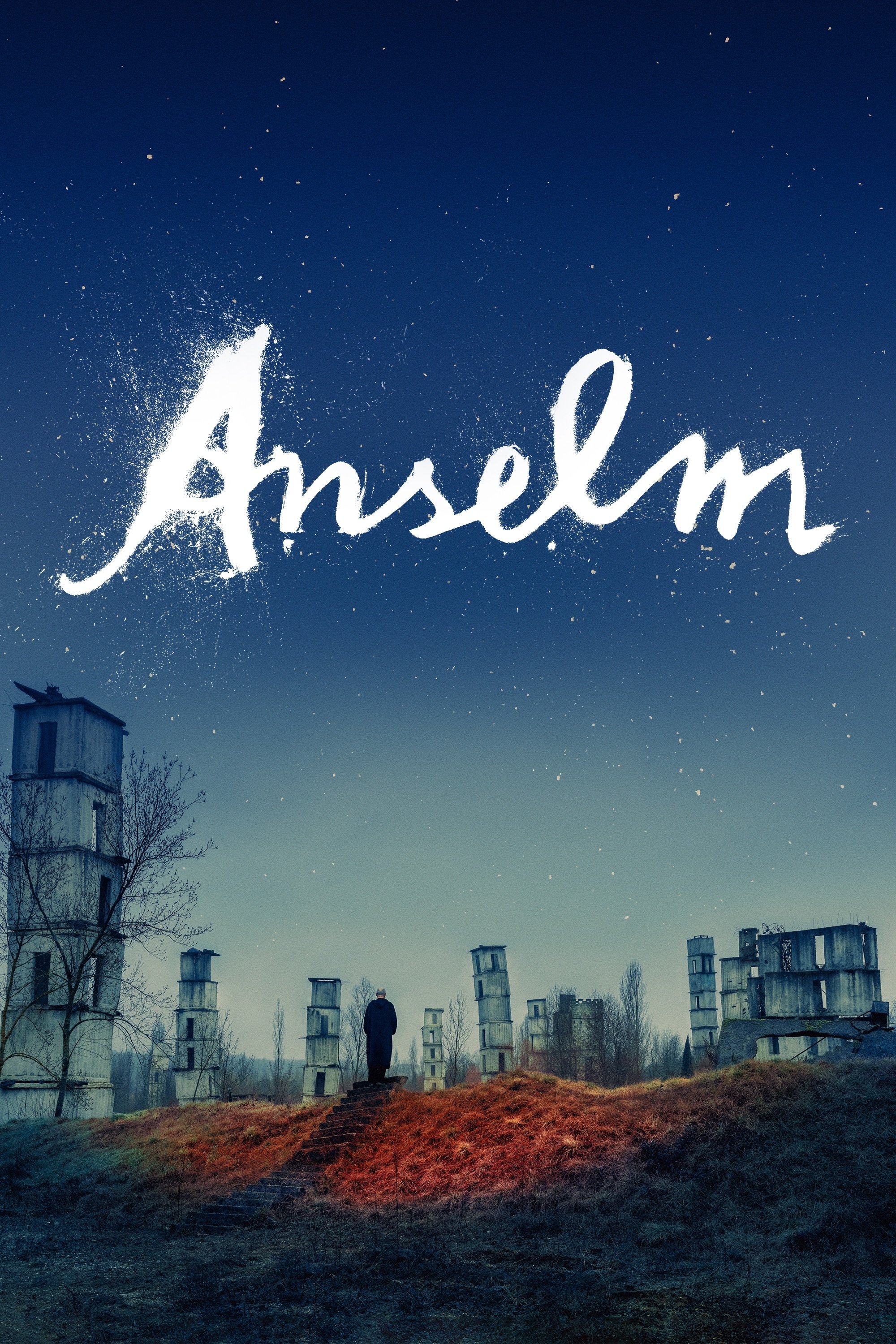
This unique cinematic experience dives deep into an artist’s work and reveals his life path, inspiration, and creative process. It explores his fascination with myth and history. Past and present are interwoven to diffuse the line between film and painting, allowing the audience to be completely immersed in the remarkable world of one of the greatest contemporary artists, Anselm Kiefer. Wim Wenders shot this unique portrait over the course of two years in stunning 3D.
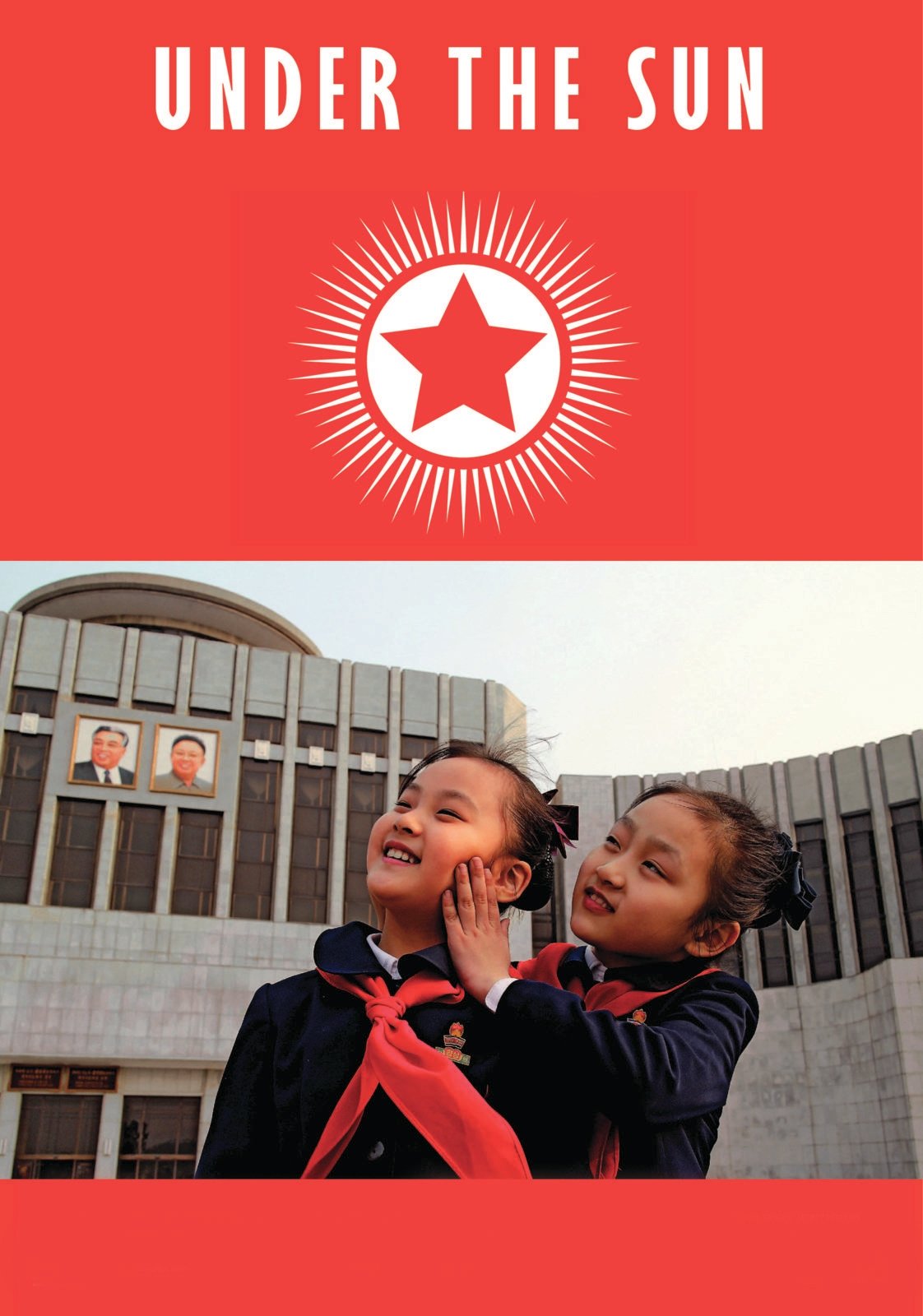
Over the course of one year, this film follows the life of an ordinary Pyongyang family whose daughter was chosen to take part in Day of the Shining Star (Kim Jong-il's birthday) celebration. While North Korean government wanted a propaganda film, the director kept on filming between the scripted scenes. The ritualized explosions of color and joy contrast sharply with pale everyday reality, which is not particularly terrible, but rather quite surreal.






![[m]otherhood](https://image.tmdb.org/t/p/original/cEQUeSAAfe4c5GnodO3n7qdbMVX.jpg)