Social & External
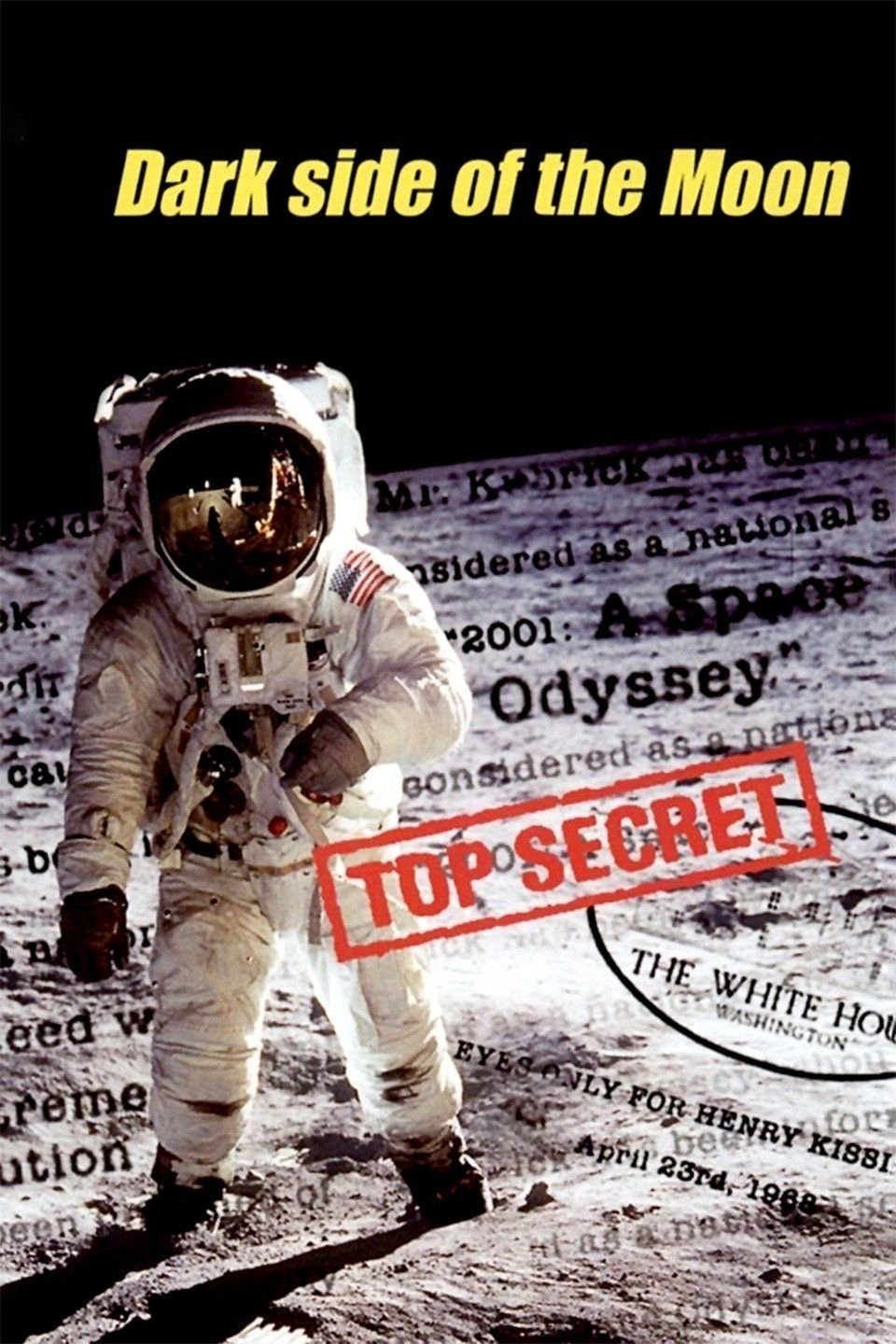
A French documentary or, one might say more accurately, a mockumentary, by director William Karel which originally aired on Arte in 2002 with the title Opération Lune. The basic premise for the film is the theory that the television footage from the Apollo 11 Moon landing was faked and actually recorded in a studio by the CIA with help from director Stanley Kubrick.
Three National Security whistleblowers fight to reveal the darkest corners of America's war on terror, challenging a government that is increasingly determined to maintain secrecy.
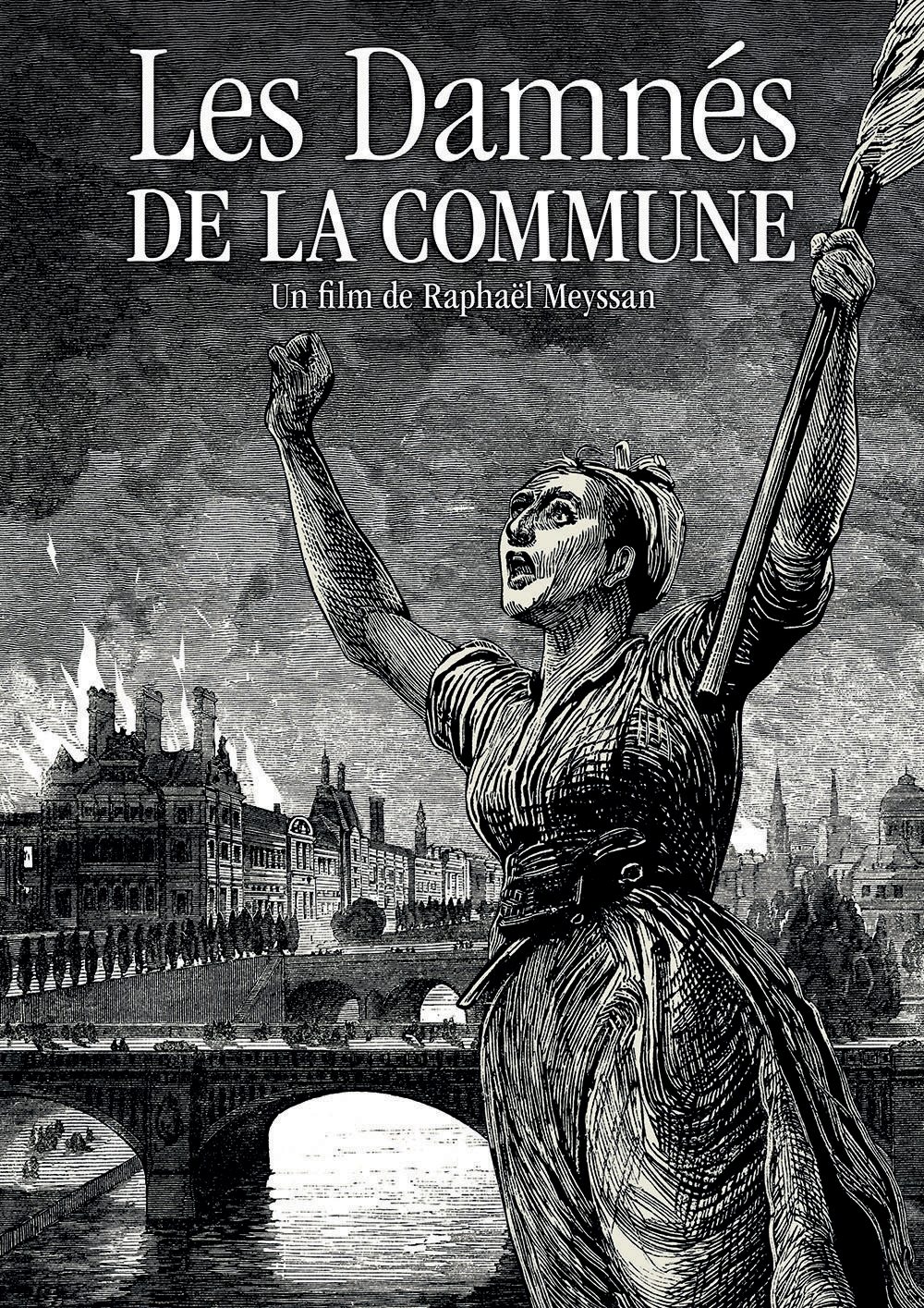
Exclusively created with period engravings, this animated feature explores the Franco-Prussian War of 1870 and the ensuing Paris Commune revolution in 1871.
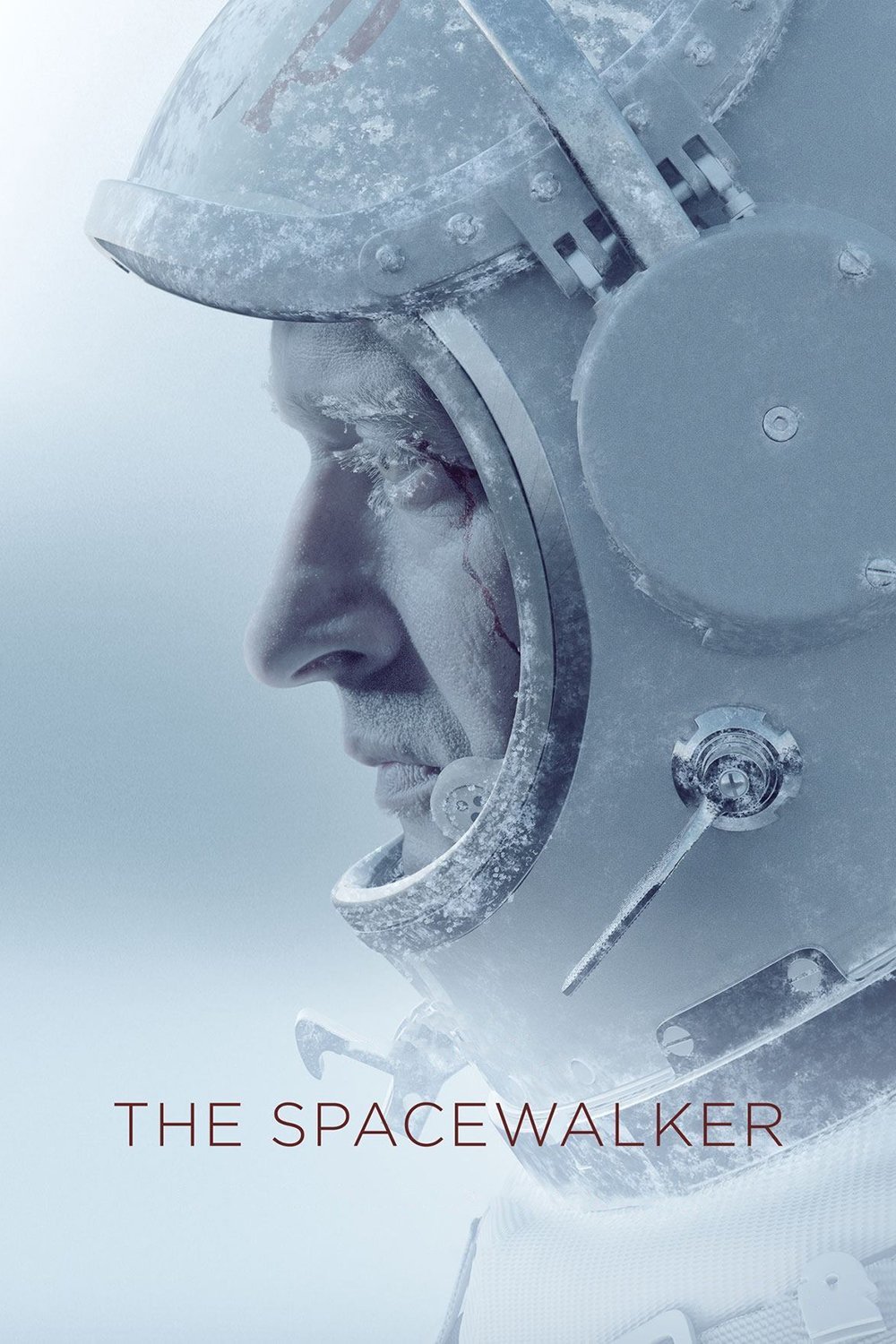
March 1965. In the heat of the Cold War, the USA and the USSR are competing for supremacy in space. What both superpowers aim for in this race, is to be the first to have a man walk in outer space. To accomplish that, no price is too high and no risk is too great. Now it’s up to the unlikely duo of a seasoned war veteran and a hot-headed test-pilot to fulfill this mission. Two men in a tiny spaceship, without proper testing, facing the complete unknown. They were supposed to do what no man has done before—and no man imagined what would happen next.
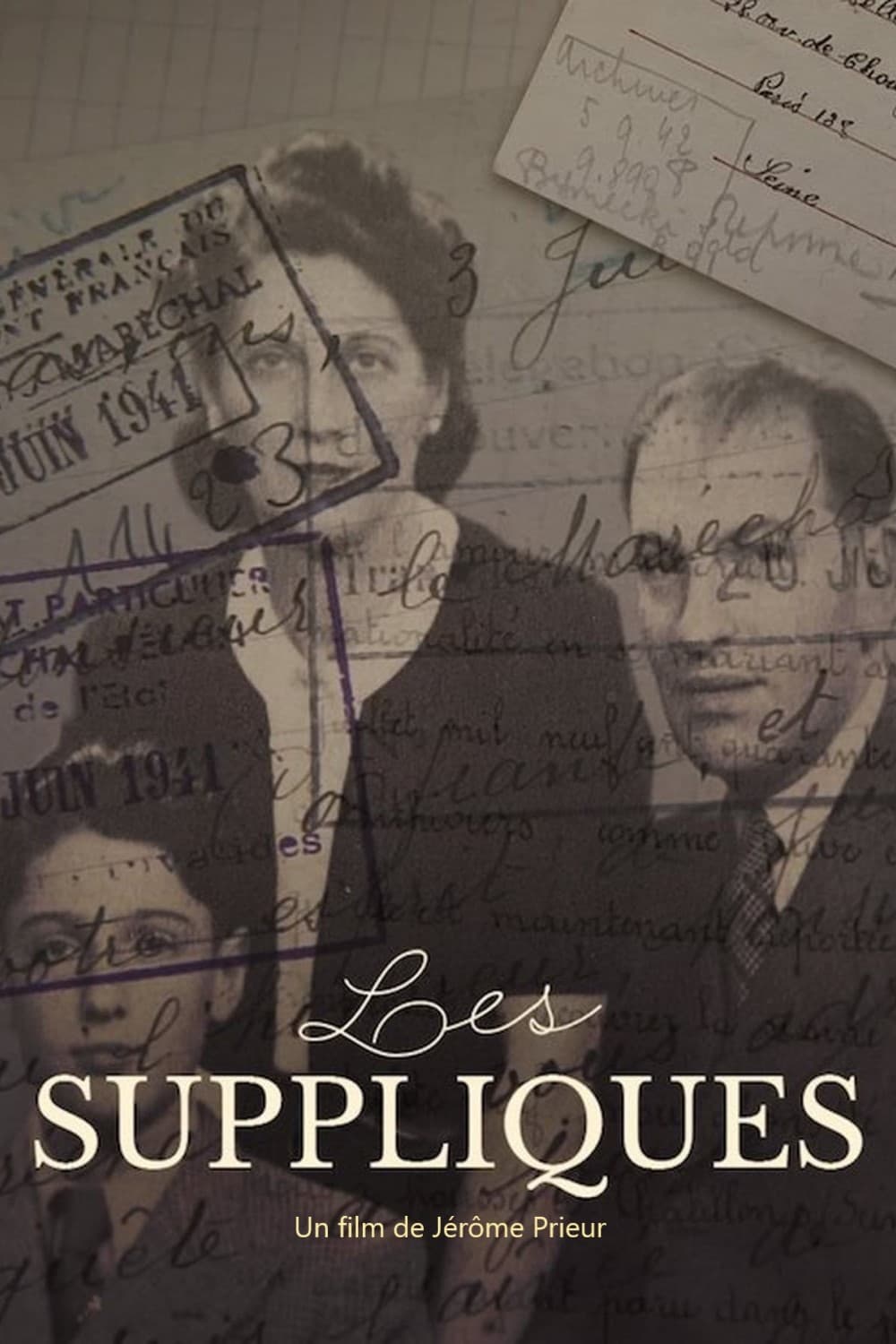
Since the defeat, the Nazis, who were the masters of the occupied zone, and the French State, which had been ruling the so-called free zone since Vichy, ordered the Jews to take a census. From the spring of 1941, whether they had been French for several generations or naturalized for a few years, foreigners who had taken refuge in France or stateless people who had been driven out of their country, they were put on file, arrested or threatened at any time. Some wrote to the administration, or directly to Marshal Pétain, who seemed to them to be the last resort. These requests are called Suppliques. Men, women, sometimes children, tried as best they could, by all means, to loosen the trap. They address themselves to their executioners, but they do not know it.
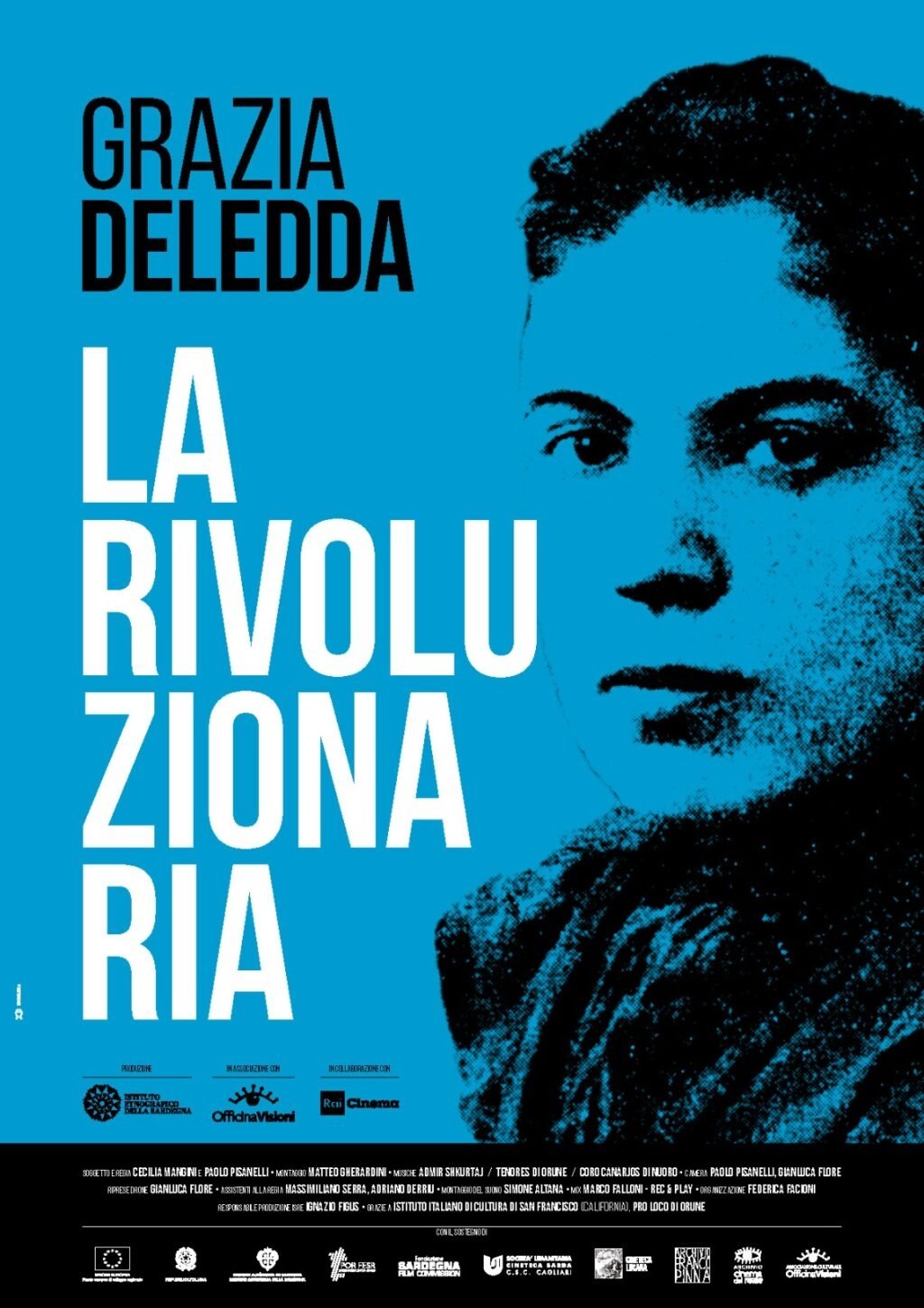
A cinematic journey to discover, through previously unpublished documents and manuscripts, the world of writer and ethnographer Grazia Deledda, the first Italian woman and writer to win the Nobel Prize for Literature in 1926. A revolutionary author, she transcended the confines of male-dominated culture and asserted her creative path as an artist and a woman.
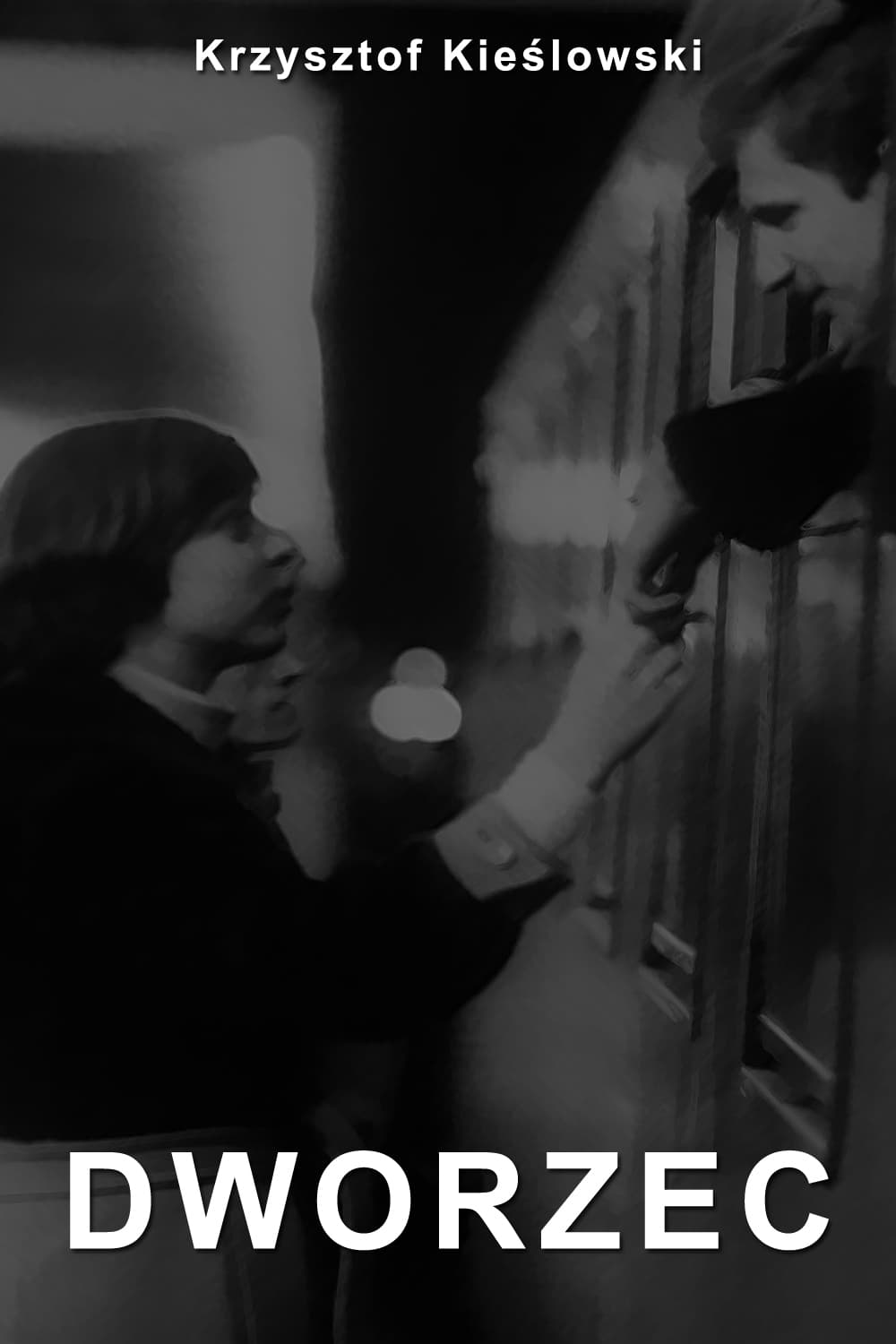
Warsaw's Central Railway Station. 'Someone has fallen asleep, someone's waiting for somebody else. Maybe they'll come, maybe they won't. The film is about people looking for something.
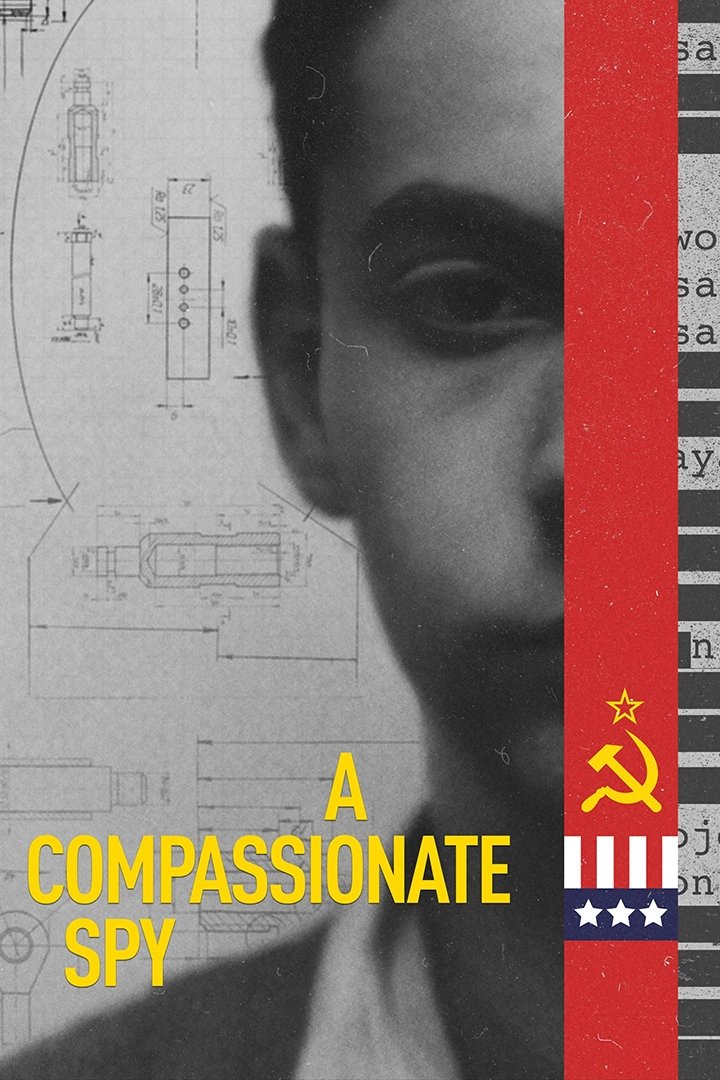
Physicist Ted Hall is recruited to join the Manhattan Project as a teenager and goes to Los Alamos with no idea what he'll be working on. When he learns the true nature of the weapon being designed, he fears the post-war risk of a nuclear holocaust and begins to pass significant information to the Soviet Union.
Chronicling the lives and covert activities of the so-called "atom spies" in the 1940s, including the big one that got away, Theodore Alvin Hall.
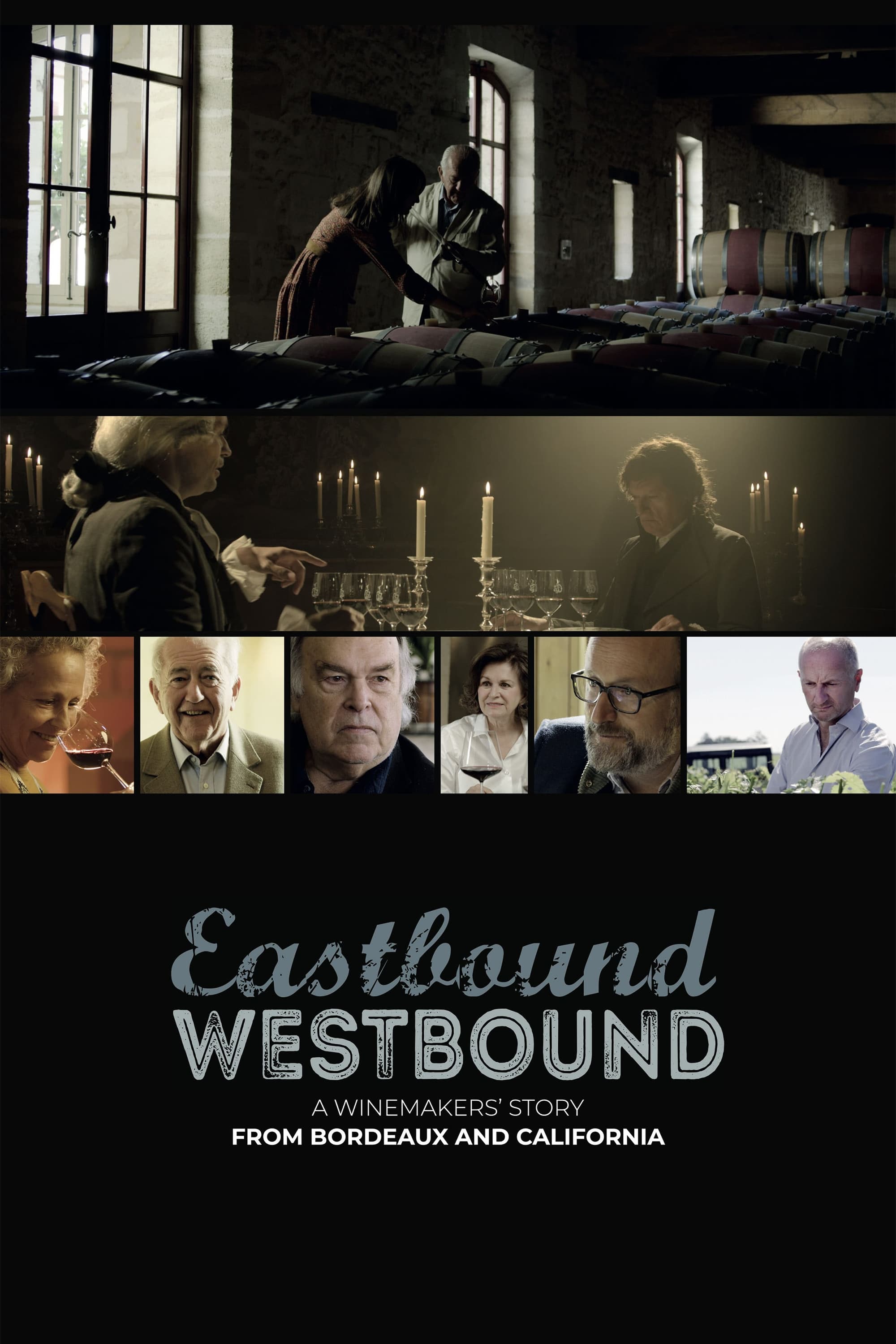
A modern and fast-paced cinematic documentary that aims to trace, understand and demonstrate the historical and unwavering links between the United States, Bordeaux and its wines. An investigation like no other, Eastbound Westbound lets the viewer understand how this Franco-American friendship around Bordeaux wines had its starting point in the 18th century around the greatest connoisseur of fine wines and lover of Bordeaux, the American Thomas Jefferson, US Ambassador to Paris and third President of the United States. To better demonstrate Thomas Jefferson’s legacy, this intimate relationship between the two winegrowing continents is illustrated through interlinked portraits of wine families, from many and varied backgrounds but all sharing a real passion for wine. Leading players in their field, they produce some of the best wines in the world.
September 3rd, 1939. Britain and France declare war on Nazi Germany, only two days after the Wehrmacht invades Poland. This day, the sad date when the fate of the world changed forever, the Phoney War began: eight months of uncertainty, preparations, evacuations and skirmishes.
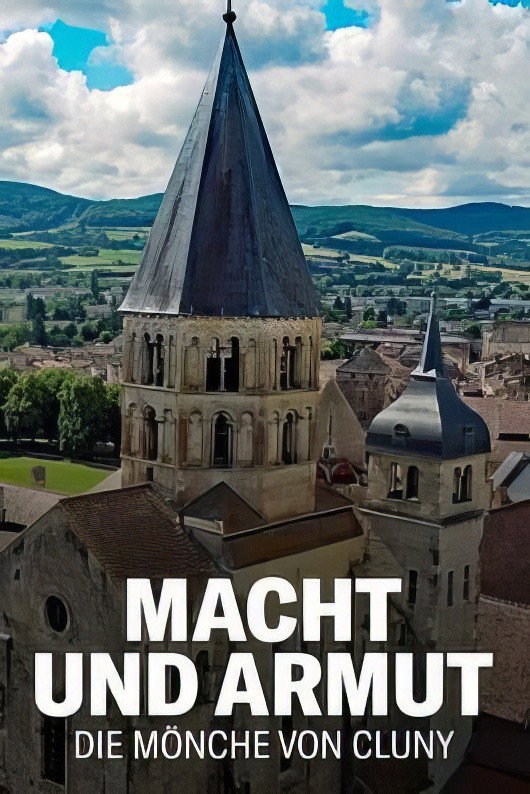
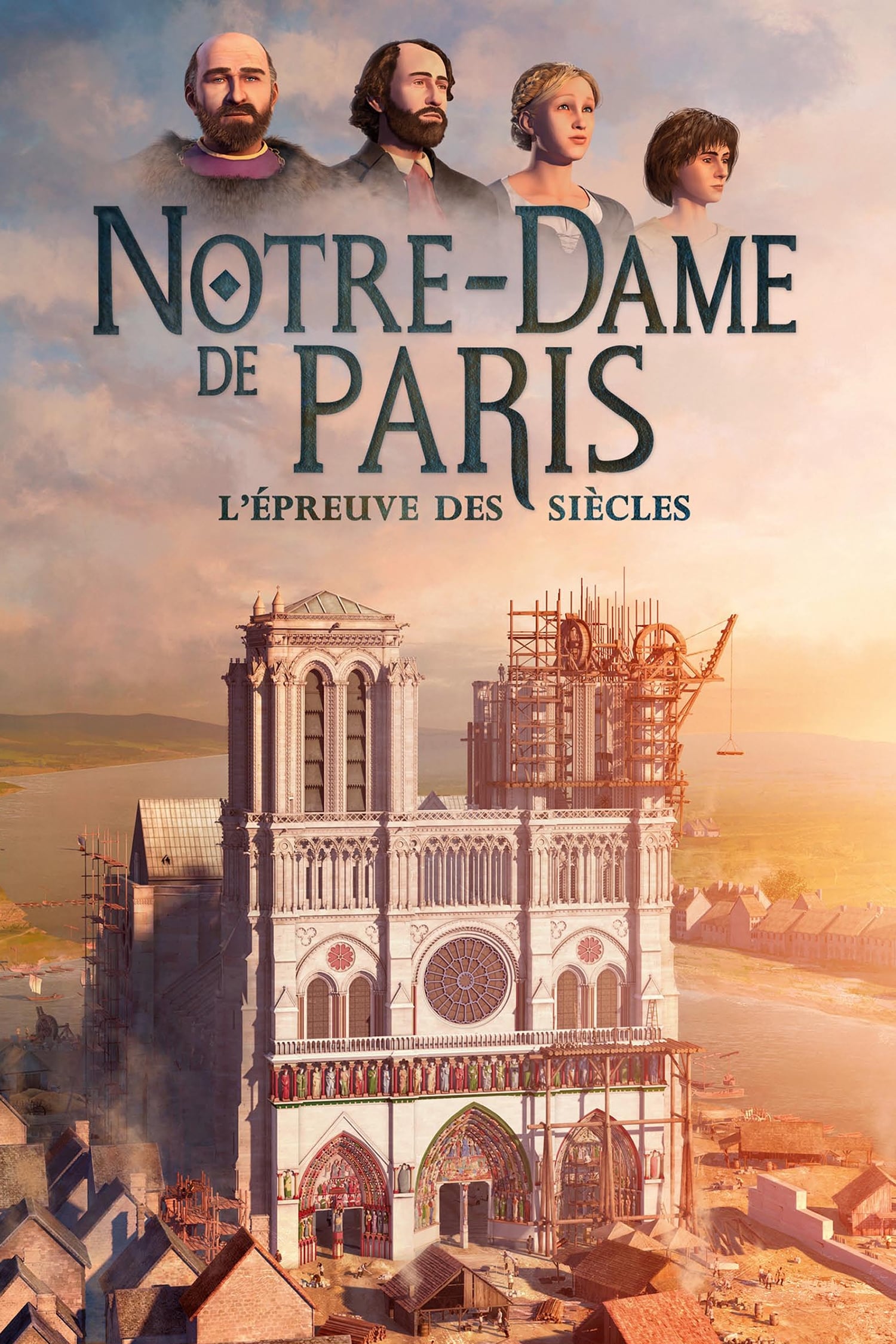
A fictional documentary on Notre Dame de Paris, produced in 2019.
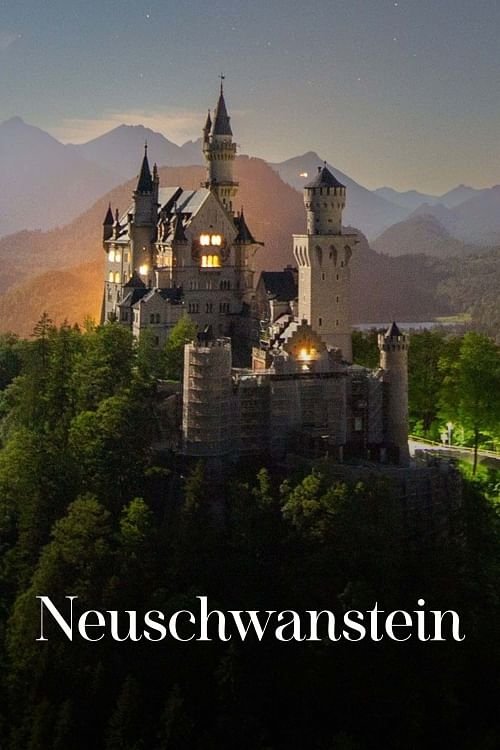
Part architectural genius, part kitsch fairytale, Neuschwanstein Castle is closely linked to the tragic fate of Ludwig II of Bavaria (1845-1886). The "Mad King" poured his heart and soul into this unique construction which looks back nostalgically to the Middle Ages. A focus on the history of a building filled with dreams and legends which has become an icon of Germany around the world.
Pressured by his superiors to disgrace public intellectual Warczewski, a professor and respected writer whom they believe to be a "camouflaged Zionist," rough security-services colonel Rozek enlists his sexy but naive girlfriend, Kamila, to insinuate herself into the distinguished older man's life and report on his every move. Not particularly interested in serving communism but eager to please her domineering lover, Kamila accepts the mission, reporting under the code name "Little Rose." As quick scenes contrast Kamila's crude pleasures with Rozek and her more refined experiences with Warczewski, it becomes clear that the more time the unschooled young woman spends with the professor, the more she comes to have true feelings for him.
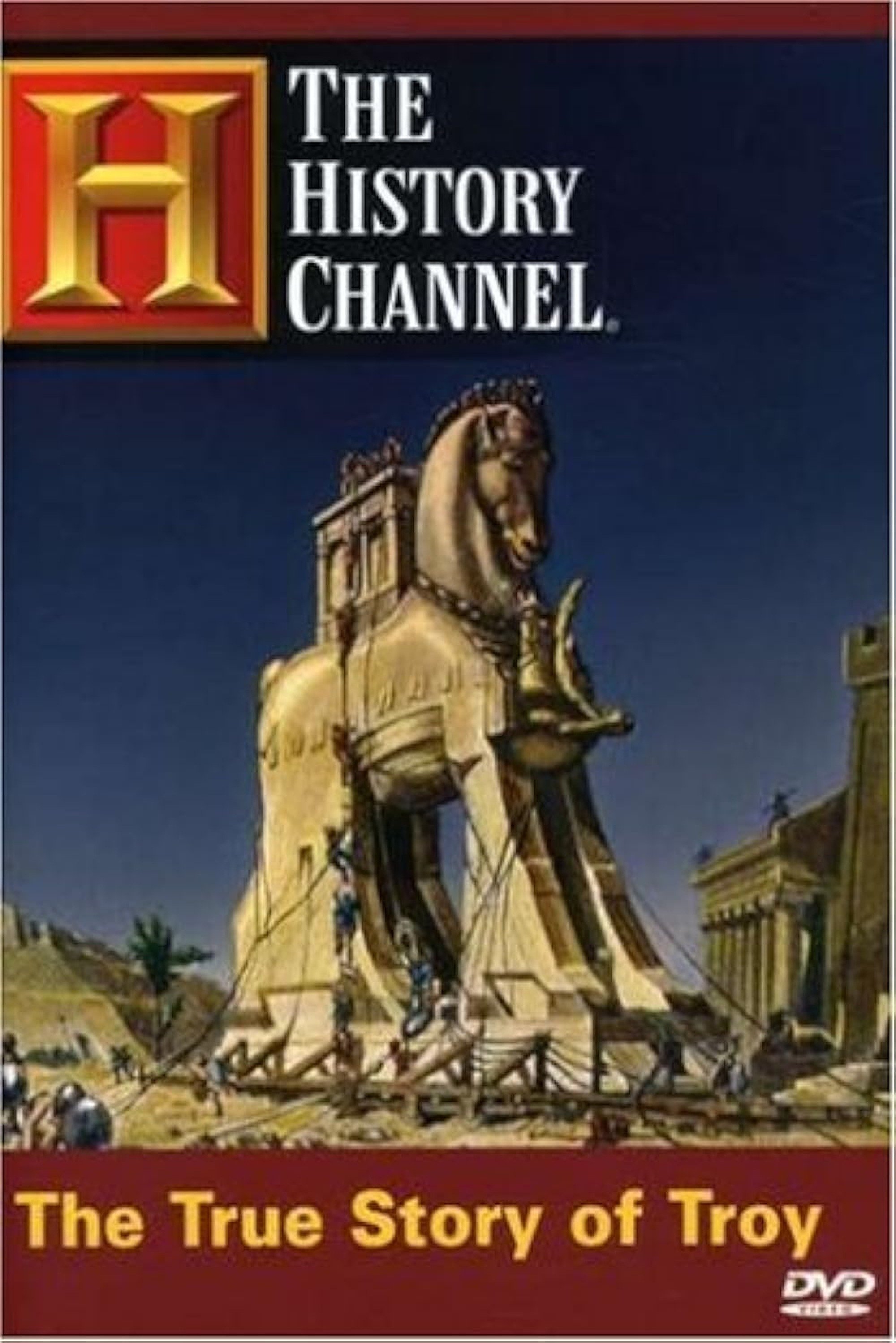
The story of the Trojan war is one of history's most enduring legends. A beautiful queen elopes with a foreign prince, which results in a decade-long battle that ends in the complete annihilation of an entire city. However, what grain of truth is there to this mythologicale tale of love and destruction?
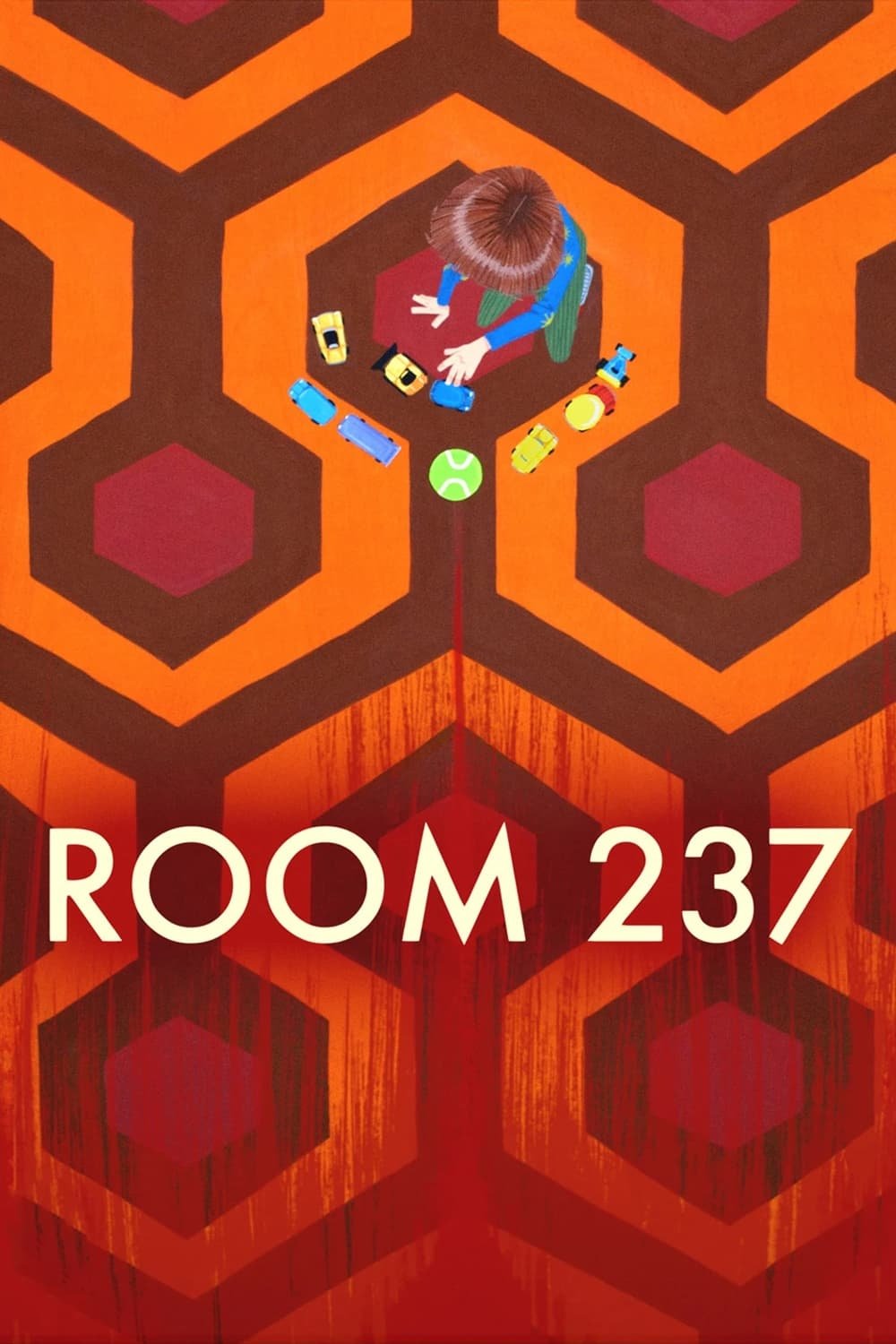
A subjective documentary that explores various theories about hidden meanings in Stanley Kubrick's classic film The Shining. Five very different points of view are illuminated through voice over, film clips, animation and dramatic reenactments.
“The Soviet Story” is a story of an Allied power, which helped the Nazis to fight Jews and which slaughtered its own people on an industrial scale. Assisted by the West, this power triumphed on May 9th, 1945. Its crimes were made taboo, and the complete story of Europe’s most murderous regime has never been told. Until now...
The history of cinematic sound, told by legendary sound designers and visionary filmmakers.
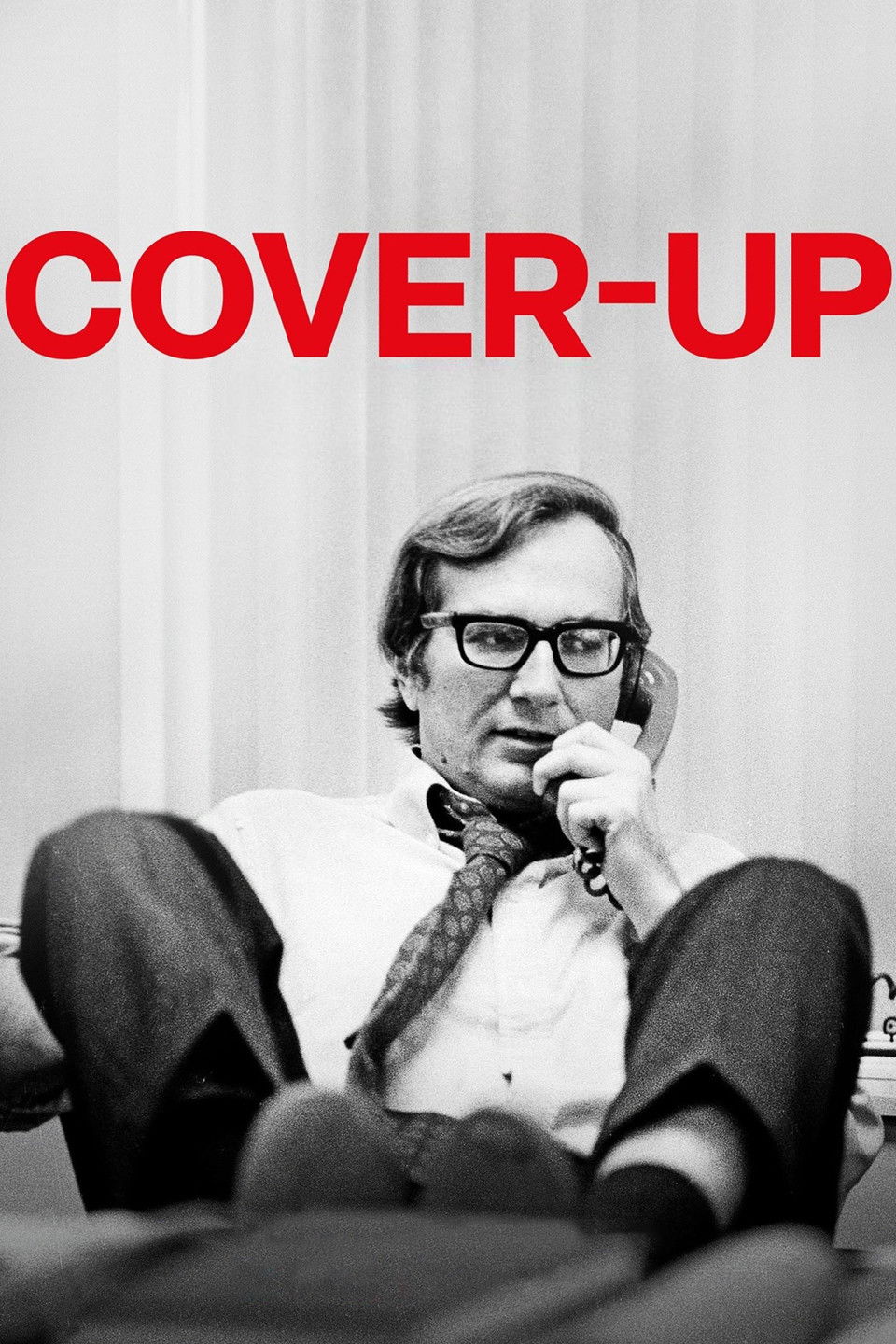
He's devoted his career to uncovering stories the powerful want buried. From My Lai to Abu Ghraib, dig into the life's work of journalist Seymour Hersh.
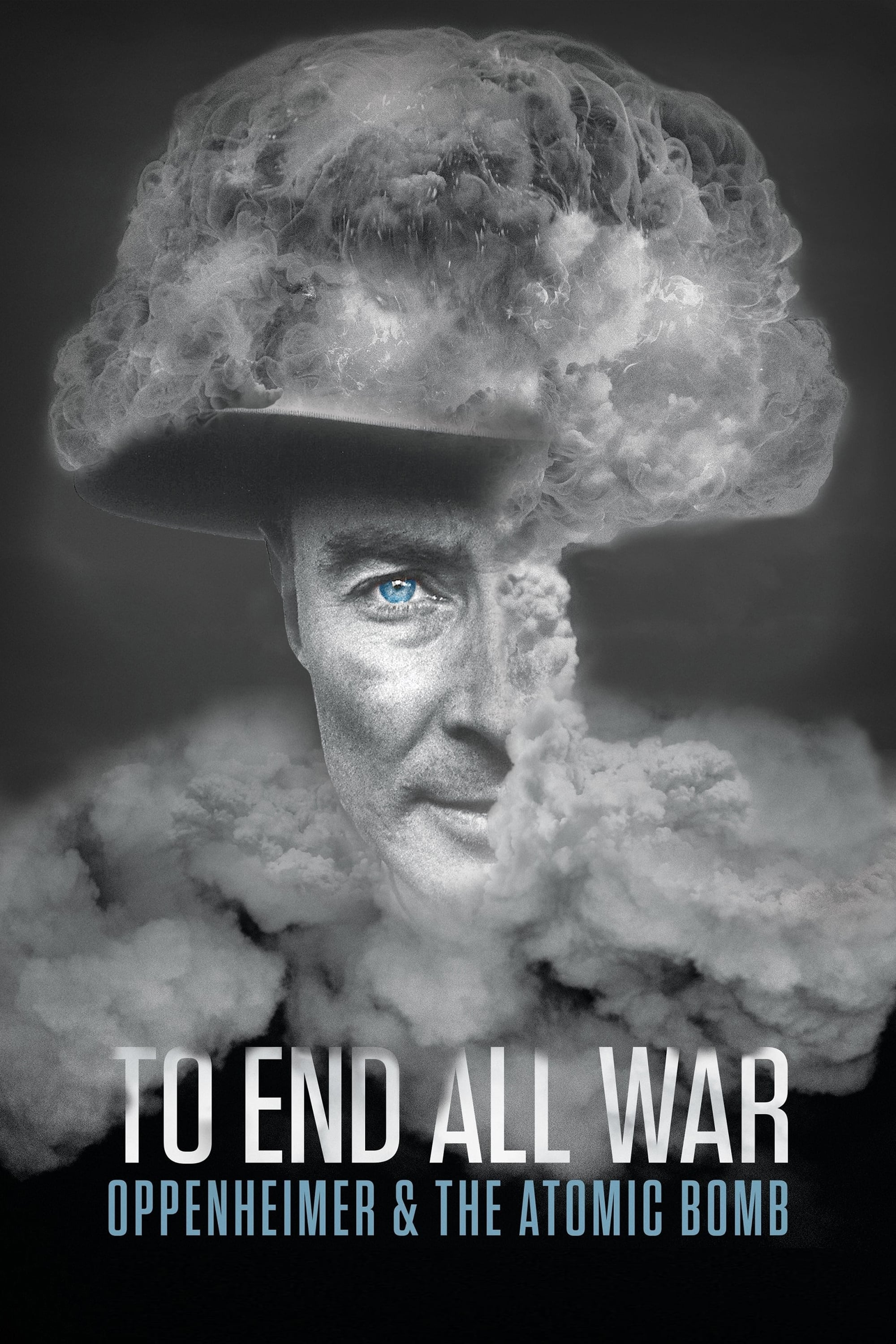
Explore how one man's relentless drive and invention of the atomic bomb changed the nature of war forever, led to the deaths of hundreds of thousands of people and unleashed mass hysteria.
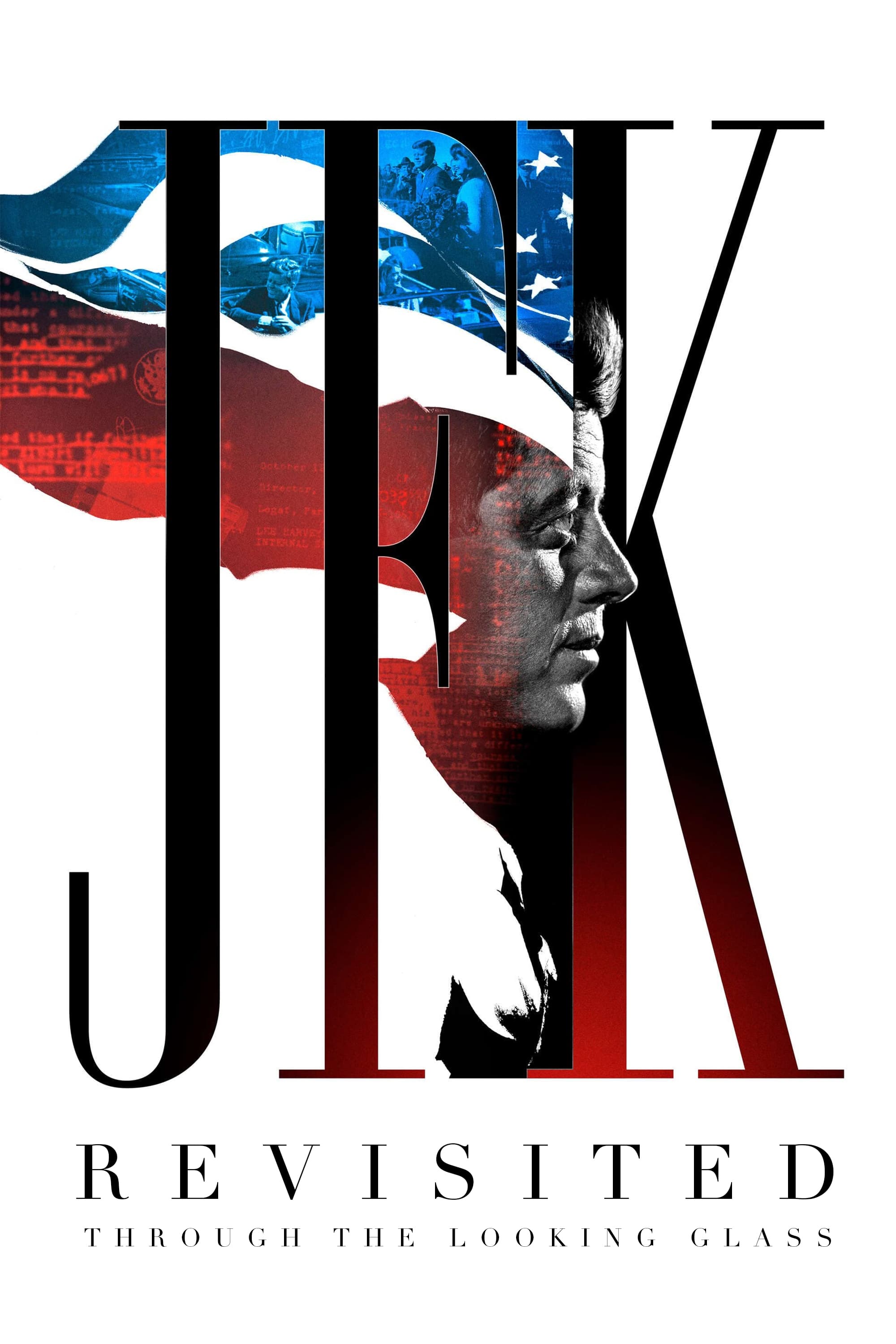
Thirty years after the release of his film JFK (1991), filmmaker Oliver Stone reviews recently declassified evidence related to the assassination of President John F. Kennedy, which took place in Dallas on November 22, 1963.
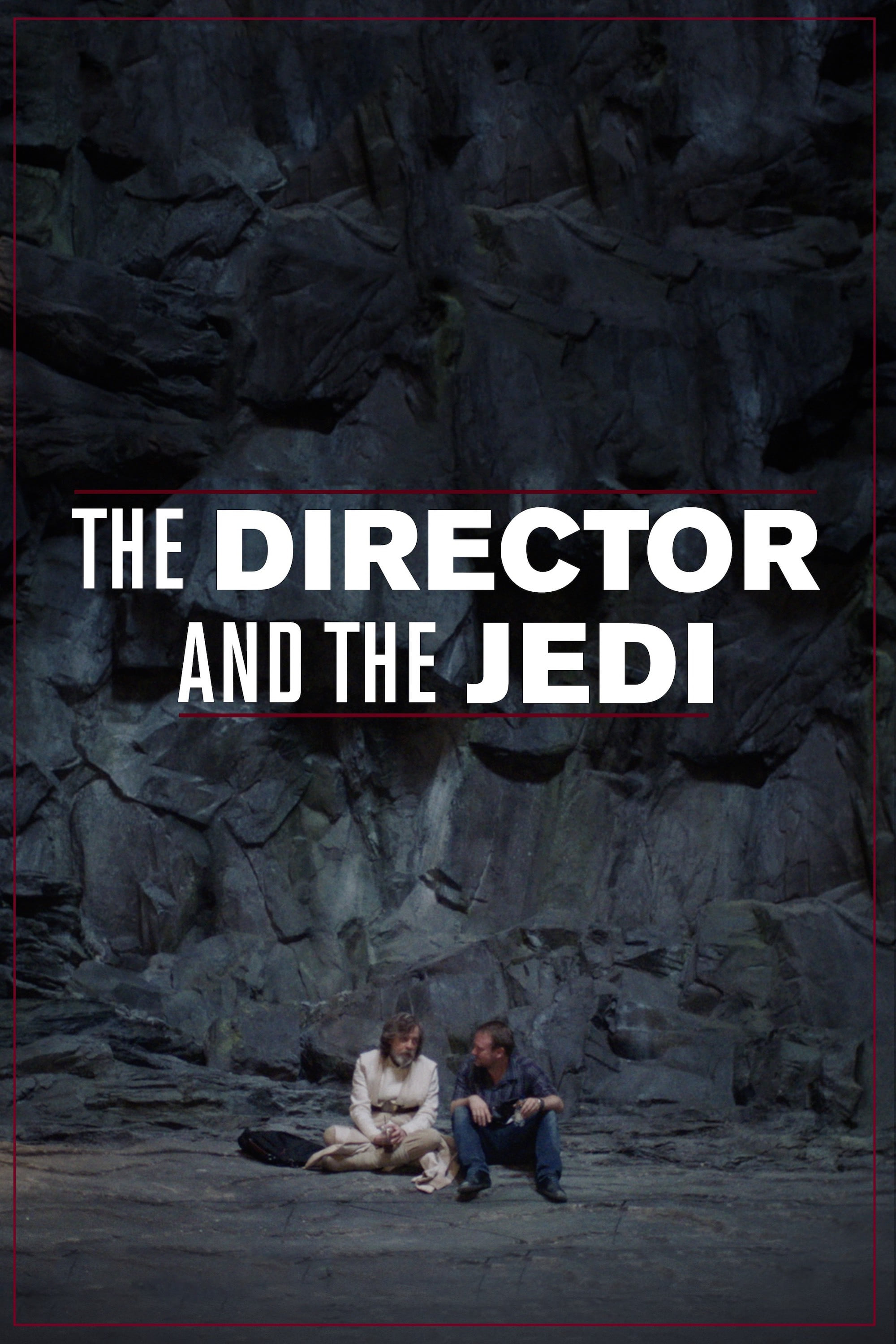
An intimate documentary delving into Rian Johnson's process as he comes in as a director new to the Star Wars universe.
A documentary examining possible historical and modern conspiracies surrounding Christianity, the 9/11 terrorist attacks, and the Federal Reserve bank.
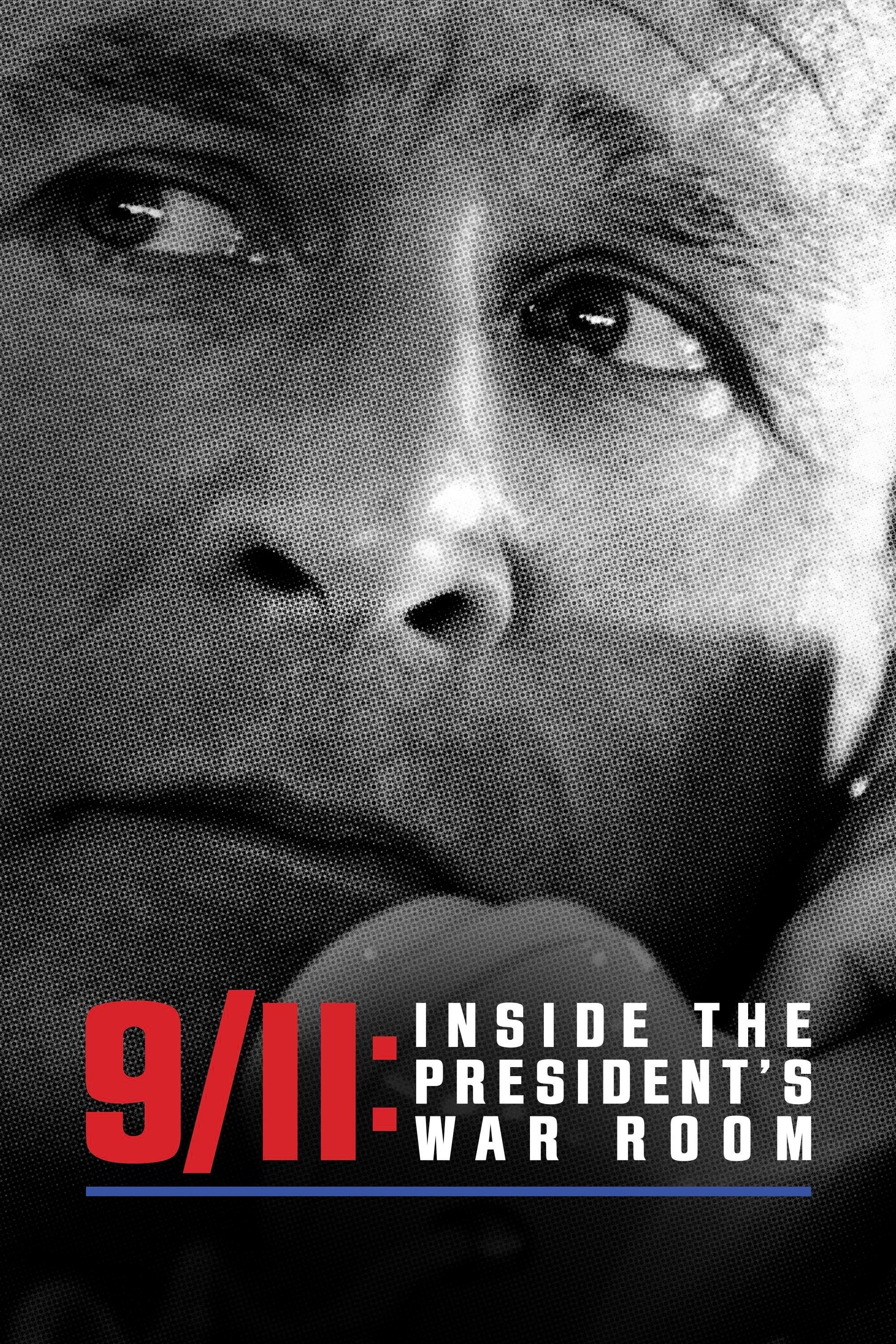
Experience the events of September 11, 2001 through the eyes of President Bush and his closest advisors as they personally detail the crucial hours and key decisions from that historic day.
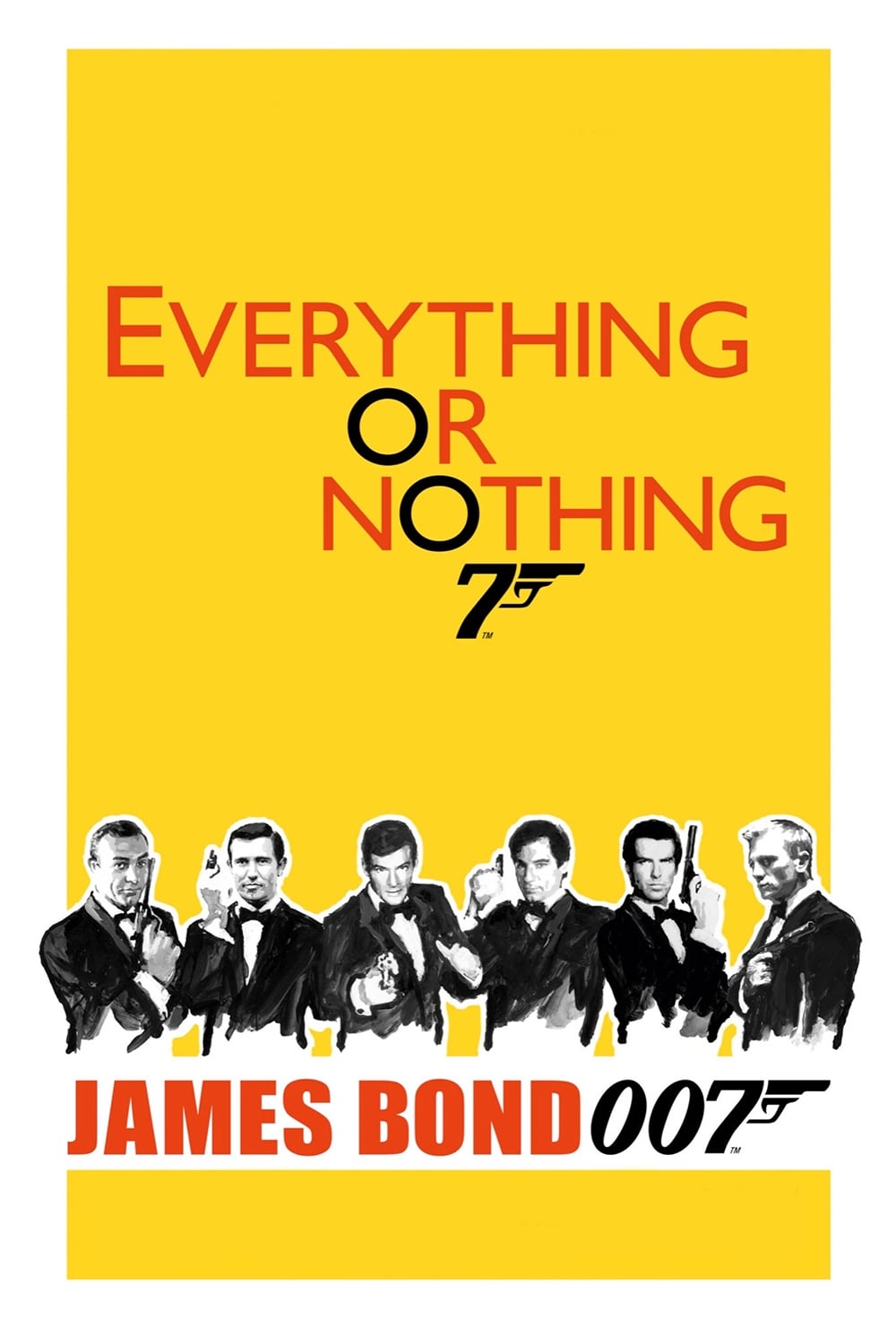
The story of three men with a shared dream: James Bond franchise producers Albert R. Broccoli and Harry Saltzman, and Bond creator and author Ian Fleming. It’s the thrilling and inspiring narrative behind the longest running film franchise in cinema history, which began in 1962.
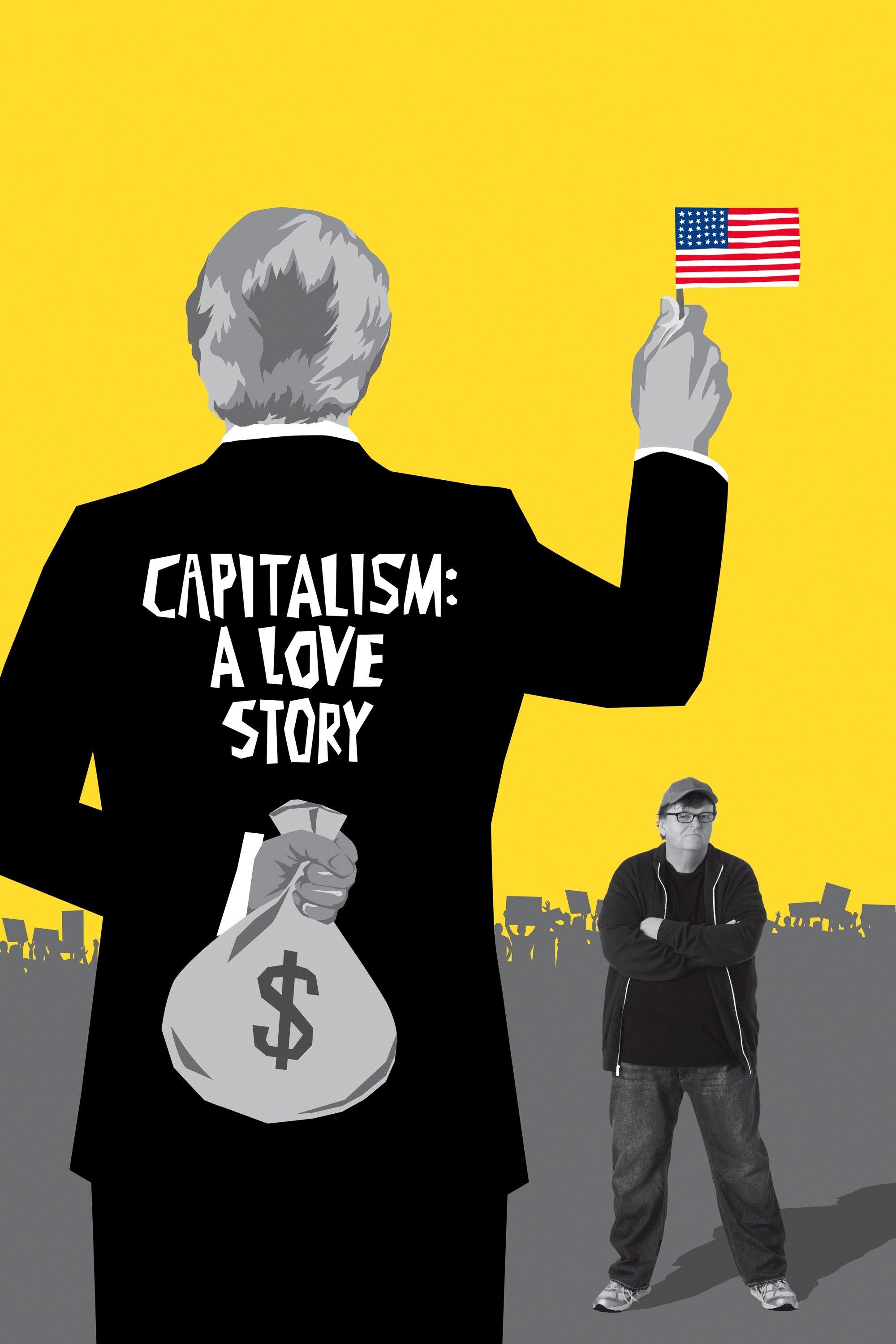
Michael Moore comes home to the issue he's been examining throughout his career: the disastrous impact of corporate dominance on the everyday lives of Americans (and by default, the rest of the world).
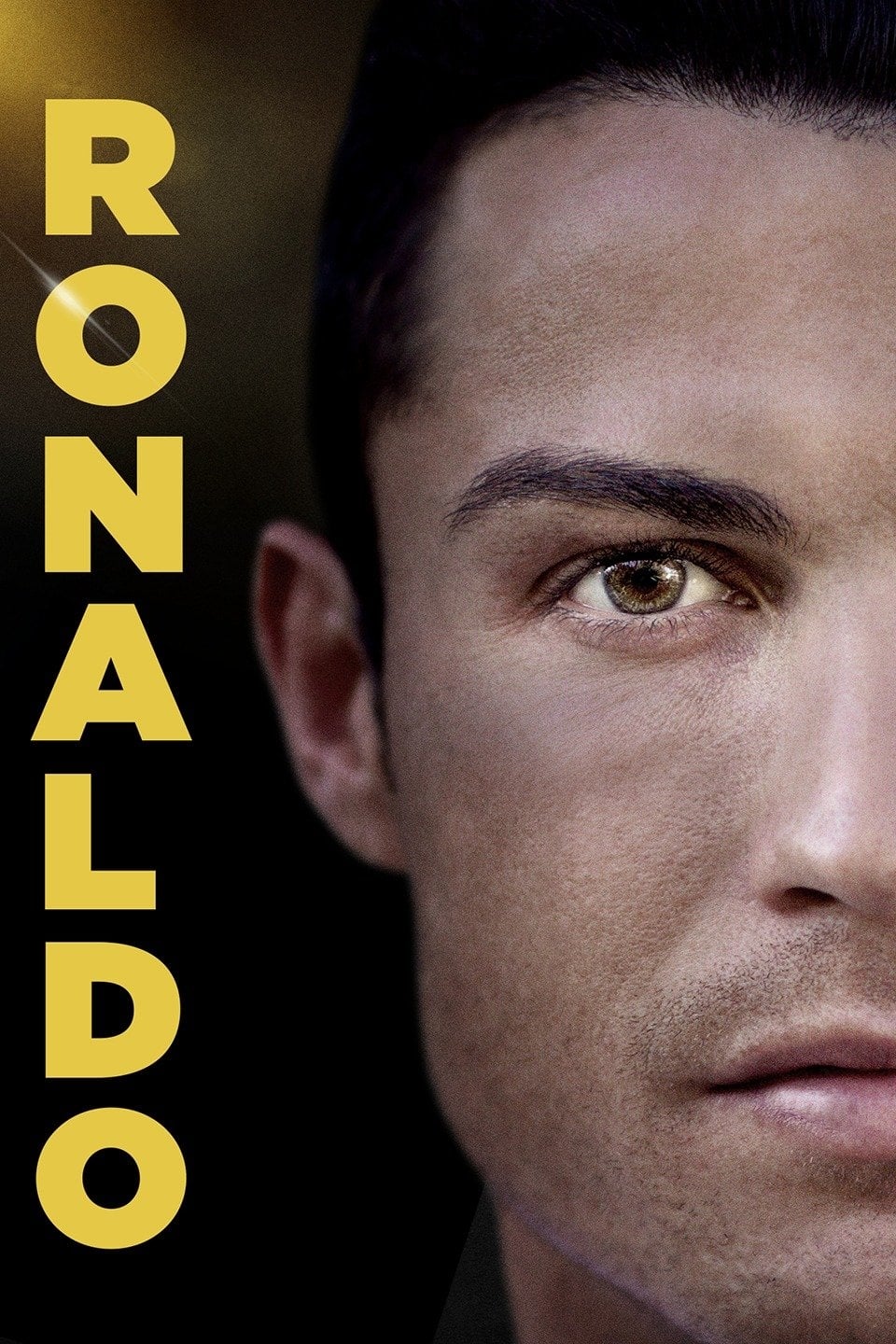
Filmed over 14 months with unprecedented access into the inner circle of the man and the sport, this is the first official and fully authorised film of one of the most celebrated figures in football. For the first time ever, the world gets vividly candid and un-paralleled, behind-closed-doors access to the footballer, father, family-man and friend in this moving & fascinating documentary. Through in-depth conversations, state of the art football footage and never before seen archival footage, the film gives an astonishing insight into the sporting and personal life of triple Ballon D'Or winner Cristiano Ronaldo at the peak of his career. From the makers of ‘Senna’ and ‘Amy’, Ronaldo takes audiences on an intimate and revealing journey of what it’s like to live as an iconic athlete in the eye of the storm.
A documentary about the life and films of director John Ford.
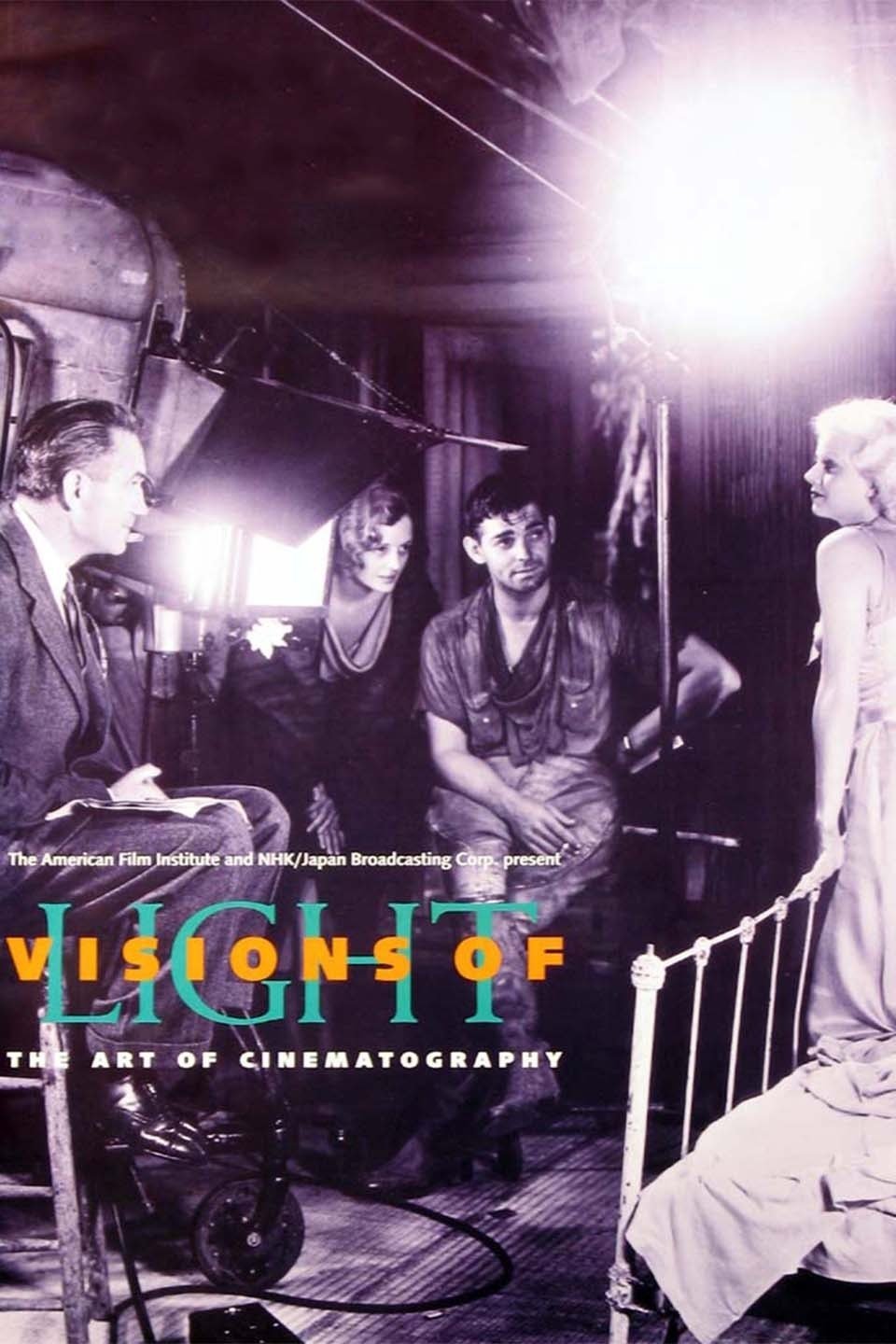
Cameramen and women discuss the craft and art of cinematography and of the "DP" (the director of photography), illustrating their points with clips from 100 films, from Birth of a Nation to Do the Right Thing. Themes: the DP tells people where to look; changes in movies (the arrival of sound, color, and wide screens) required creative responses from DPs; and, these artisans constantly invent new equipment and try new things, with wonderful results. The narration takes us through the identifiable studio styles of the 30s, the emergence of noir, the New York look, and the impact of Europeans. Citizen Kane, The Conformist, and Gordon Willis get special attention.
A look at the origins, history and conspiracies behind the "Majestic 12", a clandestine group of military and corporate figureheads charged with reverse-engineering extraterrestrial technology.
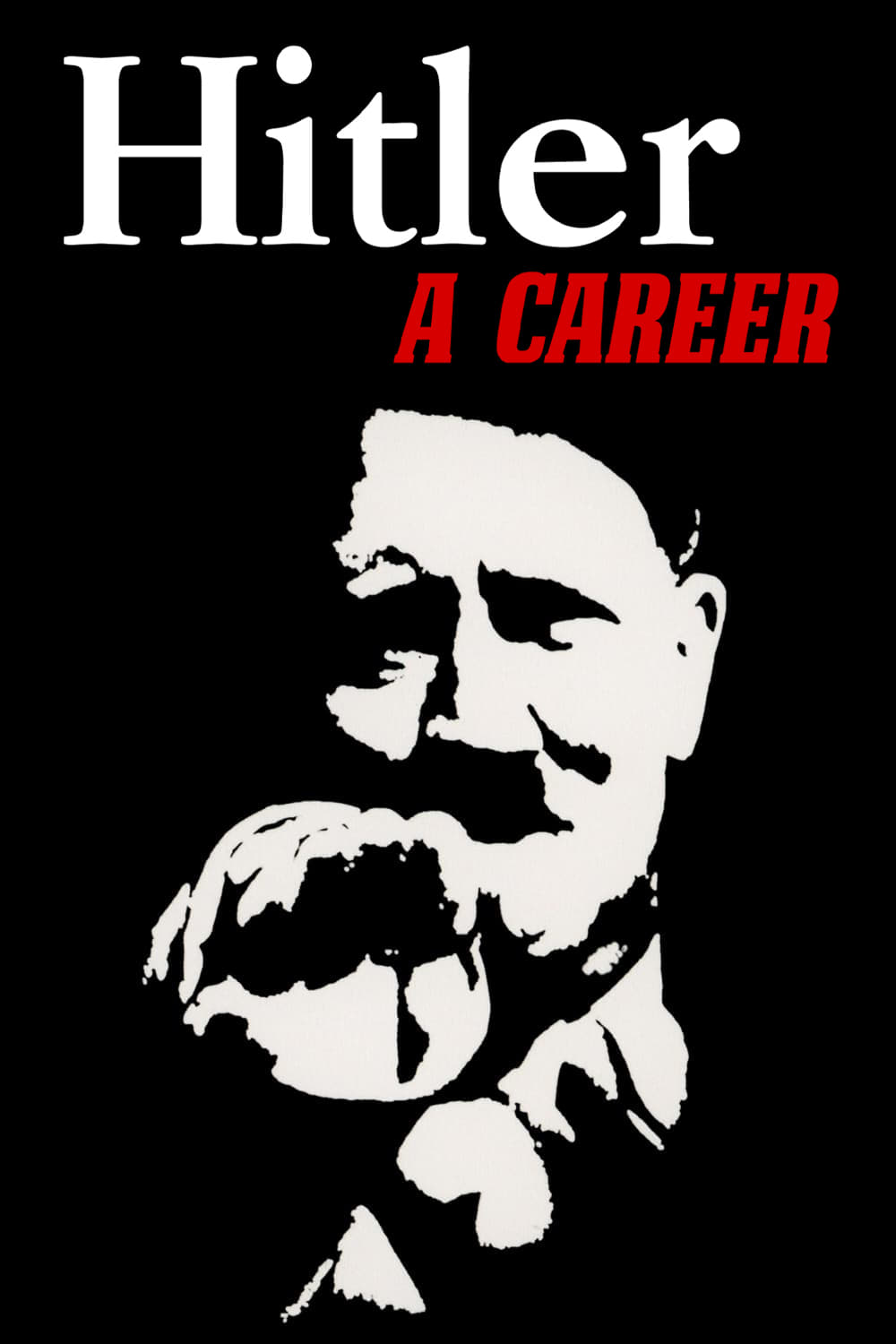
A keen chronicle of the unlikely rise to power of Adolf Hitler (1889-1945) and a dissection of the Third Reich (1933-1945), but also an analysis of mass psychology and how the desperate crowd can be deceived and shepherded to the slaughterhouse.
When Allied forces liberated the Nazi concentration camps in 1944-45, their terrible discoveries were recorded by army and newsreel cameramen, revealing for the first time the full horror of what had happened. Making use of British, Soviet and American footage, the Ministry of Information’s Sidney Bernstein (later founder of Granada Television) aimed to create a documentary that would provide lasting, undeniable evidence of the Nazis’ unspeakable crimes. He commissioned a wealth of British talent, including editor Stewart McAllister, writer and future cabinet minister Richard Crossman – and, as treatment advisor, his friend Alfred Hitchcock. Yet, despite initial support from the British and US Governments, the film was shelved, and only now, 70 years on, has it been restored and completed by Imperial War Museums under its original title "German Concentration Camps Factual Survey".
In the Realms of the Unreal is a documentary about the reclusive Chicago-based artist Henry Darger. Henry Darger was so reclusive that when he died his neighbors were surprised to find a 15,145-page manuscript along with hundreds of paintings depicting The Story of the Vivian Girls, in What is Known as the Realms of the Unreal, of the Glodeco-Angelinnian War Storm, Cased by the Child Slave Rebellion.
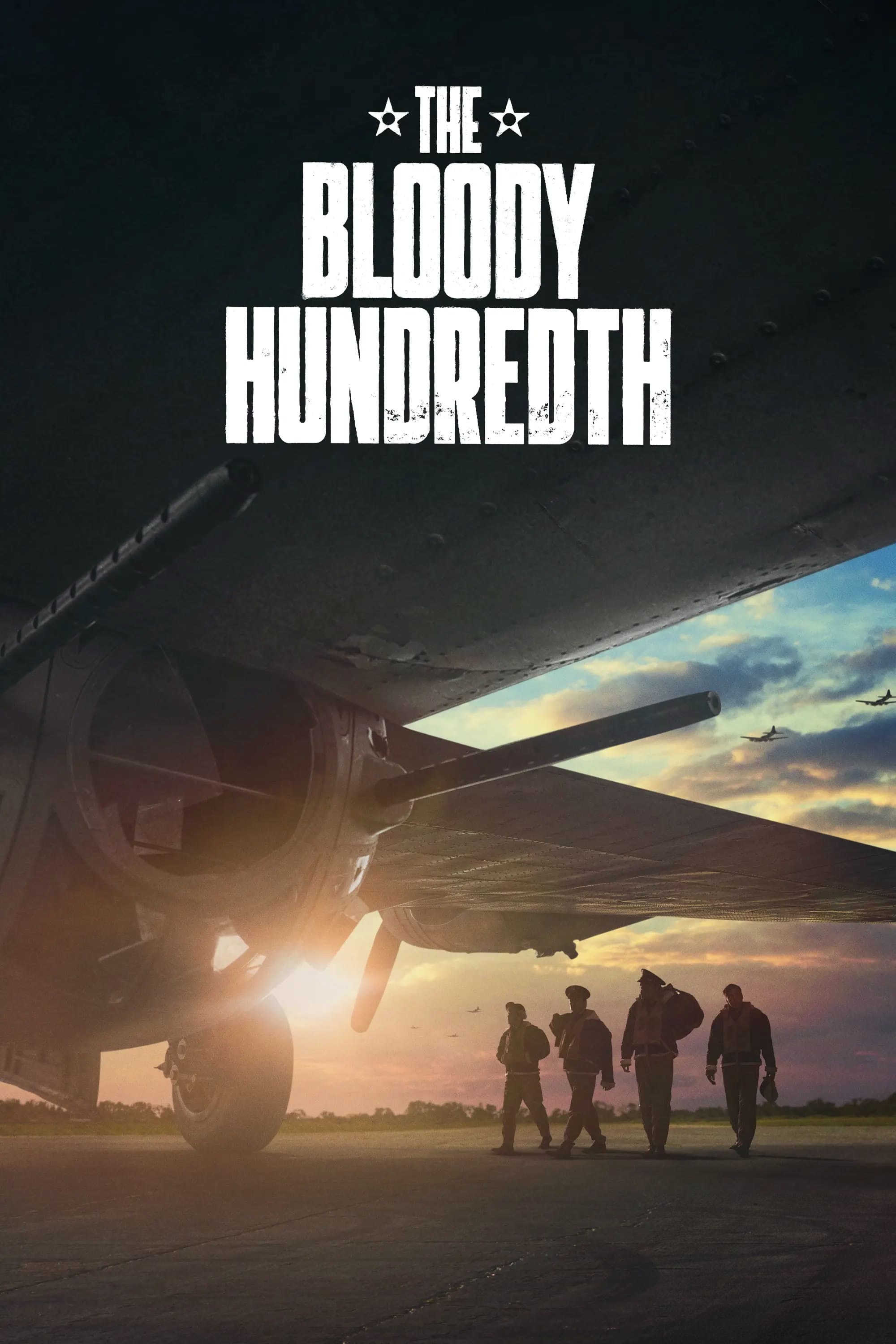
Meet the real-life airmen who inspired Masters of the Air as they share the harrowing and transformative events of the 100th Bomb Group.
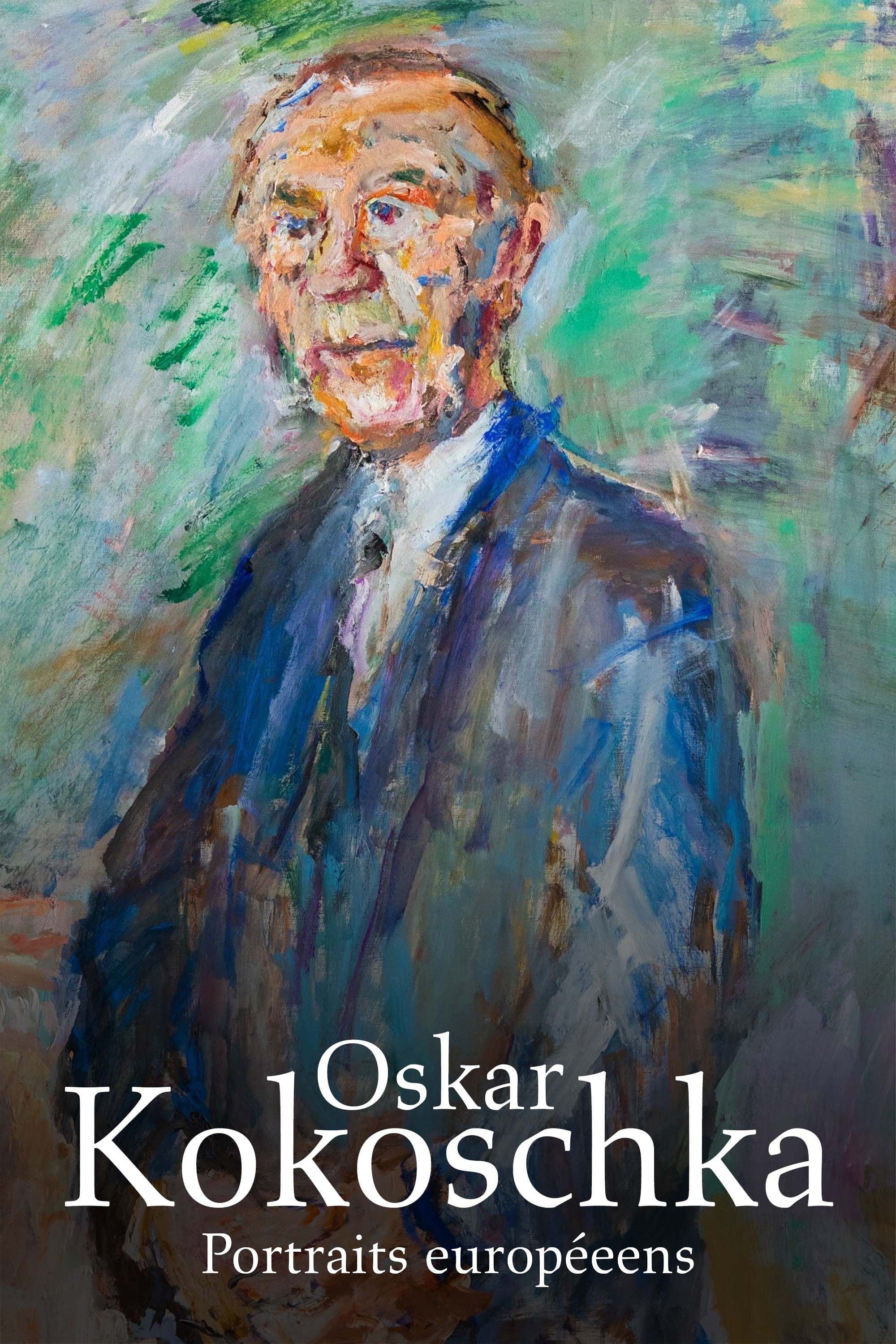
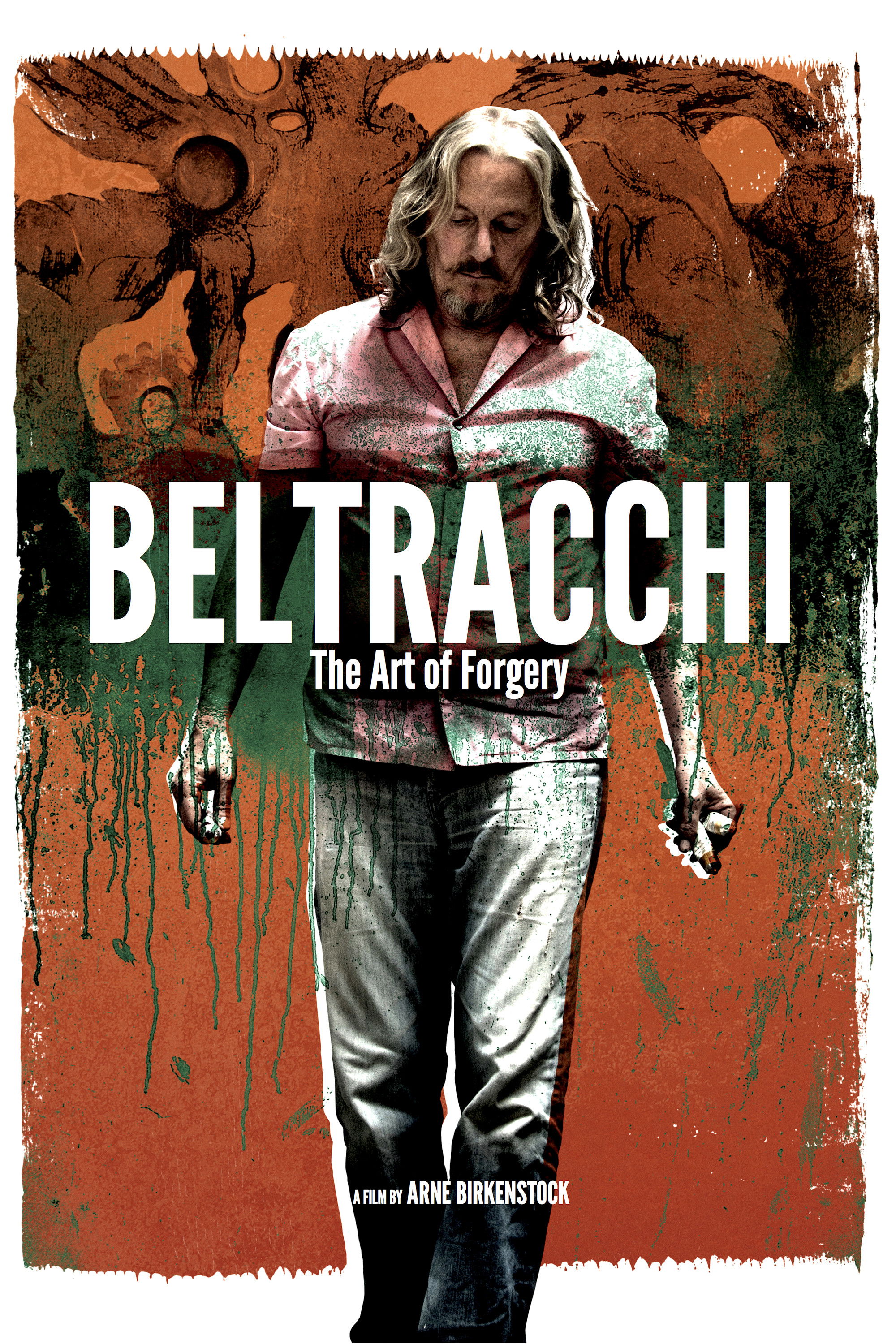
Wolfgang Beltracchi got away with forging art masterpieces for over 40 years. He may be egotistical and nihilistic, but his genius in undeniable. He managed to fool gallery owners, historians and investors with the stroke of a brush. This documentary follows his last days as a free man.