This documentary follows the journey of two journalists to the occupied territories of Western Sahara where they are monitored constantly by the occupying Moroccan forces.
Social & External
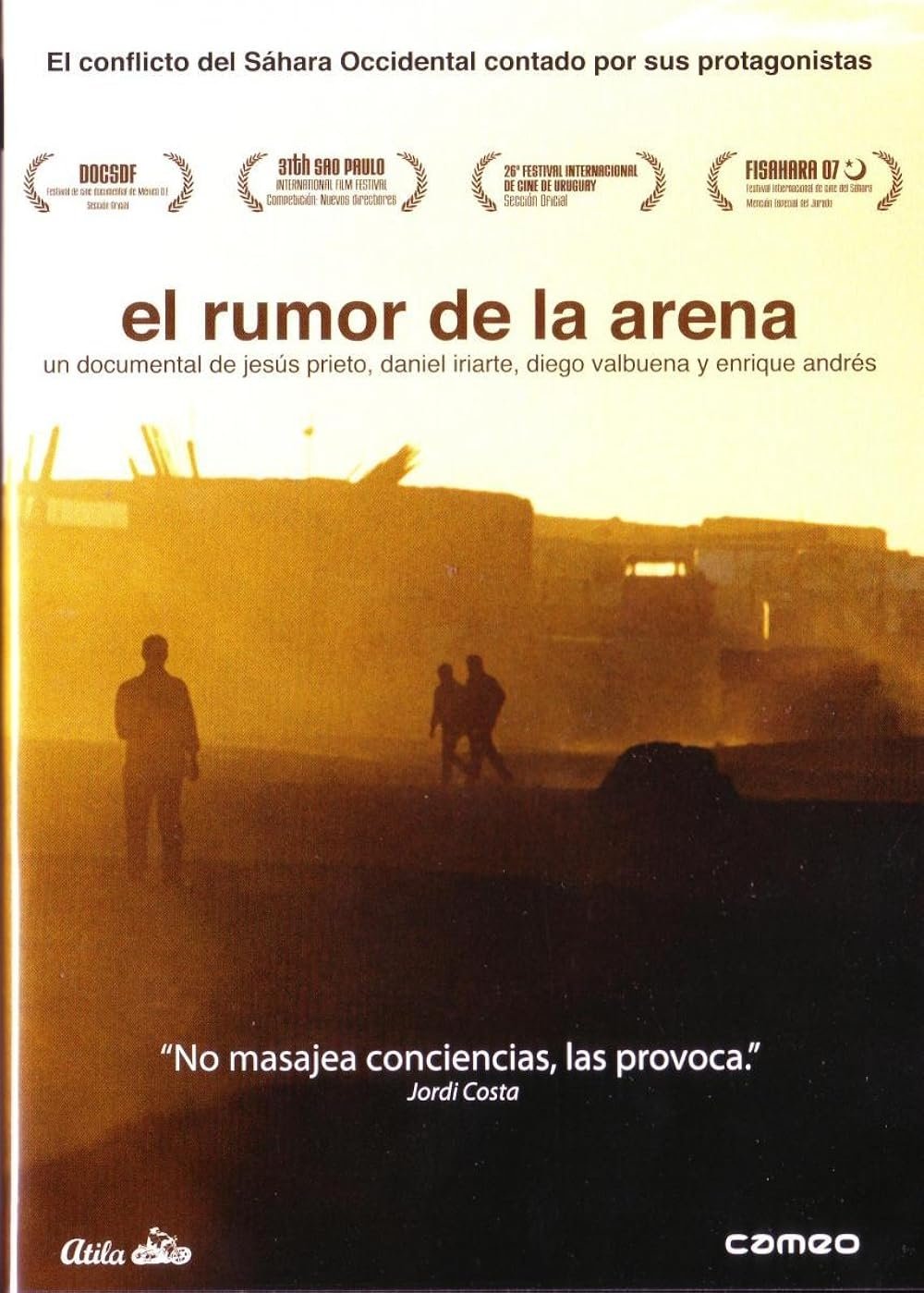
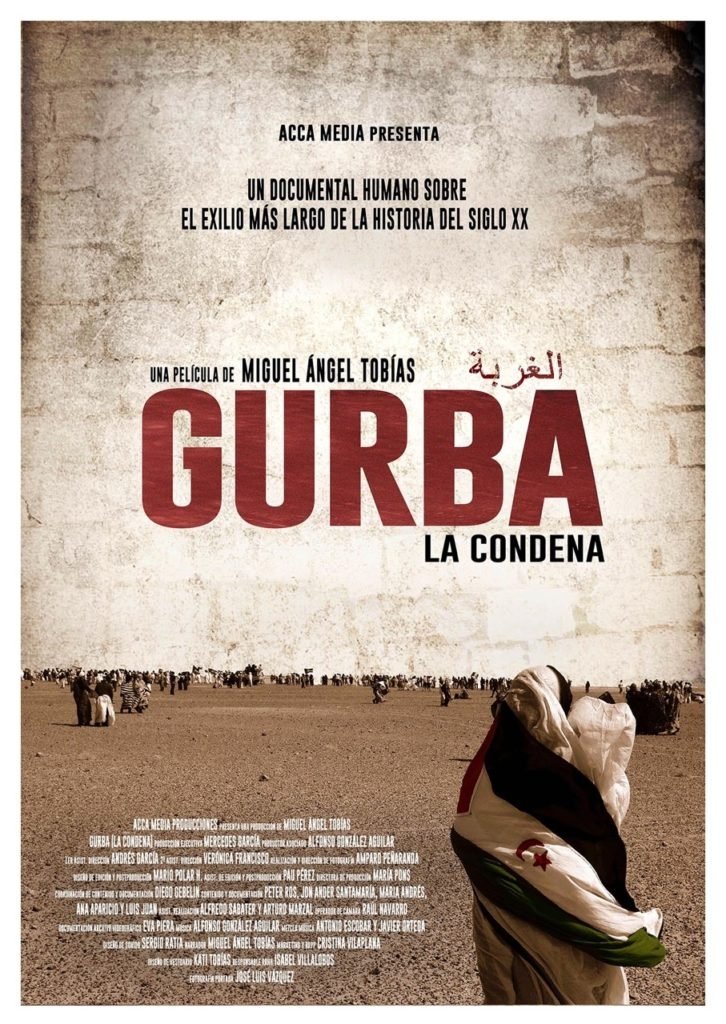
Documentary that explains the current climate of political turmoil in the north of Africa caused by the embedded problem of the decolonization of Western Sahara. A region on the brink of war. The responsibility of Western governments and social media, especially France and Spain, whose foreign policy based on economic interests puts on the background moral principles. In the case of Spain also its responsibilities as administrator of the territory which has triggered a situation of chaos and violence. The film describes the current situation of Western Sahara in its three conflict zones, presents its protagonists and denounces the informative silence condemning the Saharawi people to the oblivion.
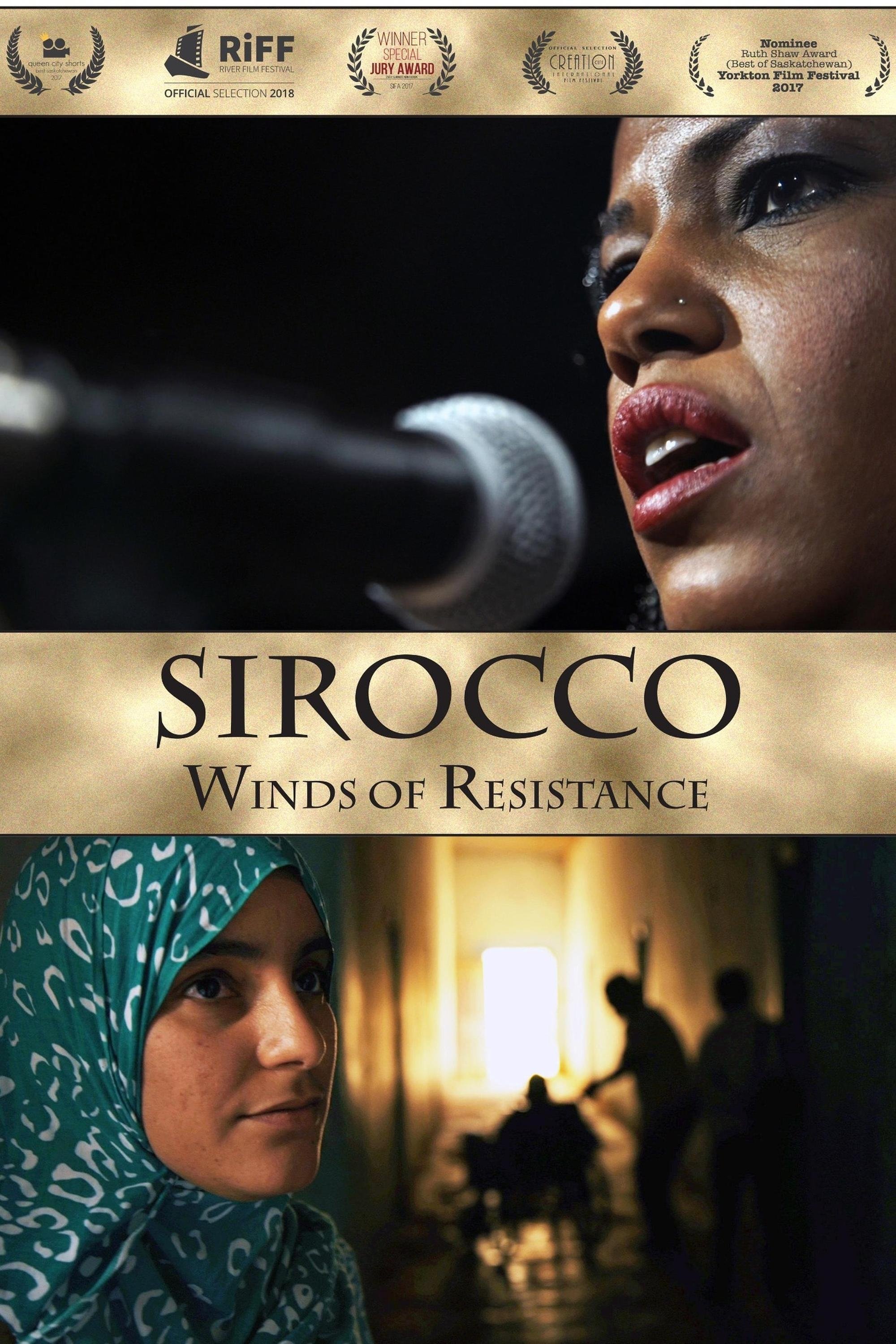
Drawing from the inspiration of their grandmothers, singer Aziza Brahim and activist Senia Abderhaman wrestle for the independence of their people from a brutal and corporate backed Moroccan regime using culturally derived methods of music, poetry, and nonviolent resistance.
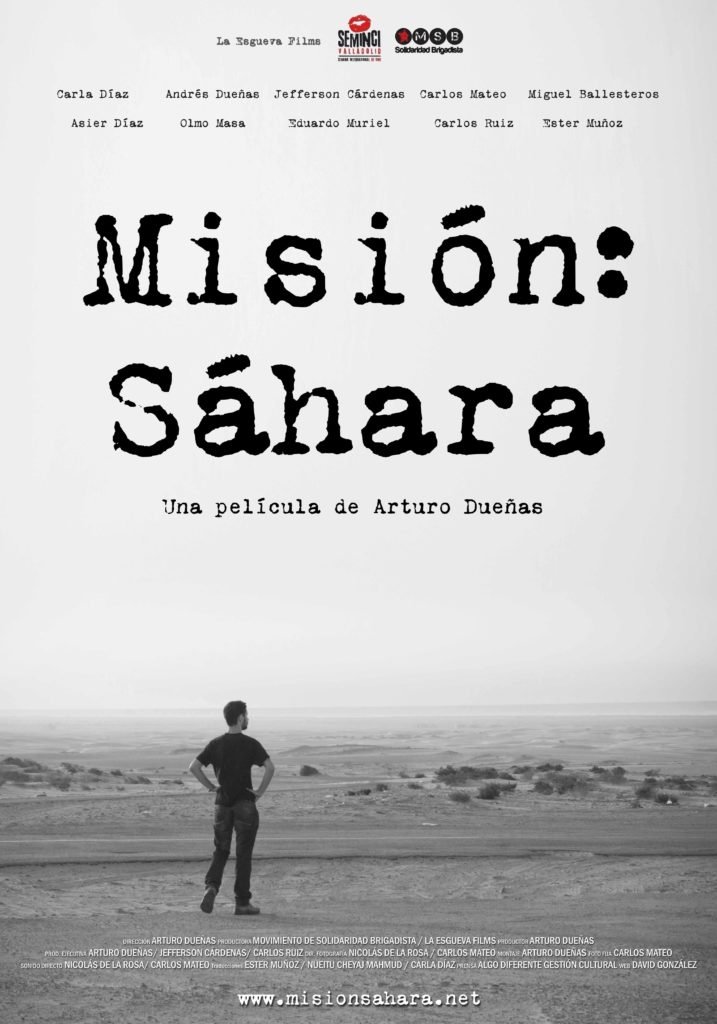
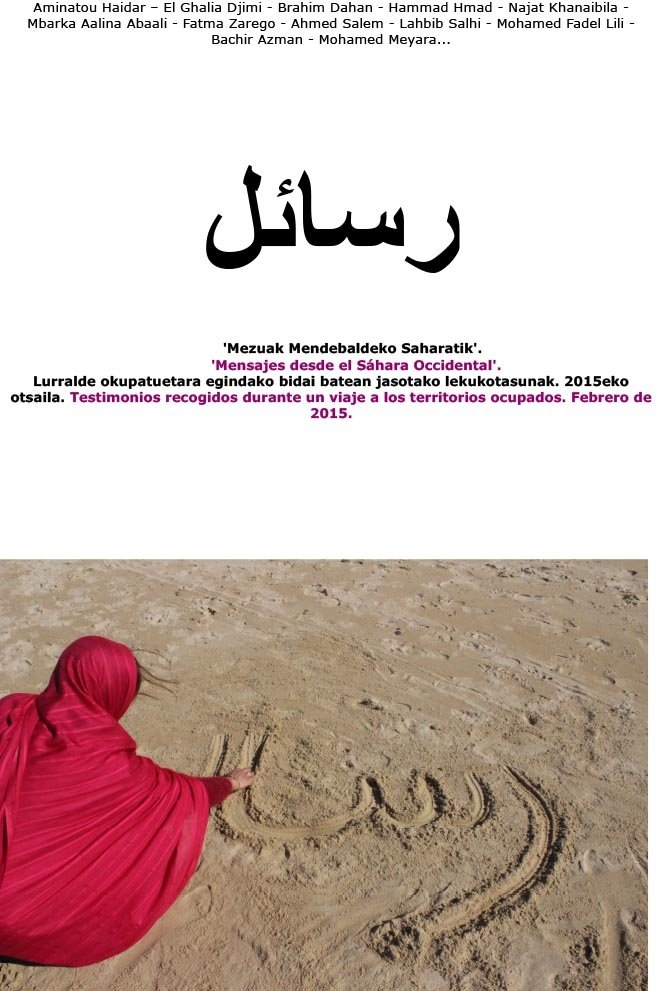
This report was carried out clandestinely in the occupied territories of Western Sahara. In it testimonies are heard concerning the plunder of natural resources, the repression and the camp of Gdeim Izik. The report ends with the expulsion of the journalists by the Moroccan police.
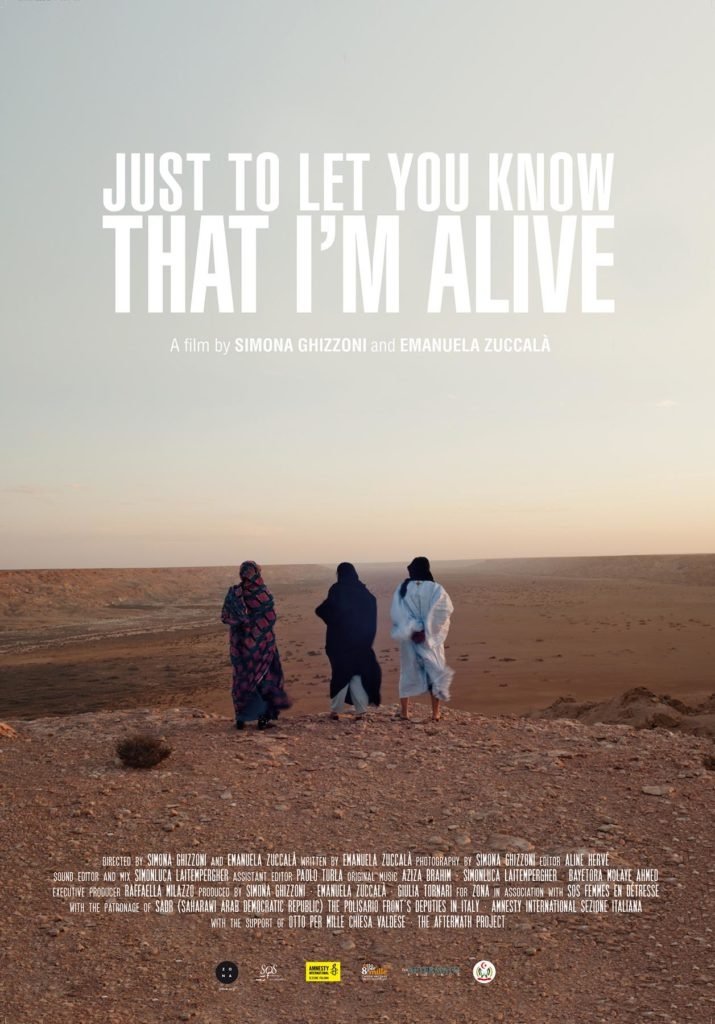
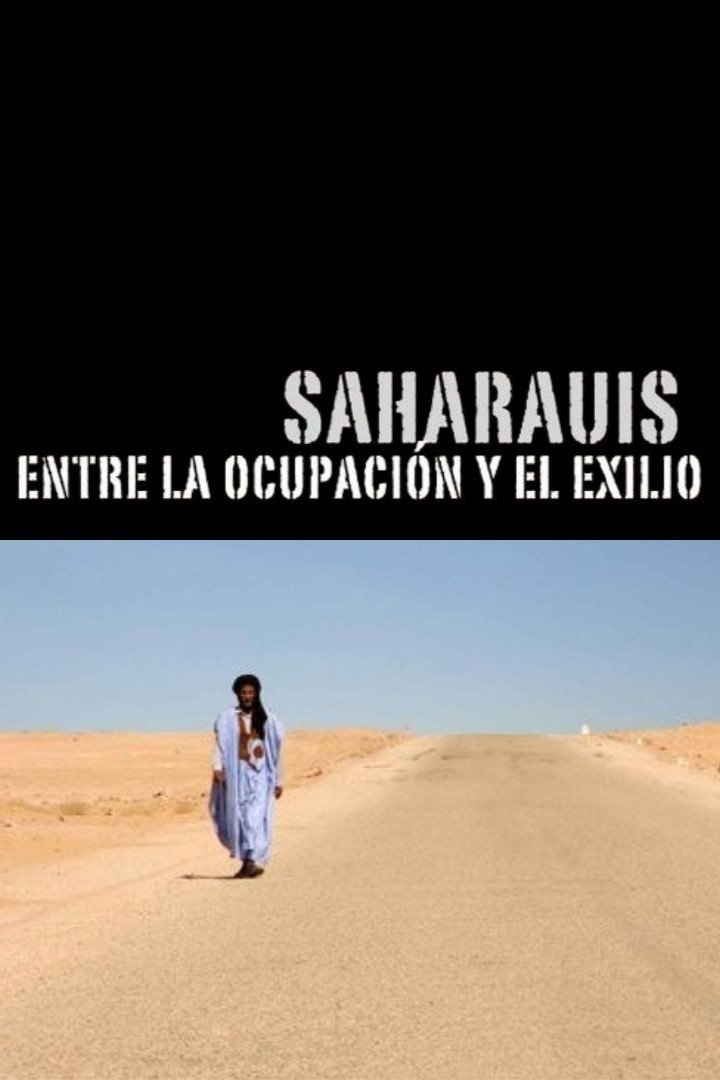
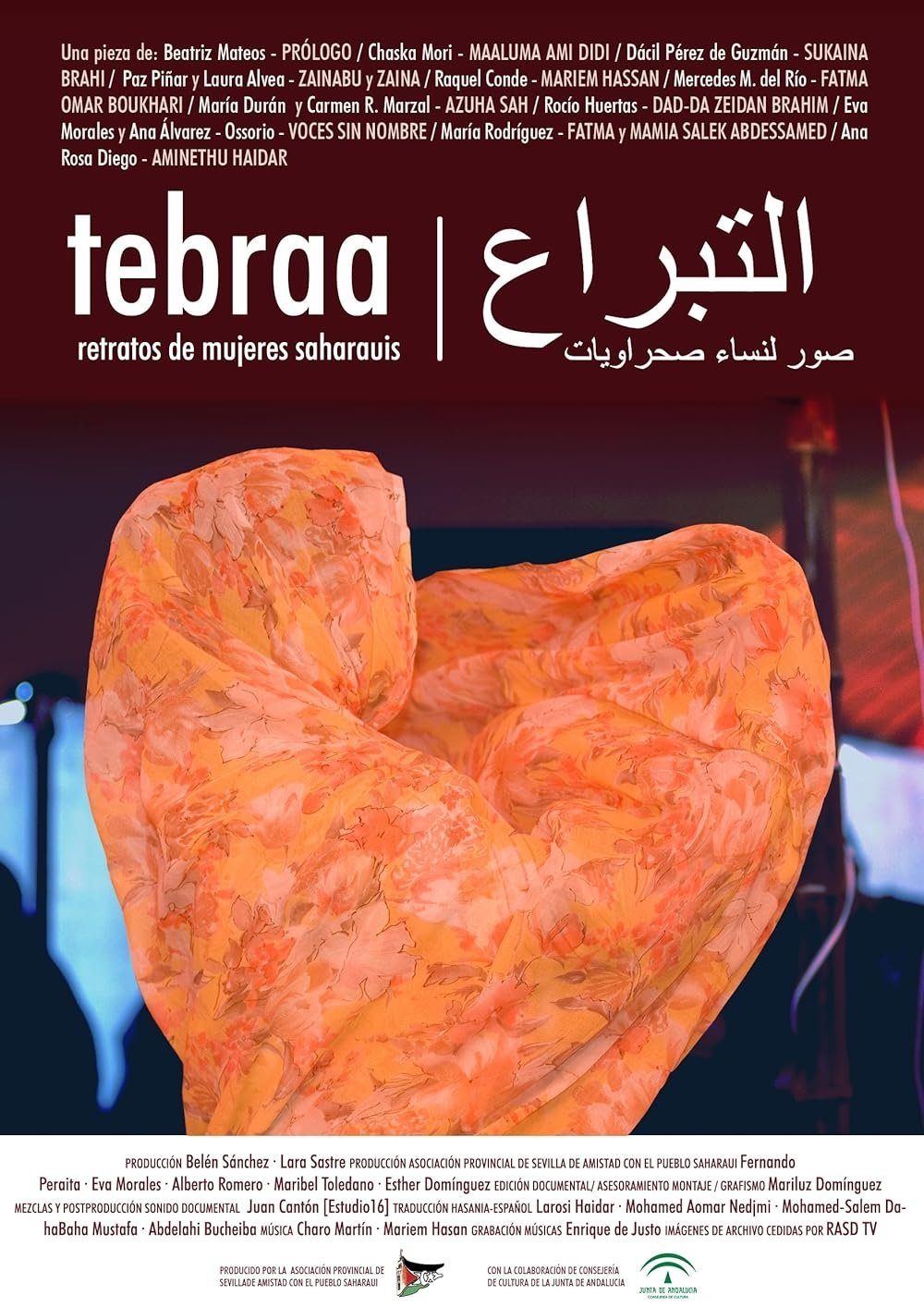
This is the reality of women of the same nation who live divided by the wall that has separated them for 35 years now. Exiled Sahrawi women who live in the refugee camps in Tindouf (Algeria) have a 88% representation rate in teaching and in healthcare, and 9% in government, evidence that they are the fundamental pillar of society. The ones who remained in the occupied territories of Western Sahara are part of every aspect of the struggle and activism against Moroccan occupation. They protest at the intifadas, they research the plunder of their natural resources, they paint flags, write pamphlets and they belong to the organisations that defend Sahrawi human rights in Western Sahara. These women: former prisoners, formerly missing, activists, today are tortured, harassed, followed, surveilled and violated simply for defending their legitimate right to freely express themselves in favour of Western Sahara’s independence.

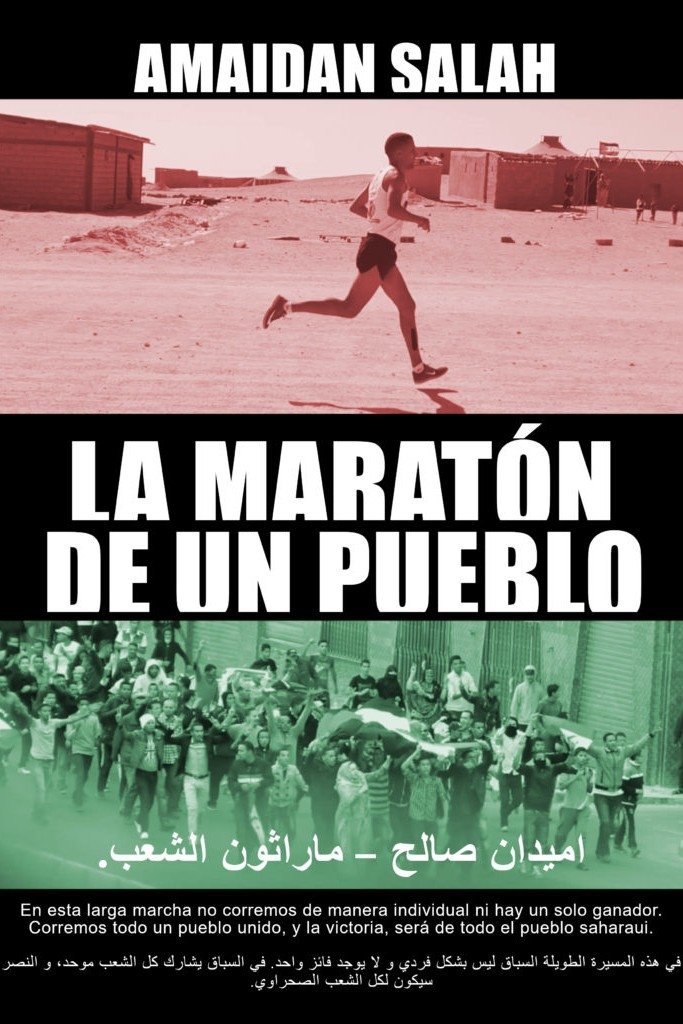
A documentary about the situation of the saharawi people in the refugee camps of Tindouf through the life and participation in the 2019 Sahara Marathon of the saharawi athlete and political refugee Amaidan Salah. An amateur documentary made using only a cellphone.
"Once you demand any rights...you are immediately arrested", Ahmed, a graduate says. As elsewhere, the Internet has become a key tool for getting information out of the country, with films and news posted to the web, bypassing the Moroccan state's censorship. Many believe Morocco must react quickly if it is too avoid a serious split and potential civil war. The Kingdom has indicated it is ready to change. Whether that will include independence for Western Sahara is yet to be seen.
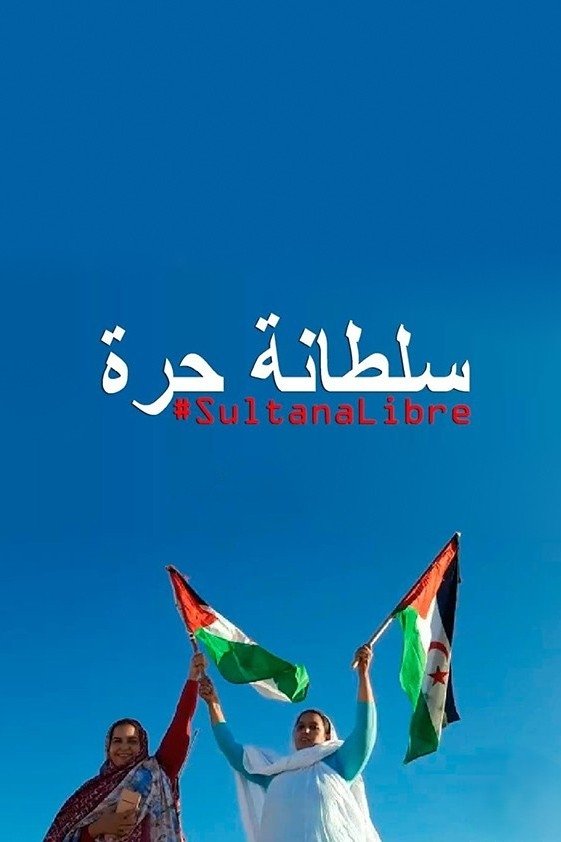
The documentary #FreeSultana, tells the story of a Sahrawi activist who has been under house arrest for a year with her entire family, without a court order. During this time, the Moroccan paramilitaries have destroyed her house, stoned, assaulted, raped, poisoned the Jaya sisters.
This documentary illustrates the story of Gdeim Izik through the voices of the Sahrawis themselves, giving personal accounts of how the camp was dismantled, what happened in the following weeks, and what it meant for them, as a people and as a nation. Our aim is to shed light on what really happened in Gdeim Izik during the autumn of 2010. The documentary is homage to the courage and strength of the Sahrawi people in their historic and unprecedented action, and it seeks recognition of their role in setting off the revolutions in the Arab world. Its aim is also to report and denounce the hypocritical role of foreign governments, the Moroccan government’s concealment of facts, and the way the Spanish government has been complicit in the situation through its policy of non-intervention in a conflict in which it is unavoidably involved.
In May 2005, after 30 years of Moroccan occupation, Saharawi students initiated a series of peaceful demonstrations demanding their right to the United Nations-mandated referendum on Western Saharan independence. The Moroccan authorities responded with a brutal campaign of repression, detaining and torturing human rights activists as well as Saharawi students and children as young as eight years old.
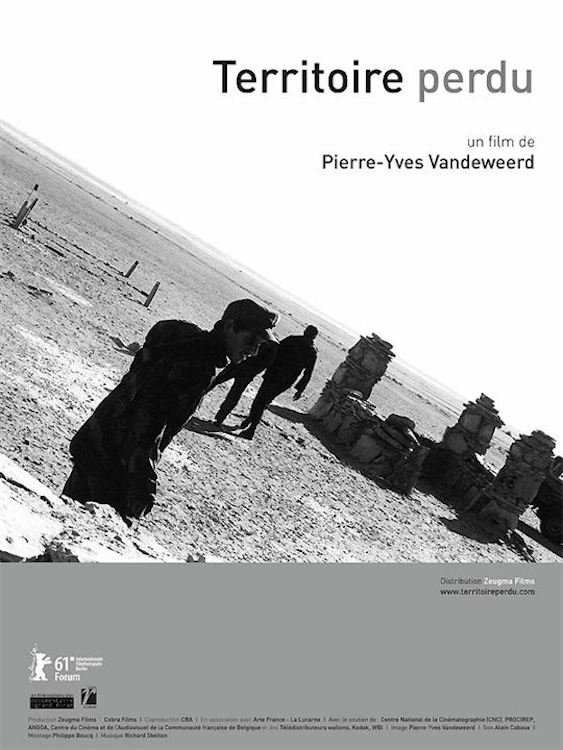
Straddling a 2,400-kilometer-long wall constructed by the Moroccan army, the Western Sahara is today divided into two sections — one occupied by Morocco, the other under the control of the Sahrawi National Liberation Movement’s Polisario Front. Drawing from stories of flight, exile, interminable waiting and the arrested, persecuted lives on both sides of that wall, this film bears witness to the Sahrawi people, their land, their entrapment in other people’s dreams. In an esthetic that sublimates the real, Lost Land resonates like a score that juxtaposes sonorous landscapes, black-and-white portraits and nomadic poetics.
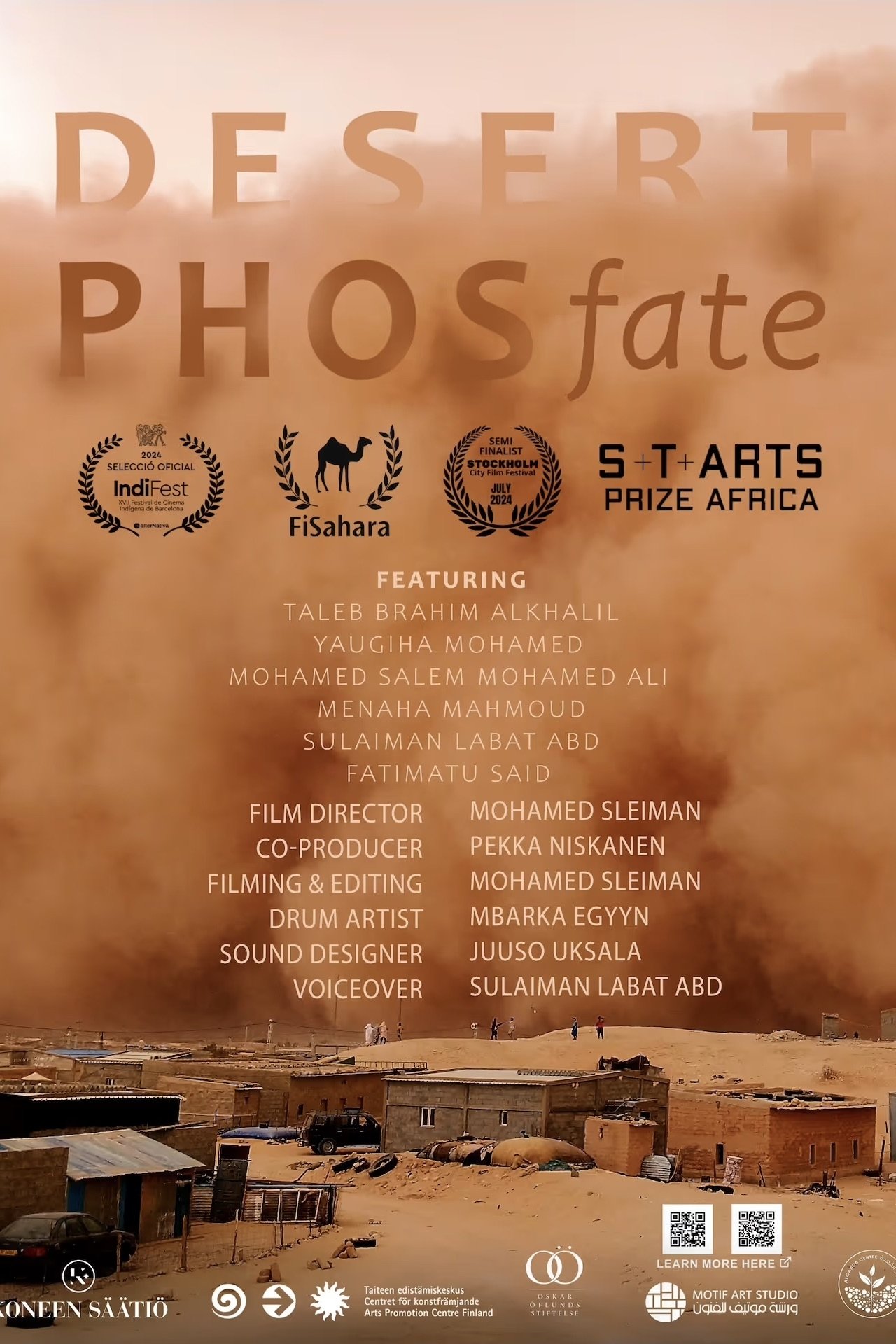
DESERT PHOSfate is an artist film that tells about the impact of phosphate on the Sahrawi community and its fate, including the surprising emergence of family gardens and their knowledge of how to farm in the desert without the processed phosphorus that had caused the dislocation of the Sahrawi nomads from their homeland of Western Sahara.
abel and Antonio are human rights activists. They were awoke by the loud noise of sirens and the roar of thousands of screamings. They picked what they could, between what was the camcorder. They switched it on and started recording what their eyes could not believe: the savage assault and destruction of the largest protest camp ever raised in the Sahara: Gdeim Izik. Tried to contact international press but their satellite phone had been disabled. Antonio and Isabel had to find a way to show these images to the world. It wouldn't be easy. They would have to spend nine days hidden in a safe house during one of the most obscure incidents in the Moroccan history.
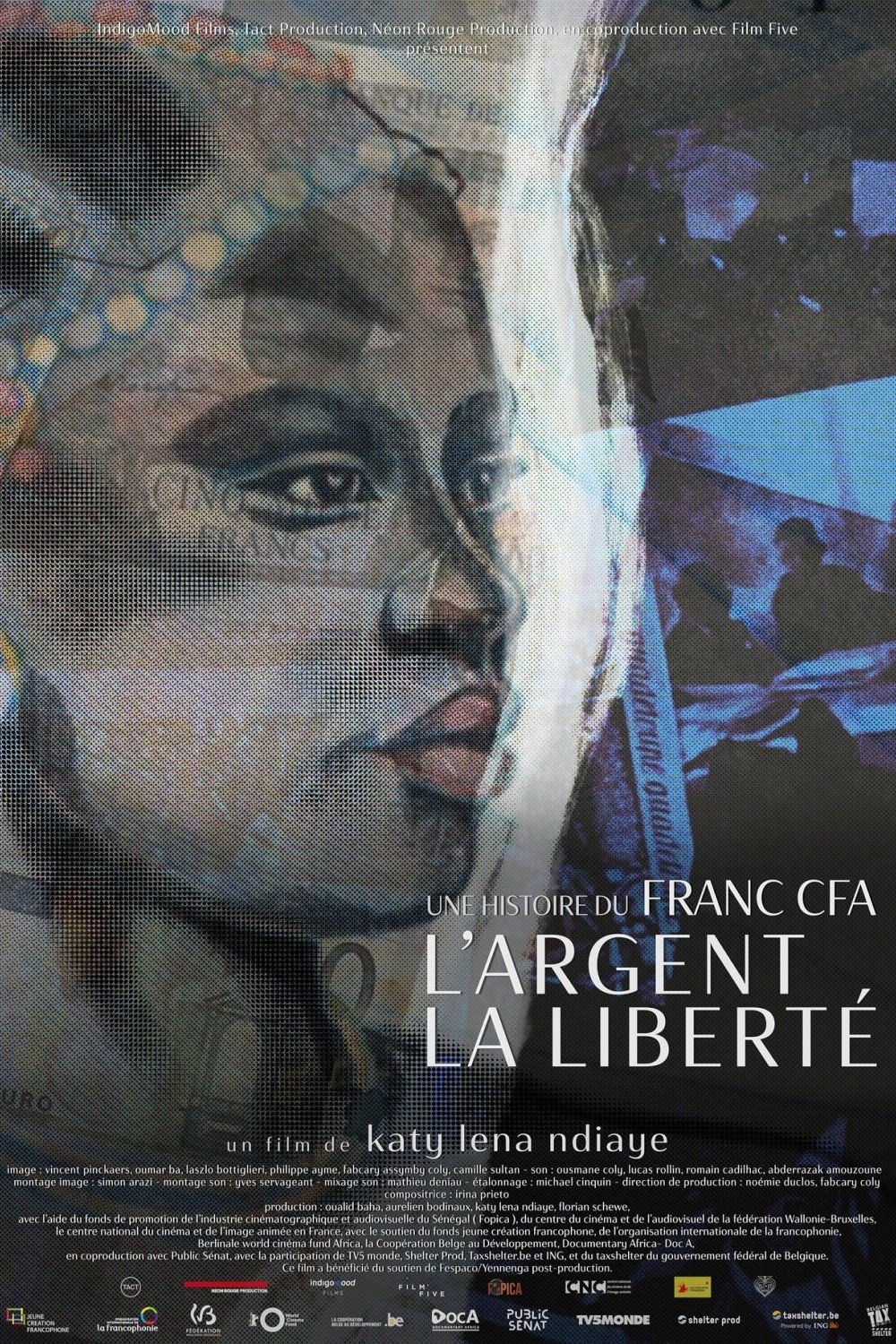
The former French colonies in Central and West Africa have been independent since 1960, but most of these countries still use the currency of the former oppressor: the CFA franc. It was linked to the French franc when it was introduced, so the national bank in Paris controlled monetary policy. Now the currency has a fixed exchange rate with the euro. The link with the European currency strongly influences the monetary policy of CFA countries. And that means the value of the CFA franc is defined by political decisions taken elsewhere, rather than by the domestic economy.
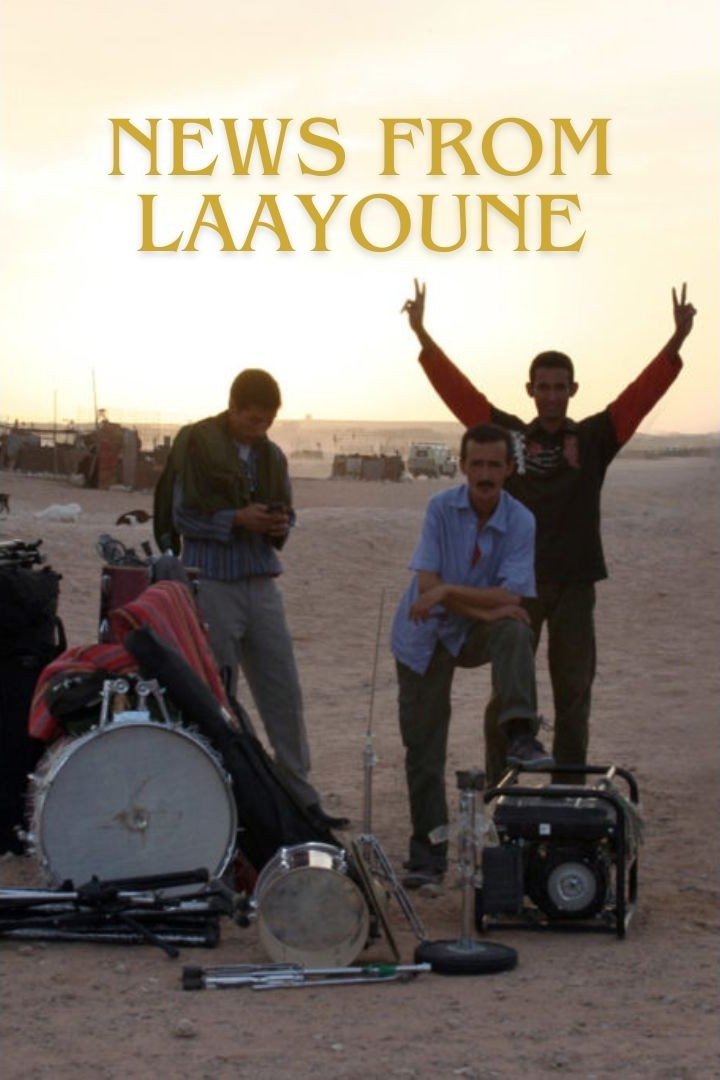
The film follows a couple of young boys in the Saharian refugee camp „February 27“ located in the bleak desert area of southwestern Algiers. One by one, they ran away from the occupied part of Western Sahara. Music is their only weapon in the everlasting struggle for freedom and independence of their own country – Western Sahara.
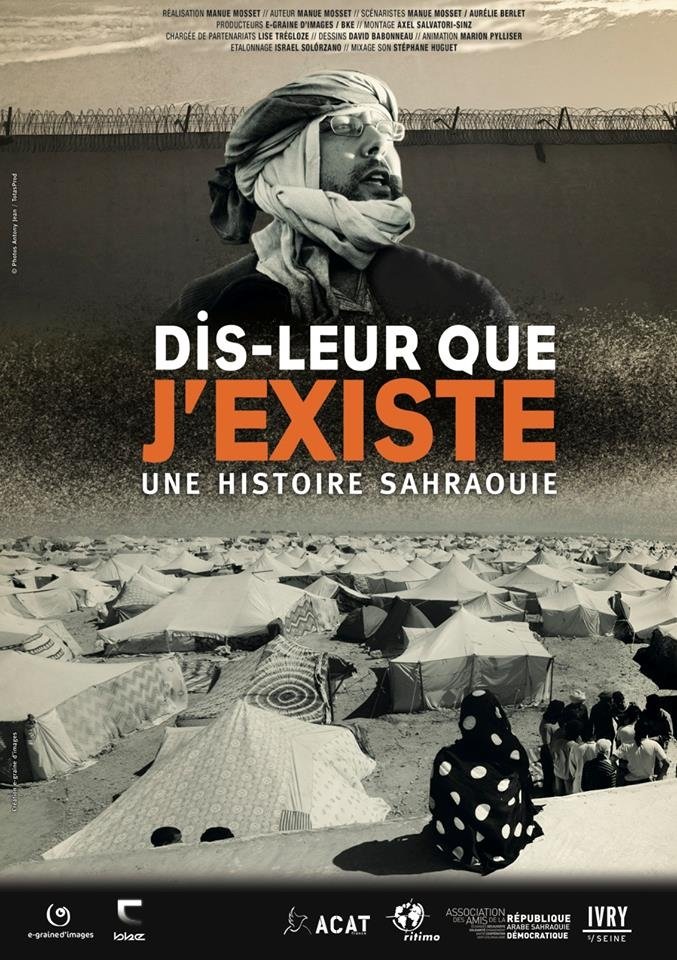
Tell them I exist paints the portraits of Naâma Asfari, a Sahrawi jurist and pro-independence activist sentenced to 30 years detention in Morocco; and of his wife, Claude Mangin, who from prison visits to diplomatic meetings, from filing complaints for torture to shows of support, continues to mobilize and raise awareness of the situation in Western Sahara, and of the fate of her husband, in the hope of his release or at least a new and fair trial.
How would you claim your identity in a hostile land? How could you live under harassment and repression? How would you make your voice break through the walls of silence? Sahrawi young people living at the Occupied Territories (O.T) are required to study at the occupying country. But a river resonates all over the desert...
This film is about the suffering of Sahrawi youth in the occupied Western Sahara. It tells the tragic story of their lives under occupation, and how Moroccan authorities push them to risk their lives and leave their homeland on flimsy boats to flee from a life of repression, fulfilling Morocco's goal of emptying the territory of youth, who are the foundations of society.
An international team of 4 friends undertake the Plymouth to Dakar Challenge a ‘banger rally’ which annually shadows the route of the Paris Dakar Rally. They acquire two old Mercedes vans and take a 3 week route through Spain, Morocco, Western Sahara, Mauritania, Senegal and Gambia. They arrange to transport prosthetic limbs for a Bristol based charity to a clinic in Gambia providing help to amputees. Interviewing a number of experts on the 30 year conflict between Morocco and the Saharawi natives, they arrange to meet with Saharawi ‘dissidents’ in the Western Sahara to expose their oppression by Moroccan authorities who they claim are occupying their land and profiting from their national resources.
Awserd refugee camp, Tindouf. Fatma has not seen her brother for 30 years, since they parted after the Moroccan invasion of Western Sahara. Now he is coming on a United Nations flight to stay for a few days. While Fatma and her family prepare for the visit, they describe their life in the worst corner of the Algerian desert. Meanwhile, human rights activists in the Sahara itself are persecuted by the Moroccan authorities. Leading figures and specialists in the subject set out their theories for securing a fair solution to this conflict, which has already continued for too long.
After the military occupation of Western Sahara in 1976, Moroccan government attacked the civil population with hard repression, forcing hundreds of Saharan people to “disappear” in clandestine jails. An invisible and slow death was the only horizon. However, some prisoners were able to survive after suffering their own “extinction” for more tan 10 years, ripped from their families, suffering torture, in total isolation. When they finally were released, their known world had changed radically.
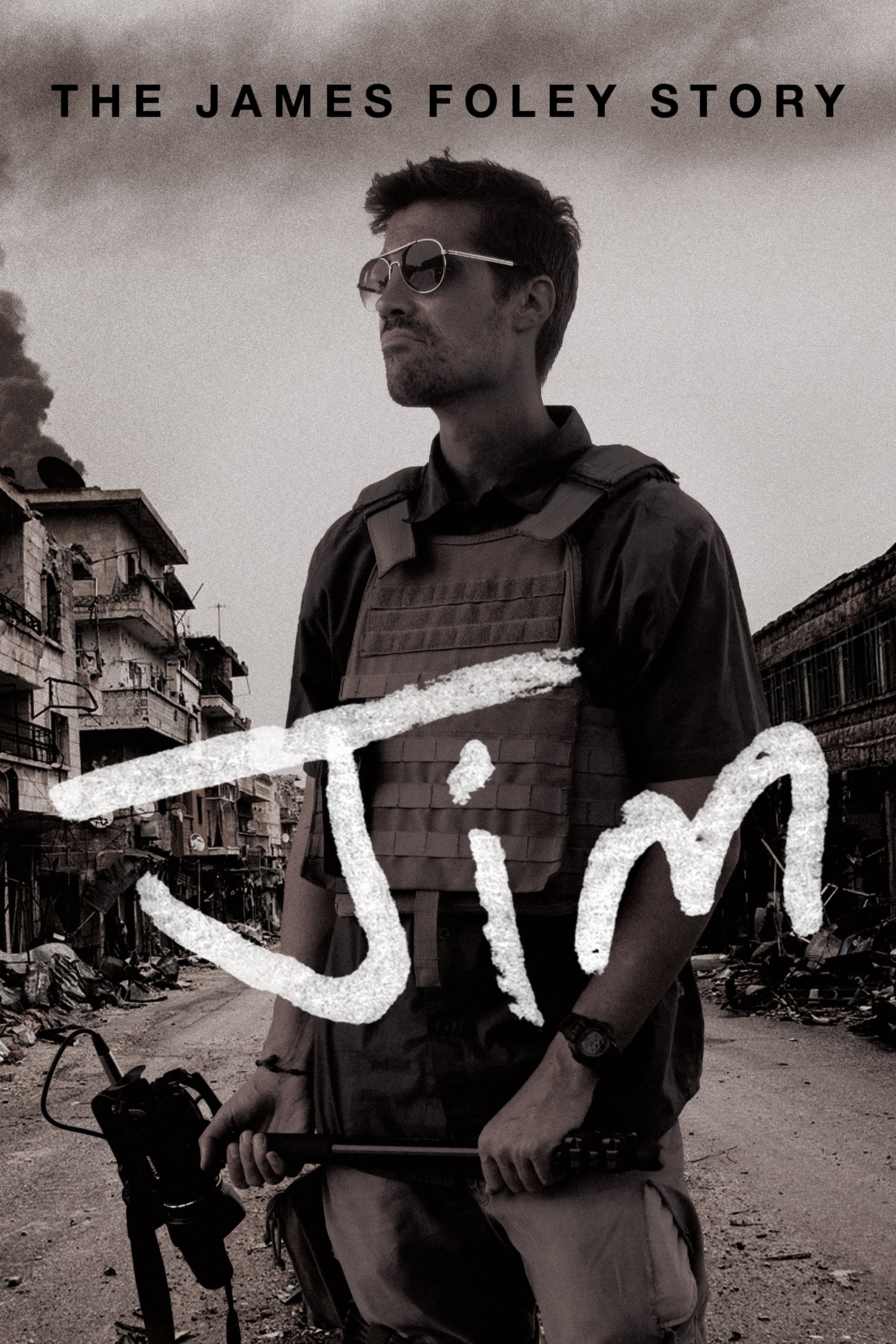
With unprecedented access, this documentary follows the extraordinary journey of “Raqqa is Being Slaughtered Silently”—a group of anonymous citizen journalists who banded together after their homeland was overtaken by ISIS—as they risk their lives to stand up against one of the greatest evils in the world today.
A documentary about how a dominant cultural and demographic institution both sustains their traditional activities and adapts to the digital revolution.
A documentary on the expletive's origin, why it offends some people so deeply, and what can be gained from its use.
Follow the evolution of the 'Halloween' movies over the past twenty-five years. It examines why the films are so popular and revisits many of the original locations used in the films - seeing the effects on the local community. For the first time, cast, crew, critics and fans join together in the ultimate 'Halloween' retrospective.
A behind the scenes look into George Romero's groundbreaking horror classic Night of the Living Dead.
Going beyond the occasional news clip from Burma, the acclaimed filmmaker, Anders Østergaard, brings us close to the video journalists who deliver the footage. Though risking torture and life in jail, courageous young citizens of Burma live the essence of journalism as they insist on keeping up the flow of news from their closed country.
A detailing of the rise to prominence and global sporting superstardom of six supremely talented young Manchester United football players (David Beckham, Nicky Butt, Ryan Giggs, Paul Scholes, Phil and Gary Neville). The film covers the period 1992-1999, culminating in Manchester United's European Cup triumph.
A visual montage portrait of our contemporary world dominated by globalized technology and violence.
When Allied forces liberated the Nazi concentration camps in 1944-45, their terrible discoveries were recorded by army and newsreel cameramen, revealing for the first time the full horror of what had happened. Making use of British, Soviet and American footage, the Ministry of Information’s Sidney Bernstein (later founder of Granada Television) aimed to create a documentary that would provide lasting, undeniable evidence of the Nazis’ unspeakable crimes. He commissioned a wealth of British talent, including editor Stewart McAllister, writer and future cabinet minister Richard Crossman – and, as treatment advisor, his friend Alfred Hitchcock. Yet, despite initial support from the British and US Governments, the film was shelved, and only now, 70 years on, has it been restored and completed by Imperial War Museums under its original title "German Concentration Camps Factual Survey".
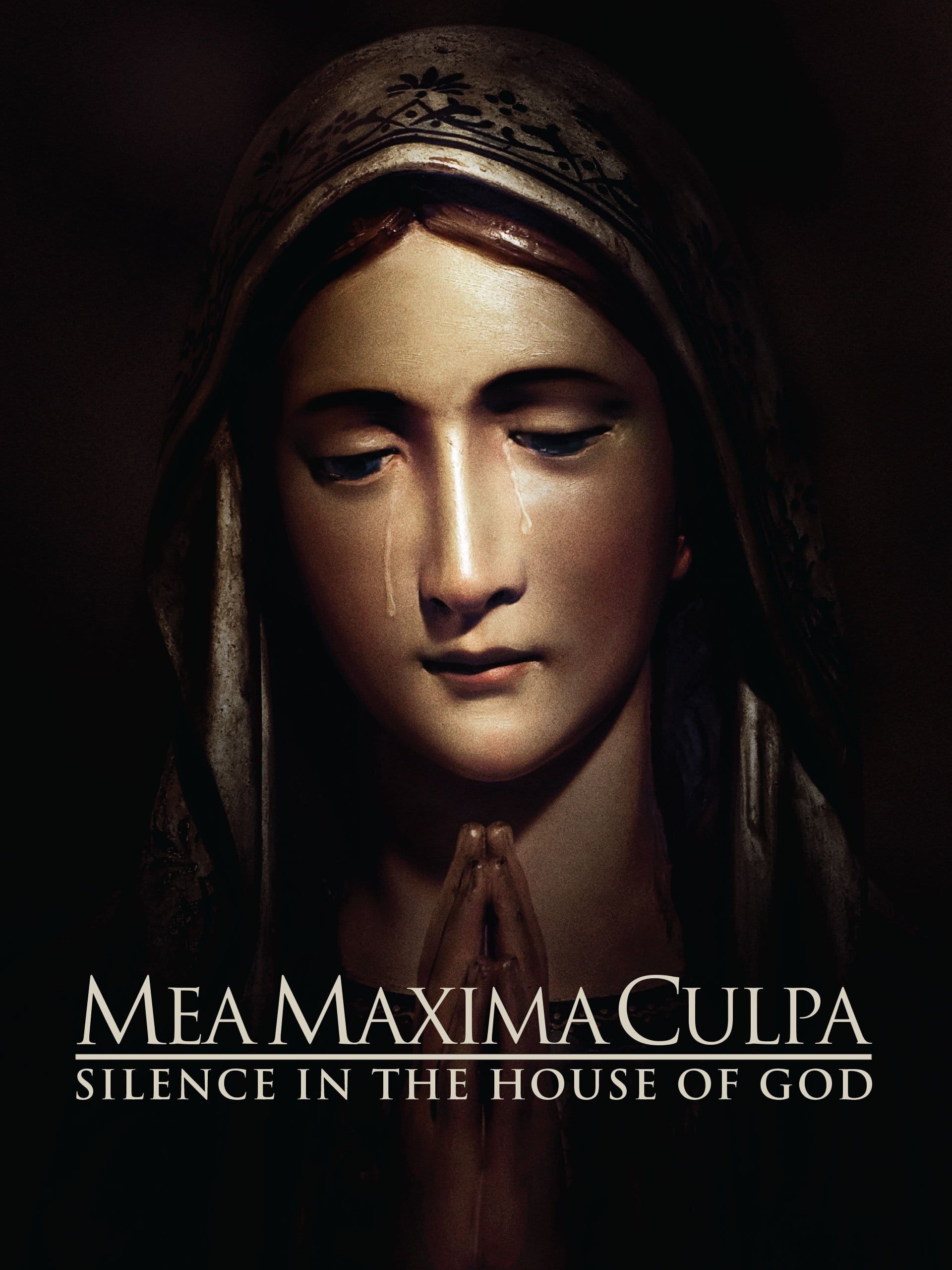
Alex Gibney explores the charged issue of pedophilia in the Catholic Church, following a trail from the first known protest against clerical sexual abuse in the United States and all way to the Vatican.
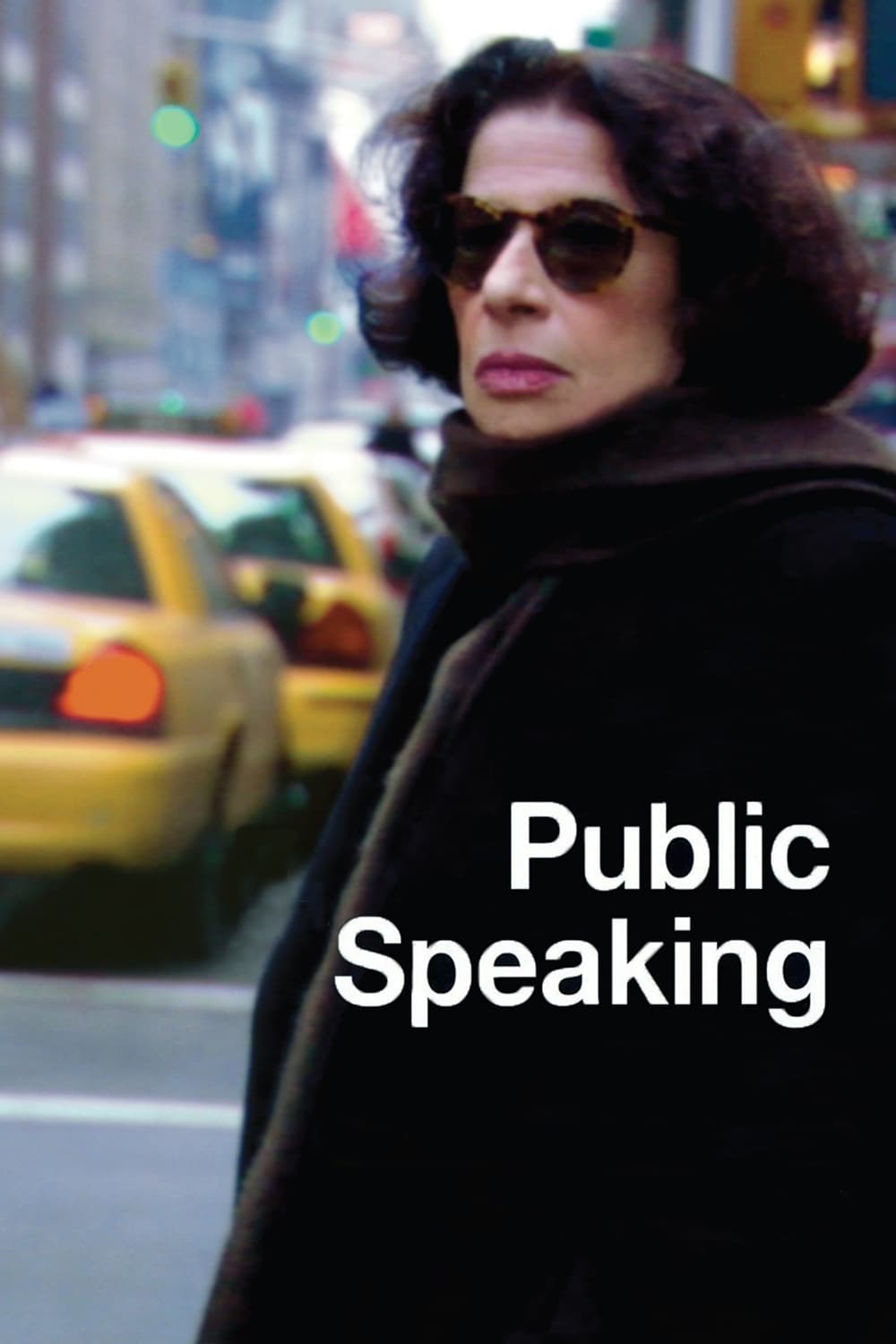
Martin Scorsese’s portrait of writer and social commentator Fran Lebowitz, celebrated for her sharp wit and observations on modern life. Filmed at New York’s Waverly Inn and intercut with archival footage and interviews, the documentary captures Lebowitz’s distinctive worldview through her spontaneous monologues and public appearances.
A documentary focused on plastic pollution in the world's oceans.
A documentary that explores the downloading revolution; the kids that created it, the bands and the businesses that were affected by it, and its impact on the world at large.
Film adaptation of French economist Thomas Piketty's ground-breaking global bestseller of the same name: an eye-opening journey through wealth and power.
A journey inside the world of real life caped crusaders. From all over America, these self-proclaimed crime fighters, don masks, homemade costumes and elaborate utility belts in an attempt to bring justice to evildoers everywhere.
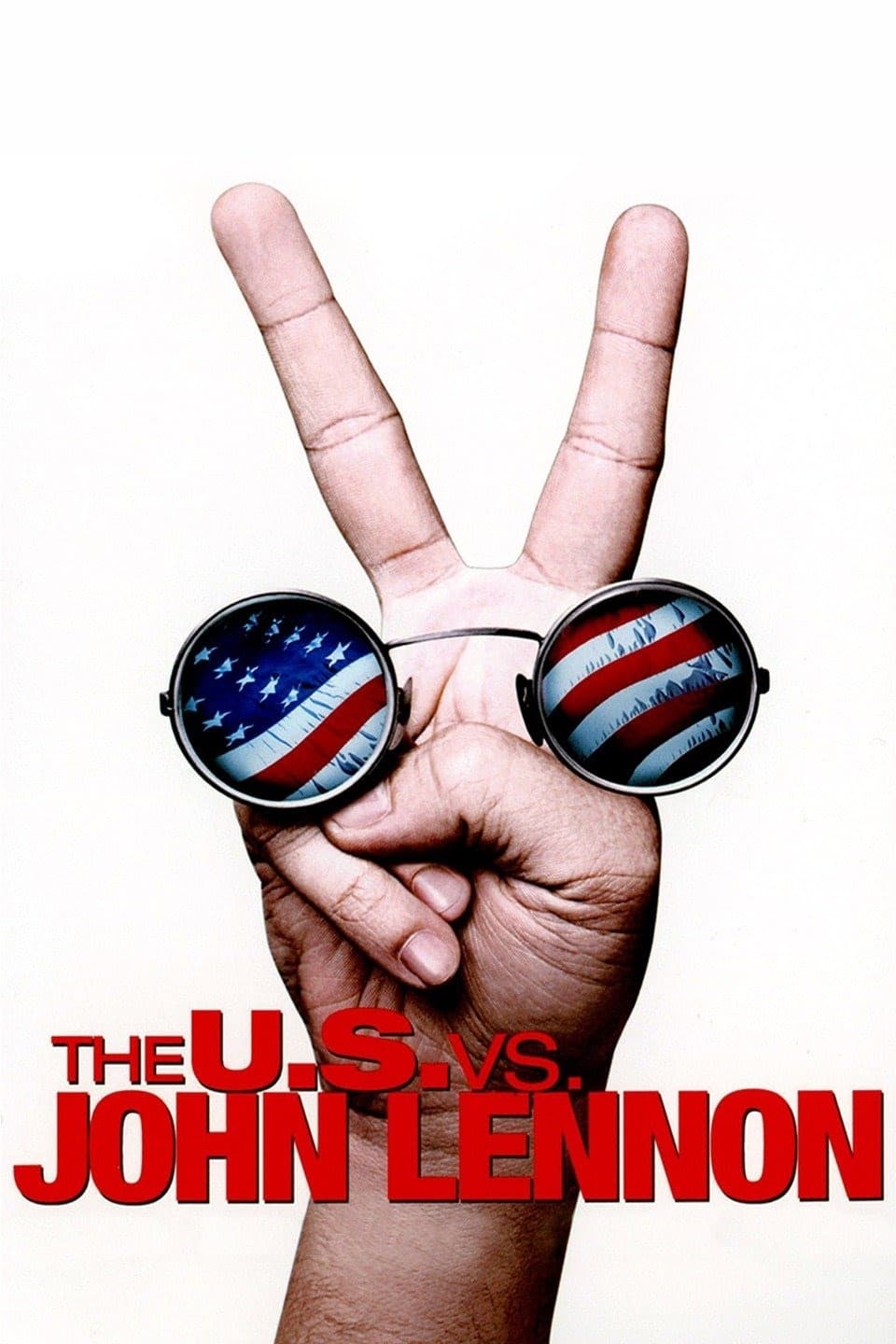
A documentary on the life of John Lennon, with a focus on the time in his life when he transformed from a musician into an antiwar activist.
A documentary detailing the epic Rogues' Gallery of DC Comics from The Joker and Lex Luthor, Sinestro, Darkseid and more, this documentary will explore the Super Villains of DC Comics.
The Making-of James Cameron's Avatar. It shows interesting parts of the work on the set.
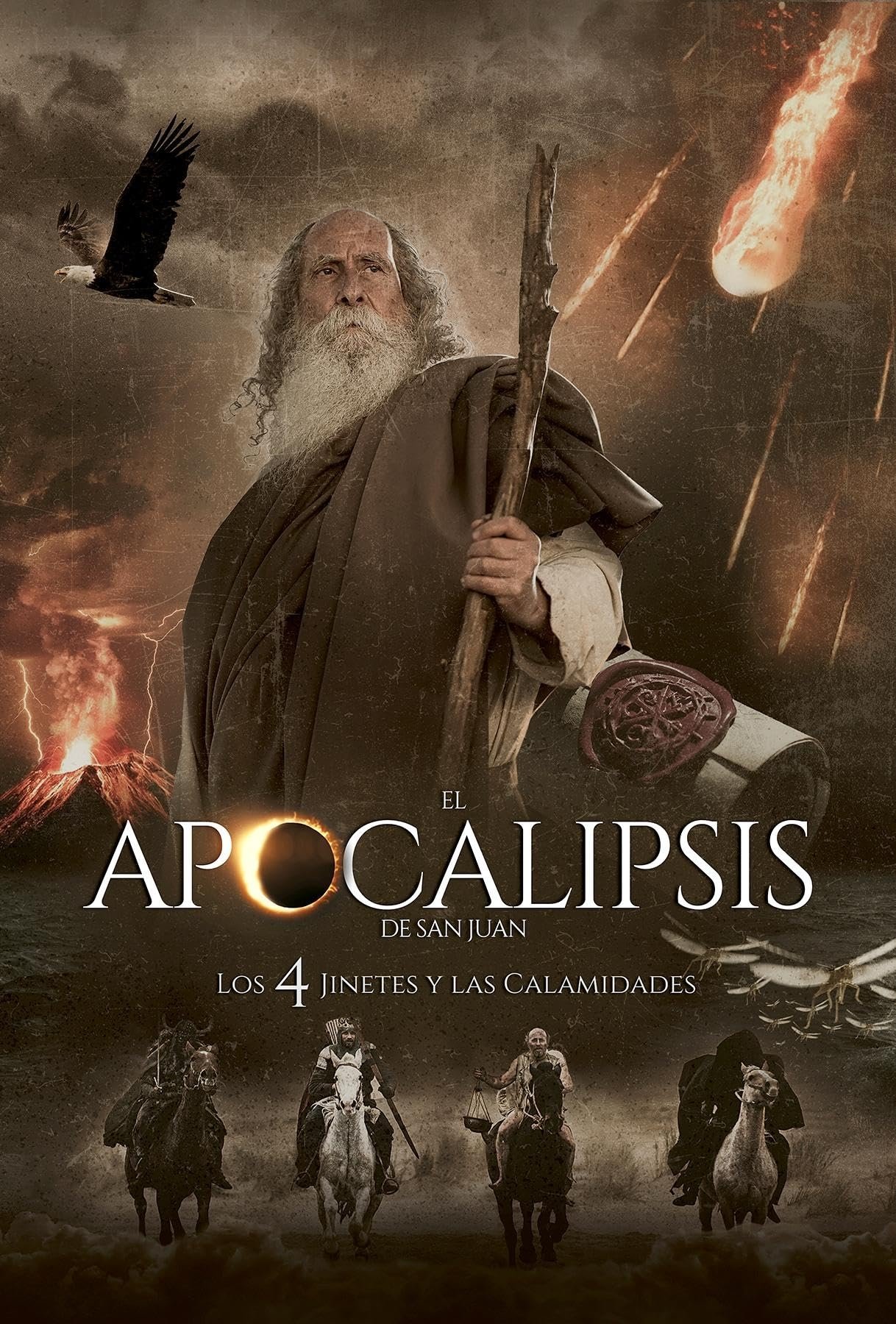
Embark on an epic journey through time and faith with 'The Apocalypse of Saint John.' Join the Apostle John in a stunning visual narrative that unravels the visions of the End Times. Experience each vision like never before, with striking visual effects and epic scenes that immerse you in the apocalyptic narrative.
A documentary about the sport of boxing, as seen through the eyes of champions Mike Tyson, Evander Holyfield and Bernard Hopkins.