Social & External
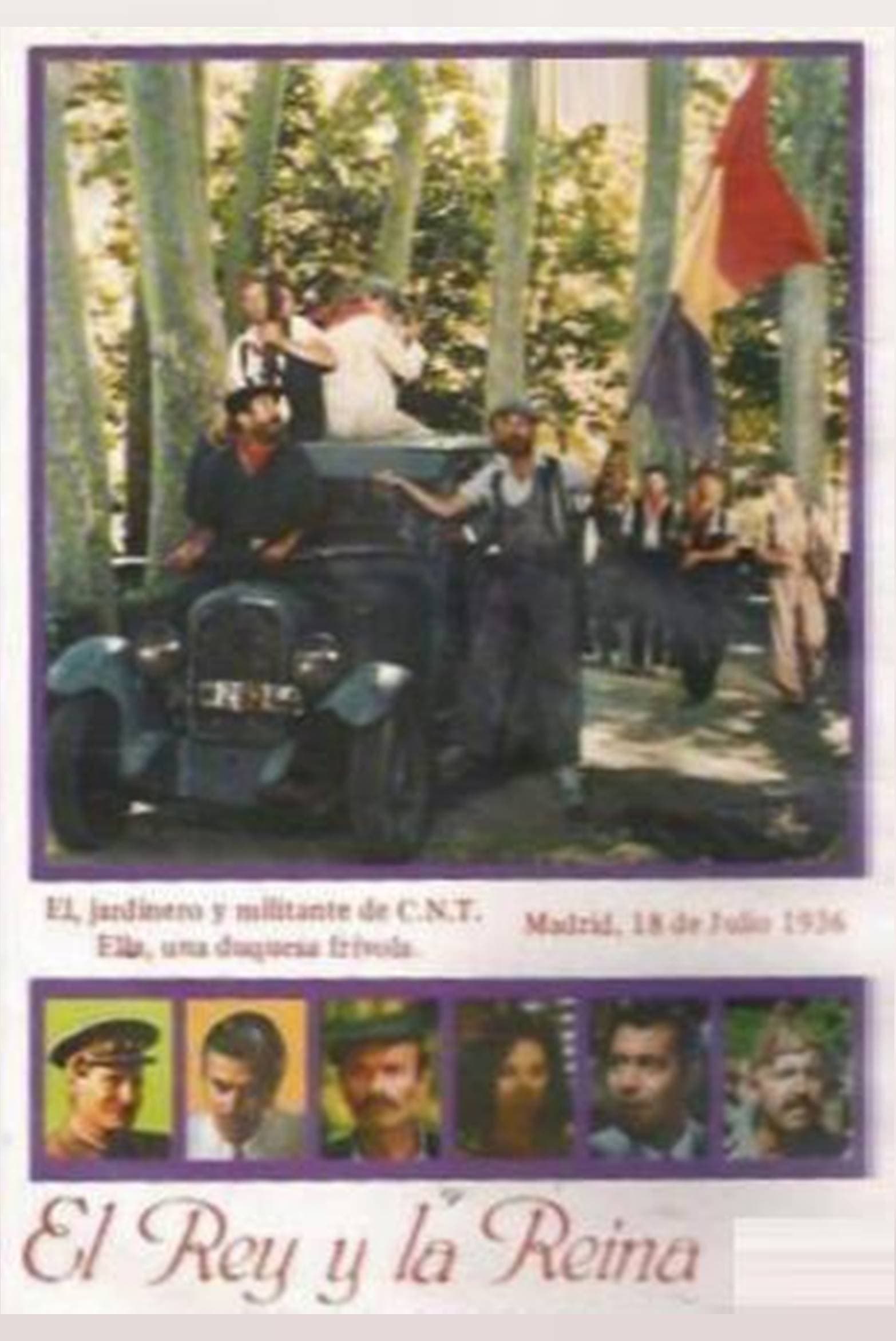
Manuel
Sara
Bernabé
Fermín
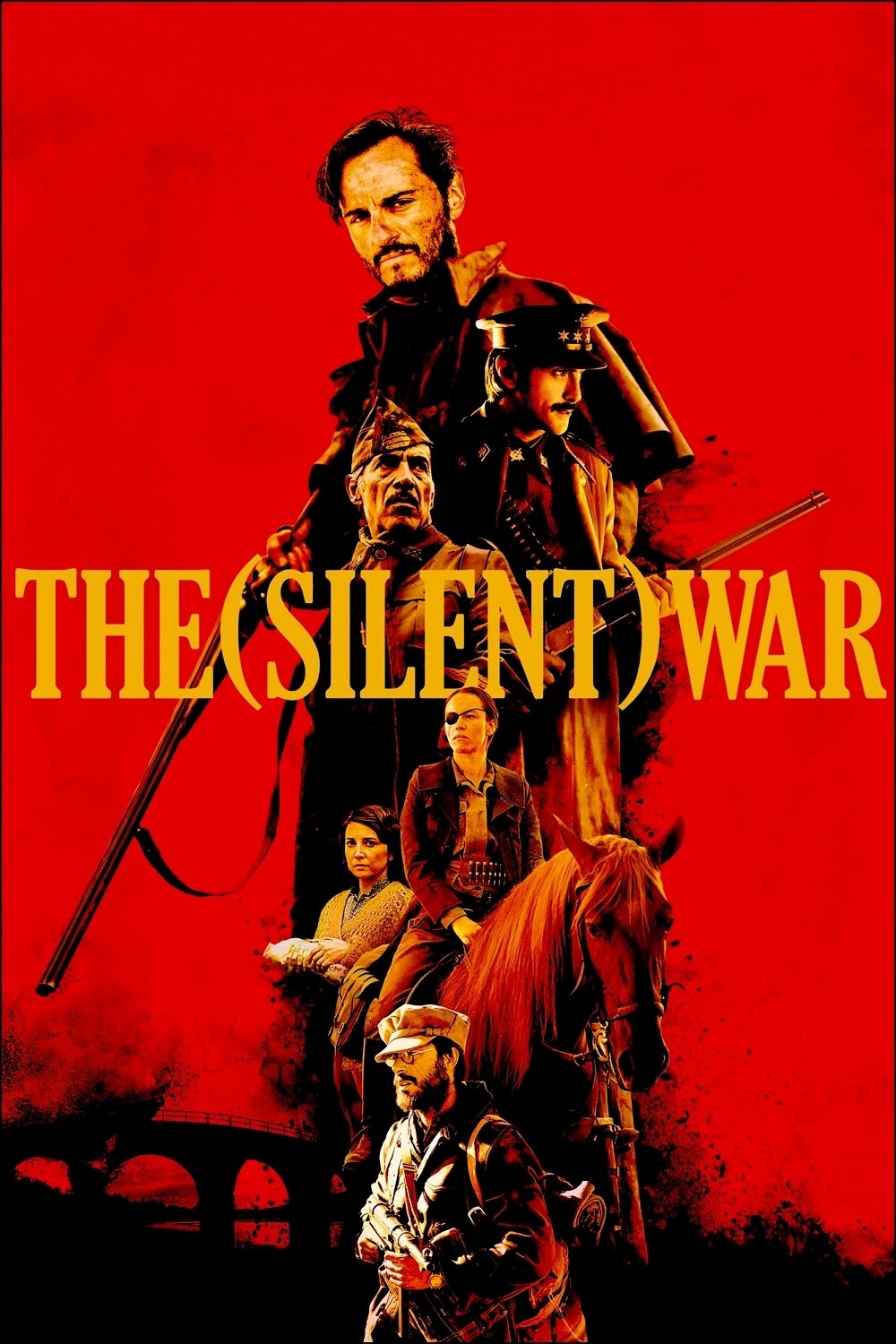
American woman in Europe romanced by local gigolo; problems ensue.
A particular reading of the hard years of famine, repression and censorship after the massacre of the Spanish Civil War (1936-39), through popular culture: songs, newspapers and magazines, movies and newsreels.
Don Sallust is the minister of the King of Spain. Being disingenuous, hypocritical, greedy and collecting the taxes for himself, he is hated by the people he oppresses. Accused by The Queen, a beautiful princess Bavarian, of having an illegitimate child to one of her maids of honor, he was stripped of his duties and ordered to retire to a monastery.
Greek painter Domenikos Theotokopoulos (Mel Ferrer) woos a beauty (Rosanna Schiaffino) and faces the Inquisition in 16th-century Spain.
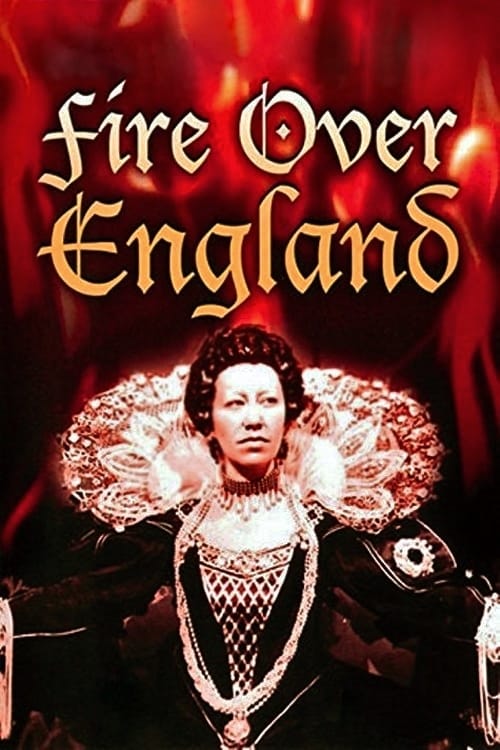
The film is a historical drama set during the reign of Elizabeth I (Flora Robson), focusing on the English defeat of the Spanish Armada, whence the title. In 1588, relations between Spain and England are at the breaking point. With the support of Queen Elizabeth I, British sea raiders such as Sir Francis Drake regularly capture Spanish merchantmen bringing gold from the New World.
Early 80's, Sara is a good-family girl, she has never been with a man, does not drinks, does not take drugs. Following her love, she enters in "El Calentito" a bar where the group "las Siux" is singing.
An urbanite moves to the countryside just before the outbreak of COVID-19. His unusual lockdown leads to irreparable damage.
After many years of confrontation, the treasures of Spain and France are empty. In 1721, the regent of France draws up an ambitious plan to inaugurate an era of peace and prosperity that will heal the economies of both nations: his intention is to build a solid network of marriage alliances that will involve four children of very different ages who know nothing of betrayals and power games…
The only son of wealthy widow Violet Venable dies while on vacation with his cousin Catherine. What the girl saw was so horrible that she went insane; now Mrs. Venable wants Catherine lobotomized to cover up the truth.
The theatre as a courtroom, the courtroom as a theatre. Alejo Moguillansky’s film draws loosely on Raúl Quirós Molina’s El pan y la sal (The Bread and the Salt), a 2015 verbatim theatre piece compiled from the testimonies provided during the 2012 trial of Judge Baltasar Garzon, for investigating the forced disappearances of the Spanish Civil War and the Franco regime. Juxtaposing the testimonies of the relatives of those who lost loved ones with references to Argentina’s and Chile’s recent dictatorships, this film explores issues around international law and forced disappearance - tracing a line between Francisco Franco, Augusto Pinochet and Jorge Videla’s Military Junta: Garzón has investigated Argentine torturers and criminal perpetrators and had Pinochet arrested in London in 1998 for crimes against humanity.
Spain, 1953. Pedro Zaragoza, mayor of the city of Benidorm, in the province of Alicante, by the Mediterranean Sea, visits the Palacio del Pardo, General Franco's residence in Madrid, to ask him for help, in the hope of solving a very delicate problem.
A man desperately searches for his girlfriend on the Costa del Sol.
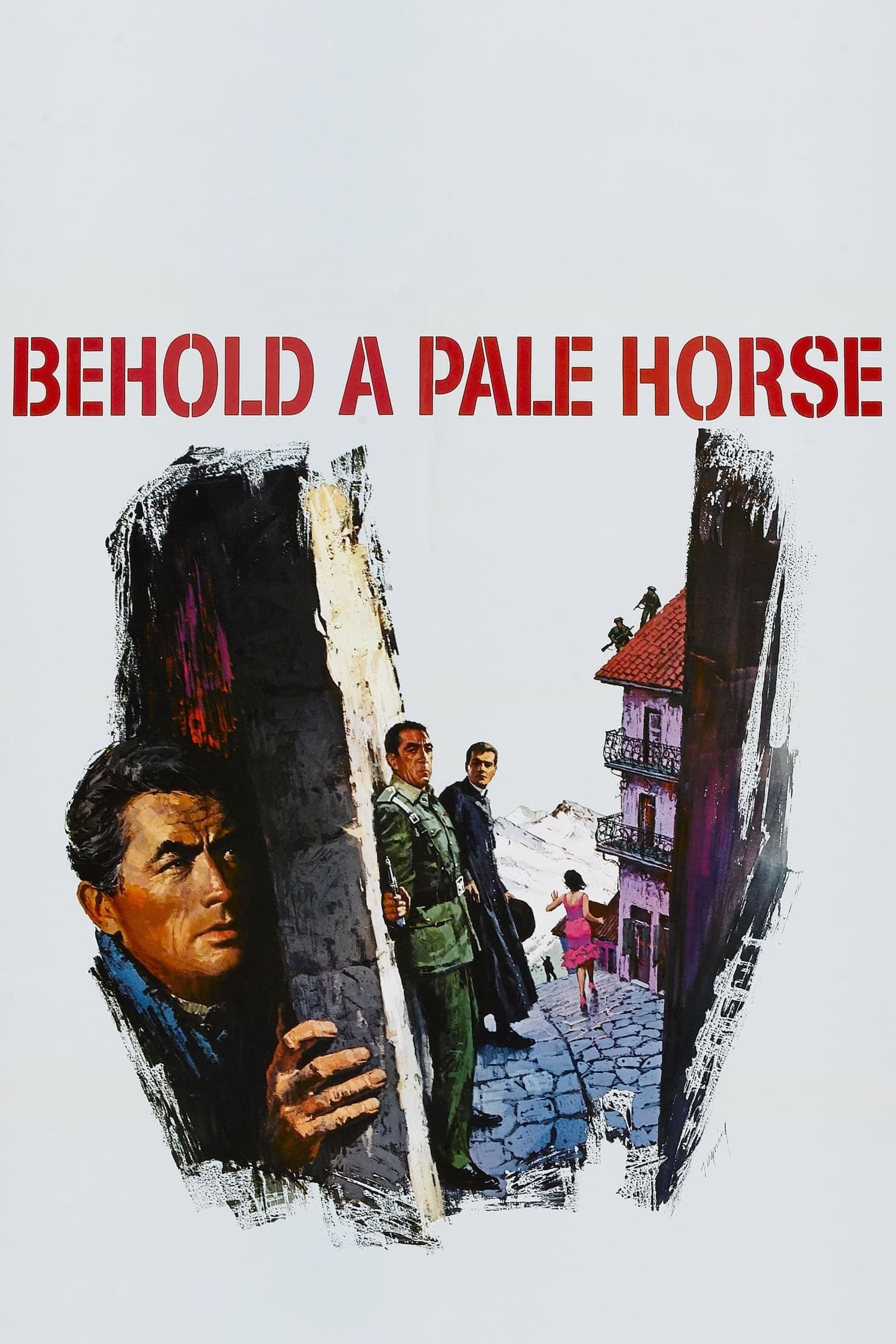
It is the year 1936 and the Spanish Civil War is raging. When the German commander of an international brigade is badly wounded he gives his five comrades a message which he divides up and secretes into in five cartridges. All five shells must reach the battalion in order for the message to be relayed. But Frenchman Pierre can’t bear the heat of the Sierra. When he leaves their hide-out to drink from a well he is hit by an enemy bullet.
A journey through the Spain of the Baroque, the glorious 17th century, an unfortunate era of endless wars and political tribulations; but also of great painters and sculptors who created astonishing pieces of art: el Siglo de Oro.
In Spain, a poor country ruined by the recent Civil War (1936-39), and in the midst of Franco's dictatorship, a film school was created in Madrid in 1947, which became, almost unintentionally, a space of freedom and pure experimentation until its closure in 1976.
A history of the political and social repression carried out by the ruthless regime of Spanish dictator Francisco Franco between 1936 and 1975 that focuses on the lives of gays and lesbians during those dark years and the death of the Spanish gay poet Federico García Lorca.
Just as Necrón resigns himself to never completing his book, a mysterious mirror arrives at his door, beckoning him. From that night on, inspiration comes to him unannounced, cloaked in mystery. Yet when the mirror has shown him every face he wears, will Necrón find the courage to confront his own demons?
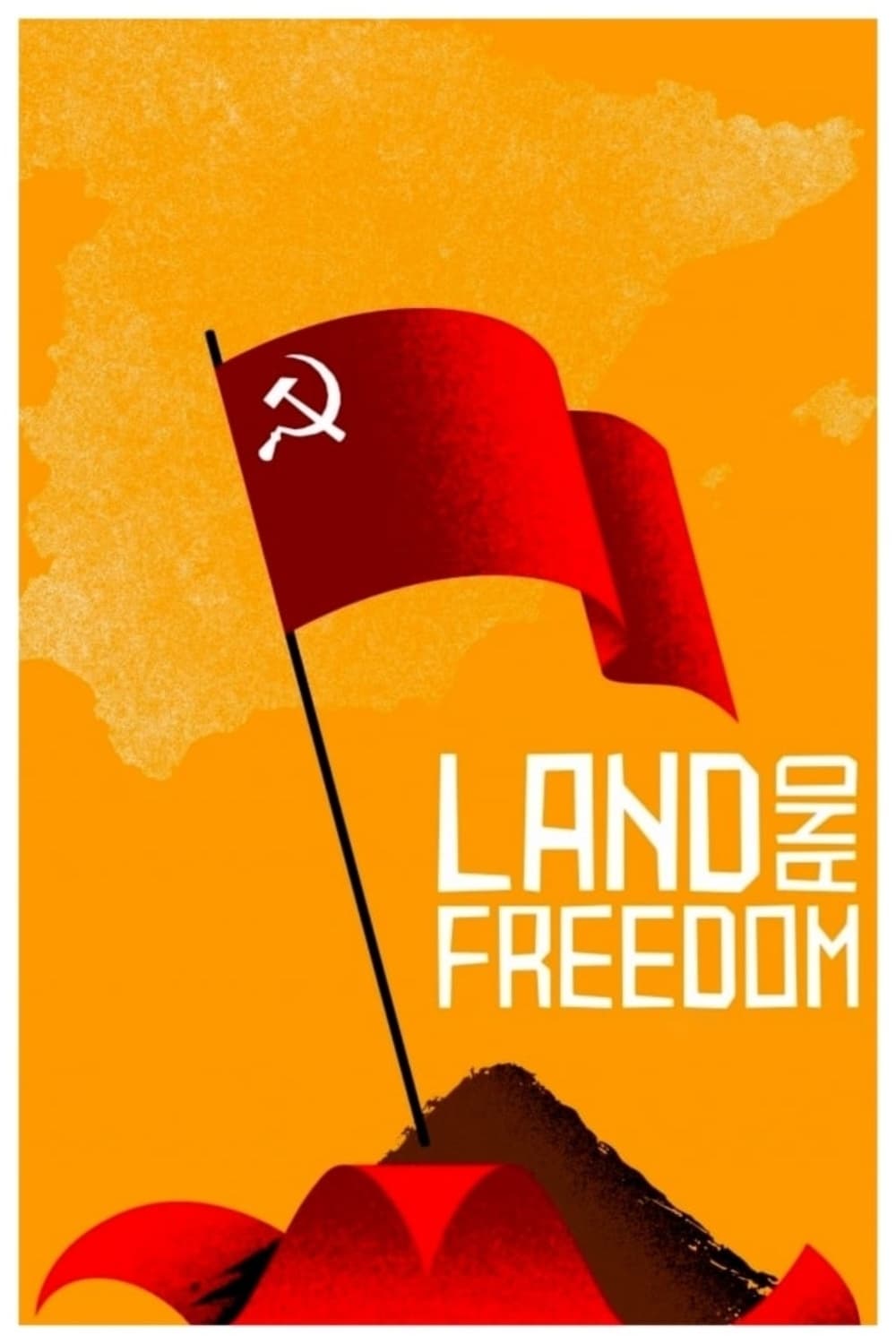
David Carr is a British Communist who is unemployed. In 1936, when the Spanish Civil War begins, he decides to fight for the Republican side, a coalition of liberals, communists and anarchists, so he joins the POUM militia and witnesses firsthand the betrayal of the Spanish revolution by Stalin's followers and Moscow's orders.
Salamanca, Spain, 1936. In the early days of the military rebellion that began the Spanish Civil War (1936-39), writer Miguel de Unamuno supports the uprising in the hope that the prevailing political chaos will end. But when the confrontation becomes bloody, Unamuno must question his initial position.
Manuel Artiguez, a famous bandit during the Spanish civil war, has lived in French exile for 20 years. When his mother is dying he considers visiting her secretly in his Spanish home town. But his biggest enemy, the Spanish police officer Vinolas, prepared a trap at the hospital as a chance to finally catch Artiguez.
True story of thirteen totally normal young women that suffered harsh questioning and were put in prison under made up charges of helping the rebellion against Franco back in the 1940s. Despite of their innocence, the thirteen were soon executed without even a trace of evidence of any wrong doing.
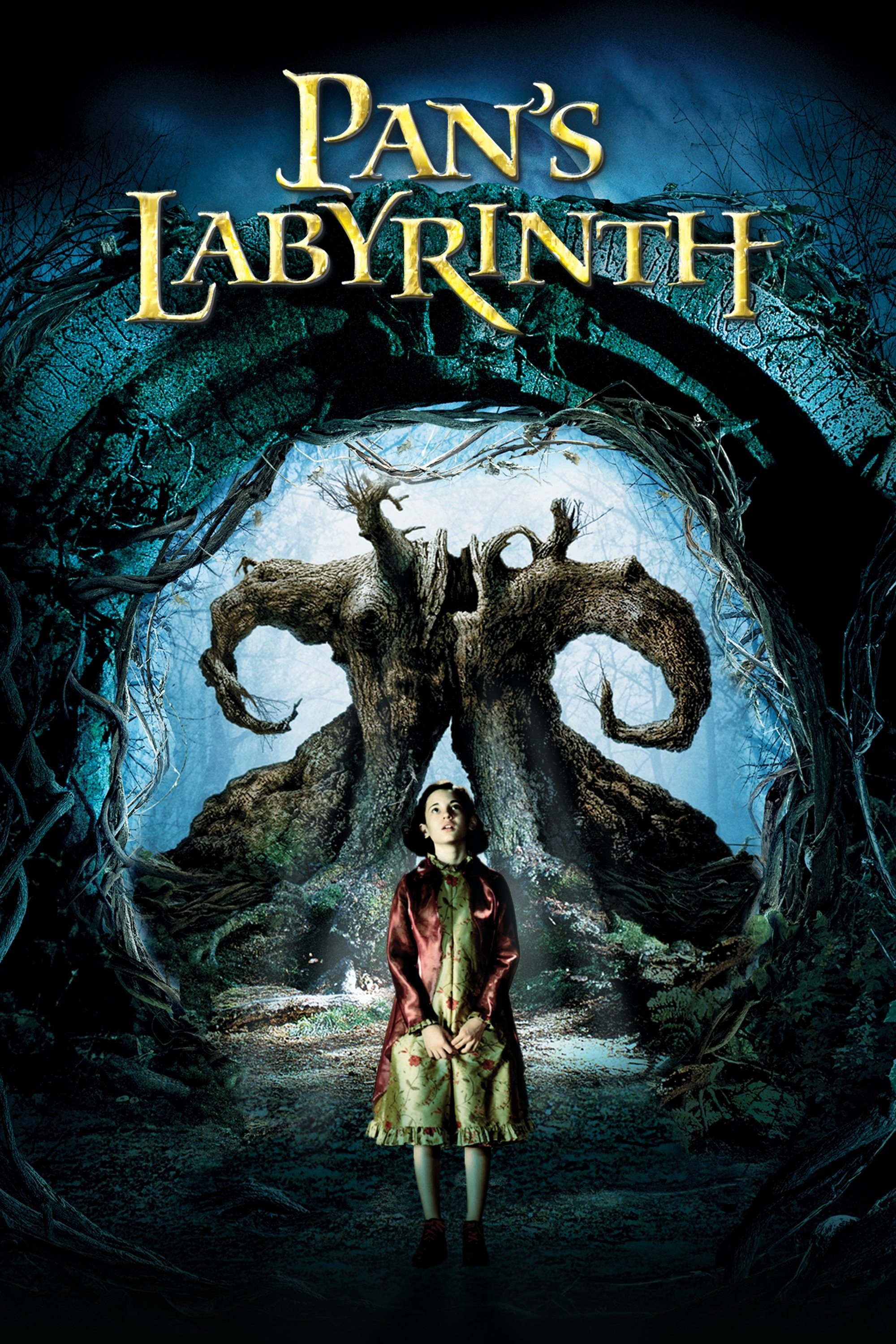
In post–civil war Spain, 10-year-old Ofelia moves with her pregnant mother to live under the control of her cruel stepfather. Drawn into a mysterious labyrinth, she meets a faun who reveals that she may be a lost princess from an underground kingdom. To return to her true father, she must complete a series of surreal and perilous tasks that blur the line between reality and fantasy.
At the tense 1938 Munich Conference, former friends who now work for opposing governments become reluctant spies racing to expose a Nazi secret.
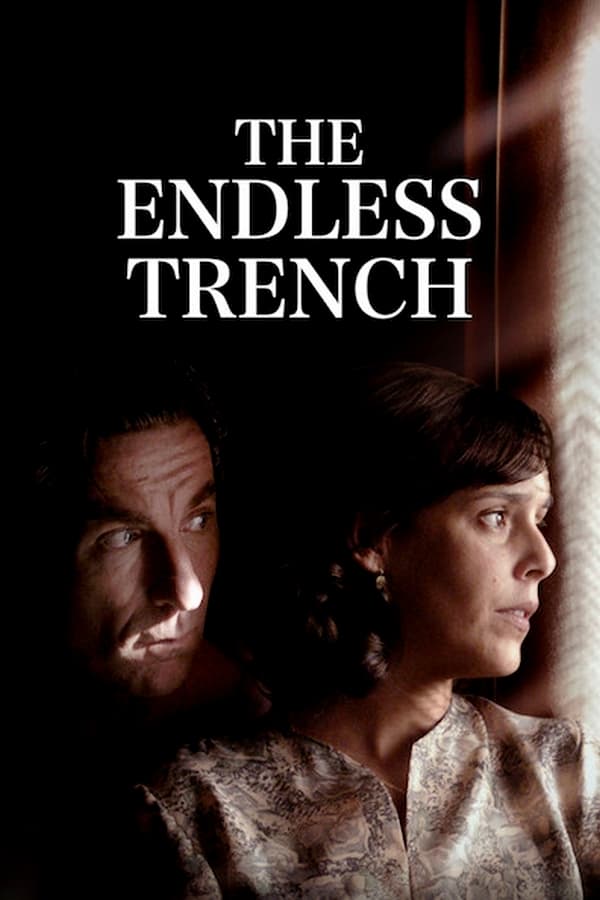
A small village in Huelva, Andalusia, Spain, 1936. Higinio and Rosa have been married only for a few months when the Civil War breaks out. Higinio, being afraid of possible reprisals from the rebel faction, decides to use a hole dug in his own house as a temporary hideout.
Northern Spain, October 1944. Several groups of guerrilla fighters, former Republican soldiers exiled in France after the end of the Spanish Civil War, infiltrate the country in order to provoke a popular uprising against General Franco's dictatorship.
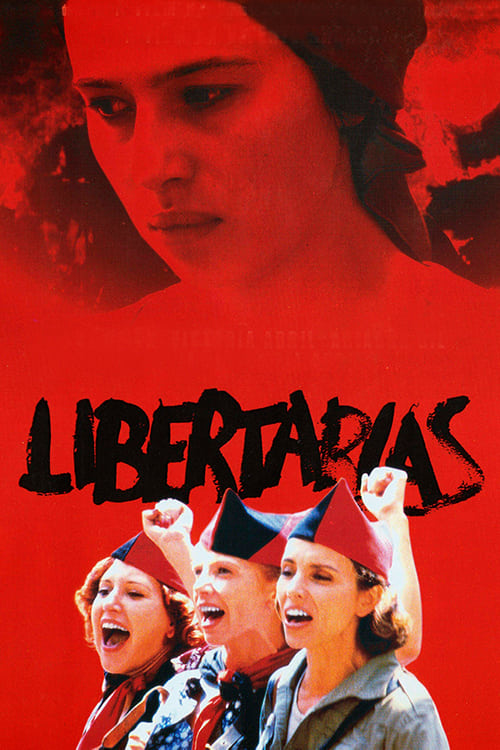
At the outbreak of the Spanish Civil War, the nun Maria is forced to flee her convent. She takes refuge in a brothel, until it is liberated by a woman's anarchist group. Maria joins the group and eventually goes to the front. The women's group faces the problems of fighting not only the nationalists, but also factions on the left seeking to impose a more traditional military structure.
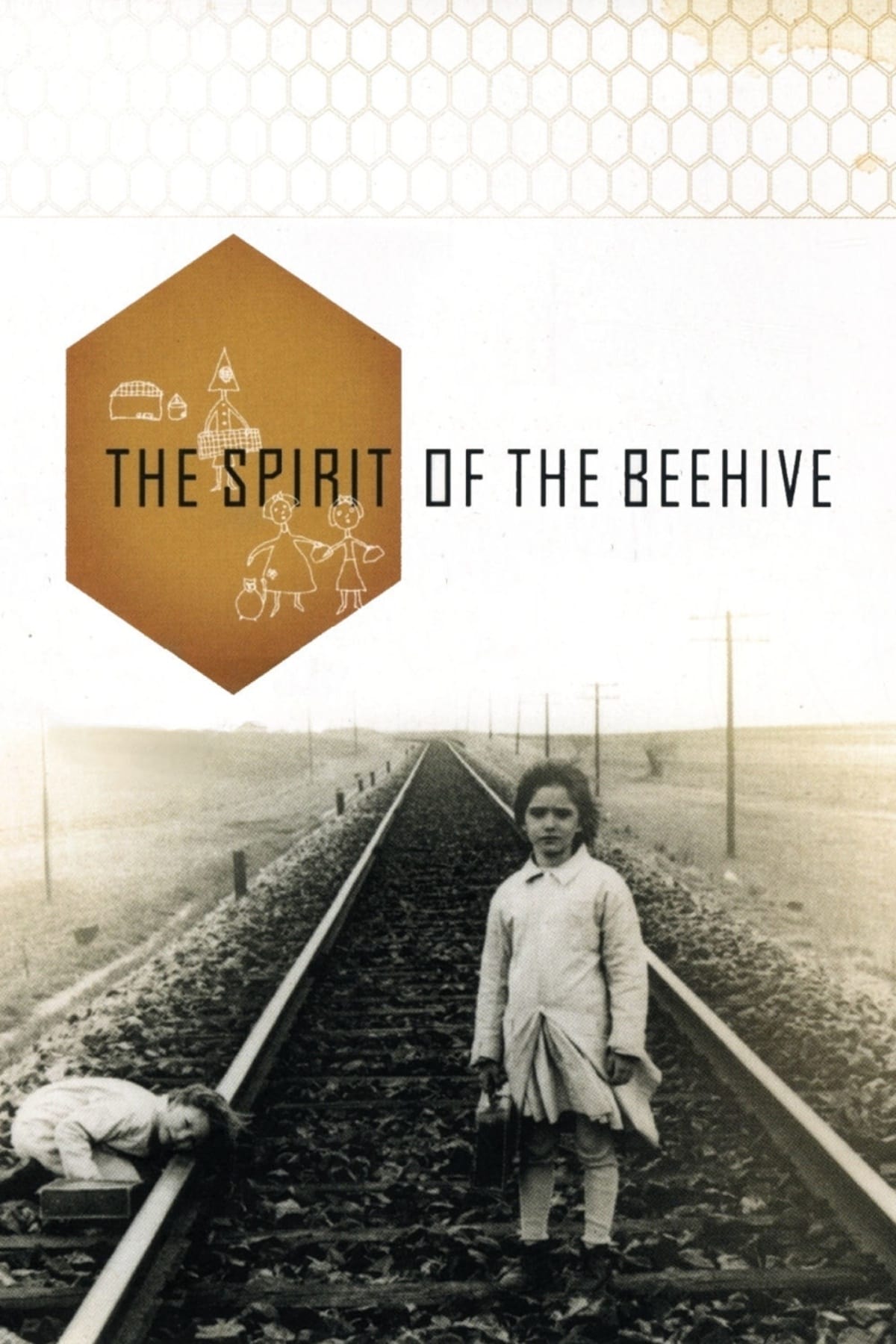
In 1940, in the immediate aftermath of the Spanish Civil War, a young girl living on the Castilian plain is haunted after attending a screening of James Whale's 1931 film Frankenstein and hearing from her sister that the monster is not dead, instead existing as a spirit inhabiting a nearby barn.
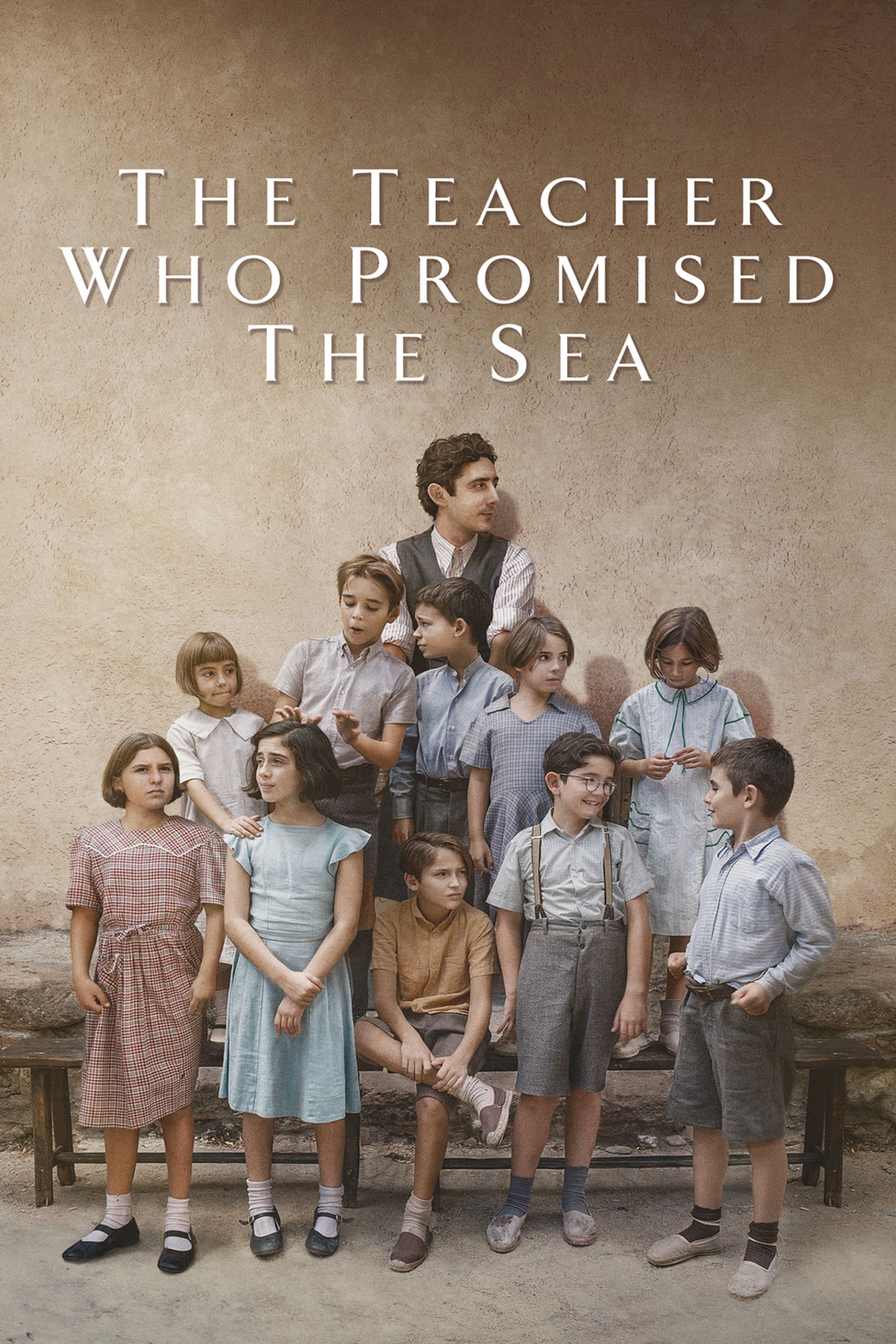
The film centres on Moncho and his coming-of-age experience in Galicia in 1936. Moncho develops a close relationship with his teacher Don Gregorio who introduces the boy to different things in the world. While the story centres on Moncho's ordinary coming-of-age experiences, tensions related to the looming Spanish Civil War periodically interrupt Moncho's personal growth and daily life.
Spain, 1973. Dictator Francisco Franco has ruled the country since 1939 with an iron fist; but he is now a very old and sick man. The future of the weakened regime is in danger. Admiral Carrero Blanco is his natural successor. The Basque terrorist gang ETA decides that he must die to prevent the dictatorship from continuing.
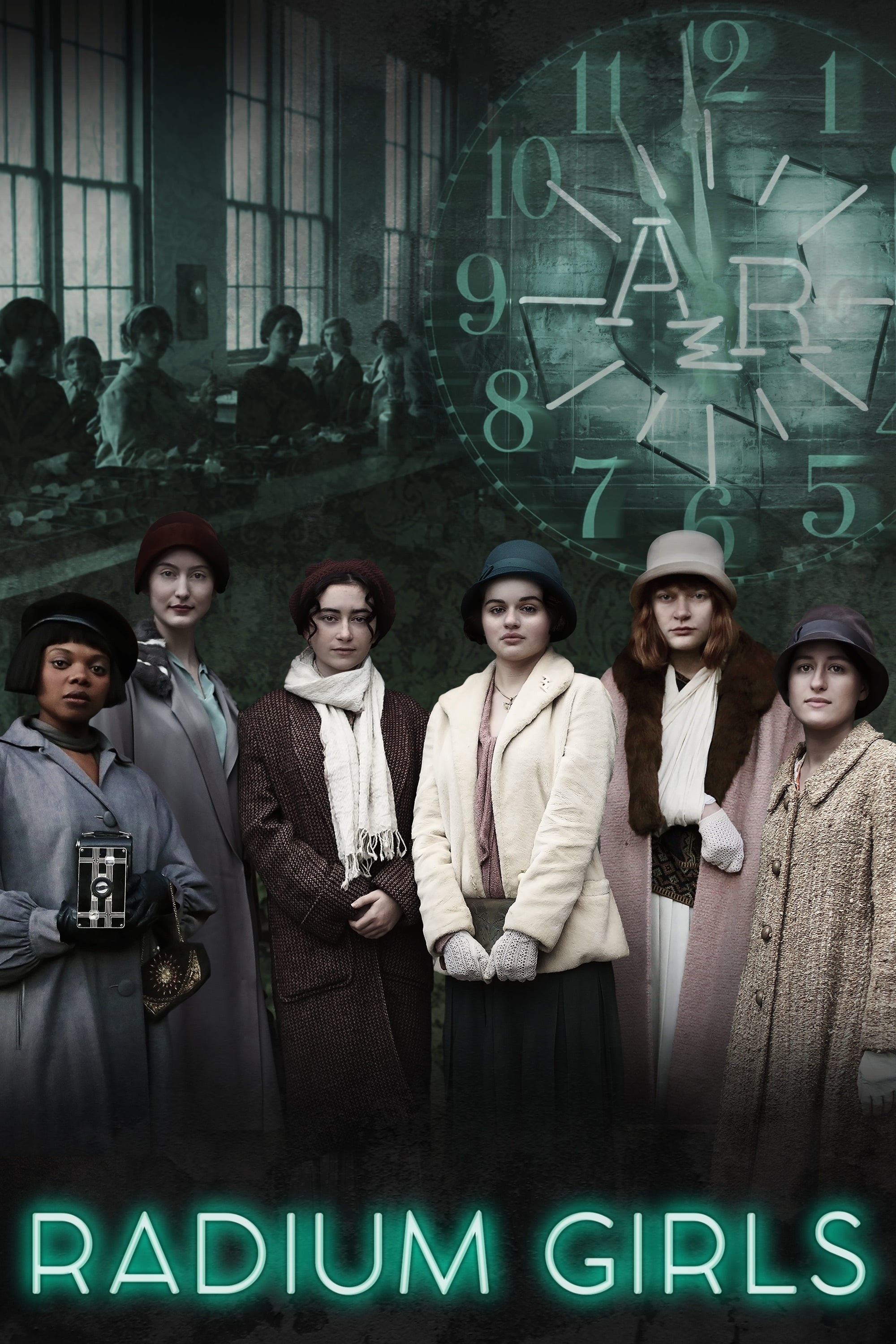
Young women toiling in a factory are exposed to hazardous material which takes a disastrous toll on their health.
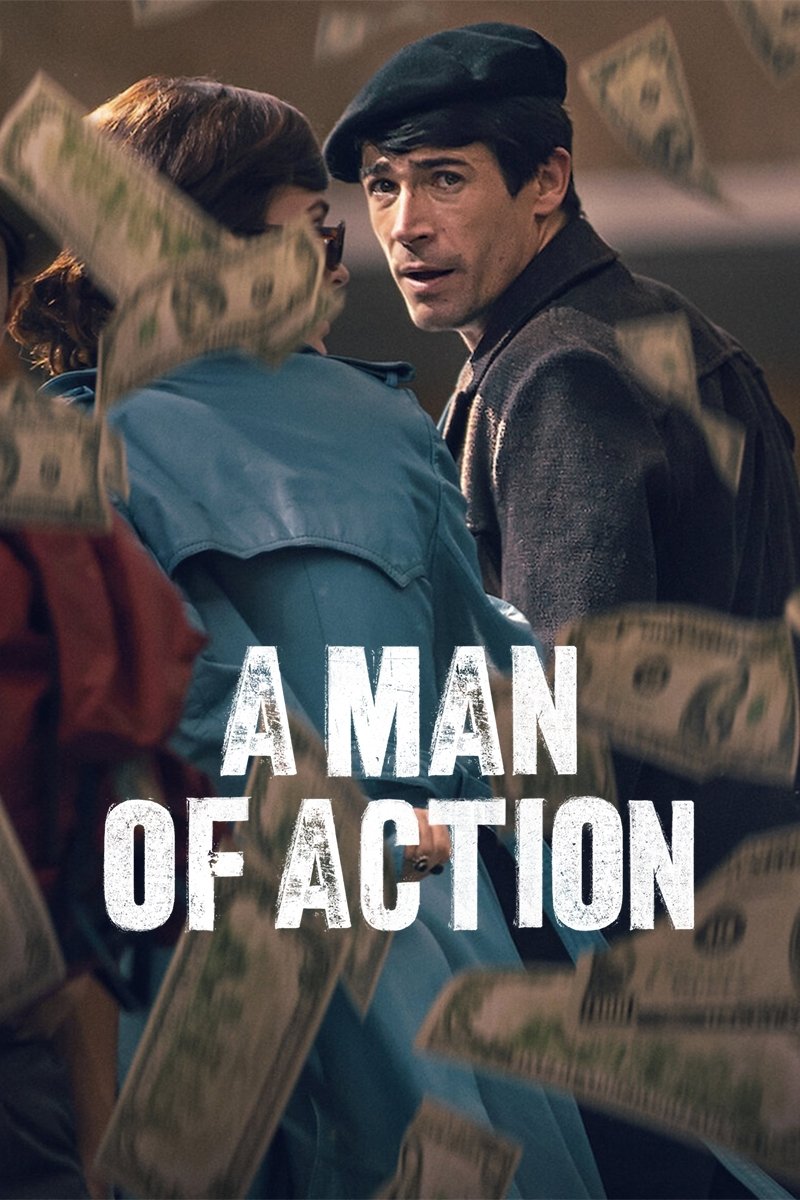
Loosely inspired by the life of Lucio Urtubia, explore the figure of the so-called anarchist 'Robin Hood,' who ran a legendary counterfeiting operation in Paris that put him in the crosshairs of America's largest bank, when he managed to obtain a huge amount of money by forging traveler's checks to invest in causes he believed in.
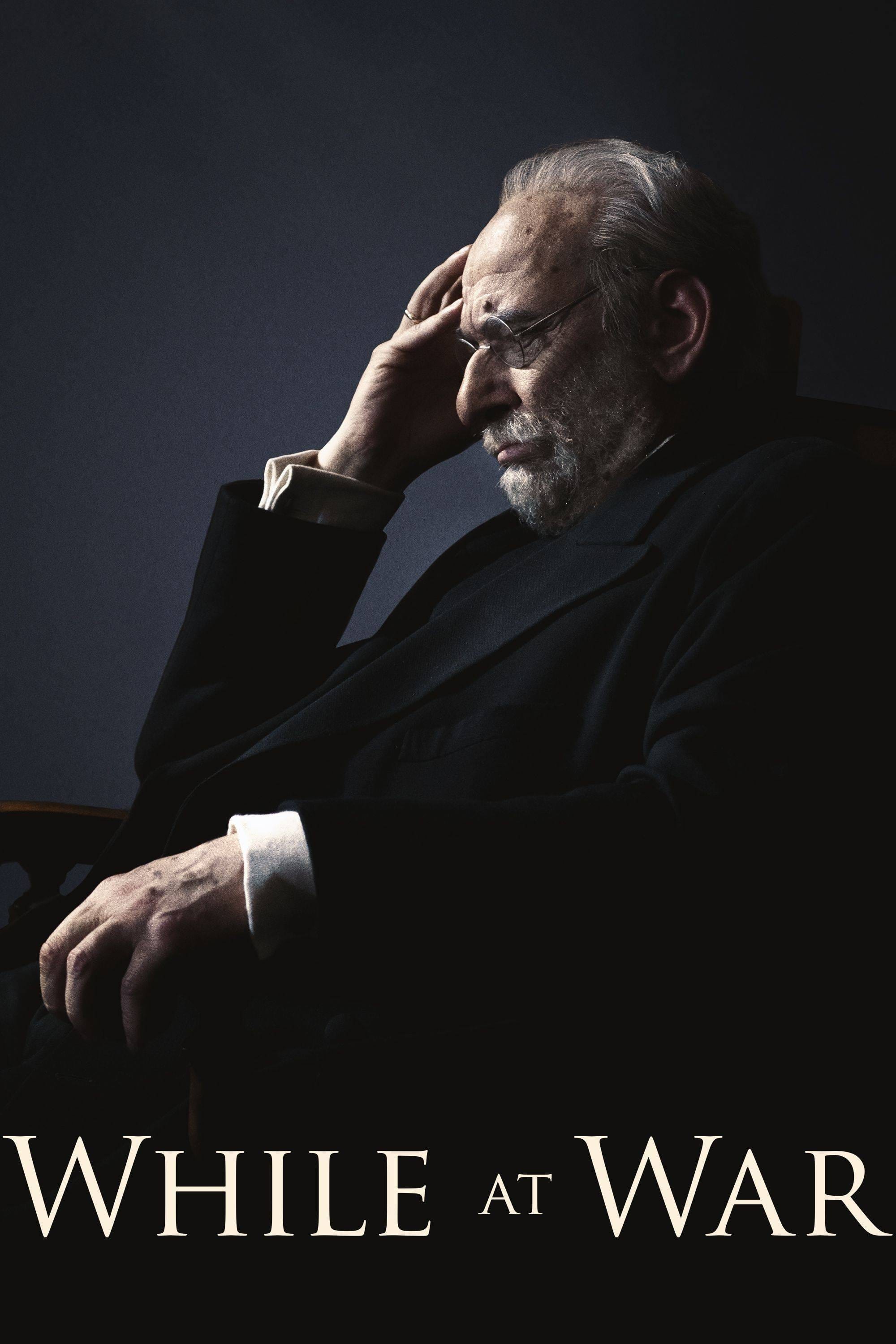
Finished the Spanish Civil War in April 1939, in November 1940, while Spain is being crushed by the ruthless boot of dictator Franco, Pepita travels from rural Córdoba to Madrid to be near her sister Hortensia, who is seven months pregnant and imprisoned, haunted by the shadow of a death sentence.
In the polarized and violent Medellín (Colombia's 'City of Eternal Spring') of the 1970s, doctor Héctor Abad Gómez is concerned about both his children and children from less favored classes. After a devastating loss in the family, Héctor gives himself to the greater cause of public health programs for the poor in Medellín to the consternation of the city's authorities.
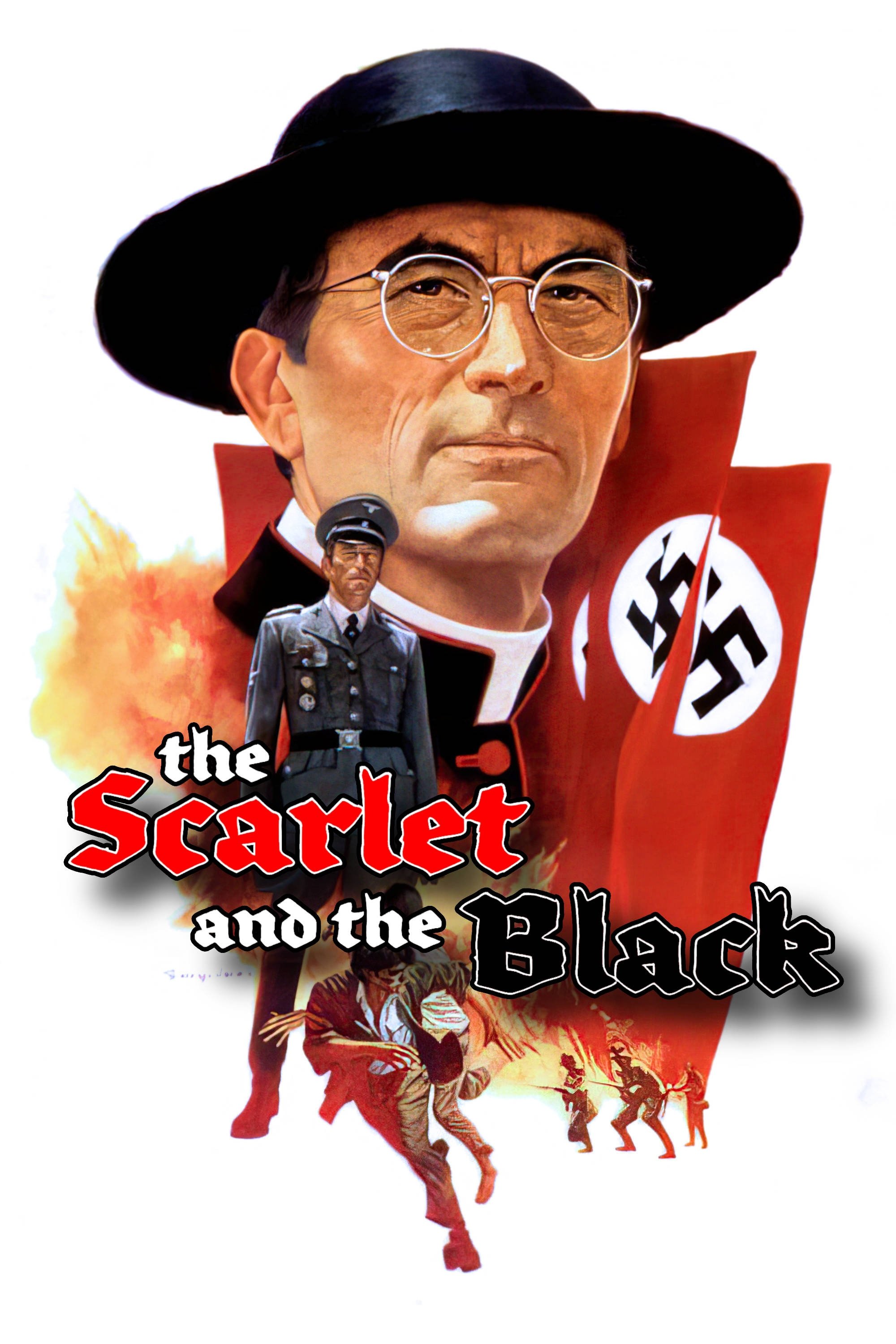
In a remote South American colony in the late 18th century, officer Zama of the Spanish crown waits in vain for a transfer to a more prestigious location. He suffers small humiliations and petty politicking as he increasingly succumbs to lust and paranoia.
Three veterans of the Spanish Civil War go rabbit hunting. While doing so, old wounds open up.
In this sprawling, fictionalized history of the Black Panthers, 1960s Oakland becomes a war zone as the Panthers battle for the right to exist.
Bolívar was instrumental in Latin America’s struggle for independence from the Spanish Empire, and is today considered one of the most influential politicians and emancipators in American history. Libertador is told from the viewpoint of Bolívar, portrayed by Ramírez, about his quests and epic military campaigns, which covered twice the territory Alexander the Great conquered, and his vision to unify South America.