Social & External
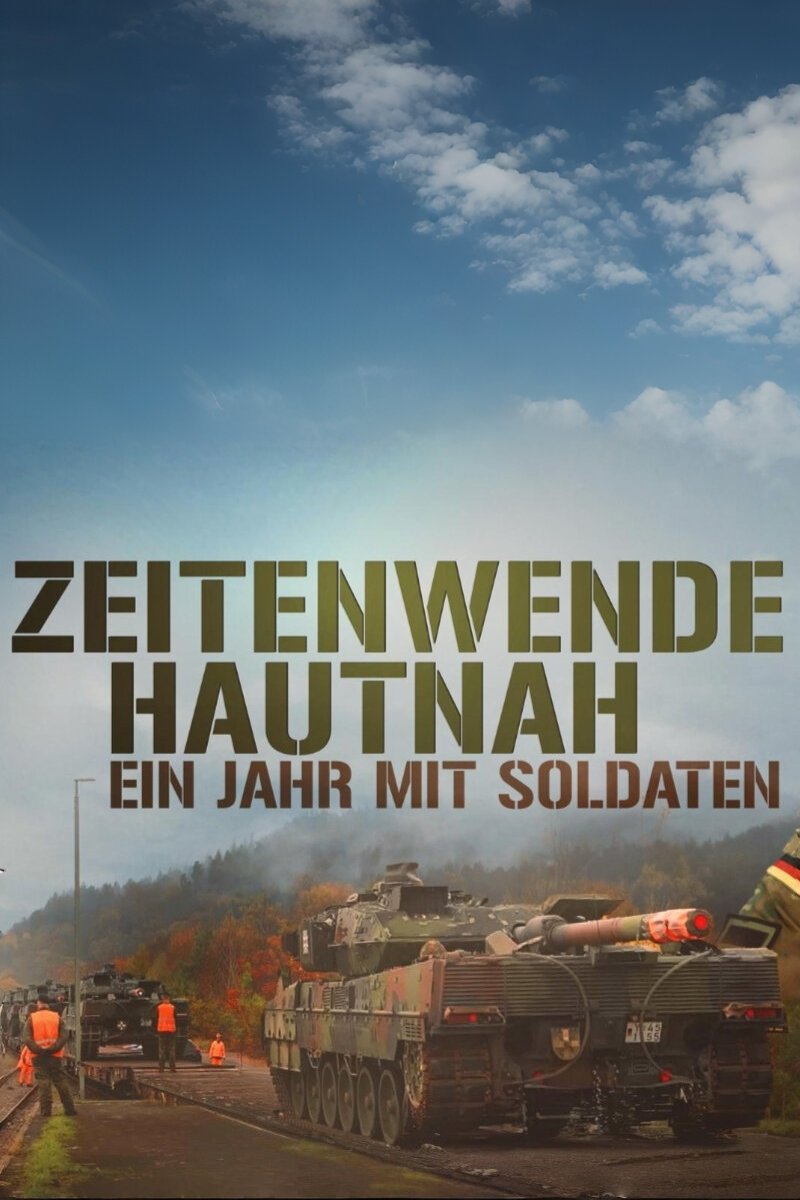
The film focuses on three male and one female soldier. They represent the challenges that the German army is currently facing: the Bundeswehr has too few personnel, too little equipment and for many years was not prepared for the type of war that it must now prepare for in the future. The film reflects the dramatic change from the perspective of those who have to shoulder the task of "national and alliance defense" in a very concrete and personal way in their everyday lives, at their location, in their unit.
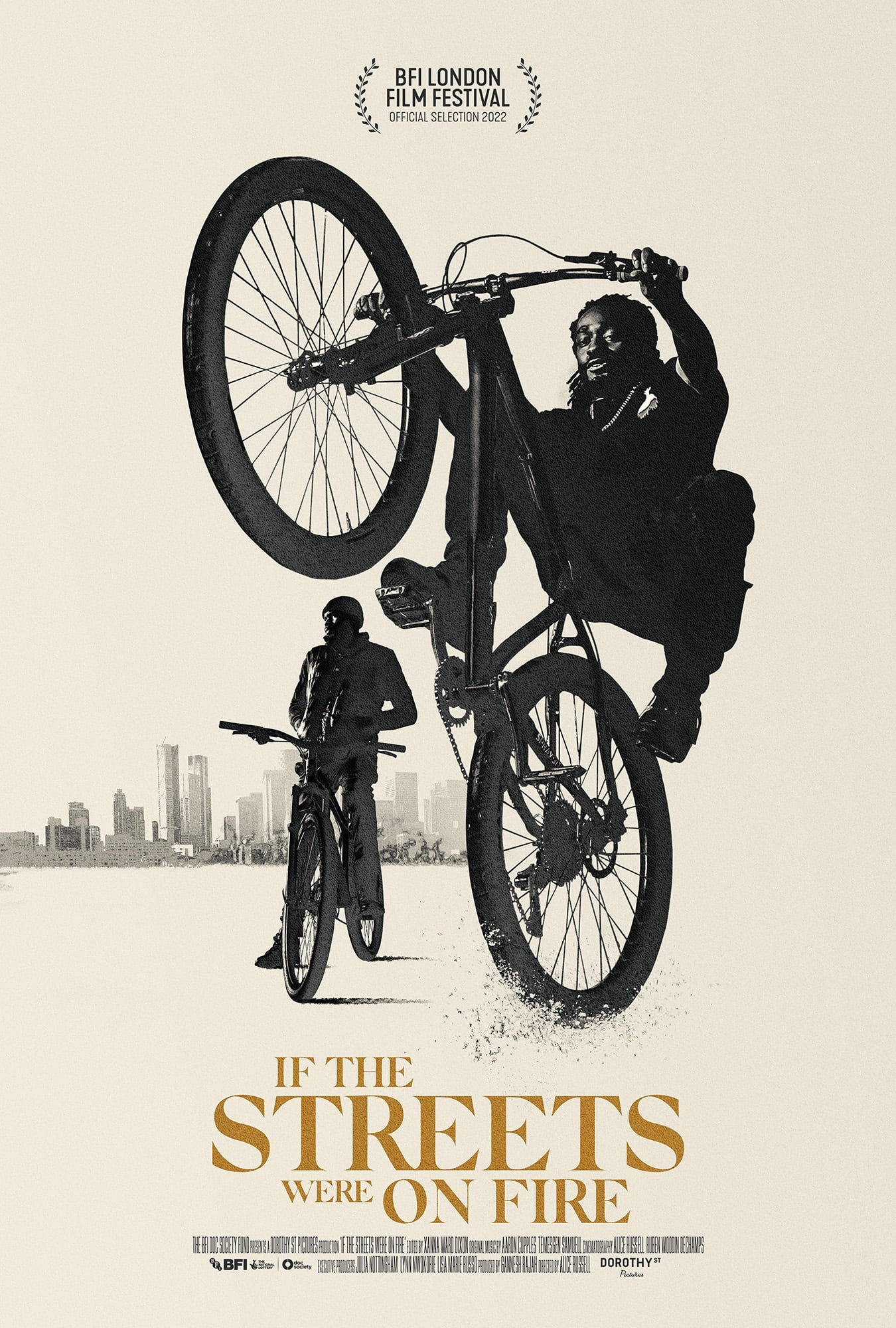
As youth violence rises, a wild and rebellious movement of young people tear up the city’s streets as they try to escape the harsh realities of street life through the brotherhood of biking.
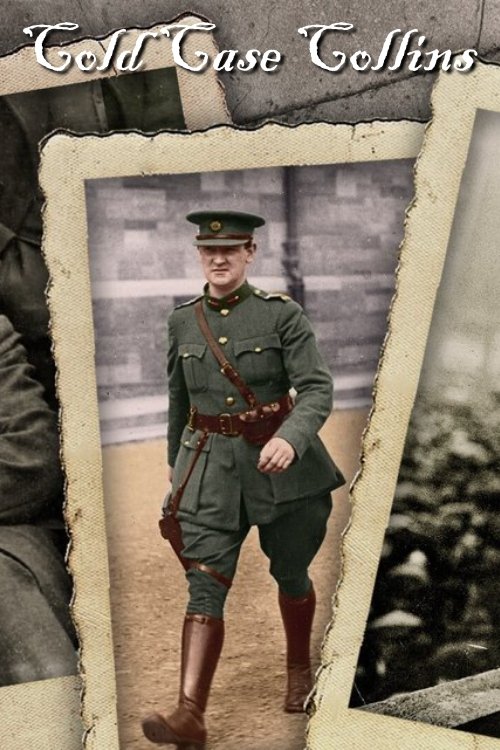
Former State Pathologist, Dr. Marie Cassidy leads a brand new investigation into the killing of revolutionary, soldier and politician Michael Collins in August 1922, an event that ignited acrimonious arguments that have endured ever since.
Haitian history is presented through an explosion of colour, dance and music, as the country prepares for its legendary carnival.
Follow comedians (and siblings!) Guy and Maria Williams as Guy sceptically undergoes an ADHD assessment; and they both hear about the experiences of Kiwis living with ADHD, including Maria.
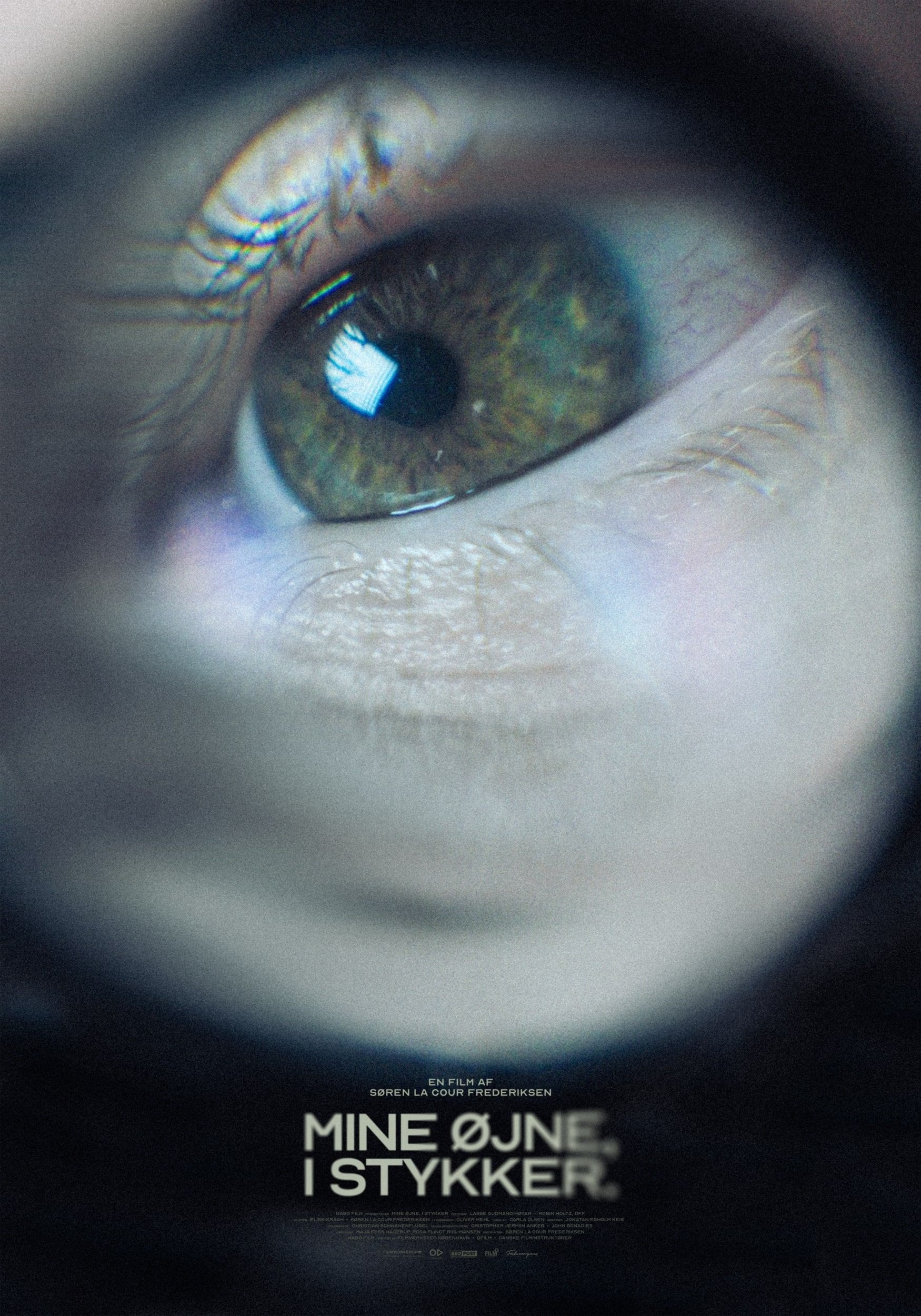
Having undergone a laser eye surgery, Søren struggles with complications that causes his eyesight to worsen. In an attempt to better understand his new reality, Søren starts to film the world around him.
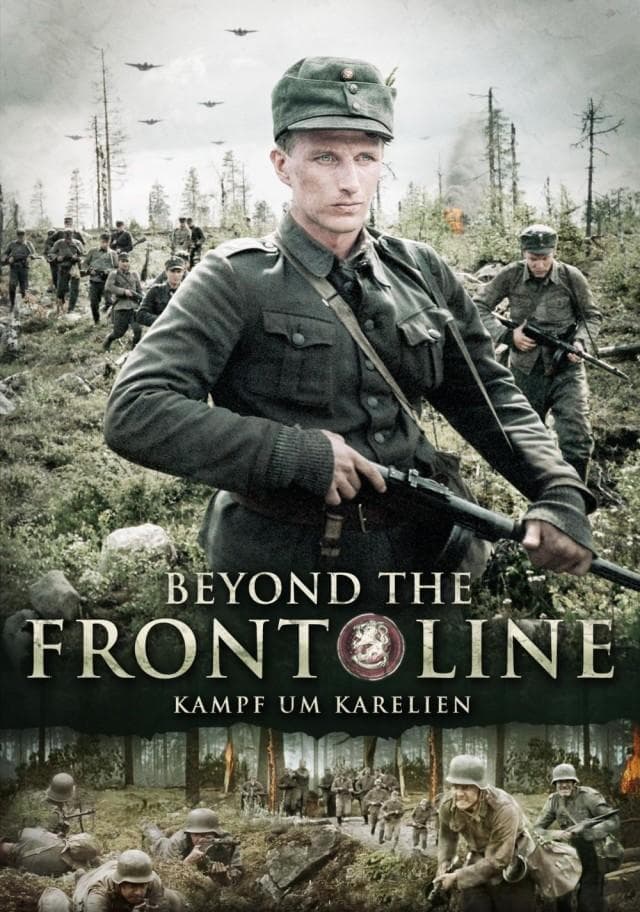
A movie based on real wartime diaries tells the story of the Swedish speaking Finns' infantry regiment 61. The story follows the regiment during the Continuation War from 1942 to 1944 and from Syväri to the Karelian Isthmus where they faced some of the most grueling battles against the Soviet Union.
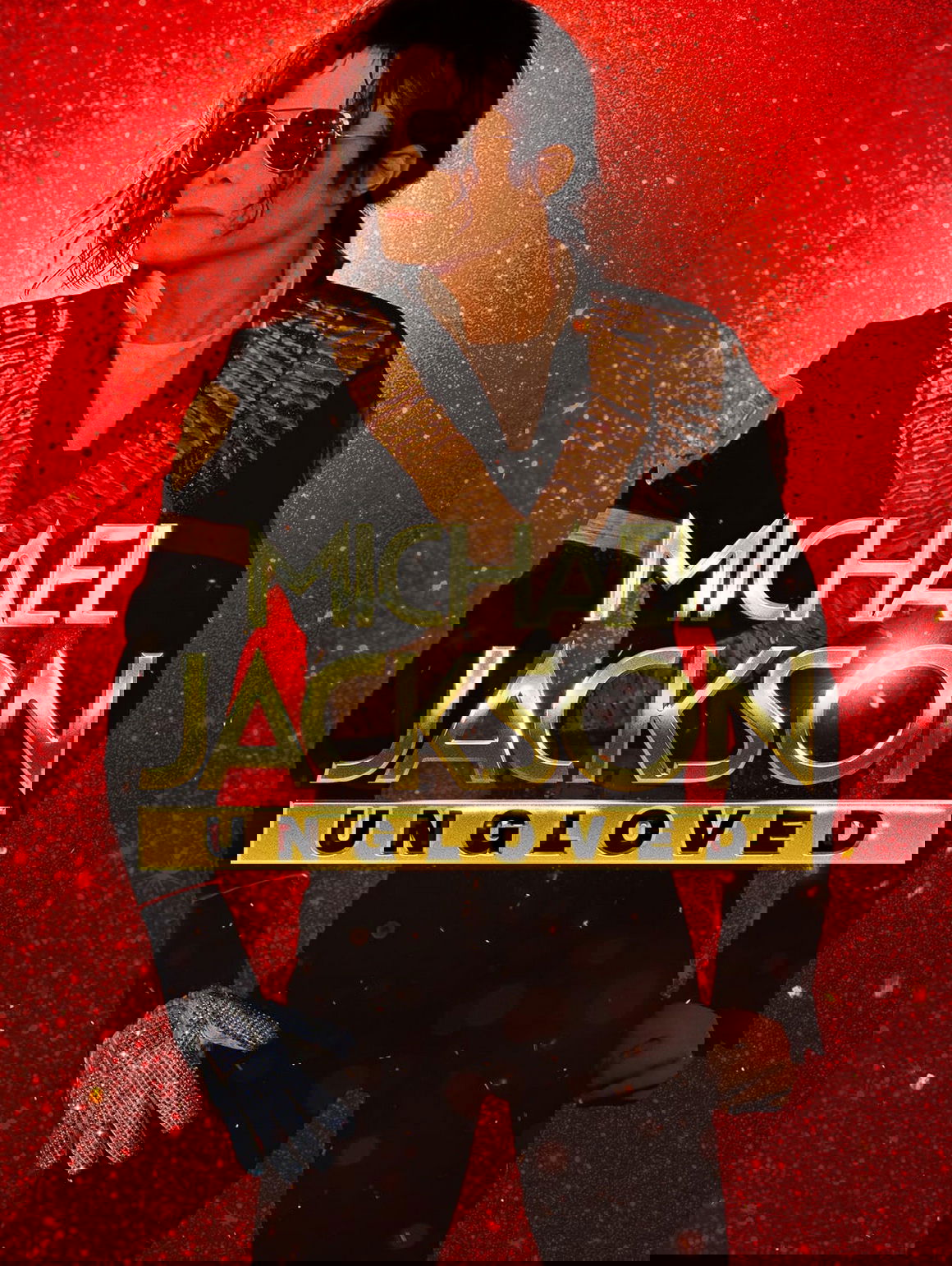
From modest childhood beginnings to international fame, this is the journey of the 'King of Pop,' Michael Jackson's complicated world. Unquestioned talent transcends years of scrutiny over the real superstar wearing the symbolic glove.
On the 14th February 1988, Butetown Police discover the body of a local girl near Cardiff.
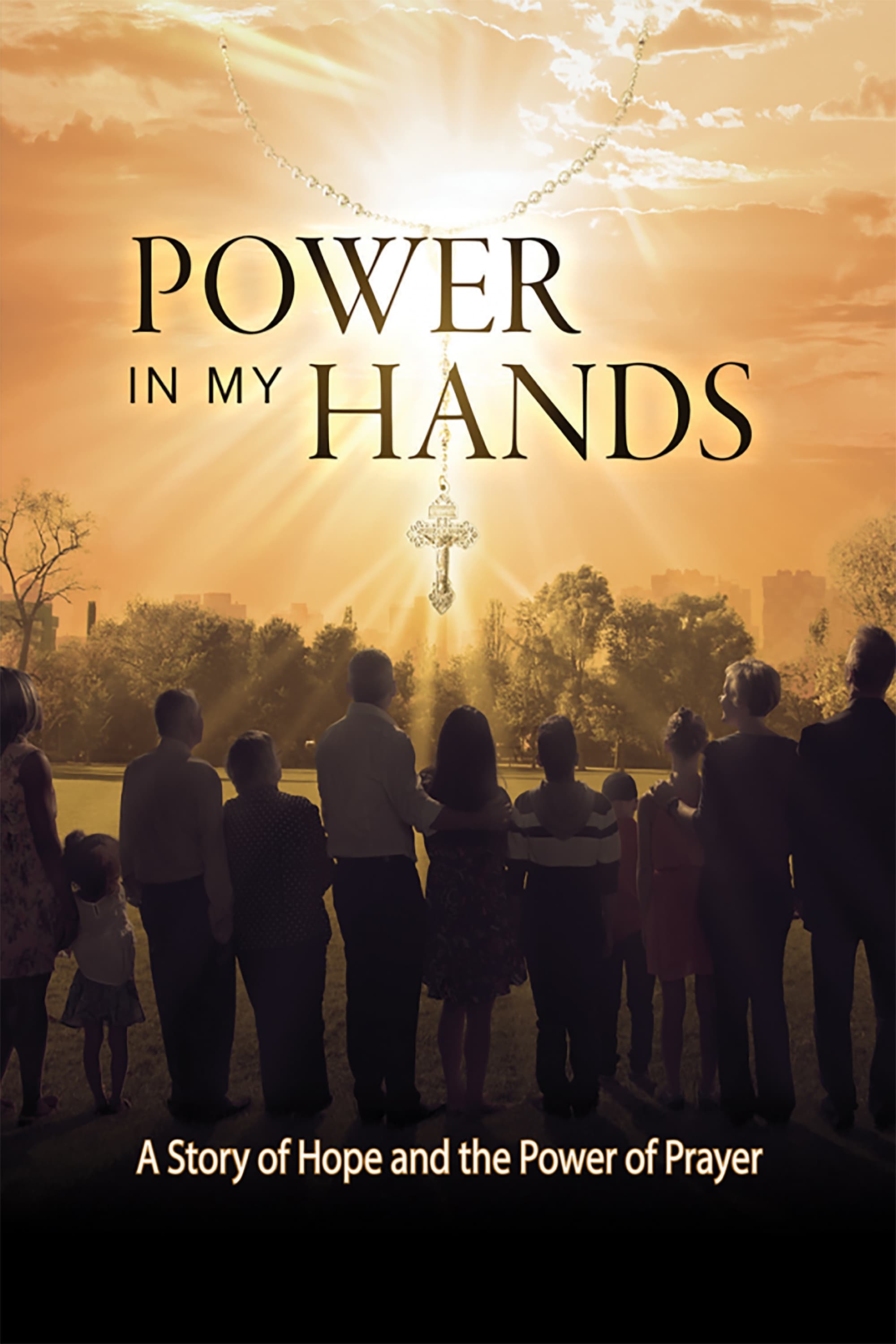
This is a film about the power of the Rosary, a Catholic Prayer. The film depicts personal stories about how the rosary has affected their lives.
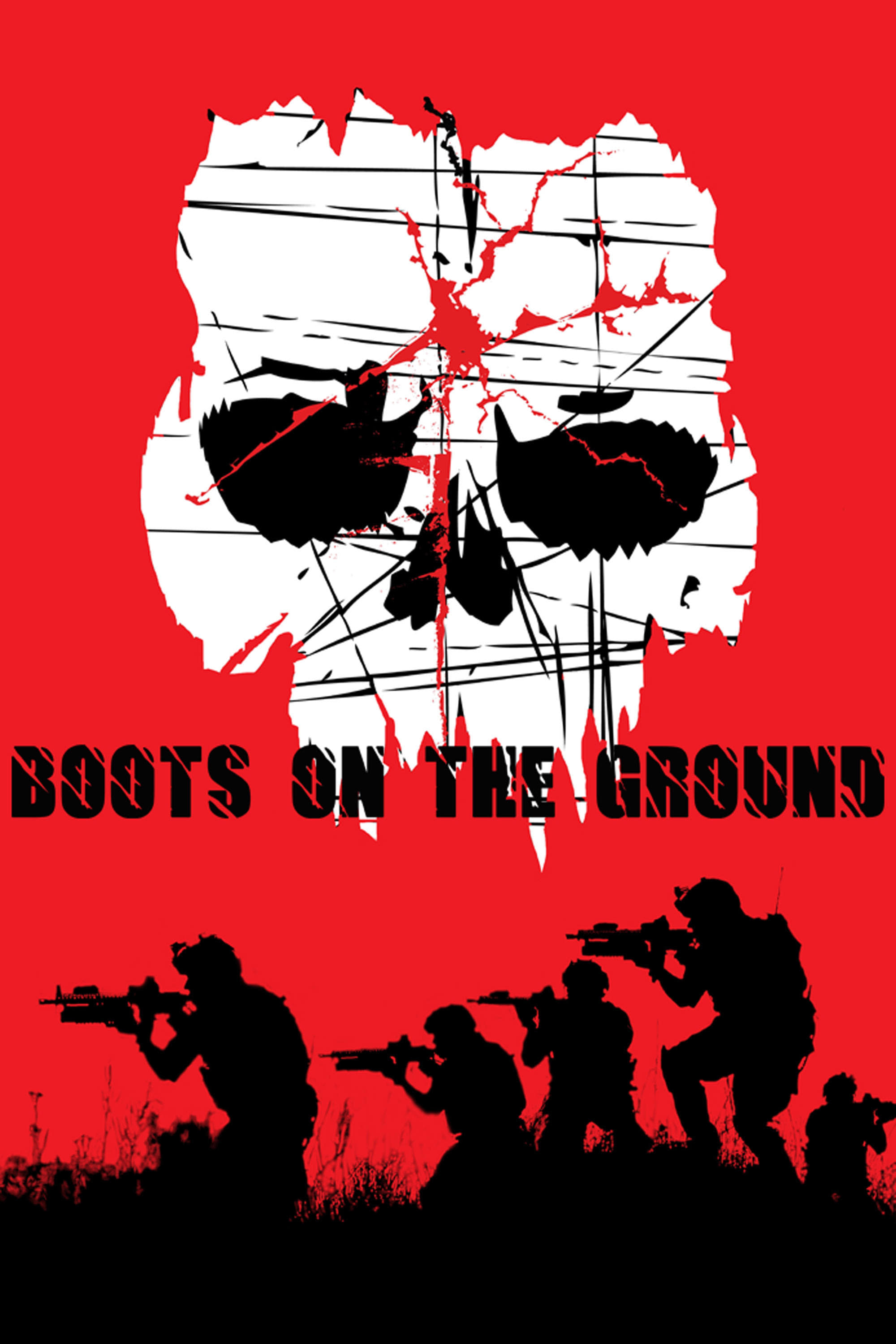
The story of five British soldiers trying to stay alive on the last night of the Afghan War, facing not just the Taliban, but also supernatural forces more terrifying than anything they've encountered before.
Based on the life of Dr. Harish Gershom and about the journey of his achievement Harishophone. He is the only Indian who can play three octaves in the smallest saw (26.3 inches). He is recognized for his unique achievement including Limca Book Records 2003, State Award 2005, Guinness World Record 2015, British World Records 2021, IMAS Award 2011. Get along the journey of Dr Haris Gershom whose invention of the 'Harishophone' made wonders around the globe for its therapeutic impact. He is known to be the only individual in the world capable of producing three octaves on a saw that have a healing effect.
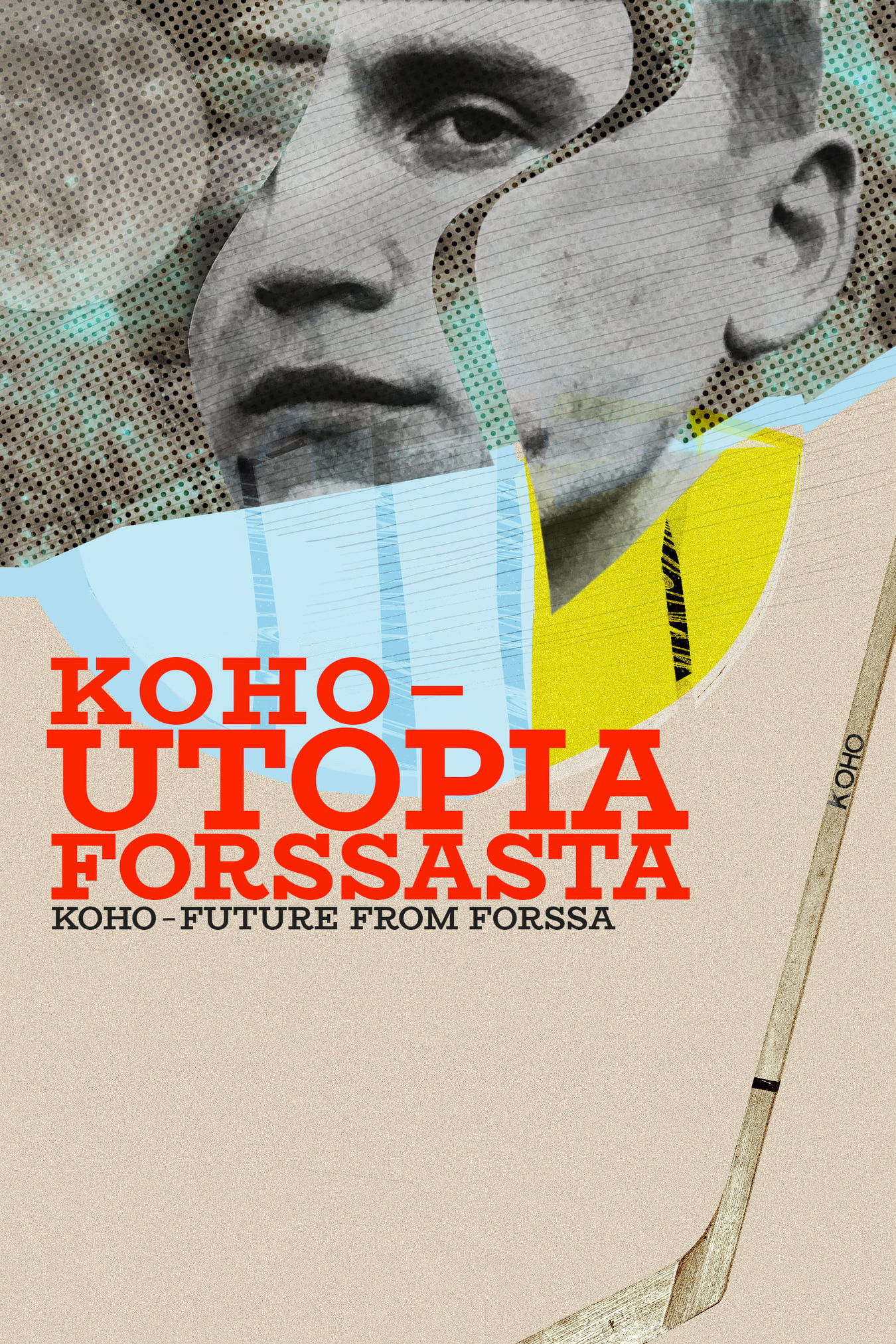
A documentary about Kari Aro, the distinctive manager of Koho -hockey-stick factory, whose visions were to change the world. Story about the fairy-tale -like success, the destructive power of money and Aro's faith in goodness of people.
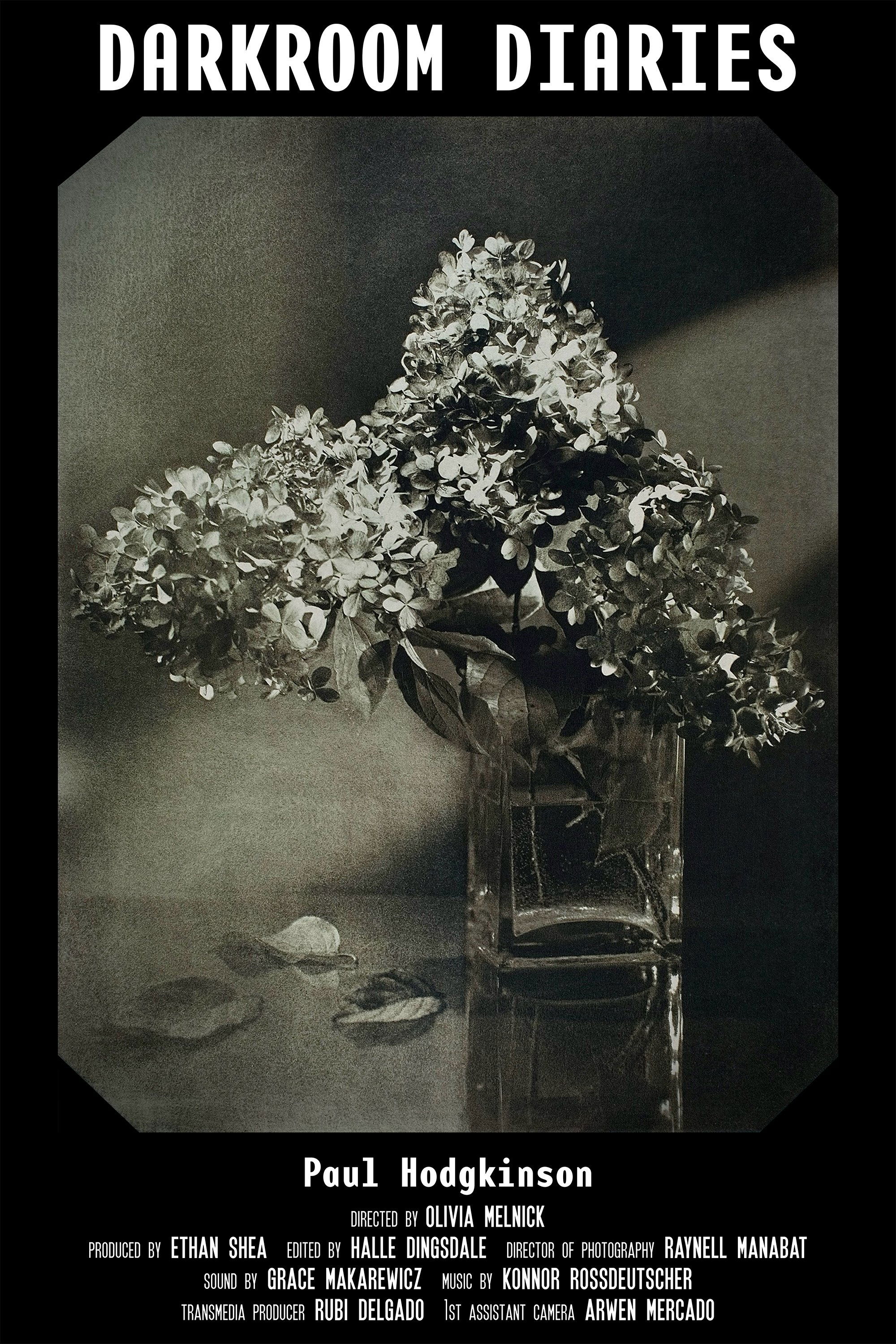
In a high tech profession where photography is seemingly at everyone’s fingertips, Paul Hodgkinson steps back in time to create art using the same historical techniques as the pioneers of his craft.
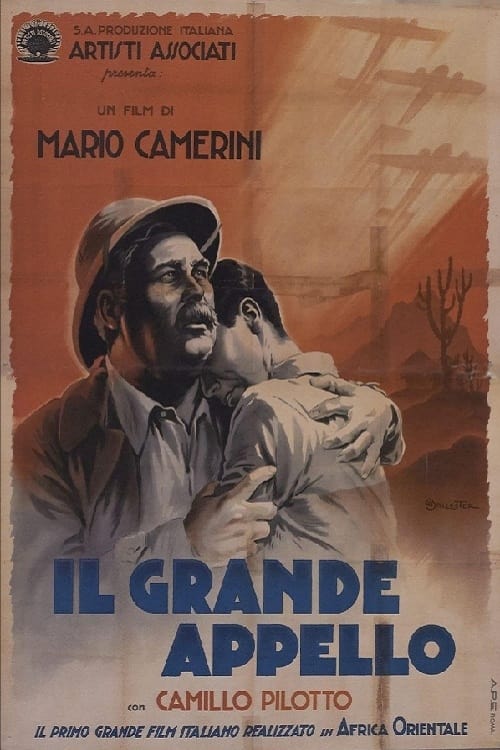
An Italian proprietor of a squalid Djibouti bar collaborated in selling arms to Ethiopians fighting his own country's invasion but after finding his long lost son on the Fascist front he decides to choose patriotism over selfish profit.
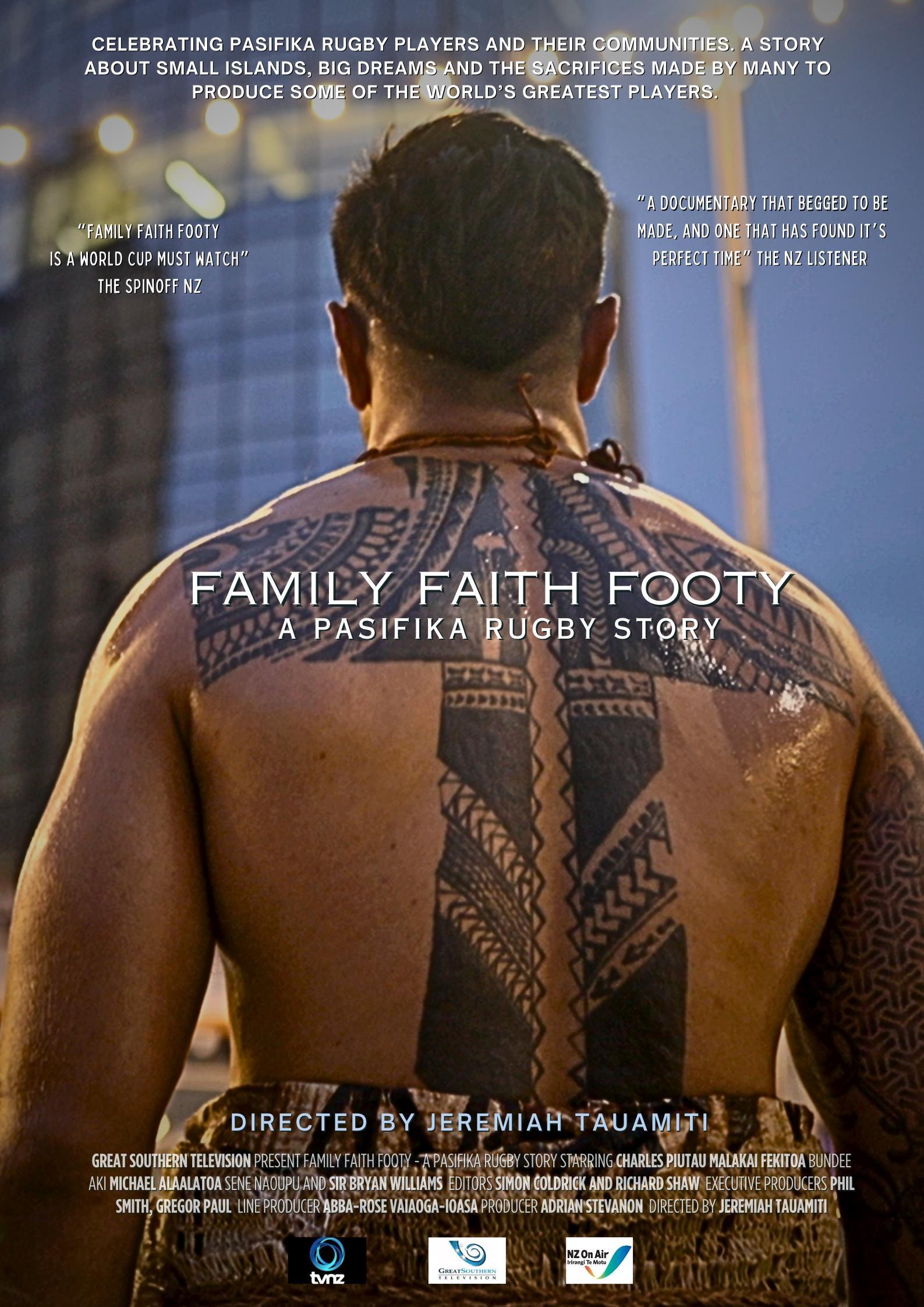
Celebrating Pasifika rugby players and their communities. A story about small islands, big dreams and the sacrifices made by many to produce some of the world’s greatest players.
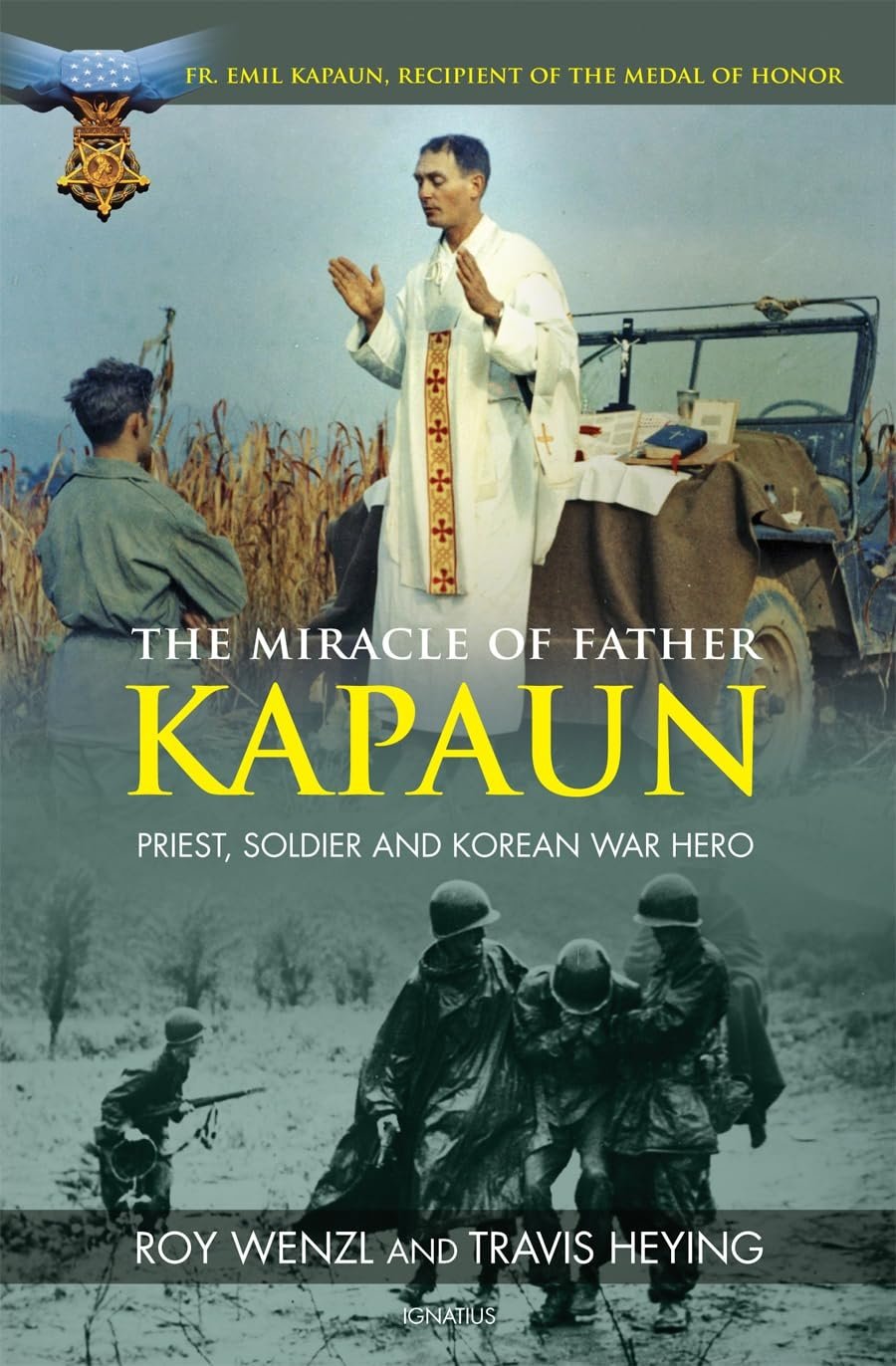
Servant of God Fr. Emil Kapaun may not be well-known. But he should be. The son of Czech immigrants, Fr. Kapaun grew up on a small Kansas farm. But this seemingly ordinary farm boy became one of the most inspiring heroes of the Korean War-and unlike many war heroes, this military chaplain is also on the road to sainthood. His cause for canonization has been opened by the Diocese of Wichita, and two medical miracles attributed to him are being investigated by the Vatican. He has also been nominated for the highest military medal, the Medal of Honor. In this powerful documentary, learn his inspiring life story, his heroic work as a chaplain during battle, and his leadership and comfort of fellow American prisoners after capture and torture by the Communists. (Released 2010)
“The Soviet Story” is a story of an Allied power, which helped the Nazis to fight Jews and which slaughtered its own people on an industrial scale. Assisted by the West, this power triumphed on May 9th, 1945. Its crimes were made taboo, and the complete story of Europe’s most murderous regime has never been told. Until now...
A documentary about World War I with never-before-seen footage to commemorate the centennial of Armistice Day, and the end of the war.
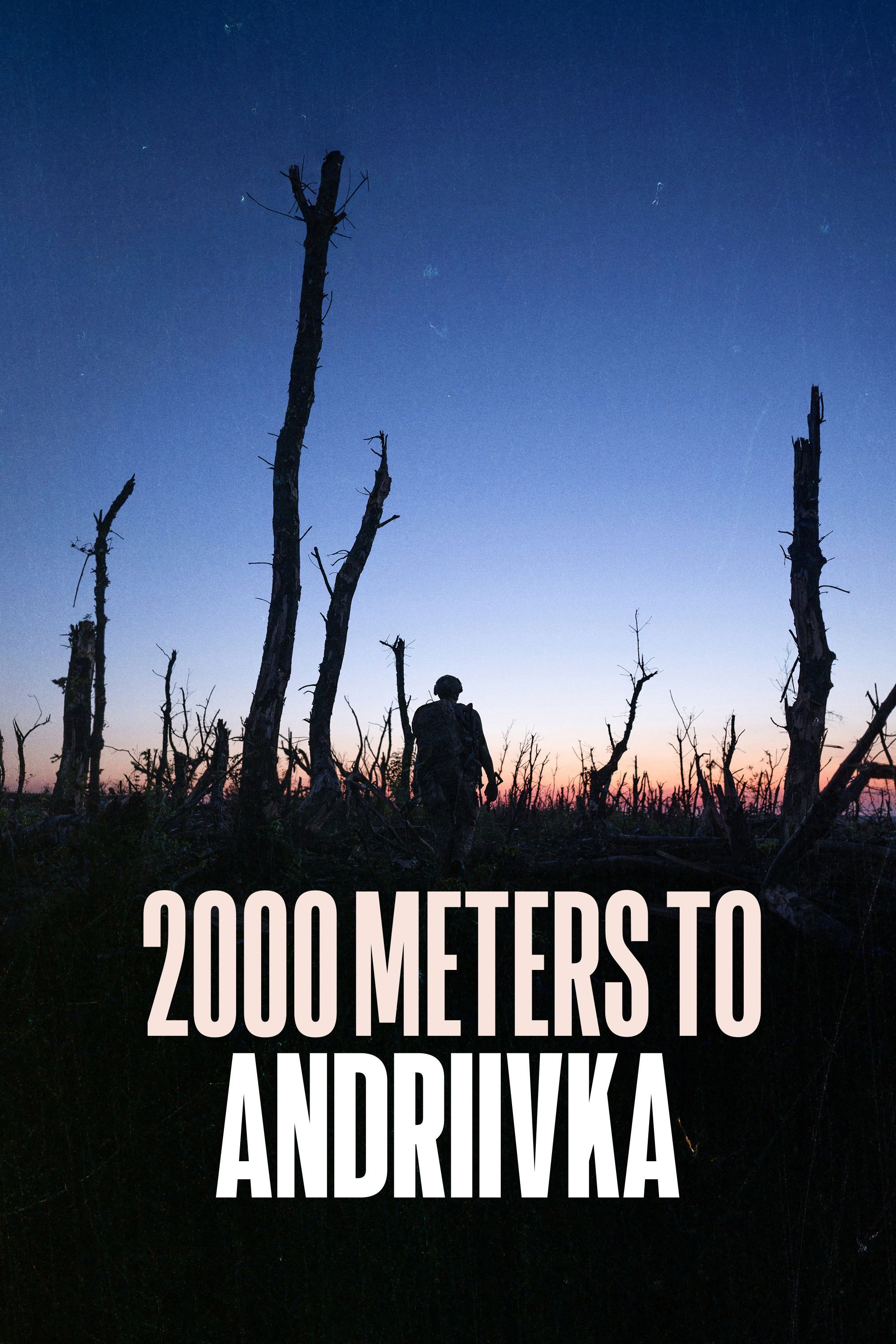
Amid the failing counteroffensive, a journalist follows a Ukrainian platoon on their mission to traverse one mile of heavily fortified forest and liberate a strategic village from Russian occupation. But the farther they advance through their destroyed homeland, the more they realize that this war may never end.
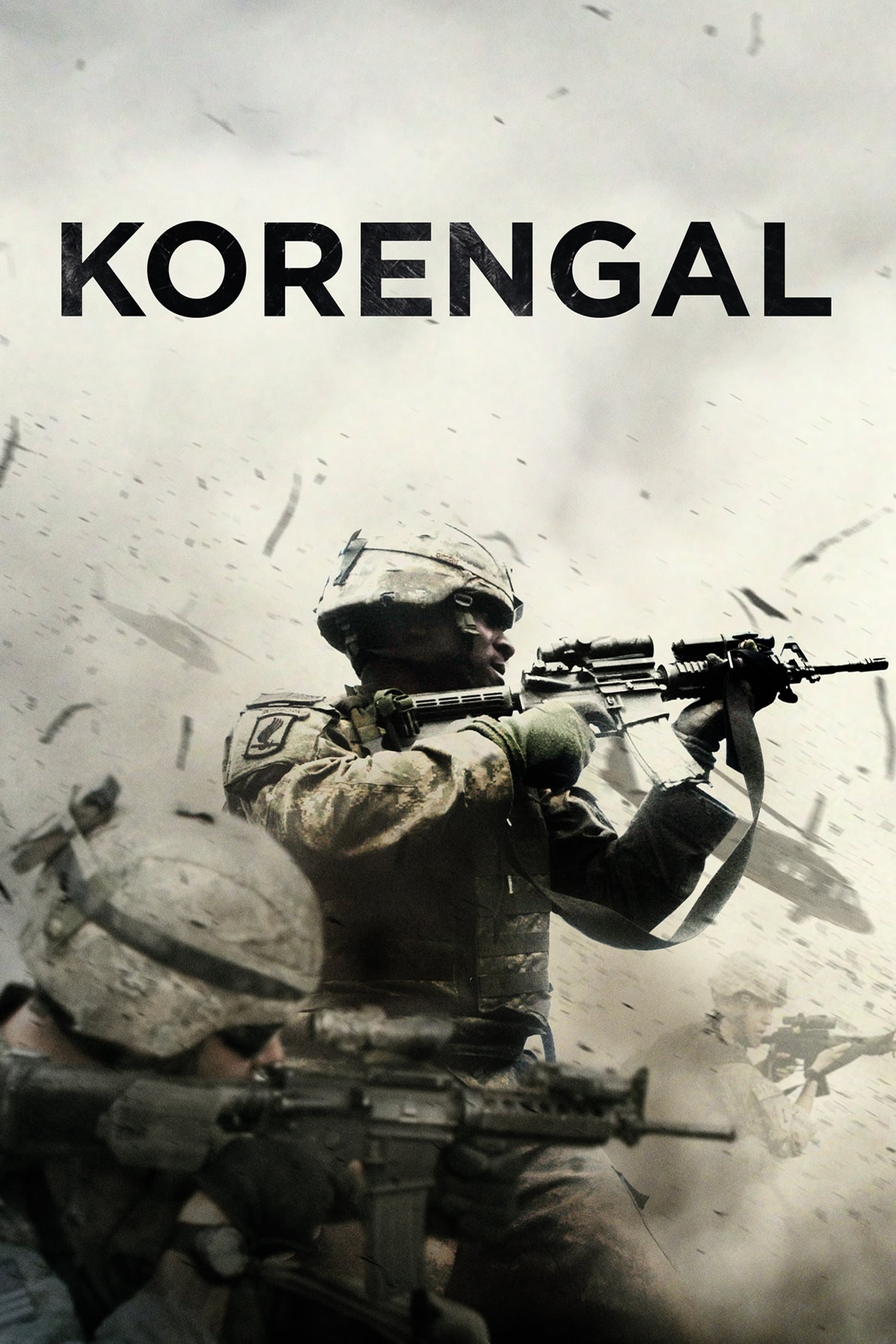
Korengal picks up where Restrepo left off; the same men, the same valley, the same commanders, but a very different look at the experience of war.
Prelude to War was the first film of Frank Capra's Why We Fight propaganda film series, commissioned by the Pentagon and George C. Marshall. It was made to convince American troops of the necessity of combating the Axis Powers during World War II. This film examines the differences between democratic and fascist states.
A love letter from a young mother to her daughter, the film tells the story of Waad al-Kateab’s life through five years of the uprising in Aleppo, Syria as she falls in love, gets married and gives birth to Sama, all while cataclysmic conflict rises around her. Her camera captures incredible stories of loss, laughter and survival as Waad wrestles with an impossible choice– whether or not to flee the city to protect her daughter’s life, when leaving means abandoning the struggle for freedom for which she has already sacrificed so much.
Meet the real-life airmen who inspired Masters of the Air as they share the harrowing and transformative events of the 100th Bomb Group.
"Trinity and Beyond" is an unsettling yet visually fascinating documentary presenting the history of nuclear weapons development and testing between 1945-1963. Narrated by William Shatner and featuring an original score performed by the Moscow Symphony Orchestra, this award-winning documentary reveals previously unreleased and classified government footage from several countries.
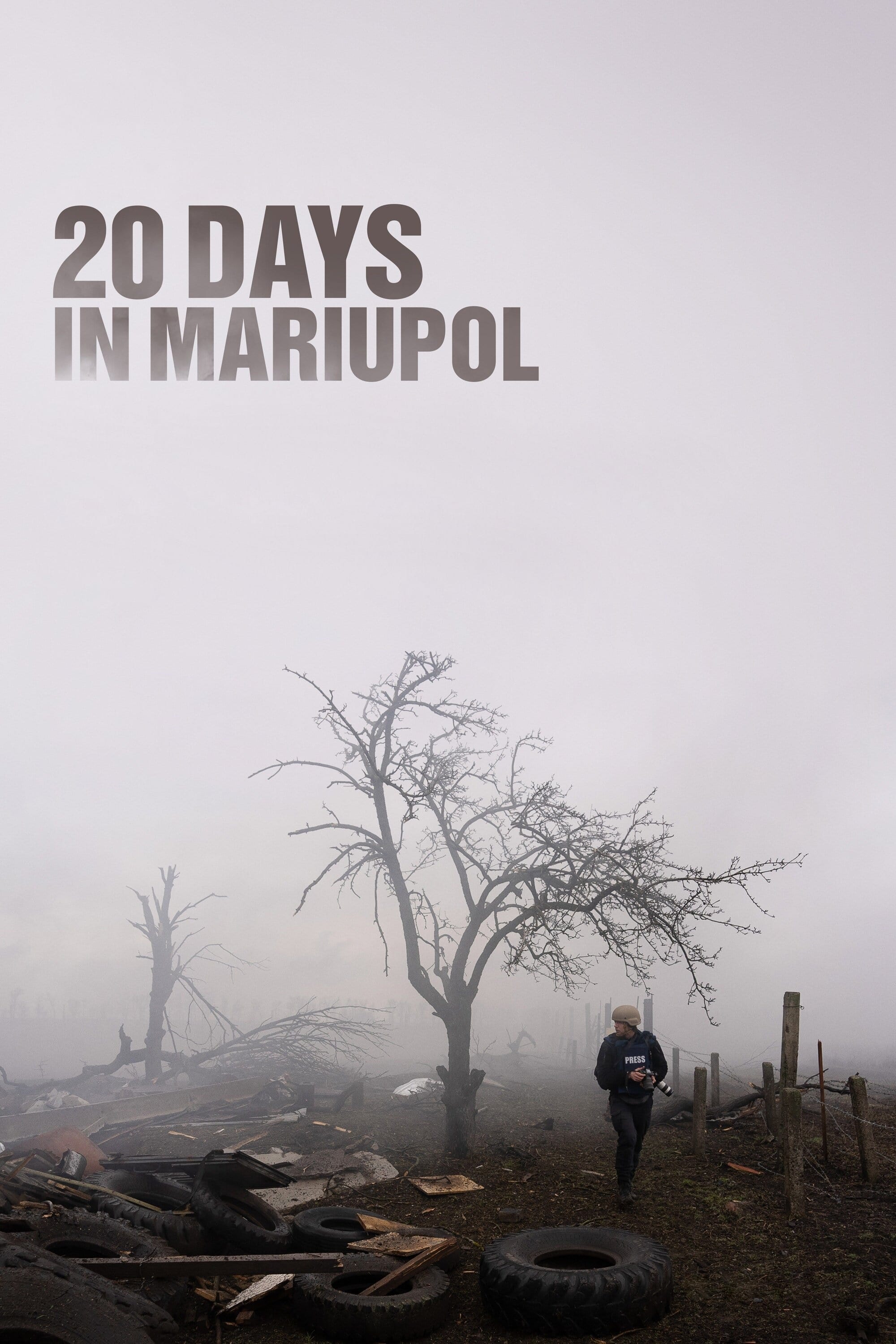
As the Russian invasion begins, a team of Ukrainian journalists trapped in the besieged city of Mariupol struggle to continue their work documenting the war's atrocities.
The history of cinematic sound, told by legendary sound designers and visionary filmmakers.
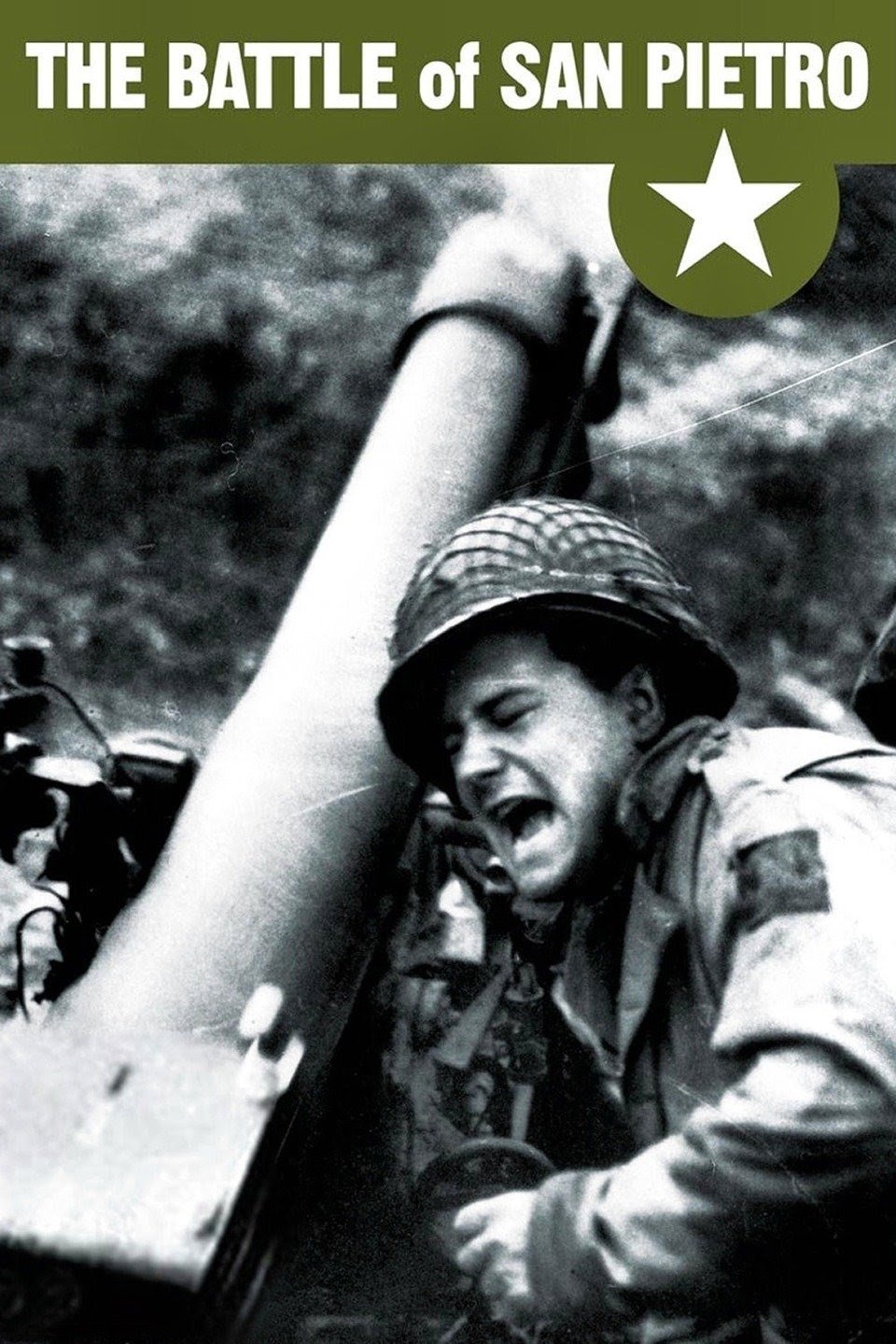
This documentary movie is about the battle of San Pietro, a small village in Italy. Over 1,100 US soldiers were killed while trying to take this location, that blocked the way for the Allied forces from the Germans. Preserved by the Academy Film Archive in 2005.
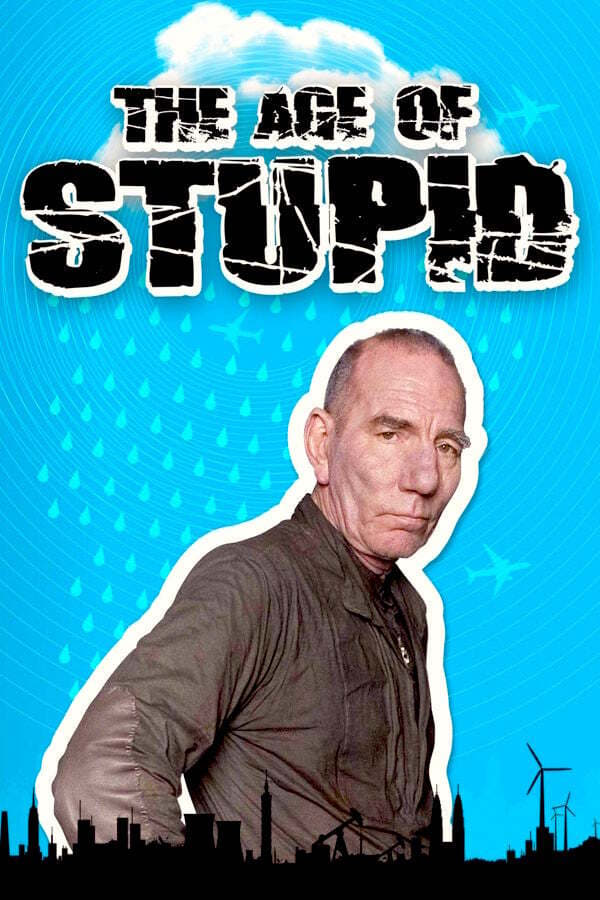
Pete Postlethwaite stars as a man living alone in the devastated future world of 2055, looking at old footage from 2008 and asking: why didn’t we stop climate change when we had the chance?
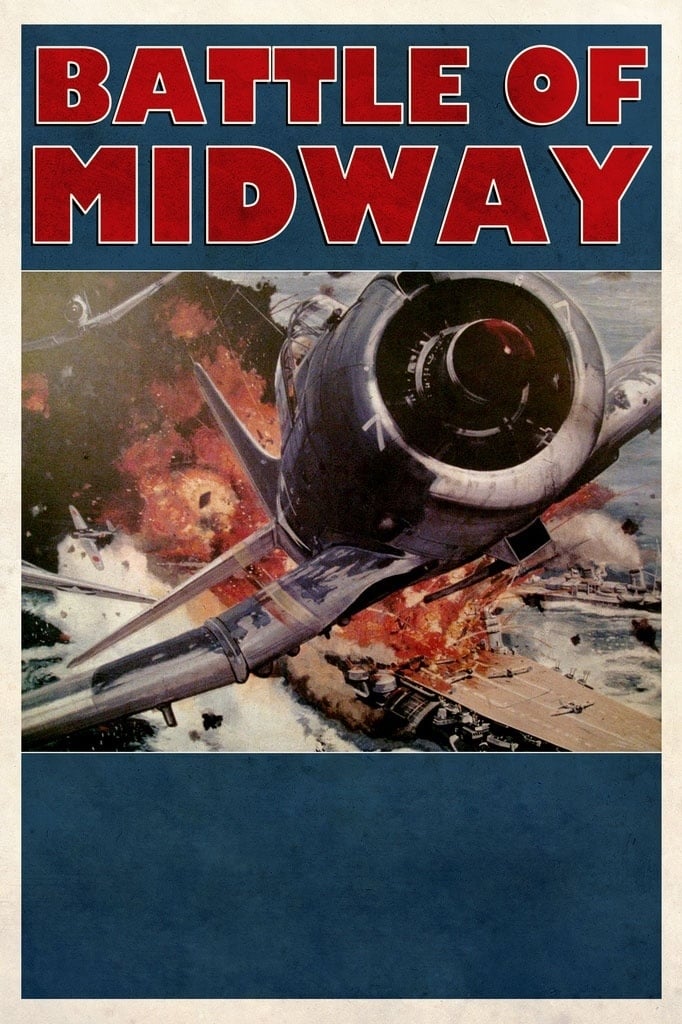
The Japanese attack on Midway in June 1942, filmed as it happened. Preserved by the Academy Film Archive, in partnership with Twentieth Century Fox Film Corporation, in 2006.
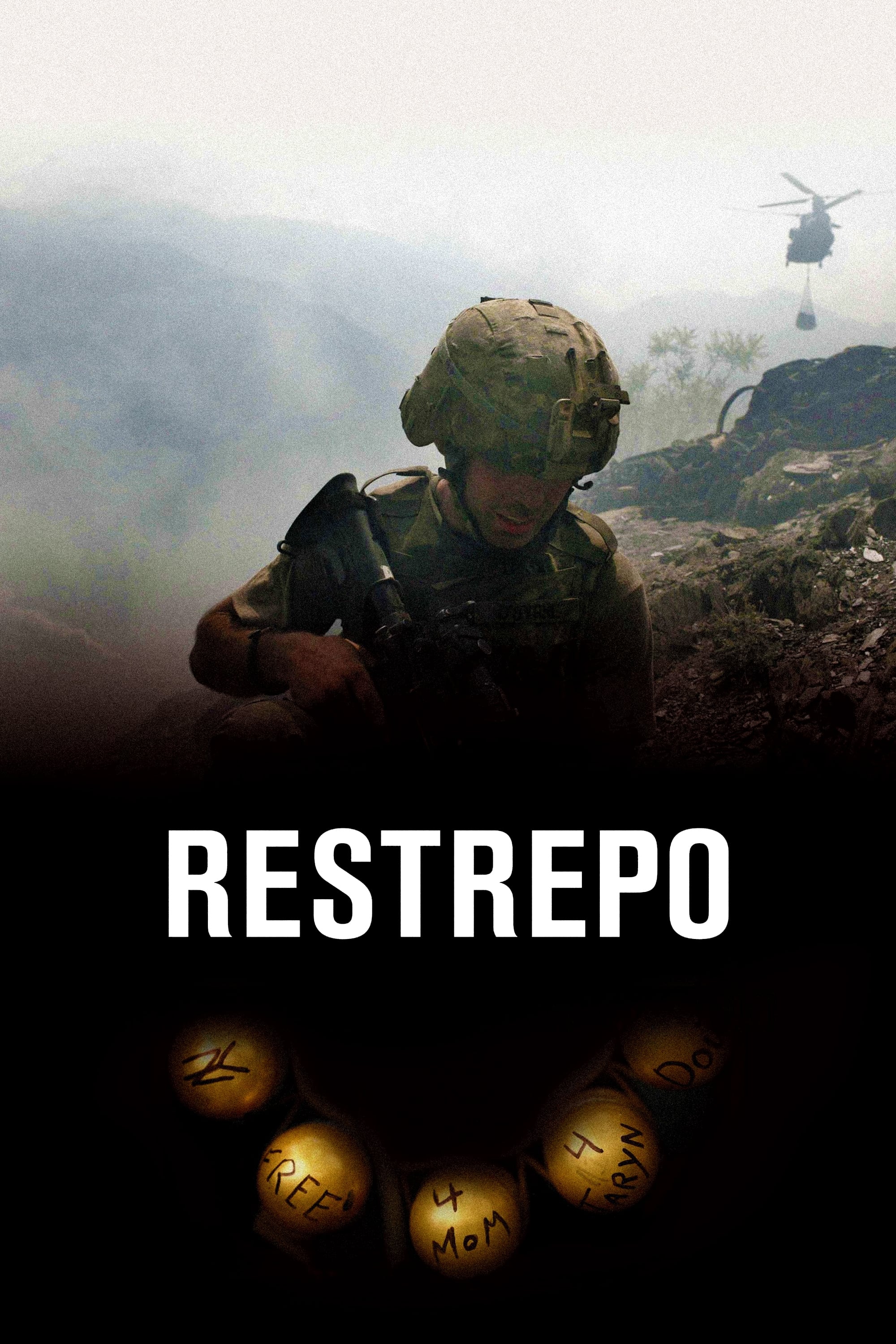
Directors Hetherington and Junger spend a year with the 2nd Battalion of the United States Army located in one of Afghanistan's most dangerous valleys. The documentary provides insight and empathy on how to win the battle through hard work, deadly gunfights and mutual friendships while the unit must push back the Taliban.
With unprecedented access, this documentary follows the extraordinary journey of “Raqqa is Being Slaughtered Silently”—a group of anonymous citizen journalists who banded together after their homeland was overtaken by ISIS—as they risk their lives to stand up against one of the greatest evils in the world today.
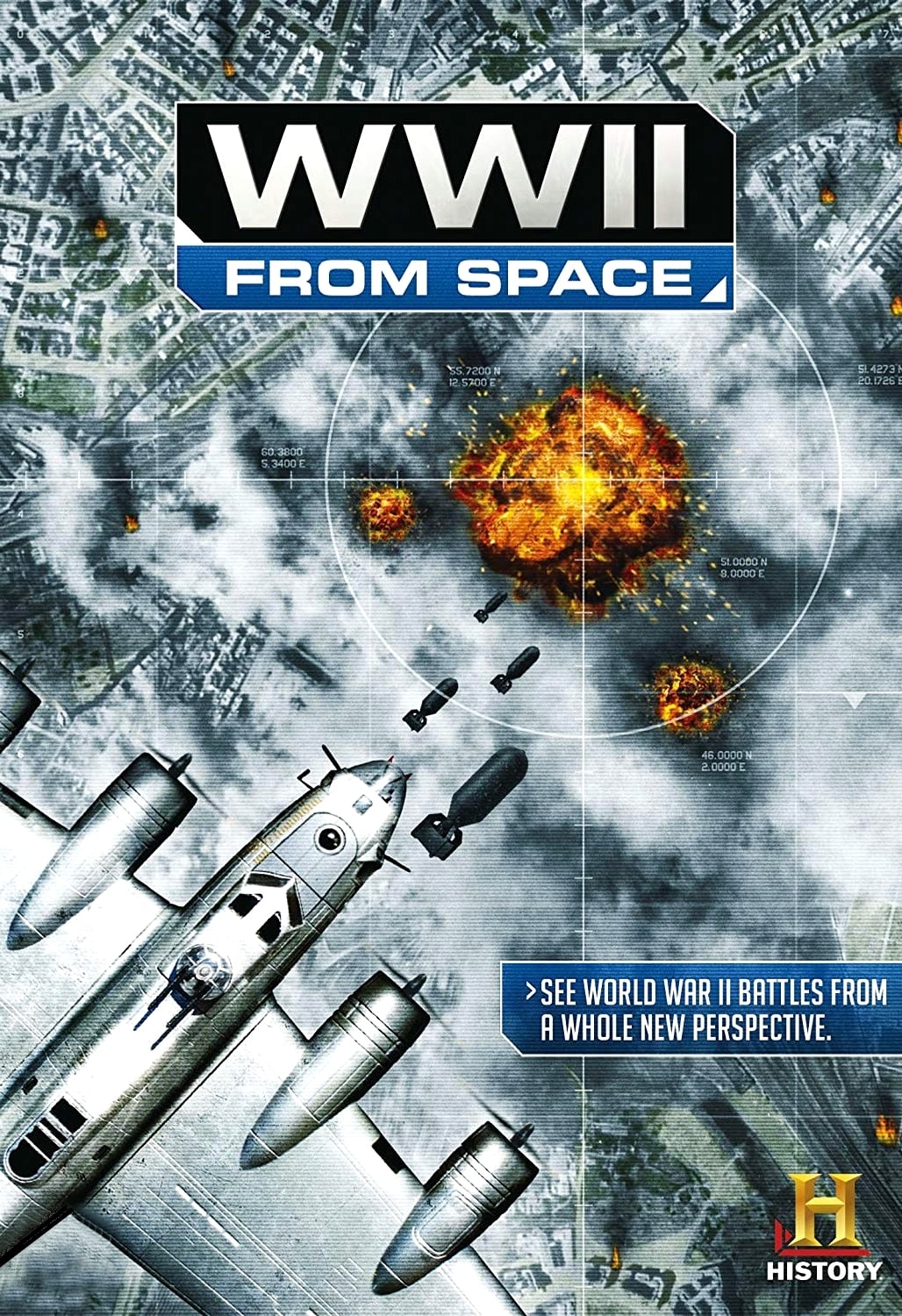
WWII from Space delivers World War II in a way you've never experienced it before. This HISTORY special uses an all-seeing CGI eye that offers a satellite view of the conflict, allowing you to experience it in a way that puts key events and tipping points in a global perspective. By re-creating groundbreaking moments that could never have been captured on camera, and by illustrating the importance of simultaneity and the hidden effects of crucial incidents, HISTORY presents the war's monumental moments in a never-before-seen context. And with new information brought to the forefront, you'll better understand how a nation ranked 19th in the world's militaries in 1939 emerged six years later as the planet's only atomic superpower.
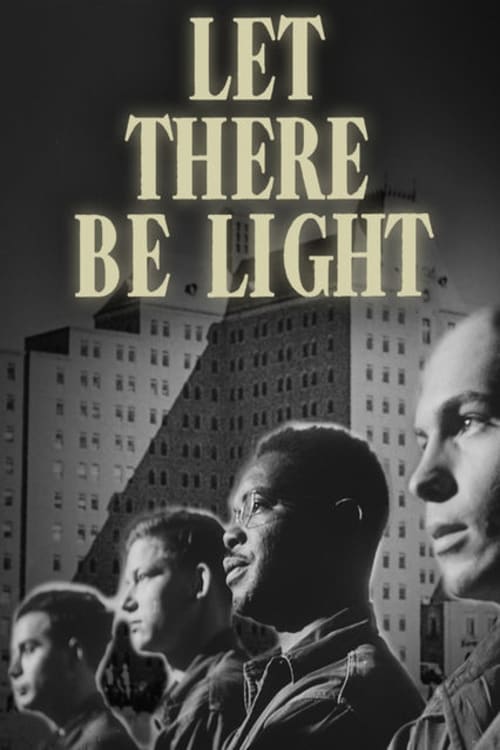
The final entry in a trilogy of films produced for the U.S. government by John Huston. Some returning combat veterans suffer scars that are more psychological than physical. This film follows patients and staff during their treatment. It deals with what would now be called PTSD, but at the time was categorised as psychoneurosis or shell-shock. Government officials deemed this 1946 film counterproductive to postwar efforts; it was not shown publicly until 1981.
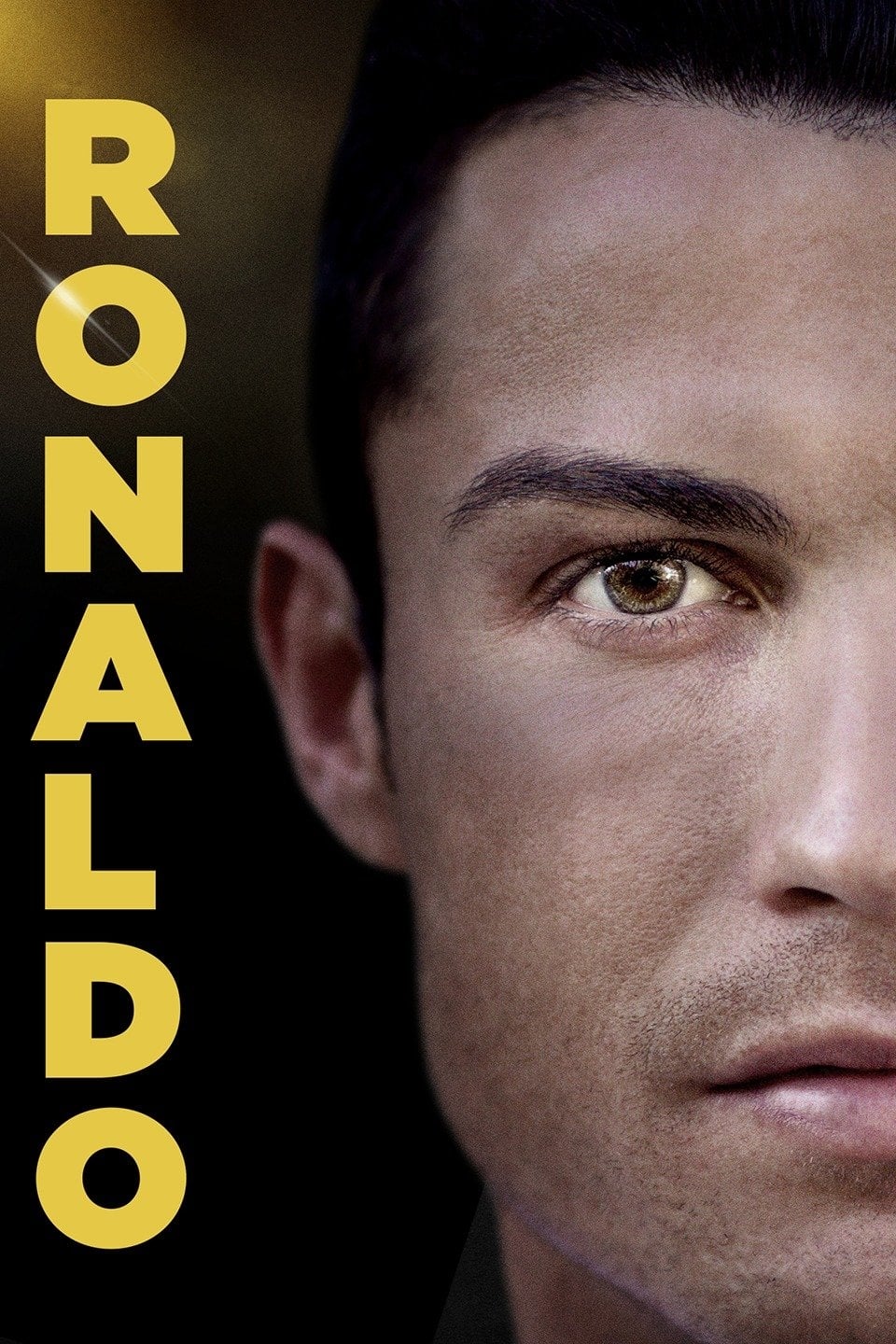
Filmed over 14 months with unprecedented access into the inner circle of the man and the sport, this is the first official and fully authorised film of one of the most celebrated figures in football. For the first time ever, the world gets vividly candid and un-paralleled, behind-closed-doors access to the footballer, father, family-man and friend in this moving & fascinating documentary. Through in-depth conversations, state of the art football footage and never before seen archival footage, the film gives an astonishing insight into the sporting and personal life of triple Ballon D'Or winner Cristiano Ronaldo at the peak of his career. From the makers of ‘Senna’ and ‘Amy’, Ronaldo takes audiences on an intimate and revealing journey of what it’s like to live as an iconic athlete in the eye of the storm.
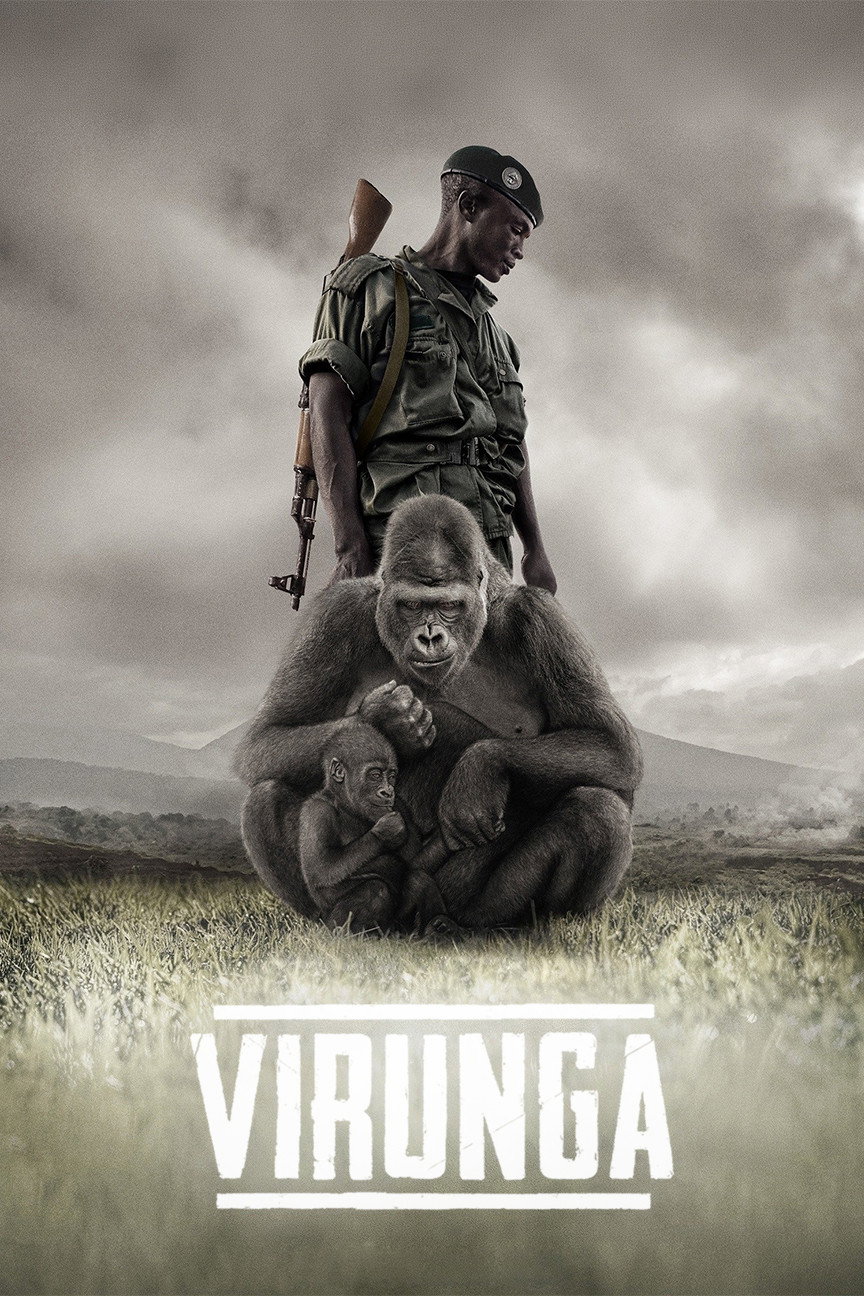
Virunga in the Democratic Republic of the Congo is Africa’s oldest national park, a UNESCO world heritage site, and a contested ground among insurgencies seeking to topple the government that see untold profits in the land. Among this ongoing power struggle, Virunga also happens to be the last natural habitat for the critically endangered mountain gorilla. The only thing standing in the way of the forces closing in around the gorillas: a handful of passionate park rangers and journalists fighting to secure the park’s borders and expose the corruption of its enemies. Filled with shocking footage, and anchored by the surprisingly deep and gentle characters of the gorillas themselves, Virunga is a galvanizing call to action around an ongoing political and environmental crisis in the Congo.
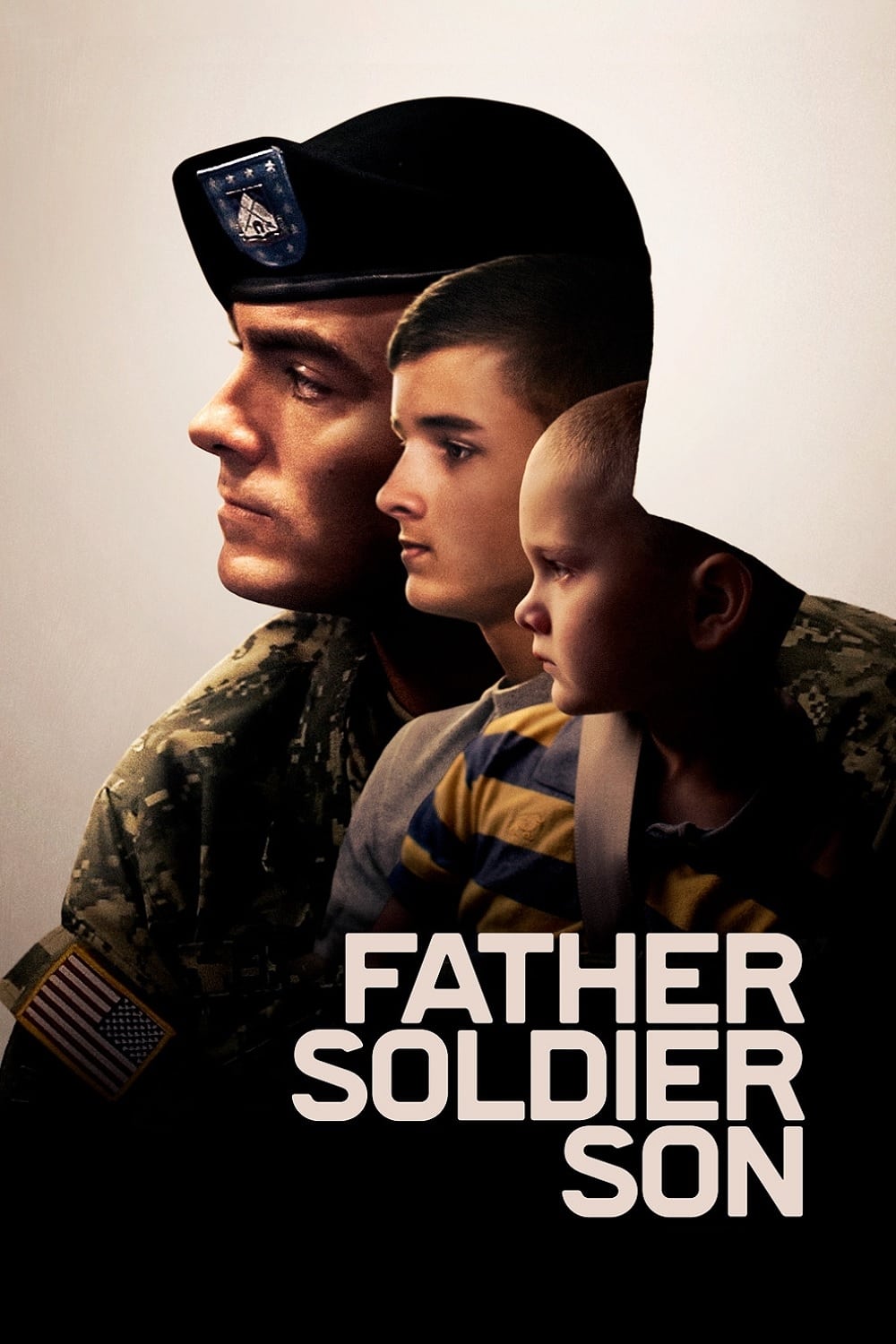
When Sgt. First Class Brian Eisch is critically wounded in Afghanistan, it sets him and his sons on a journey of love, loss, redemption and legacy.