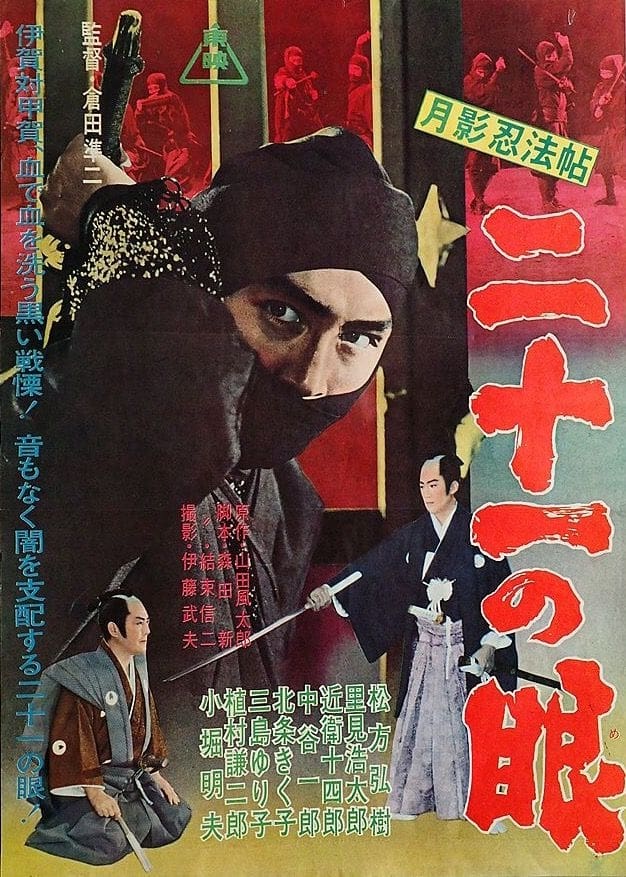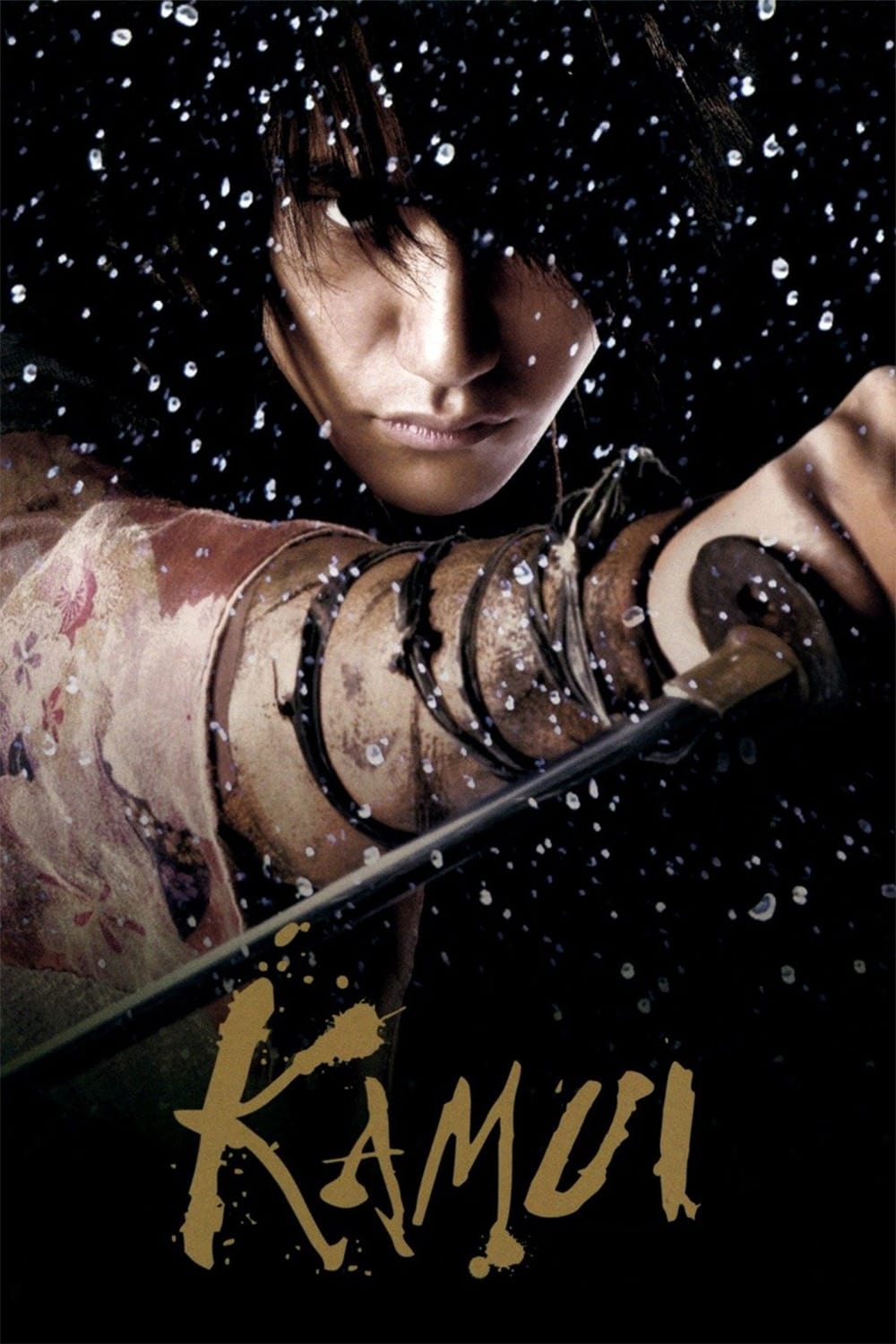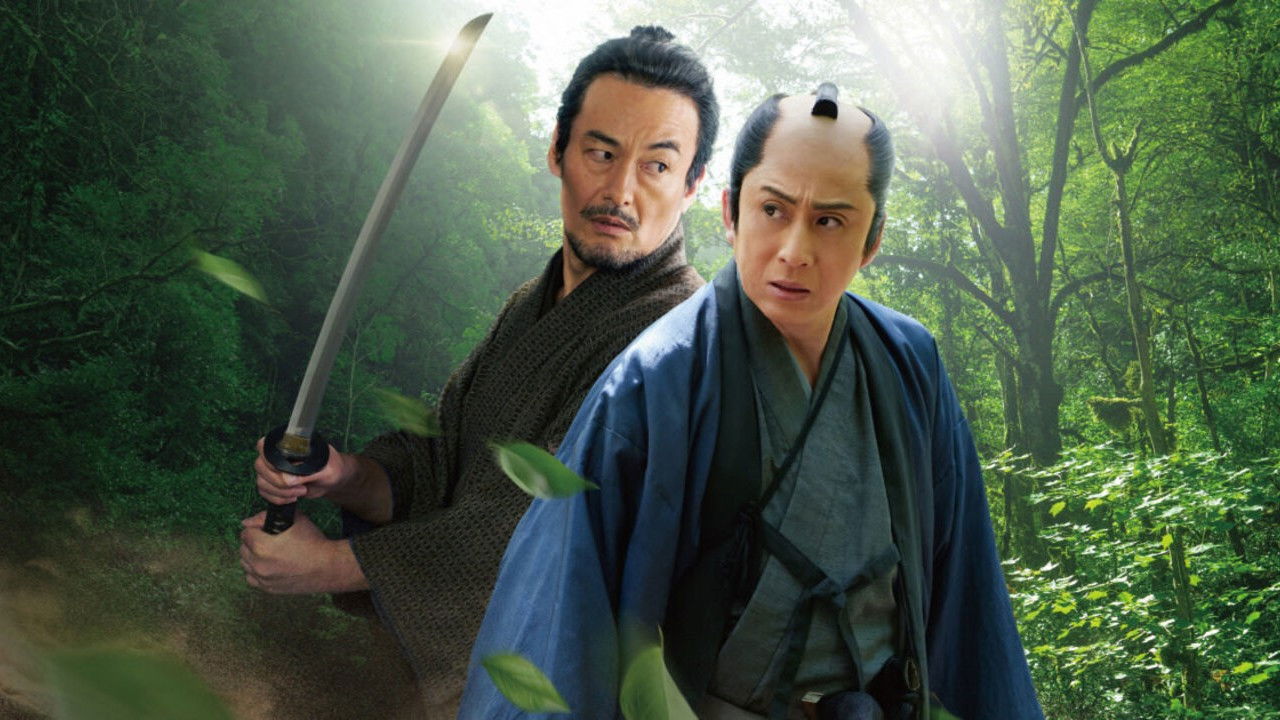
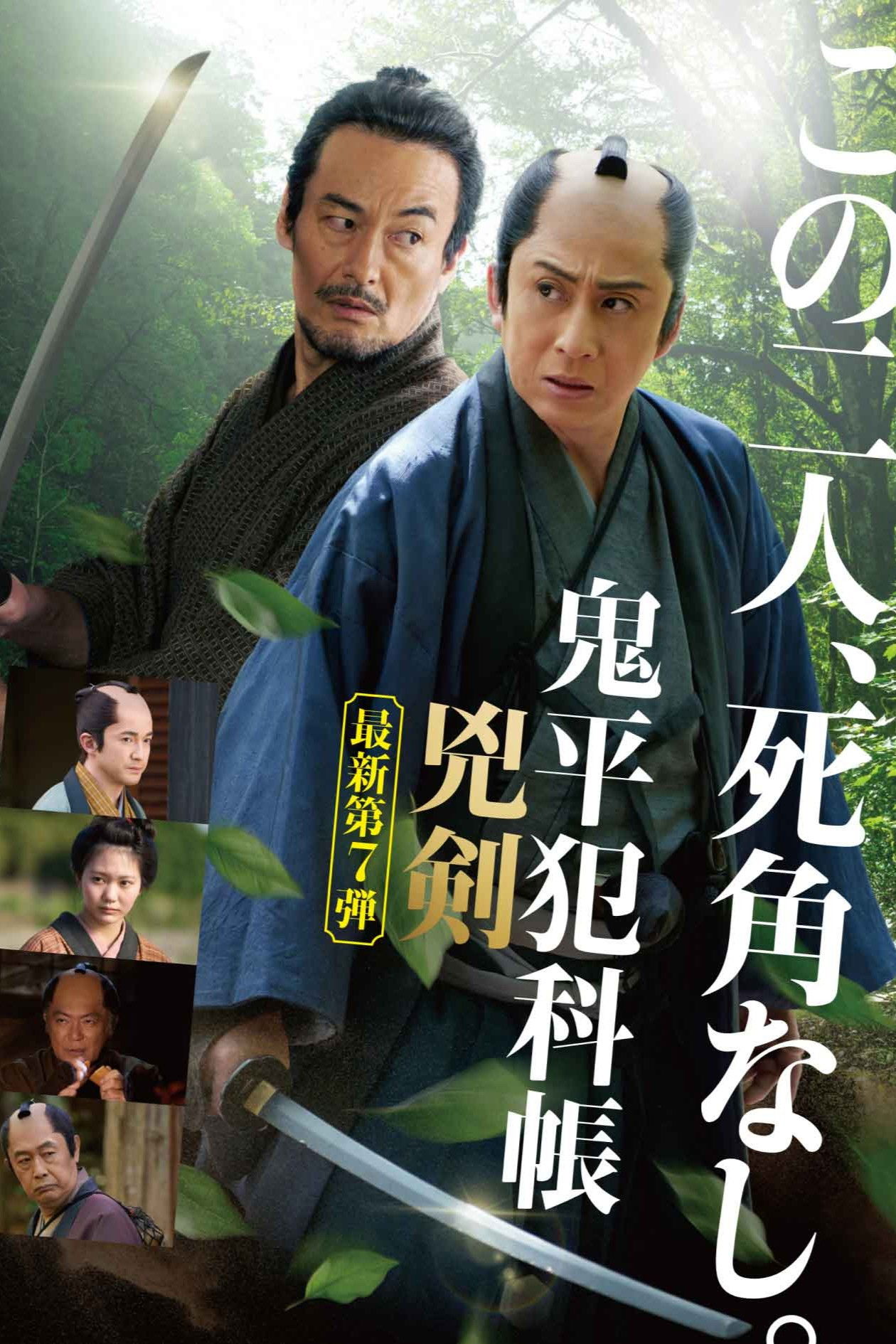
Kishii Samanosuke reunites with Heizo, battling deadly foes to protect a hunted girl and face master thief Koazu no Gentan.
Social & External
Unknown Role
Blind traveler Zatoichi is a master swordsman and a masseur with a fondness for gambling on dice games. When he arrives in a village torn apart by warring gangs, he sets out to protect the townspeople.
Bored Hatamoto film #10
Bored Hatamoto movie #11
After the fall of the Tokugawa Shogunate, there was a series of battles fought while the former supporters of the Tokugawa shogunate retreated to the north where they actually started a sovereign nation that was recognized by more than one European country. Survivors of the Shinsengumi were among the followers of Enomoto Takeaki who took them to the northernmost island of Ezo where they fought their final battle at the star shaped fort, Goryokaku. The Japanese Civil Wars fought in the name of the emperor signaled the complete end of the feudal system and Japan’s entry into the modern world as those brave samurai tried to halt progress and learned that the age of modern warfare and weaponry had passed them by. Swords were no match for rifles and cannons, nor was any man a match for the power of the imperial flag. Japanese loyalty to the emperor has long defined the nation and culture despite the changing times.
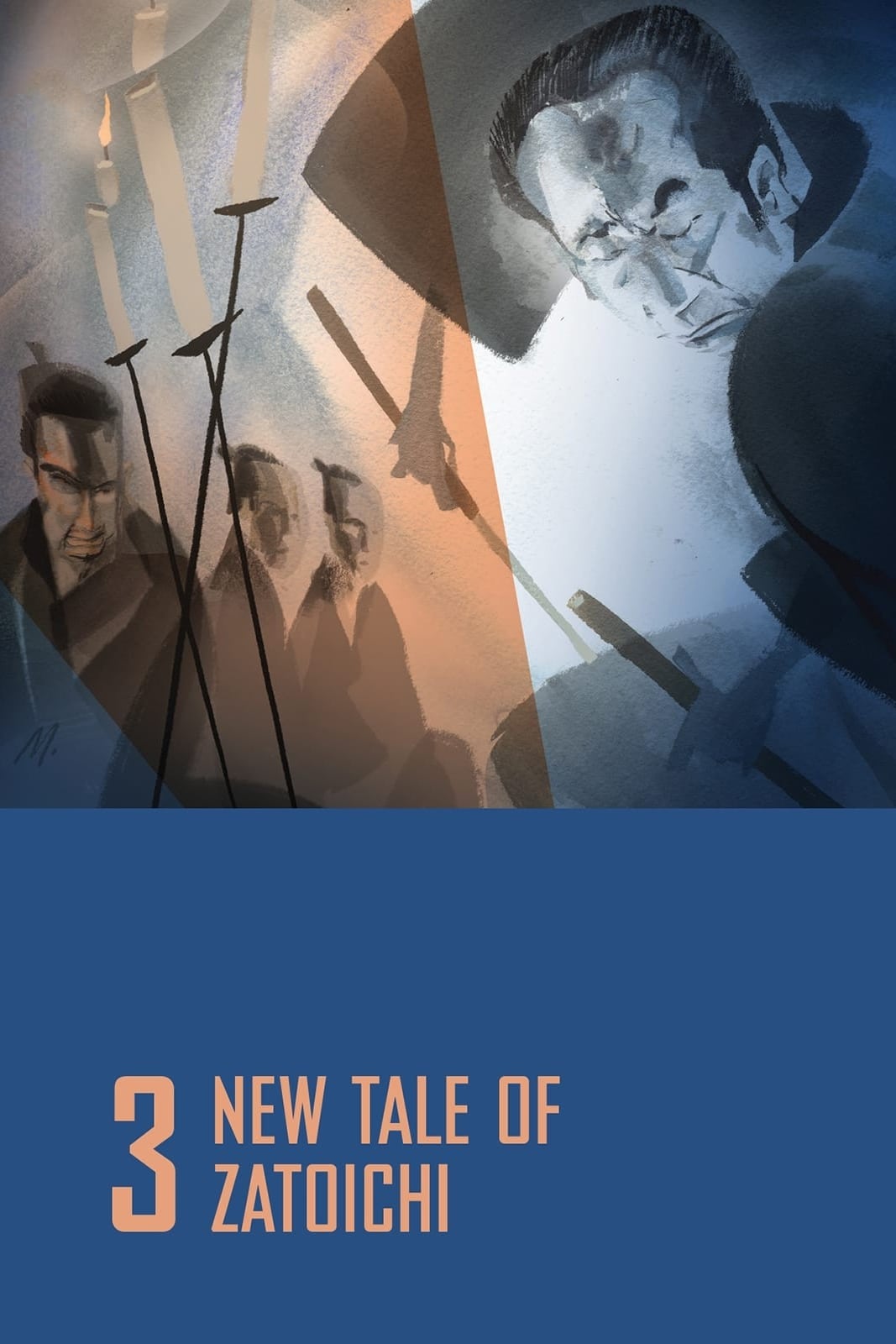
Bored Hatamoto film #19
Returning to their lord's castle, samurai warriors Washizu and Miki are waylaid by a spirit who predicts their futures. When the first part of the spirit's prophecy comes true, Washizu's scheming wife, Asaji, presses him to speed up the rest of the spirit's prophecy by murdering his lord and usurping his place. Director Akira Kurosawa's resetting of William Shakespeare's "Macbeth" in feudal Japan is one of his most acclaimed films.
Tomizo, a master storehouse-breaker who has been released from prison in Denmacho after serving five years plans to break into the Edo Castle gold storehouse to avenge the death of his father, who died a violent death at a gold mine on Sado Island. With the help of Hanji, a playboy who took care of him in prison, as his partner, Tomizo decides on the night of fireworks to be held in Edo Castle as the day to carry out his plan. Kanpei, a wise man, is suspicious of the plan.
The film is set in Edo period. As an orphan child Mio starts working at a restaurant in Osaka where she learns how to cook. When she turns 18, she moves to Edo (today's Tokyo) where she opens her own restaurant.
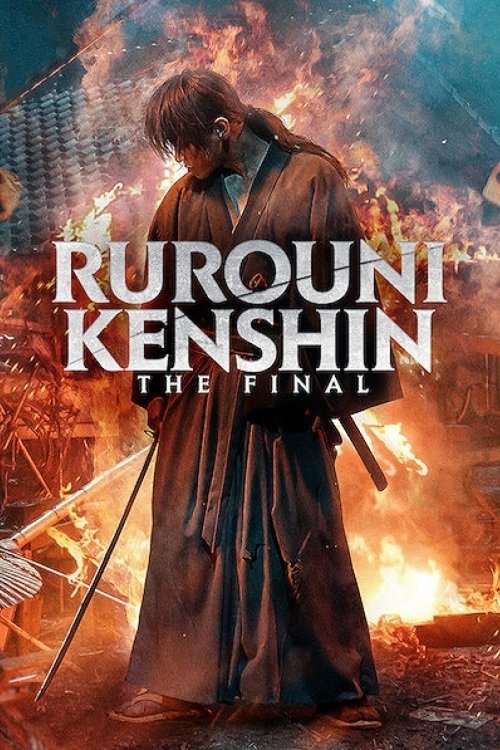
In 1879, Kenshin and his allies face their strongest enemy yet: his former brother-in-law Enishi Yukishiro and his minions, who've vowed their revenge.
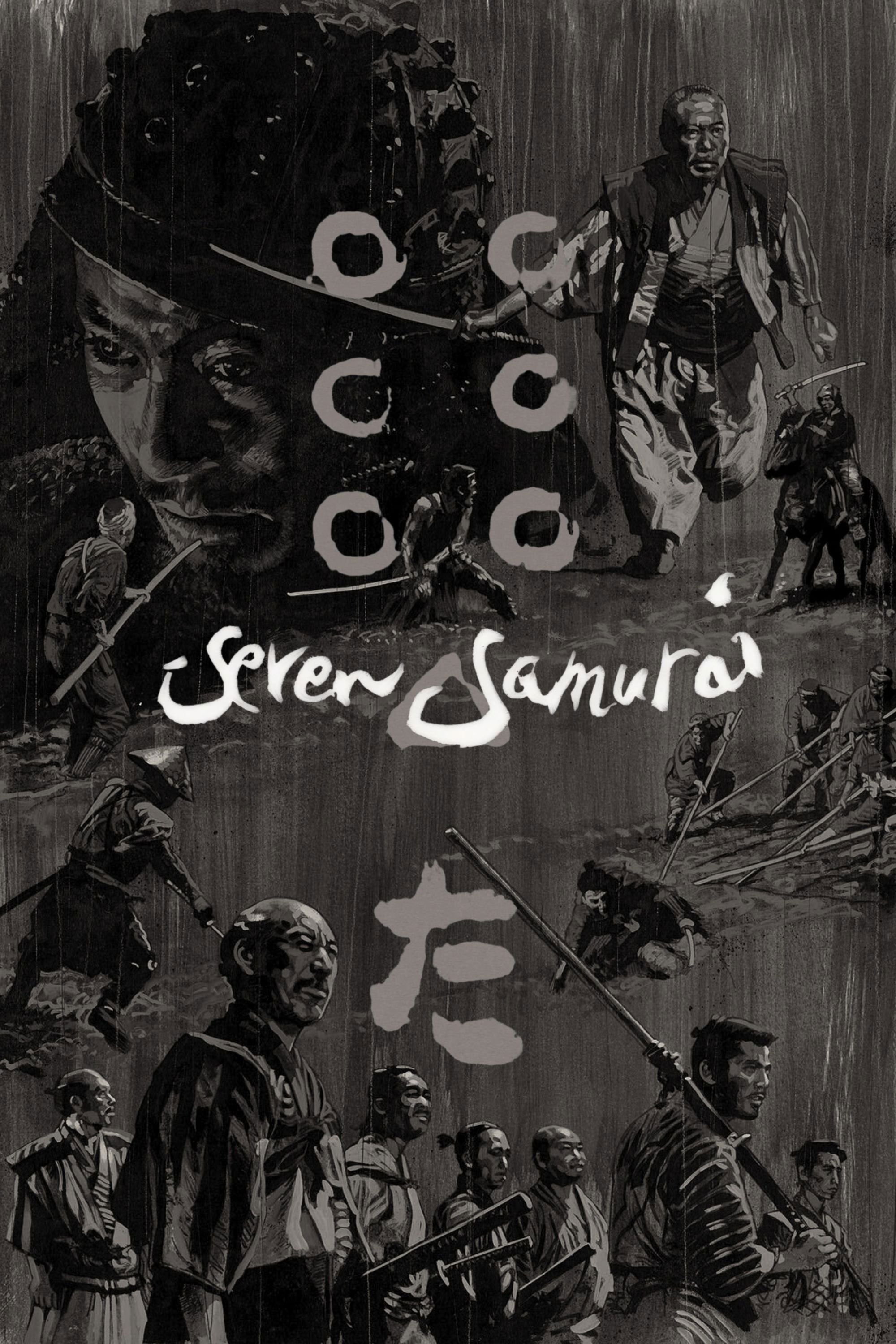
A samurai answers a village's request for protection after he falls on hard times. The town needs protection from bandits, so the samurai gathers six others to help him teach the people how to defend themselves, and the villagers provide the soldiers with food.
In an Edo-period retelling of "City Lights", Iyami, a poor beggar, befriends a flower-selling blind young girl. Through the ups and downs of their friendship, Iyami strives to find a way to make her see again.
In feudal Japan, during a bloody war between clans, two cowardly and greedy peasants, soldiers of a defeated army, stumble upon a mysterious man who guides them to a fortress hidden in the mountains.
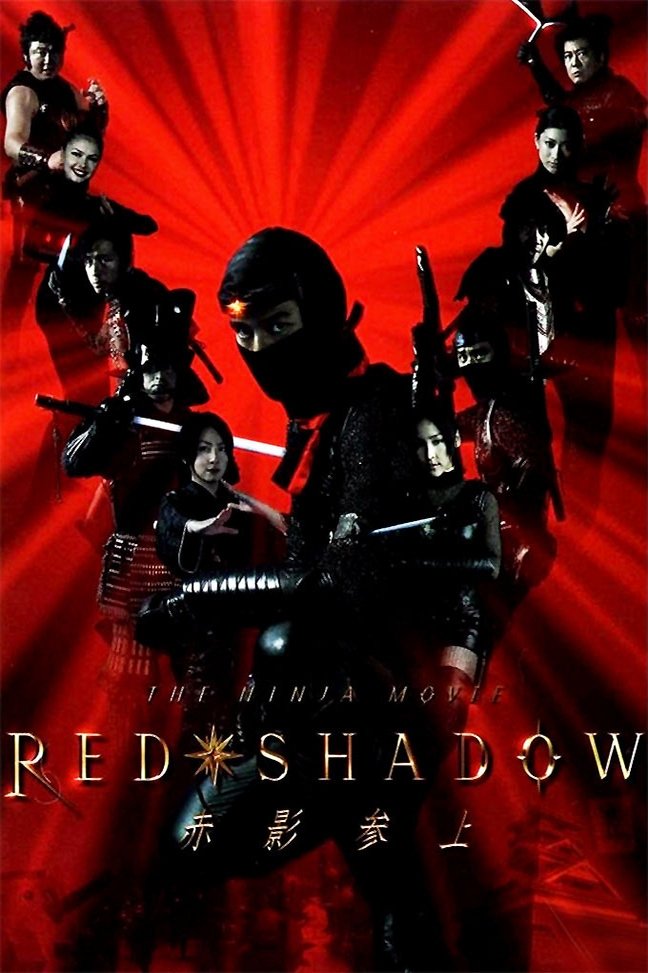
The secret warriors of feudal Japan were the ninja. Sent on impossible missions, the ninja were trained to work in shadows, gather information and defeat the enemy to build a world of peace. Akakage, Aokage, and Asuka are rookie ninjas under the tutelage of Shirokage. Their life is a series of perilous missions that entail intrigue, deception and intimidation.
Kanichiro Yoshimura is a Samurai and Family man who can no longer support his wife and children on the the low pay he receives from his small town clan, he is forced by the love for his family to leave for the city in search of higher pay to support them.
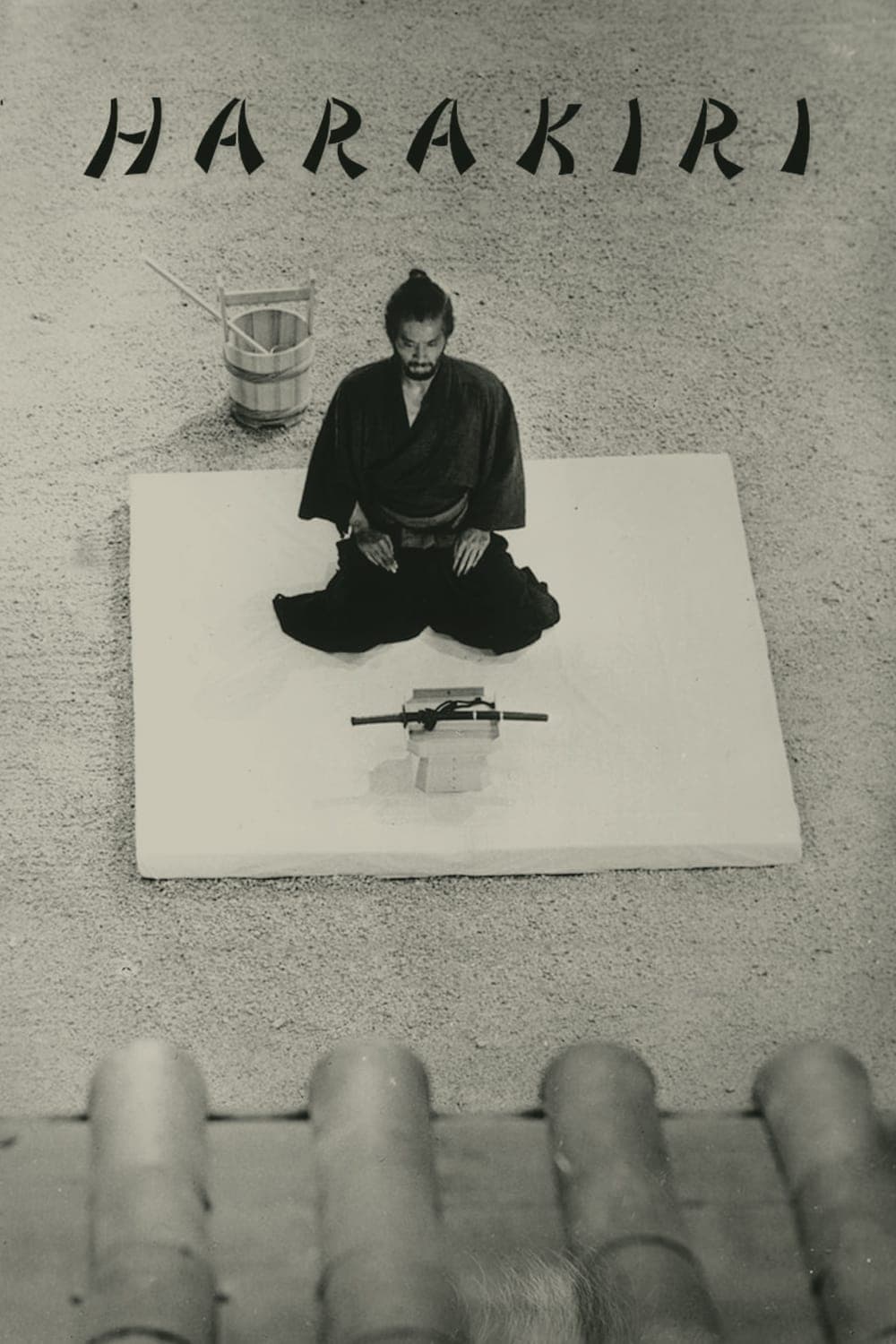
Down-on-his-luck veteran Tsugumo Hanshirō enters the courtyard of the prosperous House of Iyi. Unemployed, and with no family, he hopes to find a place to commit seppuku—and a worthy second to deliver the coup de grâce in his suicide ritual. The senior counselor for the Iyi clan questions the ronin’s resolve and integrity, suspecting Hanshirō of seeking charity rather than an honorable end. What follows is a pair of interlocking stories which lay bare the difference between honor and respect, and promises to examine the legendary foundations of the Samurai code.
The Color Print of Edo is a 1939 black and white Japanese silent film with benshi accompaniment directed by Kazuo Mori. It is a cheerful period drama, sprinkled with comical scenes and tells the story of a loyal and handsome Edo period servant who fights to help his older brother marry the woman he loves. The star of this film, Utaemon Ichikawa, gained enormous popularity for his portrayal of a cheerful and chivalrous man.
The classic tale of the shogun's illegitimate son Aoi Shingo is told in three parts as he strives to become the greatest fencer in Japan, while his father Shogun Tokugawa Yoshimune seeks to reunite with his lost son. Part 1 sets up the story and introduces the characters. When the secrets of Shingo's birth are revealed to him, it sets off a series of events that bring him to cross swords with members of the shogun's inner circle.
A violent fire one evening kills a husband and wife couple and burns their Kazusaya rice shop to ashes. Their daughter Sachi manages to make it out alive, but she claims the fire was set by henchmen from the rival Harimaya shop who abducted her sister. After policeman Watanabe Shogoro hears her story, he begins investigating the case, but desperate to avenge her parents' deaths, Sachi later enlists the aid of a mysterious woman who offers to kill Harimaya for a price. Watanabe soon discovers that there is more to this case than meets the eye.
Kondo Isami, the “Devil” commander of the Shinsengumi was one of Japan’s greatest national heroes and a peerless swordsman who devoted his life to protecting the shogun and fighting on the side of the Tokugawa. This tells the story of the Shinsengumi starting at the moment of their greatest triumph through the final battles as the Tokugawa shogunate was brought down.
Bored Hatamoto film #3
A fugitive lord and his six retainers disguise themselves as monks to bluff their way through a hostile checkpoint.
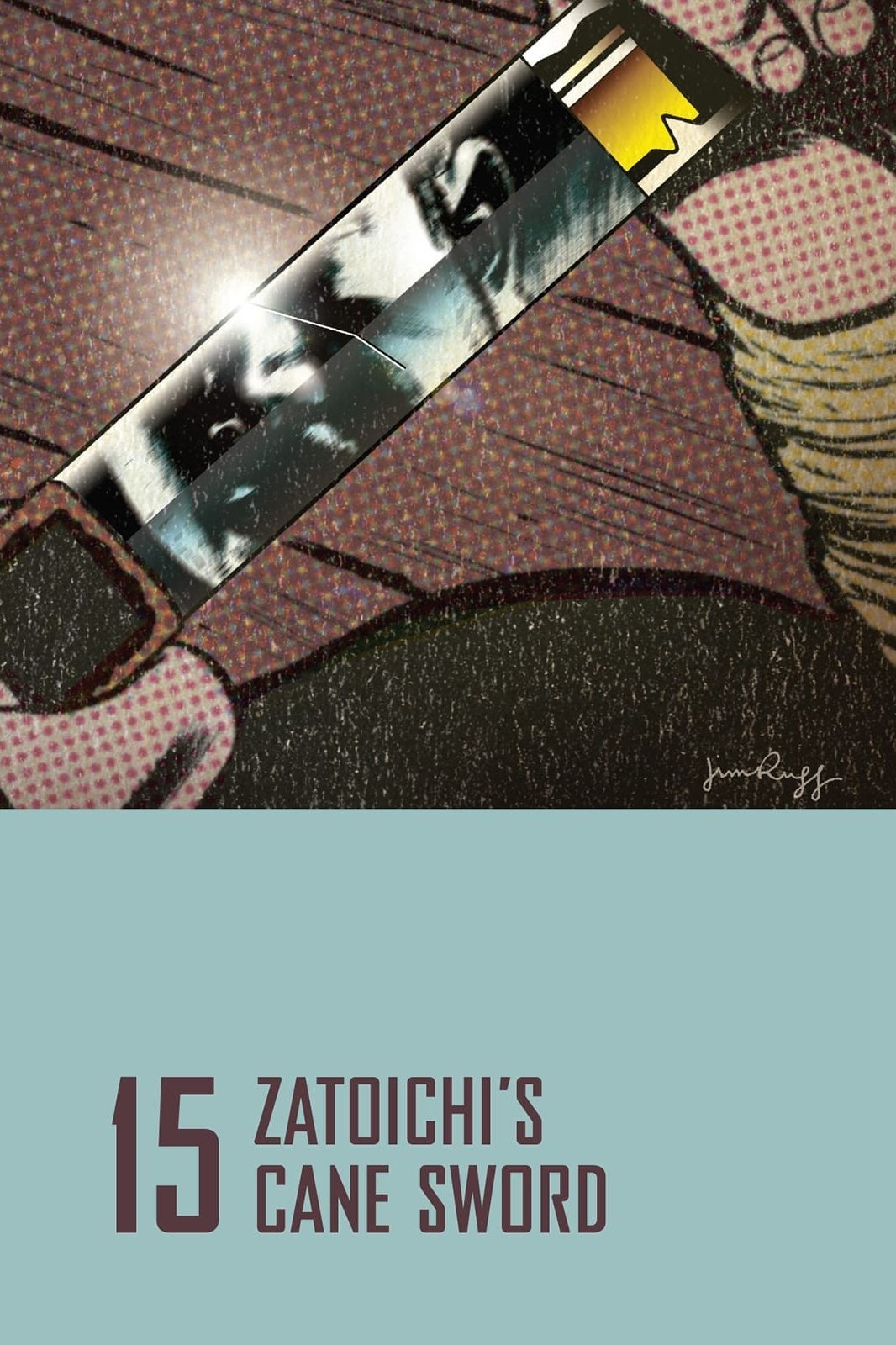
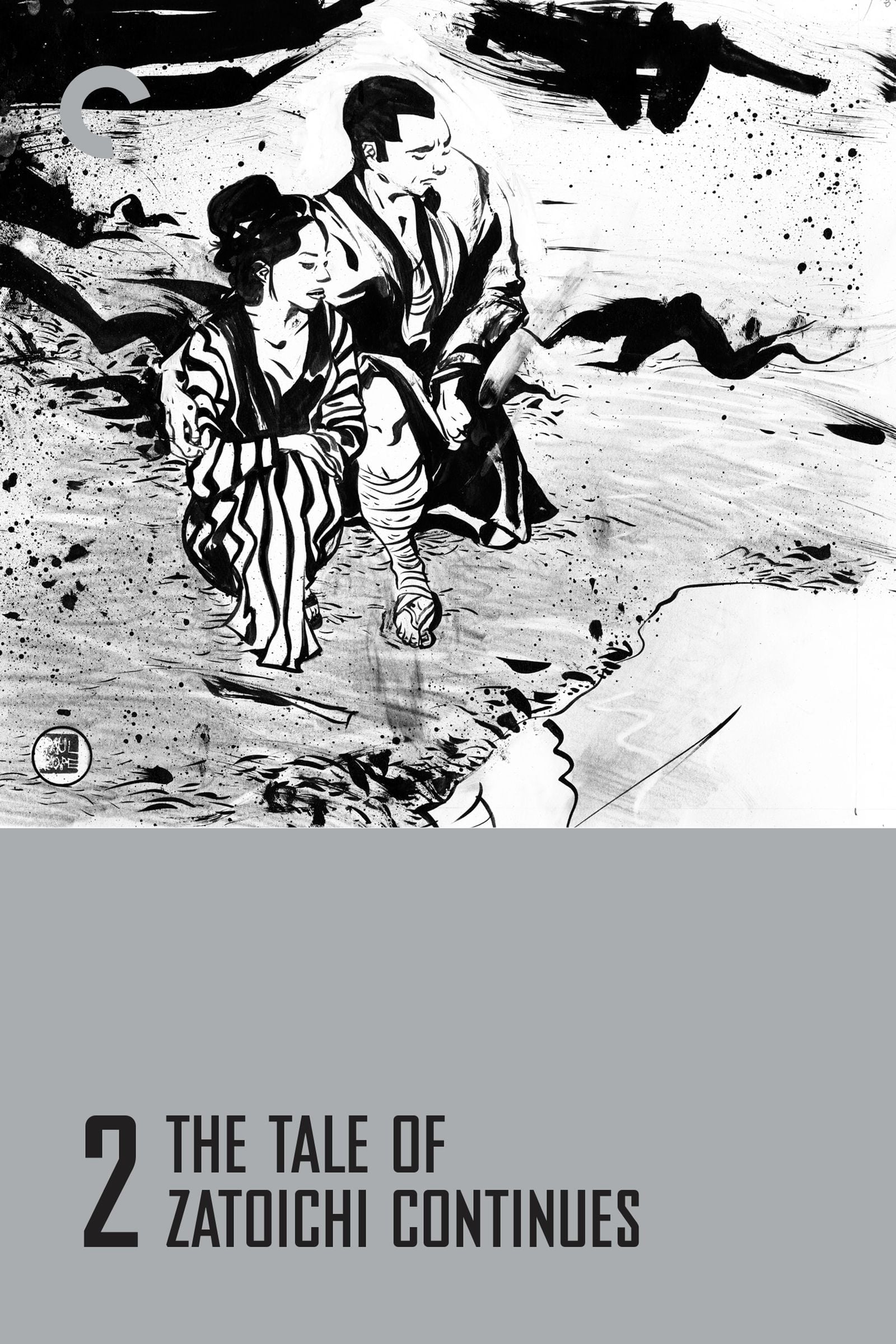
Zatoichi comes upon the town of Tonda, overrun by gangsters. Using one of his favorite techniques, Zatoichi proceeds to win 8 ryo in a rigged gambling game. Of course, the local gangsters attempt to kill him, and the adventure begins. It turns out a blacksmith named Senzo examines Zatoichi's cane sword, and discovers it to be forged by his old mentor. Senzo discovers the sword is at the end of its usefulness and will break when it is used next.
After years on the road establishing his reputation as Japan's greatest fencer, Takezo returns to Kyoto. Otsu waits for him, yet he has come not for her but to challenge the leader of the region's finest school of fencing. To prove his valor and skill, he walks deliberately into ambushes set up by the school's followers.
In an alternate version of 1949 Japan in which World War II never happened, the Japanese capital of Teito is home to both an ultra rich upper class and the dirt poor masses. The city is thrown into a state of panic when a phantom thief called “The Kaijin (Fiend) with 20 Faces” (K-20 for short) begins to use his mysterious abilities to steal from the rich and give to the poor. One day a circus acrobat named Heikichi Endo (Takeshi Kaneshiro) is framed for K-20’s crimes and becomes determined to clear his name. He teams up with K-20’s next target, a wealthy duchess named Yoko Hashiba (Takako Matsu) and her detective fiancé (Toru Nakamura), to take K-20 down once and for all.
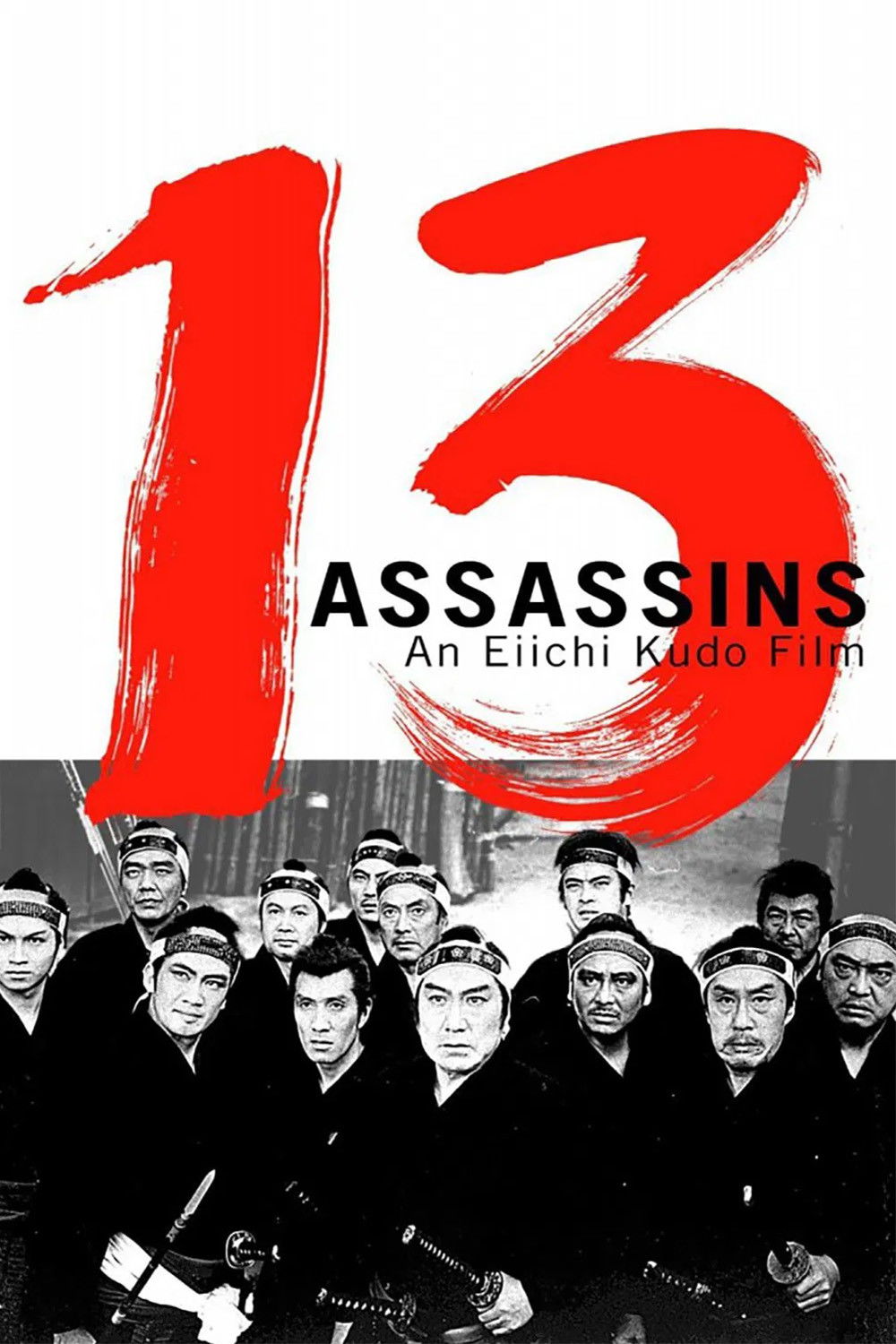
A sadistic Daimyo (feudal lord) rapes a woman and murders both her and her husband, but even when one of his own vassals commits suicide to bring attention to the crime, the matter is quickly hushed up. Not only will there be no punishment, but because the Daimyo is the Shogun's younger brother, he will soon be appointed to a high political position from which he could wreak even more havoc. Convinced that the fate of the Shogunate hangs in the balance, a plot is hatched to assassinate the Daimyo. The two most brilliant strategic minds of their generation find themselves pitted against each other; one is tasked to defend a man he despises, and has a small army at his disposal. The other is given a suicide mission, and has 12 brave men. They are the 13 Assassins.
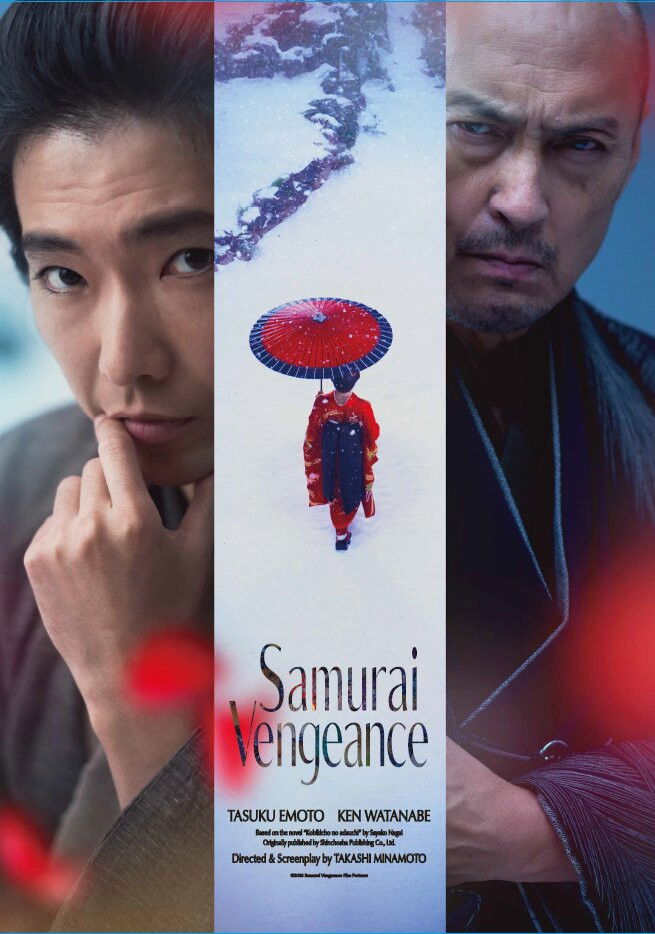
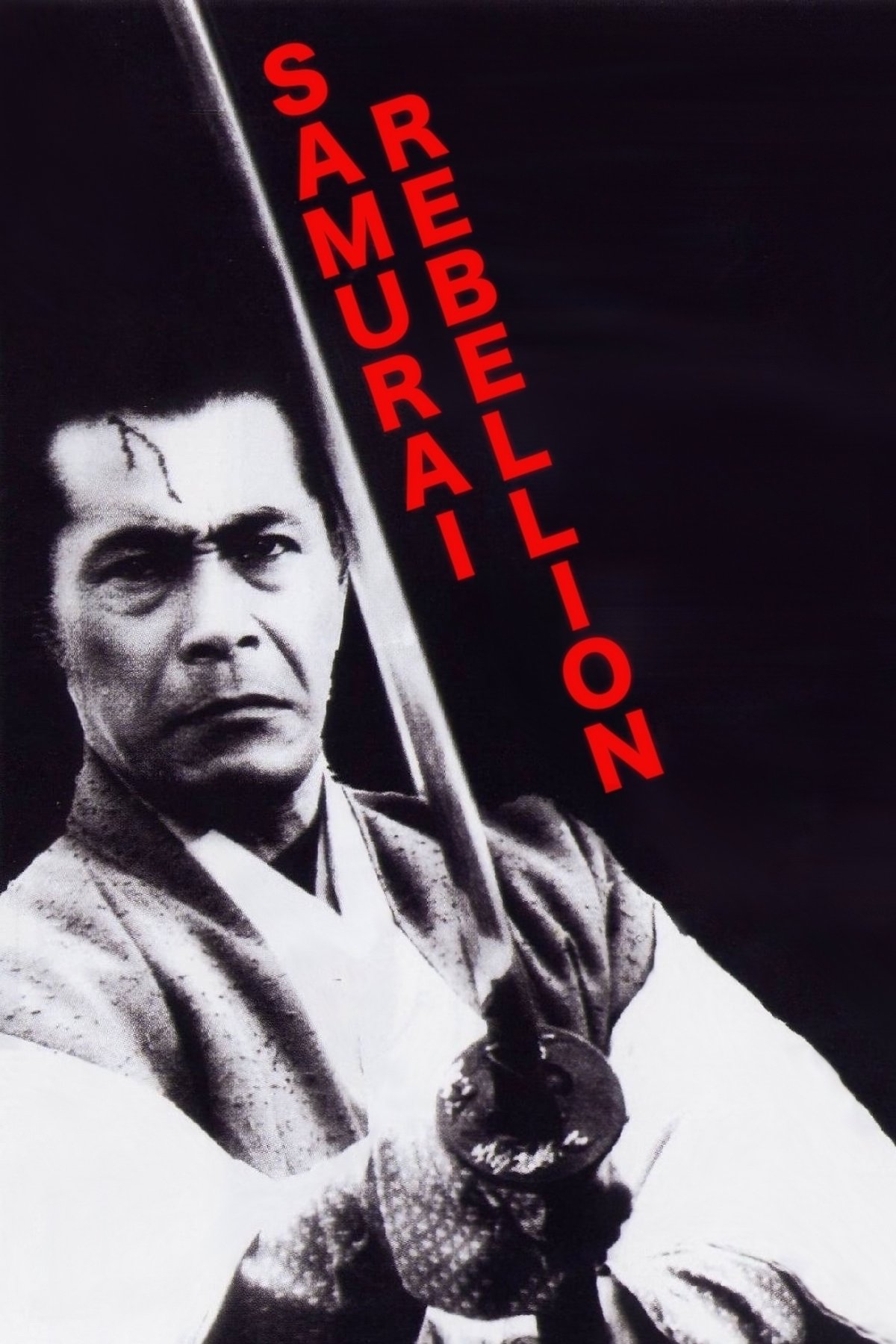
The mother of a feudal lord's only heir is kidnapped by the lord. Her husband and his samurai father must decide whether to accept the unjust decision, or risk death to rescue her.
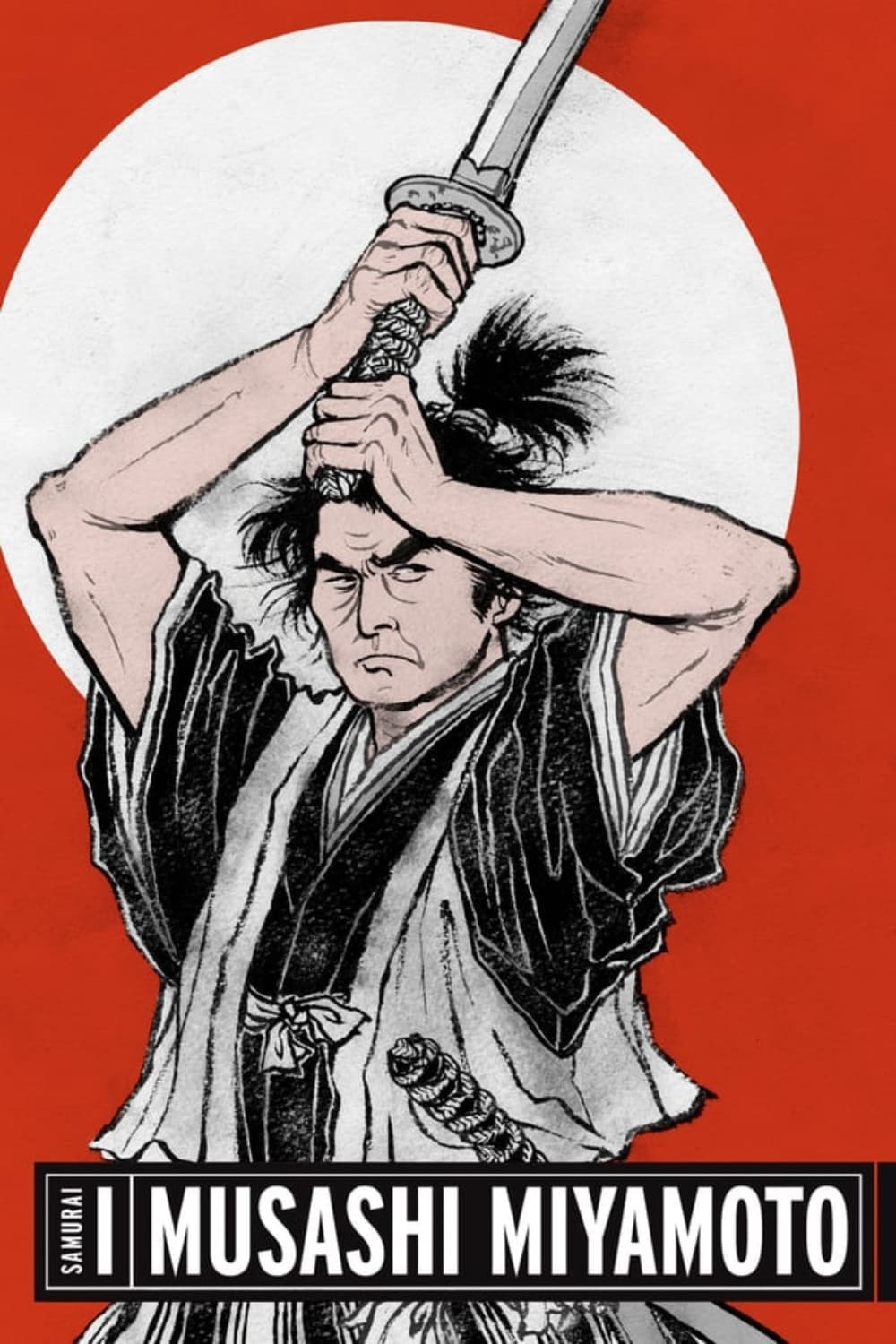
Struggling to elevate himself from his low caste in 17th century Japan, Miyamoto trains to become a mighty samurai warrior.
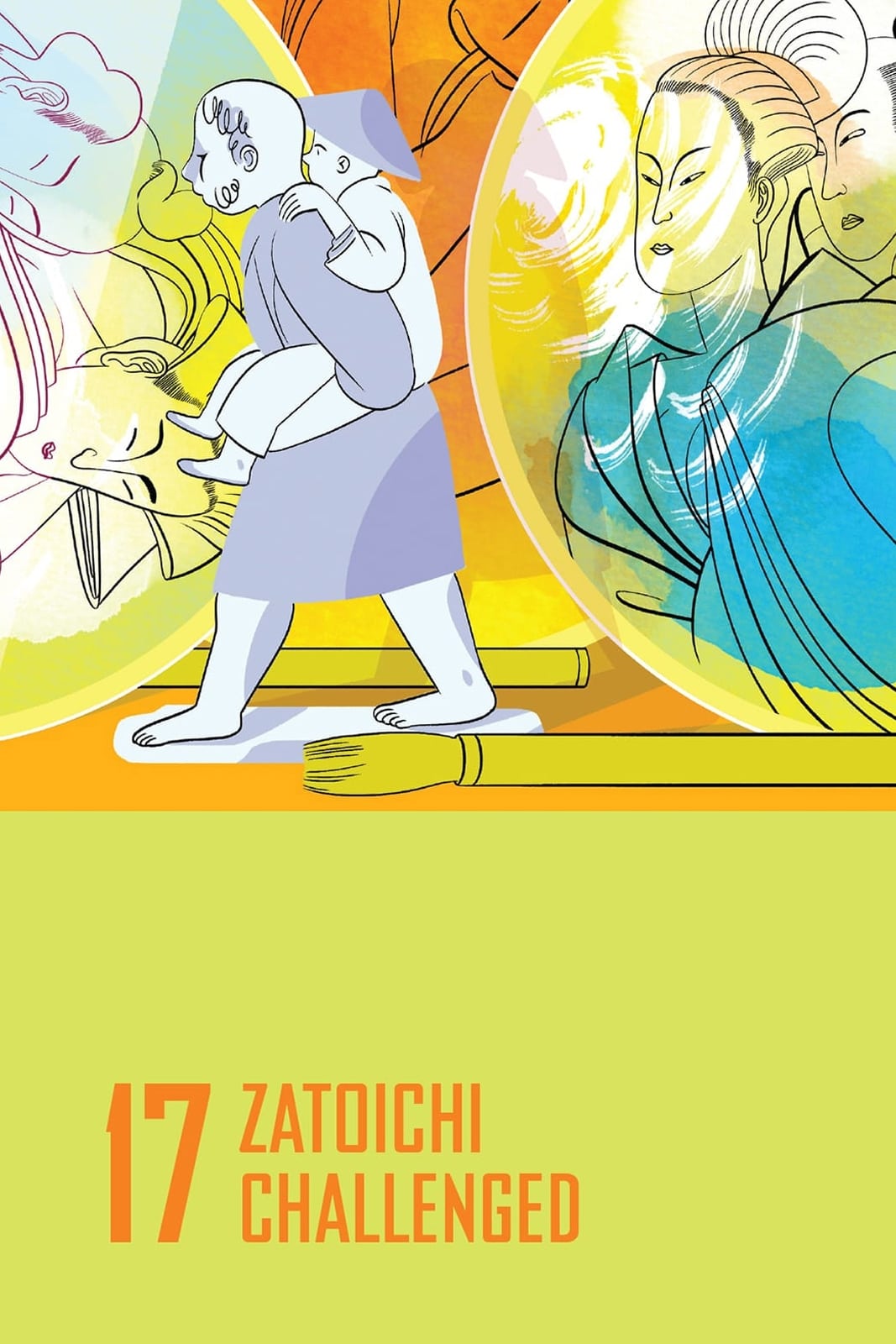
Ichi is staying at an inn when a woman dies. Her dying wish is that Ichi take her son to his father, an artist living in a nearby town. After arriving in the town, Ichi finds out that the father has been forced by a local boss to create illegal pornography to pay off his gambling debts. Ichi makes it his mission to save the man and reunite the family, even though it brings him into conflict with a samurai he sort of befriended on his way to the town.
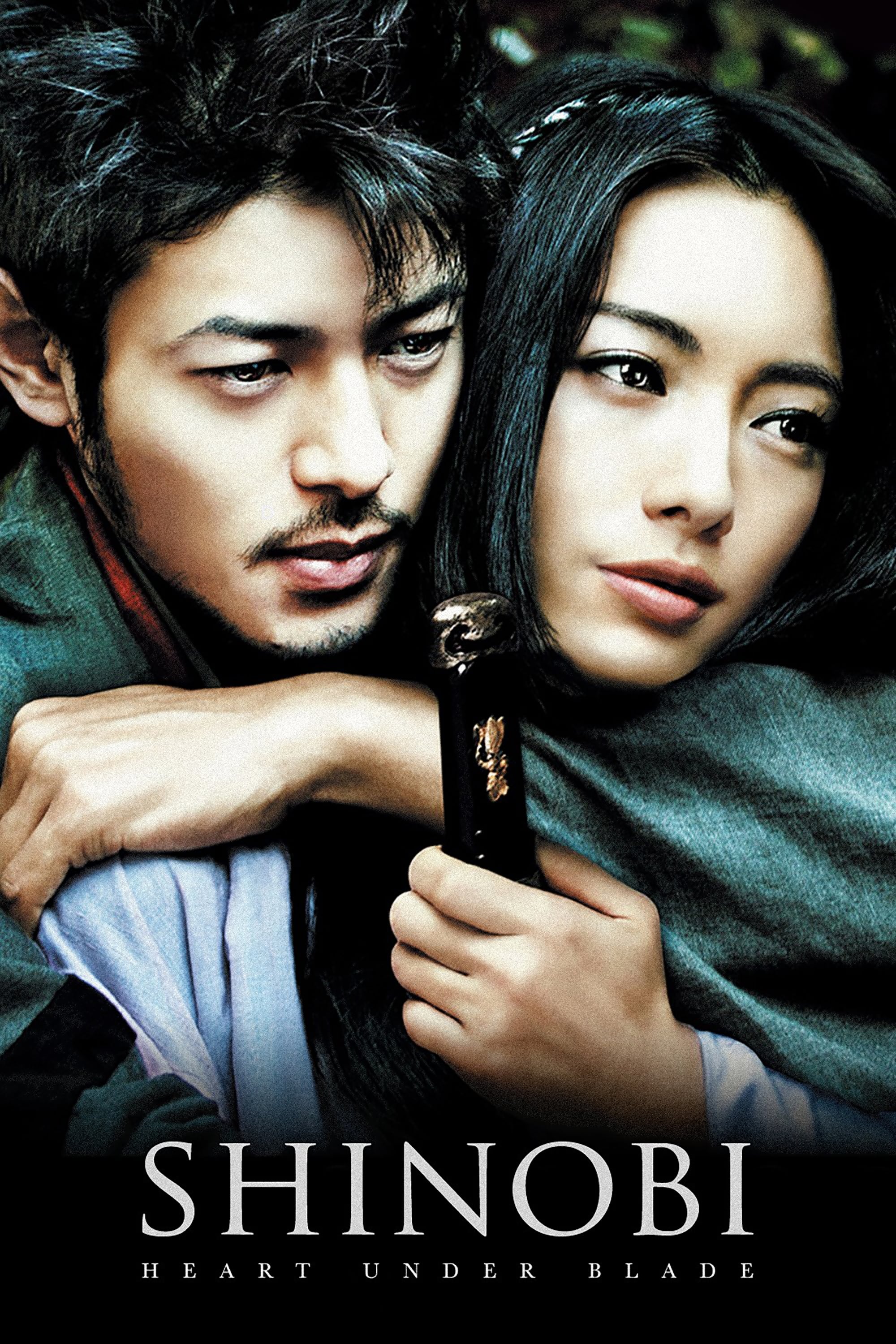
A rebellious ninja in 17th century Japan takes refuge with a fisherman and his family.
Wishing to find peace, Zatoichi travels to his old village but only finds trouble when he ends up in a love triangle and finds old scores have followed him home.
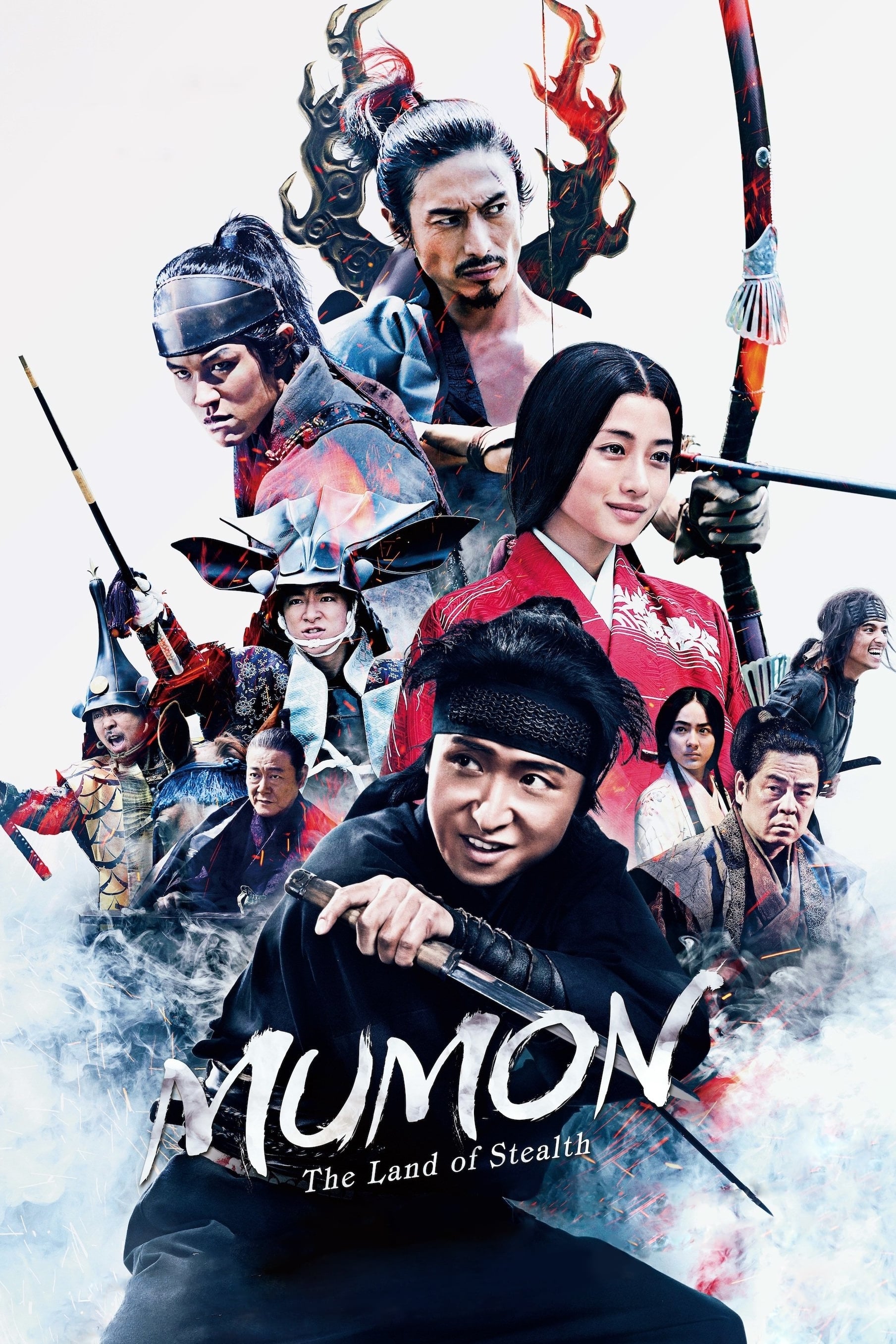
Raised suckling poison arrows among the sparring Iga ninja factions, Mumon is a carefree 16th-century mercenary. When the ninja council makes a power play to defeat the young Nobukatsu Oda struggling to step into his father’s warlord shoes as they expand rule across the country, Mumon jumps into the fray to satisfy his new bride Okuni’s demand that he make good on his promises of wealth. Yet Mumon soon finds what is worth fighting for beyond money or nation.
From a brotherhood bound by three cups of sake, one brother’s story has yet to be told! Visiting Dressrosa under orders of the Revolutionary Army, Sabo’s top-secret mission derails when Doflamingo announces the grand prize for battling in the Colosseum. The tragedy at Marineford still weighing on his mind, Sabo reunites with his little brother to protect the promises they made with Ace. Now, they’ll fight in disguise for the Colosseum’s ultimate prize: Ace’s Flame-Flame Fruit.
Older, wiser but still a wandering loner, the blind, peace-loving masseur Ichi seeks a peaceful life in a rural village. When he's caught in the middle of a power struggle between two rival Yakuza clans, his reputation as a deadly defender of the innocent is put to the ultimate test in a series of sword-slashing showdowns.
With most of his family already dead at Ogami Itto's hands, Retsudo launches one final plot to destroy him, and when that fails, unleashes the fury of every remaining member of the Yagyu clan.
Returning to the village where a year before he had killed Hirate, a much-admired opponent, Zatoichi encounters another swordsman and former rival in love.
After their lord is tricked into committing ritual suicide, forty-seven samurai warriors await the chance to avenge their master and reclaim their honor.
On the Hokkaido frontier, a war veteran and Ainu girl race against misfits and military renegades to find treasure mapped out on tattooed outlaws.
After arriving in the town of Shimonita, Ichi finds that a price has been put on his head by a local yakuza boss. He's drawn into a trap, but after hearing of the slaying of a former love, Ichi furiously fights his way through the entire clan to face the killer, a hired ronin.
Official Shogunate executioner Ogami Itto has been framed for disloyalty to the Shogunate by the Yagyu clan, against whom he now is waging a one-man war, along with his infant son, Daigoro.
The adventures of a blind, gambling masseur and master swordsman. Zatoichi targets a yakuza-controlled village, because war with a neighbouring town's smaller gang is brewing.