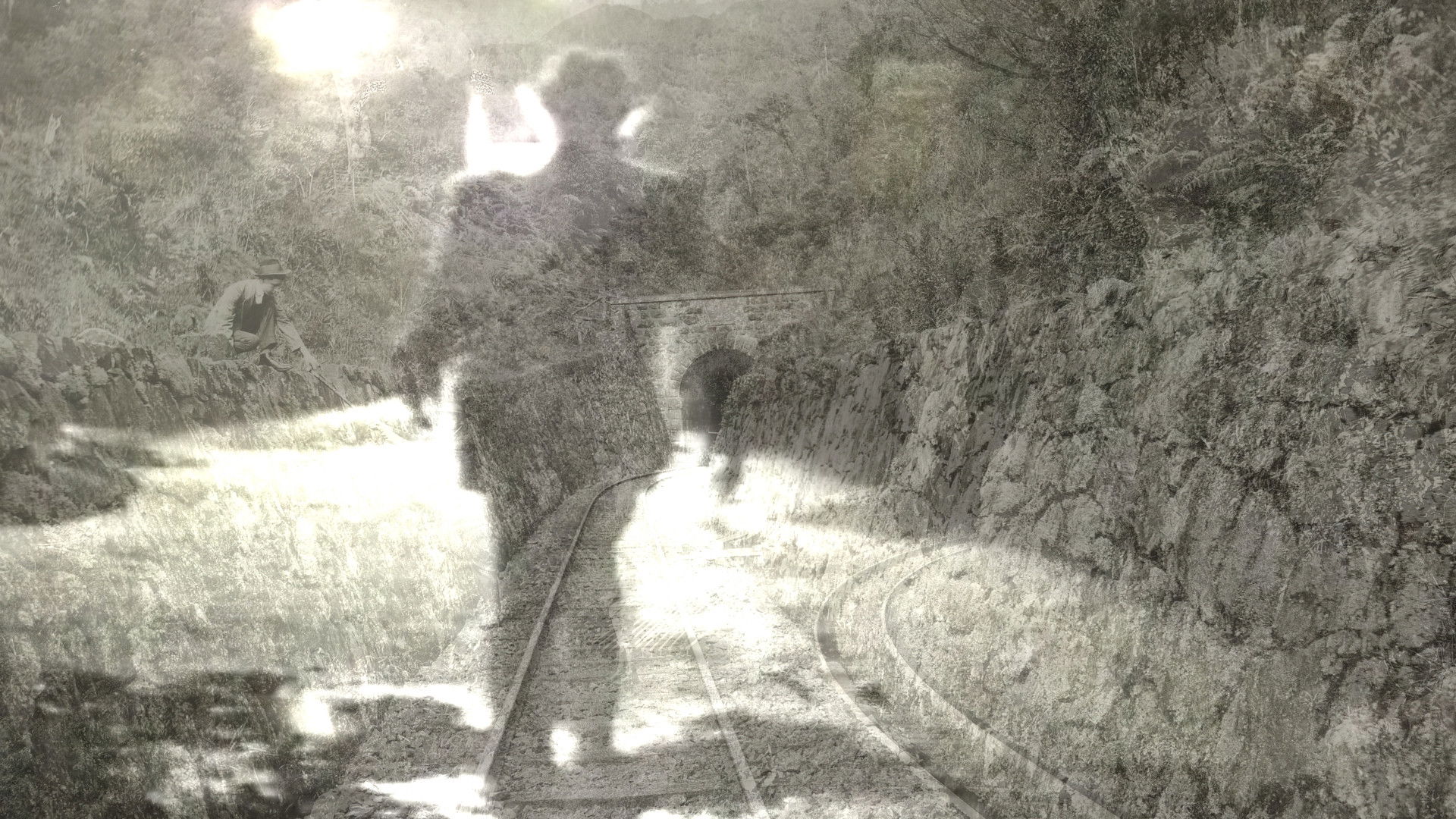
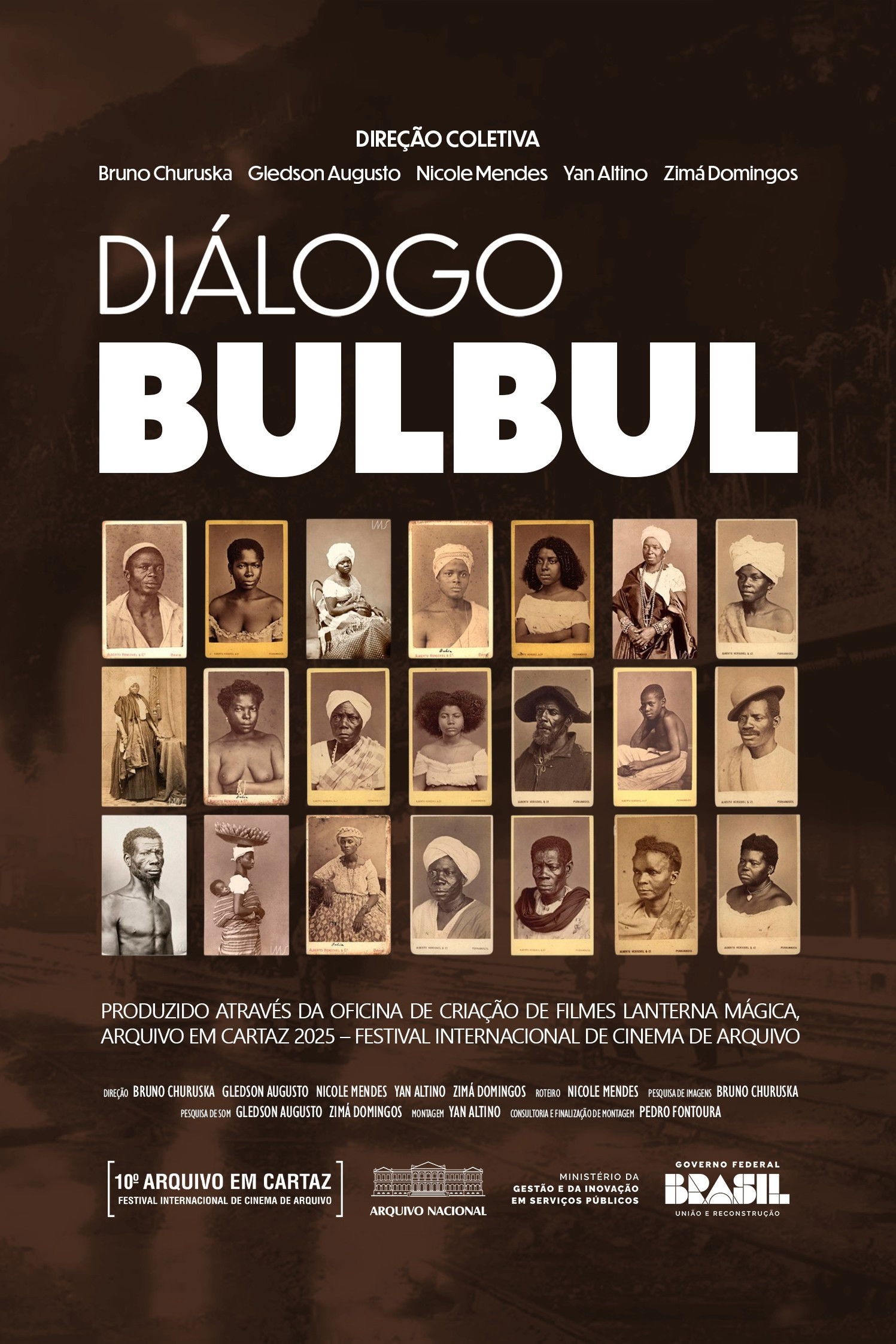
"An Insurgent Remix."
Drawing from archives, through the collective force of invention and resistance, and evoking the creative power of Black people, the film summons sonic and visual memories to construct an insurgent remix.
Social & External
Directed by Jacob Miguel, "PUNK ROCK LOTTERY" embarks on a mission to capture the rapid growth of an annual event known as "The Punk Rock Lottery" in Austin, Texas. What sets this film apart is its self-awareness, playfully breaking the fourth wall and transforming into an immersive journey through history and the creative process. The narrative builds its foundation by featuring insights from punk legends and influential figures who helped shape both the film and Austin itself. As the story unfolds, it delves into the heart of the project as Jacob actively participates in the event, offering an inside look at the frenetic pace of life in a band. Through the experiences of over 30 characters, the film uncovers universal truths about creativity, camaraderie, and the struggles inherent in pursuing one's artistic passion.
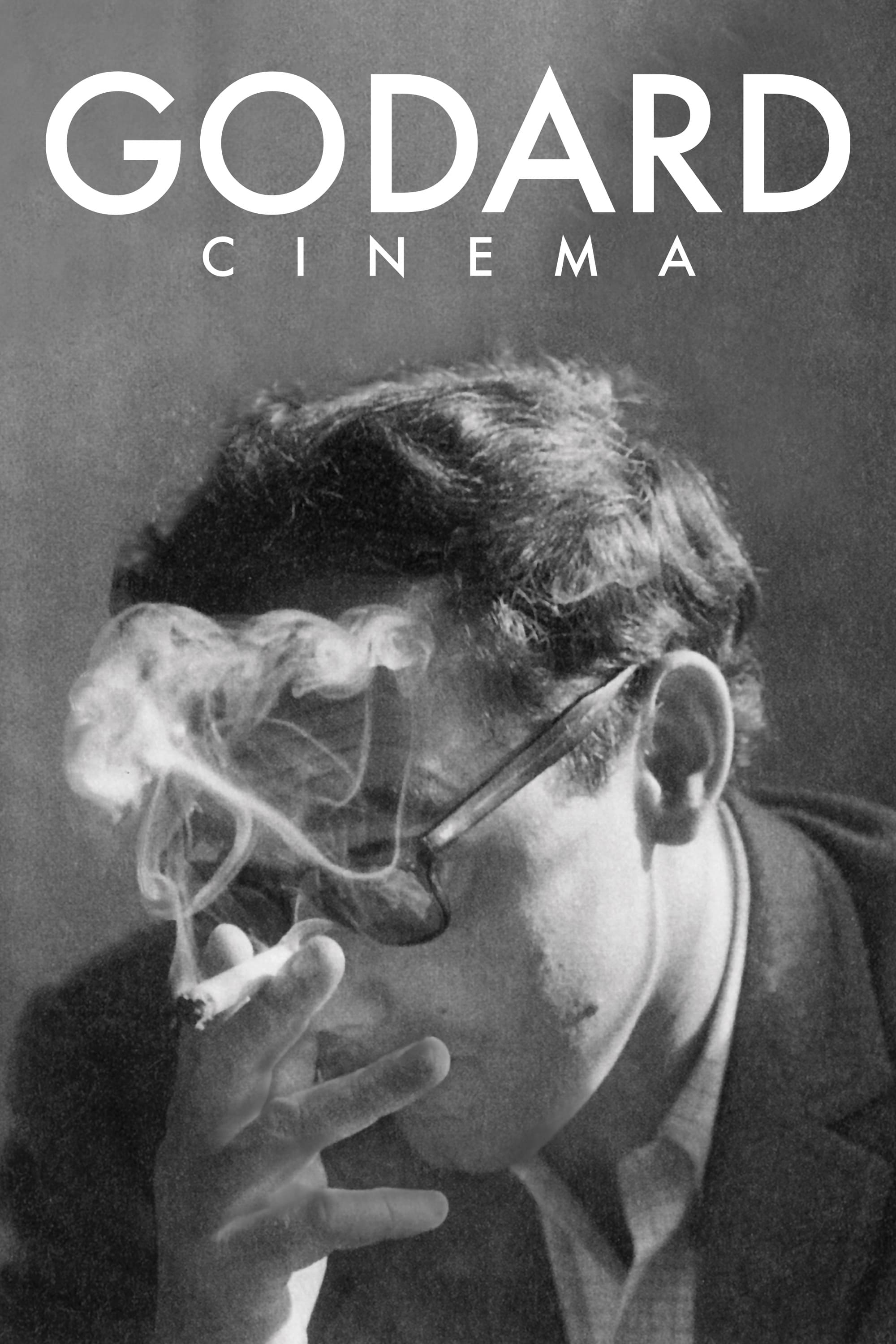
Jean-Luc Godard is synonymous with cinema. With the release of Breathless in 1960, he established himself overnight as a cinematic rebel and symbol for the era's progressive and anti-war youth. Sixty-two years and 140 films later, Godard is among the most renowned artists of all time, taught in every film school yet still shrouded in mystery. One of the founders of the French New Wave, political agitator, revolutionary misanthrope, film theorist and critic, the list of his descriptors goes on and on. Godard Cinema offers an opportunity for film lovers to look back at his career and the subjects and themes that obsessed him, while paying tribute to the ineffable essence of the most revered French director of all time.
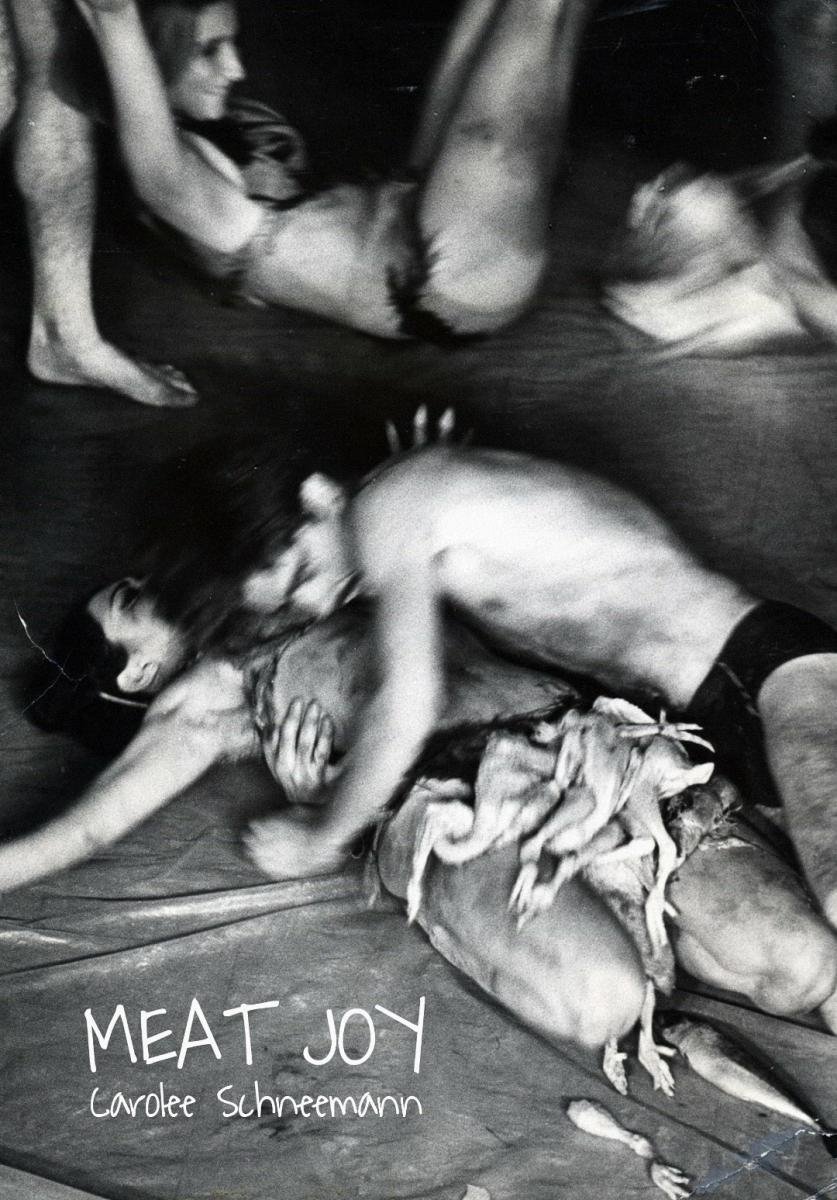
"Meat Joy is an erotic rite — excessive, indulgent, a celebration of flesh as material: raw fish, chicken, sausages, wet paint, transparent plastic, ropes, brushes, paper scrap. Its propulsion is towards the ecstatic — shifting and turning among tenderness, wildness, precision, abandon; qualities that could at any moment be sensual, comic, joyous, repellent. Physical equivalences are enacted as a psychic imagistic stream, in which the layered elements mesh and gain intensity by the energy complement of the audience. The original performances became notorious and introduced a vision of the 'sacred erotic.' This video was converted from original film footage of three 1964 performances of Meat Joy at its first staged performance at the Festival de la Libre Expression, Paris, Dennison Hall, London, and Judson Church, New York City."
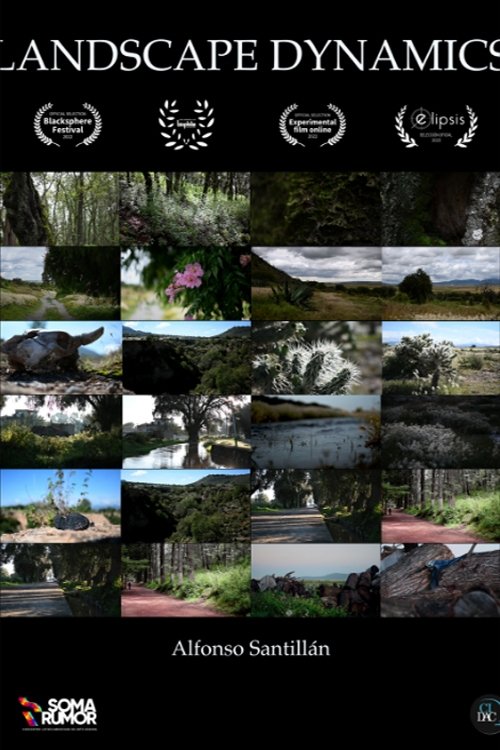
An investigation about human intervention in nature, from the subjective point of view of the camera, the environment and its transformation are observed.
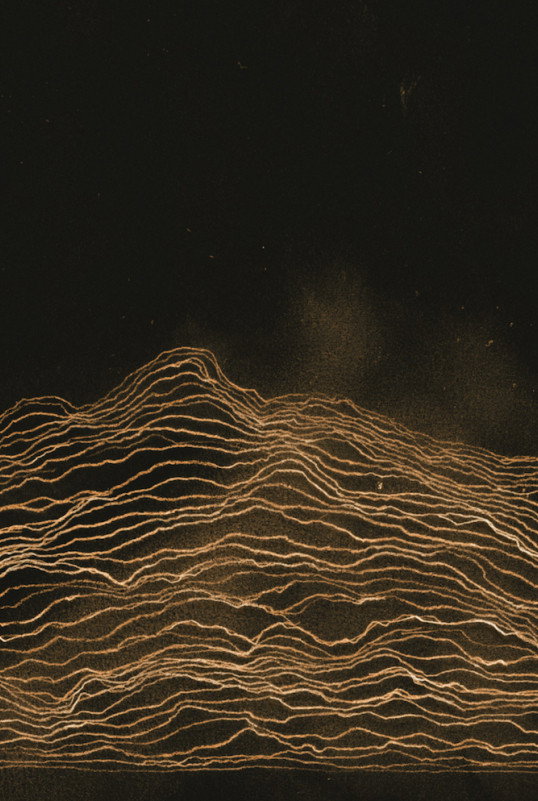
In late August 2016, the band of Floating Points travelled to the Mojave desert to rehearse and record before their tour of the Southern states of America. Whilst visiting Joshua Tree national park, they were struck not only by its physical beauty, but also of the sonic reflections from the rock formations. A unique sound of reverb, echo and phase shifting modulating the sound from its surroundings.They took advantage of this environment to write and record some new music at the base of some of these natural sculptures which was documented in this short film.
The Eye explores silent landscapes where nature and absence coexist. Between the memory of places and resilience in the face of time, the film oscillates between beauty and existential vertigo, capturing what persists and what fades.
A contemplative portrait of a liminal space, where anonymous inscriptions transform a place of transit into a quiet archive of memory
An experiment with three dimensions in a moment of clarity: the focus of the camera's lens towards the present, the speed of the train and the material world distorted by the movements of the train.
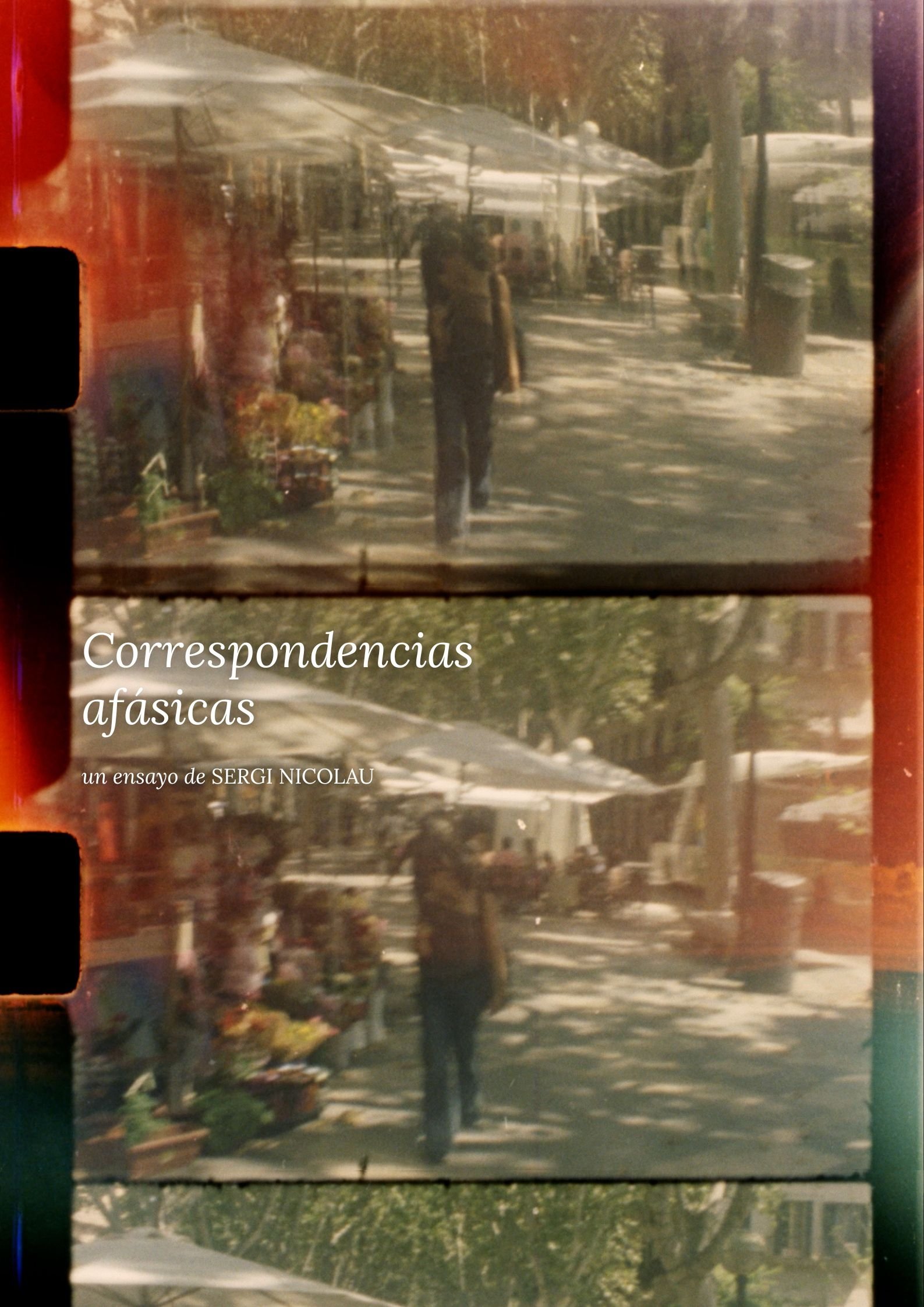
An audiovisual essay constructed from Super 8 footage filmed during camera tests for the short film ‘La Trampa’. Through gestures, light, and silences, it reflects on what the image reveals and what it leaves unsaid.
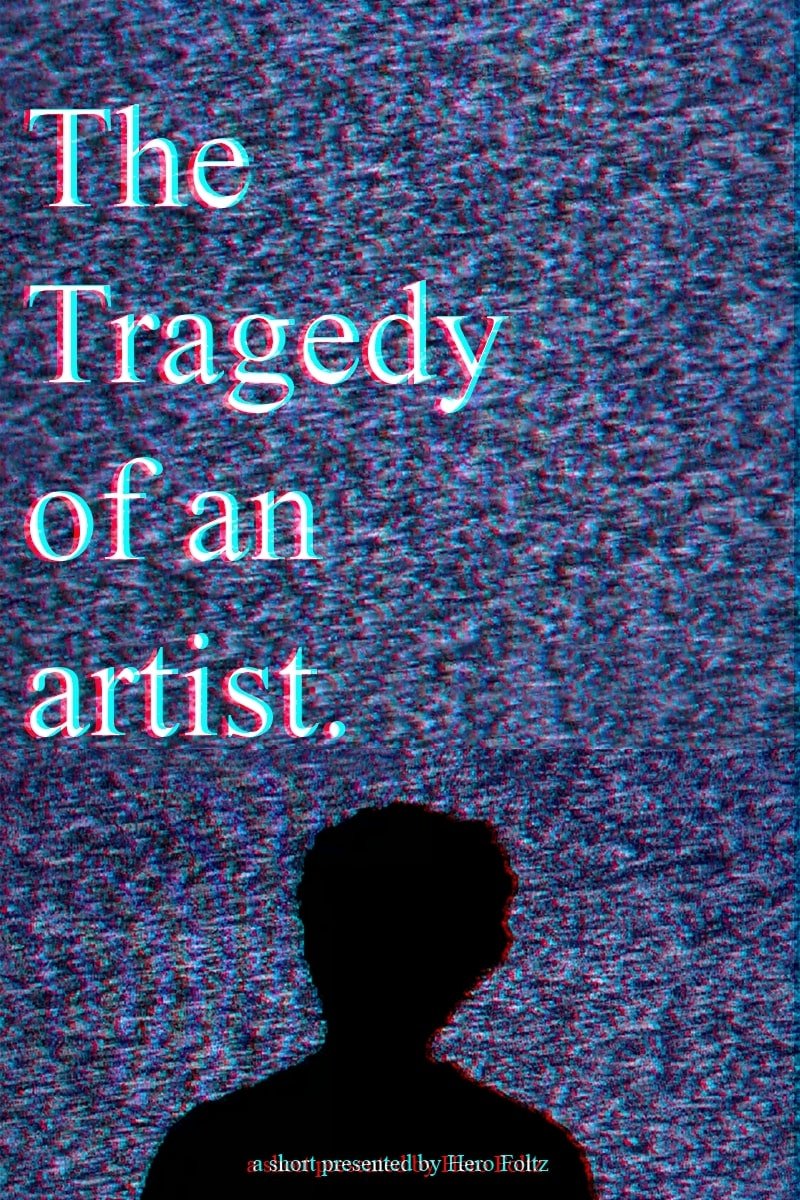
The Tragedy of an Artist, is an experimental short shot over the course of a week. This film is meant to illustrate who Hero Foltz is as a person and his struggles with self identity
Twenty images of a camera running next to a chemical platform and capturing abstract light throught improvised gestures and asymmetrical motion
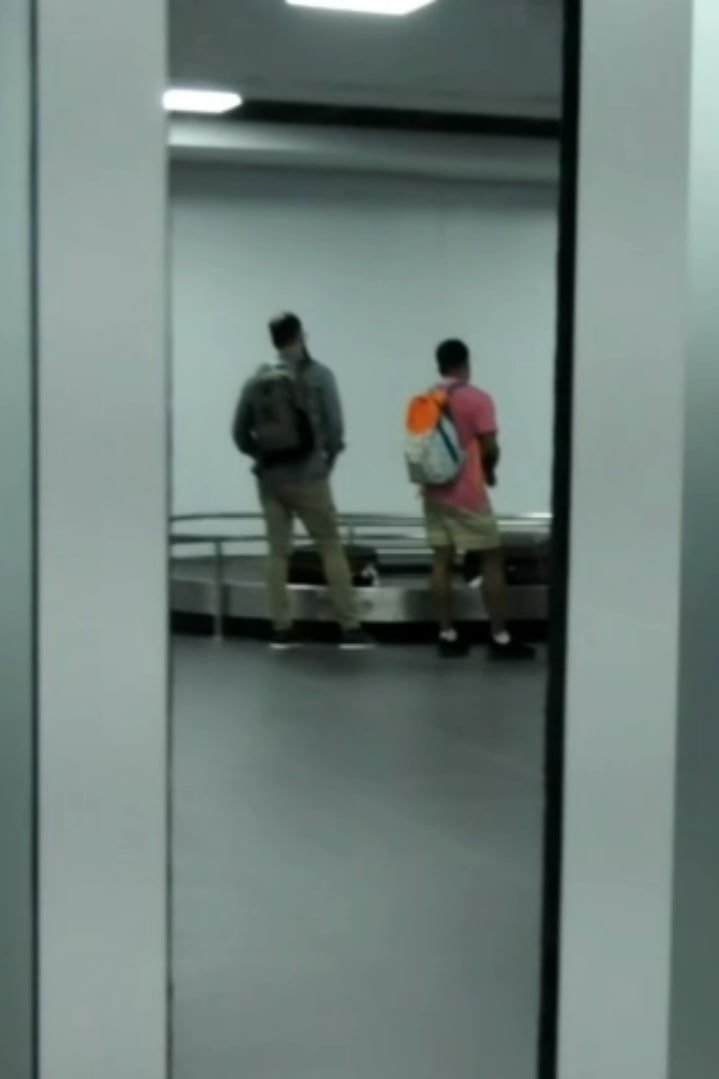
Two friends await in the airport for a third friend to arrive. As the passangers come by, pictures not taken accompany a conversation between the two friends.
Through an imagined dialogue with Jean Paul Riopelle, this experimental film updates the painter's legacy by seeking to build bridges with today's generation. Part homage, part self-portrait, this short film is above all an intimate reflection on the courage to be oneself.
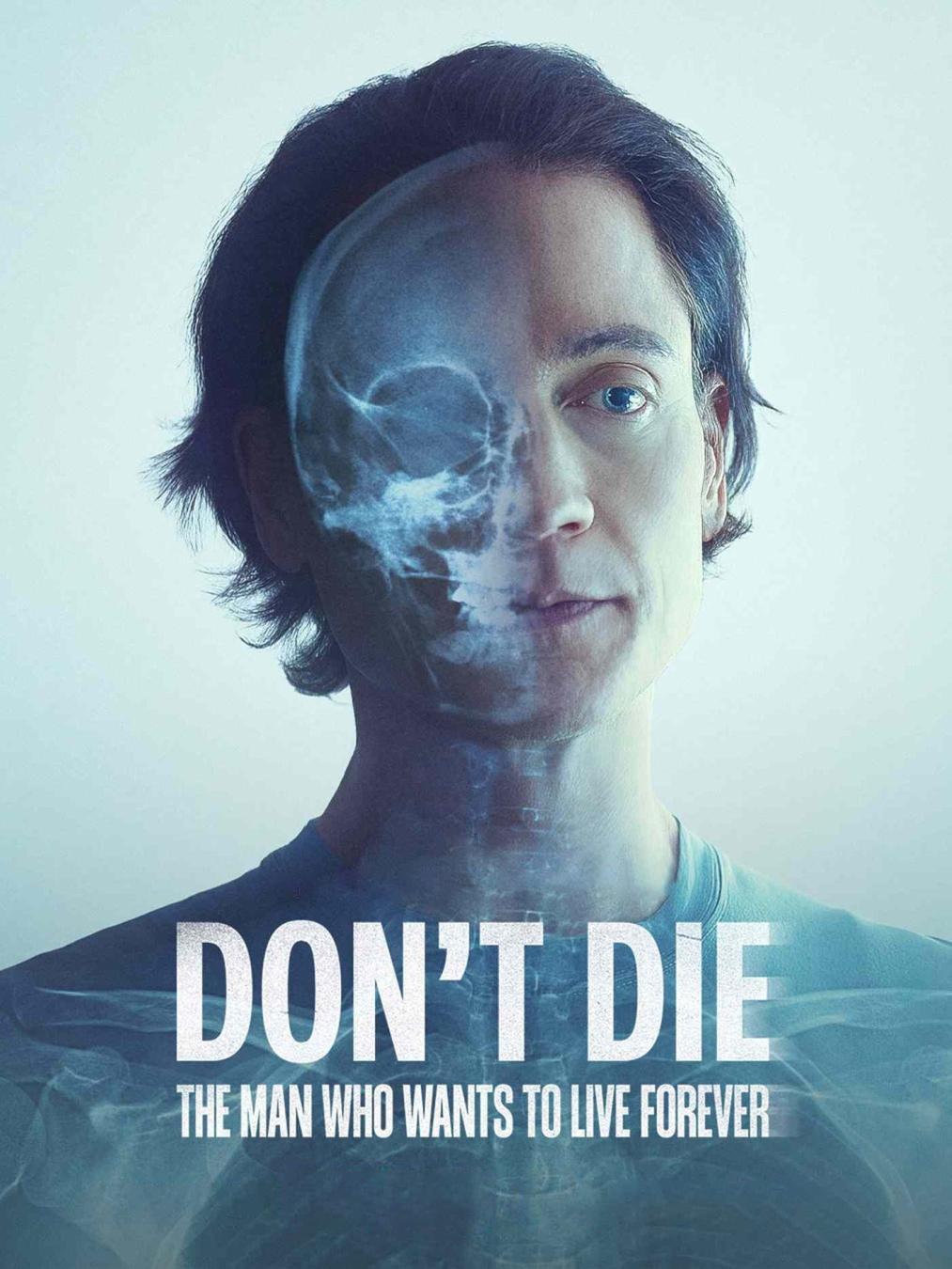
In this documentary, wealthy entrepreneur Bryan Johnson puts his body and fortune on the line to defy aging and extend his life beyond all known limits.
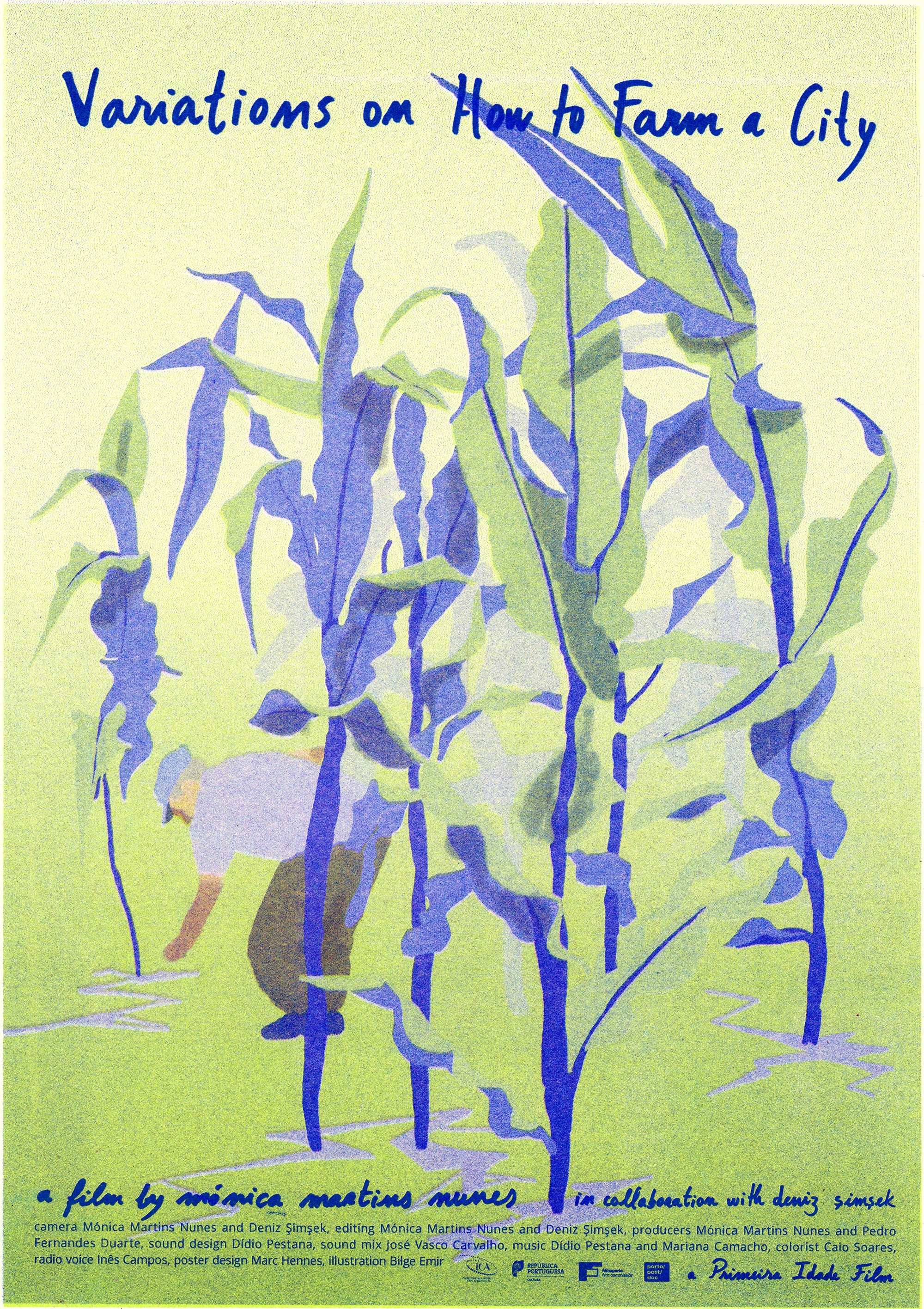
Sprout. In the vacant lots against the hammering of buildings always under construction, between walls of granite, cement and sheet metal with rust, moss and cats; on the hillside between the train and the river, next to the traffic on the highway, facing the subway, vegetable gardens sprout. In this city, the choreography of ancient gestures of cultivating the land is repeated day after day, without fail. Sowing, digging, harvesting, watering, eating, talking, resting and returning the next day. The longest day of the year brings S. João and nobody goes to bed, but when the sun rises, the discreet gestures of resistance will restart.
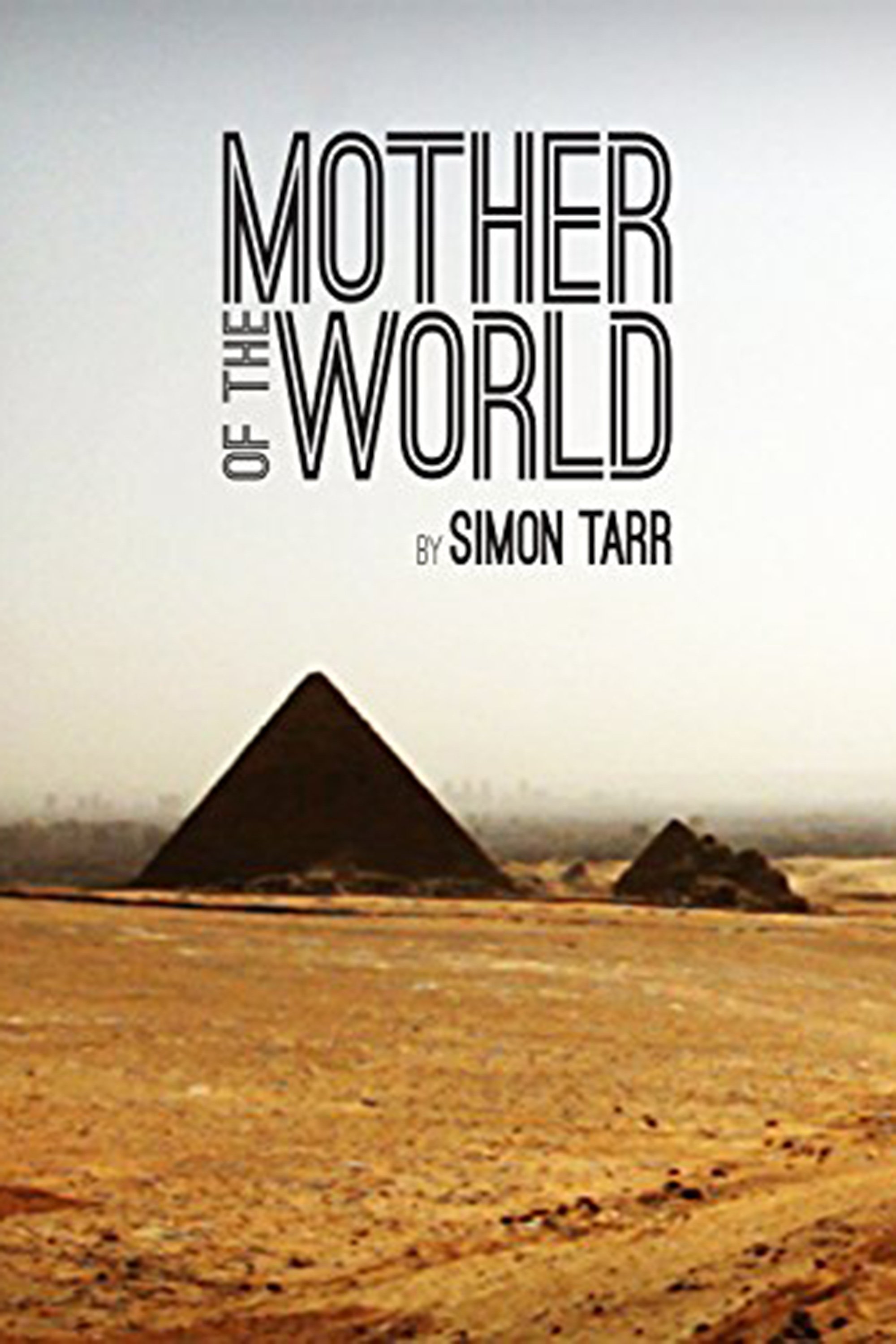
Six million tons, suspended by the slightest gesture. Mother of the World presents a series of brief vignettes of Cairo just prior to the 2011 Egyptian Revolution. These fragmented scenes choreograph class structure and foreign influence into an intimate, poetic view of a nation about to change.
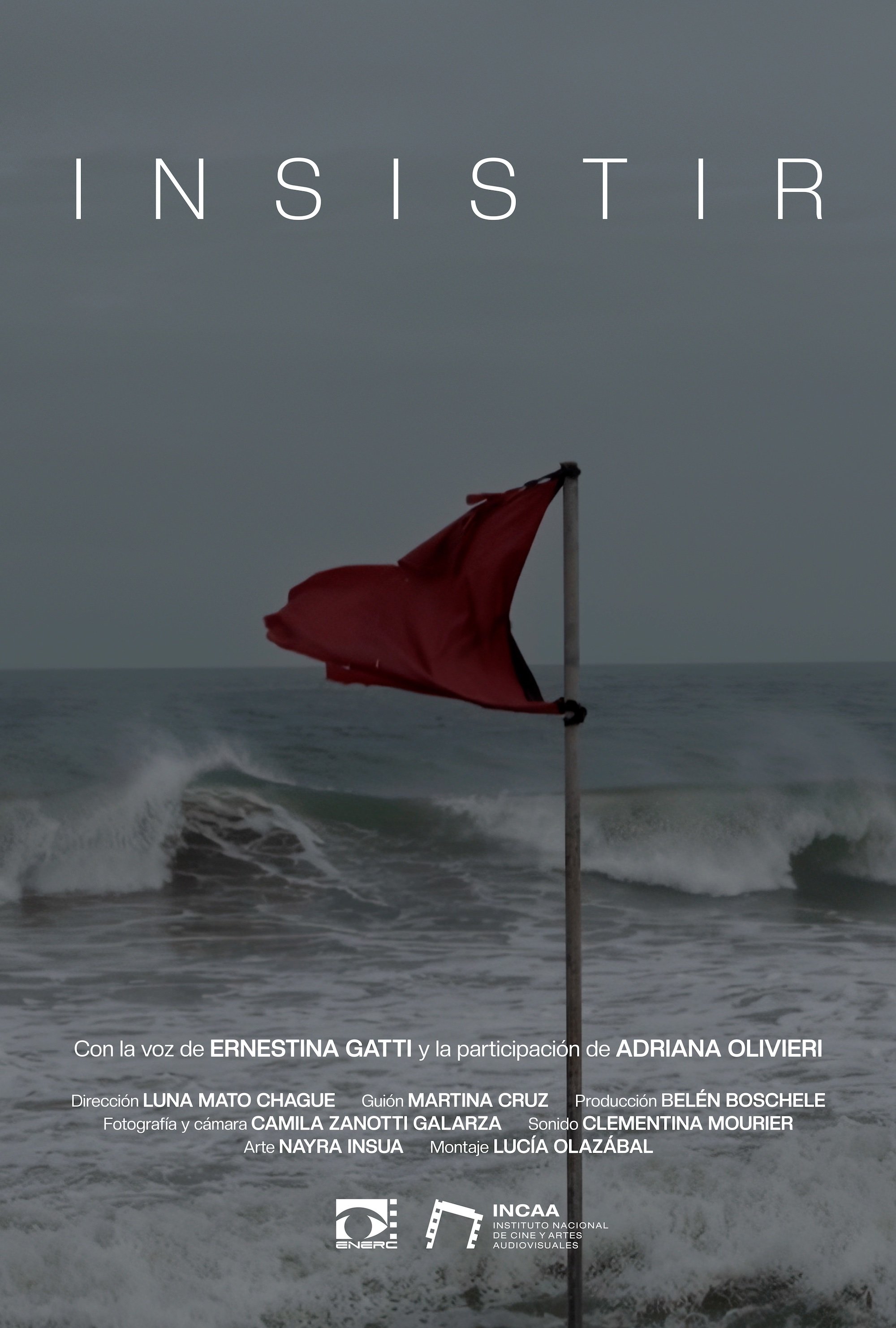
A documentary about the sea and memory. Its movement is its form. Its strength.
Produced for the NFB by Crawley Films Ltd. for the Canadian Department of Industry Trade and Commerce. This film provides a showcase for products manufactured in Canada, from aircraft designed for special duties, to pre-cast bathrooms that can be installed in one simple operation. There is heavy-duty machinery developed for the special needs of Canadian industry. There are women's fashions of universal appeal. All bear the 'Made in Canada' label and can be viewed in this film in colour and at close range.
Losing the Light reflects the artist's bitter battle to stay in this world as a long-term survivor of AIDS who has lost his vision to CMV retinitis. An experimental self-portrait, the video evokes the dissolution and fragmentation of the artists body, representing the impact of blindness, long-term HIV infection, and the cumulative effects of decades of antiretroviral medication.

Told through performances, TV interviews, home movies, family photographs, private letters and unpublished memoirs, the film reveals the essence of an extraordinary woman who rose from humble beginnings in New York City to become a glamorous international superstar and one of the greatest artists of all time.

An atmospheric essay, which is an alternative version of Count Dracula, a film directed by Jess Franco in 1970; a ghostly narration between fiction and reality.
Daniel Craig candidly reflects on his 15 year adventure as James Bond. Including never-before-seen archival footage from Casino Royale to the upcoming 25th film No Time To Die, Craig shares his personal memories in conversation with 007 producers, Michael G Wilson and Barbara Broccoli.
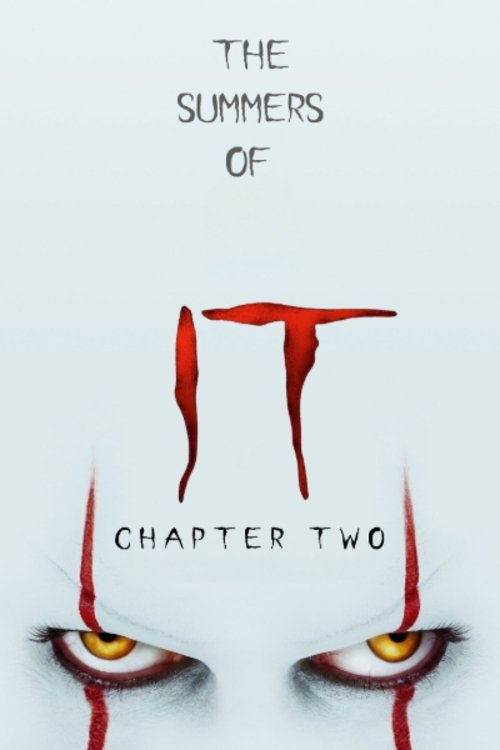
This documentary focuses on the actors and their journey over two summers to create the remake to the original IT, by Stephen King. The documentary originally released as bonus material, bundled with IT: Chapter Two.
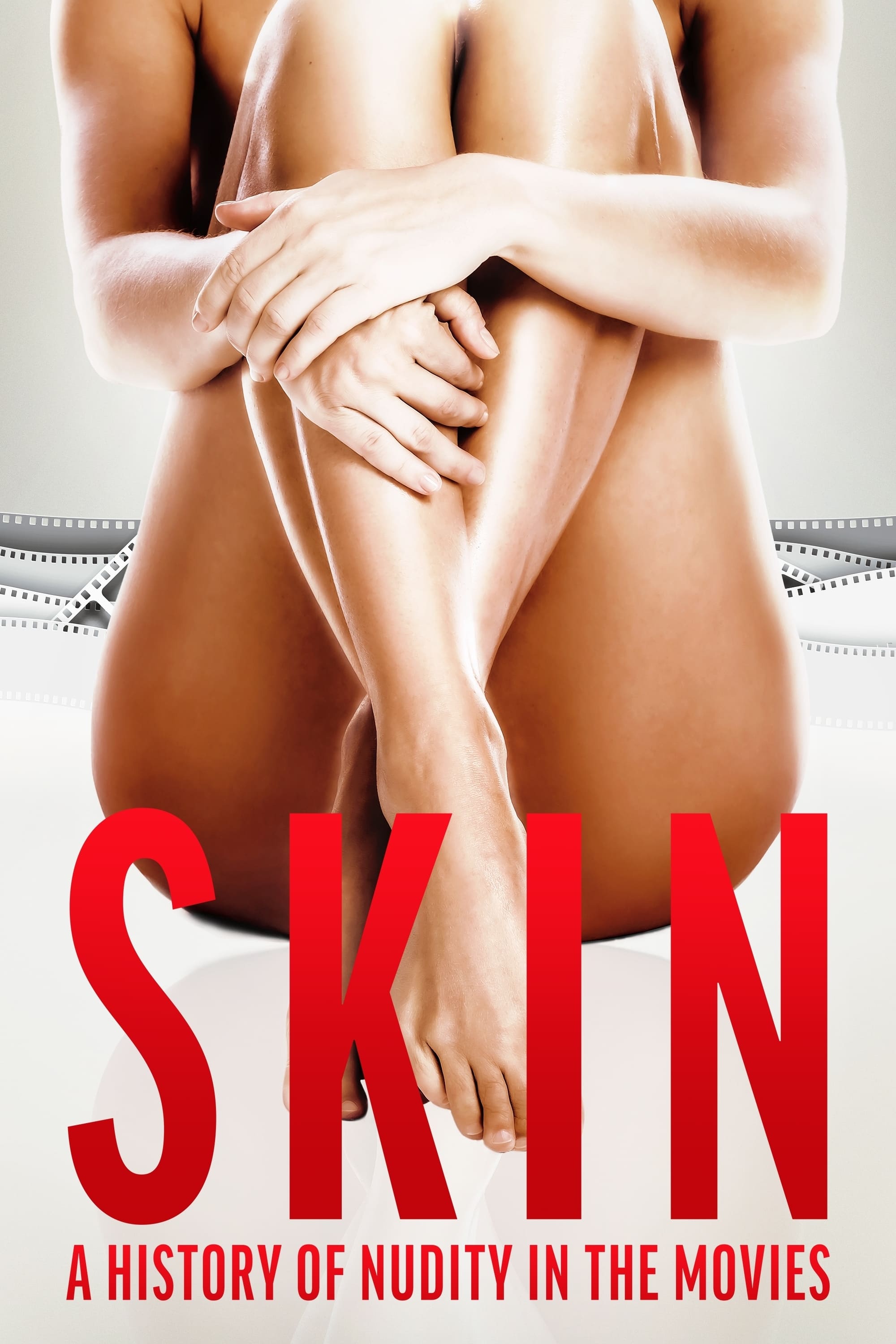
The definitive documentary on the history of nudity in feature films from the early silent days to the present, studying the changes in morality that led to the use of nudity in films while emphasizing the political, sociological and artistic changes that shaped that history. Skin will also study the gender inequality in presenting nude images in motion pictures and will follow the revolution that has created nude gender equality in feature films today.
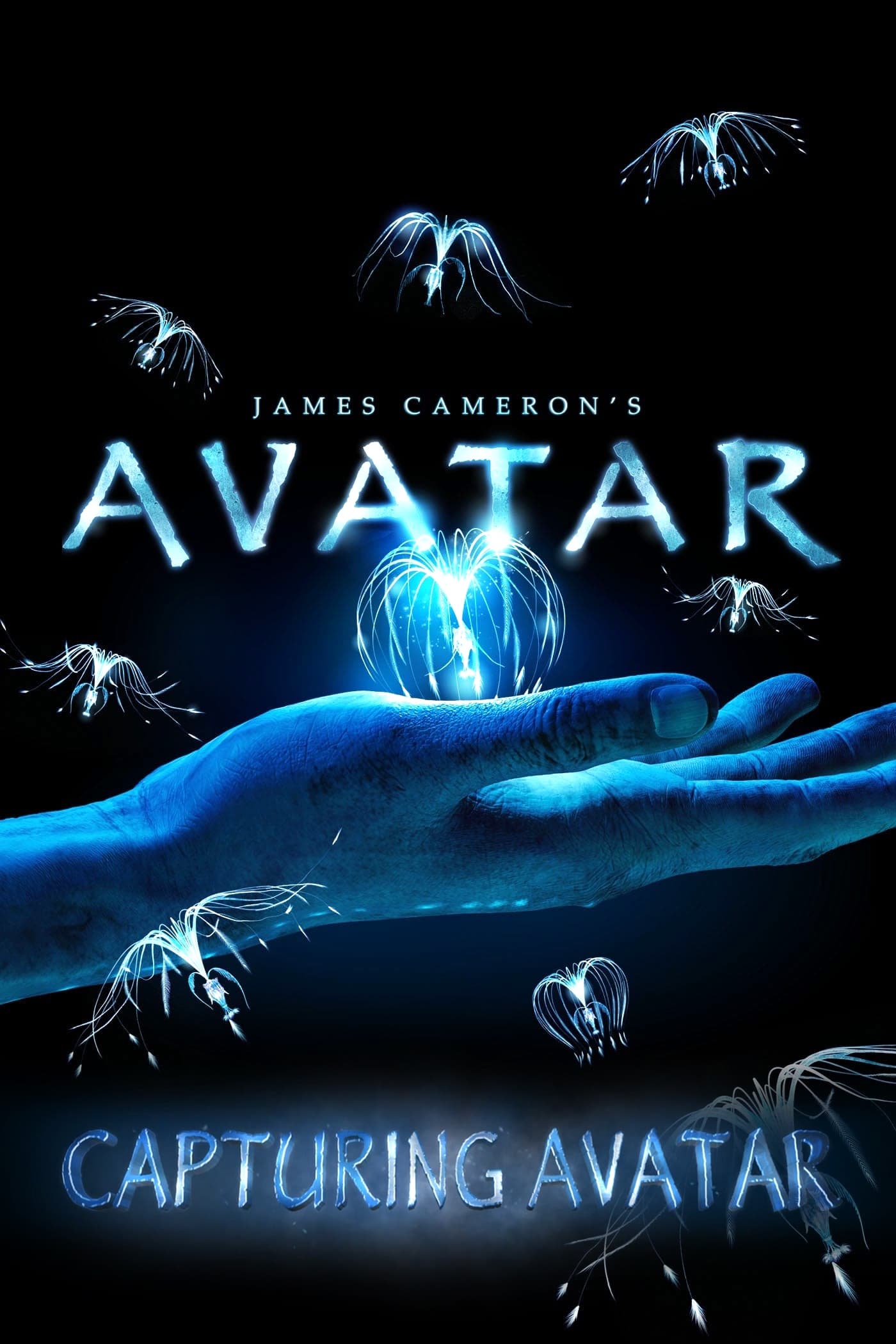
Capturing Avatar is a feature length behind-the-scenes documentary about the making of Avatar. It uses footage from the film's development, as well as stock footage from as far back as the production of Titanic in 1995. Also included are numerous interviews with cast, artists, and other crew members. The documentary was released as a bonus feature on the extended collector's edition of Avatar.
A look at the origins, history and conspiracies behind the "Majestic 12", a clandestine group of military and corporate figureheads charged with reverse-engineering extraterrestrial technology.
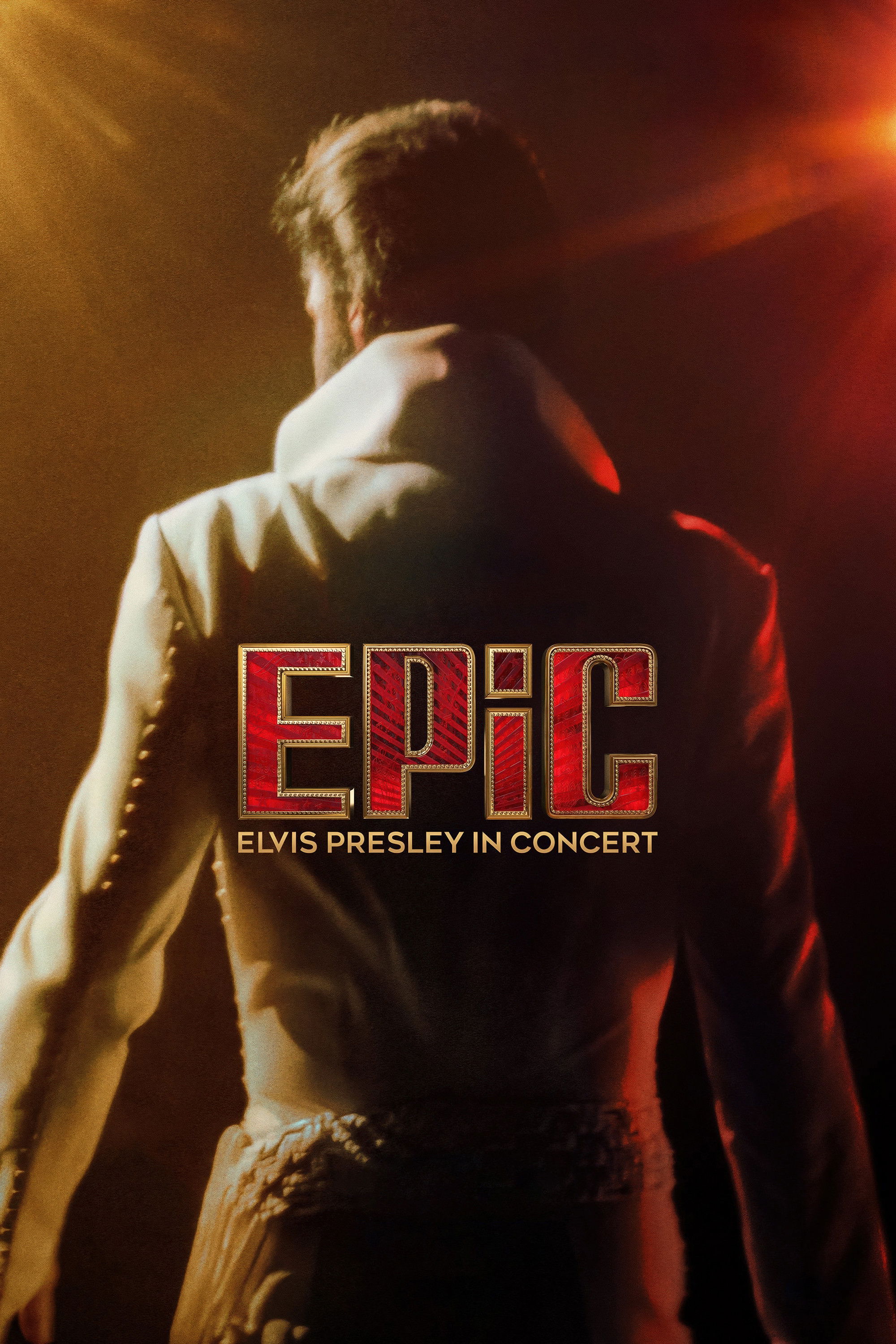
Long-lost footage from Elvis Presley's legendary Las Vegas residency in the 1970s woven together with rare 16mm footage from Elvis on Tour, and 8mm from the Graceland archive, plus recordings of Elvis telling "his side of the story" rediscovered during Baz Luhrmann's research for his 2022 film, Elvis.
Through deeply personal interviews with her siblings and an examination of the photographs, letters, and belongings left behind, Mariska assembles a new portrait of her mother Jayne Mansfield, an extraordinary and complex woman.
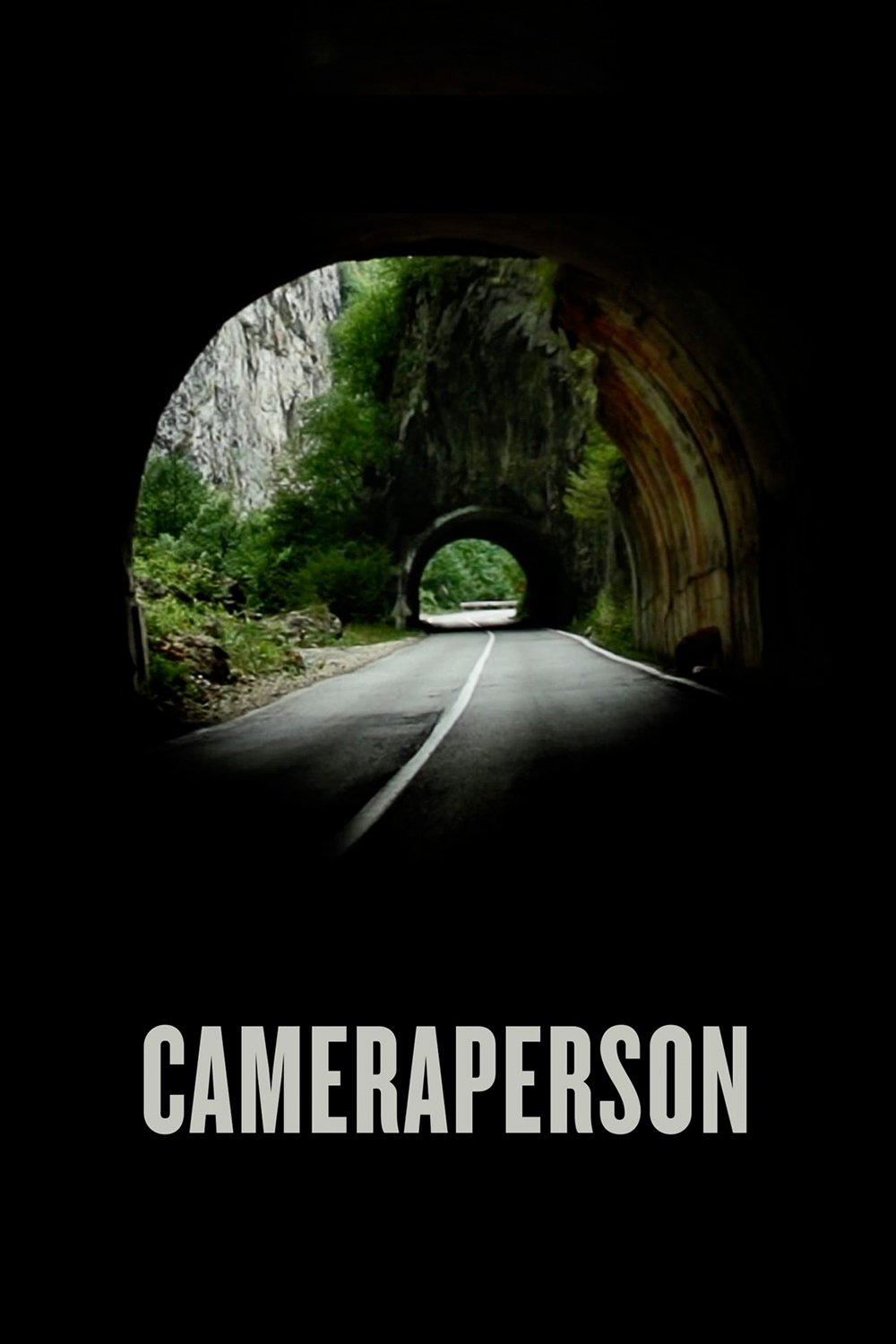
As a visually radical memoir, CAMERAPERSON draws on the remarkable footage that filmmaker Kirsten Johnson has shot and reframes it in ways that illuminate moments and situations that have personally affected her. What emerges is an elegant meditation on the relationship between truth and the camera frame, as Johnson transforms scenes that have been presented on Festival screens as one kind of truth into another kind of story—one about personal journey, craft, and direct human connection.
JB Smoove and Martin Starr host a celebration of 20 years of "Spider-Man" movies, from the Sam Raimi trilogy to Marc Webb's movies and the trio from Jon Watts.
Since the invention of cinema, the standard format for recording moving images has been film. Over the past two decades, a new form of digital filmmaking has emerged, creating a groundbreaking evolution in the medium. Keanu Reeves explores the development of cinema and the impact of digital filmmaking via in-depth interviews with Hollywood masters, such as James Cameron, David Fincher, David Lynch, Christopher Nolan, Martin Scorsese, George Lucas, Steven Soderbergh, and many more.
The making of Matrix Revolutions, The (2003) is briefly touched on here in this documentary. Interviews with various cast and crew members inform us how they were affected by the deaths of Gloria Foster and Aaliyah, and also delve into the making of the visual effects that takes up a lot of screen time. Written by Rhyl Donnelly
A visual montage portrait of our contemporary world dominated by globalized technology and violence.
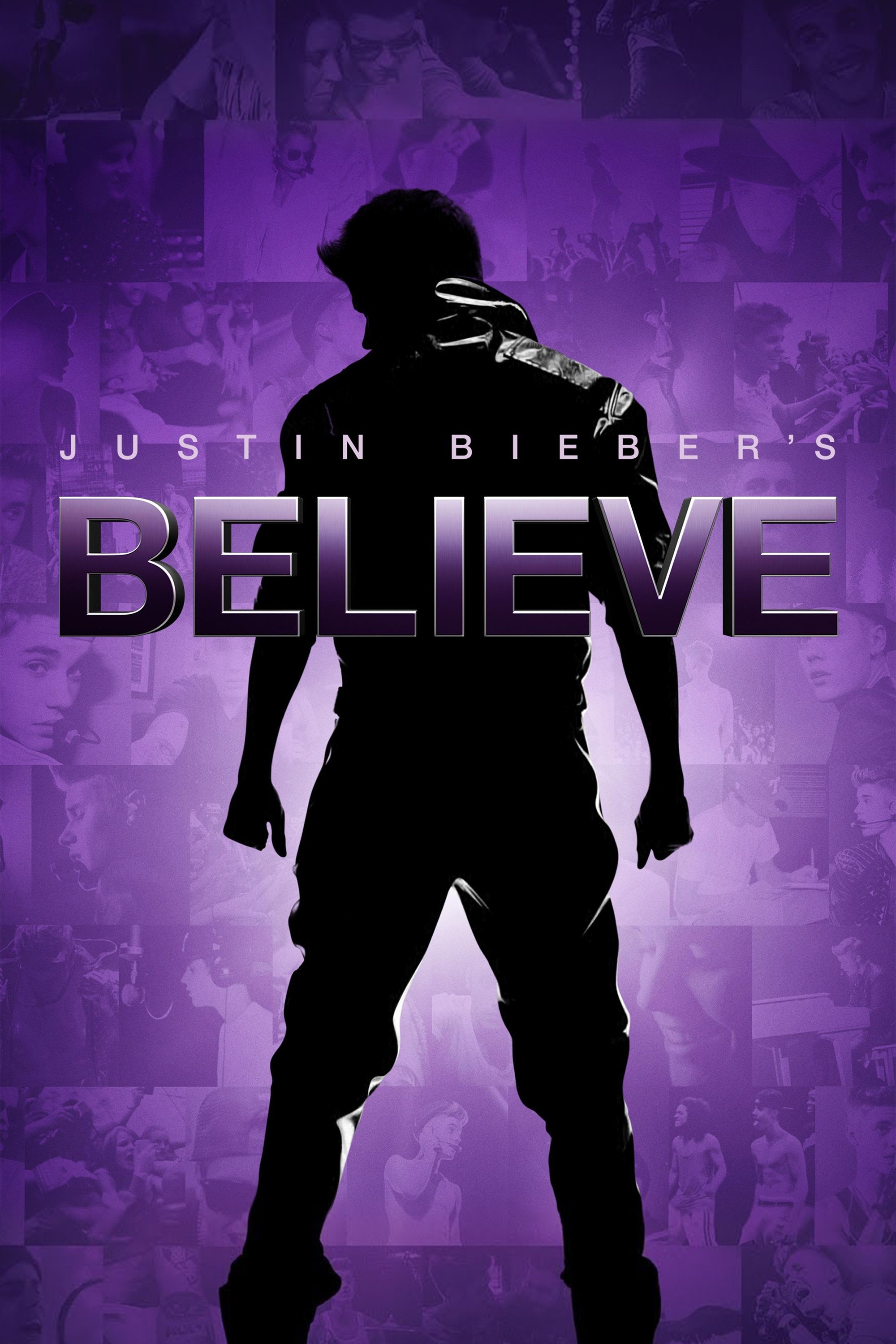
A backstage and on-stage look at Justin Bieber during his rise to super stardom.
The history of cinematic sound, told by legendary sound designers and visionary filmmakers.
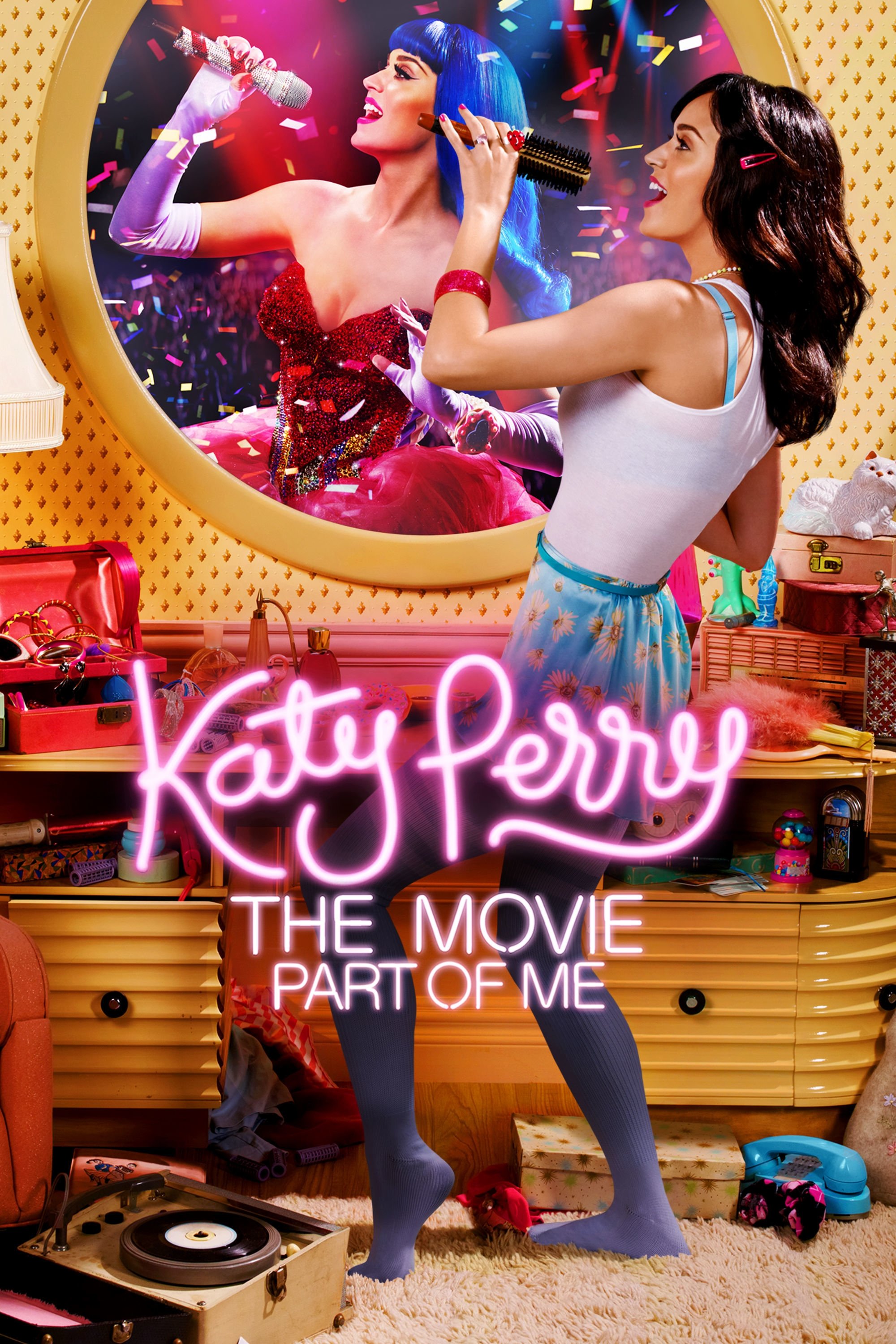
Giving fans unprecedented access to the real life of the music sensation, Katy Perry: Part of Me exposes the hard work, dedication and phenomenal talent of a girl who remained true to herself and her vision in order to achieve her dreams. Featuring rare behind-the-scenes interviews, personal moments between Katy and her friends, and all-access footage of rehearsals, choreography, Katy’s signature style and more, Katy Perry: Part of Me reveals the singer’s unwavering belief that if you can be yourself, then you can be anything.
Takes us to locations all around the US and shows us the heavy toll that modern technology is having on humans and the earth. The visual tone poem contains neither dialogue nor a vocalized narration: its tone is set by the juxtaposition of images and the exceptional music by Philip Glass.
The life and career of an actor, artist, and icon. His own journey through his own camera.
Al Pacino's deeply-felt rumination on Shakespeare's significance and relevance to the modern world through interviews and an in-depth analysis of "Richard III."