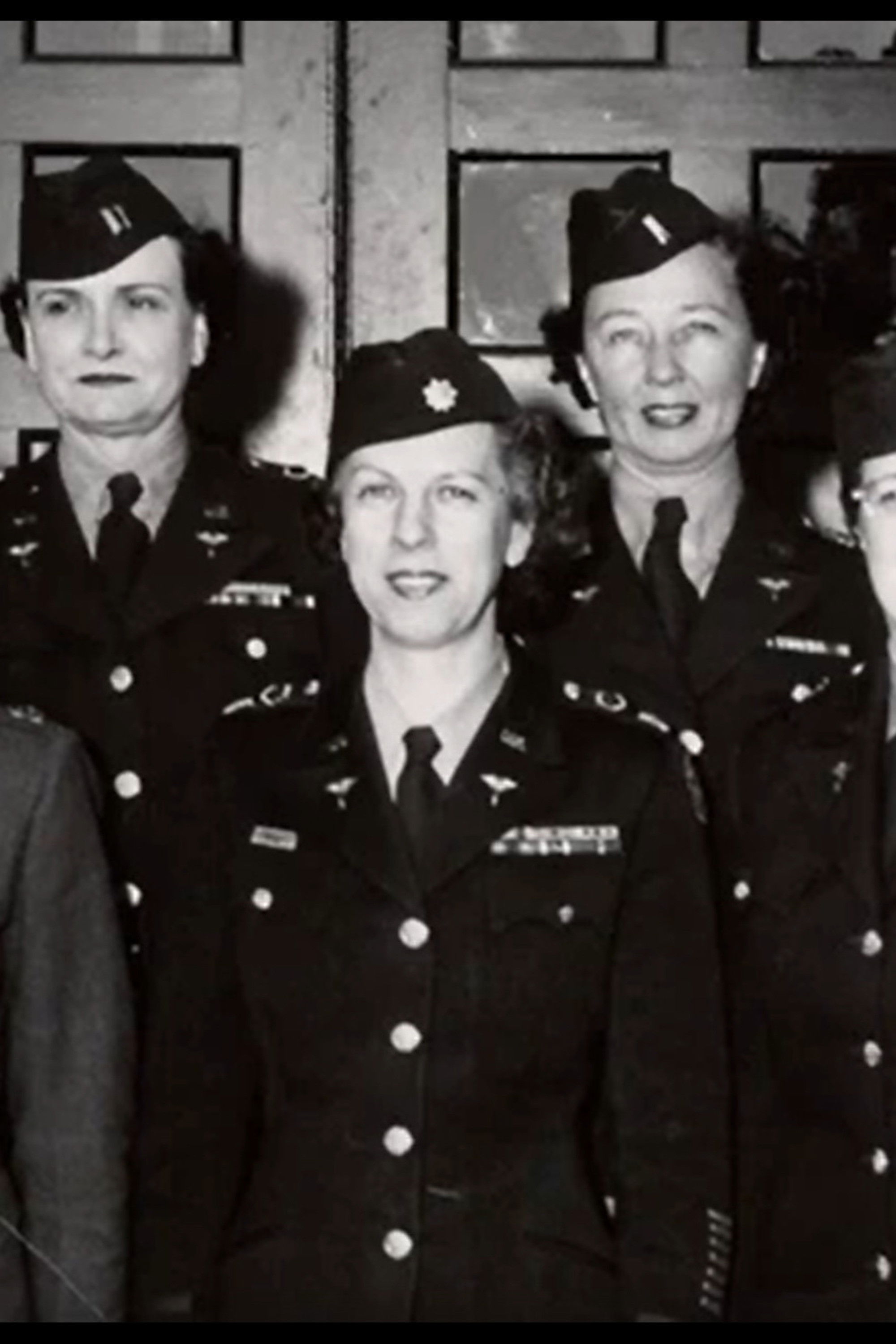
Hortense McKay teaches the lesson of caring even in the worst of times.
Social & External
Pulitzer Prize -- winning journalist John Hersey caused a sensation when he published "Hiroshima", the first account for American readers of the horror experienced by victims of the 1945 Hiroshima atomic bomb attack. "Hiroshima" stunned readers with its descriptions of the terrible aftermath of the bombing, yet Hersey never spoke about his experience in Hiroshima.
In 1935, German scientists dug for bones; in 1943, they murdered to get them. How the German scientific community supported Nazism, distorted history to legitimize a hideous system and was an accomplice to its unspeakable crimes. The story of the Ahnenerbe, a sinister organization created to rewrite the obscure origins of a nation.
Recent study shows that the chance of surviving the invasion beaches was 25%. Then how is it possible 50% of the men survived? This documentary which has been recognized as the best D-Day documentary ever tells a different story. A beautifully made detailed reconstruction shows what happened on that day on the beaches. In the first hour of the attack one third of the American soldiers dies. This battle will be decisive in the further course of the war. Survivors tell about the factors that made it so hard to conquer the coastlines. The animated images show it all.
Plan for Destruction is a 1943 American short propaganda film directed by Edward Cahn. It looks at the Geopolitik ideas of the ex-World War I professor, General Karl Haushofer, who is portrayed as the head of a huge organization for gathering information of strategic value and the mastermind behind Adolf Hitler's wars and plans to enslave the world. The film was nominated for an Academy Award for Best Documentary Short.
In 1945, 160 German cities lay in ruins and the loss of millions of lives, billions in material assets and countless cultural treasures was mourned throughout Europe... With the question “How could it happen?”, the film goes back to the year 1914, when the “primal catastrophe of the 20th century” took its course with the First World War.
Re-enactment of World War 2 Battle of Arnhem using the survivors from the battle.
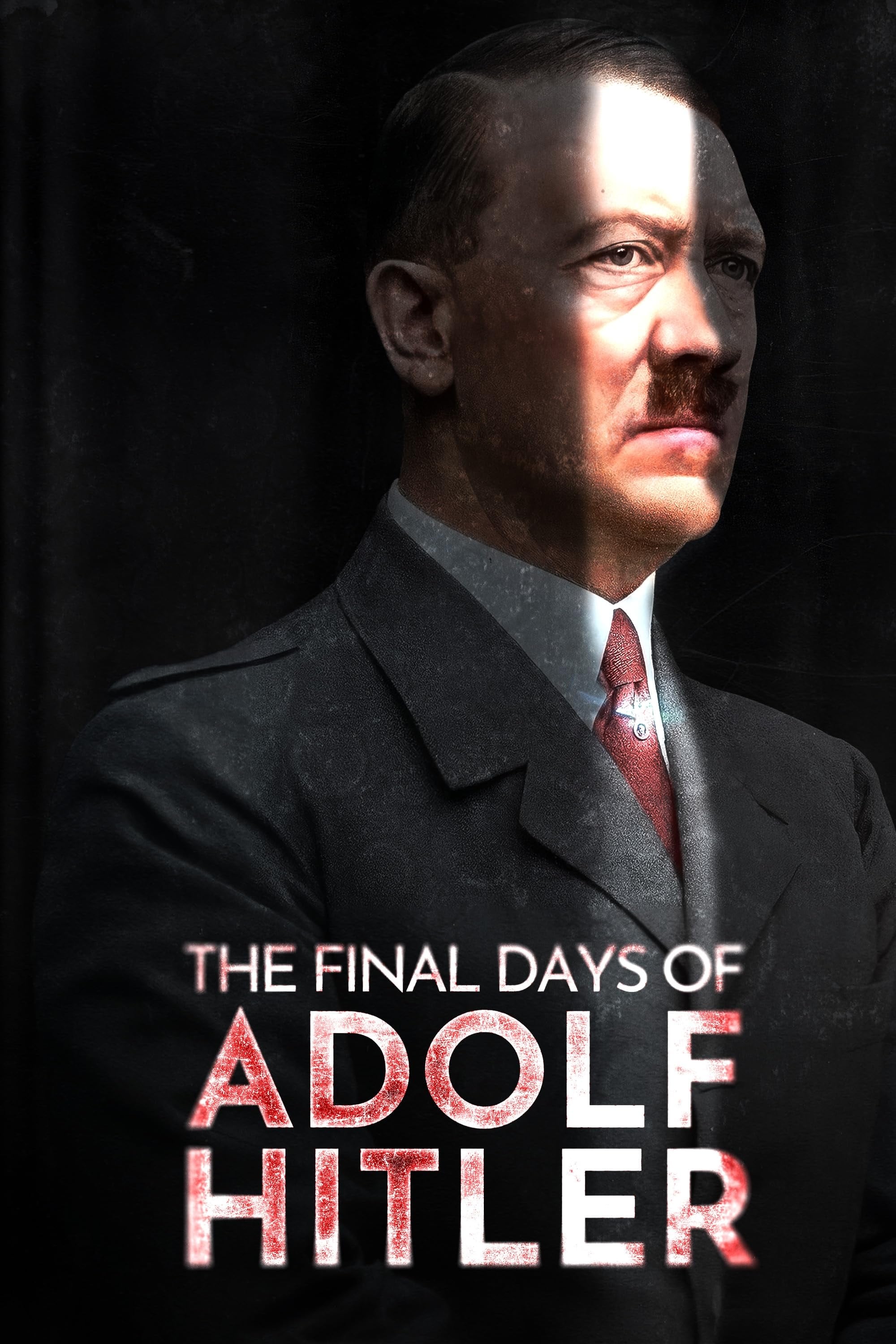
Richard Basehart stars as one of the most influential and one of the most reviled men in history in this probing psychological study of a man who nearly gained dominance over the entire western world--at the cost of millions of lives--Hitler.
Carrie's War is an adaptation of a 1973 children's novel by Nina Bawden, set during the Second World War and following two evacuees, Carrie and her younger brother Nick.
To historians, physicist Lise Meitner deserves to be placed on a par with Einstein, Heisenberg and Otto Hahn. In the 1930s on the verge of World War II, she led a small group of scientists who discovered that splitting the atomic nucleus of uranium releases enormous energy. This extraordinary film tells the story of a woman who was far ahead of her time as a scientist and a pioneer of feminism.
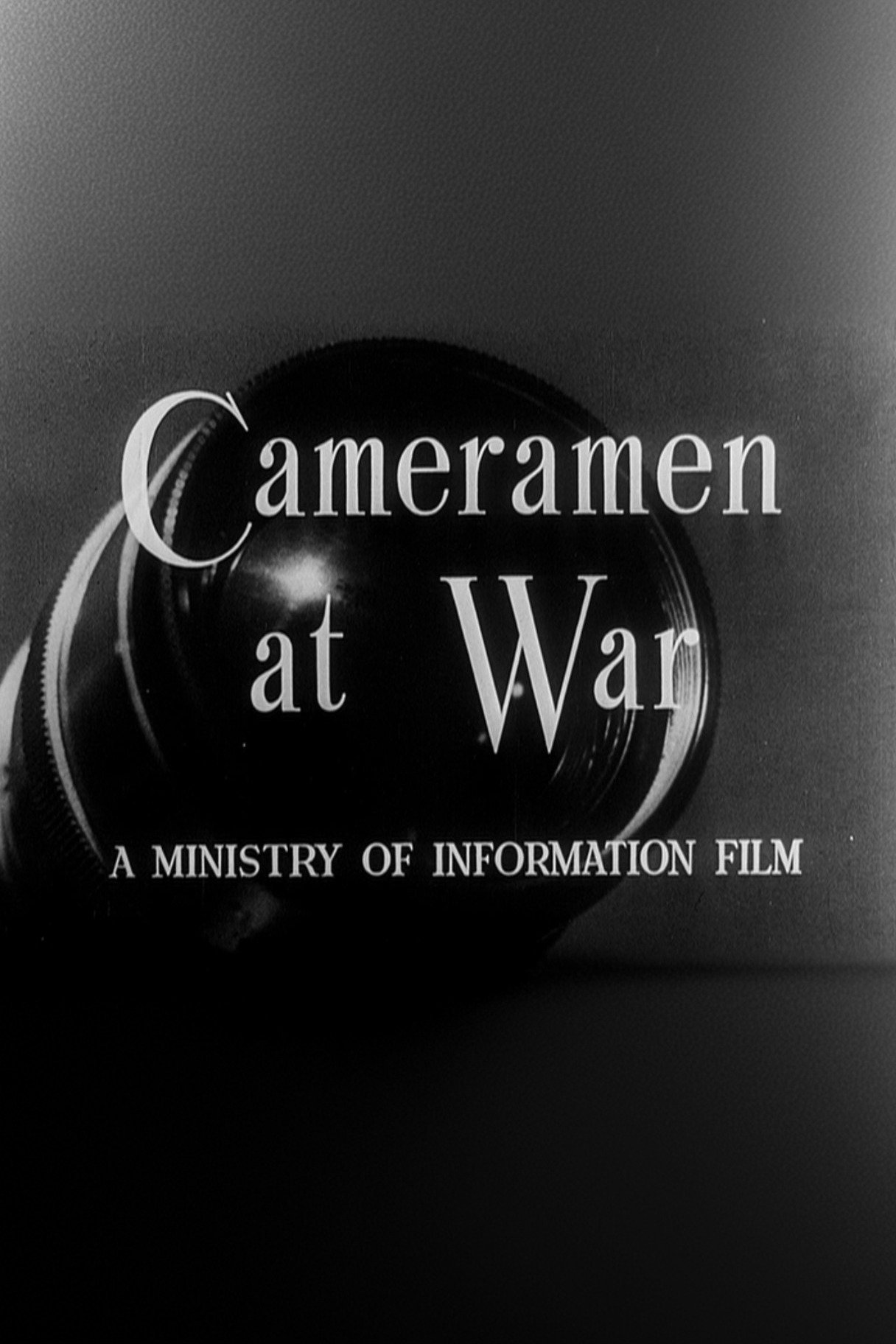
The story of two soldier-cameramen, Sgt Mike Lewis and Sgt Bill Lawrie, who witnessed the liberation of Belsen during the closing days of World War II.
Thanks to new excavations in Mauritius and Madagascar, as well as archival and museum research in France, Spain, England and Canada, a group of international scholars paint a new portrait of the world of piracy in the Indian Ocean.
An epic family saga told by the women around the famous architect Ludwig Mies van der Rohe.
Narrated by Country Music Superstar Darius Rucker. We return to Ramitelli airfield in Italy to chronicle the legacy of World War II's famed Tuskegee Airmen, African American pilots who helped break stereotypes and helped win World War II with their incredible fighter escorts of American bombers.
At the start of WWII the British Government decided to arrest all Germans in the UK no matter how long they had been there. Among those arrested were many Jewish refugees and many who were fully assimilated. This film records the story of a group who were sent to a POW camp in Australia aboard the Dunera.
A historical retrospective documentary revealing the inside story of the trials and tribulations surrounding the development of Britain's coastal radar network, and how it was ultimately instrumental in the detection and neutralising of the Luftwaffe's bombing raids on Britain.

He Has Seen War is a documentary featuring surviving veterans of Easy Company and the 1st Marine Division, whose stories are told in Band of Brothers and The Pacific. From their initial steps at reintegrating into civilian life to the lasting impact the war had on each of their lives, He Has Seen War features veterans and their families relaying their own unique stories. Complemented by renowned historian and author Donald L. Miller, as well as rarely seen archival and documentary footage, it captures the struggle and ultimate triumph of a generation who, after helping rescue the world from unprecedented calamity, reclaimed their lives and re-forged a country
Les Bronzés, le Père Noël, Papy et les autres....Discover or rediscover the emblematic scenes of these cult films that have crossed generations without getting old. Go behind the scenes of these unusual films through completely unpublished anecdotes and funny stories told by the authors themselves.
A re-imagination of Japanese Emperor Hirohito’s final days in power as WWII draws to a close.
In 1942, Digvijaysinhji Ranjitsinhji Jadeja, Maharaja Jam Sahib of Nawanagar, established the Polish Children's Camp in Jamnagar-Balachadi for refugee Polish children brought out of the USSR during WWII.
Nicky's Family is a gripping documentary from the International Emmy Award winning producers Patrik Pass and Matej Minac about a rescue operation of the “British Schindler” - Sir Nicholas Winton who will celebrate this year 103rd birthday. His story has no parallel in modern history. Dramatic reenactments, some of the archive footage never seen before, rescued "children" together with Mr. Winton himself recount this unique story which even after 70 years continues to inspire people, especially children, to make this world a better place. World personalities His Holiness Dalai Lama and Nobel Prize winner Elie Wiesel also took part. ( - from the film's press kit)
When Allied forces liberated the Nazi concentration camps in 1944-45, their terrible discoveries were recorded by army and newsreel cameramen, revealing for the first time the full horror of what had happened. Making use of British, Soviet and American footage, the Ministry of Information’s Sidney Bernstein (later founder of Granada Television) aimed to create a documentary that would provide lasting, undeniable evidence of the Nazis’ unspeakable crimes. He commissioned a wealth of British talent, including editor Stewart McAllister, writer and future cabinet minister Richard Crossman – and, as treatment advisor, his friend Alfred Hitchcock. Yet, despite initial support from the British and US Governments, the film was shelved, and only now, 70 years on, has it been restored and completed by Imperial War Museums under its original title "German Concentration Camps Factual Survey".
Oliver Stone charts the history of the United States from the Second World War to the present.
Cameramen and women discuss the craft and art of cinematography and of the "DP" (the director of photography), illustrating their points with clips from 100 films, from Birth of a Nation to Do the Right Thing. Themes: the DP tells people where to look; changes in movies (the arrival of sound, color, and wide screens) required creative responses from DPs; and, these artisans constantly invent new equipment and try new things, with wonderful results. The narration takes us through the identifiable studio styles of the 30s, the emergence of noir, the New York look, and the impact of Europeans. Citizen Kane, The Conformist, and Gordon Willis get special attention.
Produced and presented as evidence at the Nuremberg war crimes trial of Hermann Göring and twenty other Nazi leaders, this film consists primarily of dead and surviving prisoners and of facilities used to kill and torture during the World War II.
Documentary about the art of film editing. Clips are shown from many groundbreaking films with innovative editing styles.
Diaries, audiotapes, videotapes and testimonials from friends and colleagues offer insight into the life and career of Gilda Radner -- the beloved comic and actress who became an icon on Saturday Night Live.
The history of cinematic sound, told by legendary sound designers and visionary filmmakers.
A documentary highlighting the Soviet Union's legendary and enigmatic hockey training culture and world-dominating team through the eyes of the team's Captain Slava Fetisov, following his shift from hockey star and celebrated national hero to political enemy.
The life and career of one of comedy's most inimitable modern voices, Mr. Gilbert Gottfried.
A subjective documentary that explores various theories about hidden meanings in Stanley Kubrick's classic film The Shining. Five very different points of view are illuminated through voice over, film clips, animation and dramatic reenactments.
An in-depth investigation into the private world of the American writer J. D. Salinger (1919-2010), who lived most of his life behind the impenetrable wall of a self-imposed seclusion: how his dramatic experiences during World War II influenced his life and work, his relationships with very young women, his obsessive writing methods, his many literary secrets.
Prelude to War was the first film of Frank Capra's Why We Fight propaganda film series, commissioned by the Pentagon and George C. Marshall. It was made to convince American troops of the necessity of combating the Axis Powers during World War II. This film examines the differences between democratic and fascist states.
A documentary examining possible historical and modern conspiracies surrounding Christianity, the 9/11 terrorist attacks, and the Federal Reserve bank.
The extraordinary story of how Hollywood changed World War II – and how World War II changed Hollywood, through the interwoven experiences of five legendary filmmakers who went to war to serve their country and bring the truth to the American people: John Ford, William Wyler, John Huston, Frank Capra, and George Stevens. Based on Mark Harris’ best-selling book, “Five Came Back: A Story of Hollywood and the Second World War.”
This documentary movie is about the battle of San Pietro, a small village in Italy. Over 1,100 US soldiers were killed while trying to take this location, that blocked the way for the Allied forces from the Germans. Preserved by the Academy Film Archive in 2005.
When Sgt. First Class Brian Eisch is critically wounded in Afghanistan, it sets him and his sons on a journey of love, loss, redemption and legacy.
A documentary about World War I with never-before-seen footage to commemorate the centennial of Armistice Day, and the end of the war.
Experience the events of September 11, 2001 through the eyes of President Bush and his closest advisors as they personally detail the crucial hours and key decisions from that historic day.
Various MGM stars from yesterday present their favorite musical moments from the studio's 50 year history.
Using archival footage, cabinet conversation recordings, and an interview of the 85-year-old Robert McNamara, The Fog of War depicts his life, from working as a WWII whiz-kid military officer, to being the Ford Motor Company's president, to managing the Vietnam War as defense secretary for presidents Kennedy and Johnson.