Social & External
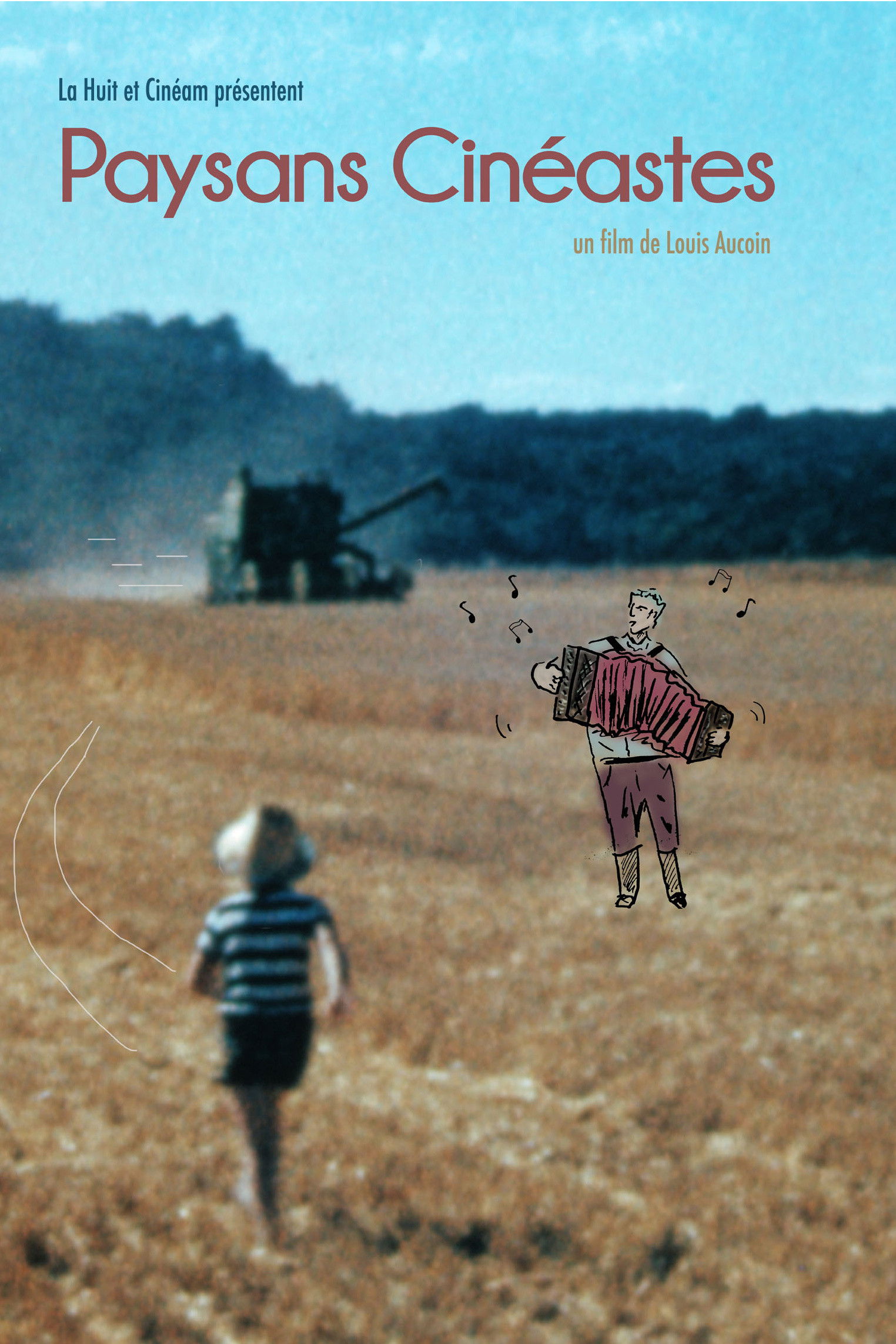
Farmers in the Île-de-France region, they filmed life on the farm, working in the fields, and family and village celebrations on 8 mm or Super 8 film. From the 1950s to the 1980s, these testimonies unfold a history of rural life: we move away from a peasant and family model to industrial agriculture for export. Through these family images, I attempt to answer my own questions about our agricultural future. In the 1950s, the land of Île-de-France fed us.
A poetic journey through the paths and places of old Castile that were traveled and visited by the melancholic knight Don Quixote of La Mancha and his judicious squire Sancho Panza, the immortal characters of Miguel de Cervantes, which offers a candid depiction of rural life in Spain in the early 1930s and illustrates the first sentence of the first article of the Spanish Constitution of 1931, which proclaims that Spain is a democratic republic of workers of all kind.
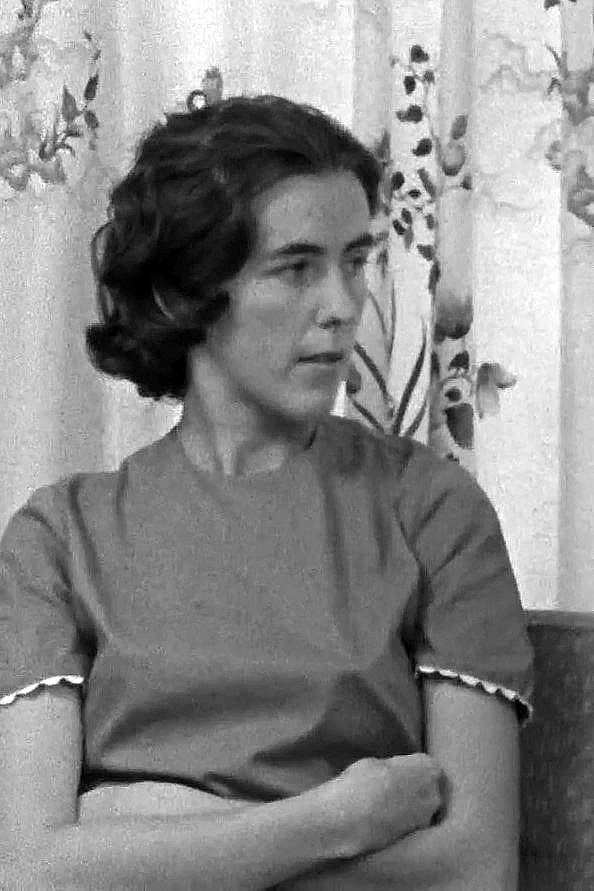
Two women discuss the roles and problems of women, education, and shopping on Fogo Island.
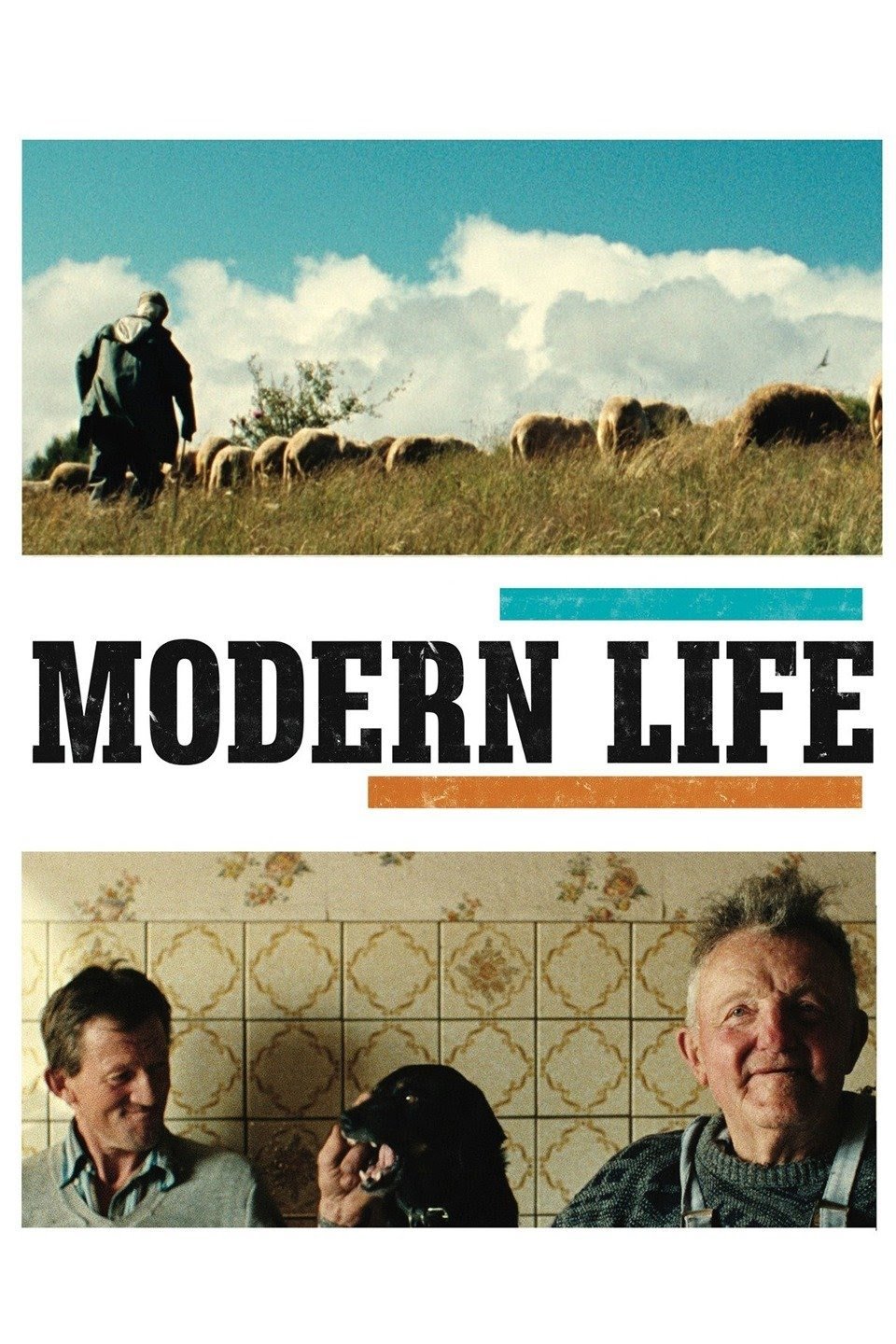
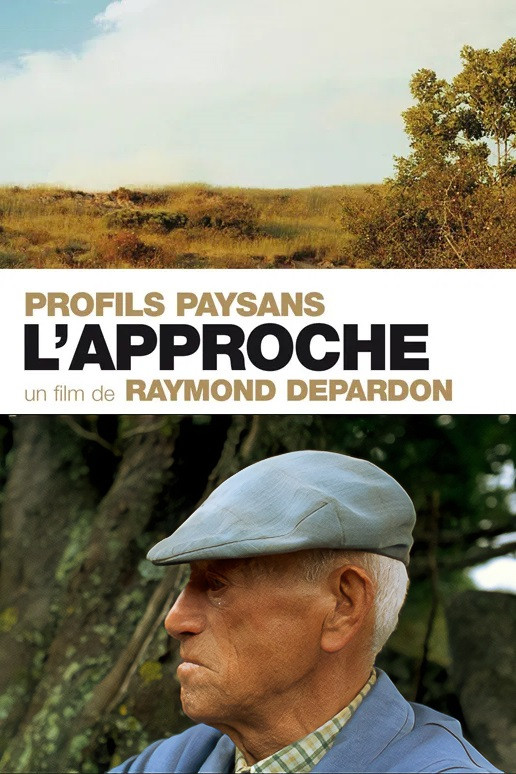
For ten years, Raymond Depardon has followed the lives of farmer living in the mountain ranges. He allows us to enter their farms with astounding naturalness. This moving film speaks, with great serenity, of our roots and of the future of the people who work on the land. This the last part of Depardon's triptych "Profils paysans" about what it is like to be a farmer today in an isolated highland area in France. "La vie moderne" examines what has become of the persons he has followed for ten years, while featuring younger people who try to farm or raise cattle or poultry, come hell or high water.
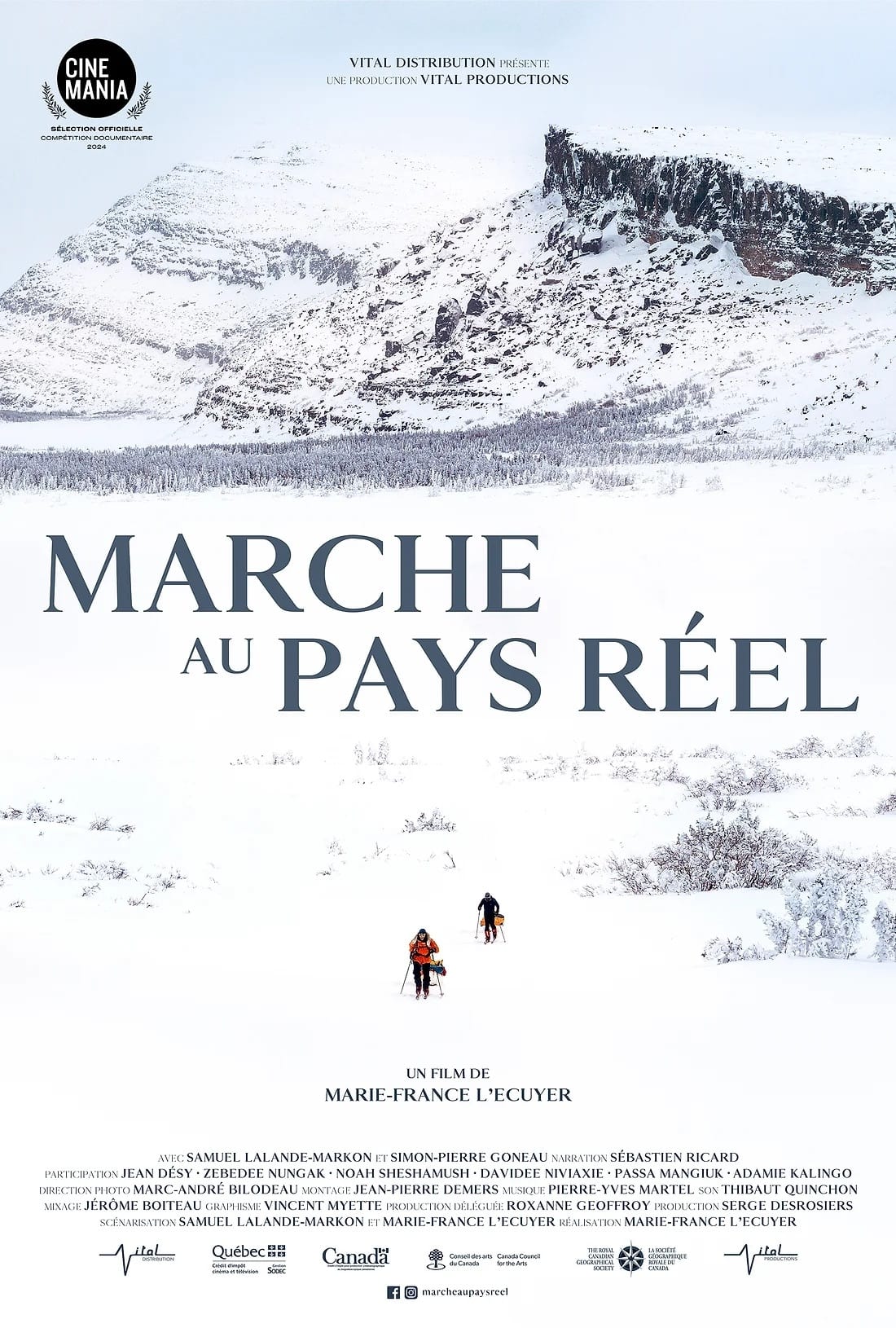
By attempting to travel 2,960 km from southern Quebec to its northernmost point, by bike and skis, in the middle of winter, adventurers Samuel Lalande-Markon and Simon-Pierre Goneau want to reinvest the territory and reflect on the identity and collective relationship that Quebecers have with it. Their journey begins at kilometer marker 720, an obelisk-shaped monument located on the border with the United States, and ends at Cape Anaulirvik, north of Ivujivik, the northernmost point of the Ungava Peninsula. Over the course of a 91-day expedition, they set out to meet the country in all its immensity, splendor and impetuosity, a country that suddenly reveals itself to be less abstract, less distant, more real.
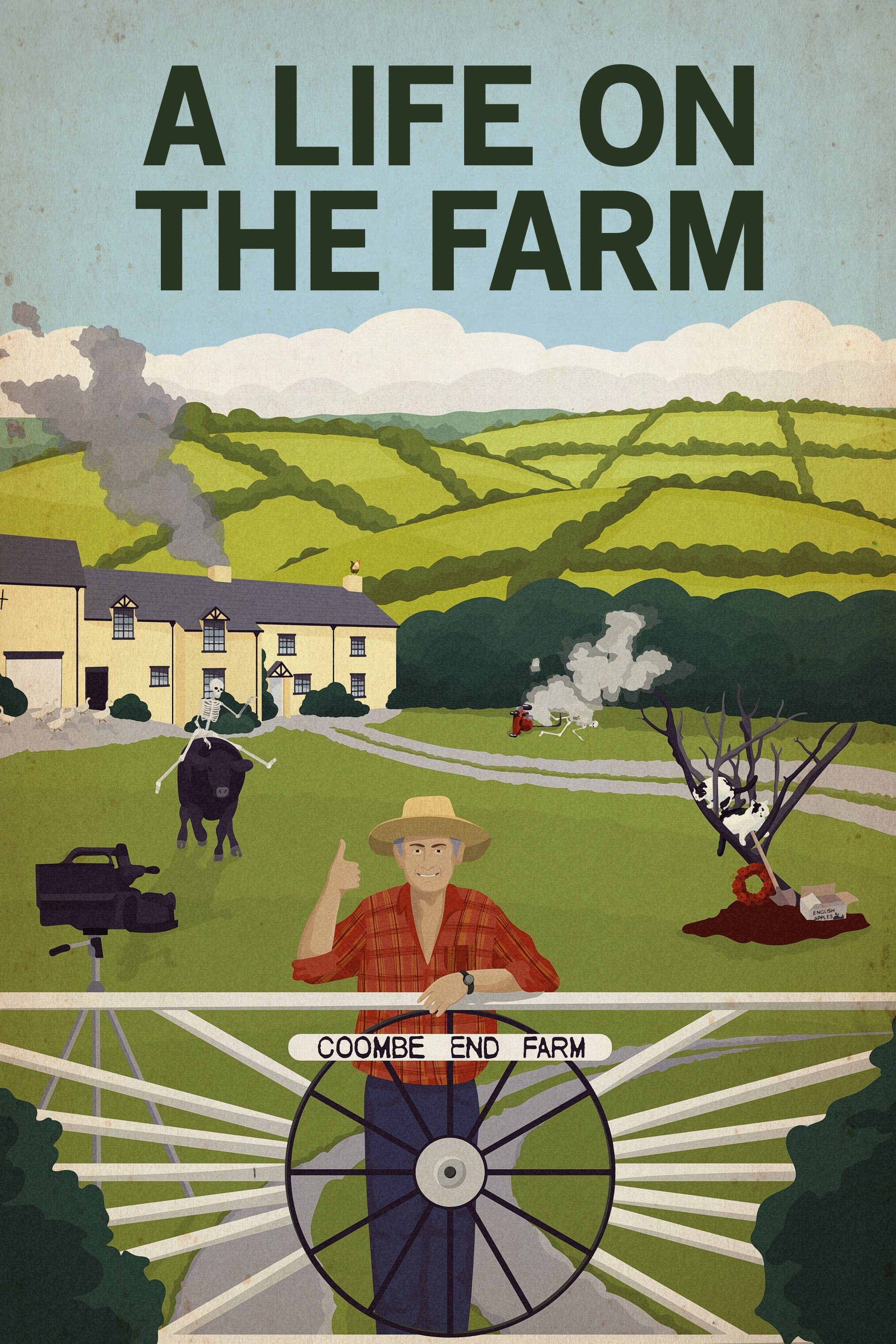
A strange story from Somerset, England about a filmmaking farmer and the inspiring legacy of his long-lost home movies.
This documentary film follows farmers and activists fighting together to stop the Indiana Enterprise Center, a mega-sized industrial park planned west of South Bend, Indiana
The first of a documentary serie about rural France.
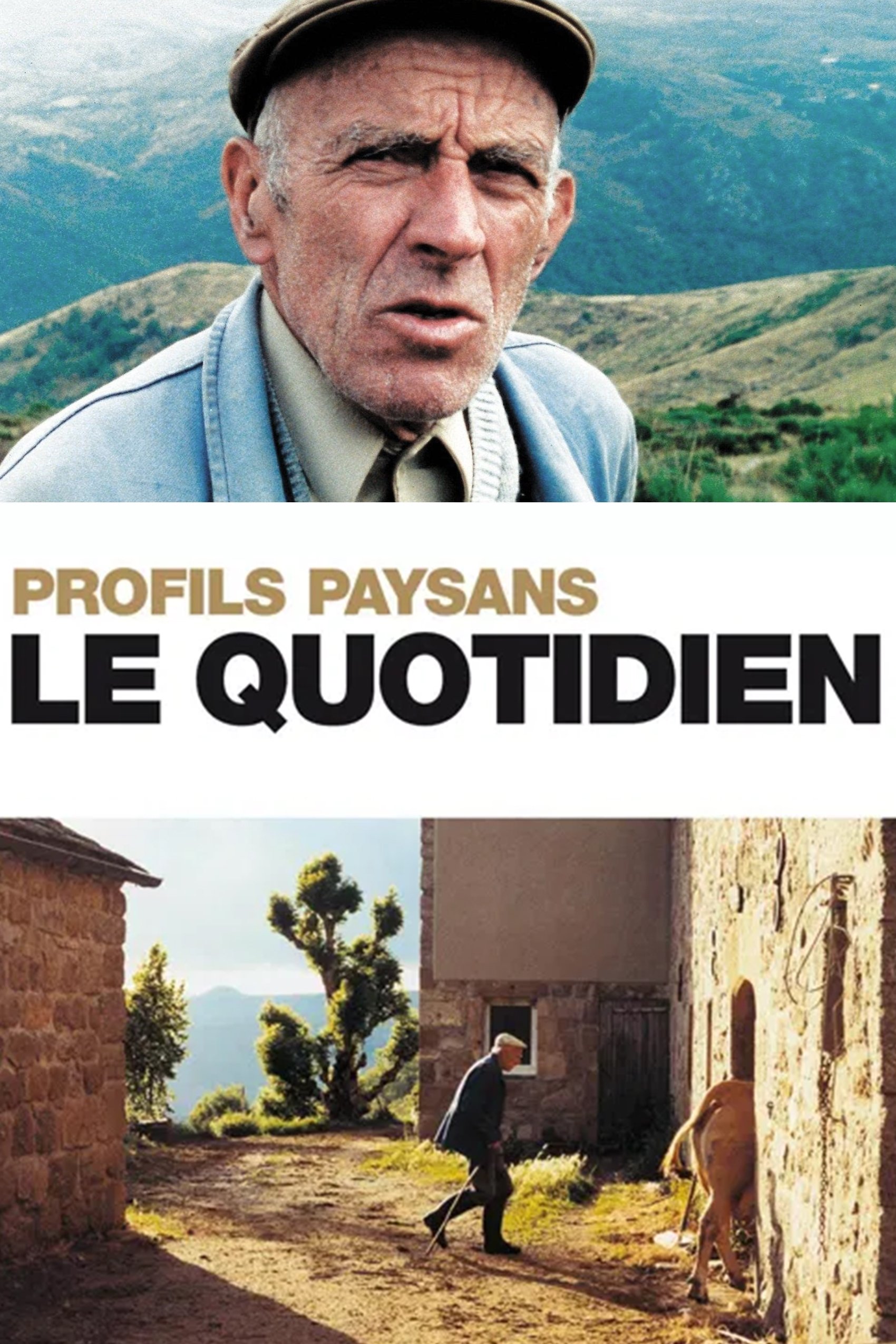
Second documentary of a trilogy produced on the long term (together with Profils paysans: l'approche (2001) and Profils paysans: La vie moderne (2008)), showing the simple lives of farmers in contemporary Southern France.
The follow-up film to “Barstow, California” takes us to the mountains of Miyama, a remote forest and tourist area north of Kyoto. Uwe Walter, a shakuhachi player from Germany, lives there with his wife Mitsuyo for 30 years. Together with the villagers he prepares the annual Gion Festival. On the eve of the festival, the village representatives tell him that his self-built studio is to be demolished. This brings back memories for him of earlier times and his first steps as a Nō actor. In the manner of a fresco, the film interweaves rural depictions of everyday life with the story of its German protagonist. In the village community with its togetherness of generations, Uwe shares life with his neighbours, with farmers, hunters, woodsmen, poultry farmers and anglers, tills his kitchen garden, and like other tradition-conscious villagers, he also grows his rice. The film shows them in a harsh mountain landscape between the rainy season and the first snow.
Oases are more than fairytale places in the desert sand. Amidst the stony heights of the Andes, the endless expanse of the Pacific, or the hectic concrete sausages of Mumbai, islands of life flourish. In breathtaking shots, the documentary explores the phenomenon of oases – and the magical places in the Saharan sand are of course included.
The camera falls in love with the characters, the landscape and the objects and is installed with the tenderness that inoculates the life of the town itself. The camera is the thousand eyes of the gaze of a rigorous anthropologist, although in love, multiplying so as not to lose detail in 24 hours of people, activity, games, intimacy ... Recording every sound that pierces the oceanic silence of the countryside open.And night comes. And the gazpacho. And the party. You see.
Set in the mountains of northeast Italy, this film may be considered an observational documentary about rural life. Although this is undeniably the case, at the same time Under the cold stars can hardly be considered a documentary: the microcosm on which it focuses appears to be a reflection of a broader reality and perhaps a way to deal with the themes of man’s existence and his relationship with animals, nature and, most importantly, with time. As written by Franco Piavoli "it is a film which essentially relies on images and sound, where words themselves are sound and the music of life, of the relentless flow of time."
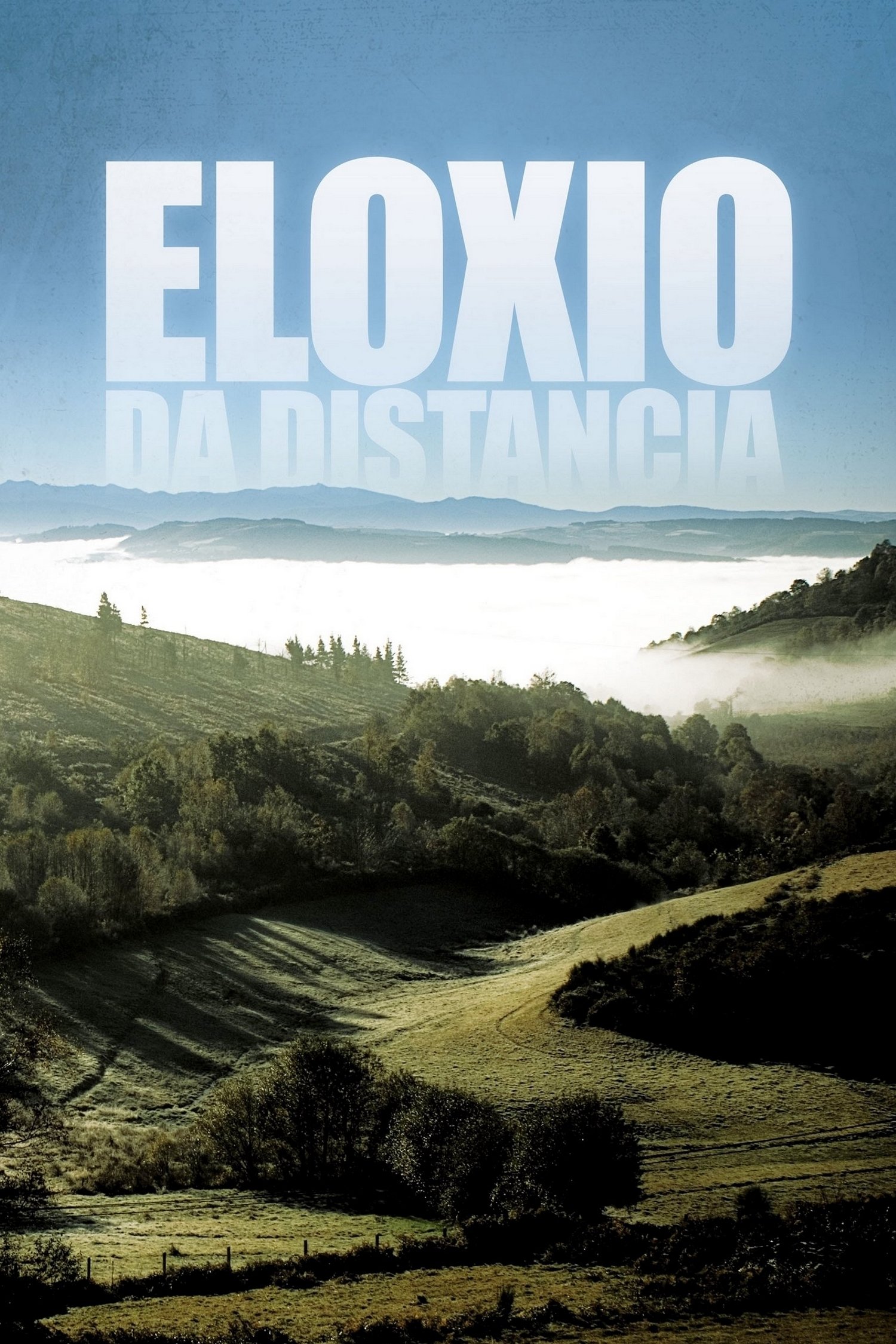
Province of Lugo, Galicia, Spain. A year in the life of A Fonsagrada, a rural region whose inhabitants live both near and far from urban civilization; a praise of the distance that crosses the four seasons of the year, whose inevitable passage transforms both the natural environment and the existence of people, a simple, dignified and peaceful existence.
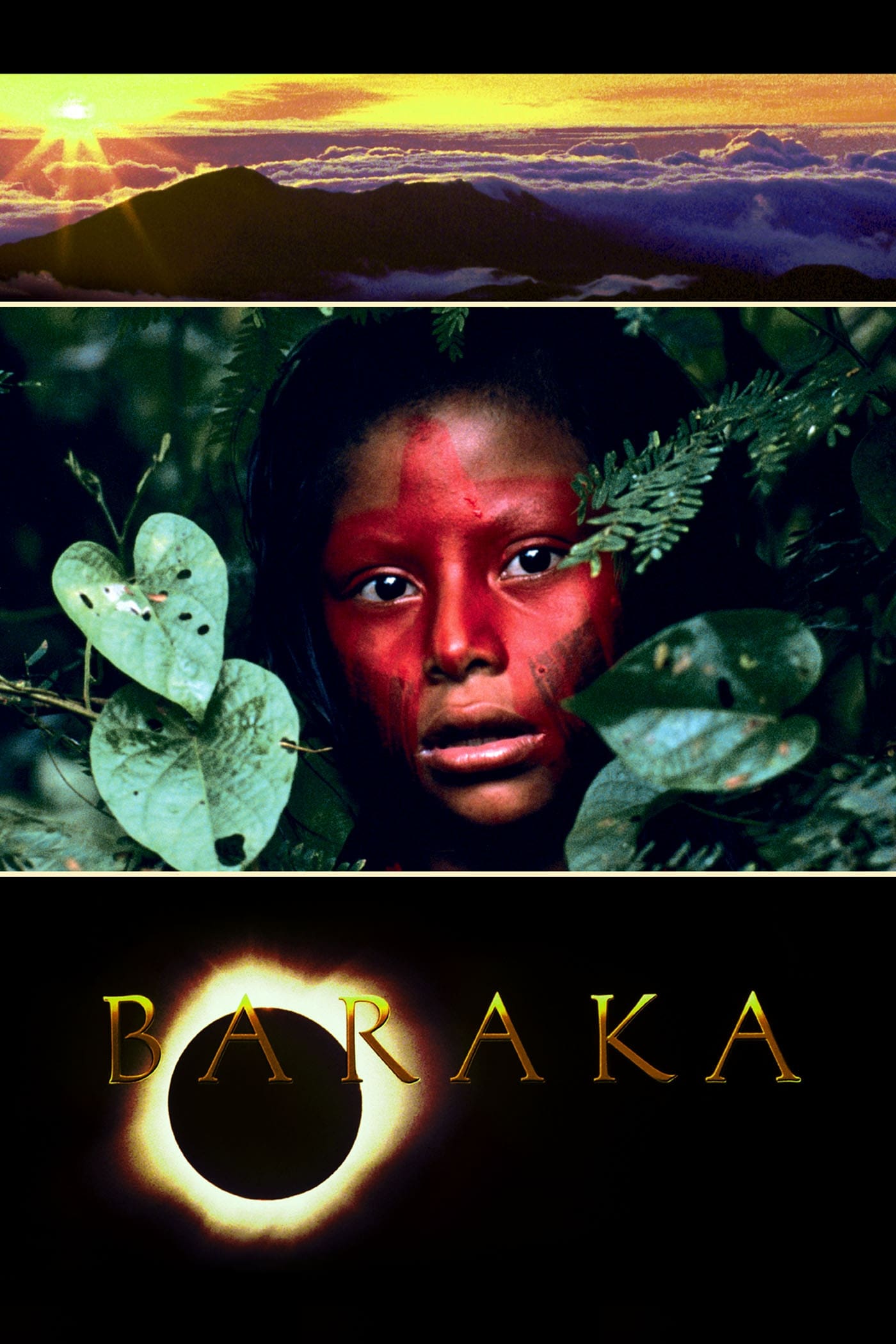
A paralysingly beautiful documentary with a global vision—an odyssey through landscape and time—that attempts to capture the essence of life.
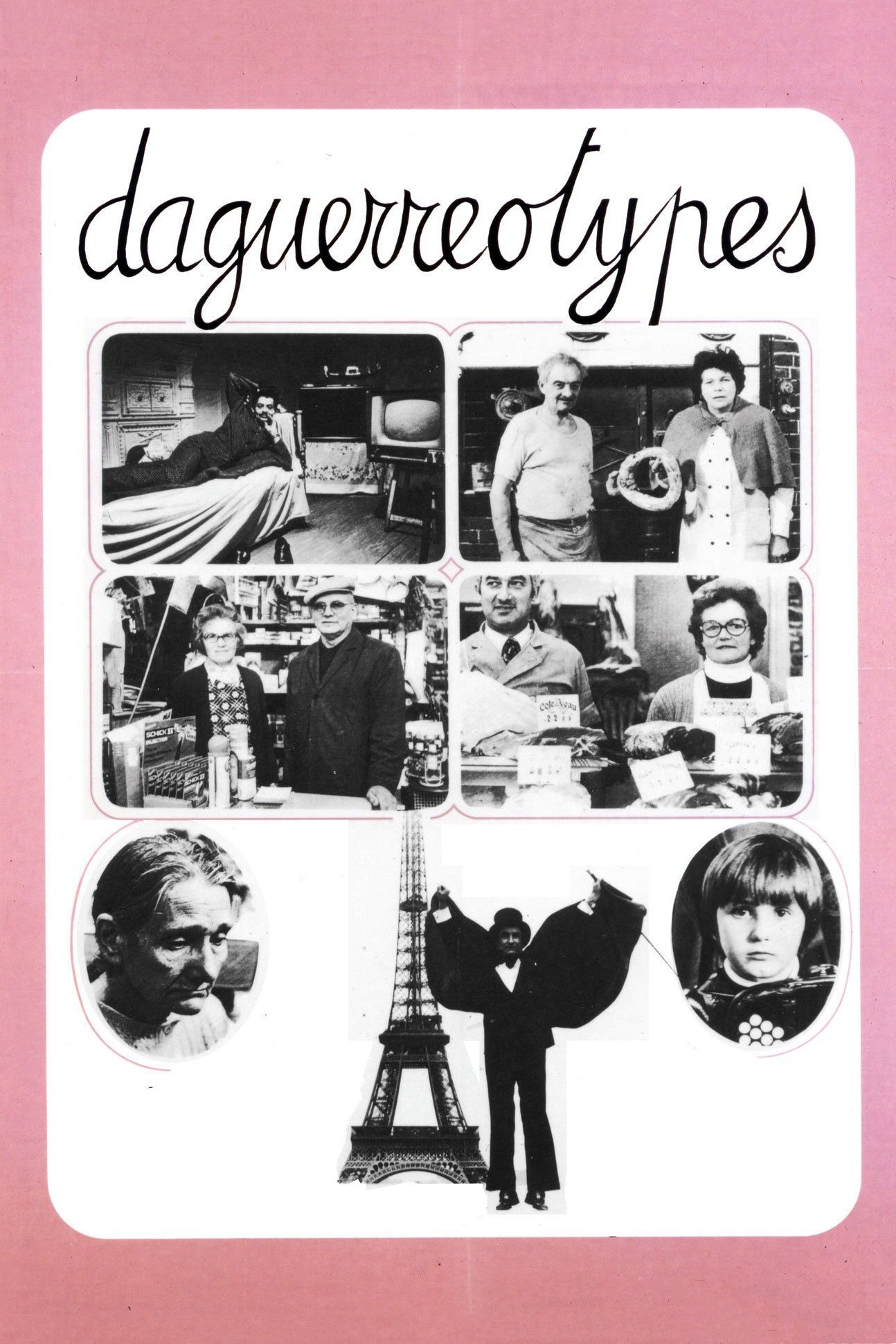
An intimate portrait of the small shops and shopkeepers of the Rue Daguerre in Paris, a picturesque street that has been the filmmaker’s home for more than 50 years.
A visual montage portrait of our contemporary world dominated by globalized technology and violence.
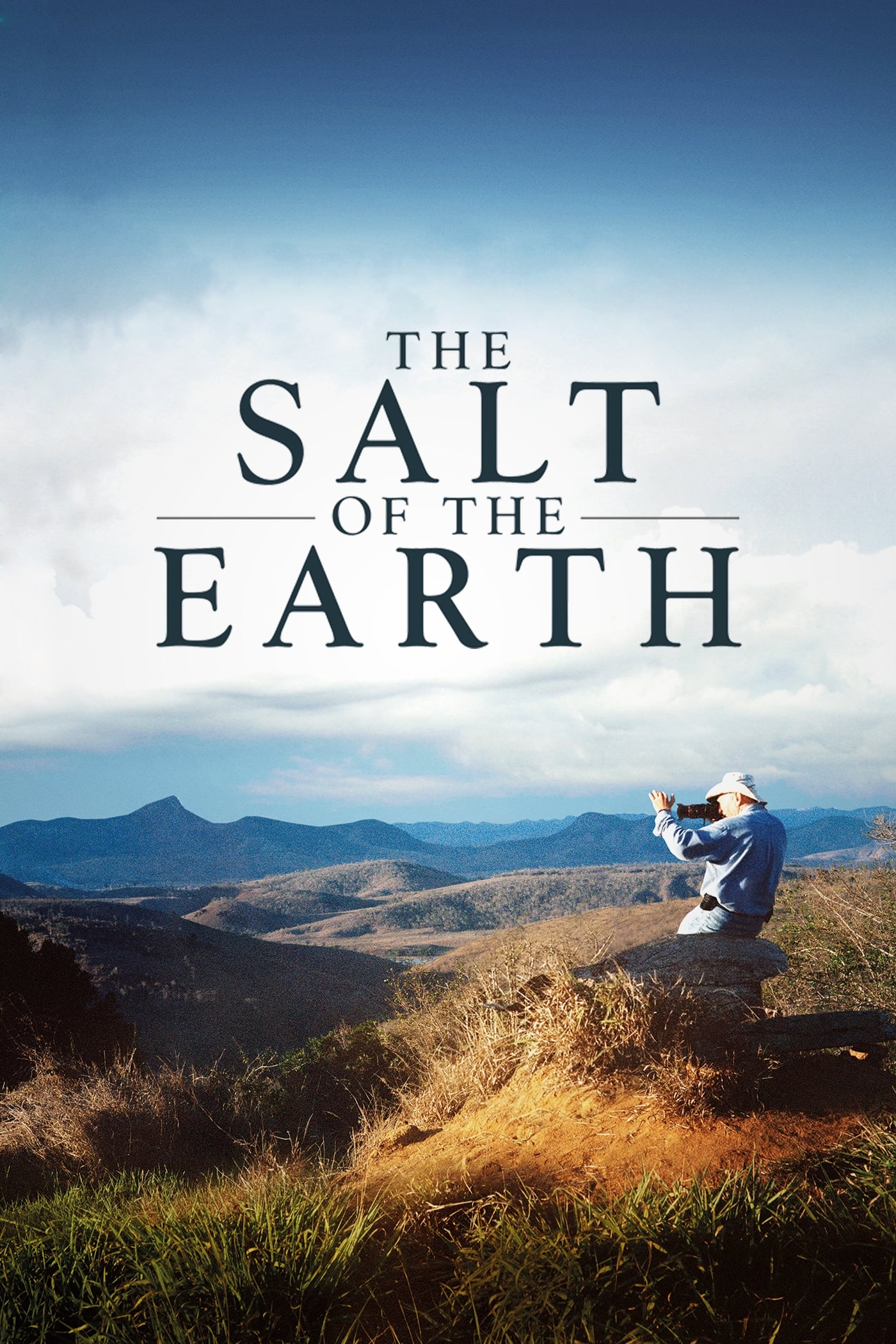
During the last forty years, the photographer Sebastião Salgado has been travelling through the continents, in the footsteps of an ever-changing humanity. He has witnessed the major events of our recent history: international conflicts, starvations and exodus… He is now embarking on the discovery of pristine territories, of the wild fauna and flora, of grandiose landscapes: a huge photographic project which is a tribute to the planet's beauty. Salgado's life and work are revealed to us by his son, Juliano, who went with him during his last journeys, and by Wim Wenders, a photographer himself.
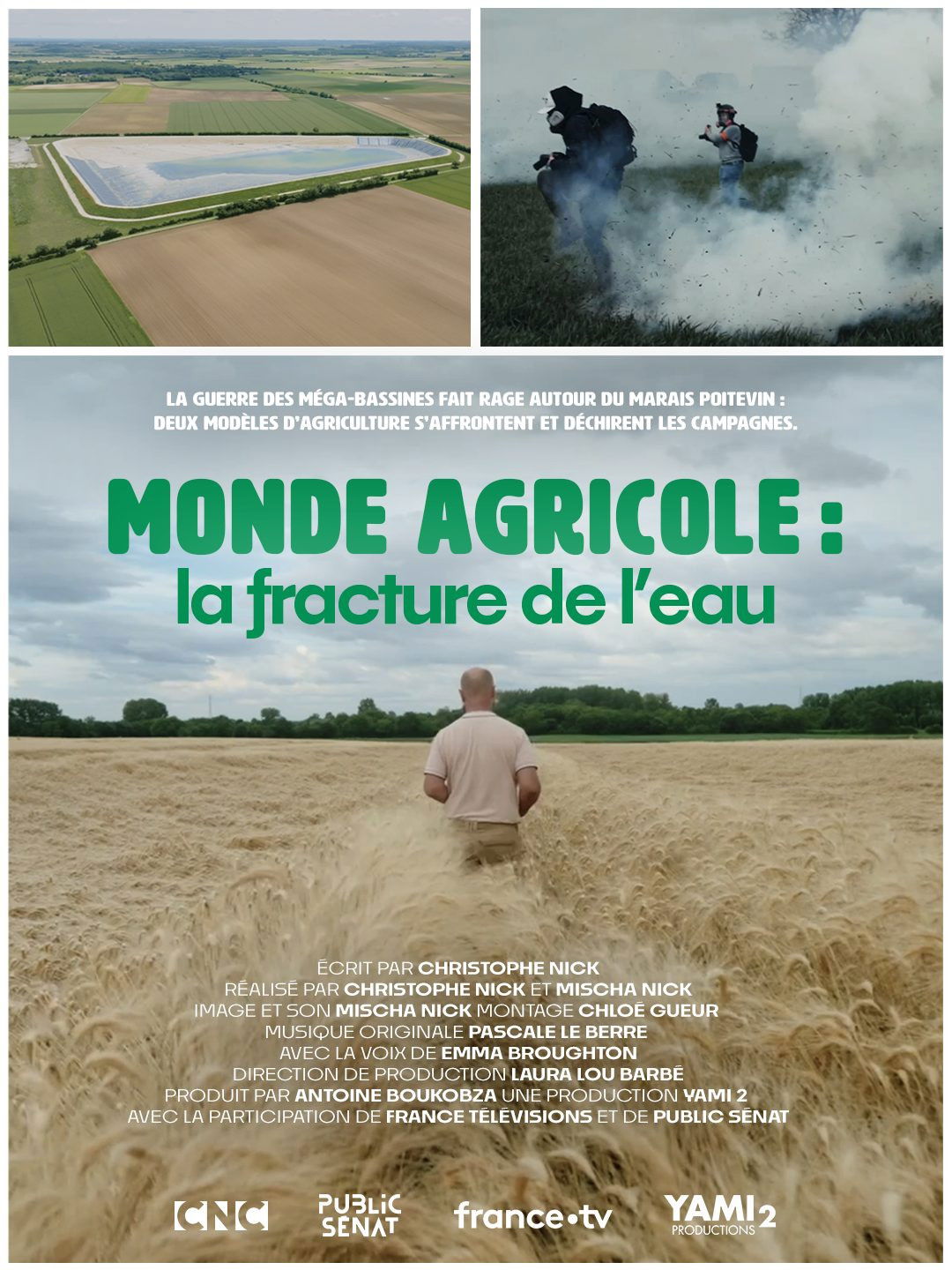
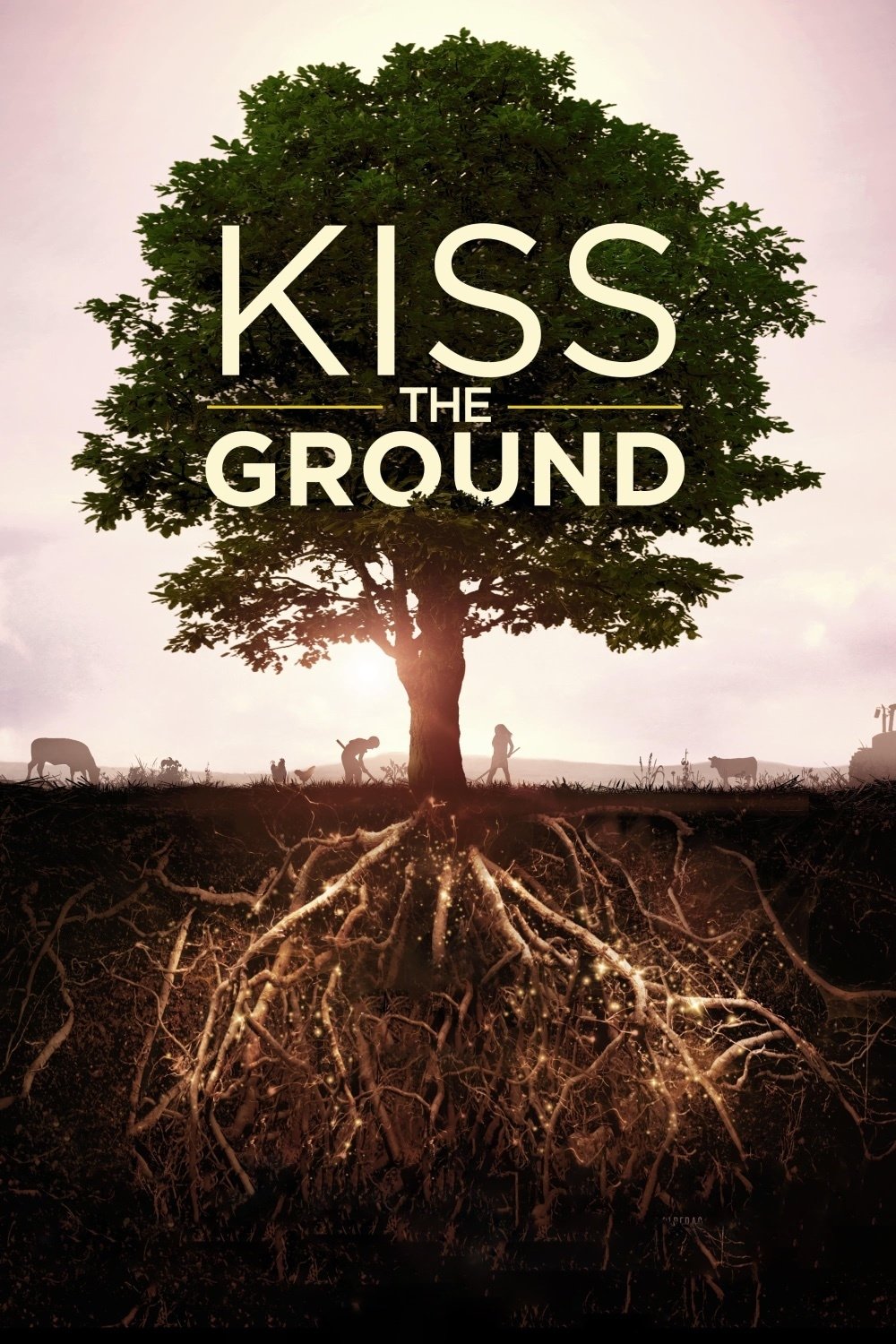
Sheds light on an alternative approach to farming called “regenerative agriculture” that could balance our climate, replenish our vast water supplies, and feed the world.
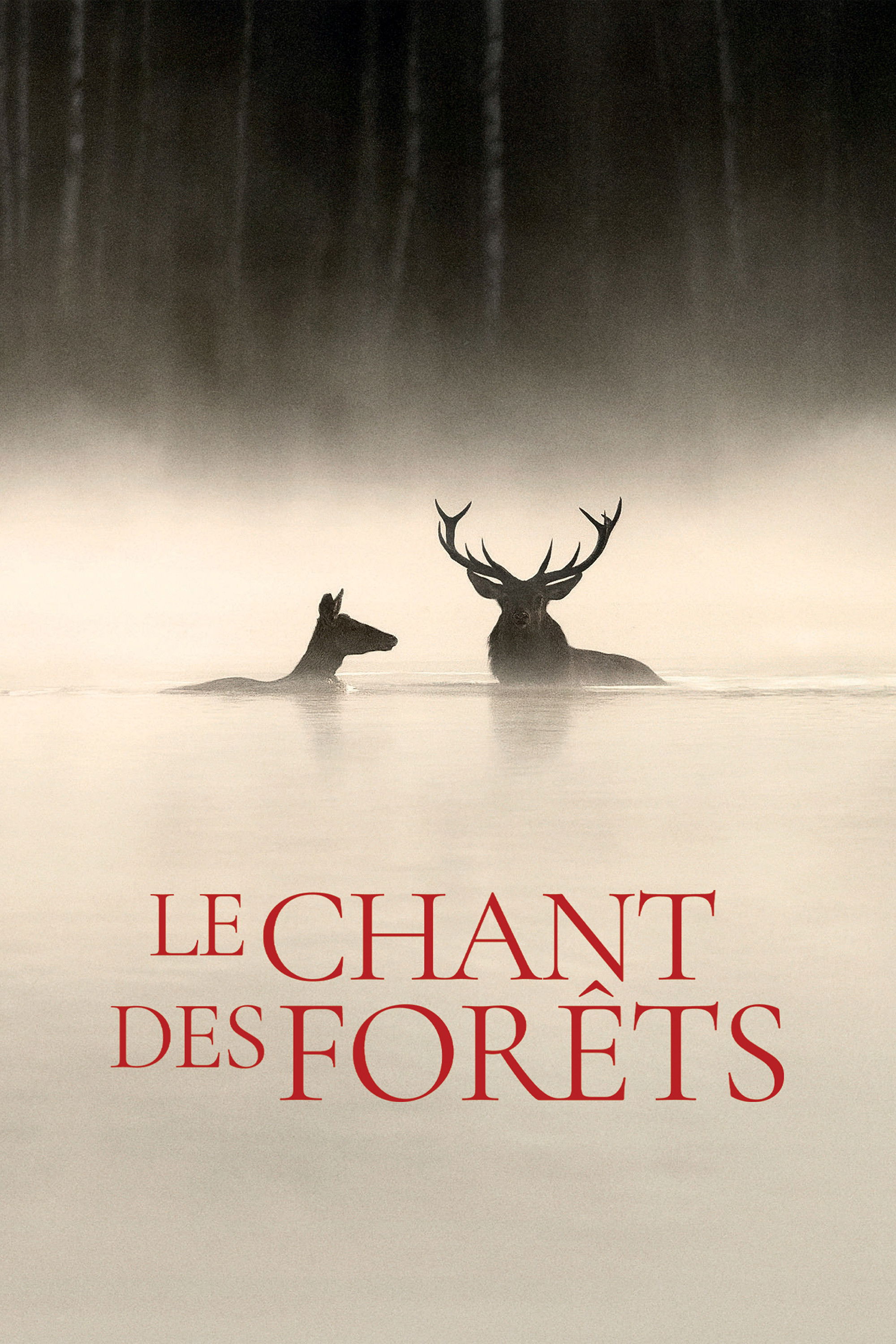
In the heart of the tranquil Vosges forests, where lynxes, bears and deer roam freely, Vincent Munier accompanies his father on his expeditions. He not only seeks to capture the visual wonders of this forest kingdom, but also aims to make its sounds audible. Every whisper of the forest is a reminder of the knowledge of nature that his father once imbued in him – knowledge that Vincent now passes on to his own son. Vincent Munier combines breathtaking footage of nature and its sounds to create a fairytale-like cinematic experience that slows time down.
A detailing of the rise to prominence and global sporting superstardom of six supremely talented young Manchester United football players (David Beckham, Nicky Butt, Ryan Giggs, Paul Scholes, Phil and Gary Neville). The film covers the period 1992-1999, culminating in Manchester United's European Cup triumph.
A glimpse into the raw and simple power of nature through encounters with farm animals: the eponymous Gunda, a mother pig; two cows, and a one-legged chicken.
Canadian actress and filmmaker Sarah Polley investigates certain secrets related to her mother, interviewing a group of family members and friends whose reliability varies depending on their implication in the events, which are remembered in different ways; so a trail of questions remains to be answered, because memory is always changing and the discovery of truth often depends on who is telling the tale.
The film follows adventurer Jeff Johnson as he retraces the epic 1968 journey of his heroes Yvon Chouinard and Doug Tompkins to Patagonia.
Takes us to locations all around the US and shows us the heavy toll that modern technology is having on humans and the earth. The visual tone poem contains neither dialogue nor a vocalized narration: its tone is set by the juxtaposition of images and the exceptional music by Philip Glass.
With unprecedented access to the official archives and intimate recollections from the band, both current and past, Iron Maiden: Burning Ambition invites fans to experience one of the most iconic journeys in music history. Spanning five decades, this electrifying documentary charts the band’s rise from the pubs of East London to the world’s biggest stadiums. Featuring exclusive interviews with band members and contributors such as Javier Bardem, Lars Ulrich and Chuck D, as well as all-new animated sequences of the band's legendary mascot, Eddie, the film offers a rare and intimate look at Iron Maiden’s uncompromising vision and unwavering connection with their truly global army of fans.
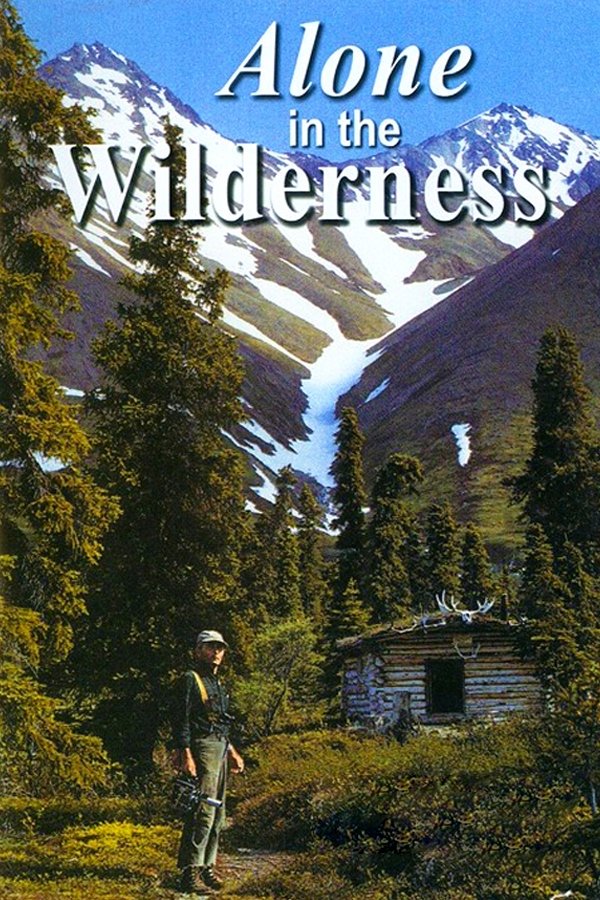
Dick Proenneke retired at age 50 in 1967 and decided to build his own cabin in the wilderness at the base of the Aleutian Peninsula, in what is now Lake Clark National Park. Using color footage he shot himself, Proenneke traces how he came to this remote area, selected a homestead site and built his log cabin completely by himself. The documentary covers his first year in-country, showing his day-to-day activities and the passing of the seasons as he sought to scratch out a living alone in the wilderness.
A non-narrated documentary following the lovesome lives of four infants from birth to their first birthday. The babies featured are two from rural areas: Ponijao from Opuwo, Namibia, and Bayar from Bayanchandmani, Mongolia, as well as two from urban areas: Mari from Tokyo, Japan, and Hattie from San Francisco, USA.
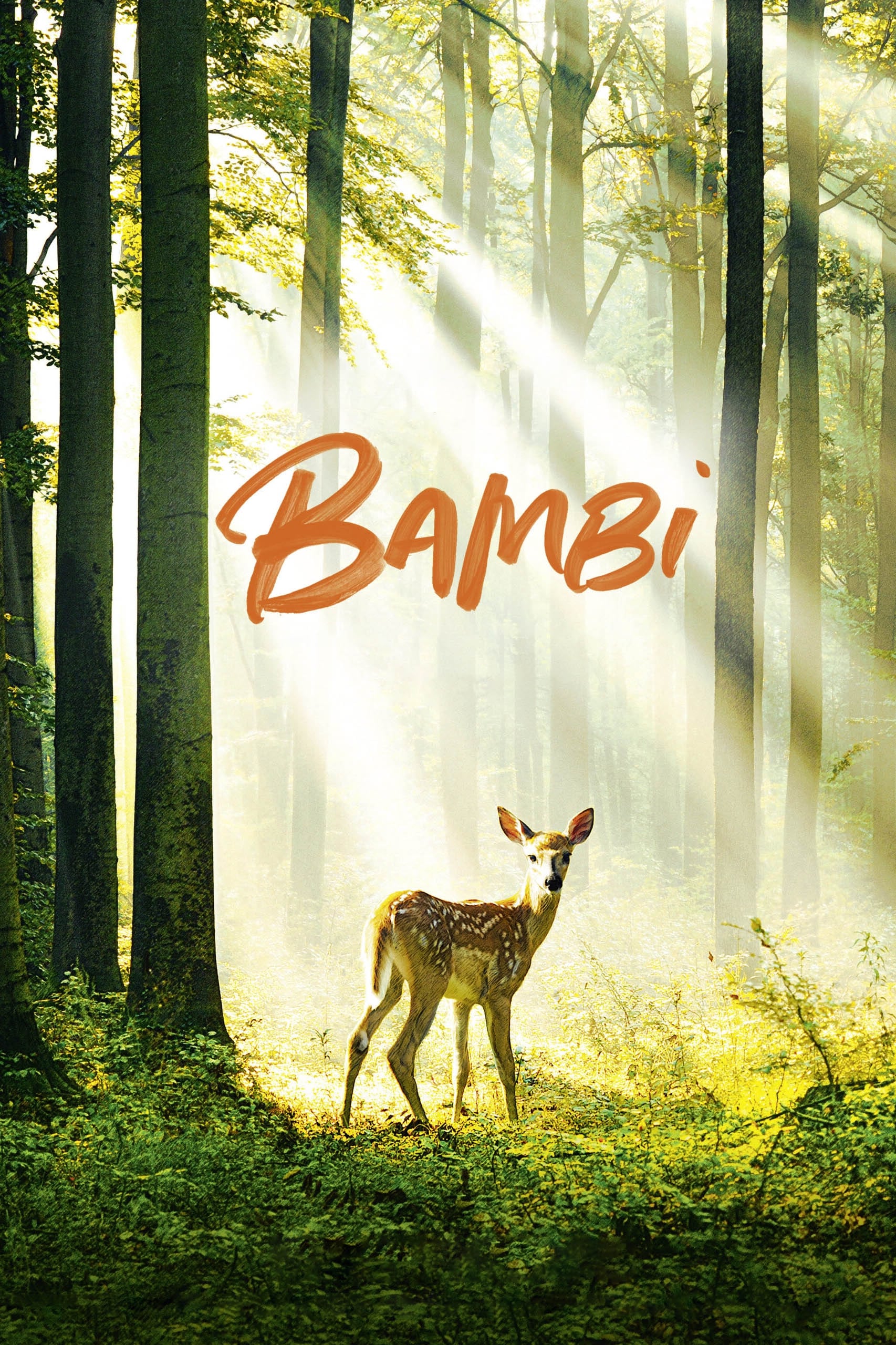
The life of Bambi, a male roe deer, from his birth through childhood, the loss of his mother, the finding of a mate, the lessons he learns from his father, and the experience he gains about the dangers posed by human hunters in the forest.
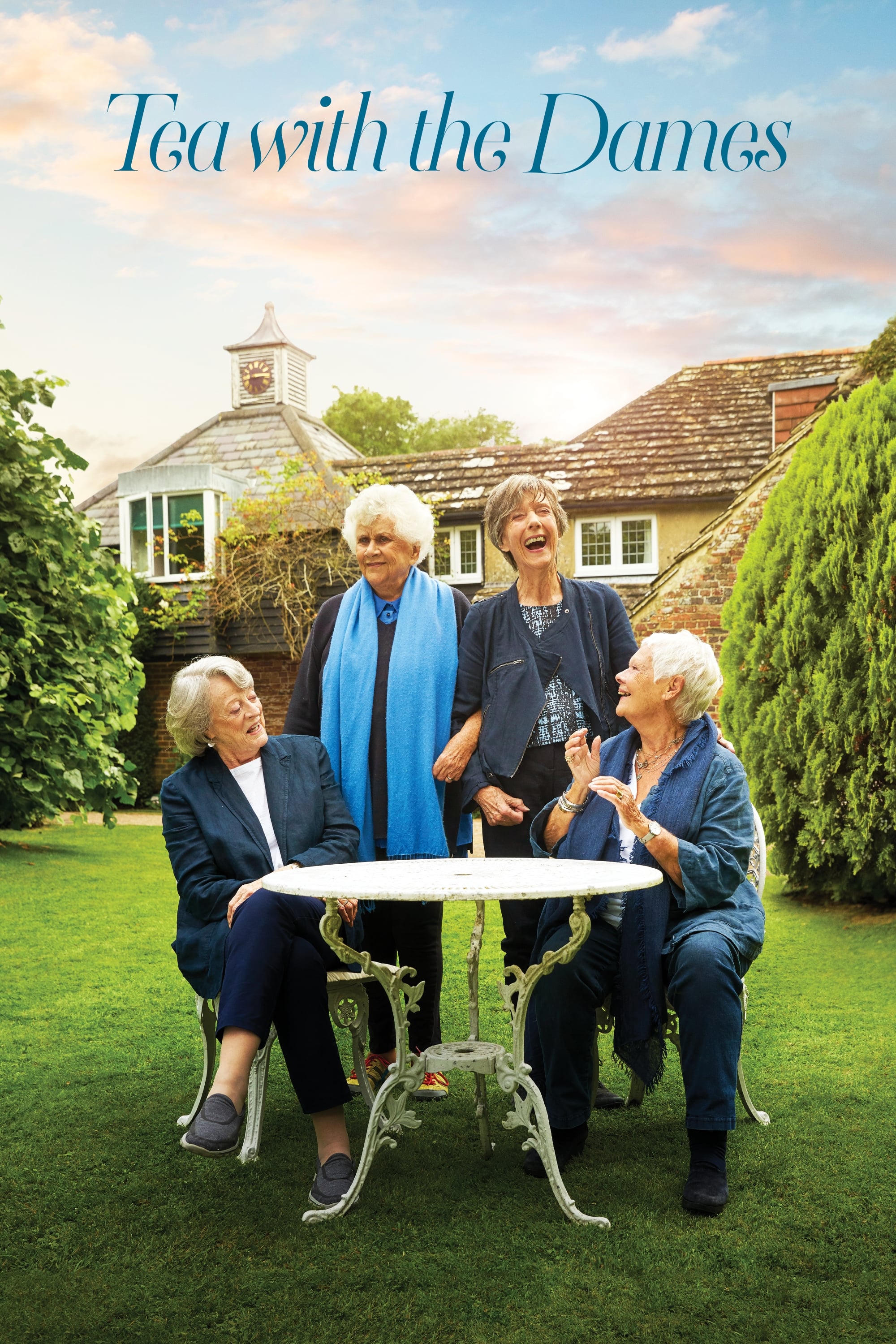
BBC Arena's documentary on the Dames of British Theatre and film featuring Maggie Smith, Eileen Atkins, Judi Dench and Joan Plowright on screen together for the first time as they reminisce over a long summer weekend in a house Joan once shared with Sir Laurence Olivier.
The life of Mr. Spock, as well as that of Leonard Nimoy, the actor who played him for almost fifty years, written and directed by his son: Adam.
A purely observational non-fiction film that takes viewers into the ethically murky world of end-of-life decision making in a public hospital.
SEDUCED AND ABANDONED combines acting legend Alec Baldwin with director James Toback as they lead us on a troublesome and often hilarious journey of raising financing for their next feature film. Moving from director to financier to star actor, the two players provide us with a unique look behind the curtain at the world's biggest and most glamourous film festival, shining a light on the bitter-sweet relationship filmmakers have with Cannes and the film business. Featuring insights from directors Martin Scorsese, 'Bernando Bertolucci' and Roman Polanski; actors Ryan Gosling and Jessica Chastain and a host of film distribution luminaries.
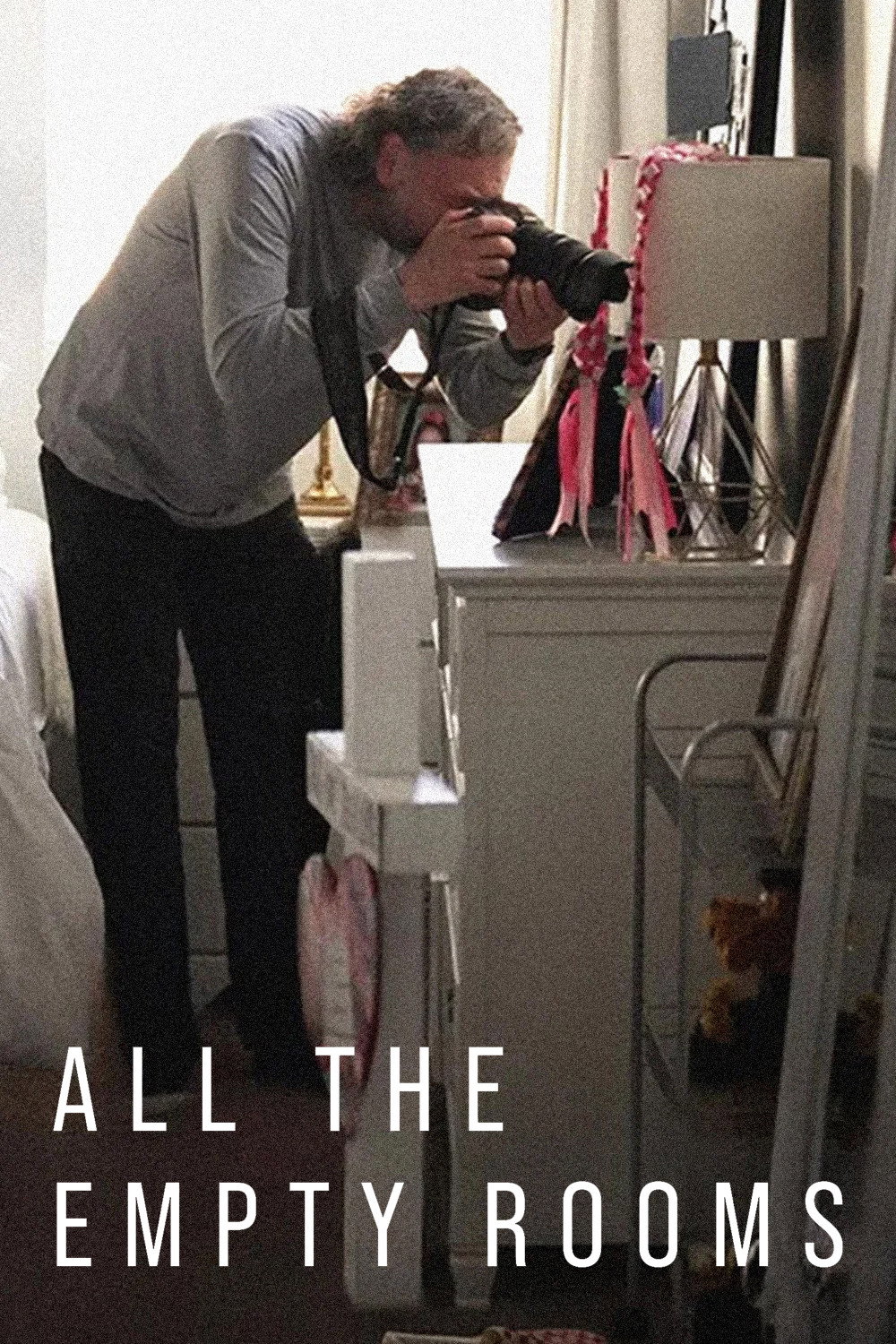
A journalist and a photographer set out to memorialize the bedrooms left behind by children killed in school shootings.