Social & External
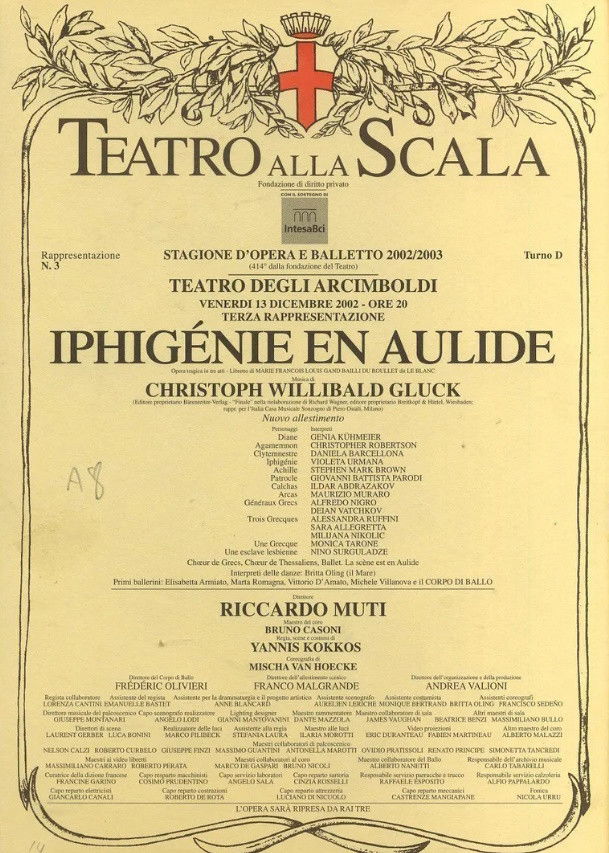
Agamemnone
Clitennestra
Ifigenia
Achille
Calcante
Diane
Patroclo
Arcante
A man with a broken back dies after his wife has an affair with his brother.
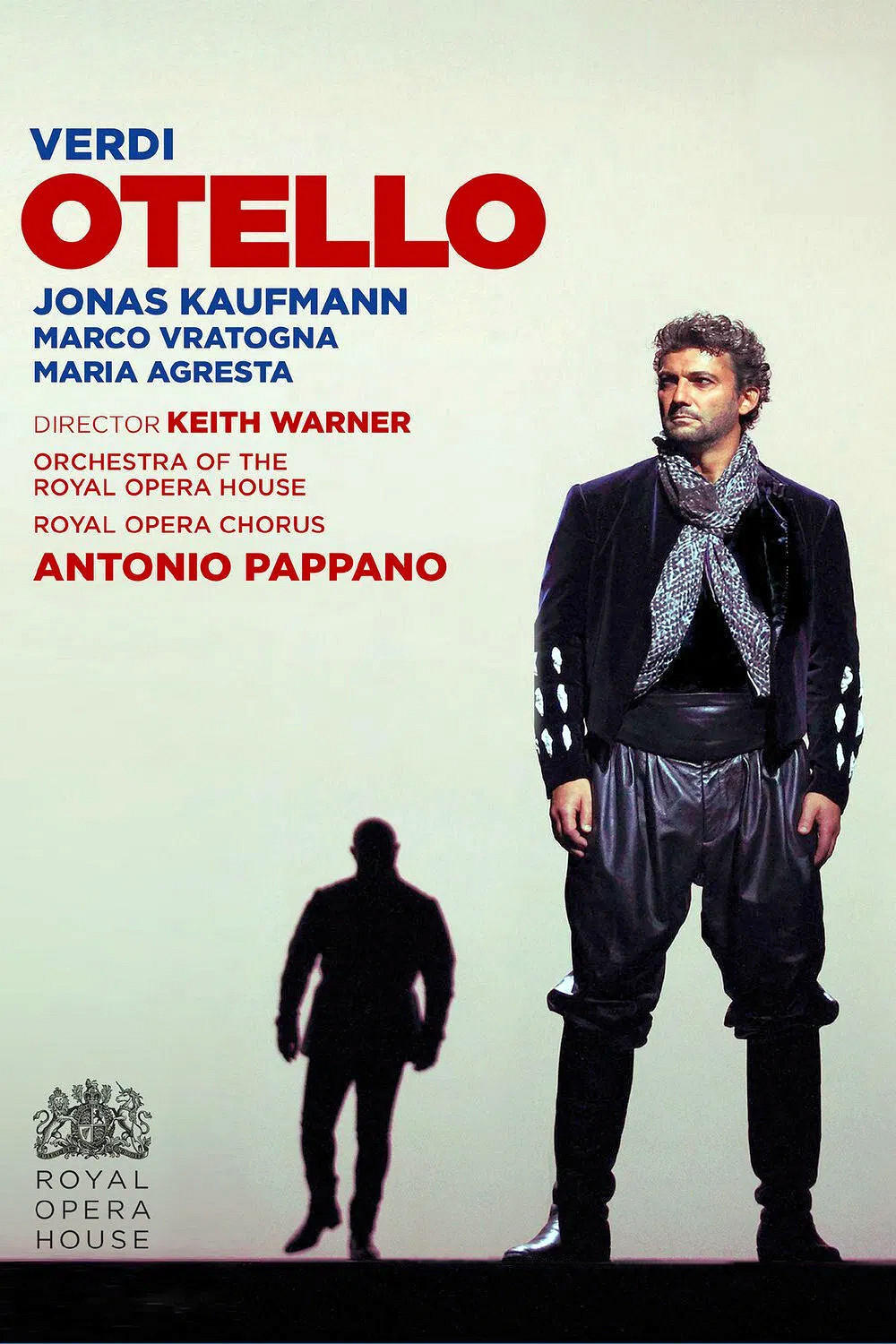
On a June night in 2017, opera lovers thronged to the Royal Opera House in London to hear tenor Jonas Kaufmann, recently acclaimed by The Daily Telegraph as the world s greatest tenor, make his eagerly anticipated debut in the title role of Otello Verdi s greatest and most demanding role for tenor voice. As the New York Times wrote Mr. Kaufmann made his debut in the part, and he calmly, confidently sang it for the ages.
The Marx Brothers take on high society and the opera world to bring two lovers together. A sly business manager and two wacky friends of two opera singers help them achieve success while humiliating their stuffy and snobbish enemies.
St. Margarethen is a magnificent structure and a grand setting for Nabucco. This venue, along with the gorgeous costumes, spectacular lighting, lasers and pyrotechnics made for one grand, five star production! This is reason enough to see it and it must be an advantage to view it on DVD.--It would probably be harder to digest the whole spectacle if you were actually sitting in the audience, as there is so much to take in. The whole cast was in great form, both in singing and acting. Simon Yang as Zaccaria and Igor Morosow as Nabucco were excellent. Gabriella Morigi was a convincing Abigail who got better and better. Bruno Ribeiro as Ismaele and Elisabeth Kulman as Fenena were great, too.
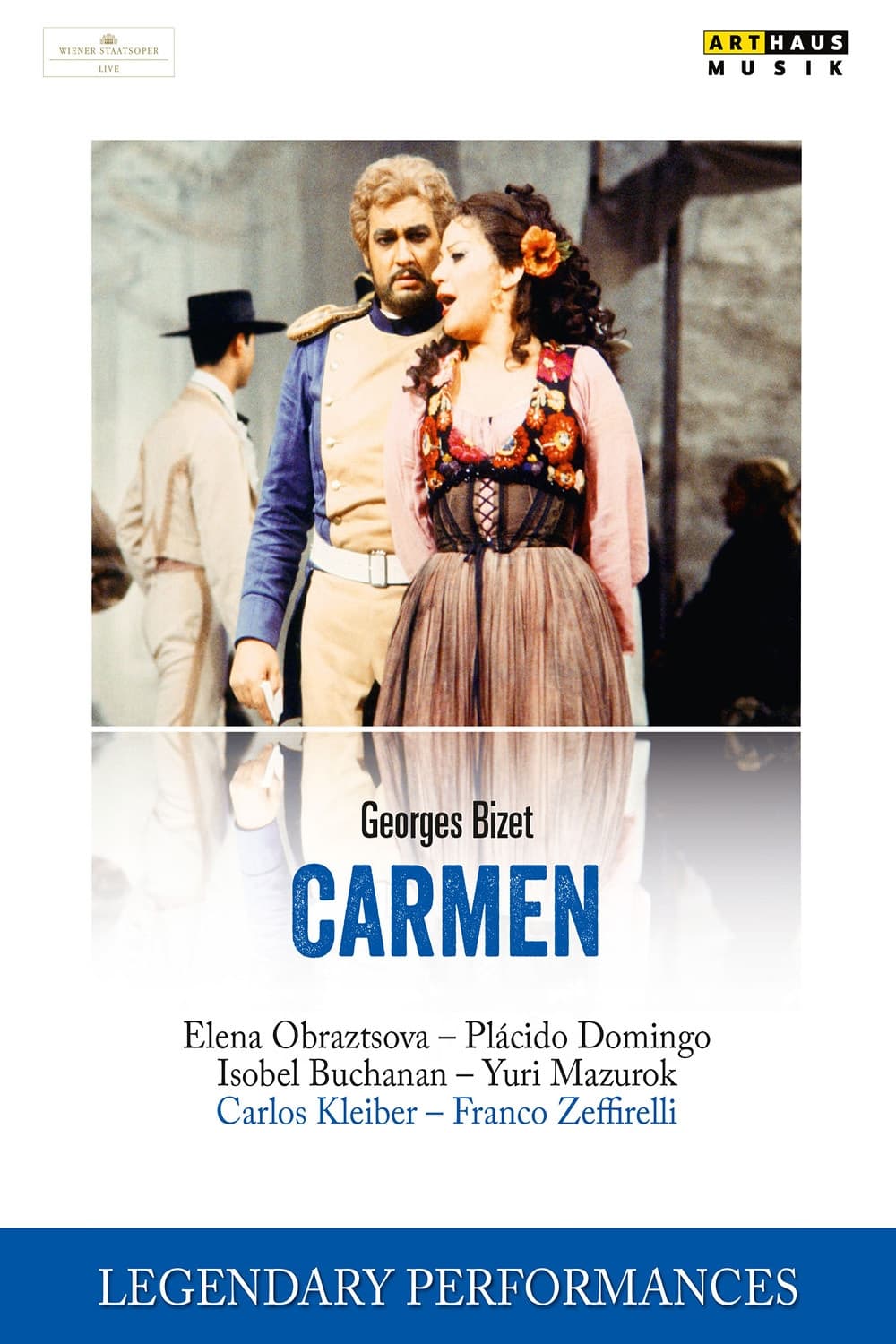
CARMEN is the classic tale of forbidden passion between a young man and a spoken-for woman, Carmen. From ORF and TDK Music, this release features a live performance of Georges Bizet's 19th century operatic masterwork Carmen. Directed by Academy Award-nominated filmmaker Franco Zeffirelli, the production was shot on December 9, 1978, at the Wiener Straatsoper. Starring Elena Obraztsova in the titular role, the orchestra is conducted by Carlos Kleiber.
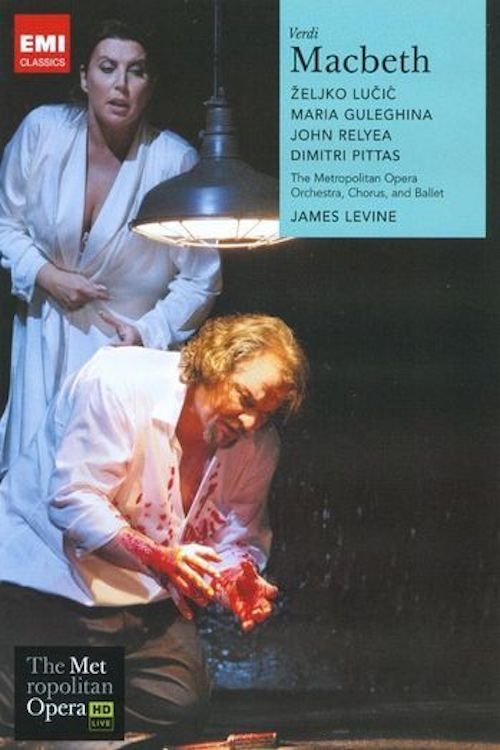
Verdi’s admiration for Shakespeare led to such masterpieces as Othello and Falstaff, and if the earlier Macbeth isn’t on their exalted level it’s still a powerfully dramatic opera that hews closely to the original’s story line. The MET’s production retains the dark aura of the opera while updating it to a vaguely post-modern context. So the witches are bag ladies in various stages of decrepitude, with children in tow. The Banquet Scene features lowered chandeliers, a plethora of chairs, and a slew of extras dressed in tuxedos and party gowns. Macbeth sports a leather coat, the soldiers are in drab brown uniforms and seem to have fingers on their triggers even when they’re supposed to be in non-threatening situations. Director Adrian Noble also has Lady Macbeth do an inordinate amount of writhing around and singing from a lying-down position, adding to the feeling that a less interventionist directorial hand might have generated more impact.
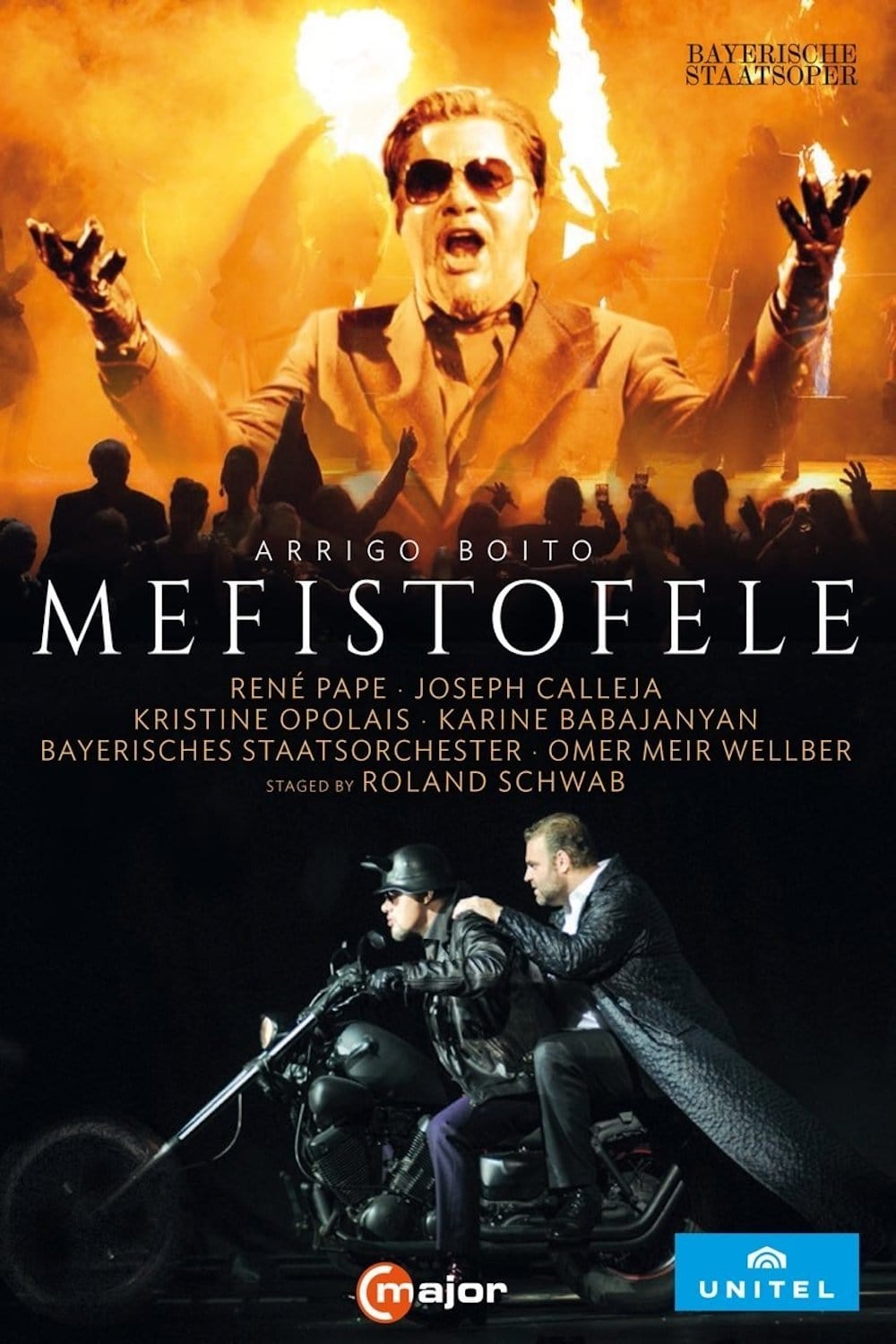
The director, Roland Schwab, has created his version of Hell. The set is like a high iron walled hanger and the stage is continually occupied with people who look like fugitives from Mad Max and who interact with Mefistofele. The orchestra and choir are wonderful. Rene Pape gives a nuanced interpretation with a certain amount of sardonic humour under the evil. His singing and acting are first rate, as is that of Kristine Opolais and Joseph Calleja.
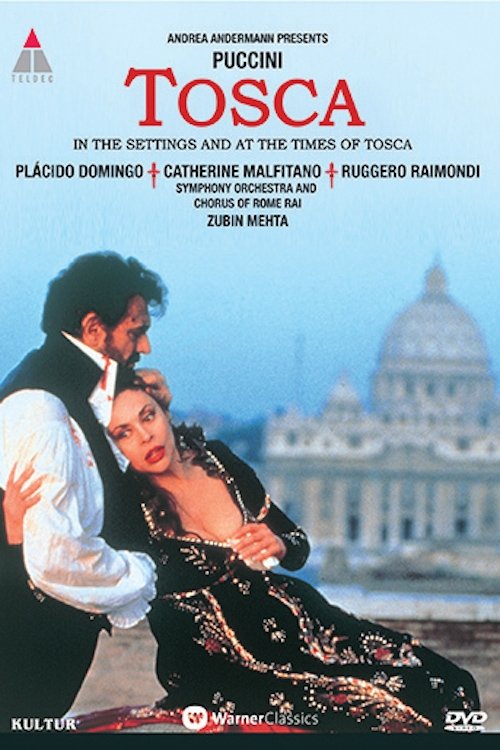
This live version of Puccini s superbly dramatic opera was recorded in Rome in the exact locations and at the precise times of day as Puccini had written into his score. The action opens in Rome's beautiful 16th-century church of Sant Andrea della Valle, where Cavaradossi (Plácido Domingo) is innocently painting, moves to the Farnese Palace where Tosca (Catherine Malfitano) dramatically stabs the lustful Scarpia (Ruggero Raimondi), and finally to the battlements of the Castle Sant Angelo at dawn the following day where Cavaradossi is cruelly killed, and Tosca takes her own life.
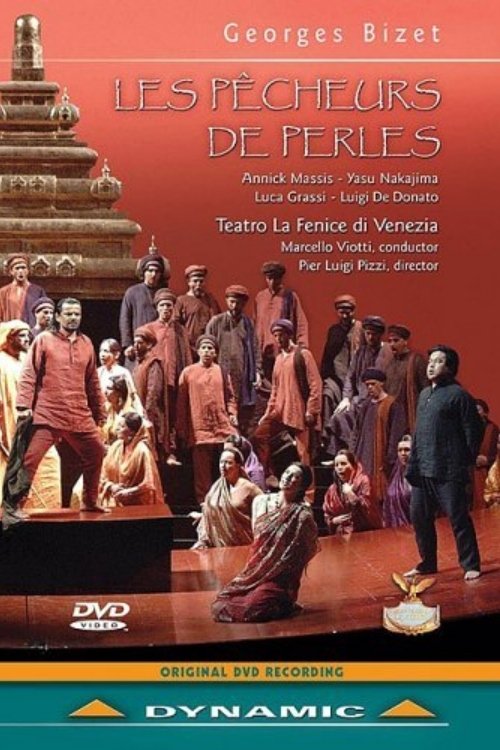
A village hires a priestess to pray for the safety of their pearl fishermen, but long lost love gets in the way.
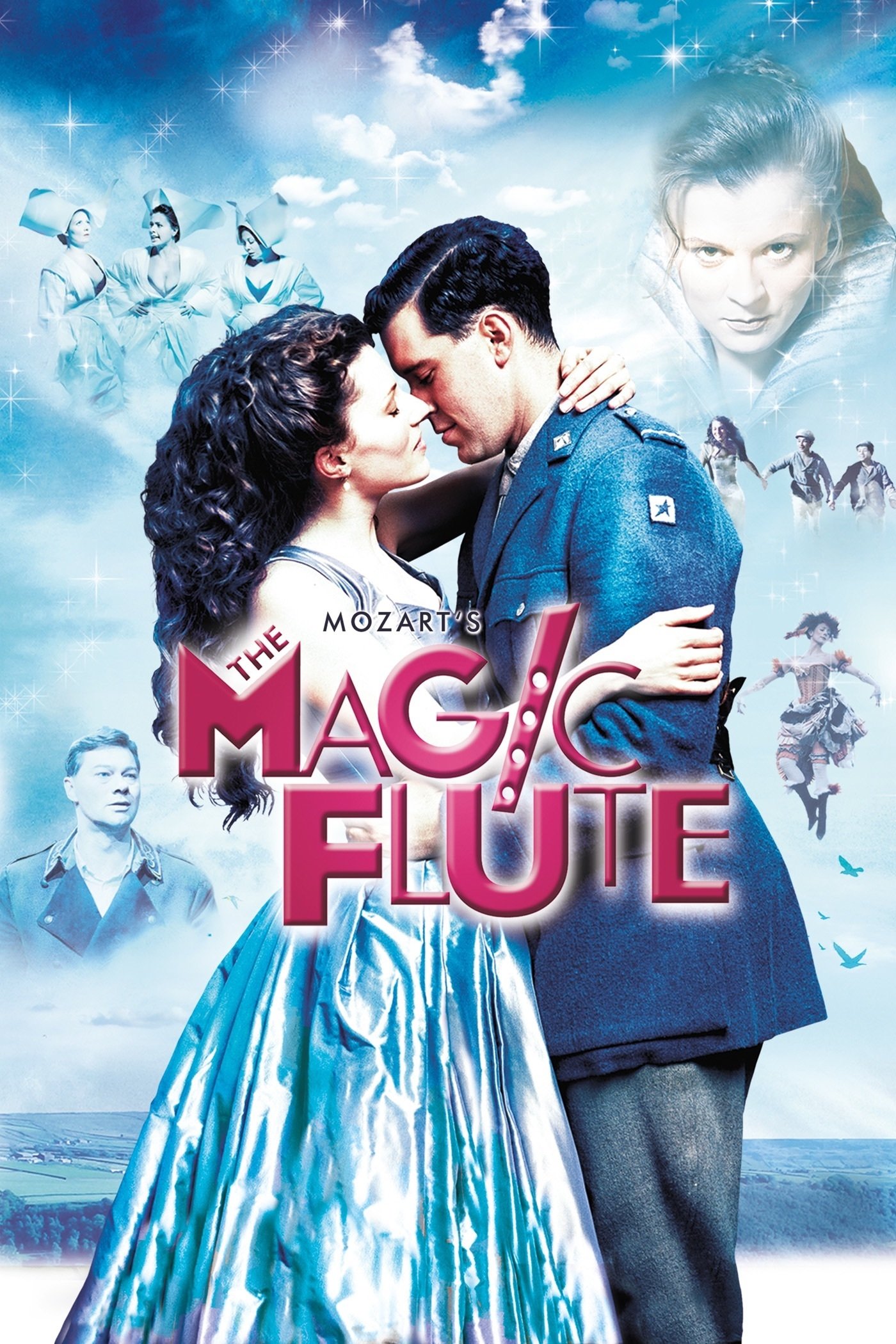
During World War I, in an unnamed country, a soldier named Tamino is sent by the Queen of the Night to rescue her daughter Pamina from the clutches of the supposedly evil Sarastro. But all is not as it seems.
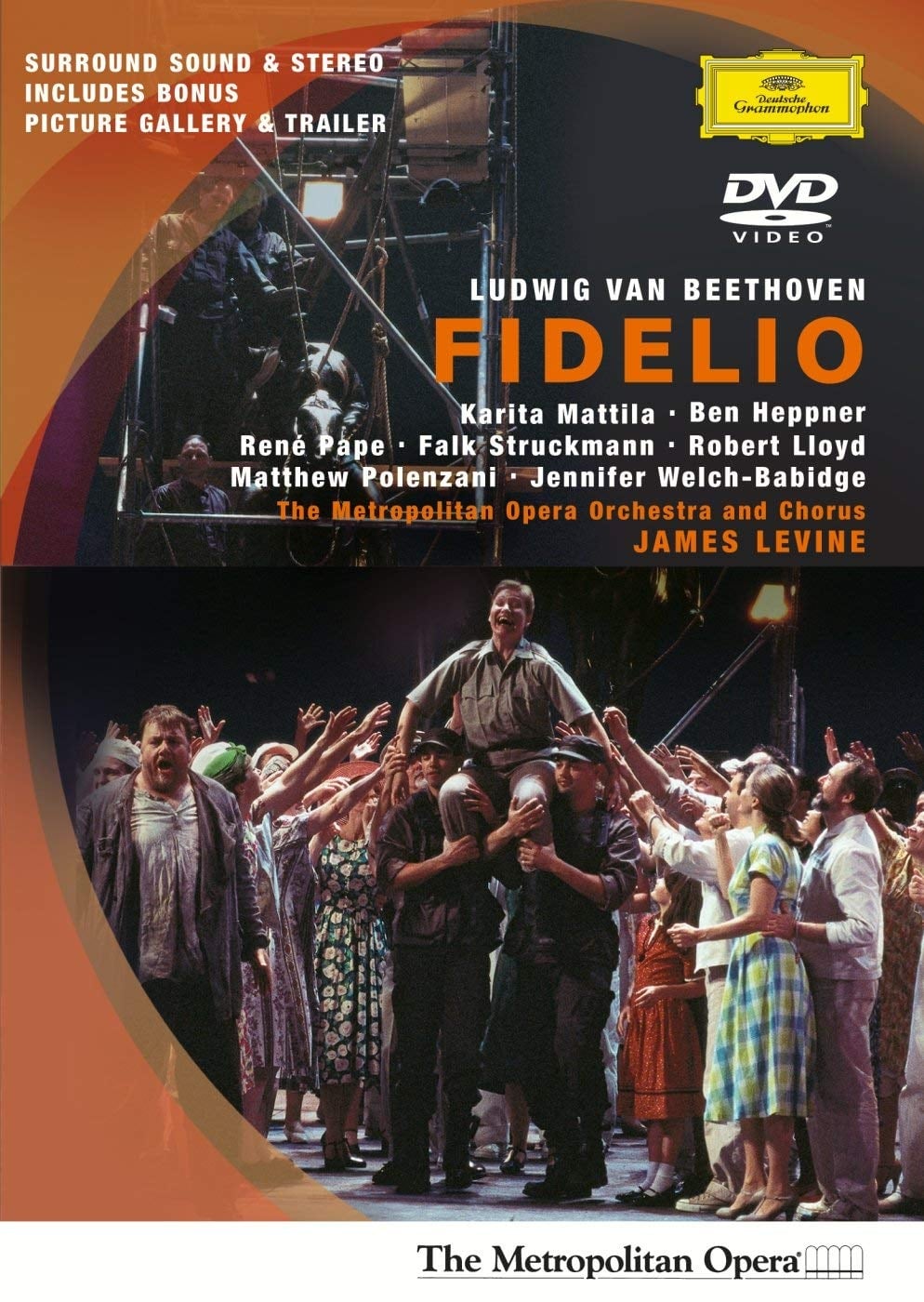
Two years prior to the opening scene, the nobleman Florestan has exposed or attempted to expose certain crimes of the nobleman Pizarro. In revenge, Pizarro has secretly imprisoned Florestan in the prison over which Pizarro is governor. The jailer of the prison, Rocco, has a daughter, Marzelline, and a servant (or assistant), Jaquino. Florestan’s wife, Leonore, came to Rocco’s door dressed as a boy seeking employment, and Rocco hired her. On orders, Rocco has been giving Florestan diminishing rations until he is nearly starved to death. Place: A Spanish state prison, a few miles from Seville; Time: Late 18th century.
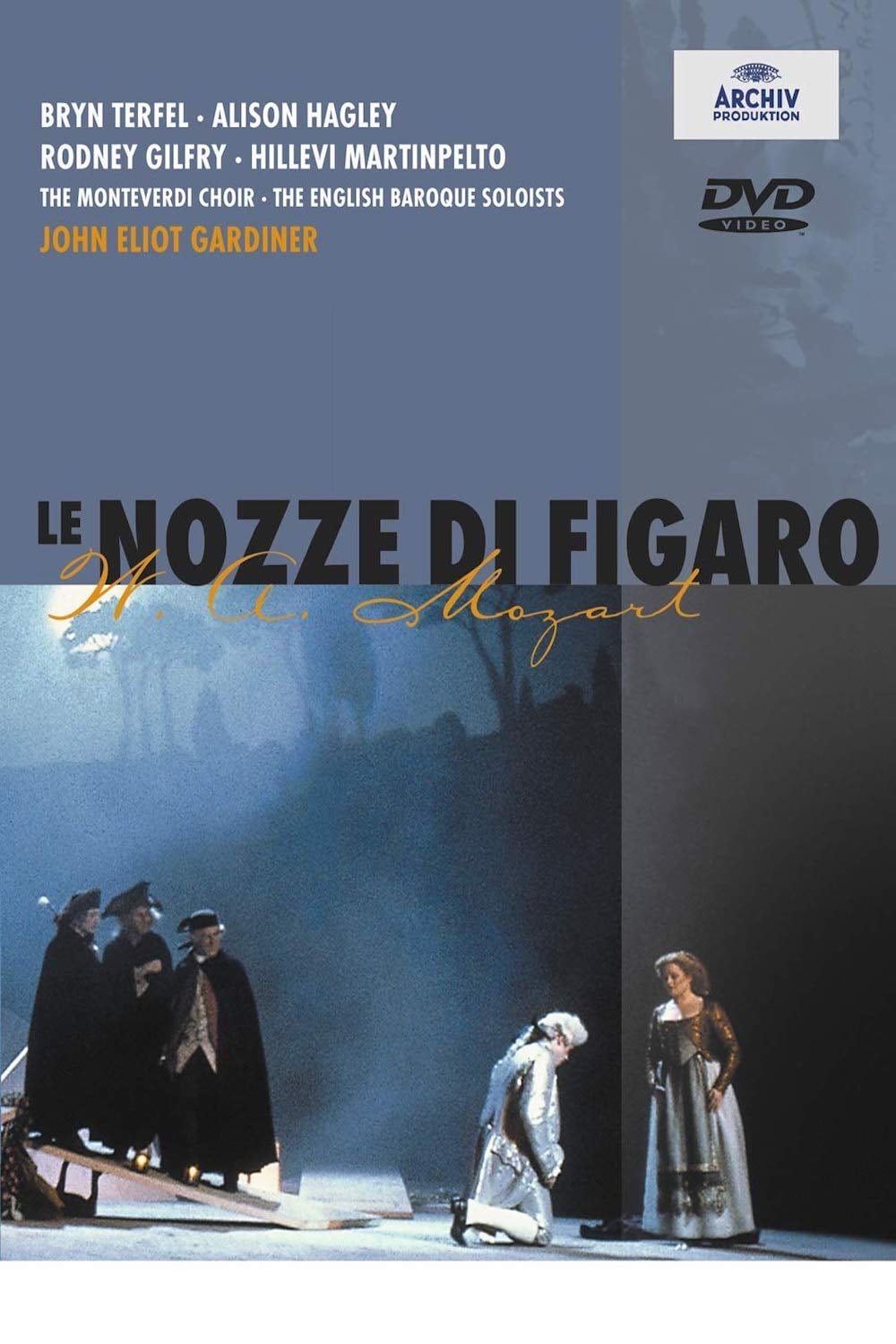
This is a good video of "Figaro", but there are a couple of better ones available. The Bohm and the Pappano are better still due to the female members of the casts. The reason for buying this one is the "Figaro", Bryn Terfel. No one can top him today in that role. John Eliot Gardiner also stands out. Many of us have voiced their opinion that If the Metropolitan Opera would release it's 1998 version, that would be the one to get.
All the throbbing eroticism—and ultimate heartbreak—of Puccini’s youthful score is unleashed by James Levine and his top-flight cast. Plácido Domingo is Des Grieux, the handsome, headstrong young aristocrat who falls head over heels for the enticing, impetuous Manon Lescaut (Renata Scotto). Manon returns his love, but her obsession with luxury ruins them both. Gian Carlo Menotti’s opulent production, with sets and costumes by Desmond Heeley, superbly captures the colorful world of 18th century France.
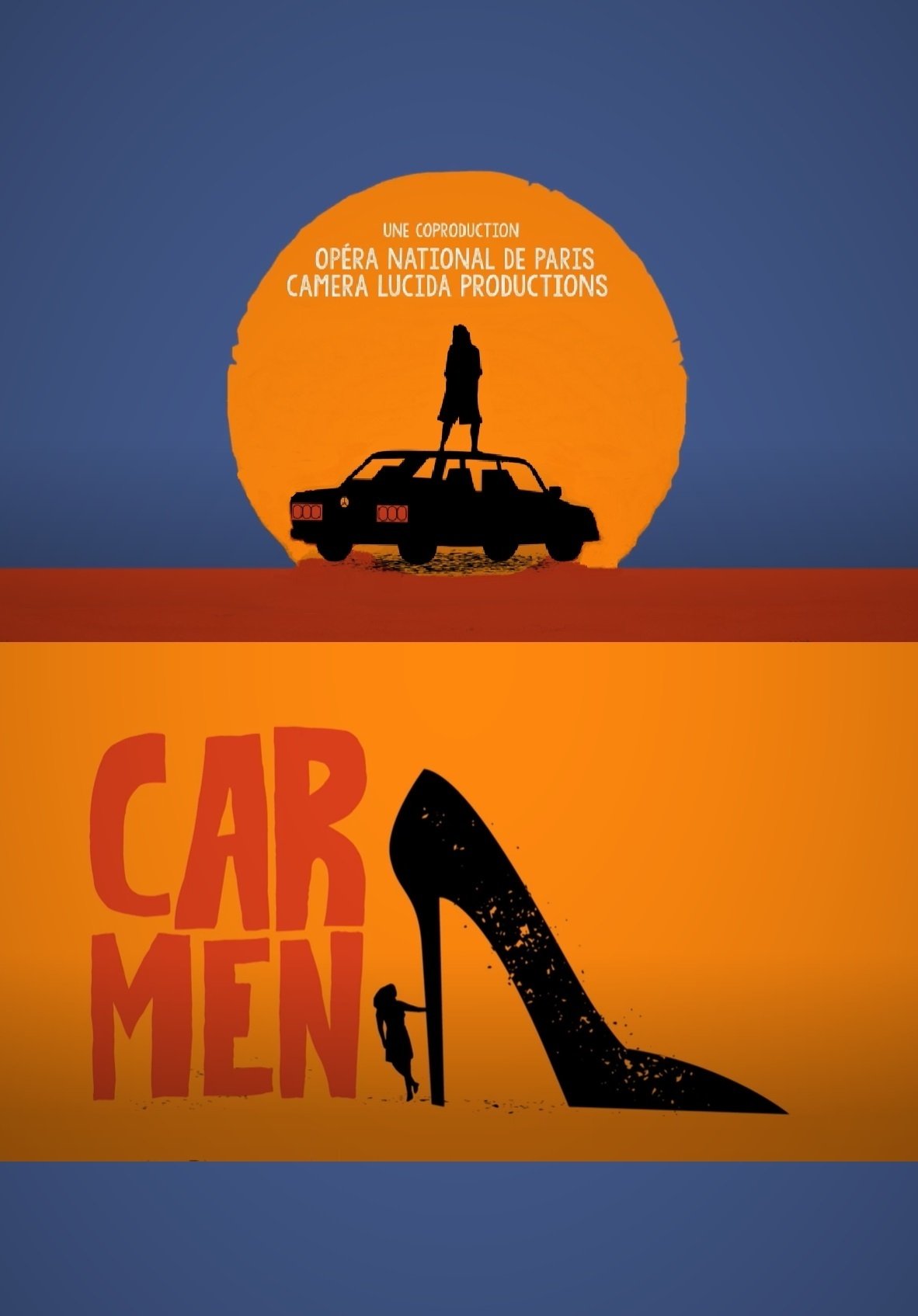
The first words uttered by Carmen mark one of the greatest entrances in the history of opera and express all that need be said: “Love is a rebellious bird that no one can tame…” With a devilish sway of the hips and a hint of Andalusian flair, the beautiful cigar-maker sets her sights on a soldier: Don José. Fate will do the rest.
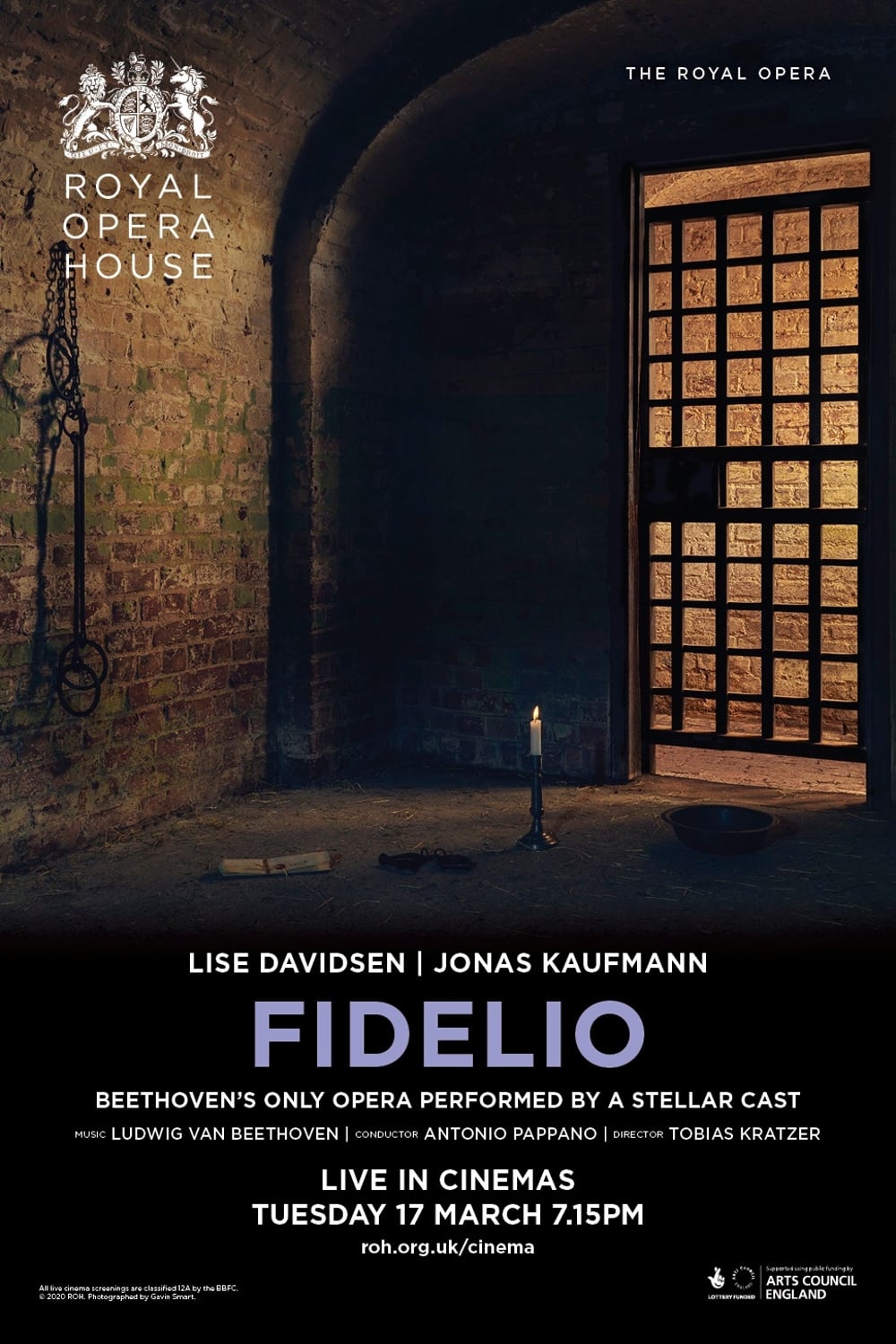
Beethoven’s only opera is a masterpiece, an uplifting story of risk and triumph. In this new production, conducted by Antonio Pappano, Jonas Kaufmann plays the political prisoner Florestan, and Lise Davidsen his wife Leonore (disguised as ‘Fidelio’) who daringly sets out to rescue him. Set in strong counterpoint are the ingredients of domestic intrigue, determined love and the cruelty of an oppressive regime. The music is transcendent throughout and includes the famous Act I Quartet, the Prisoners’ Chorus and Florestan’s impassioned Act II cry in the darkness and vision of hope. Tobias Kratzer’s new staging brings together the dark reality of the French Revolutionary ‘Terror’ and our own time to illuminate Fidelio’s inspiring message of shared humanity.
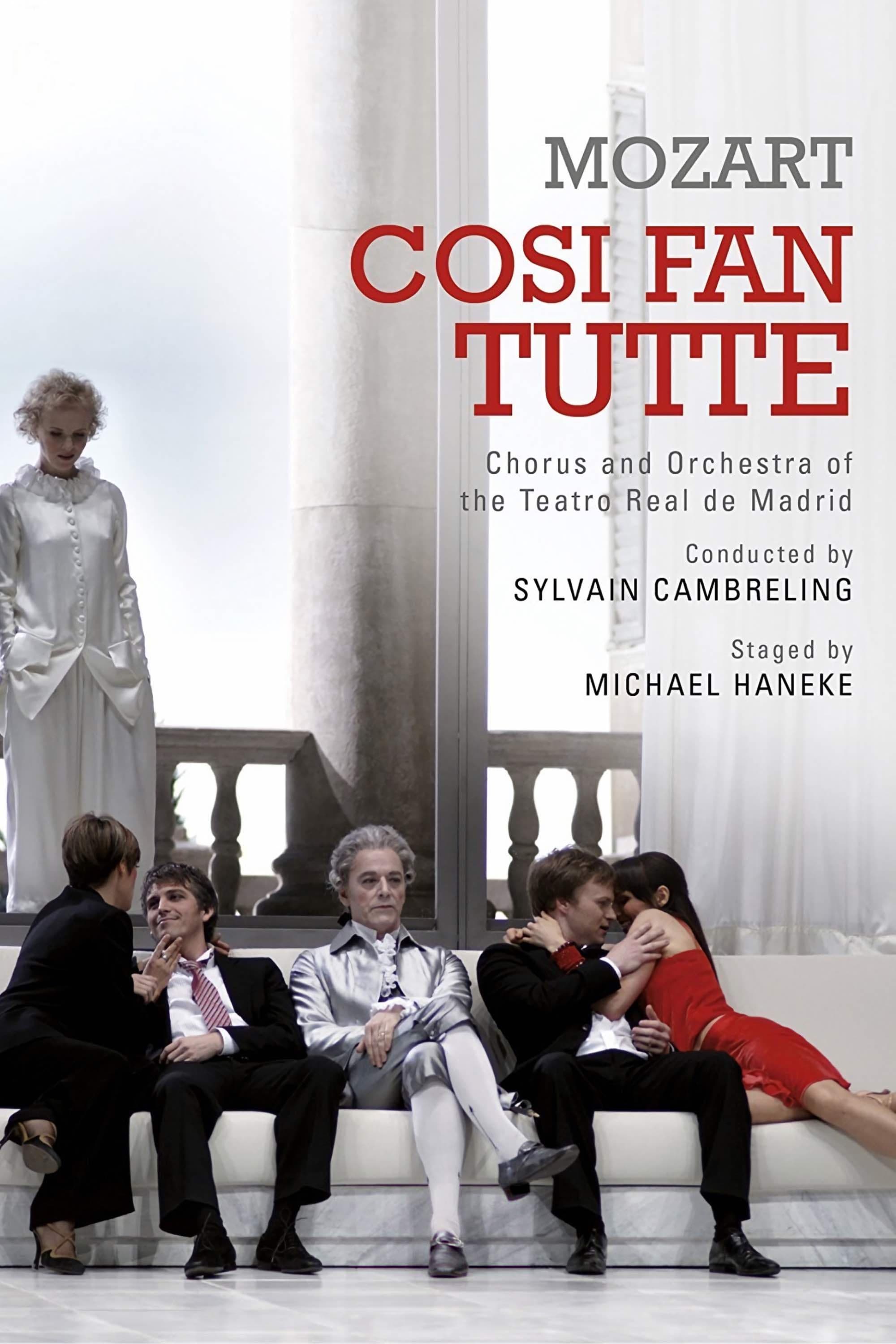
Who loves whom in Così fan tutte, Mozart’s and Da Ponte’s cruelly comic reflection on desire, fidelity and betrayal? Or have the confusions to which the main characters subject one another ensured that in spite of the heartfelt love duets and superficially fleetfooted comedy nothing will work any longer and that a sense of emotional erosion has replaced true feelings? Così fan tutte is a timeless work full of questions that affect us all. The Academy Award-winning director Michael Haneke once said that he was merely being precise and did not want to distort reality. In only his second opera production after Don Giovanni in 2006, he presents what ARTE described as a “disillusioned vision of love in an ice-cold, realistic interpretation”.
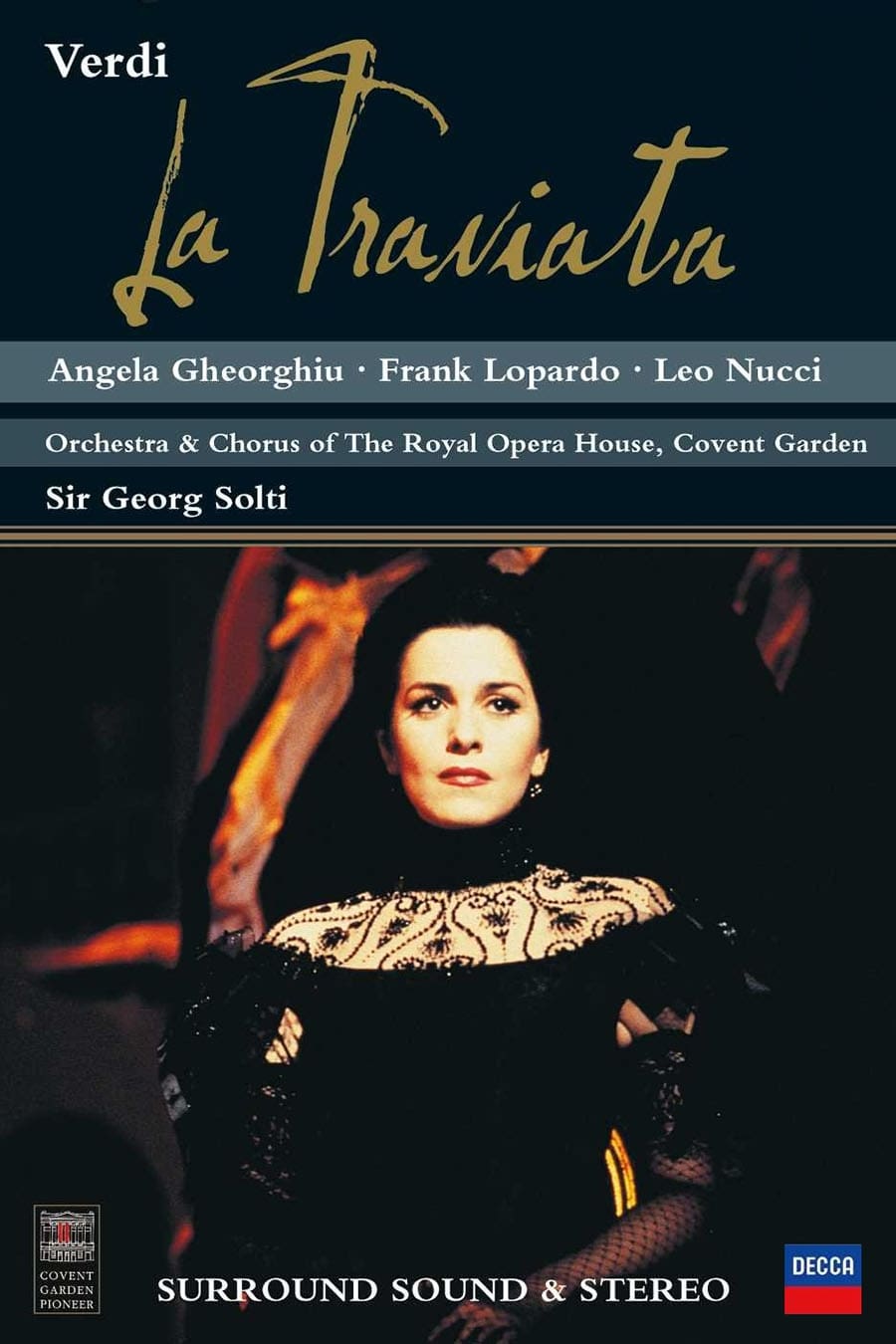
La traviata (Italian: [la traˈviaːta], "The Fallen Woman"[1][2]) is an opera in three acts by Giuseppe Verdi set to an Italian libretto by Francesco Maria Piave. It is based on La dame aux Camélias (1852), a play adapted from the novel by Alexandre Dumas, fils. The opera was originally entitled Violetta, after the main character. It was first performed on 6 March 1853 at the La Fenice opera house in Venice. Piave and Verdi wanted to follow Dumas in giving the opera a contemporary setting, but the authorities at La Fenice insisted that it be set in the past, "c. 1700". It was not until the 1880s that the composer and librettist's original wishes were carried out and "realistic" productions were staged.[3]
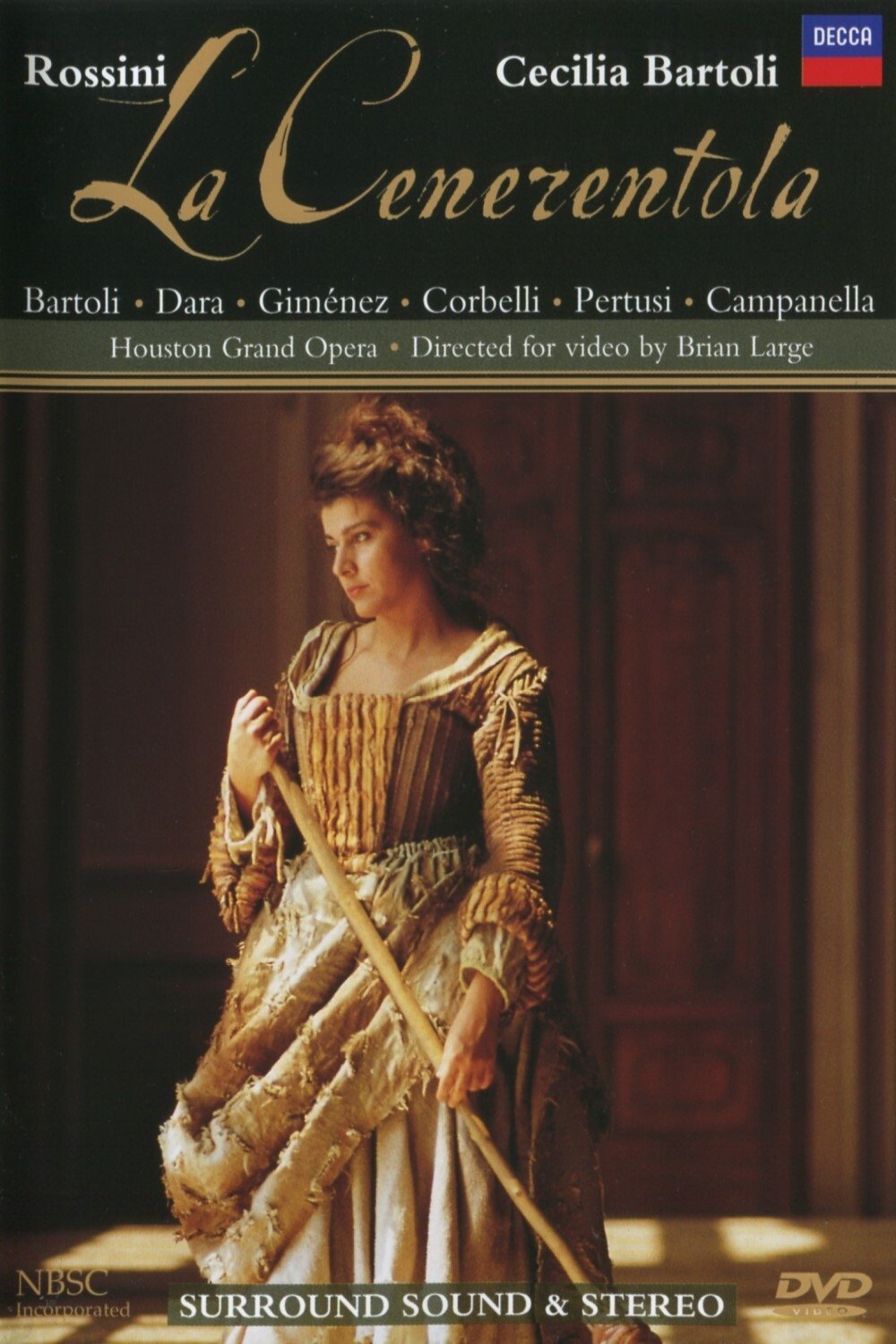
La Cenerentola, ossia La bontà in trionfo (Cinderella, or Goodness Triumphant) is an operatic dramma giocoso in two acts by Gioachino Rossini. The libretto was written by Jacopo Ferretti, based on the fairy tale Cendrillon by Charles Perrault. The opera was first performed in Rome's Teatro Valle on 25 January 1817.---- IMDB id refers to Great Performances: Season 24, Episode 12 La Cenerentola (3 Apr. 1996) from Houston Grand Opera so release date is misleading.
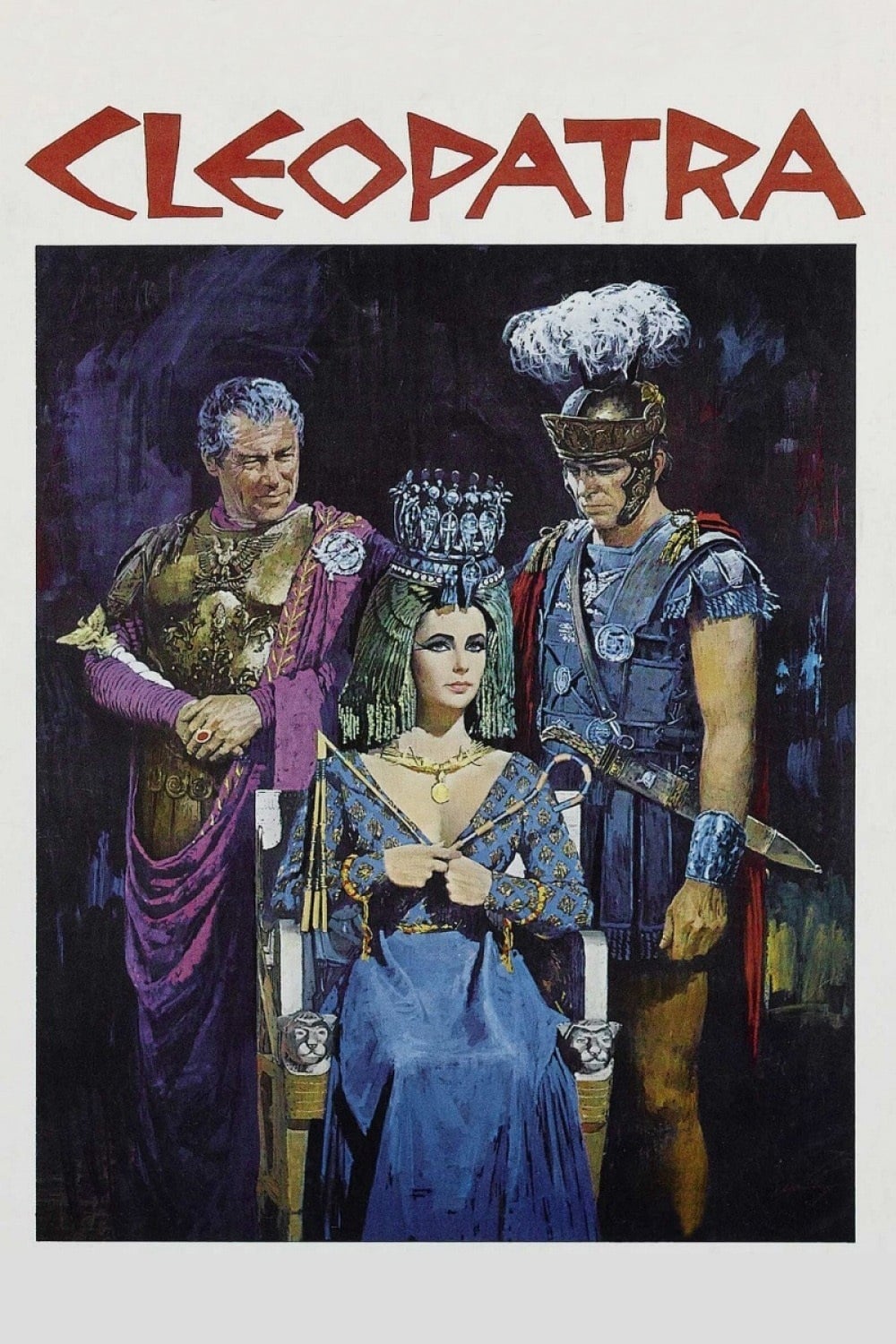
Determined to hold on to the throne, Cleopatra seduces the Roman emperor Julius Caesar. When Caesar is murdered, she redirects her attentions to his general, Marc Antony, who vows to take power—but Caesar’s successor has other plans.
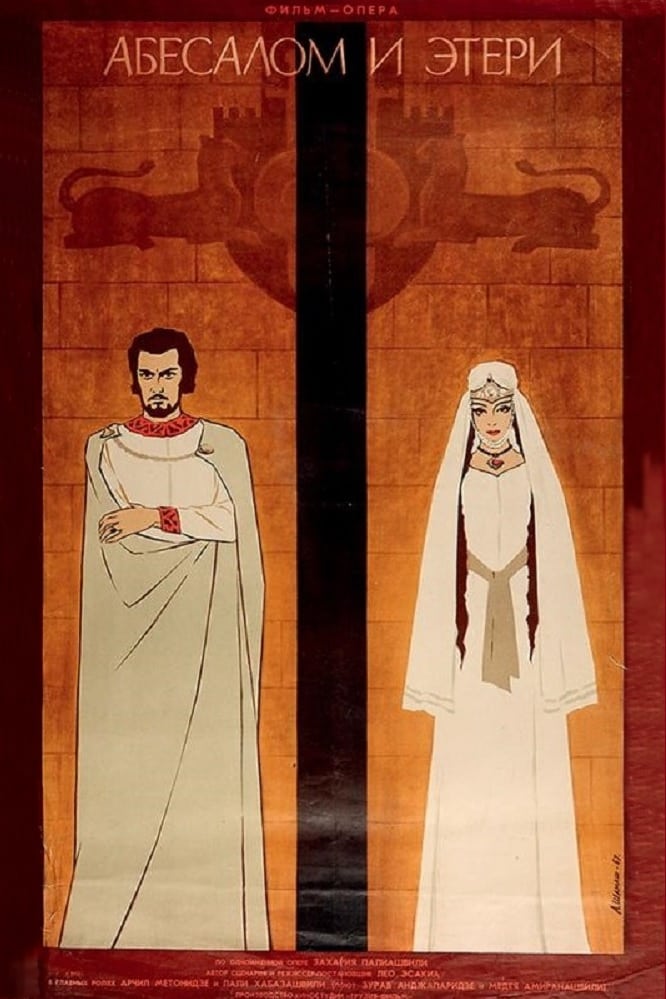
Prince Abesalom runs into an orphaned Eteri while hunting, falls for her and brings the woman to his palace as his fiancé. The Prince’s aid Murman loses his self-control at Eteri’s beauty and gives her a spelled necklace as a wedding gift. Eteri contracts a mysterious disease that only Murman is capable to heal.
A down-on-his-luck coach is hired to prepare a team of the best American dancers for an international tournament that attracts all the best crews from around the world, but the Americans haven't won in fifteen years.
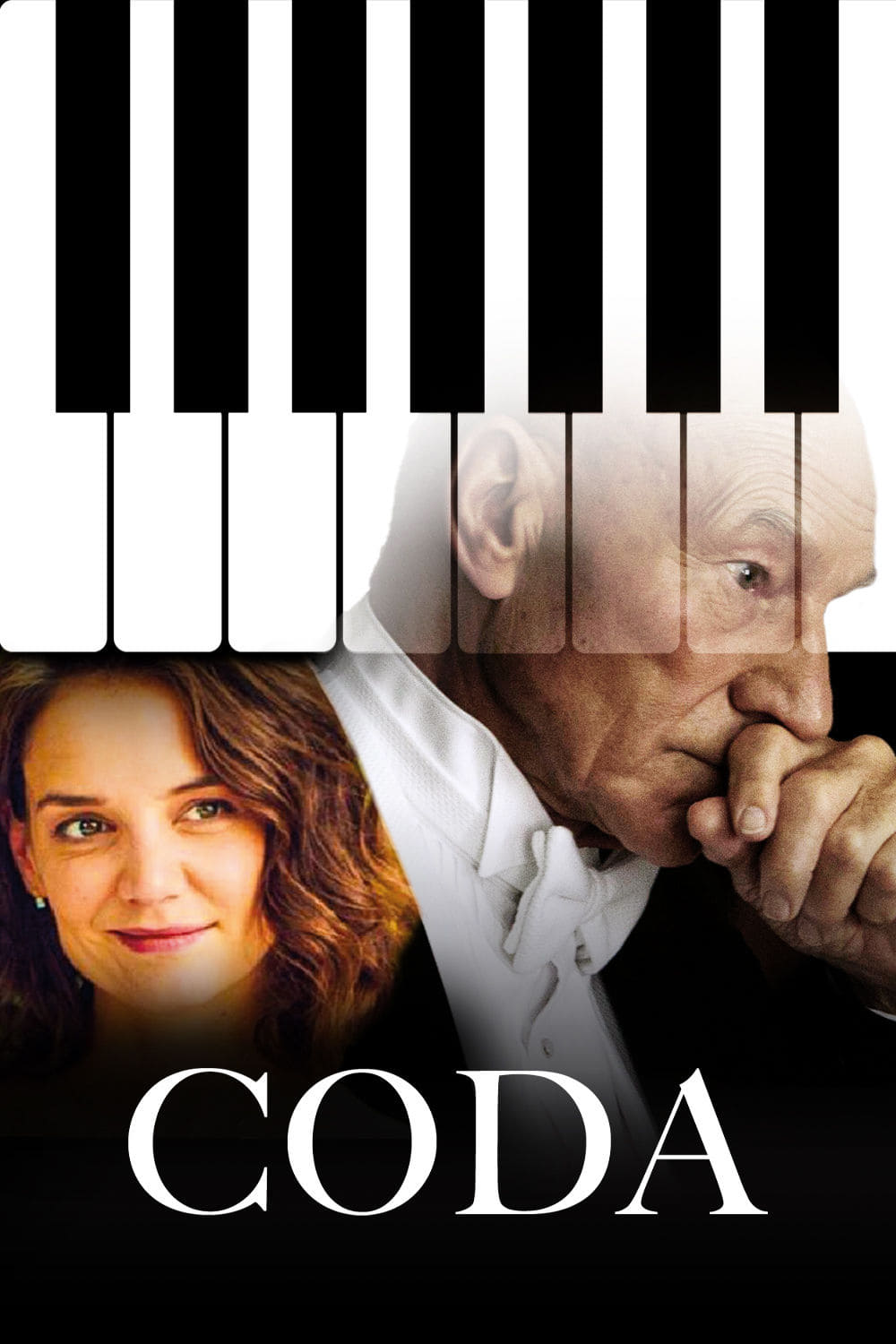
A famous pianist at the twilight of his career meets a free-spirited music critic who soon becomes his rock as his mental state deteriorates.
A musical biopic of the Four Seasons—the rise, the tough times and personal clashes, and the ultimate triumph of a group of friends whose music became symbolic of a generation. Far from a mere tribute concert, it gets to the heart of the relationships at the centre of the group, with a special focus on frontman Frankie Valli, the small kid with the big falsetto.
While two theater groups rehearse plays by Aeschylus, two solitary individuals wander the Parisian streets hustling the populace for cash.
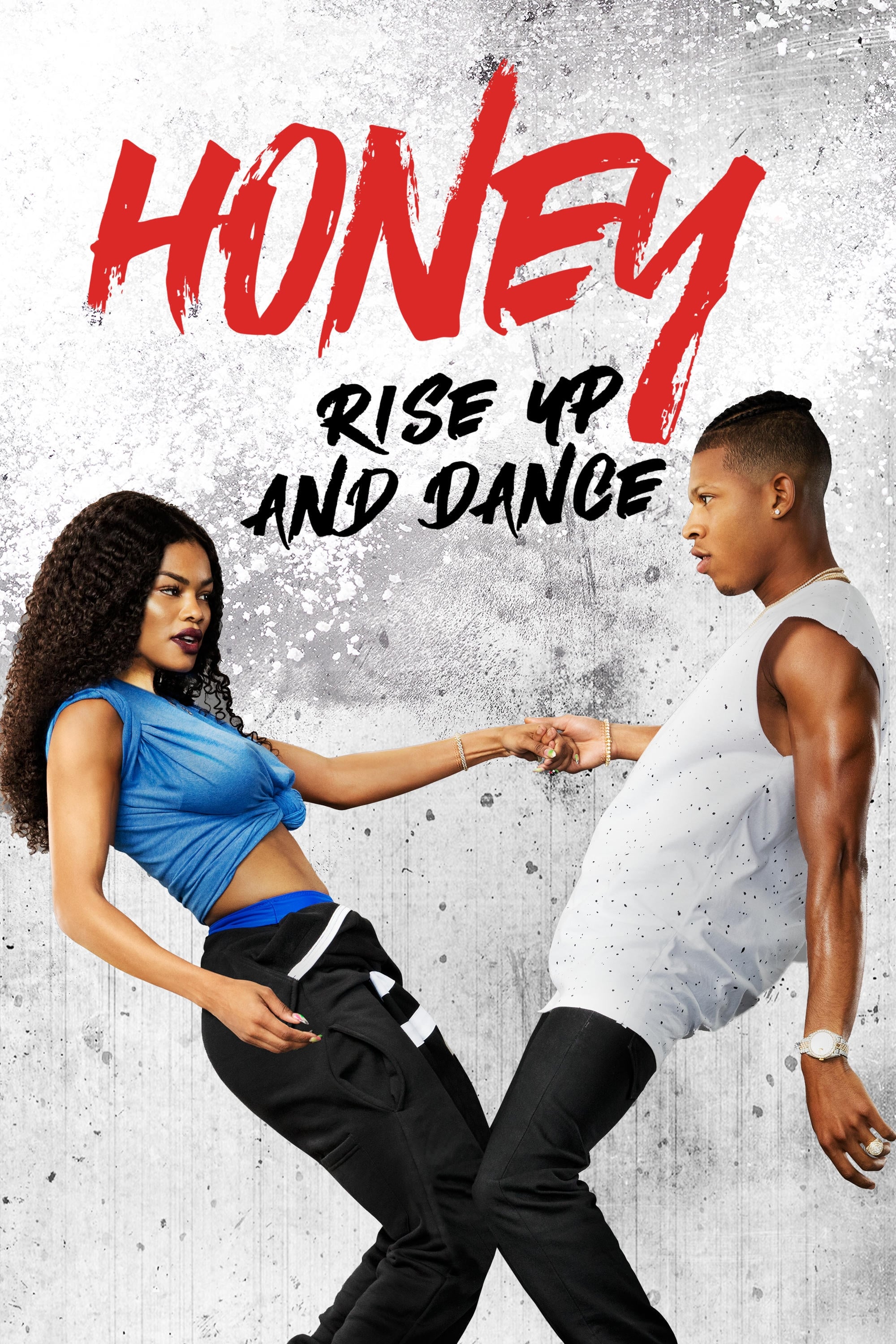
Street dancer Skyler comes out of the shadow of her trained dancer sister, Tosha, & joins a dance competition with the Honey dance studio; the prize is a college scholarship.
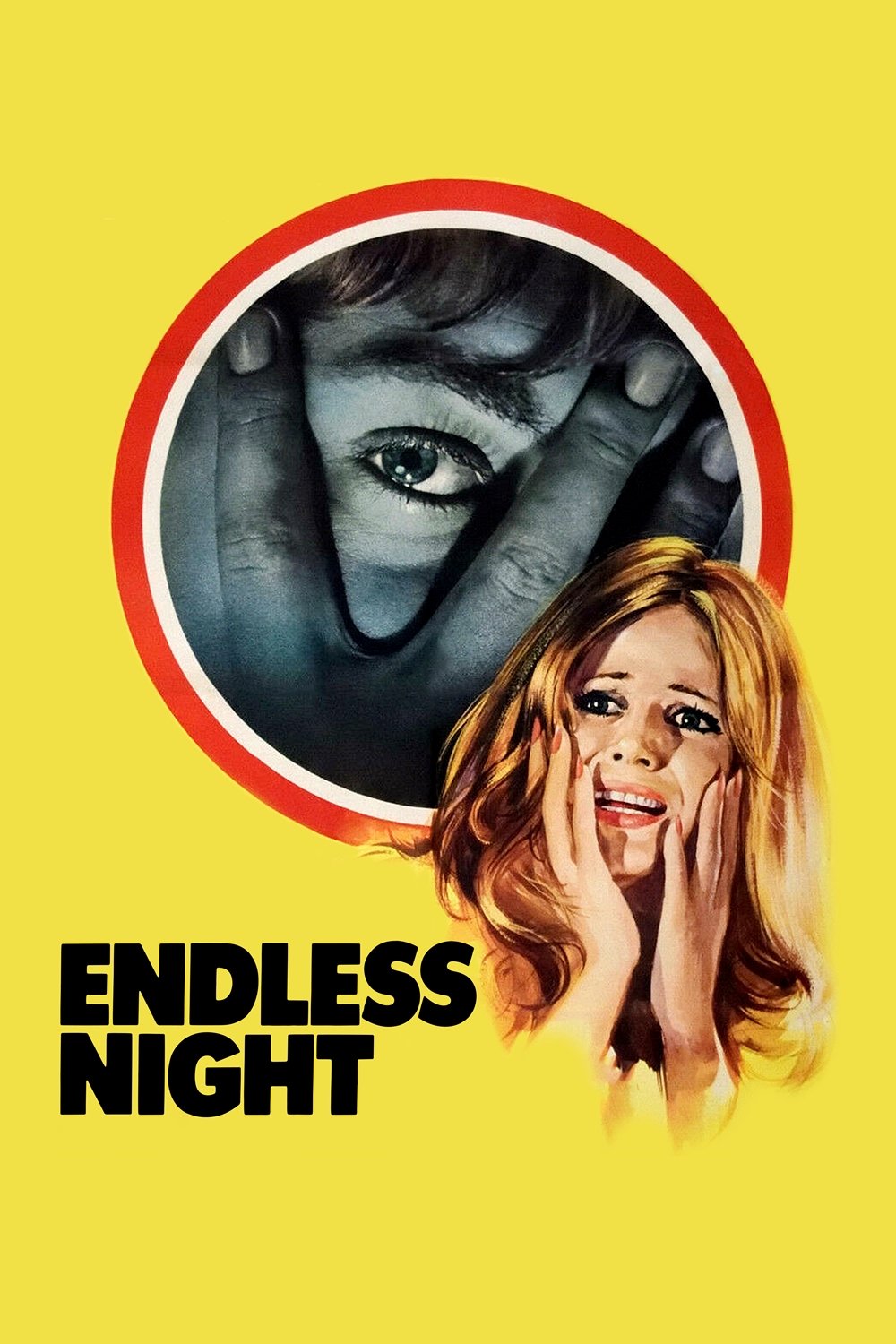
Shiftless dreamer Michael Rogers fantasizes about a lifestyle above his means and marries a wealthy, young girl who just came of age. They hire a famous architect to build their dream home amidst a series of suspicious incidents. The spouse has dark intentions toward his naive, inexperienced bride. Secrets from his past and sinister ties to their house guest Greta lead to a terrible turn of unexpected events.
The award-winning show is re-imagined as a live concert event, featuring an all-star cast of recording artists, set during the last week of Jesus' life as he deals with betrayal, love and jealousy, and told from the perspective of Judas.
XOXO follows six strangers whose lives collide in one frenetic, dream-chasing, hopelessly romantic night.
A talented young singer and aspiring songwriter’s Christian faith and family ties are tested when she defies her worship-pastor father and pursues pop-music stardom in GRACE UNPLUGGED, a moving and inspiring new film that explores the true meaning of success.
A drama set in the American South, where a precocious, troubled girl finds a safe haven in the music and movement of Elvis Presley.
"Jellicle" cats join for a Jellicle ball where they rejoice with their leader, Old Deuteronomy. One cat will be chosen to go to the "Heavyside Layer" and be reborn.
The story of sex, violence, race and rock and roll in 1950s Chicago, and the exciting but turbulent lives of some of America's musical legends, including Muddy Waters, Leonard Chess, Little Walter, Howlin' Wolf, Etta James and Chuck Berry.
Coming of age tale told through the eyes of 'Tu', an ambitious young man from Auckland who dreams of being a professional hip-hop dancer.
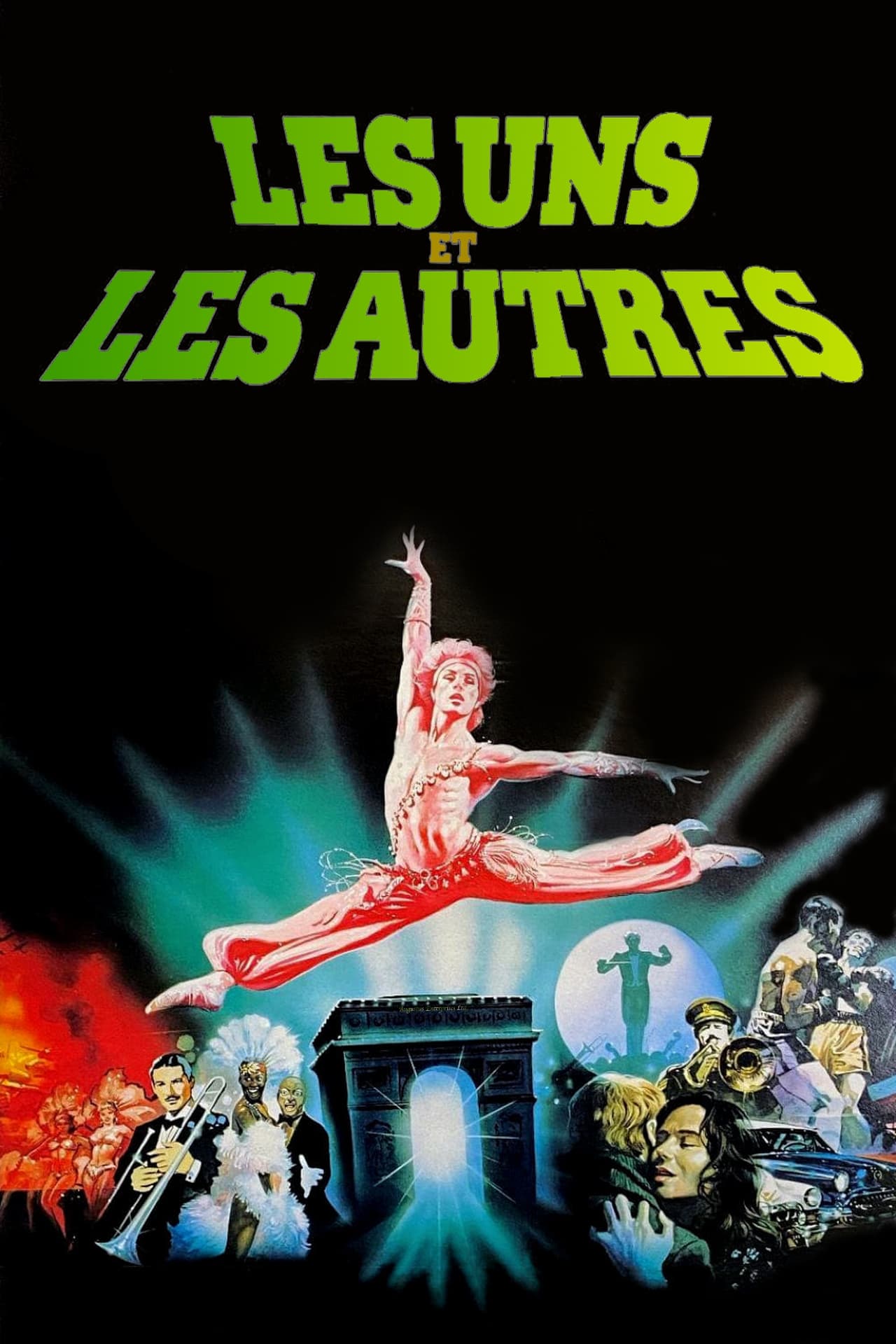
The film follows four families, with different nationalities (French, German, Russian and American) but with the same passion for music, from the 1930s to the 1960s. The various story lines cross each other time and again in different places and times, with their own theme scores that evolve as time passes. The main event in the film is the Second World War, which throws the stories of the four musical families together and mixes their fates. Although all characters are fictional, many of them are loosely based on historical musical icons (Édith Piaf, Josephine Baker, Herbert von Karajan, Glenn Miller, Rudolf Nureyev, etc.) The Boléro dance sequence at the end brings all the threads together.
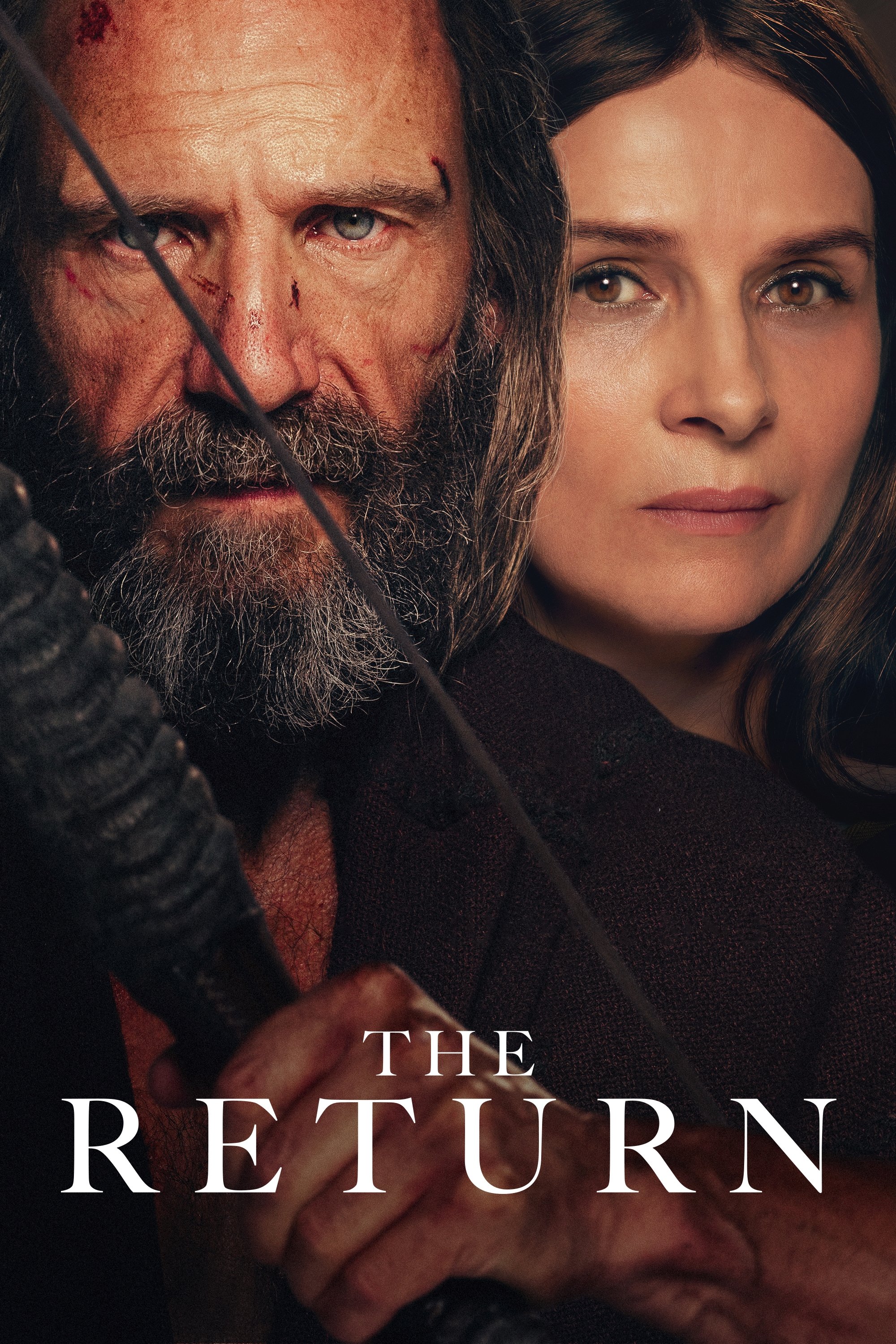
After twenty years away, Odysseus washes up on the shores of Ithaca, haggard and unrecognizable. The king has finally returned home, but much has changed in his kingdom since he left to fight in the Trojan war.
After the lewd and frenetic Dance of the Seven Veils, and with the solemn pledge from the very lips of Herod himself that she could have whatever her heart desires up to half his kingdom, wanton and proud young Salomé comes before her king with an unreasonable demand. Beguiled by John the Baptist, and then scorned for the sake of his god, lascivious Salomé—encouraged by her mother, the vindictive, Herodias—commands that John be executed and his head delivered on a silver platter.
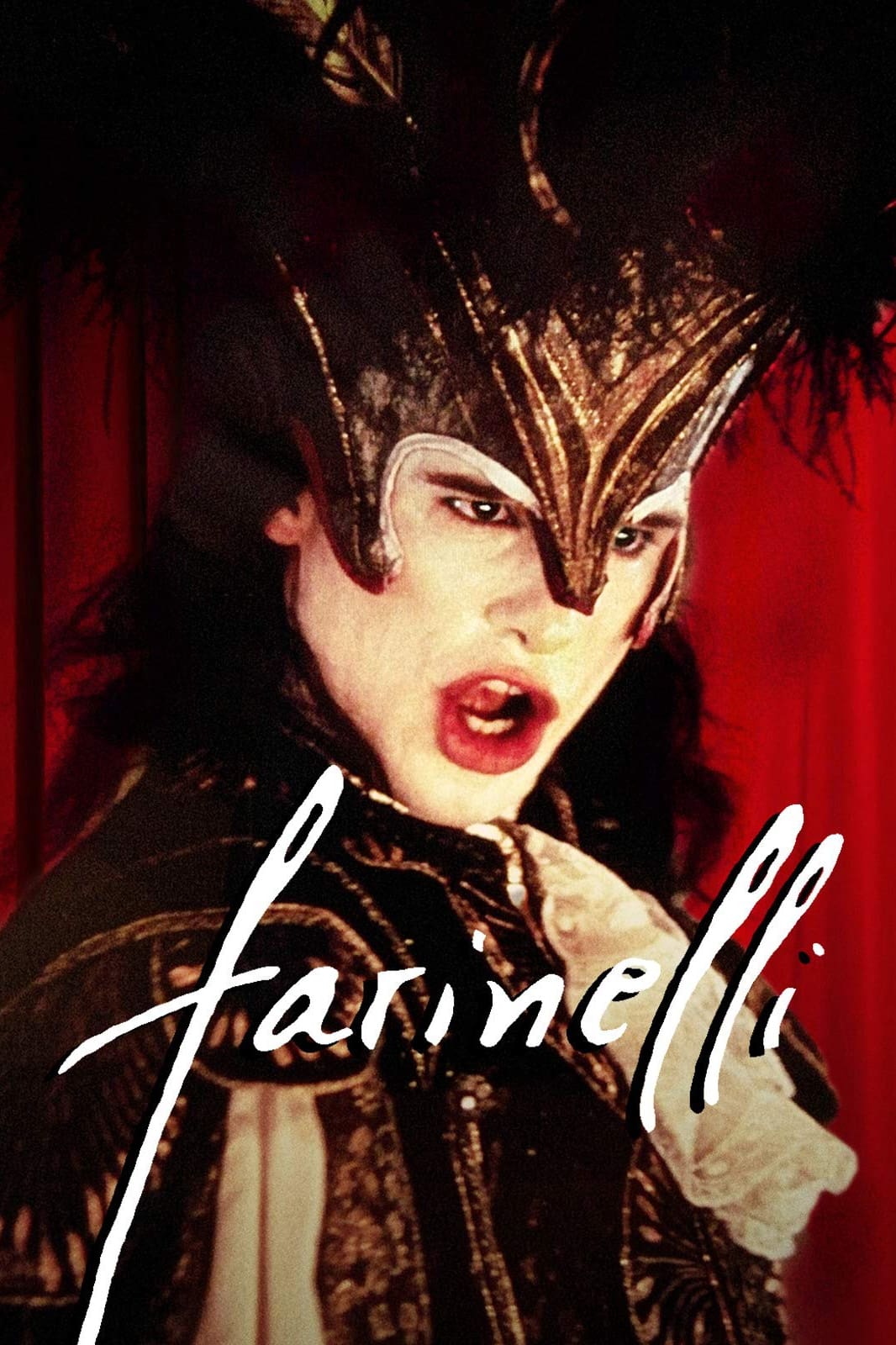
The life and career of Italian opera singer Farinelli, considered one of the greatest castrato singers of all time.
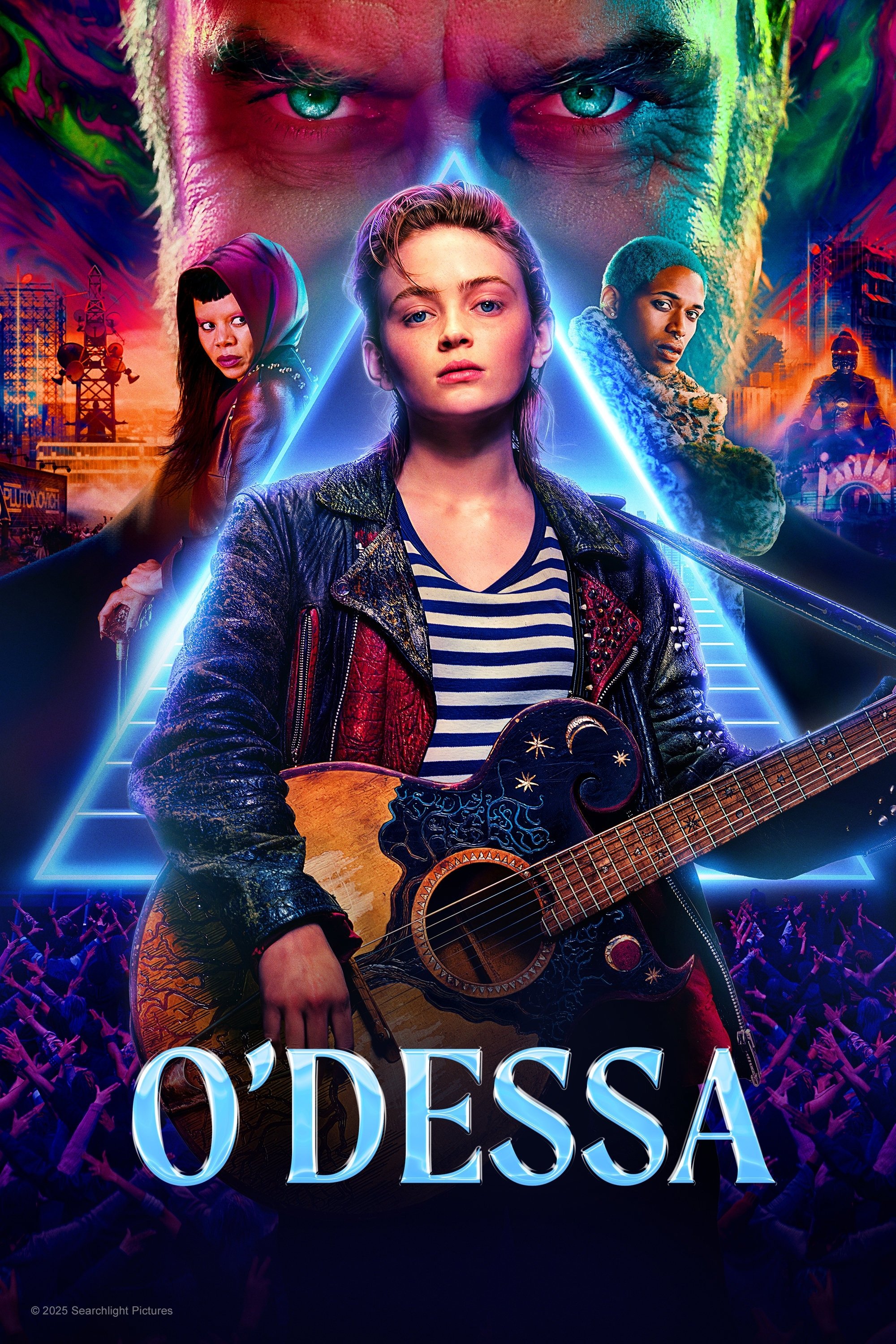
A farm girl is on an epic quest to recover a cherished family heirloom. Her journey leads her to a strange and dangerous city where she meets her one true love – but in order to save his soul, she must put the power of destiny and song to the ultimate test.
Thomas Montgomery, a married father of two young daughters, gets seduced by the world of online gambling and chat rooms where a virtual romance and sexual obsession ultimately leads to the murder of an innocent man.
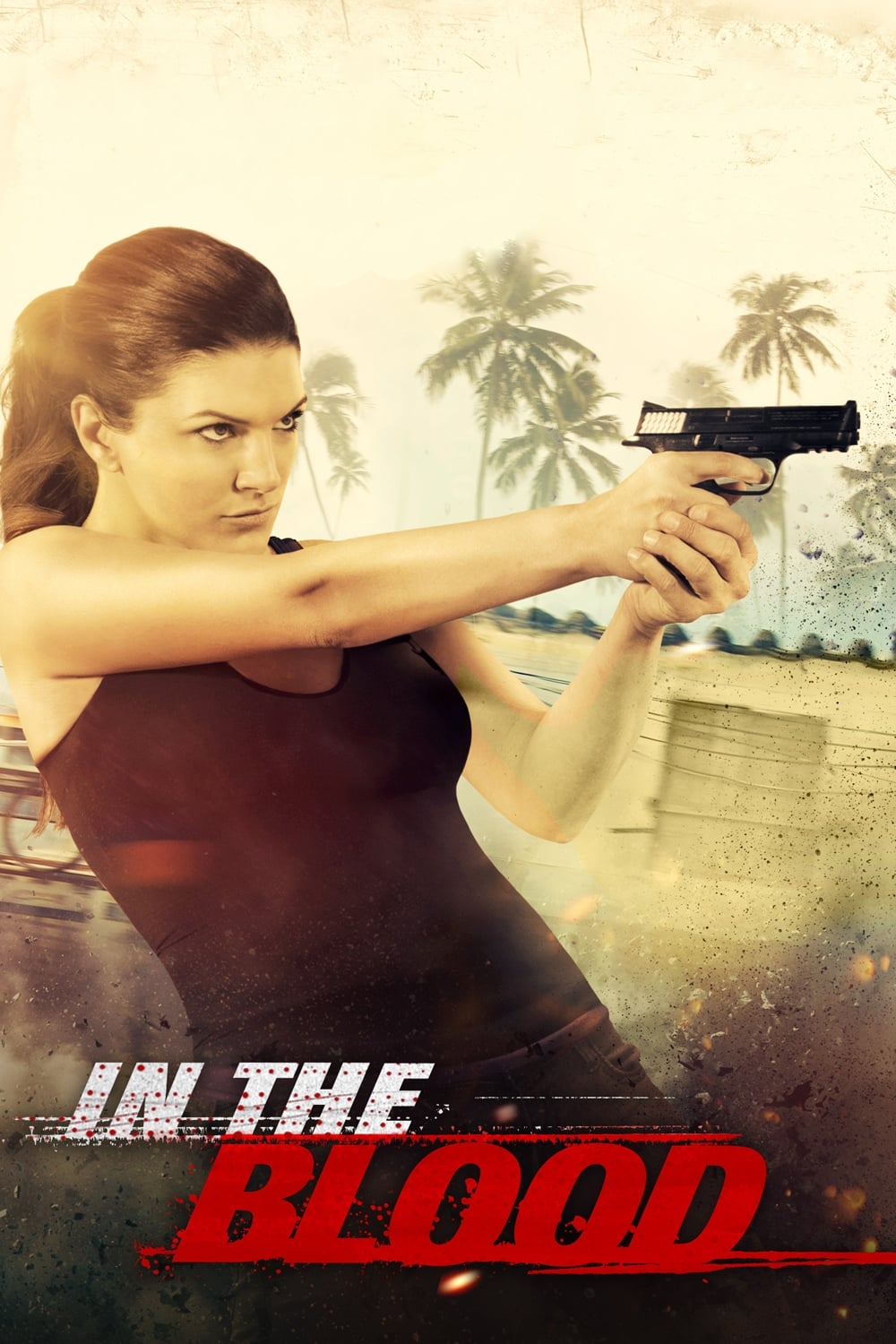
When her husband goes missing during their Caribbean vacation, a woman sets off on her own to take down the men she thinks are responsible.