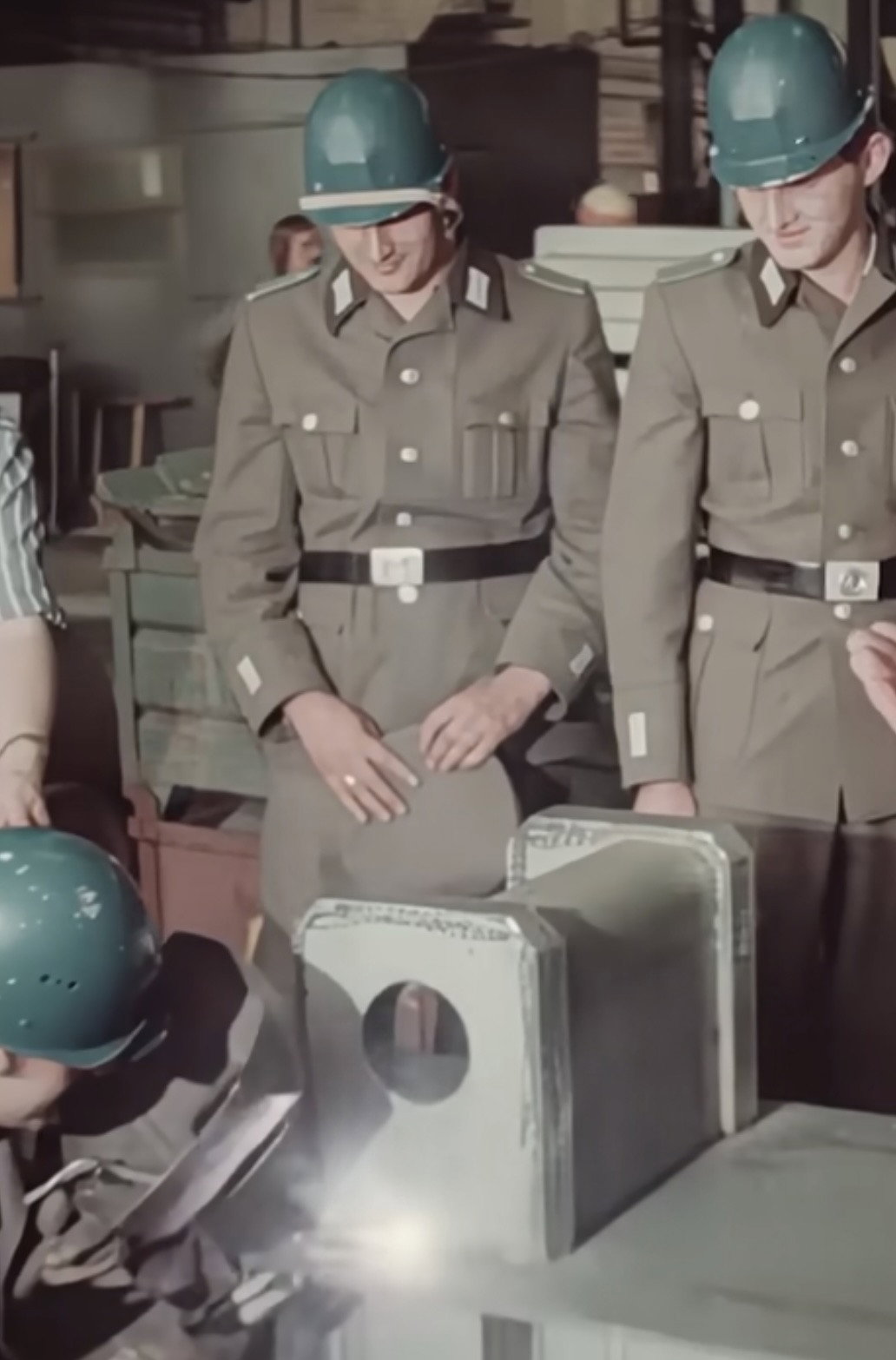
East German documentary/propaganda film about Berlin Wall border guards
Social & External
An exploration —manipulated and staged— of life in Las Hurdes, in the province of Cáceres, in Extremadura, Spain, as it was in 1932. Insalubrity, misery and lack of opportunities provoke the emigration of young people and the solitude of those who remain in the desolation of one of the poorest and least developed Spanish regions at that time.
Warsaw's Central Railway Station. 'Someone has fallen asleep, someone's waiting for somebody else. Maybe they'll come, maybe they won't. The film is about people looking for something.
Dr. Jozef Venglos coached on three continents, received the prestigious FIFA Order of Merit in Ruby, and was the first non-Briton coach ever to manage a top division club in England.
Documentary about the Intervision Song Contest in general and the 1980 edition in particular. Focuses on Finland's participation and the shipyard strikes in Gdansk at the time.
The wish was father to the thought: instead of asking Mr. Reagan conventionally worded questions about his candidacy, as he had done Messrs. A discussion full of substance-on topics ranging from Yugoslavia and Czechoslovakia, to the way government bonds should be issued, to the still-ongoing energy crisis, to the still-high unemployment-but also a delicious dress rehearsal.
A documentary on the late American entertainer Dean Reed, who became a huge star in East Germany after settling there in 1973.
Documentary made by the U.S. Army Signal Corps after the North African campaign.

This film, directed by Dominique GAUTIER, takes the viewer on a worldwide excursion into the history and structure of the Esperanto language, introducing its present-day speakers. The words of these users of the language are reflective of a variety of activities and viewpoints, and in the film they are interwoven so as to reveal bit by bit how the utopia of its initiator, Ludwig ZAMENHOF, is concretised every day.

It was the biggest escape in the history of the Berlin Wall: in one historic night of October 1964, 57 East-Berliners try their luck through a tunnel into West Berlin. Just before the last few reach the other side, the East German border guards notice the escape and open fire. Remarkably, all the refugees and their escape agents make it out of the tunnel unscathed, but one border guard is dead: 21-year-old officer Egon Schultz.
Michael Moore's view on how the Bush administration allegedly used the tragic events on 9/11 to push forward its agenda for unjust wars in Afghanistan and Iraq.
Propaganda short film depicting the rise of Nazism in Germany and how political propaganda is similarly used in the United States. The film was made to make the case for the desegregation of the United States armed forces.
Documentary reports on the annual icing of the Oder in the 160-kilometer border area between the GDR and the People's Republic of Poland. Icebreakers from both countries with experienced skippers join forces to make the international waterway between Frankfurt and Szczecin navigable again. Everyone works hard as a team and even a broken-down ship cannot stop them from achieving their goal. A look back at the winter of 1947 with its flooding shows what the freezing of the river and the subsequent thaw can do if the ice floes are not drained into the Baltic Sea via Lake Dammsch in good time. The skippers from both countries have known each other for years and trust each other; the camaraderie that has developed on the Oder unites the people, they control the river in winter for the common benefit of all.
This first co-production between the GDR and Great Britain is intended to contribute to an understanding of the situation and attitudes of millions of working people in opposing social orders. Using the example of shipyard workers, fishermen, the brigade and family of a trade union active cook and unemployed person of various ages and professions in Newcastle on the one hand and a brigade of crane operators of the Warnowwerft and fishermen of the Warnemünde cooperative on the other hand, insights into the way of life and attitudes of people of our time are to be conveyed.
Academy Award®-winning filmmaker Errol Morris confronts one of the darkest chapters in recent American history: family separations. Based on NBC News Political and National Correspondent Jacob Soboroff’s book, Separated: Inside an American Tragedy, Morris merges bombshell interviews with government officials and artful narrative vignettes tracing one migrant family’s plight. Together they show that the cruelty at the heart of this policy was its very purpose. Against this backdrop, audiences can begin to absorb the U.S. government’s role in developing and implementing policies that have kept over 1300 children without confirmed reunifications years later, according to the Department of Homeland Security.
In 2016, DEFA celebrates its 70th anniversary: the film embarks on a journey into the exciting film history of the GDR. In a comprehensive kaleidoscope, the importance of DEFA productions is illuminated, the relevance of the films as propaganda productions for the GDR, which socio-political themes were in the foreground, but also which heroes DEFA brought to the screen and celebrated as people from the people.
In August 1962, director Leslie Woodhead made a two-minute film in Liverpool's Cavern Club with a raw and unrecorded group of rockers called the Beatles. He arranged their first live TV appearances on a local show in Manchester and watched as the Fab Four phenomenon swept the world. Twenty-five years later while making films in Russia, Woodhead became aware of how, even though they were never able to play in the Soviet Union, the Beatles' legend had soaked into the lives of a generation of kids. This film meets the Soviet Beatles generation and hears their stories about how the Fab Four changed their lives, including Putin's deputy premier Sergei Ivanov, who explains how the Beatles helped him learn English and showed him another life. (Storyville)
Documentary about the merging of the Communist Party of Germany and the Socialist Unity Party of Germany in the Soviet occupation zone, a merger that would lead to the creation of the Socialist Unity Party that would rule the soon-to-be-created East Germany until 1989.
Colonel Stok, a Soviet intelligence officer responsible for security at the Berlin Wall, appears to want to defect but the evidence is contradictory. Stok wants the British to handle his defection and asks for one of their agents, Harry Palmer, to smuggle him out of East Germany.
During the Cold War, an American scientist appears to defect to East Germany as part of a cloak and dagger mission to find the formula for a resin solution—but the plan goes awry when his fiancee, unaware of his motivation, follows him across the border.
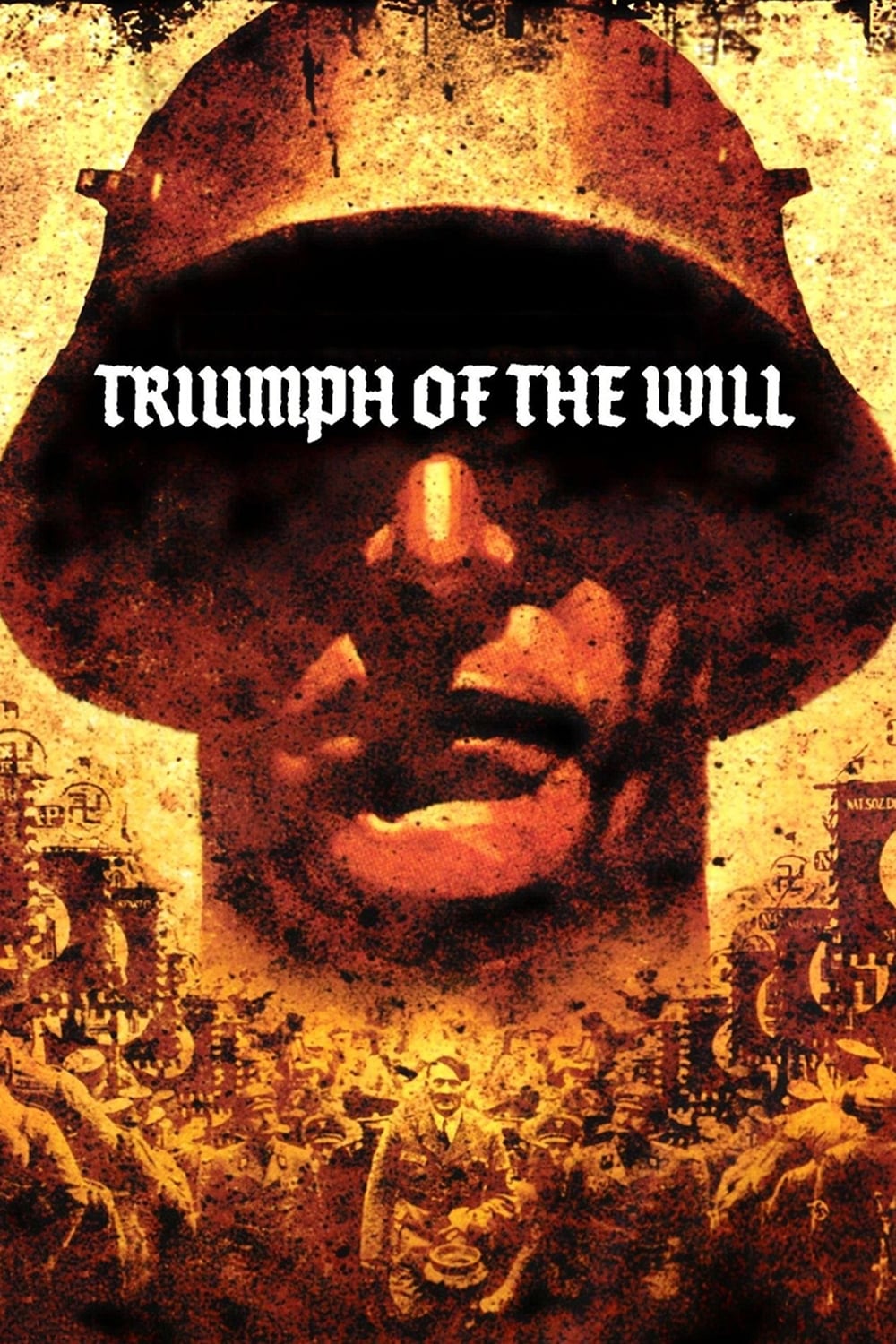
A showcase of German chancellor and Nazi Party leader Adolf Hitler at the 1934 Nuremberg Rally.
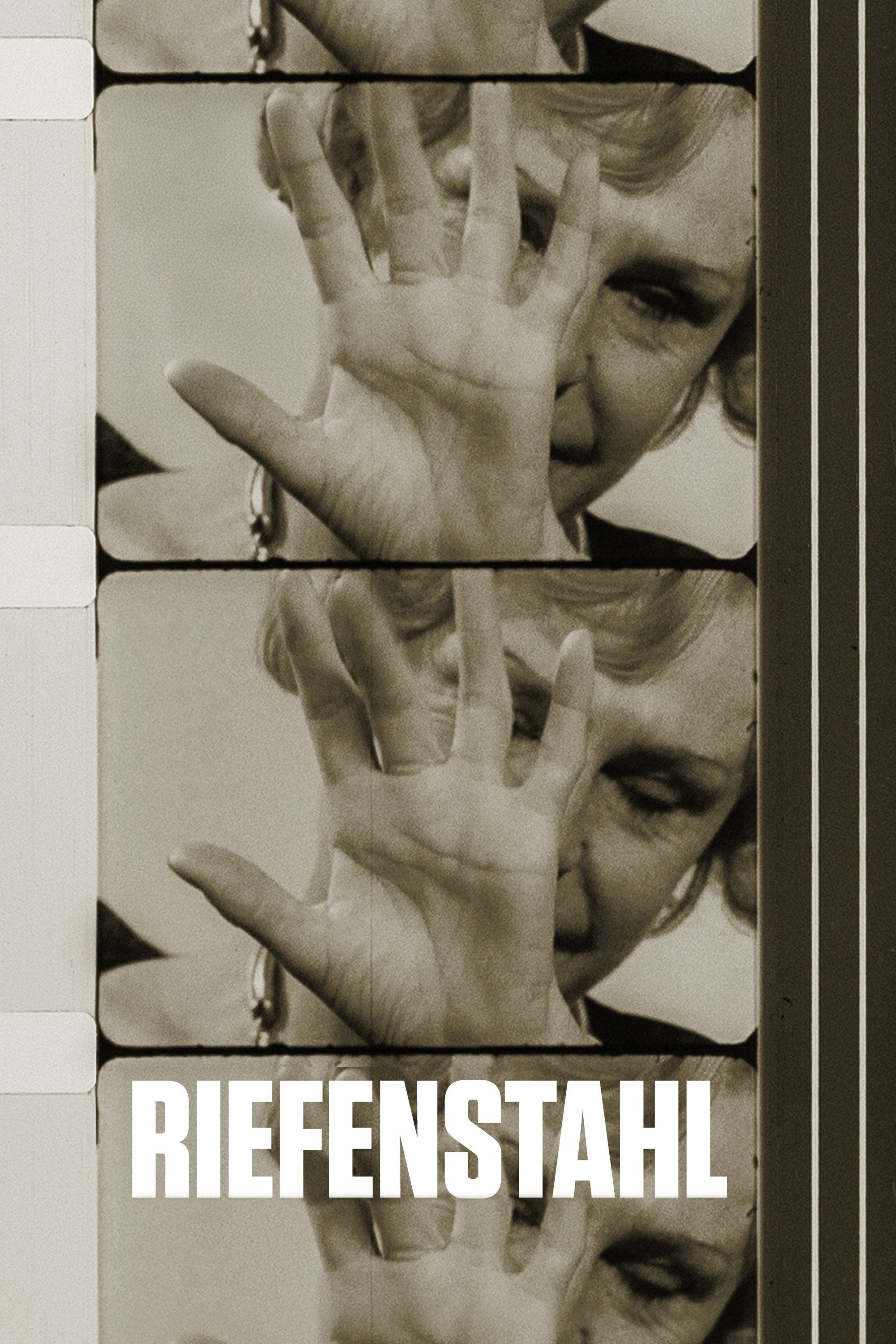
Explores Leni Riefenstahl's artistic legacy and her complex ties to the Nazi regime, juxtaposing her self-portrayal with evidence suggesting awareness of the regime's atrocities.
The wild West Berlin of the 1980s became the creative melting pot of pop subcultures: music, art and chaos. Before the Iron Curtain fell, anything and everything seemed possible.
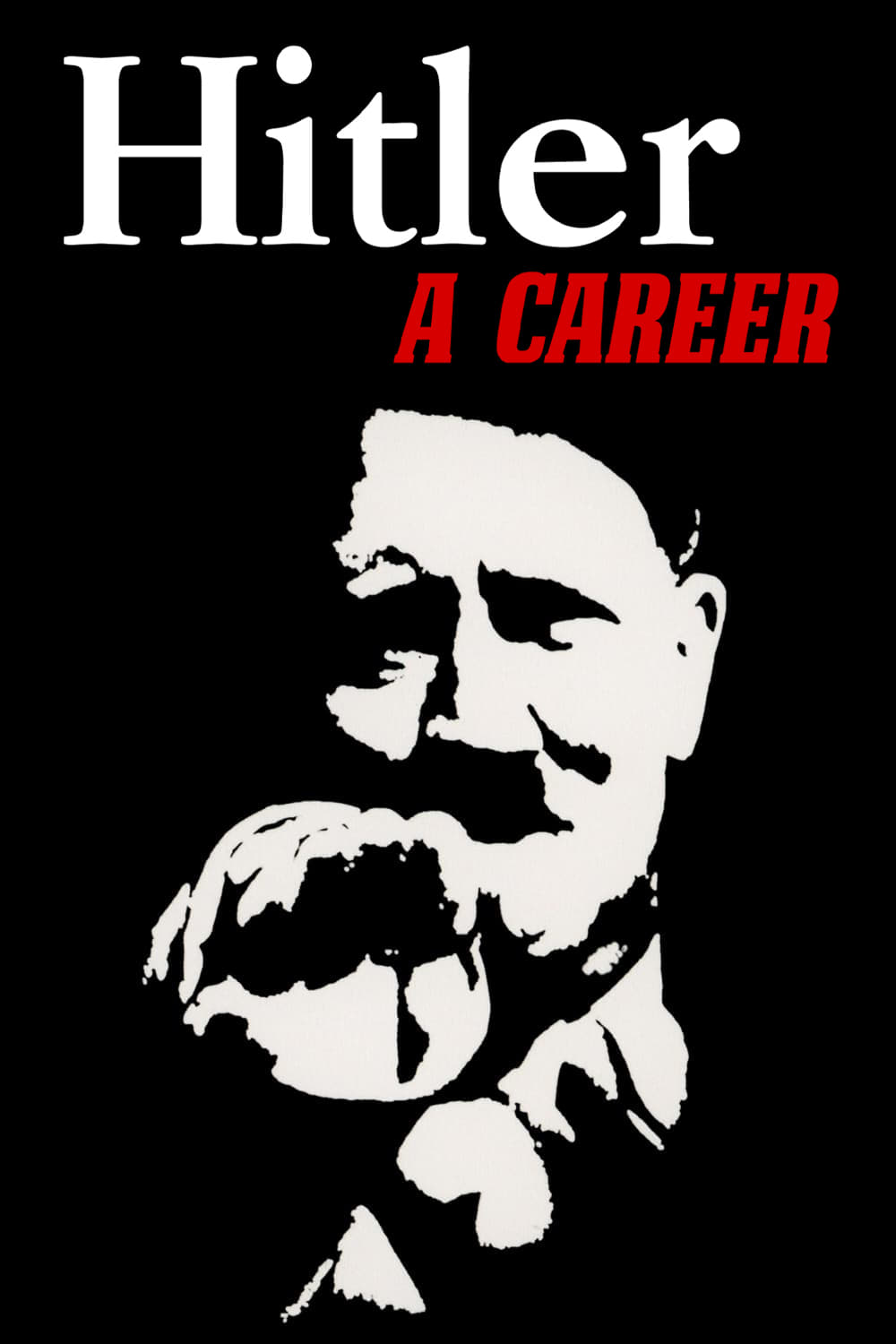
A keen chronicle of the unlikely rise to power of Adolf Hitler (1889-1945) and a dissection of the Third Reich (1933-1945), but also an analysis of mass psychology and how the desperate crowd can be deceived and shepherded to the slaughterhouse.
A documentary on the expletive's origin, why it offends some people so deeply, and what can be gained from its use.
A British woman on a visit to post-war Berlin is caught up in an espionage ring smuggling secrets into and out of the Eastern Bloc.
An undercover MI6 agent is sent to Berlin during the Cold War to investigate the murder of a fellow agent and recover a missing list of double agents.
A day in the city of Berlin, which experienced an industrial boom in the 1920s, and still provides an insight into the living and working conditions at that time. Germany had just recovered a little from the worst consequences of the First World War, the great economic crisis was still a few years away and Hitler was not yet an issue at the time.
When her son vanishes inside a US consulate, ex-special forces soldier Sara does everything in her power to find him — and uncovers a dark conspiracy.
When Allied forces liberated the Nazi concentration camps in 1944-45, their terrible discoveries were recorded by army and newsreel cameramen, revealing for the first time the full horror of what had happened. Making use of British, Soviet and American footage, the Ministry of Information’s Sidney Bernstein (later founder of Granada Television) aimed to create a documentary that would provide lasting, undeniable evidence of the Nazis’ unspeakable crimes. He commissioned a wealth of British talent, including editor Stewart McAllister, writer and future cabinet minister Richard Crossman – and, as treatment advisor, his friend Alfred Hitchcock. Yet, despite initial support from the British and US Governments, the film was shelved, and only now, 70 years on, has it been restored and completed by Imperial War Museums under its original title "German Concentration Camps Factual Survey".
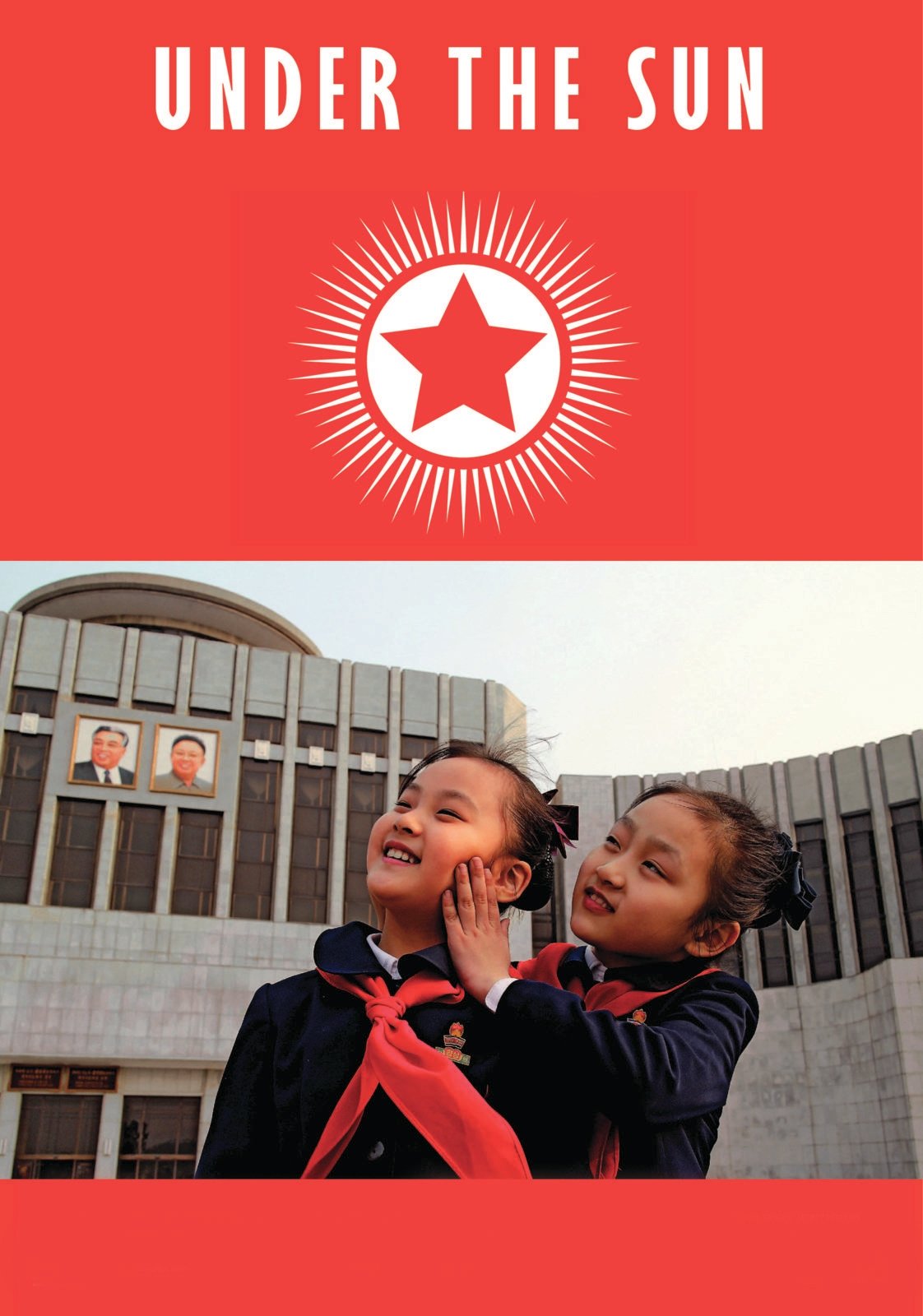
Over the course of one year, this film follows the life of an ordinary Pyongyang family whose daughter was chosen to take part in Day of the Shining Star (Kim Jong-il's birthday) celebration. While North Korean government wanted a propaganda film, the director kept on filming between the scripted scenes. The ritualized explosions of color and joy contrast sharply with pale everyday reality, which is not particularly terrible, but rather quite surreal.
This documentary movie is about the battle of San Pietro, a small village in Italy. Over 1,100 US soldiers were killed while trying to take this location, that blocked the way for the Allied forces from the Germans. Preserved by the Academy Film Archive in 2005.
Frank left his life as a soldier behind and wants to rebuild his life in Brandenburg. He is on his way to meet his daughter, Lily, after a long time of not seeing her. As he stops at a gas station he meets Andreas, who needs a ride to Berlin. Reluctantly, Frank agrees to take Andreas with him - unaware of the consequences.
James Bond is sent to investigate after a fellow “00” agent is found dead with a priceless Indian Fabergé egg. Bond follows the mystery and uncovers a smuggling scandal and a Russian General who wants to provoke a new World War.
Prelude to War was the first film of Frank Capra's Why We Fight propaganda film series, commissioned by the Pentagon and George C. Marshall. It was made to convince American troops of the necessity of combating the Axis Powers during World War II. This film examines the differences between democratic and fascist states.
A compilation of over 30 years of private home movie footage shot by Lithuanian-American avant-garde director Jonas Mekas, assembled by Mekas "purely by chance", without concern for chronological order.
Lyrical and powerfully personal essay film that reflects on the deaths of her husband Lou Reed, her mother, her beloved dog, and such diverse subjects as family memories, surveillance, and Buddhist teachings.
Documentary filmmaker Amy Berg investigates the life of 30-year pedophile Father Oliver O'Grady and exposes the corruption inside the Catholic Church that allowed him to abuse countless children. Victims' stories and a disturbing interview with O'Grady offer a view into the troubled mind of the spiritual leader who moved from parish to parish gaining trust ... all the while betraying so many.