



Social & External
Self
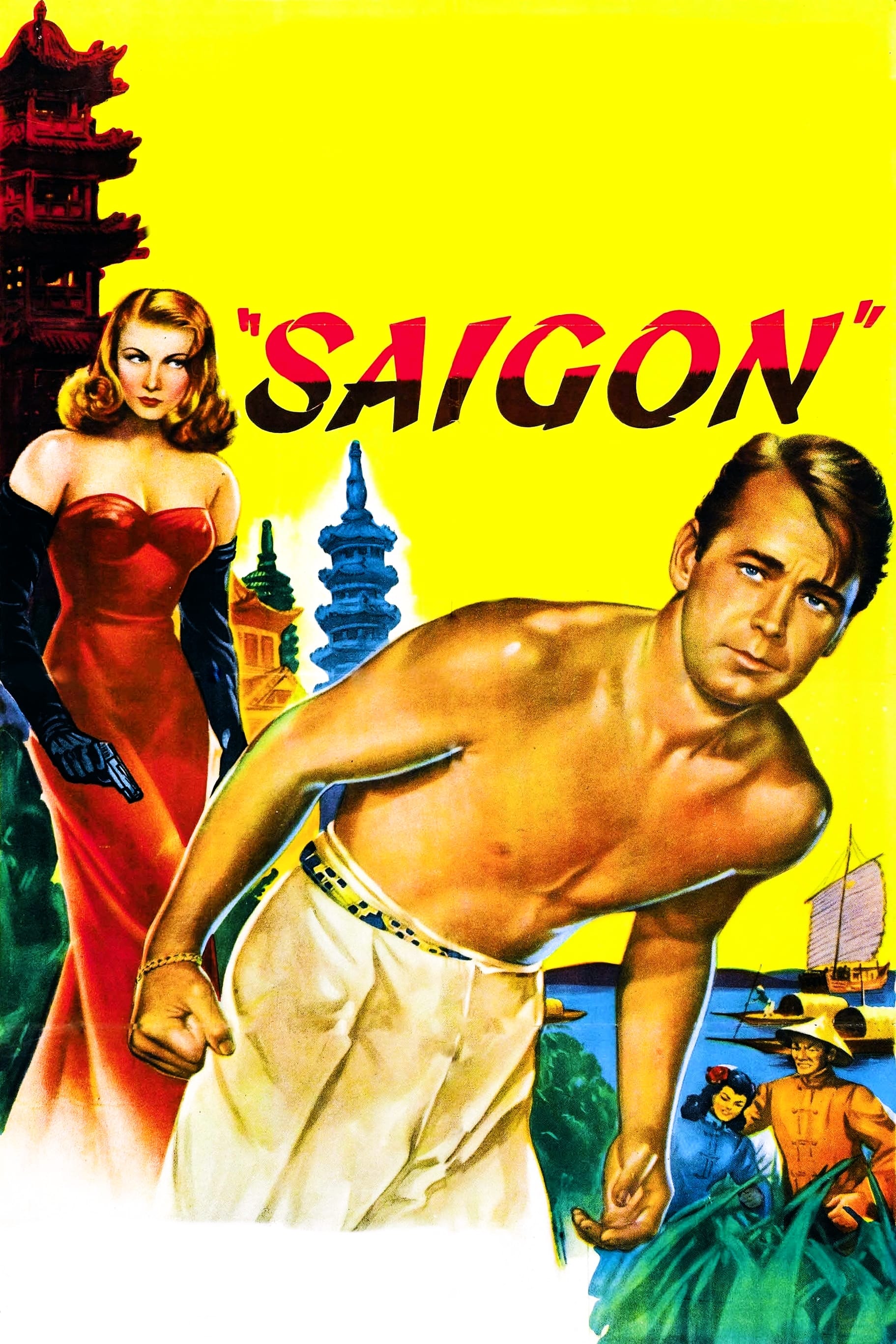
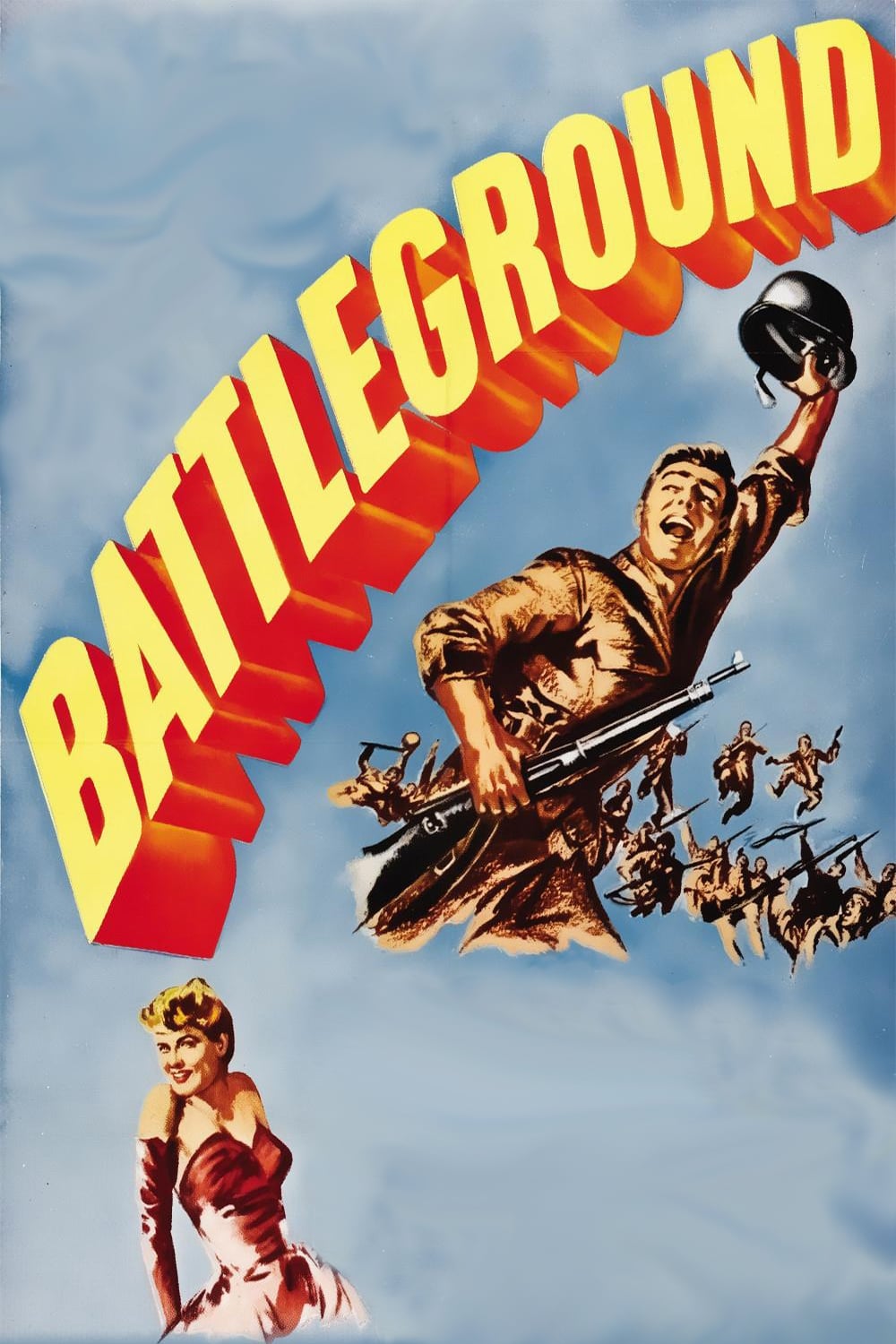
After World War II Larry learns that his flying buddy Mike will only live a short time despite the efforts of the doctors. He takes on a profitable flying job for profiteers Maris to finance a good time for his buddy. As the plane takes off he shoves Maris' secretary Susan on board. When Mike falls for her, Larry tells her to play along for Mike's sake. She, of course, falls for Larry.
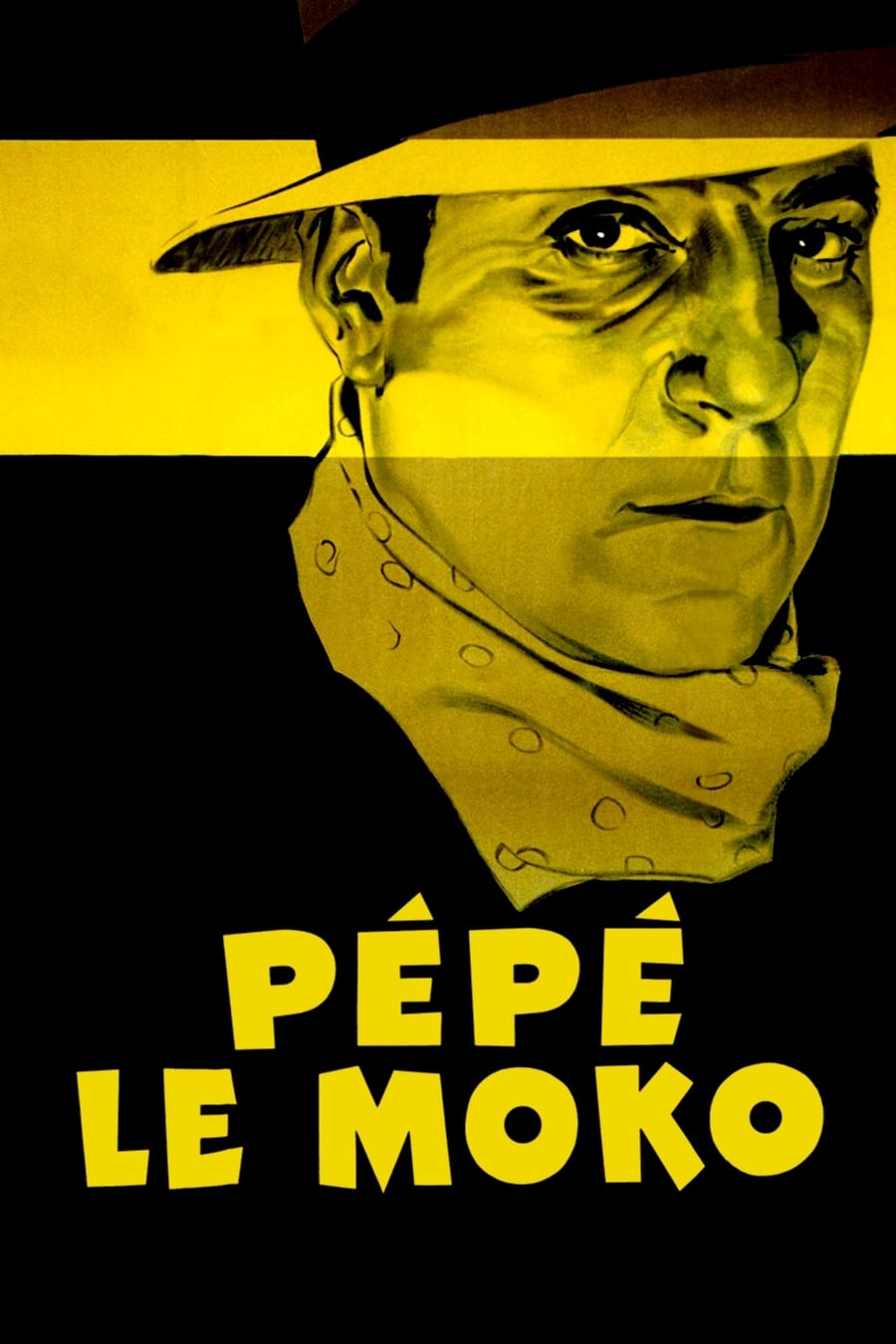
Pépé le Moko, one of France's most wanted criminals, hides out in the Casbah section of Algiers. He knows police will be waiting for him if he tries to leave the city. When Pépé meets Gaby, a gorgeous woman from Paris who is lost in the Casbah, he falls for her.
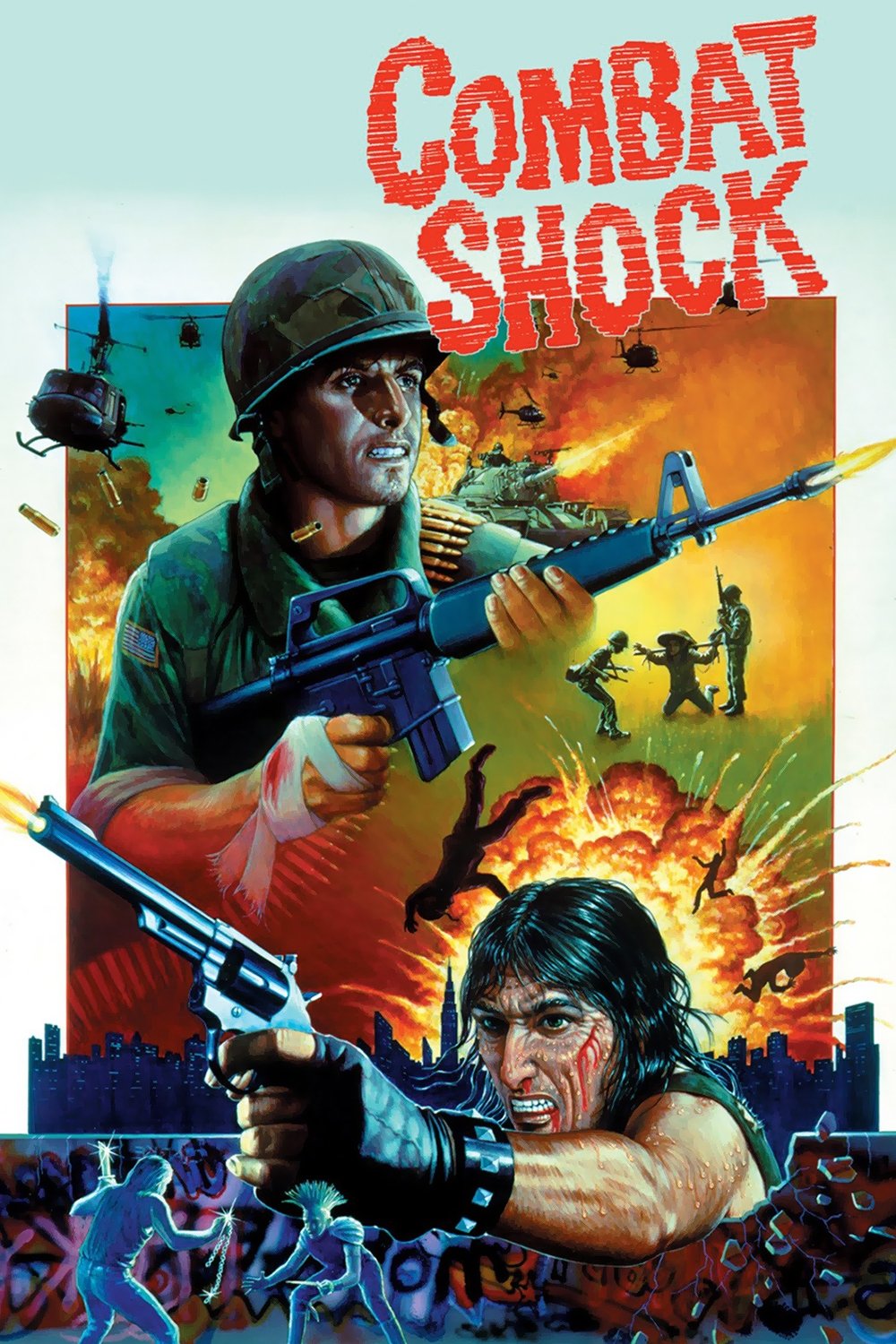
A dangerously disturbed Vietnam veteran struggles with life 15 years after his return home, and slowly falls into insanity from his gritty urban lifestyle.
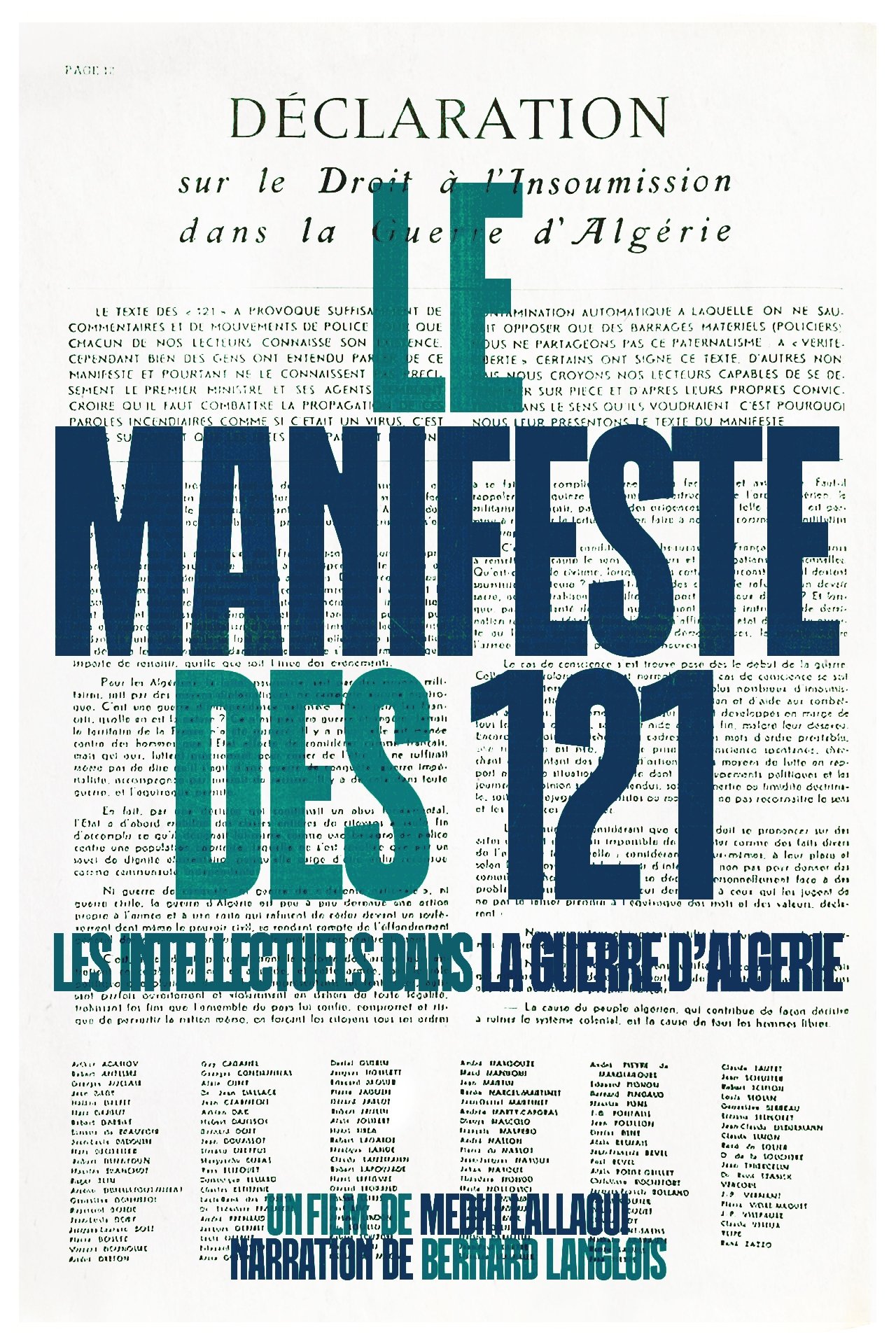
On September 5, 1960, the trial of about twenty French activists from the "Jeanson Network" began, supporters in the metropolis of the action of the Algerian FLN independence activists. But after a few days, the situation was reversed and the trial transformed into a political arena, it was the government, the army, their policy, it was the entire Algerian war whose trial began. Accused, witnesses, lawyers, overflowing a stunned court, transformed the courtroom into a tribune of the opposition. The trial coincided with the publication of the "Manifesto of the 121" on the right to insubordination, signed among others by Jean Paul Sartre, Arthur Adamov, Simone de Beauvoir, André Breton, Marguerite Duras, Pierre Boulez, René Dumont, François Chatelet…
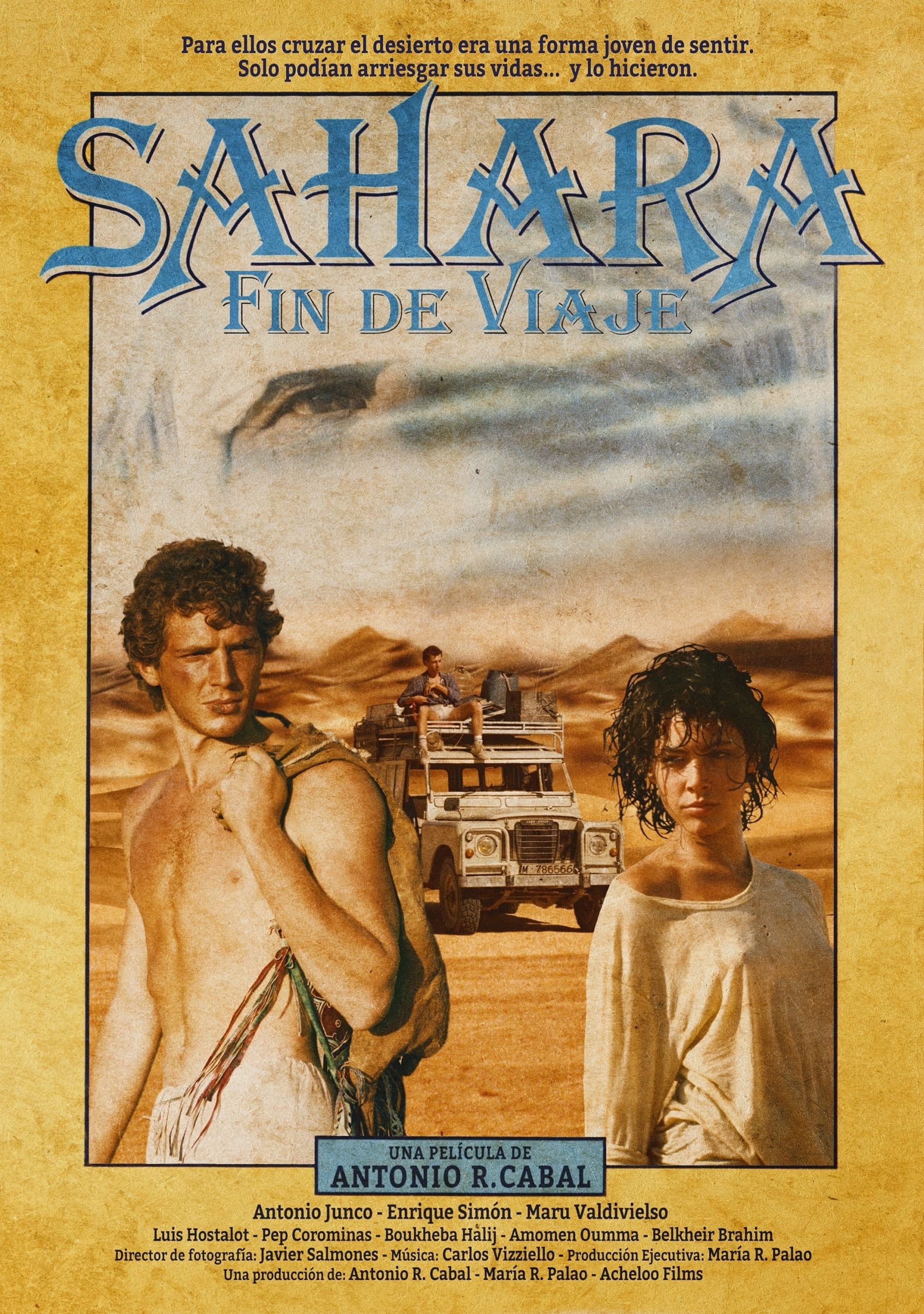
In the 1970s, groups of young Europeans ventured into the Sahara Desert with the intention of crossing it and experiencing “an adventure”. Unprepared, reckless and ignorant of the terrain they were crossing, they faced extreme situations with unexpected consequences. From the passion of these young people for adventure, the most famous rally in the world was born. “End of the Journey, Sahara” tells the story of one of these adventures.
Frantz Fanon, a French psychiatrist from Martinique, has just been appointed head of department at the psychiatric hospital in Blida, Algeria. His methods contrast with those of the other doctors in a context of colonization. A biopic in the heart of the Algerian war where a fight is waged in the name of Humanity.
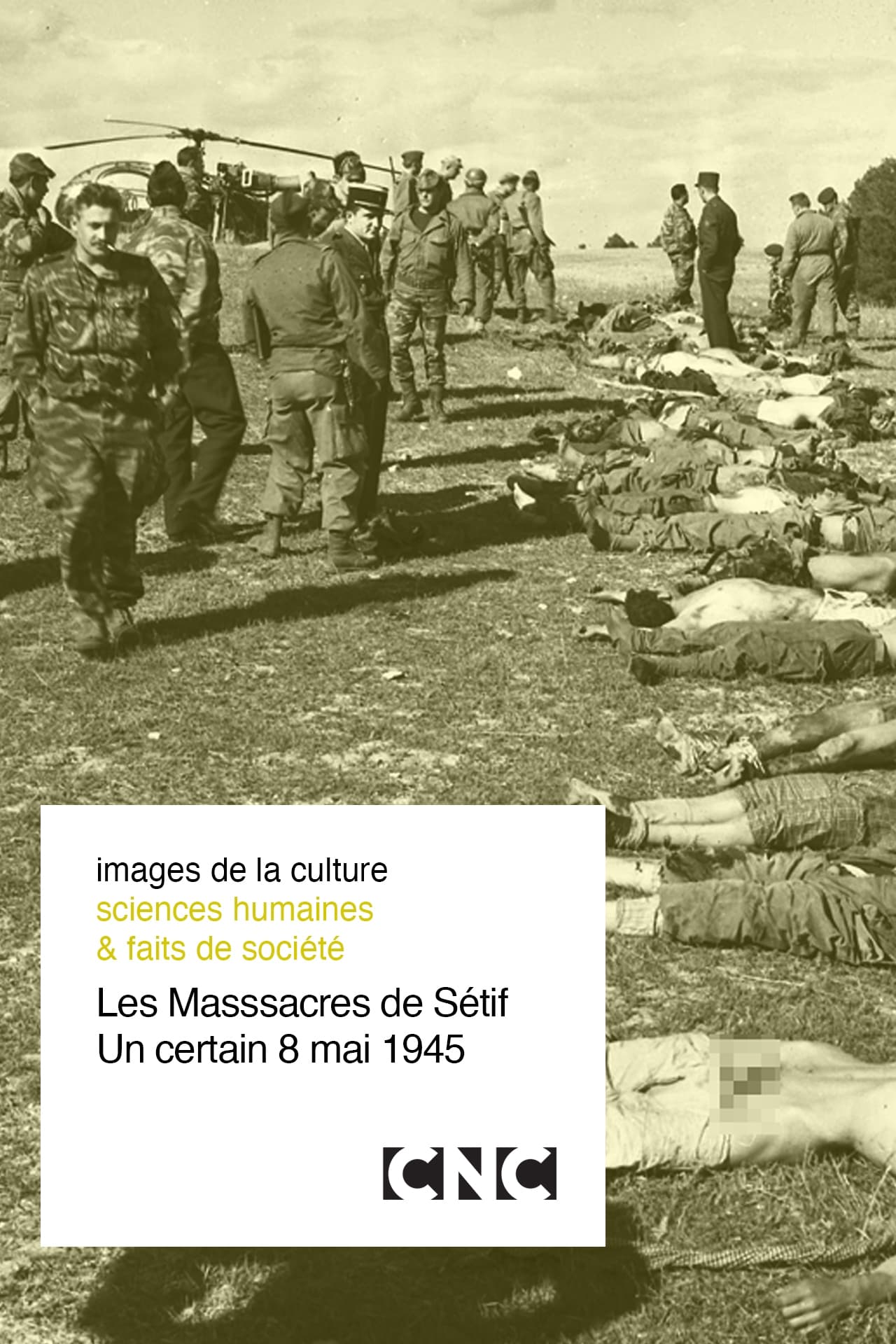
May 8, 1945, the day of victory over Nazism, is also a day of mourning. In Algiers, thanks to demonstrations for victory, the Algerian flag appears for the first time, thus claiming independence. But in Sétif, the standard bearer is shot dead at the head of the procession and a riot breaks out. The colonial massacre that followed would extend to all of Constantine. The commission of inquiry never delivered its conclusions and an amnesty law erased the traces of this savage repression. Fifty years later, the file is open.
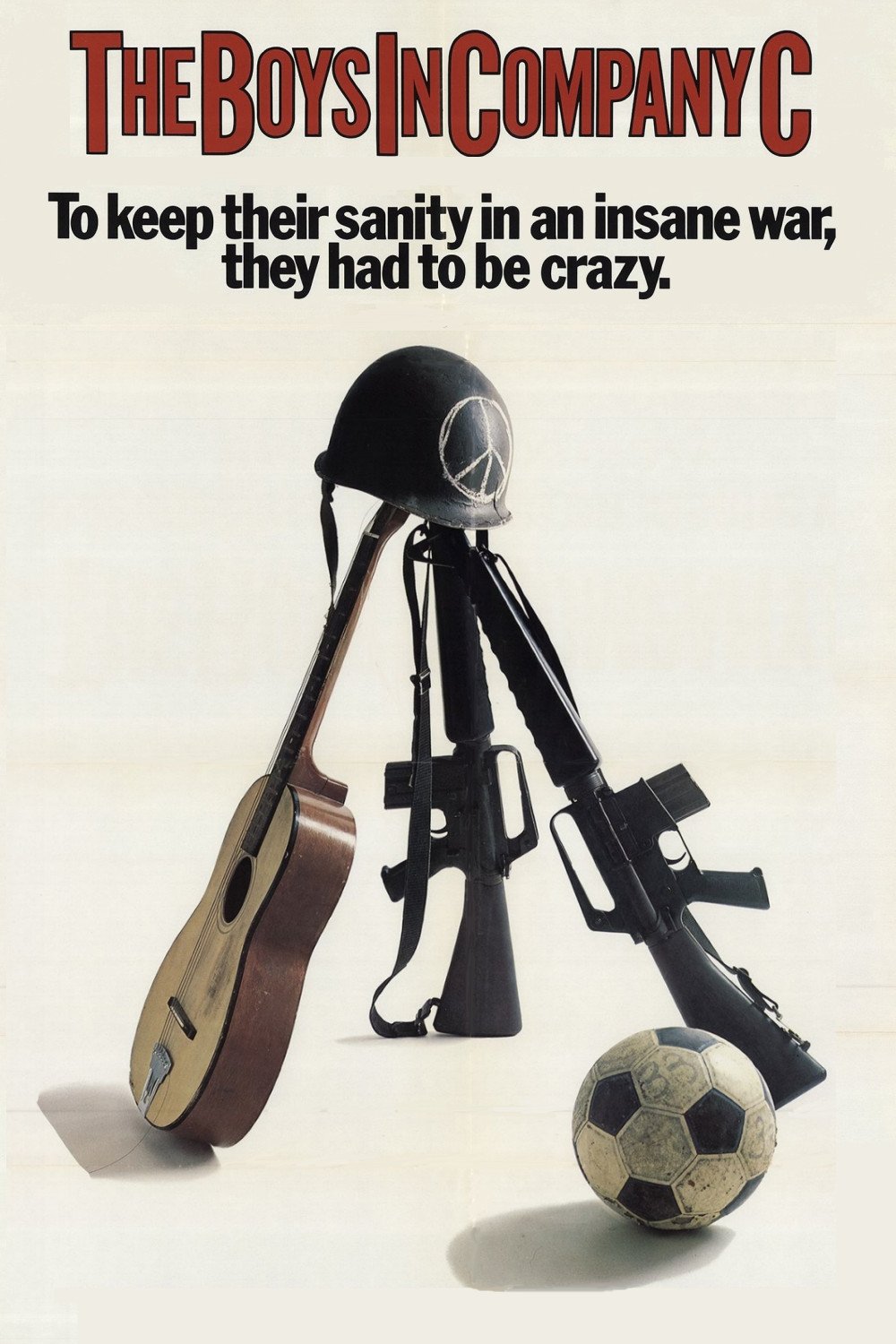
Disheartened by futile combat, appalled by the corruption of their South Vietnamese ally, and constantly endangered by the incompetence of their own company commander, the young men find a possible way out of the war. They are told that if they purposely lose a soccer game against a South Vietnamese team, they can spend the rest of their tour playing exhibition games behind the lines.
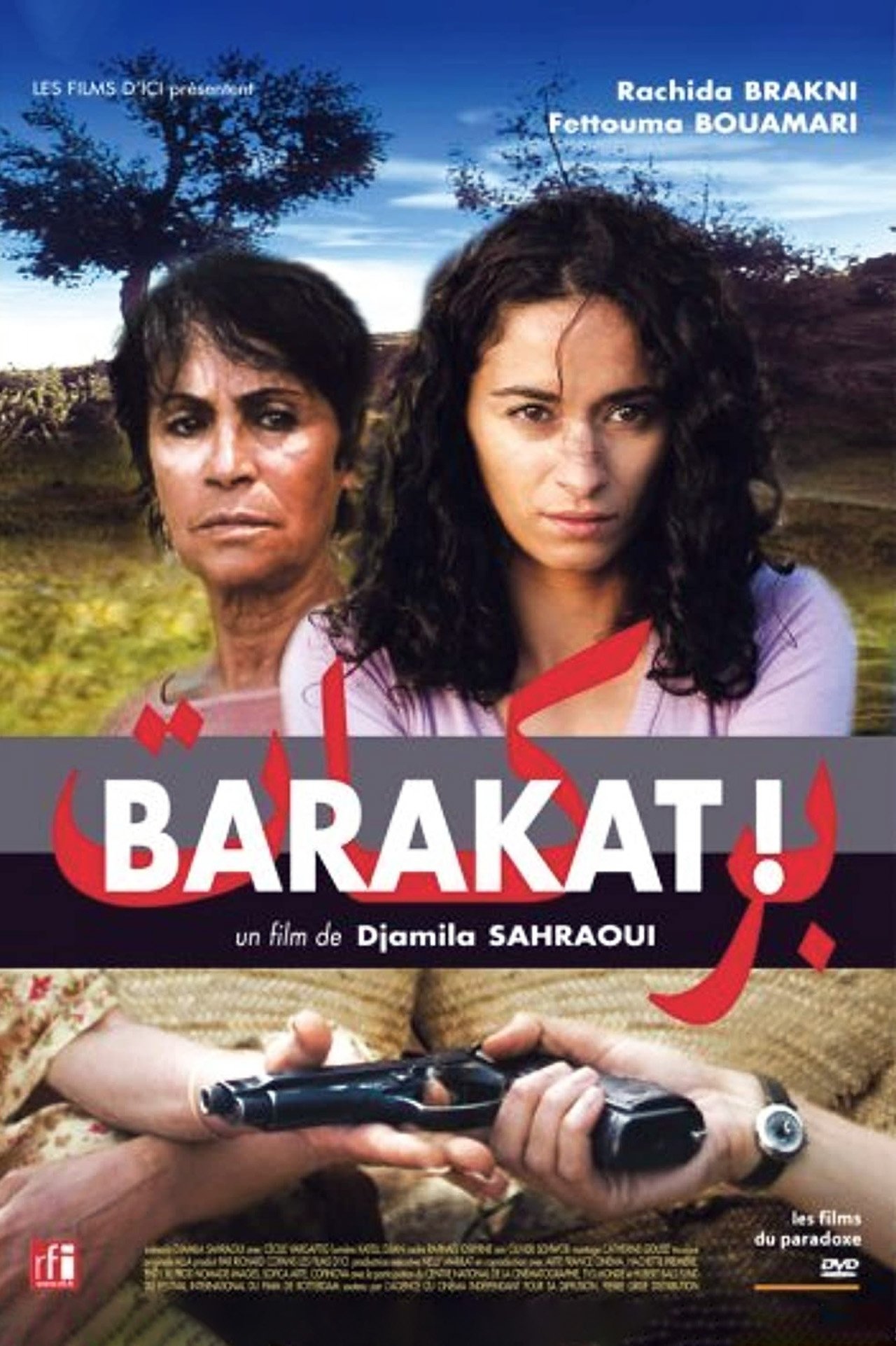
Set amidst the civil war of Algeria in the 1990s, Enough! is the story of two women. Emel is a Westerner whose husband, a journalist, is missing - perhaps kidnapped or even killed for articles he's written.
Three steelworkers enlist in the army and are sent to Vietnam, one leaving behind a rushed marriage, the others a shared love. What they encounter during the war changes their lives forever.
Three childhood friends from the slums of Hong Kong flee to war-time Saigon after accidentally murdering a gang leader, but their troubles only escalate.
Using archival footage, cabinet conversation recordings, and an interview of the 85-year-old Robert McNamara, The Fog of War depicts his life, from working as a WWII whiz-kid military officer, to being the Ford Motor Company's president, to managing the Vietnam War as defense secretary for presidents Kennedy and Johnson.
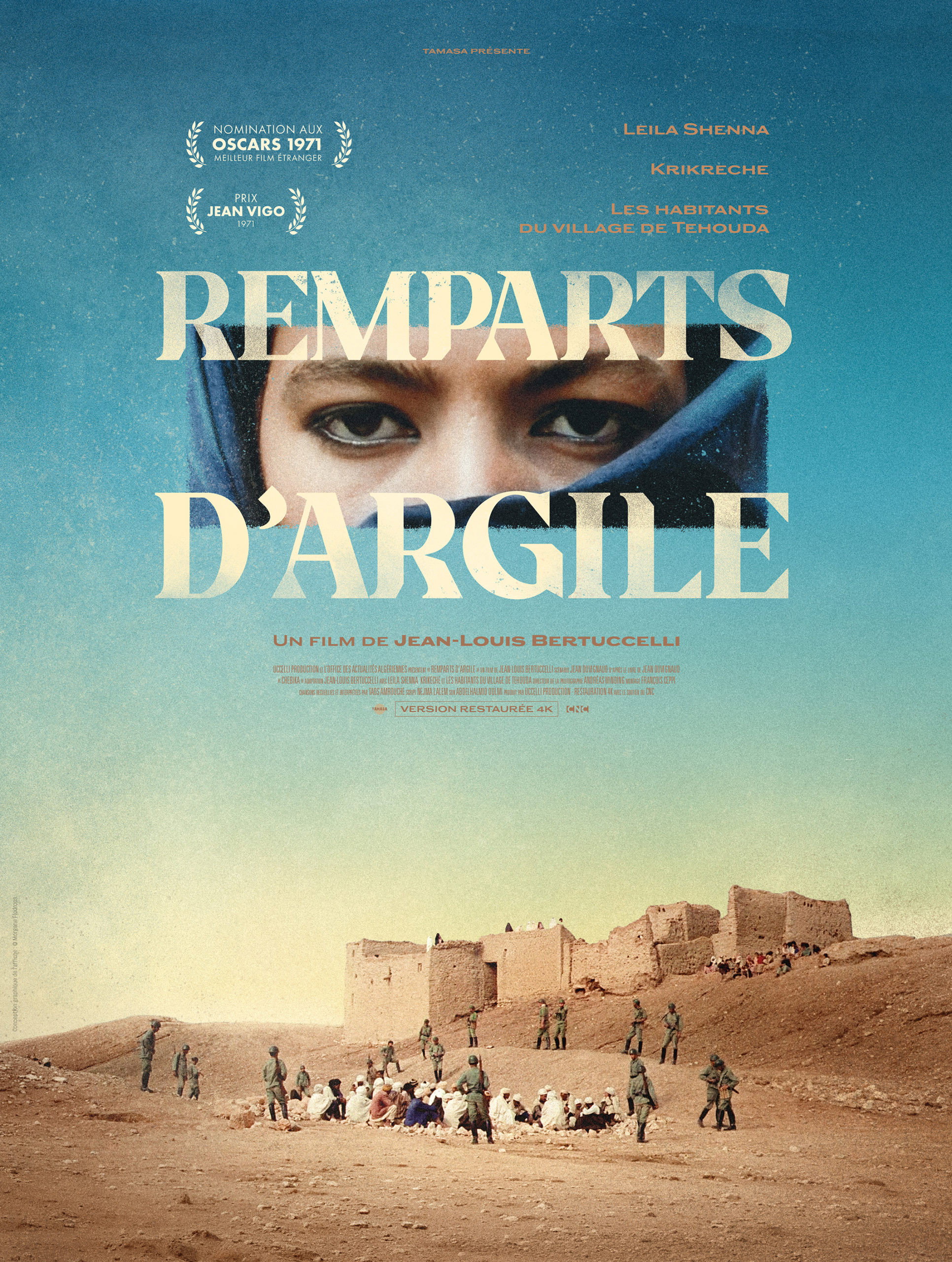
In a village on the edge of the Sahara, Rima, a 19-year-old orphan, dreams of learning, of discovering, of living free while the men of the salt mine go on strike. The authorities react by sending the army, Rima decides to help the strikers by trapping the soldiers. Co-produced with the Office des Actualités Algériens and shot in the region of Téhouda, 50 kilometers from Biskra, this Franco-Algerian film is fully part of the cinematographic heritage of both shores of the Mediterranean. Bertuccelli adopts the technique of cinema verite, with non-professional actors from the village itself, giving the film a striking documentary texture and a rare force of authenticity. Carried by the moving interpretation of Leila Shenna in the role of Rima, the actor Krikèche and lulled by the music of Taos Amrouche, the film questions female emancipation, social resistance and the relationship with the territory.
Structured as a labyrinth-like game and inspired by Jorge Luis Borges, Aleph is a travelogue of experience, a dreamer's journey through the lives, experiences, stories and musings of protagonists spanning ten countries and five continents.
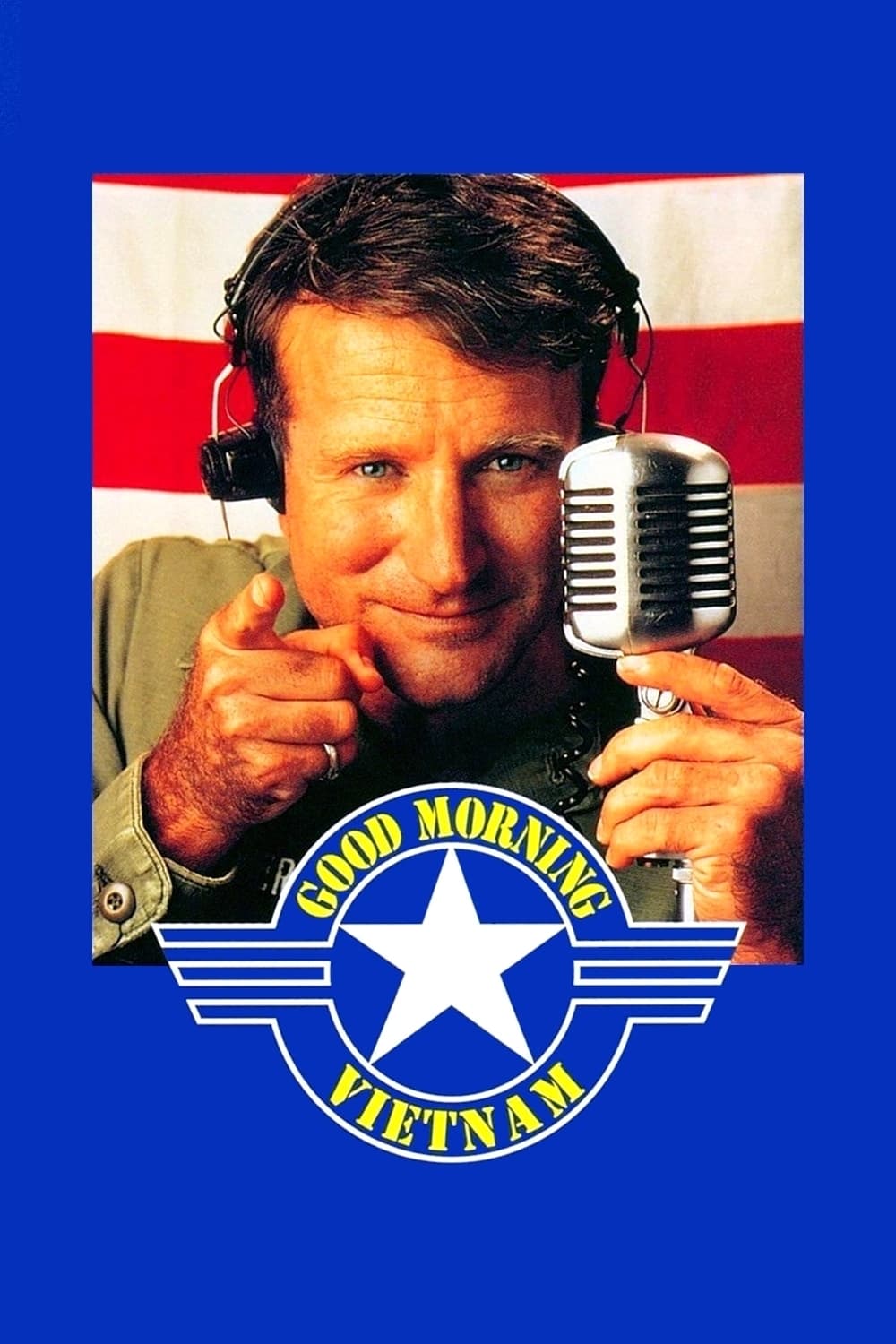
A disk jockey goes to Vietnam to work for the Armed Forces Radio Service. While he becomes popular among the troops, his superiors disapprove of his humor.
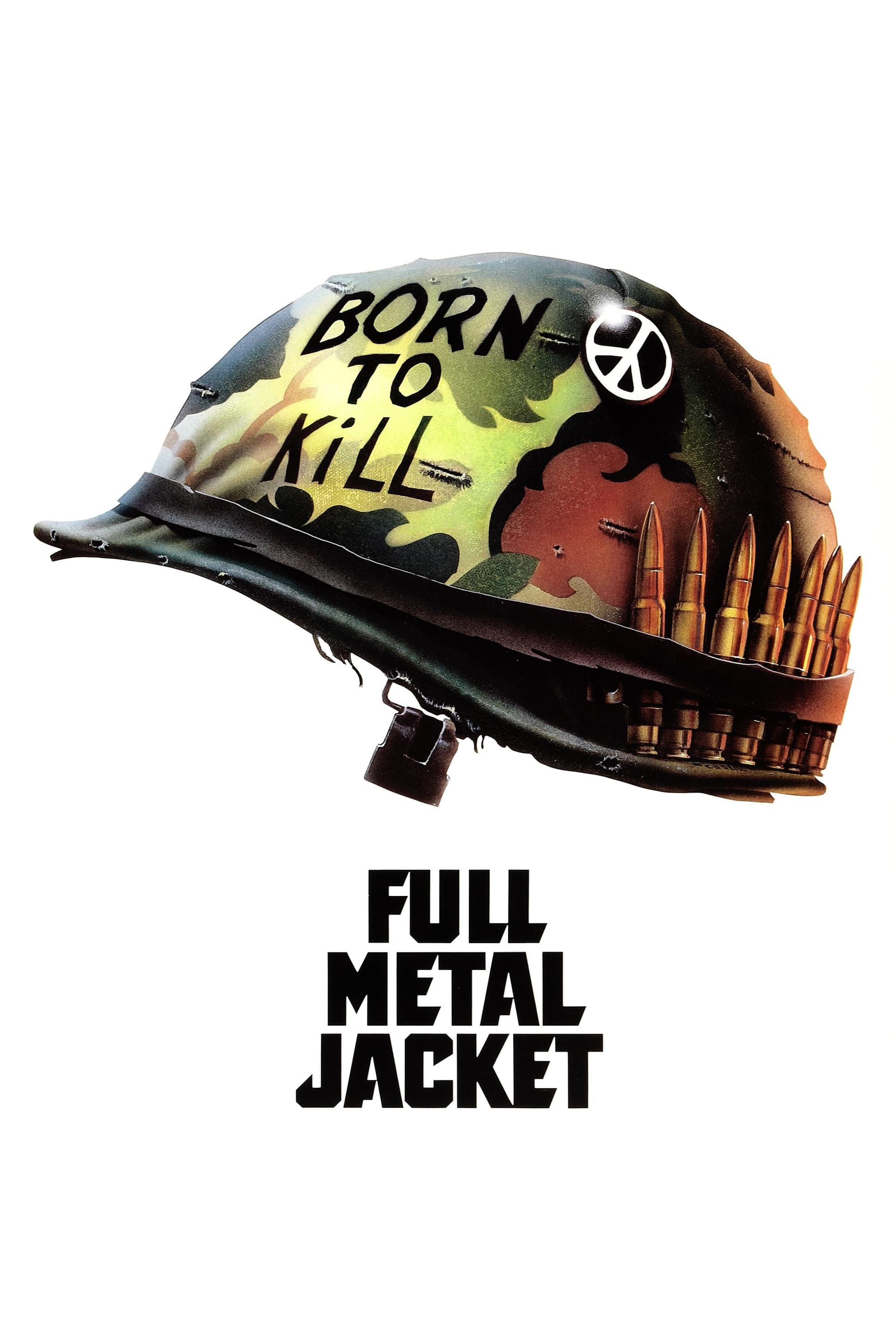
A pragmatic U.S. Marine observes the dehumanizing effects the U.S.-Vietnam War has on his fellow recruits from their brutal boot camp training to the bloody street fighting in Hue.
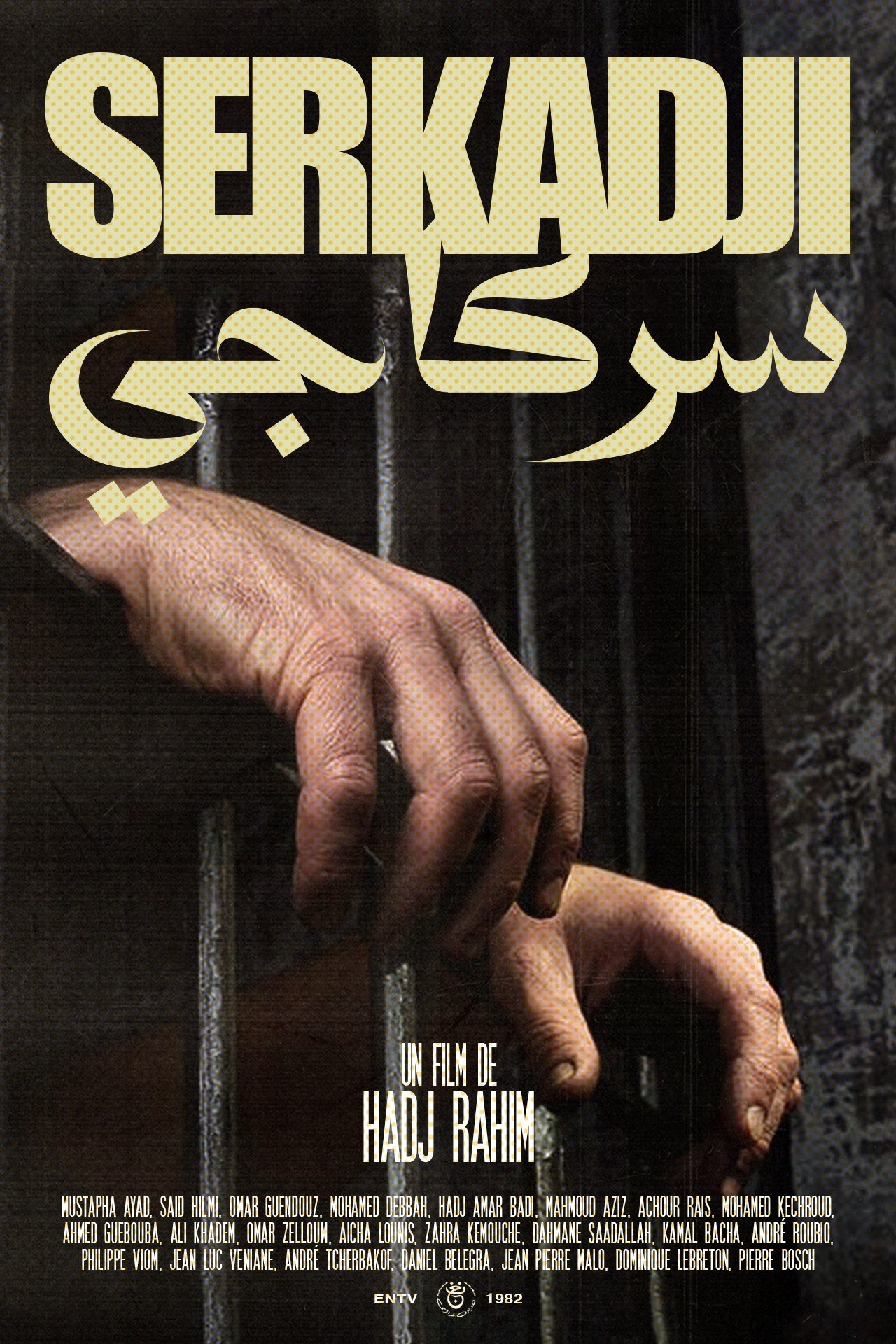
In 1982, Hadj Rahim directed "Serkadji", a fiction film about the men's quarters of the Barberousse military prison in Algiers, where hundreds of FLN fighters were incarcerated and executed during the war of independence. Algeria between 1954 and 1962.
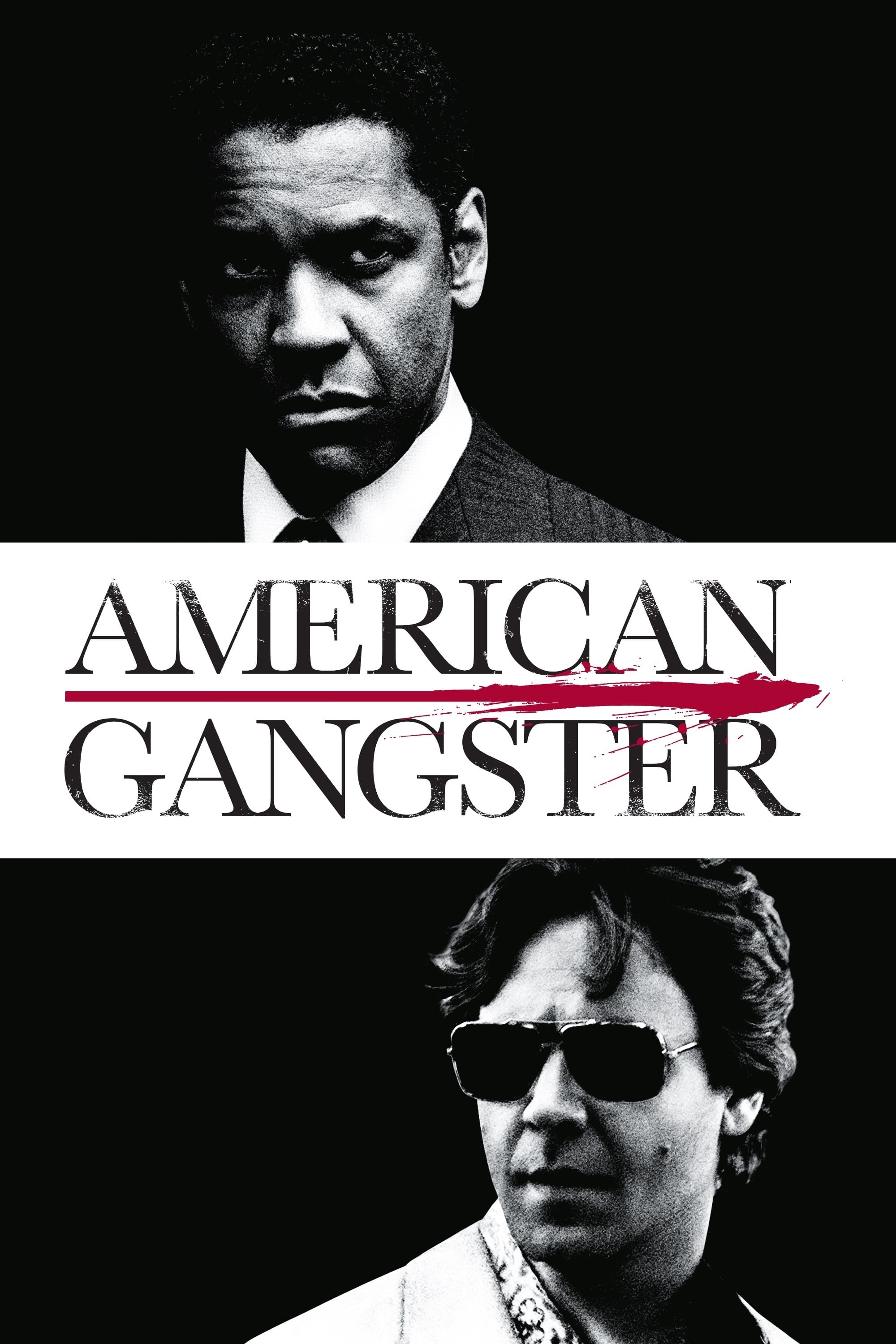
Loosely based on the criminal career of Frank Lucas, a gangster from La Grange, North Carolina, who smuggled heroin into the United States on American service planes returning from the Vietnam War, before being detained by a task force led by Newark Detective Richie Roberts.
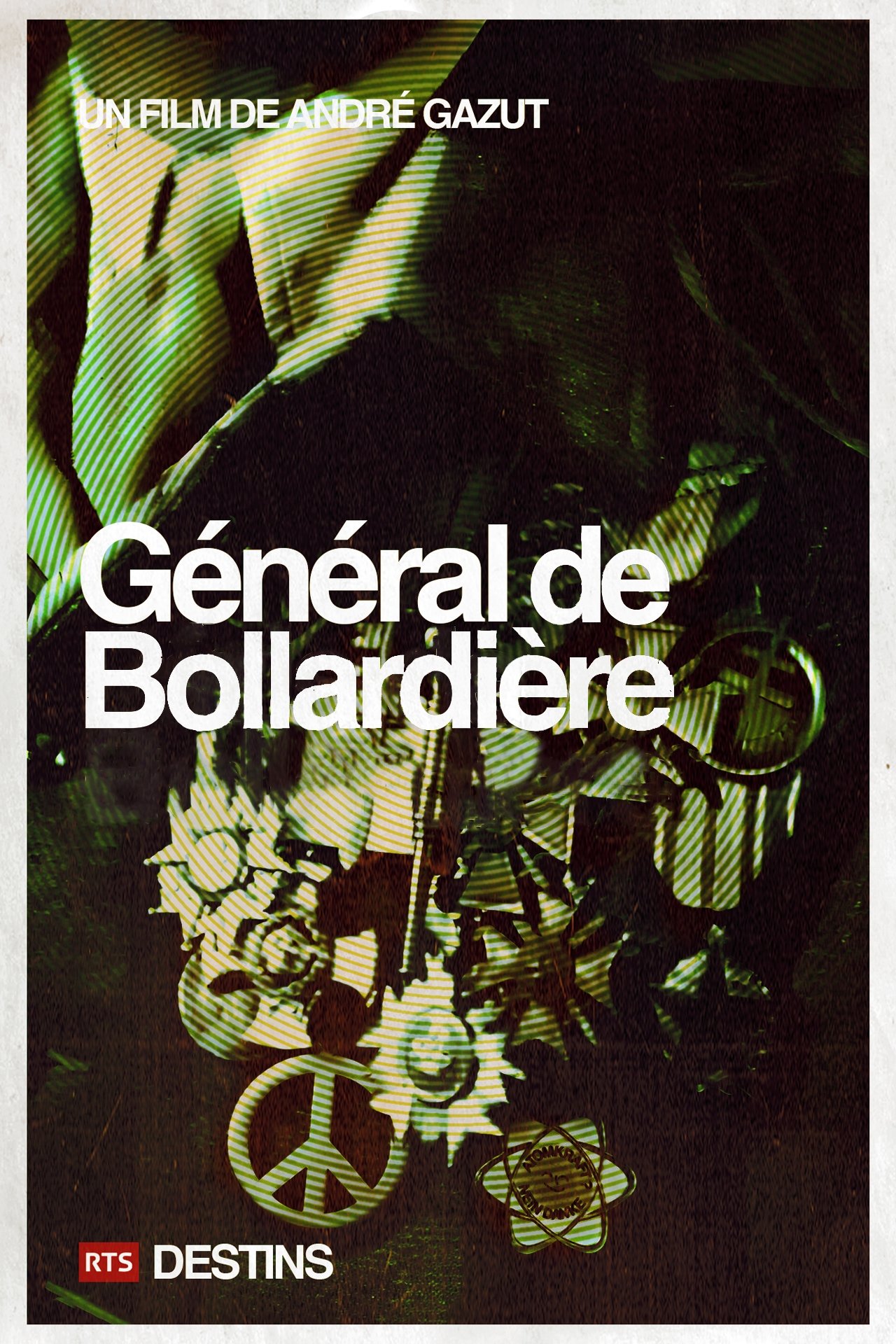
The exceptional portrait of a pacifist general, the only senior officer to have spoken out against torture. This precious testimony still remains censored in France, since no national channel has to date decided to program this documentary. Son and brother of a soldier, General Pâris de Bollardière was destined for a career in arms. He was, for many years, one of the most brilliant representatives of this adventurer career in France, from Narvik to the Algerian War. After fighting in the French maquis, he reached Indochina, where he suddenly found himself in the aggressor's camps. His beliefs are strongly shaken. But it is in Algeria, where the French army practices torture and summary executions, that he takes the big turn. He expresses his contempt to Massu, and is relieved of his command. Until his death in 1986, Jacques de Bollardière fought for world peace, from the Larzac plateaus to the Mururoa atolls.
A WWII veteran escapes his care home in Northern Ireland and embarks on an arduous but inspirational journey to France to attend the 75th anniversary of the D-Day landings, finding the courage to face the ghosts of his past.
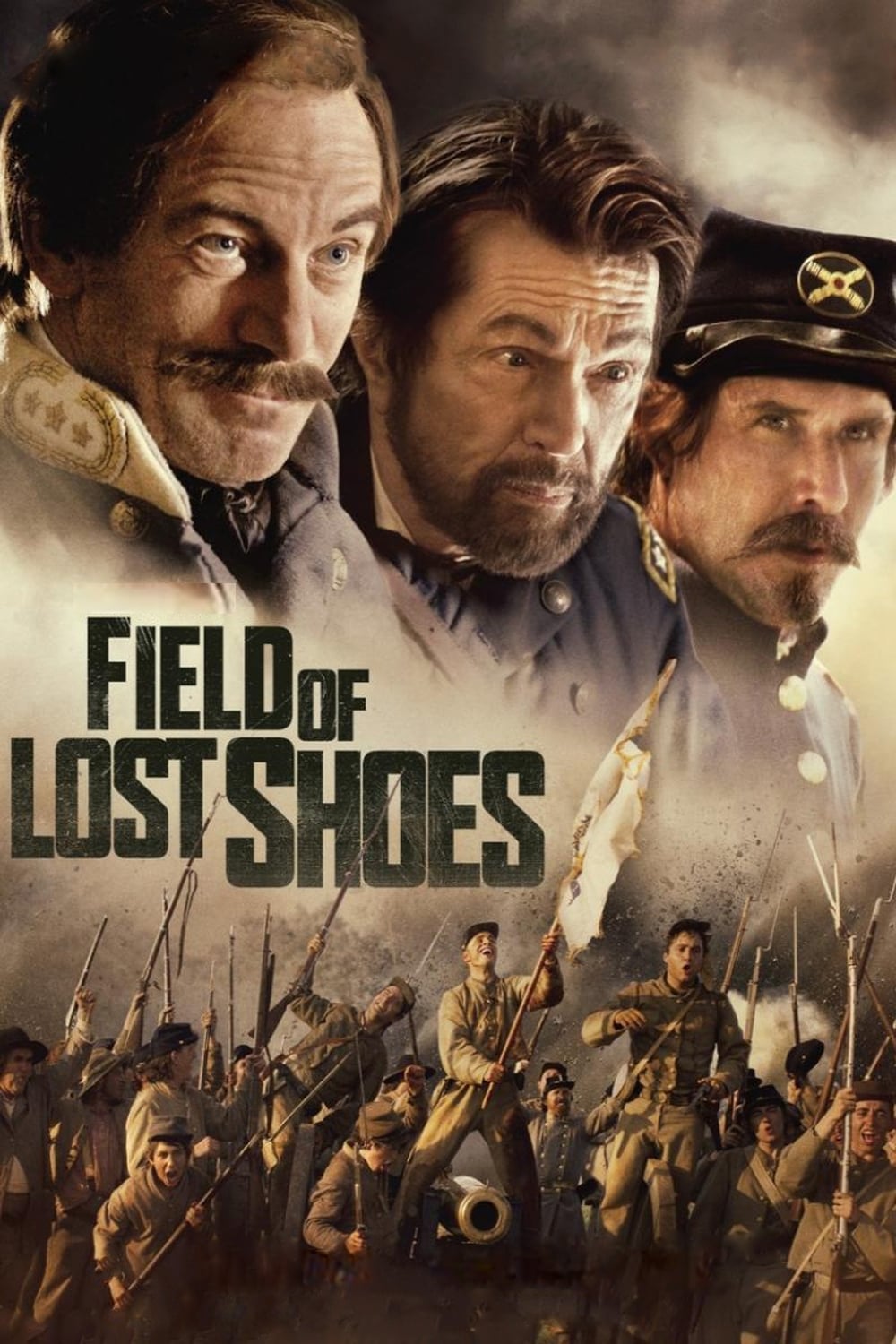
A group of teenage cadets sheltered from war at the Virginia Military Institute must confront the horrors of an adult world when they are called upon to defend the Shenandoah Valley.
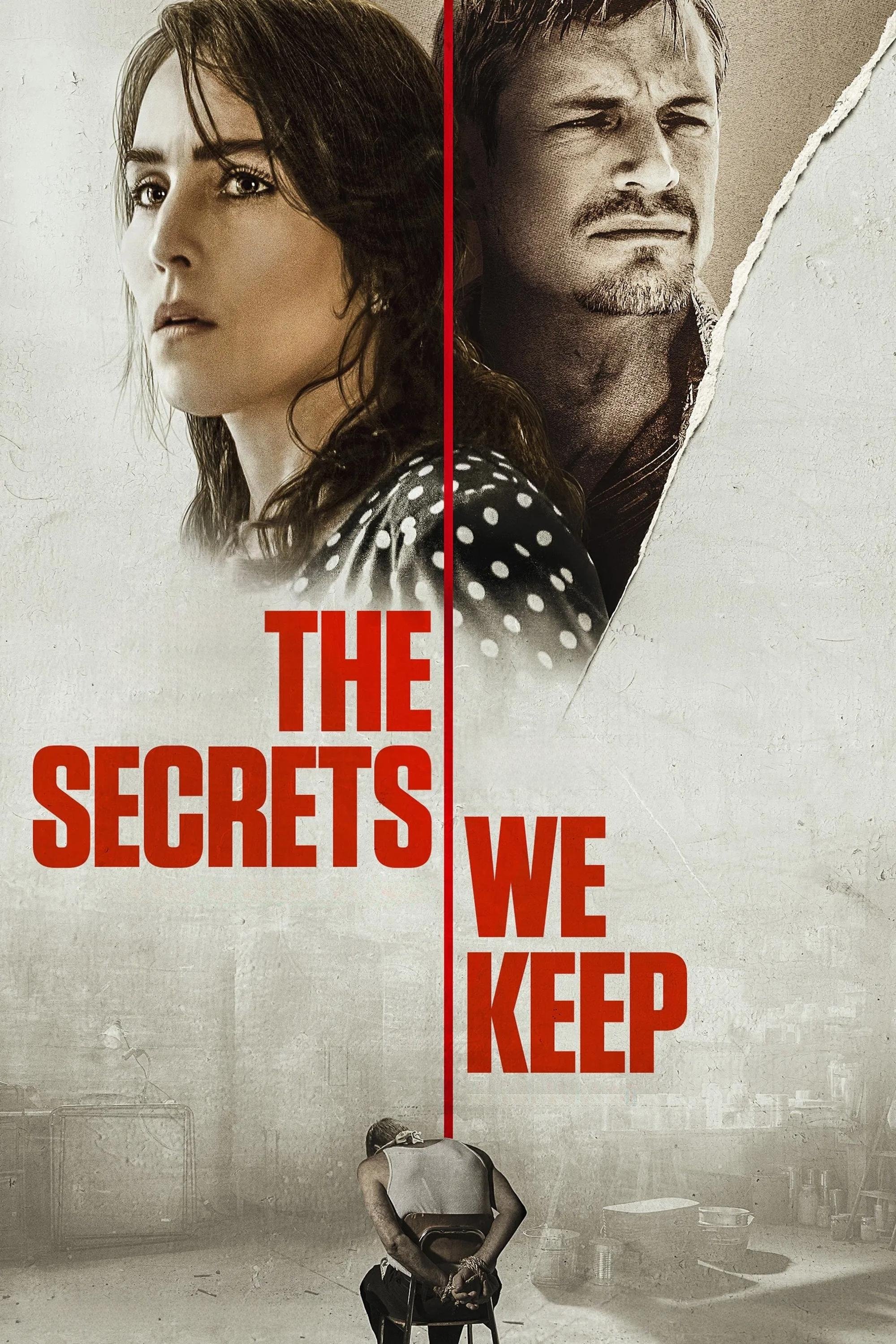
In post-World War II America, a woman, rebuilding her life in the suburbs with her husband, kidnaps her neighbor and seeks vengeance for the heinous war crimes she believes he committed against her.
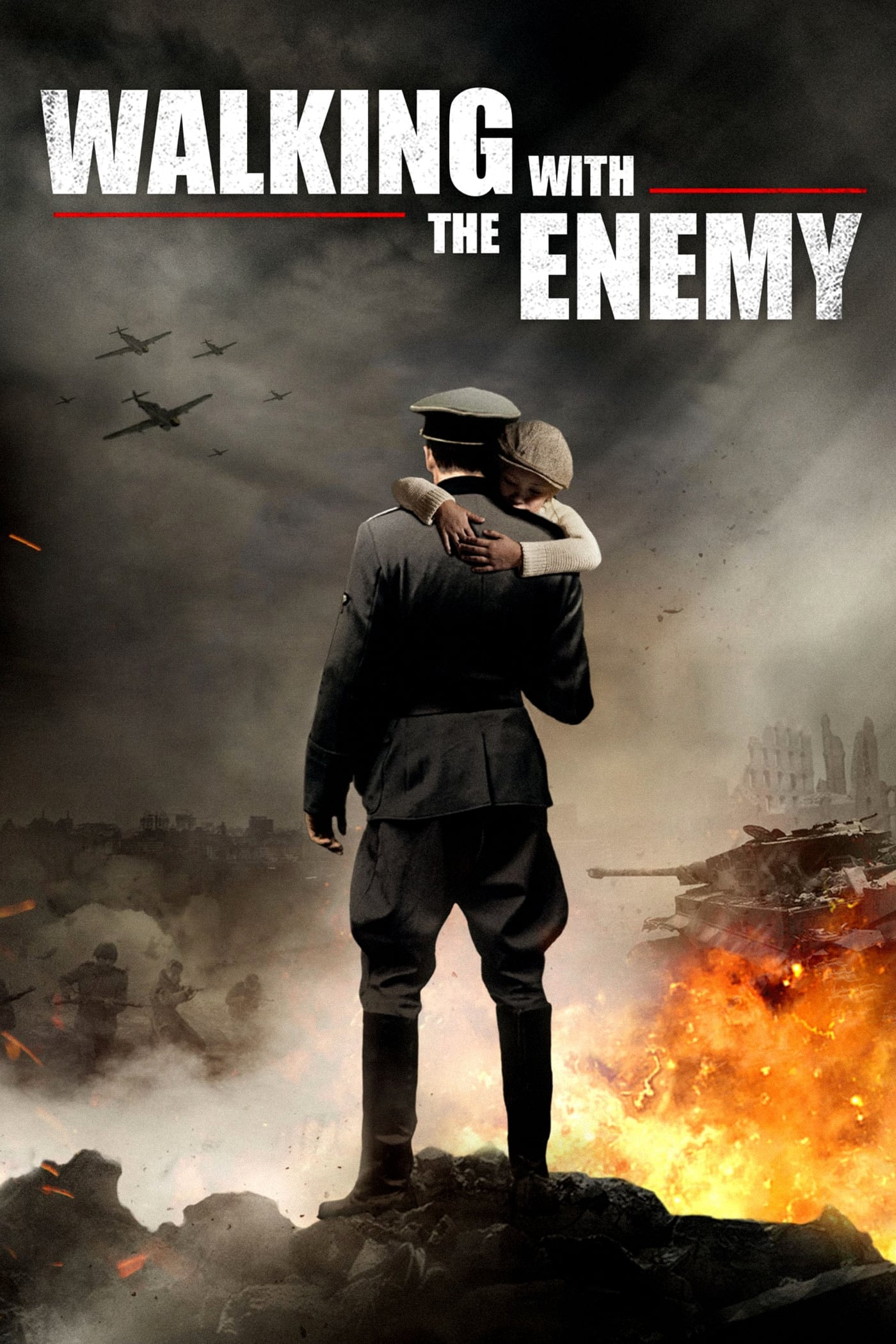
Regent Horthy is the leader of Hungary and a German ally, but his favorable standing with Hitler changes as the war comes to an end. Forced to cede Hungary’s power or else witness the execution of his son, Regent Horthy gives up control of his country to the Nazis, who quickly move Hungarians to ghettos and death camps, with no hope in sight. But the despair changes when a young man named Elek emerges. Separated from his family during the relocations and aided by the woman he loves , Elek defies the enemy by becoming one of them. In a race against time, disguised as a Nazi Officer he embarks on a mission to save his family and thousands of his countrymen.
Members of the U.S. Army's 101st Airborne Division are fighting for their country amidst the rugged terrain of Bastogne, Belgium, in December 1944. Holley and his American compatriots have already seen one of their own, Roderigues, perish under enemy fire. The men try to rebuff another series of Nazi attacks, but what they really need is a change in the weather. Without clear skies, they'll never get the air support they need.
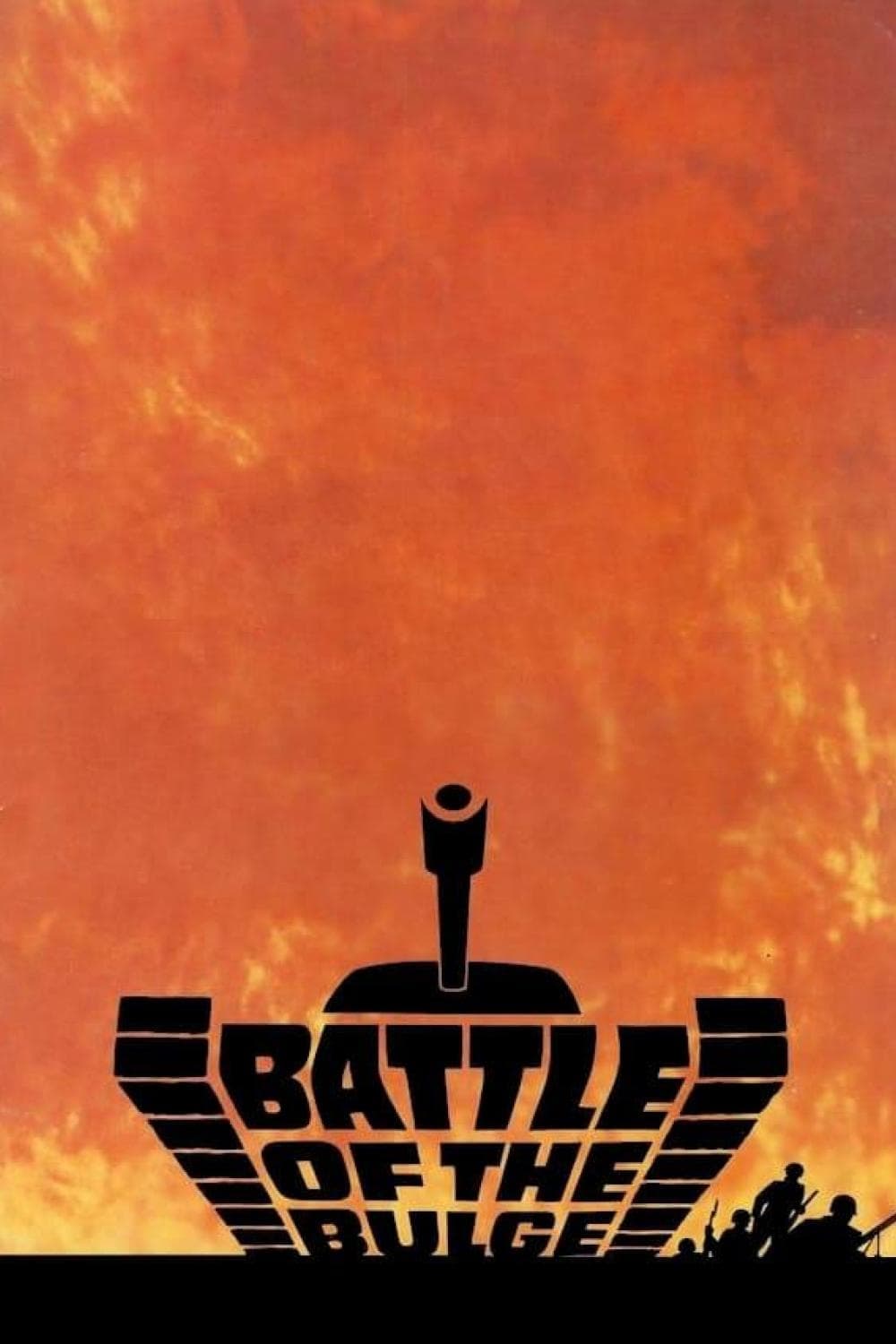
In the winter of 1944, the Allied Armies stand ready to invade Germany at the coming of a New Year. To prevent it, Hitler orders an all-out offensive to re-take French territory and capture the major port city of Antwerp.
When a high-ranking war planner is captured and held in a German prisoner of war camp, a team of specialists take on the dangerous mission of trying to break him out. Trouble is, he doesn't want to be rescued.
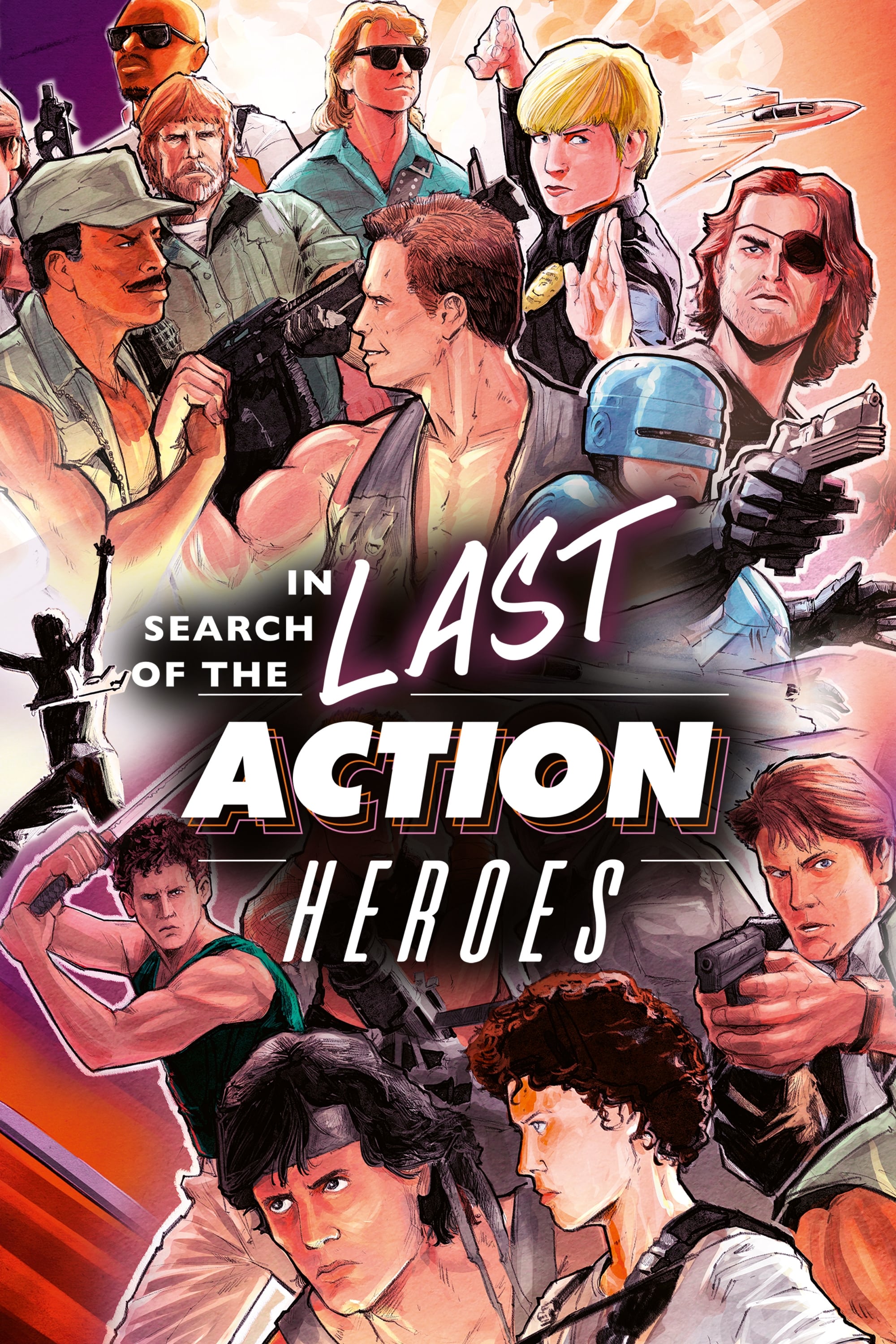
The most comprehensive retrospective of the '80s action film genre ever made.
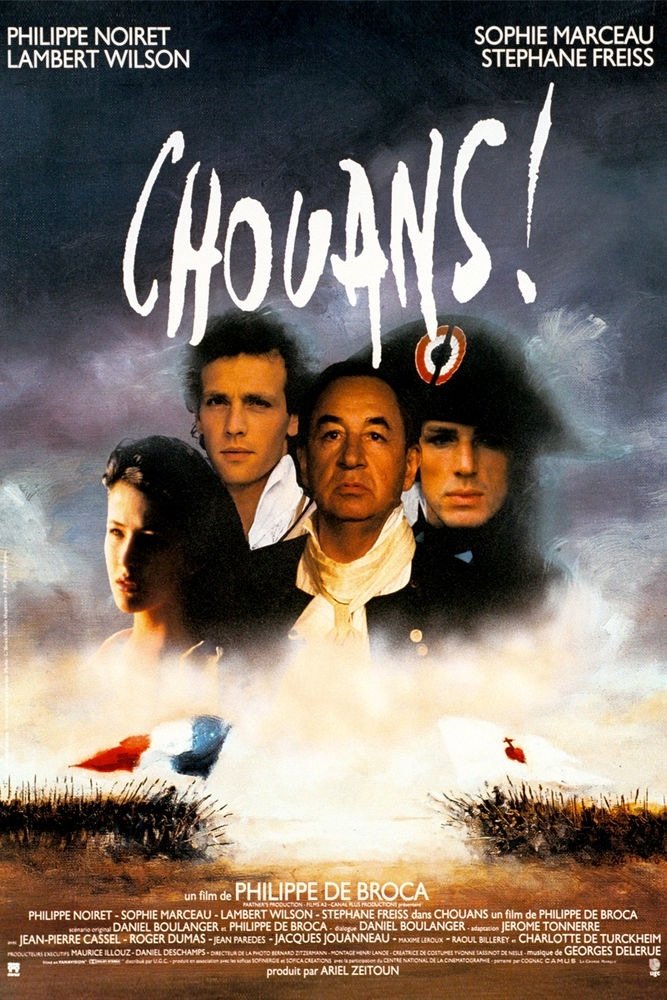
Directed by Philippe de Broca, the film recounts a bloody episode of the French Revolution. 1793, the Terror . In Vendée and in Bretagne, the chouans are revolting against the young Republic and fight for the monarchy restauration. The civil war divides also the family of the Count Savinien de Kerfadec, a liberal and generous noble and a flying machines inventor.
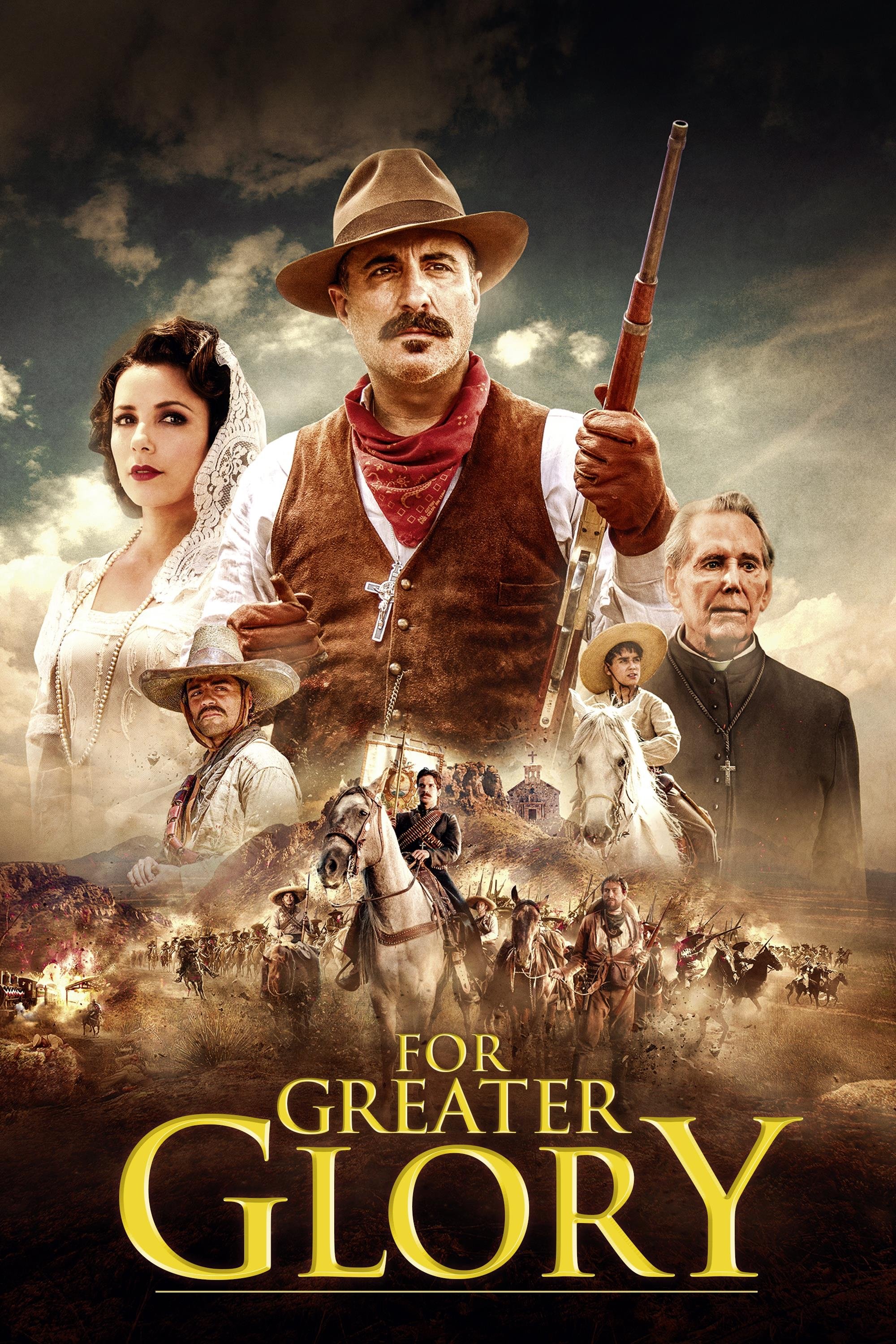
A chronicle of the Cristeros War (1926-1929), which was touched off by a rebellion against the Mexican government's attempt to secularize the country.
When Allied forces liberated the Nazi concentration camps in 1944-45, their terrible discoveries were recorded by army and newsreel cameramen, revealing for the first time the full horror of what had happened. Making use of British, Soviet and American footage, the Ministry of Information’s Sidney Bernstein (later founder of Granada Television) aimed to create a documentary that would provide lasting, undeniable evidence of the Nazis’ unspeakable crimes. He commissioned a wealth of British talent, including editor Stewart McAllister, writer and future cabinet minister Richard Crossman – and, as treatment advisor, his friend Alfred Hitchcock. Yet, despite initial support from the British and US Governments, the film was shelved, and only now, 70 years on, has it been restored and completed by Imperial War Museums under its original title "German Concentration Camps Factual Survey".
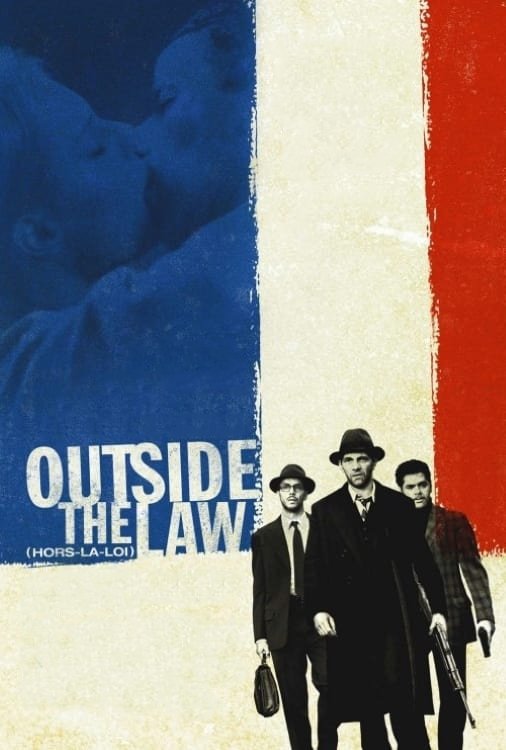
After losing their family home in Algeria in the 1920s, three brothers and their mother are scattered across the globe. Messaoud joins the French army fighting in Indochina; Abdelkader becomes a leader of the Algerian independence movement in France and Saïd moves to Paris to make his fortune in the shady clubs and boxing halls of Pigalle.
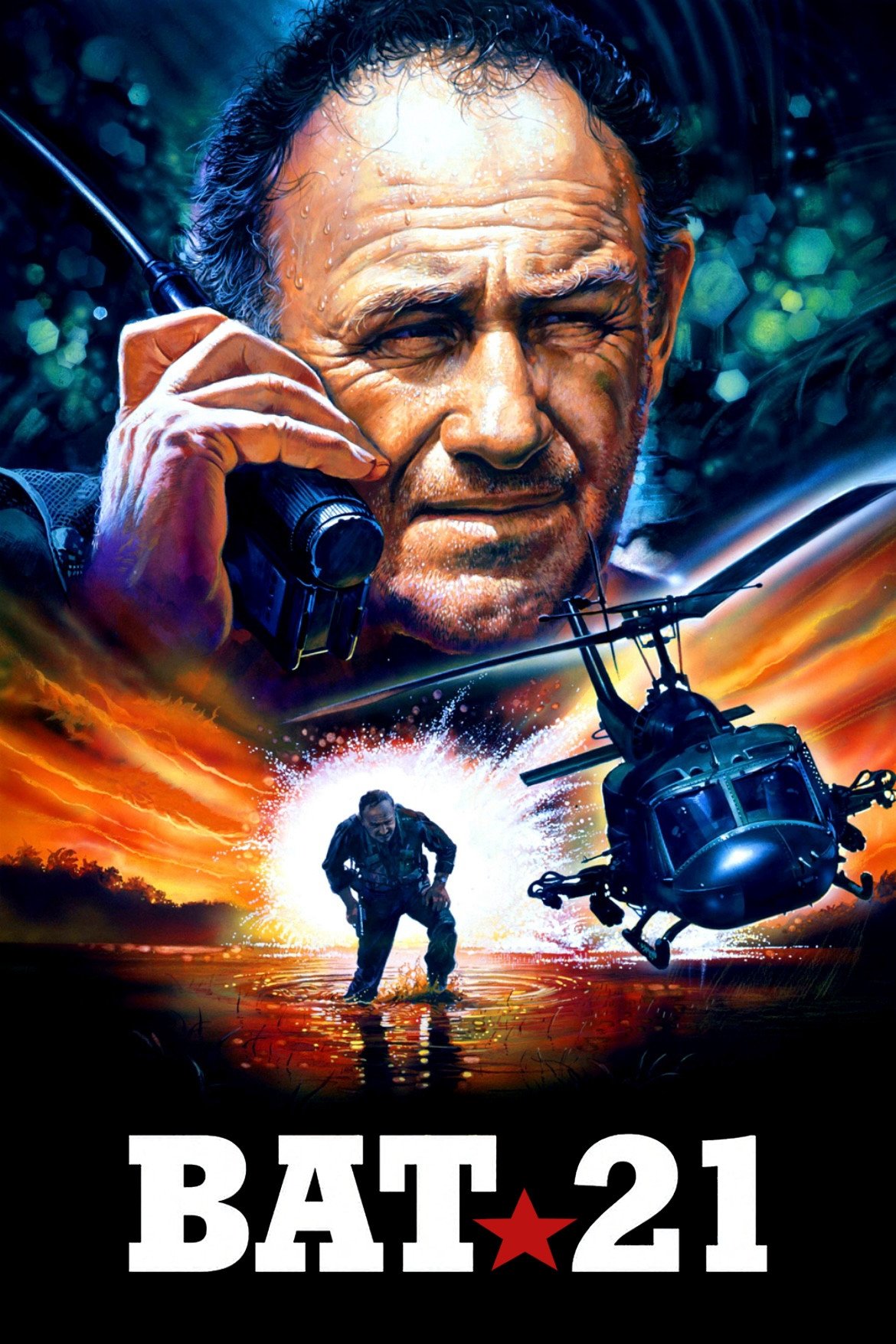
Lt. Col. Iceal "Ham" Hambleton is a weapons countermeasures expert and when his aircraft is shot over enemy territory the Air Force very much wants to get him back. Hambleton knows the area he's in is going to be carpet-bombed but a temporary shortage of helicopters causes a delay. Working with an Air Force reconnaissance pilot, Capt. Bartholomew Clark, he maps out an escape route.
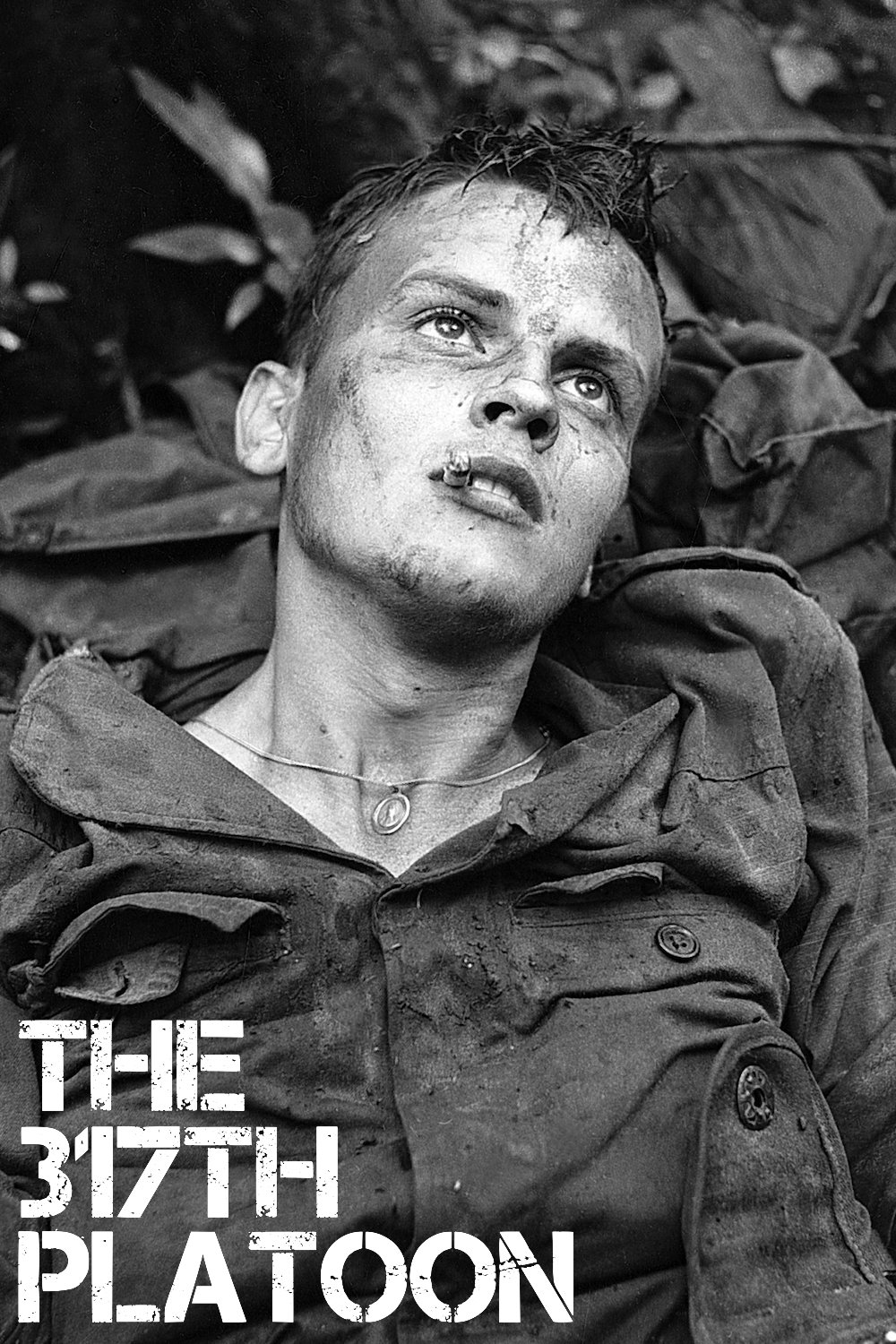
In Laos, 1954, eight days before the french defeat in the Indochina war, the 317th platoon – four french soldiers and 41 laotian combatants – has been ordered to leave its outpost and to retreat for the plains of Diên Biên Phu, where the french army is getting stucked. Led by the inexperienced and idealistic sous-lieutenant Torrens, fresh out of the military academy, and by adjutant Willsdorf, a WWII veteran of the Werhmacht, the group must cross 150 kilometers of jungle. But dripping rainwater, hostile nature, and the Viêt-minh ambushes expose them to constant danger.
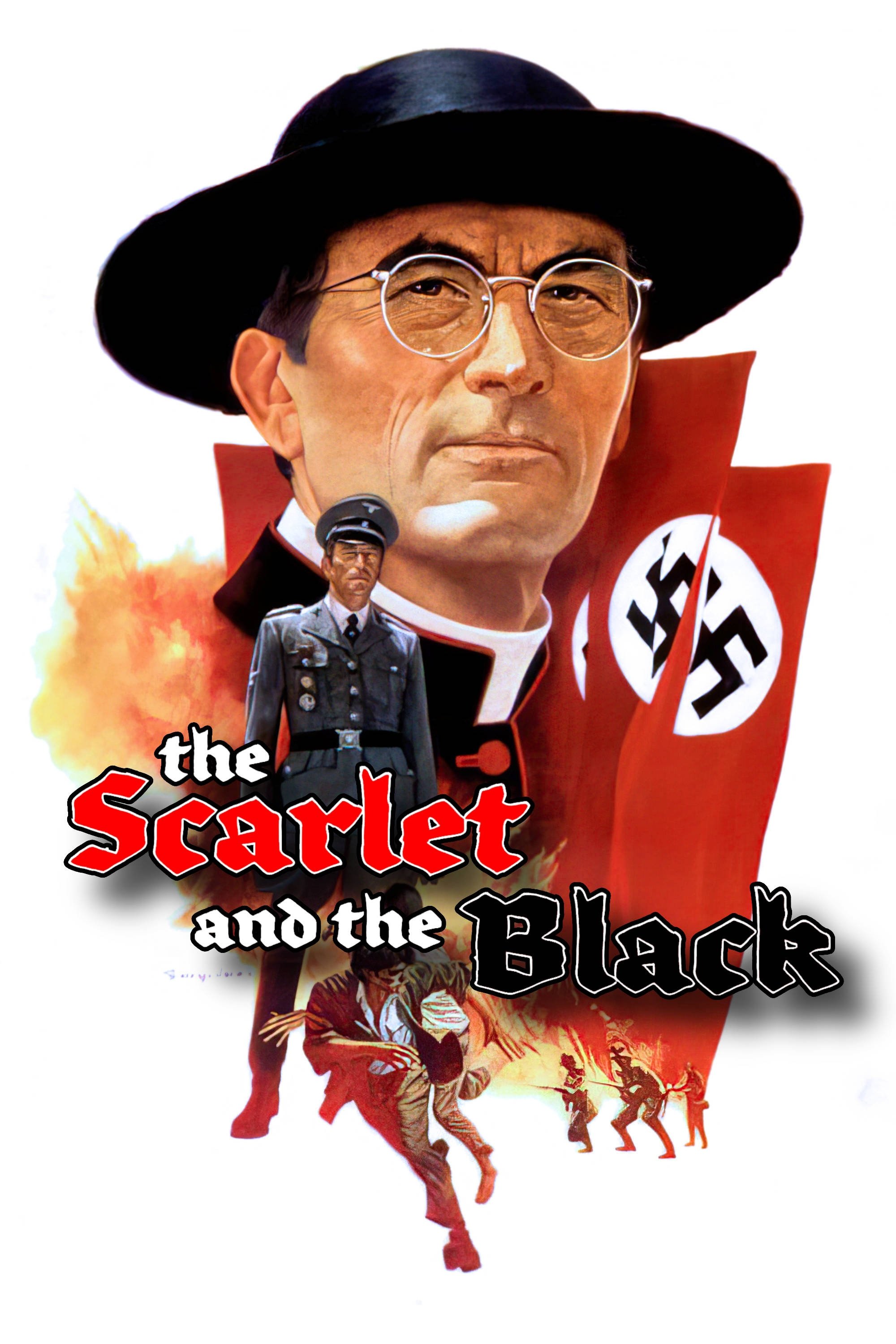
Fr. Hugh O'Flaherty is a Vatican official in 1943-45 who has been hiding downed pilots, escaped prisoners of war, and Italian resistance families. His activities become so large that the Nazis decide to assassinate him the next time he leaves the Vatican.
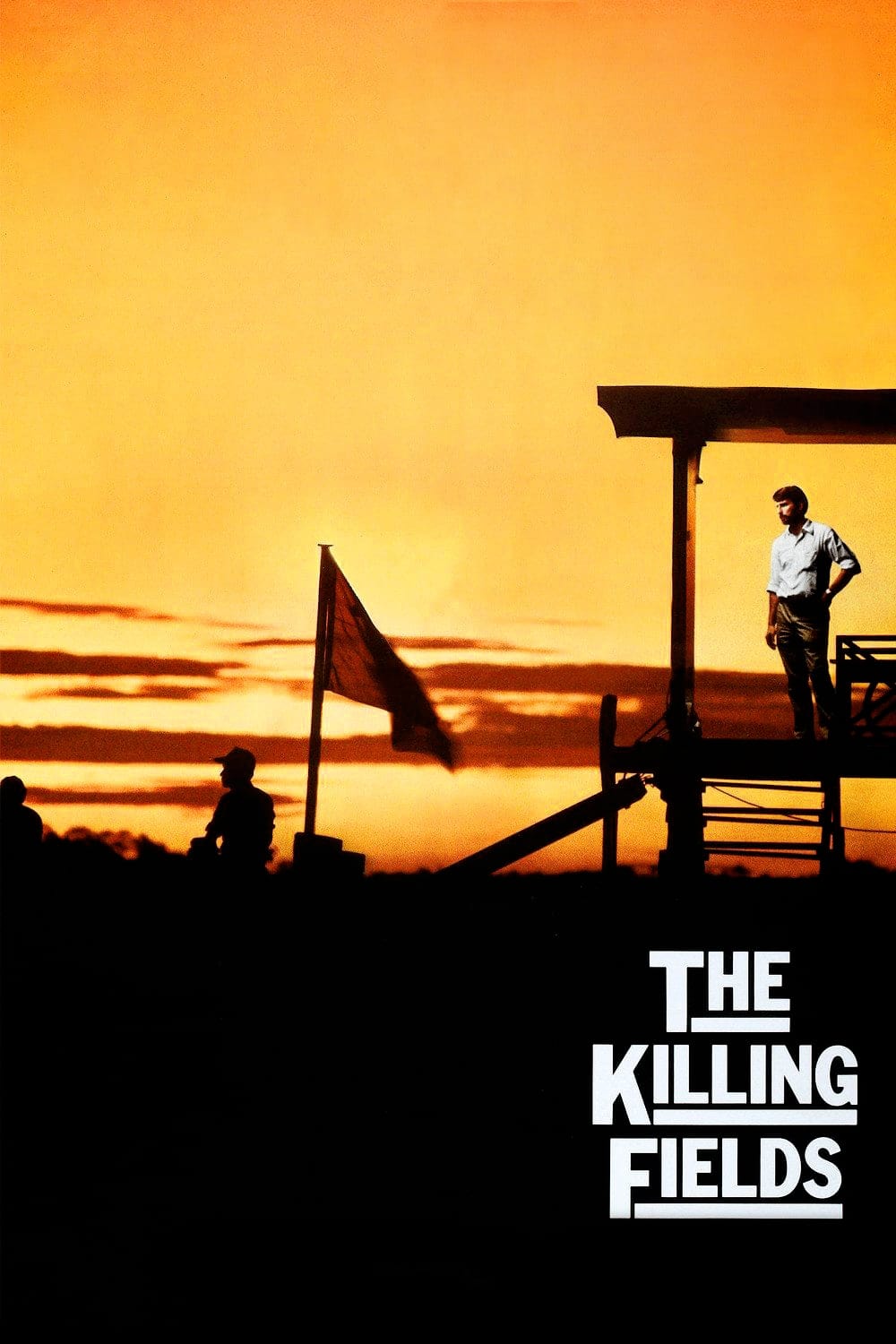
New York Times reporter Sydney Schanberg is on assignment covering the Cambodian Civil War, with the help of local interpreter Dith Pran and American photojournalist Al Rockoff. When the U.S. Army pulls out amid escalating violence, Schanberg makes exit arrangements for Pran and his family. Pran, however, tells Schanberg he intends to stay in Cambodia to help cover the unfolding story — a decision he may regret as the Khmer Rouge rebels move in.
When Andrew Briggman — a young soldier in the US Army during the invasion of Afghanistan — witnesses the murderous behavior of fellow soldiers, under the direction of a malevolent Sergeant, he faces a moral dilemma. His increasingly-violent platoon becomes suspicious that someone in their ranks has turned on them, and Andrew begins to fear for his safety. A fictionalized dramatization based on a true story.
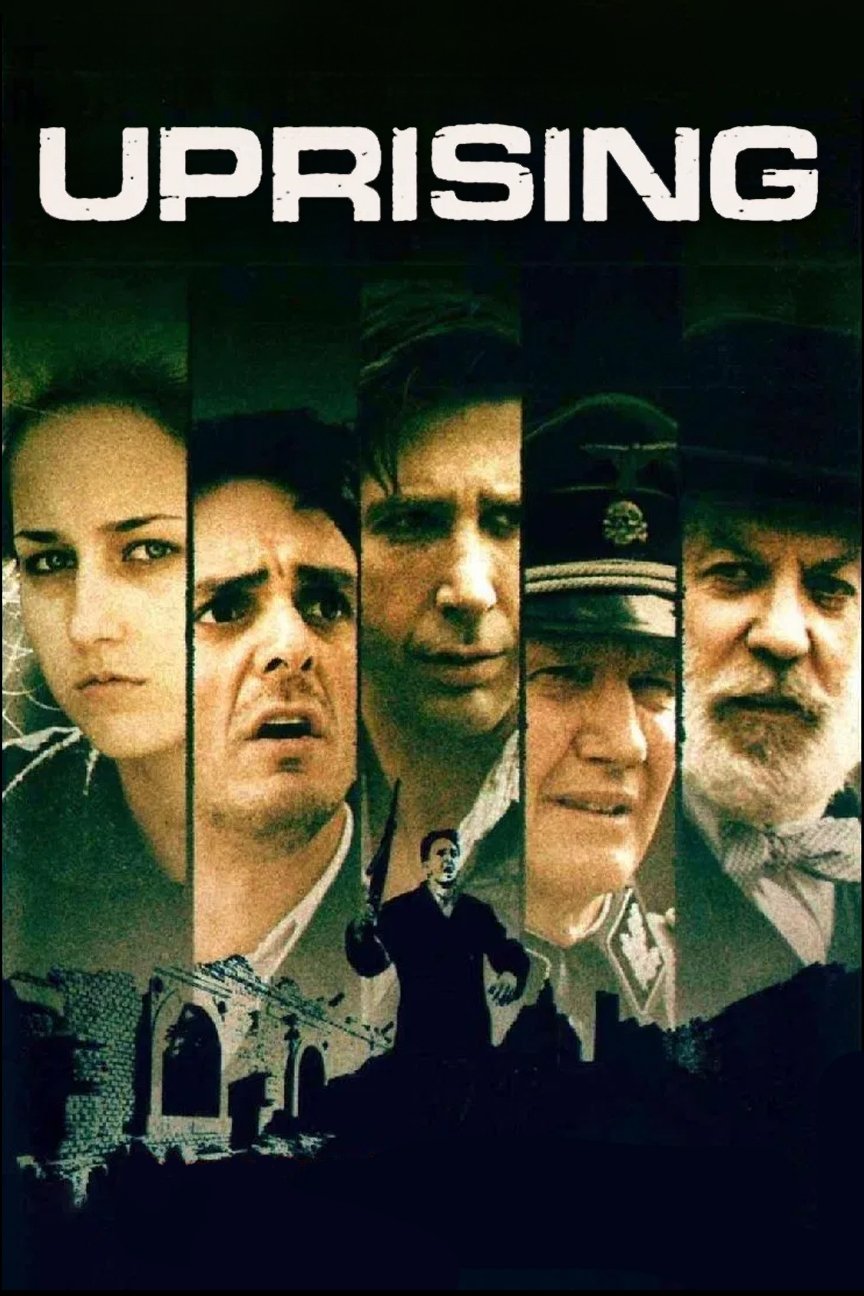
In the Warsaw ghetto in 1943, Jews rise against the Nazis.
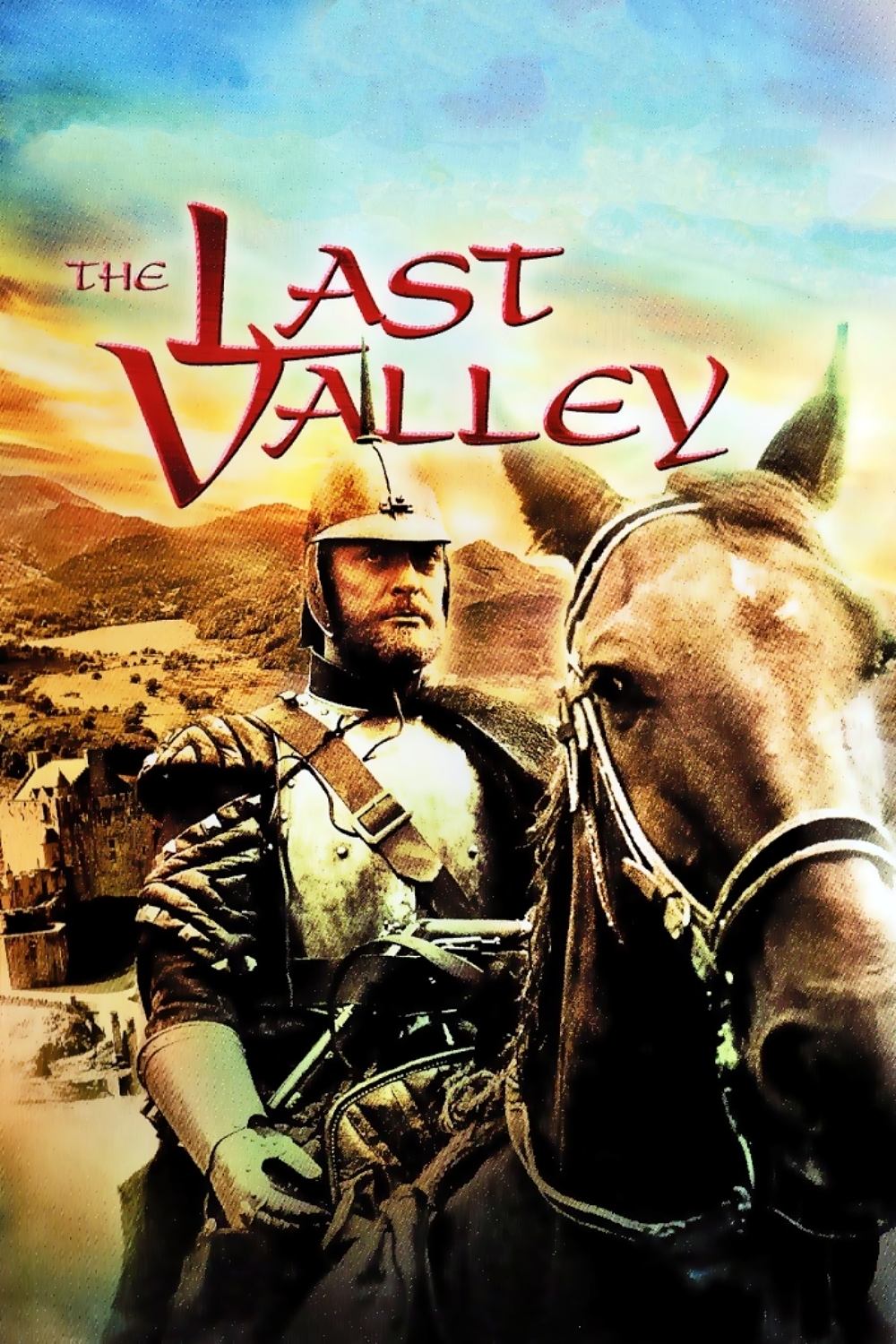
People in a small German village in the last valley to remain untouched by the devastating Thirty Years' War try to exist in peace with a group of soldiers occupying the valley.
Two brothers are divided by marriage and fate during the 100 horrifying days of the 1994 Rwandan genocide.