Social & External
herself
himself

Christof Wackernagel, best known in Germany as an actor and former member of the Red Army Faction ("RAF") lives in Mali. In his compelling portrait, Jonas Grosch shows a man who simply cannot stand still if he senses injustice. The courage to stand up for one’s beliefs coupled with vanity? However one chooses to look at it, it is easy to imagine what made him connect with the "RAF". With his irrepressible will for freedom, Christof Wackernagel gets entangled in the horrors of day-to-day life in Africa.
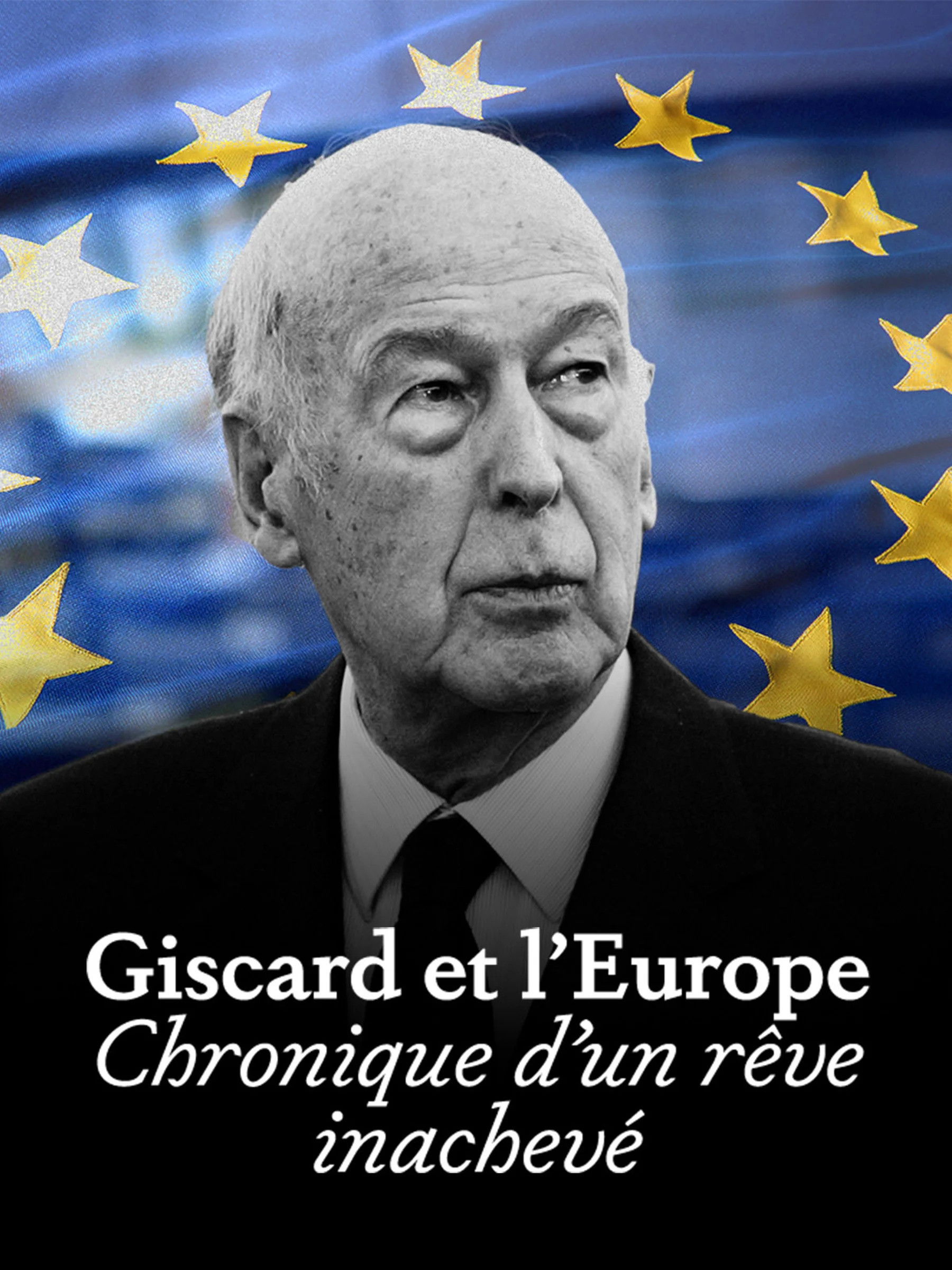
Over half a century of public service, Valéry Giscard d'Estaing embodied the dream of a united and strong Europe. From the youthful enthusiasm of the 1950s to the disillusionment of the 2005 referendum, his career chronicles an ideal confronted with the realities of power, national resistance, and populist winds. He tirelessly attempted to realize his youthful dream: a United States of Europe.

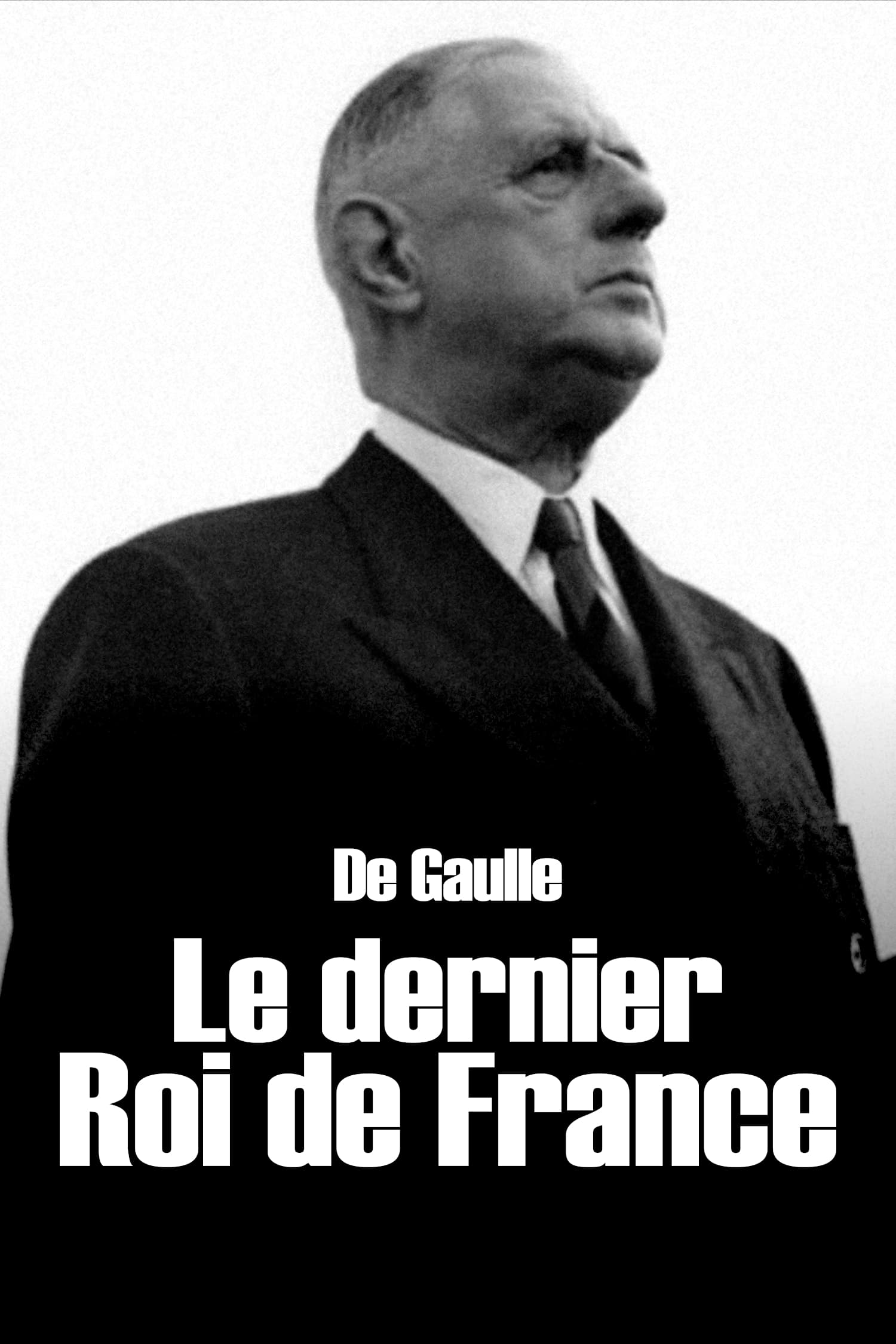
Charles de Gaulle, the first president (1958-1969) of the Vth Republic, France’s current system of government, left his mark on the country . He was statesman of action and has been compared to a monarch. This film depicts the general’s personality through the great events of his presidential term, at a time when the world was undergoing considerable changes.
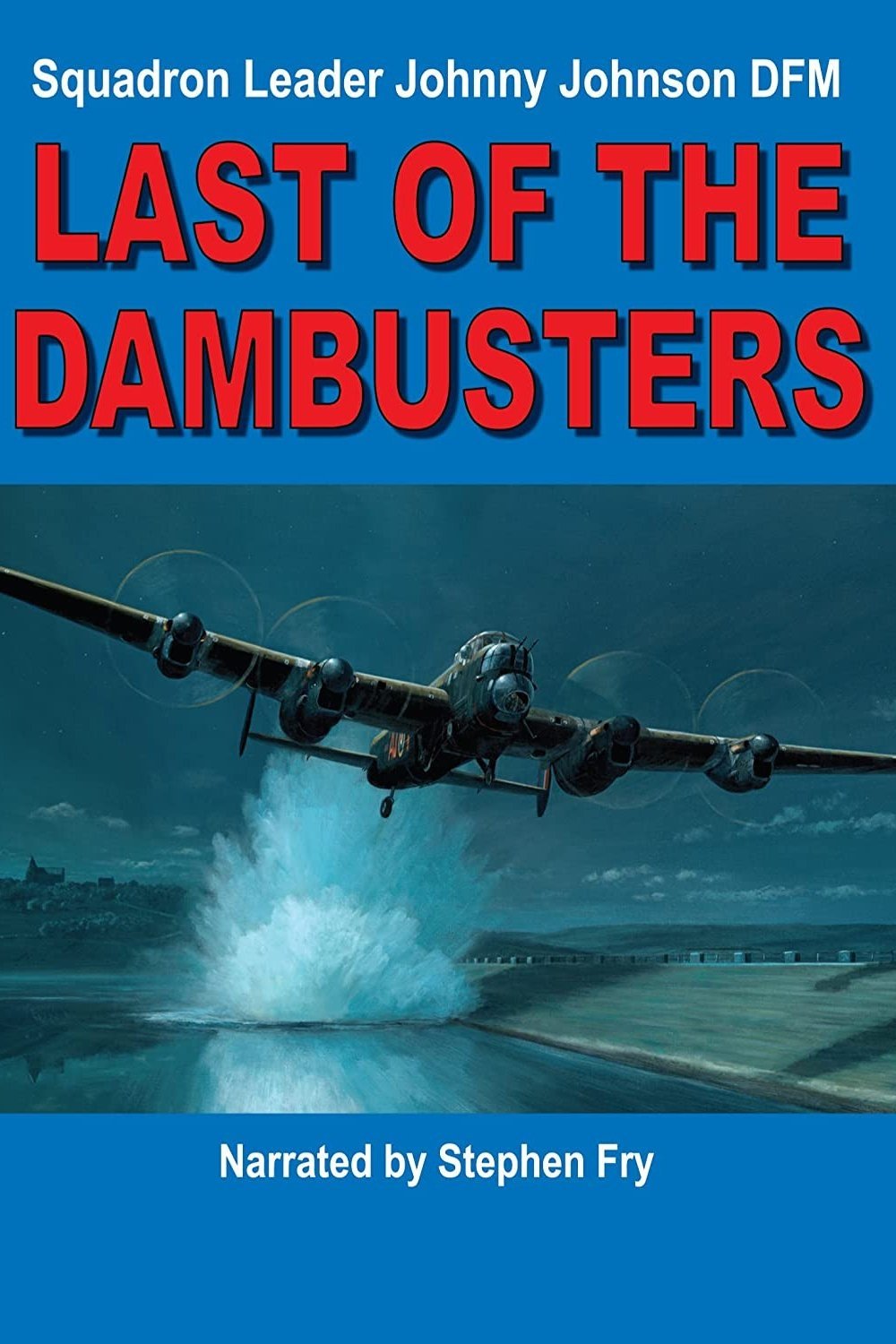
This is the story of a living legend and his part in one of the greatest exploits in British military history: Operation Chastise was the code name given to one of the most audacious air raids of World War II - on the night of 16/17 May 1943, nineteen Lancasters with 133 men of the specially formed 617 Squadron took off from RAF Scampton to attack the Mohne, Sorpe, Ennepe and Eder dams at the heart of the Ruhr. Squadron Leader Johnny Johnson DFM is one of the Last of the Dambusters and hero of the most daring air raid of World War Two.
The 1905 law proclaiming the separation of church and state is 120 years old. This law affirms freedom of conscience and religious freedom. It is considered the founding text of secularism. Secularism is the subject of endless controversy and debate.
This early, influential propaganda film blends documentary and studio footage to show the valiant efforts of the Royal Air Force to defend the British people against the Nazis.
Following a national crisis, the citizens of Iceland rallied together to collectively write the first ever crowdsourced constitution. A deeply touching account of an eclectic group of individuals reinventing democracy through the rewriting of the nation's constitution, proving that Iceland is not a broken country but instead an intricate web of concerns, ideas, and ultimately creative solutions.
Through the testimonies of some Italian women, the documentary evokes the day of 2 June 1946, when they were called upon to cast their vote for the first time. The battles conducted by Italian women in the years leading up to 1946 to demand recognition of the right to vote. The approval of the right to vote for women by the Italian Parliament on 1 February 1945, at the proposal of the Italian Communist Party Secretary Palmiro Togliatti and statesman and founder of the Christian Democratic Party De Gasperi. The role of the first 21 women elected to the Constituent Assembly on 2 June 1946, and their contribution to the writing of the Italian Constitution.
FIAT EMPIRE was one of the first films to come out on the Federal Reserve System providing a valuable primer on a complex subject. This 60-minute documentary explores why some feel the "Fed" is a "bunch of organized crooks" (as John Adams put it) and others feel some of its practices "are in violation of the U.S. Constitution." Discover why experts agree the Fed is a banking cartel that benefits mainly bankers, their clients in need of "easy money" and bailouts, and a Congress that would rather go deeper in debt than seek funding from its constituents. Long-term studies indicate the Federal Reserve System encourages war, destabilizes the economy (by causing boom and bust cycles), generates inflation (a hidden tax) and is the supreme instrument of unjust enrichment for a select group of insiders. If you are fed up with an ever-expanding state and corporations that are "too-big-to-fail," look no farther than the fiat currency printed by the Federal Reserve System.
On October 4, 2018, France celebrated the 60th anniversary of the Fifth Republic. It is a republic born in the throes of the Algerian War and one which—from the day it was founded by General de Gaulle until the presidency of a very Jupiterian Emmanuel Macron—has been assailed as a “Republican monarchy” by partisans of a more assertive parliamentarian state. By revisiting the struggle of those who dared oppose the new regime — only to suffer a crushing defeat on September 28, 1958, when they were barely able to garner 20% of the vote against the constitutional text — this film shines a powerful new light on the origins of the Fifth Republic and its consequences for the next 60 years. It is a constitutional debate that planted the seeds for a complete upheaval of the French political landscape, on the left in particular, and set the country in motion toward what would be called the Union of the Left.
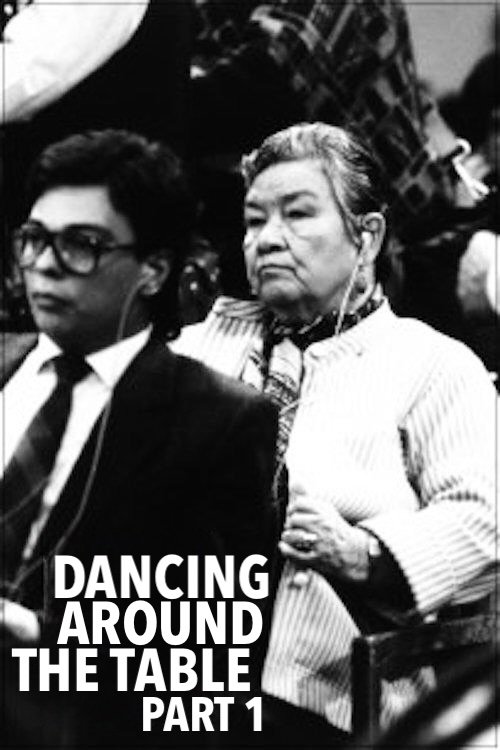
Dancing Around the Table: Part One provides a fascinating look at the crucial role Indigenous people played in shaping the Canadian Constitution. The 1984 Federal Provincial Conference of First Ministers on Aboriginal Constitutional Matters was a tumultuous and antagonistic process that pitted Prime Minister Pierre Elliot Trudeau and the First Ministers—who refused to include Indigenous inherent rights to self-government in the Constitution—against First Nations, Inuit and Métis leaders, who would not back down from this historic opportunity to enshrine Indigenous rights. The conference was Pierre Elliott Trudeau’s last constitutional meeting before he resigned and the process was handed over to his successor, Brian Mulroney.
At the end of the 1960s the post-war generation began to revolt against their parents. This was a generation disillusioned by anti-communist capitalism and a state apparatus in which they believed they saw fascist tendencies. This generation included journalist Ulrike Meinhof, lawyer Horst Mahler, filmmaker Holger Meins as well as students Gudrun Ensslin and Andreas Baader.
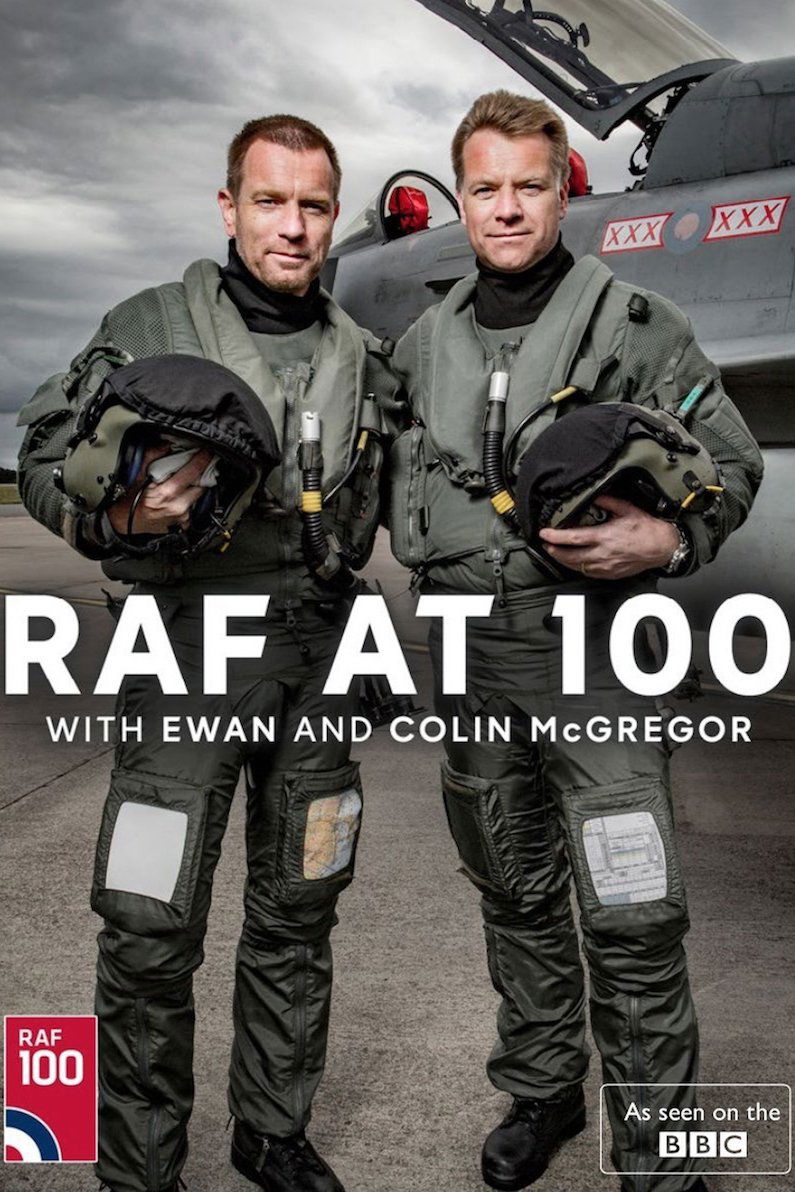
To celebrate the centenary of the Royal Air Force, Ewan and Colin McGregor take to the skies in some of the world's most iconic planes. These are the planes that were involved in aerial combat at every stage of the RAF's story, from the biplanes used in the early days of dogfighting in World War I to the beautiful Spitfire of the Battle of Britain, the plucky Lysander and on to mighty Vulcan nuclear bomber, as well as the Chinook helicopter and supersonic Typhoon that are still in service today. It is a story of amazing machines and epic battles, but above all it is the story of the men and women whose courage and ingenuity have been at the heart of the RAF for 100 years. On their journey Ewan and Colin meet an amazing cast of characters.
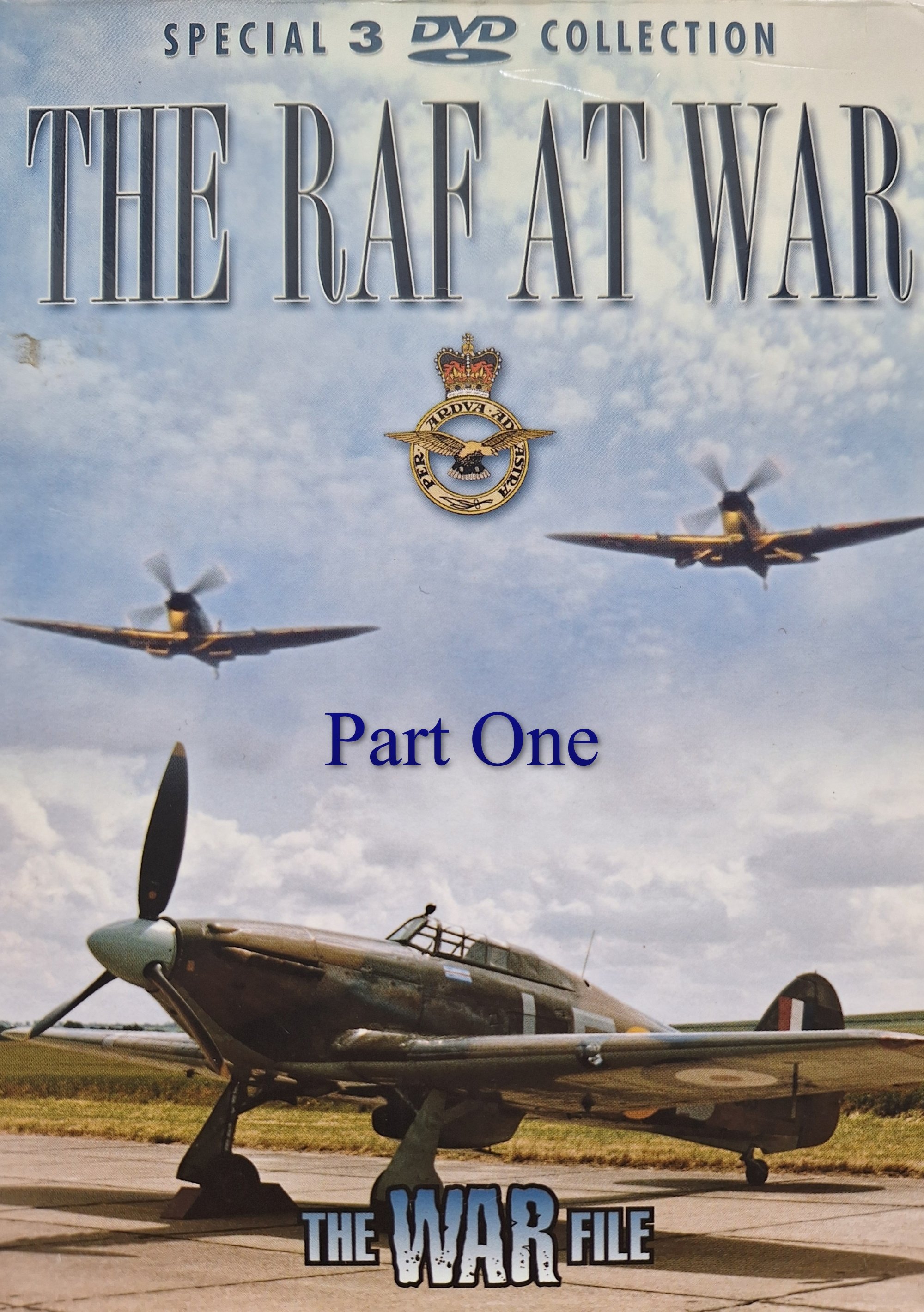
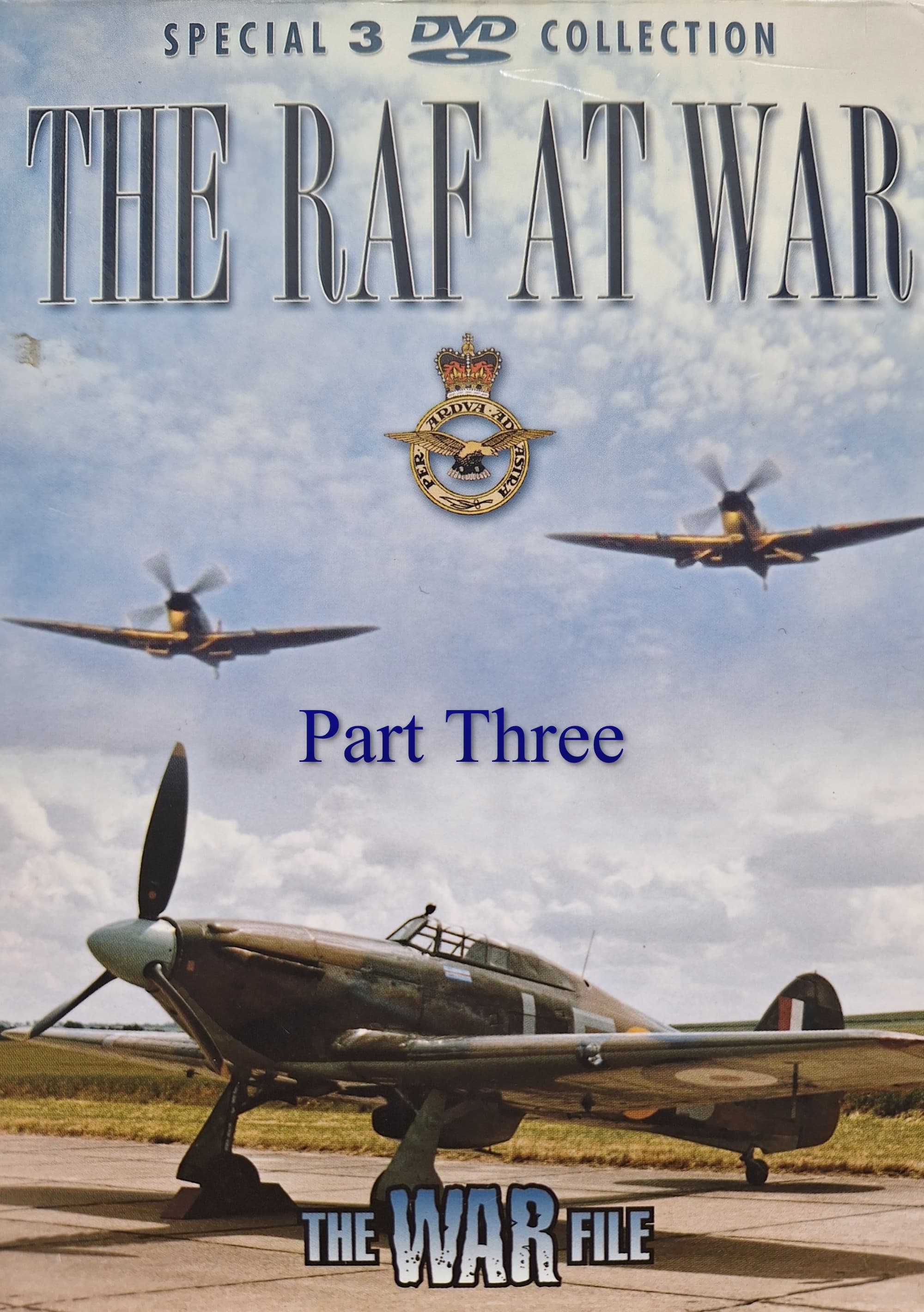
Three part documentary of the history of the Royal Air Force during World War Two. They combine actual Air Ministry films and period newsreel footage with interviews of surviving members of the air force. The first part covers the period from the 'phoney war', the invasion of Poland and the early bombing raids on enemy shipping, through to the attacks on France. Aircraft featured include the Blenheim and Wellington bombers, the Sunderland flying boat, Spitfires and Hurricanes and the opposing ME109.
Three part documentary of the history of the Royal Air Force during World War Two. They combine actual Air Ministry films and period newsreel footage with interviews of surviving members of the air force. The second part covers the early years of 1939-1940 from the threat of German invasion preceded by Oporation Eagle attacks on airfields and ports, through the Battle of Britain to the commencement of the British bombing of Berlin after attacks on London and wider civilian casualties such as Coventry.
Three part documentary of the history of the Royal Air Force during World War Two. They combine actual Air Ministry films and period newsreel footage with interviews of surviving members of the air force. This final part covers the the years 1941-1945 from the campaigns to attack German military targets to mass night bombing, primarily from the viewpont of Bomber Command, and associated Air-Sea rescue. It ends with the food aid flights to the Netherlands immediatly prior to Victory in Europe. Featured aircraft include the Bristol Blenheim, the Vickers Wellington, and the heavy bombers Short Stirling, Handley Page Halifax and Avro Lancaster.
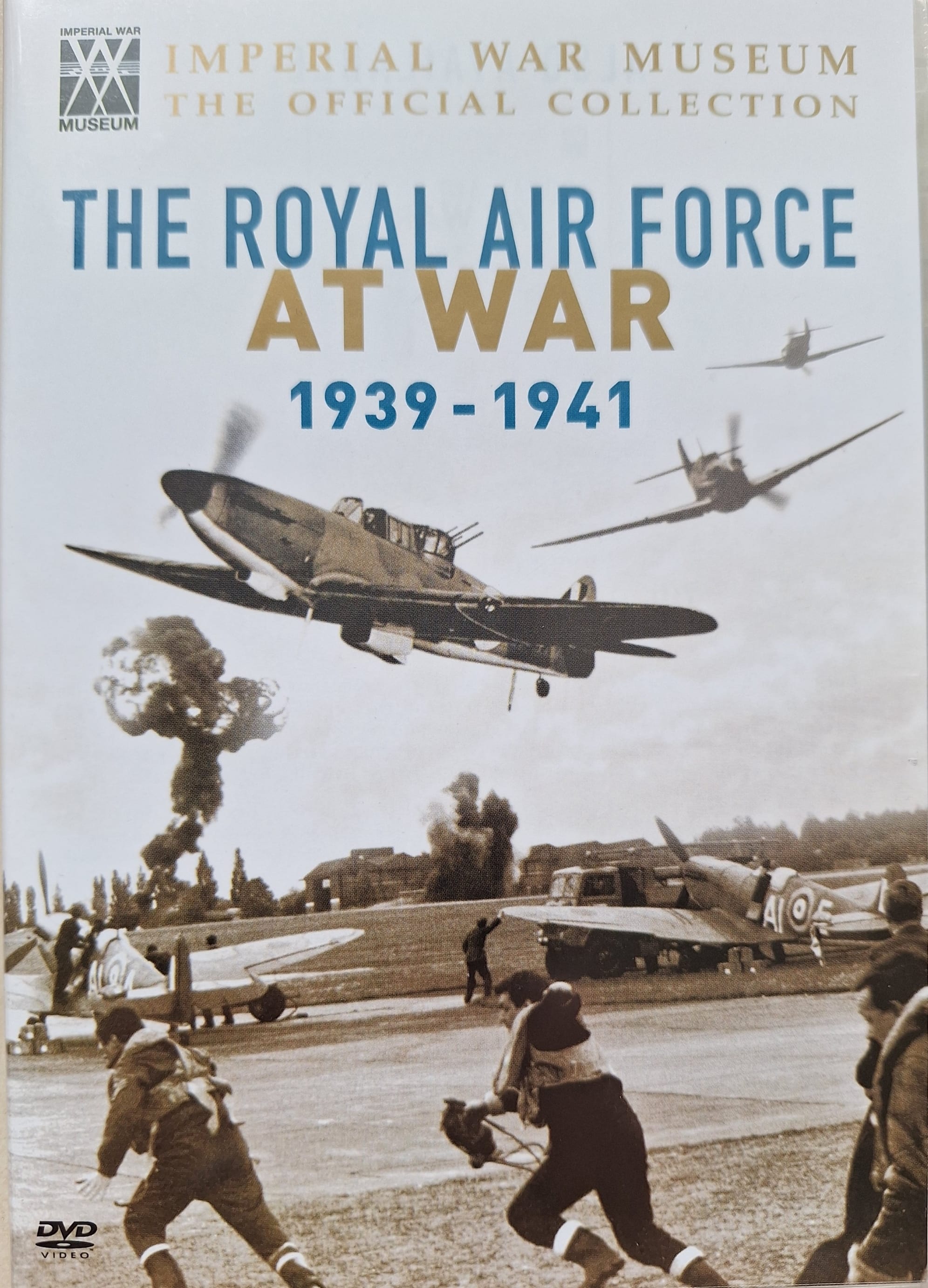
Compiled from the Imperial War Museum Official Collection, this film collects rare and previously unseen film material shot by official cameramen on behalf of the RAF before the formation of the RAF Film Production Unit in September 1941. It tells the story of the RAF in the early years of the Second World War through the "phoney war", the Blitzkfreig and the Battle of Britain, capturing everyday life for those who served as wel as the RAF's frontline aircraft of the period. Other highlights include a fillmed account of a Blenheim raid on Northern France, a Sunderland flying boat sortie over Norway and Winston Churchill inspecting the new American aircraft for the RADF including the B-17, Douglas Boston and P-40.
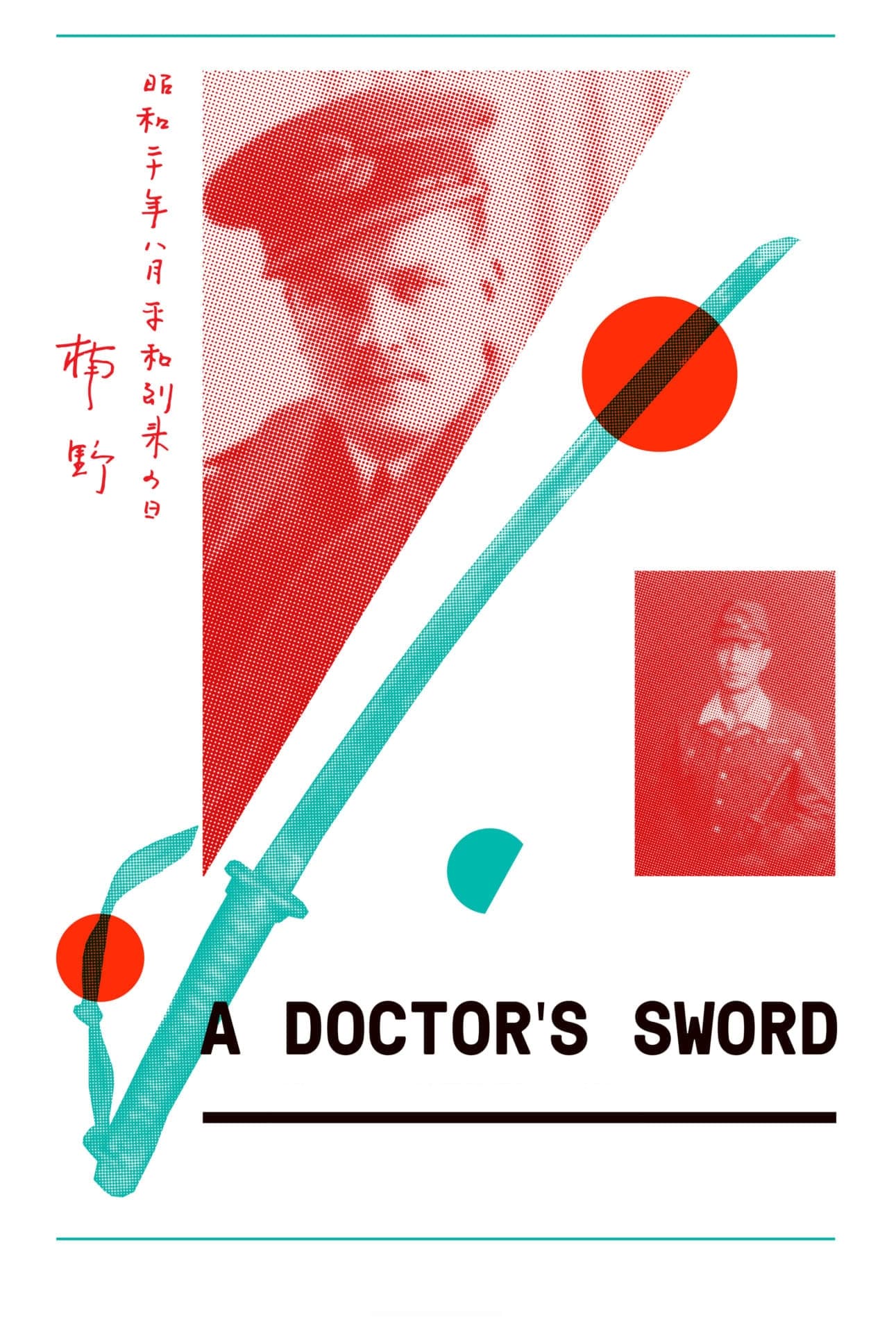
An Irish doctor survived the atomic bomb attack on Nagasaki and was given a Samurai sword for the lives he saved. 70 years later his family searches for the origin of their father's sword.
A purely observational non-fiction film that takes viewers into the ethically murky world of end-of-life decision making in a public hospital.
A documentary about the life and films of director John Ford.
In the Realms of the Unreal is a documentary about the reclusive Chicago-based artist Henry Darger. Henry Darger was so reclusive that when he died his neighbors were surprised to find a 15,145-page manuscript along with hundreds of paintings depicting The Story of the Vivian Girls, in What is Known as the Realms of the Unreal, of the Glodeco-Angelinnian War Storm, Cased by the Child Slave Rebellion.
Daniel Craig candidly reflects on his 15 year adventure as James Bond. Including never-before-seen archival footage from Casino Royale to the upcoming 25th film No Time To Die, Craig shares his personal memories in conversation with 007 producers, Michael G Wilson and Barbara Broccoli.
A detailing of the rise to prominence and global sporting superstardom of six supremely talented young Manchester United football players (David Beckham, Nicky Butt, Ryan Giggs, Paul Scholes, Phil and Gary Neville). The film covers the period 1992-1999, culminating in Manchester United's European Cup triumph.
Those who knew iconic funnyman John Candy best share his story, in their own words, through never-before-seen archival footage, imagery, and interviews.
Bruce Conner’s most celebrated film for a reason: it takes historical moments that were replayed over and over on television—chilling repetition of Kennedy assassination coverage—and repurposes them into a meditation on how the media tries to exert authority and apply a sense of order to the anarchic. And though it may sound perverse to say so, the film is also—not incidentally—a thrill to watch. -- The A.V. Club
Investigators reveal how Boeing’s alleged priority of profit over safety could have contributed to two catastrophic crashes within months of each other.
Behind-the-scenes documentary about how Lionel Messi succeeded in lifting the World Cup – the only trophy to have eluded him in an incredible career.
Filmed over 14 months with unprecedented access into the inner circle of the man and the sport, this is the first official and fully authorised film of one of the most celebrated figures in football. For the first time ever, the world gets vividly candid and un-paralleled, behind-closed-doors access to the footballer, father, family-man and friend in this moving & fascinating documentary. Through in-depth conversations, state of the art football footage and never before seen archival footage, the film gives an astonishing insight into the sporting and personal life of triple Ballon D'Or winner Cristiano Ronaldo at the peak of his career. From the makers of ‘Senna’ and ‘Amy’, Ronaldo takes audiences on an intimate and revealing journey of what it’s like to live as an iconic athlete in the eye of the storm.
The elite pilots of the Air Force Thunderbirds display exceptional skill, trust and courage during a high-stakes training season.
JB Smoove and Martin Starr host a celebration of 20 years of "Spider-Man" movies, from the Sam Raimi trilogy to Marc Webb's movies and the trio from Jon Watts.
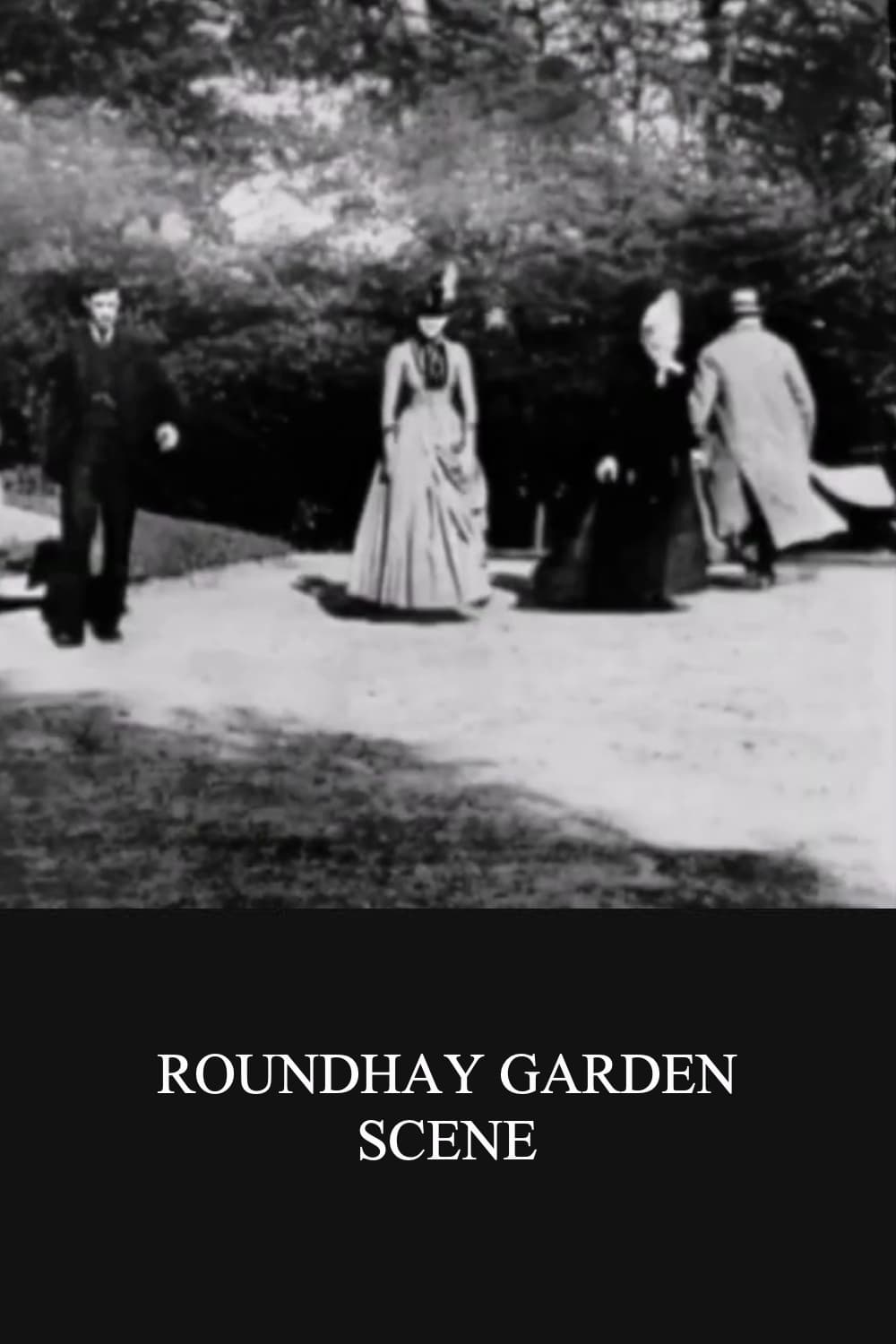
The earliest surviving motion-picture film, and believed to be one of the very first moving images ever created, was shot by Louis Aimé Augustin Le Prince using the LPCCP Type-1 MkII single-lens camera. It was taken on paper-based photographic film in the garden of Oakwood Grange, the Whitley family house in Roundhay, Leeds, West Riding of Yorkshire (UK), on 14 October 1888. The film shows Adolphe Le Prince (Le Prince’s son), Mrs. Sarah Whitley (Le Prince’s mother-in-law), Joseph Whitley, and Miss Harriet Hartley walking around in circles, laughing to themselves, and staying within the area framed by the camera. Roundhay Garden Scene is often associated with a recording speed of around 12 frames per second and runs for about 2 to 3 seconds.
The life and career of an actor, artist, and icon. His own journey through his own camera.
Documentarian Ross McElwee originally set out to make a travelogue of sorts tracing General William T. Sherman's infamous scorched-earth march through the Confederacy in the latter stages of the Civil War. Instead, haunted by a recent breakup with a girlfriend, McElwee ends up documenting his progress -- or lack thereof -- in starting a new relationship. His journey then becomes one of self-reflection and self-discovery rather than a historical/sociological exploration.
From the heights of her modeling fame to her tragic death, this documentary reveals Anna Nicole Smith through the eyes of the people closest to her.
The life of Mr. Spock, as well as that of Leonard Nimoy, the actor who played him for almost fifty years, written and directed by his son: Adam.
A compilation of over 30 years of private home movie footage shot by Lithuanian-American avant-garde director Jonas Mekas, assembled by Mekas "purely by chance", without concern for chronological order.
A night of drunken chaos rocks a quiet Dutch town in this shocking documentary about a teen's birthday invite that accidentally went viral on Facebook.
Alexander McQueen's rags-to-riches story is a modern-day fairy tale, laced with the gothic. Mirroring the savage beauty, boldness and vivacity of his design, this documentary is an intimate revelation of McQueen's own world, both tortured and inspired, which celebrates a radical and mesmerizing genius of profound influence.