The life of a female weaver is thrown onto the socio-political canvas of pre-war and post-war communist Poland through the use of expressive allegorical and symbolic imagery in this imaginative take on the documentary form.
Social & External
Several key words emerge from Hugo Pratt's work, inseparable from his life: travel, adventure, erudition, esotericism, mystery, poetry, melancholy... and of course, Corto Maltese, his hero and alter ego, who established him as one of the greatest names in comic books. Born in Italy in 1927 and dying in Switzerland sixty-eight years later, Hugo Pratt, born without an H and with only one T, grew up in the shadow of a fascist father who took him at a very young age to Ethiopia, which was occupied by Mussolini's forces. The teenager developed a fascination for the wide-open spaces of Africa, soon followed by an irresistible attraction to the Indian world. This was the starting point for a life of travel, success, conquests, rare failures, and marked by his veneration for the American cartoonist Milton Caniff, his absolute master.
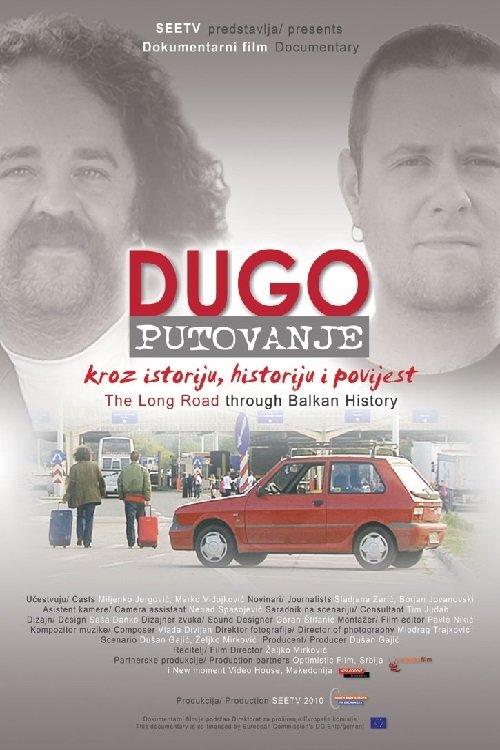
Bosnian Croat writer Miljenko Jergović and Serbian writer Marko Vidojković replace one another by the steering wheel of Yugo, a symbol of their common past while driving on the Brotherhood and Unity Highway that stretched across five of six republics of Yugoslavia.
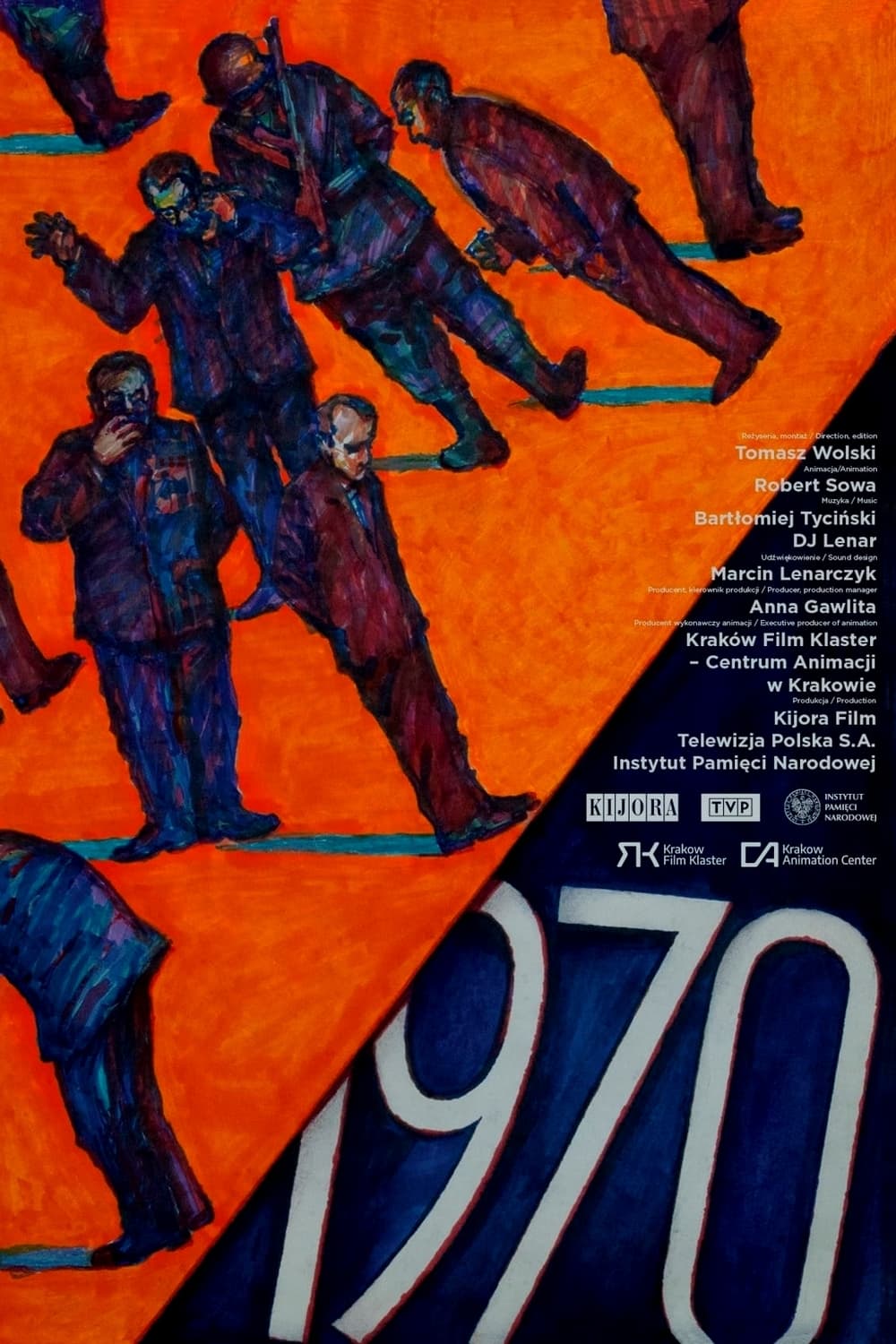
Poland, 1970. When popular protests erupt in the streets due to rising prices, the communist government organizes a crisis team. Soon after, the police use their truncheons and then their firearms. The story of a rebellion from the point of view of the oppressors.
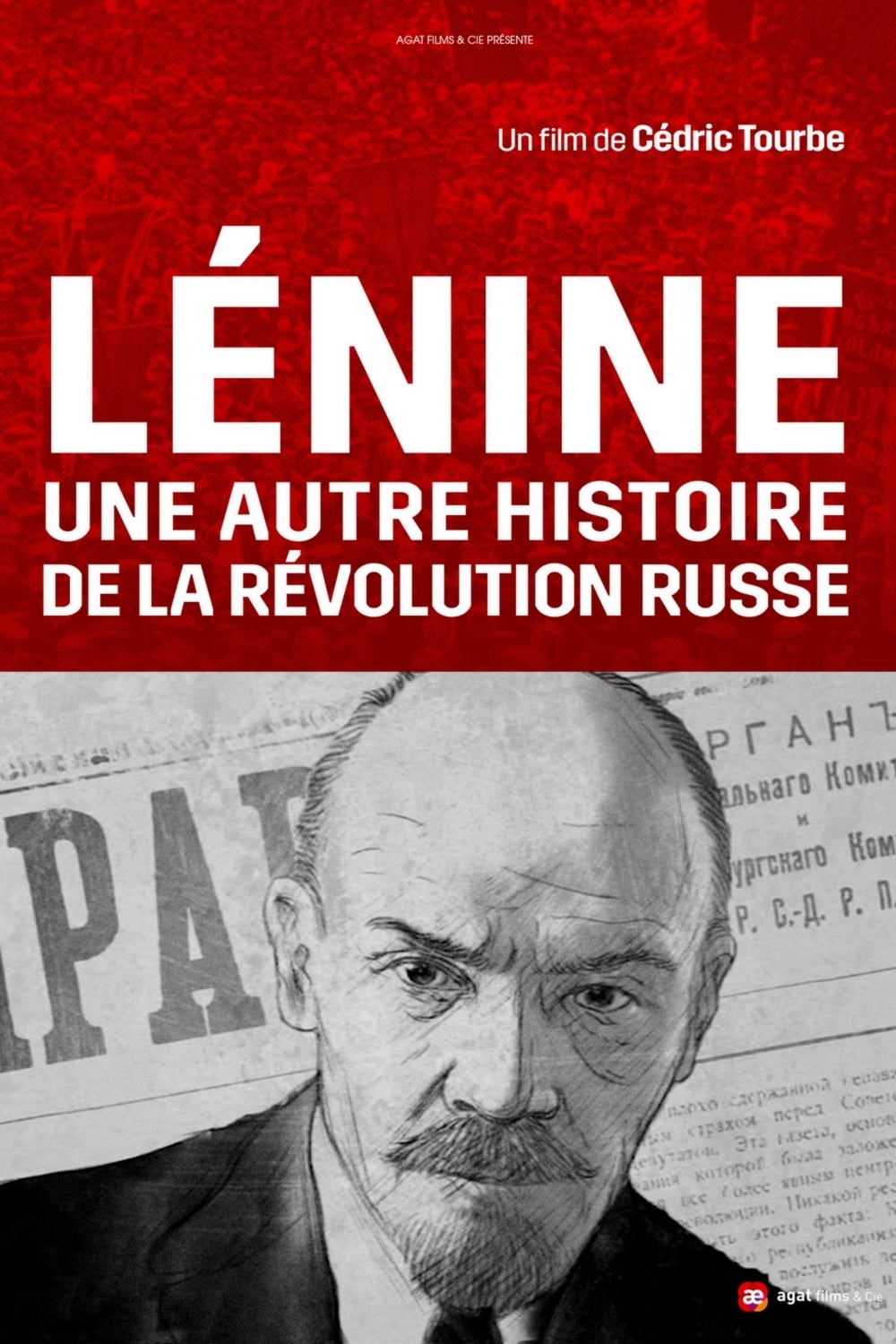
Vladimir Ilyich Ulyanov, better known as Lenin, is remembered as the instigator of the October Revolution of 1917 and, therefore, as one of the men who changed the shape of the world at that time and forever, but perhaps the actual events happened in a way different from that narrated in the history books…
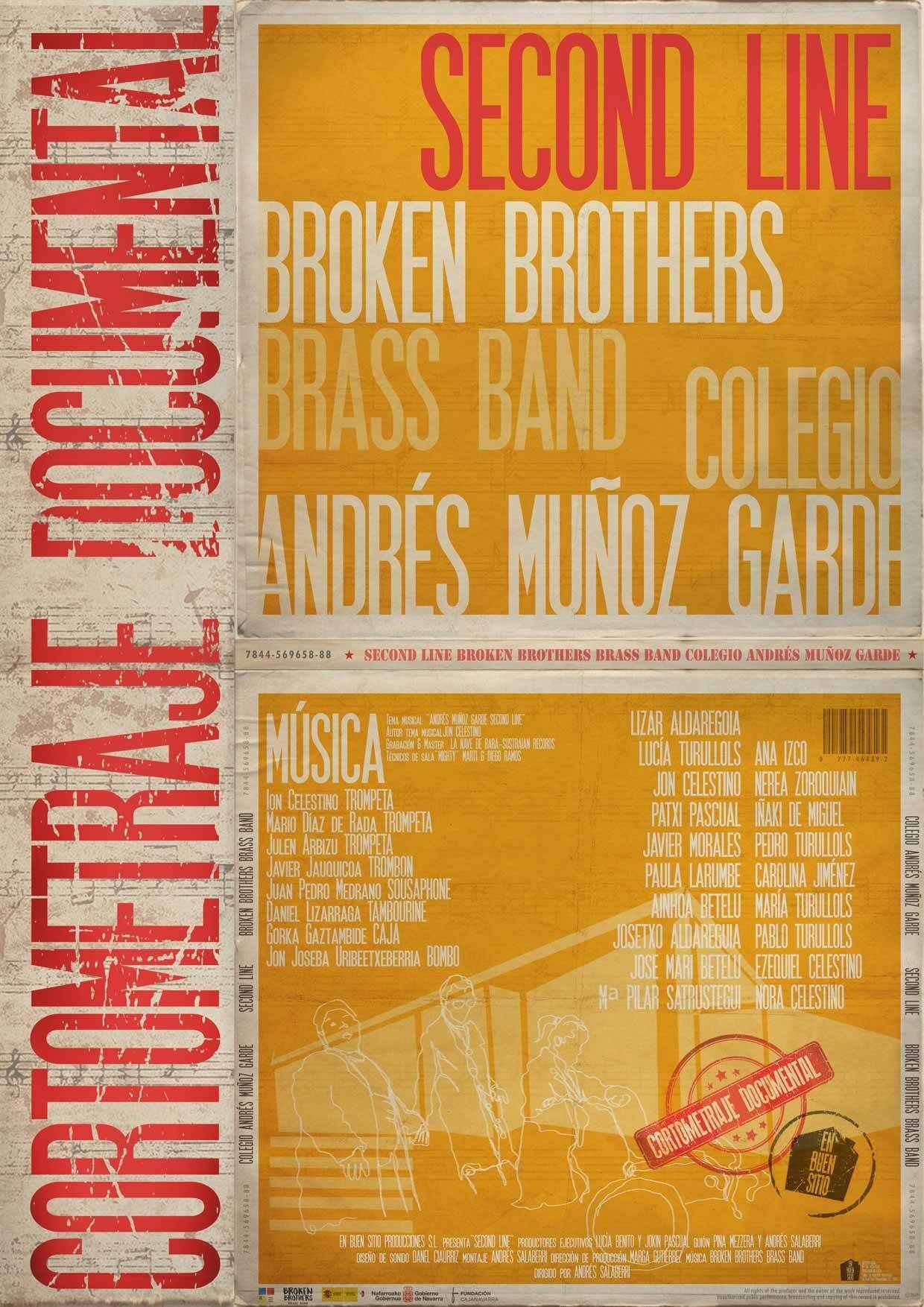
The Broken Brothers Brass Band visits the Andrés Muñoz Garde public special education school in Pamplona. And through their interaction with the workers, the volunteers and even the beneficiaries, the work that is done there is revealed, the universe that is hidden there.
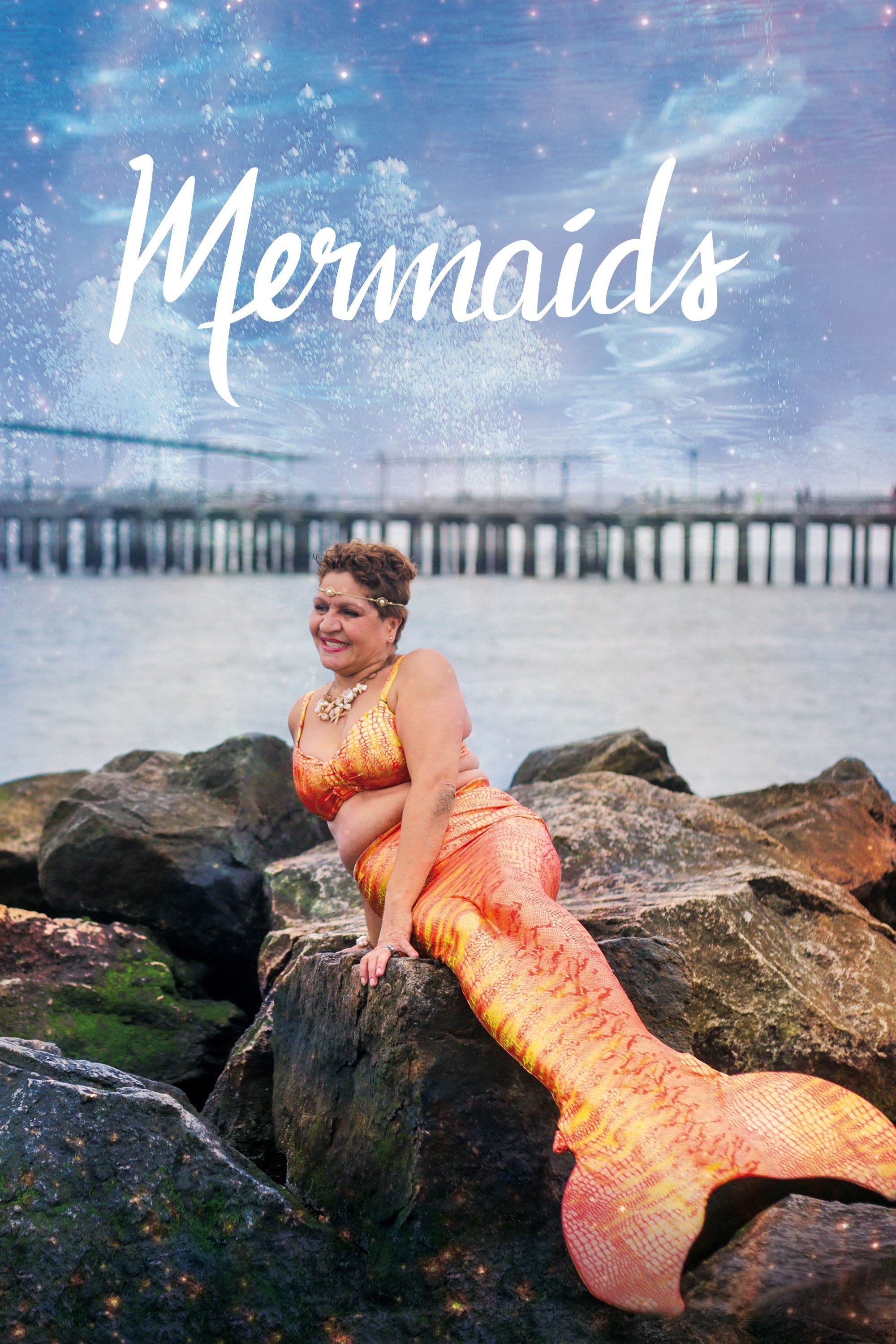
In this tribute to the eternal allure of an ancient myth, colourful fins and swimming pools fill the lives of five modern-day women who strive to embody the mysterious siren as part of a growing “mermaiding” subculture.
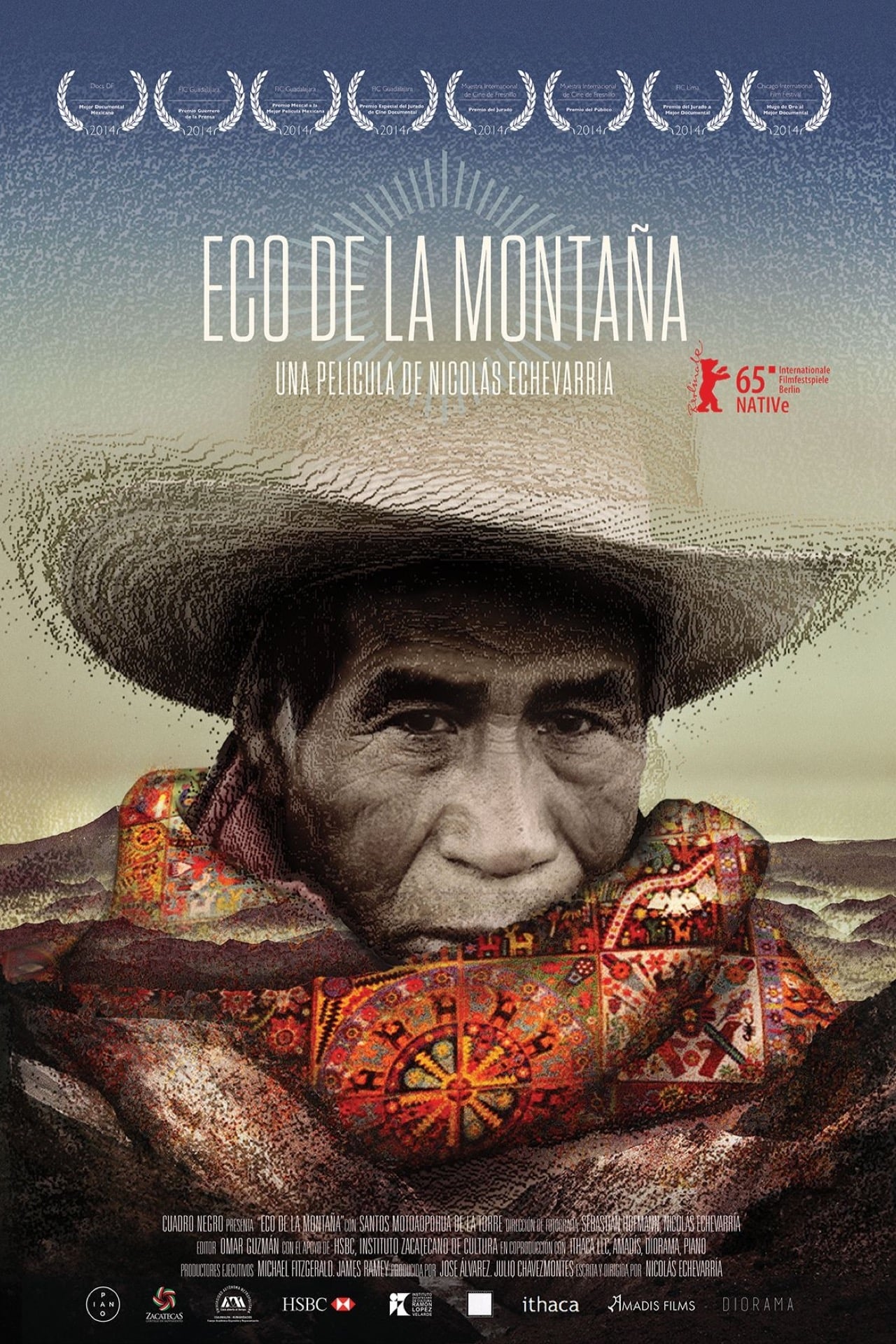
Echo of the Mountain takes a look at the life and work of Santos de la Torre, a great Huichol artist who, like his people, lives in oblivion. Despite having made a great mural for the metro station Palais Royal – Musée du Louvre, Santos lives isolated and ignored in his country. This documentary follows his pilgrimage to Wirikuta, where he asks gods for permission to make a new mural; his journey across 385 miles of the Peyote Route, and Santos's creative process during the making of a new mural which aims to illustrate the history, mythology and religious traditions of the Huichol people.
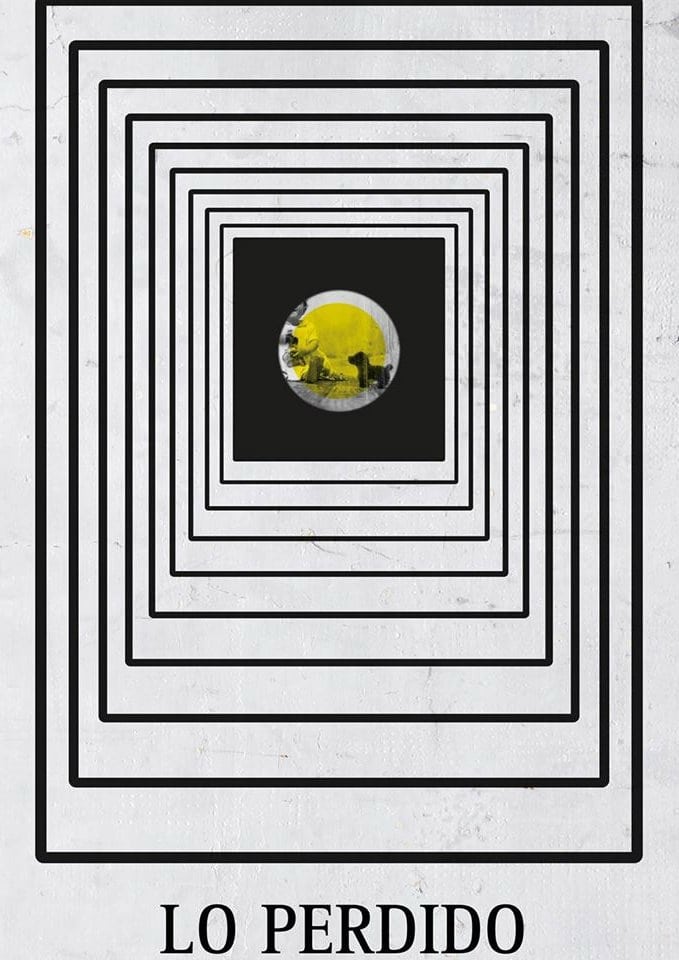
My mother has died. Her name was Maria. Her children, we, Raúl and Santiago, discover among the objects left by our mother hundreds of photographs from our maternal grandfather, from REGINA -our great-aunt-, from our mother, from our father... And through those photographs, and with the help from an old camera -my grandfather's inheritance-, I, -along several trips to the places where those photographs were taken-, seek to recover and not lose my memory... that of my family. In the end, we will have to think on our memory and on what we have preserved and lost.
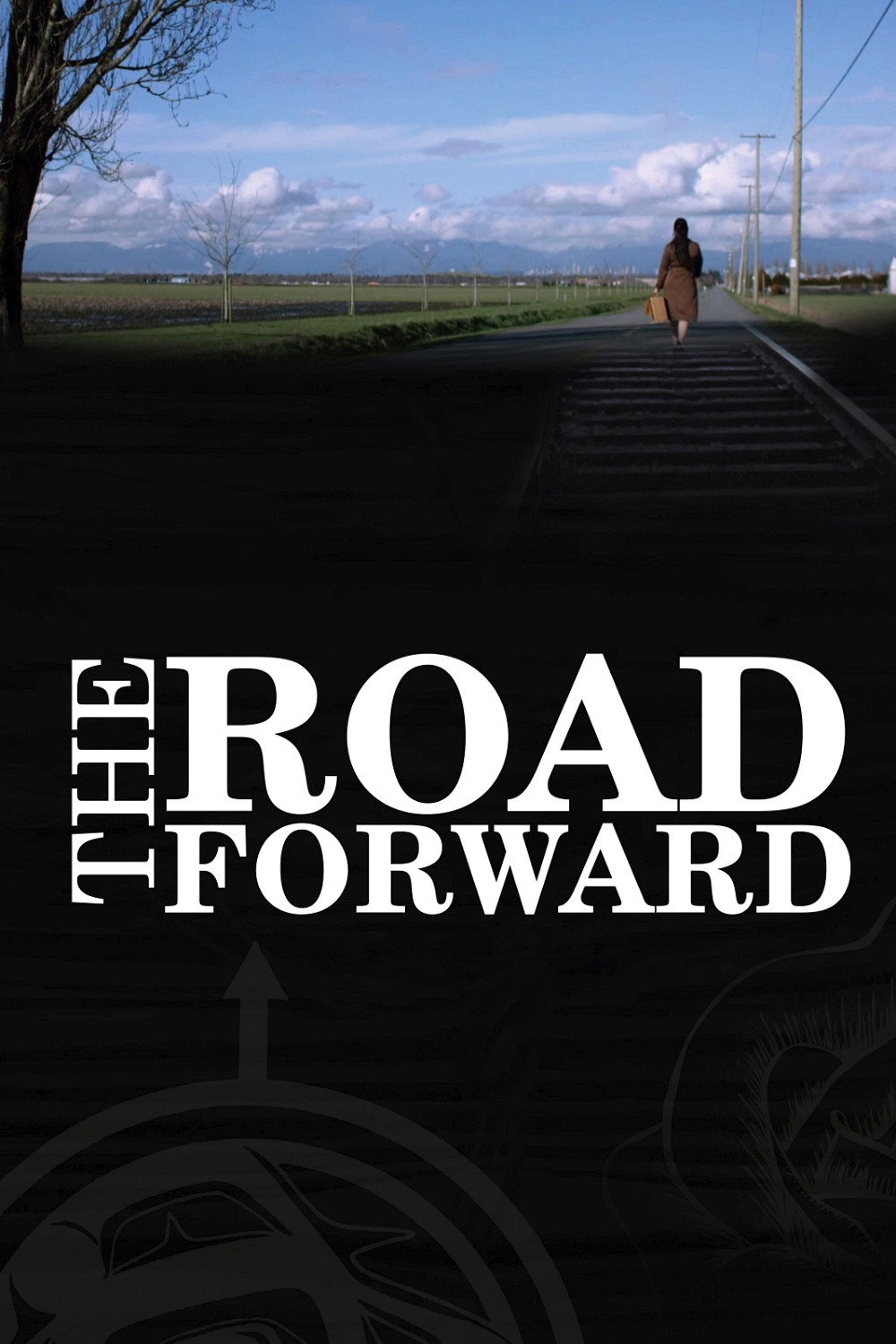
The Road Forward is an electrifying musical documentary that connects a pivotal moment in Canada’s civil rights history—the beginnings of Indian Nationalism in the 1930s—with the powerful momentum of First Nations activism today. Interviews and musical sequences describe how a tiny movement, the Native Brotherhood and Sisterhood, grew to become a successful voice for change across the country. Visually stunning, The Road Forward seamlessly connects past and present through superbly produced story-songs with soaring vocals, blues, rock, and traditional beats.
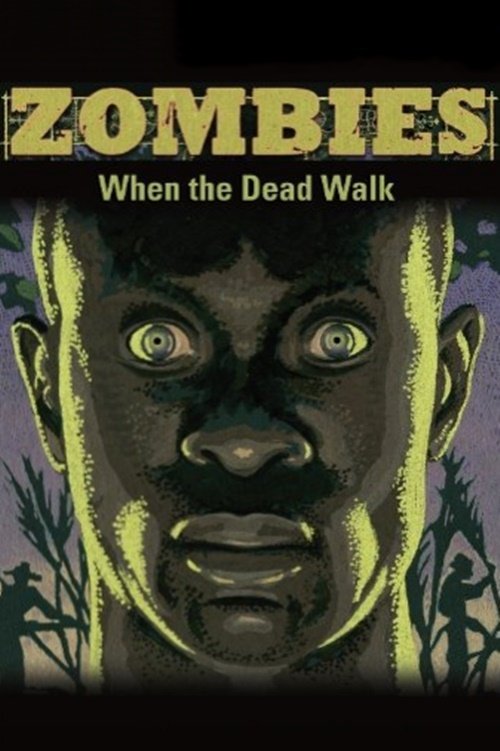
Zombies are part of pop culture, but what are they? Where do they come from? To find real zombies we visit Haiti where Zombies are an integral part of the island's cultural and religious roots.
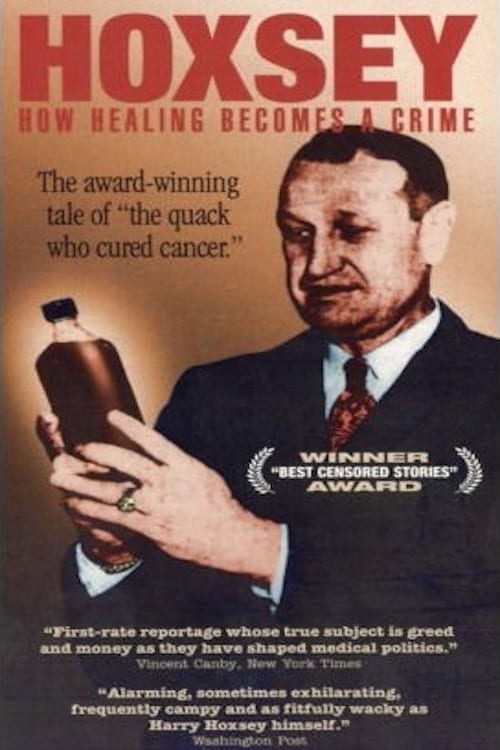
In the 1920s, former coal miner Harry Hoxsey claimed to have an herbal cure for cancer. Although scoffed at and ultimately banned by the medical establishment, by the 1950s, Hoxsey's formula had been used to treat thousands of patients, who testified to its efficacy. Was Hoxsey's recipe the work of a snake-oil charlatan or a legitimate treatment? Ken Ausubel directs this keen look into the forces that shape the policies of organized medicine.
Talented teen musicians from around the USA spend a week working with Grammy nominated professionals
This is a 1991 documentary film about the legendary artist and filmmaker, Joseph Cornell, who made those magnificent and strange collage boxes. He was also one of our great experimental filmmakers and once apparently made Salvador Dali extremely jealous at a screening of his masterpiece, Rose Hobart. In this film we get to hear people like Susan Sontag, Stan Brakhage, and Tony Curtis talk about their friendships with the artist. It turns out that Curtis was quite a collector and he seemed to have a very deep understanding of what Cornell was doing in his work.
New York based artist, Cindy Sherman, is famous for her photographs of women in which she is not only the photographer, but also the subject. She has contributed her own footage to the programme by recording her studio and herself at work with her Hi-8 video camera. It reveals a range of unexpected sources from visceral horror to medical catalogues and exploitation movies, and explores her real interests and enthusiasms. She shows an intuitive and often humorous approach to her work, and reflects on the themes of her work since the late 1970s. She talks about her pivotal series known as the `Sex Pictures' in which she addresses the theme of sexuality in the light of AIDS and the arts censorship debate in the United States.
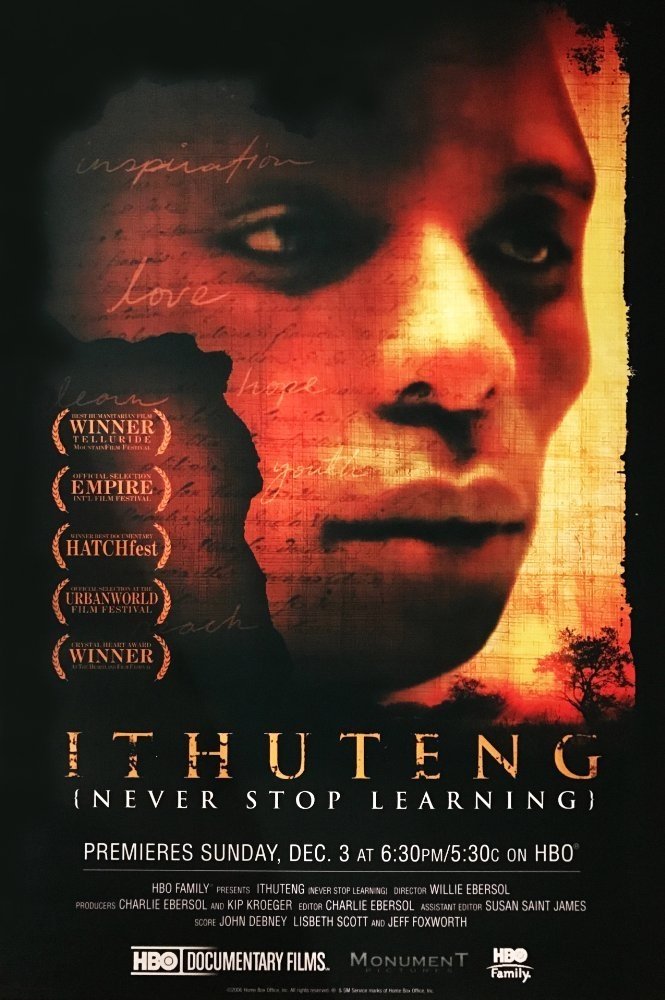
Tells the stories of four students who are turning their lives around at the Ithuteng Trust School.
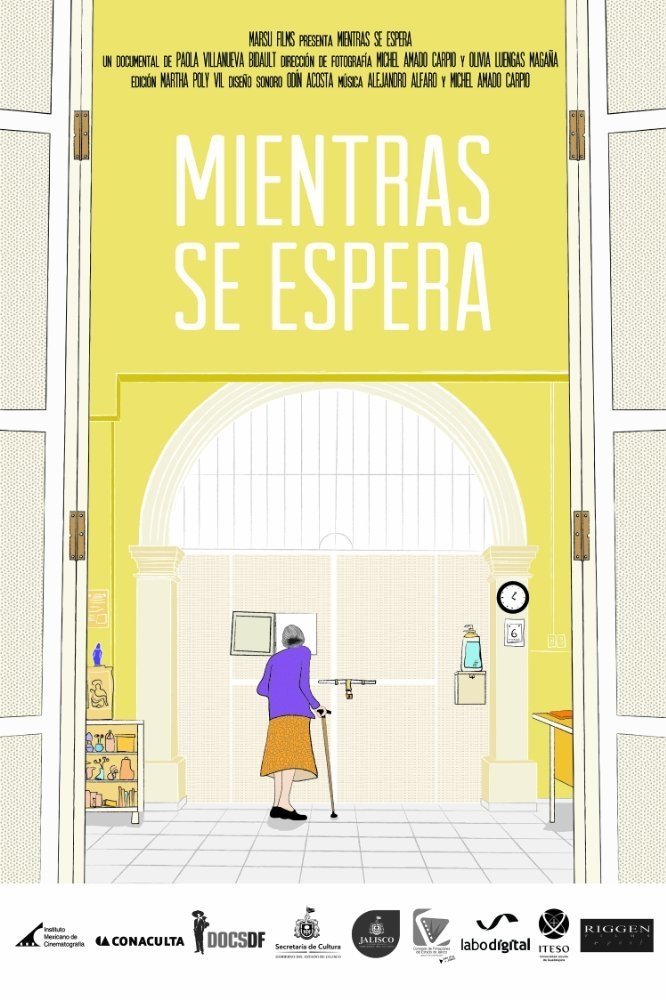
Lola lives in a public nursing home where everything is shared: the clothes, the showers, the only coffin and the endings. Her only personal belonging is the memory of her two great loves: her mother and husband. Thanks to them Lola has something to do every day, going to the main door’s window to check on her husband who lives across the street and to the phone, where she tries to call her mother. Both died long ago, but they are Lola’s only strength to reach her end in a world that, otherwise, is very impersonal for her.
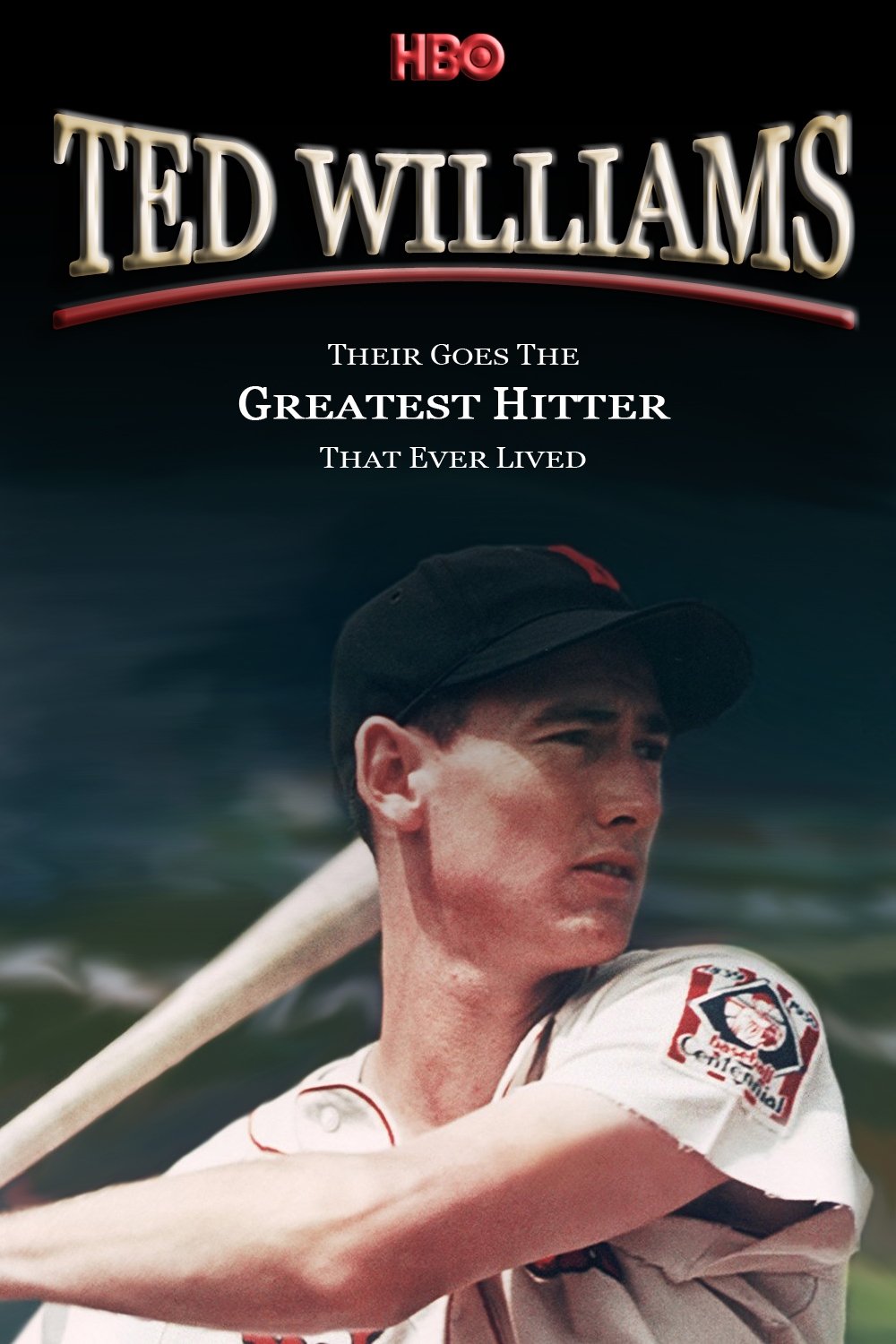
Born in 1918 in San Diego, Williams was a latchkey child from a broken home, raised by a mother more dedicated to the Salvation Army than to her two sons, and by a father who spent more time away from home than in it. Williams found salvation by doing the one thing he loved most: hitting baseballs. In his rookie season with the Red Sox, where he would spend his entire career as a player, Williams batted .327, socked 31 homers and led the league with 145 RBI. Over the next 21 years, despite losing five seasons of his prime to active service as a U.S. Marine Corps pilot, Williams hit 521 home runs, twice captured the Triple Crown, and became the oldest man ever to win a batting title. He finished his career with a .344 lifetime batting average, was the last man to hit over .400 in a full season, batting .406 in 1941, and was a first-ballot inductee into the Baseball Hall of Fame.
Guy Debord's analysis of a consumer society.
A film that evokes the period between the end of the First World War and the Great Depression of 1929. For some, it was the golden age of pleasure and the easy life, with memories of Charleston, short-haired tomboys, wild races in a Torpedo, and the dizzying banks of Deauville. For the rest of us, it was a time of illusions, when the carefree post-war era did little to conceal the profound upheavals that were shaking the world: the Soviet Revolution, the establishment of Fascism in Italy, German rearmament, a changing China, and finally the great economic depression of 1929, which took on the proportions of a global catastrophe.
A documentary on the expletive's origin, why it offends some people so deeply, and what can be gained from its use.
“The Soviet Story” is a story of an Allied power, which helped the Nazis to fight Jews and which slaughtered its own people on an industrial scale. Assisted by the West, this power triumphed on May 9th, 1945. Its crimes were made taboo, and the complete story of Europe’s most murderous regime has never been told. Until now...
A subjective documentary that explores various theories about hidden meanings in Stanley Kubrick's classic film The Shining. Five very different points of view are illuminated through voice over, film clips, animation and dramatic reenactments.
In the Realms of the Unreal is a documentary about the reclusive Chicago-based artist Henry Darger. Henry Darger was so reclusive that when he died his neighbors were surprised to find a 15,145-page manuscript along with hundreds of paintings depicting The Story of the Vivian Girls, in What is Known as the Realms of the Unreal, of the Glodeco-Angelinnian War Storm, Cased by the Child Slave Rebellion.
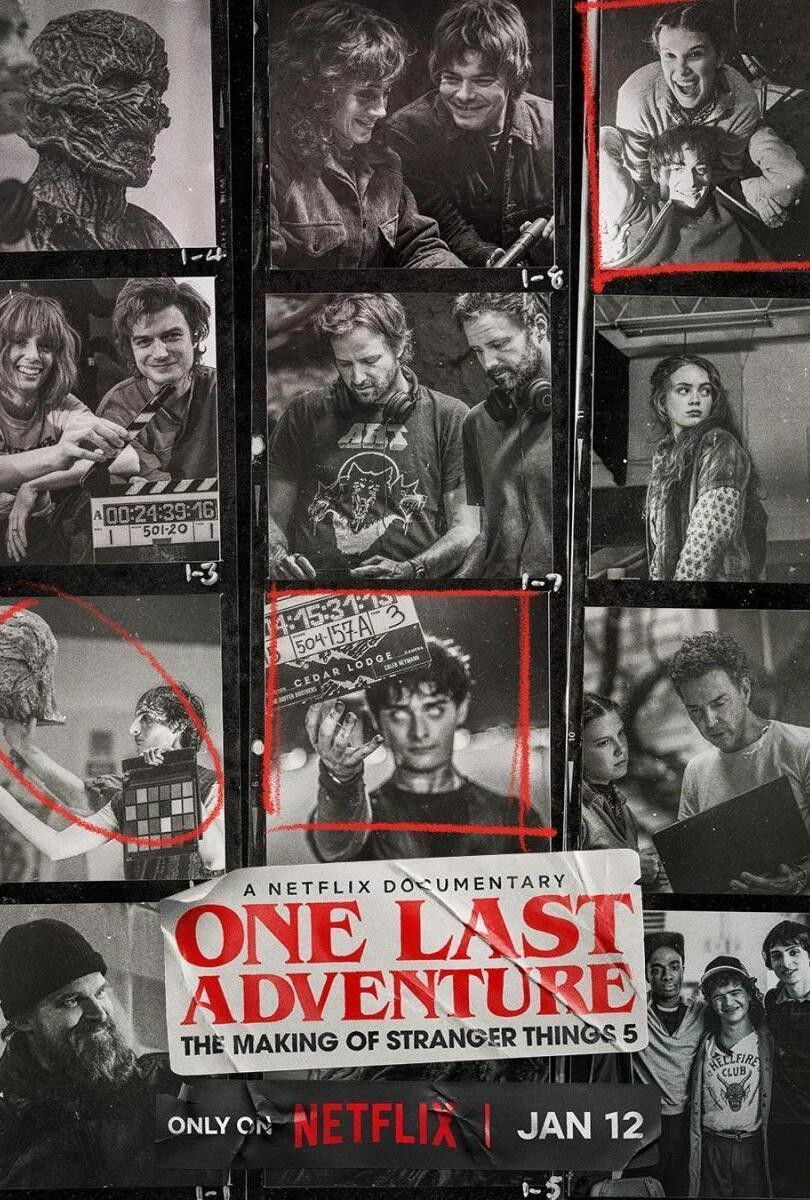
An inside look at the years of effort and craft that went into the final installment of the Duffer Brothers' generation-defining series.
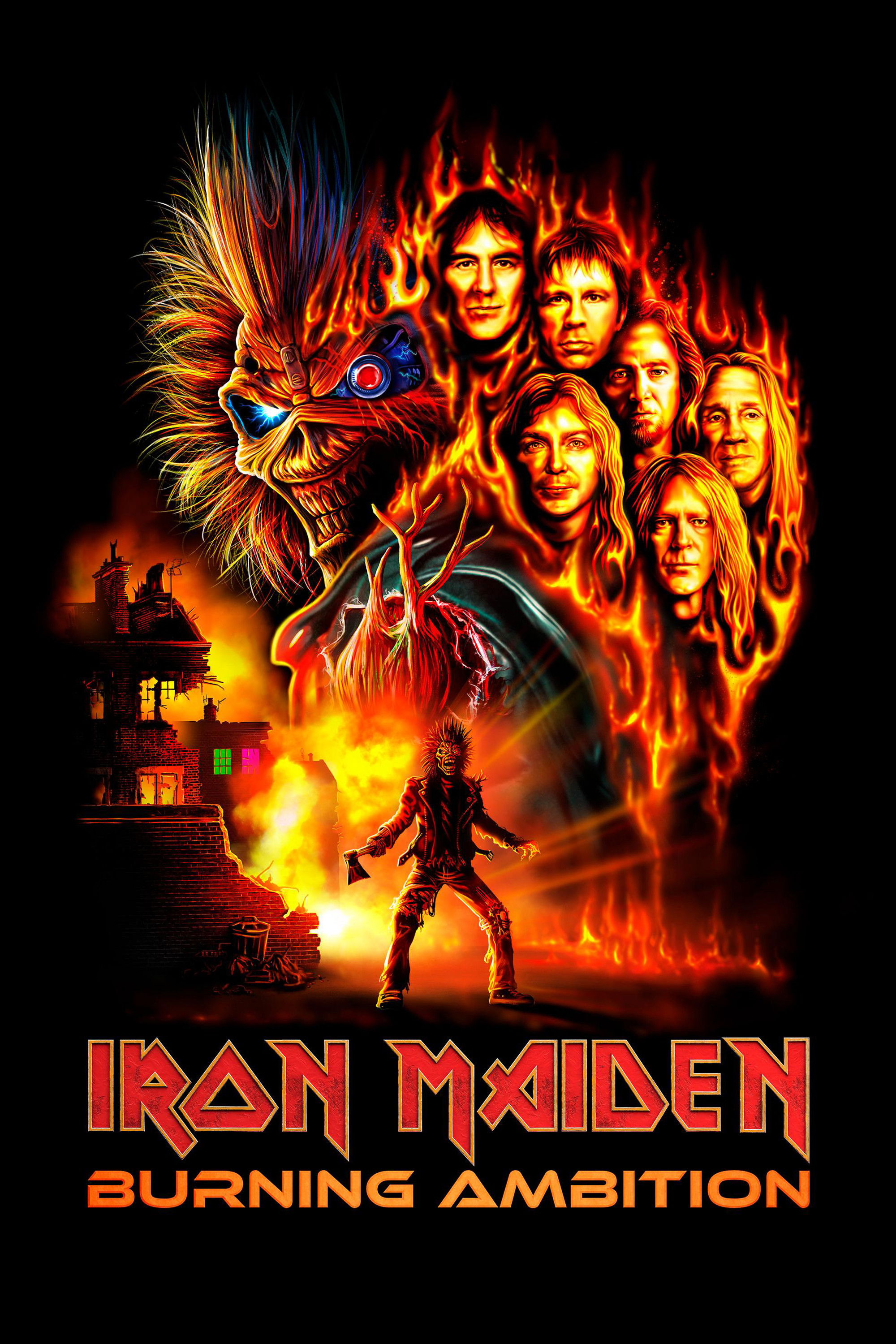
With unprecedented access to the official archives and intimate recollections from the band, both current and past, Iron Maiden: Burning Ambition invites fans to experience one of the most iconic journeys in music history. Spanning five decades, this electrifying documentary charts the band’s rise from the pubs of East London to the world’s biggest stadiums. Featuring exclusive interviews with band members and contributors such as Javier Bardem, Lars Ulrich and Chuck D, as well as all-new animated sequences of the band's legendary mascot, Eddie, the film offers a rare and intimate look at Iron Maiden’s uncompromising vision and unwavering connection with their truly global army of fans.
A documentary about the life and films of director John Ford.
Alexander McQueen's rags-to-riches story is a modern-day fairy tale, laced with the gothic. Mirroring the savage beauty, boldness and vivacity of his design, this documentary is an intimate revelation of McQueen's own world, both tortured and inspired, which celebrates a radical and mesmerizing genius of profound influence.
Through deeply personal interviews with her siblings and an examination of the photographs, letters, and belongings left behind, Mariska assembles a new portrait of her mother Jayne Mansfield, an extraordinary and complex woman.
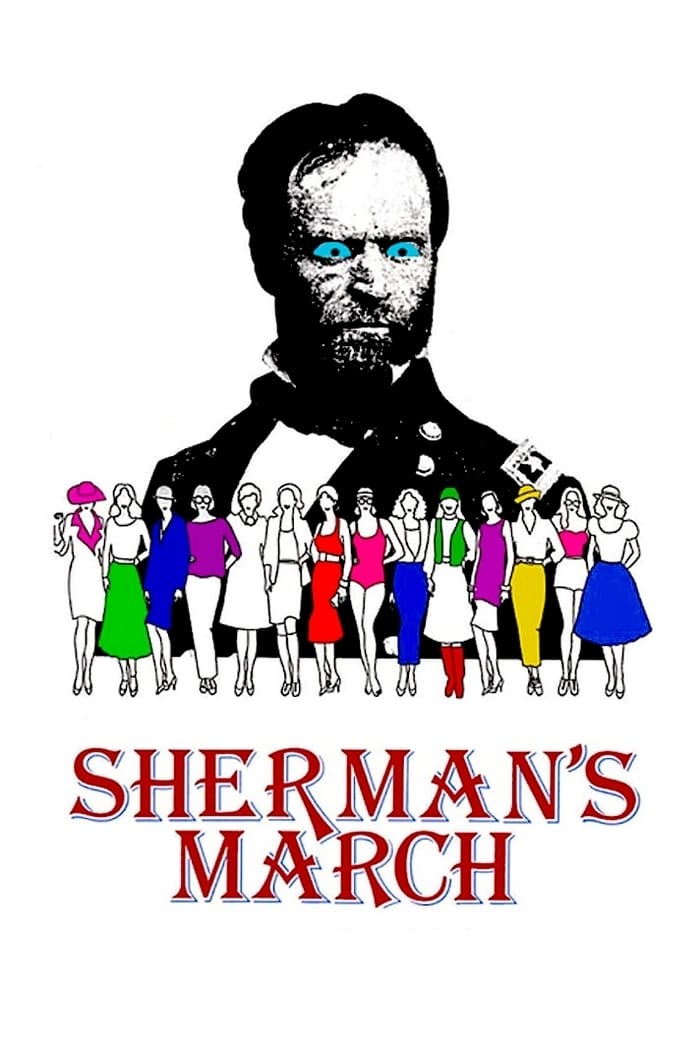
Documentarian Ross McElwee originally set out to make a travelogue of sorts tracing General William T. Sherman's infamous scorched-earth march through the Confederacy in the latter stages of the Civil War. Instead, haunted by a recent breakup with a girlfriend, McElwee ends up documenting his progress -- or lack thereof -- in starting a new relationship. His journey then becomes one of self-reflection and self-discovery rather than a historical/sociological exploration.
Those who knew iconic funnyman John Candy best share his story, in their own words, through never-before-seen archival footage, imagery, and interviews.
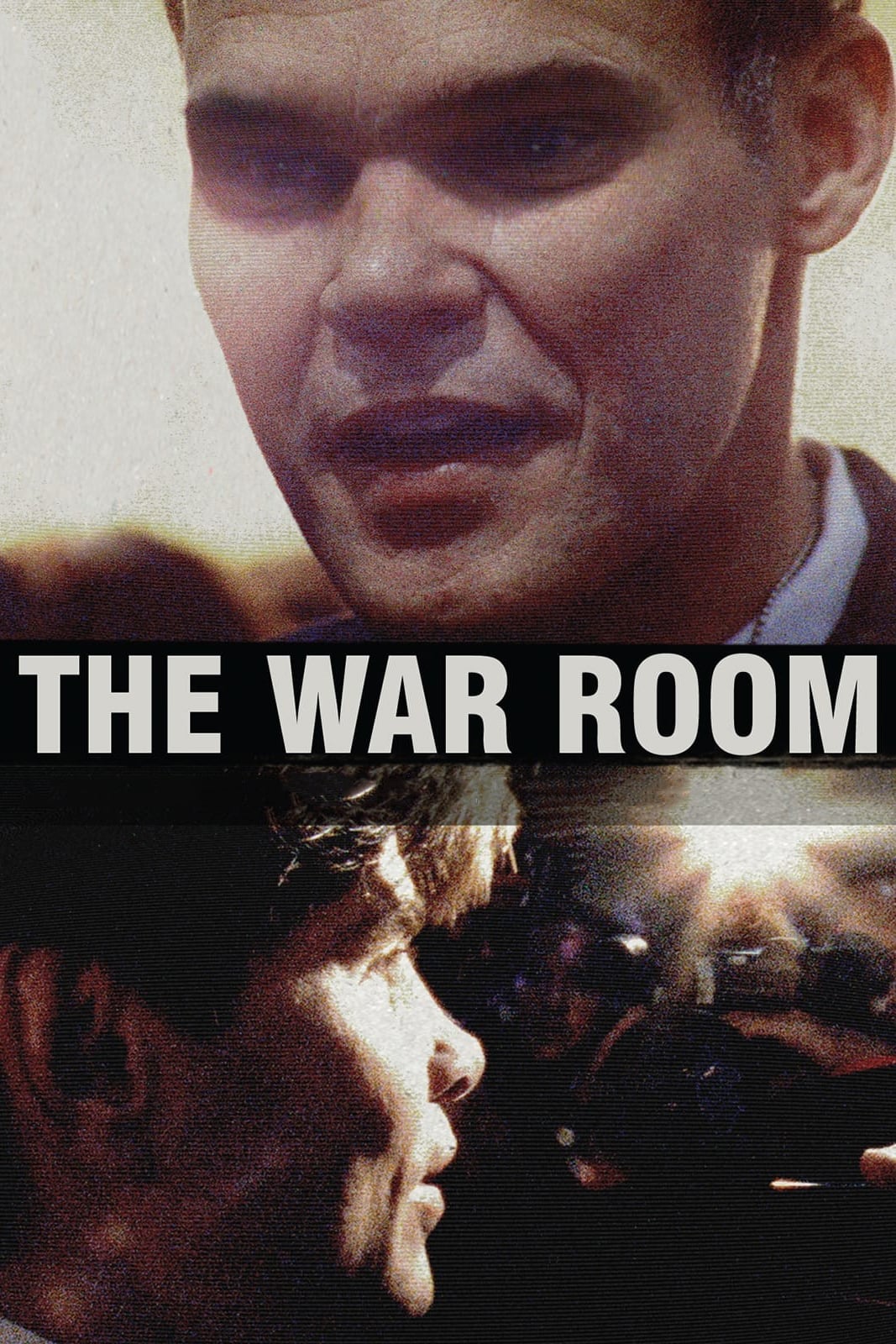
A behind-the-scenes documentary about the Clinton for President campaign, focusing on the adventures of spin doctors James Carville and George Stephanopoulos.
The making of Matrix Revolutions, The (2003) is briefly touched on here in this documentary. Interviews with various cast and crew members inform us how they were affected by the deaths of Gloria Foster and Aaliyah, and also delve into the making of the visual effects that takes up a lot of screen time. Written by Rhyl Donnelly
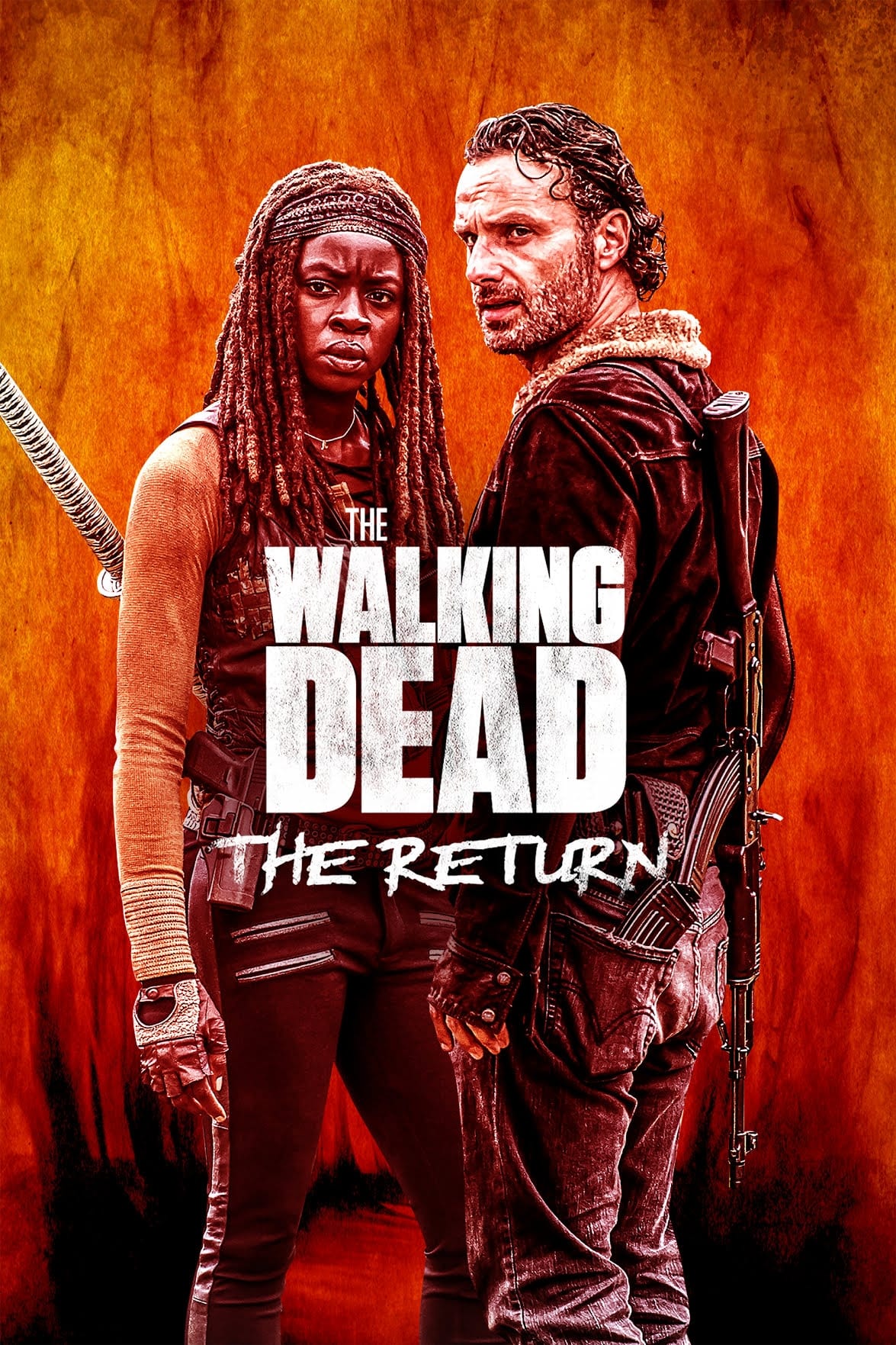
Stars of "The Walking Dead," Andrew Lincoln and Danai Gurira, walk down memory lane and visit iconic locations where pivotal moments between their characters, Rick and Michonne, were filmed.
A love letter from a young mother to her daughter, the film tells the story of Waad al-Kateab’s life through five years of the uprising in Aleppo, Syria as she falls in love, gets married and gives birth to Sama, all while cataclysmic conflict rises around her. Her camera captures incredible stories of loss, laughter and survival as Waad wrestles with an impossible choice– whether or not to flee the city to protect her daughter’s life, when leaving means abandoning the struggle for freedom for which she has already sacrificed so much.
A compilation of over 30 years of private home movie footage shot by Lithuanian-American avant-garde director Jonas Mekas, assembled by Mekas "purely by chance", without concern for chronological order.
The history of cinematic sound, told by legendary sound designers and visionary filmmakers.
An intimate documentary delving into Rian Johnson's process as he comes in as a director new to the Star Wars universe.
A documentary about the making of season five of the acclaimed AMC series Breaking Bad.
Bruce Conner’s most celebrated film for a reason: it takes historical moments that were replayed over and over on television—chilling repetition of Kennedy assassination coverage—and repurposes them into a meditation on how the media tries to exert authority and apply a sense of order to the anarchic. And though it may sound perverse to say so, the film is also—not incidentally—a thrill to watch. -- The A.V. Club