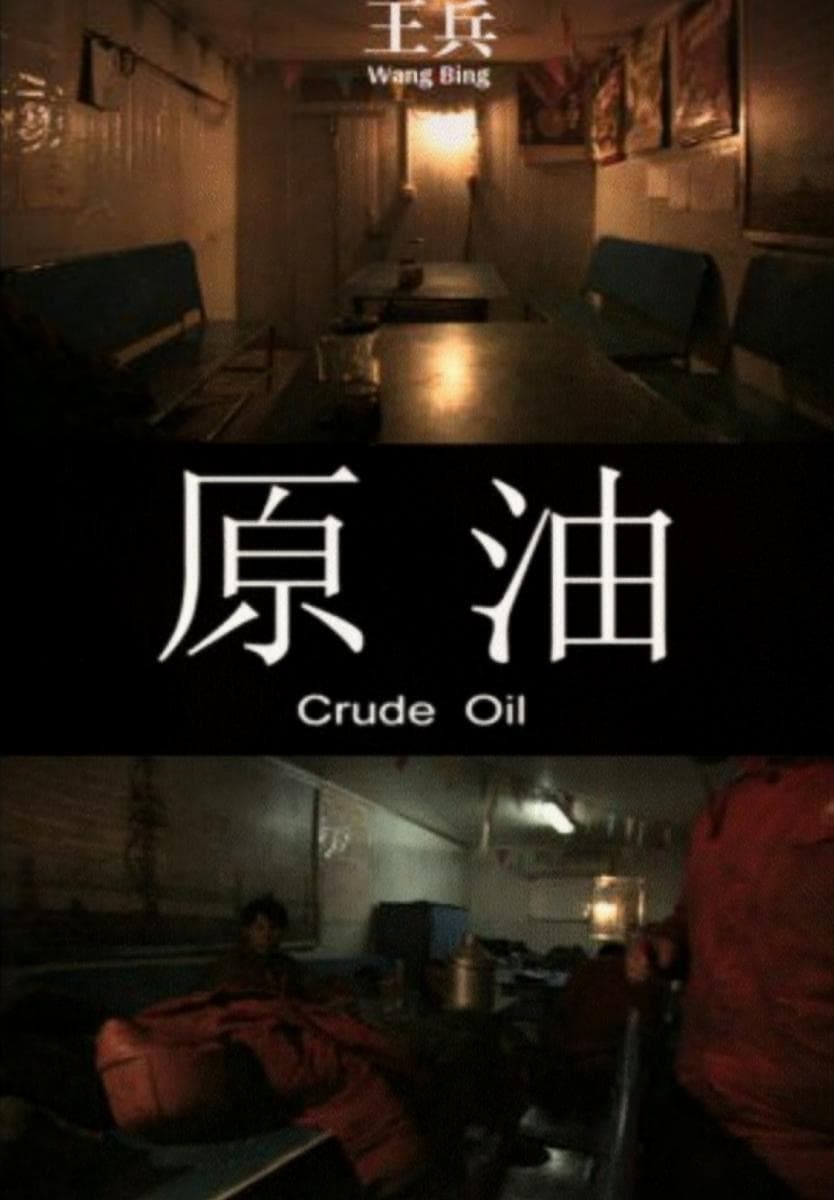
Filmed in the Inner Mongolian portion of the Gobi Desert, this film follows a group of oil field workers as they go about their daily routine.
Social & External
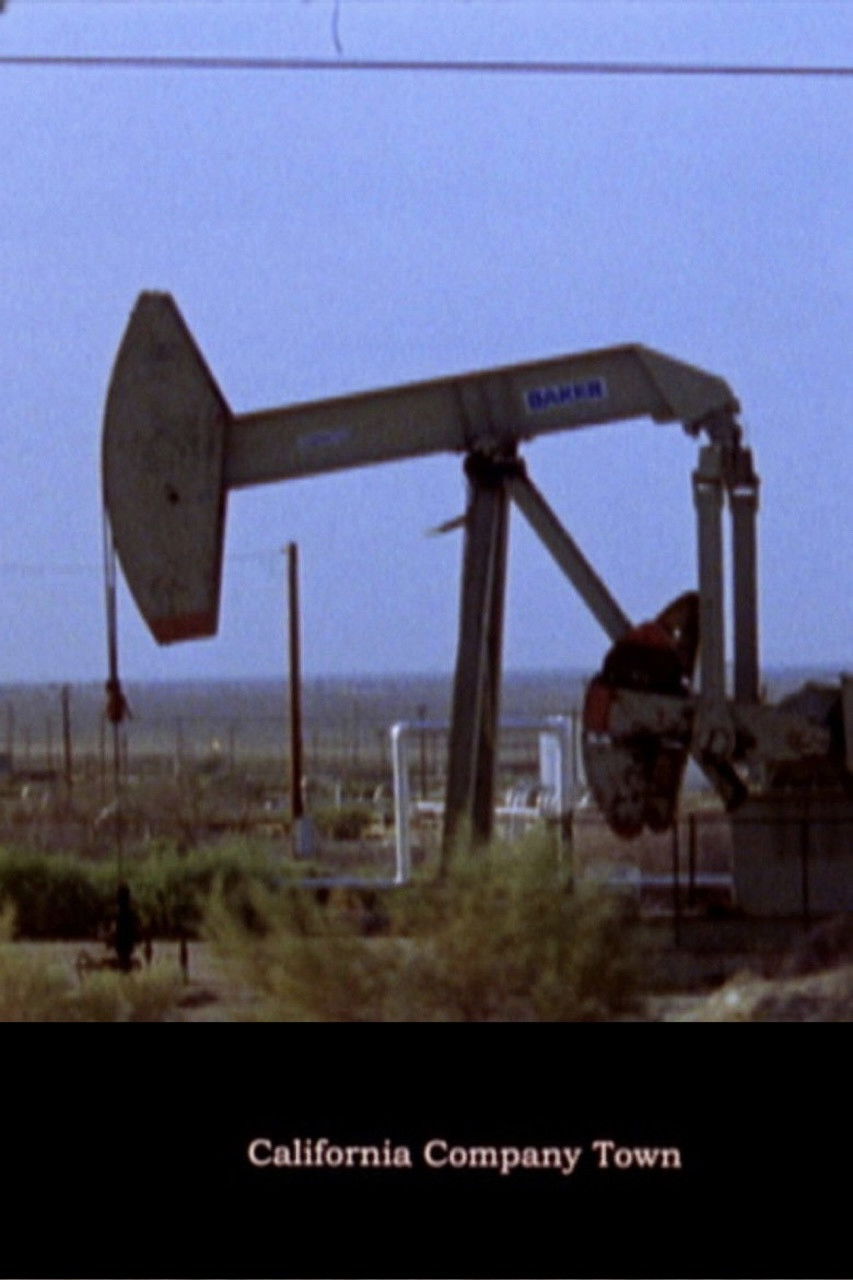
Lee Anne Schmitt explores California's landscape and past to document the history of one-time boom towns built and abandoned by the industries that necessitated their creation. Sold as a limitless land expansive with free opportunity, California was actually, from its onset, fissured by the interwoven needs of private and public interests. Schmitt's film covers various locations through time, as the major industries of the early 20th century (mining, lumber, oil) give way to the military, eventually leading to multinational corporations, and the use of small towns as satellites for growing urban metropolises.
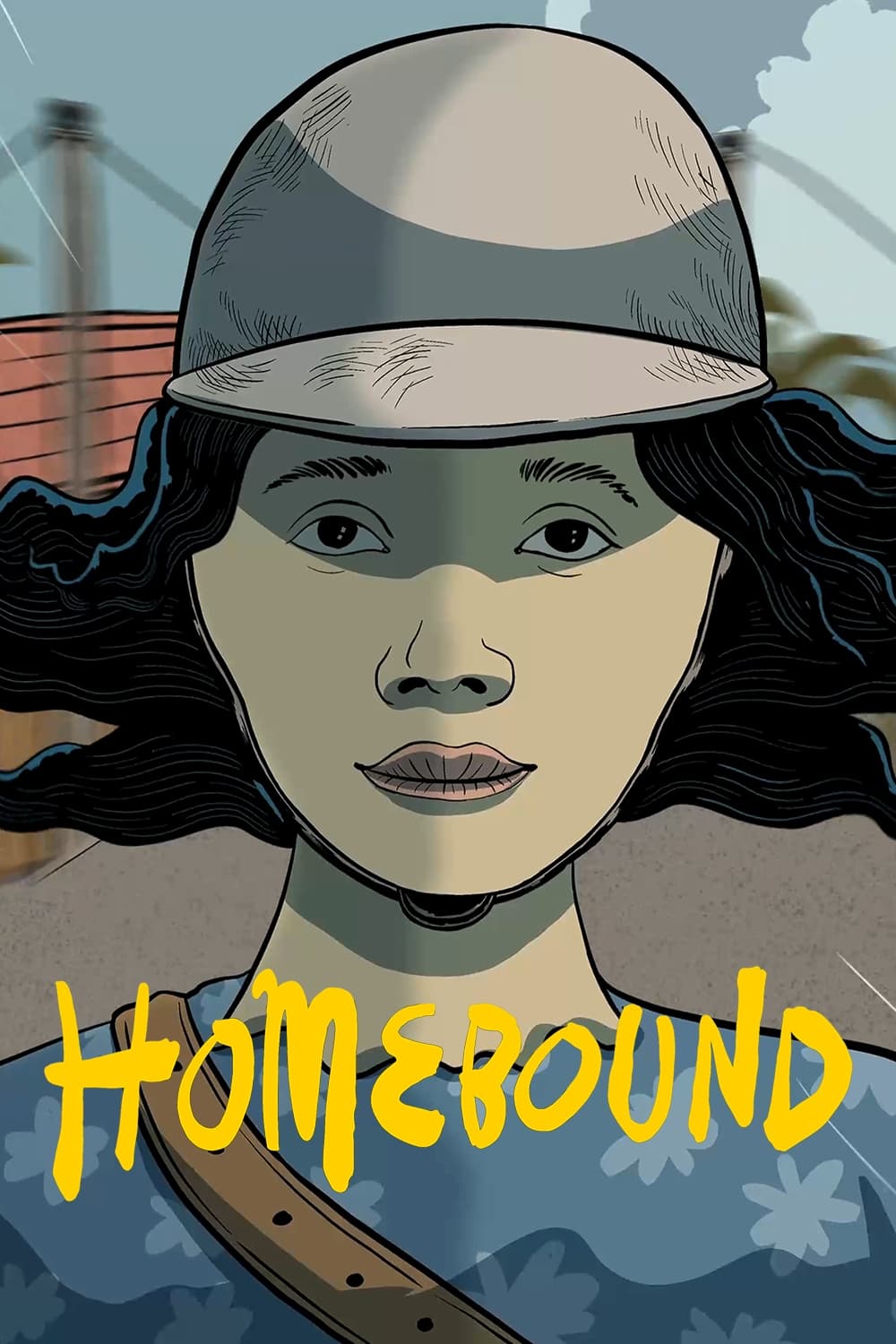
Through first person narration, Tari reveals personal stories related to her decision to work in Taiwan, her strained family relationships, the risks involved in working abroad and the traps she has fallen into.
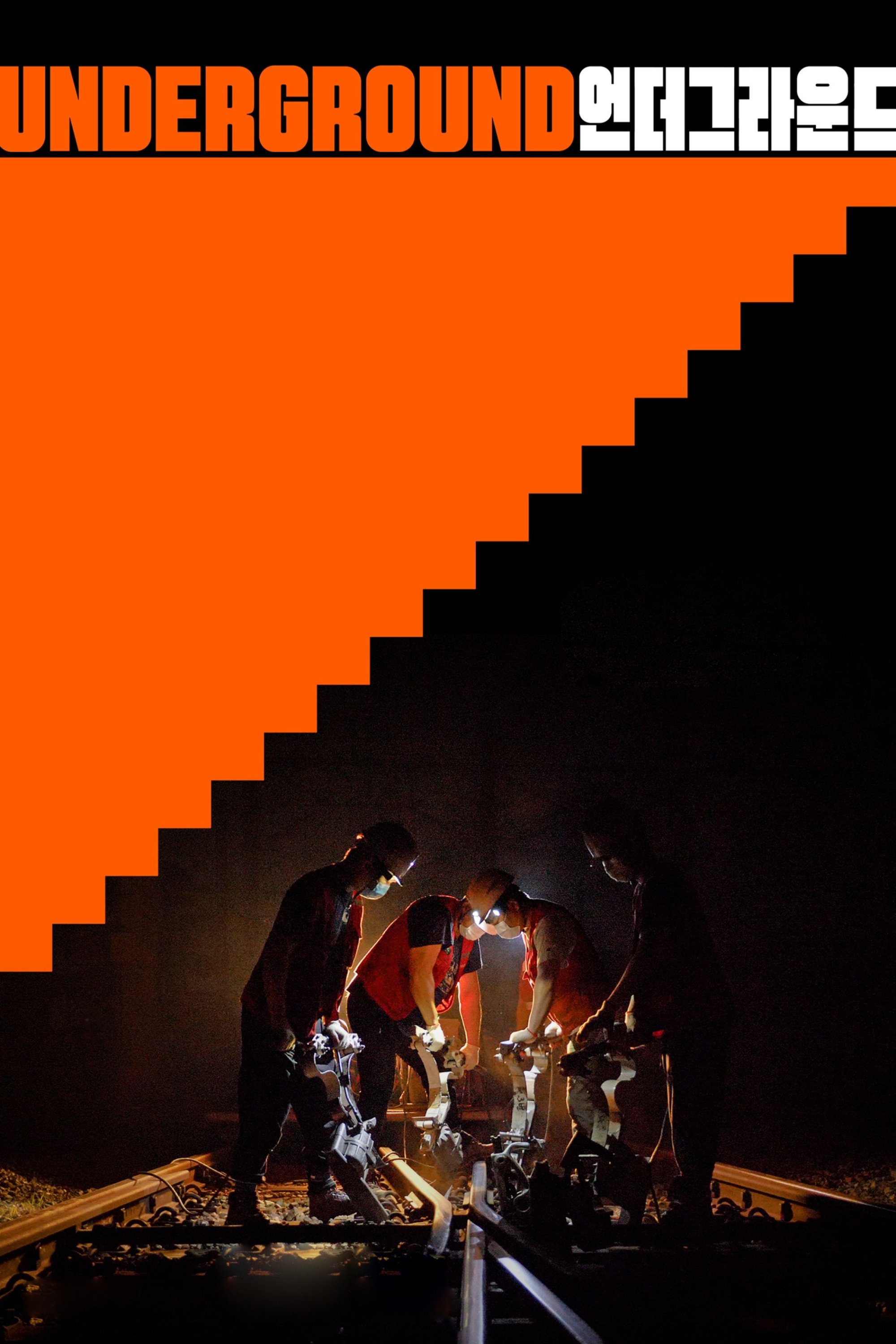
Numerous people are on subway trains running up and down the city center endlessly. There are people who run this decent space “underground”. Under the noisy world today, we approach them to see what life is like underground.
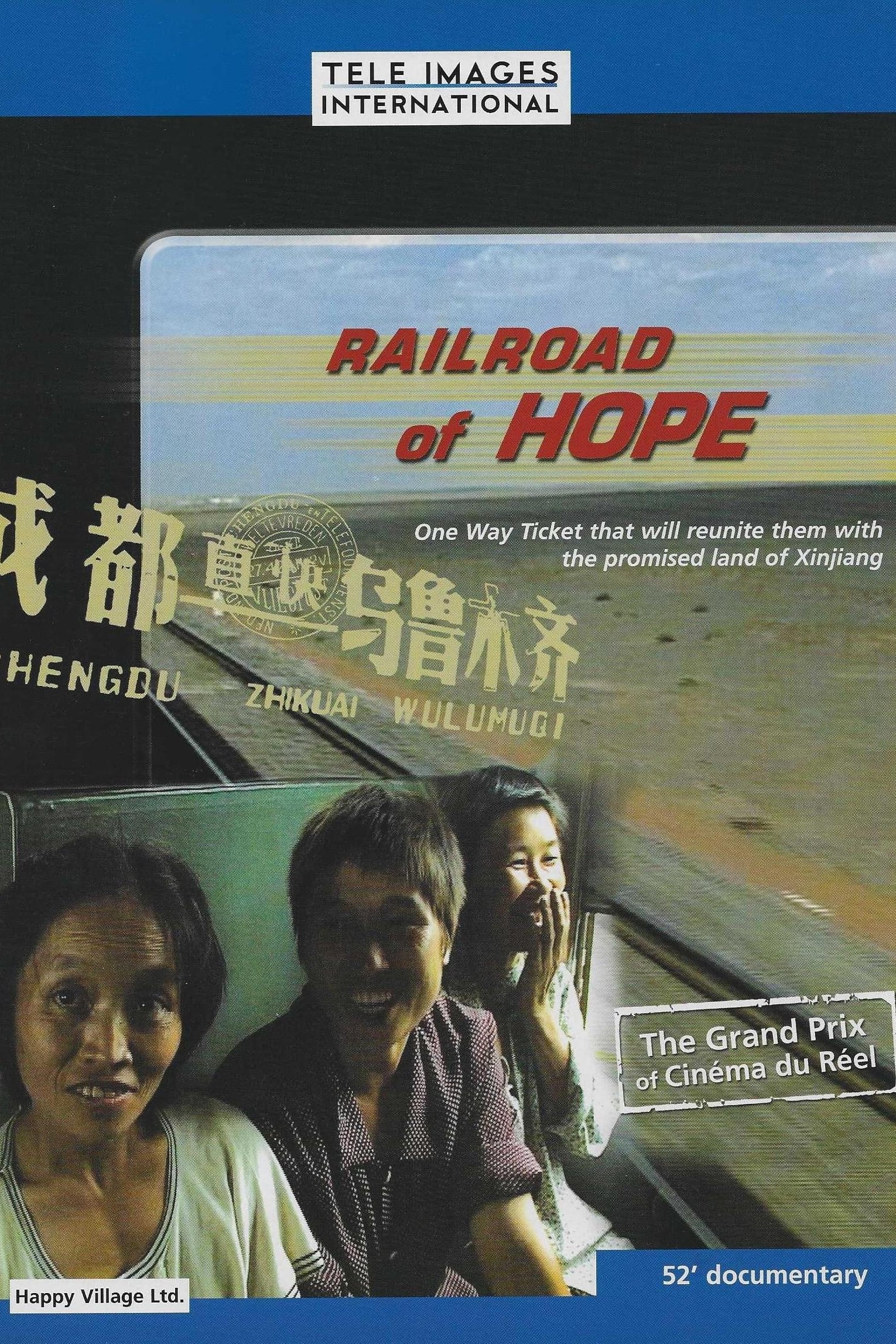
Railroad of Hope consists of interviews and footage collected over three days by Ning Ying of migrant agricultural workers traveling from Sichuan in China's interior, to the Xinjiang Autonomous Region, China's northwest frontier.[1] Through informal interviews aboard the cramped rail cars, Ning Ying explores the hopes and dreams of the workers, many of whom have never left their homes before.
In 1971, Bahrain, Qatar and the UAE ceased to be part of Britain’s empire in the Middle East and became fully independent states. BBC News Persia and BBC Arabic collaborate in this gripping film, to uncover the secrets and shady deals that underpinned the decolonization process. From eye-witness accounts of a British-organised coup to Iran being left in control of disputed islands, it's a fascinating insight to a murky history.
When workers at the Hormel meatpacking plant in Austin, Minnesota are asked to take a substantial pay cut in a highly profitable year, the local labor union decides to go on strike and fight for a wage they believe is fair. But as the work stoppage drags on and the strikers face losing everything, friends become enemies, families are divided and the very future of this typical mid American town is threatened.
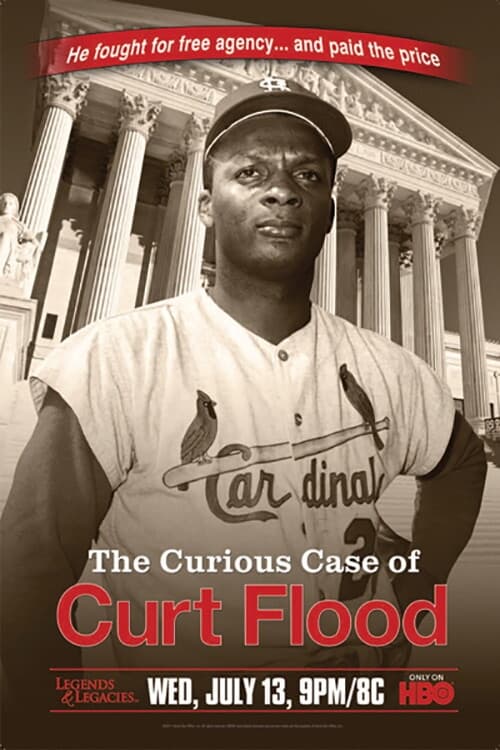
Inside the life of former baseball star Curt Flood whose fight against MLB's 'Reserve Clause' led to reform, but destroyed his career.
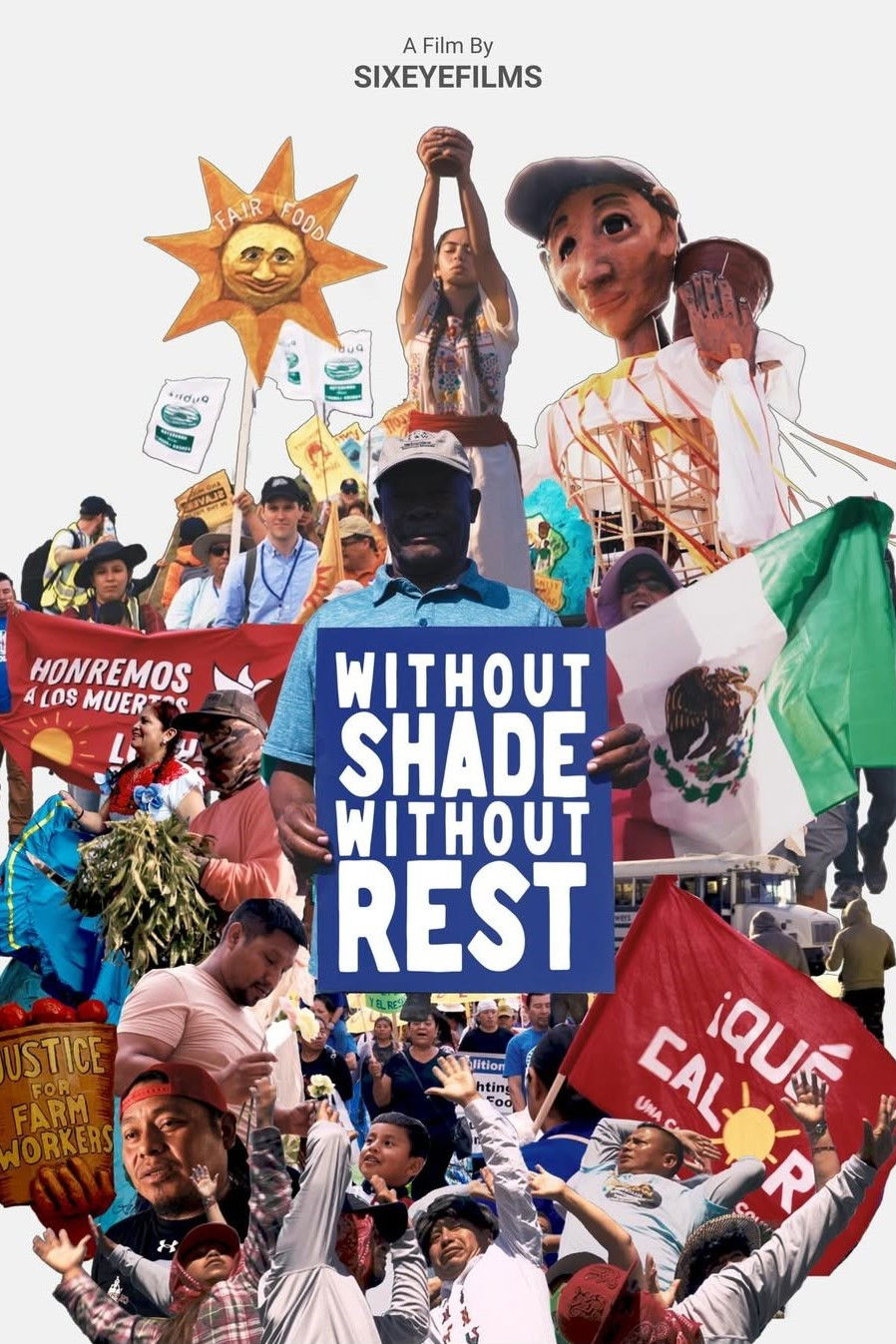
In the wake of the hottest year on record, the Coalition of Immokalee Workers (CIW) and WeCount! are pursuing different strategies to secure heat protections for Florida's outdoor laborers. As lawmakers move to block new regulations, the groups are coming together through CIW's Worker-driven Social Responsibility model (WSR) to expand enforceable protections across the state's fields and nurseries.
Experts say over the next hundred years the "perfect storm" of population growth, resource depletion and climate change could converge with catastrophic results. The scenarios in Earth 2100 are not a prediction of what will happen but rather a warning about what might happen.
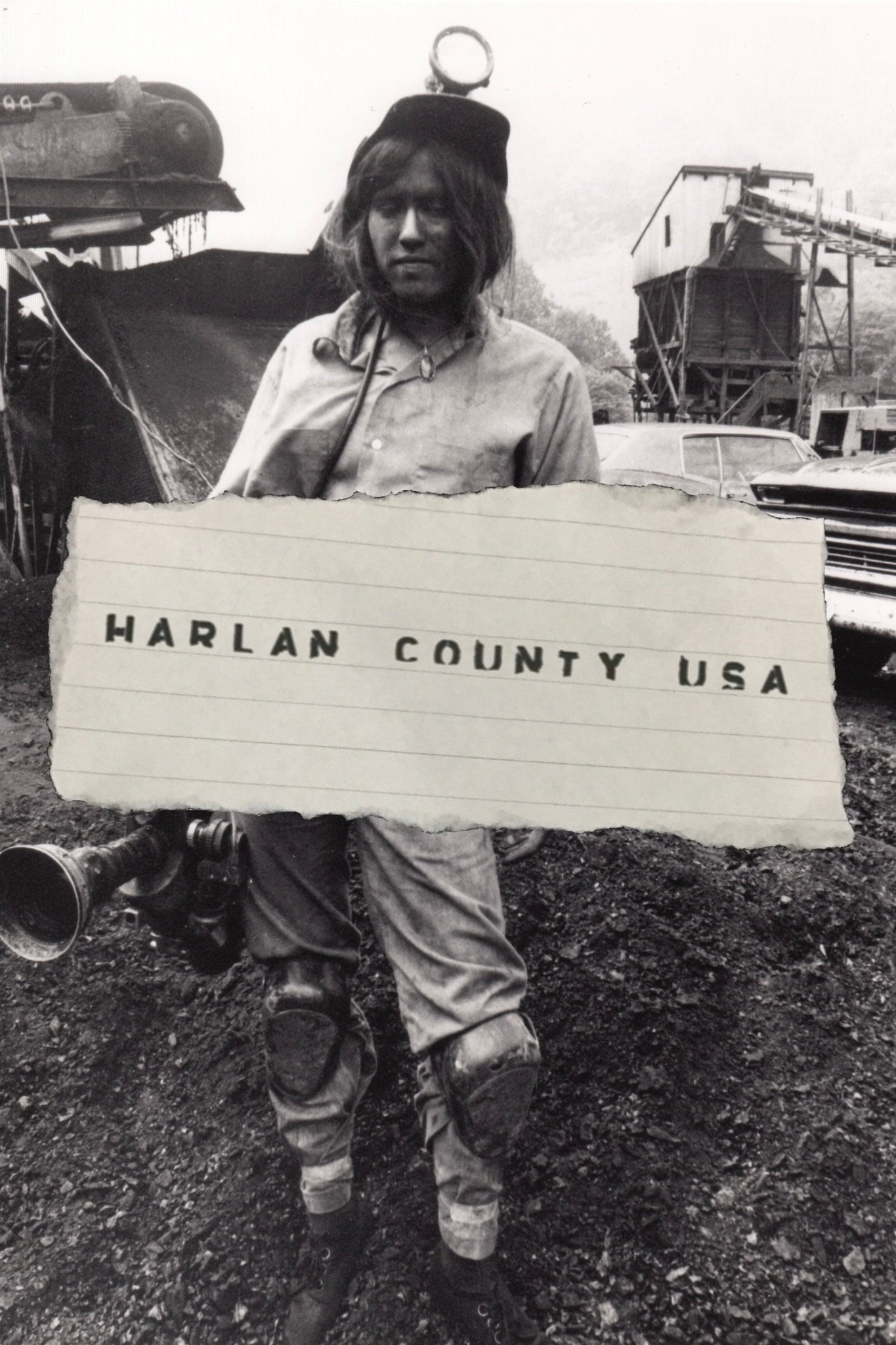
This film documents the coal miners' strike against the Brookside Mine of the Eastover Mining Company in Harlan County, Kentucky in June, 1973. Eastover's refusal to sign a contract (when the miners joined with the United Mine Workers of America) led to the strike, which lasted more than a year and included violent battles between gun-toting company thugs/scabs and the picketing miners and their supportive women-folk. Director Barbara Kopple puts the strike into perspective by giving us some background on the historical plight of the miners and some history of the UMWA. Preserved by the Academy Film Archive in partnership with New York Women in Film & Television in 2004.
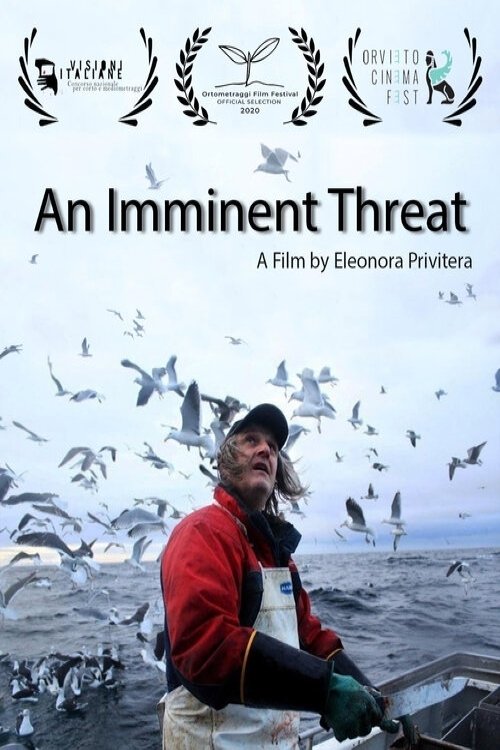
“An Imminent Threat” follows a fisherman activist, Yngve Larsen, who fights against oil and gas drilling activities in north of Norway. Will Yngve succeed in avoiding the extinction of many species of fish and thus irreversible damage to our planet?
A documentary about Dutch shipbuilders and their work. Hundreds of jobs at shipyards are on the line and their craftsmanship is under threat. The labourers have to watch and stand by as their future becomes more and more uncertain.
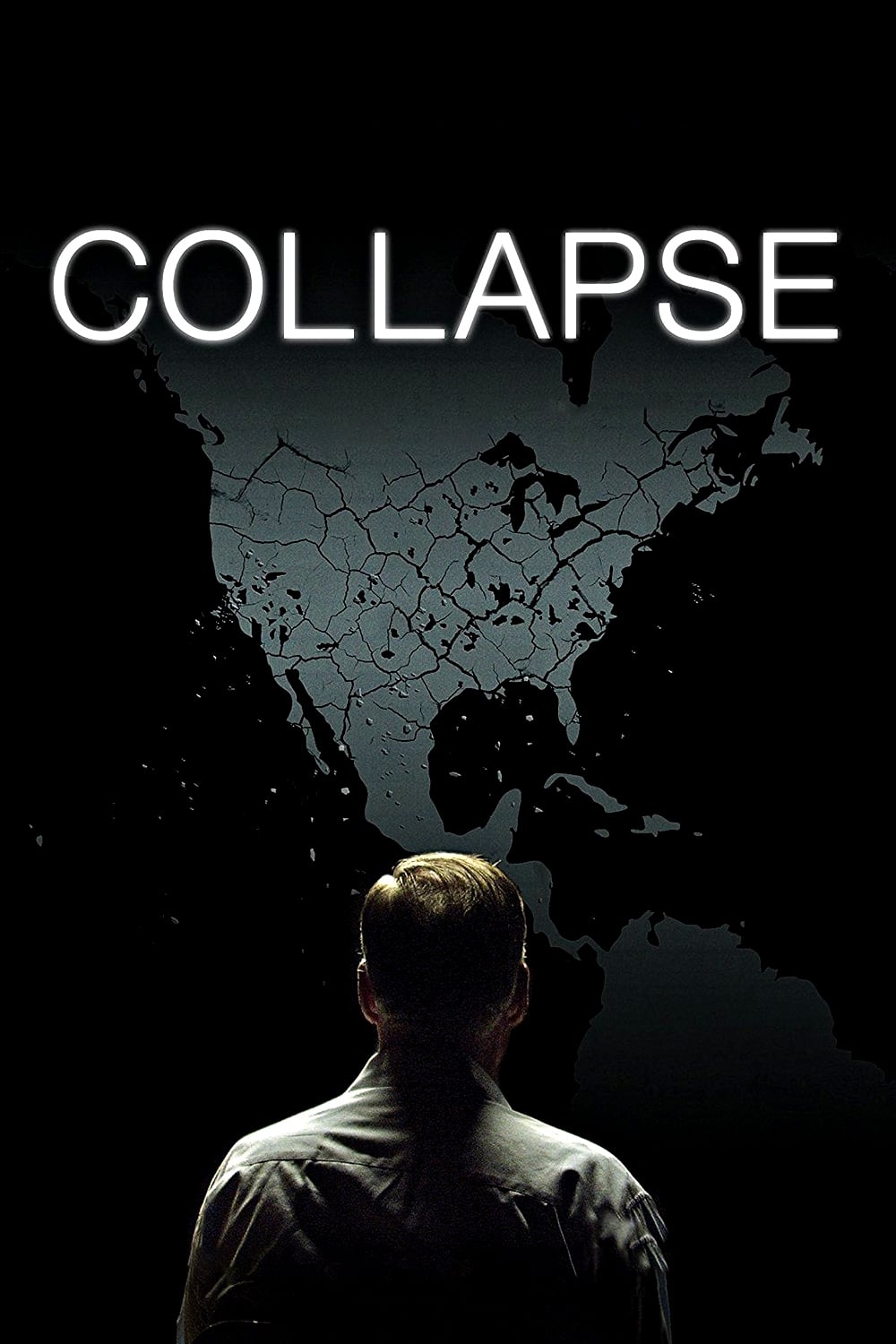
From the acclaimed director of American Movie, the documentary follows former Los Angeles police officer turned independent reporter Michael Ruppert. He recounts his career as a radical thinker and spells out his apocalyptic vision of the future, spanning the crises in economics, energy, environment and more.
In this evocative meditation, a disturbing link is made between the resource extraction industries’ exploitation of the land and violence inflicted on Indigenous women and girls. Or, as one young woman testifies, “Just as the land is being used, these women are being used.”
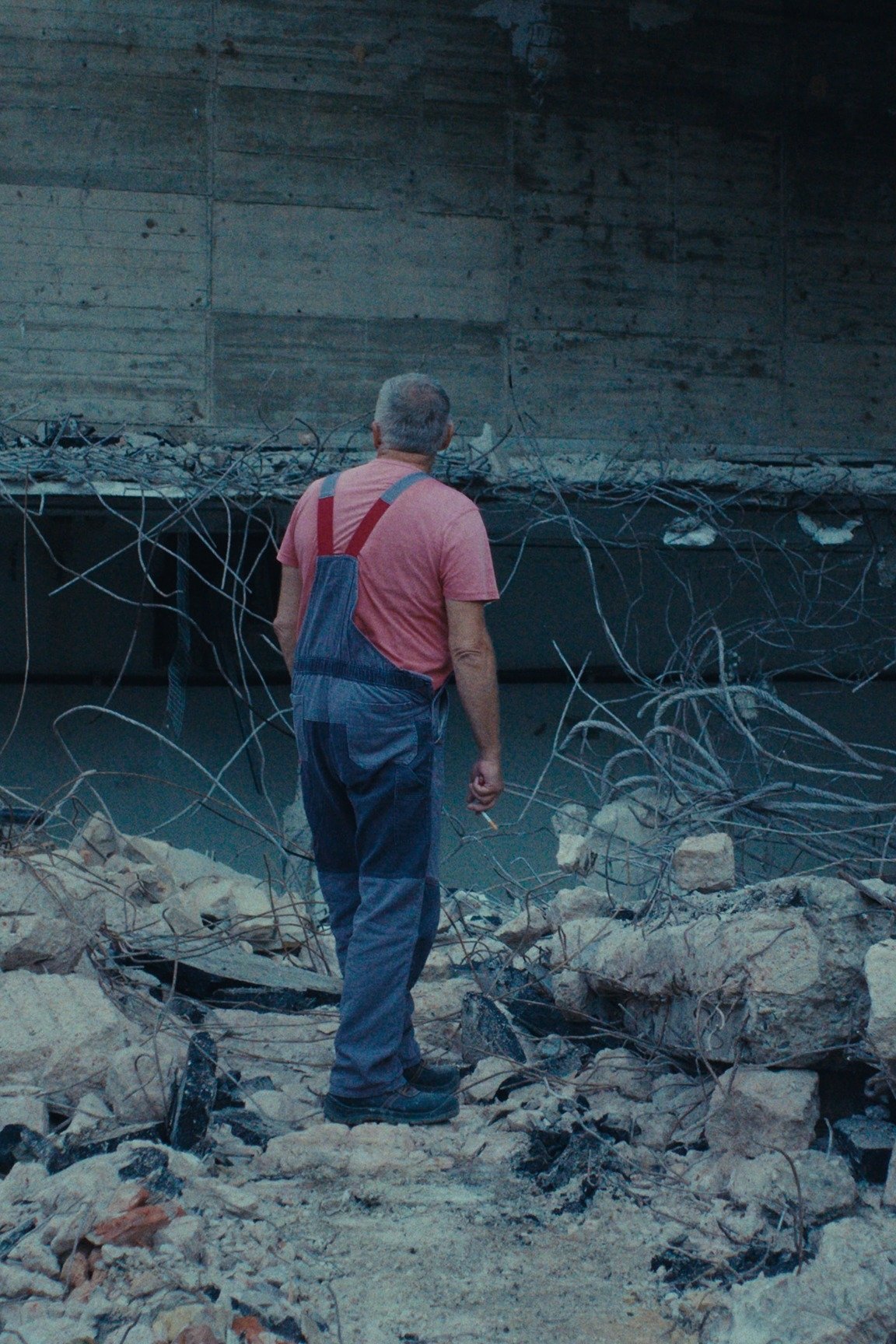
A Berlin street corner is slowly changing: an aging supermarket turns into a construction site and finally a new building. People restock shelves, demolish walls, take breaks and count money. Those who work here participate in the making and unmaking of the place. How does it shape the conditions of their labor? Between supermarket aisles, construction scaffolding and exposed concrete, different versions begin to overlap. Repetitions appear like echoes between worlds, both playful and eerie.
Since World War II North Americans have invested much of their newfound wealth in suburbia. It has promised a sense of space, affordability, family life and upward mobility. As the population of suburban sprawl has exploded in the past 50 years Suburbia, and all it promises, has become the American Dream. But as we enter the 21st century, serious questions are beginning to emerge...
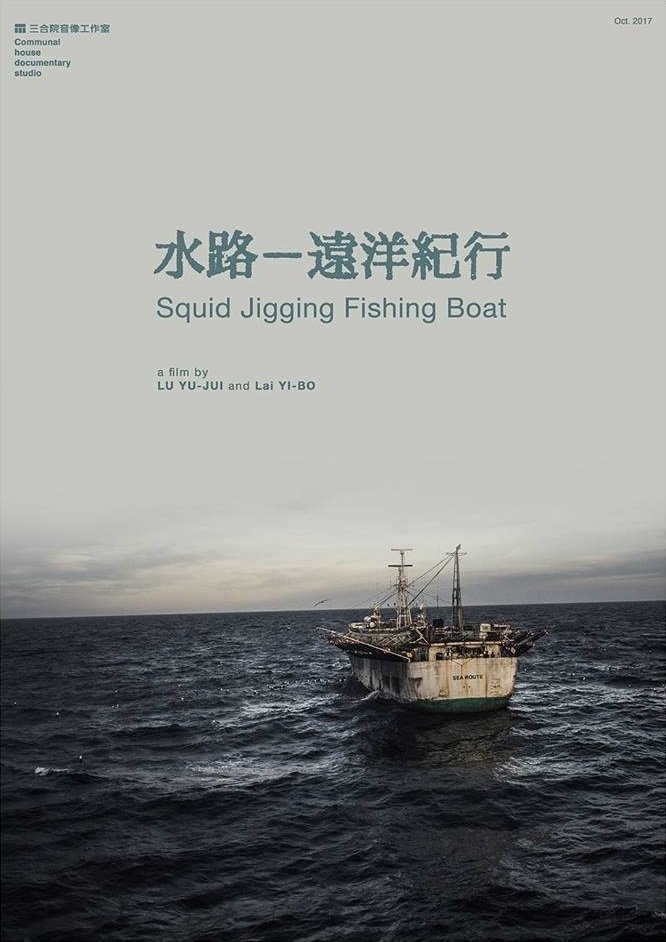
Every December to January, almost a hundred squid fishing boats from Ch'ien-chen Fishing Harbor in Kaohsiung will sail from East 120 to West 60 to work at Falkland Islands in the South West Atlantic. The sailing takes 35-40 days and crew members named it "waterway." January 1st, 2015, a 65 meter long, 11 meter wide fishing boat began its journey to Falkland island. This is a documentary about 60 crew members from south-east Asia to work far away from Taiwan.
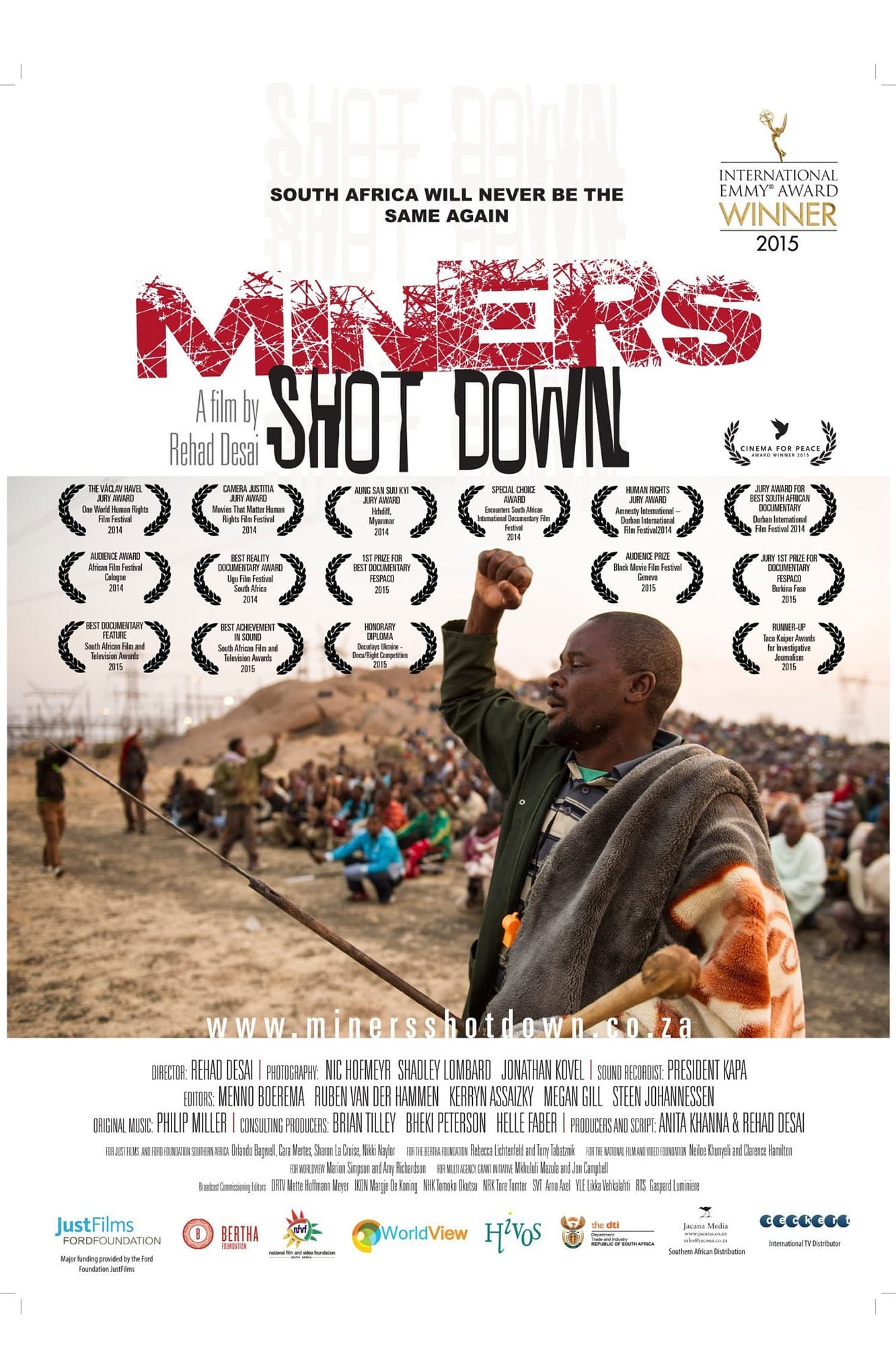
In August 2012, mineworkers in one of South Africa’s biggest platinum mines began a wildcat strike for better wages. Six days later the police used live ammunition to brutally suppress the strike, killing 34 and injuring many more. Using the point of view of the Marikana miners, Miners Shot Down follows the strike from day one, showing the courageous but isolated fight waged by a group of low-paid workers against the combined forces of the mining company Lonmin, the ANC government and their allies in the National Union of Mineworkers.
A compilation of over 30 years of private home movie footage shot by Lithuanian-American avant-garde director Jonas Mekas, assembled by Mekas "purely by chance", without concern for chronological order.
Live Aid was held on 13 July 1985, simultaneously in Wembley Stadium in London, England, and the John F. Kennedy Stadium in Philadelphia, United States. It was one of the largest scale satellite link-ups and television broadcasts of all time: watched live by an estimated global audience of 1.9 billion, across 150 nations. "It's twelve noon in London, seven AM in Philadelphia, and around the world it's time for Live Aid...!"
Taking inspiration from Peter M. Bracke's definitive book of the same name, this seven-hour documentary dives into the making of all twelve Friday the 13th films, with all-new interviews from the cast and the crew.
A detailed look at the gradual decline of Shenyang’s industrial Tiexi district, an area that was once a vibrant example of China’s socialist economy. But industry is changing, and the factories of Tiexi are closing. Director Wang Bing introduces us to some of the workers affected by the closures, and to their families.
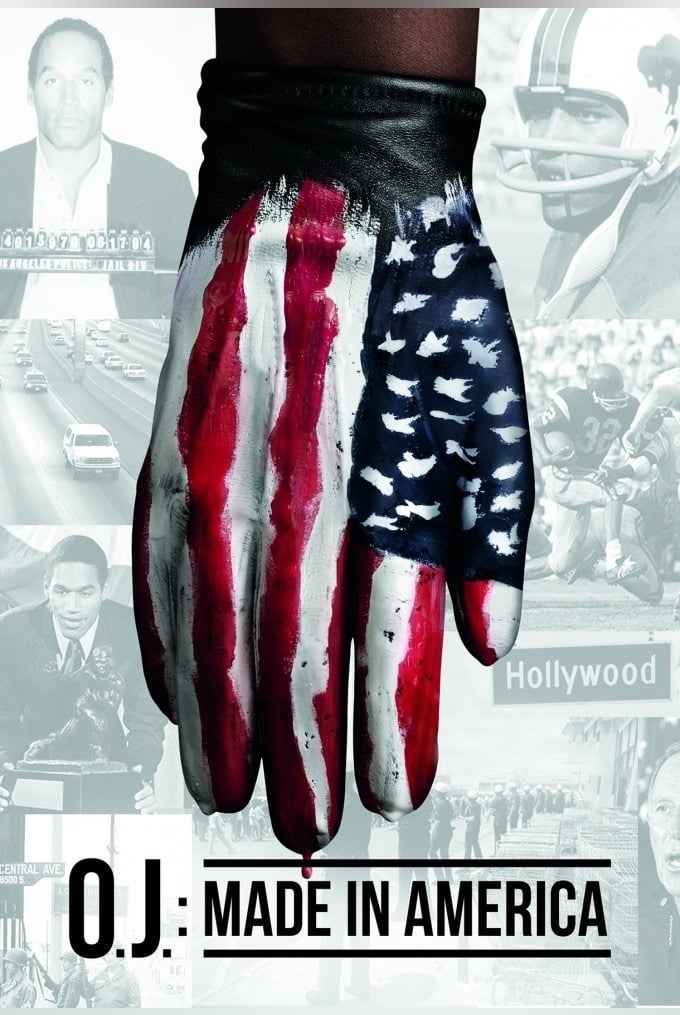
A chronicle of the rise and fall of O.J. Simpson, whose high-profile murder trial exposed the extent of American racial tensions, revealing a fractured and divided nation.
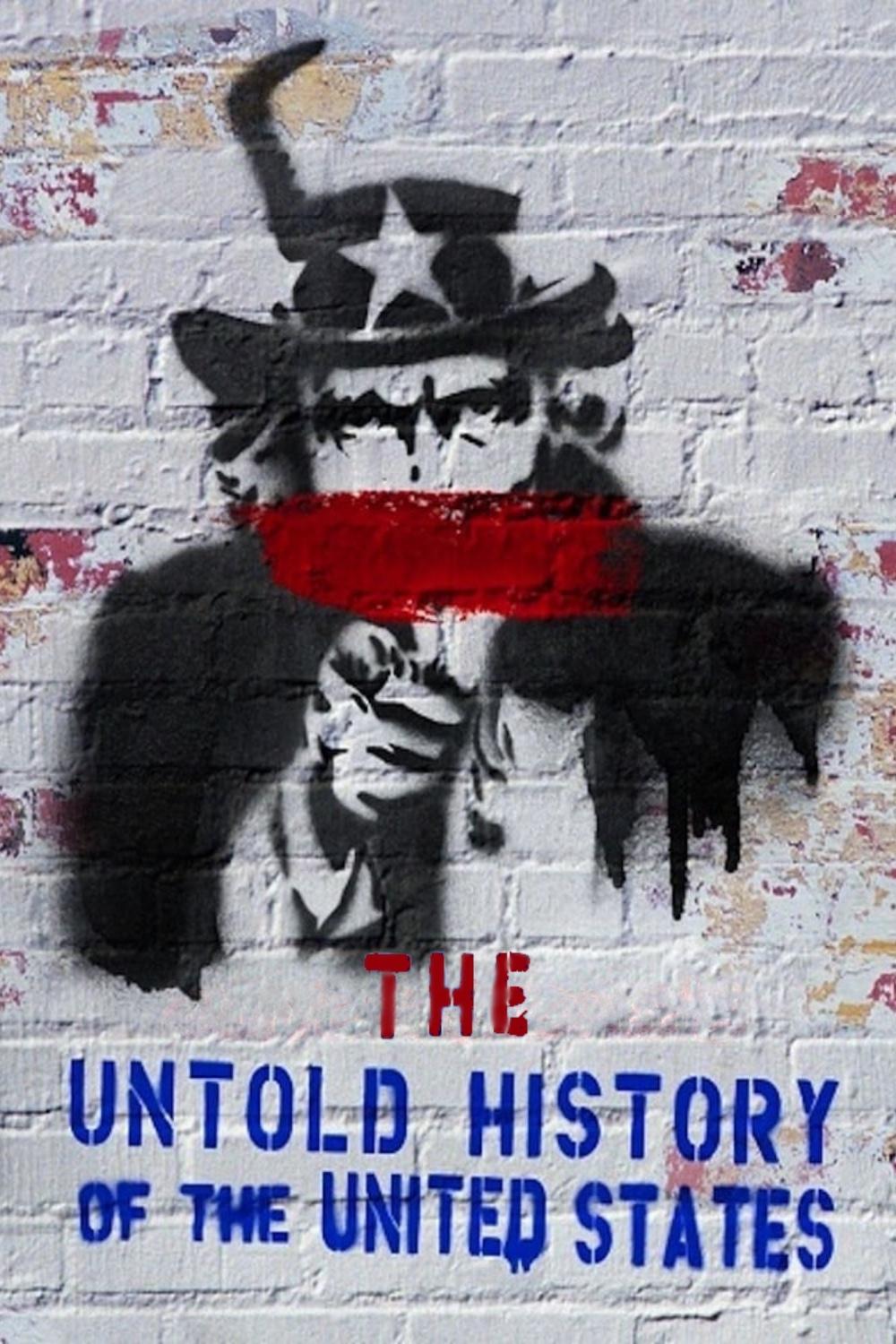
Oliver Stone charts the history of the United States from the Second World War to the present.
When the 'Big Four' - Metallica, Slayer, Megadeth and Anthrax - shared a stage together on 22nd June 2010 in Sofia, Bulgaria, the show was beamed live into over 550 theatres worldwide via satellite in a special HD cinematic event. The Big Four Live from Sofia includes full shows from all four bands as well as behind the scenes and interview footage. The legendary concert from the Sonisphere Festival was one of only 7 shows across Europe when the four monsters of metal shared a stage for the first time.