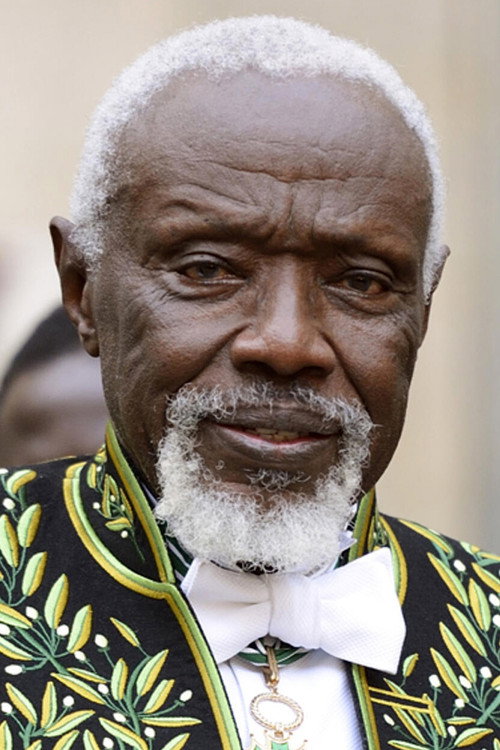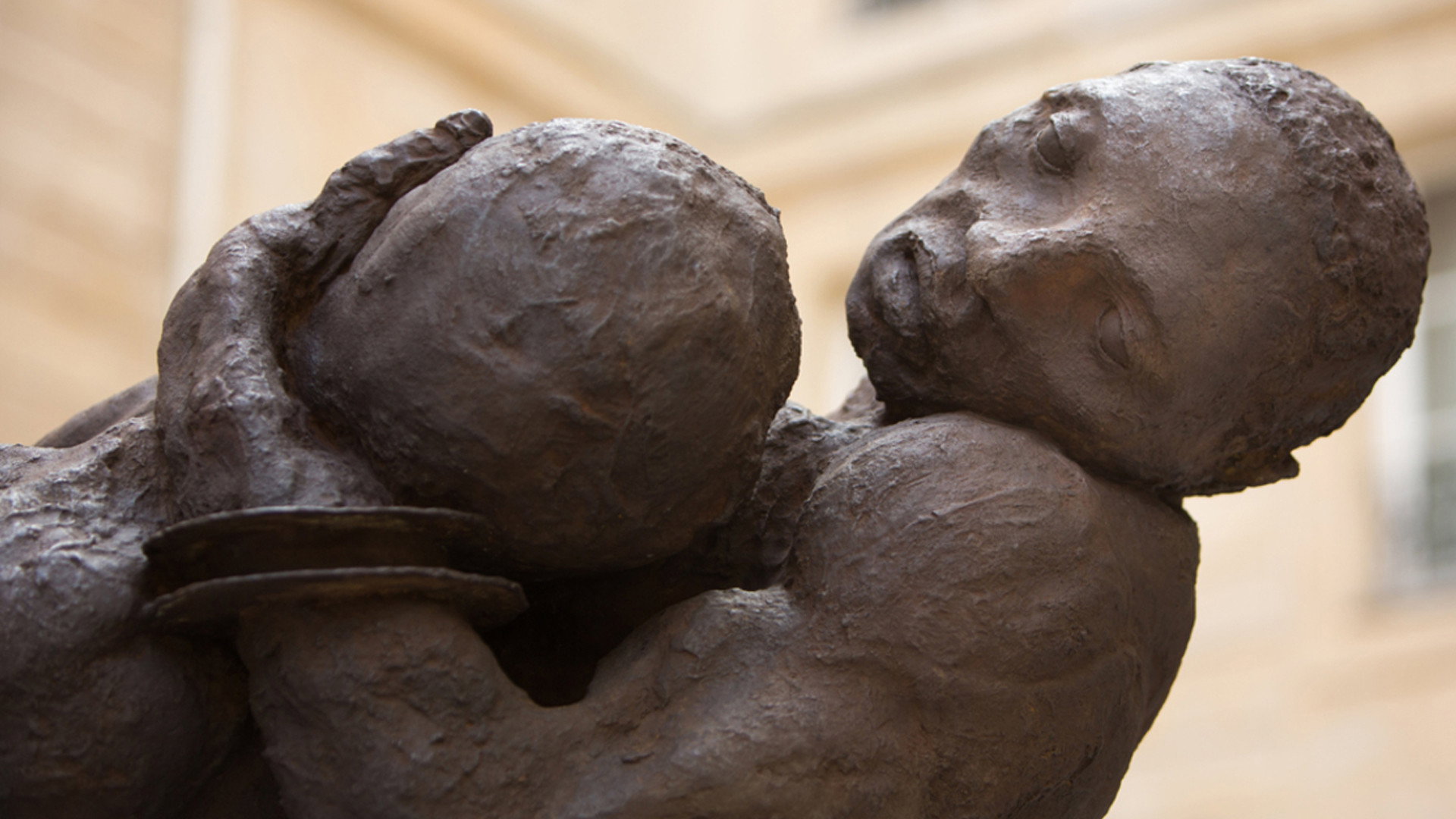
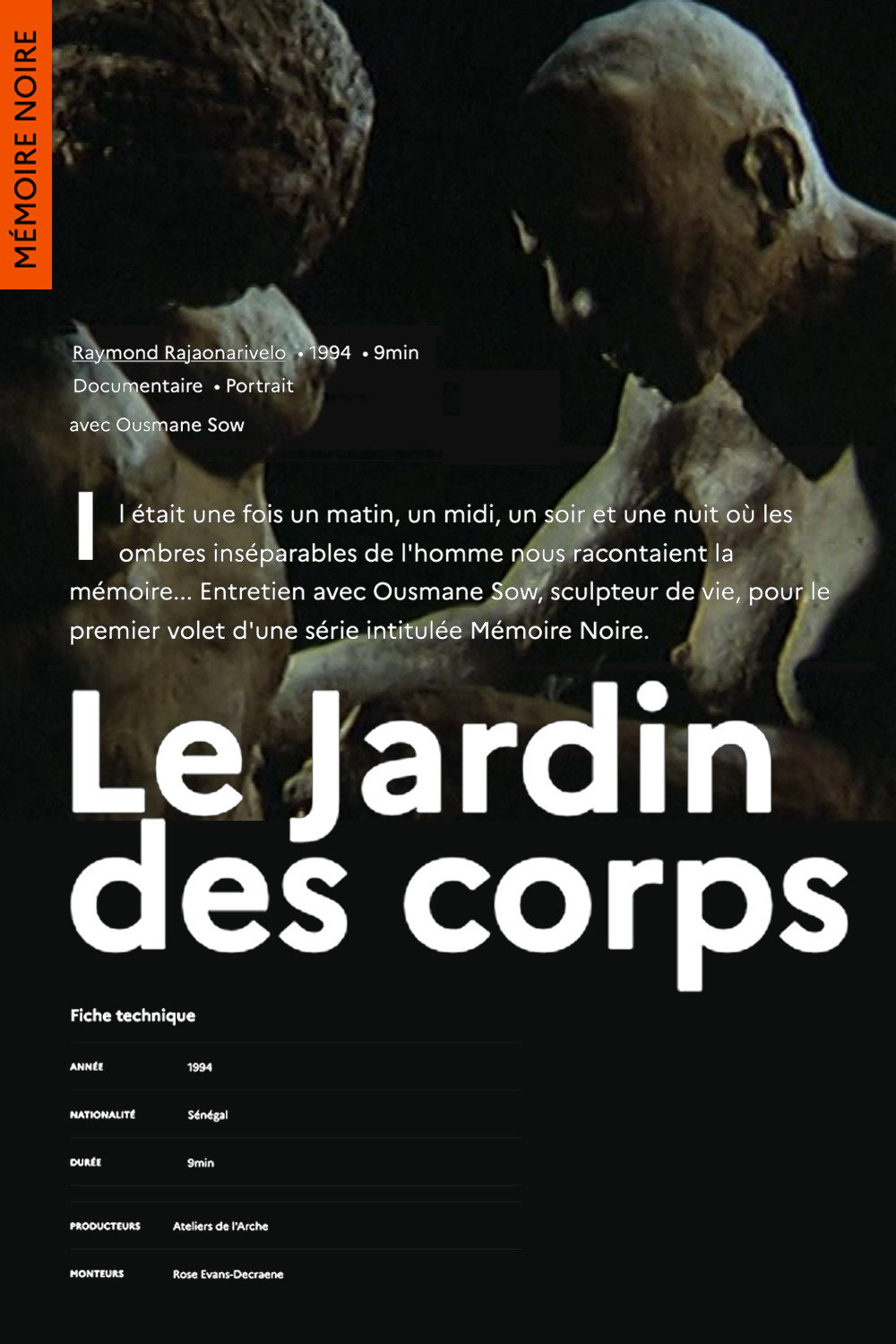
Once upon a time there was a morning, noon, evening and night when the inseparable shadows of man told us about memory... Interview with Ousmane Sow, life sculptor, for the first part of a series entitled Black Memory.
Social & External
Lui-même

Mike Tyson escaped a life of poverty and petty crime to make a name for himself, becoming the youngest Heavyweight Champion of the World and a household name—but his rise was followed by a very public fall. In this remarkably candid portrait, the boxer addresses his controversial past, including the rape charge that sent him to prison and his struggles with substance abuse, while also detailing his ultimate recovery and comeback.
Sylvia Kristel – Paris is a portrait of Sylvia Kristel , best known for her role in the 1970’s erotic cult classic Emmanuelle, as well as a film about the impossibility of memory in relation to biography. Between November 2000 and June 2002 Manon de Boer recorded the stories and memories of Kristel. At each recording session she asked her to speak about a city where Kristel has lived: Paris, Los Angeles, Brussels or Amsterdam; over the two years she spoke on several occasions about the same city. At first glance the collection of stories appears to make up a sort of biography, but over time it shows the impossibility of biography: the impossibility of ‘plotting’ somebody’s life as a coherent narrative.
This new intimate documentary looks at the extraordinary journey of the 75-year-old American rocker, who has come back from everything, and especially from the worst, but with his capacity for wonder intact.
Whether famous or anonymous, stars or prisoners, models or sex workers, women have always been at the center of Bettina Rheims' photographic work since her debut in 1978. Both subversive and glamorous, trashy and sophisticated, her photographs mark and bear witness to the upheavals of the era, which this leading photographer both anticipated and accompanied.
Nino Ferrer has had several lives: hits that made him famous; a dark but artistically fruitful period; a hidden life -of his own making- breaking away from showbiz. All these facets are concentrated in a brilliant, complex, skinned character. "It looks like Nino Ferrer" is a film rich in international archives (TSR, RTSI, Rai...), rare documents (Super 8 films of the Ferrer family) and even unpublished films (Nino Ferrer as an actor in an advertisement for Italian cheese). The film is also punctuated by the memories of famous musicians such as Manu Dibango as well as by the singer's successes and his live performances (L'Olympia, L'Arche de Noé).
In the French music world, the beginning of the 2000s was marked by the arrival of a young rapper, Diam's. Over the course of three albums, she has become a phenomenon in France, as well as in many countries around the world. Diam's has won some of the most prestigious awards in French music, graced the covers of countless magazines, and sold millions of records. However, in 2010, at the height of her fame, Diam's made a life choice that shocked the French: she converted to Islam. How did a tortured and suicidal artist find her way to peace? For the first time Diam's, known to her family as Mélanie, tells us the real story.
You've seen him interview Mikhail Gorbachev, Angelina Jolie, Robbie Williams, Mariah Carey, Brad Pitt, Jane Fonda, Robert De Niro... You know him, but you don't really know him. Everyone has talked about Ardisson without ever getting close to the truth about him. My ambition: to reveal the man behind the costume of "The Man in Black." I thought to myself: if anyone can figure him out, it's me, a journalist and portraitist who has lived with him for 15 years. Who is the private Thierry behind the spectacular Ardisson? What we discover is how much Ardisson's personal history reflects the eras he has lived through, their contradictions, their utopias, their excesses, their violence. Like so many facets of a man and of society at the turn of the century.
A moving portrait of one of the most loved and read Danish poets, Halfdan Rasmussen. The film covers both the early years with poverty and wartime on to success and the humorous nonsense verses that has made Rasmussen one of the most read authors in Denmark.
In the silence and darkness of a trembling mountain, we discover the underground world through the eyes of a boy, an old miner and a woman. Where sweat mixes with the blood of history, a story emerges about colonial heritage and the endless cycle of exploitation.
A portrait of the American artist Ray Johnson (1927-1995), based on a personal interpretation of Johnson’s avant-garde strategies, using the telephone and the internet as primary sources for sound and image.
In 1996 I took the conservatory exam. I missed it. A year ago I was asked to do a masterclass on acting in cinema. I went there. I met a lively, joyful and passionate youth. Among my students there was Clémence. The following year, she asked me to film their last show. I felt her urgency and the fear she had of leaving this mythical place. So I accepted. By filming this youth, I revisited mine.
Stop for Bud is Jørgen Leth's first film and the first in his long collaboration with Ole John. […] they wanted to "blow up cinematic conventions and invent cinematic language from scratch". The jazz pianist Bud Powell moves around Copenhagen -- through King's Garden, along the quay at Kalkbrænderihavnen, across a waste dump. […] Bud is alone, accompanied only by his music. […] Image and sound are two different things -- that's Leth's and John's principle. Dexter Gordon, the narrator, tells stories about Powell's famous left hand. In an obituary for Powell, dated 3 August 1966, Leth wrote: "He quite willingly, or better still, unresistingly, mechanically, let himself be directed. The film attempts to depict his strange duality about his surroundings. His touch on the keys was like he was burning his fingers -- that's what it looked like, and that's how it sounded. But outside his playing, and often right in the middle of it, too, he was simply gone, not there."
Documentary on the French graphic and visual artist and designer, editor, artistic director, and teacher who is known for his widely-used fonts.
Documentary portrait of the poet Karla Erbová is a confession of a creative personality who, despite many twists and turns in life, remains true to her ideals and moral values. We witness the final year of the author's life, during which, even at the age of ninety, she continues to engage in public appearances and, above all, actively works on her craft. Through letters that Erbová wrote to her friend, the film offers an intimate, often self-deprecating reflection on old age, solitude, and relationships with loved ones, as well as an indomitable faith in poetry. The film "Ulita" not only highlights the pivotal moments of her life but also serves as a sociological exploration of the lives of the oldest generation.
The documentary film tells the story of Zucchero Sugar Fornaciari through his words and those of colleagues and friends such as Bono, Sting, Brian May, Paul Young, Andrea Bocelli, Salmo, Francesco Guccini, Francesco De Gregori, Roberto Baggio, Jack Savoretti, Don Was, Randy Jackson and Corrado Rustici. A journey of the soul which, thanks to images coming from Zucchero's private archives and from the "World Wild Tour", his last and triumphant world tour, goes beyond the portrait of a successful musician reaching into the doubts and fragilities of 'man.
With his soaring falsetto and magnetic yet understated stage presence, Jimmy Somerville burst onto the 1980s new wave scene, making the world dance to songs rooted in struggle and resilience. From the harsh realities of Glasgow’s working-class neighborhoods to the challenges of growing up gay in a hostile world, and the devastating impact of the AIDS crisis, Somerville transformed pain into anthems of freedom. First with Bronski Beat, then The Communards, and later as a solo artist, he became both rebel and diva—the unmistakable voice of a generation fighting for equality. Through intimate stories from those who have stood by him for four decades, this portrait reveals a rare artist who has never wavered in his convictions.
Made in the sunset years of Paul Bowles’ life, the film sees the eccentric author and composer reminisce on how he ended up in Morocco.
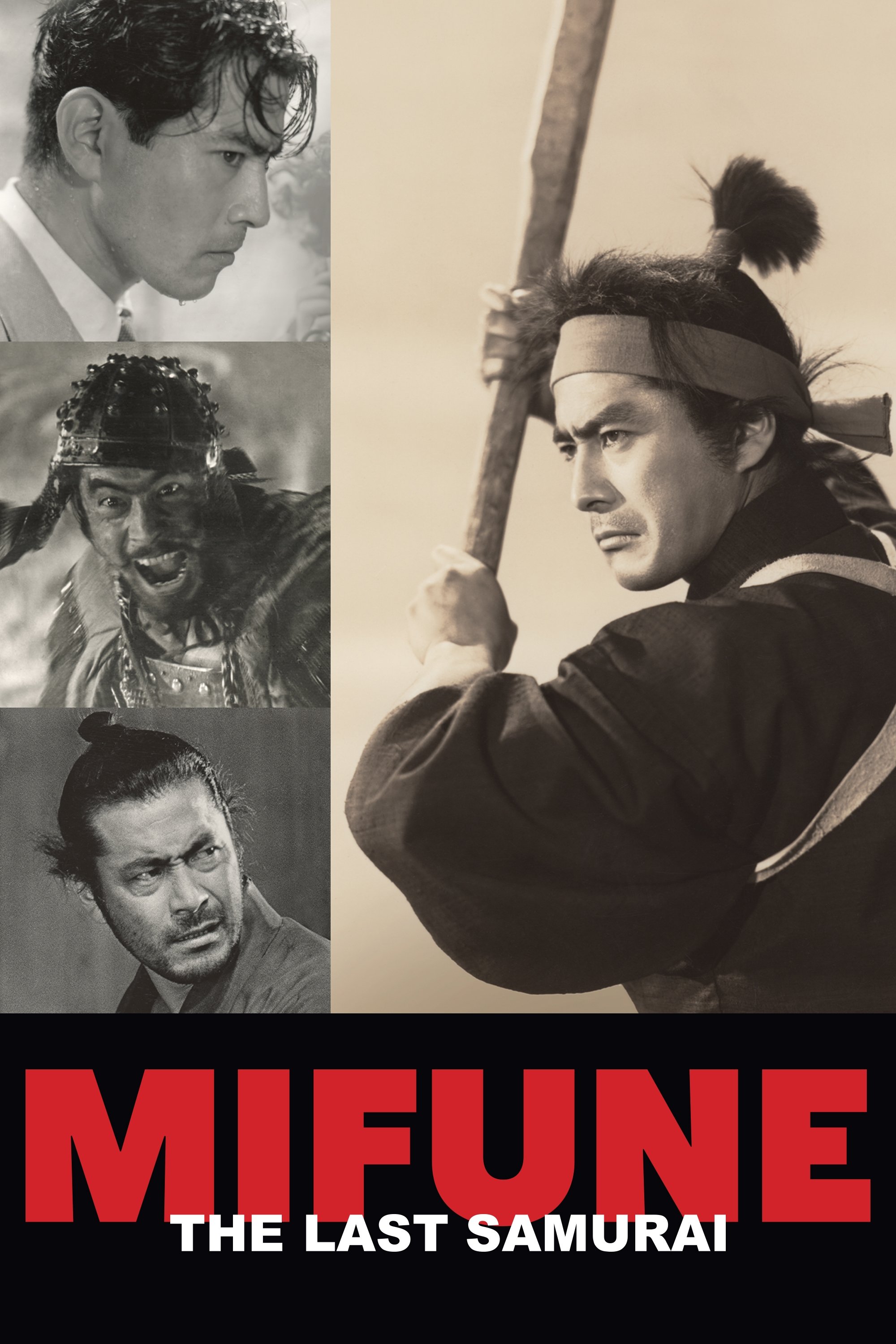
An account of the life and work of legendary Japanese actor Toshirō Mifune (1920-97), the most prominent actor of the Golden Age of Japanese cinema.
Nude men in rubber suits, close-ups of erections, objects shoved in the most intimate of places—these are photographs taken by Robert Mapplethorpe, known by many as the most controversial photographer of the twentieth century. Openly gay, Mapplethorpe took images of male sex, nudity, and fetish to extremes that resulted in his work still being labelled by some as pornography masquerading as art. But less talked about are the more serene, yet striking portraits of flowers, sculptures, and perfectly framed human forms that are equally pioneering and powerful.
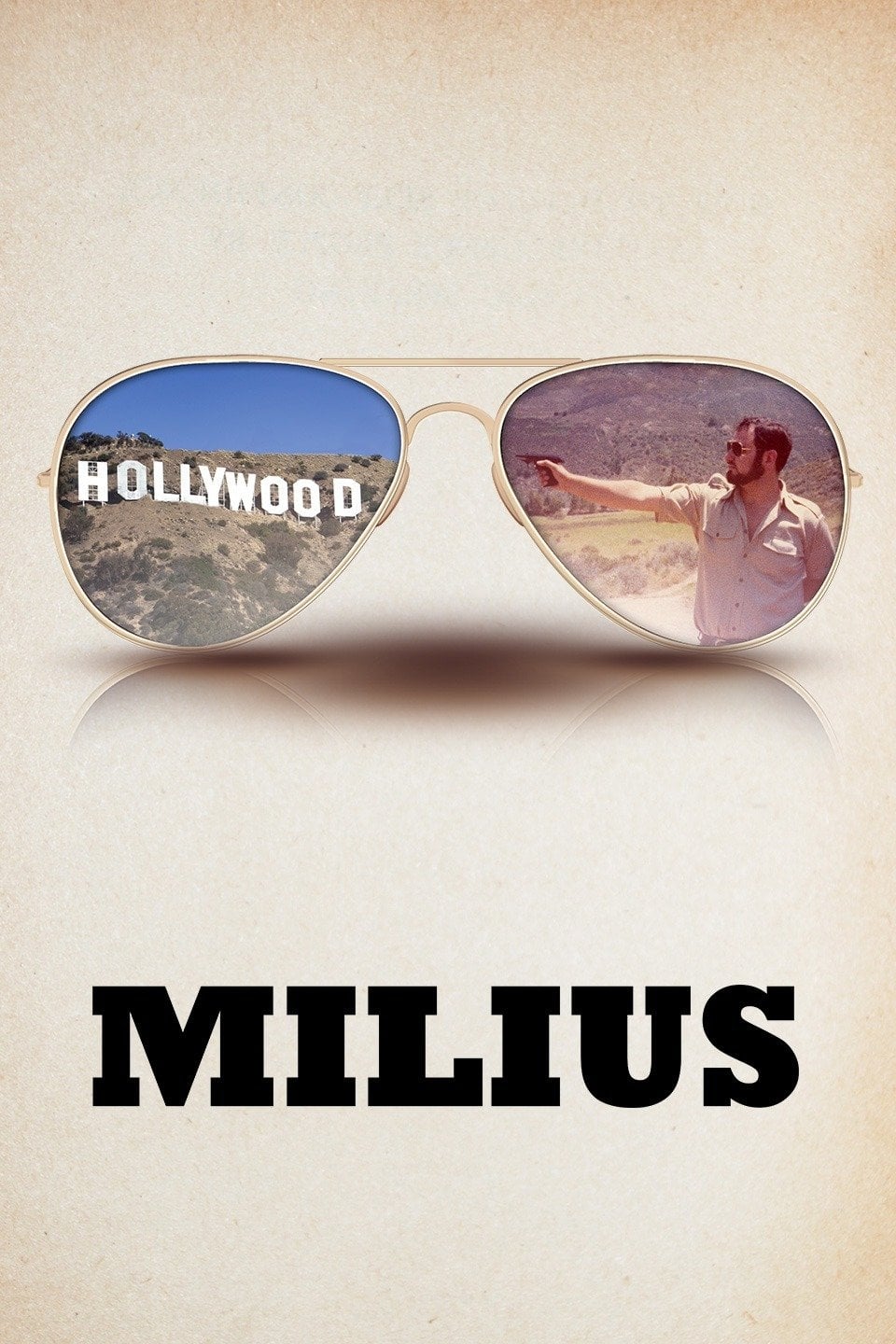
The life story of ‘Zen Anarchist’ filmmaker John Milius, one of the most influential storytellers of his generation.
Photographer Estevan Oriol and artist Mister Cartoon turned their Chicano roots into gritty art, impacting street culture, hip hop and beyond.
From a prolific career in film and television, Anton Yelchin left an indelible legacy as an actor. Through his journals and other writings, his photography, the original music he wrote, and interviews with his family, friends, and colleagues, this film looks not just at Anton's impressive career, but at a broader portrait of the man.
Thousands of royal artifacts of Dahomey, a West African kingdom, were taken by French colonists in the 19th century for collection and display in Paris. Centuries later, a fraction returned to their home in modern-day Benin. This dramatized documentary follows the journey of 26 of the treasures as told by cultural art historians, embattled university students, and one of the repatriated statues himself.
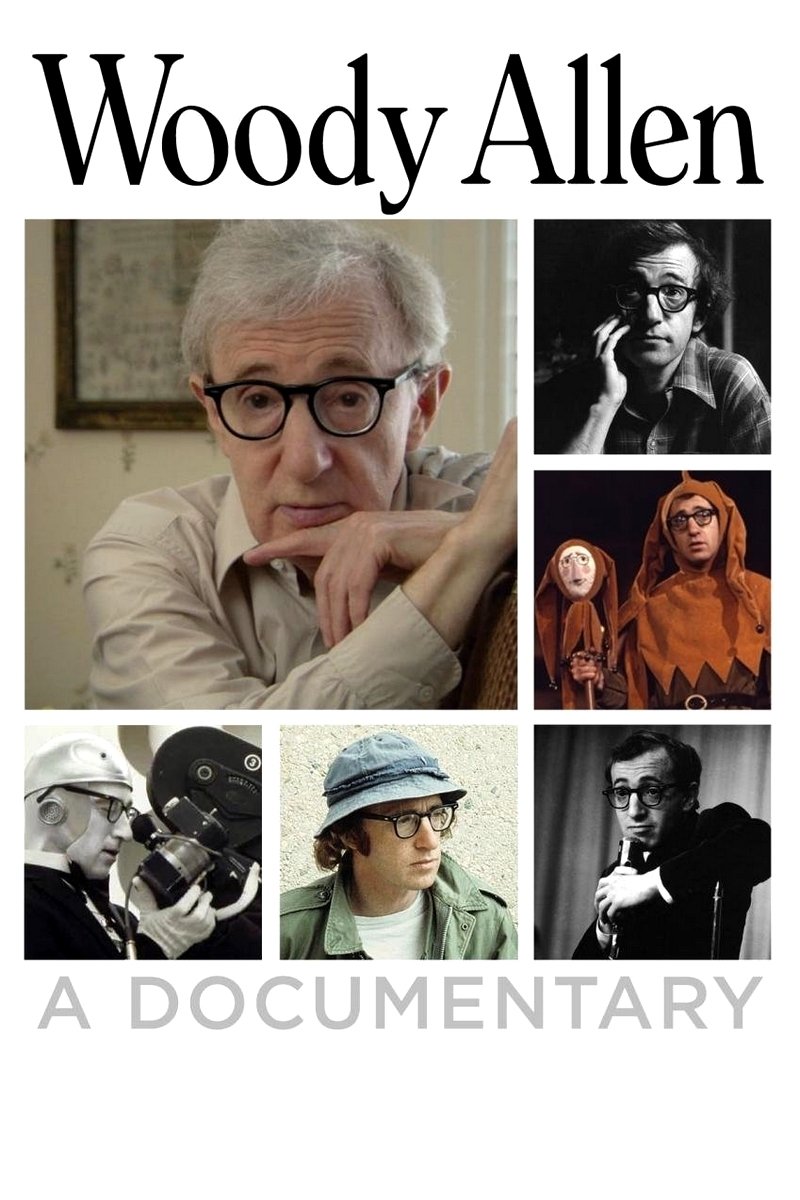
An intense portrait of the iconic filmmaker, writer, actor, comedian and musician Woody Allen: his life, family and friends; his writing and directing habits, and his relationship with performers.
A tribute to Chadwick Boseman, celebrating his life and legacy.
The life and career of an actor, artist, and icon. His own journey through his own camera.
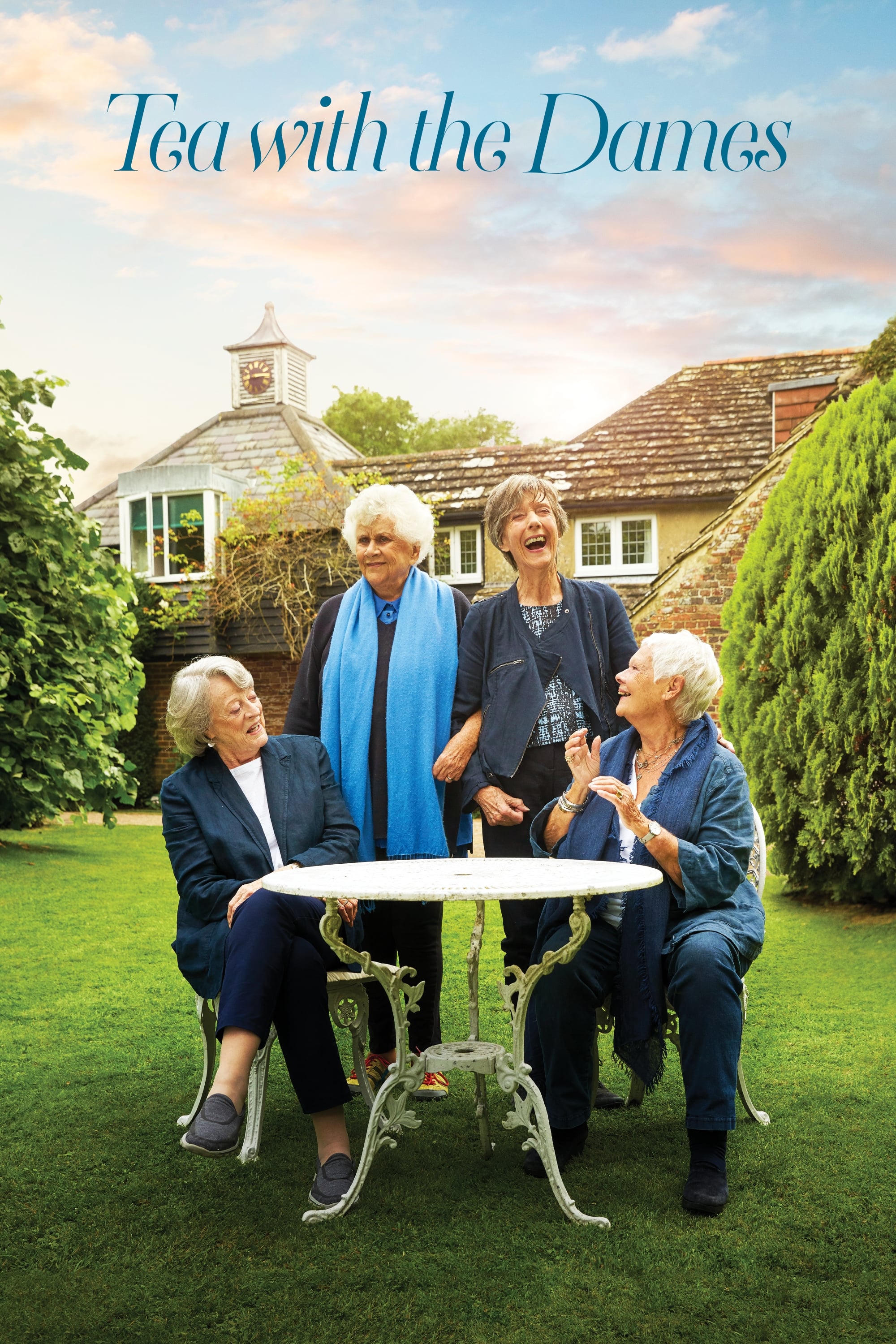
BBC Arena's documentary on the Dames of British Theatre and film featuring Maggie Smith, Eileen Atkins, Judi Dench and Joan Plowright on screen together for the first time as they reminisce over a long summer weekend in a house Joan once shared with Sir Laurence Olivier.
Drawn from a never before seen cache of personal footage spanning decades, this is an intimate portrait of the Sri Lankan artist and musician who continues to shatter conventions.
The Oscar nominated actor best known for his role of Mr. Miyagi, left behind a painfully revealing autobiographical record of his much-too-brief time here on earth. Tracing his journey from being bed bound as a boy to the bright lights and discrimination in Hollywood. Deep inside that sweet, generous, multi-talented performer seethed an army of demons, that even alcohol and drugs couldn't mask.
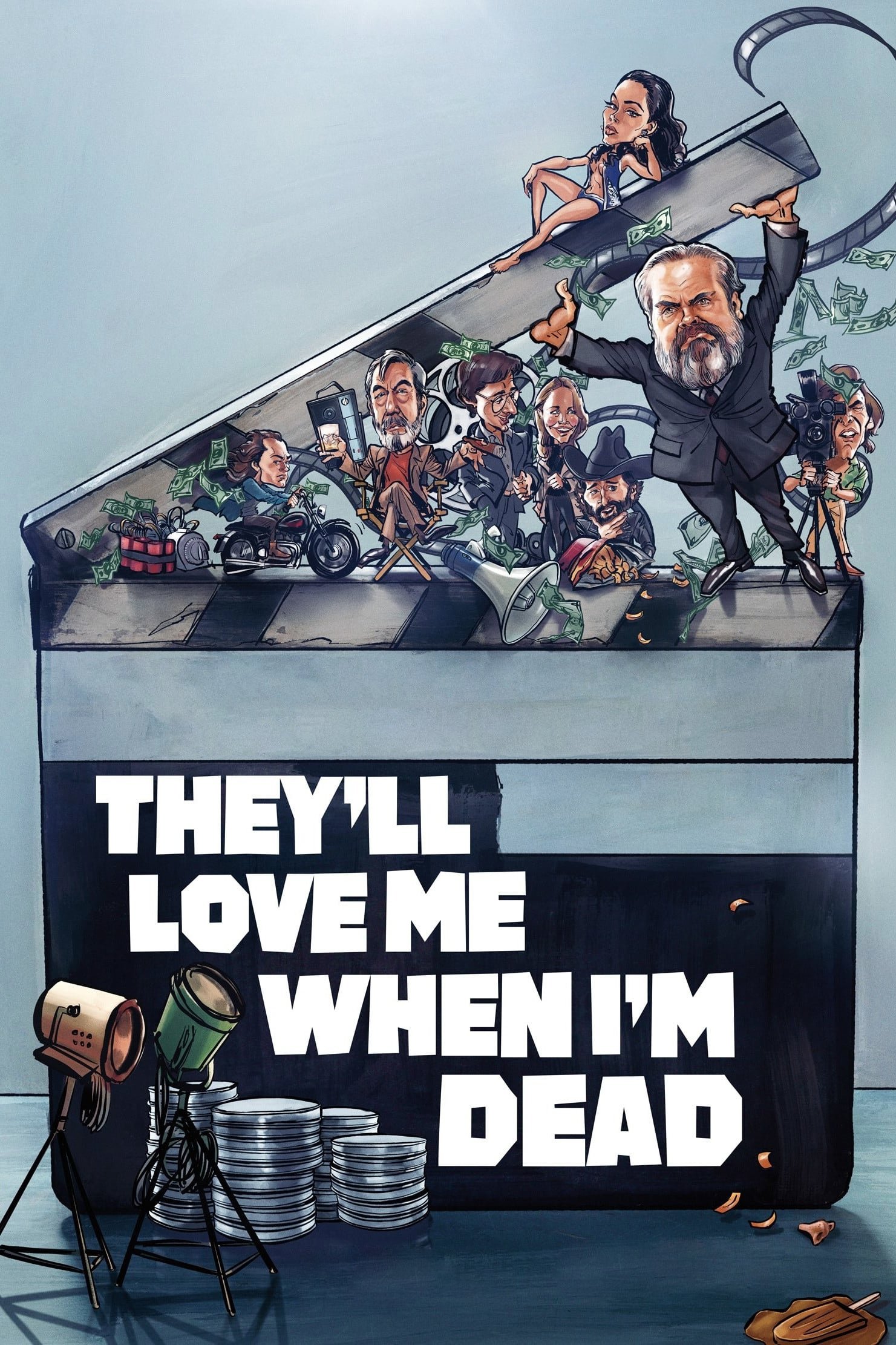
As his life comes to its end, famous Hollywood director Orson Welles puts it all on the line at the chance for renewed success with the film The Other Side of the Wind.
It's 1974. Muhammad Ali is 32 and thought by many to be past his prime. George Foreman is ten years younger and the heavyweight champion of the world. Promoter Don King wants to make a name for himself and offers both fighters five million dollars apiece to fight one another, and when they accept, King has only to come up with the money. He finds a willing backer in Mobutu Sese Suko, the dictator of Zaire, and the "Rumble in the Jungle" is set, including a musical festival featuring some of America's top black performers, like James Brown and B.B. King.
An impressionistic portrait of the iconic actor Harry Dean Stanton comprised of intimate moments, film clips from some of his 250 films and his renditions of American folk songs.
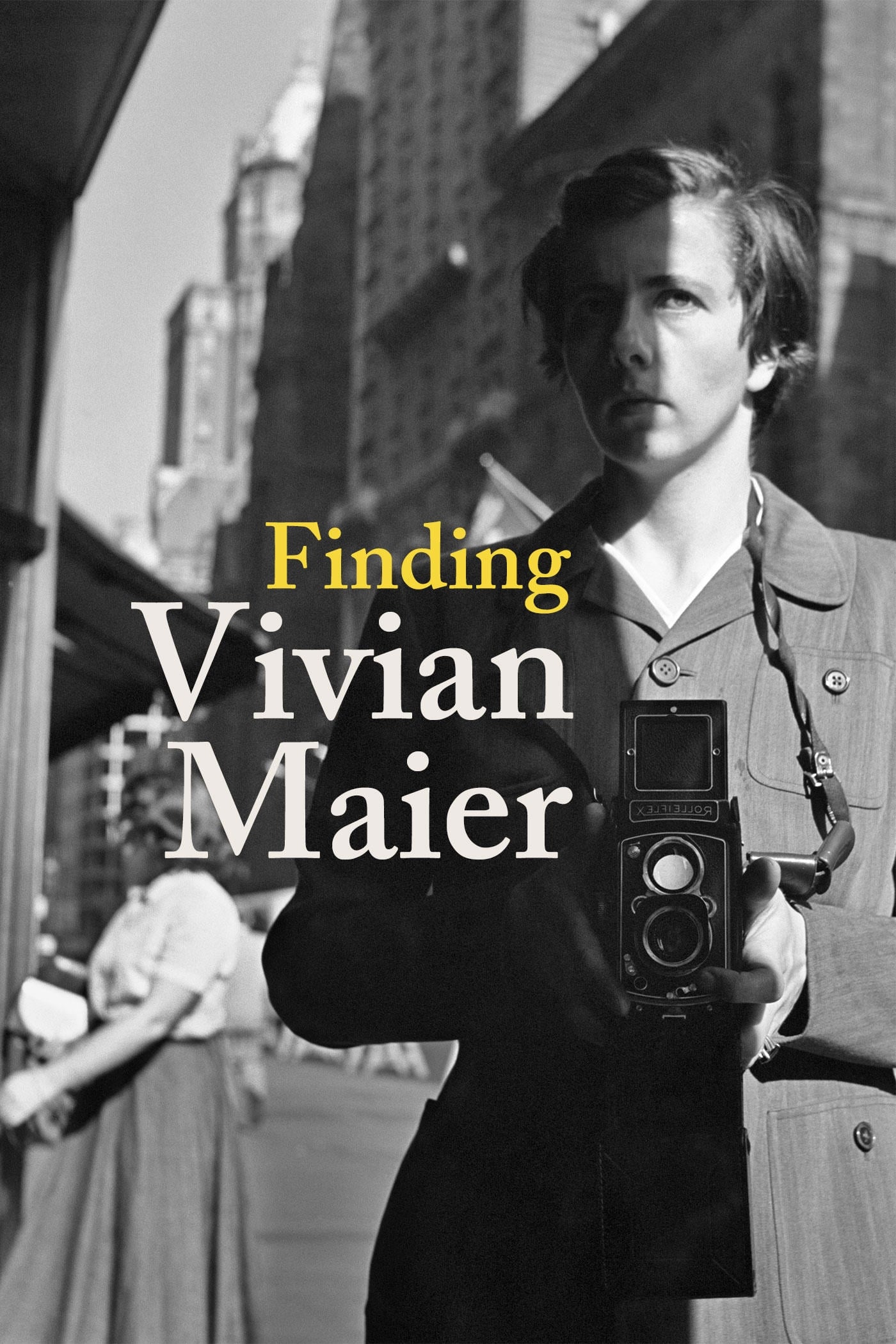
Vivian Maier's photos were seemingly destined for obscurity, lost among the clutter of the countless objects she'd collected throughout her life. Instead these images have shaken the world of street photography and irrevocably changed the life of the man who brought them to the public eye. This film brings to life the interesting turns and travails of the improbable saga of John Maloof's discovery of Vivian Maier, unravelling this mysterious tale through her documentary films, photographs, odd collections and personal accounts from the people that knew her. What started as a blog to show her work quickly became a viral sensation in the photography world. Photos destined for the trash heap now line gallery exhibitions, a forthcoming book and this documentary film.
Diaries, audiotapes, videotapes and testimonials from friends and colleagues offer insight into the life and career of Gilda Radner -- the beloved comic and actress who became an icon on Saturday Night Live.
20 years after Calvin and Hobbes stopped appearing in daily newspapers, filmmaker Joel Allen Schroeder has set out to explore the reasons behind the comic strip's loyal and devoted following.
A poetic journey into the visual world of the legendary filmmaker and actor Orson Welles (1915-85) that reveals a new portrait of a unique genius, both of his life and of his monumental work: through his own eyes, drawn by his own hand, painted with his own brush.
A compilation of over 30 years of private home movie footage shot by Lithuanian-American avant-garde director Jonas Mekas, assembled by Mekas "purely by chance", without concern for chronological order.