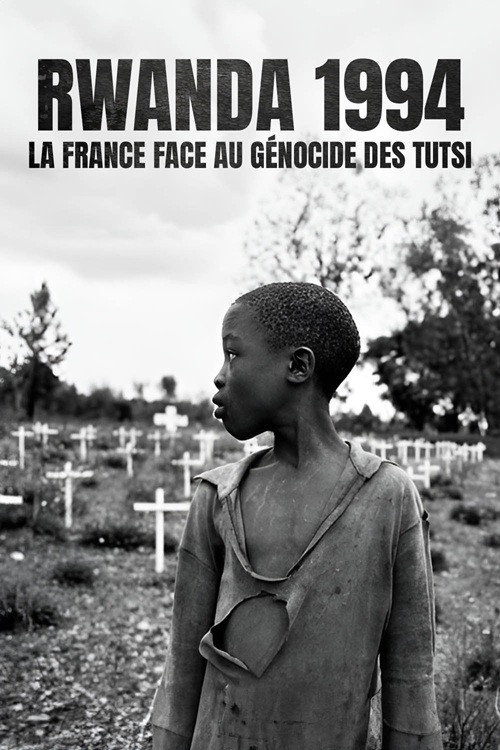
French documentary about genocide in Rwanda
Social & External
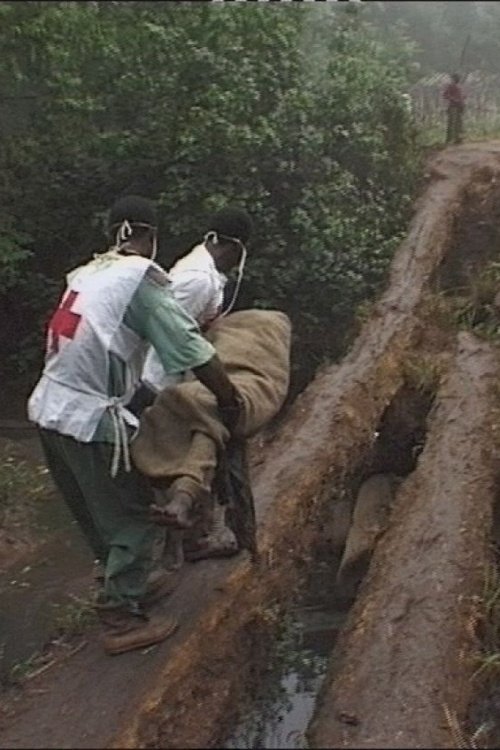
Along an overgrown rail track south of the Zairean town Kisangani, a UN expedition together with a handful of journalists discover “lost” refugees. They are eighty thousand Hutus from far away Rwanda, the last survivors of three years of hunger and armed persecution that transpired throughout the vast Congo basin. The Hutu-refugees leave the forest, gathering in two gigantic camps. Hundreds of refugees die every day from diseases and malnutrition The Rwandans are promised repatriation with airplanes out of Kisangani. The film traces those refugees into the heart of the rainforest, and the hopeless attempts to help them.. But only four weeks later, the unprotected UN-camps are again attacked by machine-gun fire, deliberately massacred by factions of the rebel army (AFDL) of today’s Democratic Republic Congo. Eighty thousand men, women and children disappear once again back into the jungle. (jedensvet.cz)
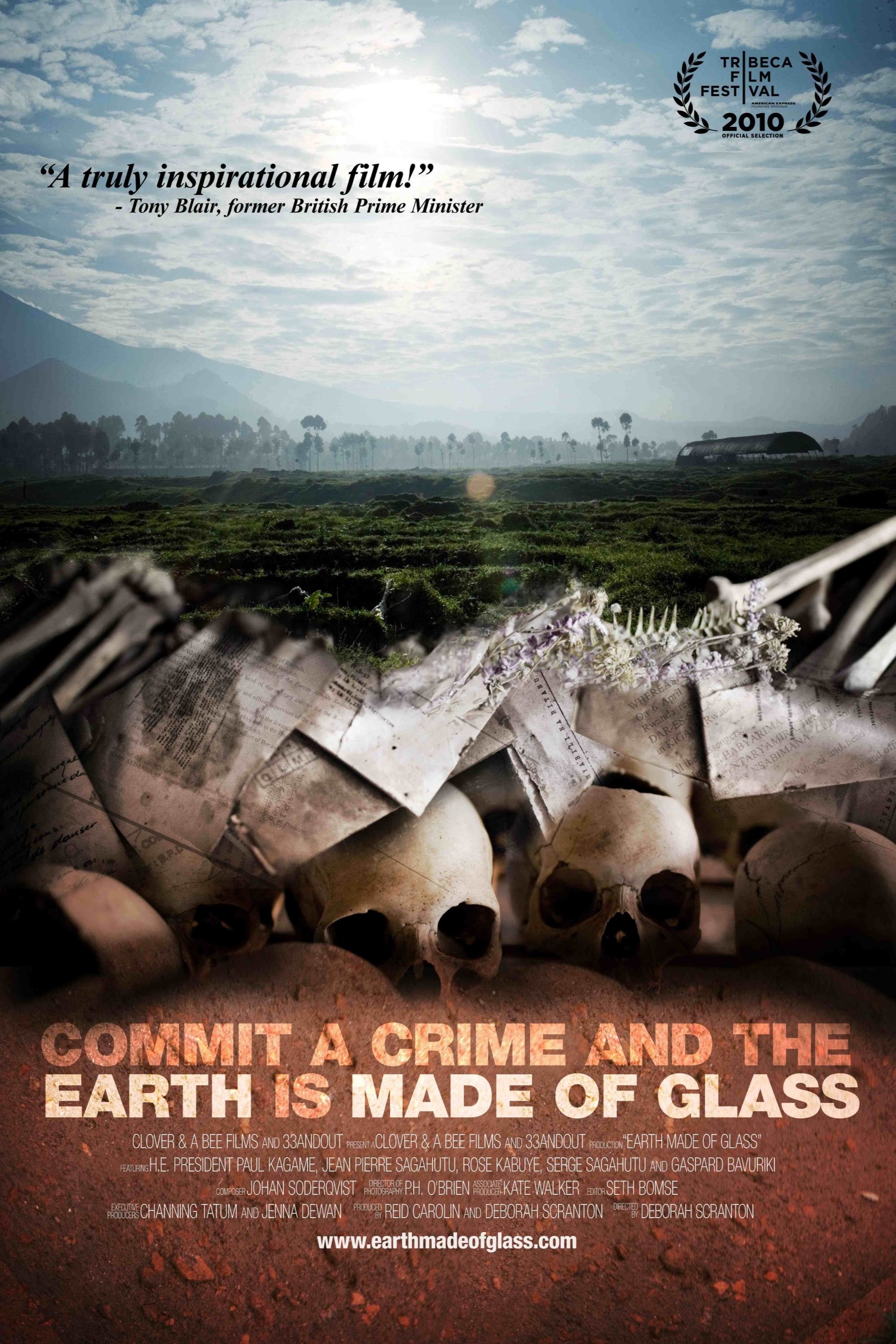
Chronicling the search for truth and peace in post-genocide Rwanda. Director Deborah Scranton explores issues of peace, retribution, accountability and justice, ultimately discovering a blueprint for ending the cycle of violence. Examining the personal and political repercussions of the deadly conflict in this east African country.
Sexual violence against women is a very effective weapon in modern warfare: instills fear and spreads the seed of the victorious side, an outrageous method that is useful to exterminate the defeated side by other means. This use of women, both their bodies and their minds, as a battleground, was crucial for international criminal tribunals to begin to judge rape as a crime against humanity.
Amani is 31. When he was an infant, he survived the genocide against Rwanda’s Tutsi population. Three decades later, Amani has set up an organisation in Nyamirambo, one of the more economically impoverished districts of the country’s capital, Kigali. It employs creativity, artistic practice and performance to grapple with poverty and generational trauma – acknowledging that deep-seated ideologies can easily foment prejudice and create an environment that proved so catastrophic in the past.
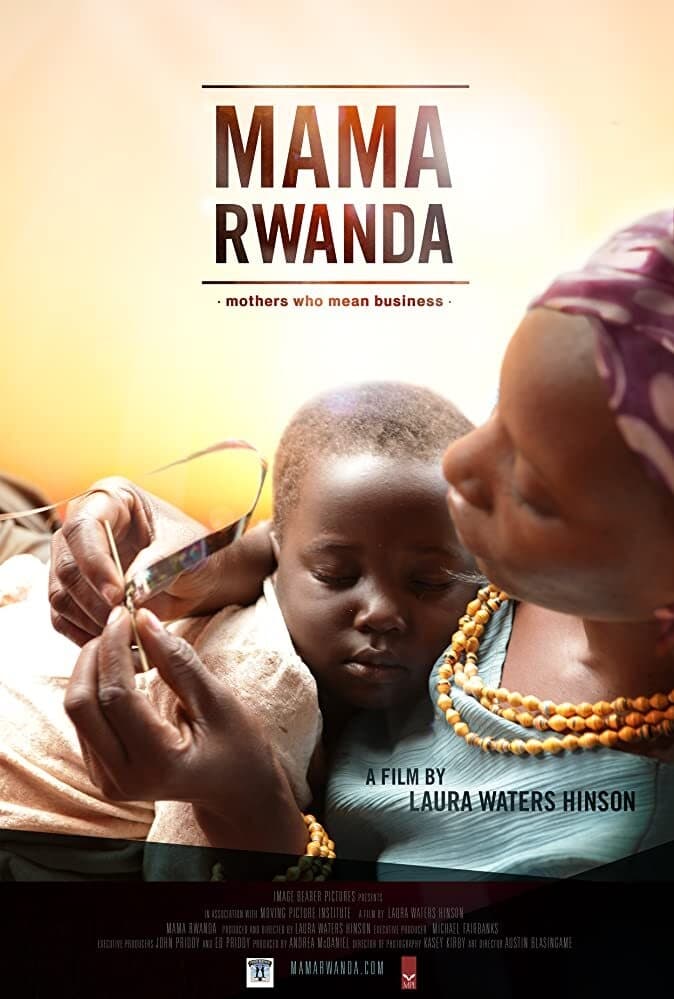
MAMA RWANDA is the story of two women mixing the wit of motherhood with the spirit of entrepreneurship to overcome extreme poverty. Drocella, a village wife, and Christine, a city widow, represent a new generation of women business-owners transforming post-genocide Rwanda into one of the top ten fastest growing economies in the world. A modern tale of the work/life balancing act, MAMA RWANDA illuminates the remarkable lives of two working mothers in the developing world.
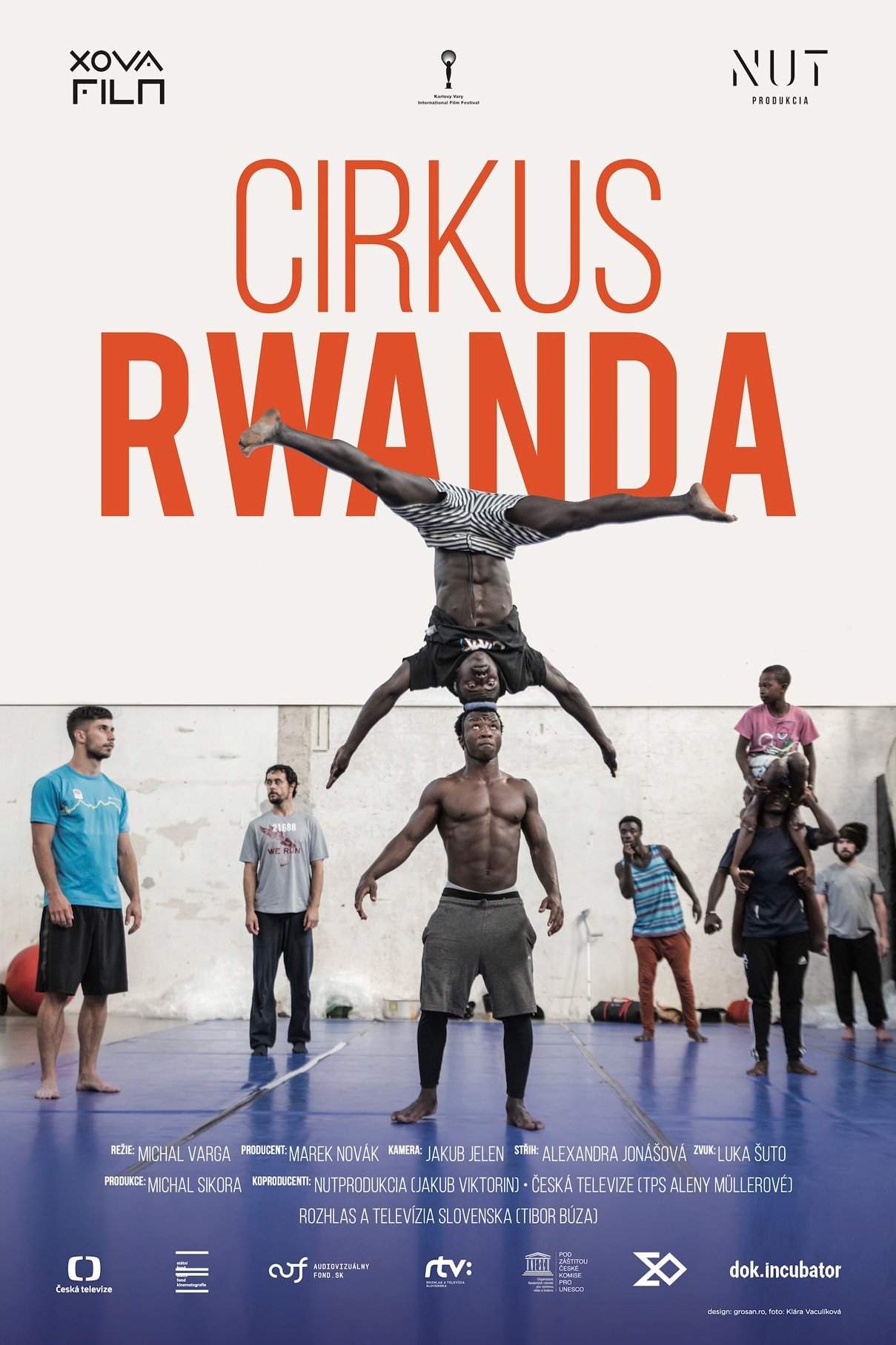
Eliseé survived the Rwandan genocide as a child. Today he leads an orphan acrobat group in a country, which heavily relies on foreign aid. He cares for the orphaned children and wants them to be happy, to have some sense in their lives. Rosta Novák built a worldwide-acclaimed circus group in Prague, where he successfully rules with a firm, paternal hand, but has permanently dark under-eye circles from the workload. The majority of Rwandese think that all people in Europe are fairy rich. On the other hand, many Europeans think that it is necessary to help Africa with everything. What happens, if we merge these two worlds in a film, during the preparation of a joint circus performance? What are the true motivations of our protagonists and what does it tell us about the Africa-Europe relationship? And who actually helps whom, in the end?
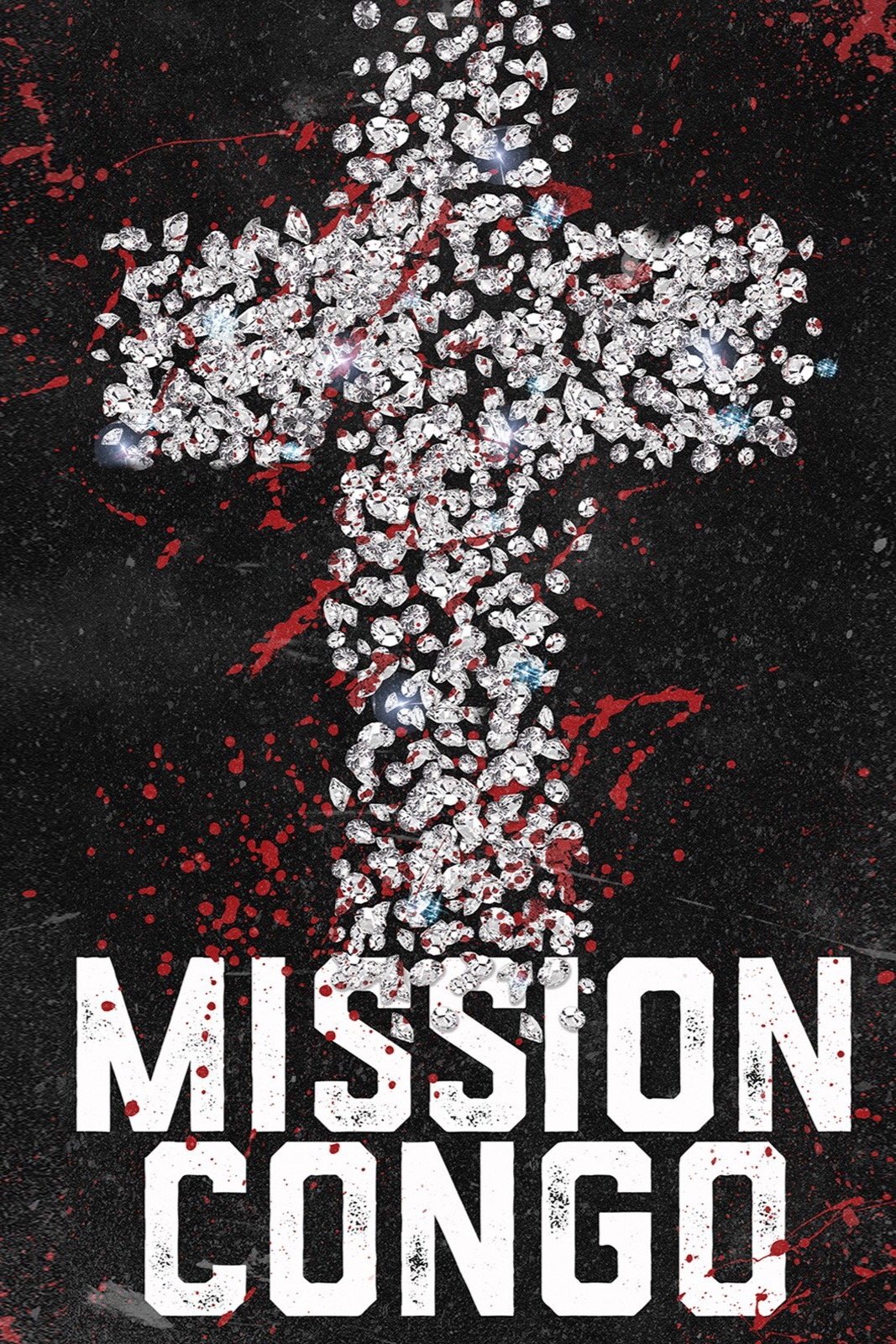
A documentary that examines whether a charity organized by Pat Robertson to aid Rwandan genocide refugees was a front for diamond mining.
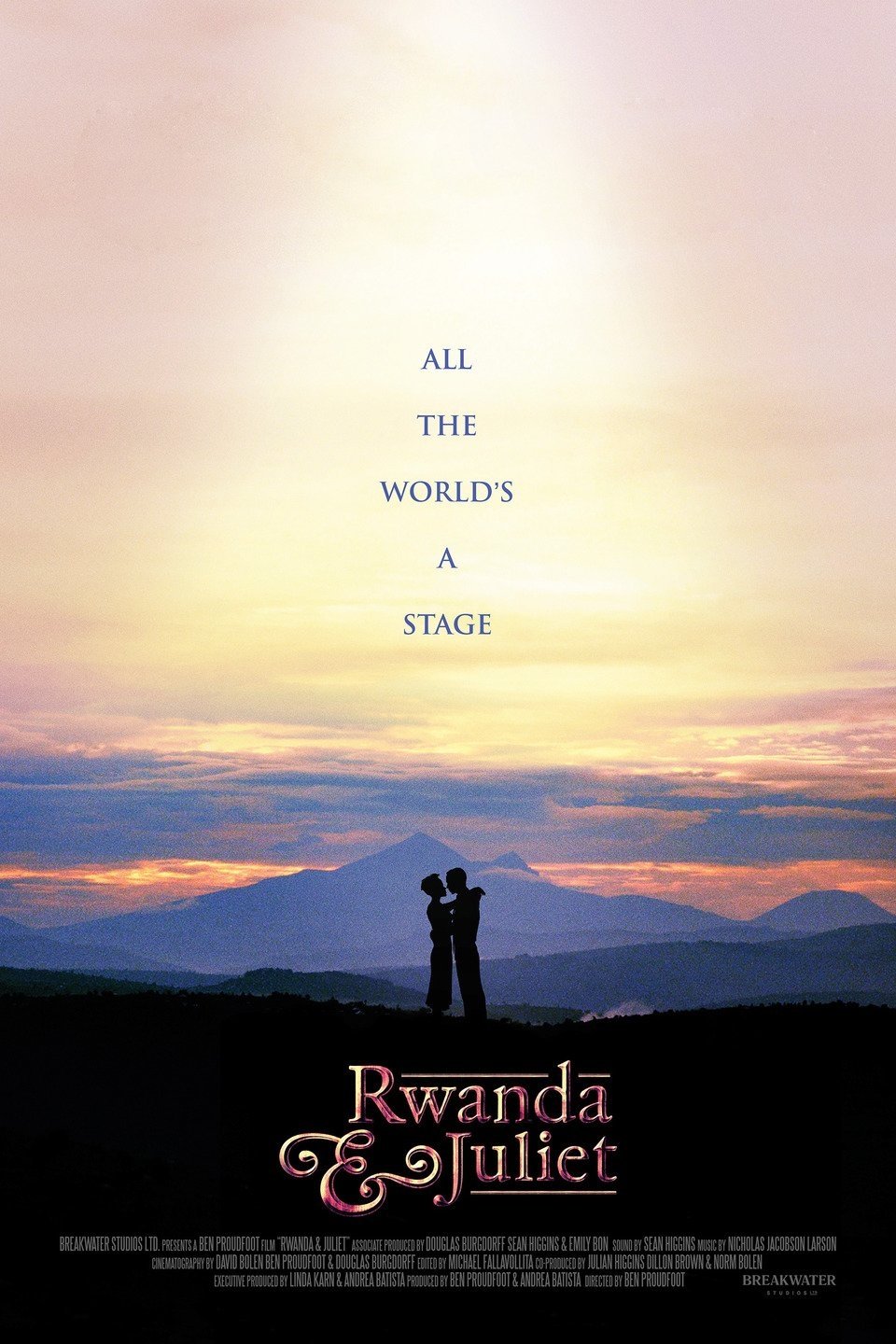
A feature documentary set in Kigali, Rwanda, the epicenter of the genocide that left a million dead two decades earlier. The film follows eccentric retired Dartmouth Professor Emeritus, Andrew Garrod, as he mounts Romeo and Juliet with college students from both Hutu and Tutsi backgrounds. Hopes, expectations, pasts, personalities and cultures collide as opening night approaches.
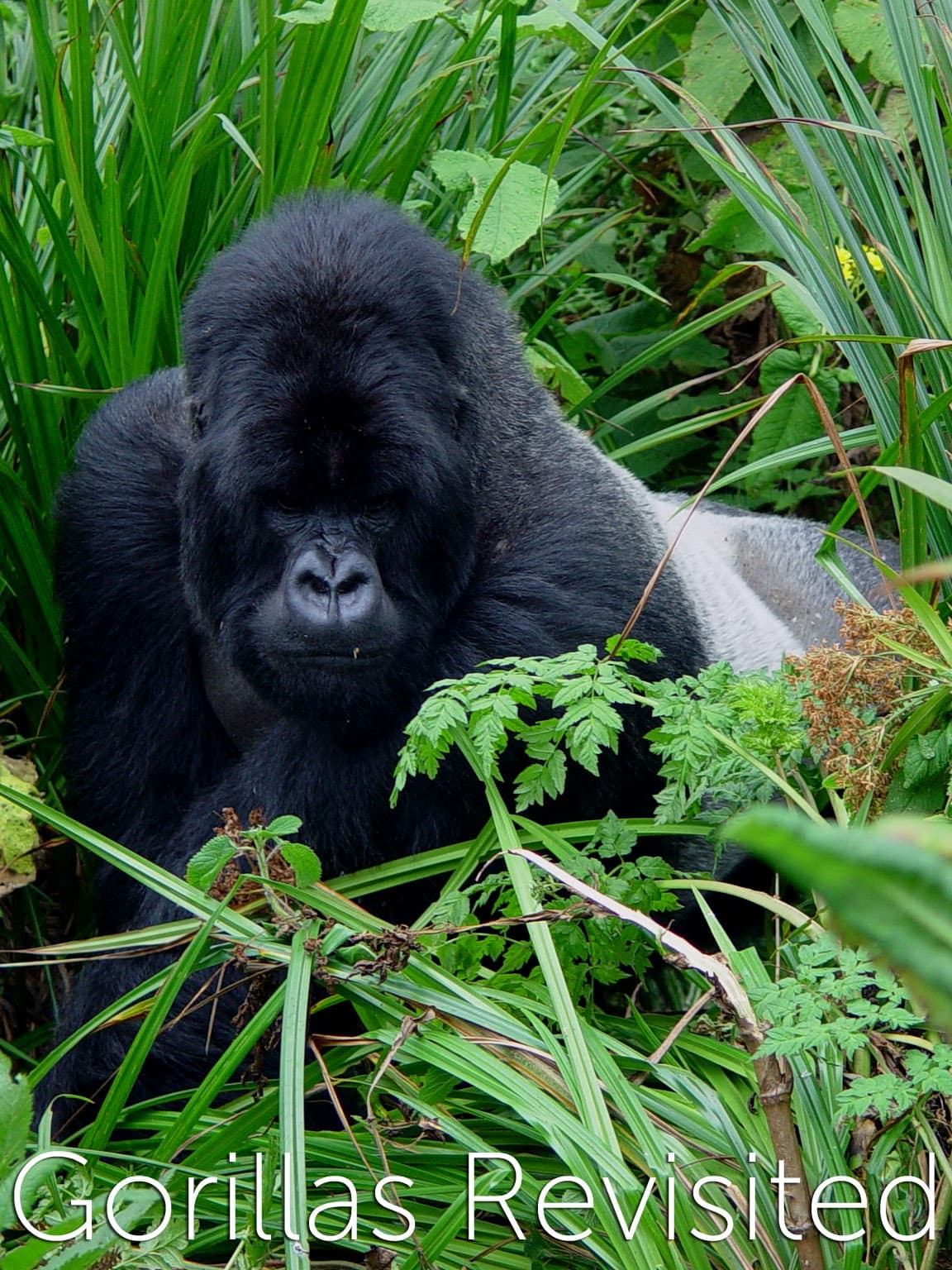
David Attenborough recounts his very personal experiences with the mountain gorillas of Rwanda. Ever since they were discovered over a century ago, these remarkable creatures have been threatened by loss of habitat, poaching, disease and political instability. But despite all odds their numbers have increased. David tells the extraordinary tale of how conservationists like Dian Fossey have battled to save the mountain gorilla from the brink of extinction.
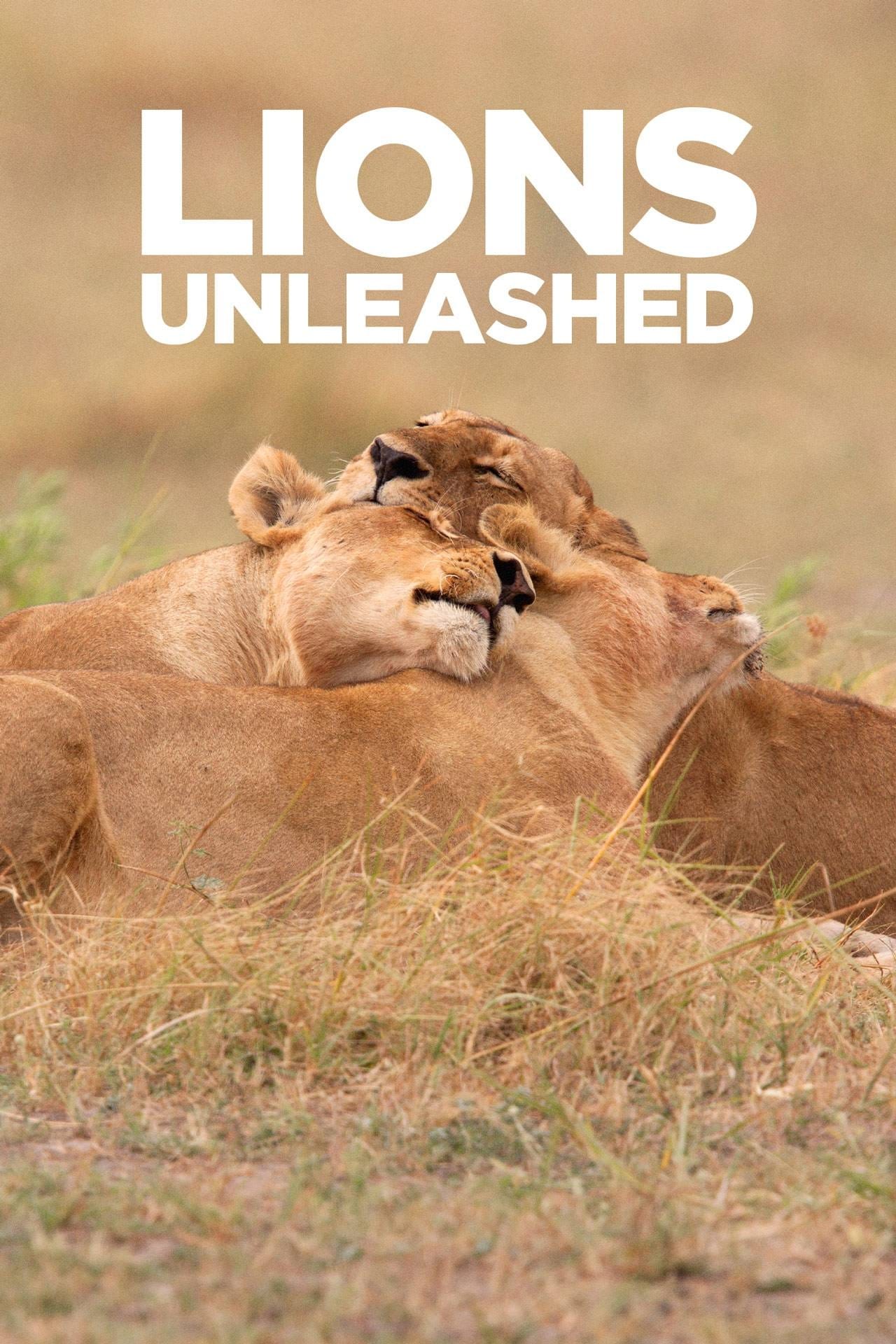
In Rwanda, Africa, a new era is dawning after a brutal civil war ripped through the country, killing close to two million people and wiping out its most iconic wildlife: the regal lion. Now, 25 years later, the big cats are being reintroduced to the region to reclaim their throne. Follow this magnificent seven, a collection of five females and two males, as they travel thousands of miles from South Africa to Akagera National Park and attempt to figure out their new land, form relationships, and restore the pride of a nation.
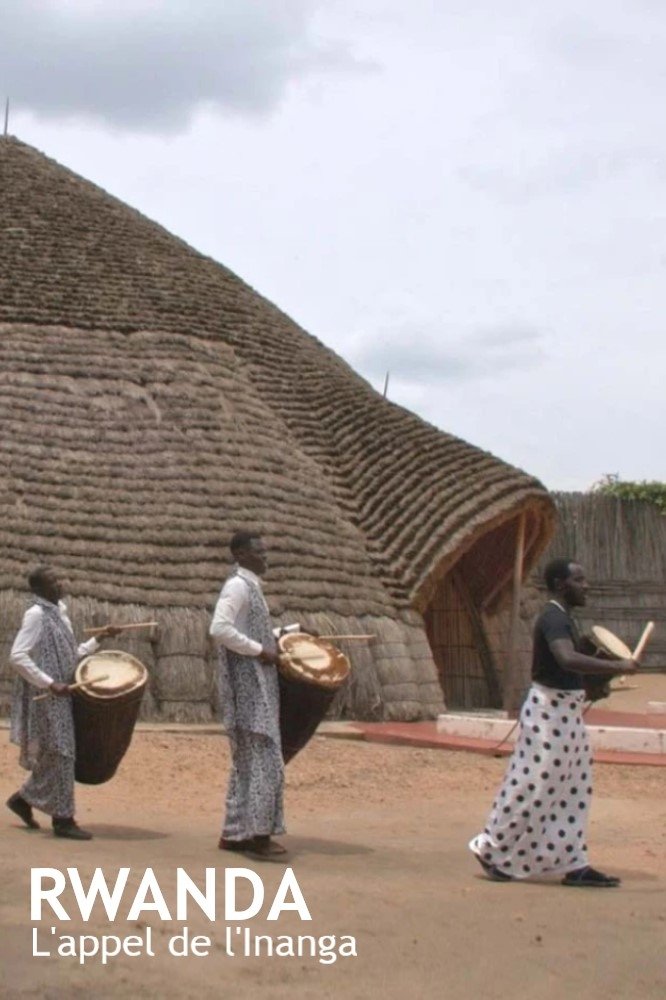
Living in France, a Rwandan psychotherapist committed to rebuilding her country returns this time to learn to play the inanga, the traditional zither. A moving journey through a festive Rwanda, in search of her cultural identity.
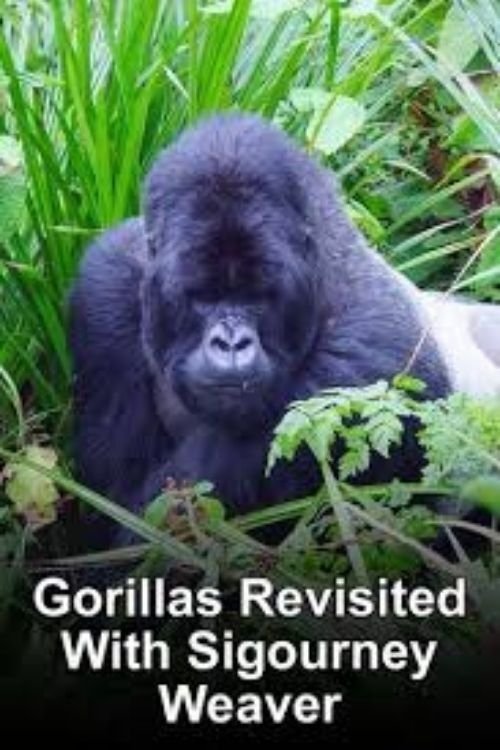
More than twenty years after her murder, Sigourney Weaver recounts Dian Fossey's transformation from researcher to conservation activist.
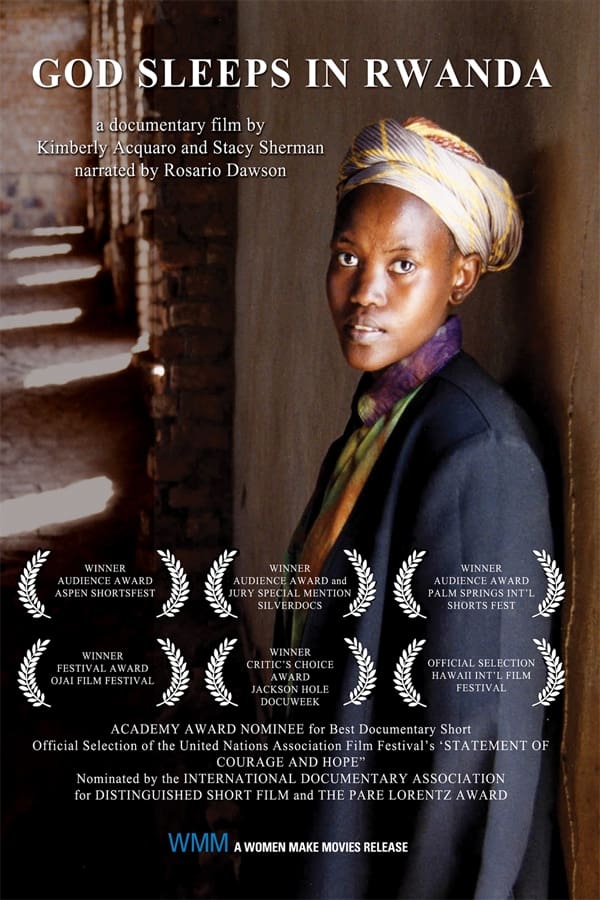
A powerful documentary about five women whose lives have been irrevocably altered by the Rwandan genocide. With the country left nearly 70% female in the wake of the massacres, "God Sleeps In Rwanda" is a lucid portrait of the much larger change affected by women in the East African country.
John Bishop encounters one of the most endangered animals on Earth, and discovers they and his family have more in common than he ever imagined. Filming in the jungles of Rwanda for John Bishop’s Gorilla Adventure, the comedian realises adolescent male mountain gorillas are just like his teenage sons – bulging muscles but no sense. Plus they fart, flirt and pick their noses. We follow John as he joins a group of vets who have dedicated their lives to saving the, sadly, precious few mountain gorillas left in the wild rugged mountains and valleys between the borders of Rwanda, Congo and Uganda, which were made famous to UK viewers by David Attenborough’s iconic sequence filmed among them in the 1970s.
After meeting his Rwandan father in Montreal for the first time at 28 years old, Québécois journalist Sébastien Desrosiers sets off on an existential quest to his ancestral land in search of answers.
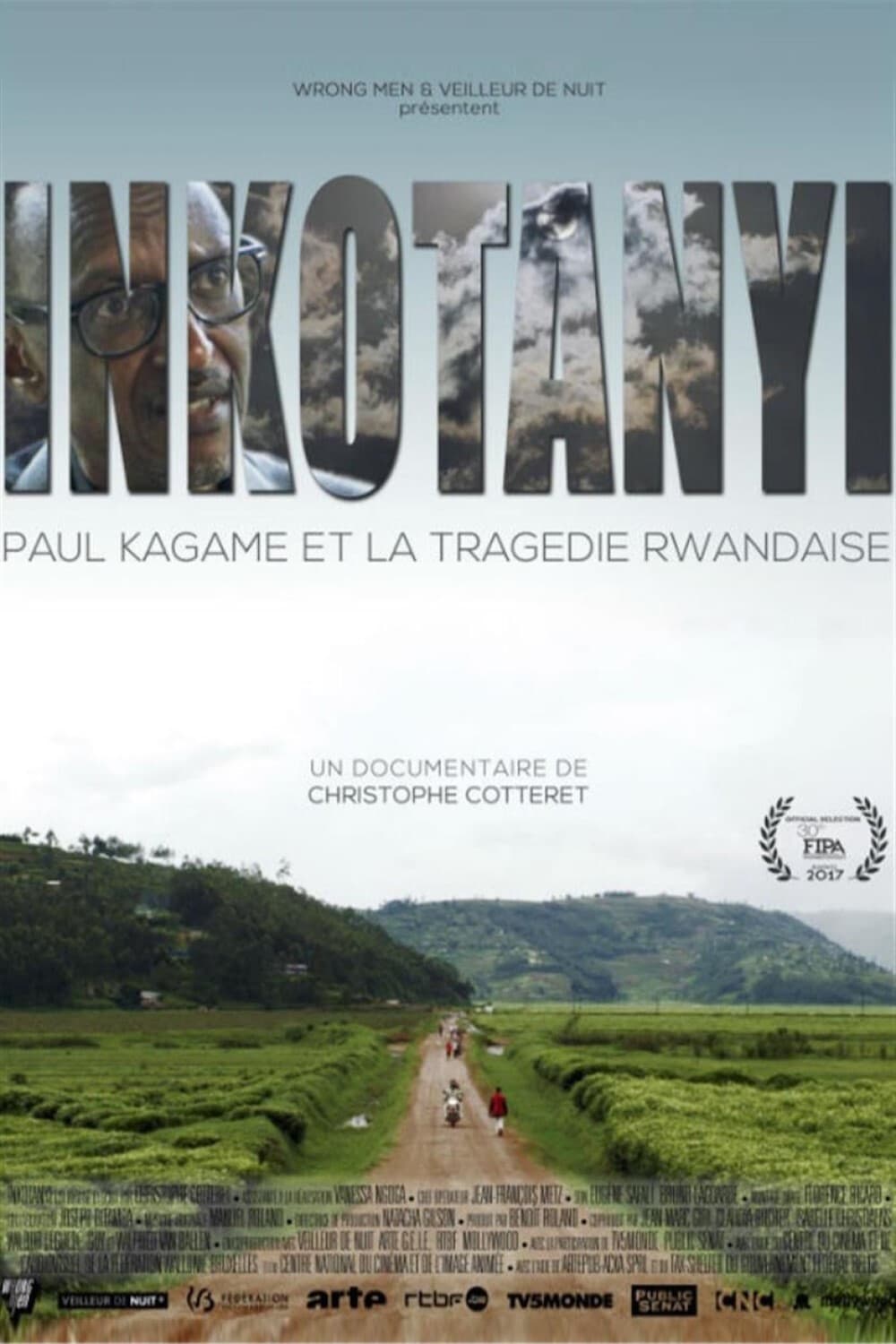
For the first time, light is shed on the Inkotanyi politico-military movement that ended the genocide of the Rwandan Tutsi in 1994 and is led by Paul Kagame, currently President of Rwanda.
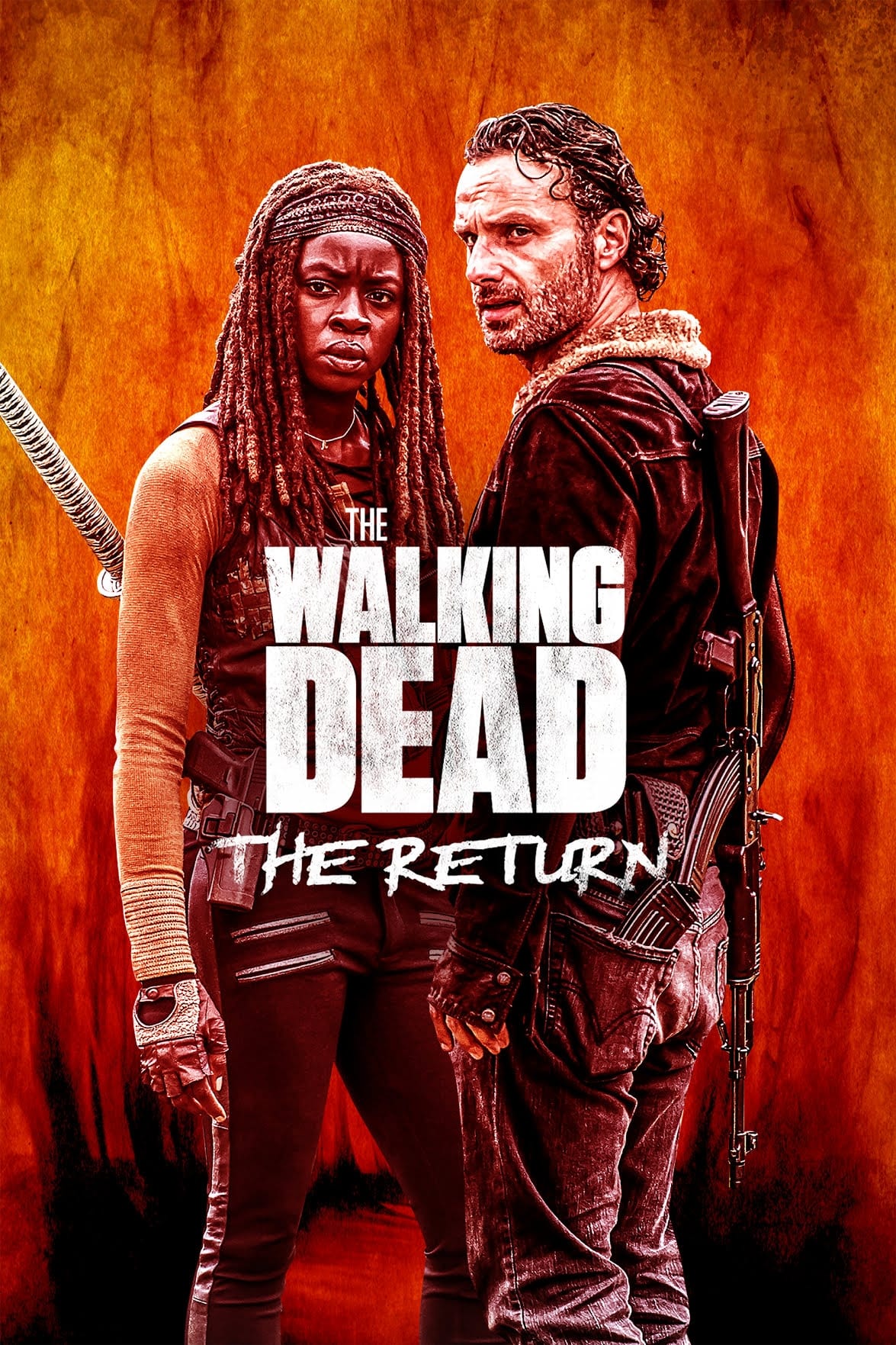
Stars of "The Walking Dead," Andrew Lincoln and Danai Gurira, walk down memory lane and visit iconic locations where pivotal moments between their characters, Rick and Michonne, were filmed.
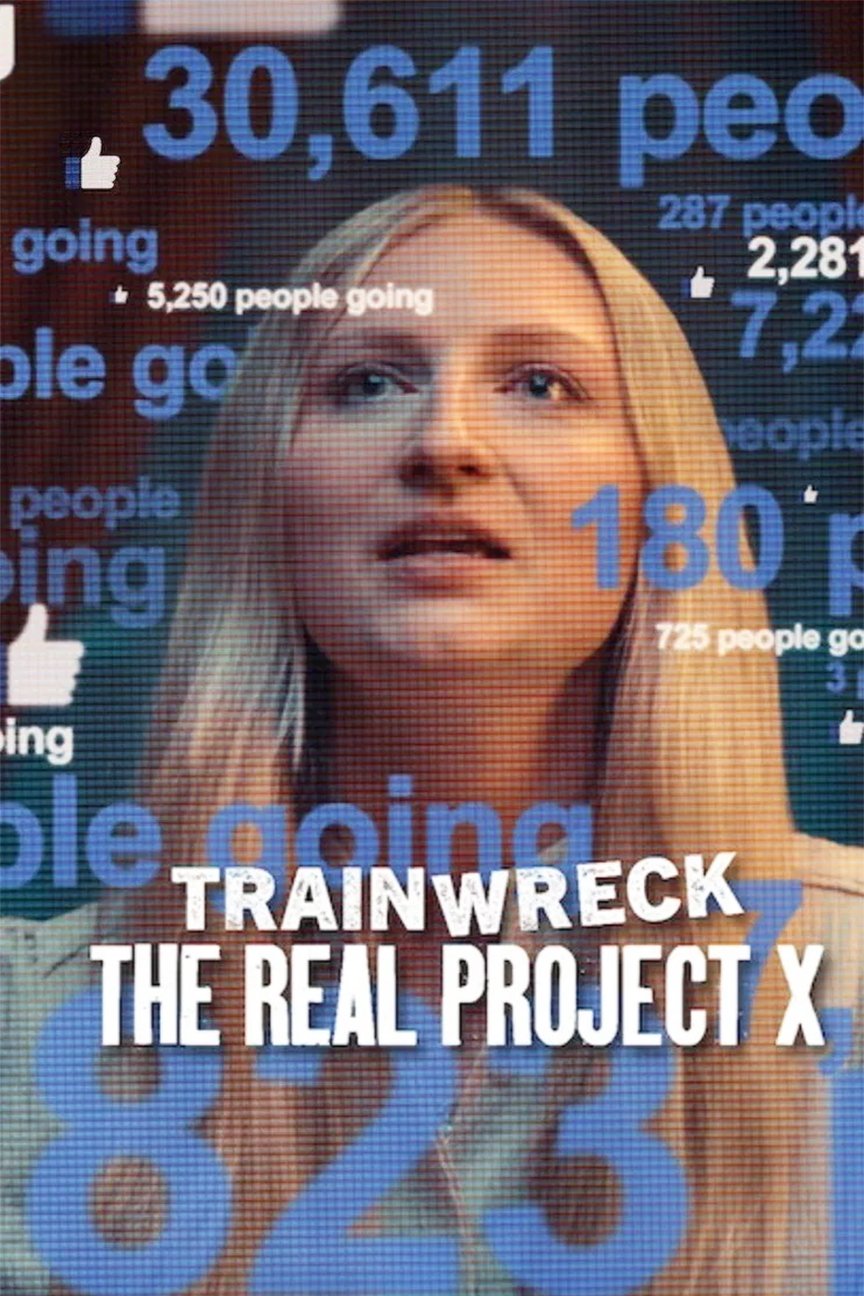
A night of drunken chaos rocks a quiet Dutch town in this shocking documentary about a teen's birthday invite that accidentally went viral on Facebook.
Unravel the case of Utah therapist Jodi Hildebrandt, whose child abuse arrest with parenting YouTuber Ruby Franke exposed a twisted tale of manipulation.
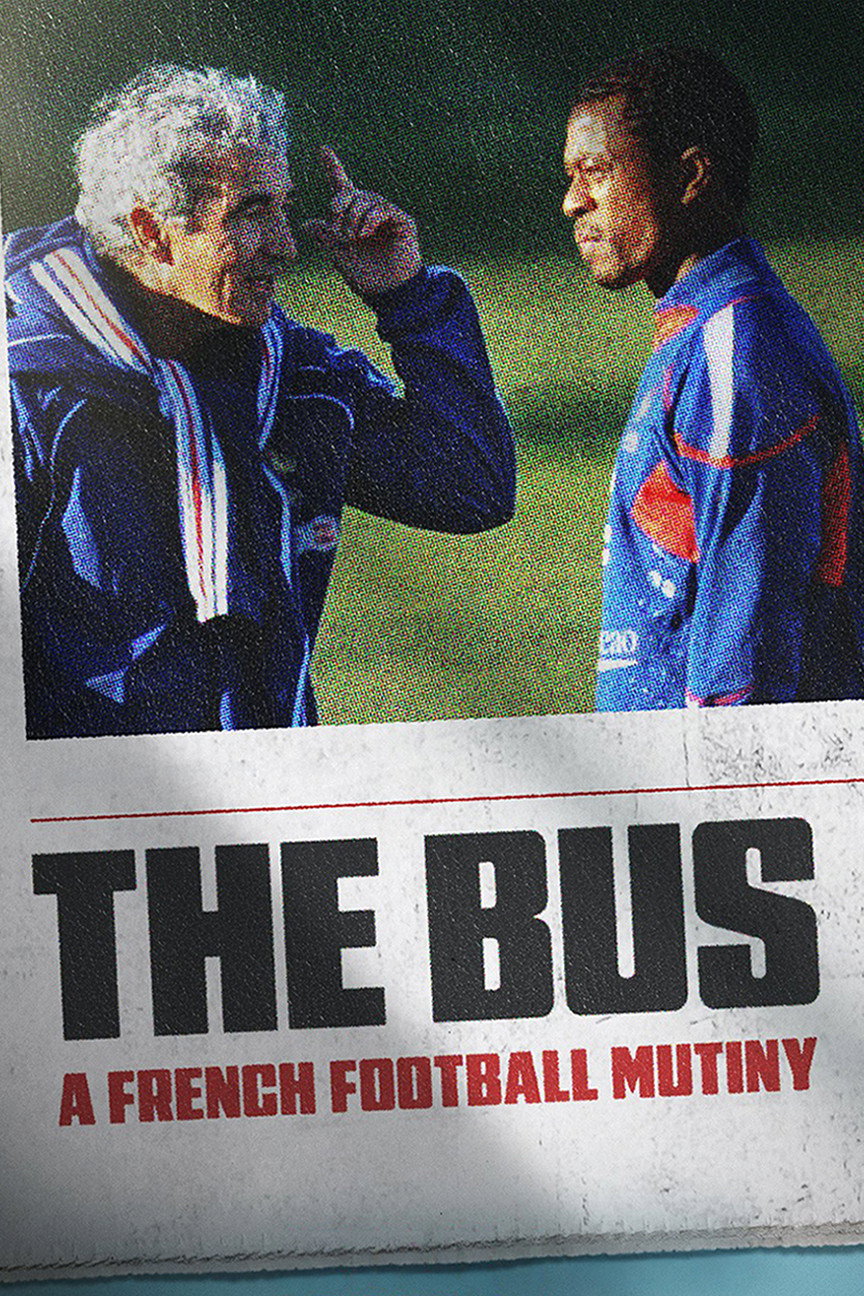
This documentary revisits the French football team's controversial 2010 World Cup and the bus strike that sparked global headlines and national outrage.
A detailing of the rise to prominence and global sporting superstardom of six supremely talented young Manchester United football players (David Beckham, Nicky Butt, Ryan Giggs, Paul Scholes, Phil and Gary Neville). The film covers the period 1992-1999, culminating in Manchester United's European Cup triumph.
In the Realms of the Unreal is a documentary about the reclusive Chicago-based artist Henry Darger. Henry Darger was so reclusive that when he died his neighbors were surprised to find a 15,145-page manuscript along with hundreds of paintings depicting The Story of the Vivian Girls, in What is Known as the Realms of the Unreal, of the Glodeco-Angelinnian War Storm, Cased by the Child Slave Rebellion.
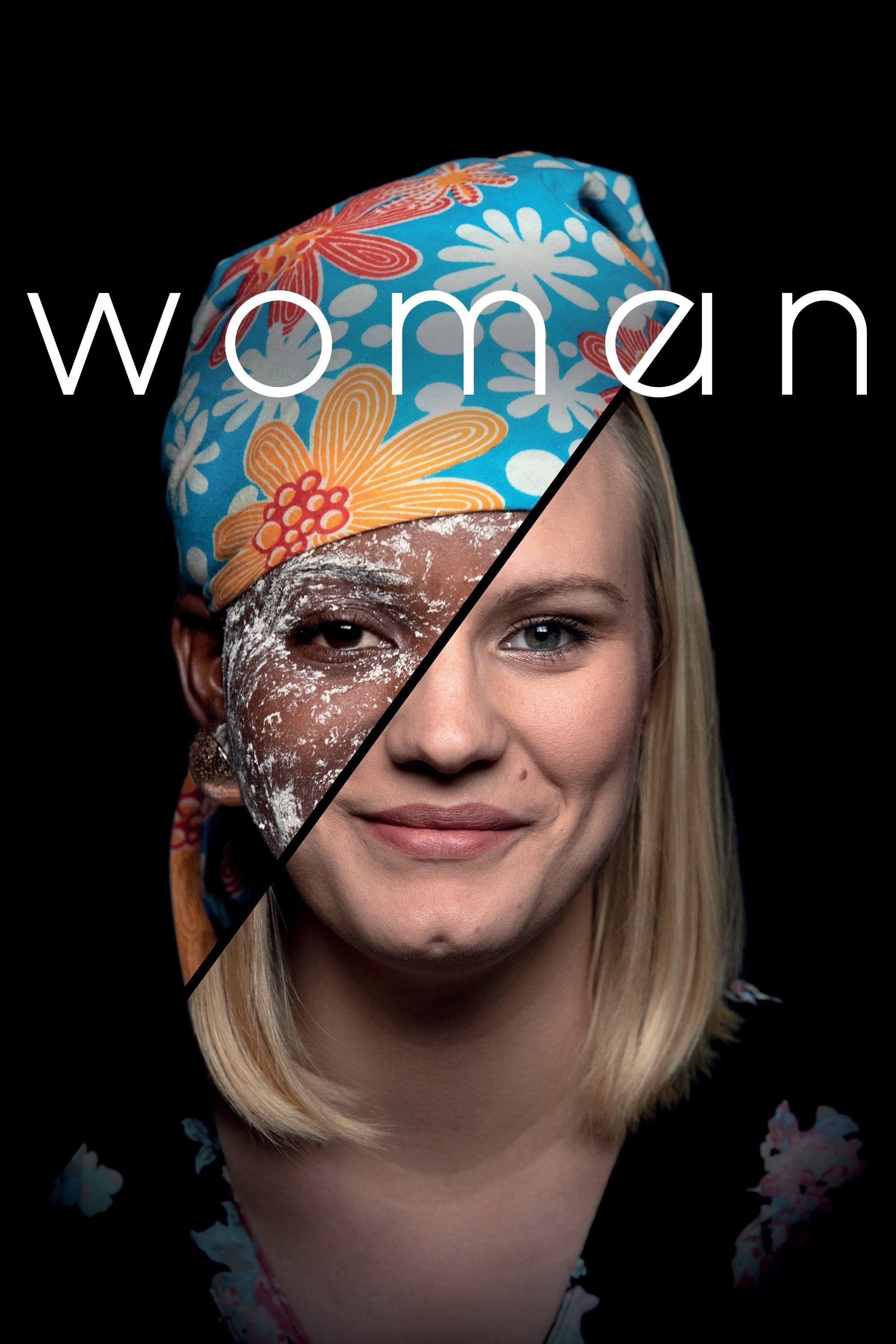
The film is based on interviews with 2,000 women from 50 countries, and covers the status of women all over the world. The topics covered include forced marriages, sexual assault, female genital mutilation, acid attacks, motherhood, sexuality, menstruation, education and the professional success of women.
A documentary about the life and films of director John Ford.
Through deeply personal interviews with her siblings and an examination of the photographs, letters, and belongings left behind, Mariska assembles a new portrait of her mother Jayne Mansfield, an extraordinary and complex woman.
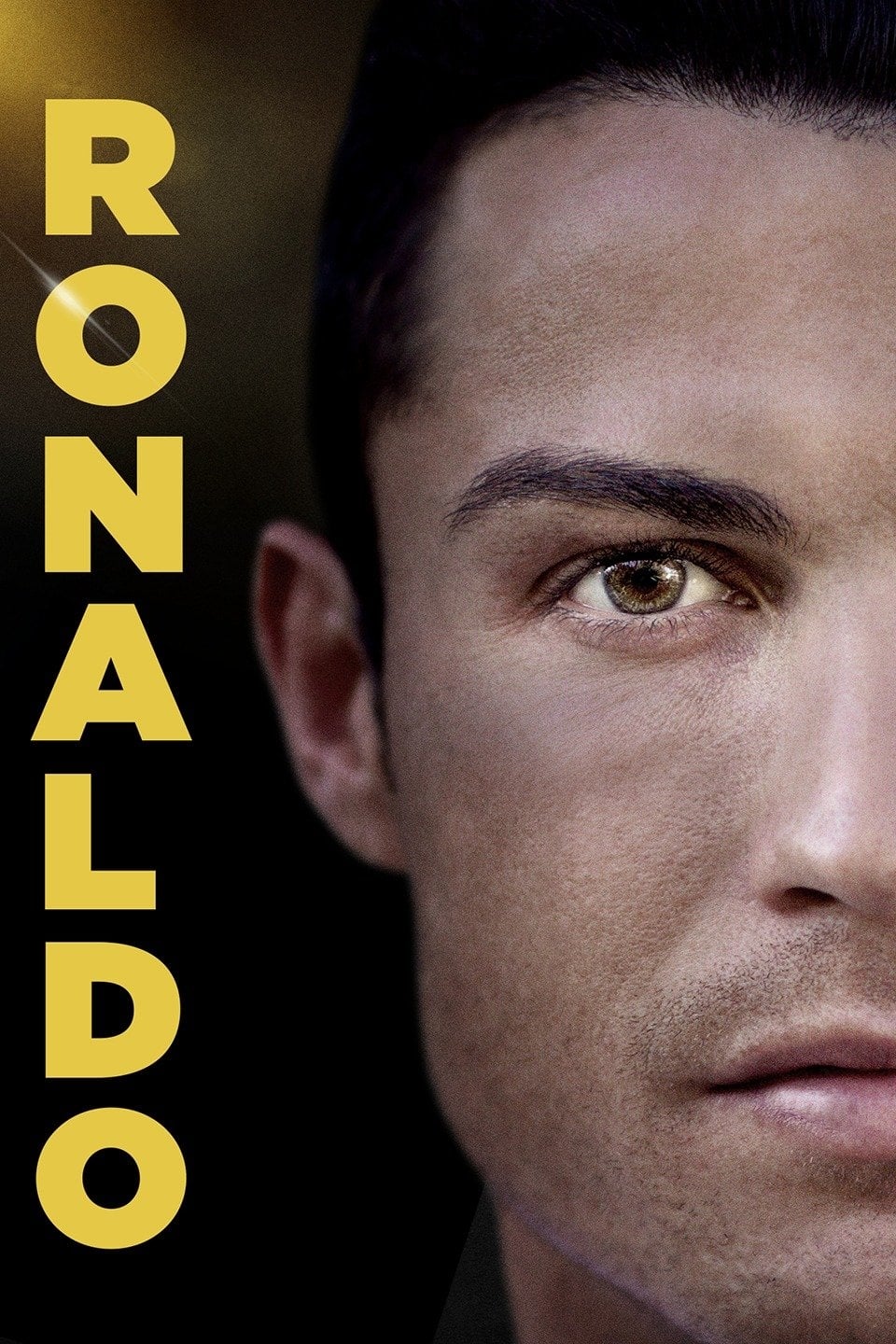
Filmed over 14 months with unprecedented access into the inner circle of the man and the sport, this is the first official and fully authorised film of one of the most celebrated figures in football. For the first time ever, the world gets vividly candid and un-paralleled, behind-closed-doors access to the footballer, father, family-man and friend in this moving & fascinating documentary. Through in-depth conversations, state of the art football footage and never before seen archival footage, the film gives an astonishing insight into the sporting and personal life of triple Ballon D'Or winner Cristiano Ronaldo at the peak of his career. From the makers of ‘Senna’ and ‘Amy’, Ronaldo takes audiences on an intimate and revealing journey of what it’s like to live as an iconic athlete in the eye of the storm.
This revealing documentary honors the legendary Sidney Poitier—iconic actor, filmmaker, and civil rights activist. Featuring interviews with Denzel Washington, Spike Lee, Halle Berry, and more.
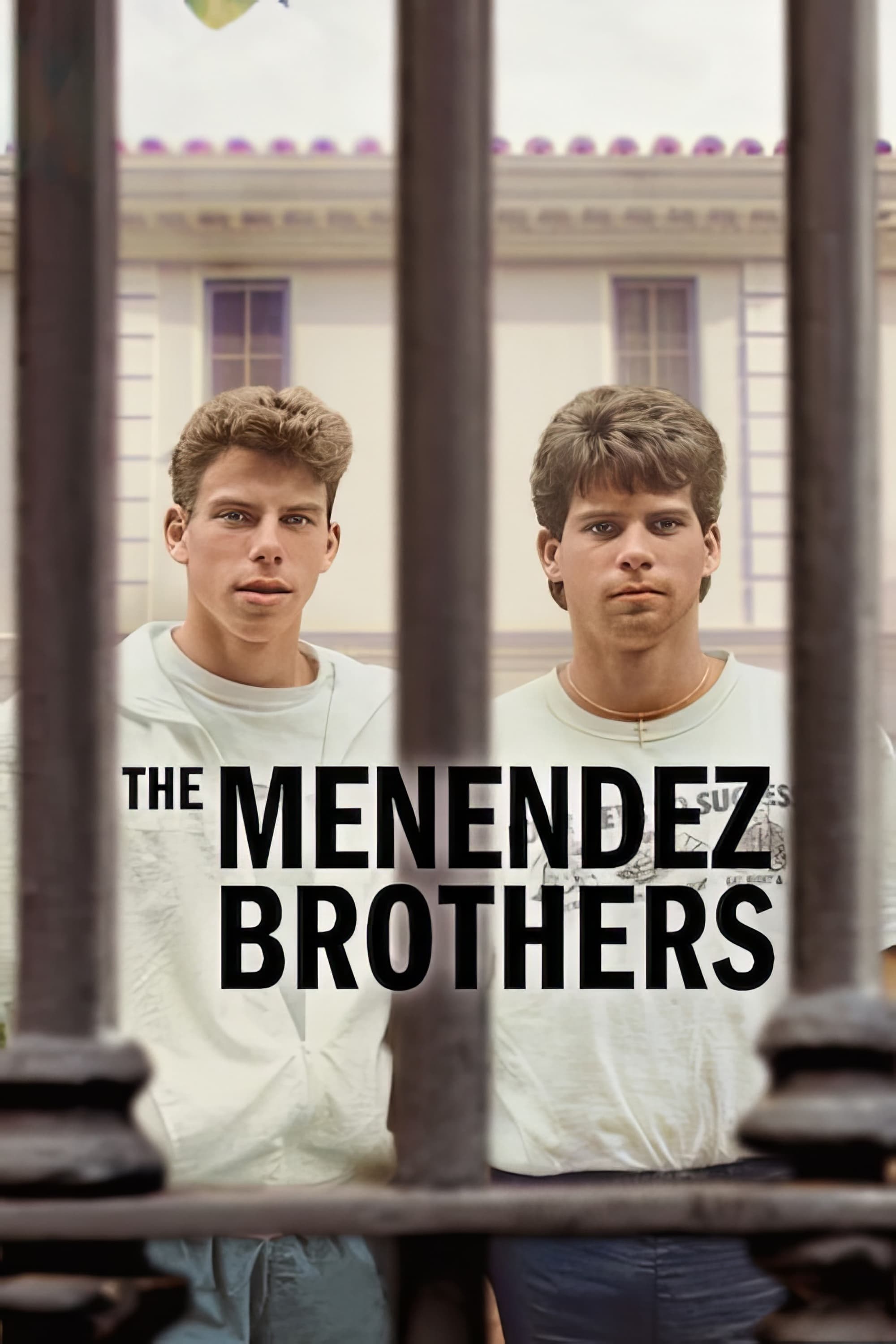
Serving life in prison for murdering their parents, Lyle and Erik Menendez speak out in this documentary explaining the shocking crime and ensuing trials.
When Allied forces liberated the Nazi concentration camps in 1944-45, their terrible discoveries were recorded by army and newsreel cameramen, revealing for the first time the full horror of what had happened. Making use of British, Soviet and American footage, the Ministry of Information’s Sidney Bernstein (later founder of Granada Television) aimed to create a documentary that would provide lasting, undeniable evidence of the Nazis’ unspeakable crimes. He commissioned a wealth of British talent, including editor Stewart McAllister, writer and future cabinet minister Richard Crossman – and, as treatment advisor, his friend Alfred Hitchcock. Yet, despite initial support from the British and US Governments, the film was shelved, and only now, 70 years on, has it been restored and completed by Imperial War Museums under its original title "German Concentration Camps Factual Survey".
The film follows adventurer Jeff Johnson as he retraces the epic 1968 journey of his heroes Yvon Chouinard and Doug Tompkins to Patagonia.
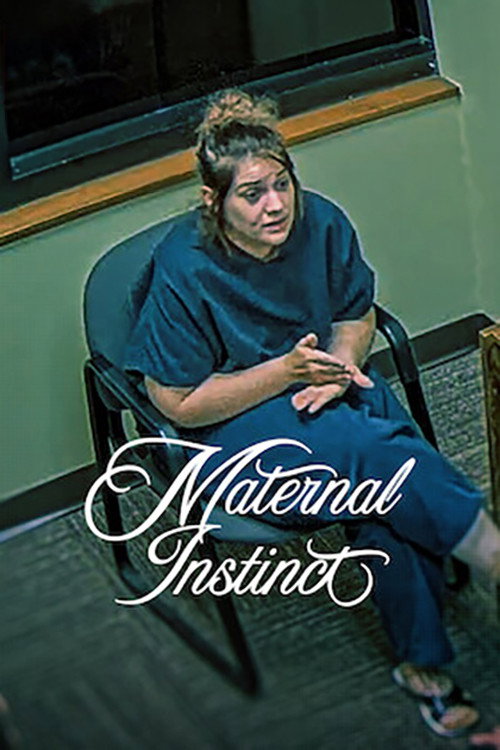
Police pull over a woman who claims she just gave birth. But the baby — and the blood — aren't hers. Twisted lies unravel in this true-crime documentary.
A look at the origins, history and conspiracies behind the "Majestic 12", a clandestine group of military and corporate figureheads charged with reverse-engineering extraterrestrial technology.
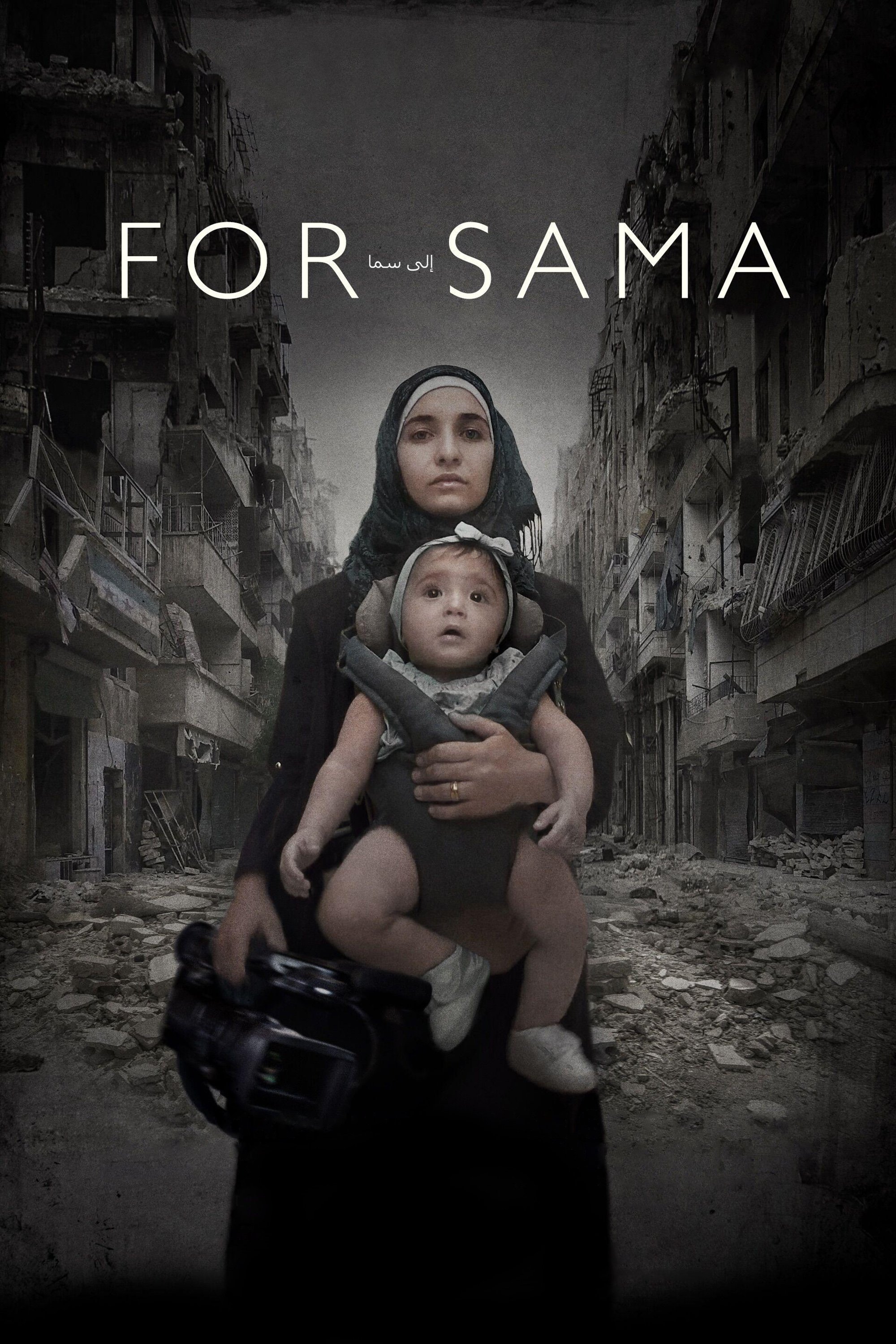
A love letter from a young mother to her daughter, the film tells the story of Waad al-Kateab’s life through five years of the uprising in Aleppo, Syria as she falls in love, gets married and gives birth to Sama, all while cataclysmic conflict rises around her. Her camera captures incredible stories of loss, laughter and survival as Waad wrestles with an impossible choice– whether or not to flee the city to protect her daughter’s life, when leaving means abandoning the struggle for freedom for which she has already sacrificed so much.
A documentary on the expletive's origin, why it offends some people so deeply, and what can be gained from its use.
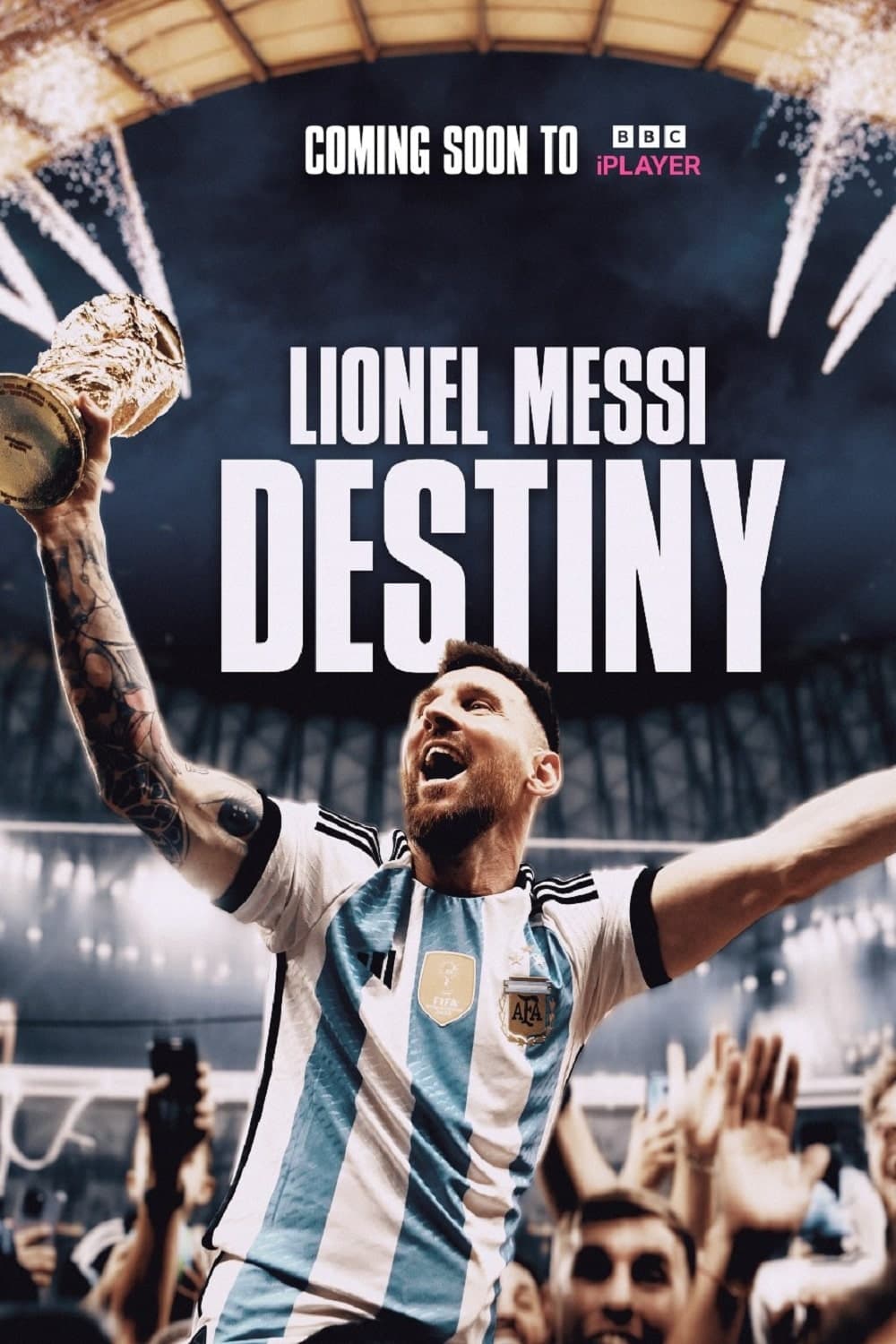
Behind-the-scenes documentary about how Lionel Messi succeeded in lifting the World Cup – the only trophy to have eluded him in an incredible career.
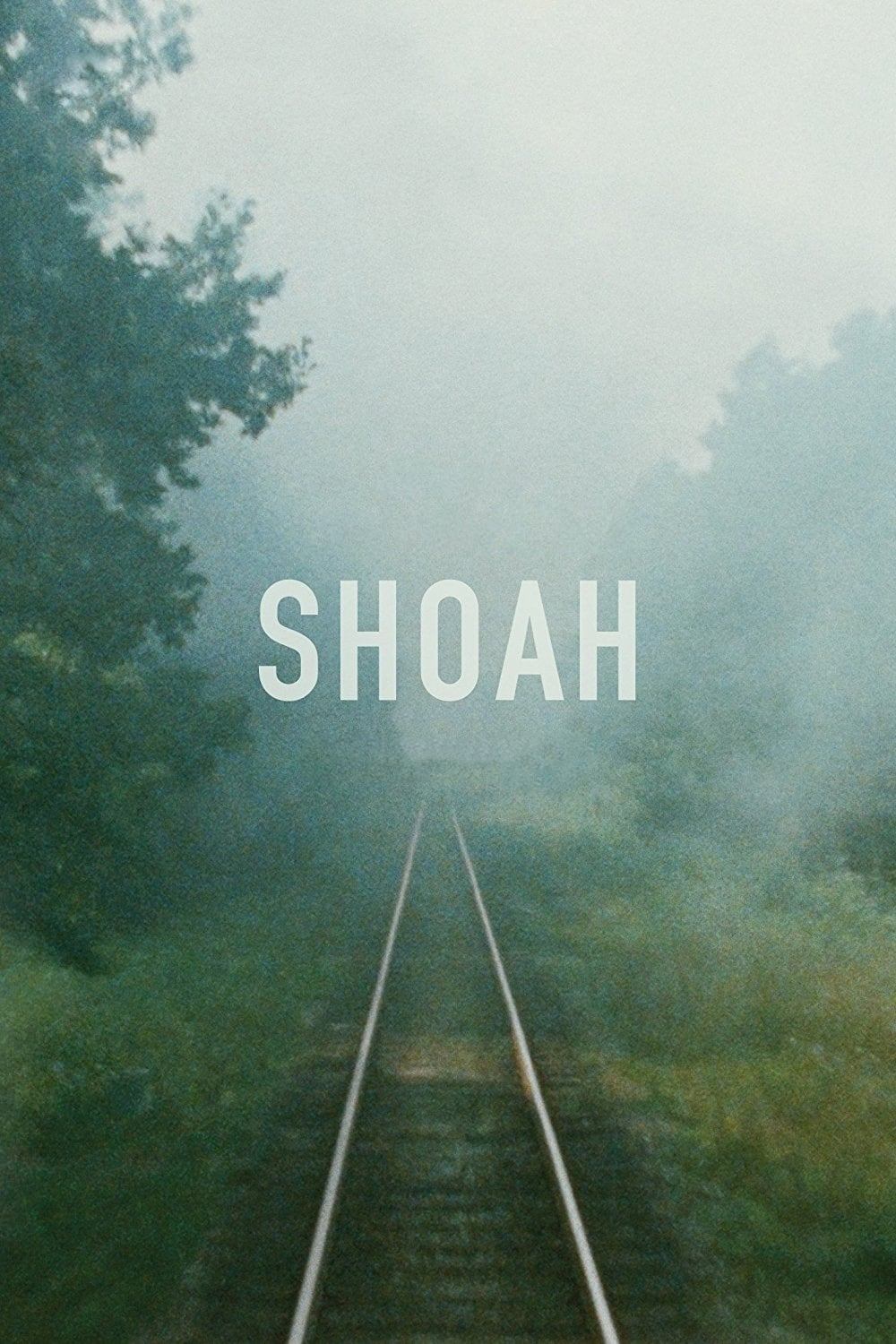
Director Claude Lanzmann spent 11 years on this sprawling documentary about the Holocaust, conducting his own interviews and refusing to use a single frame of archival footage. Dividing Holocaust witnesses into three categories – survivors, bystanders, and perpetrators – Lanzmann presents testimonies from survivors of the Chelmno concentration camp, an Auschwitz escapee, and witnesses of the Warsaw Ghetto Uprising, as well as a chilling report of gas chambers from an SS officer at Treblinka.