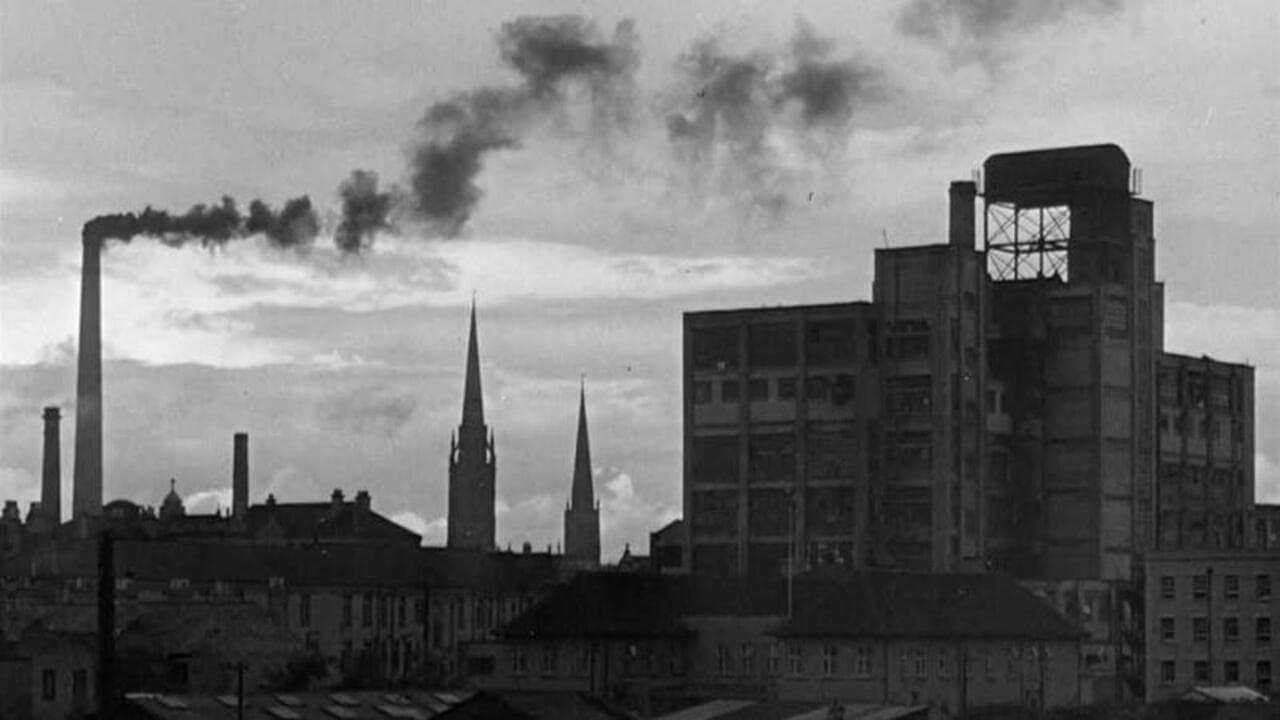
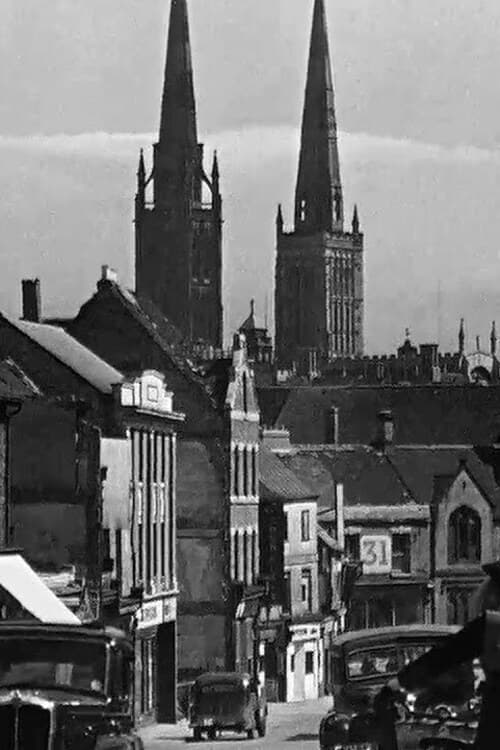
Coventry prepares to rise from the ashes of WWII in this docu-drama written by Dylan Thomas.
Social & External
Commentator
Unknown Role
Mr. Evans
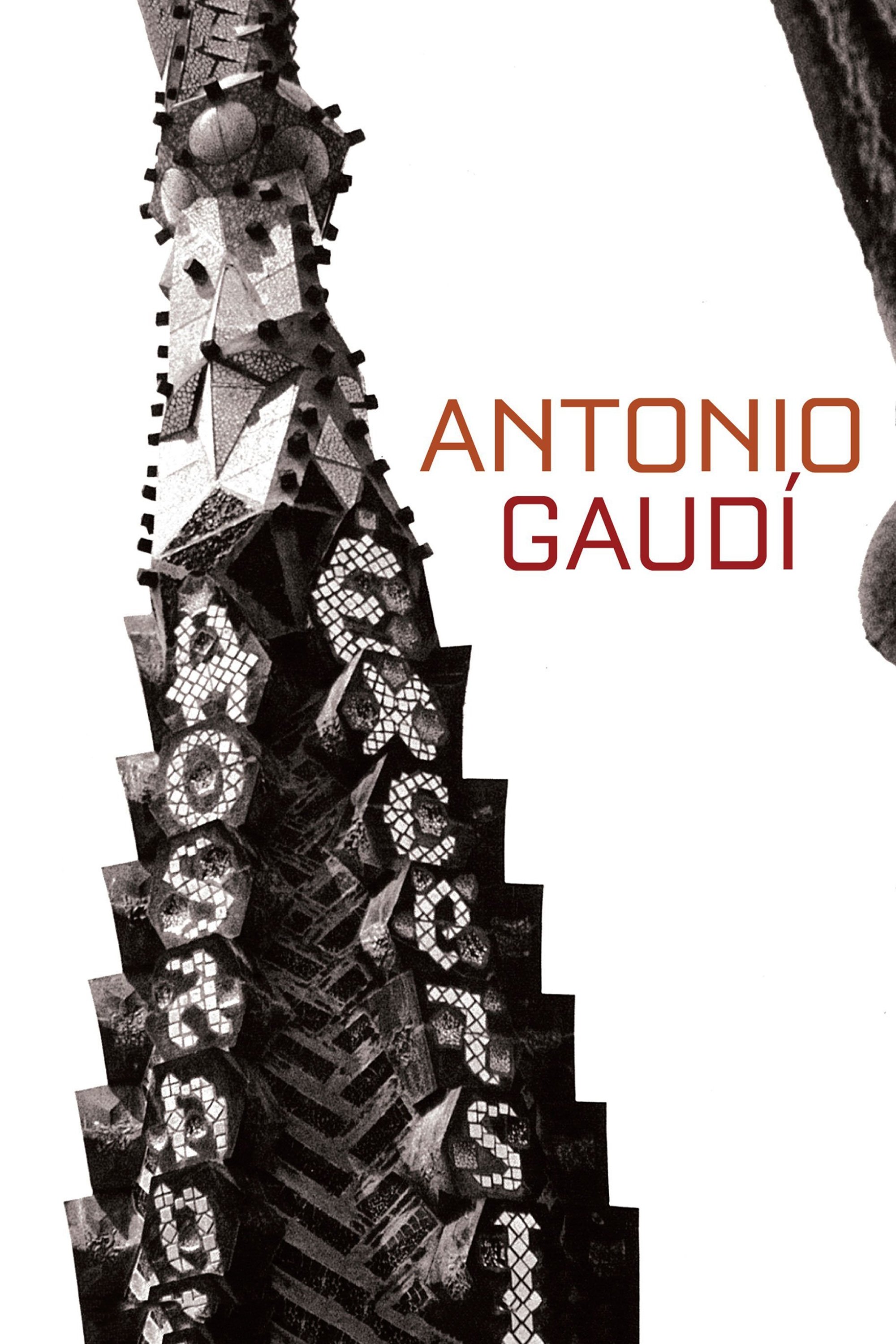
Catalan architect Antonio Gaudí (1852-1926) designed some of the world's most astonishing buildings, interiors, and parks; Japanese director Hiroshi Teshigahara constructed some of the most aesthetically audacious films ever made. With camera work as bold and sensual as the curves of his subject's organic structures, Teshigahara immortalizes Gaudí on film.
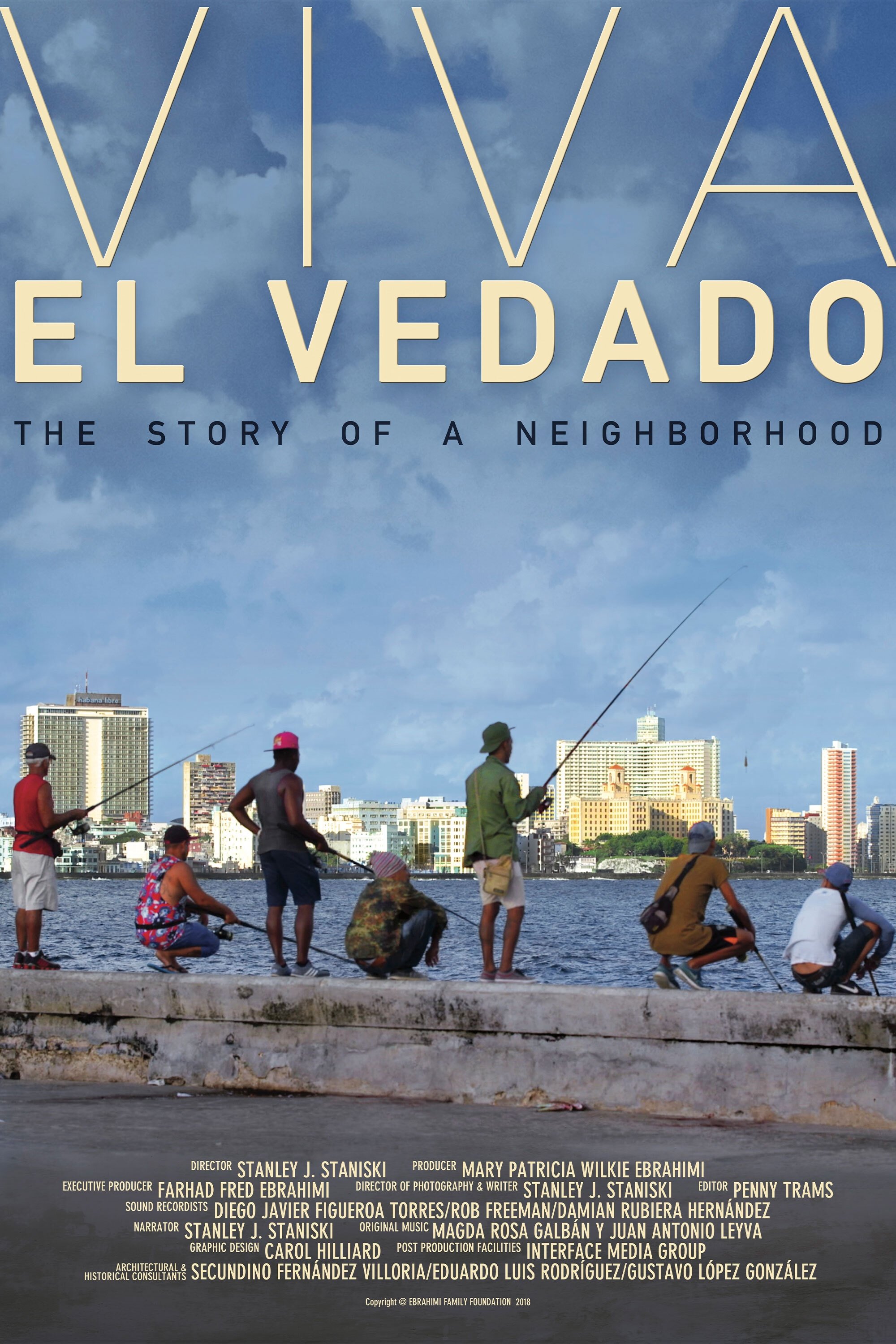
Viva El Vedado presents the history of the Havana neighborhood of El Vedado from the last quarter of the 19th century through the Cuban Revolution and highlights its varied and outstanding architecture. Known as a cultural center of Havana, Vedado is particularly notable for its unique collection of Cuban architecture of the 20th century. The film’s goal is to introduce its audiences to the neighborhood’s remarkable architecture, its vibrant life, and the need for preserving Vedado as part of Havana’s heritage. It is a glimpse beyond tourist fantasies and stereotypes, a rare view of one of Havana’s most important neighborhoods.
In 1959 Hiroshi Teshigahara shot the following 16 mm footage of he and his father’s first trip to Barcelona and the outlying Catalonian countryside, including a visit to the home of Salvador Dali in Port Lligat. The footage was recorded without sound.
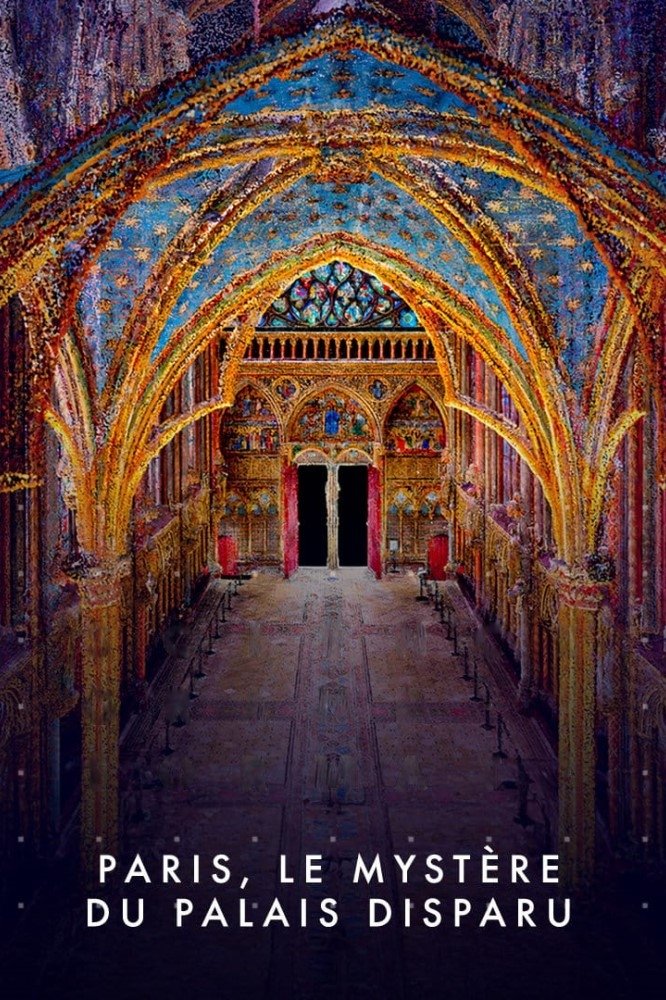
In the heart of Paris, an entire palace has disappeared. It was the very first residence of the kings of France. Long before Versailles, long before the Louvre, the Palais de la Cité stood on the most prestigious island in Paris, the historic cradle of France, facing Notre-Dame. So majestic in the Middle Ages, this palace has become a ghost of history. Over the centuries, this architectural masterpiece has almost completely disappeared. A trio of experts will resurrect it in 3D. Using science and unprecedented excavations, they will track down the pieces of the puzzle to reconstruct it at its peak in the 14th century, and bring back to life those who inhabited it. From the Romans to the Vikings, from Saint Louis to the cursed kings, all have left clues of this 'Versailles of the Middle Ages'.
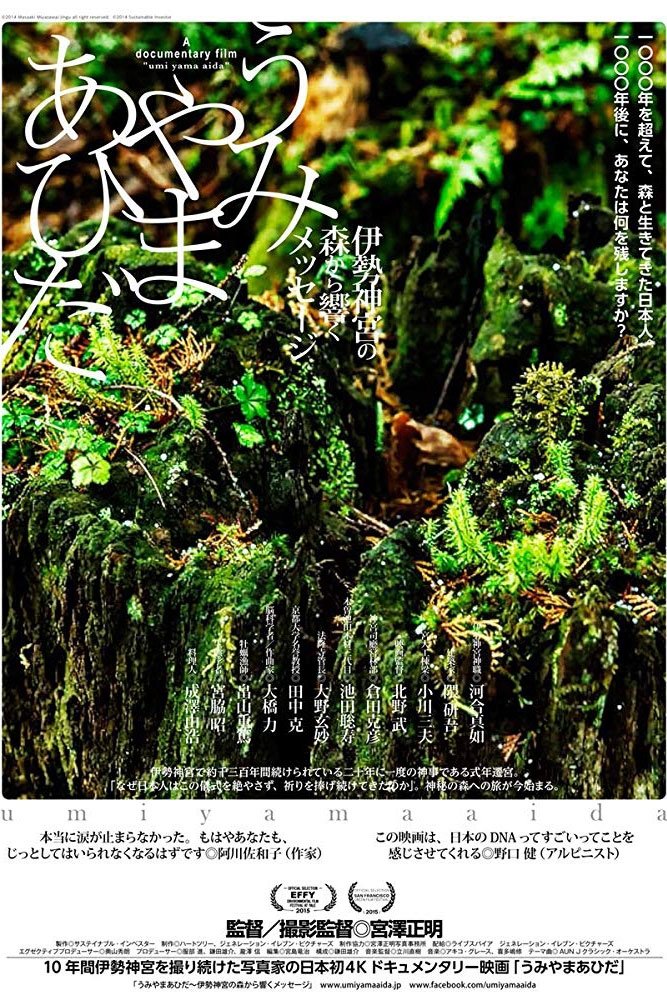
Finding their place between the forest and the sea, the Japanese have always felt awe and gratitude toward Nature. Since ancient times, they have negotiated their own unique relationship with their natural surroundings. Acclaimed photographer Masa-aki Miyazawa discovered the essence of that ancient way of living in Ise Jingu, Japan’s holiest Shinto shrine. Inspired by the idea of sending a message to the future in the same way this ancient shrine keeps alive the traditions of the past, Miyazawa used an ultra-high resolution 4K camera to create a breathtaking visual journey linking the Ise forest with other forests throughout Japan.
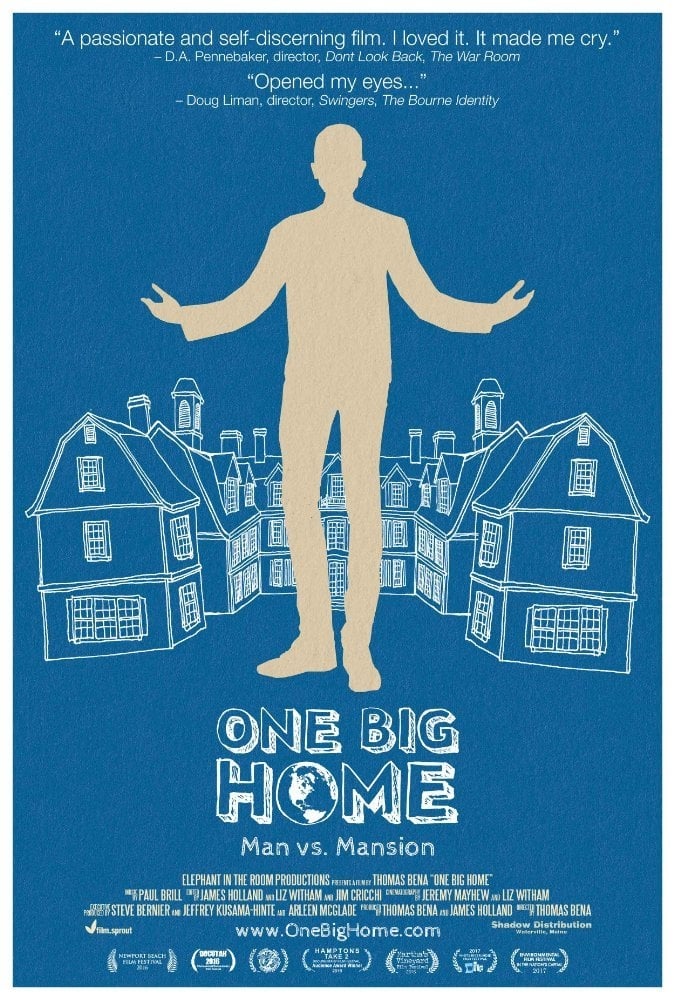
On the tiny island of Martha's Vineyard, where presidents and celebrities vacation, trophy homes threaten to destroy the islands unique character. Twelve years in the making, One Big Home follows one carpenters journey to understand the trend toward giant houses. When he feels complicit in wrecking the place he calls home, he takes off his tool belt and picks up a camera.
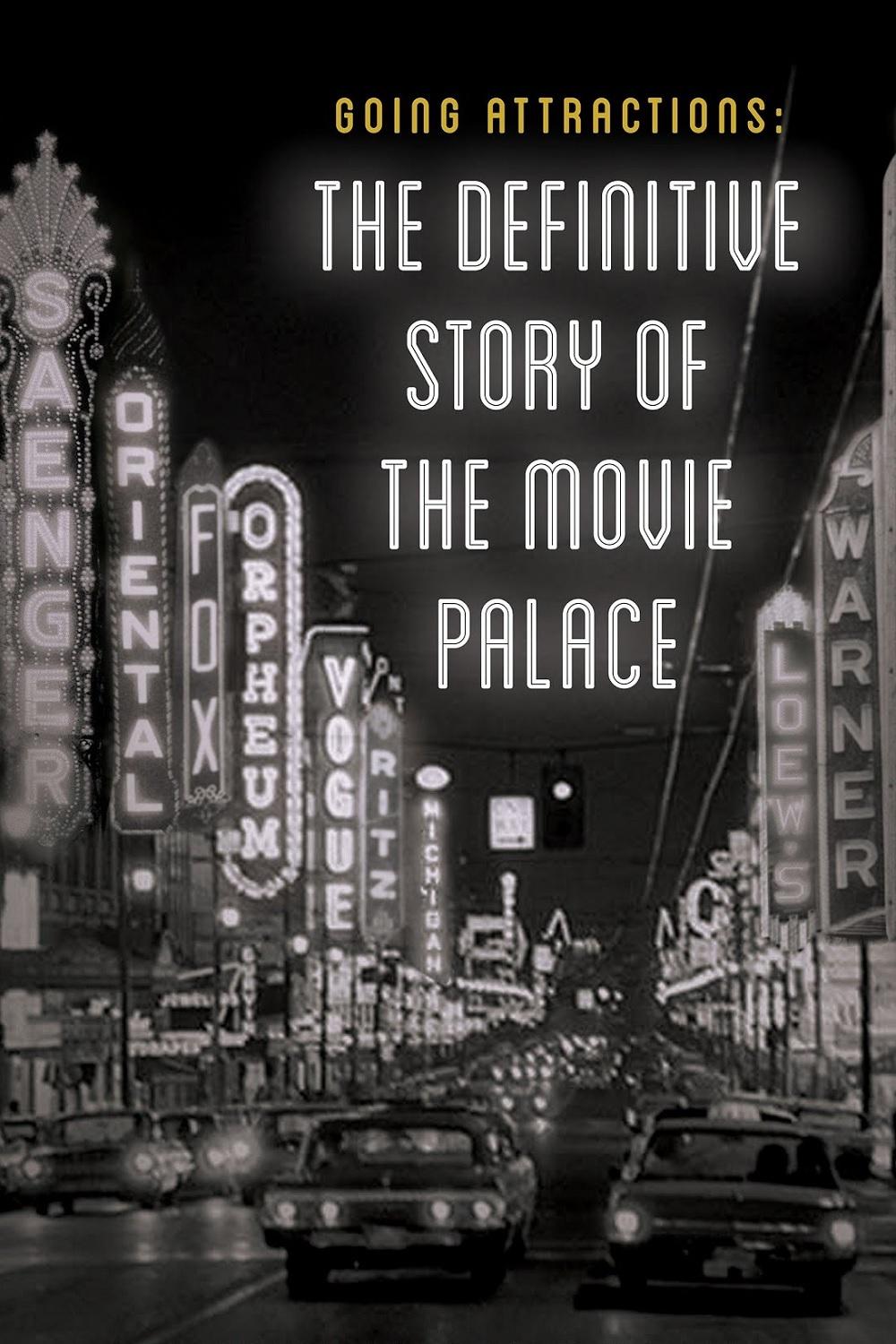
Celebrating the splendor and grandeur of the great cinemas of the United States, built when movies were the acme of entertainment and the stories were larger than life, as were the venues designed to show them. The film also tracks the eventual decline of the palaces, through to today’s current preservation efforts. A tribute to America’s great art form and the great monuments created for audiences to enjoy them in.
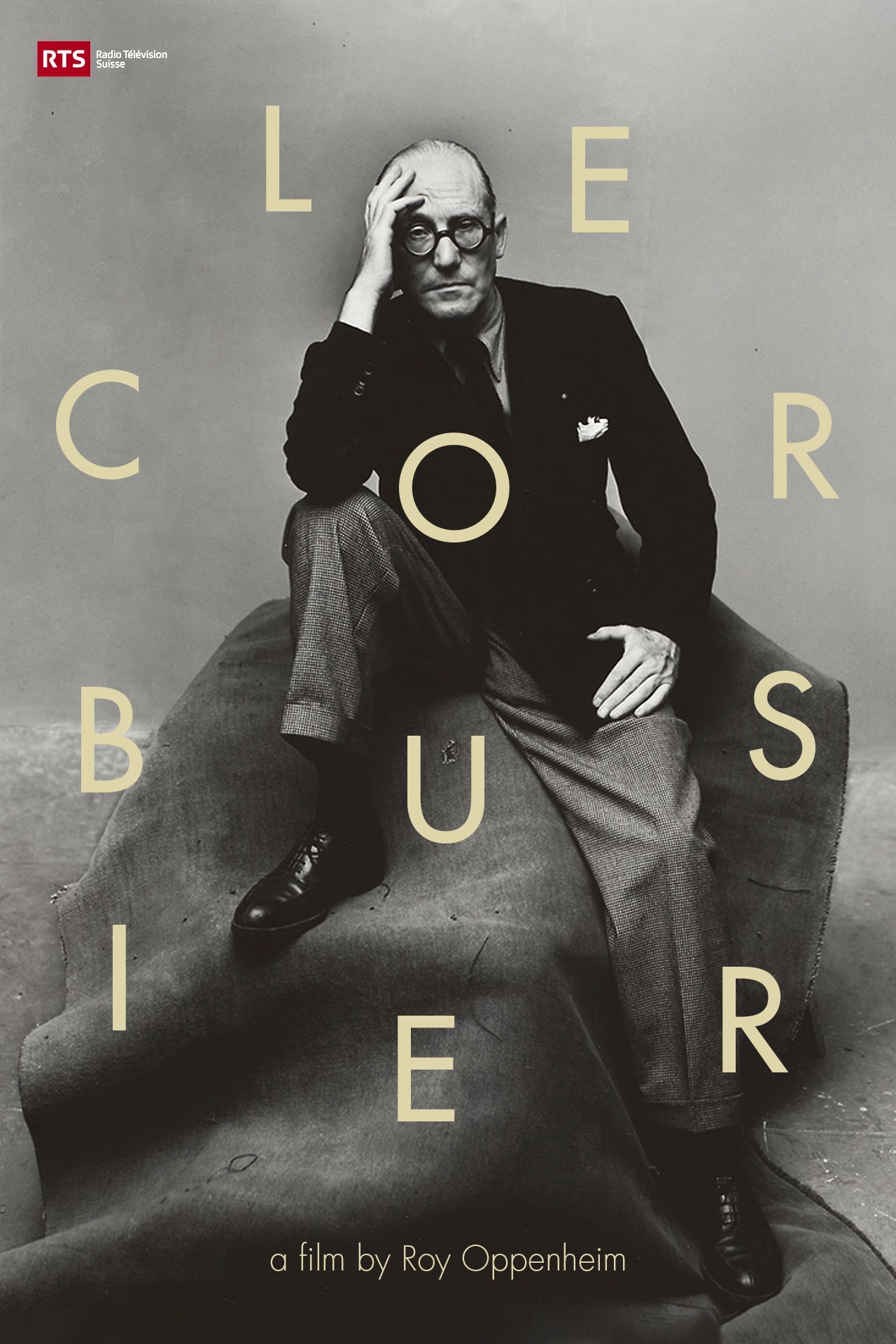
Making a documentary on Le Corbusier is not easy, because he is undoubtedly the architect most familiar to the general public but also the most unknown. If most people know his great achievements, such as the Cité radieuse of Marseille, the pavilions of the Cité universitaire de Paris or the Tourettes convent, many are unaware of his works in Moscow, Rio de Janeiro or Chandigarh. Roy Oppenheim pays a vibrant tribute to Corbusier, dismissing the criticisms and darker facets of the character. It presents the career of this pioneering architect, as well as his thinking, the essential principle of which was aimed at the development of human beings and the balance of society. Light, space and greenery are integrated into his large futuristic cities, because according to him the eyes of the inhabitants should be drawn into the distance and not into their neighbor's bathroom.
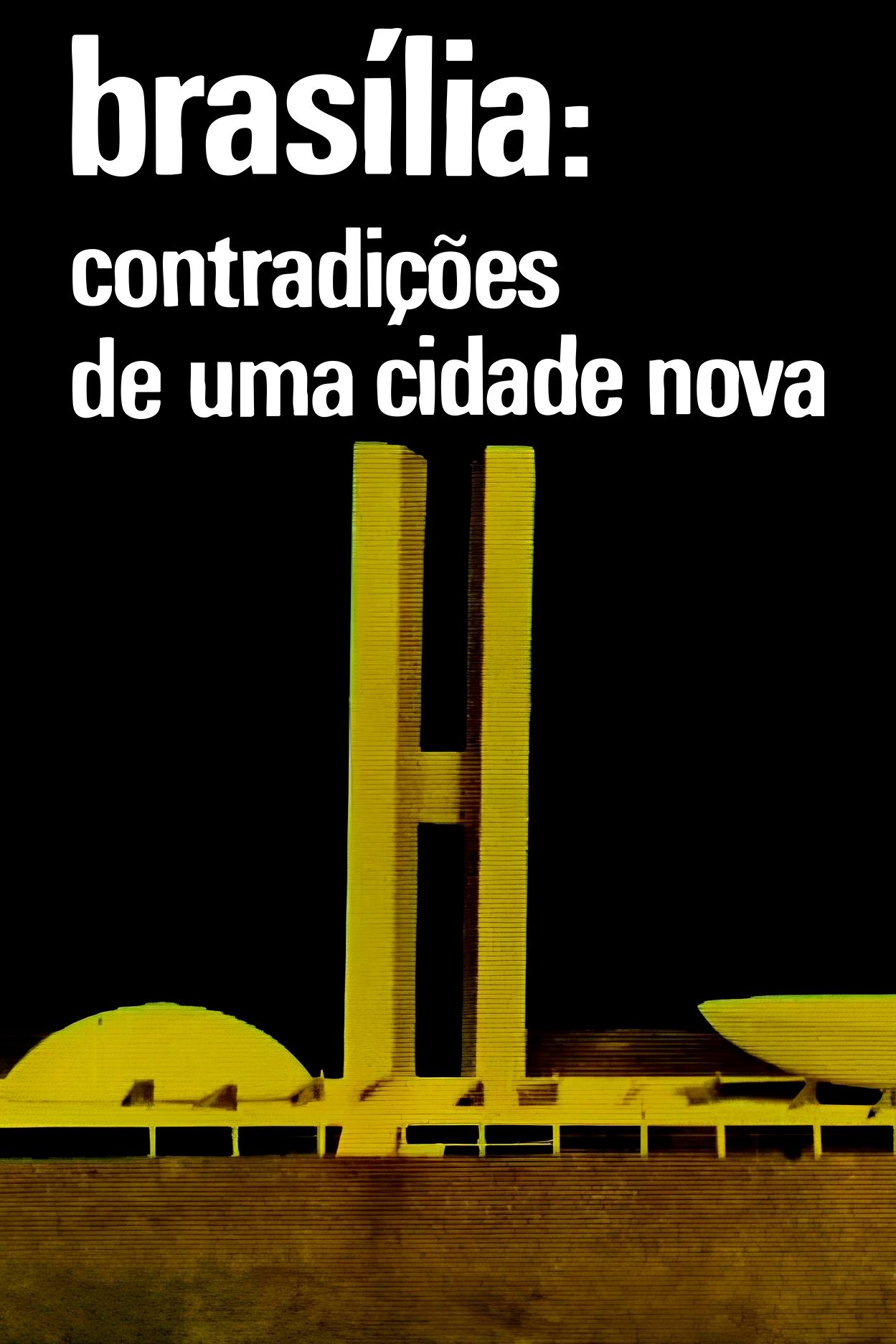
In 1967, de Andrade was invited by the Italian company Olivetti to produce a documentary on the new Brazilian capital city of Brasília. Constructed during the latter half of the 1950s and founded in 1960, the city was part of an effort to populate Brazil’s vast interior region and was to be the embodiment of democratic urban planning, free from the class divisions and inequalities that characterize so many metropolises. Unsurprisingly, Brasília, Contradições de uma Cidade Nova (Brasília, Contradictions of a New City, 1968) revealed Brasília to be utopic only for the wealthy, replicating the same social problems present in every Brazilian city. (Senses of Cinema)
We all come from houses in which we live, dream, love and die. This long-term documentary project explores the significance of architecture in our everyday lives and takes its audience on a journey to the most impressive places designed by Swiss architect Peter Zumthor.
In the remote region of Semipalatinsk in North-Eastern Kazakhstan live the victims of hundreds of Soviet nuclear tests carried out from 1949 through 1989.
The architectural plans for Berlin from 1938 are used as an example to illustrate the fascist claim to power and its aesthetic effect. The basis for this was the "General Building Inspection" under the direction of Albert Speer, whose enormous projects are illustrated by planning models and archive photographs.
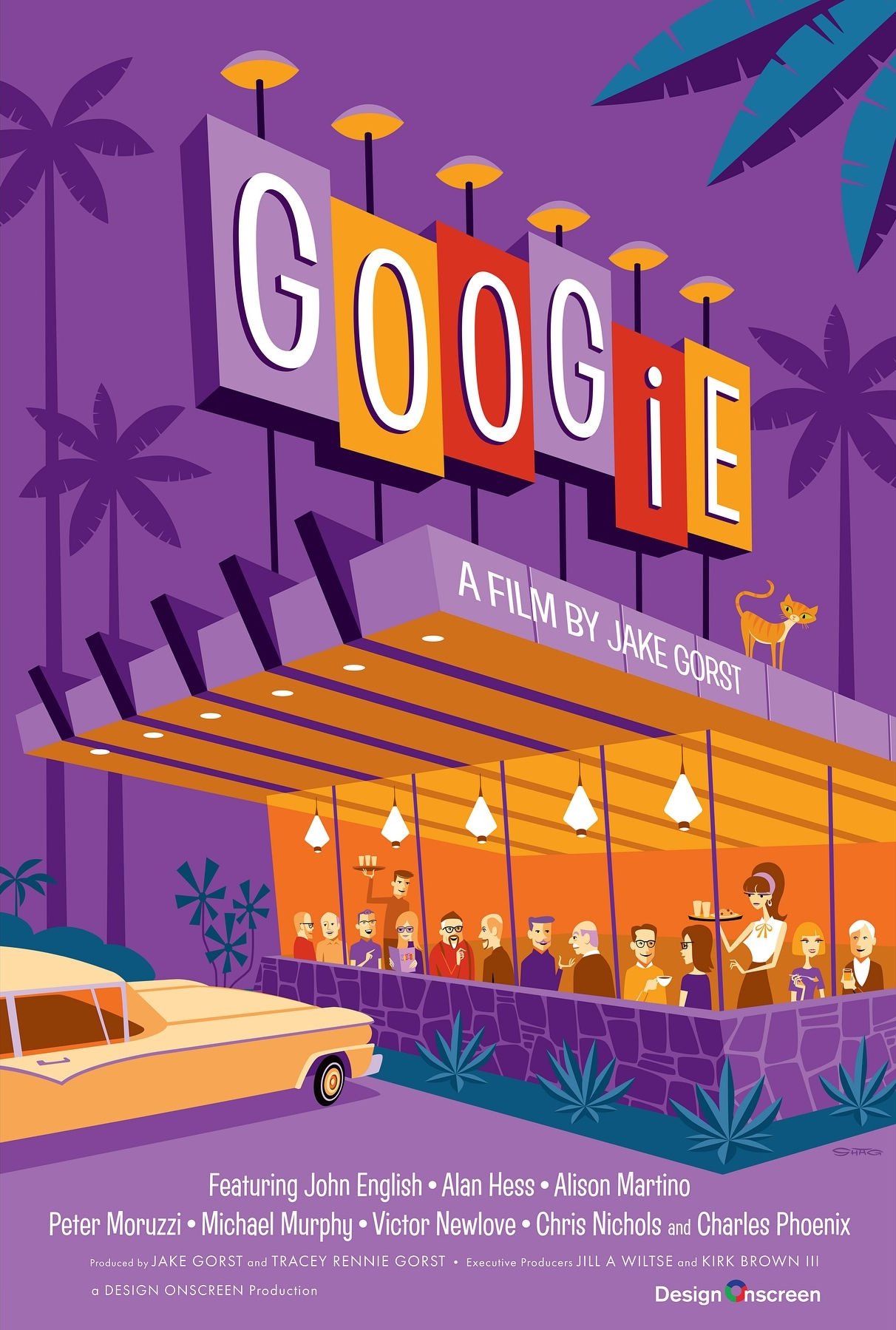
Googie architecture was one of the most visually exuberant and culturally formative design movements of the mid-20th century, yet it remains widely misunderstood. Defined by bold angles, sweeping rooflines, neon signage, and a sense of space-age optimism, Googie transformed everyday buildings into roadside spectacle. Coffee shops, bowling alleys, car washes, banks, and churches were designed not just for function, but to captivate motorists cruising by. Rooted in Los Angeles, the movement drew inspiration from visionary architects such as Frank Lloyd Wright and John Lautner, while firms like Armet & Davis brought futuristic flair to the commercial landscape. Though many original structures have been lost, preservationists now champion Googie as a serious architectural expression—one that captured the aspirations of postwar America and reshaped the visual identity of the modern city.
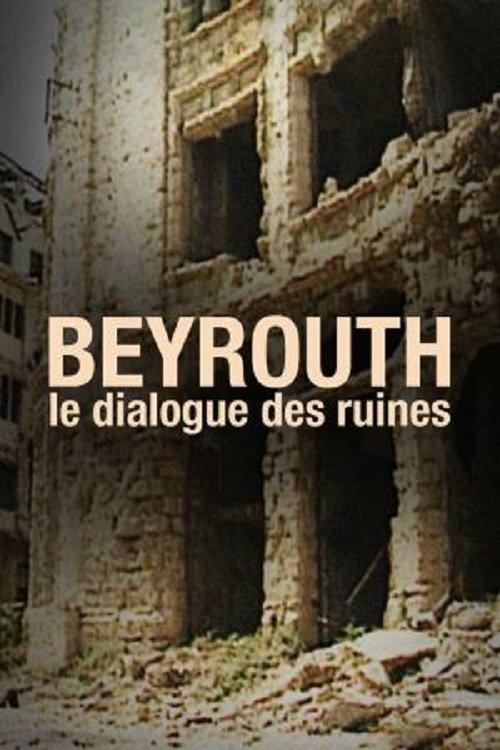
Architecture in Beirut was the second greatest victim of the civil war, with pages of ancient and modern history erased by the end of the conflict. This documentary interviews citizens calling for a reconstruction plan that would preserve Beirut’s spirit of culture and openness.
In 1919 an art school opened in Germany that would change the world forever. It was called the Bauhaus. A century later, its radical thinking still shapes our lives today. Bauhaus 100 is the story of Walter Gropius, architect and founder of the Bauhaus, and the teachers and students he gathered to form this influential school. Traumatised by his experiences during the Great War, and determined that technology should never again be used for destruction, Gropius decided to reinvent the way art and design were taught. At the Bauhaus, all the disciplines would come together to create the buildings of the future, and define a new way of living in the modern world.
Housing a Dream follows Dutch visionary artist Joost Conijn as he builds his dream home—an unconventional, rotating house that turns with the help of a red bicycle mounted to its floor. By pedaling, Joost can orient the house to follow the sunlight, reflecting his work's delicate balance between function and poetry. Through his process, the film explores the philosophies shaped by a lifetime of craftsmanship, revealing how building a home can become a profound act of artistic creation.
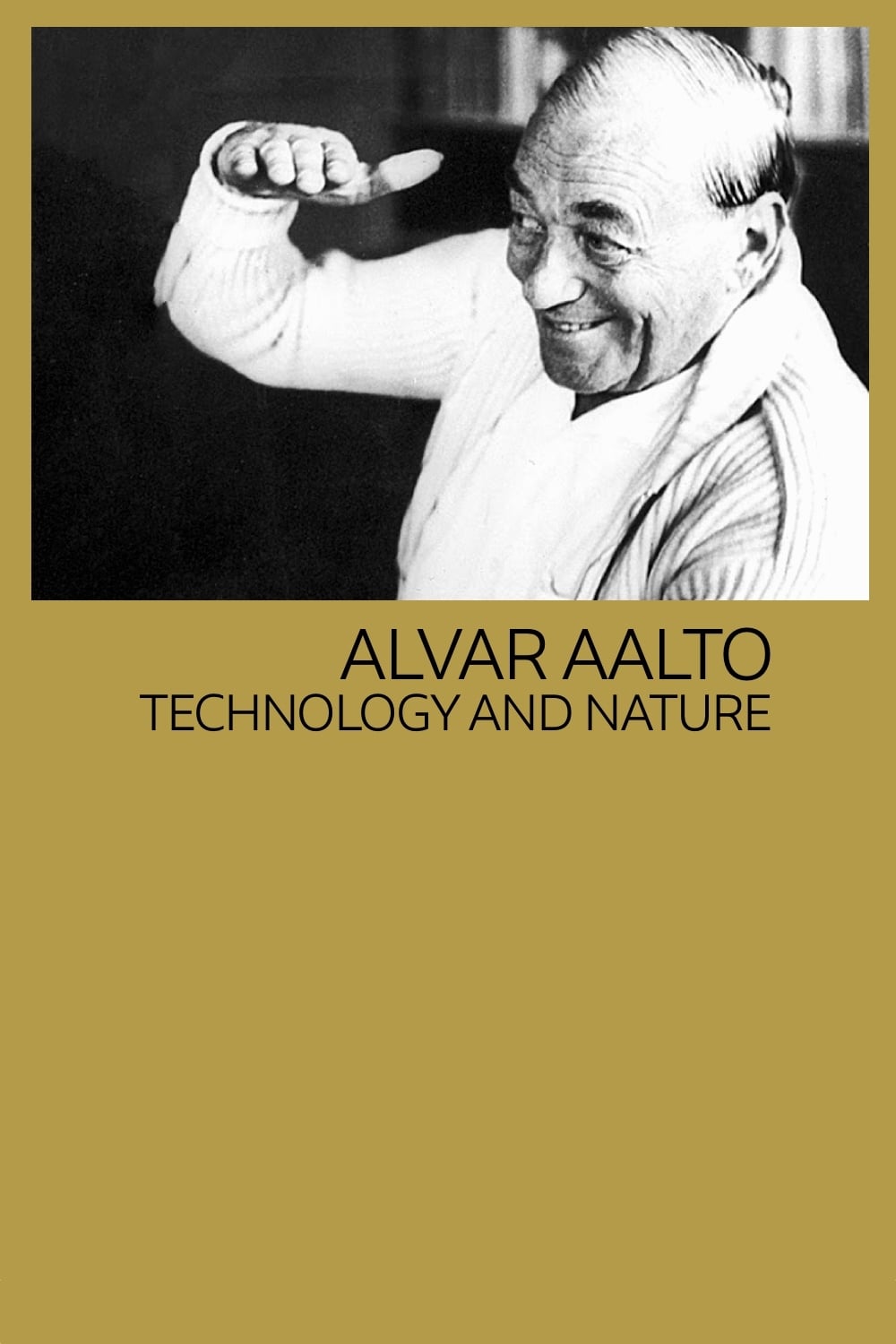
The Finnish architect Alvar Aalto (1898–1976) is one of the great figures of modern architecture, ranked alongside Gropius, Le Corbusier and Mies van der Rohe. This film analyses Aalto’s uniquely successful resolution of the demands and possibilities created by new technology and construction materials with the need to make his buildings sympathetic both to their users and to their natural surroundings. His inventive use of timber in particular represents both a reference to the forest landscape of Finland and a building material that is ‘warm’ and extremely adaptable. Filmed in Finland, Italy, Germany and the USA, this documentary shows how the Finnish natural environment and art traditions were essential elements in Aalto’s pioneering harmonization of technology and nature.
A German Documentary about the “village of friendship” that was created by American Veteran George Mizo to help the Vietnamese kids suffering from the Vietnam War.
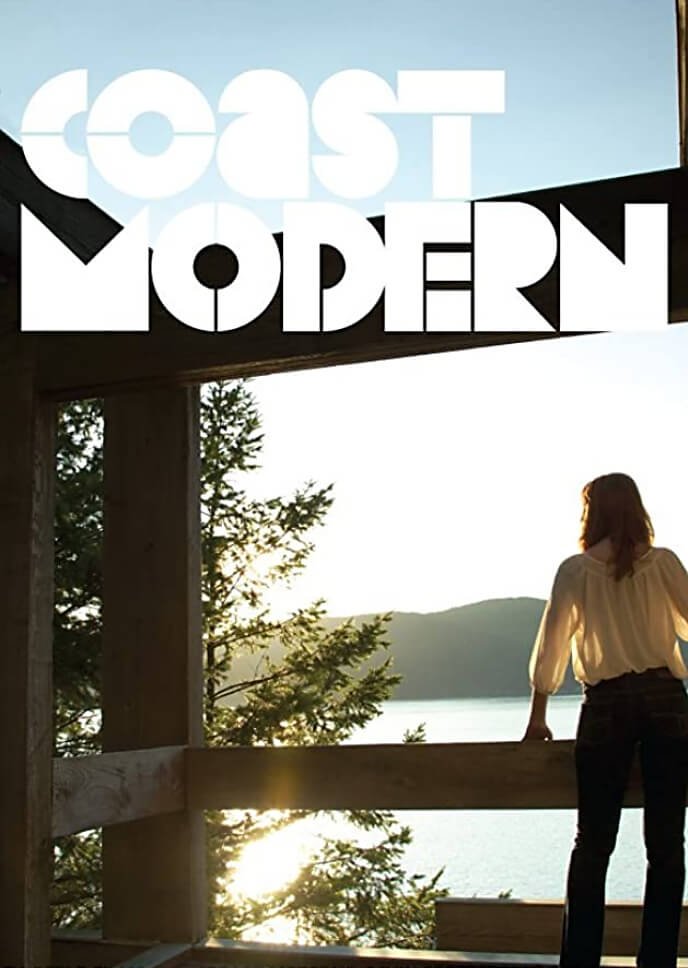
A core group of architects embraced the West Coast from Vancouver to LA with its particular geography and values and left behind a legacy of inspired dwellings. Today, architects celebrate the influence established by their predecessors.
A documentary that explores the downloading revolution; the kids that created it, the bands and the businesses that were affected by it, and its impact on the world at large.
A visual montage portrait of our contemporary world dominated by globalized technology and violence.
An inside look at one of the most anticipated movie sequels ever with James Cameron and cast.
This documentary focuses on the actors and their journey over two summers to create the remake to the original IT, by Stephen King. The documentary originally released as bonus material, bundled with IT: Chapter Two.
The Making-of James Cameron's Avatar. It shows interesting parts of the work on the set.
The compelling feature-length documentary film, by director Barry Ptolemy, chronicles the life and controversial ideas of luminary Ray Kurzweil. For more than three decades, inventor, futures, and New York Times best-selling author Ray Kurzweil has been one of the most respected and provocative advocates of the role of technology in our future.
A documentary about the making of David Fincher's 2008 film THE CURIOUS CASE OF BENJAMIN BUTTON. Virtually every element in the evolution of the Fincher's film is documented here, from the project's attachment to numerous other directors during the 1990s, to its shoot in 2006 and 2007 in New Orleans, to its complex, CGI-intensive postproduction process.
Since the invention of cinema, the standard format for recording moving images has been film. Over the past two decades, a new form of digital filmmaking has emerged, creating a groundbreaking evolution in the medium. Keanu Reeves explores the development of cinema and the impact of digital filmmaking via in-depth interviews with Hollywood masters, such as James Cameron, David Fincher, David Lynch, Christopher Nolan, Martin Scorsese, George Lucas, Steven Soderbergh, and many more.
If you ever find yourself traveling down Interstate 49 through Missouri, try not to blink—you may miss Rich Hill, population 1,396. Rich Hill is easy to overlook, but its inhabitants are as woven into the fabric of America as those living in any small town in the country. This movie intimately chronicles the turbulent lives of three boys living in said Midwestern town and the fragile family bonds that sustain them.
A documentary about the design of cities, which looks at the issues and strategies behind urban design and features some of the world's foremost architects, planners, policymakers, builders, and thinkers.
This special explores the return of Obi-Wan Kenobi and Anakin Skywalker to the screen, as well as Ewan McGregor and Hayden Christensen to their classic roles. Director Deborah Chow leads the cast and crew as they create new heroes and villains that live alongside new incarnations of beloved Star Wars characters, and an epic story that dramatically bridges the saga films.
Daniel Craig candidly reflects on his 15 year adventure as James Bond. Including never-before-seen archival footage from Casino Royale to the upcoming 25th film No Time To Die, Craig shares his personal memories in conversation with 007 producers, Michael G Wilson and Barbara Broccoli.
A documentary focused on plastic pollution in the world's oceans.
Filmmakers discuss the legacy of Alfred Hitchcock and the book “Hitchcock/Truffaut” (“Le cinéma selon Hitchcock”), written by François Truffaut and published in 1966.
Artists in LA discover the work of forgotten Polish sculptor Stanislav Szukalski, a mad genius whose true story unfolds chapter by astounding chapter.
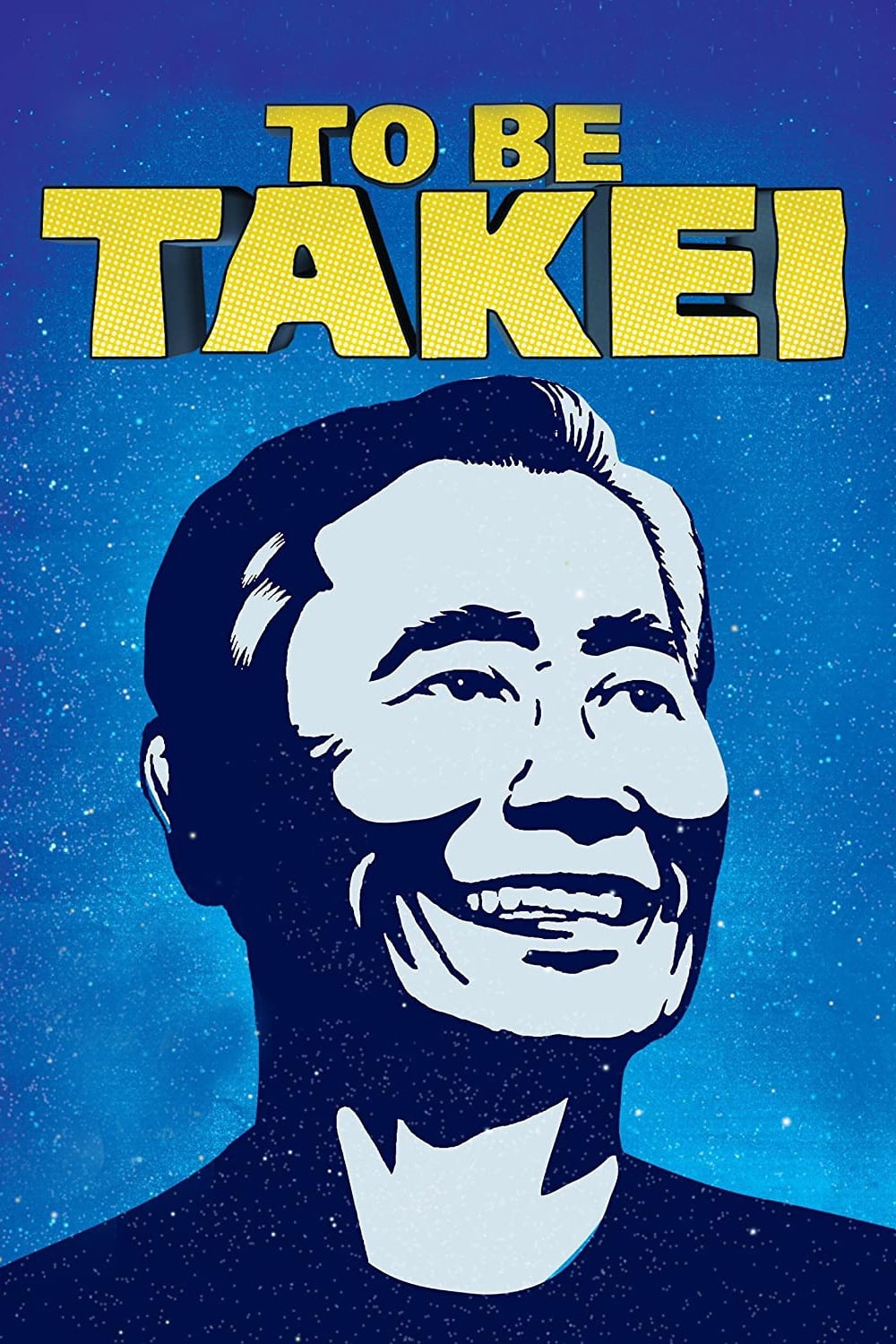
Over seven decades, actor and activist George Takei journeyed from a World War II internment camp to the helm of the Starship Enterprise, and then to the daily news feeds of five million Facebook fans. Join George and his husband, Brad, on a wacky and profound trek for life, liberty, and love.
The life and career of an actor, artist, and icon. His own journey through his own camera.
A detailing of the rise to prominence and global sporting superstardom of six supremely talented young Manchester United football players (David Beckham, Nicky Butt, Ryan Giggs, Paul Scholes, Phil and Gary Neville). The film covers the period 1992-1999, culminating in Manchester United's European Cup triumph.
A documentary on the expletive's origin, why it offends some people so deeply, and what can be gained from its use.
In the Realms of the Unreal is a documentary about the reclusive Chicago-based artist Henry Darger. Henry Darger was so reclusive that when he died his neighbors were surprised to find a 15,145-page manuscript along with hundreds of paintings depicting The Story of the Vivian Girls, in What is Known as the Realms of the Unreal, of the Glodeco-Angelinnian War Storm, Cased by the Child Slave Rebellion.