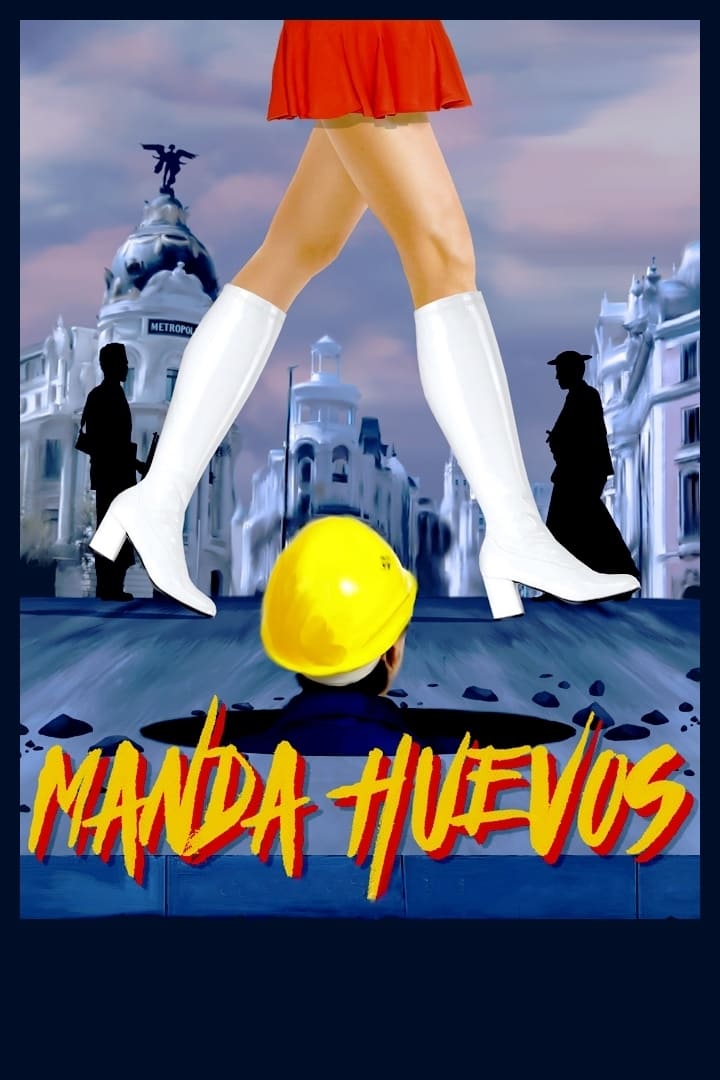
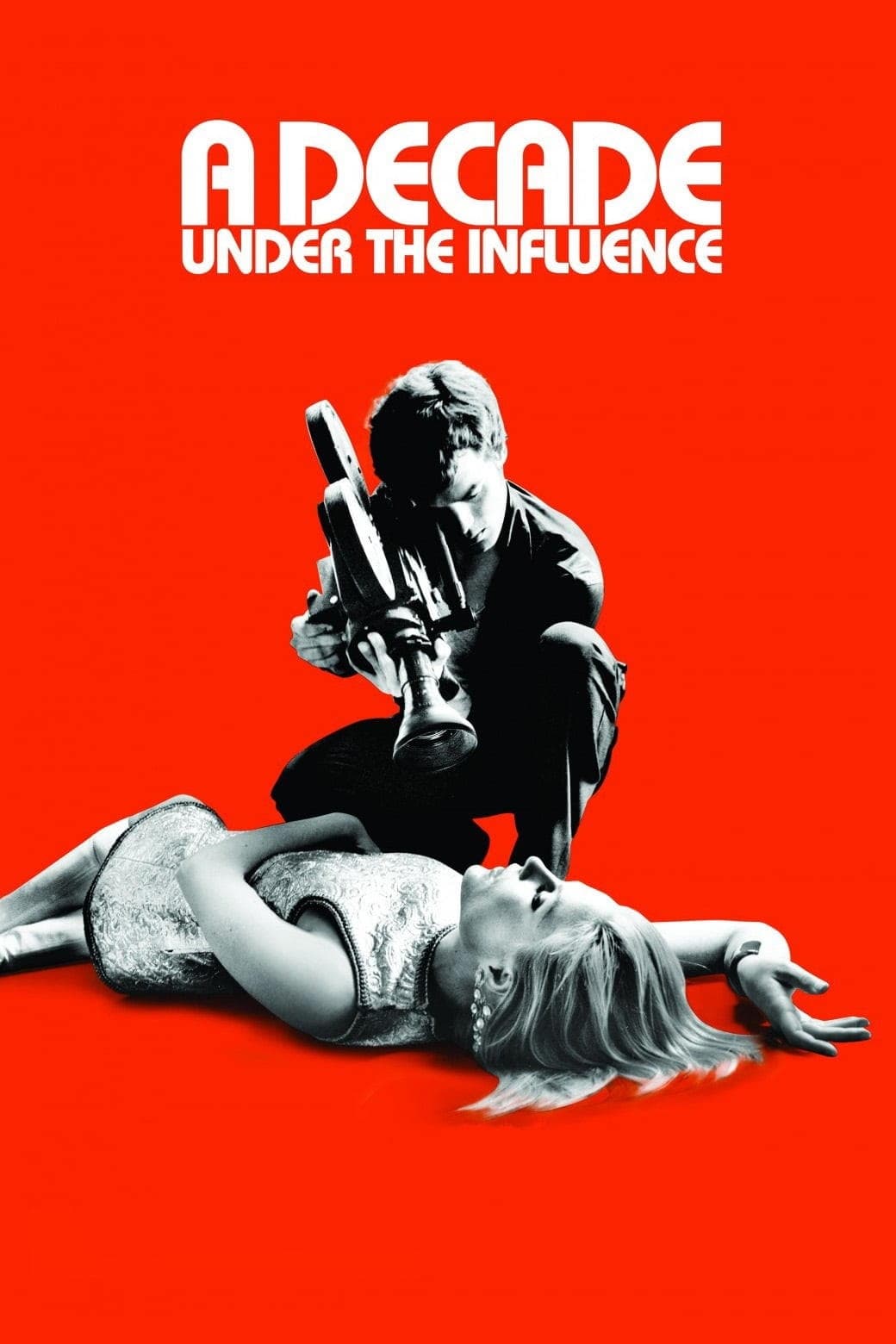
A look at the different masculinities portrayed in Spanish cinema through time. (A sequel to “Barefoot in the Kitchen,” 2013.)
Social & External
Herself - Narrator (voice)
A poetic journey through the paths and places of old Castile that were traveled and visited by the melancholic knight Don Quixote of La Mancha and his judicious squire Sancho Panza, the immortal characters of Miguel de Cervantes, which offers a candid depiction of rural life in Spain in the early 1930s and illustrates the first sentence of the first article of the Spanish Constitution of 1931, which proclaims that Spain is a democratic republic of workers of all kind.
A feature-length documentary focusing on the acclaimed work and eclectic career of maverick filmmaker Larry Cohen, writer-director of "Black Caesar," "It's Alive," "God Told Me To," "Q," "The Stuff," and many more.
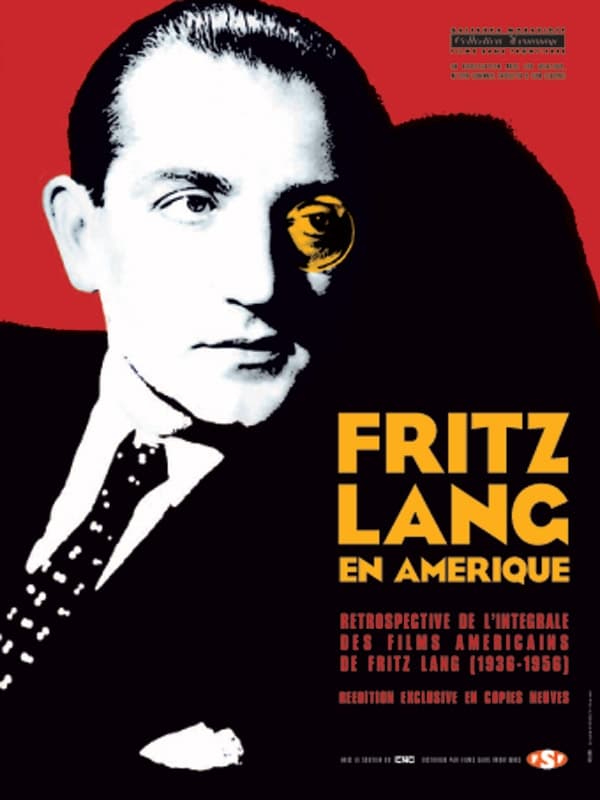
Interview with Fritz Lang on the roof of Villa Malaparte on Capri during the filming of the fictitious film "Odysseus" and the filming of "Contempt" by Jean-Luc Godard, in which Fritz Lang plays the role of an old film director. During the interview, excerpts from the Lang films "The Nibelungen", "The Tired Death" and "M" are shown.
This is not merely another film about cinema history; it is a film about the love of cinema, a journey of discovery through over a century of German film history. Ten people working in film today remember their favourite films of yesteryear.
The Smurfs were created in 1958 by the Belgian comic author Peyo (Pierre Culliford, 1928-1992) and they are one of Belgium's most recognized exports. From Brussels to Los Angeles, via Dubai, a journey into the tiny world of the famous little blue people, from the story of the creation of the original comic to the account of their huge global commercial exploitation.
A first feature based on sexual events. An actress undertakes her desire of directing her first movie, without a budget or any production company funding her project. She gathers a group of professional actors and actresses, and proposes a project based on a very particular experience: stepping on their fears through a metaphorical 'leap of faith'. As the project advances, individual conflicts will arise affecting the shoot, making the movie crew wonder whether or not they should go on. Will they take the leap of faith with all its consequences?
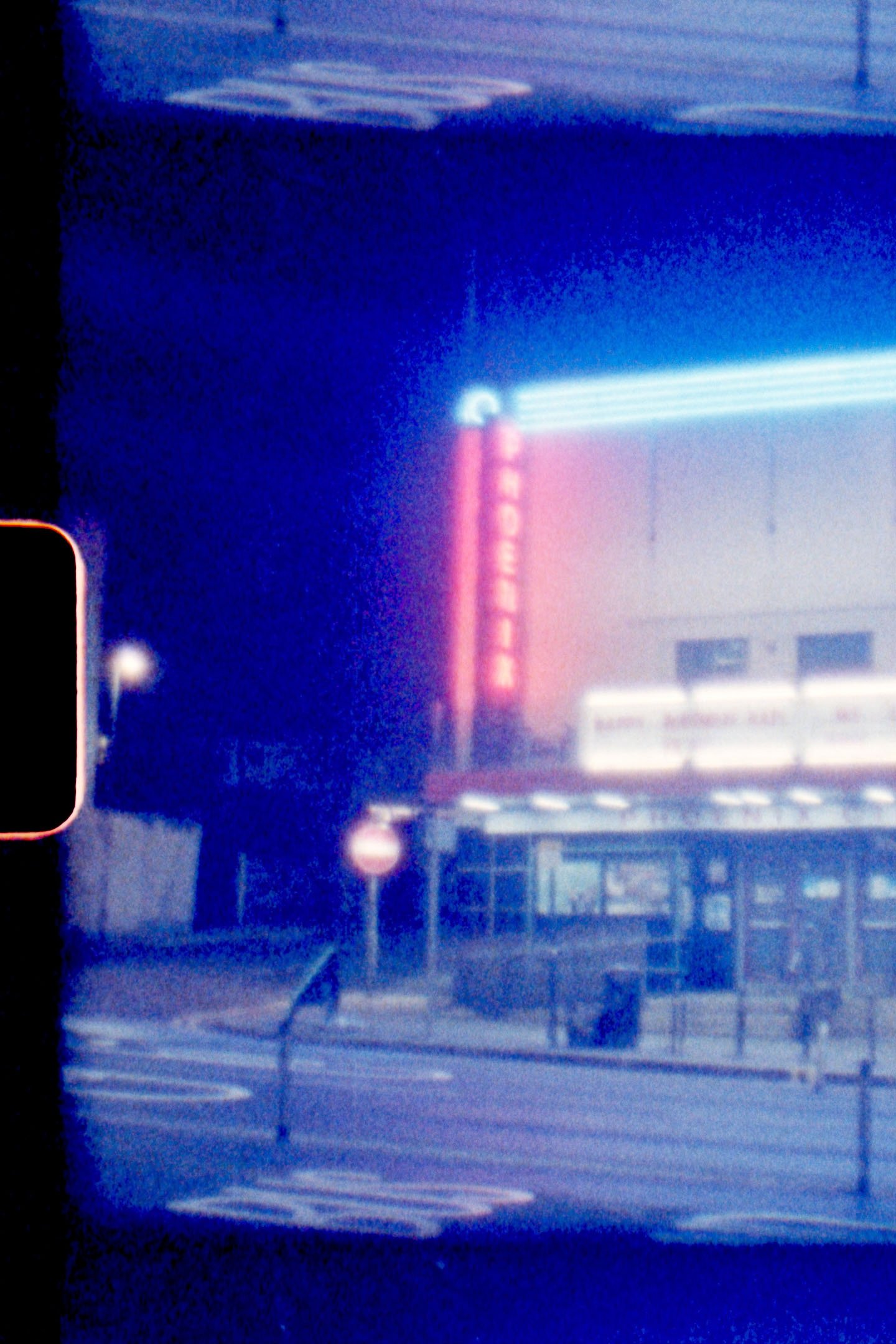
A fragmented collection of independent closed cinemas, in London during lockdown, captured on Super 8mm film.
A documentary about the making of the television mini-series by Rainer Werner Fassbinder, including interviewees with the principal actors.
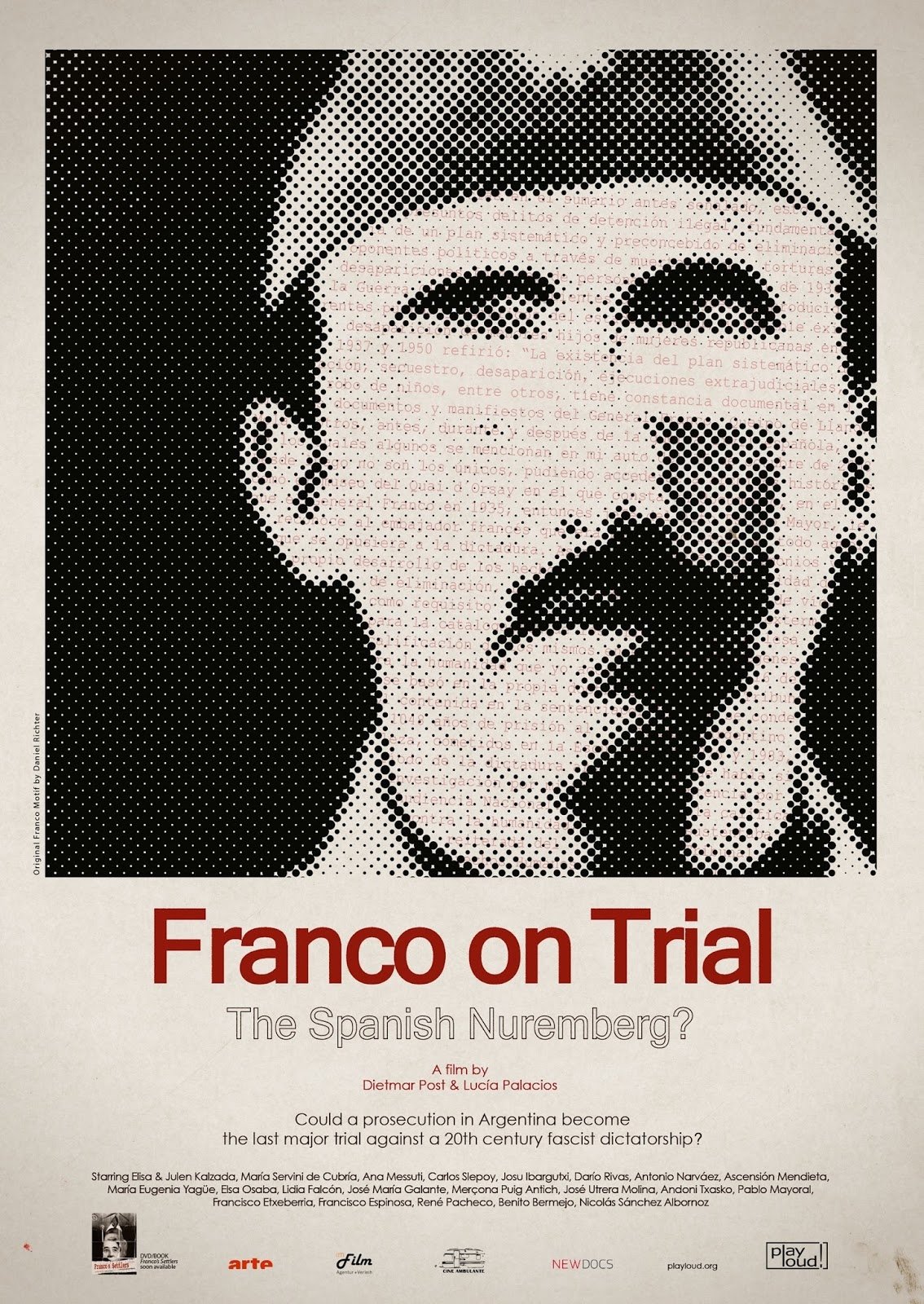
Franco on Trial is the new film by Dietmar Post and Lucía Palacios. After the success of Franco's Settlers, their first encounter with Franco's dictatorship, they are now setting their sights on one of the darkest chapters of European history: the presumed organized extermination that took place during the coup, the war, and the subsequent dictatorship led by Franco, as well as Argentina's current effort, by invoking the principle of universal jurisdiction, to prosecute Francoists accused of committing crimes against humanity. The film is also a sore reminder of an issue that still stands today: the clear-cut accountability held by Germany, Italy, and Portugal. The film accomplishes to give both sides a voice - those against whom the killing has been directed; and the side of the perpetrators.
This film covers the sociology, agriculture, customs, and handicrafts of Spain's villages.
A 60-minute salute to American International Pictures. Entertainment lawyer Samuel Z. Arkoff founded AIP (then called American Releasing Corporation) on a $3000 loan in 1954 with his partner, James H. Nicholson, a former West Coast exhibitor and distributor. The company made its mark by targeting teenagers with quickly produced films that exploited subjects mainstream films were reluctant to tackle.
A personal meditation on Rumble Fish, the legendary film directed by Francis Ford Coppola in 1983; the city of Tulsa, Oklahoma, USA, where it was shot; and its impact on the life of several people from Chile, Argentina and Uruguay related to film industry.
The fascinating story of the rise to power of dictator Benito Mussolini (1883-1945) in Italy in 1922 and how fascism marked the fate of the entire world in the dark years to come.
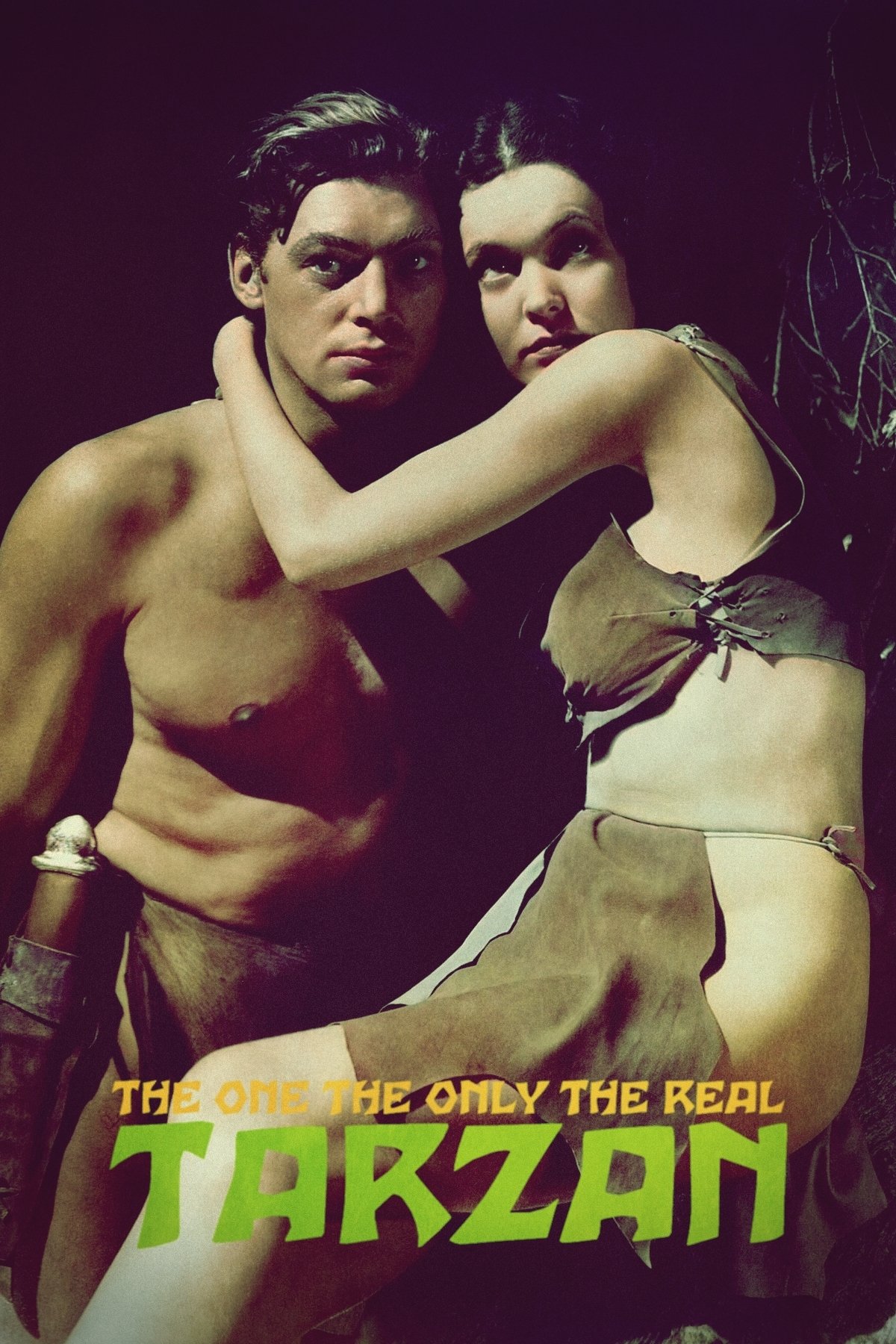
The glorious and tragic story of American athlete and actor Johnny Weissmuller (1904-84), Olympic swimmer, water polo player and the only true Tarzan, an archetypal character and myth of cinema, that of the original Hollywood blockbusters (1932-48).
Documentary about the history of Philippine cinema.
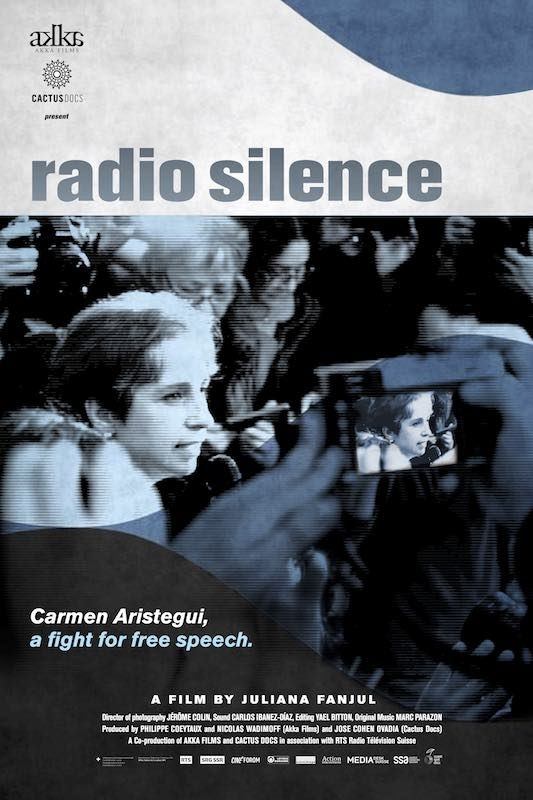
Mexico, March 2015. Carmen Aristegui, incorruptible journalist, has been fired from the radio station where she has worked for years. Supported by more than 18 million listeners, Carmen continues her fight. Her goal: raising awareness and fighting against misinformation. The film tells the story of this quest: difficult and dangerous, but essential to the health of democracy. A story in which resistance becomes a form of survival.
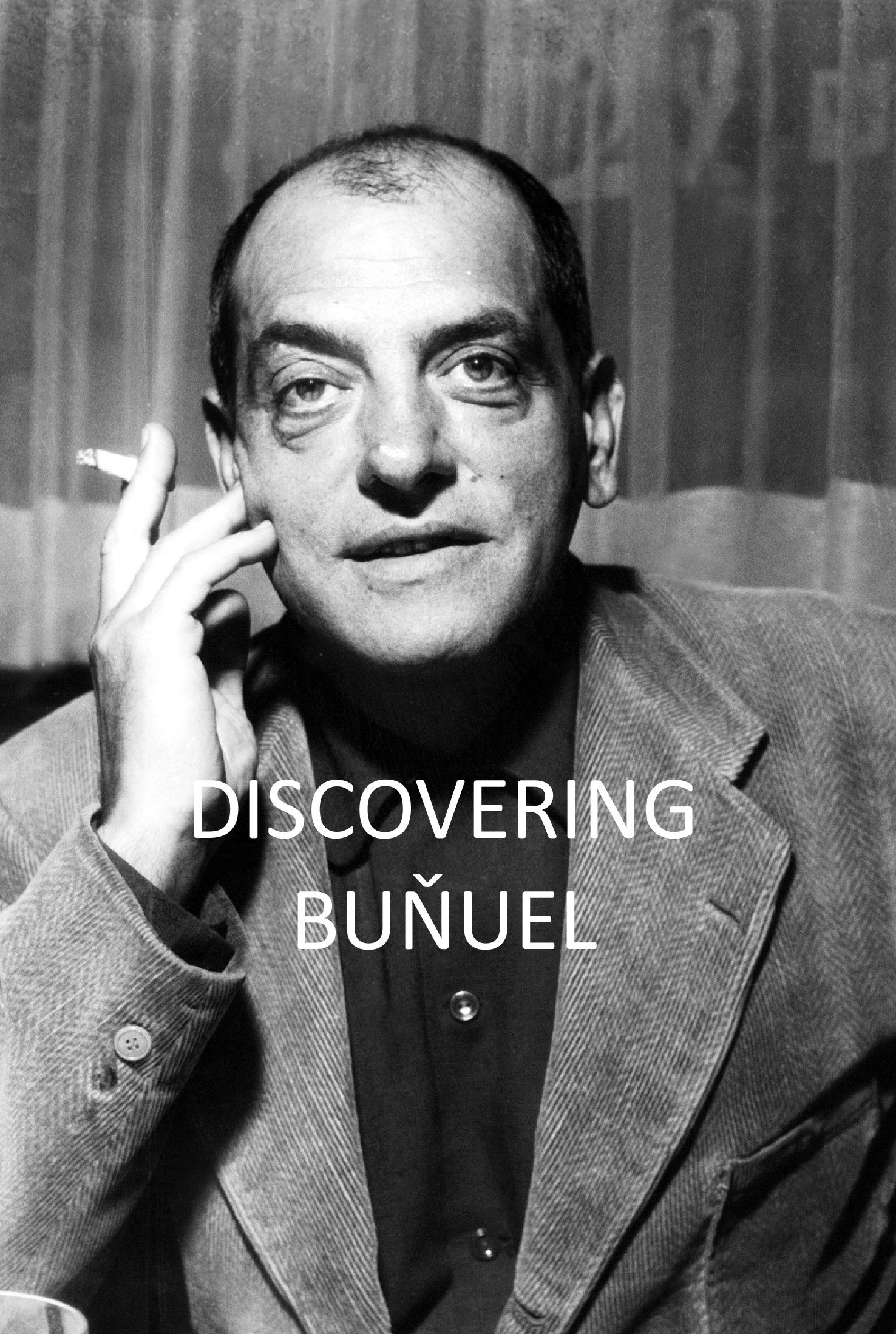
Luis Bunuel, the father of cinematic Surrealism, made his film debut with 'Un Chien Andalou' in 1929 working closely with Salvador Dali. Considered one of the finest and controversial filmmakers with, 'L’Age d’Or' (1930), attacking the church and the middle classes. He won many awards including Best Director at Cannes for 'Los Olvidados' (1950), and the coveted Palme d’Or for 'Viridiana' (1961), which had been banned in his native Spain. His career moved to France with 'The Diary of a Chambermaid' with major stars such as Jeanne Moreau and Catherine Deneuve.
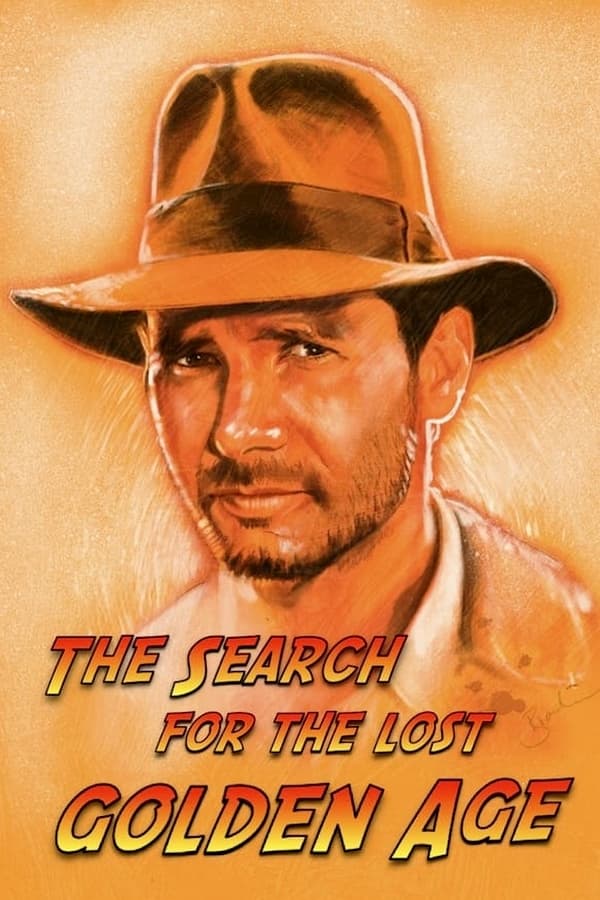
Hawaii, May 1977. After the success of Star Wars, George Lucas and Steven Spielberg meet to find a new project to work on together, the former as producer, the latter as director. The story of how the charismatic archaeologist Indiana Jones was born and how his first adventure, released in 1981, triumphed at box offices around the world.
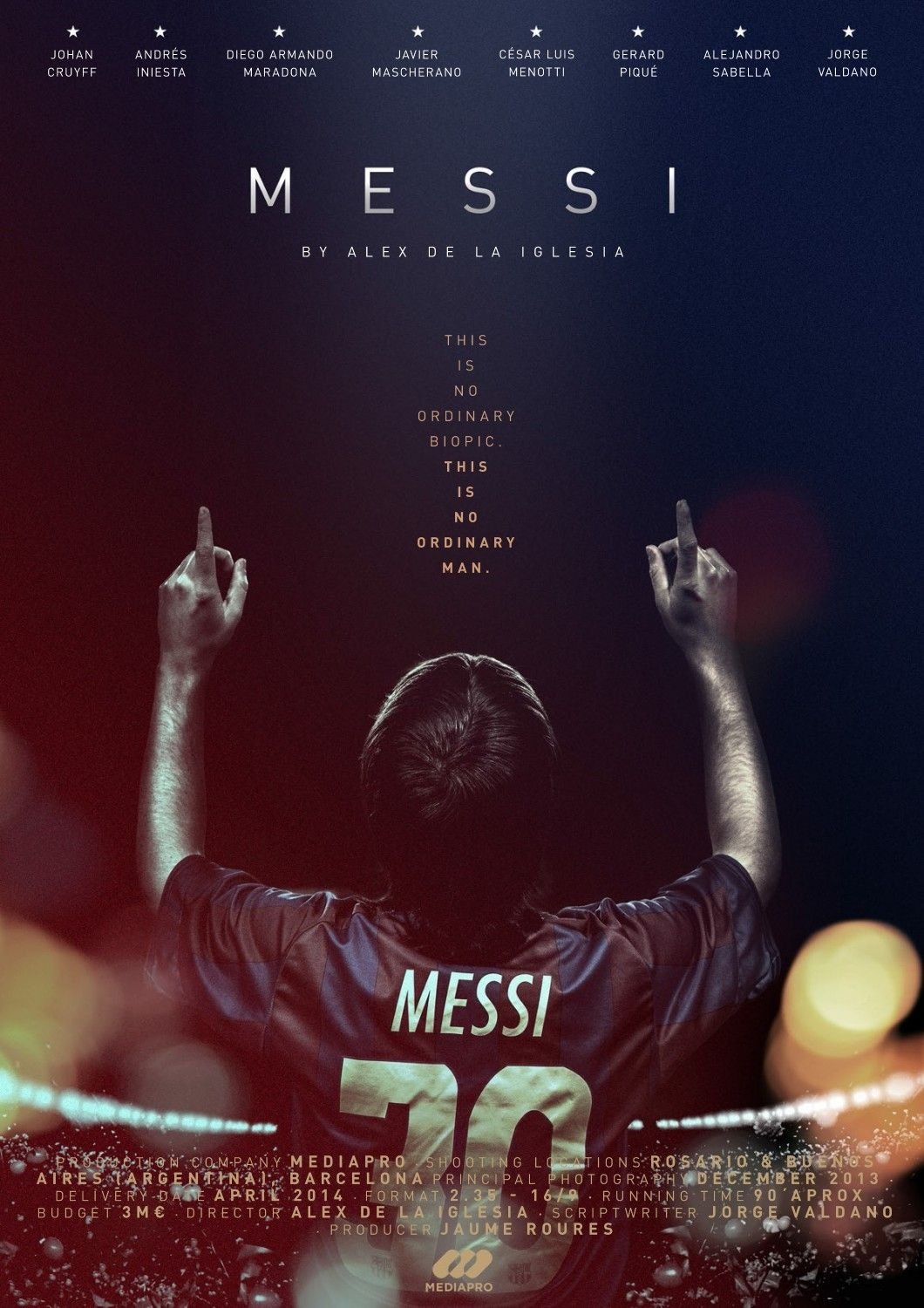
His teachers, coaches, childhood friends and Barça teammates, together with journalists, writers and prominent figures from the history of football, come together in a restaurant to analyze and pick apart Messi's personality both on and off the field, and to look back at some of the most significant moments in his life. Viewed from Álex de la Iglesia's unique perspective, Messi recreates the player's childhood and teenage years, from his very first steps, with a football always at his feet, through to the decision to leave Rosario for Barcelona, the separation from his family, and the role played in his career by individuals such as Ronaldinho, Rijkaard, Rexach and Guardiola.
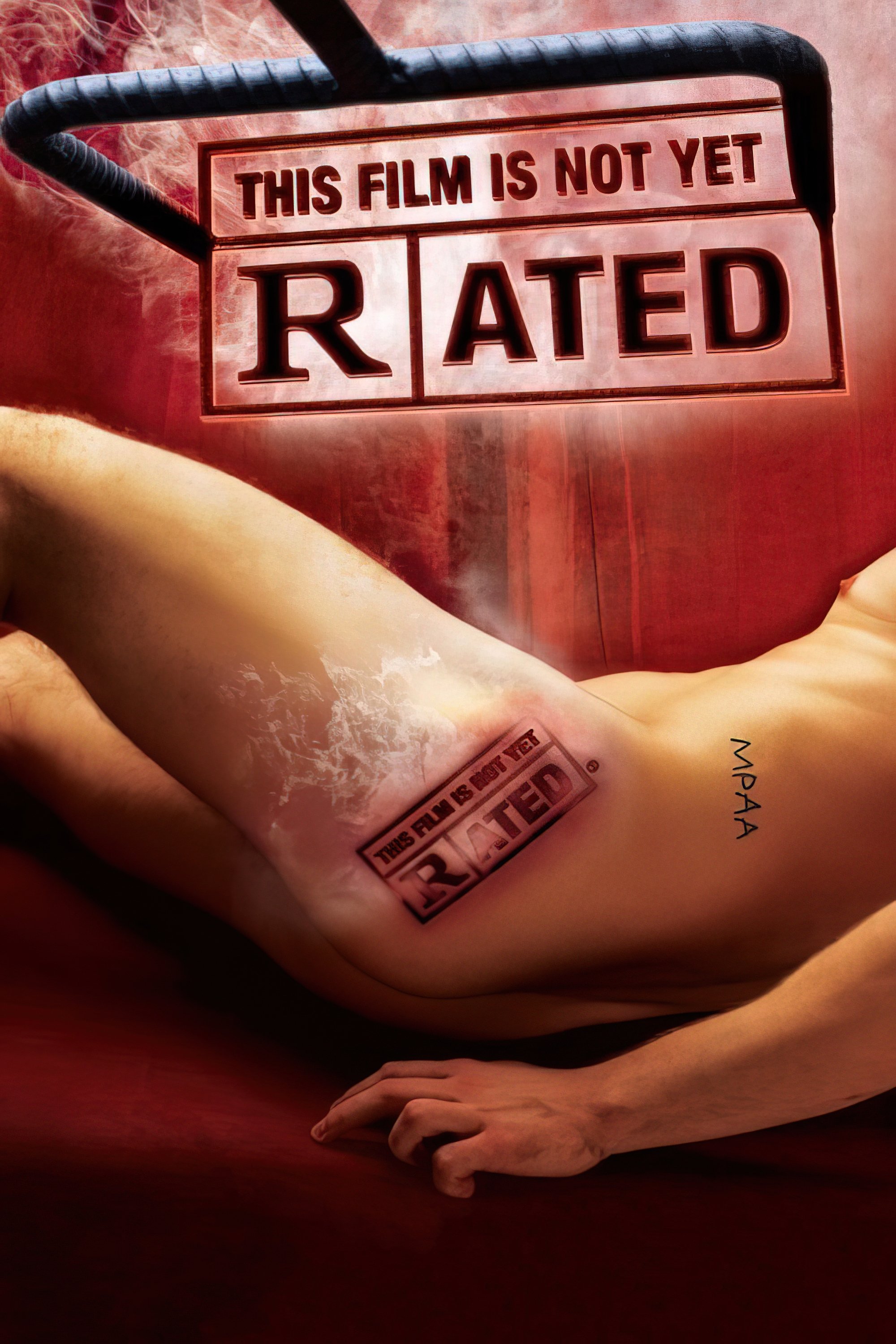
Kirby Dick's provocative documentary investigates the secretive and inconsistent process by which the Motion Picture Association of America (MPAA) rates films, revealing the organization's underhanded efforts to control culture. Dick questions whether certain studios get preferential treatment and exposes the discrepancies in how the MPAA views sex and violence.
SEDUCED AND ABANDONED combines acting legend Alec Baldwin with director James Toback as they lead us on a troublesome and often hilarious journey of raising financing for their next feature film. Moving from director to financier to star actor, the two players provide us with a unique look behind the curtain at the world's biggest and most glamourous film festival, shining a light on the bitter-sweet relationship filmmakers have with Cannes and the film business. Featuring insights from directors Martin Scorsese, 'Bernando Bertolucci' and Roman Polanski; actors Ryan Gosling and Jessica Chastain and a host of film distribution luminaries.
An investigative look and analysis of gender disparity in Hollywood, featuring accounts from well-known actors, executives and artists in the Industry.
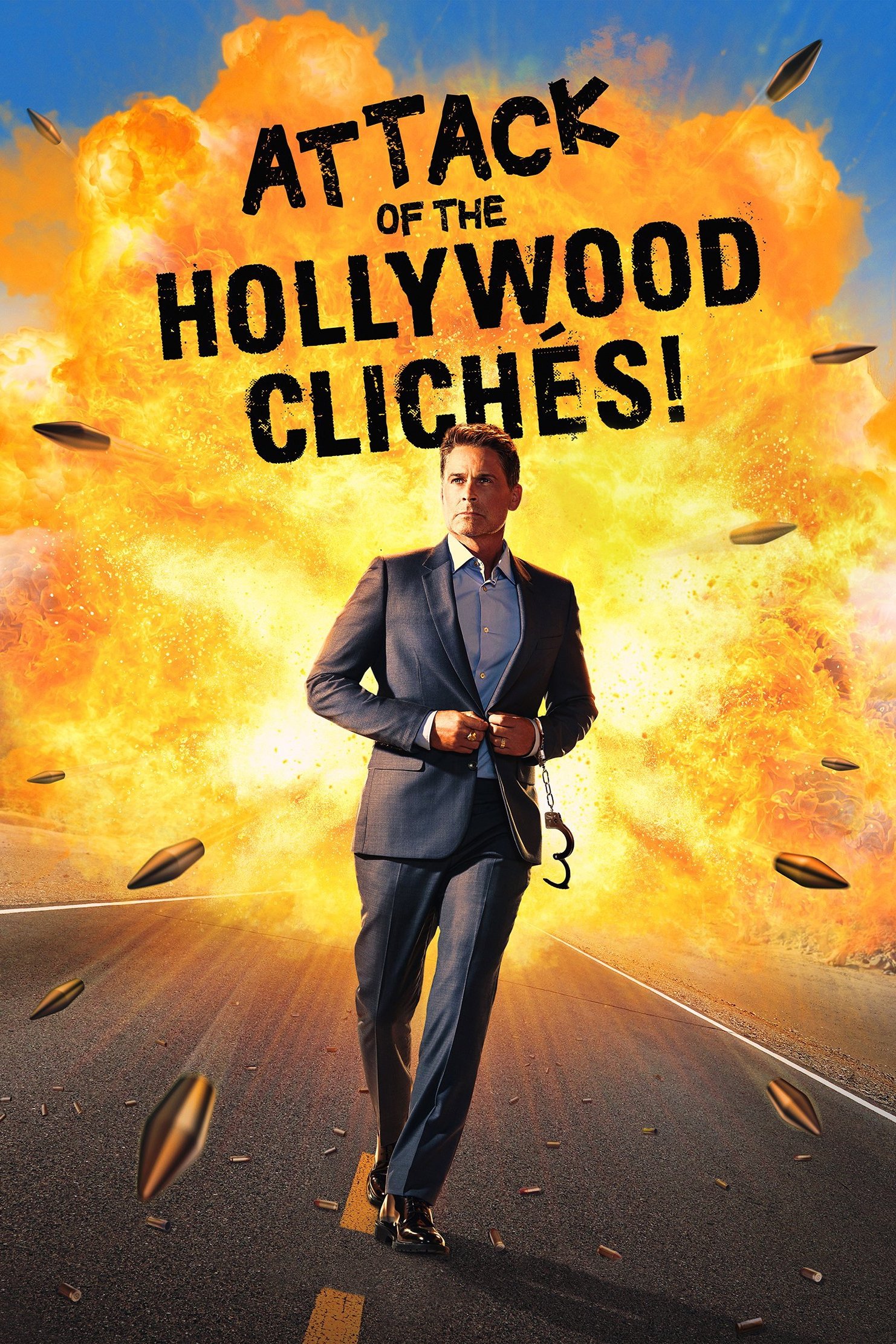
One-man armies, meet-cutes, casual strolls away from huge explosions — stars and industry insiders toast and roast these cinematic chestnuts and more.
A documentary examining the decade of the 1970s as a turning point in American cinema. Some of today's best filmmakers interview the influential directors of that time.
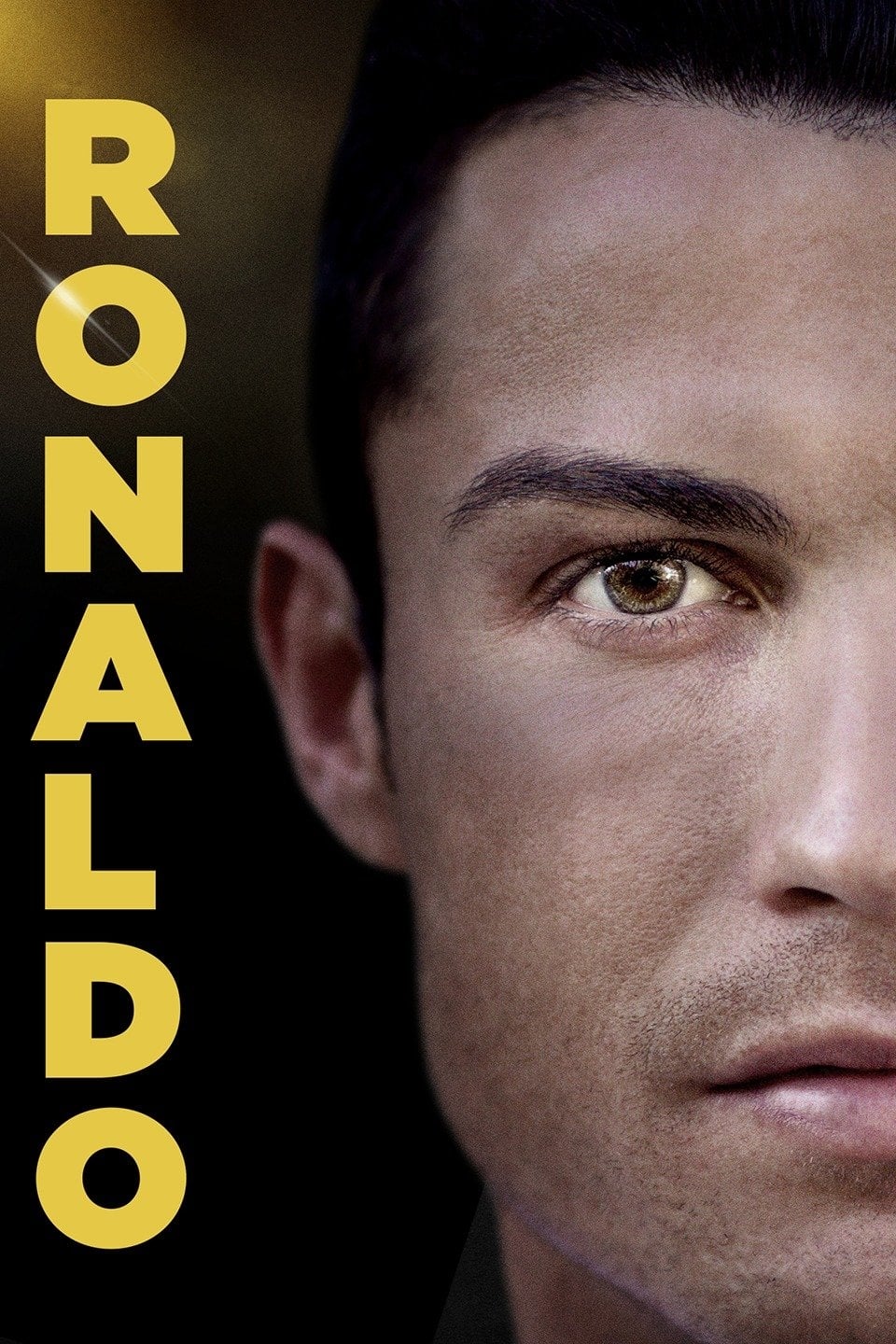
Filmed over 14 months with unprecedented access into the inner circle of the man and the sport, this is the first official and fully authorised film of one of the most celebrated figures in football. For the first time ever, the world gets vividly candid and un-paralleled, behind-closed-doors access to the footballer, father, family-man and friend in this moving & fascinating documentary. Through in-depth conversations, state of the art football footage and never before seen archival footage, the film gives an astonishing insight into the sporting and personal life of triple Ballon D'Or winner Cristiano Ronaldo at the peak of his career. From the makers of ‘Senna’ and ‘Amy’, Ronaldo takes audiences on an intimate and revealing journey of what it’s like to live as an iconic athlete in the eye of the storm.
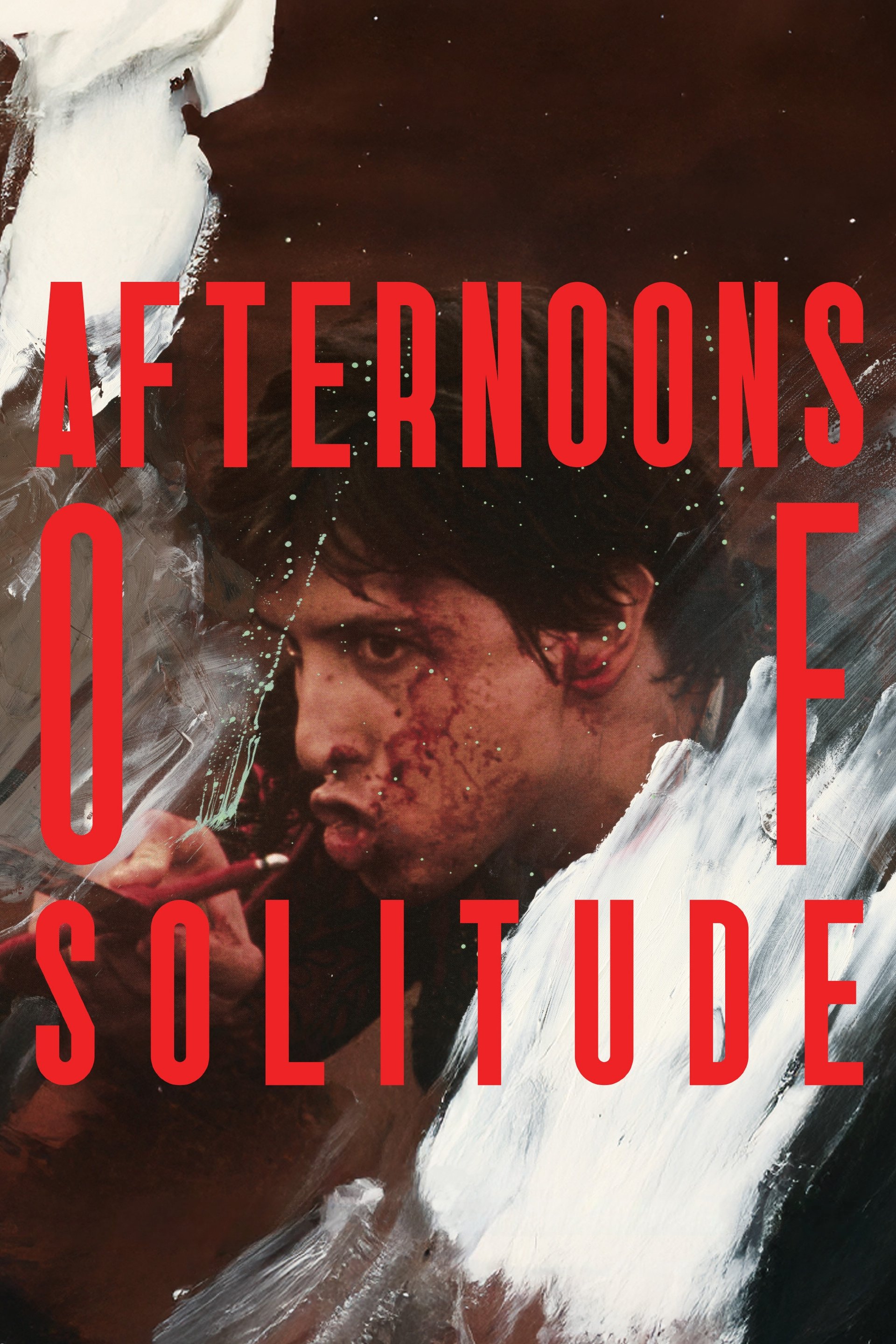
The life of the bullfighter Andrés Roca Rey during a day of bullfighting, from the moment he dresses up to the moment he undresses.
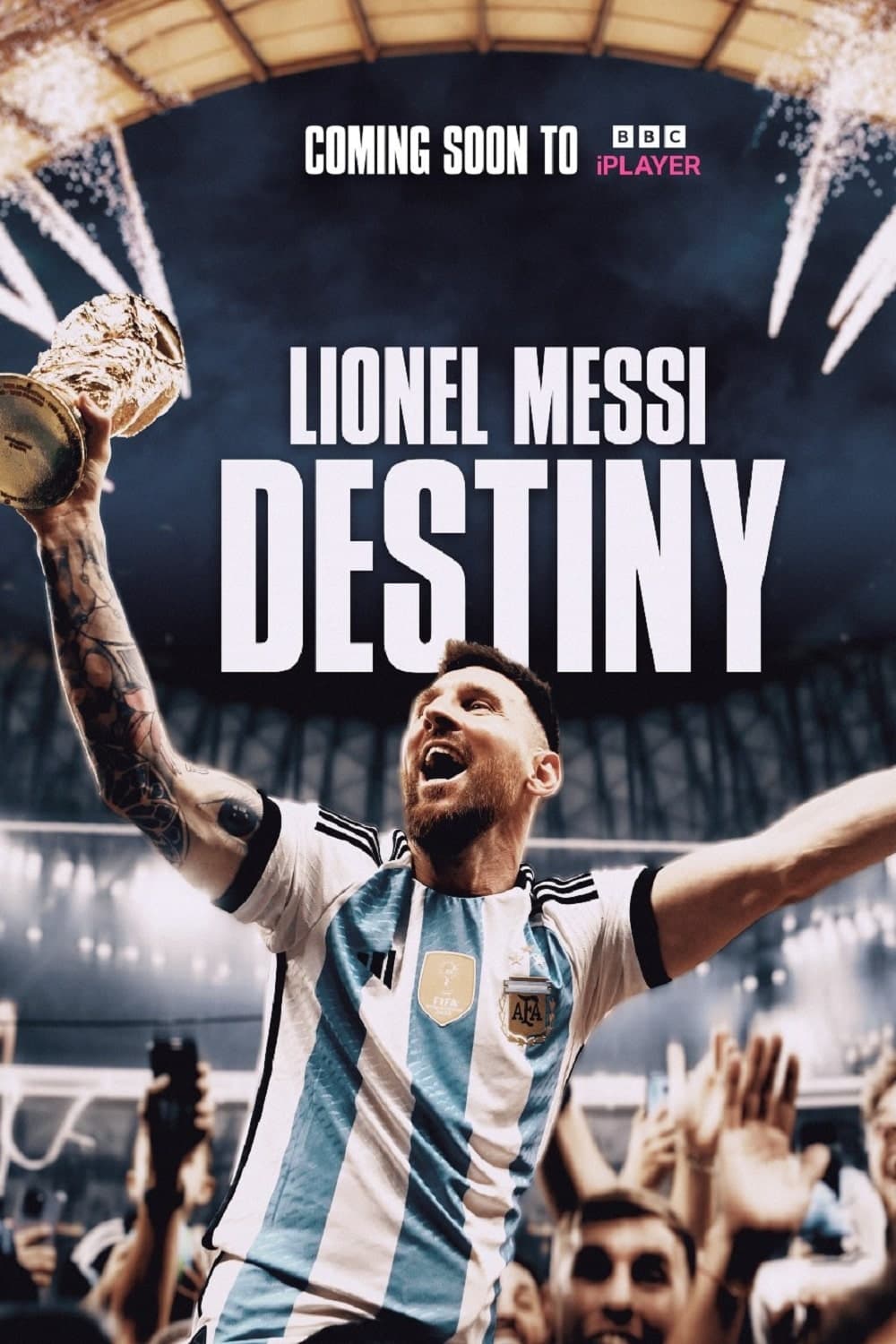
Behind-the-scenes documentary about how Lionel Messi succeeded in lifting the World Cup – the only trophy to have eluded him in an incredible career.
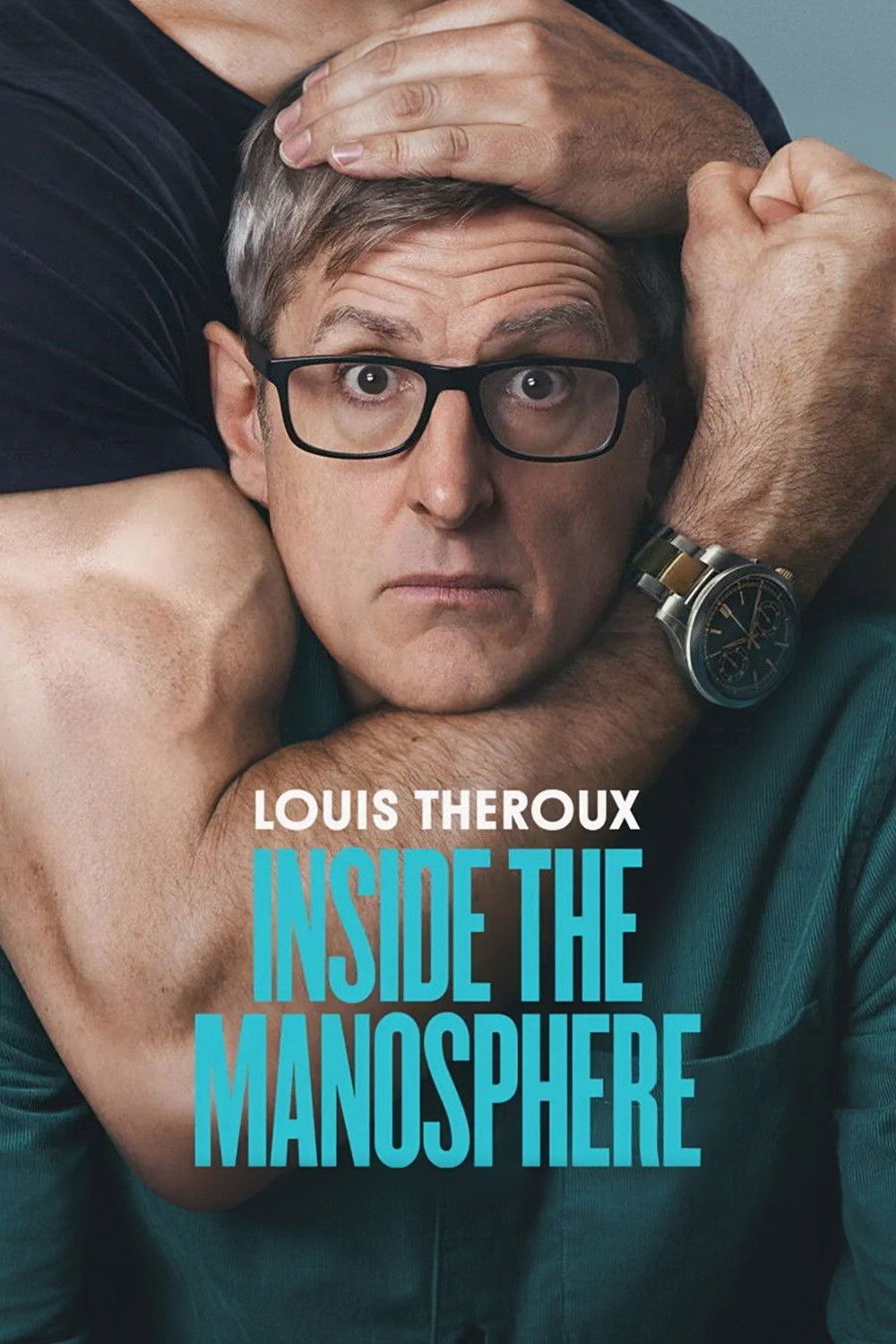
With rare access and no holds barred, the acclaimed documentarian investigates a growing ultra-masculine network and its controversial influencers.
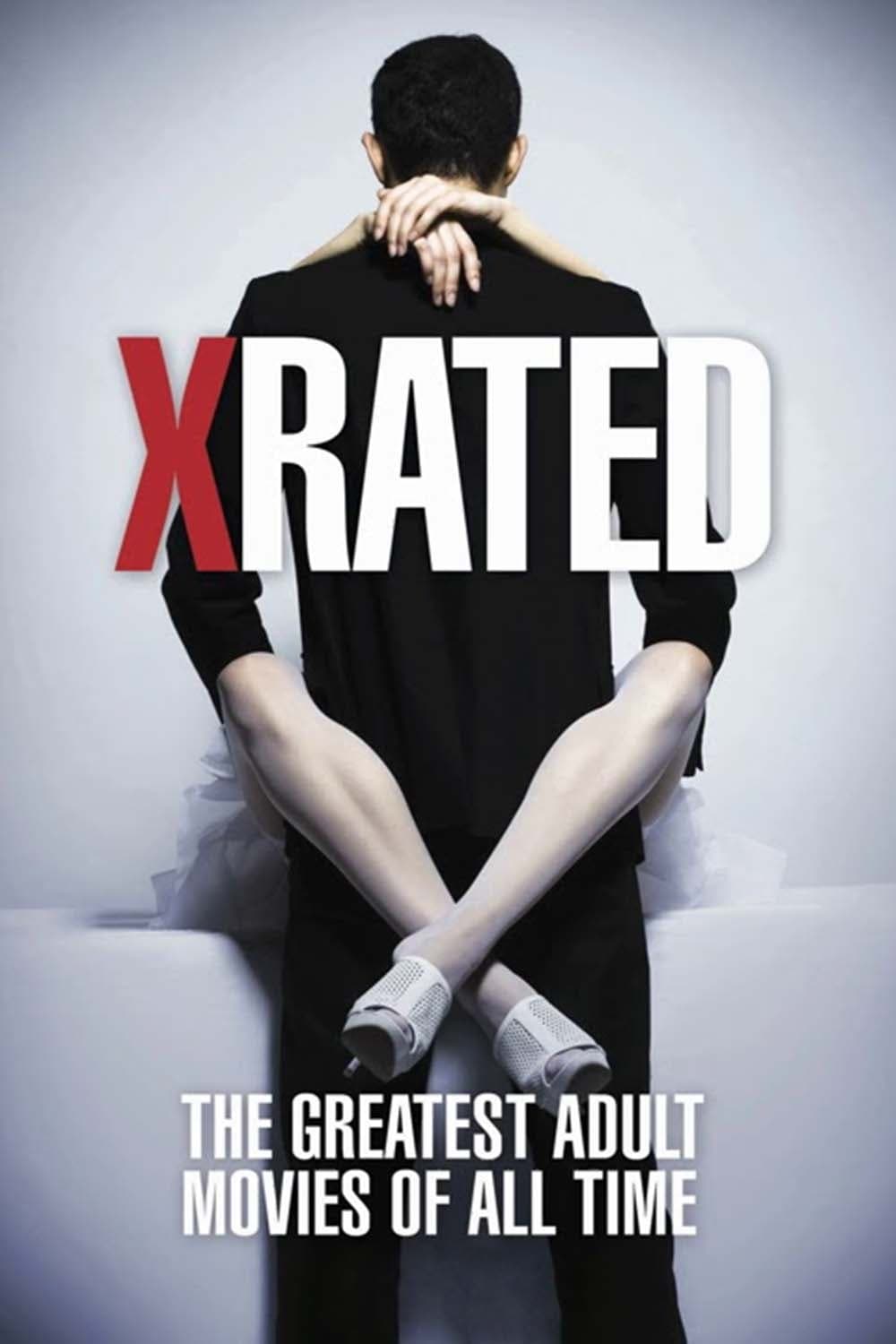
The evolution of adult cinema through the most influential films in history, a journey that begins in the 1970s and ends nowadays. An in-depth analysis of the success of the most prestigious erotic films, their impact on industry and society, and their influence on cinema and contemporary culture.
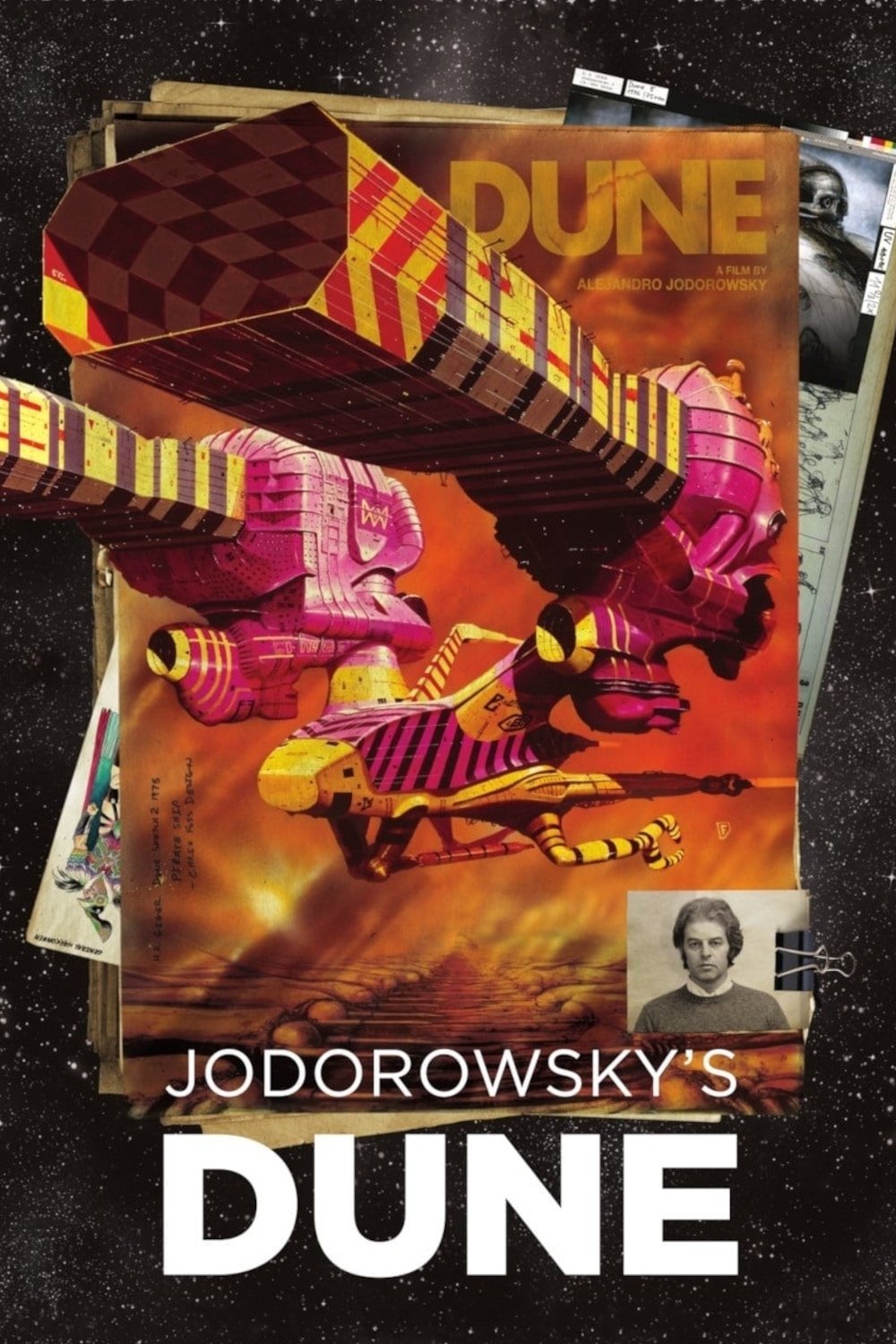
In 1974, Chilean-French director Alejandro Jodorowsky embarked on the quixotic project of adapting Frank Herbert's influential novel Dune (1969) for the big screen. After investing two years, and millions of dollars, the gigantic project ended in failure; but the artists Jodorowsky brought together to carry it out continued to work together, and ended up laying the foundations for modern science fiction cinema.
A chronicle of the production problems — including bad weather, actors' health, war near the filming locations, and more — which plagued the filming of Apocalypse Now, increasing costs and nearly destroying the life and career of Francis Ford Coppola.
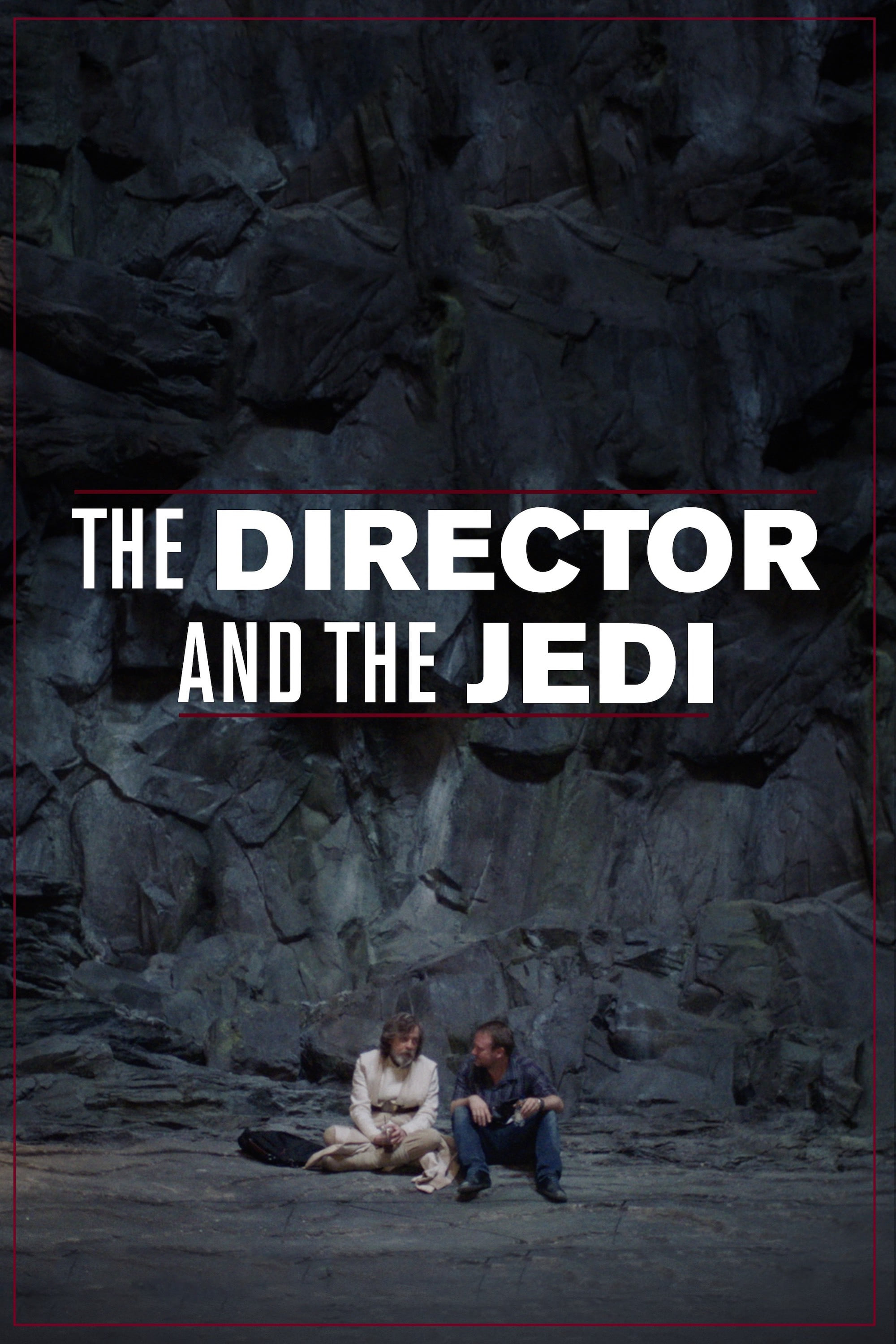
An intimate documentary delving into Rian Johnson's process as he comes in as a director new to the Star Wars universe.
A love letter from a young mother to her daughter, the film tells the story of Waad al-Kateab’s life through five years of the uprising in Aleppo, Syria as she falls in love, gets married and gives birth to Sama, all while cataclysmic conflict rises around her. Her camera captures incredible stories of loss, laughter and survival as Waad wrestles with an impossible choice– whether or not to flee the city to protect her daughter’s life, when leaving means abandoning the struggle for freedom for which she has already sacrificed so much.
A compilation of over 30 years of private home movie footage shot by Lithuanian-American avant-garde director Jonas Mekas, assembled by Mekas "purely by chance", without concern for chronological order.
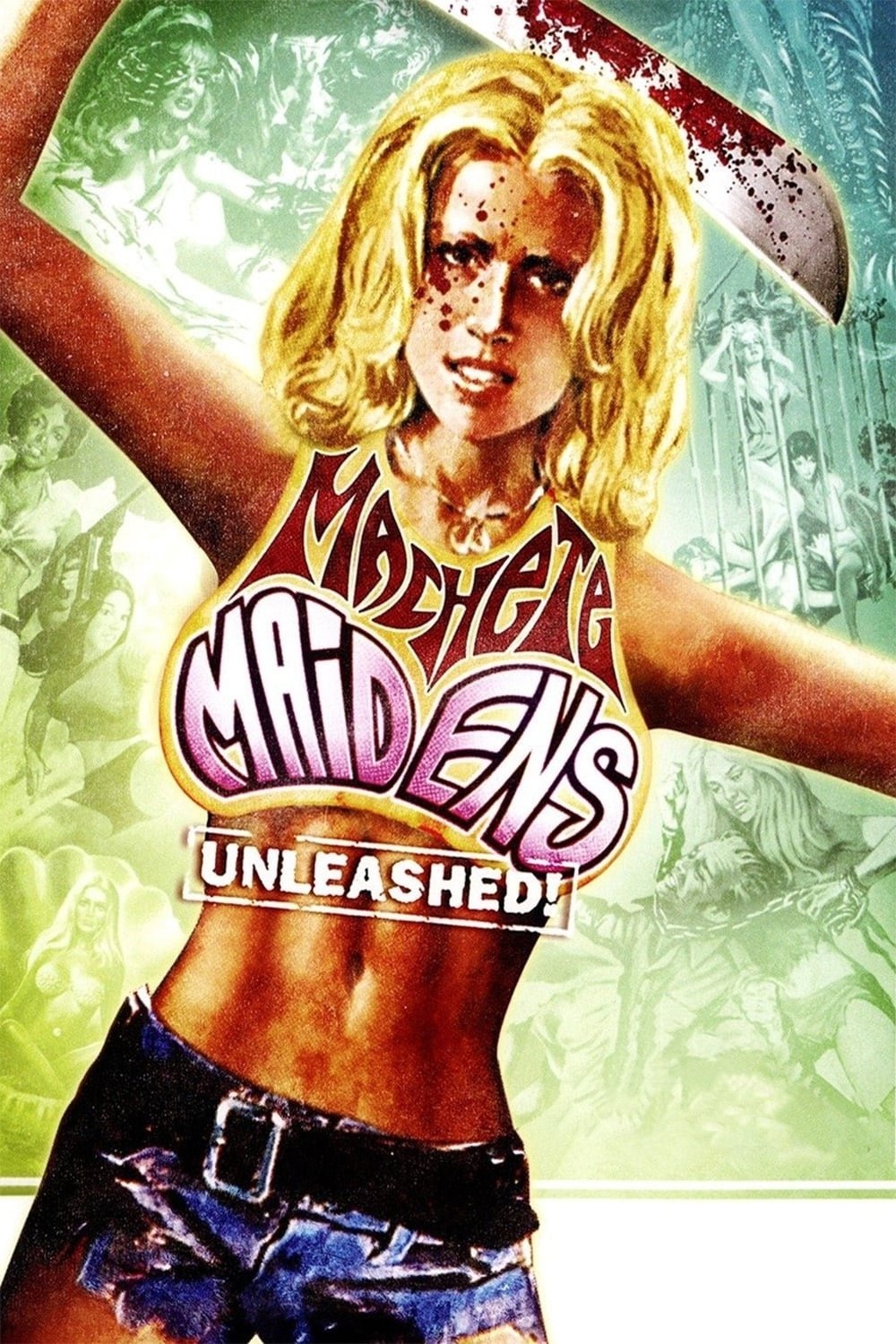
In the final decades of the 20th century, the Philippines was a country where low-budget exploitation-film producers were free to make nearly any kind of movie they wanted, any way they pleased. It was a country with extremely lax labor regulations and a very permissive attitude towards cultural expression. As a result, it became a hotbed for the production of cheapie movies. Their history and the genre itself are detailed in this breezy, nostalgic documentary.
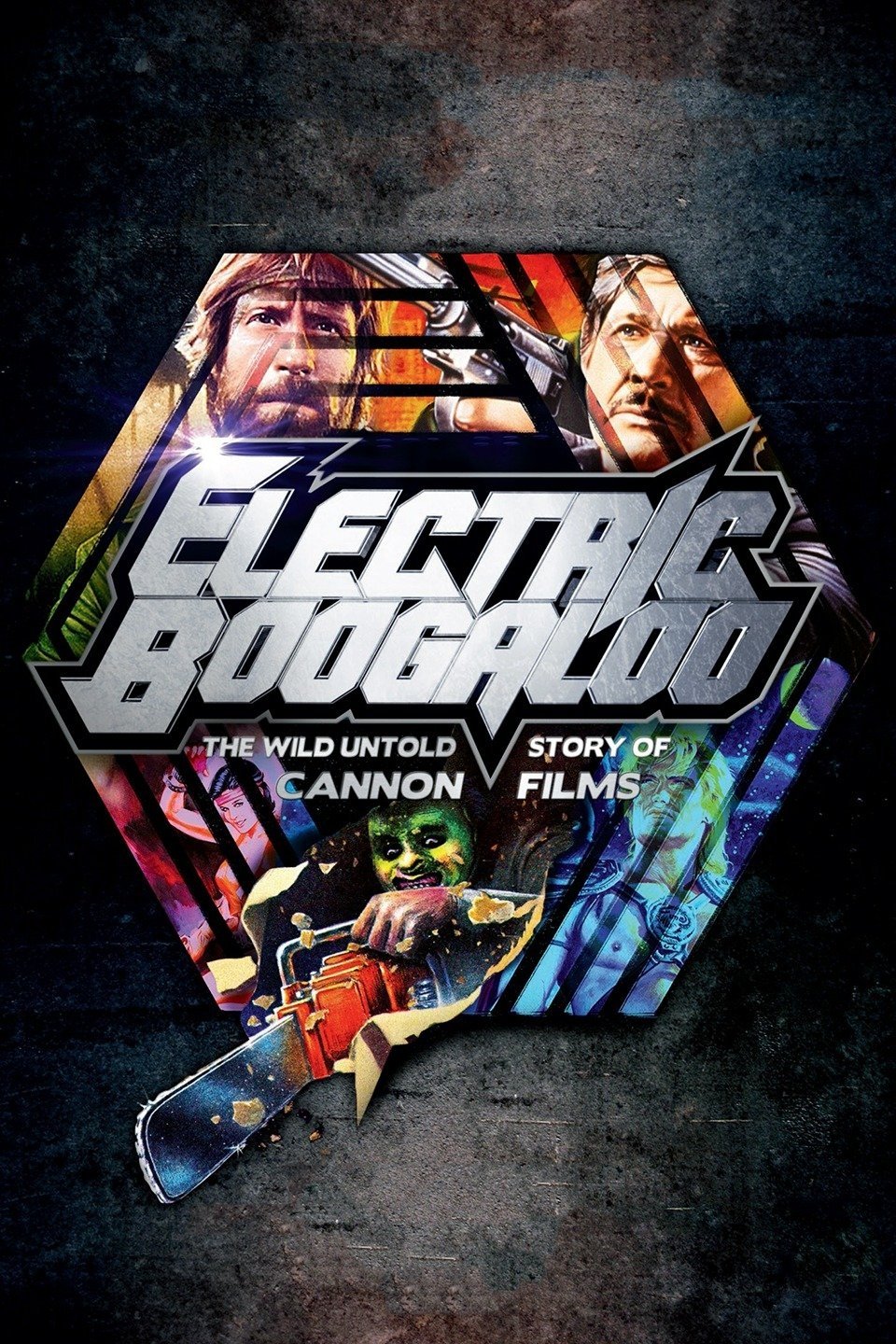
A documentary about the rise and fall of the Cannon Film Group, the legendary independent film company helmed by Israeli cousins Menahem Golan and Yoram Globus.
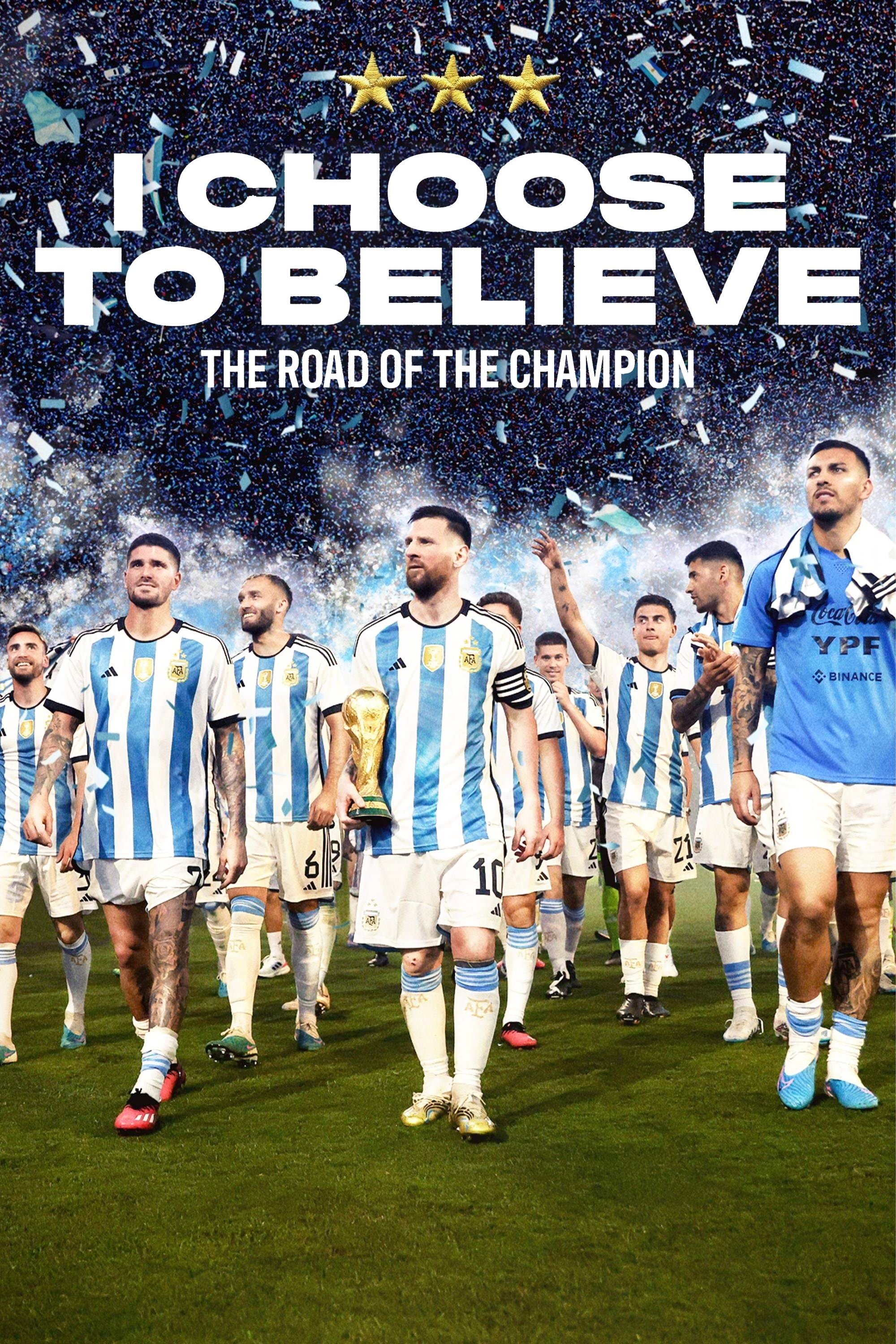
It narrates the epic title obtained by the Argentine National Team in the World Cup Qatar 2022 with testimonies of the protagonists, told from the intimacy and in first person.
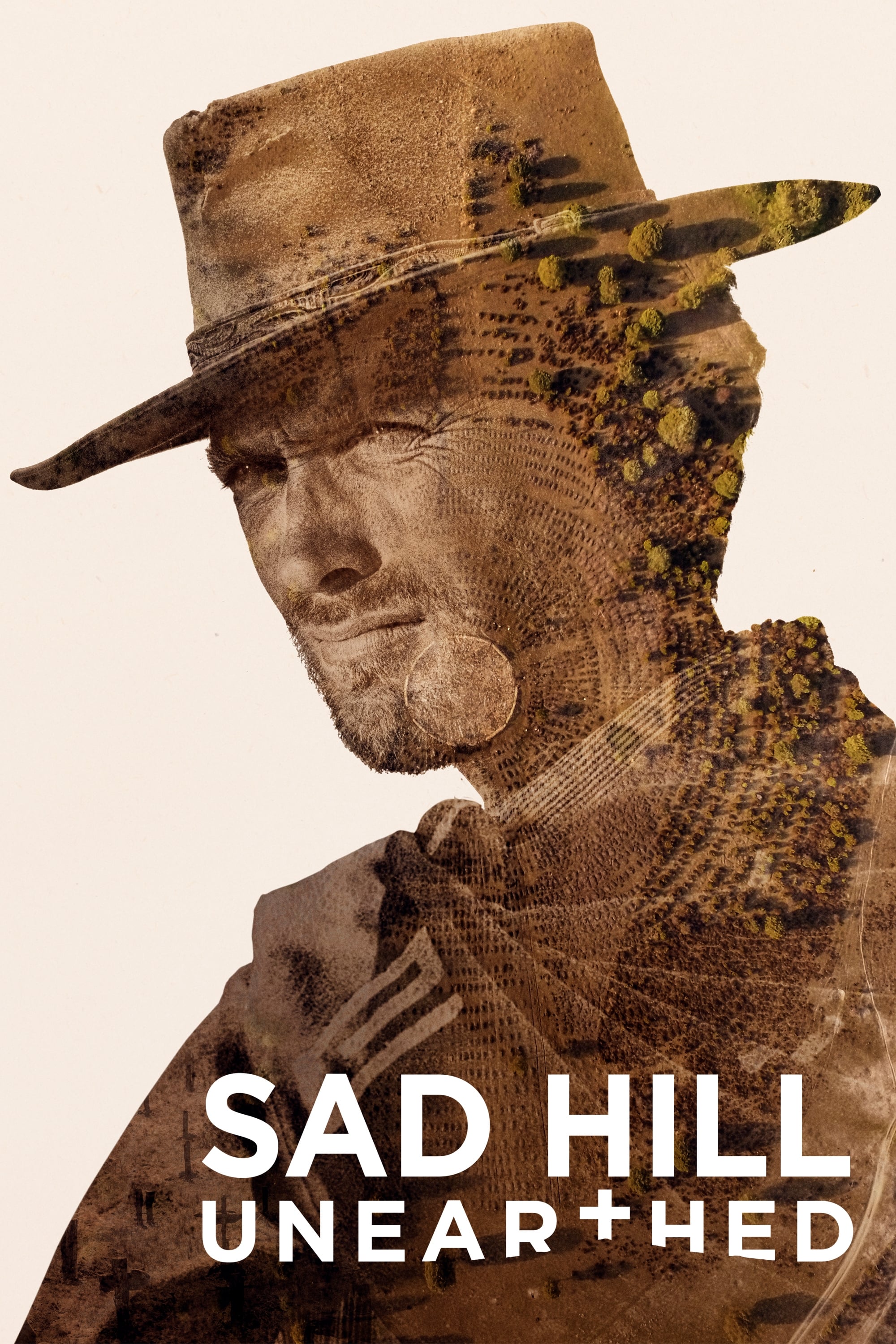
Province of Burgos, northern Spain, October 2015. A group of fans undertake the titanic task of restoring the location of the last scene of The Good, the Bad and the Ugly, the mythical spaghetti western directed by Italian filmmaker Sergio Leone in 1966.