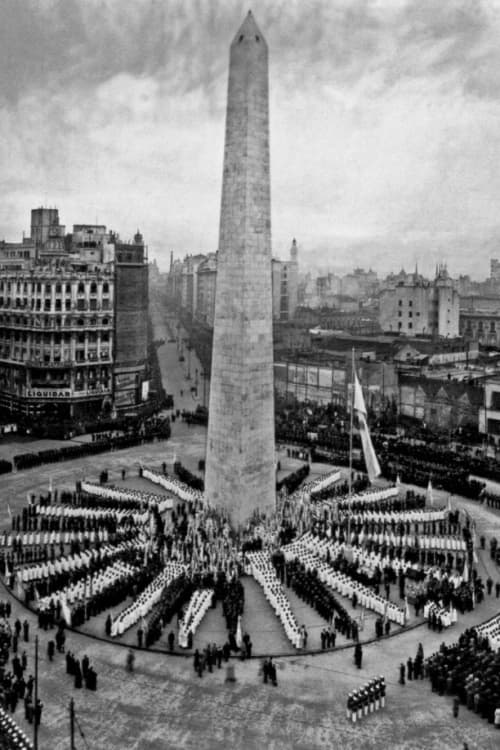
The construction of the Obelisco in Buenos Aires, Argentina.
Social & External
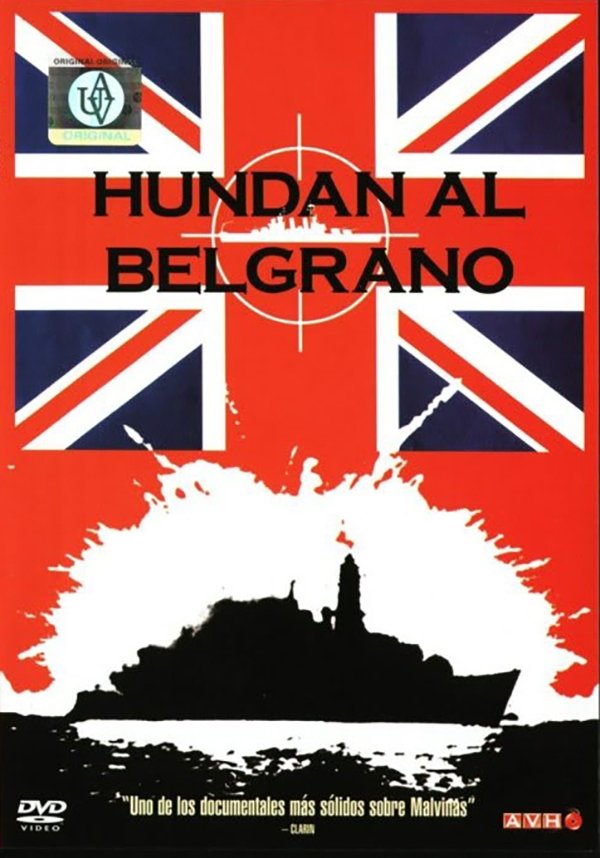
Documentary film about the then longest range bombing mission in history, which changed the outcome of the Falklands War.
In 1959 Hiroshi Teshigahara shot the following 16 mm footage of he and his father’s first trip to Barcelona and the outlying Catalonian countryside, including a visit to the home of Salvador Dali in Port Lligat. The footage was recorded without sound.
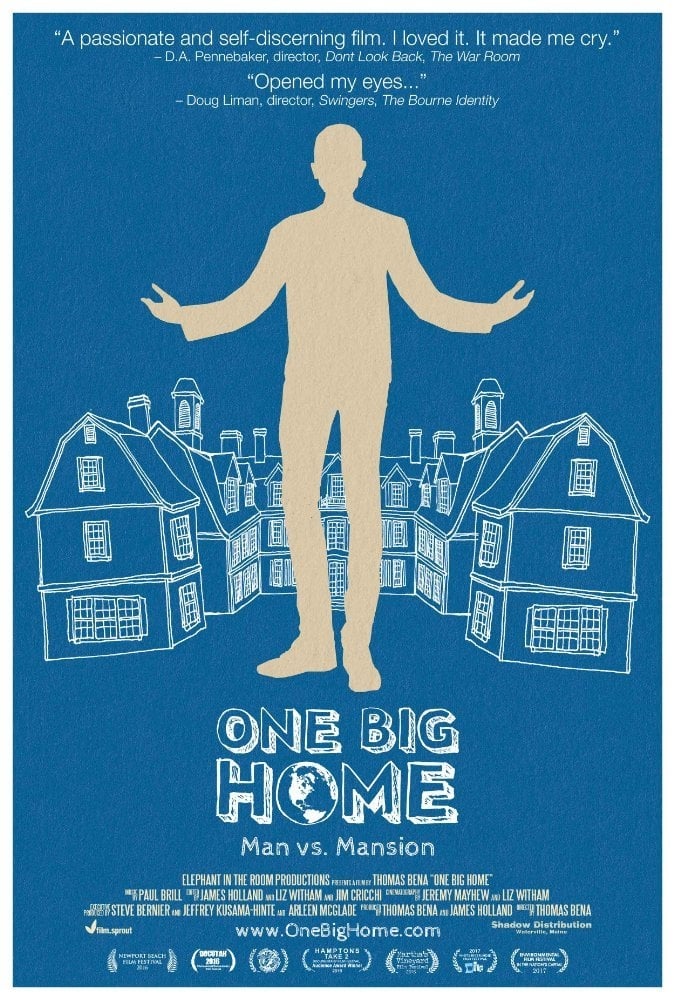
On the tiny island of Martha's Vineyard, where presidents and celebrities vacation, trophy homes threaten to destroy the islands unique character. Twelve years in the making, One Big Home follows one carpenters journey to understand the trend toward giant houses. When he feels complicit in wrecking the place he calls home, he takes off his tool belt and picks up a camera.
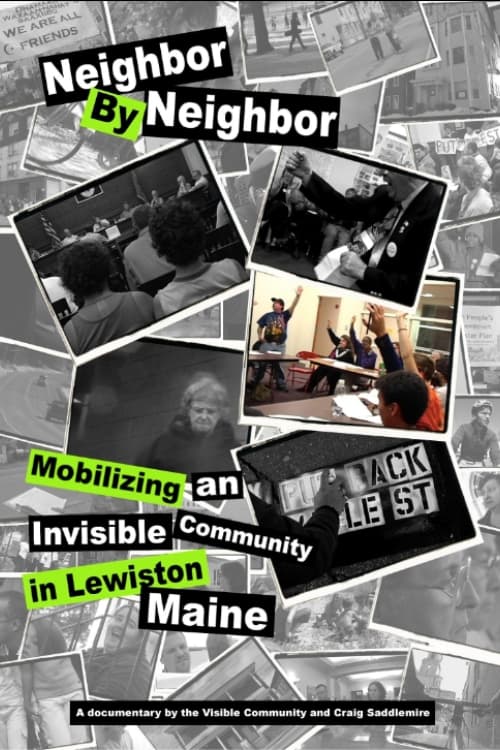
In the summer of 2004, the Mayor of Lewiston, Maine announced a plan to develop a four-lane boulevard across downtown's low-income neighborhood. This project was called "The Heritage Initiative." Contrary to its name, this plan was going to eliminate the downtown's heritage by displacing 850 people from their homes as well as destroy playgrounds, vegetable gardens, and historic buildings. Moving residents out of the city and improving traffic flow was at the heart of this proposal... It was 1960's Urban Renewal all over again. As tragic as the circumstances were, the threat of a road destroying the neighborhood required residents to rise to the challenge of becoming *community organizers. This movie documents 5 years of development and community organizing in Lewiston. It's an exceptional story about the people of Lewiston, but it's also a universal story about the challenges faced by many urban neighborhoods across the United States.
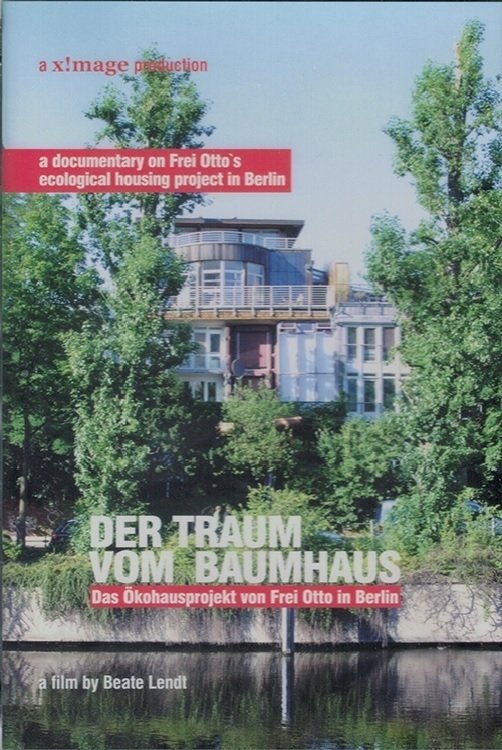
A film about the pioneering community-building project of the world-famous architect Frei Otto in Berlin, called the Okohaus-an experimental, ecological, customized housing project in the city center. Including interviews with Frei Otto, Christine Kanstinger-Otto, Hermann Kendel, Yona Friedman, Anne Lacaton and Jean-Philippe Vassal, and other involved architects, planners, and inhabitants, the film shows the development and the philosophy of the project, which was built for the International Building Exhibition in Berlin 1987 (IBA).
A detailed account of each of the details of the Malvinas War based on interviews, dramatic scenes, maps and other elements of historical roots without ignoring the historical antecedents from the 18th century that ended in this confrontation.
Since World War II North Americans have invested much of their newfound wealth in suburbia. It has promised a sense of space, affordability, family life and upward mobility. As the population of suburban sprawl has exploded in the past 50 years Suburbia, and all it promises, has become the American Dream. But as we enter the 21st century, serious questions are beginning to emerge...
After filming the construction site of the Berlitz Palace (2nd), Pierre Chenal shows us in contrast other contemporary architectural achievements which, using the same technical processes, do not sacrifice the structure of iron and concrete for decoration. A documentary to the glory of the modern designs of Mallet-Stevens and Le Corbusier.
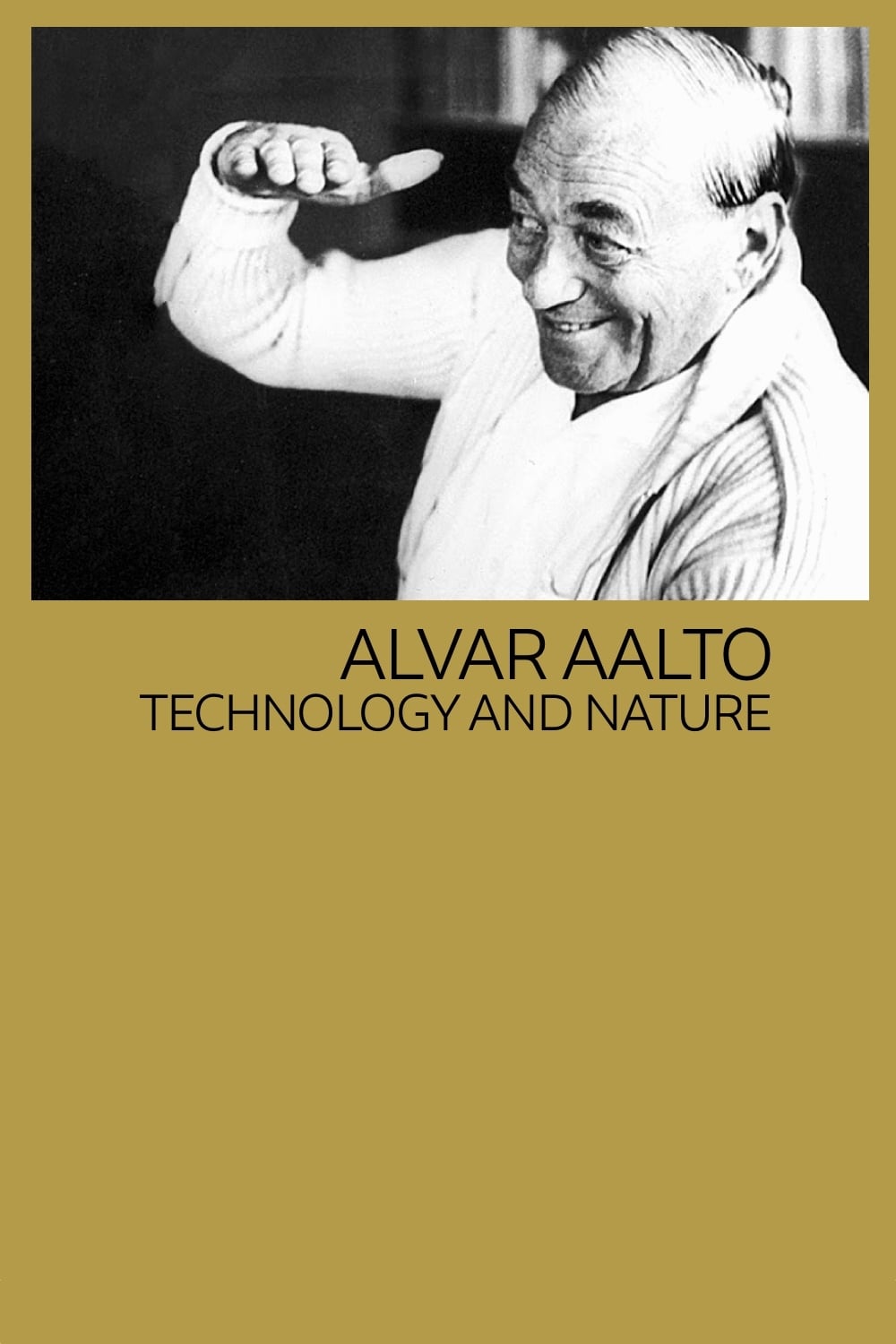
The Finnish architect Alvar Aalto (1898–1976) is one of the great figures of modern architecture, ranked alongside Gropius, Le Corbusier and Mies van der Rohe. This film analyses Aalto’s uniquely successful resolution of the demands and possibilities created by new technology and construction materials with the need to make his buildings sympathetic both to their users and to their natural surroundings. His inventive use of timber in particular represents both a reference to the forest landscape of Finland and a building material that is ‘warm’ and extremely adaptable. Filmed in Finland, Italy, Germany and the USA, this documentary shows how the Finnish natural environment and art traditions were essential elements in Aalto’s pioneering harmonization of technology and nature.
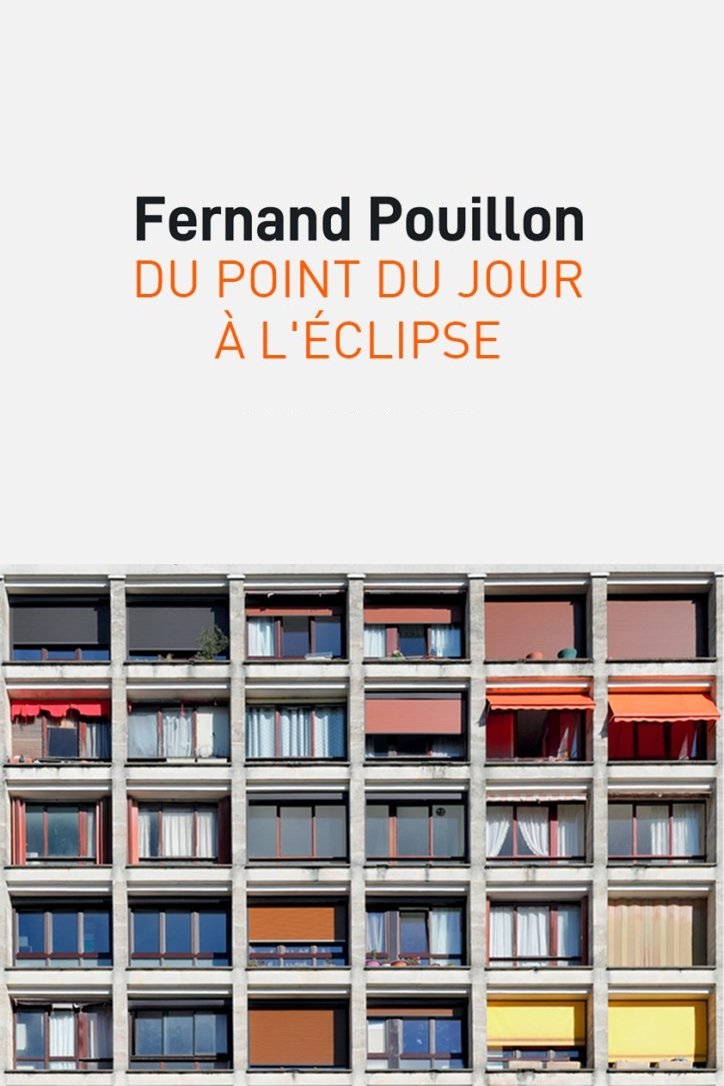
A docu-art film about Kyiv and the contemporary problems of the capital. The film raises the issue of the dilapidated state of Kyiv's old buildings and the search for effective mechanisms to preserve the city's architectural heritage.
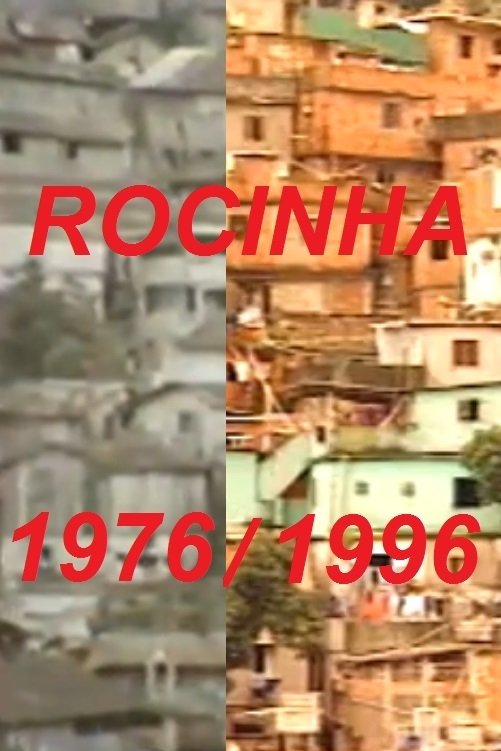
The camera goes back through the alleys and alleys of the community, leading the viewer to compare, with simultaneous shots of 76 and 96, the little or almost nothing that was accomplished, the neglect of the State, the abandonment over the 20 years. Finishing with a virtual image of the colored facades, as part of the proposed urbanization.
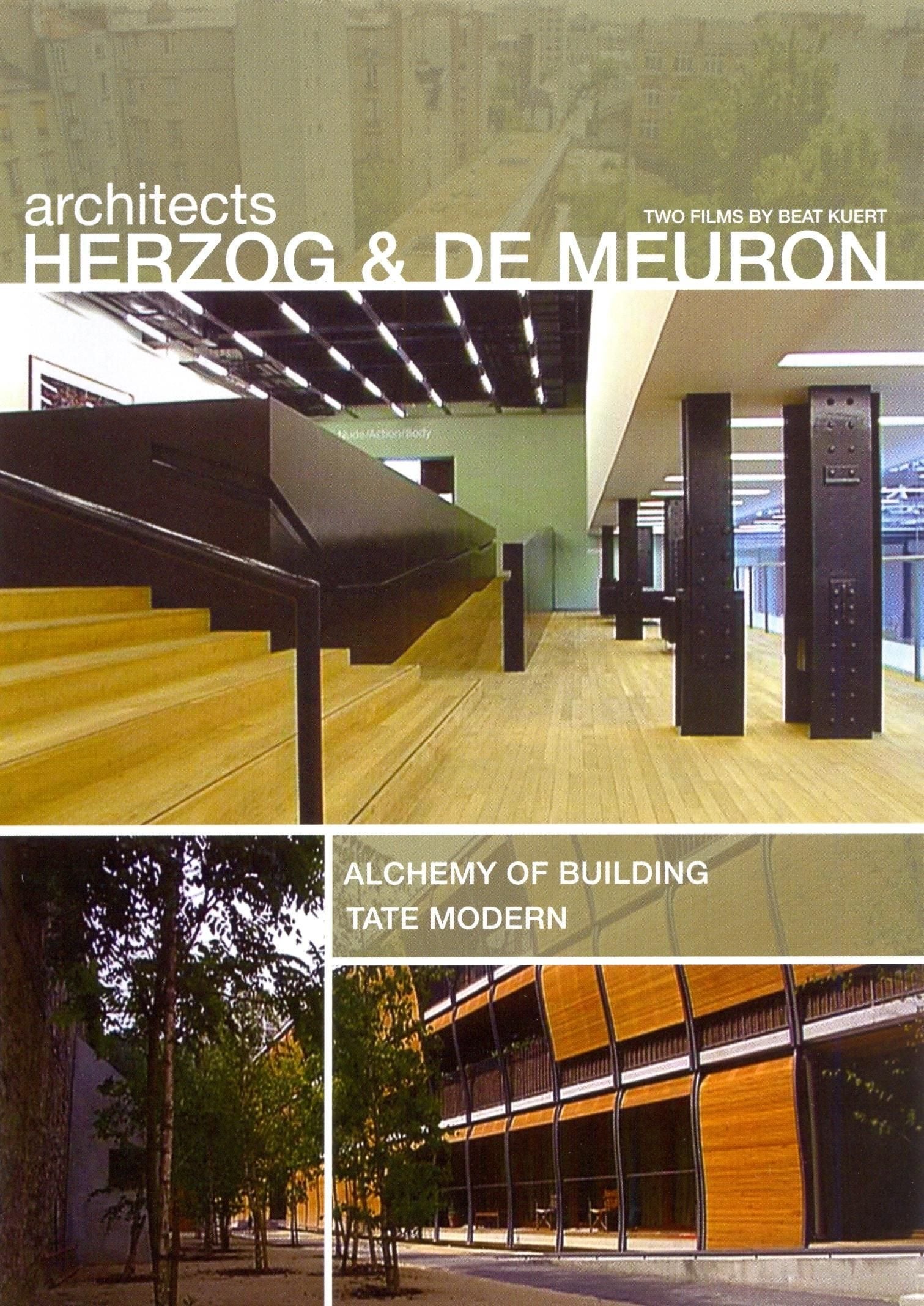
Visiting examples of Herzog and de Meurons ground-breaking style, this film reflects their capacity to astonish and explore the way in which they transform what might otherwise be ordinary through new treatments and techniques.
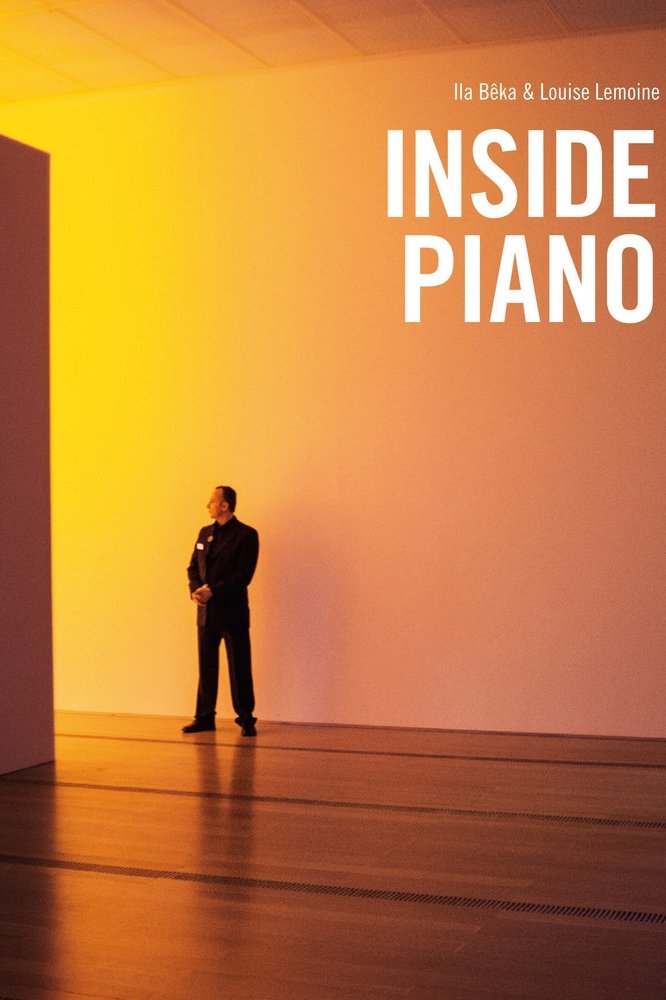
The fifth project of the Living Architectures series, Inside Piano is composed of three films on three symbolic buildings of Renzo Piano's career. A visit throughout the prototype-building of the Centre Pompidou. An immersion in the soundproof world of a submarine floating in the depths of the Parisian underground. A journey aboard a luminous magic carpet of a highly sophisticated architectural machine. A humorous, caustic and quirky point of view.
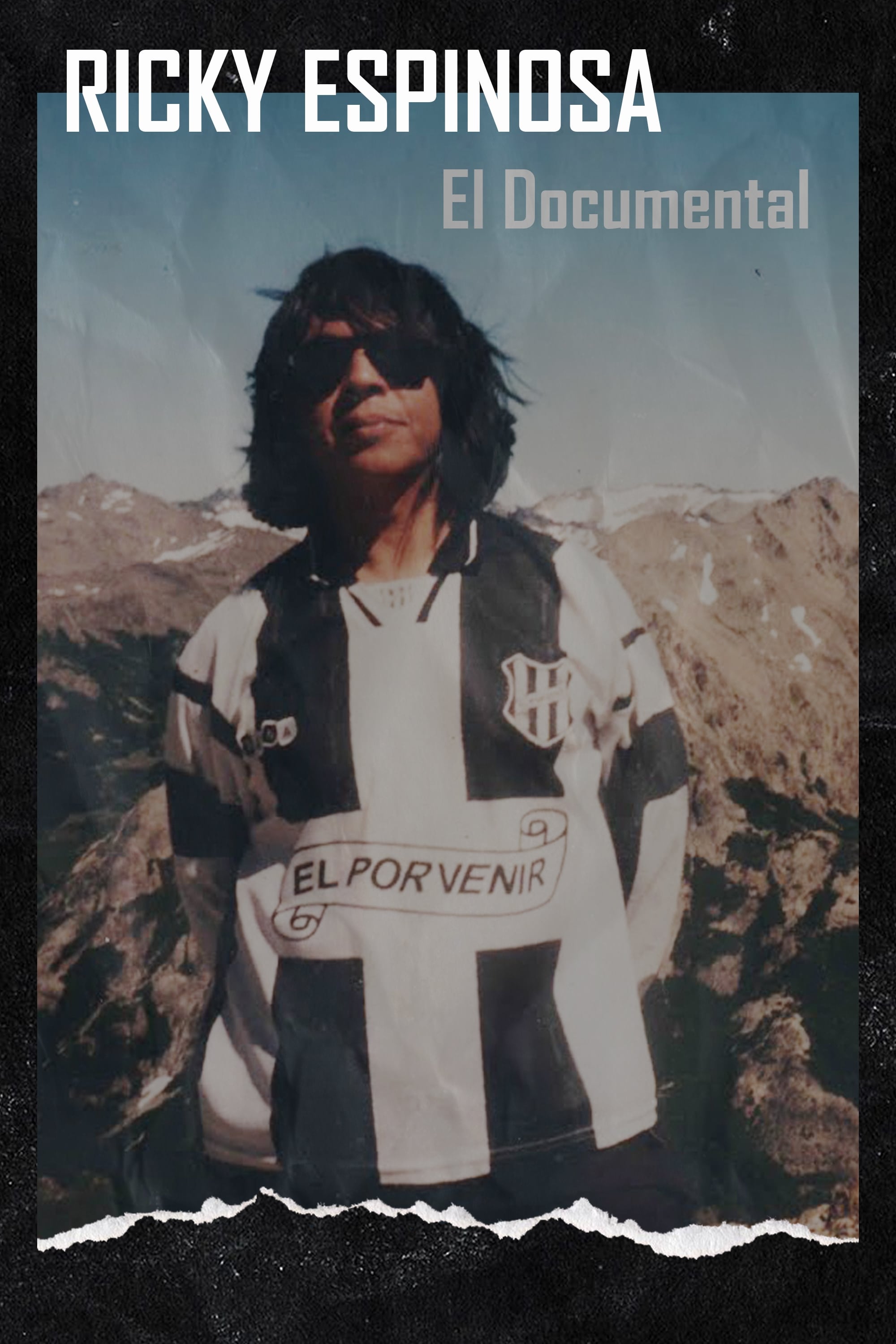
Ricky Espinosa: The Documentary is a self-managed and independent project created by Juan Pablo Duarte in Buenos Aires, Argentina. It explores the life of Ricky Espinosa as an artist—his beginnings, his career, and his discography—featuring previously unreleased archival material and exclusive interviews.
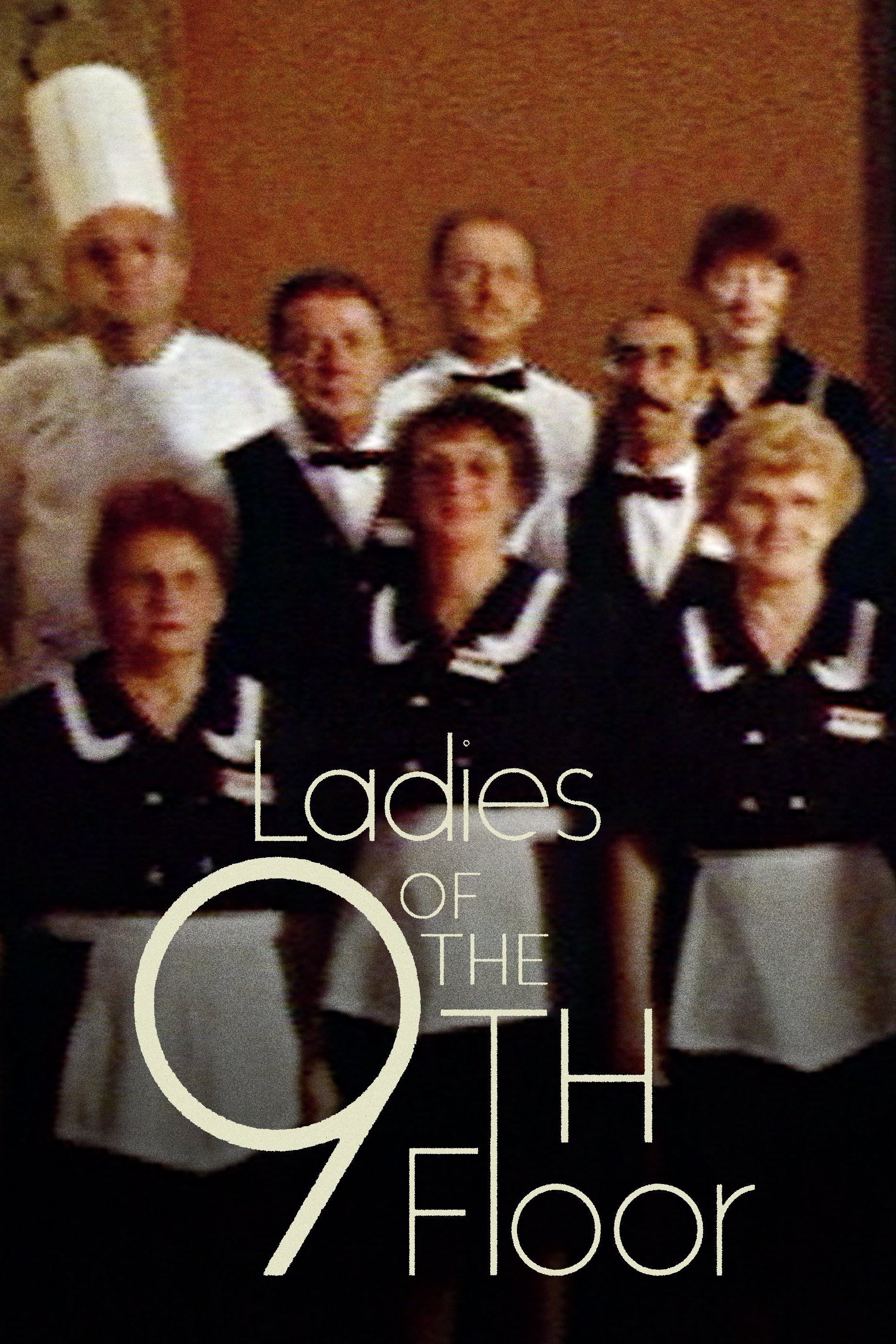
Ladies of good families and social standing come to have their afternoon tea with their daughters who will someday follow in the same tradition. A charming portrait of a time that is slowly disappearing.
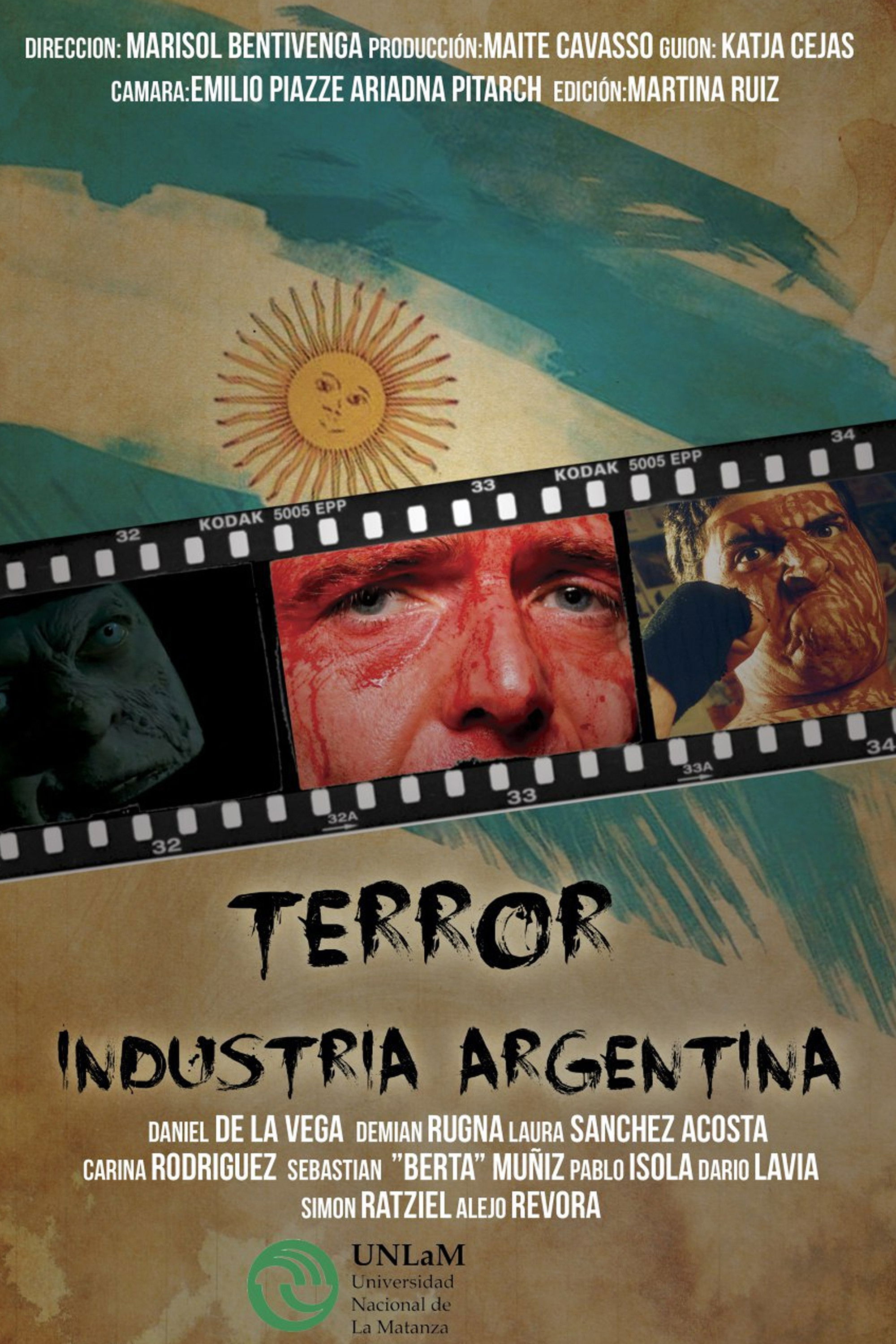
Documentary about the history and present of Argentine horror cinema.
A patchwork of millions of lives, urban spaces are not only streets and concrete. They are where our dreams and deepest worries unfold. Chronicle of a City drifts and strolls through time and chance encounters, moving between fantasy and reality, echoing the intimate and ghostly voices of our metropolises, reminding us that we inhabit The City as much as it inhabits us. This roaming essay is a visual and sonic meditation that invites us to see urban life as a web of sensations that move through us and draw us closer to one another, even in the midst of solitude.
Behind-the-scenes documentary about how Lionel Messi succeeded in lifting the World Cup – the only trophy to have eluded him in an incredible career.
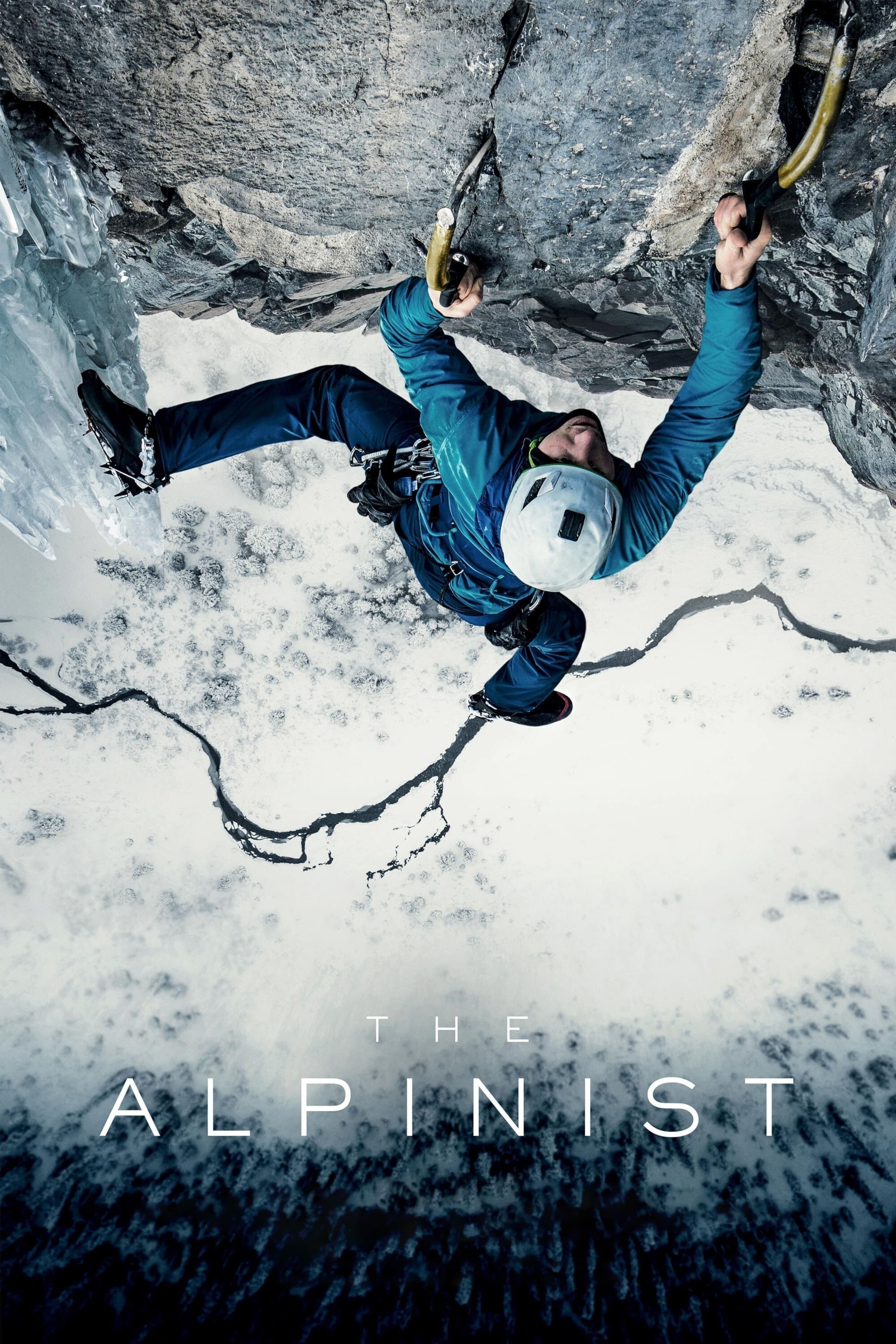
The life of Canadian mountain climber Marc-André Leclerc as he pushes the boundaries of climbing while on an expedition to Patagonia.
The film follows adventurer Jeff Johnson as he retraces the epic 1968 journey of his heroes Yvon Chouinard and Doug Tompkins to Patagonia.
Those who knew iconic funnyman John Candy best share his story, in their own words, through never-before-seen archival footage, imagery, and interviews.
Al Pacino's deeply-felt rumination on Shakespeare's significance and relevance to the modern world through interviews and an in-depth analysis of "Richard III."
The life and career of an actor, artist, and icon. His own journey through his own camera.
A backstage and on-stage look at Justin Bieber during his rise to super stardom.
In the Realms of the Unreal is a documentary about the reclusive Chicago-based artist Henry Darger. Henry Darger was so reclusive that when he died his neighbors were surprised to find a 15,145-page manuscript along with hundreds of paintings depicting The Story of the Vivian Girls, in What is Known as the Realms of the Unreal, of the Glodeco-Angelinnian War Storm, Cased by the Child Slave Rebellion.
Daniel Craig candidly reflects on his 15 year adventure as James Bond. Including never-before-seen archival footage from Casino Royale to the upcoming 25th film No Time To Die, Craig shares his personal memories in conversation with 007 producers, Michael G Wilson and Barbara Broccoli.
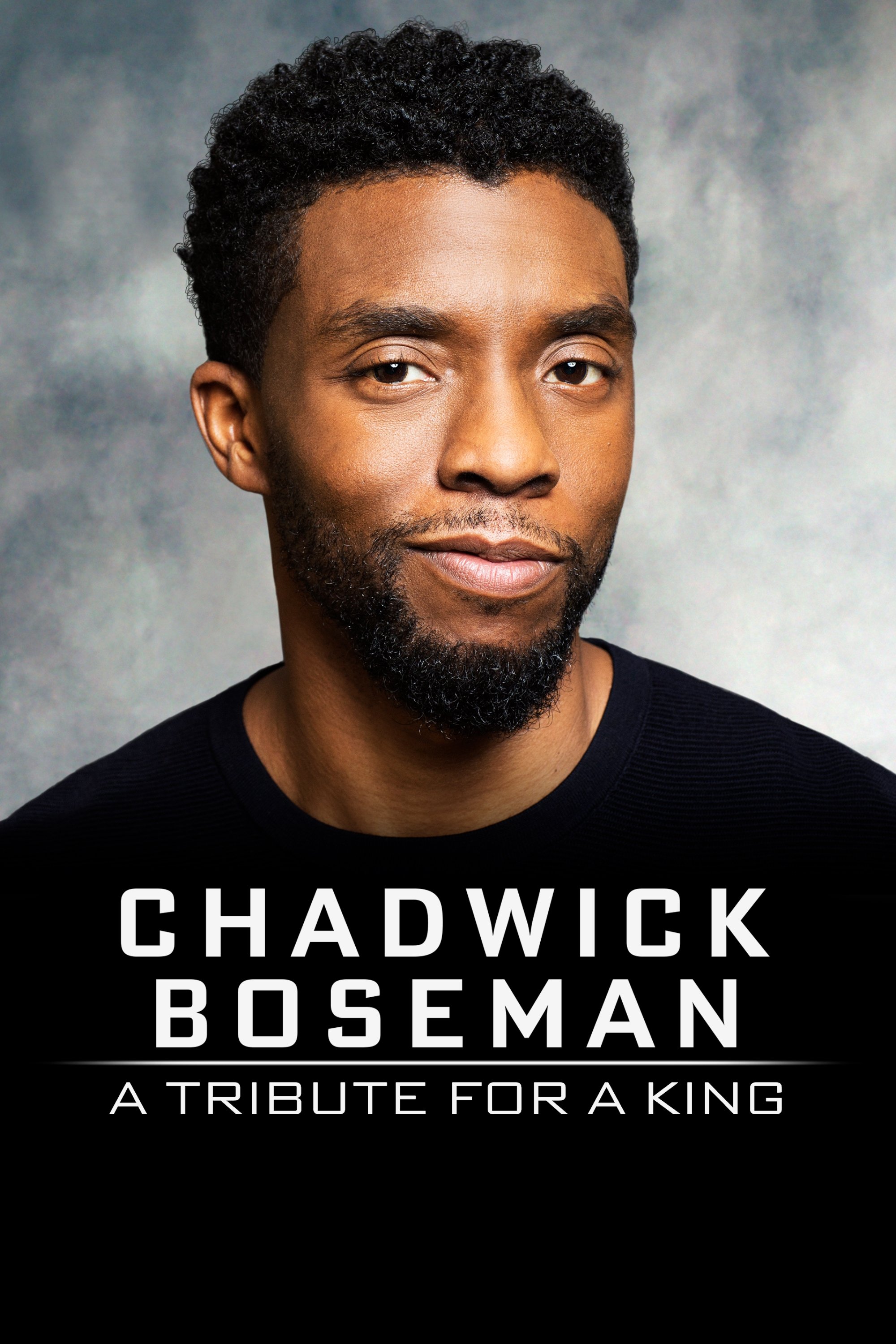
A tribute to Chadwick Boseman, celebrating his life and legacy.
Told through performances, TV interviews, home movies, family photographs, private letters and unpublished memoirs, the film reveals the essence of an extraordinary woman who rose from humble beginnings in New York City to become a glamorous international superstar and one of the greatest artists of all time.
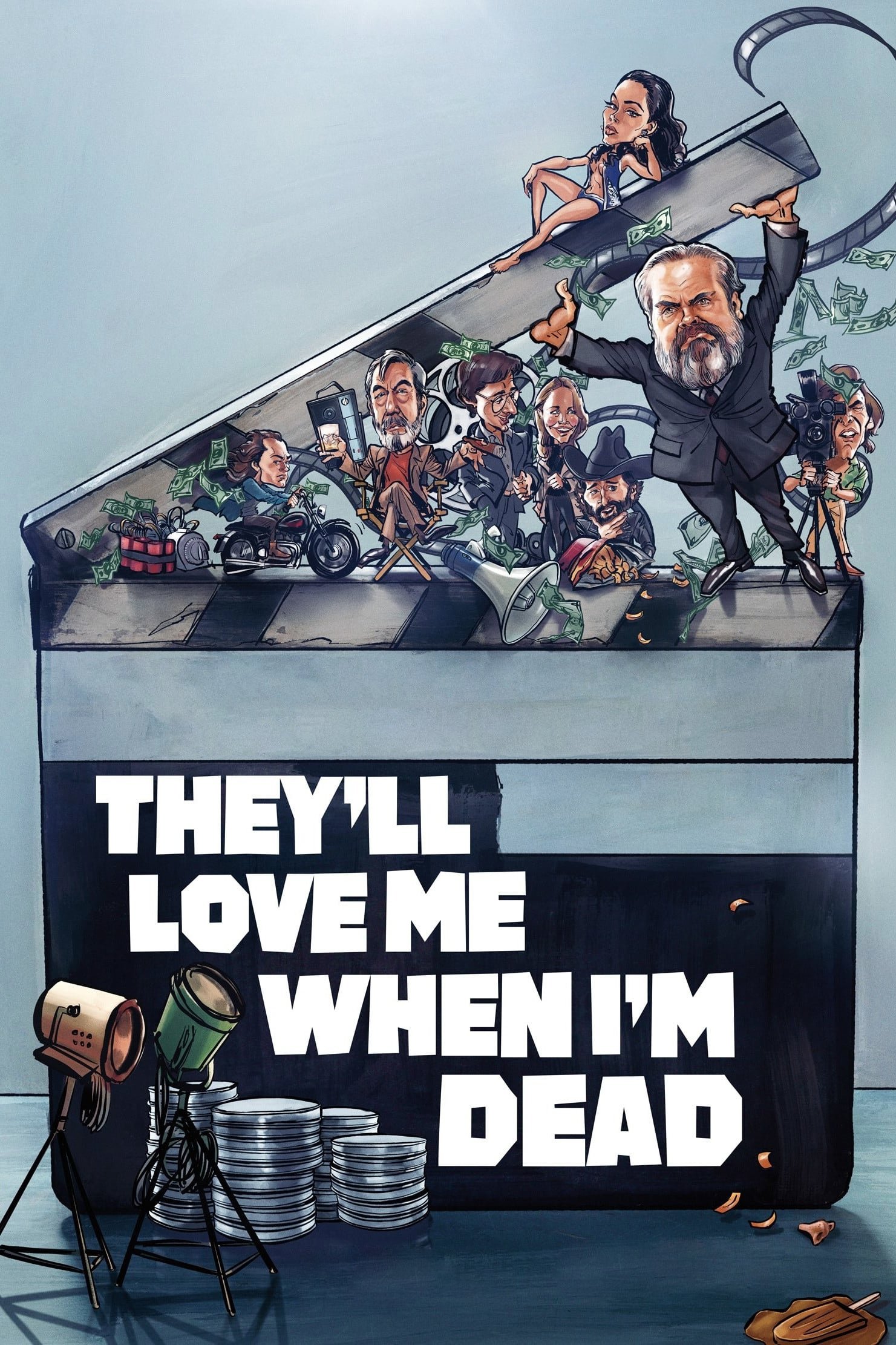
As his life comes to its end, famous Hollywood director Orson Welles puts it all on the line at the chance for renewed success with the film The Other Side of the Wind.
A documentary about the life and films of director John Ford.
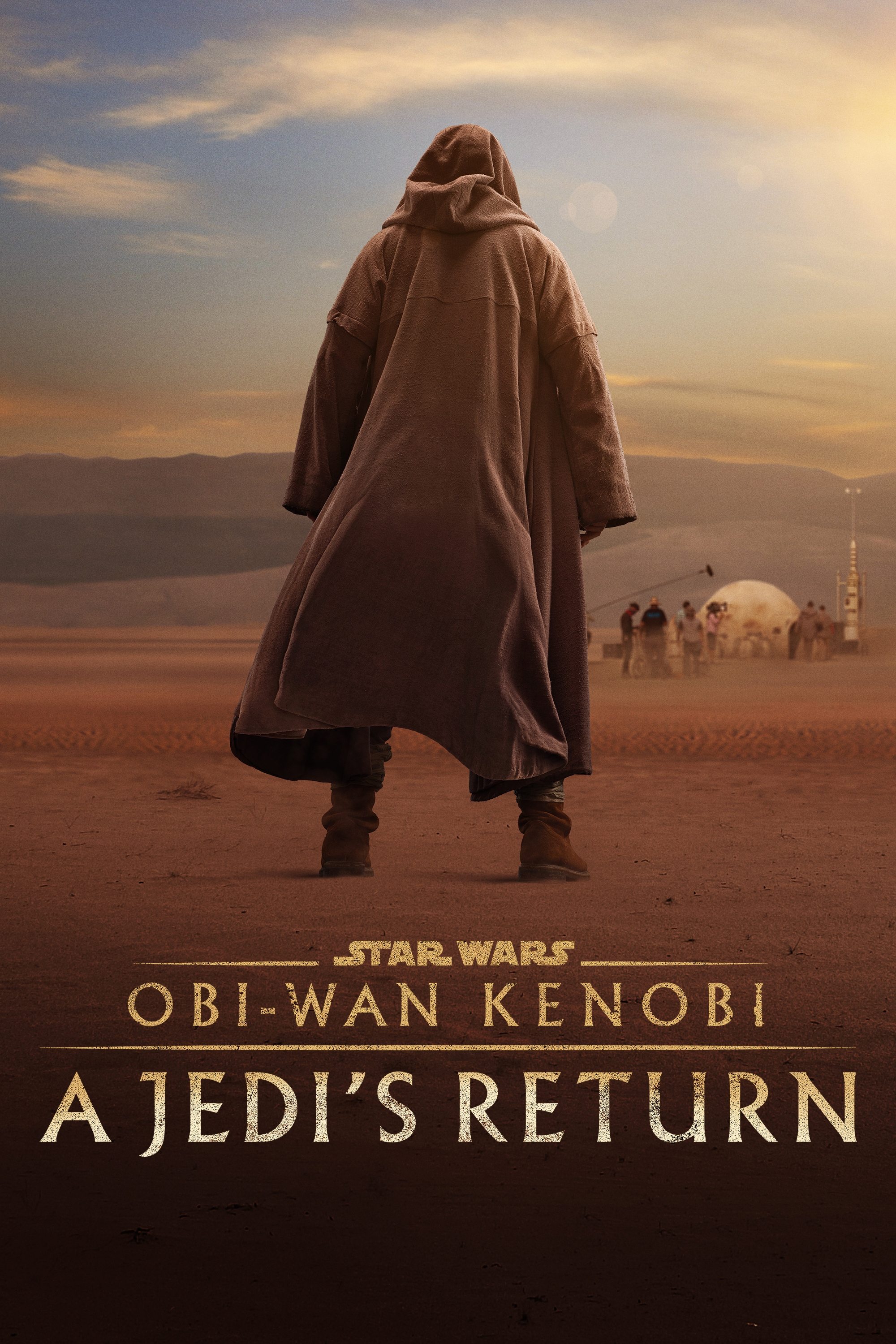
This special explores the return of Obi-Wan Kenobi and Anakin Skywalker to the screen, as well as Ewan McGregor and Hayden Christensen to their classic roles. Director Deborah Chow leads the cast and crew as they create new heroes and villains that live alongside new incarnations of beloved Star Wars characters, and an epic story that dramatically bridges the saga films.
A compilation of over 30 years of private home movie footage shot by Lithuanian-American avant-garde director Jonas Mekas, assembled by Mekas "purely by chance", without concern for chronological order.
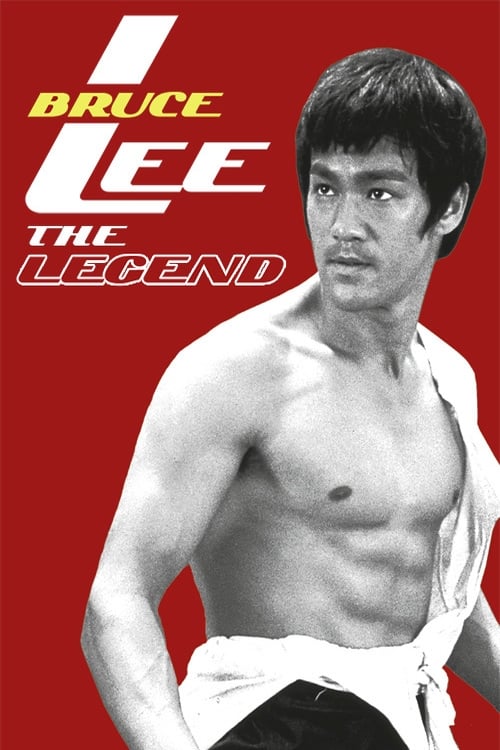
The Official Golden Harvest tribute to the Master of the Martial Arts Film, Bruce Lee.
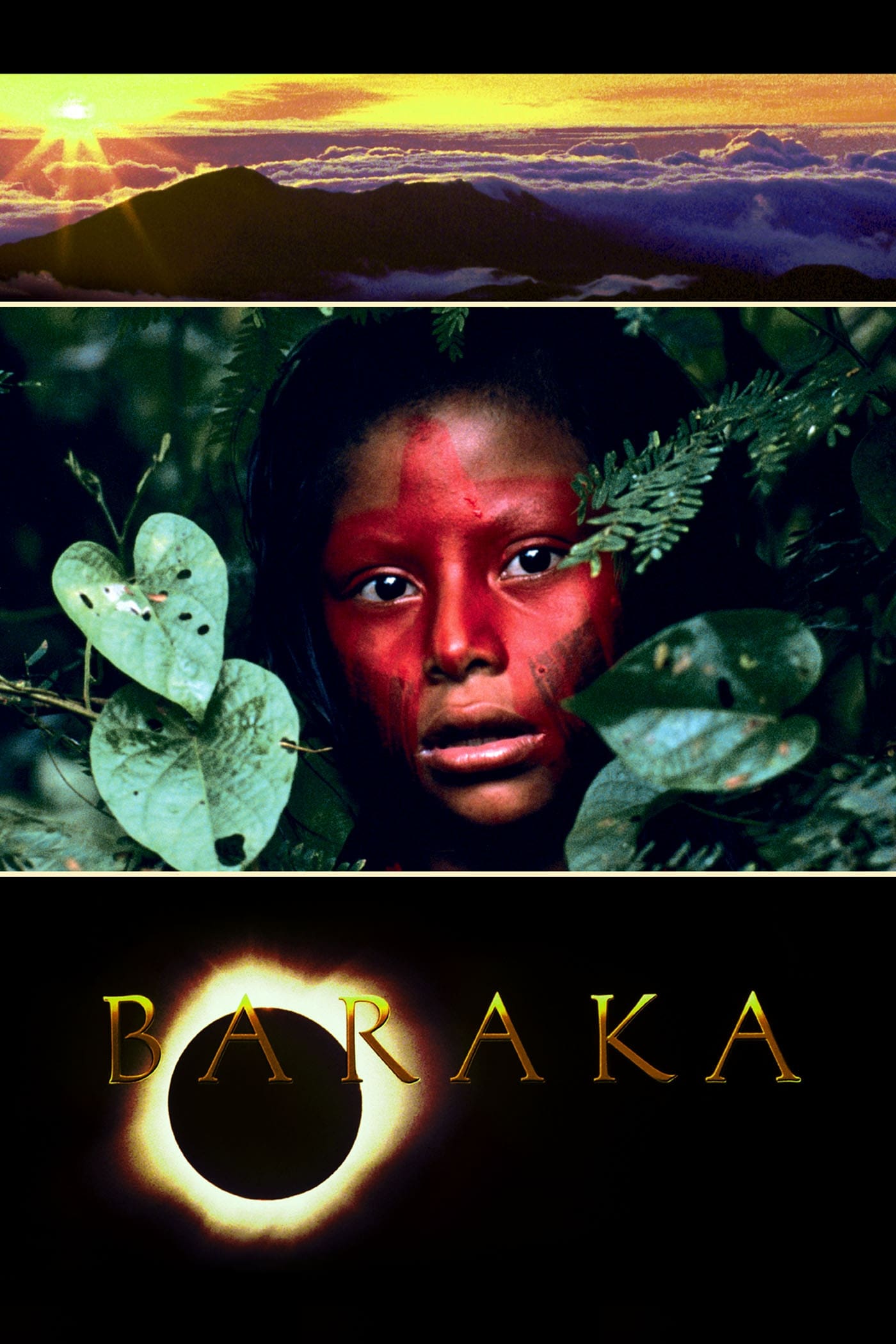
A paralysingly beautiful documentary with a global vision—an odyssey through landscape and time—that attempts to capture the essence of life.
SEDUCED AND ABANDONED combines acting legend Alec Baldwin with director James Toback as they lead us on a troublesome and often hilarious journey of raising financing for their next feature film. Moving from director to financier to star actor, the two players provide us with a unique look behind the curtain at the world's biggest and most glamourous film festival, shining a light on the bitter-sweet relationship filmmakers have with Cannes and the film business. Featuring insights from directors Martin Scorsese, 'Bernando Bertolucci' and Roman Polanski; actors Ryan Gosling and Jessica Chastain and a host of film distribution luminaries.
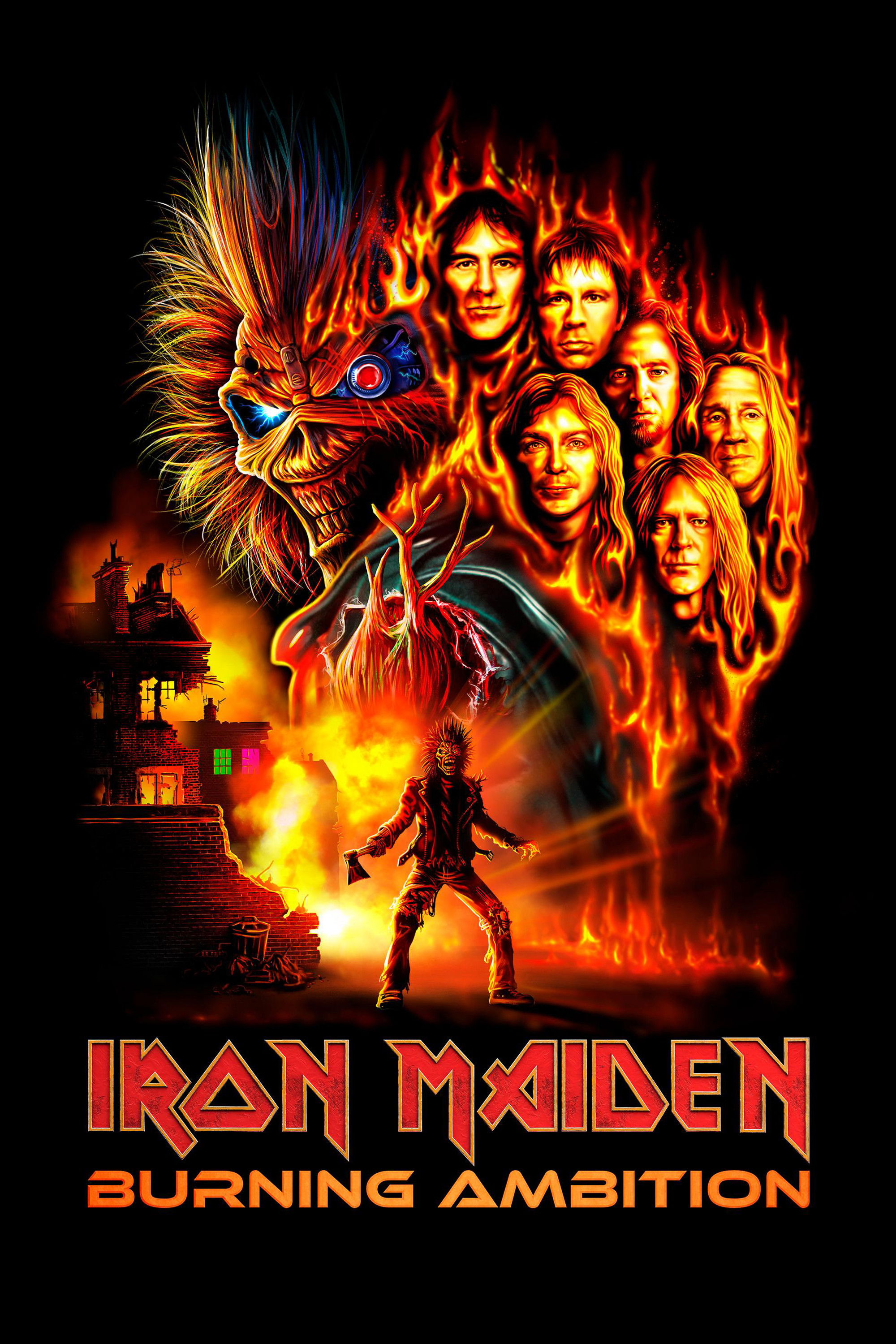
With unprecedented access to the official archives and intimate recollections from the band, both current and past, Iron Maiden: Burning Ambition invites fans to experience one of the most iconic journeys in music history. Spanning five decades, this electrifying documentary charts the band’s rise from the pubs of East London to the world’s biggest stadiums. Featuring exclusive interviews with band members and contributors such as Javier Bardem, Lars Ulrich and Chuck D, as well as all-new animated sequences of the band's legendary mascot, Eddie, the film offers a rare and intimate look at Iron Maiden’s uncompromising vision and unwavering connection with their truly global army of fans.
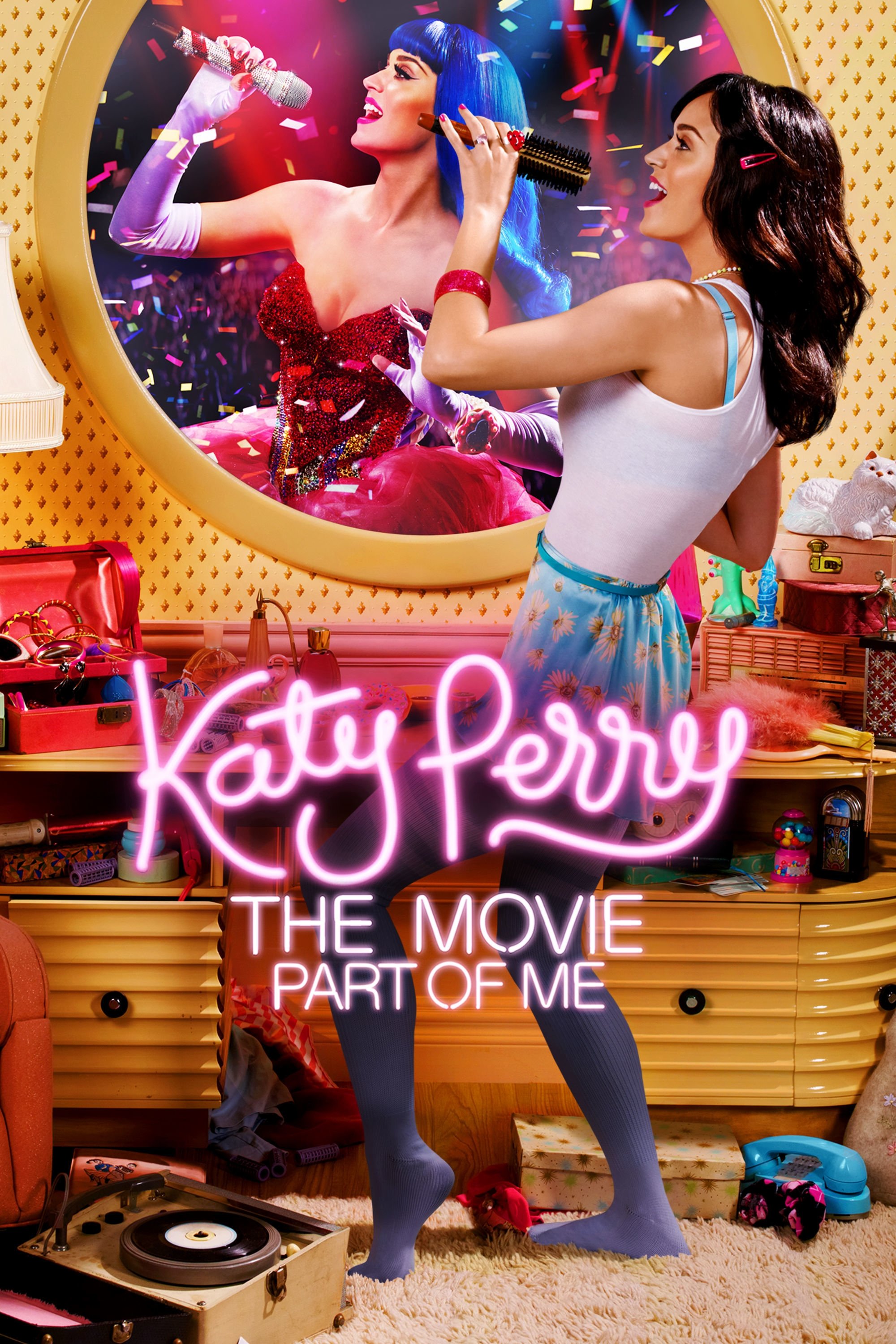
Giving fans unprecedented access to the real life of the music sensation, Katy Perry: Part of Me exposes the hard work, dedication and phenomenal talent of a girl who remained true to herself and her vision in order to achieve her dreams. Featuring rare behind-the-scenes interviews, personal moments between Katy and her friends, and all-access footage of rehearsals, choreography, Katy’s signature style and more, Katy Perry: Part of Me reveals the singer’s unwavering belief that if you can be yourself, then you can be anything.