Social & External
Self
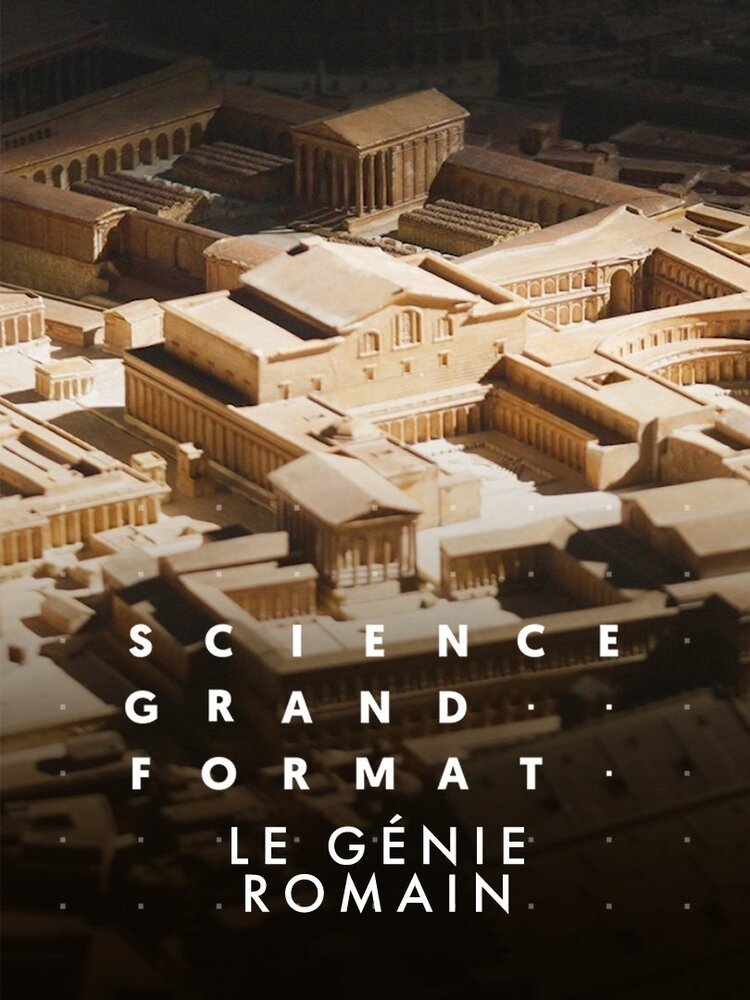
The architectural plans for Berlin from 1938 are used as an example to illustrate the fascist claim to power and its aesthetic effect. The basis for this was the "General Building Inspection" under the direction of Albert Speer, whose enormous projects are illustrated by planning models and archive photographs.
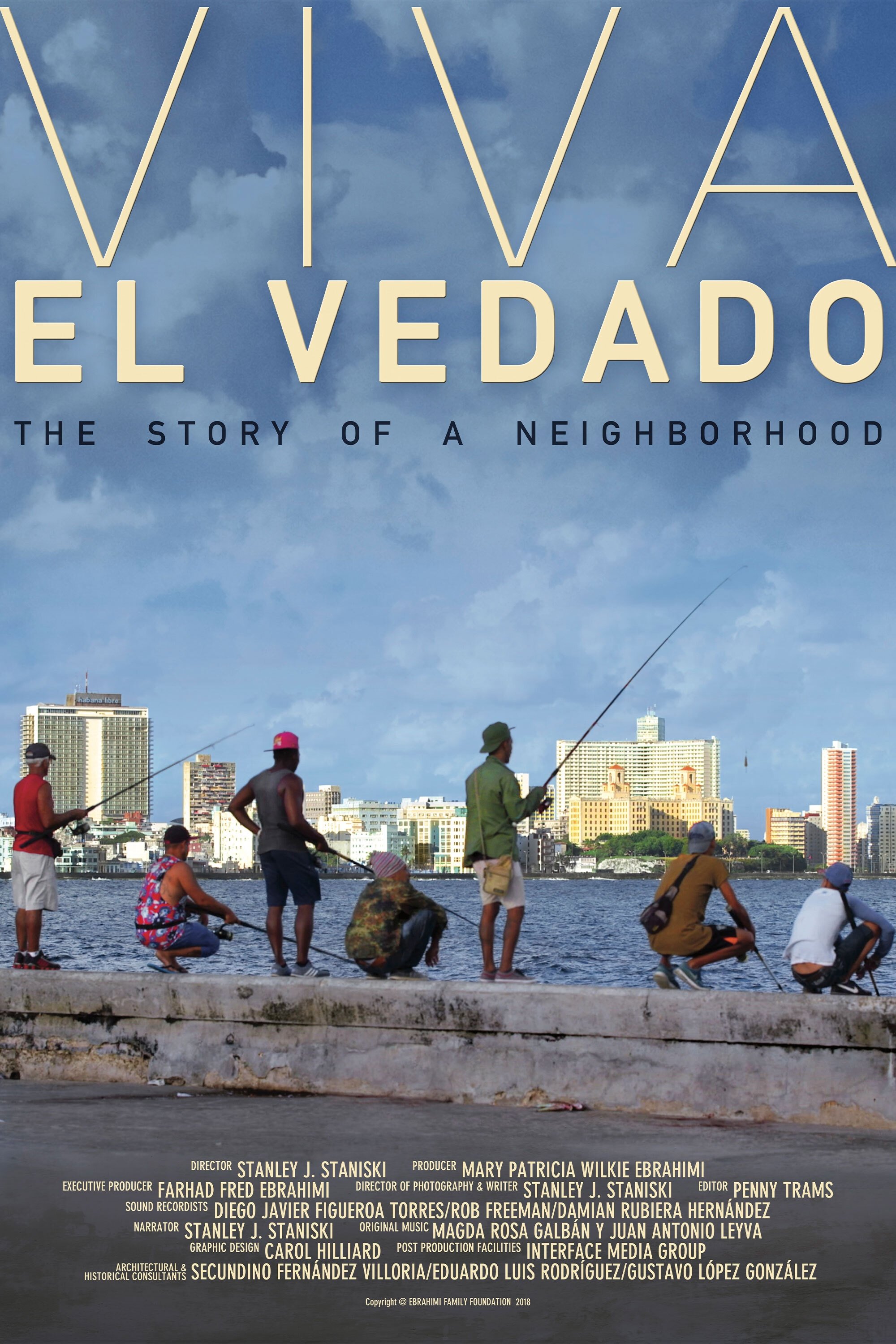
Viva El Vedado presents the history of the Havana neighborhood of El Vedado from the last quarter of the 19th century through the Cuban Revolution and highlights its varied and outstanding architecture. Known as a cultural center of Havana, Vedado is particularly notable for its unique collection of Cuban architecture of the 20th century. The film’s goal is to introduce its audiences to the neighborhood’s remarkable architecture, its vibrant life, and the need for preserving Vedado as part of Havana’s heritage. It is a glimpse beyond tourist fantasies and stereotypes, a rare view of one of Havana’s most important neighborhoods.
In 2019, the leakage of messages exchanged by authorities in Brazil undermines the credibility of Operation Lava Jato. A group of journalists follows the unfolding of the case, in a sequence of crises that puts Brazilian democracy at risk.
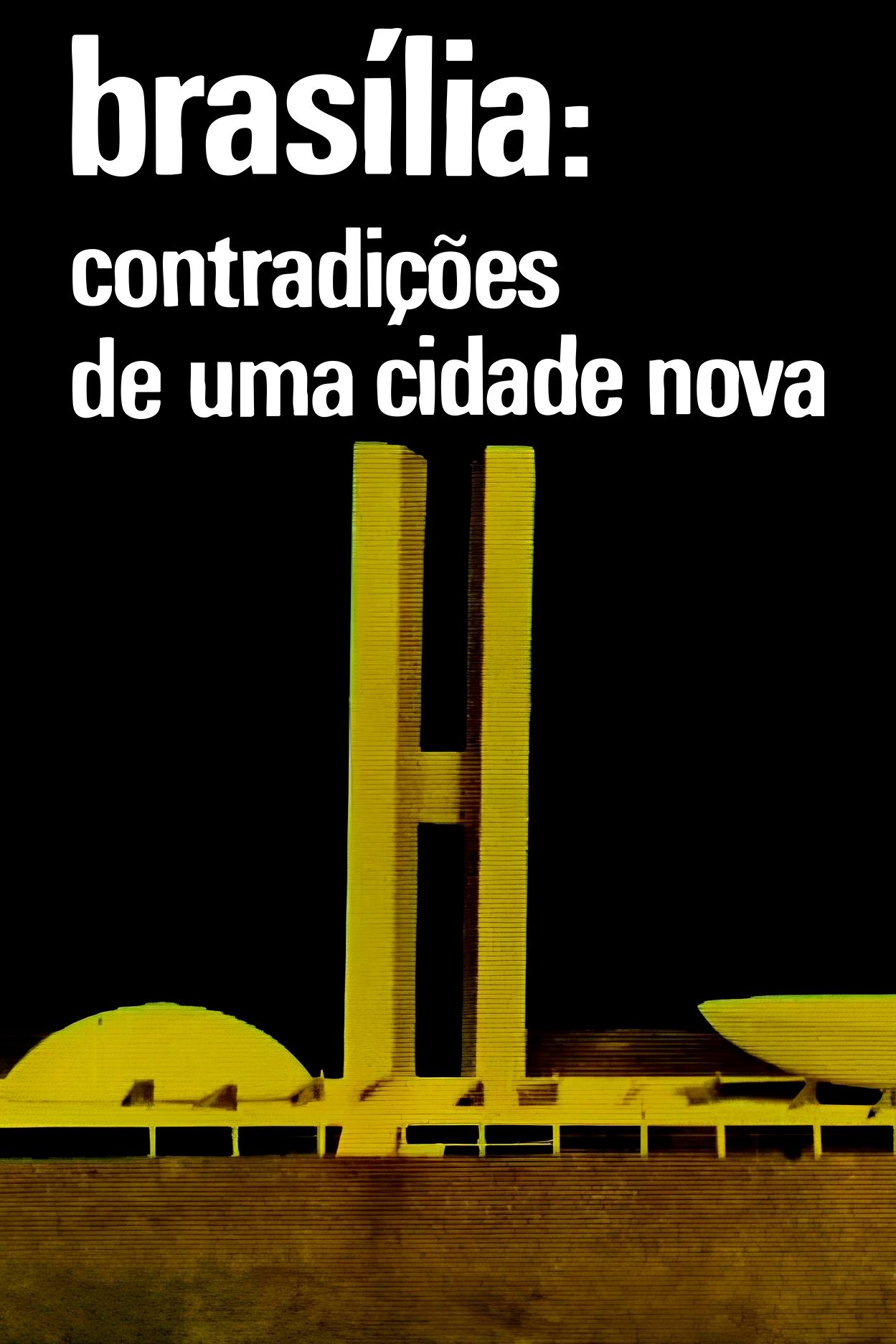
In 1967, de Andrade was invited by the Italian company Olivetti to produce a documentary on the new Brazilian capital city of Brasília. Constructed during the latter half of the 1950s and founded in 1960, the city was part of an effort to populate Brazil’s vast interior region and was to be the embodiment of democratic urban planning, free from the class divisions and inequalities that characterize so many metropolises. Unsurprisingly, Brasília, Contradições de uma Cidade Nova (Brasília, Contradictions of a New City, 1968) revealed Brasília to be utopic only for the wealthy, replicating the same social problems present in every Brazilian city. (Senses of Cinema)
Caracas has been changing since the nineteenth century this is a story that tries to explain why the Venezuelan capital is complex, chaotic and fertile. In light of these new evidences, community experiments, social awareness and organization of people, seem to be the necessary ingredients to rescue a metropolis that is not yet completely lost.
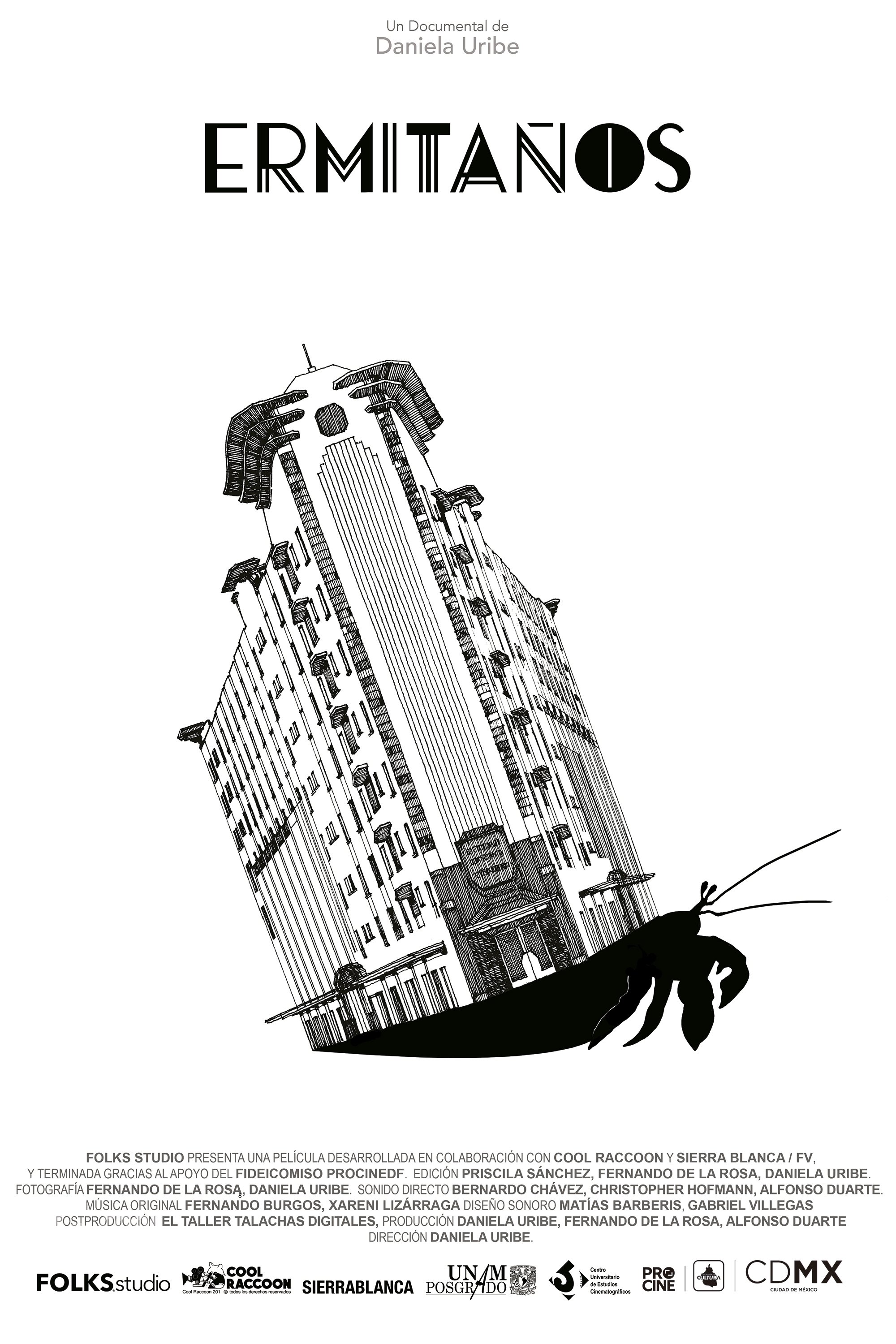
In the midst of the chaos of México City, a group of eight bachelor millennials who call themselves ´The Hermits´, open the doors to their tiny apartments in the historic Ermita Building, in the yet-to-be gentrified neighborhood of Tacubaya, and share their life experiences in a time when precarity changes the way in which we love, feel and relate to each other. As we explore the homes of these eight neighbors, we also witness their personalities intersect in a Whatsapp chat, a virtual space that functions as a supporting system that helps them face the adversities that living alone in this city brings.
We all come from houses in which we live, dream, love and die. This long-term documentary project explores the significance of architecture in our everyday lives and takes its audience on a journey to the most impressive places designed by Swiss architect Peter Zumthor.
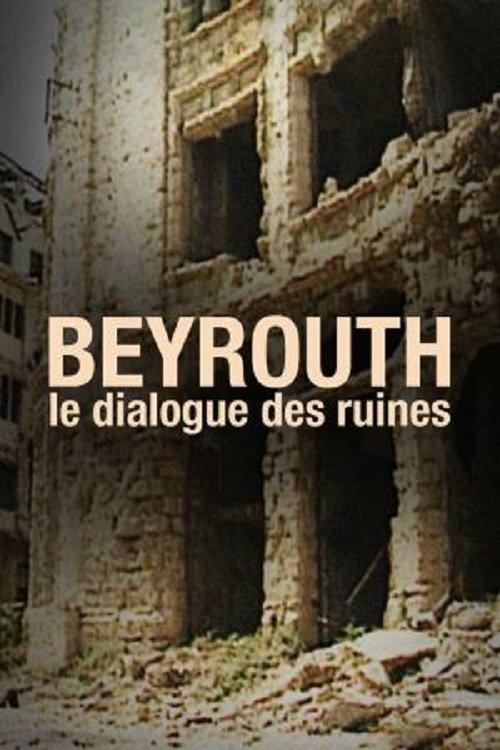
Architecture in Beirut was the second greatest victim of the civil war, with pages of ancient and modern history erased by the end of the conflict. This documentary interviews citizens calling for a reconstruction plan that would preserve Beirut’s spirit of culture and openness.
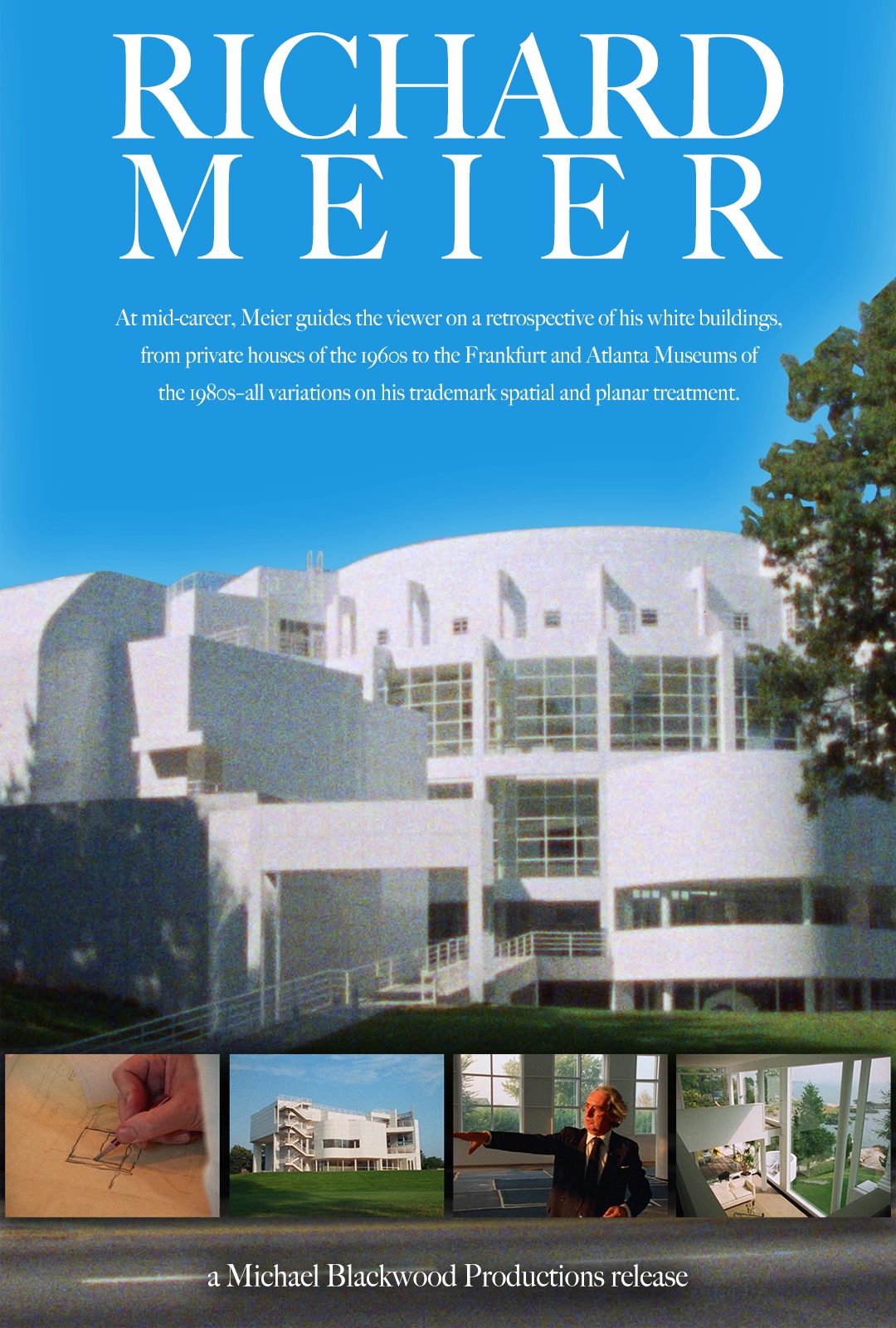
Meier guides the viewer on a retrospective of his white buildings, from private houses of the 1960s to the Frankfurt and Atlanta Museums of the 1980s--all variations on his trademark spatial and planar treatment. His influences from Corbusier, Wright, Mies, and Baroque Germany are shown. Clients and colleagues offer opinions.
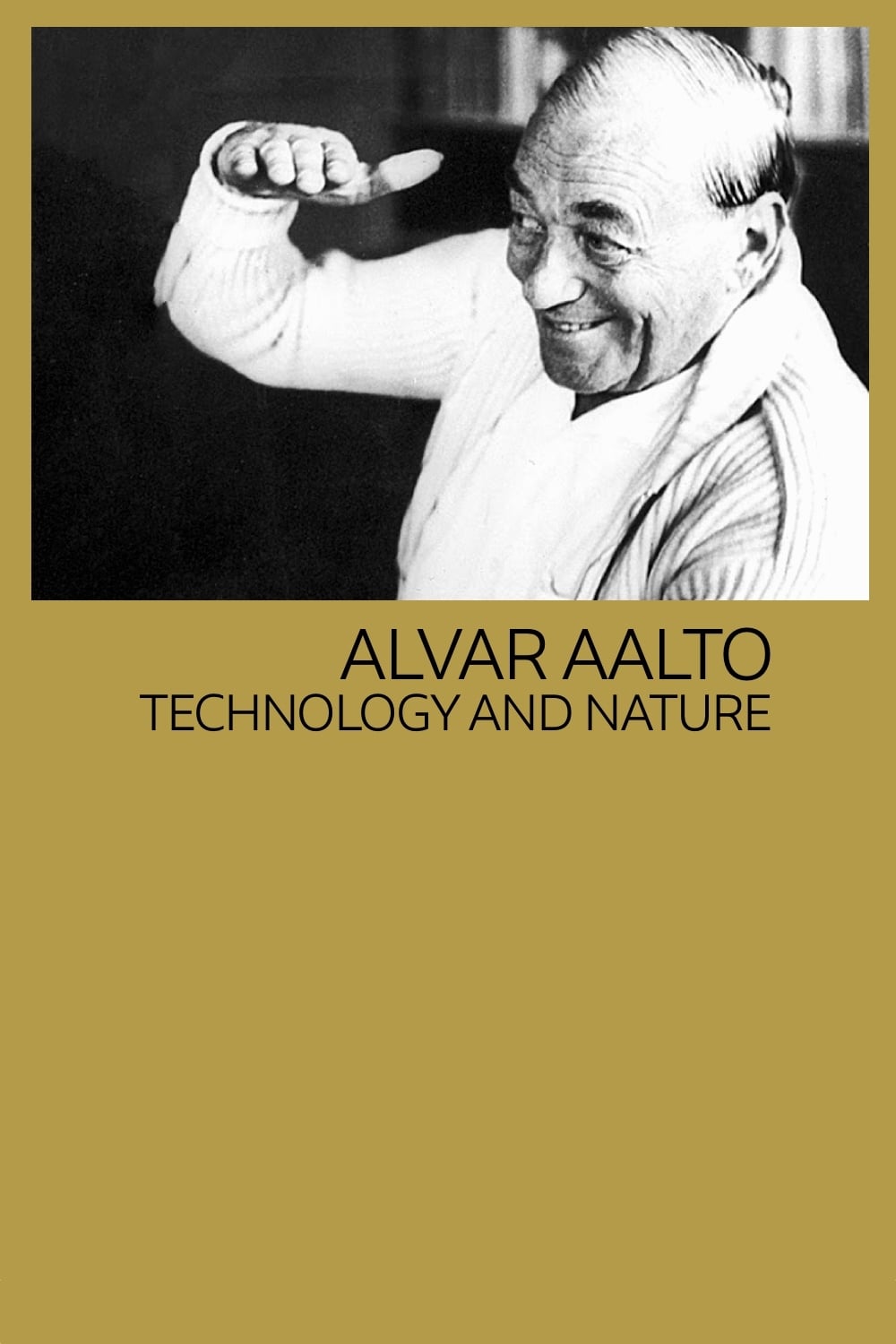
The Finnish architect Alvar Aalto (1898–1976) is one of the great figures of modern architecture, ranked alongside Gropius, Le Corbusier and Mies van der Rohe. This film analyses Aalto’s uniquely successful resolution of the demands and possibilities created by new technology and construction materials with the need to make his buildings sympathetic both to their users and to their natural surroundings. His inventive use of timber in particular represents both a reference to the forest landscape of Finland and a building material that is ‘warm’ and extremely adaptable. Filmed in Finland, Italy, Germany and the USA, this documentary shows how the Finnish natural environment and art traditions were essential elements in Aalto’s pioneering harmonization of technology and nature.
Poème Électronique is an 8-minute piece of electronic music by composer Edgard Varèse, written for the Philips Pavilion at the 1958 Brussels World’s Fair. The Philips corporation commissioned Le Corbusier to design the pavilion, which was intended as a showcase of their engineering progress. The pavilion was shaped like a stomach, with a narrow entrance and exit on either side of a large central space. As the audience entered and exited the pavilion, the electronic composition Concret PH by Iannis Xenakis (who also acted as Le Corbusier's architectural assistant for the pavilion's design) was heard. Poème électronique was synchronized to a film of black and white photographs selected by Le Corbusier which touched on vague themes of human existence.
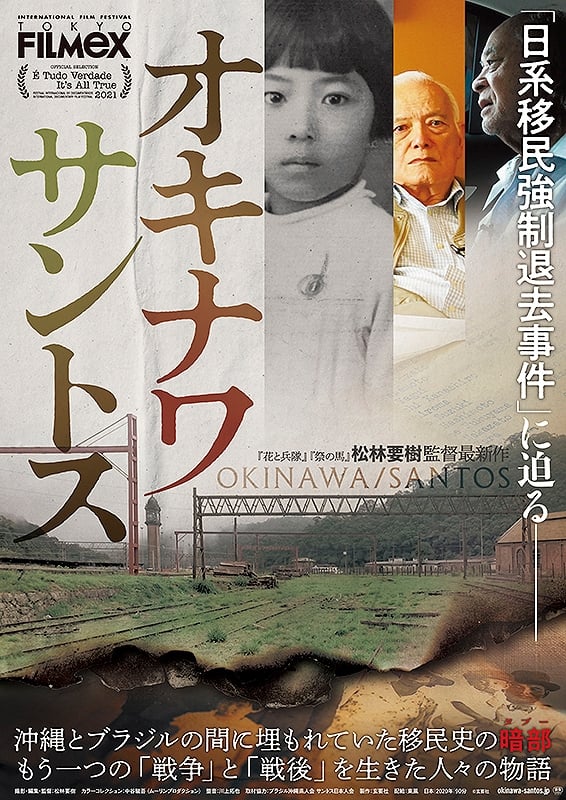
During World War II, many Japanese immigrants in Santos, Brazil, were forced to move to another place. Matsubayashi draws attention to the fact that 60% of the immigrants were from Okinawa. Based on testimonies from interviewees, this film reveals the hidden historical relationship between Okinawa and Brazil.
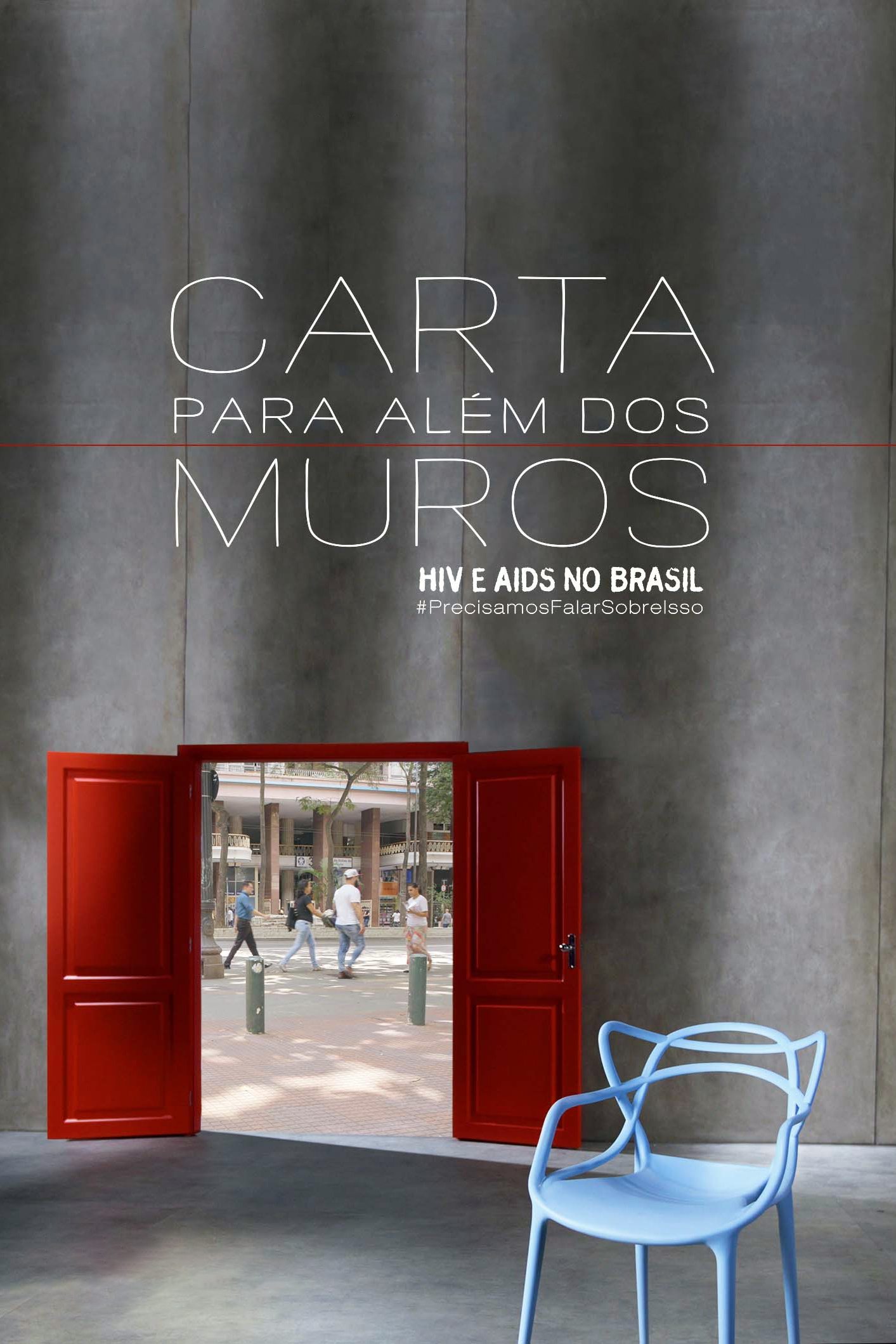
Letter Beyond the Walls reconstructs the trajectory of HIV and AIDS with a focus on Brazil, through interviews with doctors, activists, patients and other actors, in addition to extensive archival material. From the initial panic to awareness campaigns, passing through the stigma imposed on people living with HIV, the documentary shows how society faced this epidemic in its deadliest phase over more than two decades. With this historical approach as its base, the film looks at the way HIV is viewed in today's society, revealing a picture of persistent misinformation and prejudice, which especially affects Brazil’s most historically vulnerable populations.
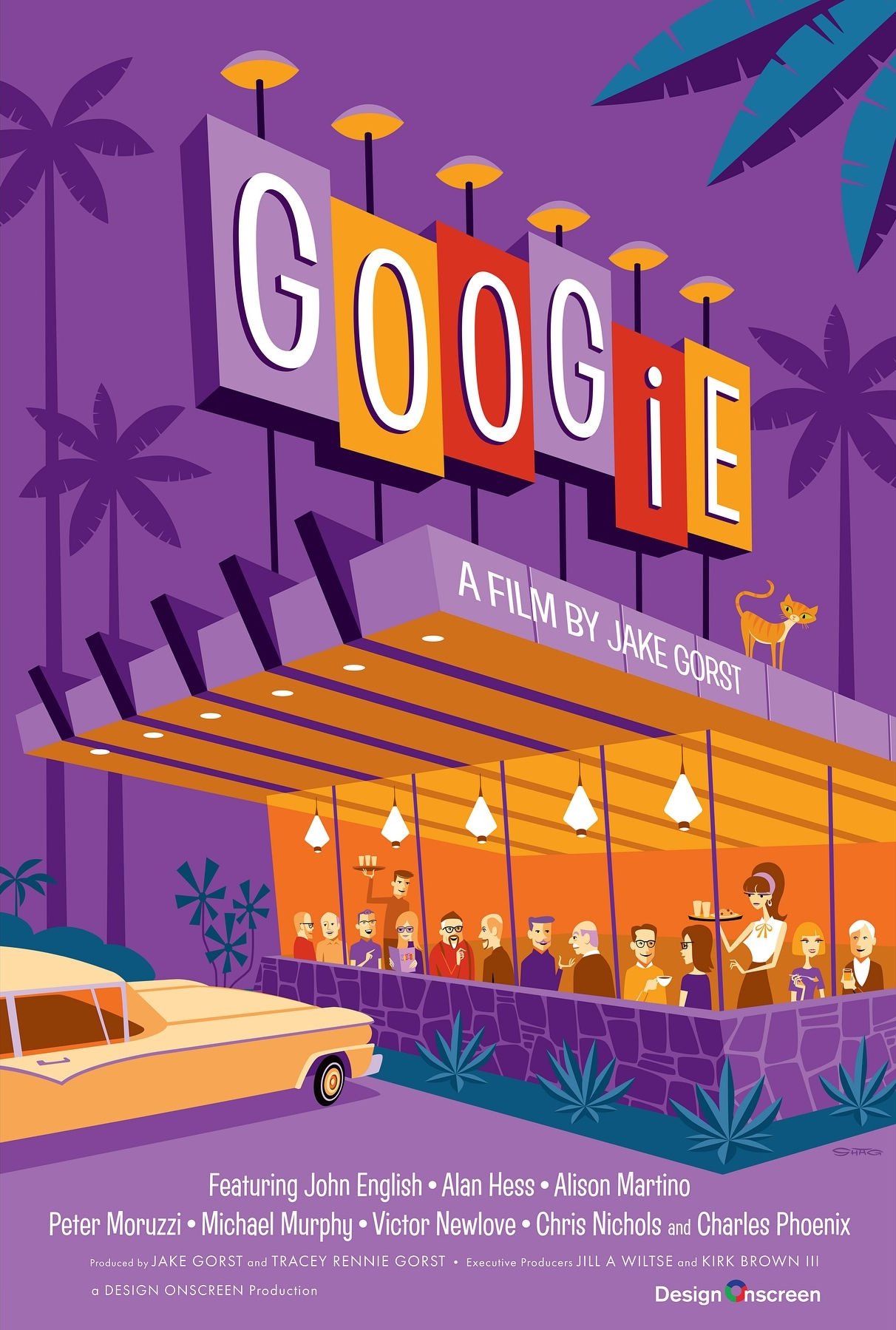
Googie architecture was one of the most visually exuberant and culturally formative design movements of the mid-20th century, yet it remains widely misunderstood. Defined by bold angles, sweeping rooflines, neon signage, and a sense of space-age optimism, Googie transformed everyday buildings into roadside spectacle. Coffee shops, bowling alleys, car washes, banks, and churches were designed not just for function, but to captivate motorists cruising by. Rooted in Los Angeles, the movement drew inspiration from visionary architects such as Frank Lloyd Wright and John Lautner, while firms like Armet & Davis brought futuristic flair to the commercial landscape. Though many original structures have been lost, preservationists now champion Googie as a serious architectural expression—one that captured the aspirations of postwar America and reshaped the visual identity of the modern city.
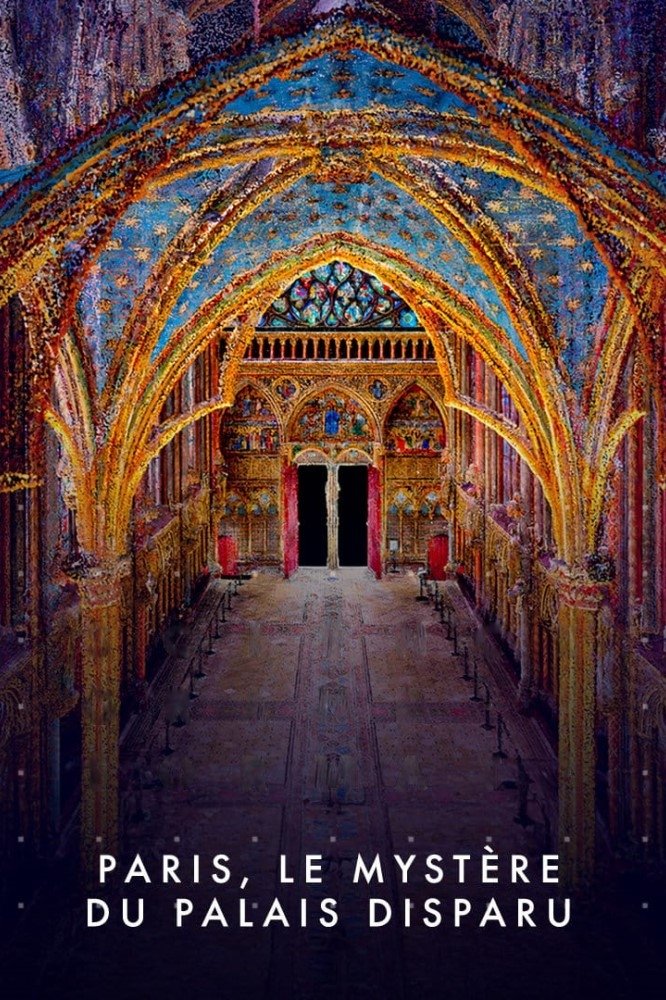
In the heart of Paris, an entire palace has disappeared. It was the very first residence of the kings of France. Long before Versailles, long before the Louvre, the Palais de la Cité stood on the most prestigious island in Paris, the historic cradle of France, facing Notre-Dame. So majestic in the Middle Ages, this palace has become a ghost of history. Over the centuries, this architectural masterpiece has almost completely disappeared. A trio of experts will resurrect it in 3D. Using science and unprecedented excavations, they will track down the pieces of the puzzle to reconstruct it at its peak in the 14th century, and bring back to life those who inhabited it. From the Romans to the Vikings, from Saint Louis to the cursed kings, all have left clues of this 'Versailles of the Middle Ages'.
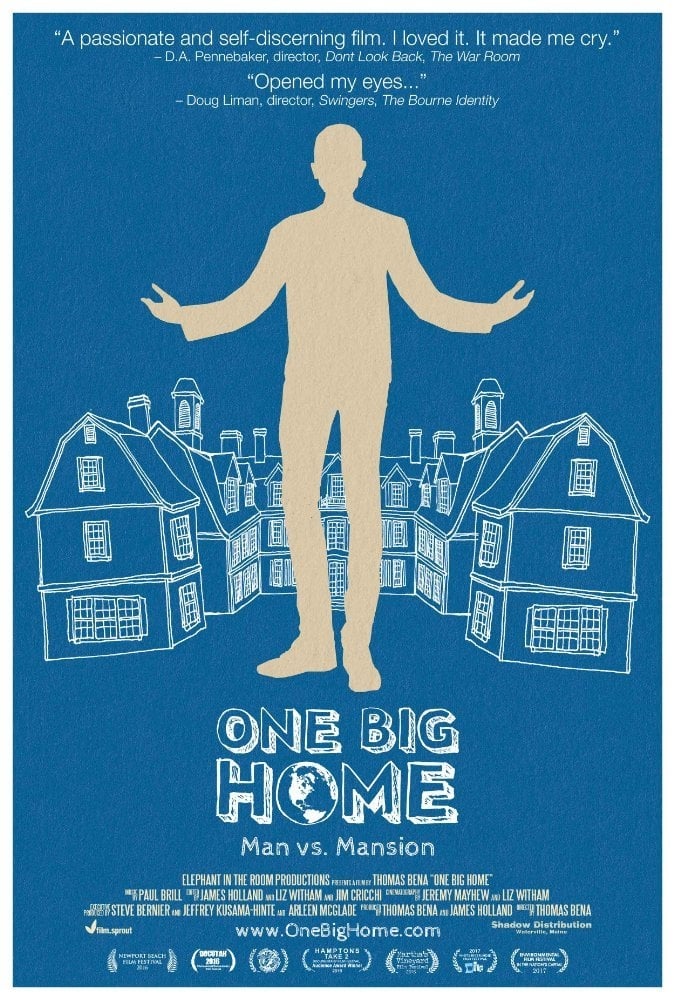
On the tiny island of Martha's Vineyard, where presidents and celebrities vacation, trophy homes threaten to destroy the islands unique character. Twelve years in the making, One Big Home follows one carpenters journey to understand the trend toward giant houses. When he feels complicit in wrecking the place he calls home, he takes off his tool belt and picks up a camera.
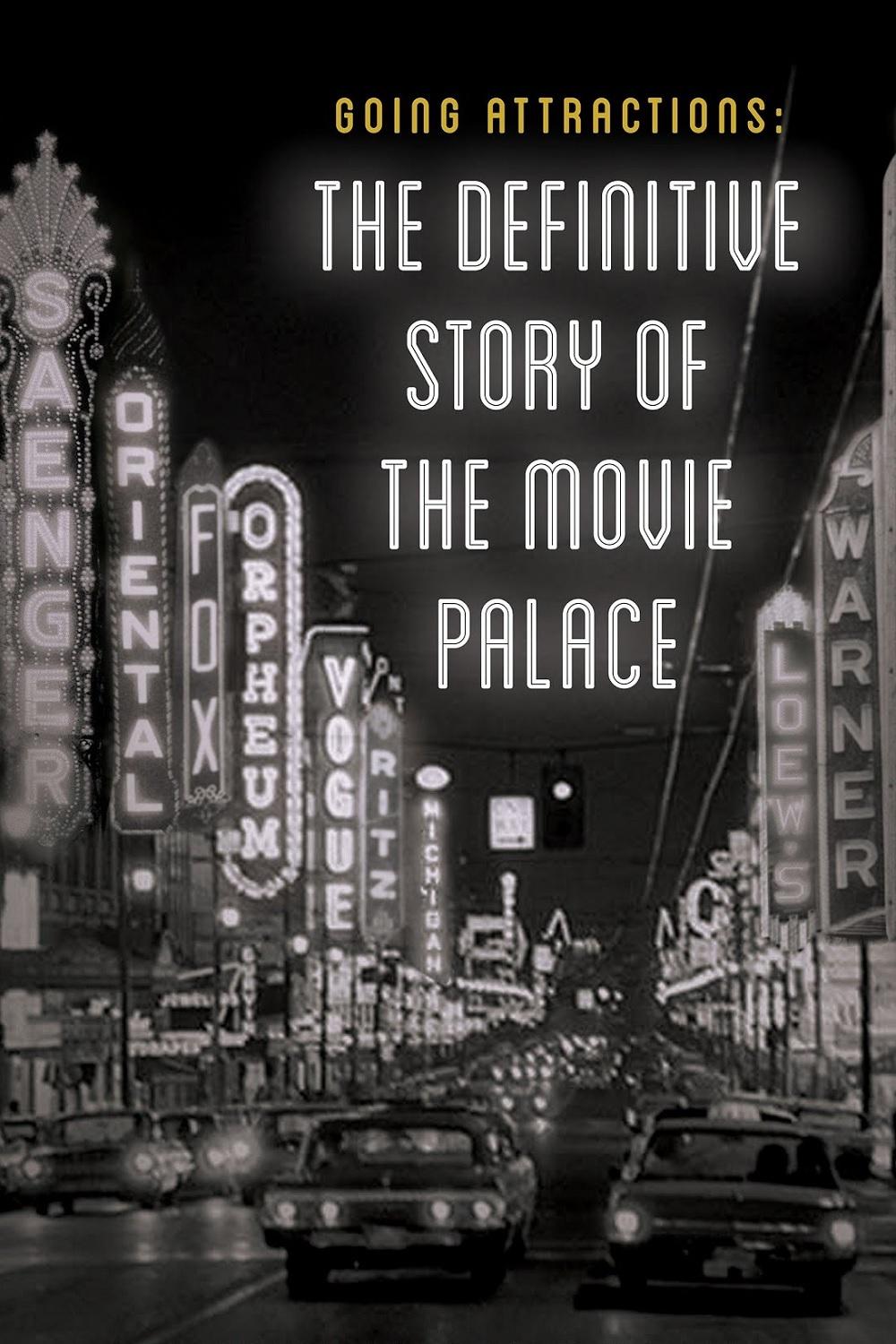
Celebrating the splendor and grandeur of the great cinemas of the United States, built when movies were the acme of entertainment and the stories were larger than life, as were the venues designed to show them. The film also tracks the eventual decline of the palaces, through to today’s current preservation efforts. A tribute to America’s great art form and the great monuments created for audiences to enjoy them in.
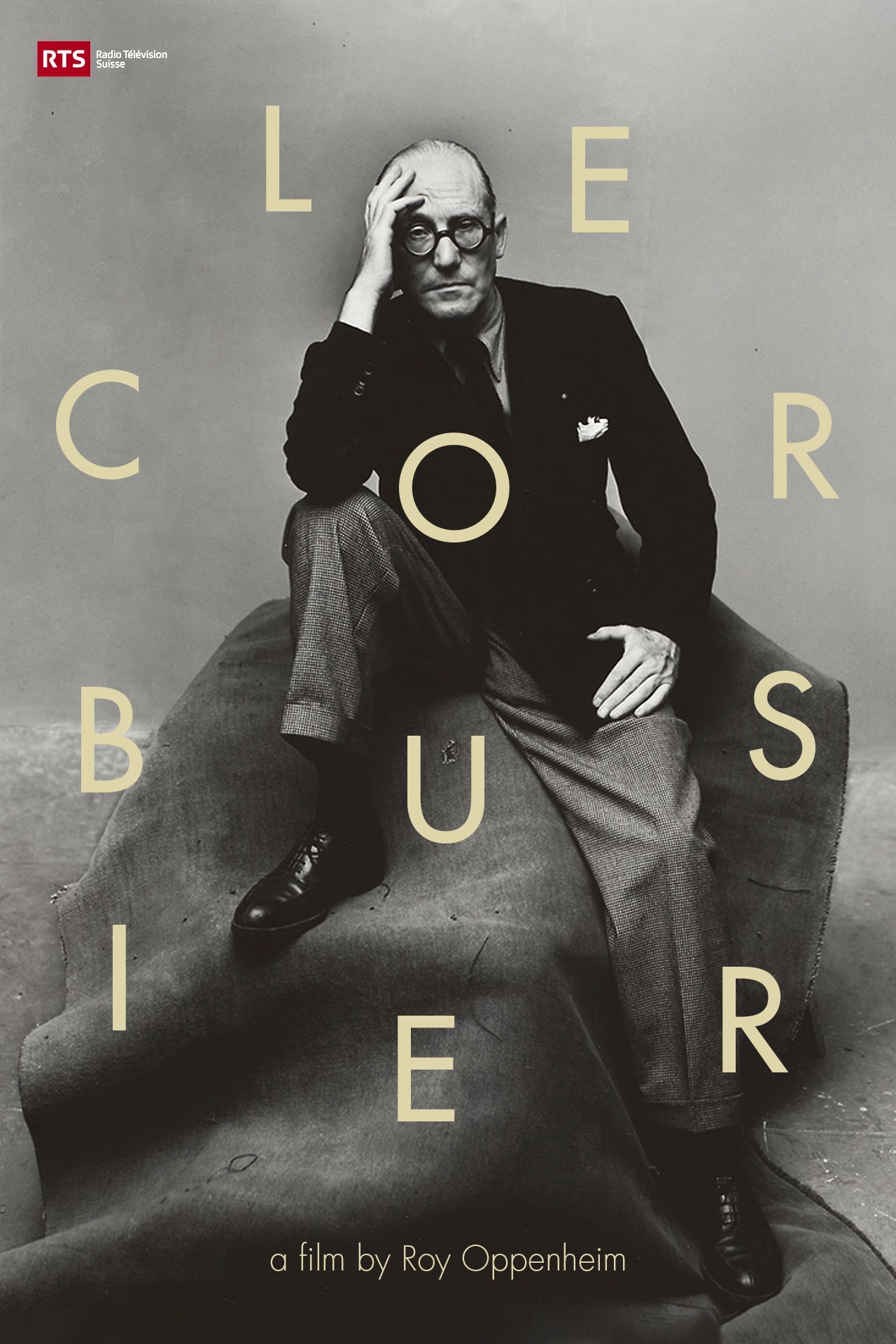
Making a documentary on Le Corbusier is not easy, because he is undoubtedly the architect most familiar to the general public but also the most unknown. If most people know his great achievements, such as the Cité radieuse of Marseille, the pavilions of the Cité universitaire de Paris or the Tourettes convent, many are unaware of his works in Moscow, Rio de Janeiro or Chandigarh. Roy Oppenheim pays a vibrant tribute to Corbusier, dismissing the criticisms and darker facets of the character. It presents the career of this pioneering architect, as well as his thinking, the essential principle of which was aimed at the development of human beings and the balance of society. Light, space and greenery are integrated into his large futuristic cities, because according to him the eyes of the inhabitants should be drawn into the distance and not into their neighbor's bathroom.
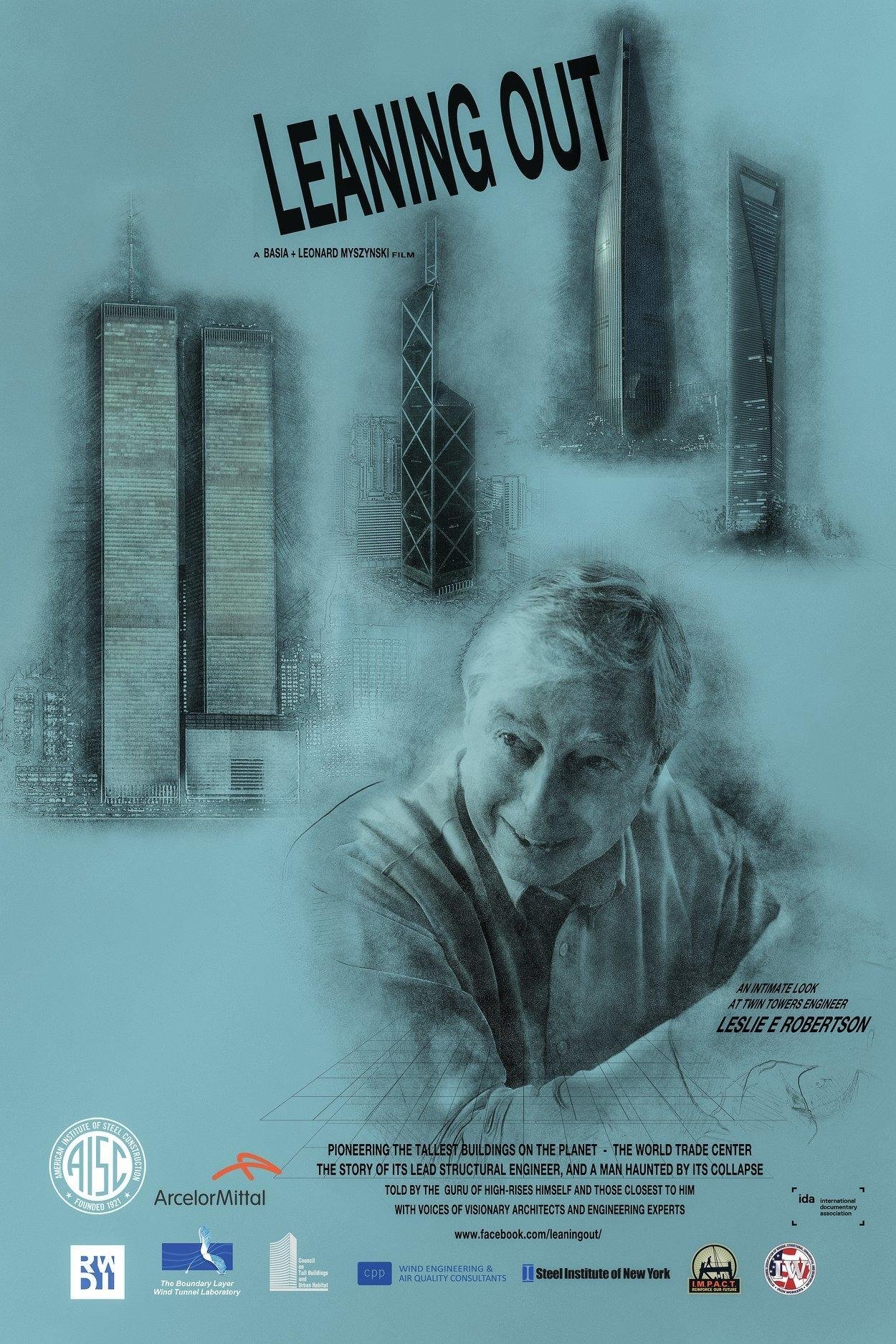
A man with a perspective like no other on the planet. The leading structural engineer of the World Trade Center oversees its construction, haunted by its fall ever since. A guru in high-rise design. Driven by his values as a pacifist and activist and the woman engineer who emboldened, expanded and ultimately saved the man she loved. About fulfillment, fragility, and a fighting spirit.
The Making-of James Cameron's Avatar. It shows interesting parts of the work on the set.
A documentary about the design of cities, which looks at the issues and strategies behind urban design and features some of the world's foremost architects, planners, policymakers, builders, and thinkers.
In the Realms of the Unreal is a documentary about the reclusive Chicago-based artist Henry Darger. Henry Darger was so reclusive that when he died his neighbors were surprised to find a 15,145-page manuscript along with hundreds of paintings depicting The Story of the Vivian Girls, in What is Known as the Realms of the Unreal, of the Glodeco-Angelinnian War Storm, Cased by the Child Slave Rebellion.
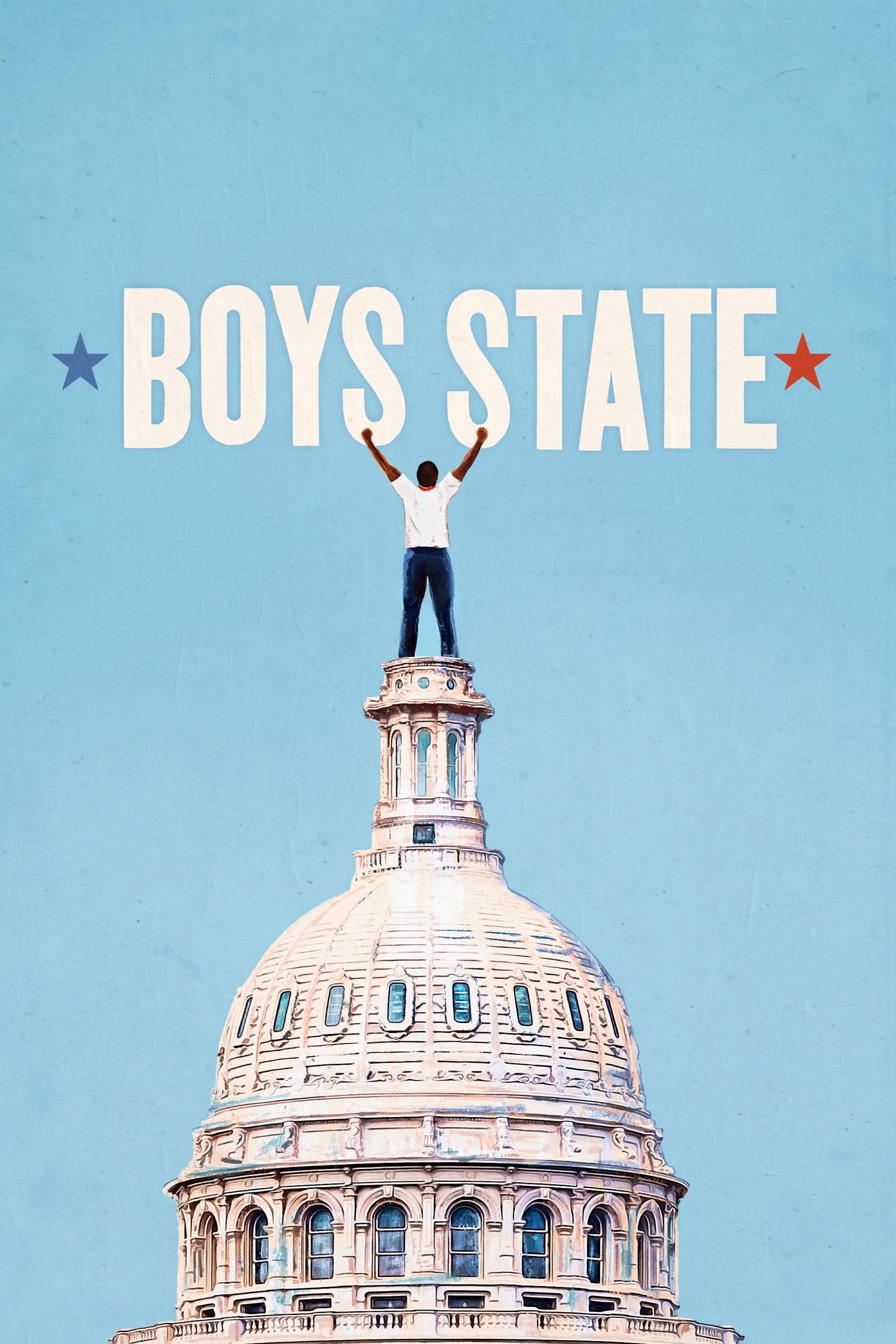
This raucous journey into the heart of democracy captures an unusual rite of passage: 1,100 teenage boys from across Texas coming together to build a representative government from the ground up.
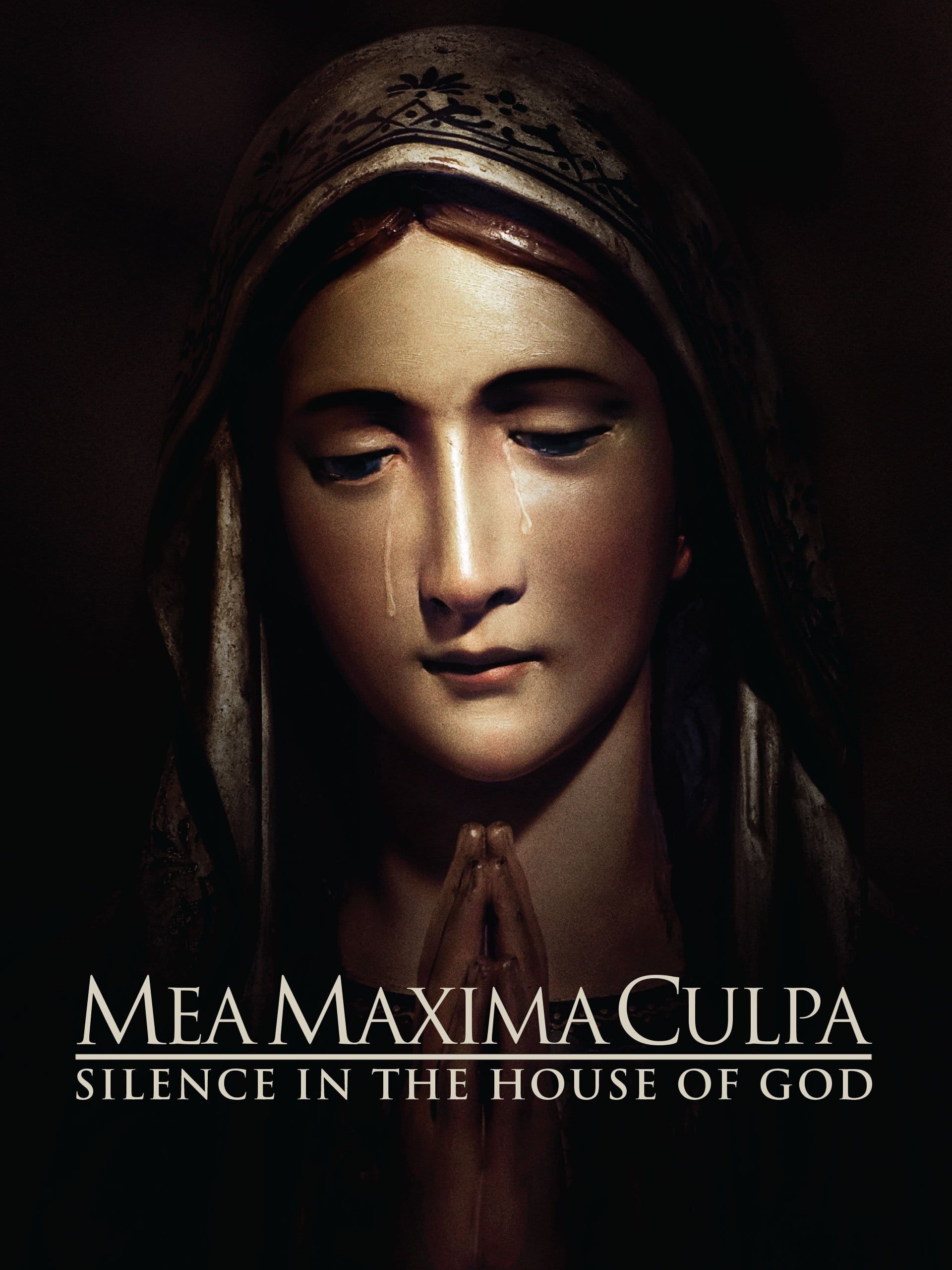
Alex Gibney explores the charged issue of pedophilia in the Catholic Church, following a trail from the first known protest against clerical sexual abuse in the United States and all way to the Vatican.
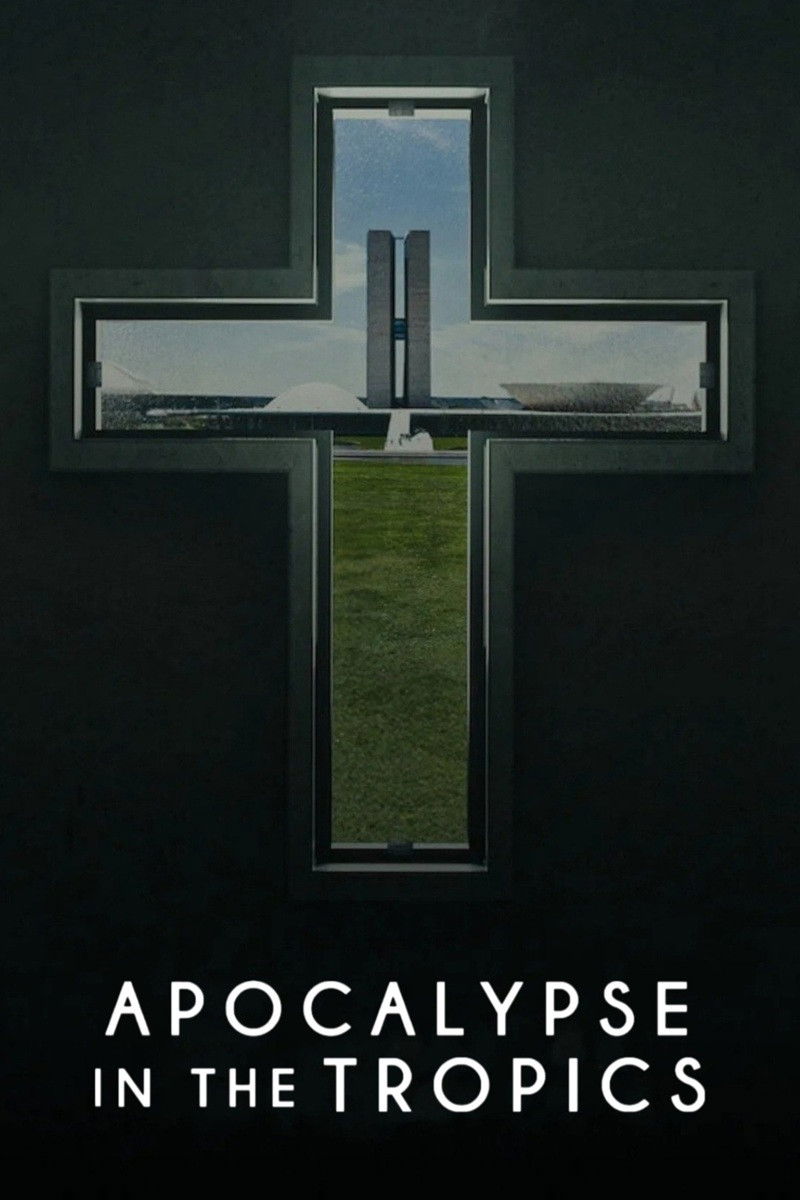
Through deep examination, this documentary from Oscar nominee Petra Costa explores the profound impact of evangelism on Brazil's political landscape.
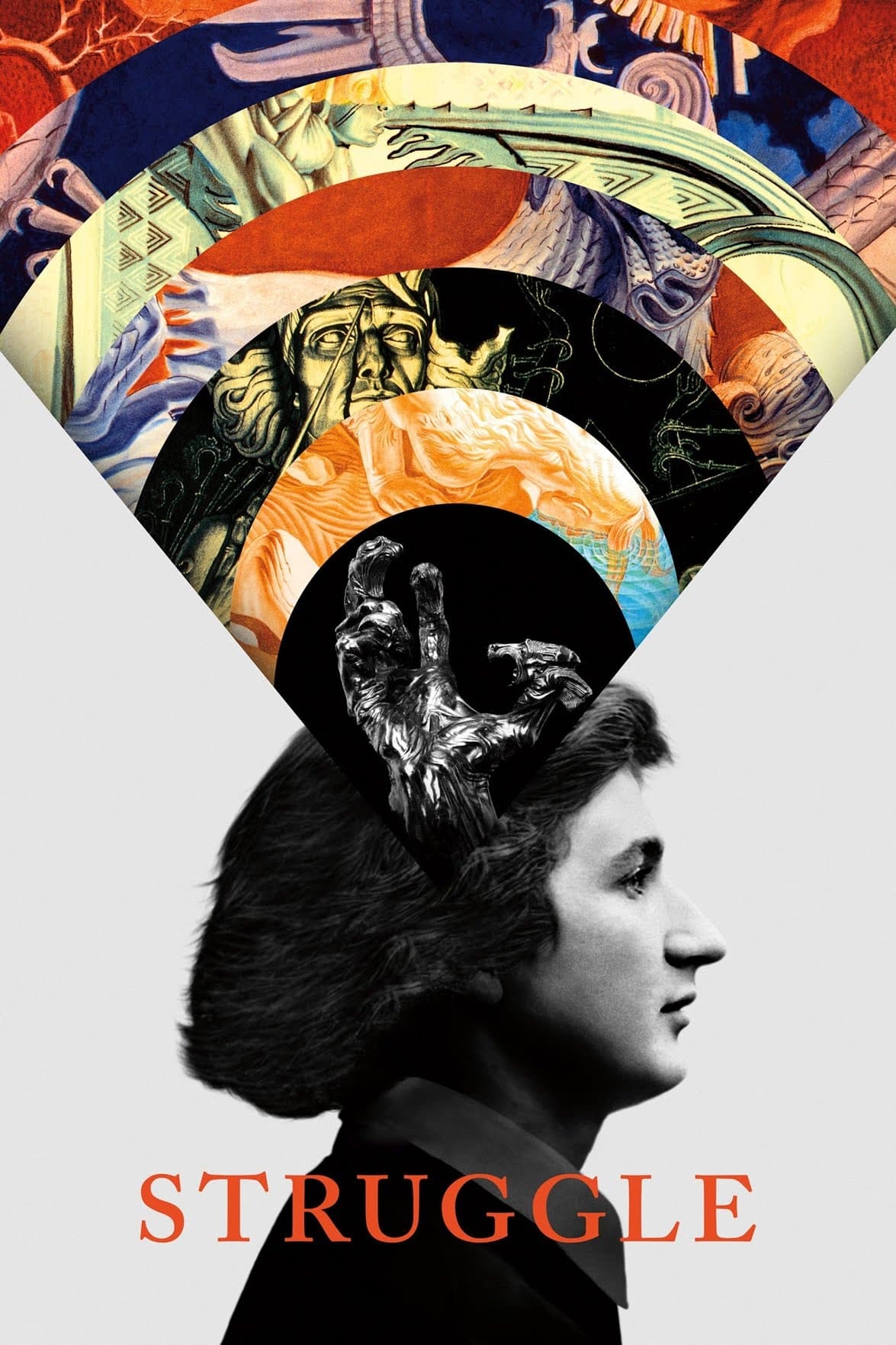
Artists in LA discover the work of forgotten Polish sculptor Stanislav Szukalski, a mad genius whose true story unfolds chapter by astounding chapter.
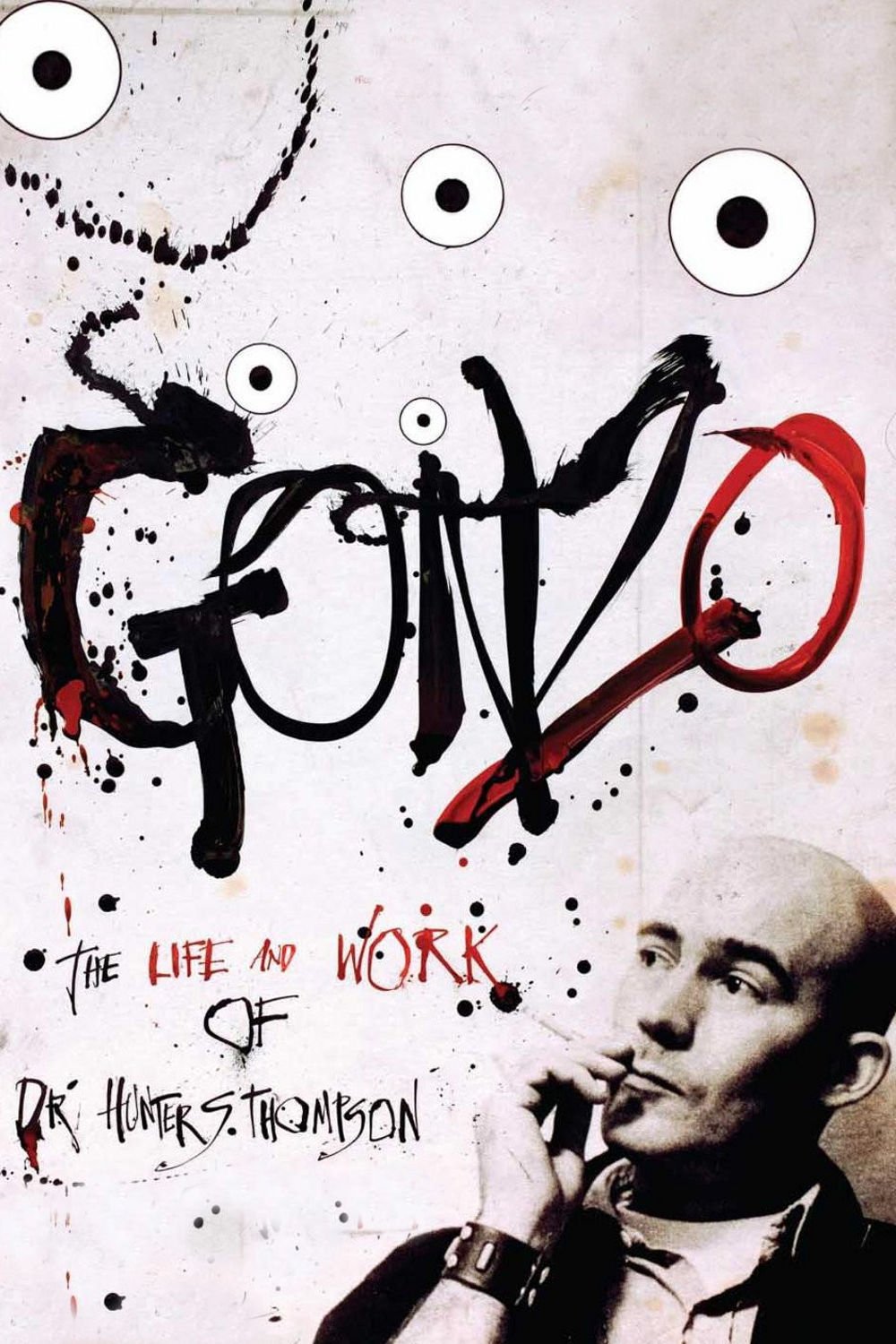
Fueled by a raging libido, Wild Turkey, and superhuman doses of drugs, Thompson was a true "free lance, " goring sacred cows with impunity, hilarity, and a steel-eyed conviction for writing wrongs. Focusing on the good doctor's heyday, 1965 to 1975, the film includes clips of never-before-seen (nor heard) home movies, audiotapes, and passages from unpublished manuscripts.
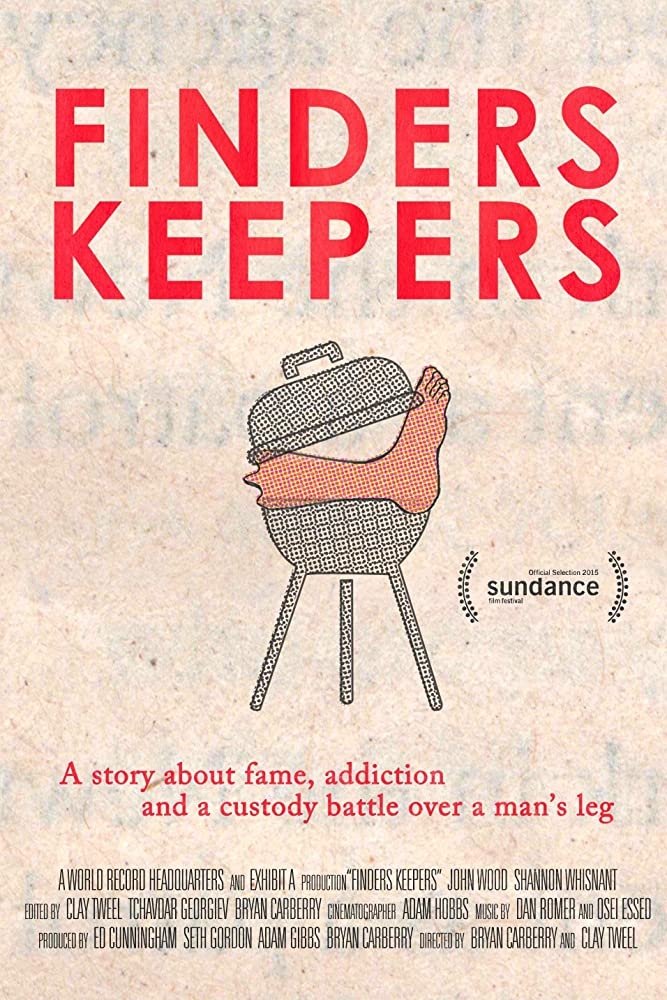
In this documentary, recovering addict and amputee John Wood finds himself in a stranger-than-fiction battle to reclaim his mummified leg from Southern entrepreneur Shannon Whisnant, who found it in a grill he bought at an auction and believes it therefore to be his rightful property.
Daniel Craig candidly reflects on his 15 year adventure as James Bond. Including never-before-seen archival footage from Casino Royale to the upcoming 25th film No Time To Die, Craig shares his personal memories in conversation with 007 producers, Michael G Wilson and Barbara Broccoli.
After being slain by a group of criminals, a man is reborn with animal-like superpowers and makes it his mission to right the wrongs of his city.
The life and career of an actor, artist, and icon. His own journey through his own camera.
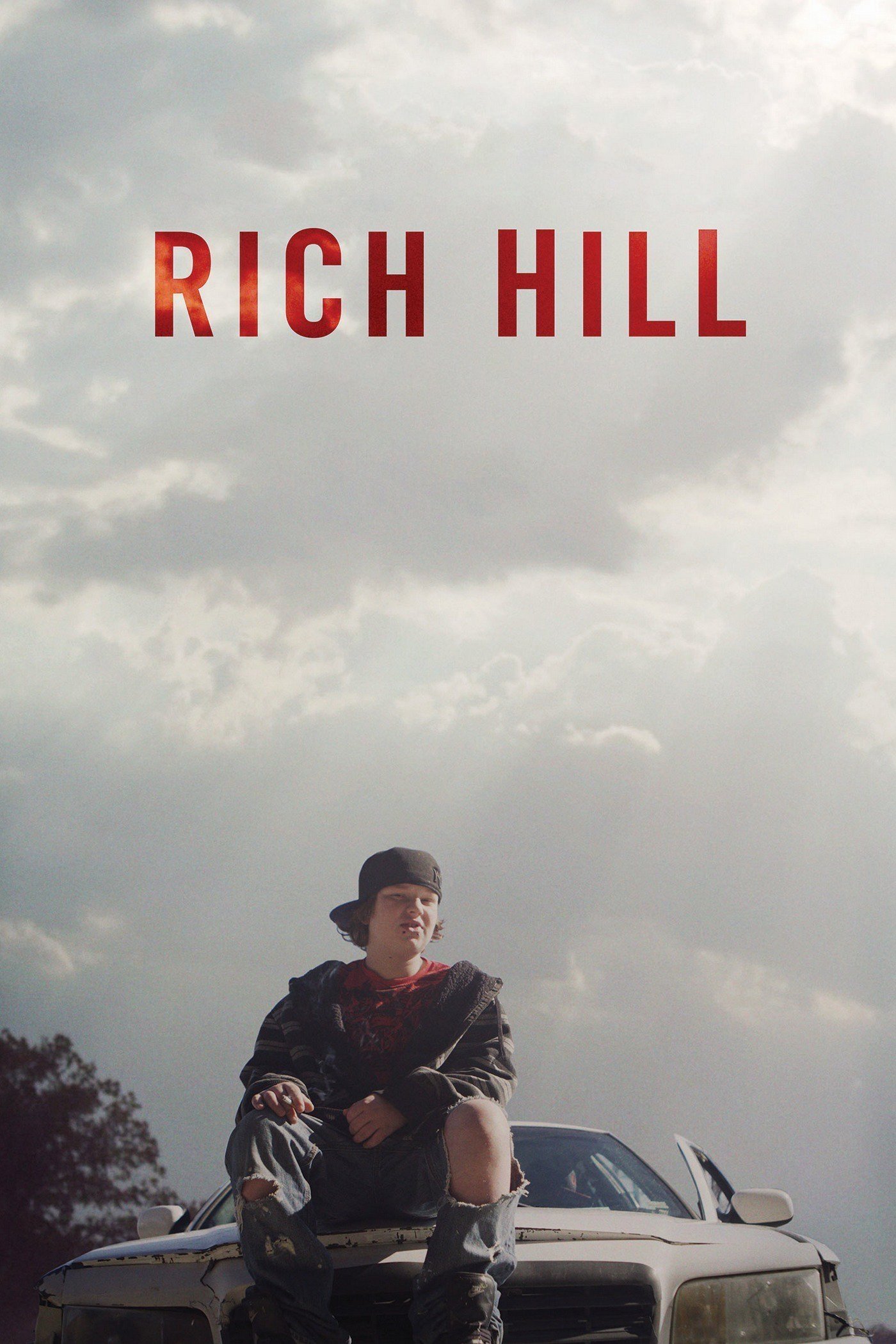
If you ever find yourself traveling down Interstate 49 through Missouri, try not to blink—you may miss Rich Hill, population 1,396. Rich Hill is easy to overlook, but its inhabitants are as woven into the fabric of America as those living in any small town in the country. This movie intimately chronicles the turbulent lives of three boys living in said Midwestern town and the fragile family bonds that sustain them.
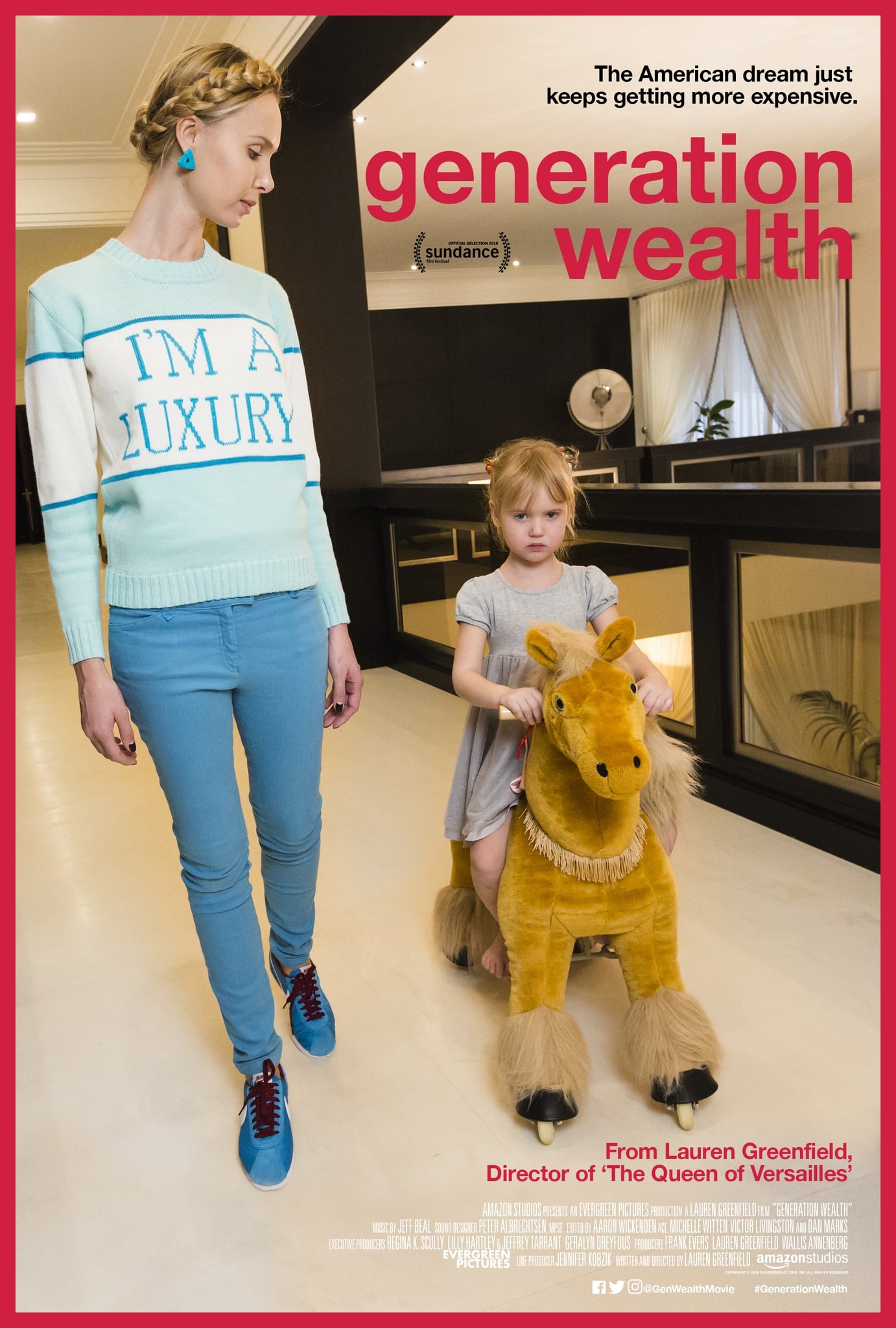
Over the past 25 years, Lauren Greenfield's documentary photography and film projects have explored youth culture, gender, body image, and affluence. Underscoring the ever-increasing gap between the haves and the have-nots, portraits reveal a focus on cultivating image over substance, where subjects unable to attain actual wealth instead settle for its trappings, no matter their ability to pay for it.
A documentary chronicling Queen and Lambert's incredible journey since they first shared the stage together on "American Idol" in 2009.
The life and career of one of comedy's most inimitable modern voices, Mr. Gilbert Gottfried.
A documentary detailing the epic Rogues' Gallery of DC Comics from The Joker and Lex Luthor, Sinestro, Darkseid and more, this documentary will explore the Super Villains of DC Comics.
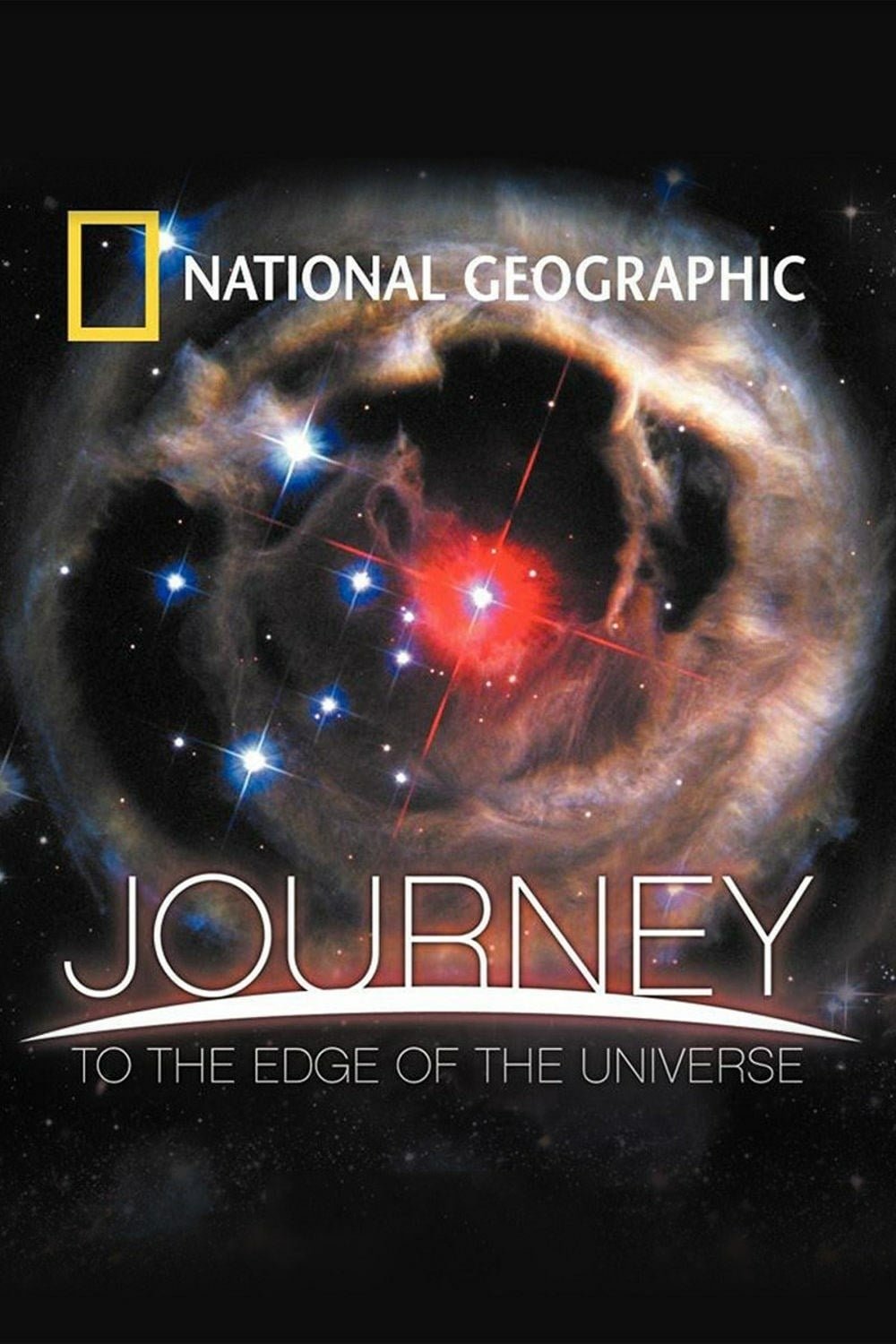
In one single, epic camera move we journey from Earth's surface to the outermost reaches of the universe on a grand tour of the cosmos, to explore newborn stars, distant planets, black holes and beyond.
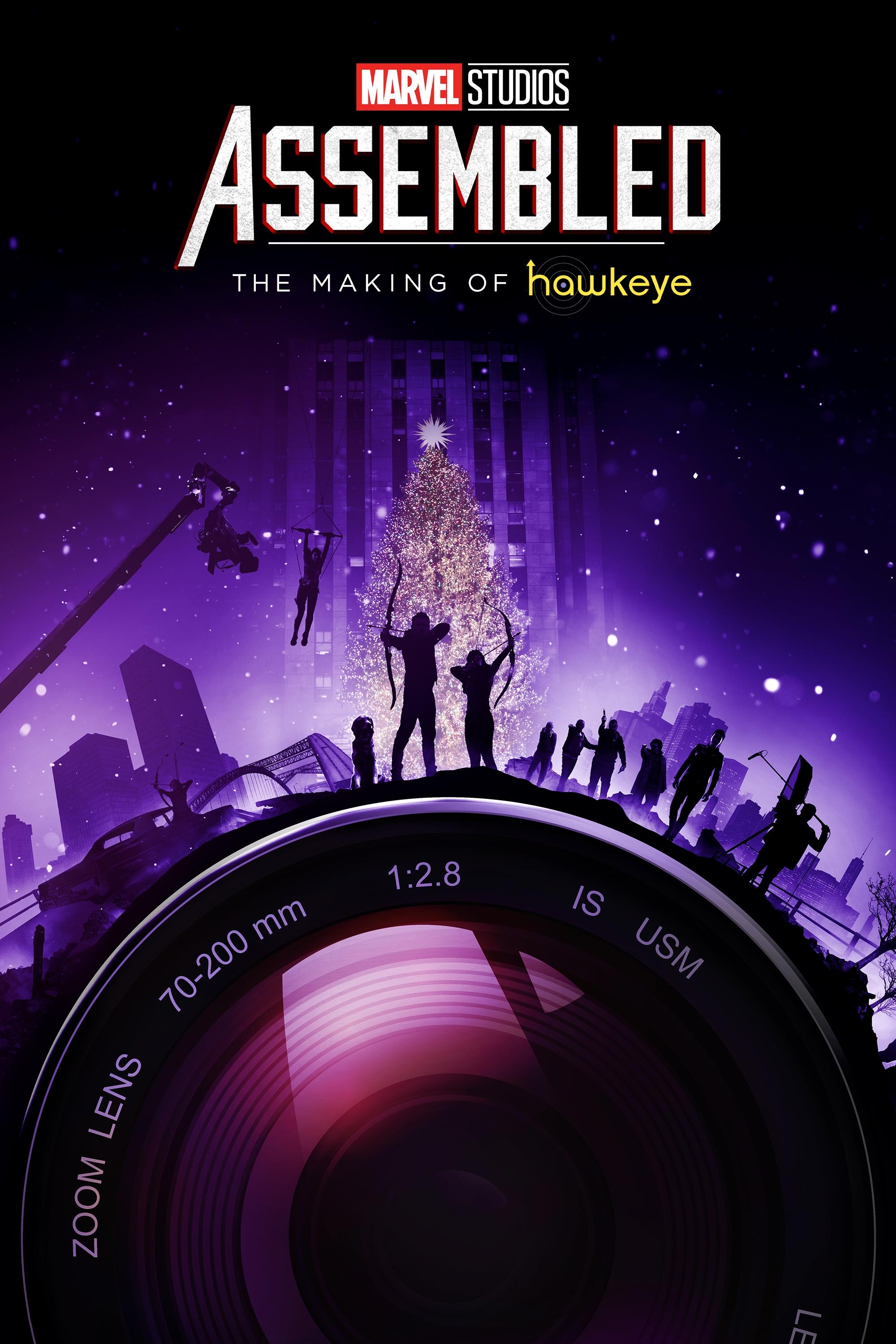
Join the likes of Jeremy Renner, Hailee Steinfeld, Florence Pugh, and Vincent D’Onofrio as they reveal how Marvel Studios’ “Hawkeye” was conceived and created. Witness firsthand what it took to pull off the show’s pulse-pounding action set pieces, and discover how iconic characters from the pages of Marvel Comics such as Kate Bishop were adapted and brought to life for the six-episode series.
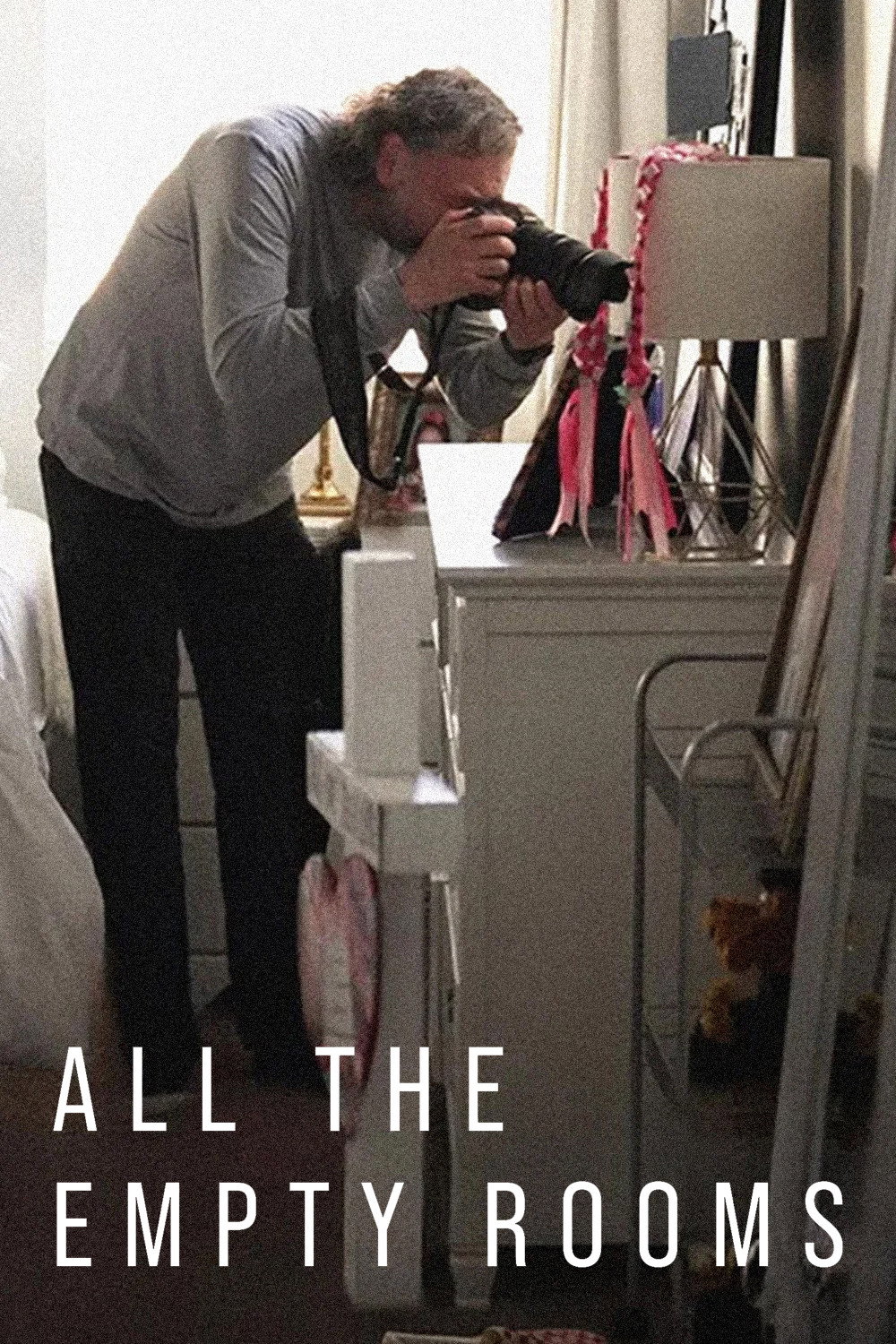
A journalist and a photographer set out to memorialize the bedrooms left behind by children killed in school shootings.