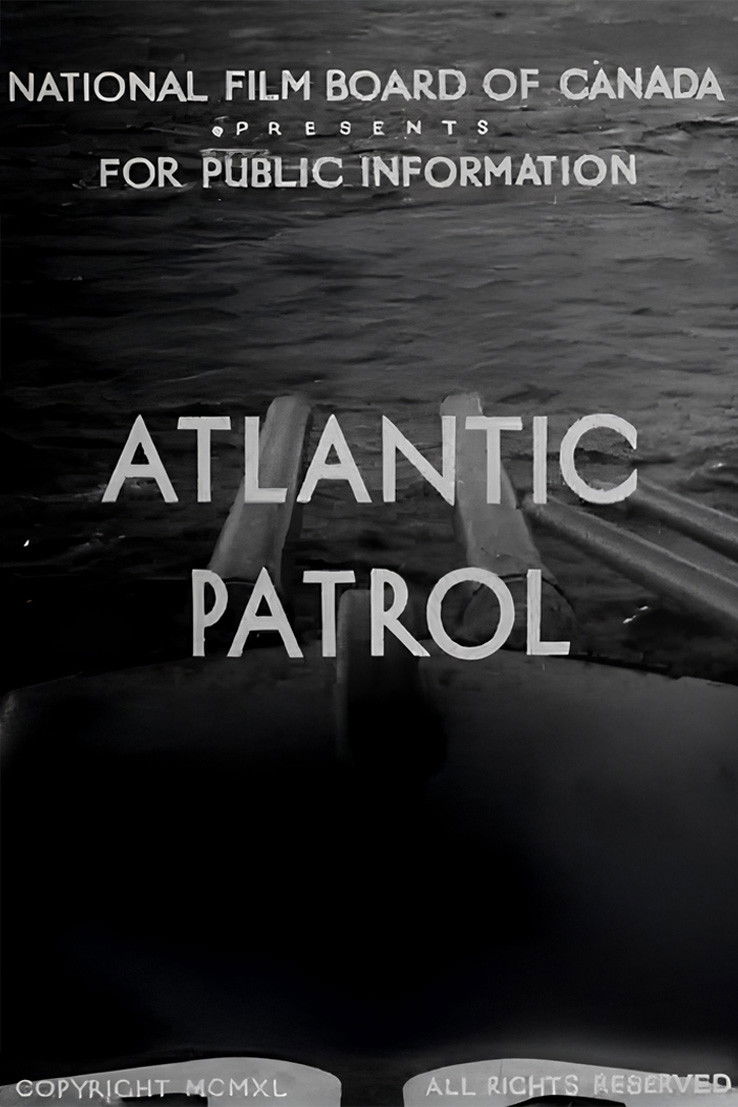
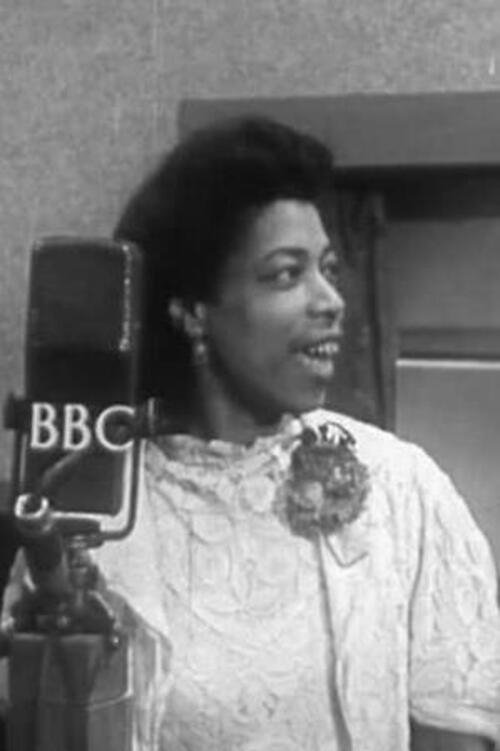
A wartime documentary following Canadian convoy operations and naval escort duties in the North Atlantic during the early years of World War II.
Social & External
Narrator
A new look at the public and private life of one of the most important statesmen in the history of Europe: Winston Churchill (1874-1965), soldier, politician, writer, painter, leader of his country in the darkest hours, winner of the Nobel Prize in Literature, a myth, a giant of the 20th century.
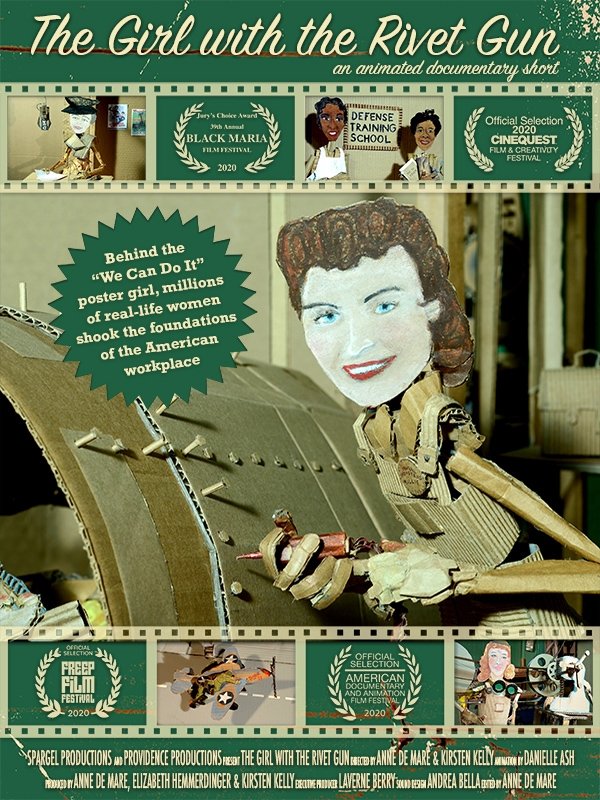
Focusing on three women from vastly different backgrounds this film weaves together powerful moments from each of these Rosie's journeys of transformation.
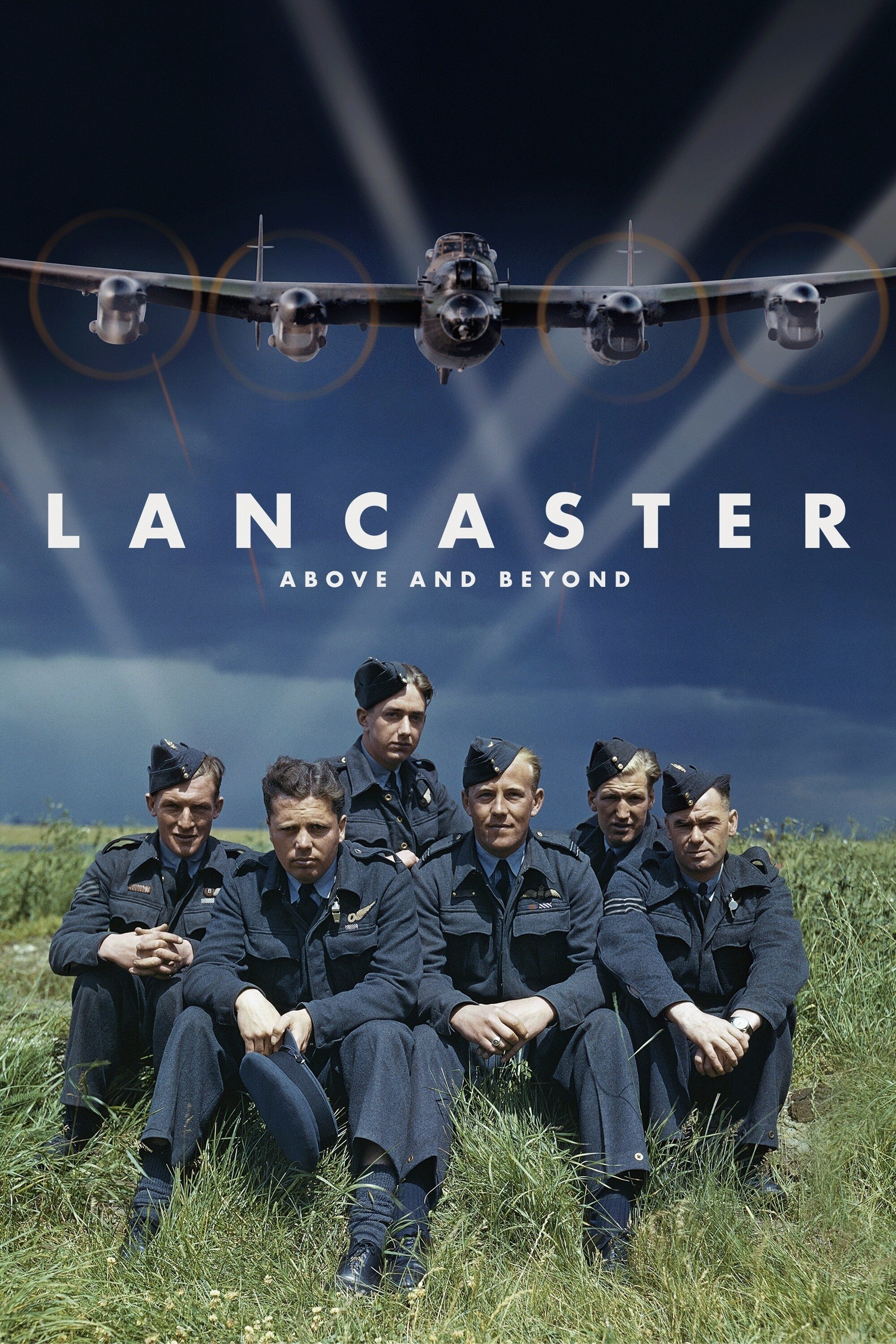
The story of the iconic WW2 bomber told through the words of the last surviving crew members, re-mastered archive material and extraordinary aerial footage of the RAF’s last airworthy Lancaster.
Flock to your local keep fit class - there's a war on and Britain needs its citizens in tip-top shape.
Poetic tribute to Mrs Turner's vegetable growing prowess, plus the delights of "wartime steaks".
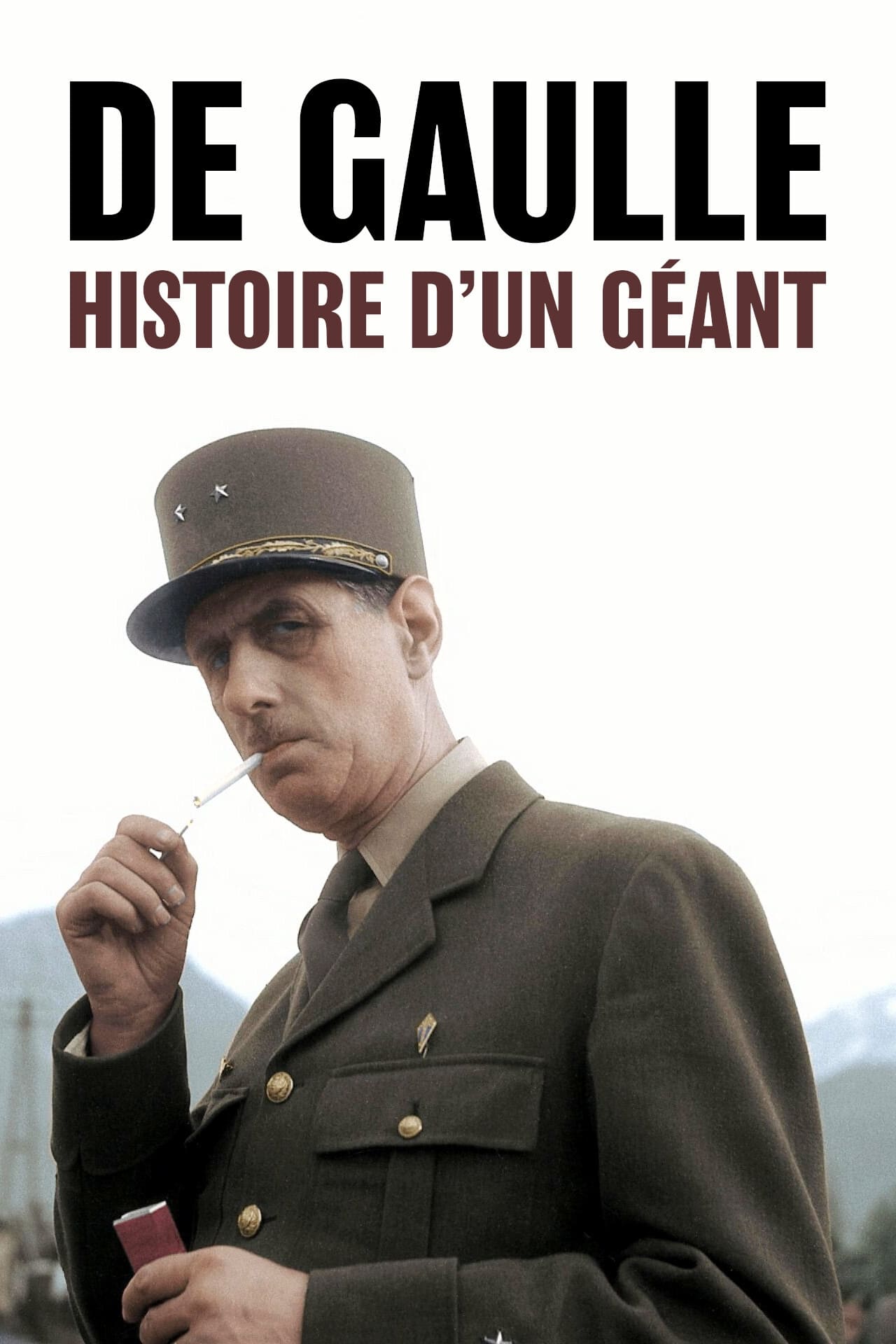
50 years after the death of General De Gaulle, this film retraces his life, from his birth in 1890 to his burial at Colombey-Les-Deux-Eglises in 1970.
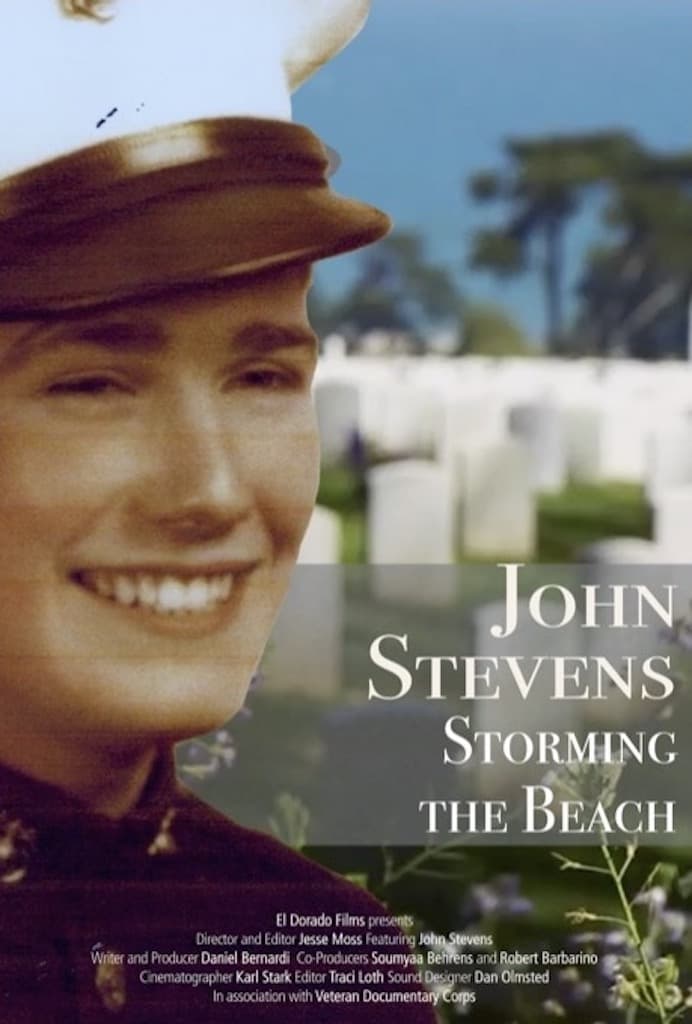
Lieutenant Colonel John Stevens served in both World War II and the Korean War. During the Korean War, he received a Bronze Star for leading his company in one of that war's harshest battles.
A British documentary on tunneling if a building falls in ruins.
This documentary is the story of two Mennonite brothers from Manitoba who were forced to make a decision in 1939, as Canada joined World War II. In the face of 400 years of pacifist tradition, should they now go to war? Ted became a conscientious objector while his brother went into military service. Fifty years later, the town of Winkler dedicates its first war memorial and John begins to share his war experiences with Ted.
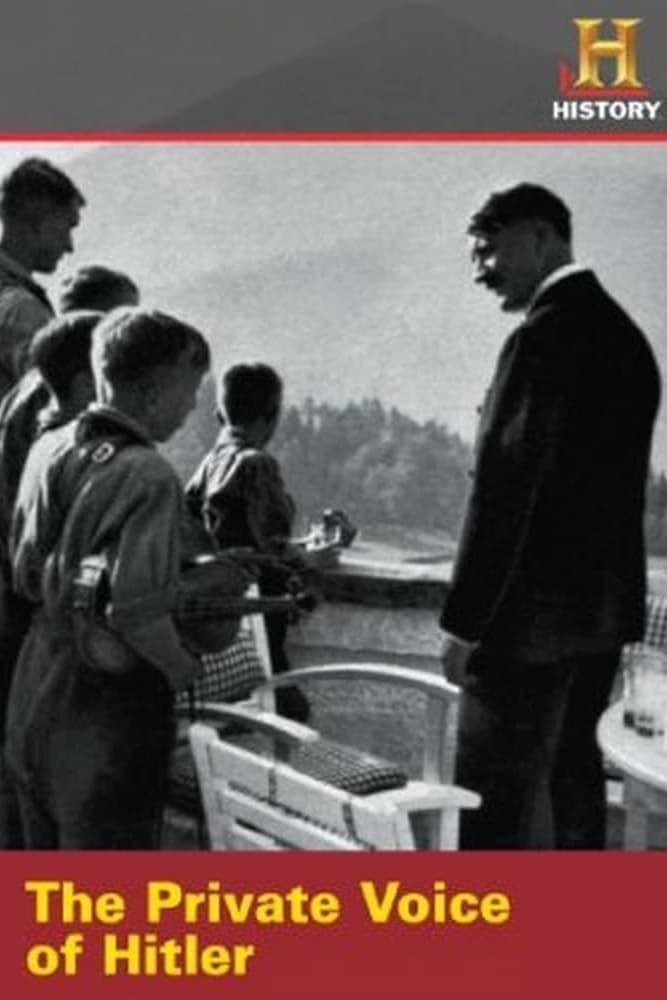
Everyone knows the public archive footage of Hitler. But most of it is silent. What was he saying? Special computer technology enables us for the first time to lip-read the silent film.
About the war effort in the West Indies.
With the Fifth Panzer Army fighting its way towards the River Meuse, the cross roads town of Bastogne, vital for the success of Hitler's last attempt to check the Allies in the west, the Americans rushed reinforcements to hold it. 101st US Airborne Division was resting in reserve near Paris when the call for immediate deployment to the Ardennes came and reached Bastogne just before the German ring around the town closed. Wearing only normal uniforms, the 101st joined the other garrison troops in a siege where they fought not only the enemy's panzers but the freezing, snowy, cold to hold the vital road junction. Filmed on the ground we tell the story of the heroic defence of Bastogne.
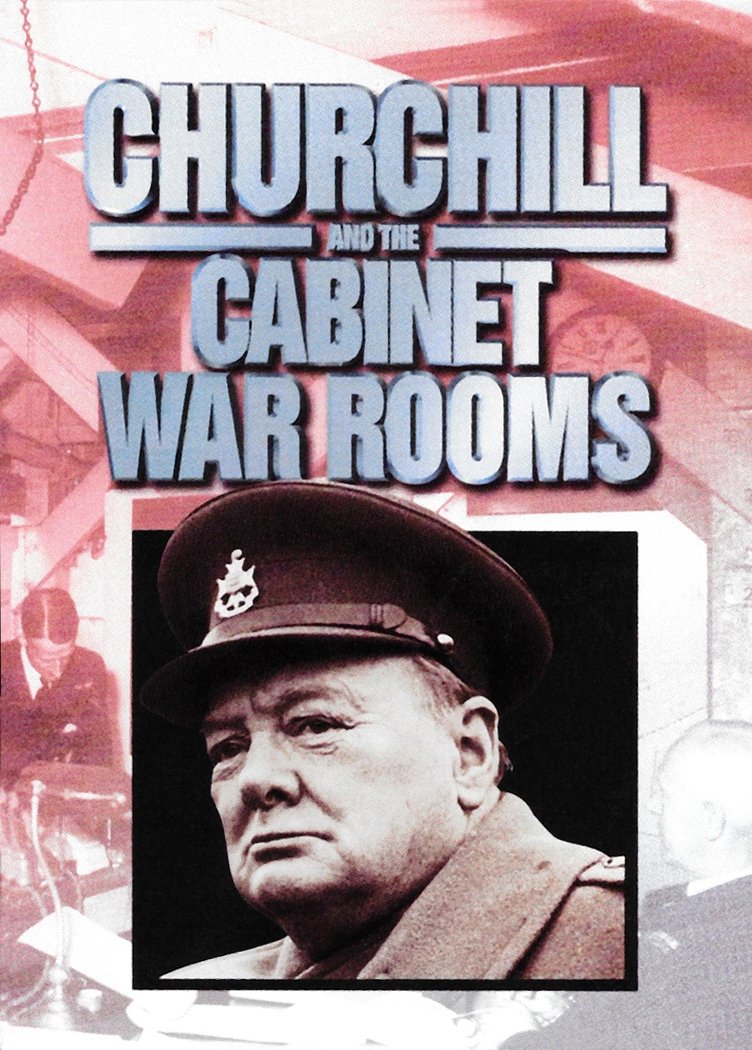
This drama-documentary evokes what it was like to work closely with Churchill in the Cabinet War Rooms during the dark days of the Blitz and the later bombing raids on London. The programme combines superb archive film from the Imperial War Museum’s vast collection, with atmospheric dramatisations actually filmed inside the Cabinet War Rooms – the real locations from where Churchill led the nation. Includes first-hand accounts which reveal the challenges of working with Britain’s bullish war leader at close quarters.
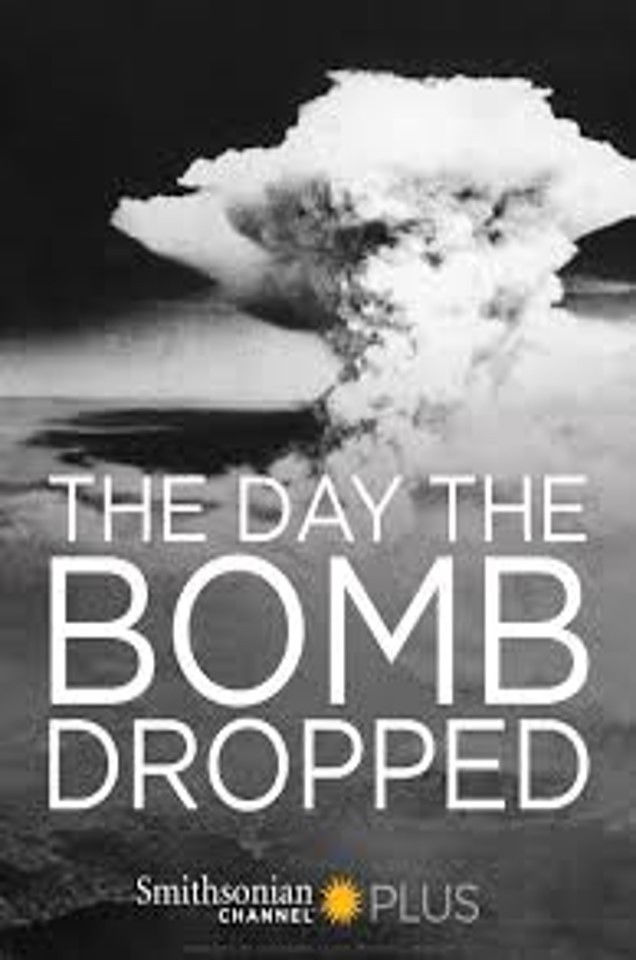
On August 6 1945, one plane dropped one bomb on the Japanese city of Hiroshima. In an instant, the city was destroyed and 80,000 people were dead. But the dropping of the Atomic bomb also launched the Nuclear age, shaping all of our lives and changing the world for ever. For this film we have tracked down people who made the bomb, people who dropped the bomb, and people who were in Hiroshima – some less than half a mile from ground zero -when the bomb fell on their city. Many of the witnesses are in their 90s and this will be the last time they will be able to tell their extraordinary stories. The Day They Dropped The Bomb is told through witness recollections, rare archive film and photographs shot at the time. The documentary will be broadcast for the 70th anniversary of Hiroshima next year by ITV and in America by the Smithsonian Channel.
In 1944 Adolf Hitler decided that his only military option " as Defeat was staring Germany in the Eyes" was to carry out a major offensive in the west to split the Allies Western Front by capturing Antwerp. This would he hoped buy time to halt the Russians in the East. this film examines his dilemma and the plan that was produced.
On the 16th December 1944 Hitler launched Operation Wacht am Rhein against the largely unsuspecting American component of the Allied Army. Twenty Divisions consisting of 410000 men, 2600 artillery pieces nad 1400 tanks and assault guns attacked the American 1st Army on a 110 kilometre front. How had this happened ? This film examines why the Allies were not prepared.
in 1944 when the Germans launched their last major offensive of the war they had to compensate for their lack of aircraft, manpower and armour. They did this in the main by the use of surprise and artillery. This film examines the German Field Artillery and how it was used in the The Battle of the Bulge.
This film tells the story of one of the most contentious combats of WW2, the actions of Kamfgruppe Peiper during the Battle of the Bulge.From the outset the King Tigers of December 1944, in poor winter weather, could not cut through the forest roads as the smaller Panzers had done in 1940 but were slowed down by determined resistance by small groups of American GIs, Obersturmbannfuhrer Jochan Peiper, commander of the elite spearhead, the Leibstandarte's 1st Panzer Regiment advancing west on one of the Division's three rolbhans became increasingly frustrated by enemy resistance and poor roads. Eventually anger boiled over into atrocity and the murder of US soldiers and Belgian civilians at Malmendy and elsewhere along the route. Experienced soldiers, historians and film makers analyse events on the very ground where they happened, stripping away legend and obfuscation of all kinds to present the facts for the viewer to make their own decision..
When Allied forces liberated the Nazi concentration camps in 1944-45, their terrible discoveries were recorded by army and newsreel cameramen, revealing for the first time the full horror of what had happened. Making use of British, Soviet and American footage, the Ministry of Information’s Sidney Bernstein (later founder of Granada Television) aimed to create a documentary that would provide lasting, undeniable evidence of the Nazis’ unspeakable crimes. He commissioned a wealth of British talent, including editor Stewart McAllister, writer and future cabinet minister Richard Crossman – and, as treatment advisor, his friend Alfred Hitchcock. Yet, despite initial support from the British and US Governments, the film was shelved, and only now, 70 years on, has it been restored and completed by Imperial War Museums under its original title "German Concentration Camps Factual Survey".
Through deeply personal interviews with her siblings and an examination of the photographs, letters, and belongings left behind, Mariska assembles a new portrait of her mother Jayne Mansfield, an extraordinary and complex woman.
A detailing of the rise to prominence and global sporting superstardom of six supremely talented young Manchester United football players (David Beckham, Nicky Butt, Ryan Giggs, Paul Scholes, Phil and Gary Neville). The film covers the period 1992-1999, culminating in Manchester United's European Cup triumph.
The film follows adventurer Jeff Johnson as he retraces the epic 1968 journey of his heroes Yvon Chouinard and Doug Tompkins to Patagonia.
JB Smoove and Martin Starr host a celebration of 20 years of "Spider-Man" movies, from the Sam Raimi trilogy to Marc Webb's movies and the trio from Jon Watts.
A documentary about the life and films of director John Ford.
The life of Mr. Spock, as well as that of Leonard Nimoy, the actor who played him for almost fifty years, written and directed by his son: Adam.
Those who knew iconic funnyman John Candy best share his story, in their own words, through never-before-seen archival footage, imagery, and interviews.
Prelude to War was the first film of Frank Capra's Why We Fight propaganda film series, commissioned by the Pentagon and George C. Marshall. It was made to convince American troops of the necessity of combating the Axis Powers during World War II. This film examines the differences between democratic and fascist states.
SEDUCED AND ABANDONED combines acting legend Alec Baldwin with director James Toback as they lead us on a troublesome and often hilarious journey of raising financing for their next feature film. Moving from director to financier to star actor, the two players provide us with a unique look behind the curtain at the world's biggest and most glamourous film festival, shining a light on the bitter-sweet relationship filmmakers have with Cannes and the film business. Featuring insights from directors Martin Scorsese, 'Bernando Bertolucci' and Roman Polanski; actors Ryan Gosling and Jessica Chastain and a host of film distribution luminaries.
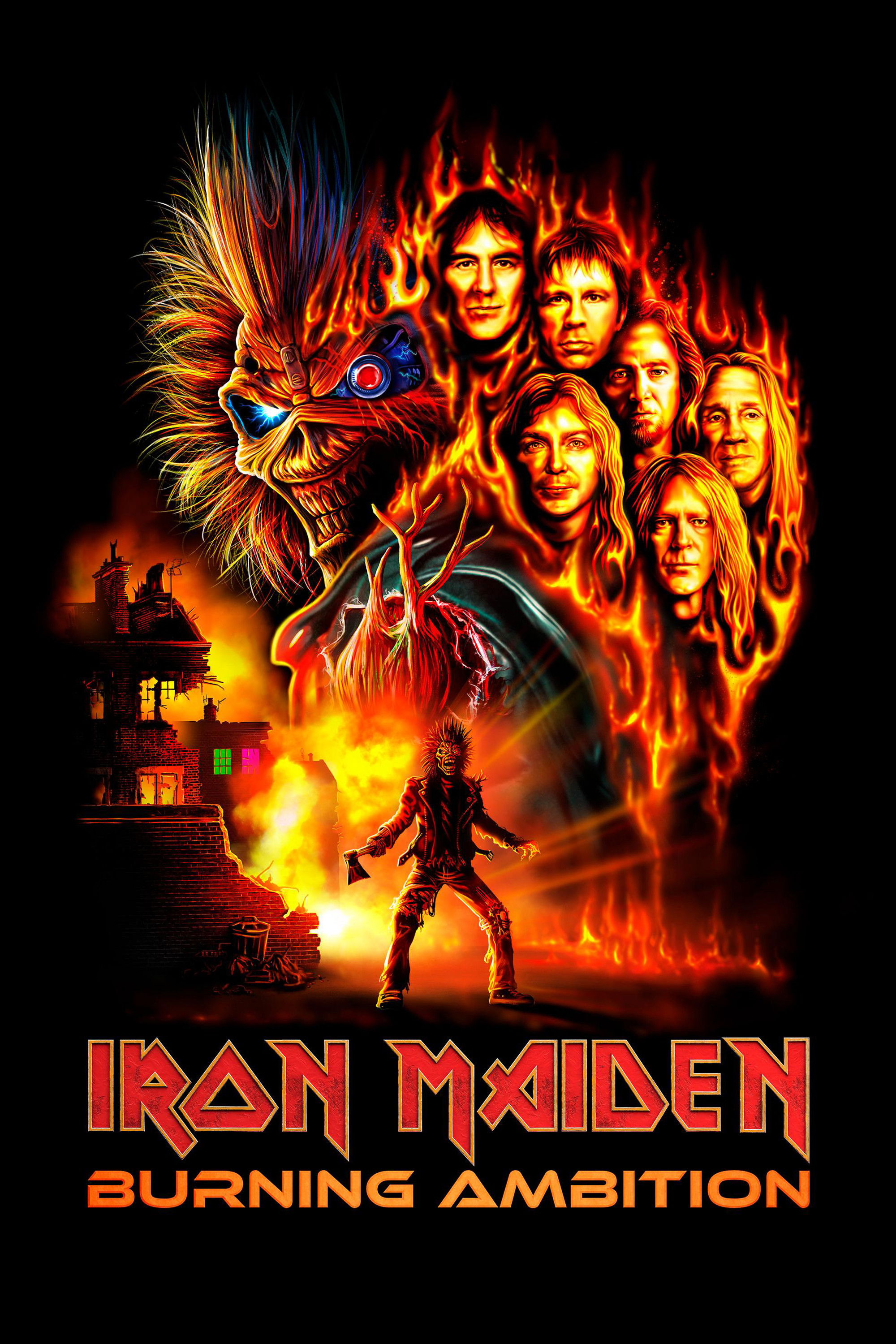
With unprecedented access to the official archives and intimate recollections from the band, both current and past, Iron Maiden: Burning Ambition invites fans to experience one of the most iconic journeys in music history. Spanning five decades, this electrifying documentary charts the band’s rise from the pubs of East London to the world’s biggest stadiums. Featuring exclusive interviews with band members and contributors such as Javier Bardem, Lars Ulrich and Chuck D, as well as all-new animated sequences of the band's legendary mascot, Eddie, the film offers a rare and intimate look at Iron Maiden’s uncompromising vision and unwavering connection with their truly global army of fans.
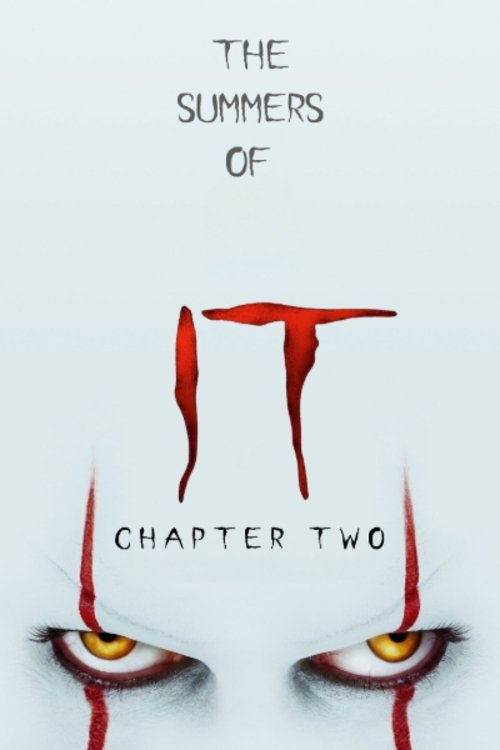
This documentary focuses on the actors and their journey over two summers to create the remake to the original IT, by Stephen King. The documentary originally released as bonus material, bundled with IT: Chapter Two.
The life and career of an actor, artist, and icon. His own journey through his own camera.
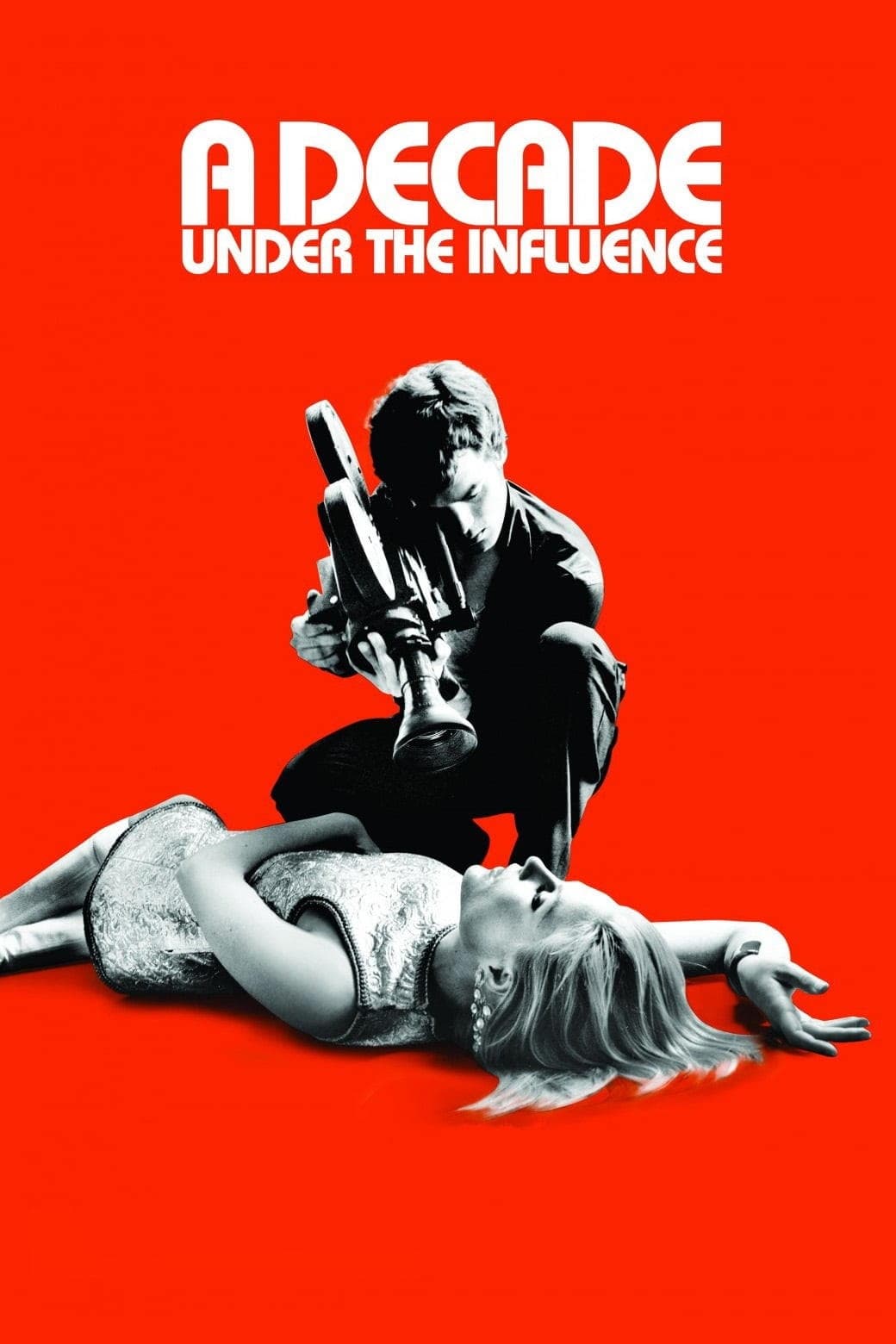
A documentary examining the decade of the 1970s as a turning point in American cinema. Some of today's best filmmakers interview the influential directors of that time.
An inside look at one of the most anticipated movie sequels ever with James Cameron and cast.
The life and career of one of comedy's most inimitable modern voices, Mr. Gilbert Gottfried.
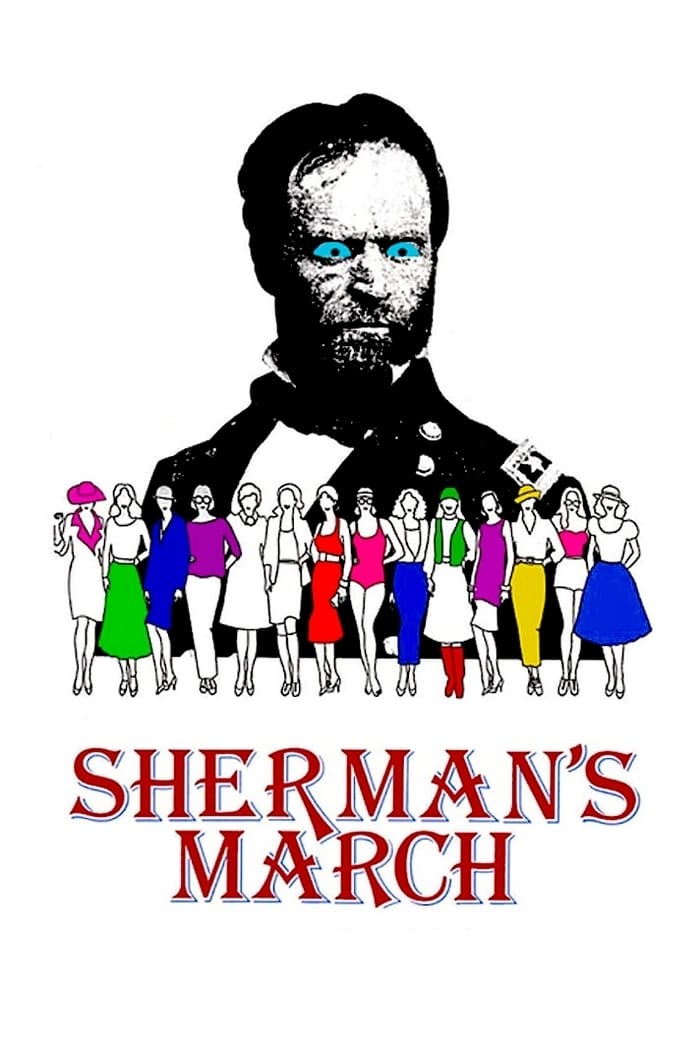
Documentarian Ross McElwee originally set out to make a travelogue of sorts tracing General William T. Sherman's infamous scorched-earth march through the Confederacy in the latter stages of the Civil War. Instead, haunted by a recent breakup with a girlfriend, McElwee ends up documenting his progress -- or lack thereof -- in starting a new relationship. His journey then becomes one of self-reflection and self-discovery rather than a historical/sociological exploration.
Alexander McQueen's rags-to-riches story is a modern-day fairy tale, laced with the gothic. Mirroring the savage beauty, boldness and vivacity of his design, this documentary is an intimate revelation of McQueen's own world, both tortured and inspired, which celebrates a radical and mesmerizing genius of profound influence.
Al Pacino's deeply-felt rumination on Shakespeare's significance and relevance to the modern world through interviews and an in-depth analysis of "Richard III."
From the heights of her modeling fame to her tragic death, this documentary reveals Anna Nicole Smith through the eyes of the people closest to her.