"They fought on their own battlefield"
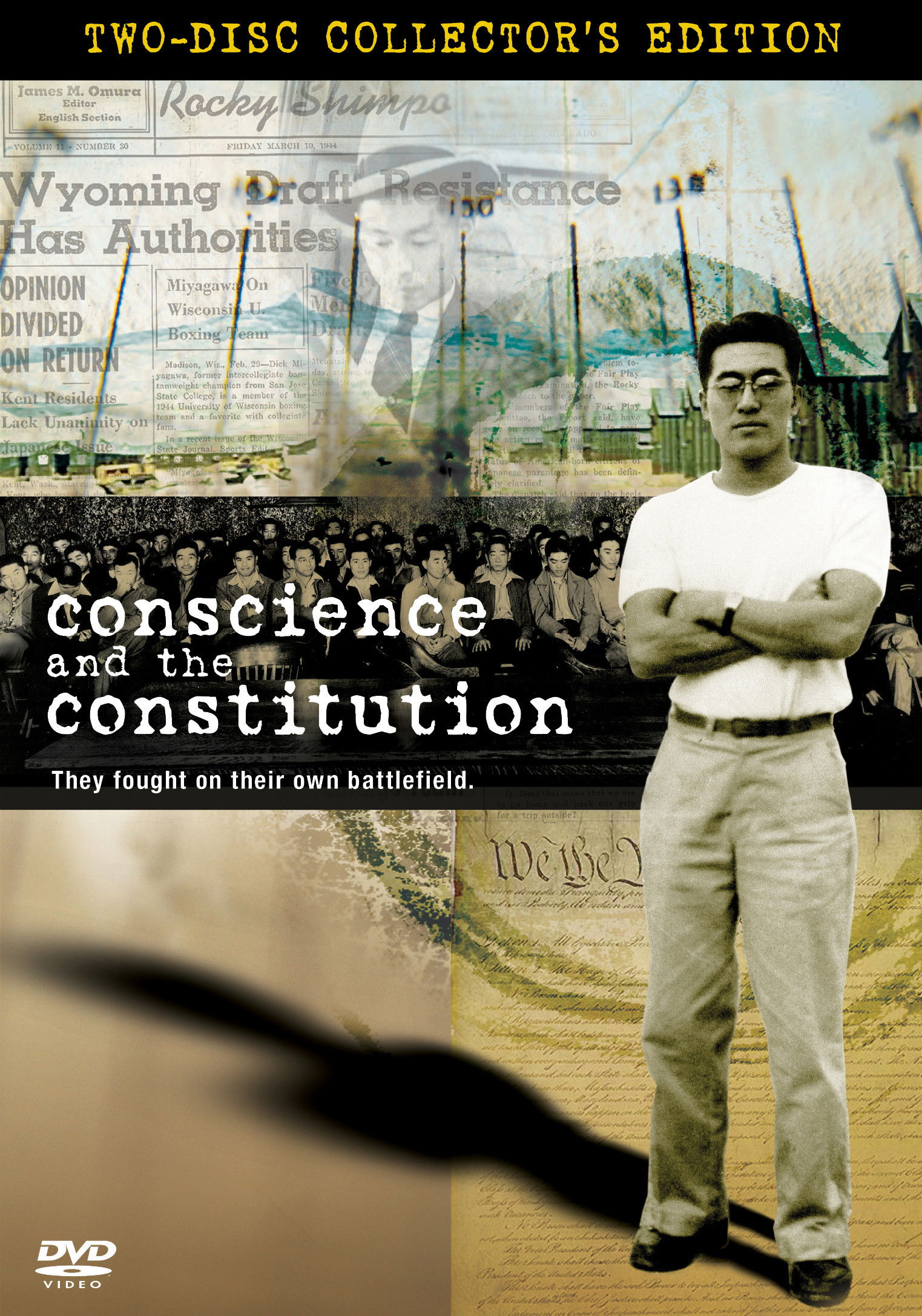
Americans refused to be drafted from the concentration camp at Heart Mountain, Wyoming. Ready to fight, but not before their rights as U.S. citizens were restored and families released.
Social & External
In December 1937, during the Second Japanese-Sino War, a Chinese doctor, his Japanese pregnant wife, their teenage daughter and their young son travel from Shanghai to Nanjing seeking shelter in the Capital during the Japanese invasion. The family faces the Rape of Nanking by the Imperial Japanese Army, with rapes, mass murder of prisoners of war and civilians including women, children and elders, and disrespect of international conventions.
After rigorous testing in 1961, a small group of skilled female pilots are asked to step aside when only men are selected for spaceflight.
Narrated by CBS Sports' Jim Nantz. The Seabees on Iwo Jima focuses on the United States Naval Construction Battalions in World War II, which built all the infrastructure for the Allies in Europe and the Pacific in WWII. The Seabees were construction workers by trade but had to fight at times. Their motto was "We Build, We Fight," and their biggest test came in the battle for Iwo Jima in 1945.
Alan Turing is the genius British mathematician who was instrumental in breaking the German naval Enigma Code during World War II, arguably saving millions of lives. Turing's achievements went unrecognised during his lifetime. Instead he ended up being treated as a common criminal, for being homosexual at a time when homosexual acts were a crime. In 1952, he was convicted of 'gross indecency' with another man and was forced to undergo so-called 'organo-therapy' - chemical castration. Two years later, he killed himself with cyanide, aged just 41. Alan Turing was driven to a terrible despair and early death by the nation he'd done so much to save.
Kayoko is a young girl in 1940, just starting first grade. Nothing can prepare her for 1945, and the bleak times that are soon to come.
A documentary about the U.N. forces in Korea and the amphibious invasion of Inchon.
The story of Colonel Paul Tibbets, the pilot that dropped the atomic bomb on Hiroshima. Although unaware of the full potential of this new weapon, he knows that it can do tremendously more damage than any other weapon used before, and that the death toll resulting from it will be huge. He is reluctant to be the person who will end so many lives, but as time goes on, the pressure upon him only increase.
When the Allies realized the full extent of the crimes of the Third Reich at the end of the Second World War, it was clear that they would not be satisfied with a simple capitulation. Those responsible should not get away with it. The result of these deliberations was the International Military Tribunal, whose proceedings have gone down in history as the "Nuremberg Trial" after the venue.
Swedish account of Raoul Wallenberg, the man responsible for the largest rescue of Jews during World War II.
National Geographic looks in some detail at 6 of the many close brushes with death Adolph Hitler had at the hands of assassins. The potential for the plots to succeed are examined as is the unpleasant fate of the would be assassins.
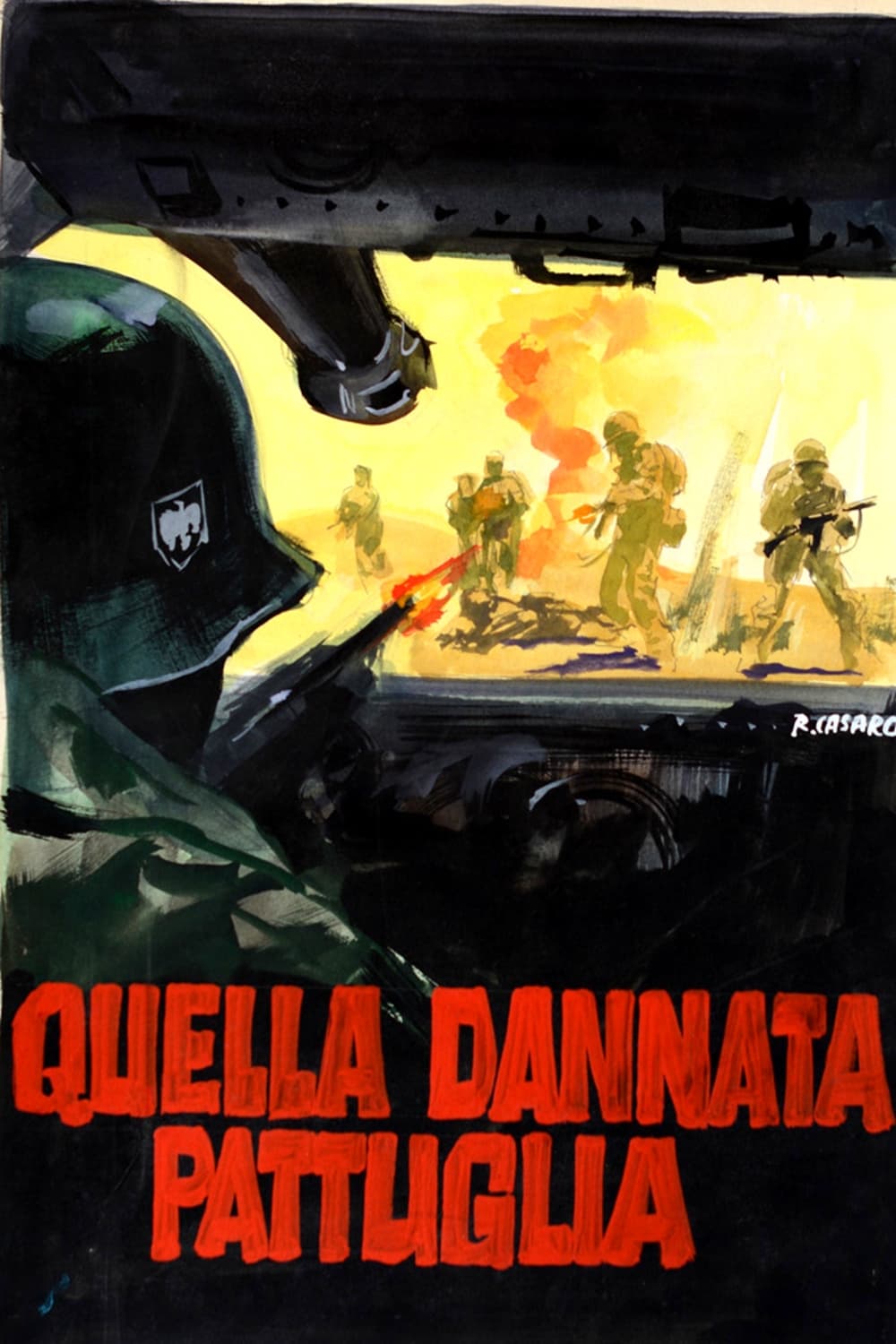
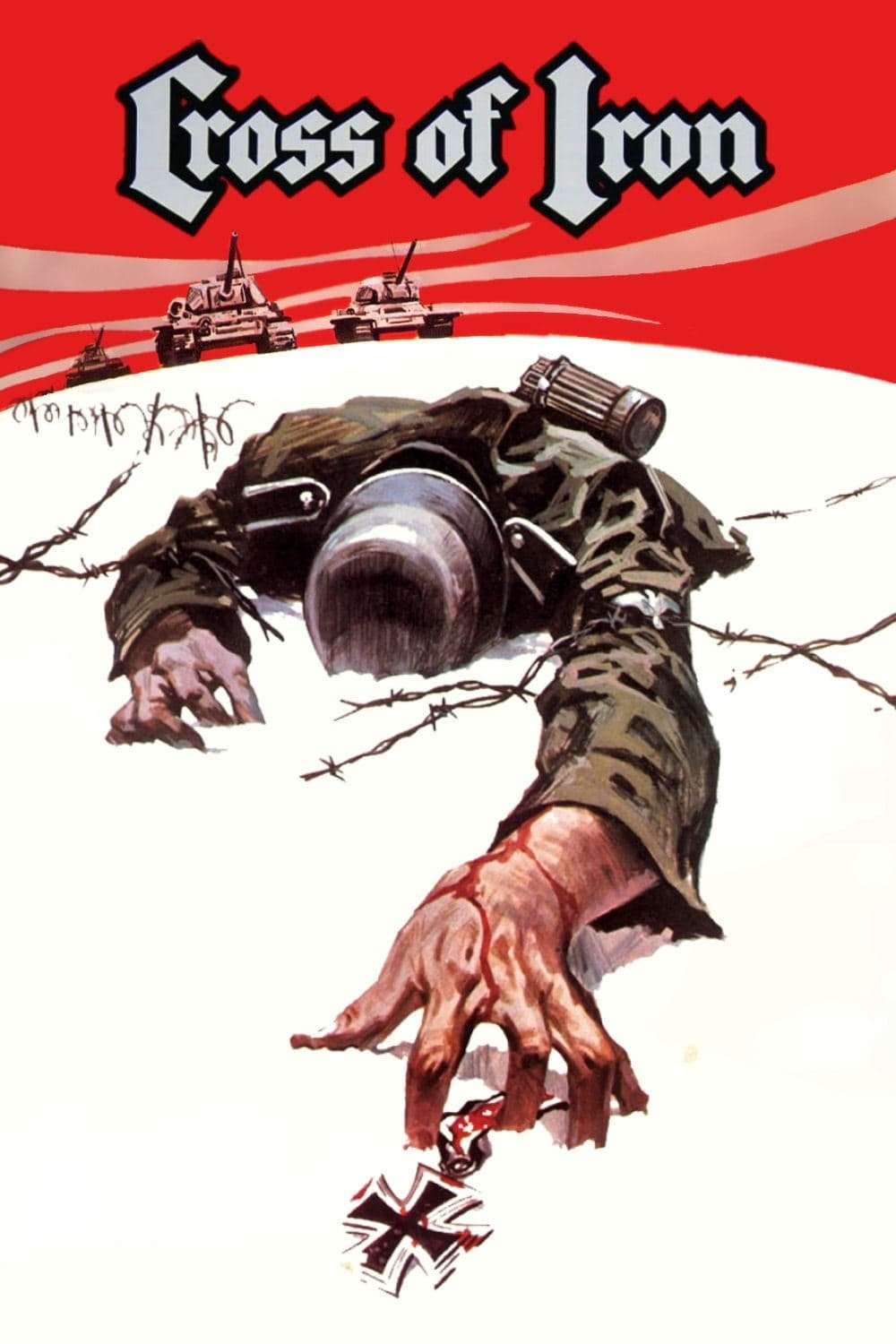
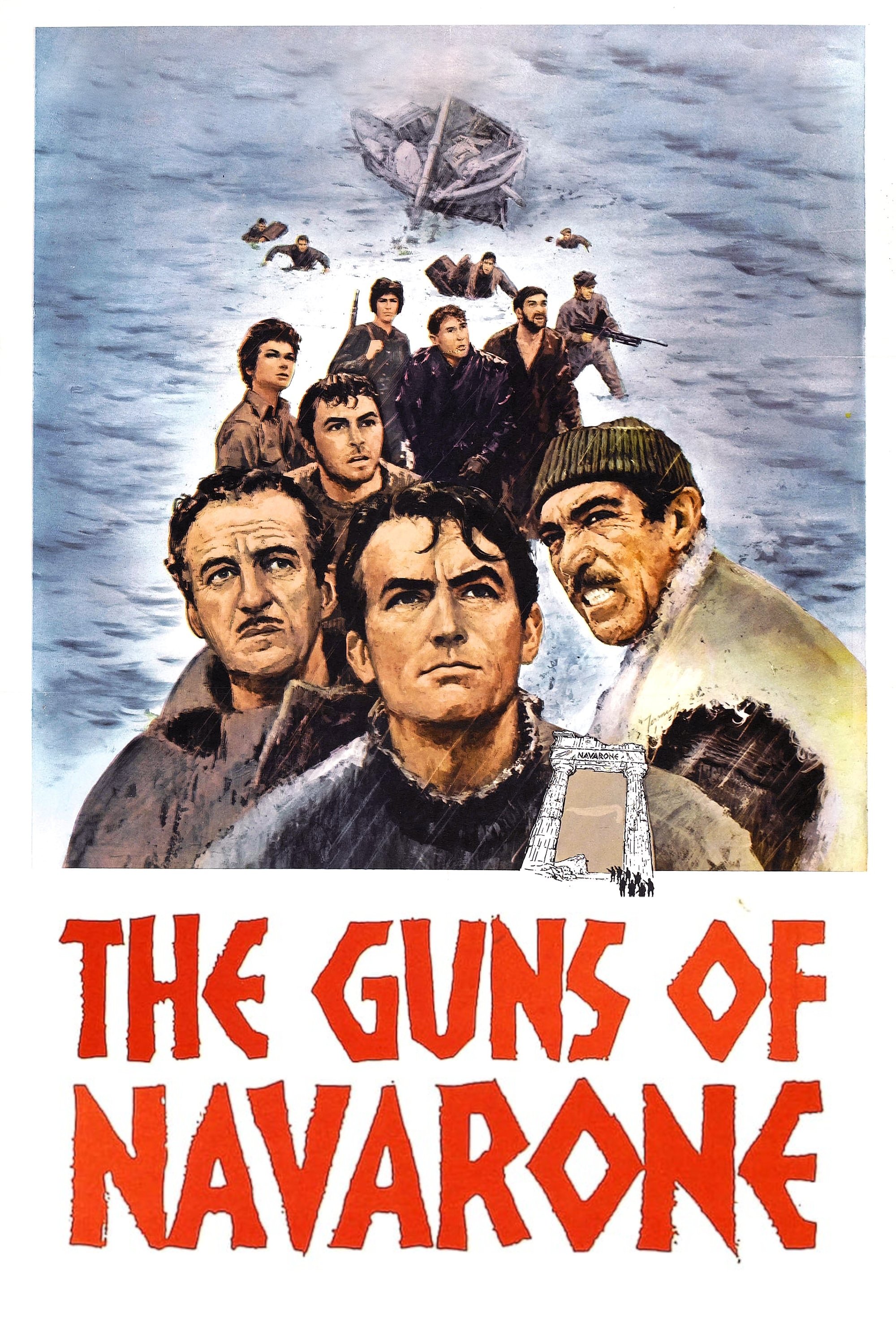
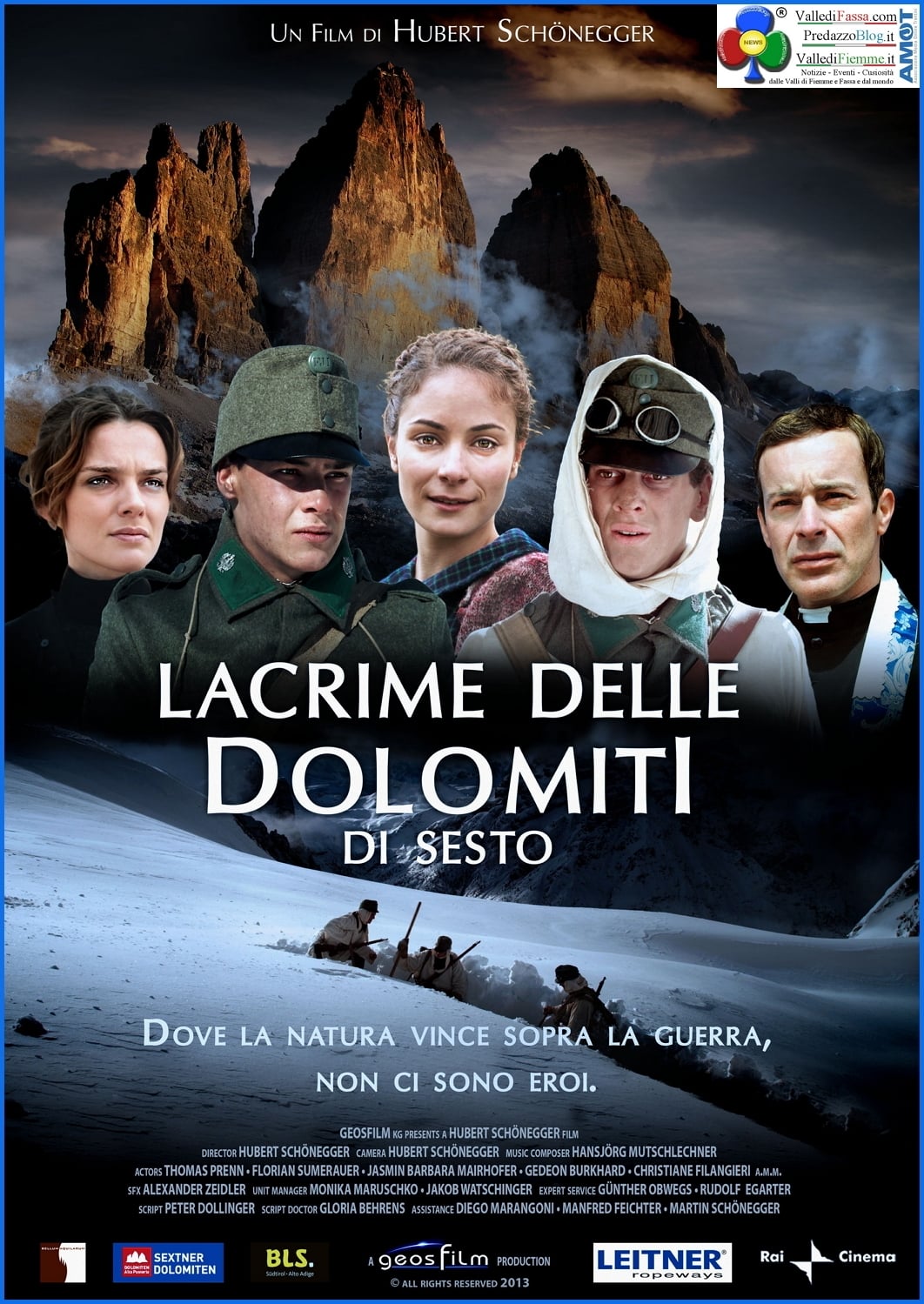
A small group of soldiers capture a German observation post, but in turn are captured themselves. They soon escape and--with the aid of two women--try to fight their way to safety.
When the commander of the crew of a B-17 Flying Fortress bomber is killed in action in a raid over Sicily in 1943, his replacement, a young, naive pilot struggles to be accepted by the plane's already tight-knit Irish American crew.
Two soldiers are thrown together and make their way through German-occupied Dunkirk. After several agonising close calls they make it within sight of safety. A split second decision gives only one of them a chance at survival.
A propaganda film, made in the early months of World War II, dramatizing a new group of U.S. Army Air Force pilots receiving their wings from Lt. General H.H. Arnold. An off-screen narrator introduces four of them to us; we see them before the war, during flight training, and in their first assignments as pilots.
As the world faces its Second World War, John Halder, a good, intelligent German professor, finds himself pulled into a movement with unthinkable consequences.
The story of two soldier-cameramen, Sgt Mike Lewis and Sgt Bill Lawrie, who witnessed the liberation of Belsen during the closing days of World War II.
Pavel, a young student living in Prague in 1942, hides a Jewish girl in his apartment building's attic. Amidst the brutality of the occupying German army, love blossoms between the two. He is her only link to the outside world. Then the two are discovered by Pavel's mother, who forces the residents of the apartment building to decide whether Hana can remain.
The bombing of the American naval base at Pearl Harbor, by a nation he knew only by name, thrust nine-year-old Minoru Fukushima into a world of racism so malevolent he would be forced to leave Canada, the land of his birth. Like thousands of other Japanese Canadians, Minoru and his family were branded as an enemy of Canada, dispatched to internment camps in the interior of British Columbia, and finally deported to Japan. Directed by Michael Fukushima, Minoru's son, the film artfully combines classical animation with archival material. The memories of the father are interspersed with the voice of the son, weaving a tale of suffering and survival, of a birthright lost and recovered.
Audre Lorde, the highly influential, award-winning African-American lesbian poet came to live in West-Berlin in the 80s and early '90s. She was the mentor and catalyst who helped ignite the Afro-German movement while she challenged white women to acknowledge and constructively use their privileges. With her active support a whole generation of writers and poets for the first time gave voice to their unique experience as people of color in Germany. This documentary contains previously unreleased audiovisual material from director Dagmar Schultz's archives including stunning images of Audre Lorde off stage. With testimony from Lorde's colleagues and friends the film documents Lorde's lasting legacy in Germany and the impact of her work and personality.
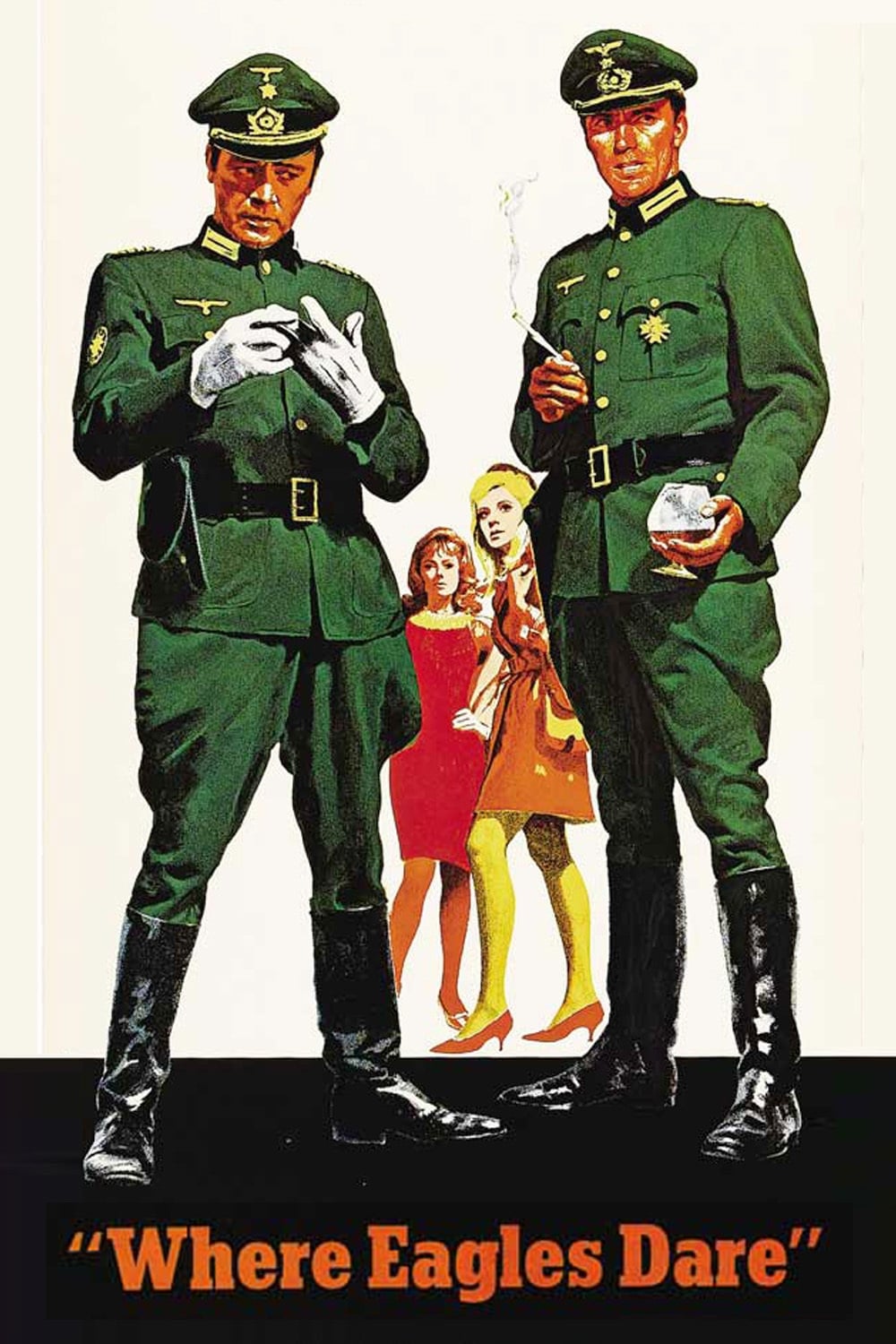
The story of a group of American commandos assigned to kidnap General Rommel. But the soldiers are caught by the Germans who decide to use their plan against them. Replacing the American soldiers with German soldiers, and with the help of a fake "kidnapped" Rommel, they plan to kill General Eisenhower
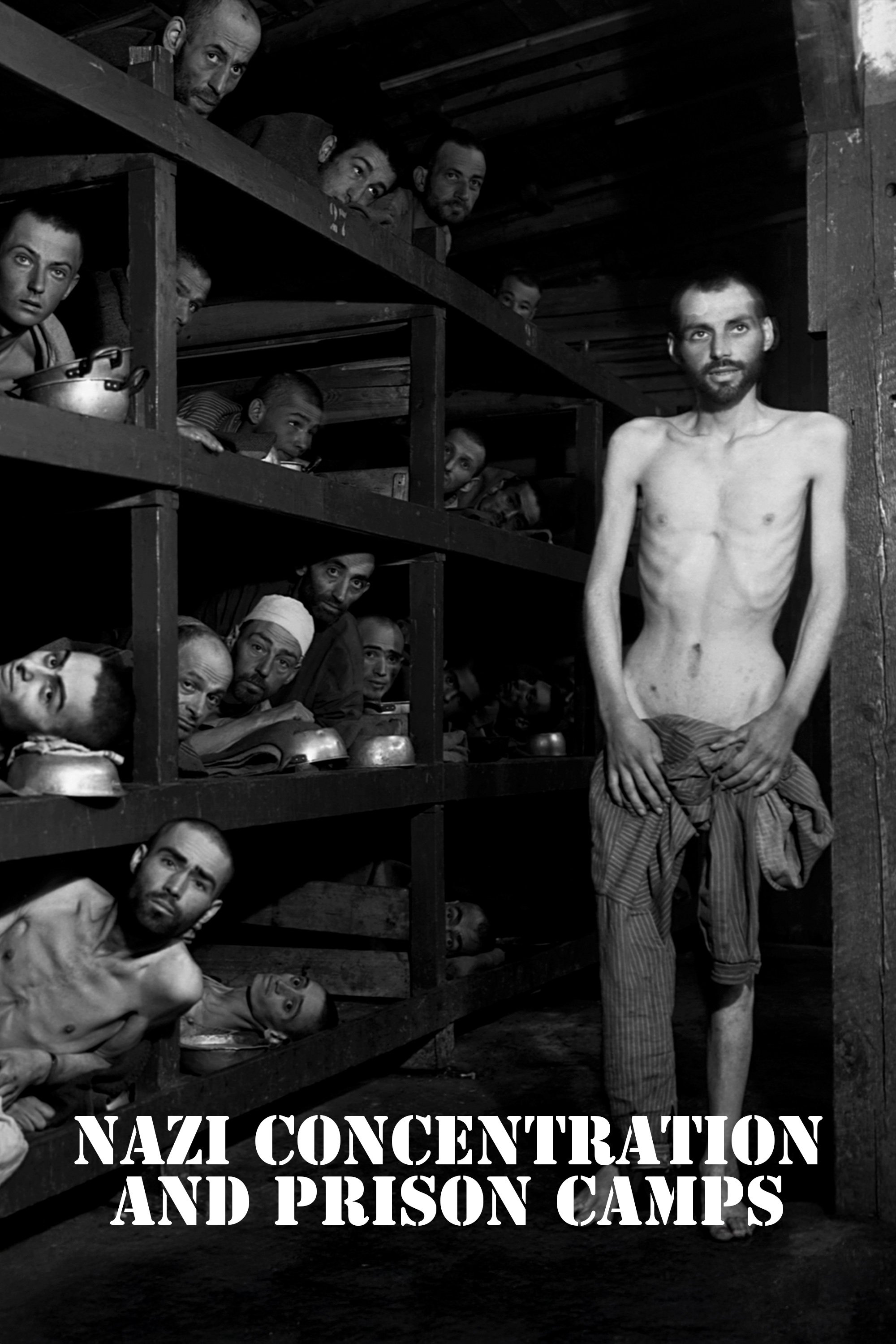
When Allied forces liberated the Nazi concentration camps in 1944-45, their terrible discoveries were recorded by army and newsreel cameramen, revealing for the first time the full horror of what had happened. Making use of British, Soviet and American footage, the Ministry of Information’s Sidney Bernstein (later founder of Granada Television) aimed to create a documentary that would provide lasting, undeniable evidence of the Nazis’ unspeakable crimes. He commissioned a wealth of British talent, including editor Stewart McAllister, writer and future cabinet minister Richard Crossman – and, as treatment advisor, his friend Alfred Hitchcock. Yet, despite initial support from the British and US Governments, the film was shelved, and only now, 70 years on, has it been restored and completed by Imperial War Museums under its original title "German Concentration Camps Factual Survey".


Prelude to War was the first film of Frank Capra's Why We Fight propaganda film series, commissioned by the Pentagon and George C. Marshall. It was made to convince American troops of the necessity of combating the Axis Powers during World War II. This film examines the differences between democratic and fascist states.
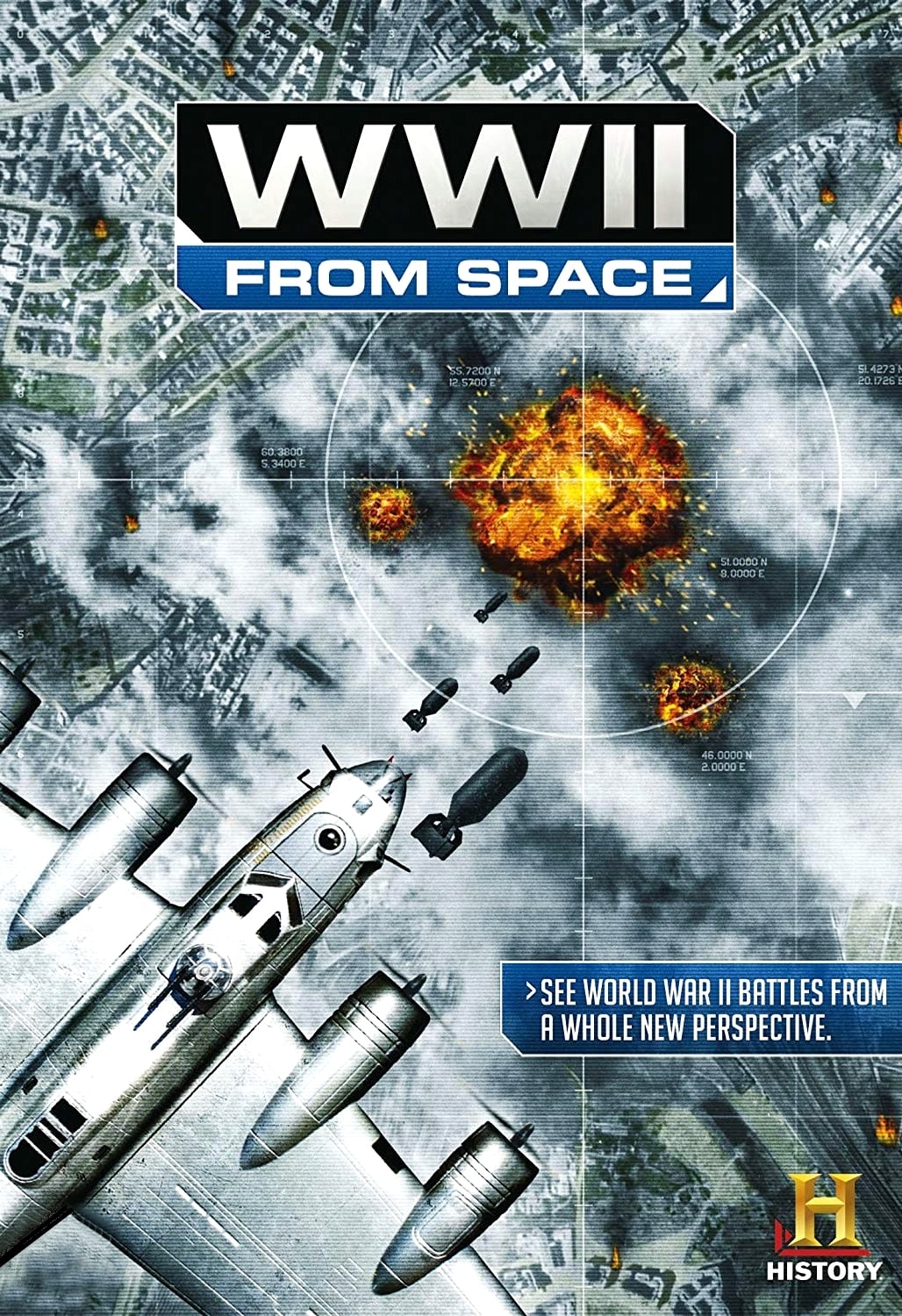
WWII from Space delivers World War II in a way you've never experienced it before. This HISTORY special uses an all-seeing CGI eye that offers a satellite view of the conflict, allowing you to experience it in a way that puts key events and tipping points in a global perspective. By re-creating groundbreaking moments that could never have been captured on camera, and by illustrating the importance of simultaneity and the hidden effects of crucial incidents, HISTORY presents the war's monumental moments in a never-before-seen context. And with new information brought to the forefront, you'll better understand how a nation ranked 19th in the world's militaries in 1939 emerged six years later as the planet's only atomic superpower.
Meet the real-life airmen who inspired Masters of the Air as they share the harrowing and transformative events of the 100th Bomb Group.
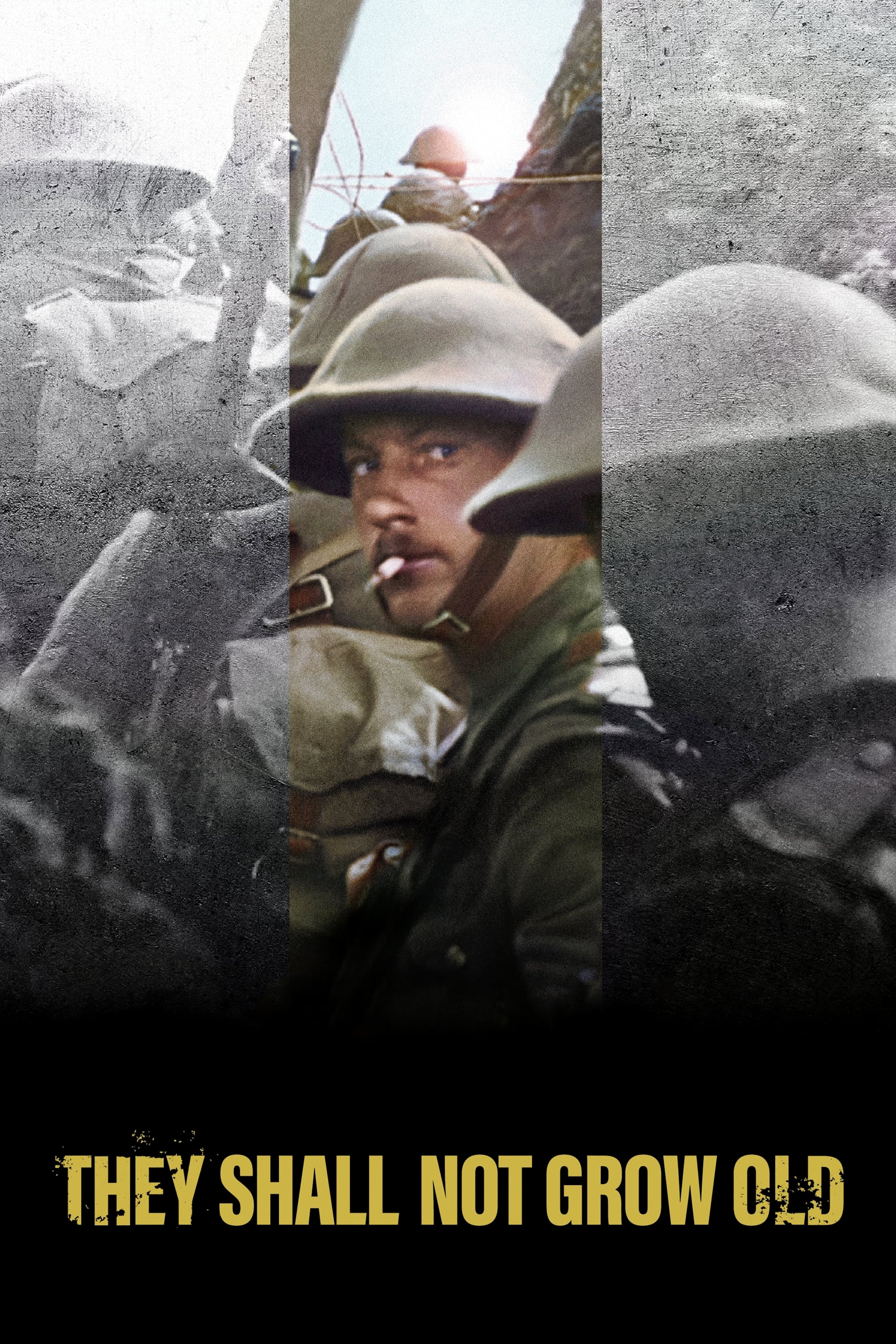
A documentary about World War I with never-before-seen footage to commemorate the centennial of Armistice Day, and the end of the war.
A love letter from a young mother to her daughter, the film tells the story of Waad al-Kateab’s life through five years of the uprising in Aleppo, Syria as she falls in love, gets married and gives birth to Sama, all while cataclysmic conflict rises around her. Her camera captures incredible stories of loss, laughter and survival as Waad wrestles with an impossible choice– whether or not to flee the city to protect her daughter’s life, when leaving means abandoning the struggle for freedom for which she has already sacrificed so much.
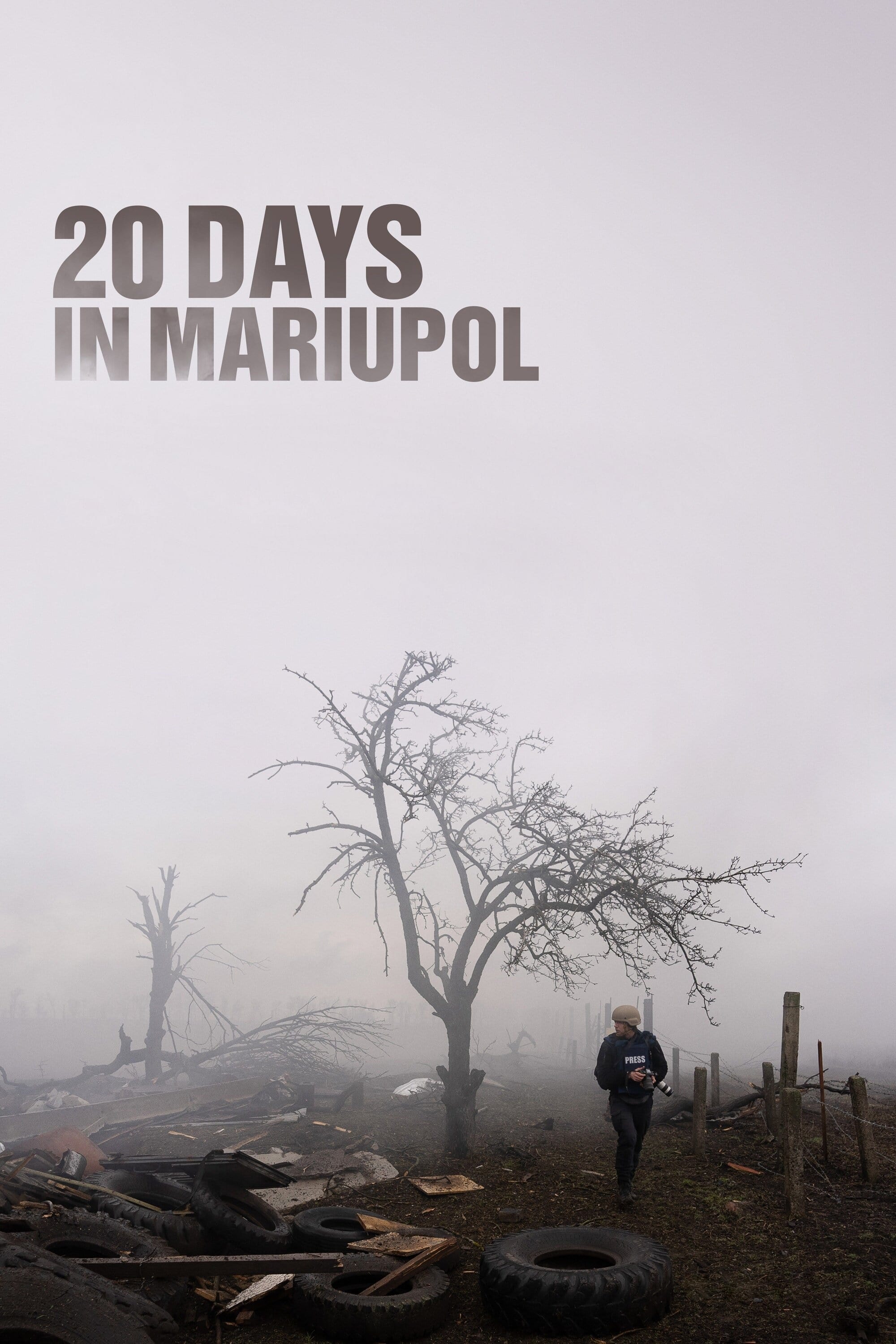
As the Russian invasion begins, a team of Ukrainian journalists trapped in the besieged city of Mariupol struggle to continue their work documenting the war's atrocities.
In the Realms of the Unreal is a documentary about the reclusive Chicago-based artist Henry Darger. Henry Darger was so reclusive that when he died his neighbors were surprised to find a 15,145-page manuscript along with hundreds of paintings depicting The Story of the Vivian Girls, in What is Known as the Realms of the Unreal, of the Glodeco-Angelinnian War Storm, Cased by the Child Slave Rebellion.
“The Soviet Story” is a story of an Allied power, which helped the Nazis to fight Jews and which slaughtered its own people on an industrial scale. Assisted by the West, this power triumphed on May 9th, 1945. Its crimes were made taboo, and the complete story of Europe’s most murderous regime has never been told. Until now...
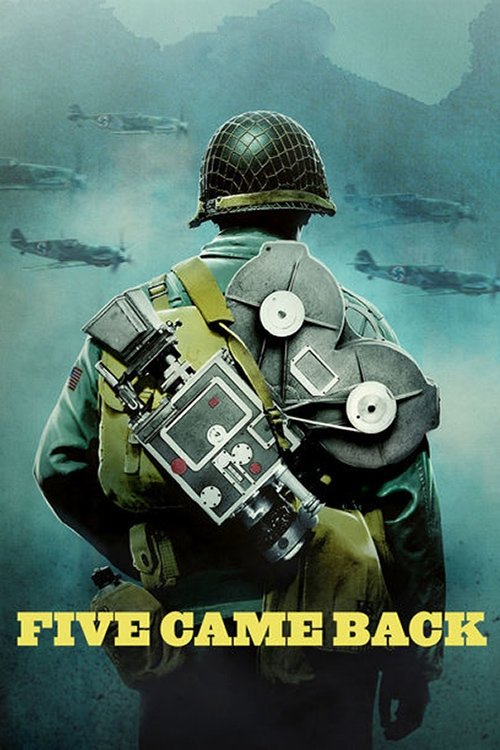
The extraordinary story of how Hollywood changed World War II – and how World War II changed Hollywood, through the interwoven experiences of five legendary filmmakers who went to war to serve their country and bring the truth to the American people: John Ford, William Wyler, John Huston, Frank Capra, and George Stevens. Based on Mark Harris’ best-selling book, “Five Came Back: A Story of Hollywood and the Second World War.”
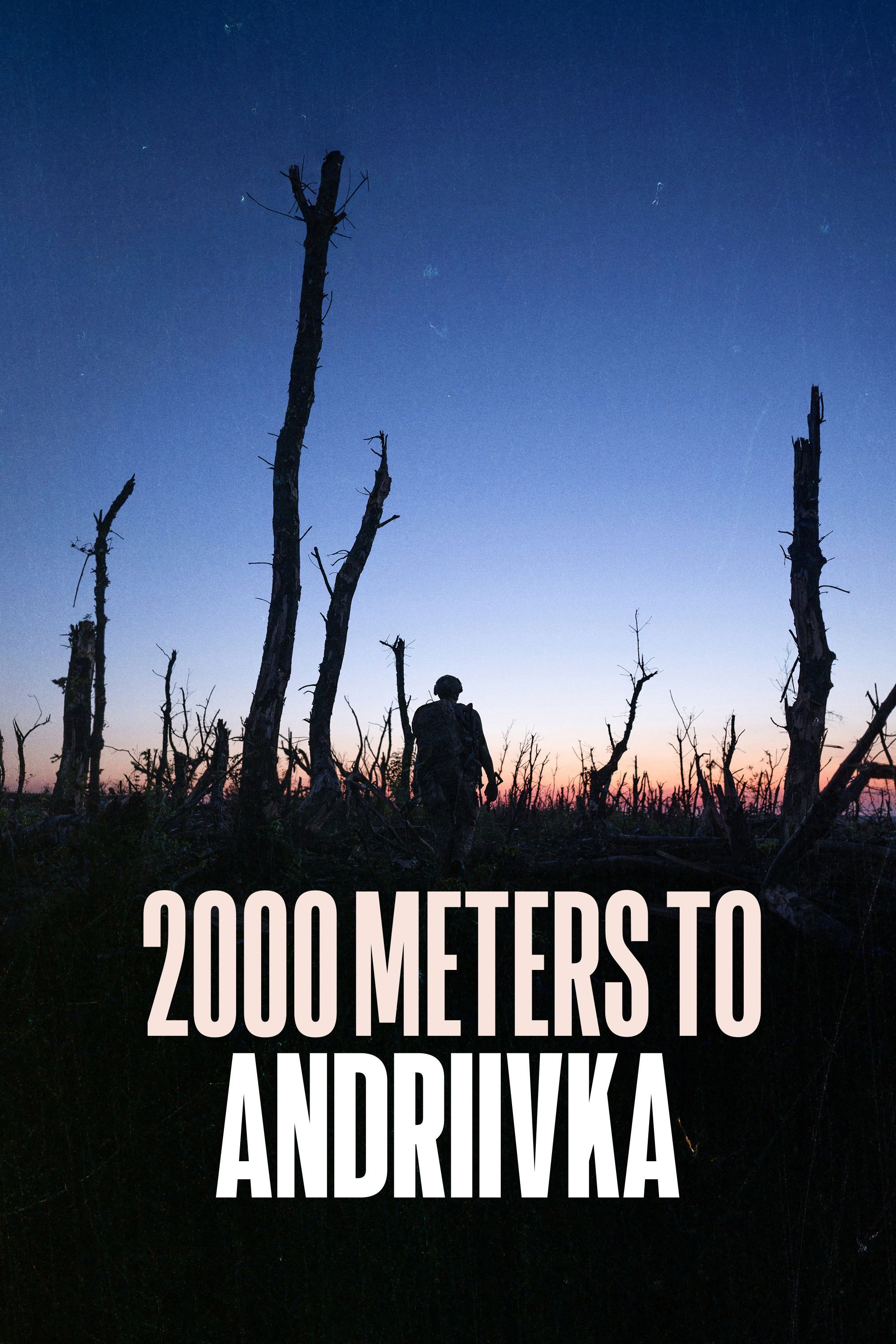
Amid the failing counteroffensive, a journalist follows a Ukrainian platoon on their mission to traverse one mile of heavily fortified forest and liberate a strategic village from Russian occupation. But the farther they advance through their destroyed homeland, the more they realize that this war may never end.
Korengal picks up where Restrepo left off; the same men, the same valley, the same commanders, but a very different look at the experience of war.
Police pull over a woman who claims she just gave birth. But the baby — and the blood — aren't hers. Twisted lies unravel in this true-crime documentary.
Through deeply personal interviews with her siblings and an examination of the photographs, letters, and belongings left behind, Mariska assembles a new portrait of her mother Jayne Mansfield, an extraordinary and complex woman.
Documentarian Ross McElwee originally set out to make a travelogue of sorts tracing General William T. Sherman's infamous scorched-earth march through the Confederacy in the latter stages of the Civil War. Instead, haunted by a recent breakup with a girlfriend, McElwee ends up documenting his progress -- or lack thereof -- in starting a new relationship. His journey then becomes one of self-reflection and self-discovery rather than a historical/sociological exploration.
The Captains is a feature-length documentary film written and directed by William Shatner. The film follows Shatner as he interviews the other actors who have portrayed starship captains in the Star Trek franchise.
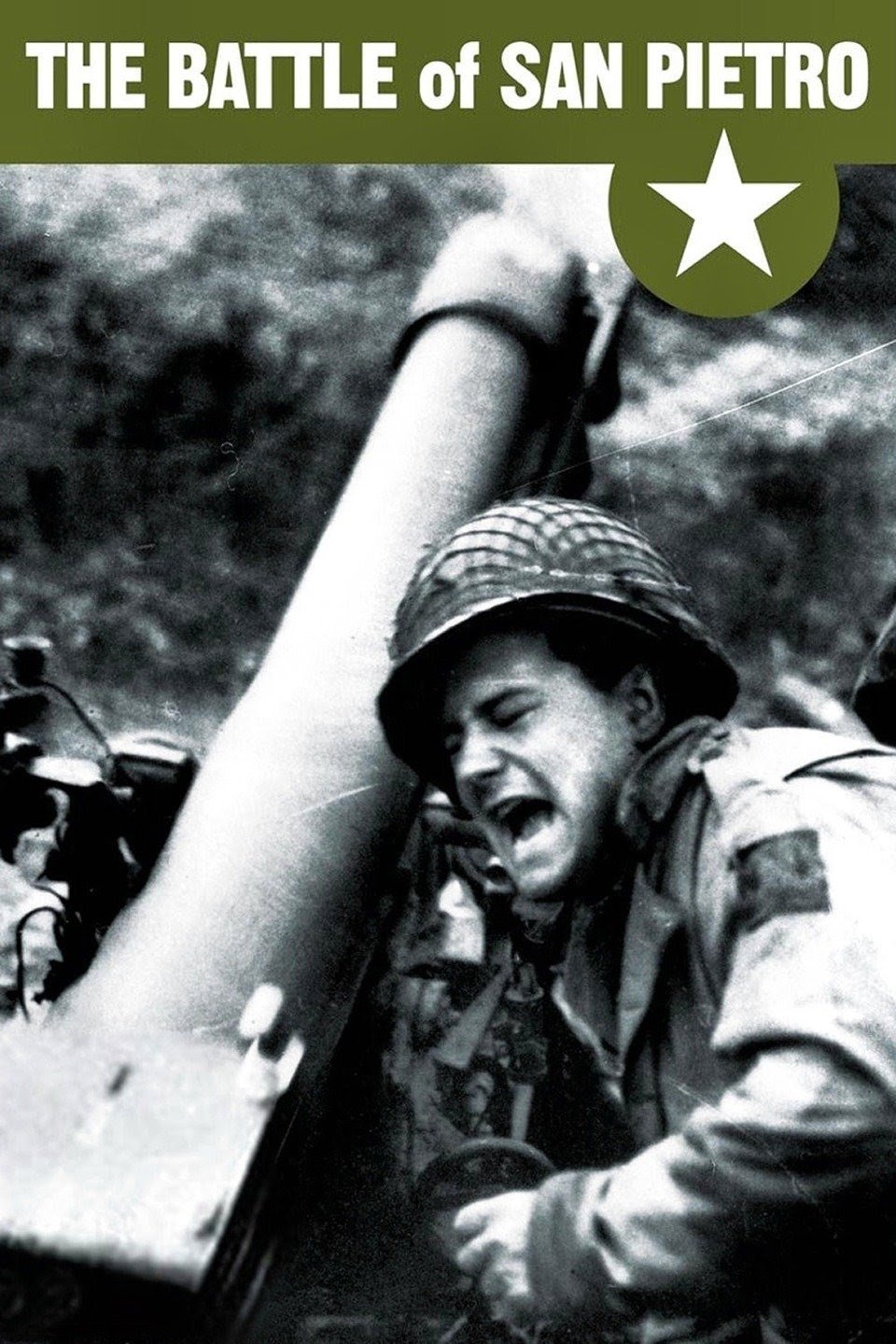
This documentary movie is about the battle of San Pietro, a small village in Italy. Over 1,100 US soldiers were killed while trying to take this location, that blocked the way for the Allied forces from the Germans. Preserved by the Academy Film Archive in 2005.
A detailing of the rise to prominence and global sporting superstardom of six supremely talented young Manchester United football players (David Beckham, Nicky Butt, Ryan Giggs, Paul Scholes, Phil and Gary Neville). The film covers the period 1992-1999, culminating in Manchester United's European Cup triumph.
Various MGM stars from yesterday present their favorite musical moments from the studio's 50 year history.
Produced and presented as evidence at the Nuremberg war crimes trial of Hermann Göring and twenty other Nazi leaders, this film consists primarily of dead and surviving prisoners and of facilities used to kill and torture during the World War II.