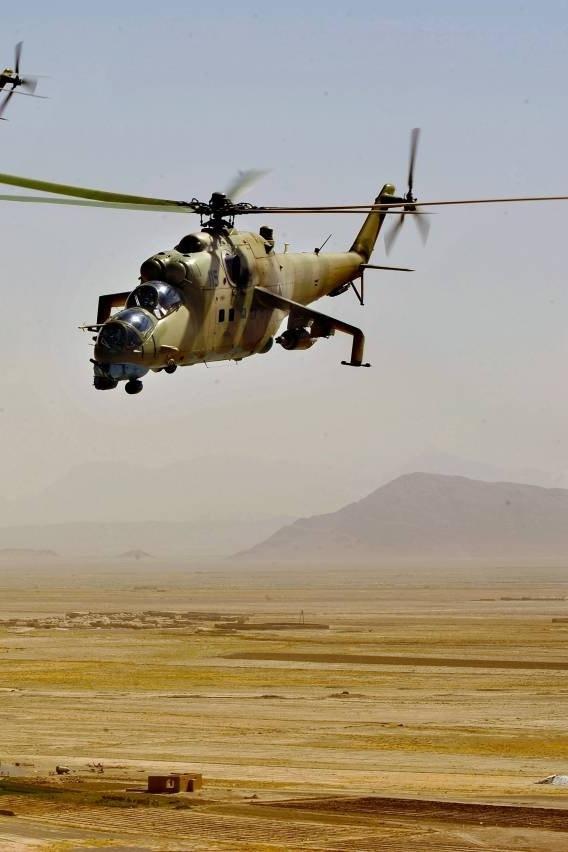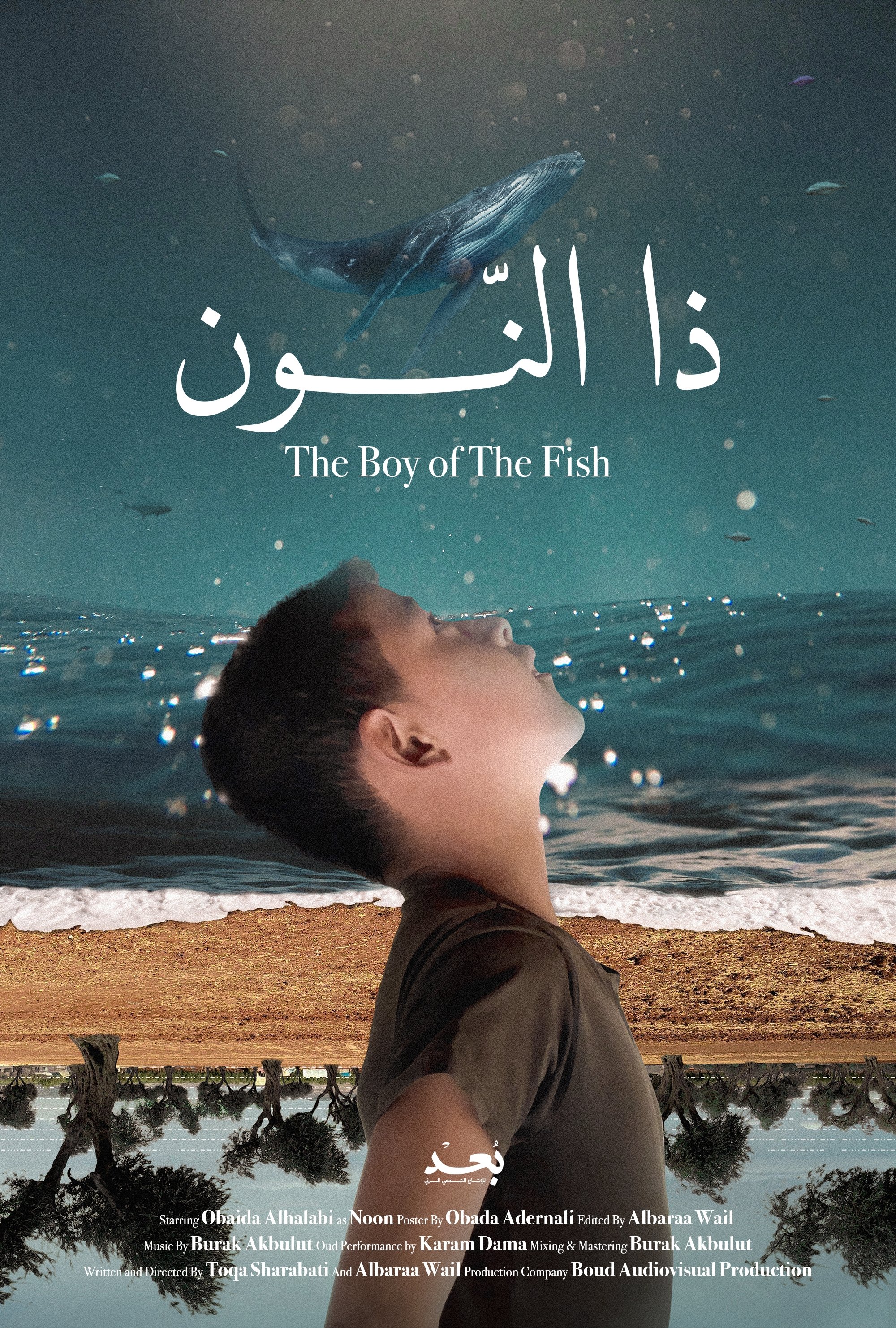
In March 2001, the ruling Taliban destroyed Afghanistan's foremost tourist attraction, the 1600 year-old Buddhas of Bamiyan. This film follows the story of one of the refugees who now lives among the ruins….an eight-year-old boy named Mir.
Social & External
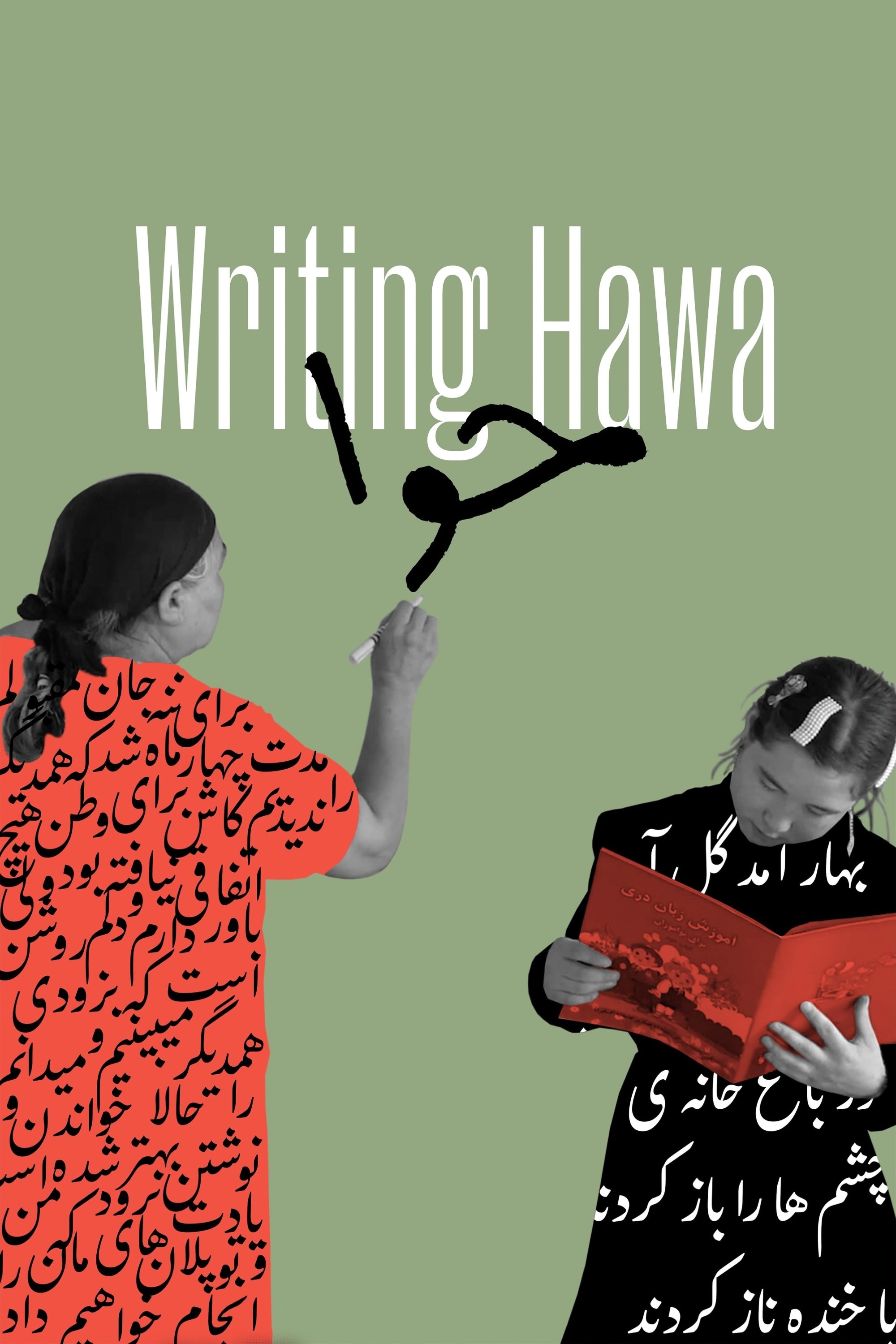
Afghan documentary maker Najiba Noori offers not only a loving and intimate portrait of her mother Hawa, but also shows in detail how the arduous improvement of the position of women is undone by geopolitical violence. The film follows the fortunes of Noori’s family, who belong to the Hazaras, an ethnic group that has suffered greatly from discrimination and persecution.
A talking heads documentary about young asylum seekers in the Netherlands, given space to express themselves through art. From poetry and rap to DJing and photography, it follows Auguste as he observes moments where language barriers are broken through the connections that creativity makes possible. Volunteers and organizers also reflect on what it means to create together, to share fragments of identity, to find recognition, and to make life in the asylum center a little more bearable.
A 6-year-old Tibetan boy leaves his family and flees to a refugee camp in northern India.
16 Days in Afghanistan is a documentary that documents the state of Afghan people after the fall of the Taliban.
The Kabul National Museum, once known as the "face of Afghanistan," was destroyed in 1993. We filmed the most important cultural treasures of the still-intact museum in 1988: ancient Greco-Roman art and antiquitied of Hellenistic civilization, as well as Buddhist sculpture that was said to have mythology--the art of Gandhara, Bamiyan, and Shotorak among them. After the fall of the Democratic Republic of Afghanistan in 1992, some seventy percent of the contents of the museum was destroyed, stolen, or smuggled overseas to Japan and other countries. The movement to return these items is also touched upon. The footage in this video represents that only film documentation of the Kabul Museum ever made.

Key decision makers reveal the inside story of how the West was drawn ever deeper into the Afghan war. Reporter John Ware charts the history of a decade of fighting and looks at when the conflict may end.
Before the eyes of the Sudanese Ahmed (25), the war broke out in full force. He decides to flee on foot to the Netherlands alone, to be able to live there in freedom. This documentary shows part of his arduous journey: from the Italian Alps to Ter Apel.
This documentary on the effect the talent competition "Afghan Star" has on the incredibly diverse inhabitants of Afghanistan affords a glimpse into a country rarely seen. Contestants risk their lives to appear on the television show that is a raging success with the public and also monitored closely by the government.
13-year-old Khodor is a child whose family tries to issue him an ID document that proves his existence and gives him the right to education, health-care and movement outside of the Palestinian refugee camp of Shatila in Beirut, Lebanon. Through the process, many of the family's old secrets are revealed.
Afghanistan, immediately post-9/11: Small teams of Green Berets arrive on a series of secret missions to overthrow the Taliban. What happens next is equal parts war origin story and cautionary tale, illuminating the nature and impact of 15 years of constant combat, with unprecedented access to U.S. Special Forces.
A documentary exploring the experience of going to war with a Military Working Dog, trained to find bombs before they can kill or maim soldiers, often at the expense of the dog's sanity.
An in-depth look at the torture practices of the United States in Afghanistan, Iraq and Guantanamo Bay, focusing on an innocent taxi driver in Afghanistan who was tortured and killed in 2002.
Rotem Genossar, a teacher at the Bialik-Rogozin campus in south Tel Aviv, founds a running group for his students, young African refugees whose families fled their homeland and now live in Israel without any legal status. At first running is just a social activity for the students, but it quickly becomes a means to fight for their civil rights, part of a struggle to secure them a place of their own, out of the margins of Israeli society.
A look back at the years leading up to the fall of Kabul and the perilous evacuation of civilians trapped inside the embassy in the hours following the Taliban's takeover of the country.
What happens when a group of hairdressers from America travel to Kabul with the intention of telling Afghan women how to do hair and makeup? This engaging, optimistic documentary tracks a unique development project: a shiny new beauty school, funded in part by beauty-industry mainstays, which sets out to teach the latest cutting, coloring, and perming techniques to practicing and aspiring Afghan hairdressers and beauticians. The American teachers, all volunteers, include three Afghan-Americans returning home for the first time in over twenty years. The Beauty Academy of Kabul offers a rare glimpse into Afghan women’s lives, and documents the poignant and often humorous process through which women with very different experiences of life come to learn about one another.
Three juxtaposing stories taking place in Portugal, Austria and Cuba create an intimate and poetic portrait of the daily lives and struggles of the elderly in an unstable world, seen through the eyes of their grandchildren.
Follows Mas and Saha, two young Iranian asylum seeker musicians, navigating a frightening new world of immigration detention - where they discover the power of music.
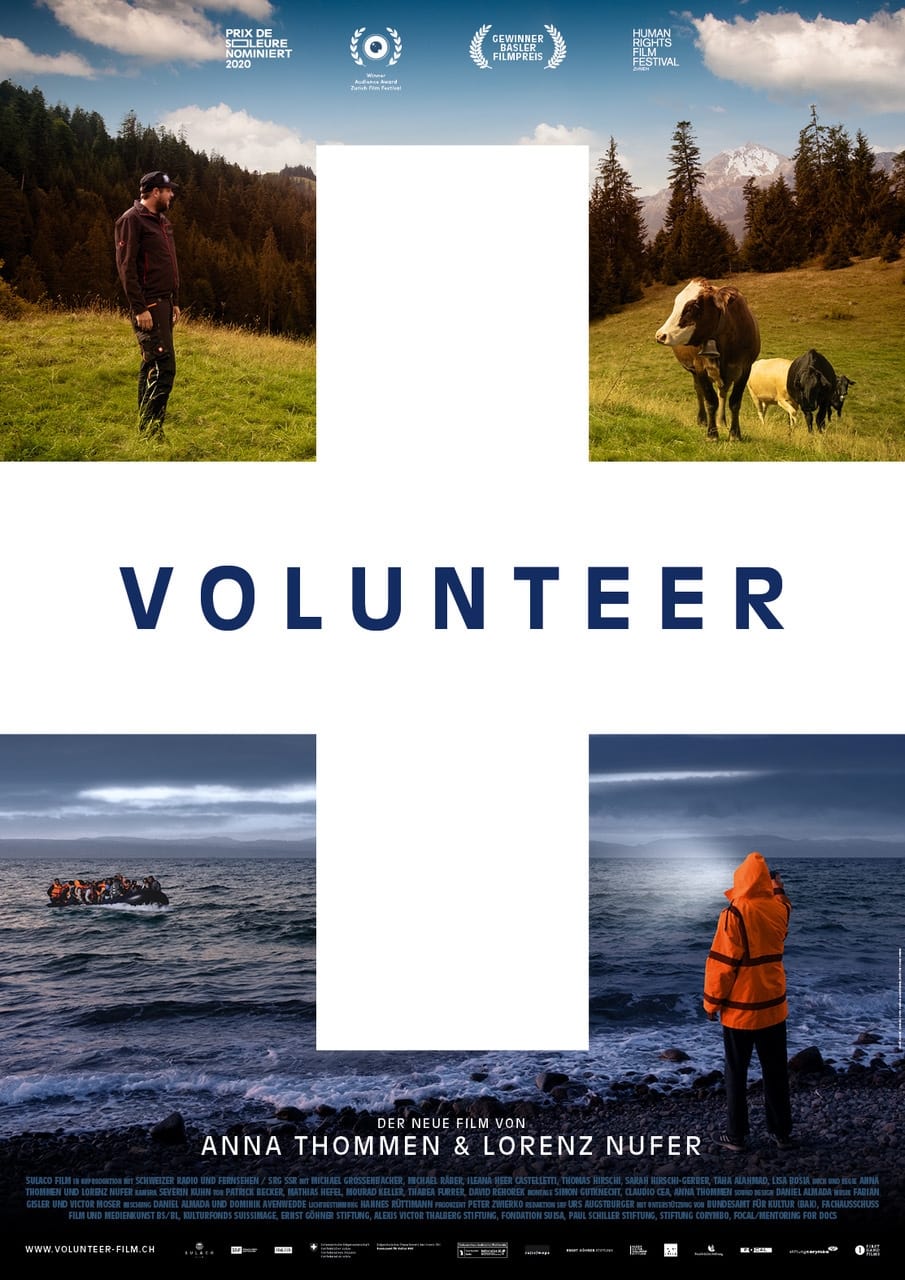
A film about the unprecedented Swiss grassroots movement of regular citizens who rise to aid thousands of refugees stranded at the European borders. In rich and safe Switzerland people from all backgrounds leave their regular life behind to support people in need. There is a Swiss farmer and his wife who keep cows in the Swiss Alps, a former commander of the Swiss Army, an elder rich lady residing at the lakeside, and a successful comedian and entertainer. These unexperienced volunteers take on an adventure that will change their lives forever.
More than 65 million people around the world have been forced from their homes to escape famine, climate change and war, the greatest displacement since World War II. Filmmaker Ai Weiwei examines the staggering scale of the refugee crisis and its profoundly personal human impact. Over the course of one year in 23 countries, Weiwei follows a chain of urgent human stories that stretch across the globe, including Afghanistan, France, Greece, Germany and Iraq.
During the war in Afghanistan, a local interpreter risks his own life to carry an injured sergeant across miles of grueling terrain.
A compilation of over 30 years of private home movie footage shot by Lithuanian-American avant-garde director Jonas Mekas, assembled by Mekas "purely by chance", without concern for chronological order.
A primetime special with performances from the superstar including Adele’s first new material in six years plus her chart-topping hits. The special will also feature an exclusive interview with Adele by Oprah Winfrey from her rose garden, in Adele’s first televised wide-ranging conversation.
A Taliban soldier struggles to survive after he escapes his captors and flees into the Polish countryside.
Hundreds of refugee children in Sweden, who have fled with their families from extreme trauma, have become afflicted with 'uppgivenhetssyndrom,' or Resignation Syndrome. Facing deportation, they withdraw from the world into a coma-like state, as if frozen, for months, or even years.
A documentary chronicling Queen and Lambert's incredible journey since they first shared the stage together on "American Idol" in 2009.
A presentation of a case for a needed transition out of the current socioeconomic monetary paradigm which governs the entire world society. This subject matter will transcend the issues of cultural relativism and traditional ideology and move to relate the core, empirical 'life ground' attributes of human and social survival, extrapolating those immutable natural laws into a new sustainable social paradigm called a 'Resource-Based Economy'.
When the launch of a mission to Mars goes awry due to sabotage, International Rescue is requested to assist in the mission's second attempt.
A tribute to Chadwick Boseman, celebrating his life and legacy.
Live Aid was held on 13 July 1985, simultaneously in Wembley Stadium in London, England, and the John F. Kennedy Stadium in Philadelphia, United States. It was one of the largest scale satellite link-ups and television broadcasts of all time: watched live by an estimated global audience of 1.9 billion, across 150 nations. "It's twelve noon in London, seven AM in Philadelphia, and around the world it's time for Live Aid...!"
A detailing of the rise to prominence and global sporting superstardom of six supremely talented young Manchester United football players (David Beckham, Nicky Butt, Ryan Giggs, Paul Scholes, Phil and Gary Neville). The film covers the period 1992-1999, culminating in Manchester United's European Cup triumph.
The life and career of one of comedy's most inimitable modern voices, Mr. Gilbert Gottfried.
John Russell, disdained by his "respectable" fellow stagecoach passengers because he was raised by Indians, becomes their only hope for survival when they are set upon by outlaws.
Four young friends, while taking a shortcut en route to a local boxing match, witness a brutal murder which leaves them running for their lives.
Daniel Craig candidly reflects on his 15 year adventure as James Bond. Including never-before-seen archival footage from Casino Royale to the upcoming 25th film No Time To Die, Craig shares his personal memories in conversation with 007 producers, Michael G Wilson and Barbara Broccoli.
This searing investigative work shadows a group of activists risking unimaginable peril to confront the ongoing anti-LGBTQ program raging in the repressive and closed Russian republic. Unfettered access and a remarkable approach to protecting anonymity exposes this under-reported atrocity–and an extraordinary group of people confronting evil.
A comedic, brutally honest documentary following self-destructive TV writer Dan Harmon as he takes his live podcast on a national tour.
When Allied forces liberated the Nazi concentration camps in 1944-45, their terrible discoveries were recorded by army and newsreel cameramen, revealing for the first time the full horror of what had happened. Making use of British, Soviet and American footage, the Ministry of Information’s Sidney Bernstein (later founder of Granada Television) aimed to create a documentary that would provide lasting, undeniable evidence of the Nazis’ unspeakable crimes. He commissioned a wealth of British talent, including editor Stewart McAllister, writer and future cabinet minister Richard Crossman – and, as treatment advisor, his friend Alfred Hitchcock. Yet, despite initial support from the British and US Governments, the film was shelved, and only now, 70 years on, has it been restored and completed by Imperial War Museums under its original title "German Concentration Camps Factual Survey".