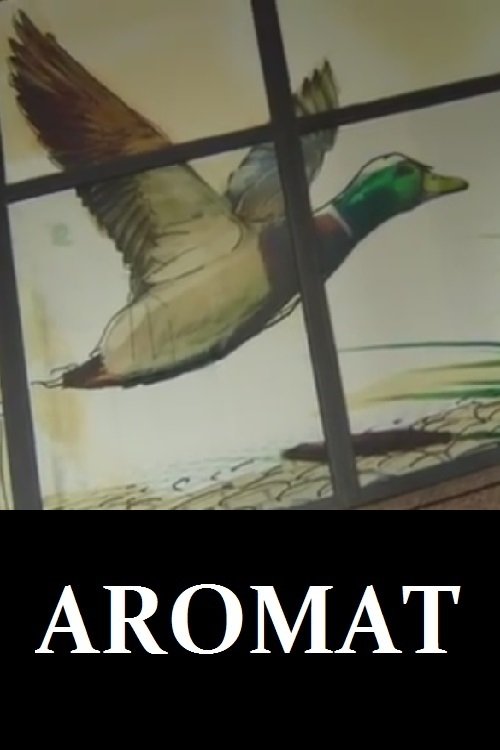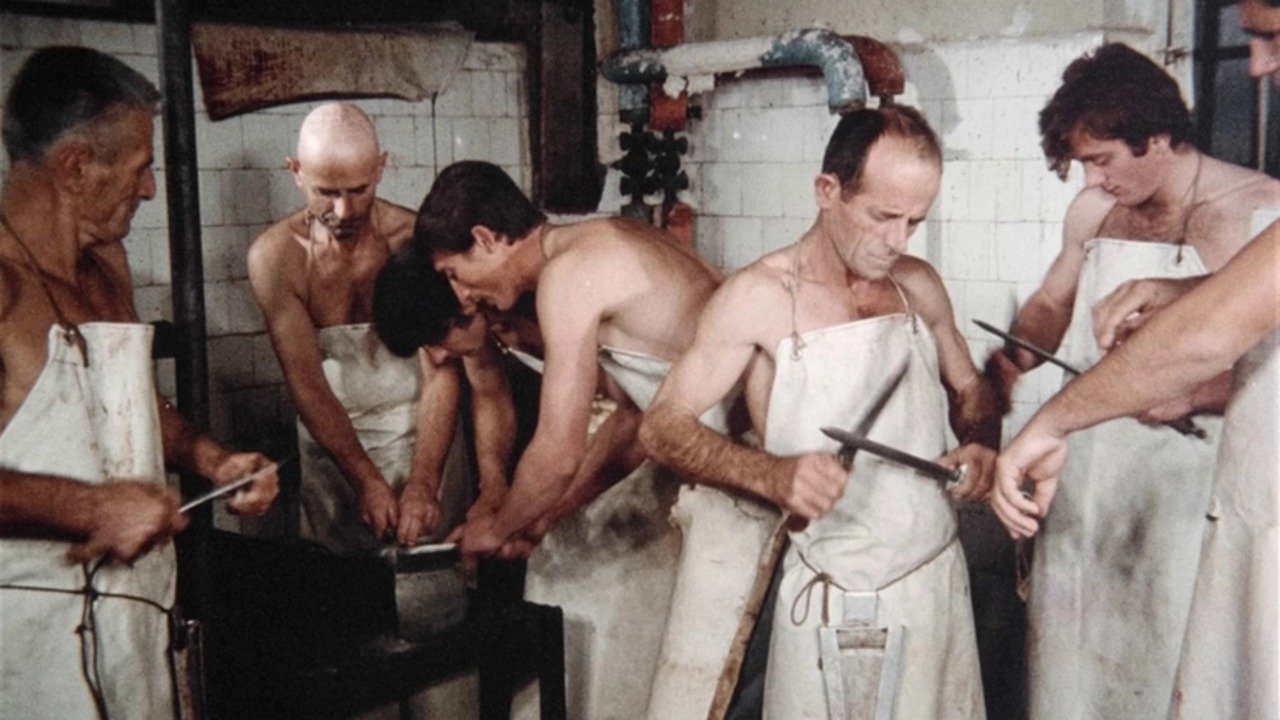
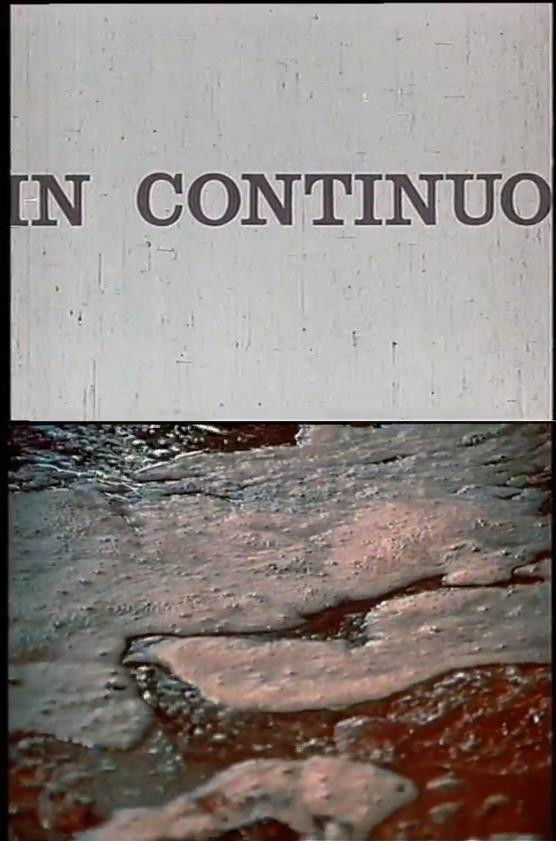
"In continuo" uses slaughterhouse imagery to present the warlike nature of man, first depicting the cleaning and mechanical preparations for the slaughterhouse and then the killing, however, the animal slaughter itself isn’t shown.
Social & External
A whirlwind of improvisation combines the images of animator Pierre Hébert with the avant-garde sound of techno whiz Bob Ostertag in this singular multimedia experience, a hybrid of live animation and performance art.
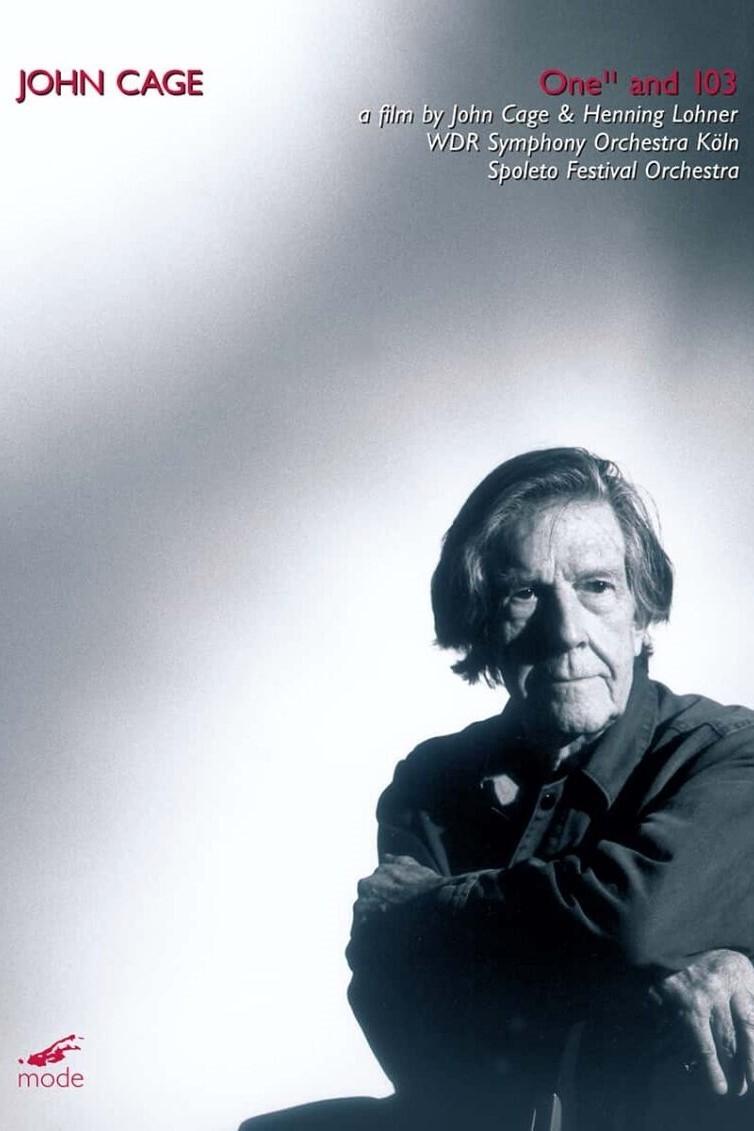
Avant-garde composer John Cage is famous for his experimental pieces and "chance music" but temporarily branched into video in 1992 with this art film about meaningless activity. The work is composed of two segments that are supposed to be played simultaneously: "One 11" contains the artistic statement, and "103" is a 17-part orchestral piece. Also included is a revealing documentary about Cage and director Henning Lohner.
A day in the city of Berlin, which experienced an industrial boom in the 1920s, and still provides an insight into the living and working conditions at that time. Germany had just recovered a little from the worst consequences of the First World War, the great economic crisis was still a few years away and Hitler was not yet an issue at the time.
In 1919 an art school opened in Germany that would change the world forever. It was called the Bauhaus. A century later, its radical thinking still shapes our lives today. Bauhaus 100 is the story of Walter Gropius, architect and founder of the Bauhaus, and the teachers and students he gathered to form this influential school. Traumatised by his experiences during the Great War, and determined that technology should never again be used for destruction, Gropius decided to reinvent the way art and design were taught. At the Bauhaus, all the disciplines would come together to create the buildings of the future, and define a new way of living in the modern world.
The creative processes of avant-garde composer Philip Glass and progressive director/designer Robert Wilson are examined in this film. It documents their collaboration on this tradition breaking opera.
The world appears black on black until it separates from itself, looks at itself, includes itself, and sees colour.
A ritual of grids, reflections and chasms; a complete state of entropy; a space that devours itself; a vertigo that destroys the gravity of the Earth; a trap that captures us inside the voids of the screen of light: «That blank arena wherein converge at once the hundred spaces» (Hollis Frampton).
A young adult's first-hand account of "accidentally becoming human again" after, and with, trauma induced depression. Lo-fi, vulnerable, and uniquely youthful, "The Afterlife" is a melancholic affirmation of life after death.
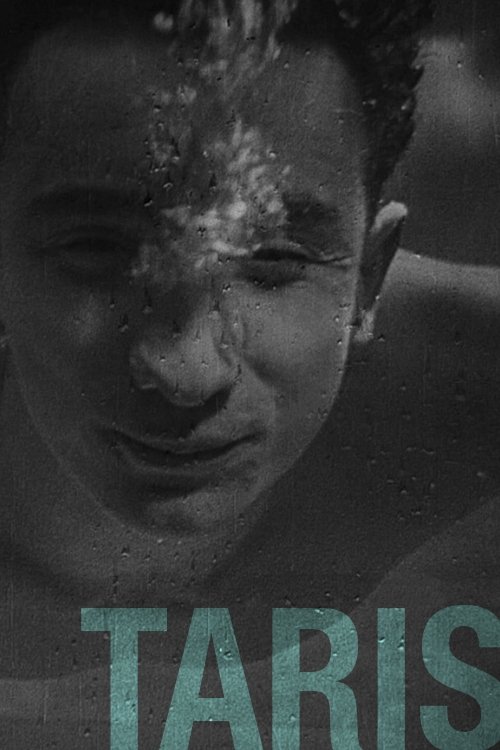
Short documentary directed by Jean Vigo about the French swimmer Jean Taris. The film is notable for the many innovative techniques that Vigo uses, including close ups and freeze frames of the swimmer's body.
Shenzhen River (the border btw Hong Kong and Shenzhen), and the Second Line of Shenzhen Special Economic Zone (the border between Socialism China and Capitalism China) were compared to the Berlin Wall. The Second Line were constructed June 1982, demolished June 2015. The First Line (Shenzhen River) still flows, running deeper and deeper after 1997. Artist Miaoyuan LONG and Zen LU (the ON/OFF media Group) documented major checkpoints along these two boundaries. It’s a piece to illustrate the Big Escape (Touch Base Policy) from mainland China to Hong Kong during 1950-70’s and the geopolitical history of Shenzhen. The 48min audio-visual live performance version was Official selection of Draft Systems 2017 WRO Media Art Biennale, Poland.
Jim Moir (aka Vic Reeves) explores Video Art, revealing how different generations ‘hacked’ the tools of television to pioneer new ways of creating art that can be beautiful, bewildering and wildly experimental.
Captures the avant-garde artist Yayoi Kusamas creative process as she diligently works to complete her series of 50 large monochrome drawings. As her work comes to life, one can witness the essence of her art as it wells up in the conflict between life, death, and love.
A city symphony of kinetic movement in the concrete jungle. A cacophony of textures, layers and surfaces moving in unison and discord yearning for an open horizon.
In Manhattan's Central Park, a film crew directed by William Greaves is shooting a screen test with various pairs of actors. It's a confrontation between a couple: he demands to know what's wrong, she challenges his sexual orientation. Cameras shoot the exchange, and another camera records Greaves and his crew. Sometimes we watch the crew discussing this scene, its language, and the process of making a movie. Is there such a thing as natural language? Are all things related to sex? The camera records distractions - a woman rides horseback past them; a garrulous homeless vet who sleeps in the park chats them up. What's the nature of making a movie?
An eight-hour contemplative epic, entirely starring sheep.
Twenty images of a camera running next to a chemical platform and capturing abstract light throught improvised gestures and asymmetrical motion
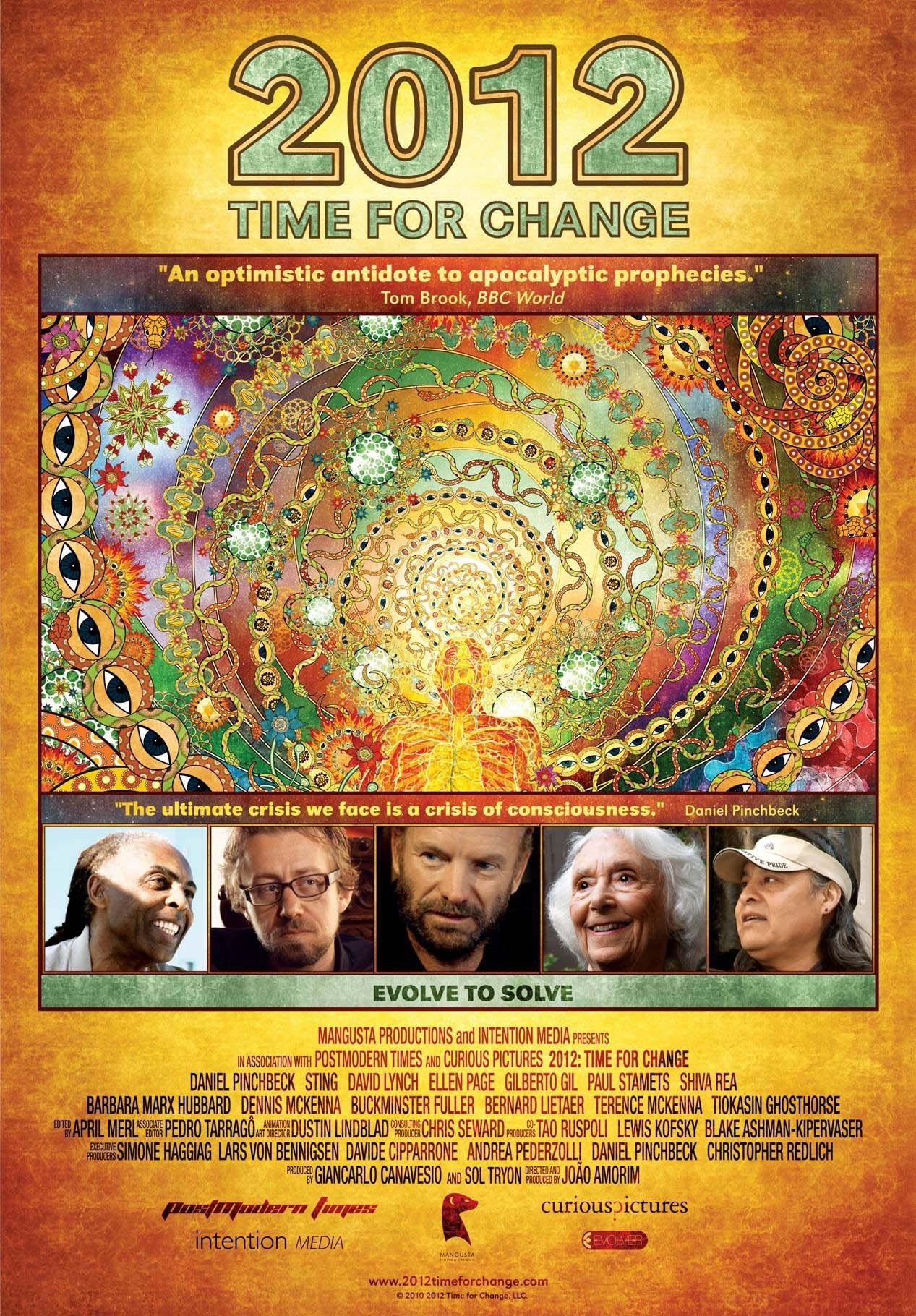
2012: Time For Change is a documentary feature that presents ways to transform our unsustainable society into a regenerative planetary culture. This can be achieved through a personal and global change of consciousness and the systemic implementation of ecological design.
A Cow at My Table explores Western attitudes towards farm animals and meat, and the intense battle between animal advocates and the meat industry to influence the consumer's mind. Five years in production took Director Jennifer Abbott across Canada, the US, Australia and New Zealand to meet with the leaders of the animal rights movement, animal welfare advocates as well as spokespeople from livestock industries. A Cow at My Table inter-cuts these diverse perspectives with archival films, images from modern-day agribusiness and footage of farm animals shot from uncharacteristic vantage points.
An anthology of one-minute films created by 51 international filmmakers on the theme of the death of cinema. Intended as an ode to 35mm, the film was screened one time only on a purpose-built 20x12 meter public cinema screen in the Port of Tallinn, Estonia, on 22 December 2011. A special projector was constructed for the event which allowed the actual filmstrip to be burnt at the same time as the film was shown.
The film begins as a documentary about an author known for autofiction. By incorporating multiple making-of layers, it blends the process of making the documentary with the author’s narrative technique.
The Making-of James Cameron's Avatar. It shows interesting parts of the work on the set.
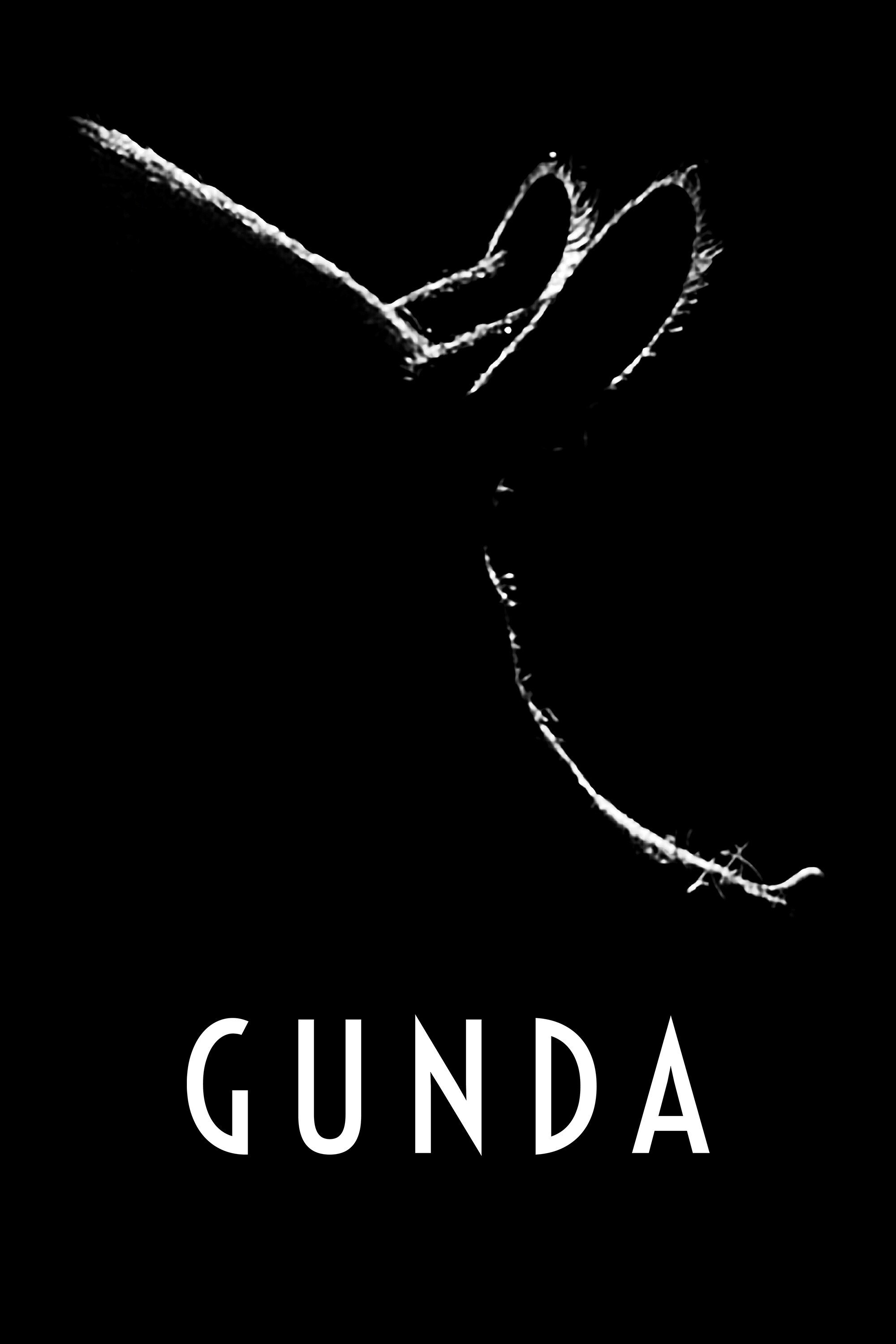
A glimpse into the raw and simple power of nature through encounters with farm animals: the eponymous Gunda, a mother pig; two cows, and a one-legged chicken.
A visual montage portrait of our contemporary world dominated by globalized technology and violence.
Al Pacino's deeply-felt rumination on Shakespeare's significance and relevance to the modern world through interviews and an in-depth analysis of "Richard III."
An exploration of the heavy metal scene in Los Angeles, with particular emphasis on glam metal. It features concert footage and interviews of legendary heavy metal and hard rock bands and artists such as Aerosmith, Alice Cooper, Kiss, Megadeth, Motörhead, Ozzy Osbourne and W.A.S.P..
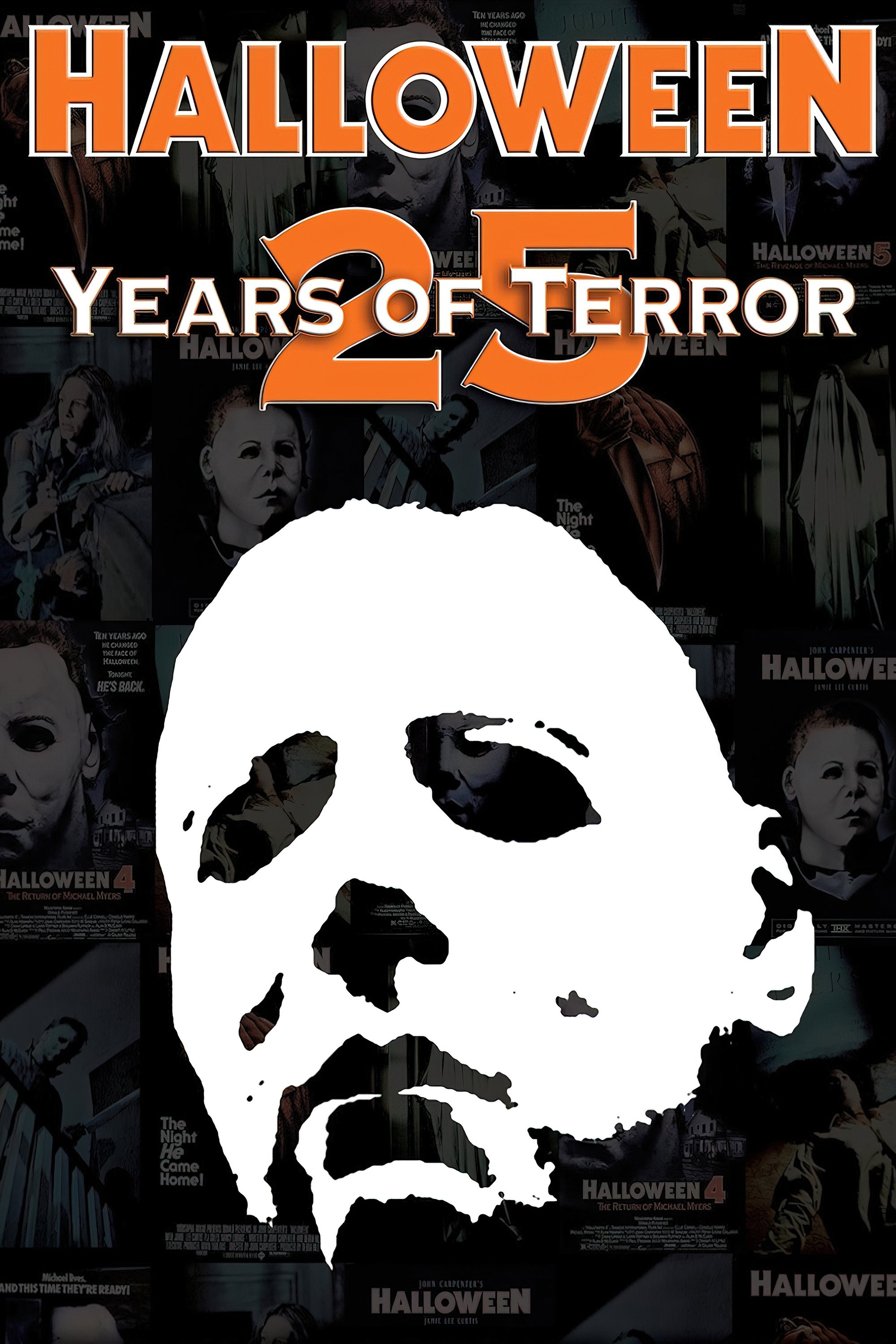
Follow the evolution of the 'Halloween' movies over the past twenty-five years. It examines why the films are so popular and revisits many of the original locations used in the films - seeing the effects on the local community. For the first time, cast, crew, critics and fans join together in the ultimate 'Halloween' retrospective.
After his police officer brother is killed by a drug dealer who flees to the protection of his cartel-connected uncle in Mexico, an American man with a diverse law enforcement/military background goes south of the border to get revenge
A man takes over a TV station and holds a number of hostages as a political platform to awaken humanity, instead of money.
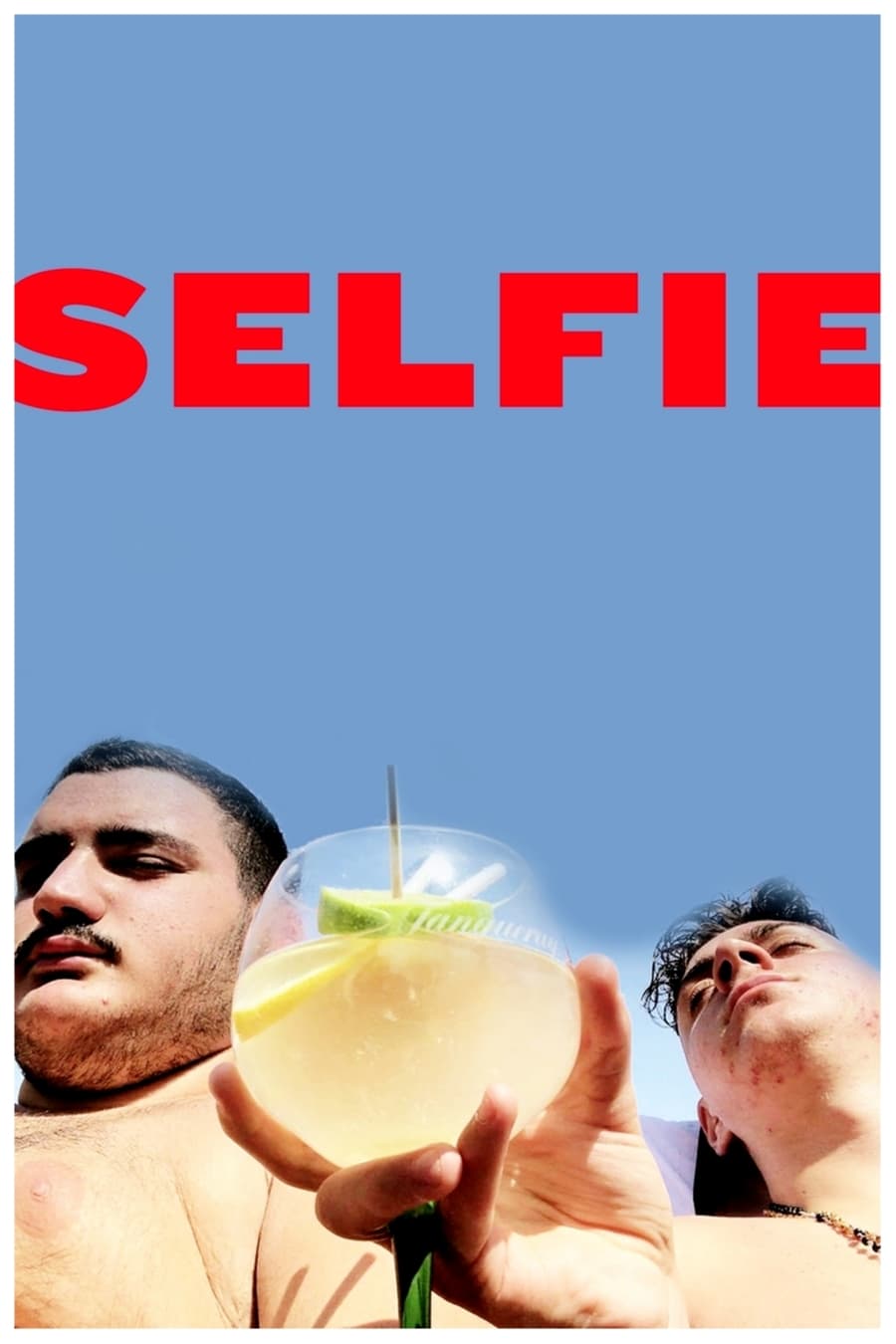
Capturing life on the Italian island of Lampedusa, a frontline in the European migrant crisis.
An inside look at one of the most anticipated movie sequels ever with James Cameron and cast.
A man is murdered, apparently by one of a group of soldiers just out of the army. But which one? And why?
A documentary about the making of season five of the acclaimed AMC series Breaking Bad.
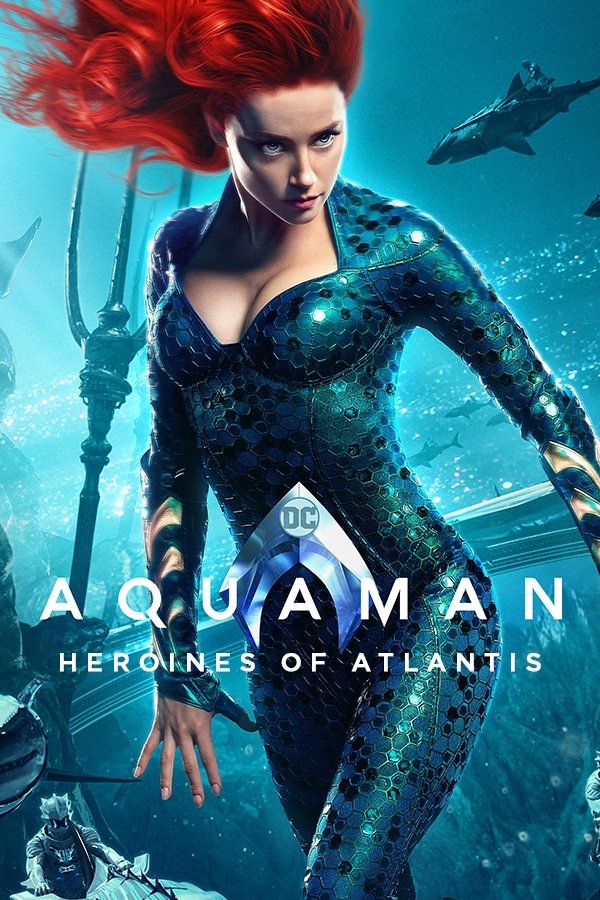
Amber Heard and Nicole Kidman discuss their characters Mera and Atlanna.
A reformed sociopath heads to a remote island after the death of his brother. Soon after his arrival, the island falls under siege from a deadly gang of mercenaries, and when he discovers their role in his brother’s demise, he sets out on a relentless quest for vengeance.
Documentary of the making of the sequel to the popular Schwarzenegger film, The Terminator.
When the most wanted man in America surfaces in a small Kentucky town, his violent history -- and a blood-thirsty mob seeking vengeance and a king’s ransom -- soon follow. As brothers face off against one another and bullets tear the town to shreds, this lightning-fast gunslinger makes his enemies pay the ultimate price for their greed.
After avenging the murder of his family, a former soldier is sprung from prison and recruited by a shadowy government agency.
A drifting ex-soldier turns underground fighter with the help of a just-released ex-con, pitting him against corrupt cops and hired killers now gunning for him and all those he cares about.
A documentary detailing the epic Rogues' Gallery of DC Comics from The Joker and Lex Luthor, Sinestro, Darkseid and more, this documentary will explore the Super Villains of DC Comics.
After a former model is drowned in her bathtub, Detective James Halloran and Lieutenant Dan Muldoon attempt to piece together her murder.