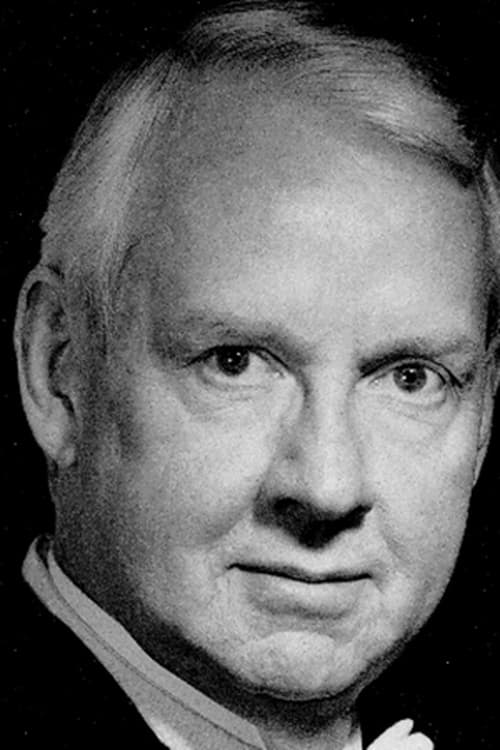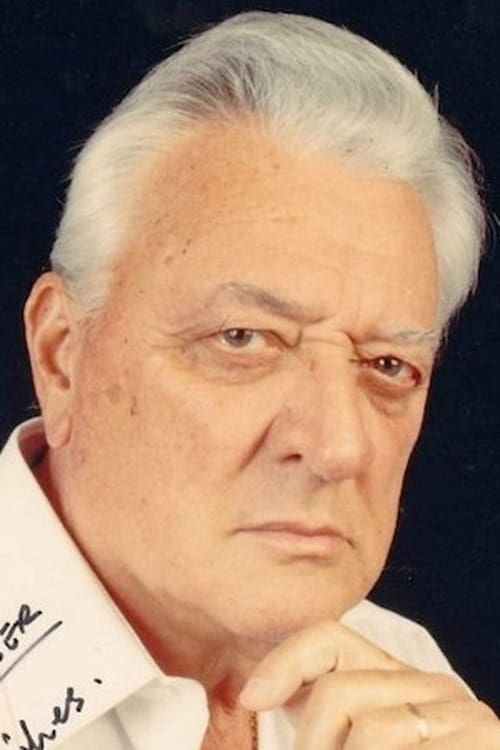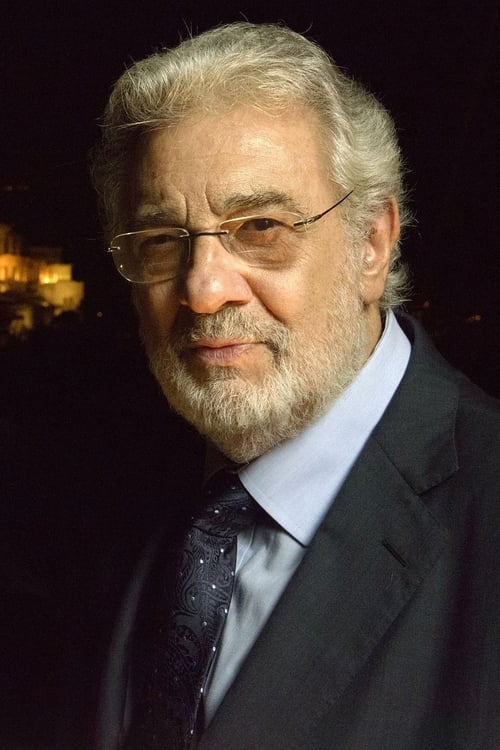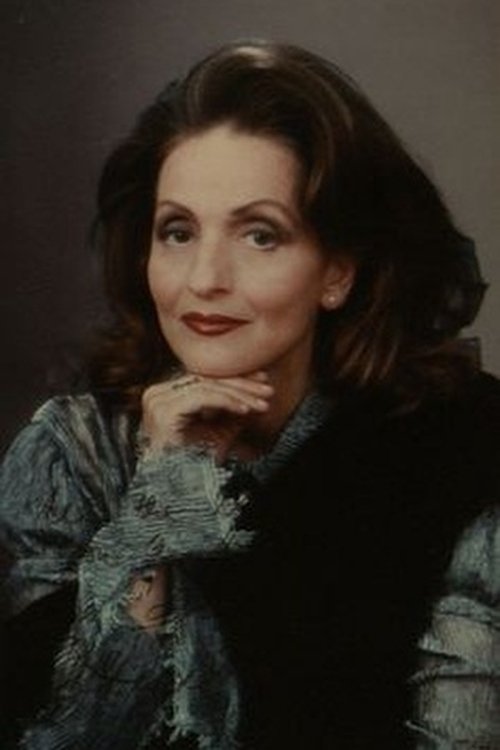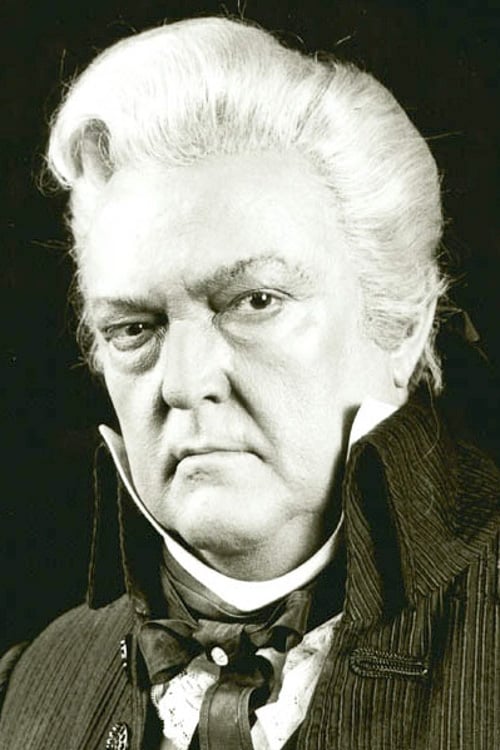
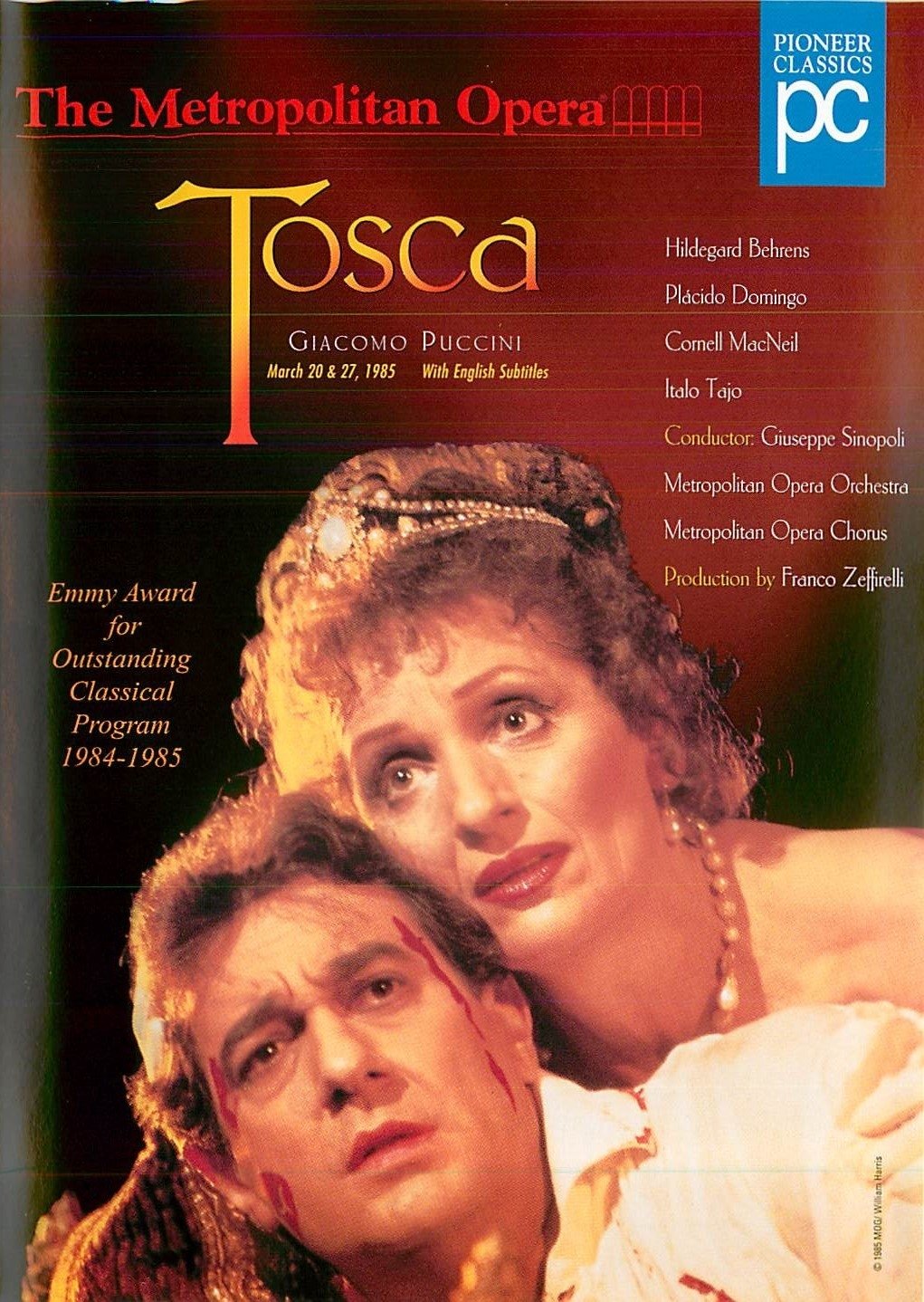
Live Metropolitan Opera performance March, 1985.
Social & External
Angelotti
Sacristan
Cavaradossi
Tosca
Scarpia
Spoletta
Sciarrone
Un carceriere
Un pastore
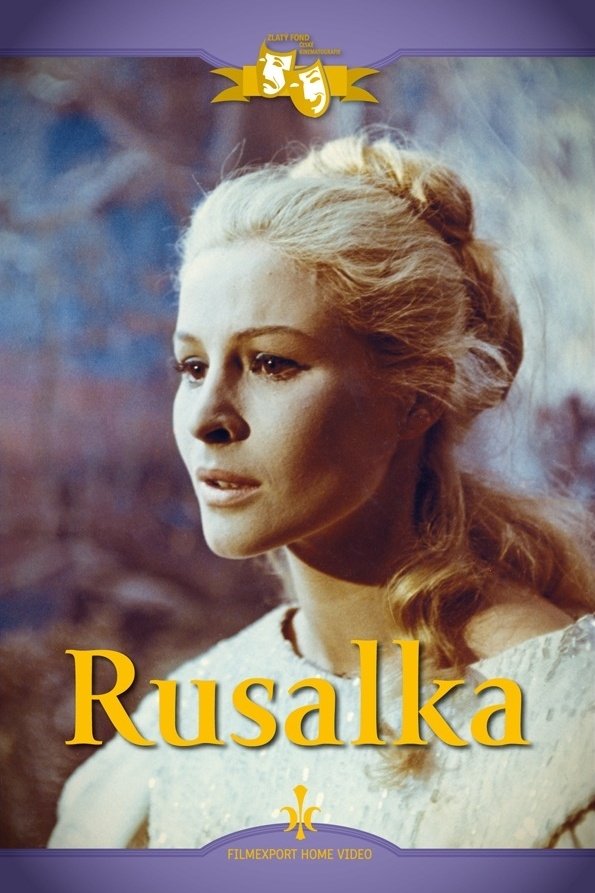
The water fairy Rusalka falls in love with an earthly prince. In vain, Father Aquarius warns her. Her sincere feelings are met with human treachery...
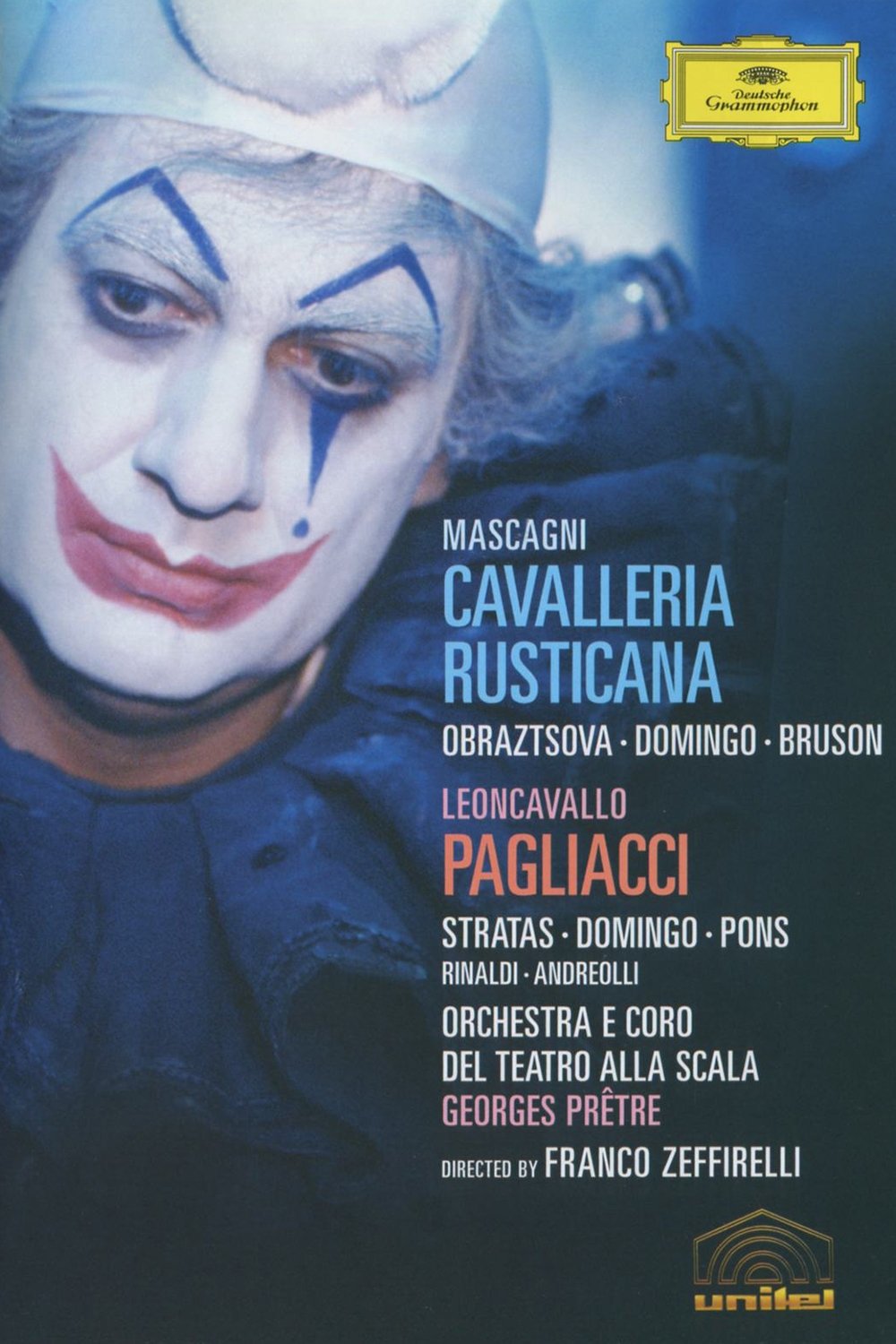
Franco Zeffirelli directs these two legendary La Scala productions telling tragic tales of jealousy. Mascagni's Cavalleria Rusticana features performances by Elena Obraztsova, Plácido Domingo, and Renato Bruson. Leoncavallo's I Pagliacci stars Teresa Stratas, Plácido Domingo, and Juan Pons. Both are conducted by George Pretre. This production of Pagliacci earned director Franco Zeffirelli the coveted Emmy as Best Director in the category of Classical Music Programming.
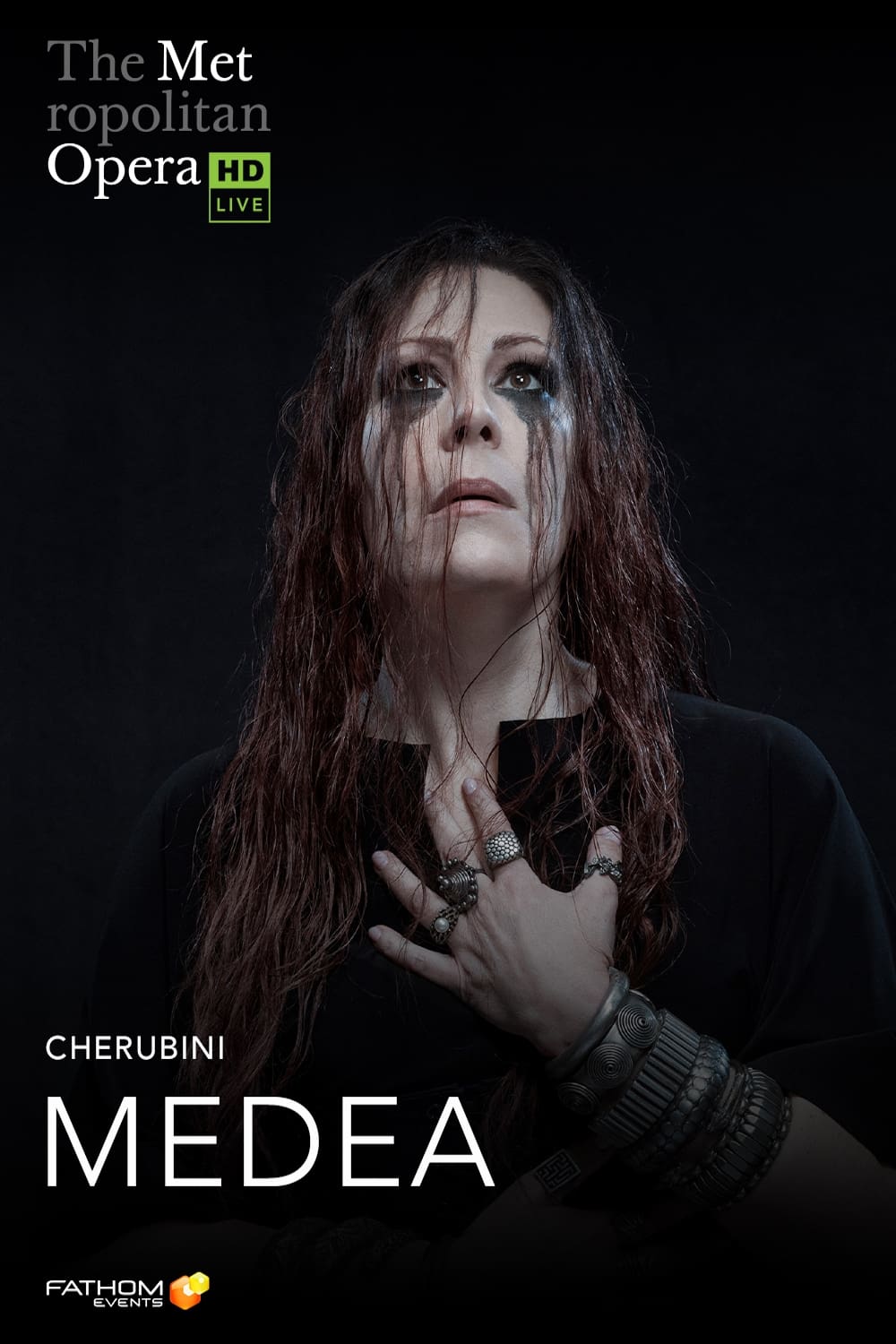
Having triumphed at the Met in some of the repertory’s fiercest soprano roles, Sondra Radvanovsky stars as the mythic sorceress who will stop at nothing in her quest for vengeance. Joining Radvanovsky in the Met-premiere production of Cherubini’s rarely performed masterpiece is tenor Matthew Polenzani as Medea’s Argonaut husband, Giasone; soprano Janai Brugger as her rival for his love, Glauce; bass Michele Pertusi as Glauce’s father, Creonte, the King of Corinth; and mezzo-soprano Ekaterina Gubanova as Medea’s confidante, Neris. Carlo Rizzi conducts.
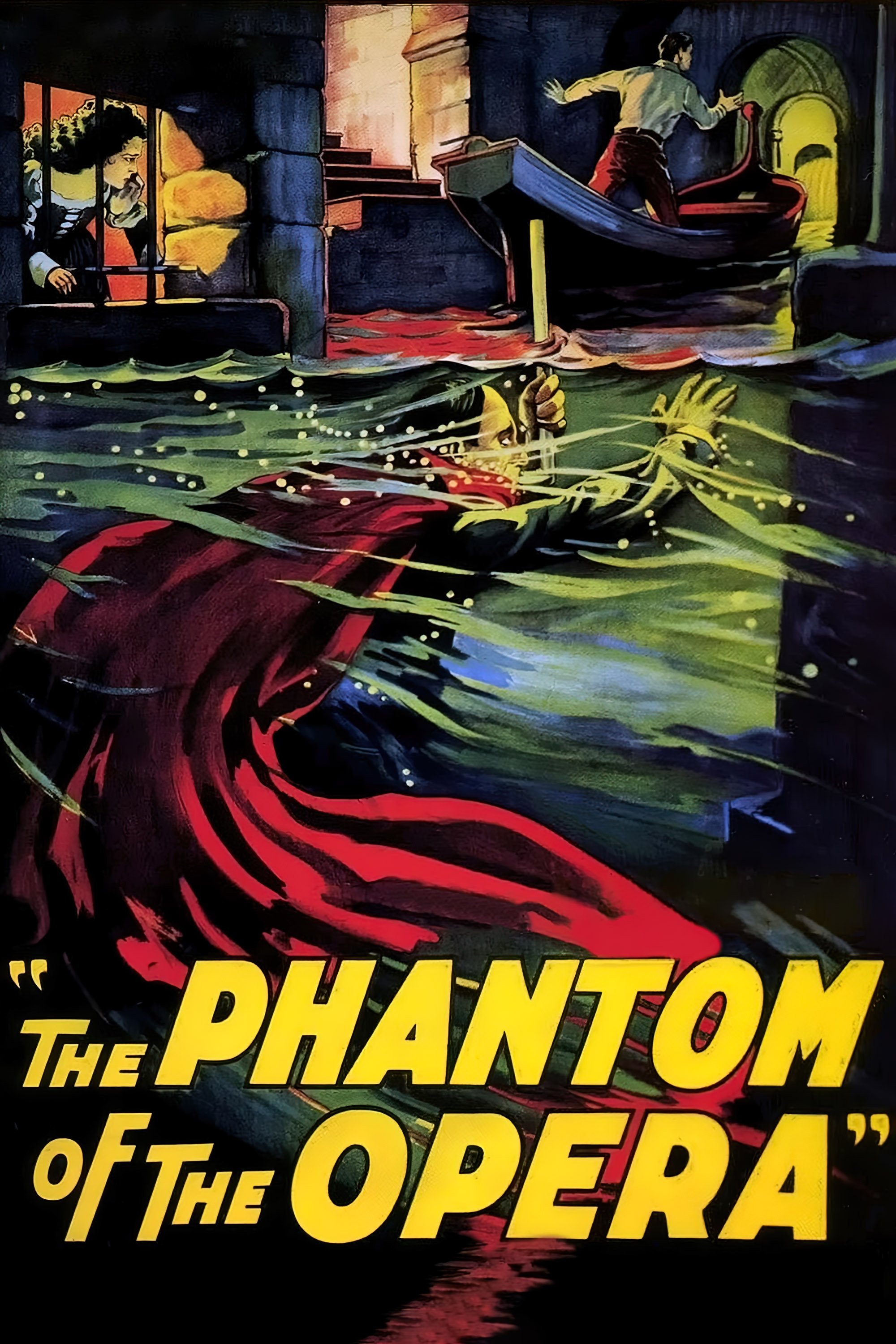
The deformed Phantom who haunts the Paris Opera House causes murder and mayhem in an attempt to make the woman he loves a star.
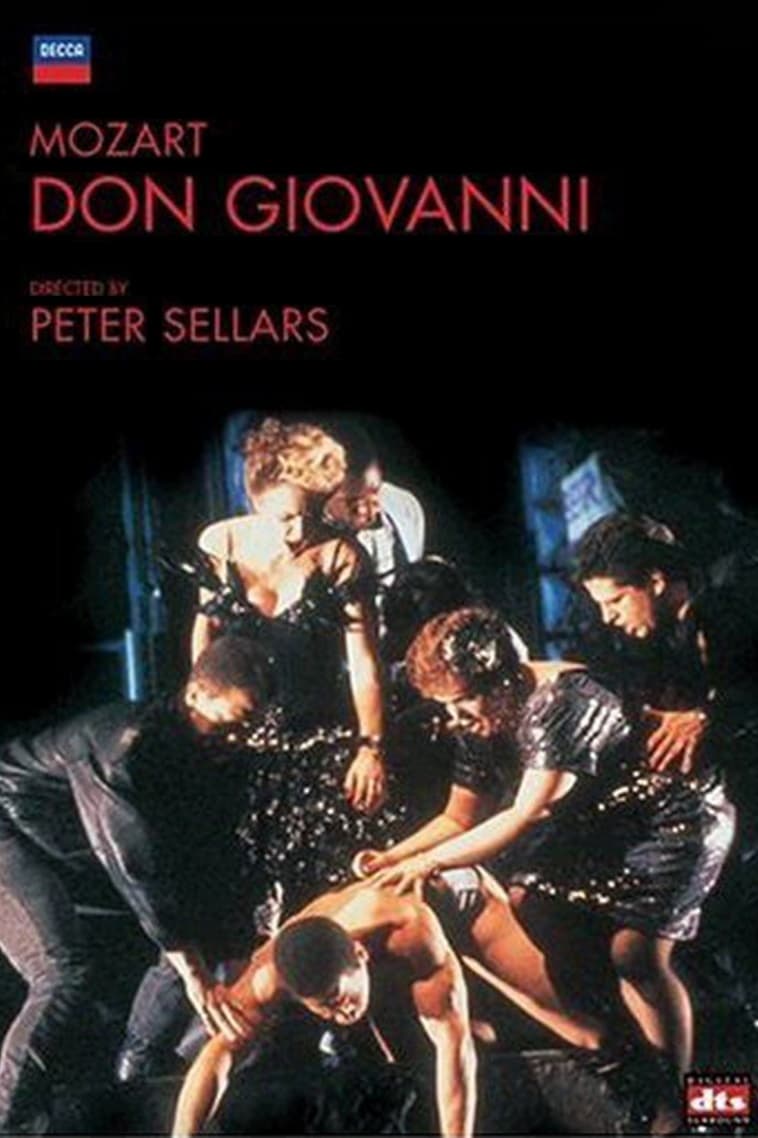
This production was originally staged for the Pepsico Summerfare Festival, The International Performing Arts Festival of the State University of New York at Purchase. Leaving the lyrics in their original Italian, acclaimed American director Peter Sellars transports Wolfgang Amadeus Mozart's "Don Giovanni" to a modern-day metropolis, nestling the opera's beloved characters among the brownstones of New York City's Harlem. Sellars's contemporary retelling of a classic musical tale is one of three performances in a Mozart series that also includes "Le Nozze di Figaro" and "'Così Fan Tutte."
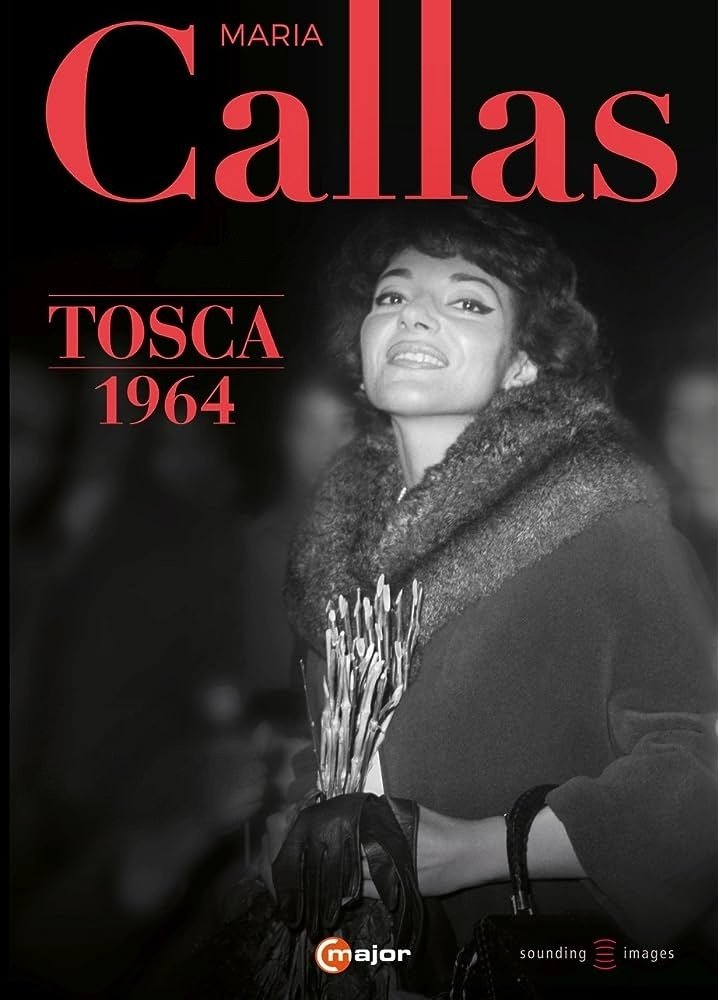
At the beginning of 1964, the music world experiences something completely unexpected. Maria Callas returns to the opera stage as the prima donna. Her “Tosca” at the Royal Opera House becomes a sensation. Maria Callas wants to show everyone once again that she deserves the title of “prima donna assoluta.” On the condition that star director Franco Zeffirelli take over the direction, the exceptional singer agrees to sing the role of Tosca. The BBC recorded the 2nd act of the opera for television. It is one of the most dramatic acts in opera history: in order to free the painter Cavaradossi from the hands of torturers, Tosca ends up murdering the police chief Scarpia. The film footage is one of the rare opportunities to see Maria Callas in an opera performance and to experience her highly emotional performance art and vocal abilities...
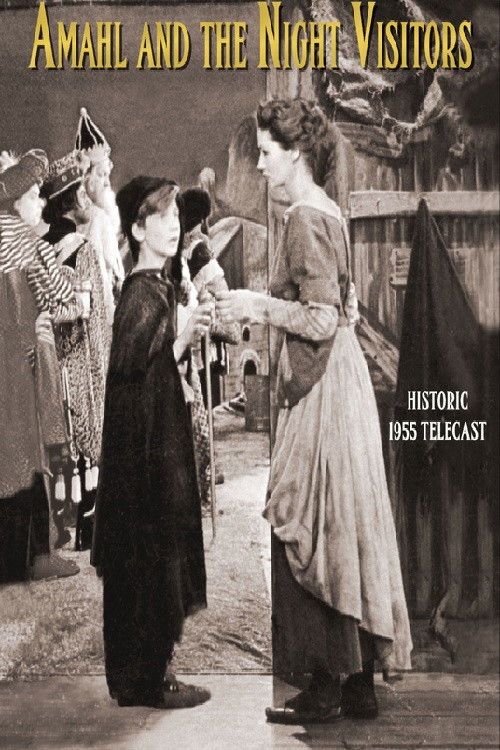
A destitute, crippled child and his mother are visited late one night by three traveling strangers who claim to be following a star so that they may bring gifts to a newborn king. The yearly live telecasts of Gian Carlo Menotti’s Amahl and the Night Visitors were a cherished Christmas tradition throughout the 1950s. In addition, since its premiere in 1951, Amahl has been performed regularly by community groups and small opera companies throughout the US, making it the single most popular American opera. This production, staged by the composer himself and originally telecast on Christmas Day, 1955, is a testament to the work’s enduring power to move the heart and stir the soul. Starring Rosemary Kuhlmann as the Mother and Bill McIver as Amahl. Members of the Symphony of the Air are under the direction of Thomas Schippers.
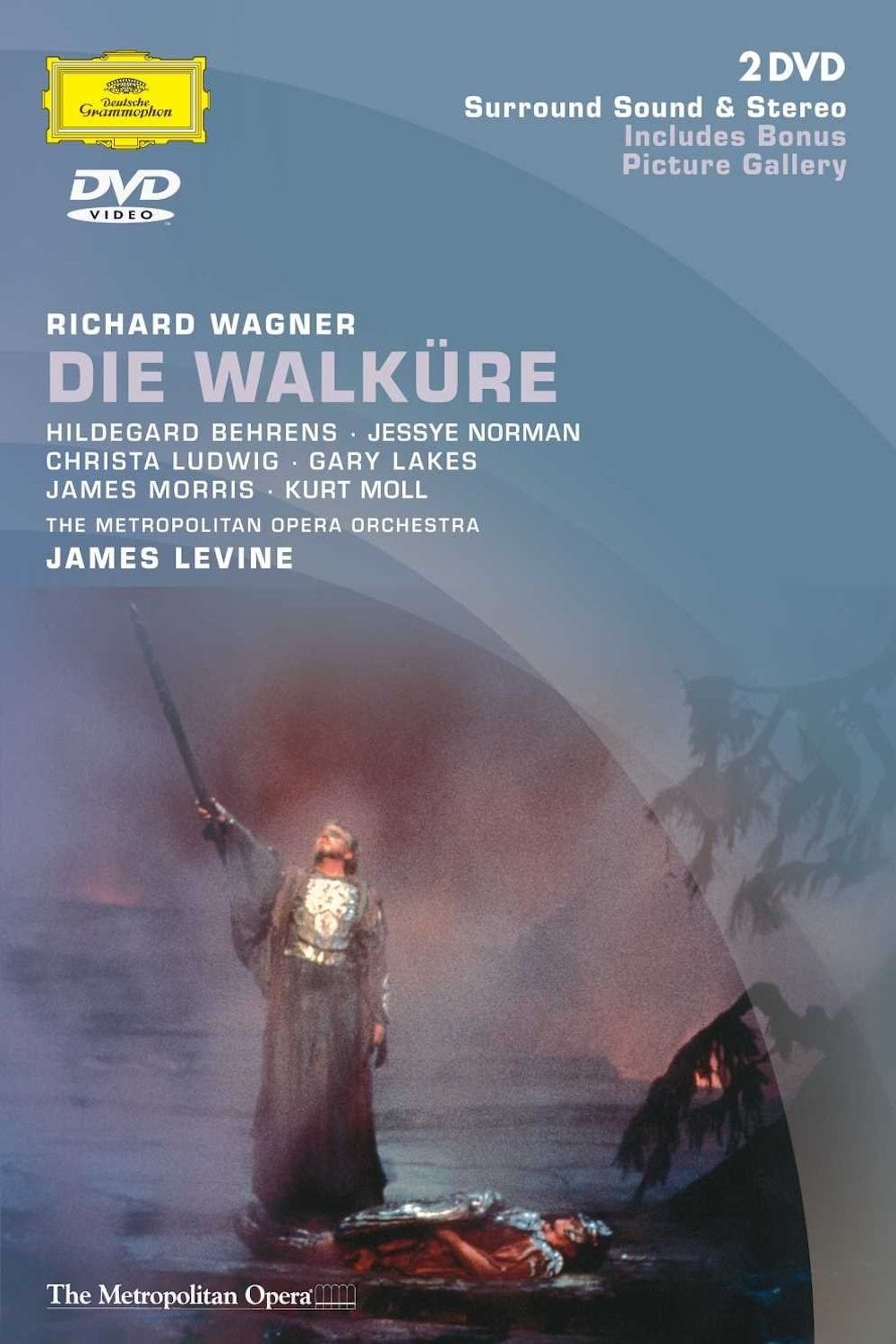
The gorgeous and evocative Otto Schenk/Günther Schneider-Siemssen production continues with this second opera in Wagner’s Ring cycle. Hildegard Behrens brings deep empathy to Brünnhilde, the favorite daughter of the god Wotan (James Morris) who nevertheless defies him. Morris’s portrayal of Wotan is deservedly legendary, as is Christa Ludwig, as Fricka. Jessye Norman and Gary Lakes are Sieglinde and Siegmund, and Kurt Moll is the threatening Hunding. James Levine and the Met orchestra provide astonishing color and drama. (Performed April 8, 1989)
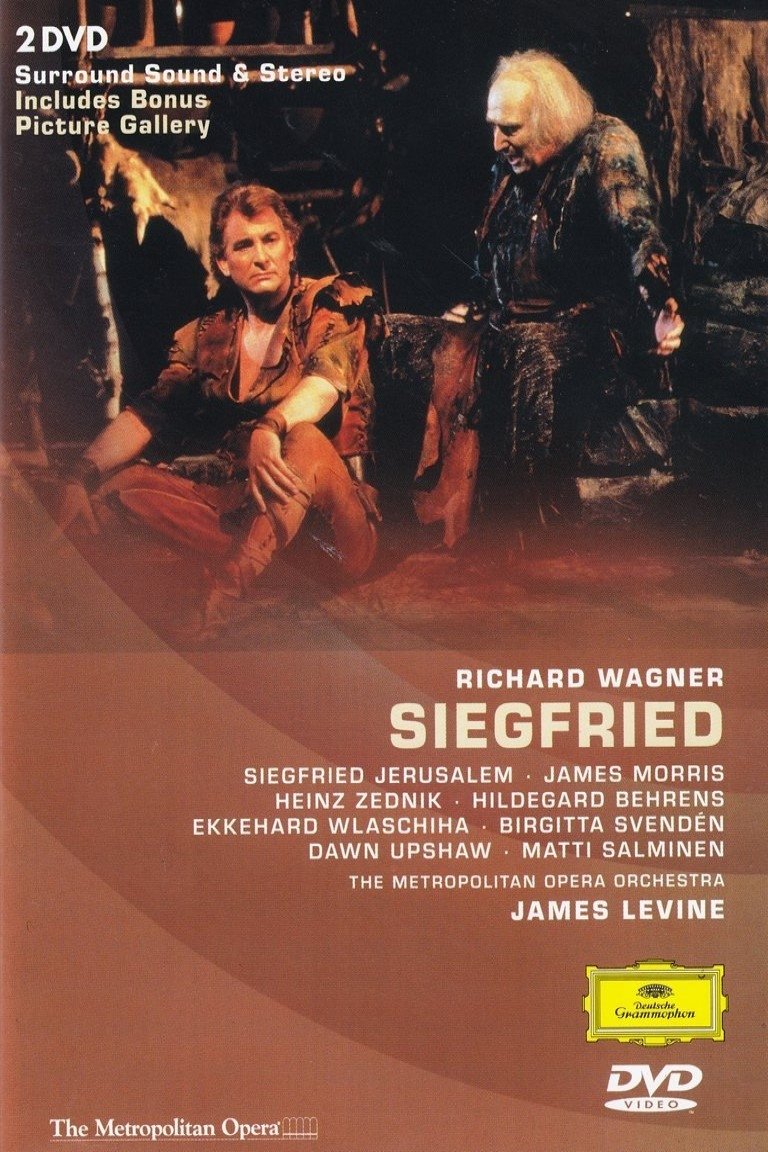
Siegfried is the third of the four operas that constitute Der Ring des Nibelungen (The Ring of the Nibelung), by Richard Wagner.
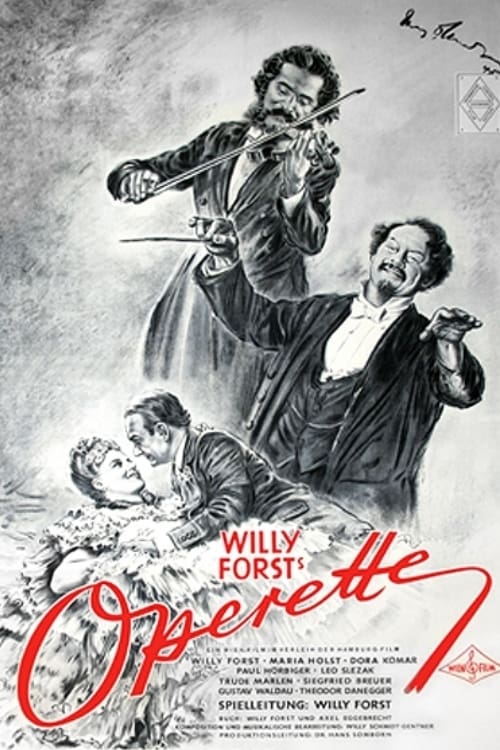
A musician is offered a job in Vienna as stage director, but his disagreements with the aristocratic opera manager end in abrupt firing in spite of a mutual attraction. He's quickly engaged by another theatre and becomes famous for his lavish stage productions and fine acting, which begins their golden age with Suppé and Strauss.
This telecast offers a rare opportunity to see the legendary Joan Sutherland in the role that first catapulted her to international stardom. She drove audiences wild by the way her opulent voice caressed the music’s long phrases and sprinted effortlessly through the fiendish runs, trills, embellishments and stratospheric high notes. One of the glories of the operatic world, her portrayal of Donizetti’s hapless heroine is a multifaceted and moving characterization. The incomparable tenor Alfredo Kraus is Edgardo, the man Lucia loves but cannot have. (Performance taped November 13, 1982. Broadcasted September 28, 1983.)
Car Men is a collaboration between the renowned choreographer Jíri Kylían and filmmaker Boris Paval Conen. Based on the opera 'CARMEN' by Georges Bizet they shot a hilarious and poetic short film in the destroyed landscape of a Czech brown coal mine. The actors in this film are older dancers from Kylían's troupe (around 50 years old) and the main prop is a 'TATRA 87', a famous car from 1937.
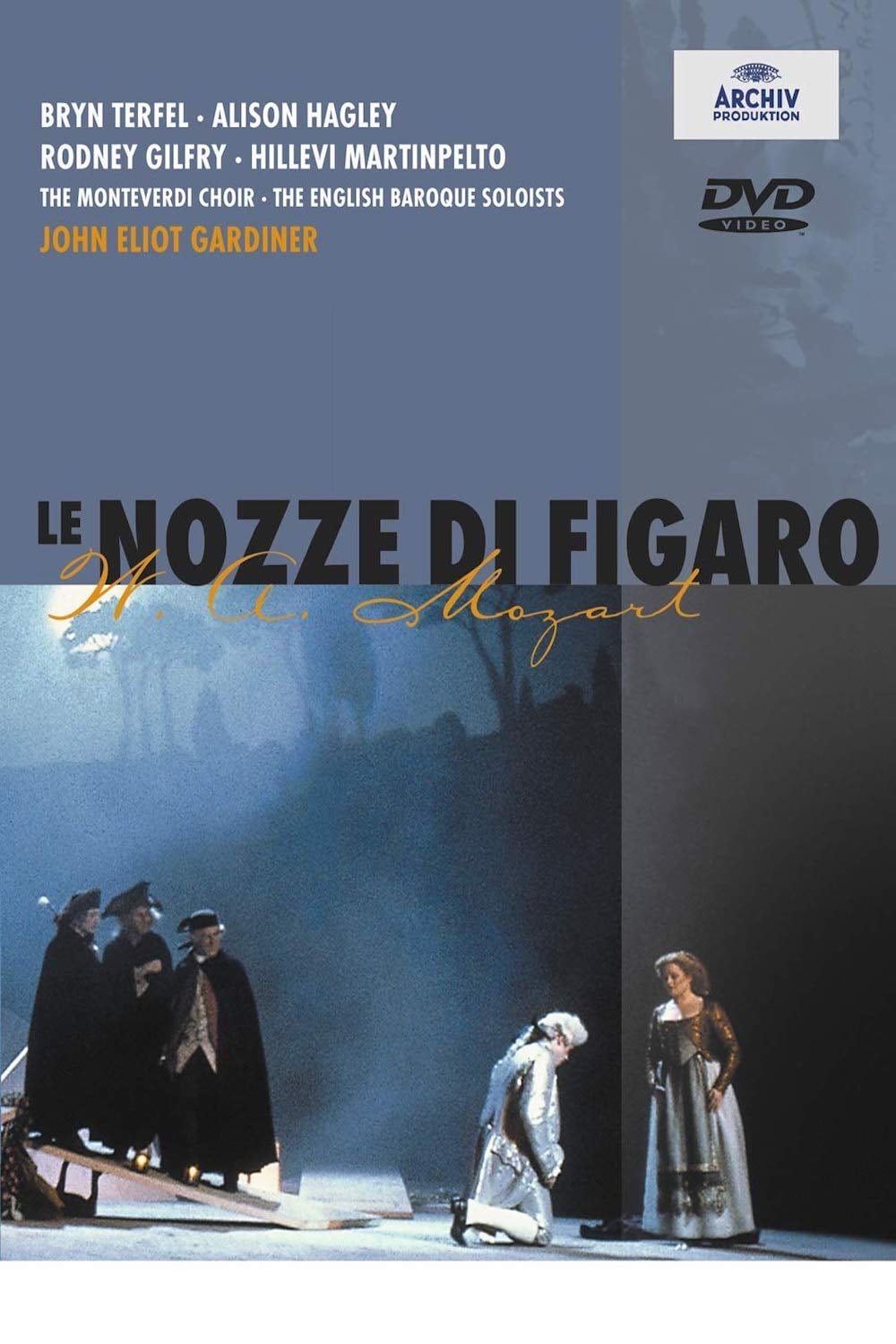
This is a good video of "Figaro", but there are a couple of better ones available. The Bohm and the Pappano are better still due to the female members of the casts. The reason for buying this one is the "Figaro", Bryn Terfel. No one can top him today in that role. John Eliot Gardiner also stands out. Many of us have voiced their opinion that If the Metropolitan Opera would release it's 1998 version, that would be the one to get.
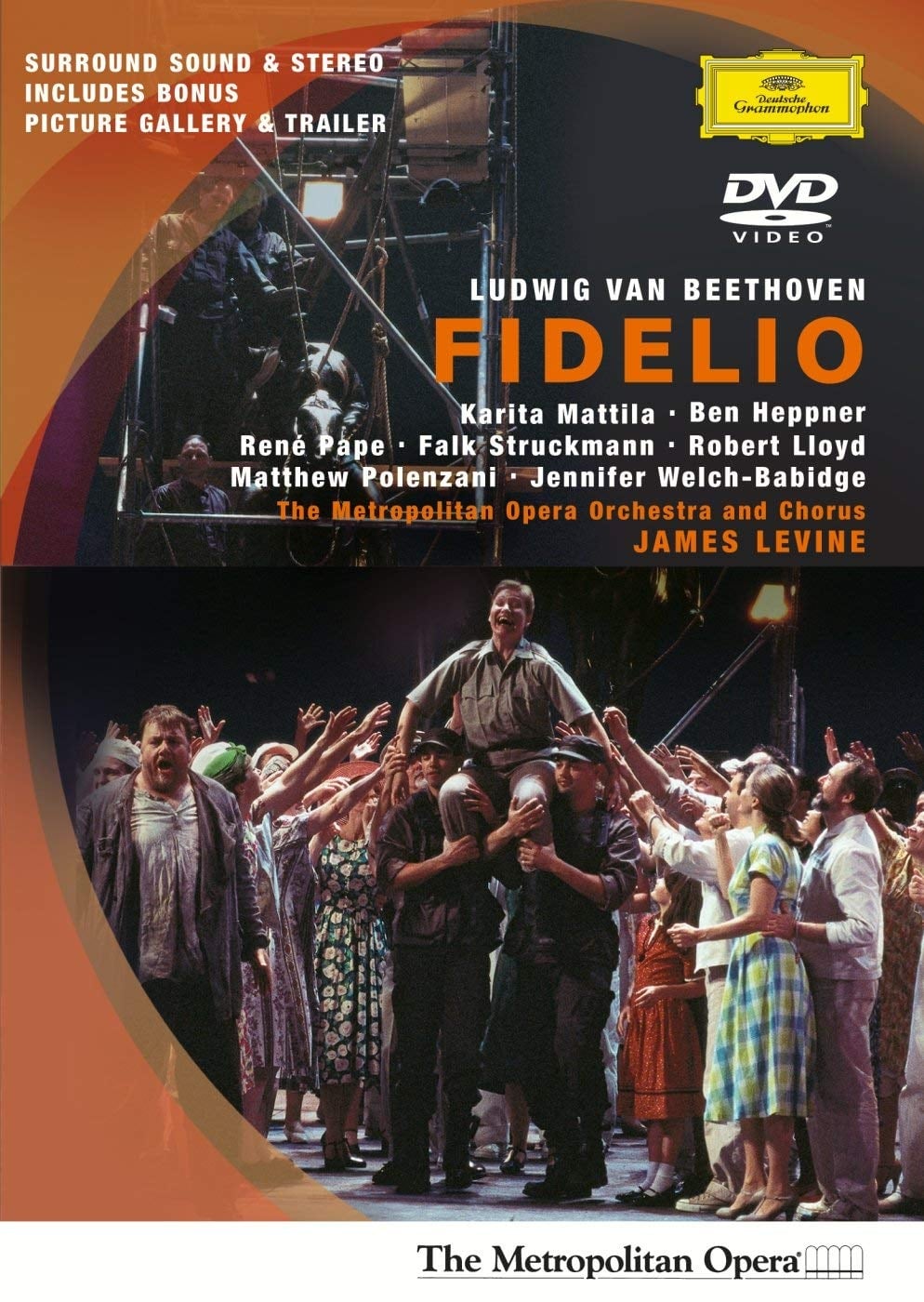
Two years prior to the opening scene, the nobleman Florestan has exposed or attempted to expose certain crimes of the nobleman Pizarro. In revenge, Pizarro has secretly imprisoned Florestan in the prison over which Pizarro is governor. The jailer of the prison, Rocco, has a daughter, Marzelline, and a servant (or assistant), Jaquino. Florestan’s wife, Leonore, came to Rocco’s door dressed as a boy seeking employment, and Rocco hired her. On orders, Rocco has been giving Florestan diminishing rations until he is nearly starved to death. Place: A Spanish state prison, a few miles from Seville; Time: Late 18th century.
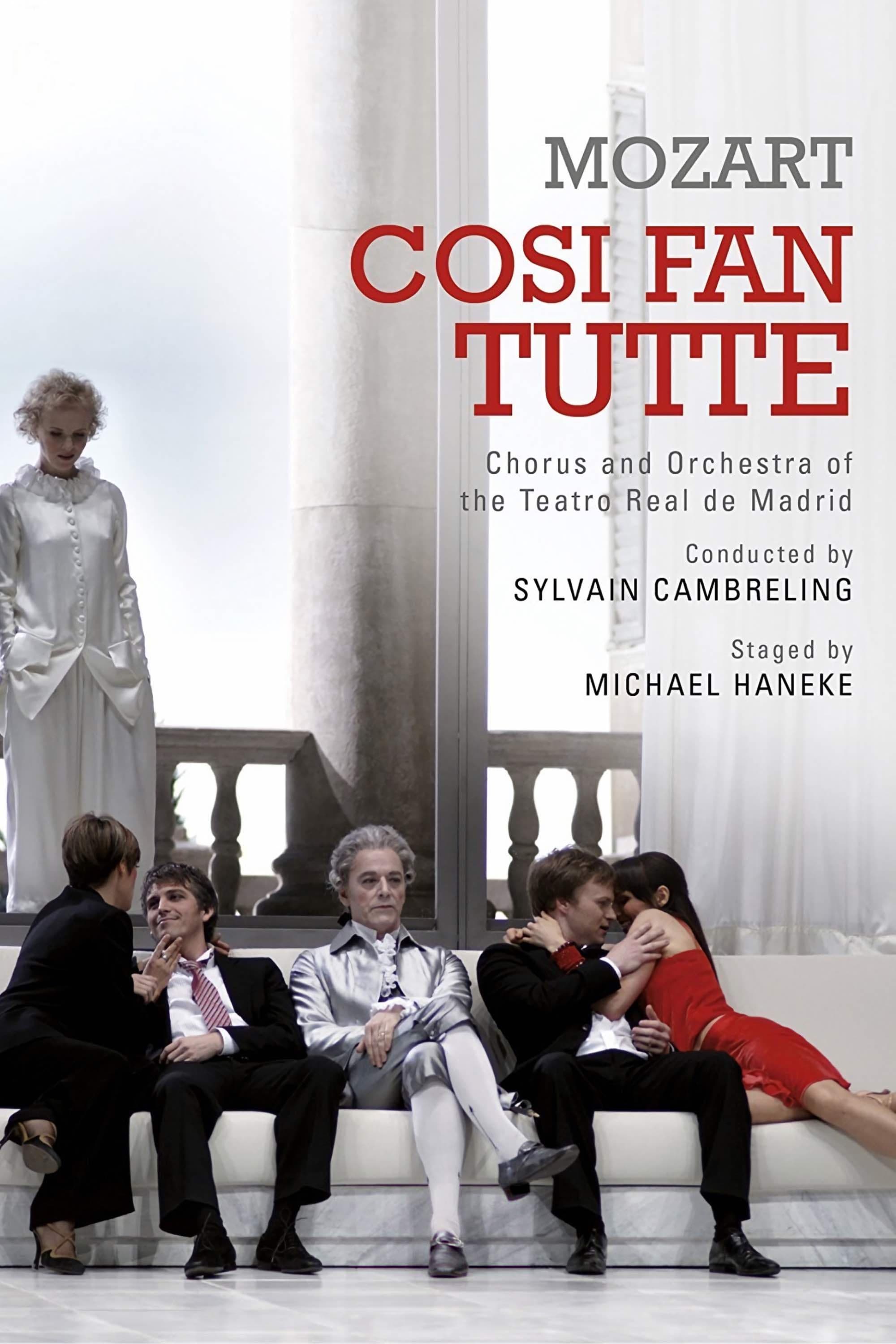
Who loves whom in Così fan tutte, Mozart’s and Da Ponte’s cruelly comic reflection on desire, fidelity and betrayal? Or have the confusions to which the main characters subject one another ensured that in spite of the heartfelt love duets and superficially fleetfooted comedy nothing will work any longer and that a sense of emotional erosion has replaced true feelings? Così fan tutte is a timeless work full of questions that affect us all. The Academy Award-winning director Michael Haneke once said that he was merely being precise and did not want to distort reality. In only his second opera production after Don Giovanni in 2006, he presents what ARTE described as a “disillusioned vision of love in an ice-cold, realistic interpretation”.
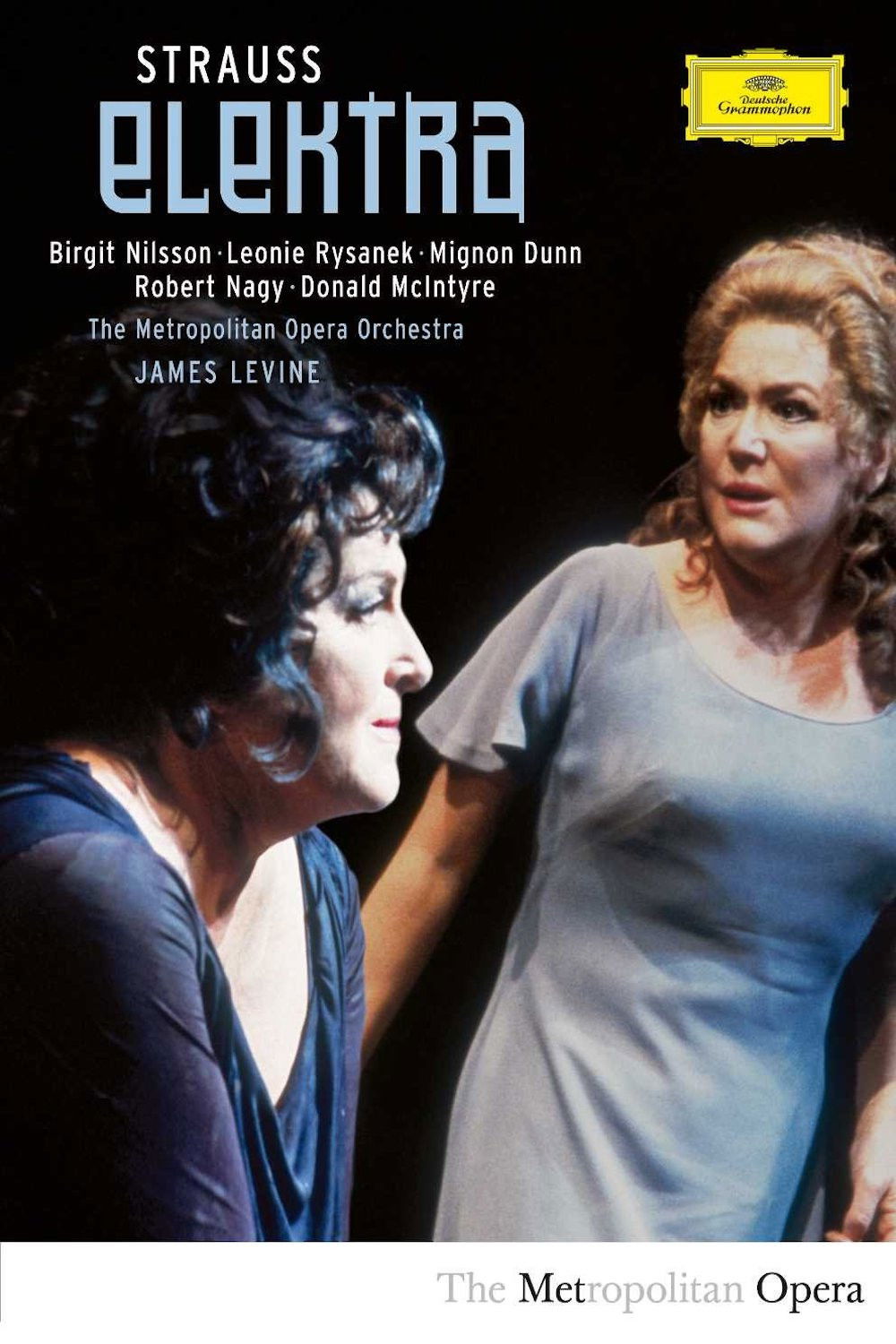
It's hard to imagine confirmed Straussians not wanting this starry Metropolitan Opera performance of Elektra. Strauss and his librettist, Hugo von Hofmannstahl, transformed Sophocles' take on Homer's tale into a harrowing opera noir. Elektra lives for one reason, to kill her mother, Klytämnestra, and her stepfather, Aegisth, the murderers of her father, Agamemnon. In contrast to Elektra's vengeful obsession, her sister Chrysothemis desires to get on with life. When their long-missing brother, Orestes, returns to do the deed, Elektra celebrates with a dance of death and, her sole purpose in life fulfilled, dies. Strauss joined the hermetic plot to music of the utmost opulence, violent and yearning by turns, evoking the cardinal principles of Greek tragedy - pity and terror.
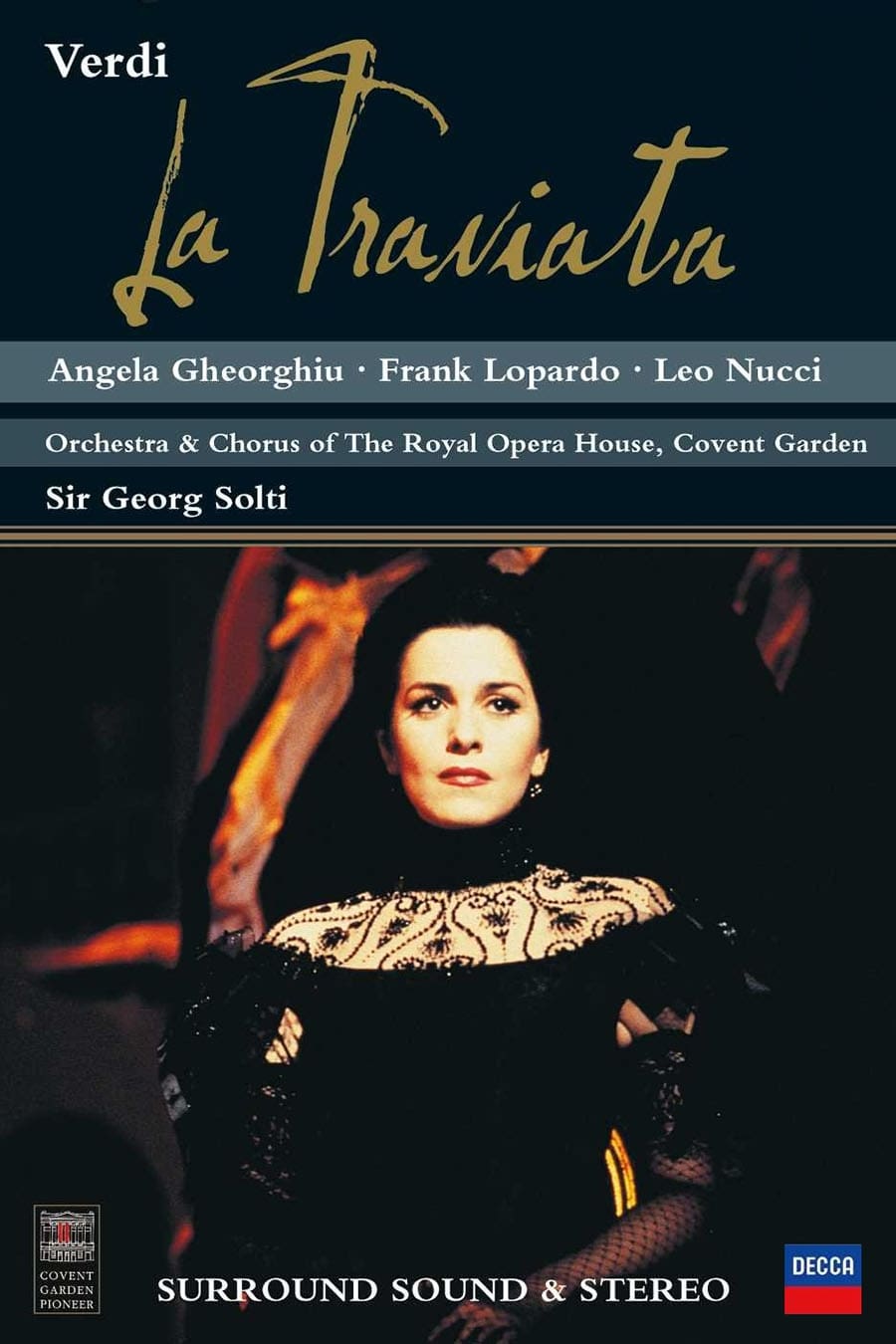
La traviata (Italian: [la traˈviaːta], "The Fallen Woman"[1][2]) is an opera in three acts by Giuseppe Verdi set to an Italian libretto by Francesco Maria Piave. It is based on La dame aux Camélias (1852), a play adapted from the novel by Alexandre Dumas, fils. The opera was originally entitled Violetta, after the main character. It was first performed on 6 March 1853 at the La Fenice opera house in Venice. Piave and Verdi wanted to follow Dumas in giving the opera a contemporary setting, but the authorities at La Fenice insisted that it be set in the past, "c. 1700". It was not until the 1880s that the composer and librettist's original wishes were carried out and "realistic" productions were staged.[3]
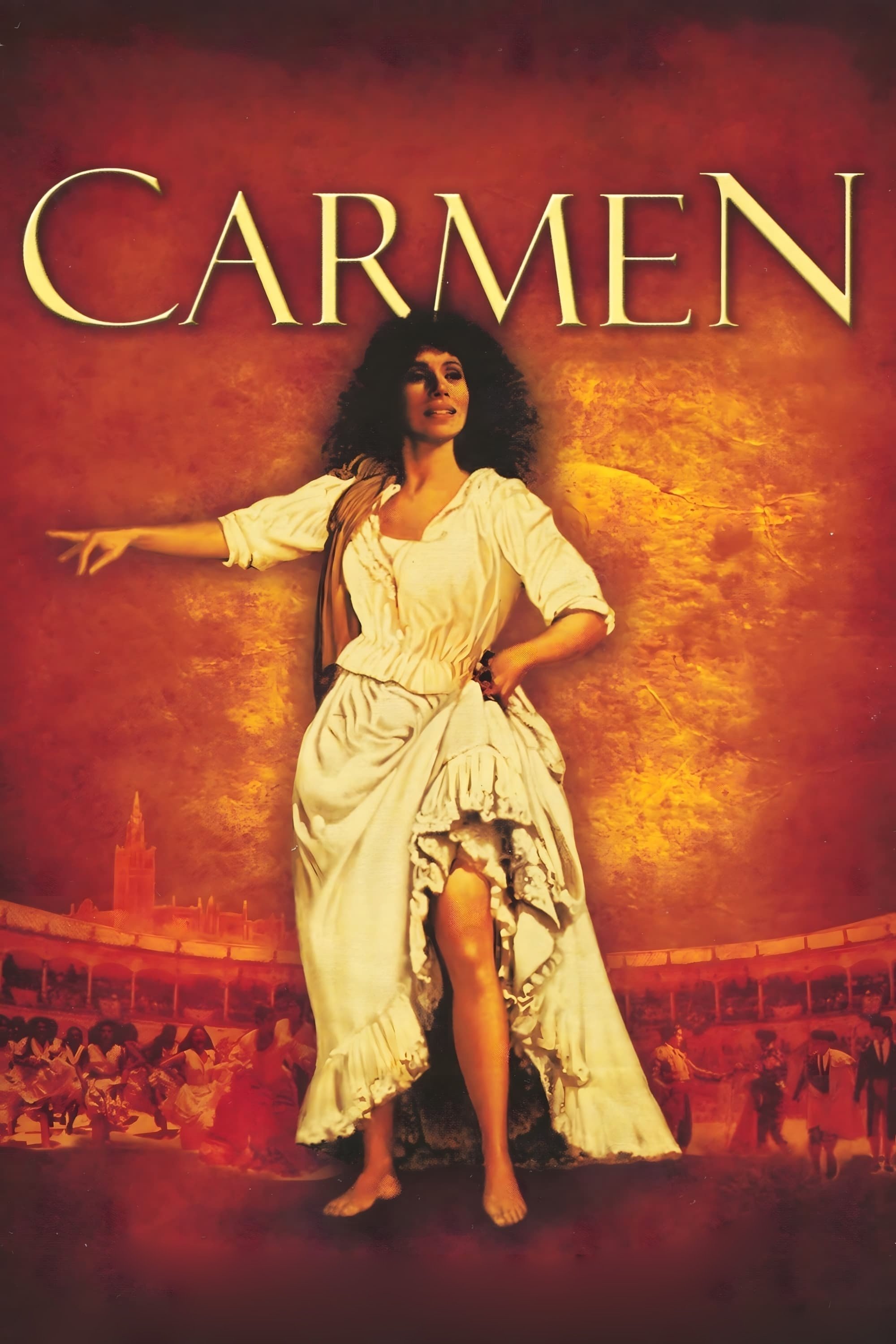
In the early 19th century, in Seville and the surrounding area, Carmen seduces the sergeant Don José, who deserts the army to be with her. But the beautiful gypsy falls in love with the bullfighter Escamillo, much to Don José’s despair.
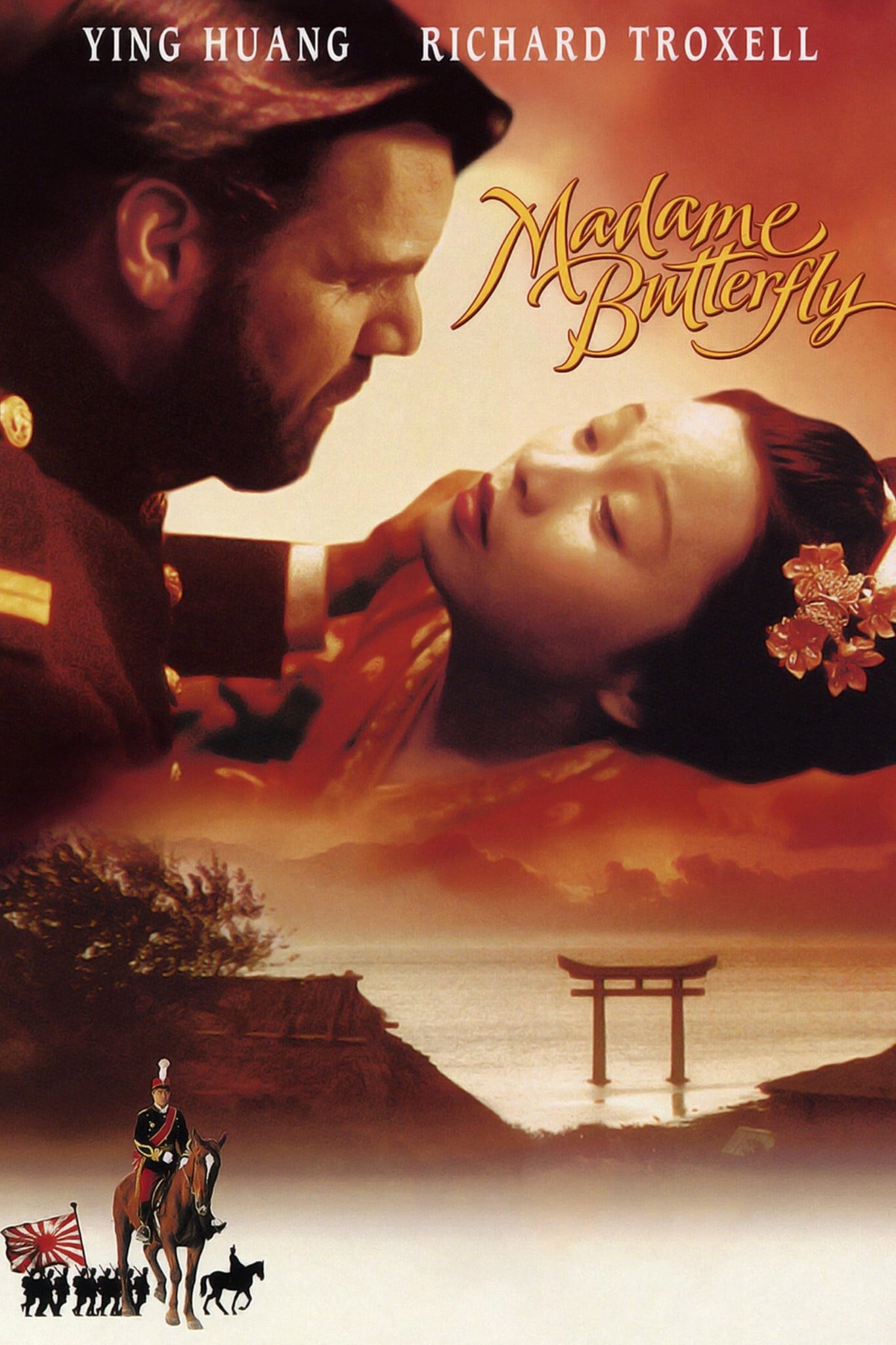
Cio-Cio-San, a young Japanese geisha, seeks to fulfill her dreams through marriage to an American naval officer. Her faith in their future is shattered by his empty vows and the loss she endures touches something deep within us all.
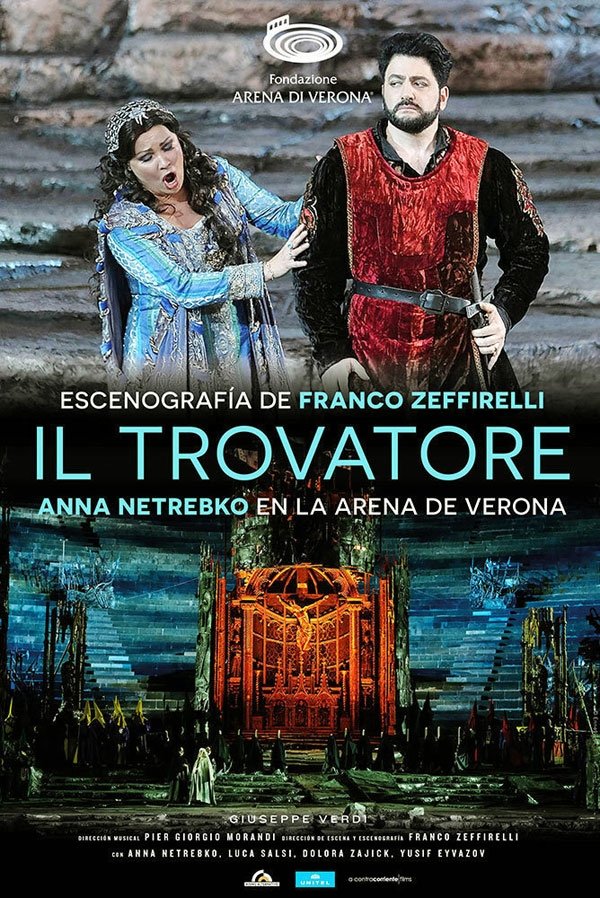
It's an event that draws many thousands of music lovers to one of the most beautiful cities in the world every summer: the opera season at the ancient Arena di Verona. The 2,000-year-old roman amphiteatre with its gigantic stage dimensions is one of the largest and best preserved Roman construction of its kind, and with over 22,000 seats it is undoubtedly one of the most spectacular open-air venues of the world! The revered master of opera Franco Zeffirelli, who died shortly before the premiere of Il Trovatore, created a legendary scenery with groups of giant sized armoured knights, a fortress turning into a luminous cathedral, an enormous choir, horses, breathtaking fights: “his perhaps best arena production” (Opernglas). It brings Anna Netrebko to the Arena of Verona where she is giving her much-anticipated debut in one of Giuseppe Verdi’s most popular operas.
Taylor Swift takes the stage in Dallas for the Reputation Stadium Tour and celebrates a monumental night of music, memories and visual magic.
Screen adapatation of Mozart's greatest opera. Don Giovanni, the infamous womanizer, makes one conquest after another until the ghost of Donna Anna's father, the Commendatore, (whom Giovanni killed) makes his appearance. He offers Giovanni one last chance to repent for his multitudinious improprieties. He will not change his ways So, he is sucked down into hell by evil spirits. High drama, hysterical comedy, magnificent music!
This film follows the remarkable and inspirational true story of Paul Potts, a shy, bullied shop assistant by day and an amateur opera singer by night.
This contemporary re-imagining of Andrew Lloyd Webber and Tim Rice's legendary rock musical Jesus Christ Superstar presents the story of the last seven days of Christ leading up to his crucifixion as seen through the eyes of Judas Iscariot. Filmed as an arena rock opera, the performance features a star-studded line-up which includes award-winning musical comedian, Tim Minchin as the role of Judas Iscariot; pop icon and former Spice Girl Melanie C as Mary Magdalene; radio DJ Chris Moyles in his stage debut as King Herod; and Ben Forster, to take on the title role of Jesus.
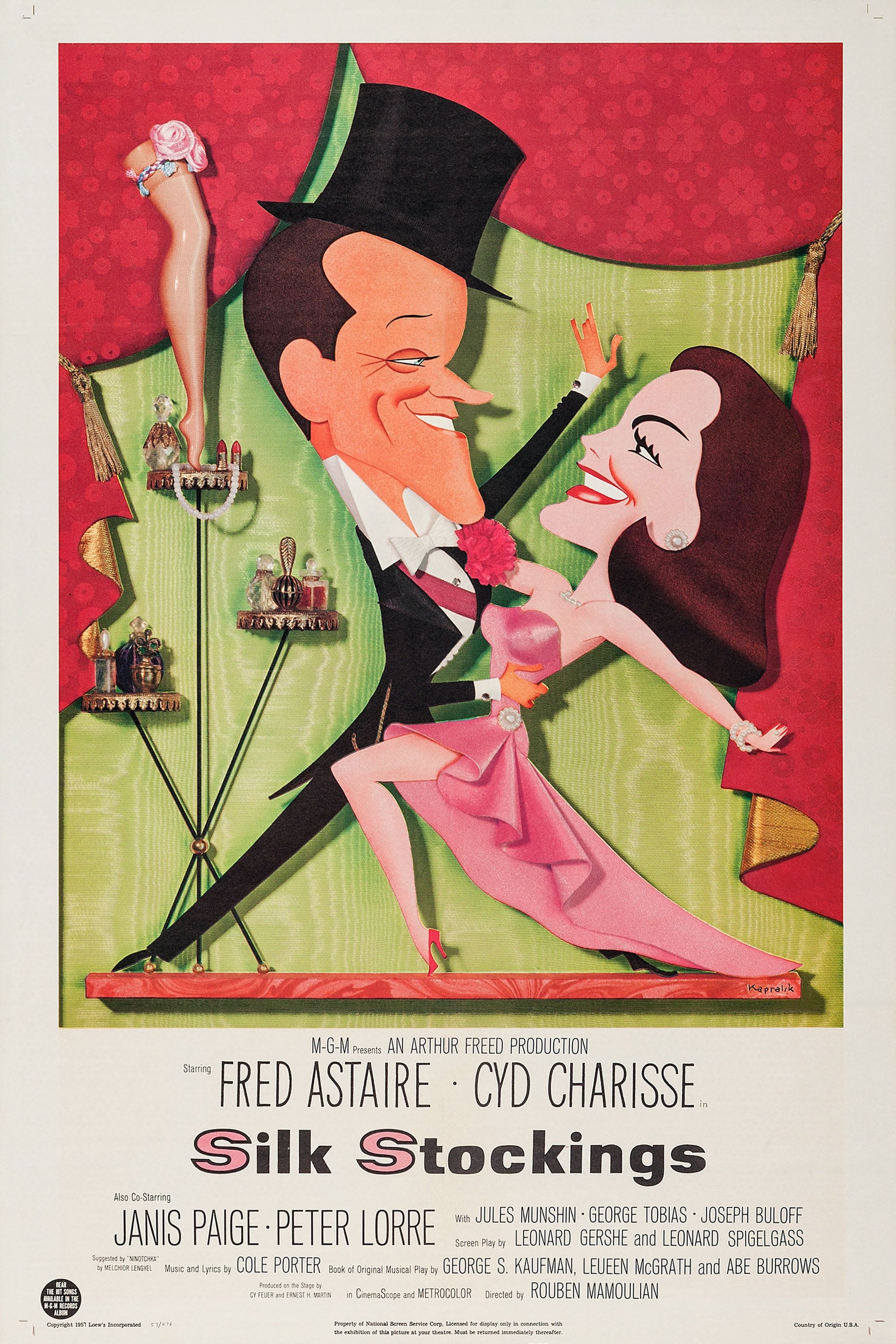
After three bumbling Soviet agents fail in their mission to retrieve a straying Soviet composer from Paris, the beautiful, ultra-serious Ninotchka is sent to complete their mission and to retrieve them. She starts out condemning the decadent West, but gradually falls under its spell—with the help of an American movie producer. A remake of Ninotchka (1939).
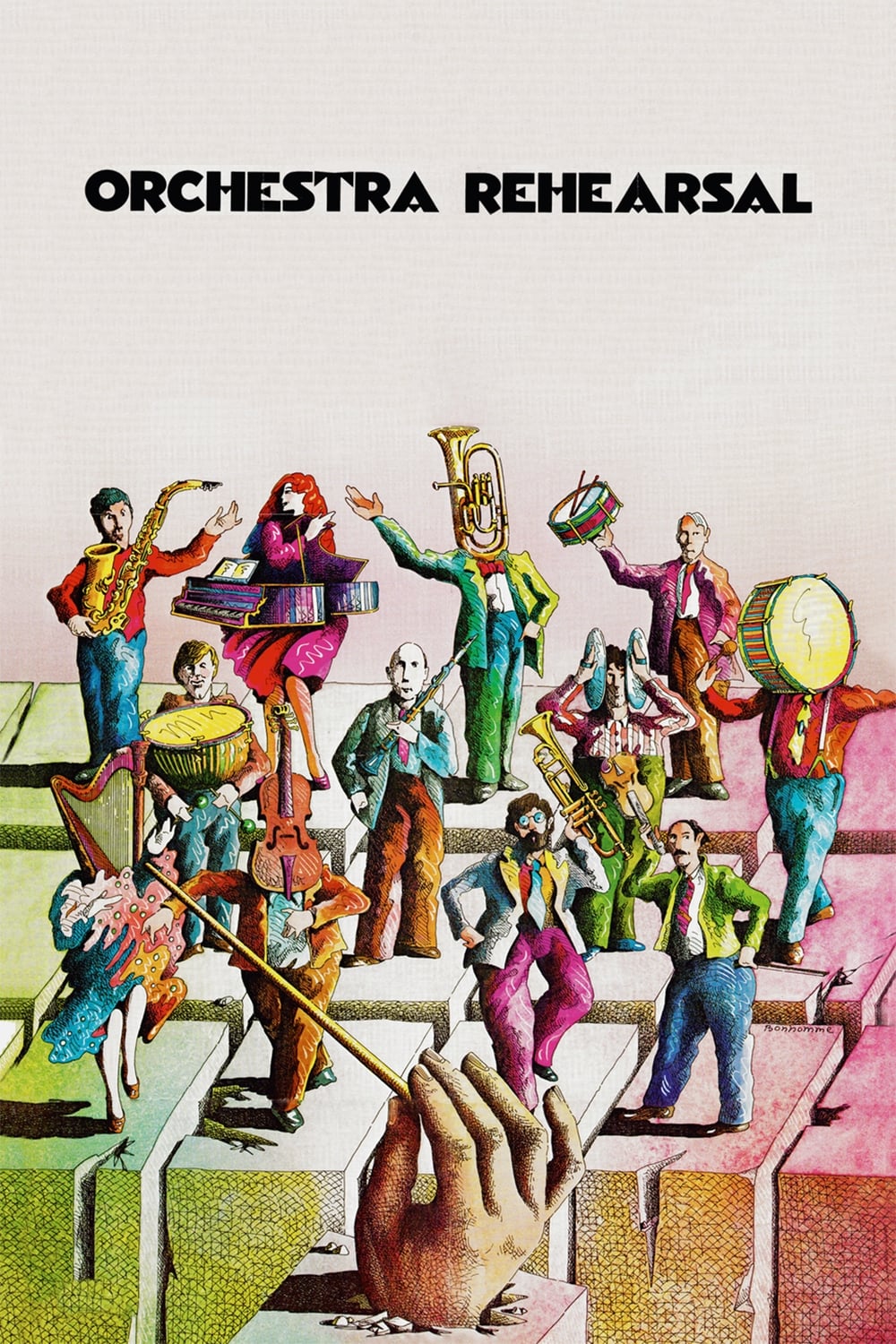
An orchestra assembles for a rehearsal in an ancient chapel under the inquisitive eyes of a TV documentary crew, but an uprising breaks out.
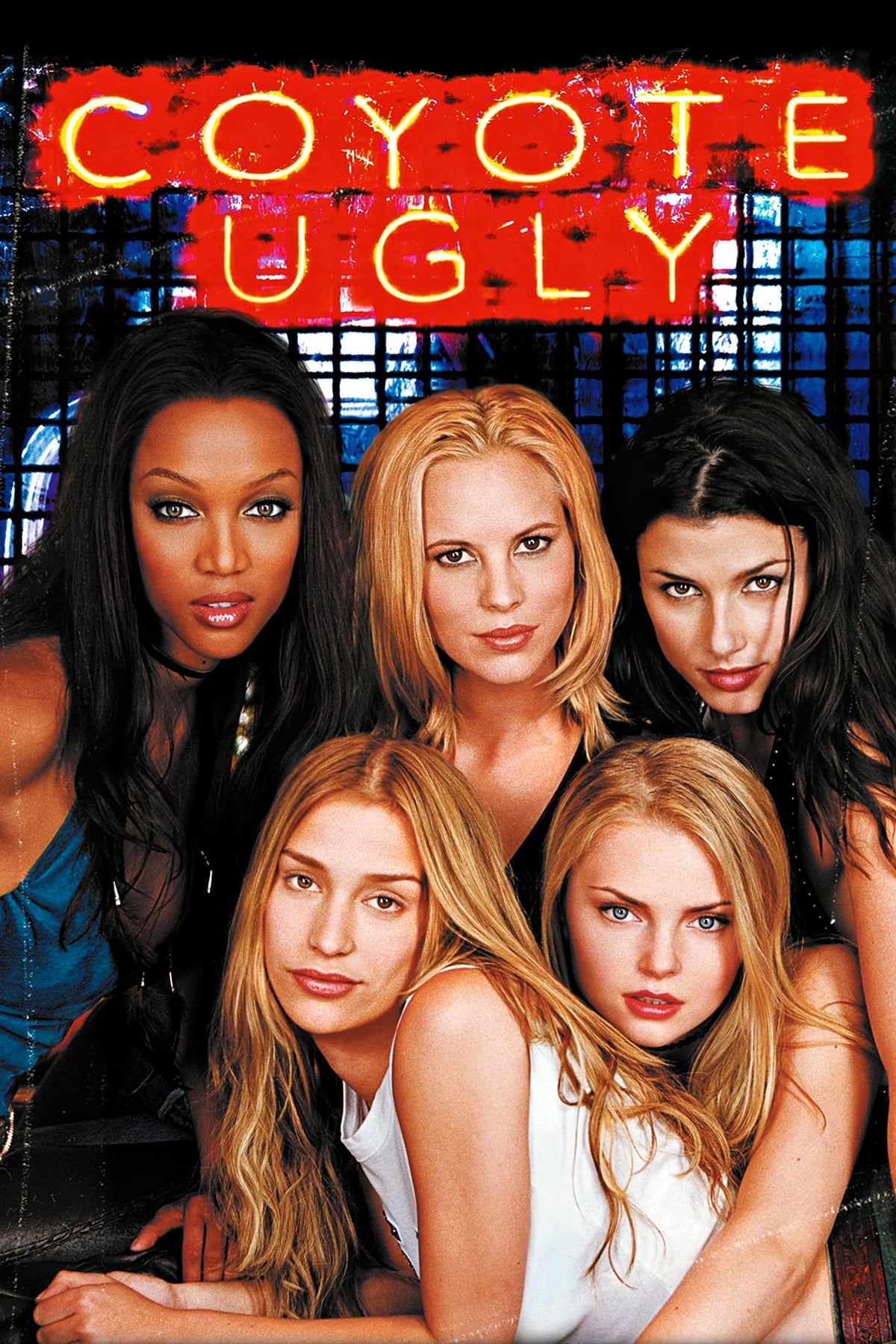
Graced with a velvet voice, 21-year-old Violet Sanford heads to New York to pursue her dream of becoming a songwriter only to find her aspirations sidelined by the accolades and notoriety she receives at her "day" job as a barmaid at Coyote Ugly. The "Coyotes" as they are affectionately called tantalize customers and the media alike with their outrageous antics, making Coyote Ugly the watering hole for guys on the prowl.
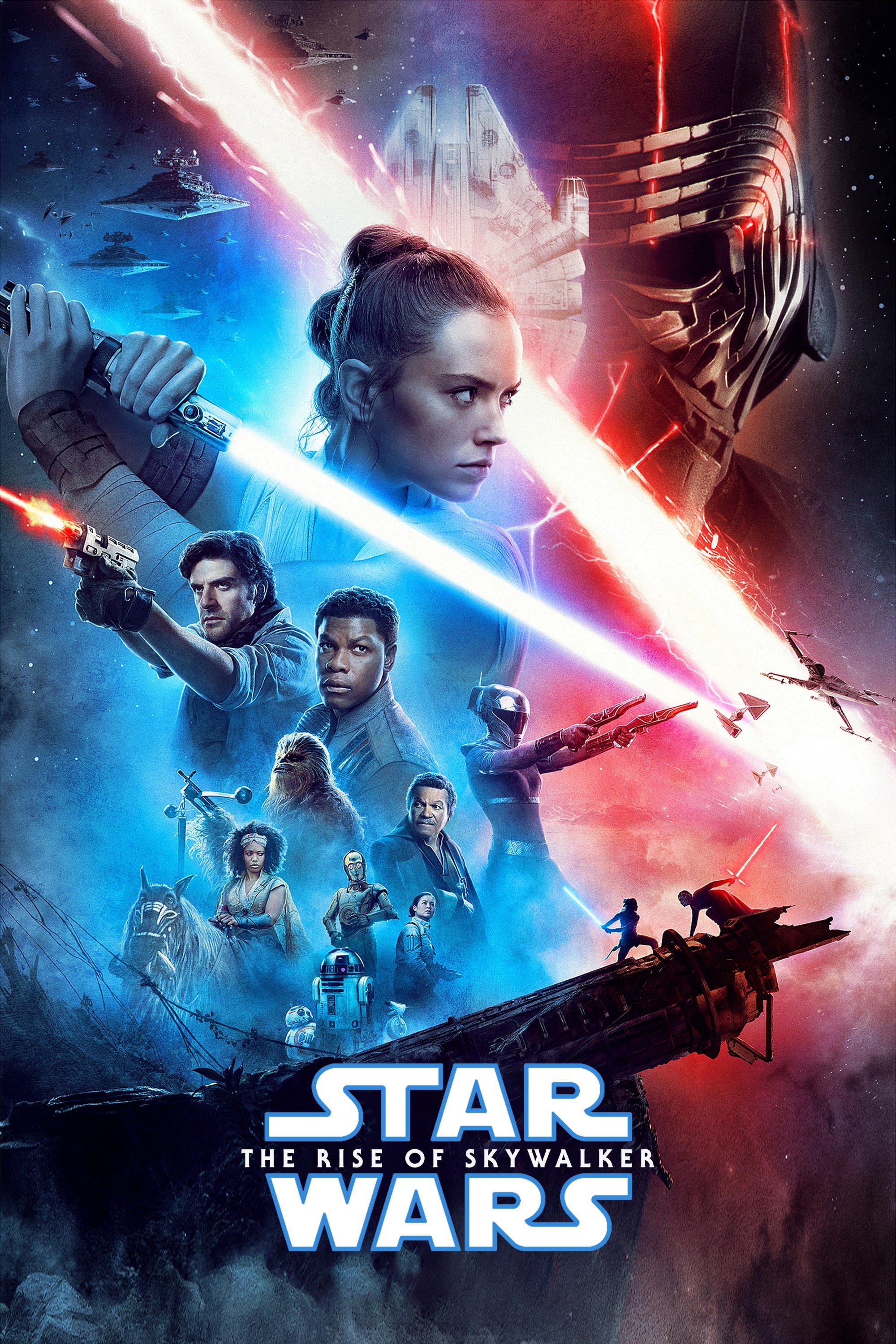
The surviving Resistance faces the First Order once again as the journey of Rey, Finn and Poe Dameron continues. With the power and knowledge of generations behind them, the final battle begins.
The Marx Brothers take on high society and the opera world to bring two lovers together. A sly business manager and two wacky friends of two opera singers help them achieve success while humiliating their stuffy and snobbish enemies.
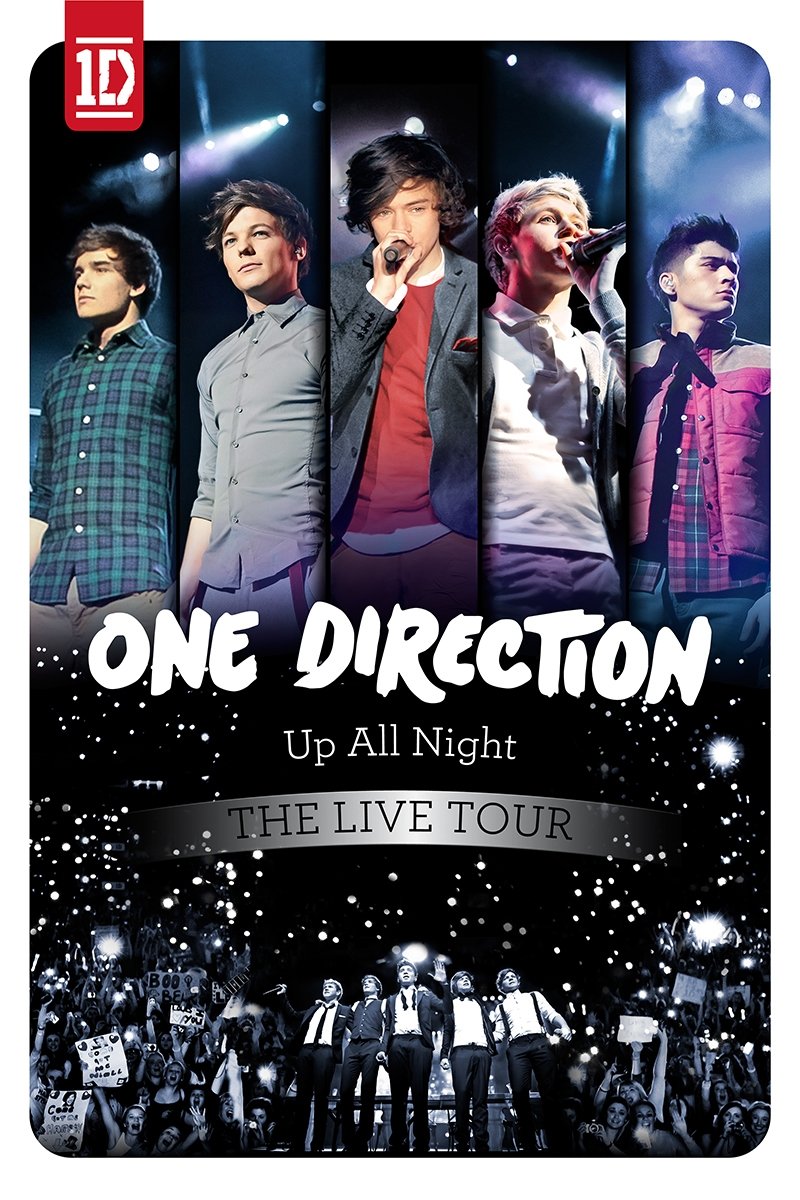
Up All Night: The Live Tour is a DVD release from the British-Irish boy band One Direction, which was released on 28 May 2012. The video concert DVD was recorded as part of One Direction's Up All Night Tour at the International Centre in Bournemouth, includes songs from their multi-platinum debut album Up All Night and five covers, including "I Gotta Feeling", "Stereo Hearts", "Valerie", "Torn" and "Use Somebody".
A down-on-his-luck coach is hired to prepare a team of the best American dancers for an international tournament that attracts all the best crews from around the world, but the Americans haven't won in fifteen years.
Al Pacino's deeply-felt rumination on Shakespeare's significance and relevance to the modern world through interviews and an in-depth analysis of "Richard III."
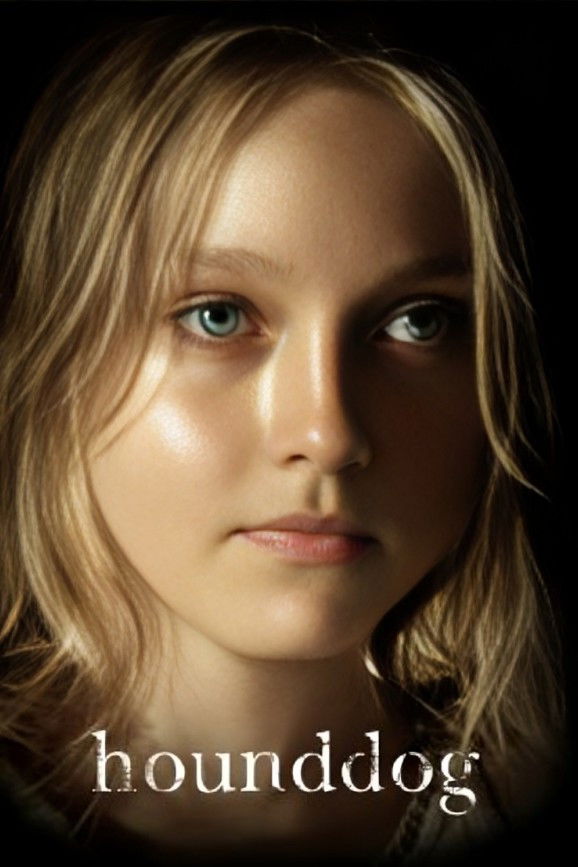
A drama set in the American South, where a precocious, troubled girl finds a safe haven in the music and movement of Elvis Presley.
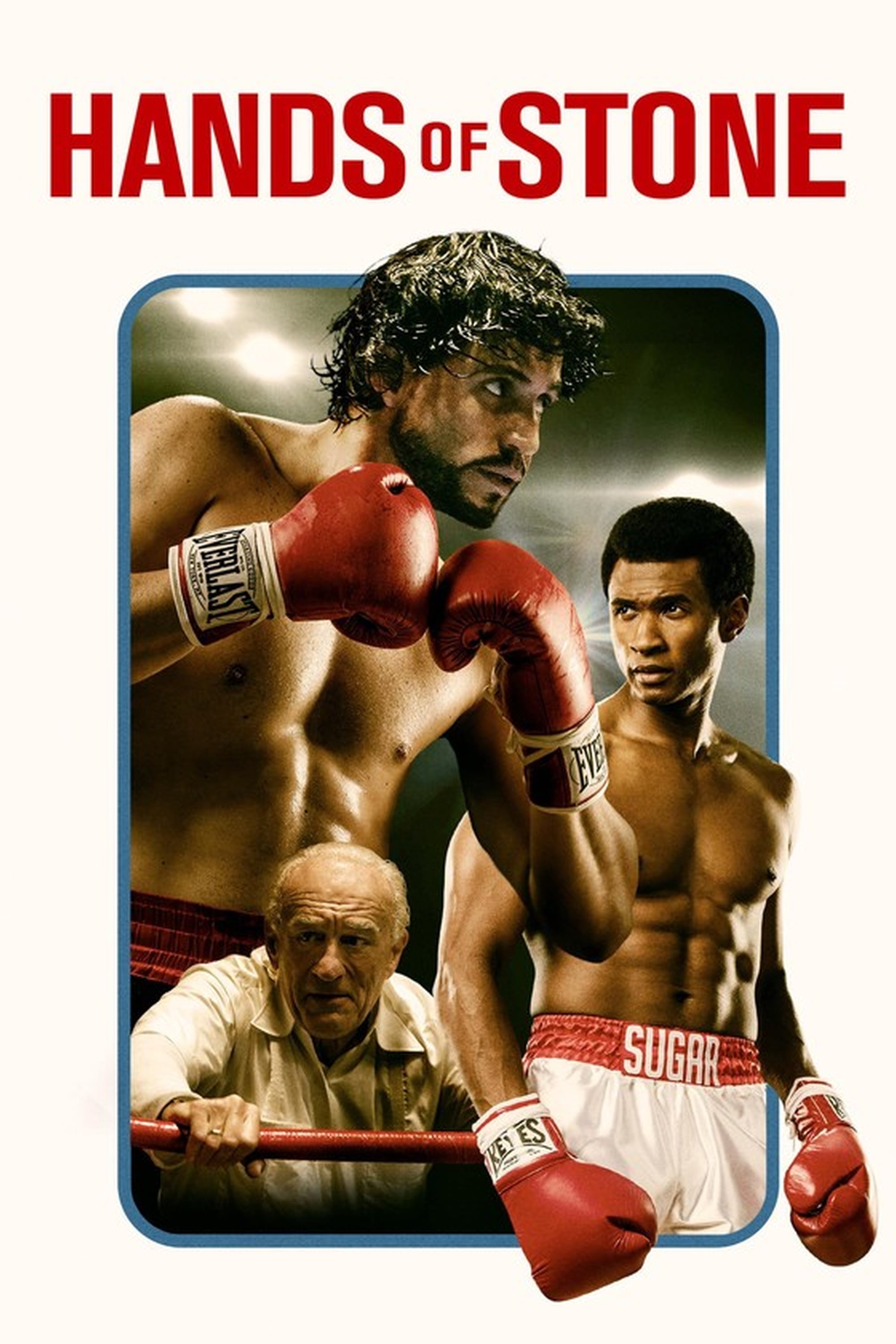
The legendary Roberto Duran and his equally legendary trainer Ray Arcel change each other's lives.
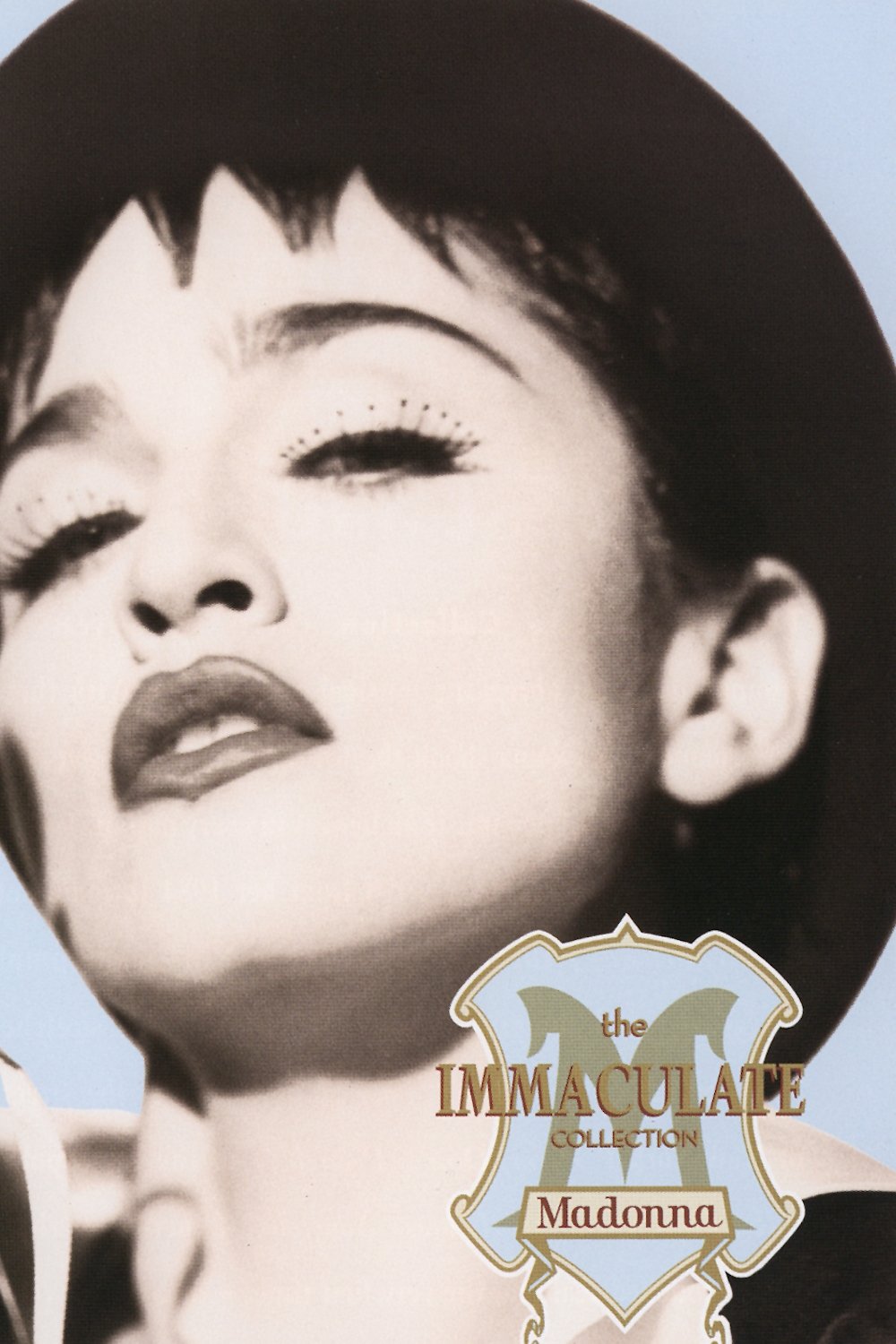
The Immaculate Collection is the first commercially released greatest videos compilation by singer Madonna. Released on November 13, 1990 to accompany the audio CD, it contained hits spanning 1983-1990. The collection won "Best Long Form Video" category at the 1991 MTV Video Music Awards. Includes the following videos: 1. Lucky Star 2. Borderline 3. Like a Virgin 4. Material Girl 5. Papa Don't Preach 6. Open Your Heart 7. La Isla Bonita 8. Like a Prayer 9. Express Yourself 10. Cherish 11. Oh Father 12. Vogue 13. Vogue (1990 MTV Awards Show Performance)
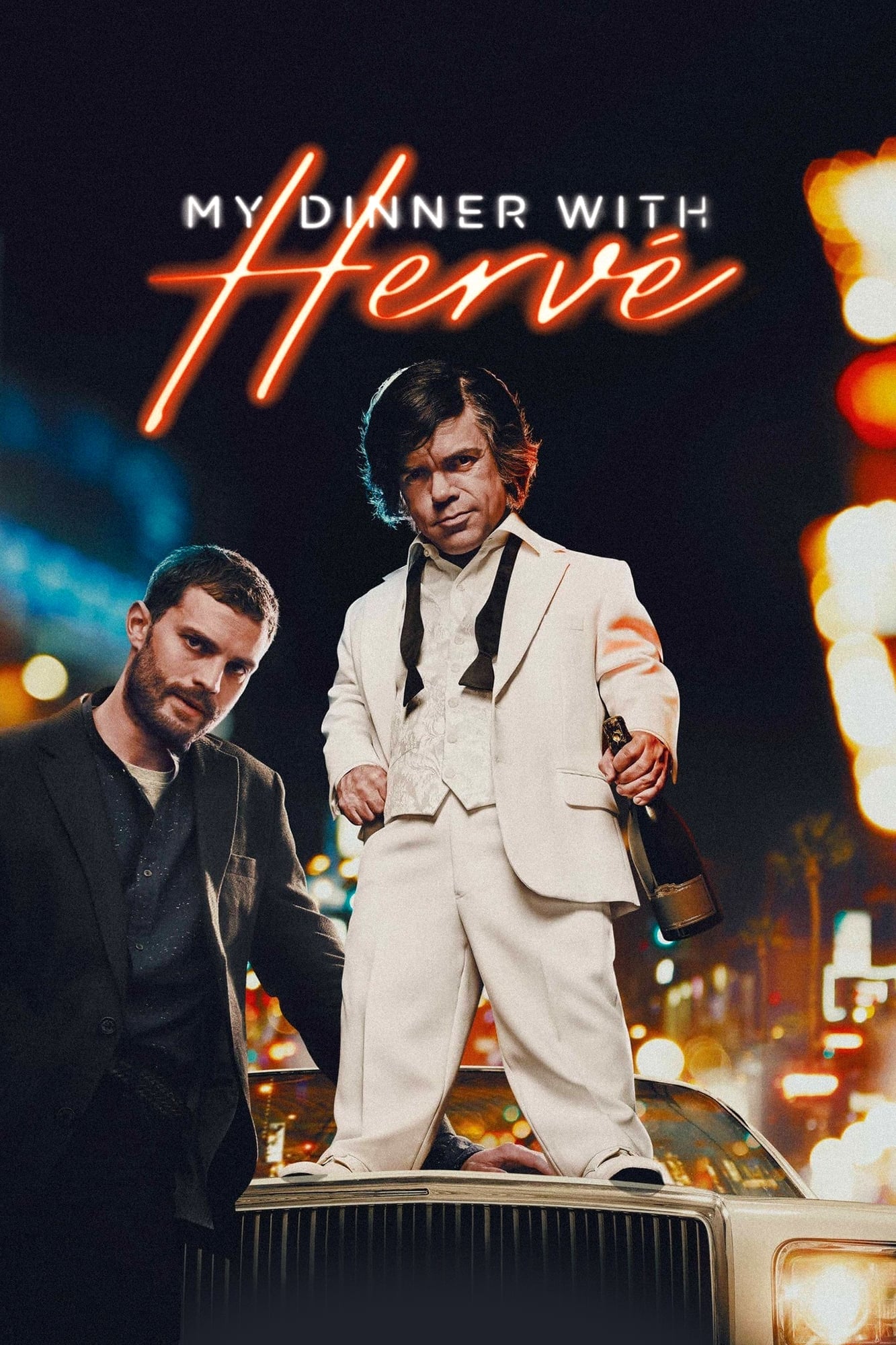
An unlikely friendship evolves over one wild night in LA between a struggling journalist and actor Hervé Villechaize, the world's most famous gun-toting dwarf, resulting in life-changing consequences for both.
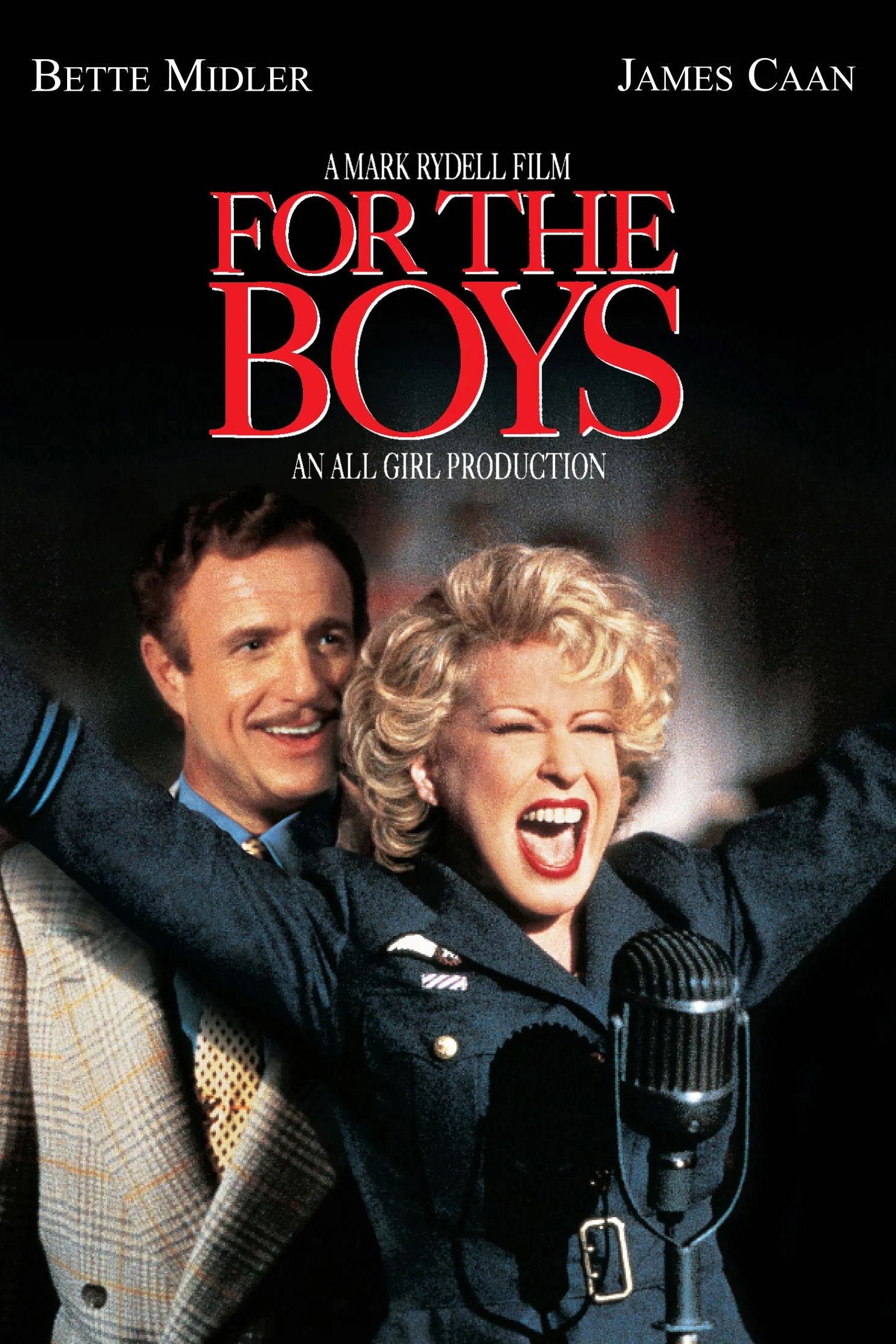
Talented USO entertainer Dixie Leonard and comedian Eddie Sparks deal with their relationship over the course of 5 decades from World War II to the Vietnam War era to their twilight era in the 90's.
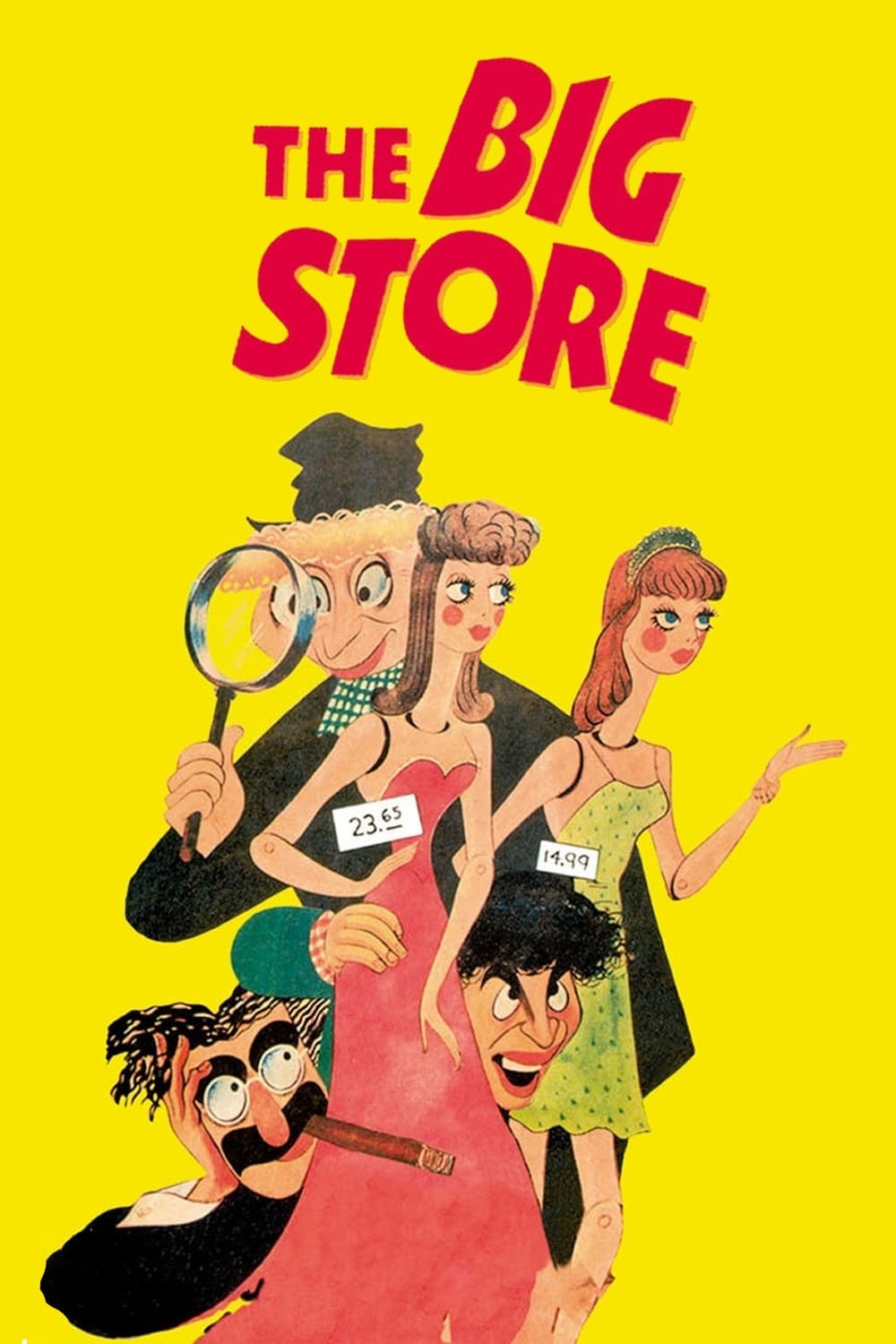
A detective is hired to protect the life of a singer, who has recently inherited a department store, from the store's crooked manager.
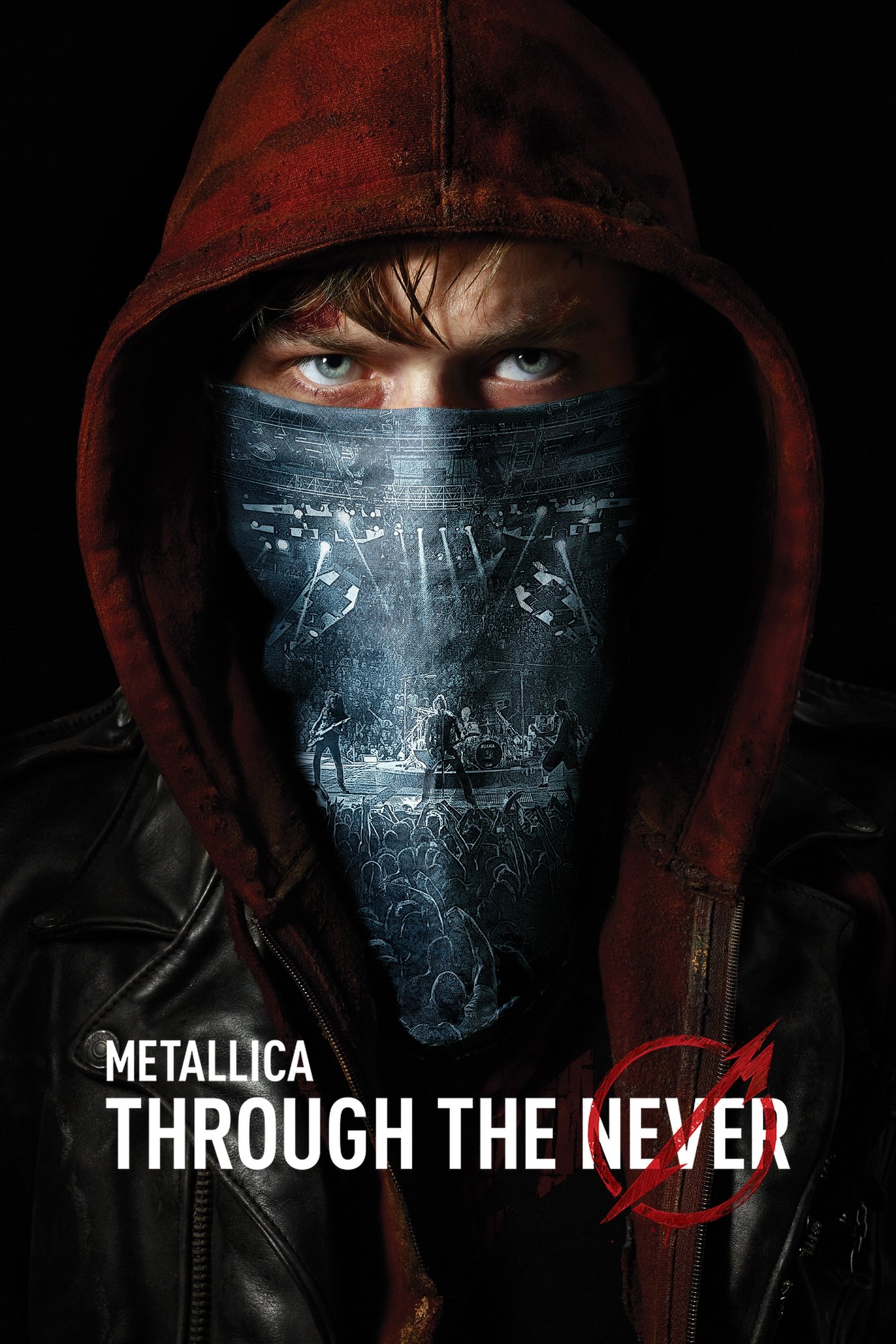
Trip, a young roadie for Metallica, is sent on an urgent mission during the band's show. But what seems like a simple assignment turns into a surreal adventure.
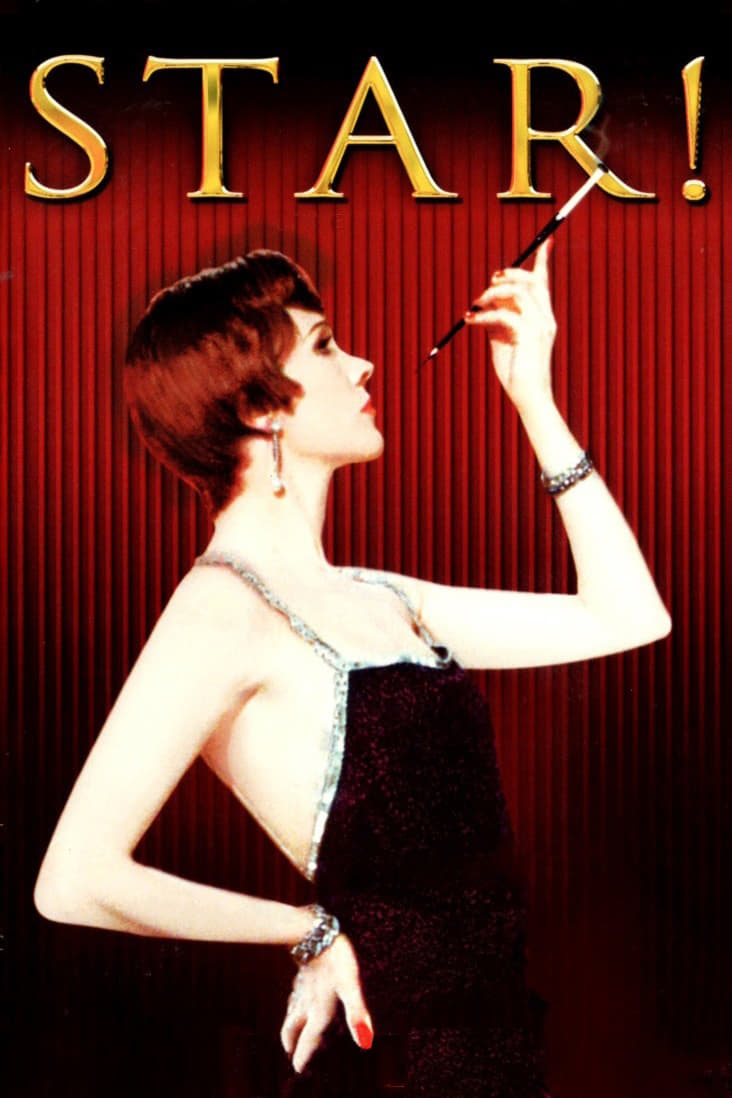
Gertrude Lawrence rises to stage stardom at the cost of happiness.