Social & External
Narrator
Self - Presenter
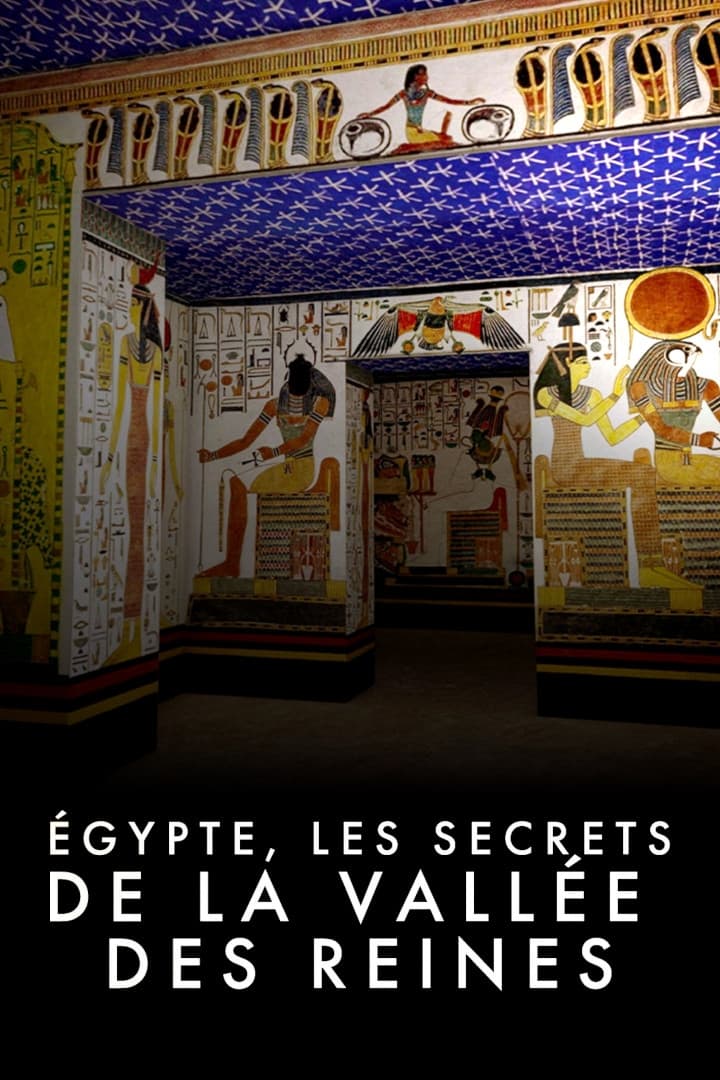
Zahi Hawass, an Egyptian archaeologist, has been excavating the ancient necropolis of Saqqara, south of Cairo, for several decades. He hopes to discover the tomb of Imhotep, the architect of humanity’s first pyramid: Djoser’s Step Pyramid. Together with his team, he will unearth fabulous tombs and uncover the secrets of Egyptian mummies.
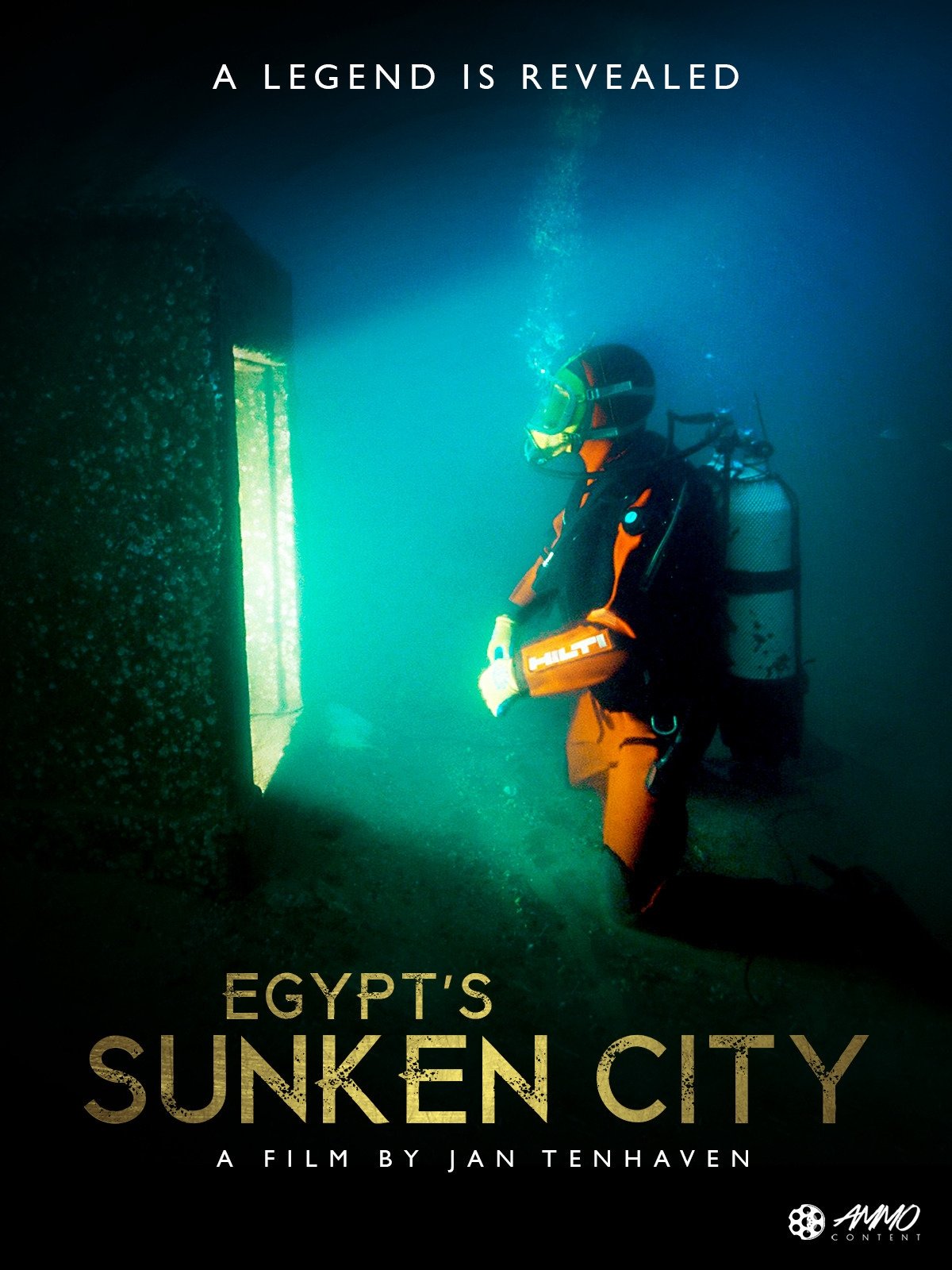
Looking for a forgotten city: off the coast of Egypt, just a few metres under the surface, but blanketed by sand and mud, slumbers the ancient port of Heracleion.
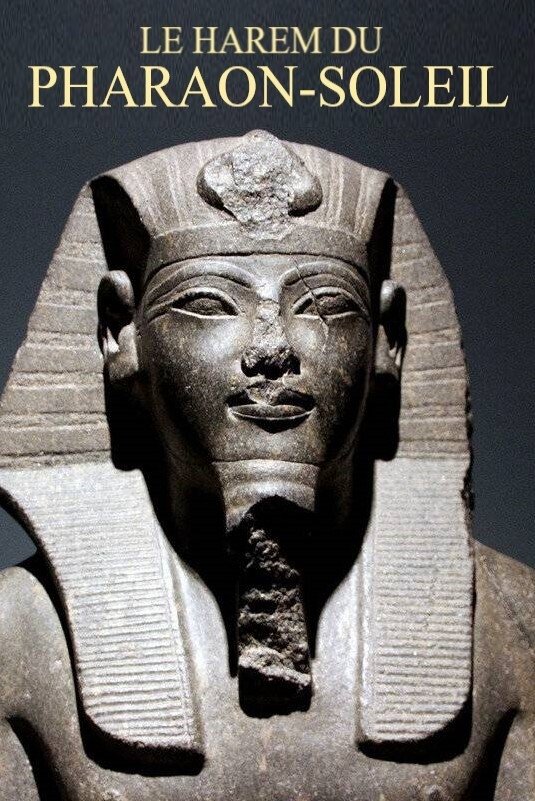
January 2011: a team from the University of Basel makes two spectacular discoveries. The first was a previously unknown tomb, which was given the number KV64 and contained two mummies. It had originally been created at the time of Amenhotep III for a princess of the 18th dynasty and was reused a few centuries later for the burial of a noblewoman of the 22nd dynasty. Right next to it is the already known burial site KV40, where the Basel researchers have now carried out excavations for the first time. They discovered dozens of mummies - an unusual find in the Valley of the Kings, where most tombs were built for just one pharaoh. Initially, the archaeologists estimated the number of dead at 30, but after months of collaboration with evolutionary scientist Frank Rühli from the University of Zurich, they came to the conclusion that there must actually be more than 90. Who were these women?
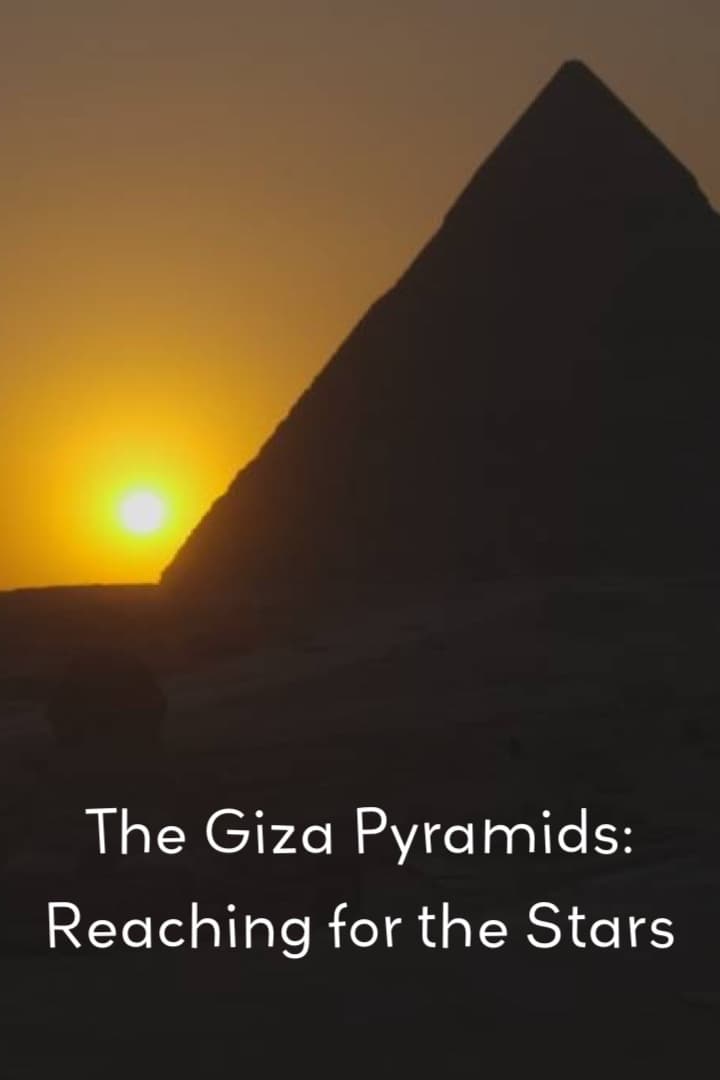
Explores the Pyramids of Giza as Egyptologists try to unravel the mysteries and decipher the clues behind these stone giants built over 4,500 years ago.
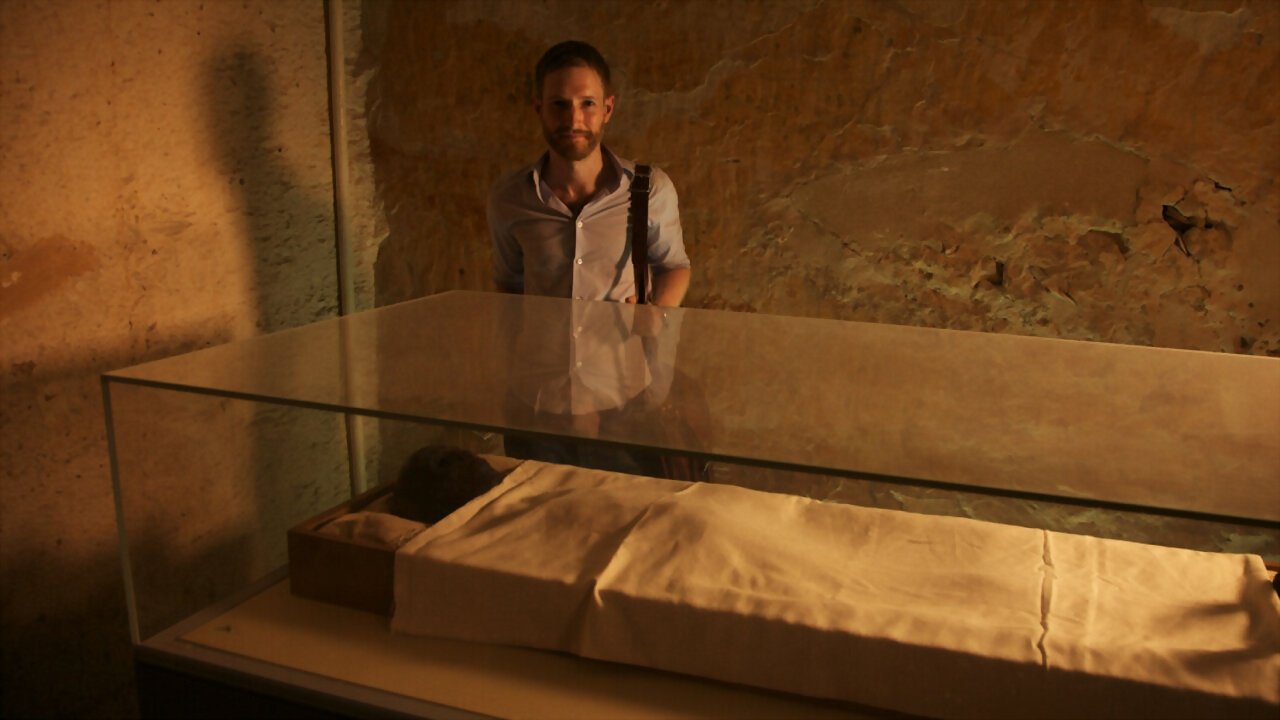
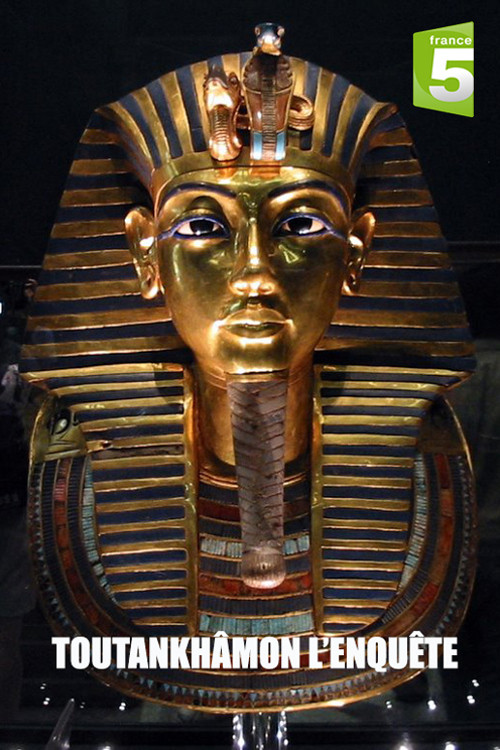
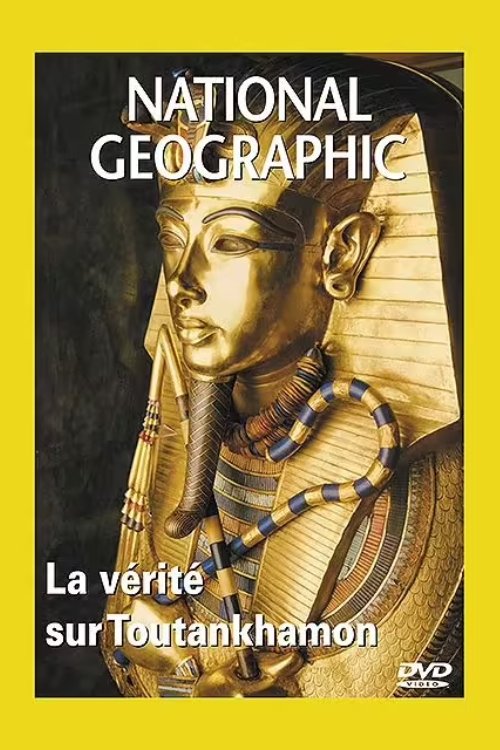
As part of a high-tech forensic probe into the demise of Egyptian Pharaoh Tutankhamun, scientists use X-rays and CT scans as they attempt to reach a conclusion about just how this famed king died. In addition, they explore the mysterious curse on explorers linked to Tut's tomb excavation.
3,200 years ago, Egypt is living the final hours of its golden age under the reign of Ramesses II. After ruling the country for 67 years, the great pharaoh dies at the old age of 92. His mummy is burried in the heart of the Valley of the Kings. This is the beginning of his great journey towards the afterlife but only under one condition: that his tomb remains off limits forever. However, in the 19th century, many European adventurers explore the tomb of the king searching for the burial chamber. Then begins an archeological investigation, which reveals the story of Ramesses II after-life.
It is one of Egypt's enduring mysteries. What happened to Nefertiti and her husband, Akhenaten - the radical king, and likely father of King Tut? In a dark and mysterious tomb located in the Valley of the Kings, there is a small chamber with two mummies without sarcophagi or wrappings. At times, both have been identified as Queen Nefertiti by scholars, filmmakers and historians. But the evidence has been circumstantial at best.
Howard Carter hunts for the tomb of the boy king Tutankhamun.
This documentary explores the life of Dorothy Eady, also known as Omm Sety, who believed she was a reincarnated ancient Egyptian priestess. It features re-enactments at the archaeological site of the Temple of Seti I in Abydos, highlighting her unique story and contributions to Egyptology in which she became a notable figure.
This special takes a 21st century approach to ancient history, bringing together the latest scientific evidence to build the ultimate picture of King Tutankhamun.
For centuries, the Great Pyramids have fascinated Mankind. Patrice Pooyard's The Revelation Of The Pyramids reveals what lies behind the greatest of archaeological mysteries: a message of paramount importance for humanity. From China to Peru, from Egypt to Mexico, through the world's most enigmatic and most beautiful sites, the director has spent 6 years meeting eminent scientific specialists and verifying his discoveries. The result will shake the teaching of history to its very core, and revolutionize Egyptology entirely. A great odyssey along a breathtaking route climaxes in a revelation as unexpected as it is staggering.
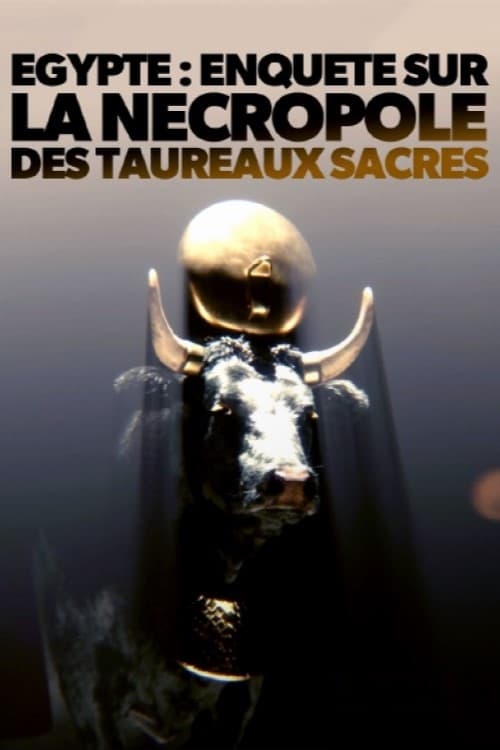
On the mythical site of Saqqara, the Apis bulls were buried for more than a thousand years in the immense underground necropolis of the Serapheum. Discovered in 1850 by the French Egyptologist Auguste Mariette, this place shelters a treasure of which a part is preserved in the Louvre. The collapse of the ceiling of one of the galleries had however prevented the archaeologist from venturing into the entire necropolis. More than 170 years later, the museum's Egyptologists are continuing the work of their famous predecessor. Investigating the cult of the Apis bull and the mysterious rituals that surrounded it, the team is especially looking for access to the unexplored parts, which have at least eight burial chambers, with the hope of finding intact tombs.
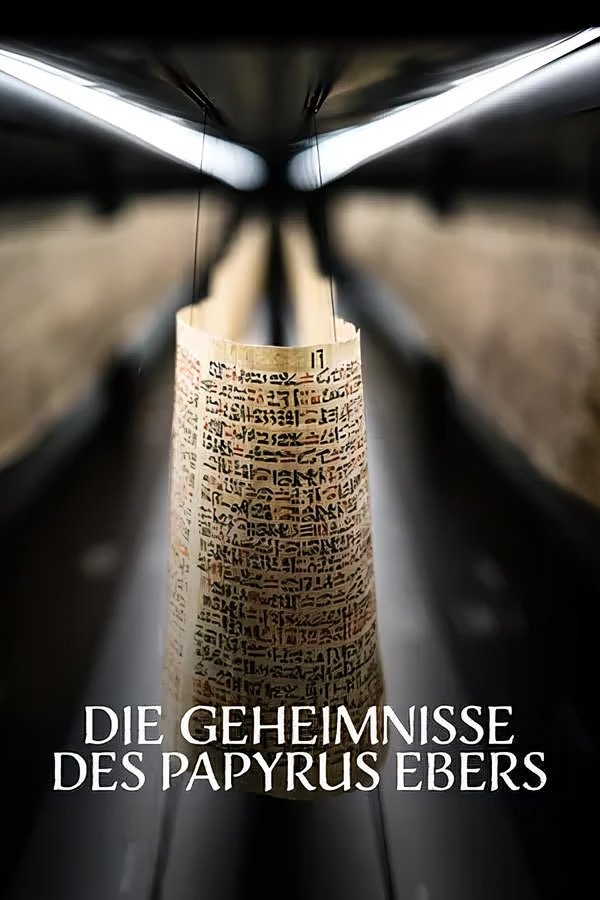
At around 3,500 years old, the Ebers Papyrus is the oldest completely preserved medical manual in the world. Recipes were written down here on 18.6 meters in ancient Egypt. When Georg Ebers set out in search of the scroll in 1872, its existence was questionable and its sensational condition only a rumor.
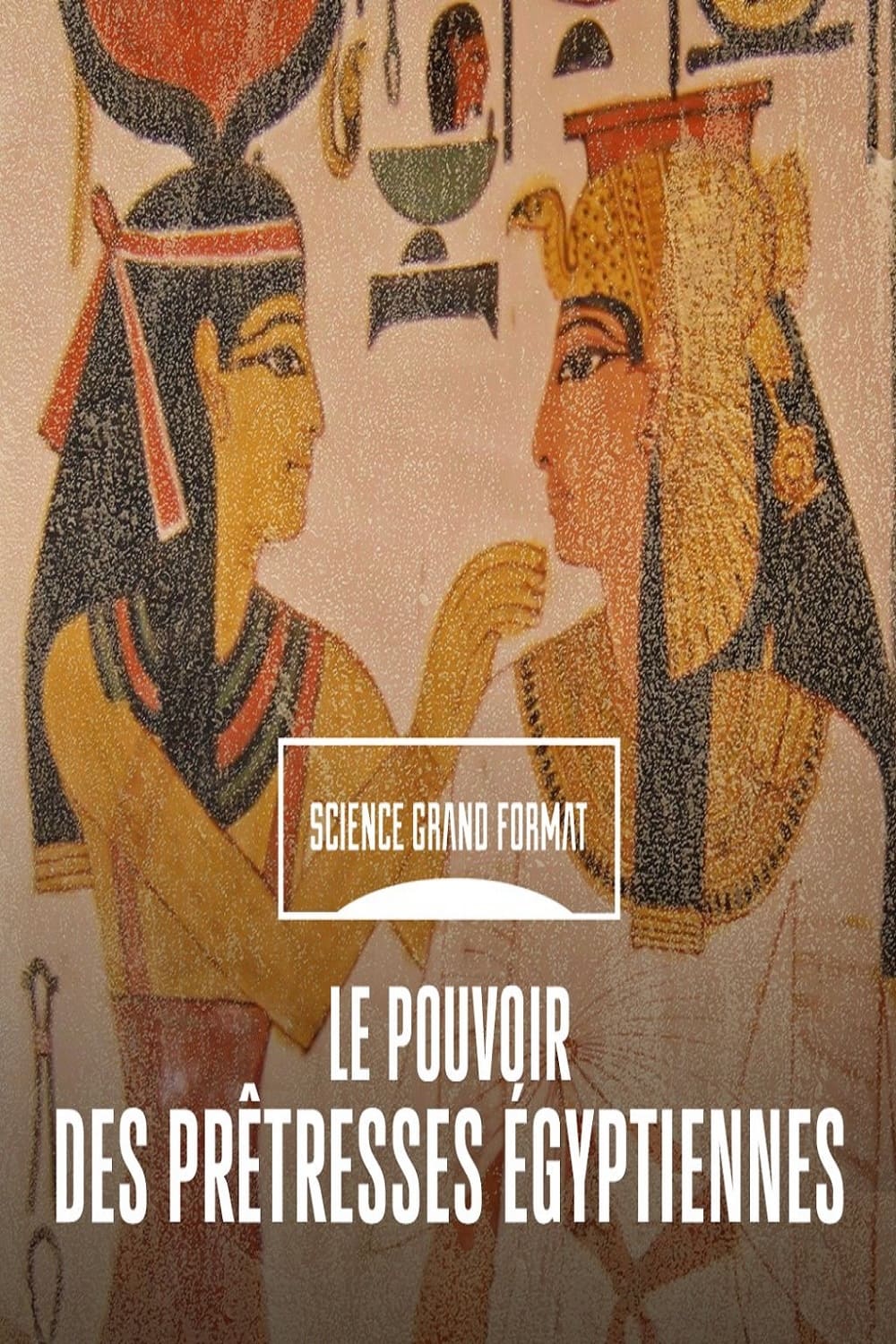
Professor Joann Fletcher explores what it was like to be a woman of power in ancient Egypt. Through a wealth of spectacular buildings, personal artefacts and amazing tombs, Joann brings to life four of ancient Egypt's most powerful female rulers and discovers the remarkable influence wielded by women, whose power and freedom was unique in the ancient world. Throughout Egypt's history, women held the title of pharaoh no fewer than 15 times, and many other women played key roles in running the state and shaping every aspect of life. Joann Fletcher puts these influential women back at the heart of our understanding, revealing the other half of ancient Egypt.
This documentary follows a team of archaeologists, mandated by the Louvre Museum, as they pick up where Egyptologist Auguste Mariette left-off with his discovery of the Serapeum tomb of the bull of Apis - one of the most sacred places in Saqqara, Egypt, in 1850. Mariette also managed to map out a network of underground tunnels leading to other burial sites that he did not have time to uncover. With exclusive access, we follow a team of archaeologists continue the research of Mariette.
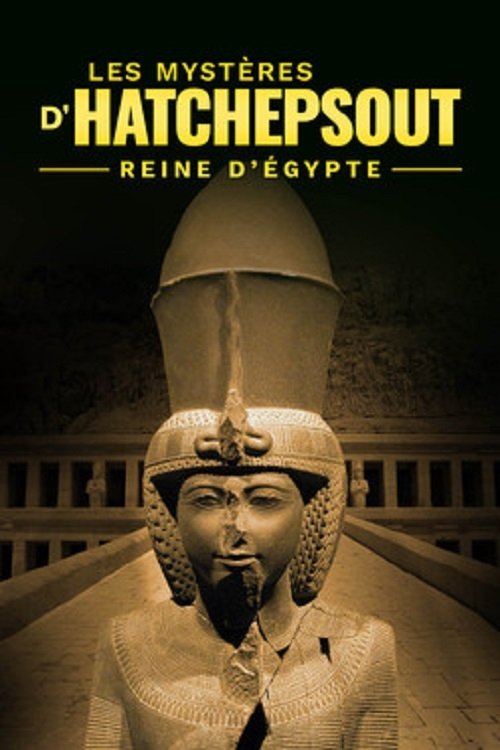
Built in 1500 BC on the west bank of the Nile, the temple of Hatshepsut serves as a spectacular new kind of temple and amazes Egyptologists with its unique design and historical significance.
JB Smoove and Martin Starr host a celebration of 20 years of "Spider-Man" movies, from the Sam Raimi trilogy to Marc Webb's movies and the trio from Jon Watts.
The life and career of an actor, artist, and icon. His own journey through his own camera.
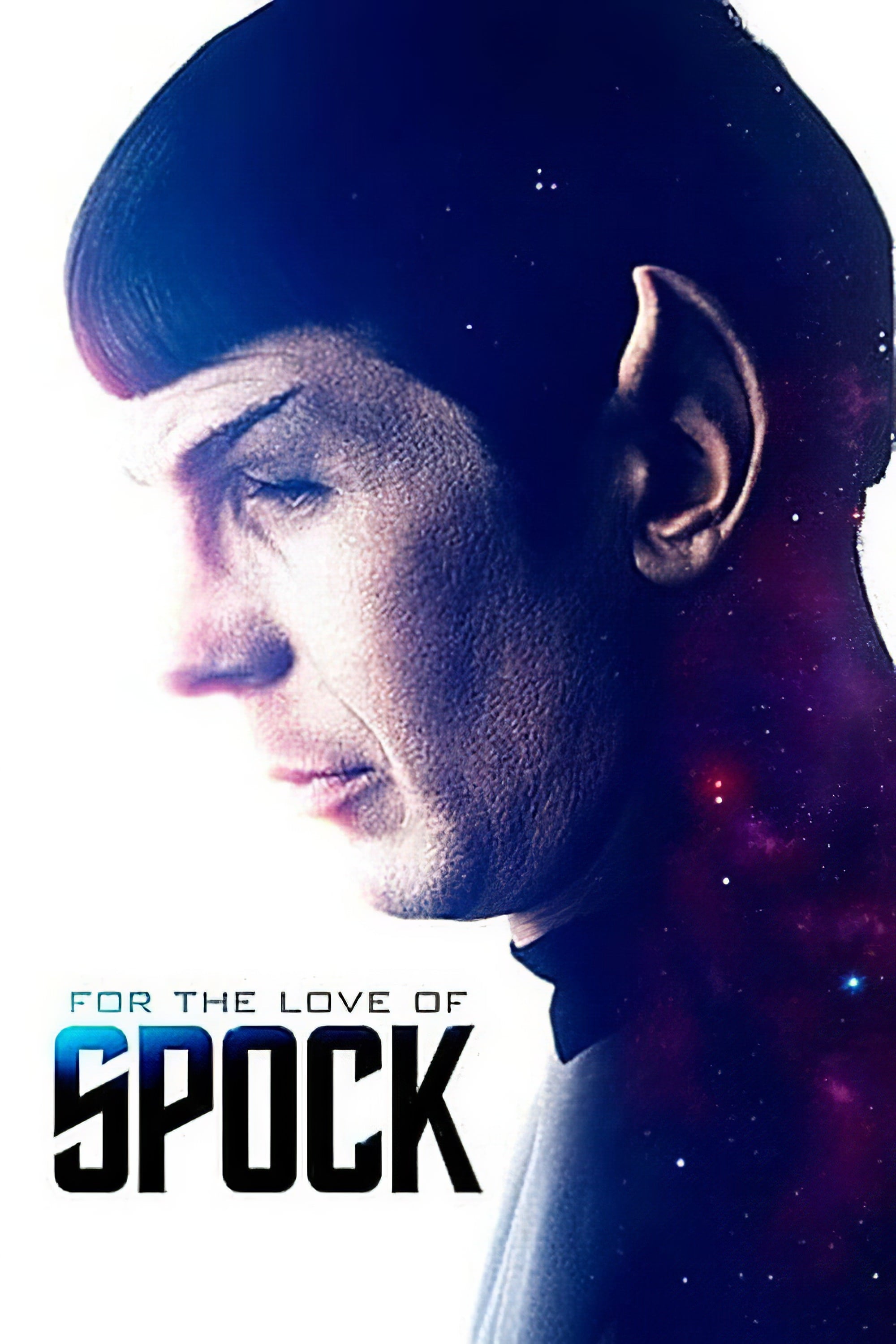
The life of Mr. Spock, as well as that of Leonard Nimoy, the actor who played him for almost fifty years, written and directed by his son: Adam.
Through deeply personal interviews with her siblings and an examination of the photographs, letters, and belongings left behind, Mariska assembles a new portrait of her mother Jayne Mansfield, an extraordinary and complex woman.
Al Pacino's deeply-felt rumination on Shakespeare's significance and relevance to the modern world through interviews and an in-depth analysis of "Richard III."
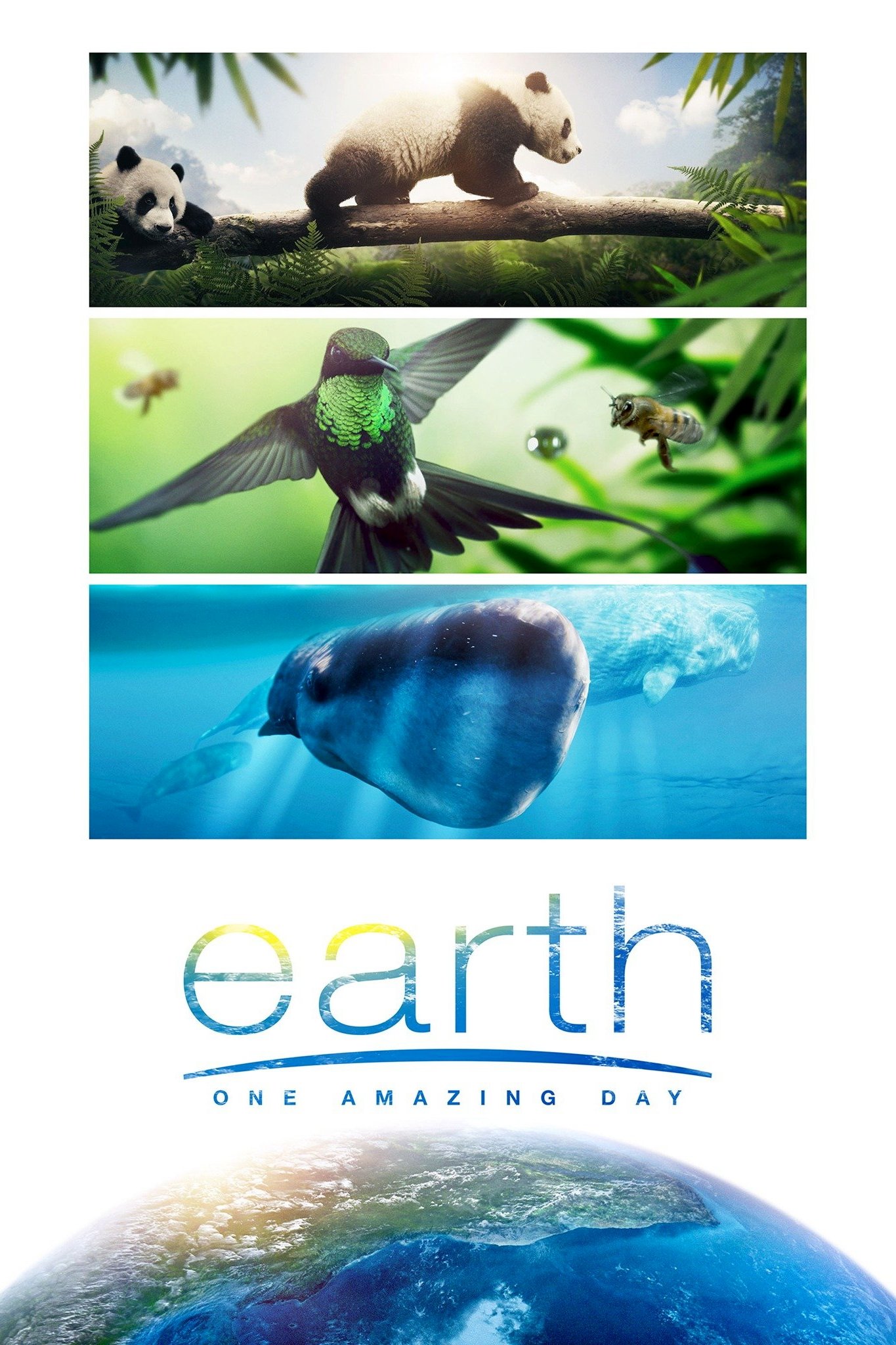
An astonishing journey revealing the awesome power of the natural world. Over the course of one single day, we track the sun from the highest mountains to the remotest islands to exotic jungles.
Interviews with leading authors, philosophers and scientists, with an in-depth discussion of the Law of Attraction. The audience is shown how they can learn and use 'The Secret' in their everyday lives.
A look at the origins, history and conspiracies behind the "Majestic 12", a clandestine group of military and corporate figureheads charged with reverse-engineering extraterrestrial technology.
Daniel Craig candidly reflects on his 15 year adventure as James Bond. Including never-before-seen archival footage from Casino Royale to the upcoming 25th film No Time To Die, Craig shares his personal memories in conversation with 007 producers, Michael G Wilson and Barbara Broccoli.
This documentary focuses on the actors and their journey over two summers to create the remake to the original IT, by Stephen King. The documentary originally released as bonus material, bundled with IT: Chapter Two.
A deliciously scandalous portrait of unsung Hollywood legend Scotty Bowers, whose bestselling memoir chronicled his decades spent as sexual procurer to the stars.
Various MGM stars from yesterday present their favorite musical moments from the studio's 50 year history.
Long-lost footage from Elvis Presley's legendary Las Vegas residency in the 1970s woven together with rare 16mm footage from Elvis on Tour, and 8mm from the Graceland archive, plus recordings of Elvis telling "his side of the story" rediscovered during Baz Luhrmann's research for his 2022 film, Elvis.
A real-life undercover thriller about two ordinary men who embark on an outrageously dangerous ten-year mission to penetrate the world's most secretive and brutal dictatorship: North Korea.
One Life captures unprecedented and beautiful sequences of animal behaviour guaranteed to bring you closer to nature than ever before, as well as a second disc packed full of never before seen extras including an exclusive making of featurette narrated by Daniel Craig.
A filmed version of David Byrne's Broadway show, a unifying musical celebration that inspires audiences to connect to each other and to the global community.
Gene Kelly and Fred Astaire present more golden moments from the MGM film library, this time including comedy and drama as well as classic musical numbers.
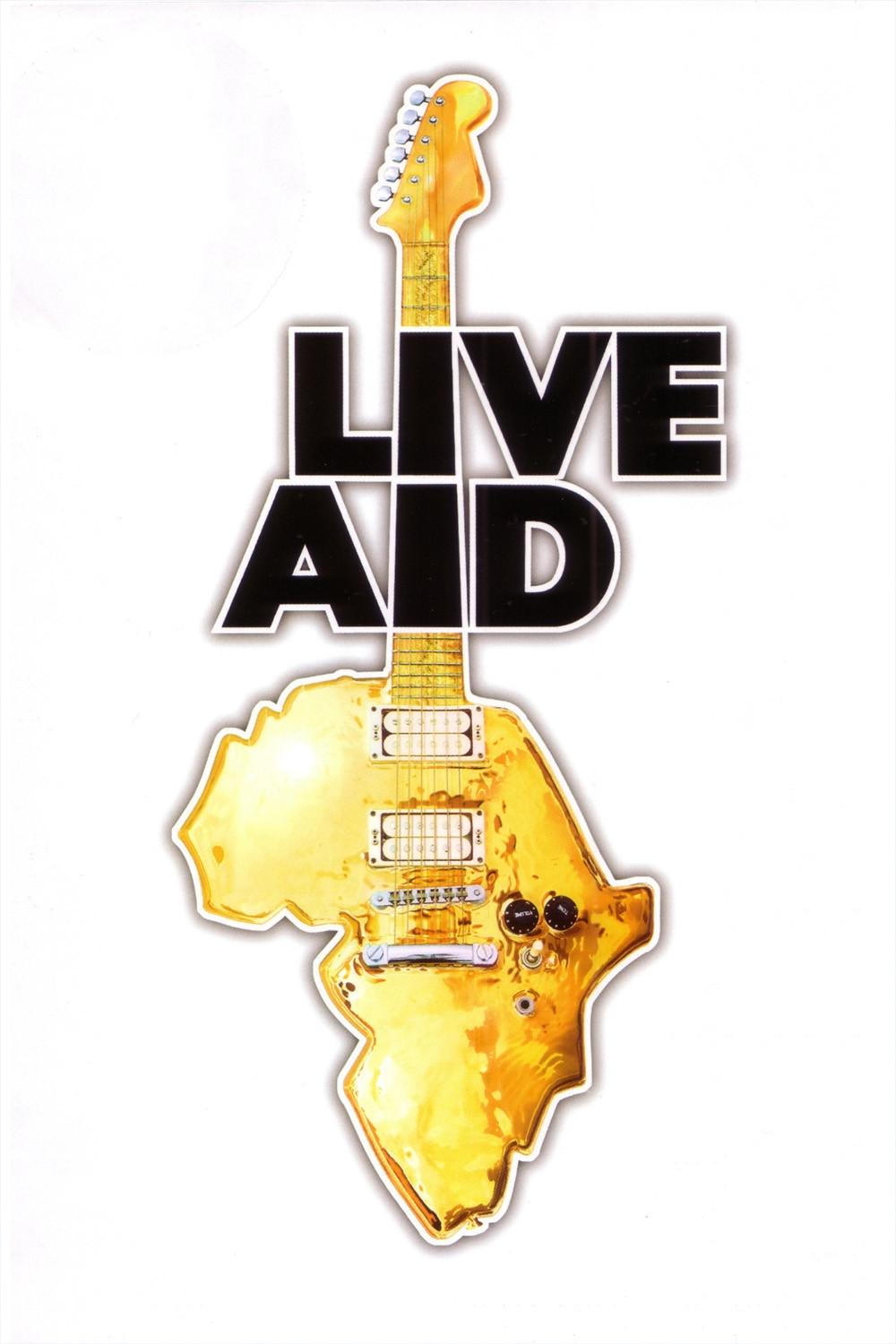
Live Aid was held on 13 July 1985, simultaneously in Wembley Stadium in London, England, and the John F. Kennedy Stadium in Philadelphia, United States. It was one of the largest scale satellite link-ups and television broadcasts of all time: watched live by an estimated global audience of 1.9 billion, across 150 nations. "It's twelve noon in London, seven AM in Philadelphia, and around the world it's time for Live Aid...!"
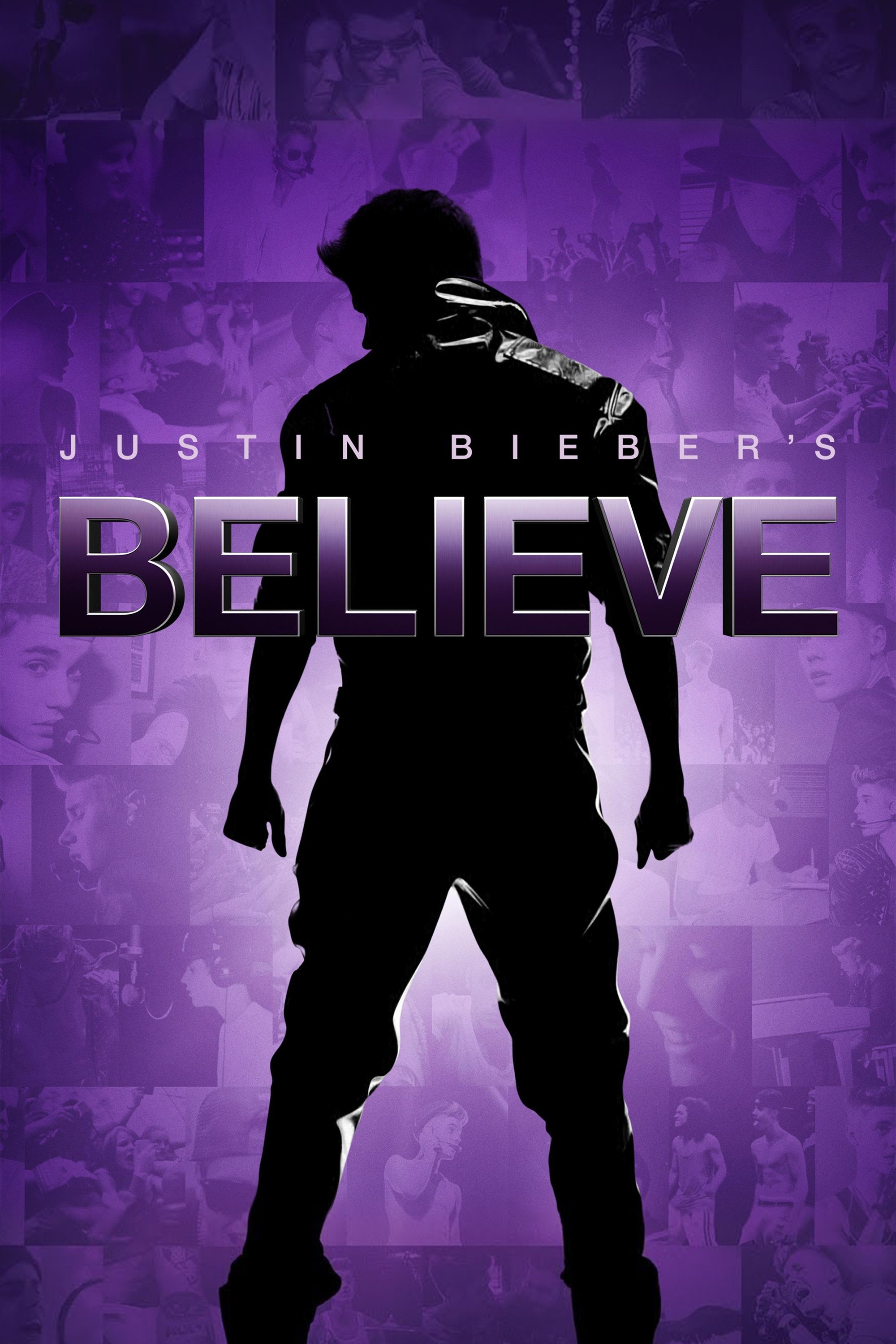
A backstage and on-stage look at Justin Bieber during his rise to super stardom.
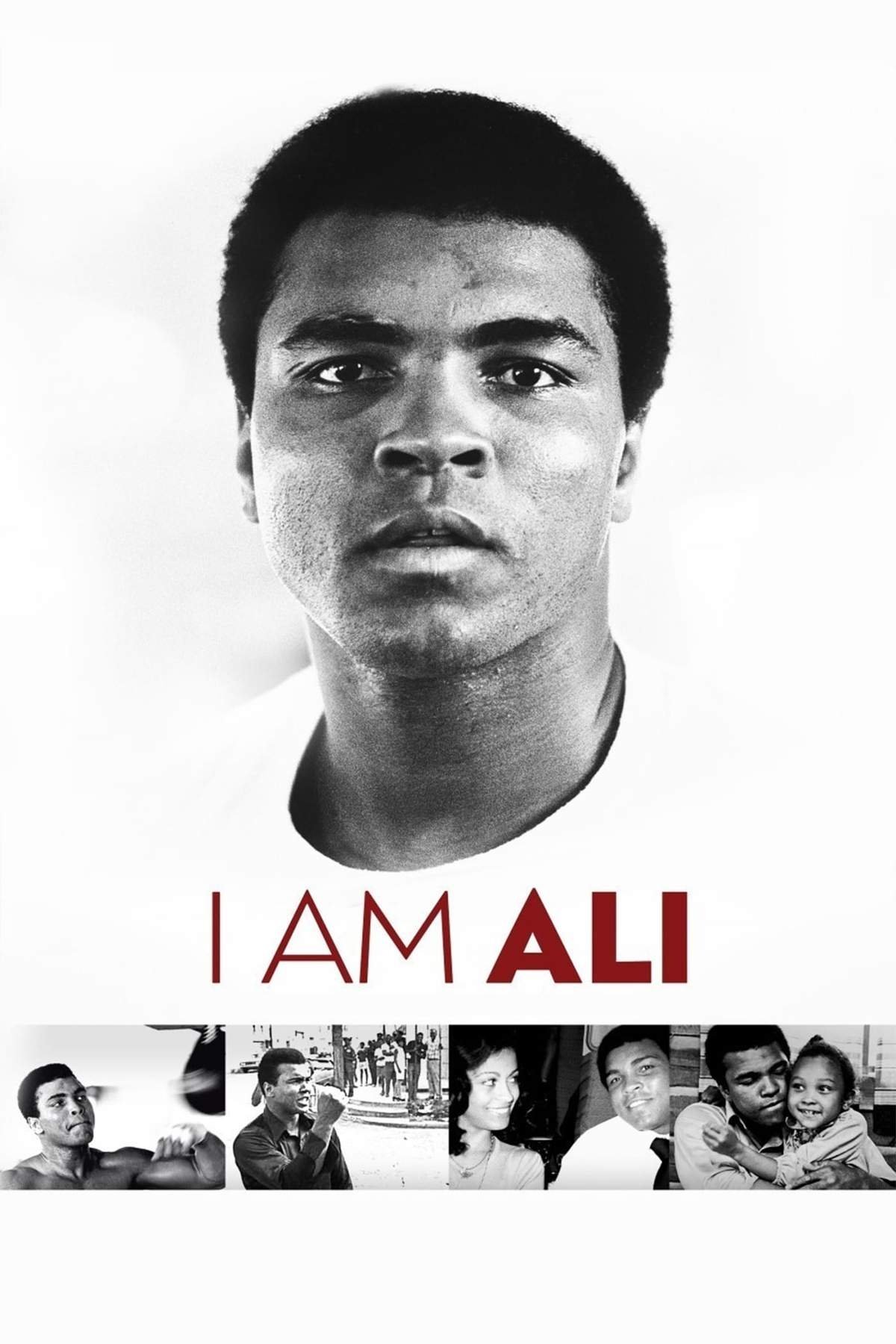
Unprecedented access to Muhammad Ali's personal archive of "audio journals" as well as interviews and testimonials from his inner circle of family and friends are used to tell the legend's life story.