Social & External
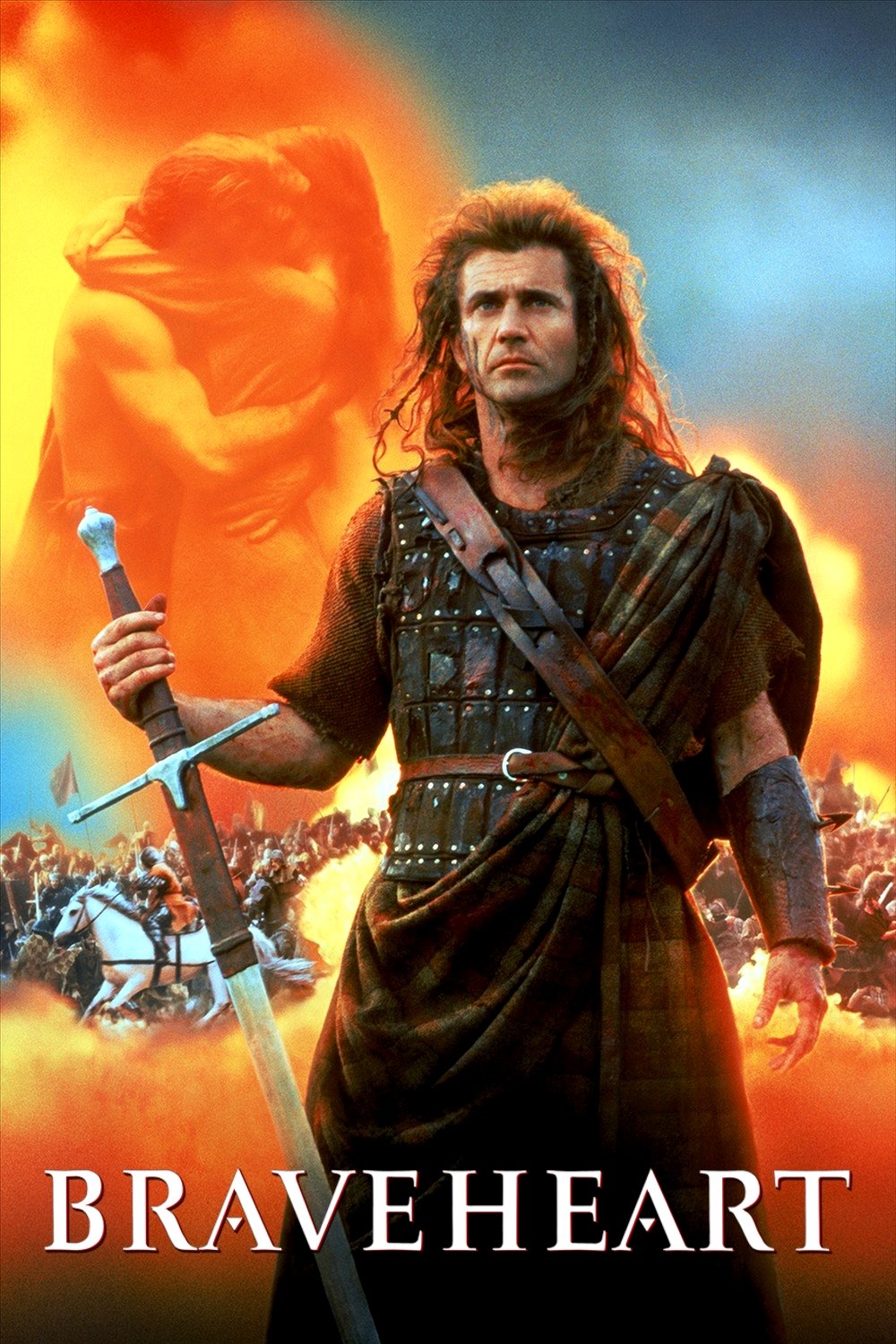
Enraged at the slaughter of Murron, his new bride and childhood love, Scottish warrior William Wallace slays a platoon of the local English lord's soldiers. This leads the village to revolt and, eventually, the entire country to rise up against English rule.
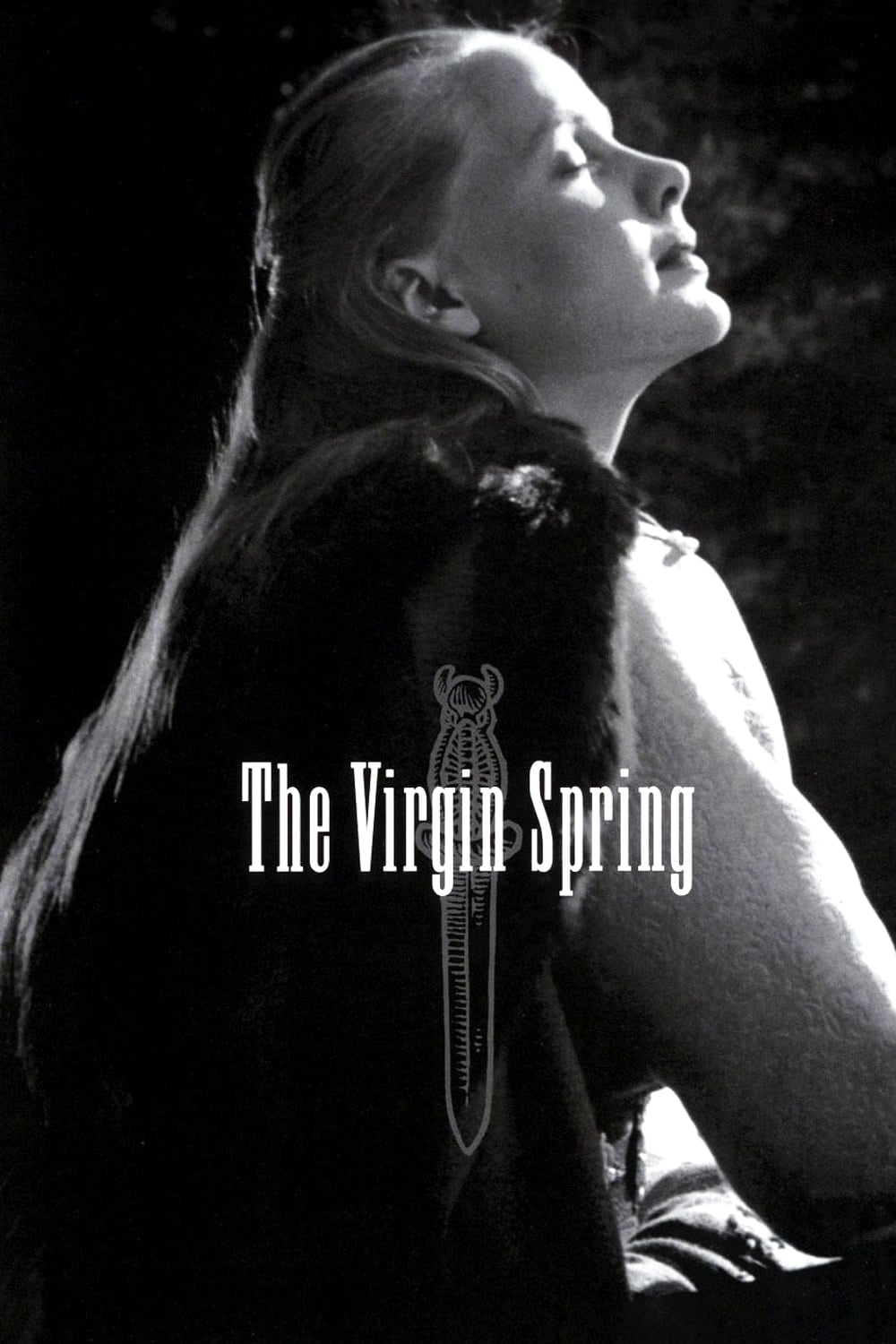
Devout Christians Töre and Märeta send their only daughter, the virginal Karin, and their foster daughter, the unrepentant Ingeri, to deliver candles to a distant church. On their way through the woods, the girls encounter a group of savage goat herders who brutally rape and murder Karin as Ingeri remains hidden. When the killers unwittingly seek refuge in the farmhouse of Töre and Märeta, Töre plots a fitting revenge.
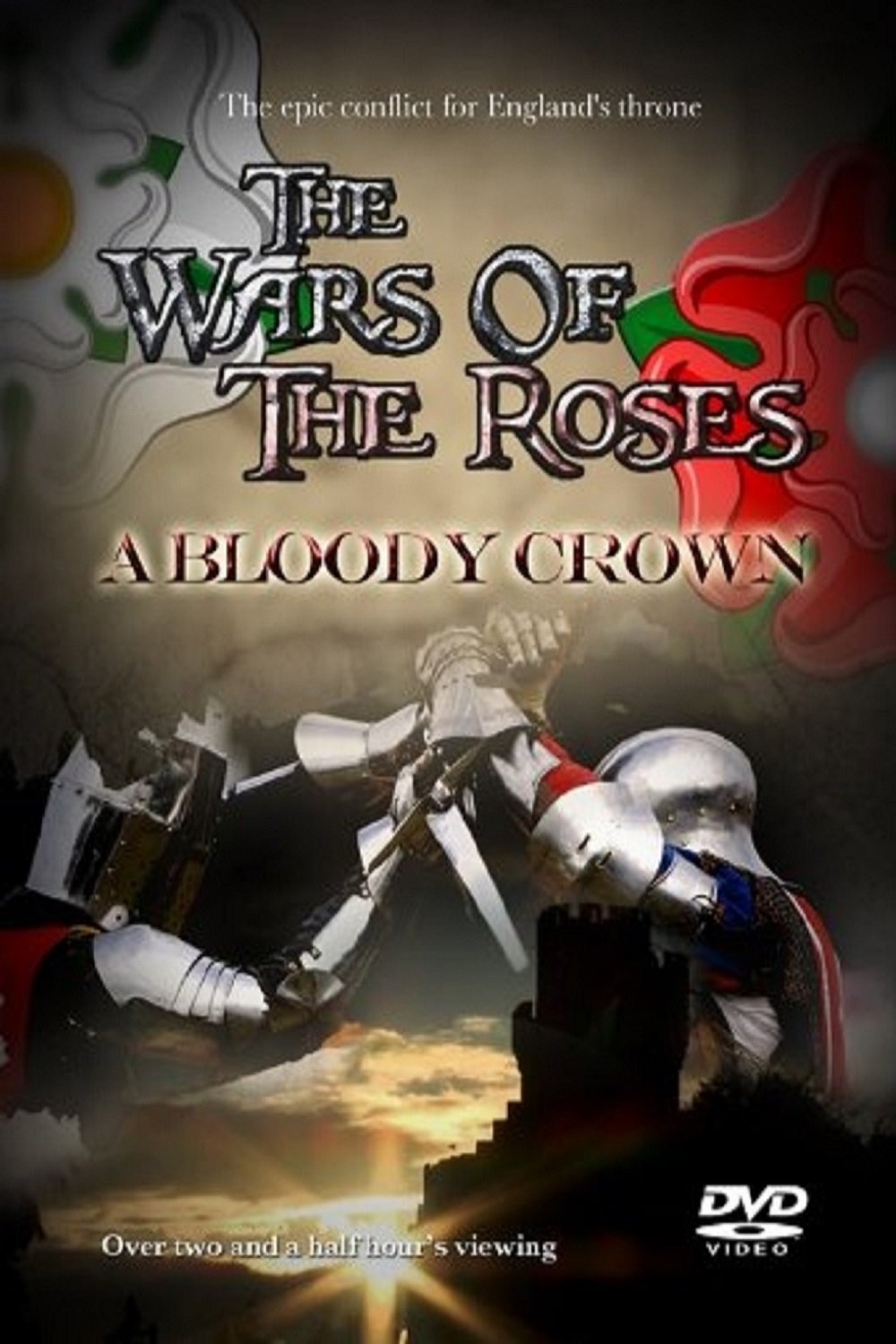
Using historically-accurate, battle-filled re-enactments and interviews with expert historians and noted authors, this two-part documentary series brings to vivid life the captivating true stories behind Britain's bloody civil wars.
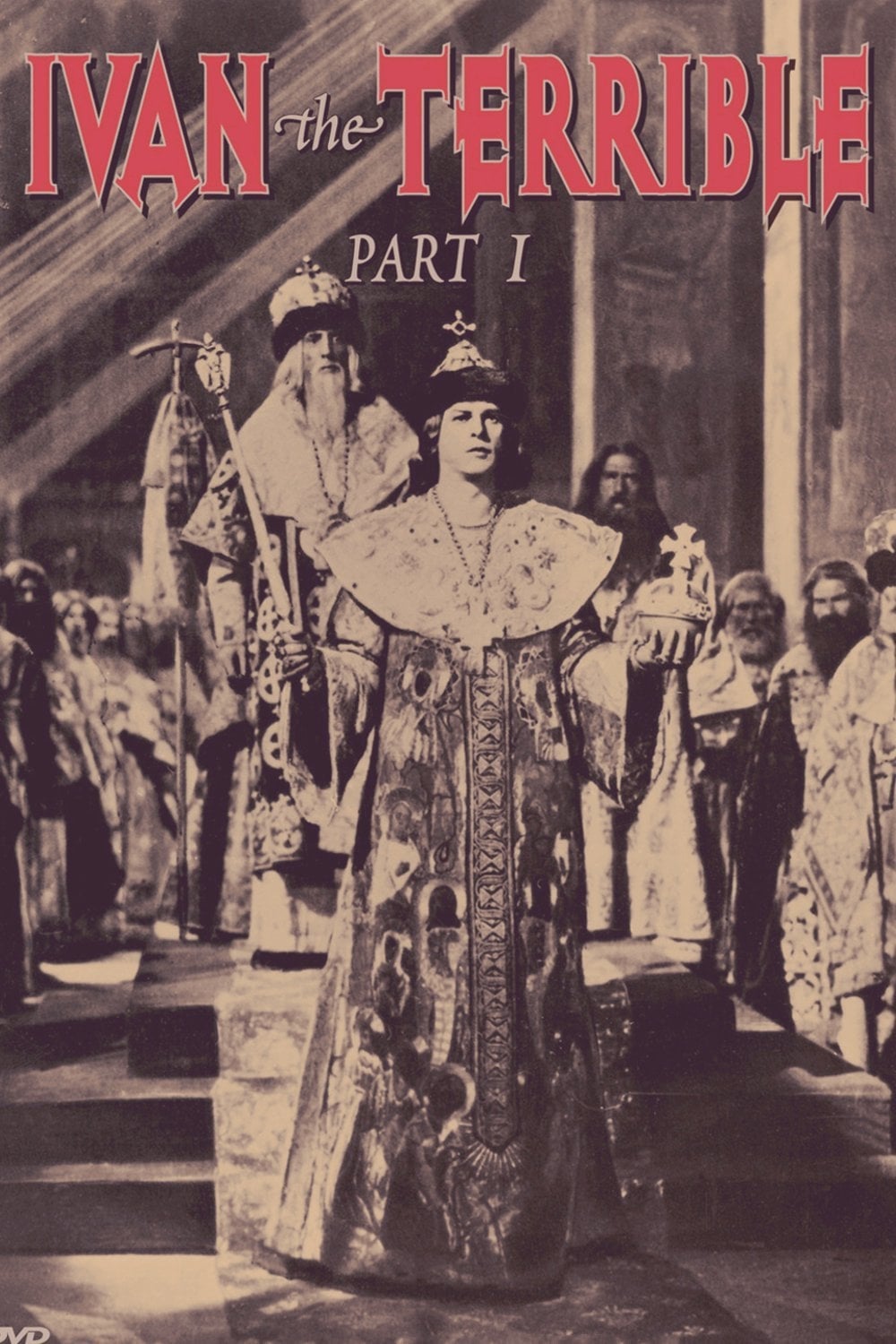
Set during the early part of his reign, Ivan faces betrayal from the aristocracy and even his closest friends as he seeks to unite the Russian people. Sergei Eisenstein's final film, this is the first part of a three-part biopic of Tsar Ivan IV of Russia, which was never completed due to the producer's dissatisfaction with Eisenstein's attempts to use forbidden experimental filming techniques and excessive cost overruns. The second part was completed but not released for a decade after Eisenstein's death and a change of heart in the USSR government toward his work; the third part was only in its earliest stage of filming when shooting was stopped altogether.
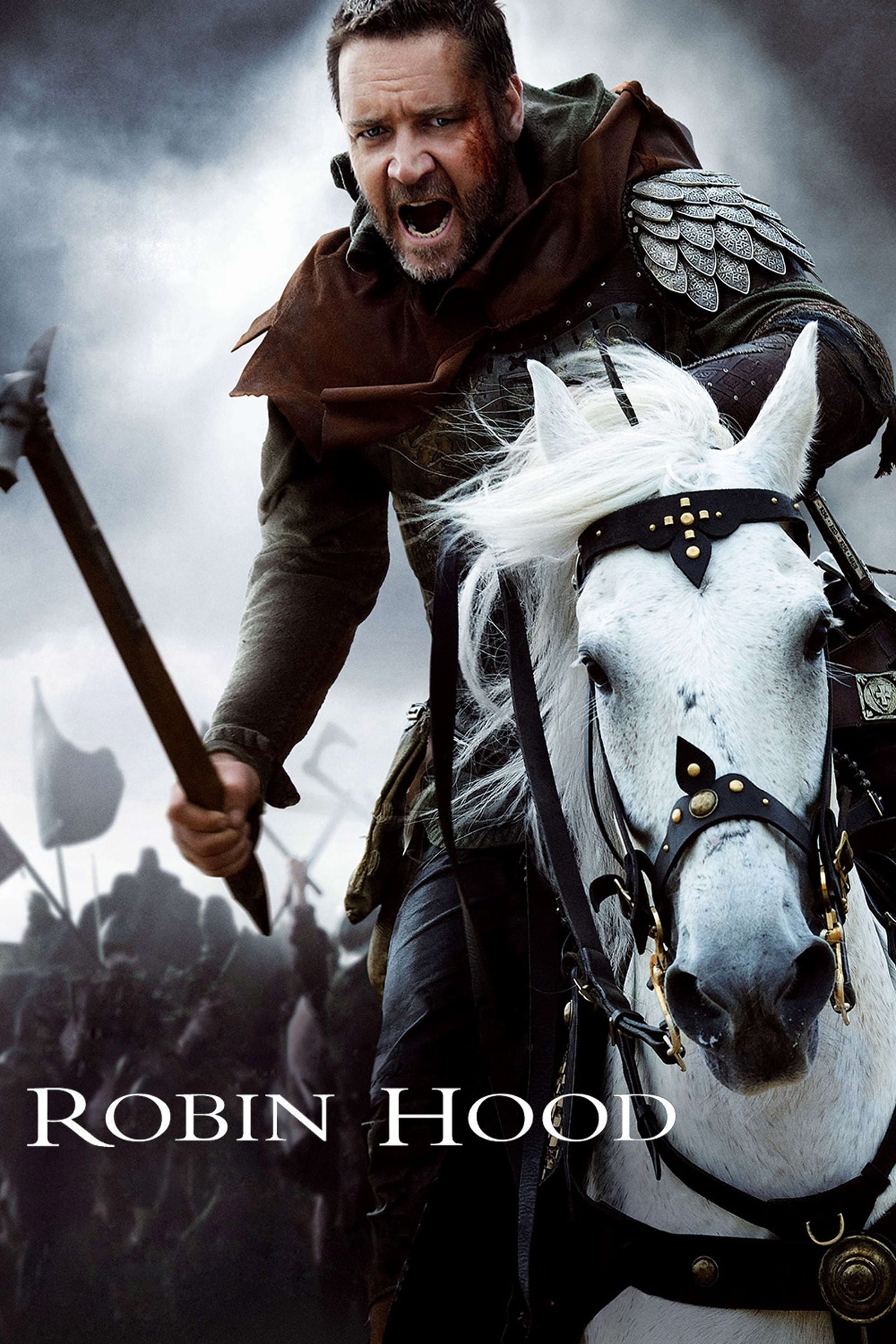
When soldier Robin happens upon the dying Robert of Loxley, he promises to return the man's sword to his family in Nottingham. There, he assumes Robert's identity; romances his widow, Marion; and draws the ire of the town's sheriff and King John's henchman, Godfrey.
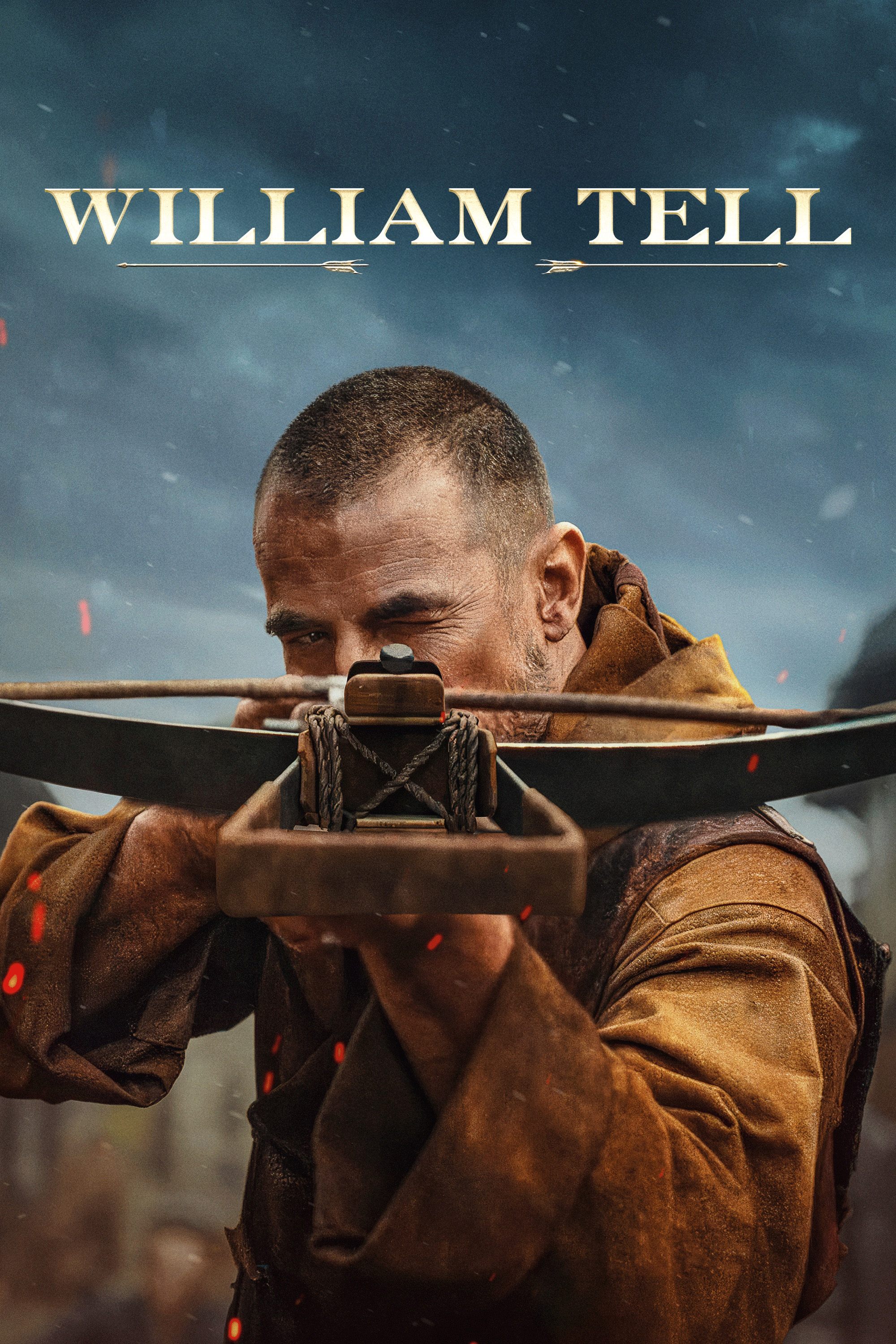
The narrative unfolds in the 14th Century, when the European nations vie for supremacy within the Holy Roman Empire. The ambitious Austrian Empire, desiring more land, invades neighbouring Switzerland, a serene and pastoral nation. Protagonist William Tell, a formerly peaceful hunter, finds himself forced to take action as his family and homeland come under threat from the oppressive Austrian King and his ruthless warlords.
King Carlos II of Spain (r. 1665-1700) once sent his brother Luis to lead a military expedition into Albania and conquer that land for the Spaniards. Since Albania was a part of the dowry of Luis' wife, it seemed like a reasonable idea at the time. While that expedition and its final battle is the subject of this historical film, the scale involved can hardly do justice to the concept. The protagonists talk incessantly, and by the time they get down to the final grand battle, it turns out to be a skirmish between several dozen men.
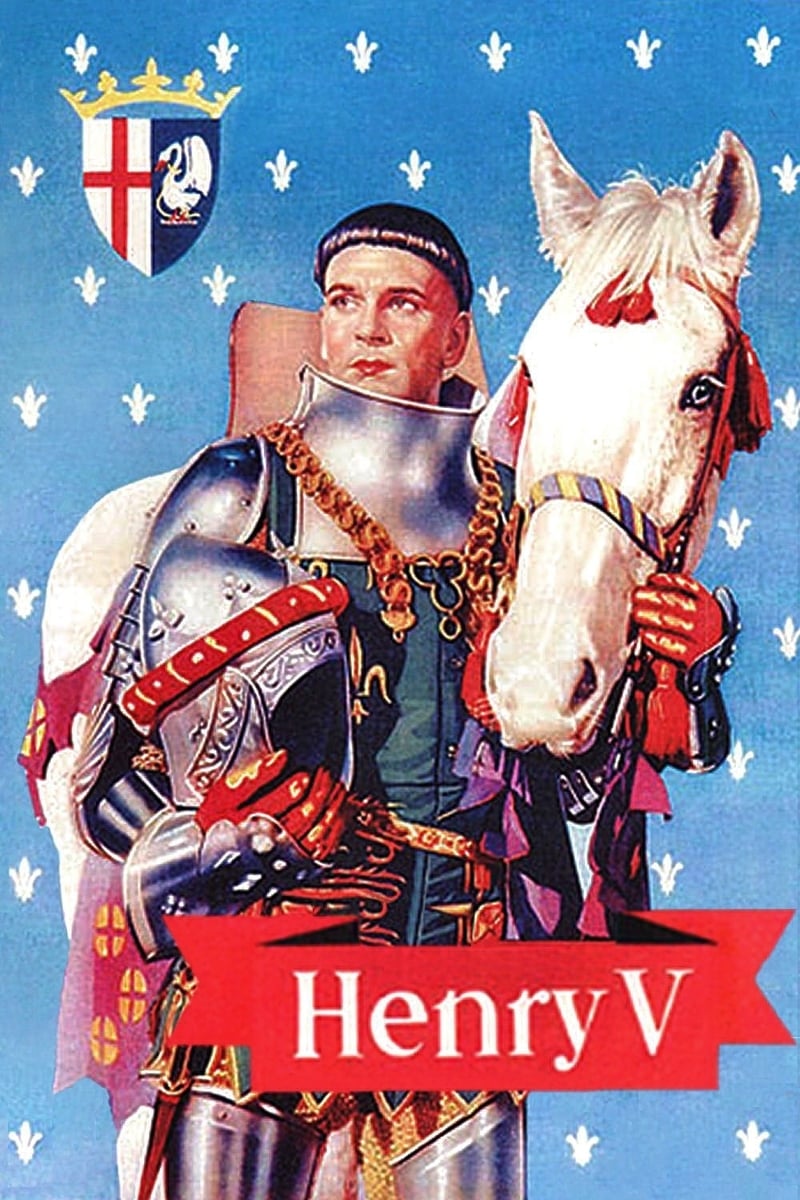
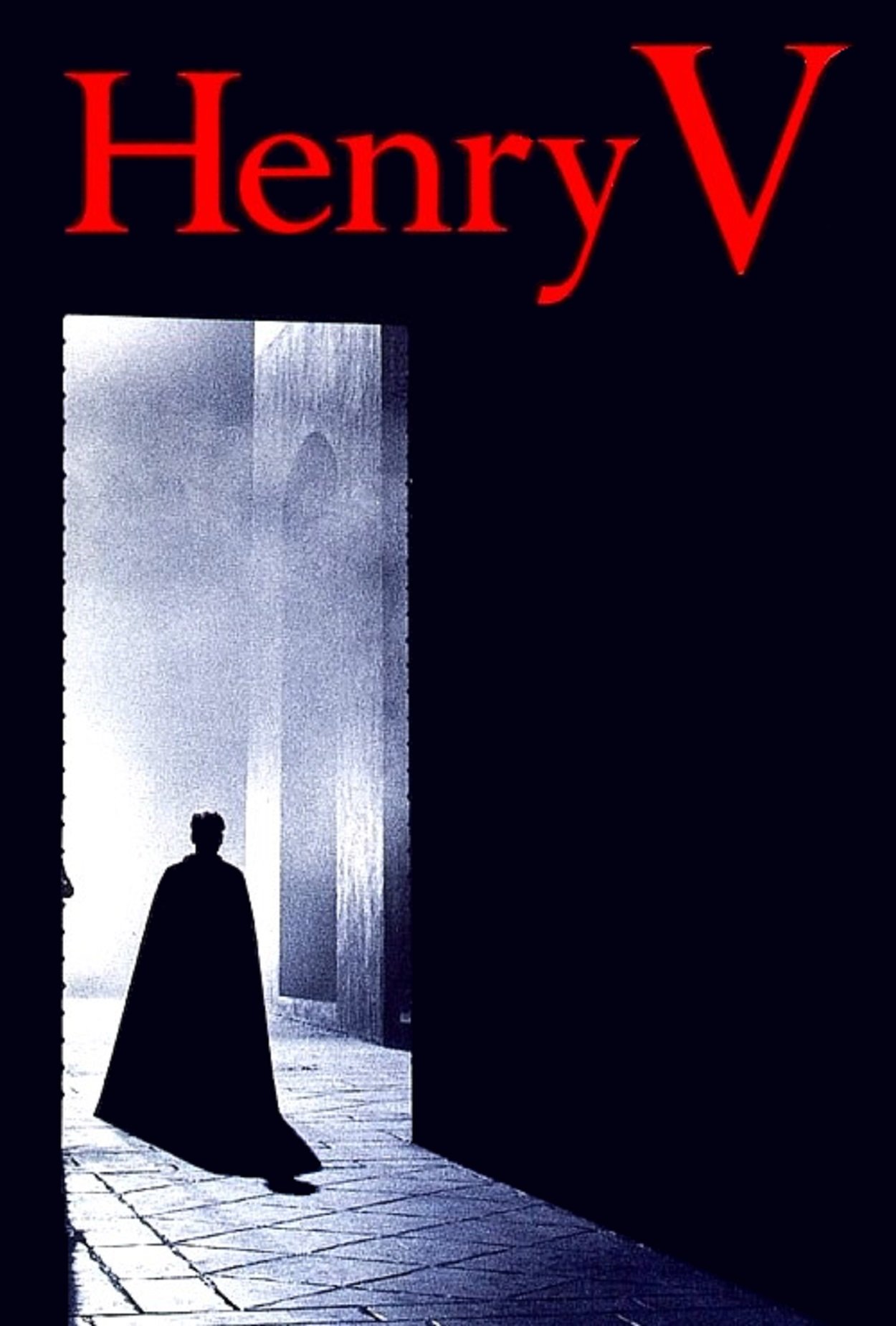
In 1415, in the midst of the Hundred Years' War, the young King Henry V of England embarks on the conquest of France.
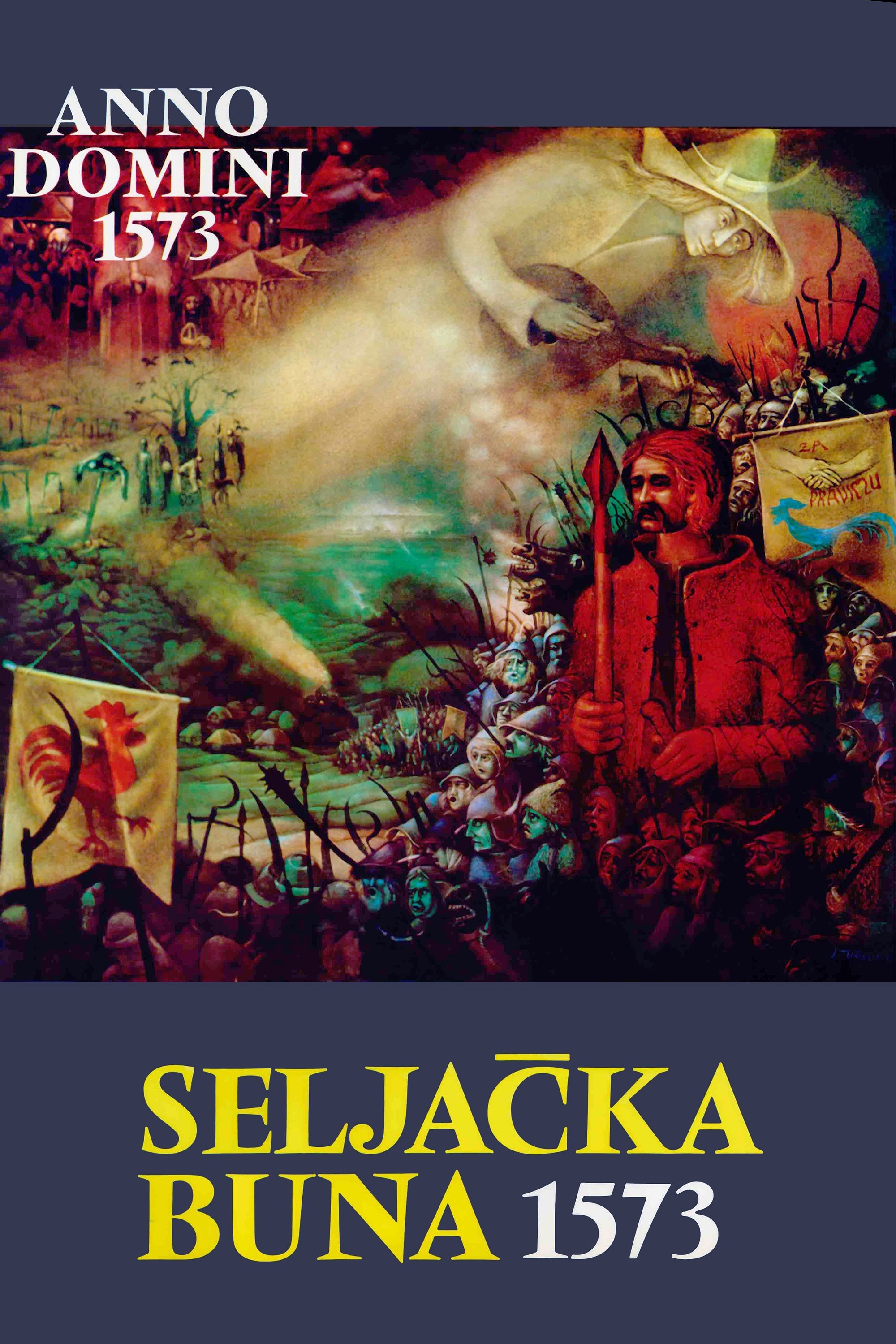
Europe in second half of 16th century was very rough place to live. Peasants of Slovenia and Croatia had even rougher times because of the constant threat of Turk raids and being taxed to death in order to provide defence against the Turks. But, the worst things were arrogant local feudal lords led by Franjo Tahi who were oppresing the common folk. All that led to the great peasant revolt of 1573. The movie is made for the 400th anniversary of the event.
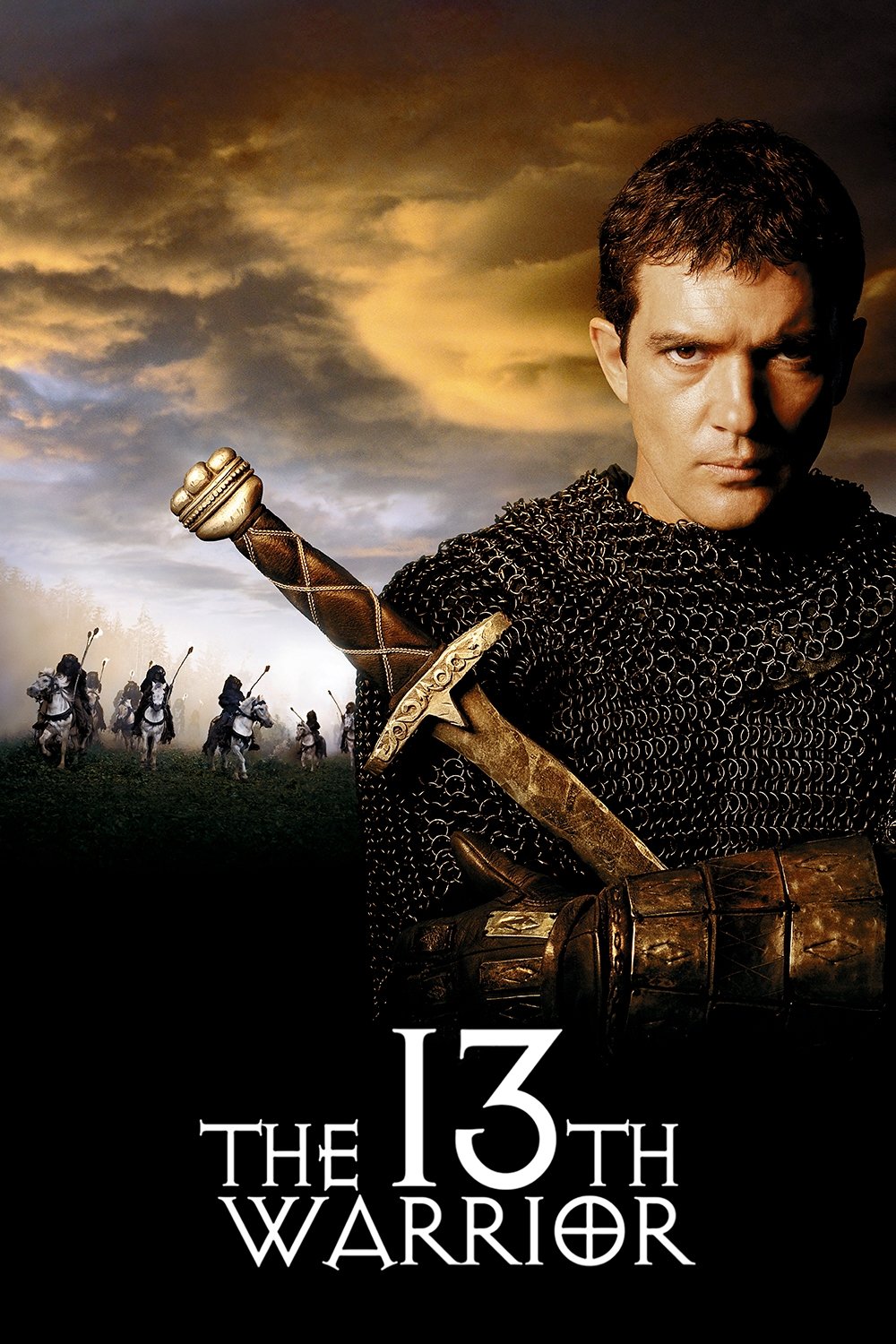
A Muslim ambassador exiled from his homeland joins a group of Vikings, initially offended by their behavior but growing to respect them. As they travel together, they learn of a legendary evil closing in and must unite to confront this formidable force.
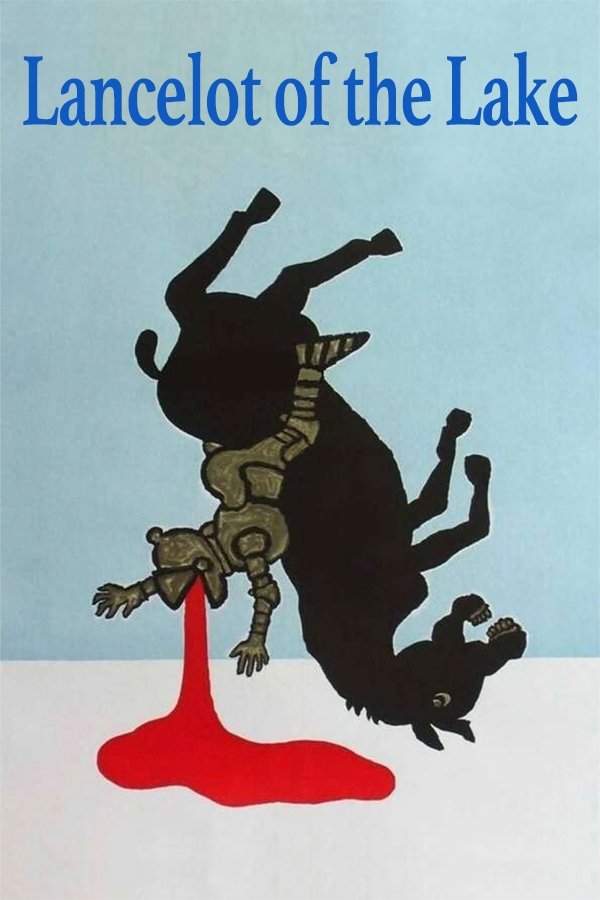
Having failed in their quest for the Holy Grail, the knights of the Round Table return to Camelot, their number reduced to a mere handful. Seeing a rift developing between Lancelot and Mordred, Arthur urges his knights to bury their differences and become friends. However, the king is unaware that Lancelot is having an affair with his queen, Guinevere. Lancelot is torn between his duty to his king and his love for the queen, whilst Mordred is determined to use his infidelity to destroy him.
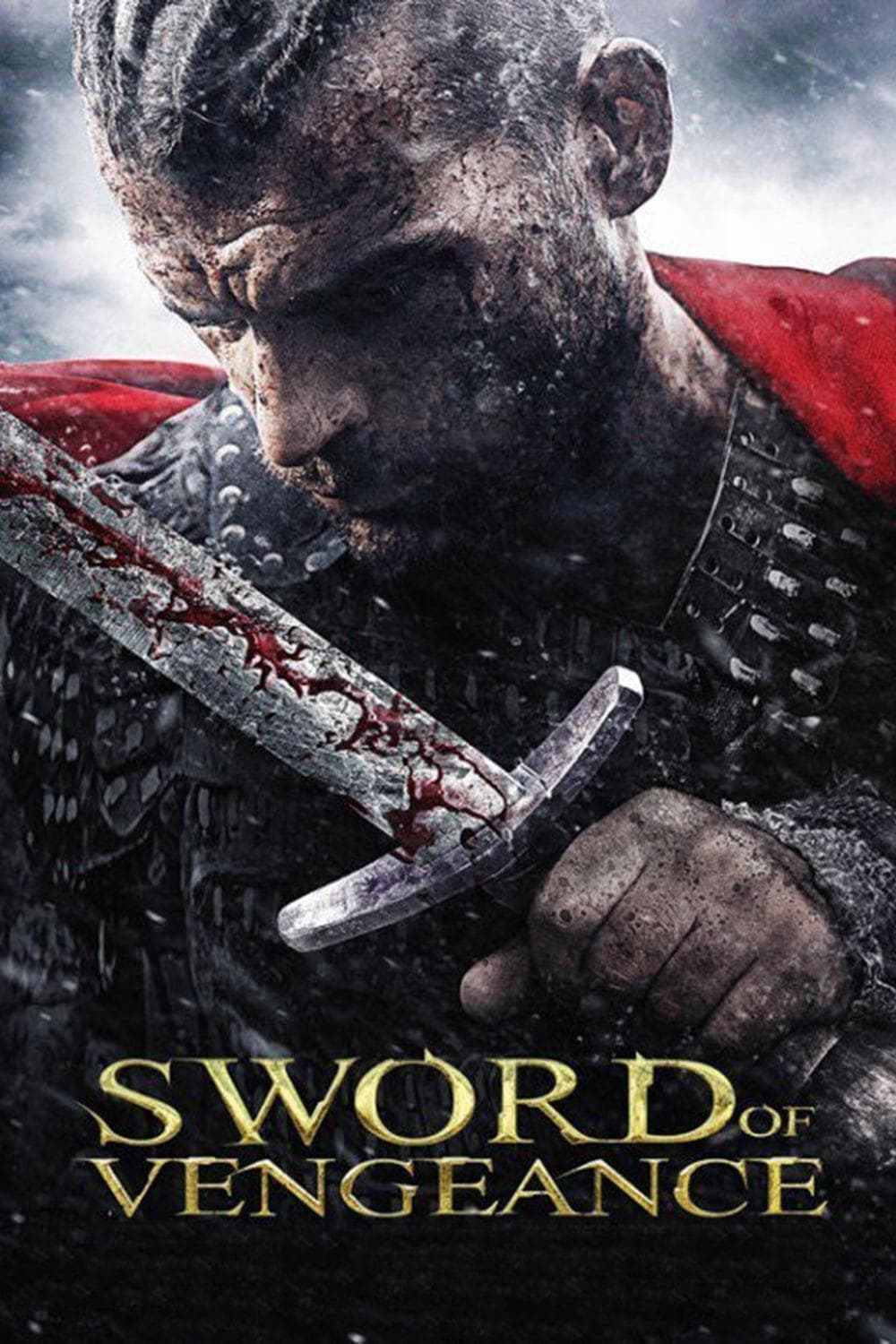
Returning to his homeland after years of slavery, a Norman prince seeks revenge on his father's murderer – his ruthless uncle, Earl Durant. Gaining the trust of a band of exiled farmers, he leads them into battle against Durant, exploiting them in his inexorable quest for vengeance. As one by one they are slaughtered in the brutal battle, will the prince sacrifice everything an everyone to fulfil his quest for blood?
A tale of a young impoverished nobleman, who with his uncle returns from a war against the order of the Teutonic Knights in Lithuania. He falls in love with a beautiful woman and pledges an oath to bring her "three trophies" from the Teutonic Knights.
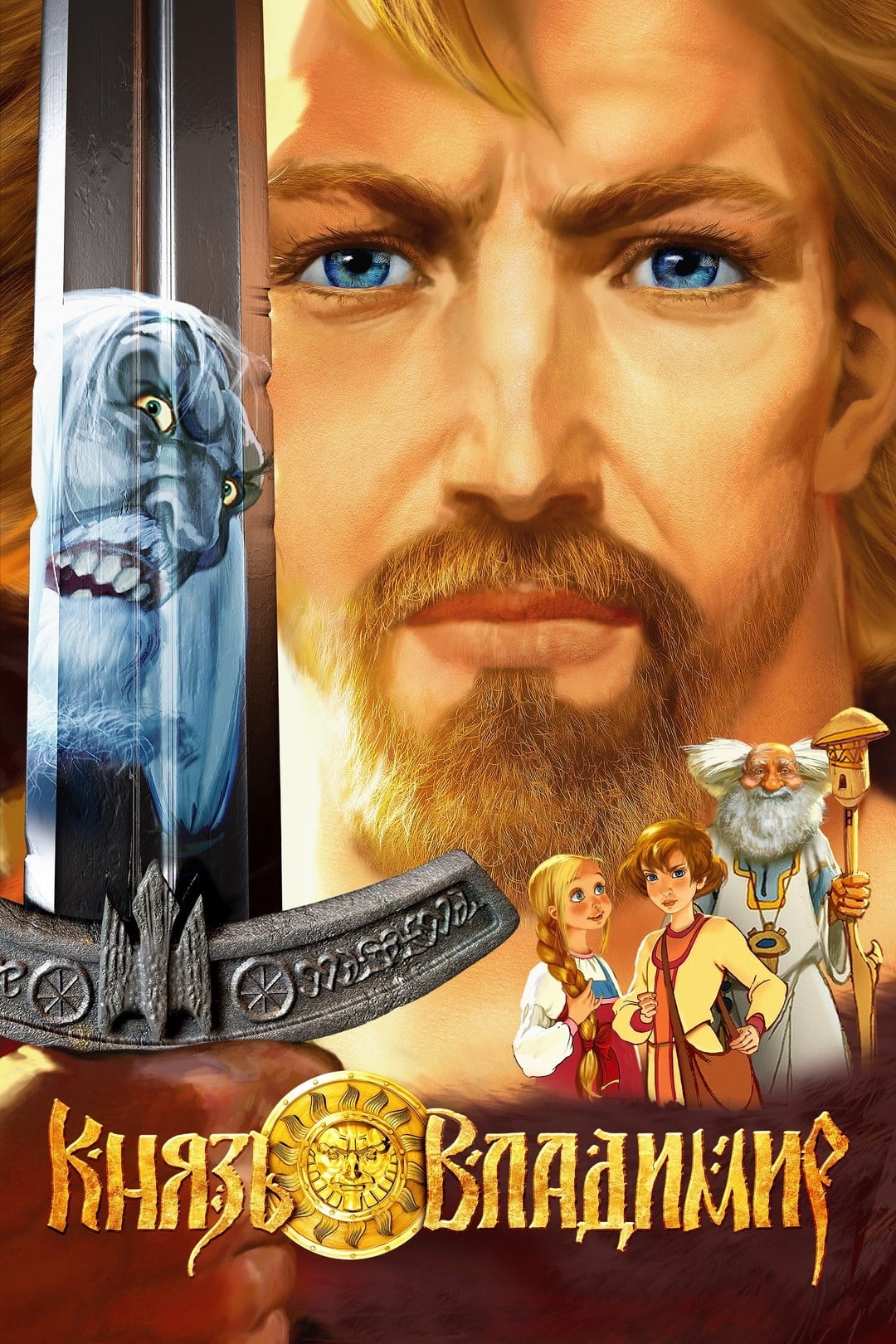
The plot follows the events surrounding Vladimir from childhood and into adulthood. In the beginning of the film, being under the influence of the high priest Krivzha, the Prince is a young, impulsive and cruel pagan. Fighting for supreme power, Vladimir wins a battle that kills his brother. Regretting what he has done, Vladimir does not suspect a conspiracy between the priest and the Pechenegs. Vladimir is concerned about gathering the Slavic tribes into one united state. Solving this major task, he faces obstacles, which Vladimir overcomes in the end, defeating Krivzha and winning the battle against Kurya, a Pecheneg chief.
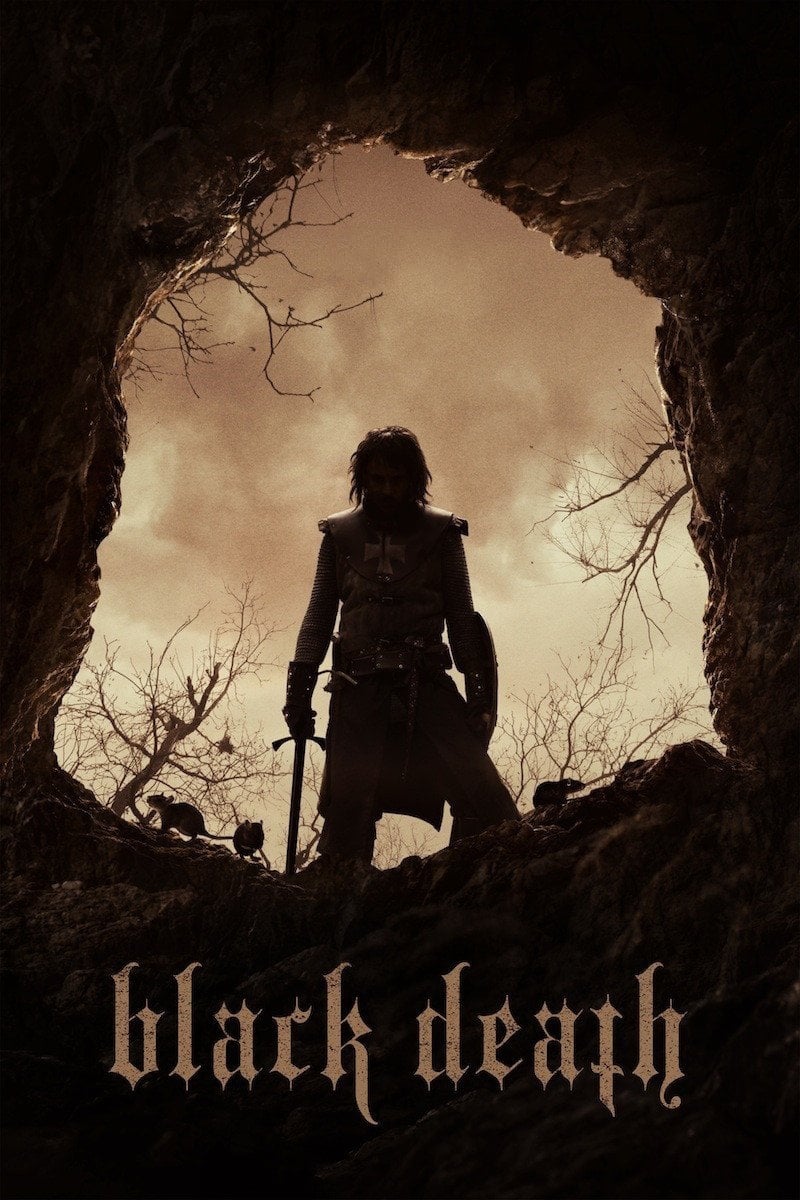
As the plague decimates medieval Europe, rumours circulate of a village immune from the plague. There is talk of a necromancer who leads the village and is able to raise the dead. A fearsome knight joined by a cohort of soldiers and a young monk are charged by the church to investigate. Their journey is filled with danger, but it's upon entering the village that their true horror begins.
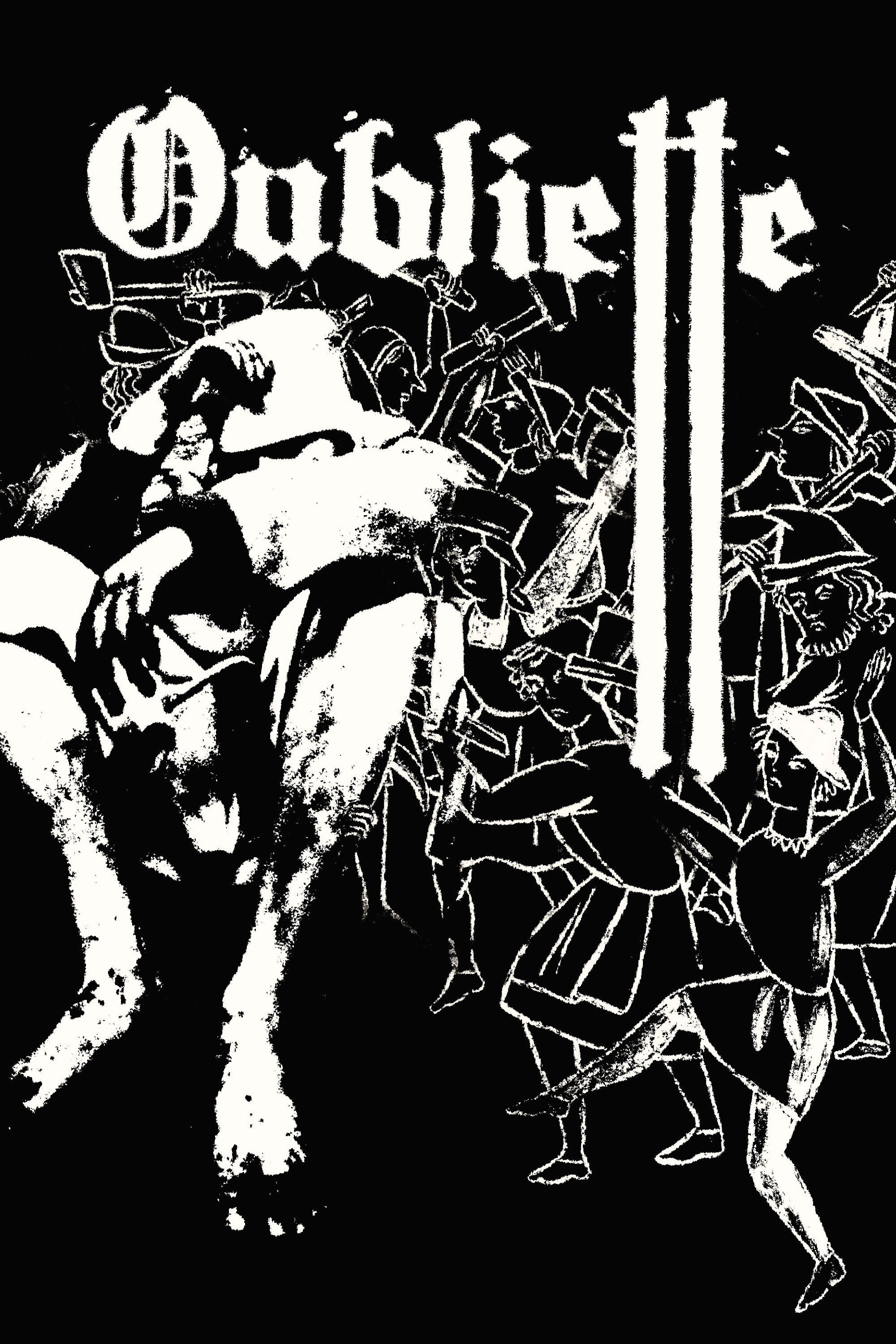
Set in 13th century, a man locks himself in an oubliette, where he confronts human misery.
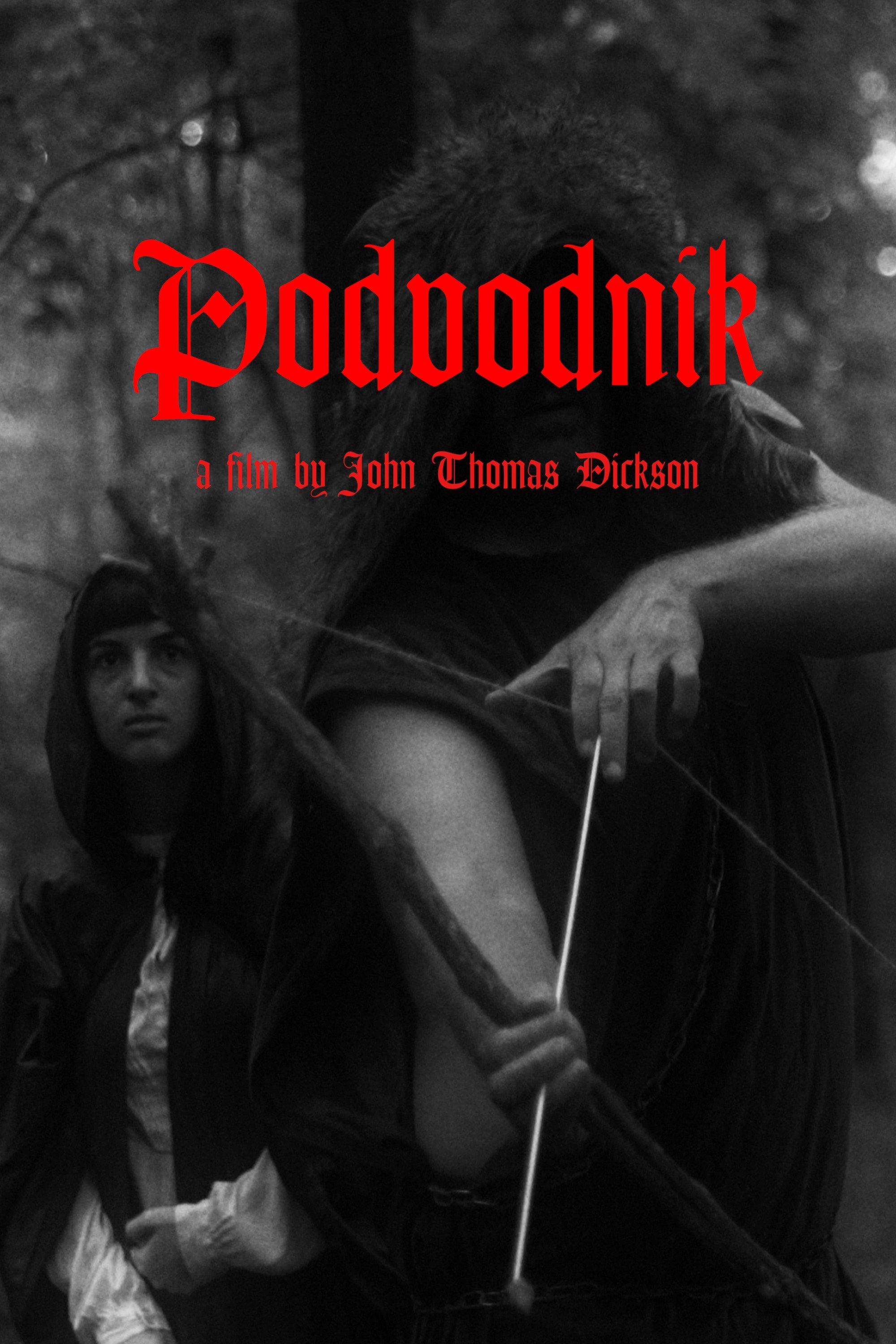
In the 13th century a scheming thief finds his wits challenged by a hunter and his daughter.
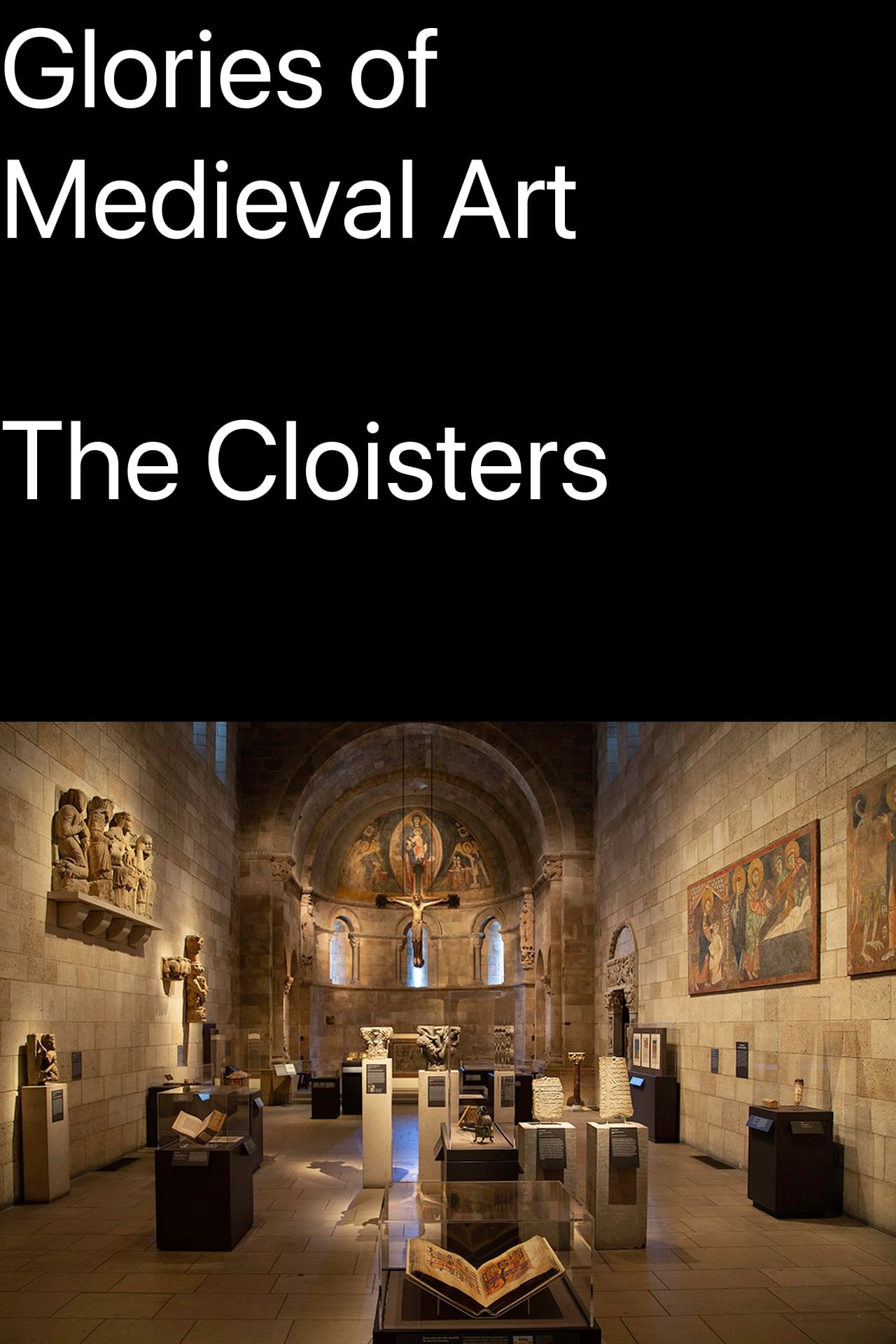
Philippe de Montebello, Director of The Metropolitan Museum of Art from 1977 to 2008, guides viewers through The Cloisters, pointing out Romanesque and Gothic architecture and artwork, beautiful tapestries, and the diverse species in the gardens. He outlines the history of the building and it's many influences and highlights significant works of art in the collection. It was produced in 1989 by The Metropolitan Museum of Art's Office of Film and Television.
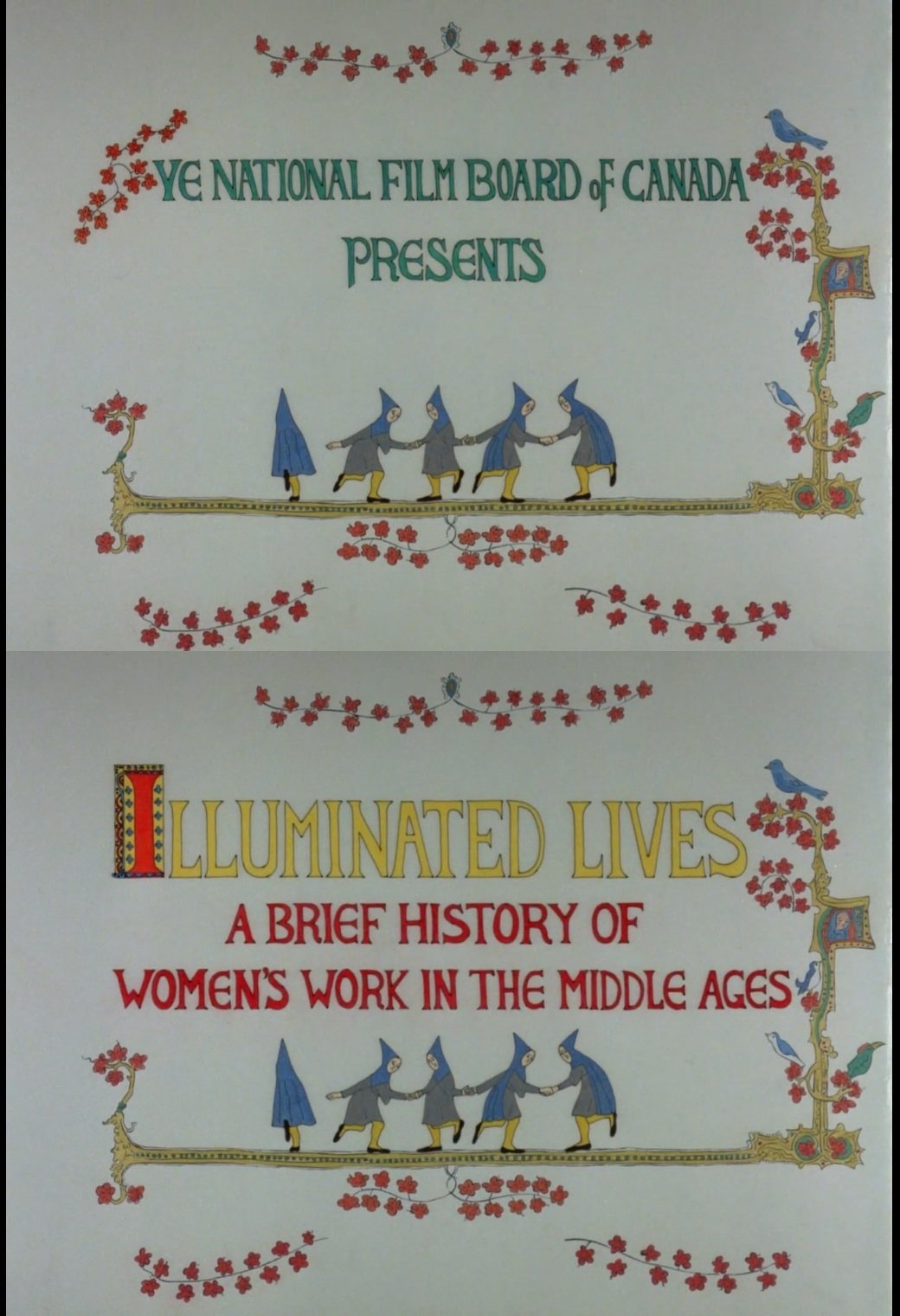
This animated short challenges enduring myths, spawned by fairy tales and romances, about women in medieval society. It explores the differences and similarities between that distant period and our own, and shows what medieval women’s lives were really like.
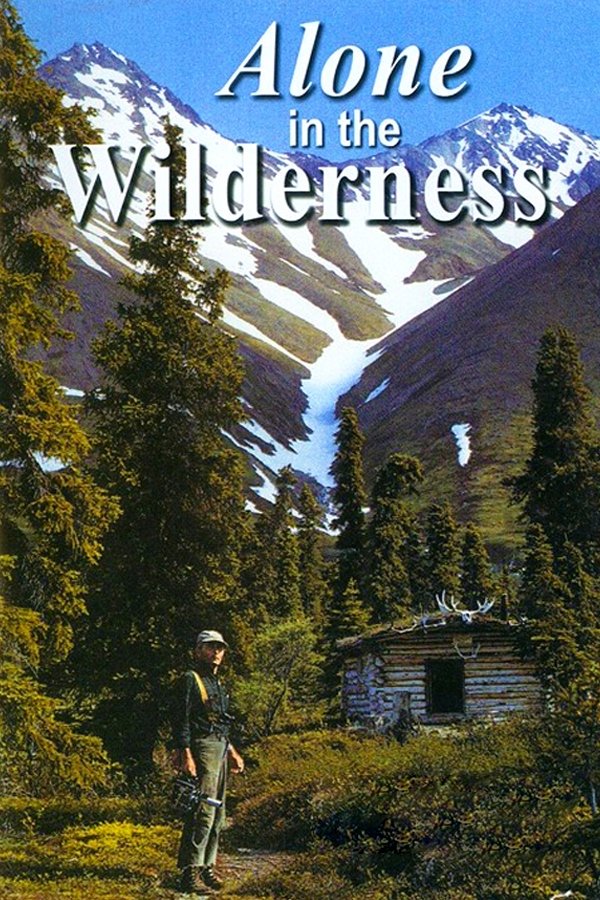
Dick Proenneke retired at age 50 in 1967 and decided to build his own cabin in the wilderness at the base of the Aleutian Peninsula, in what is now Lake Clark National Park. Using color footage he shot himself, Proenneke traces how he came to this remote area, selected a homestead site and built his log cabin completely by himself. The documentary covers his first year in-country, showing his day-to-day activities and the passing of the seasons as he sought to scratch out a living alone in the wilderness.
A look at the story behind Marvel Studios and the Marvel Cinematic Universe, featuring interviews and behind-the-scenes footage from all of the Marvel films, the Marvel One-Shots and "Marvel's Agents of S.H.I.E.L.D."!
Learn the incredible behind-the-scenes story of how the original Star Wars movie was brought to the big screen in this fascinating documentary hosted by C-3PO and R2-D2 which includes interviews with George Lucas and appearances by Mark Hamill, Harrison Ford and Carrie Fisher.
The history of cinematic sound, told by legendary sound designers and visionary filmmakers.
Director Claude Lanzmann spent 11 years on this sprawling documentary about the Holocaust, conducting his own interviews and refusing to use a single frame of archival footage. Dividing Holocaust witnesses into three categories – survivors, bystanders, and perpetrators – Lanzmann presents testimonies from survivors of the Chelmno concentration camp, an Auschwitz escapee, and witnesses of the Warsaw Ghetto Uprising, as well as a chilling report of gas chambers from an SS officer at Treblinka.
In the last five years of his life, David Bowie ended nearly a decade of silence to engage in an extraordinary burst of activity, producing two groundbreaking albums and a musical. David Bowie: The Last Five Years explores this unexpected end to a remarkable career. Made with remarkable access, Francis Whately’s documentary is a revelatory follow-up to his acclaimed 2013 documentary David Bowie: Five Years, which chronicled Bowie’s golden ‘70s and early-‘80s period.
Supersonic charts the meteoric rise of Oasis from the council estates of Manchester to some of the biggest concerts of all time in just three short years. This palpable, raw and moving film shines a light on one of the most genre and generation-defining British bands that has ever existed and features candid new interviews with Noel and Liam Gallagher, their mother, and members of the band and road crew.
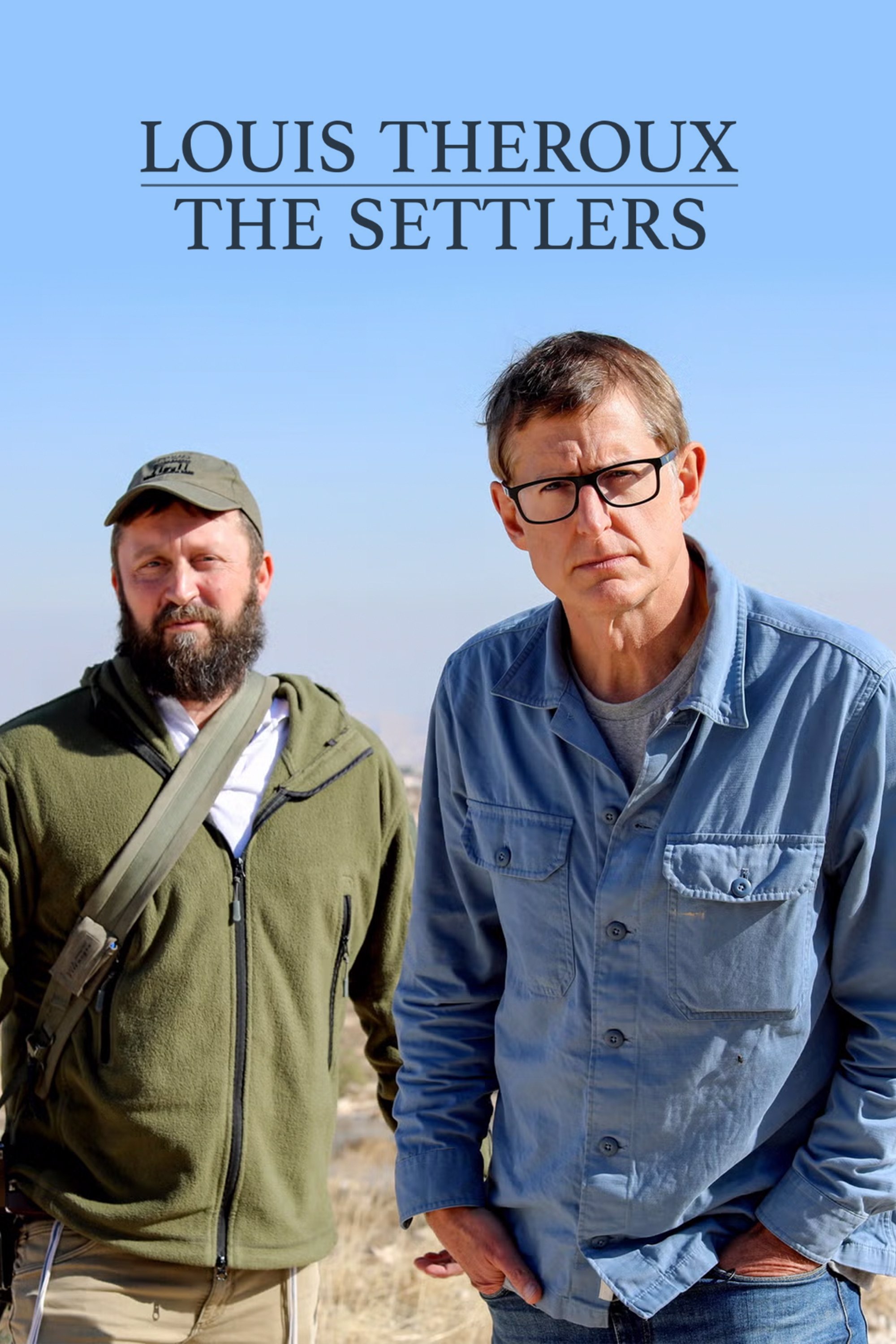
Fourteen years after his first visit, Louis Theroux meets some of the growing community of religious-nationalist Israelis who have settled in the occupied West Bank.
A collection of restored prints from the Lumière Brothers.
A behind-the-scenes documentary about the Clinton for President campaign, focusing on the adventures of spin doctors James Carville and George Stephanopoulos.
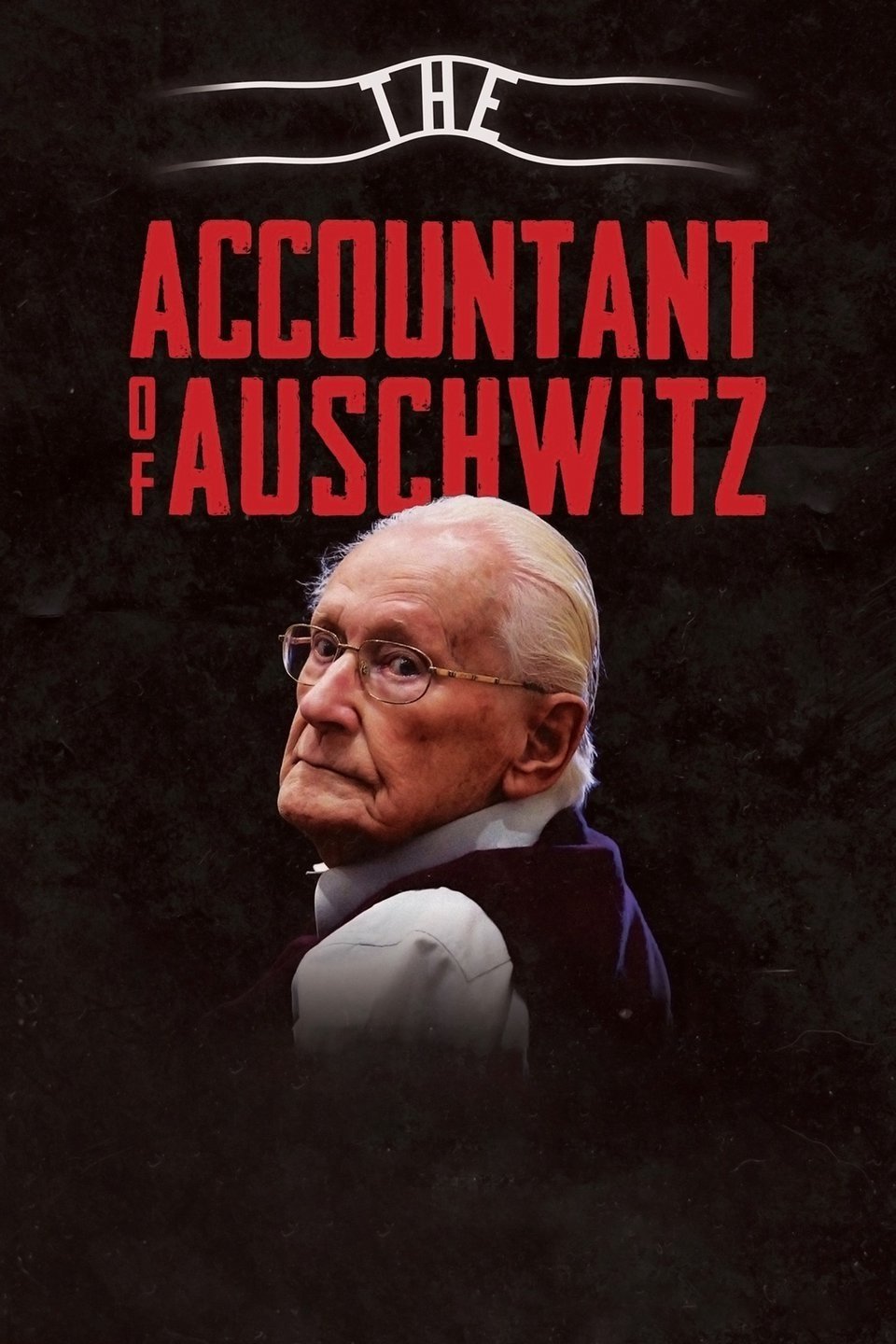
Oskar Gröning, known as the "Accountant of Auschwitz," was charged with the murder of 300,000 Jews. When he took the stand in 2015, at the age of 94, his trial made headlines worldwide.
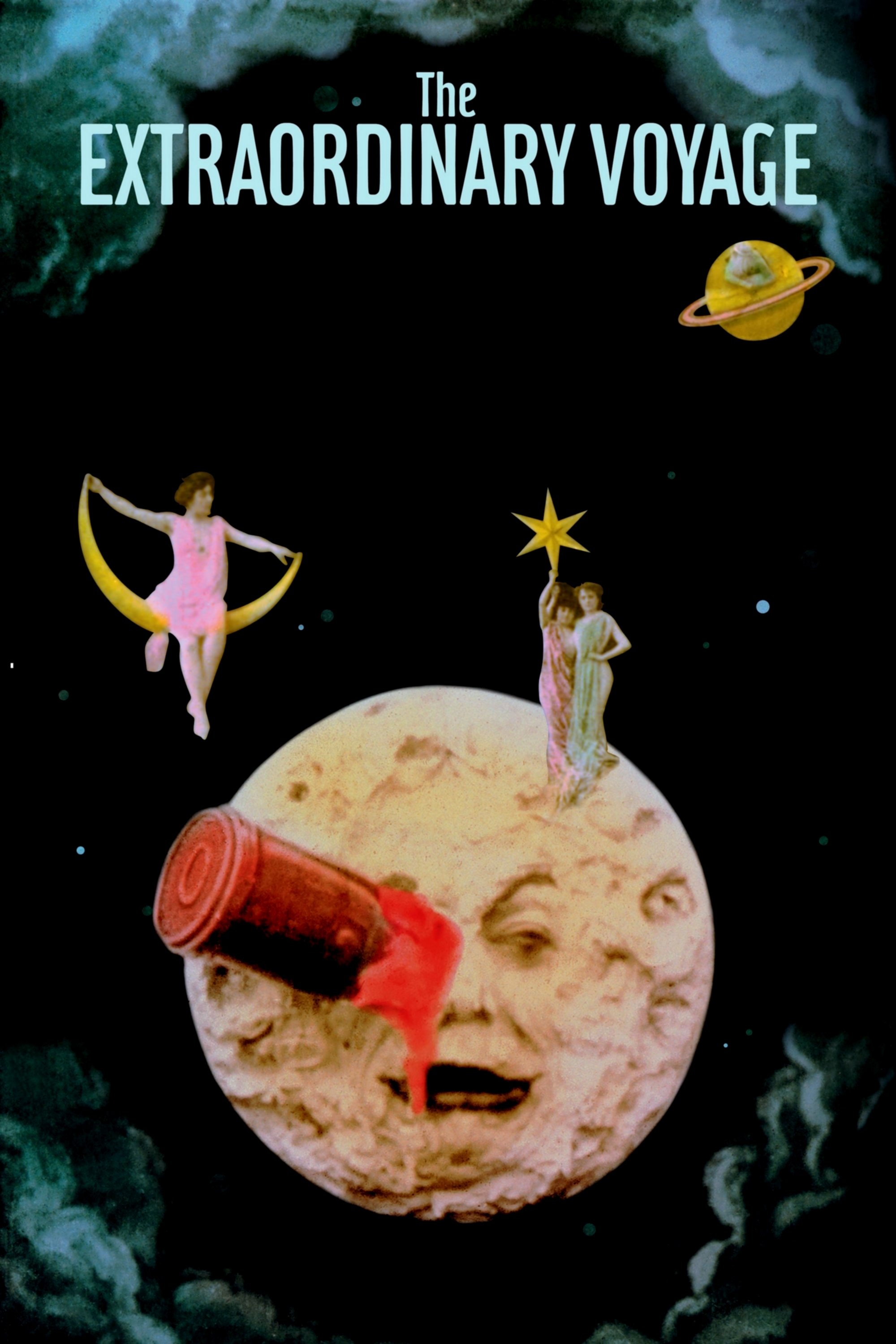
An account of the extraordinary life of film pioneer Georges Méliès (1861-1938) and the amazing story of the copy in color of his masterpiece A Trip to the Moon (1902), unexpectedly found in Spain and restored thanks to the heroic efforts of a group of true cinema lovers.
Experience the events of September 11, 2001 through the eyes of President Bush and his closest advisors as they personally detail the crucial hours and key decisions from that historic day.
Former United States Secretary of Defense, Donald Rumsfeld, discusses his career in Washington D.C. from his days as a congressman in the early 1960s to planning the invasion of Iraq in 2003.
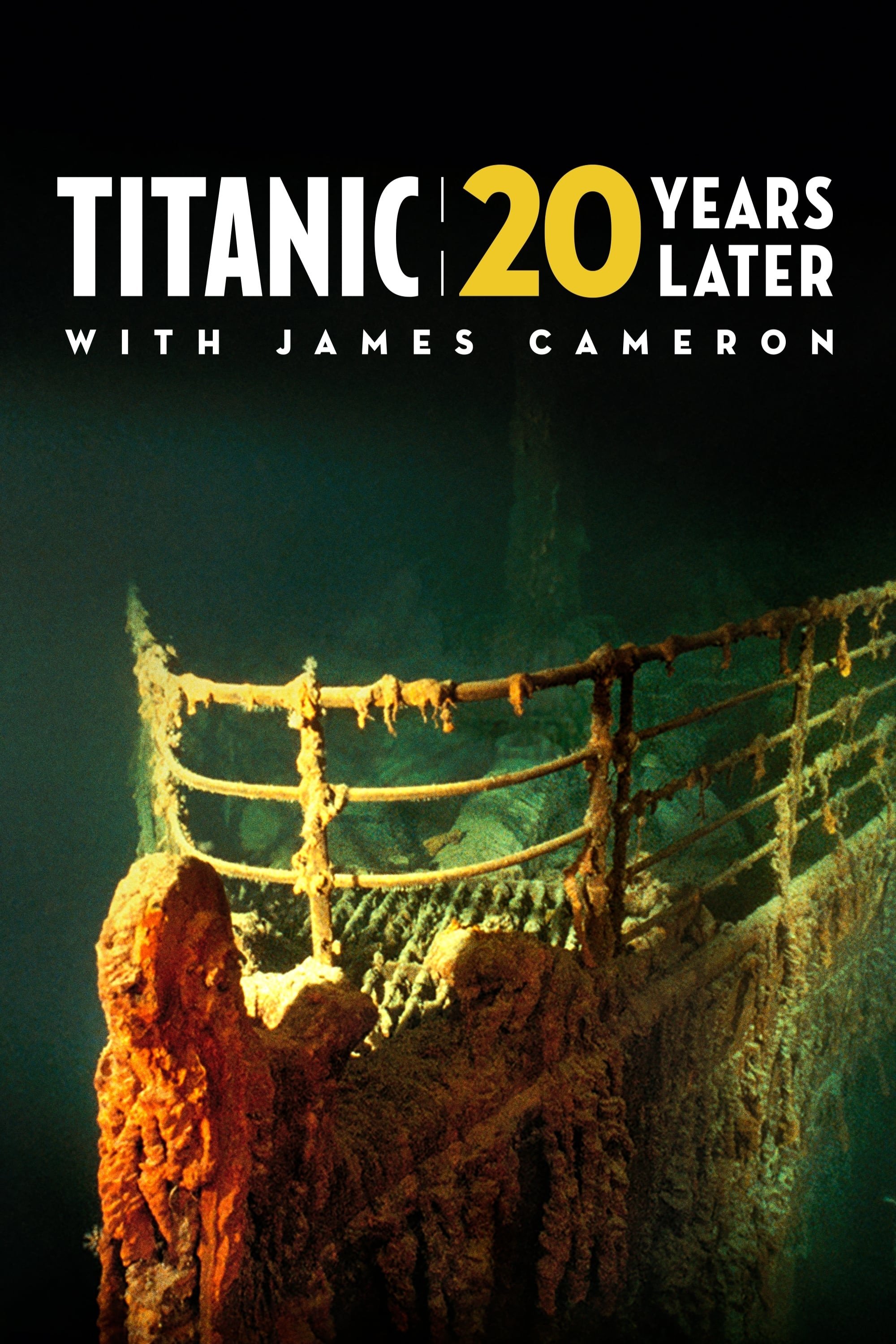
For the 20th anniversary of "Titanic," James Cameron reopens the file on the disaster.
A documentary examining possible historical and modern conspiracies surrounding Christianity, the 9/11 terrorist attacks, and the Federal Reserve bank.
An ambitious and wide-ranging documentary exploring Andre’s upbringing in France, his celebrated career in WWE, and his forays in the entertainment world.
Oliver Stone charts the history of the United States from the Second World War to the present.
A documentary about the legendary series of nationally televised debates in 1968 between two great public intellectuals, the liberal Gore Vidal and the conservative William F. Buckley Jr. Intended as commentary on the issues of their day, these vitriolic and explosive encounters came to define the modern era of public discourse in the media, marking the big bang moment of our contemporary media landscape when spectacle trumped content and argument replaced substance. Best of Enemies delves into the entangled biographies of these two great thinkers, and luxuriates in the language and the theater of their debates, begging the question, "What has television done to the way we discuss politics in our democracy today?"
Michael Moore comes home to the issue he's been examining throughout his career: the disastrous impact of corporate dominance on the everyday lives of Americans (and by default, the rest of the world).