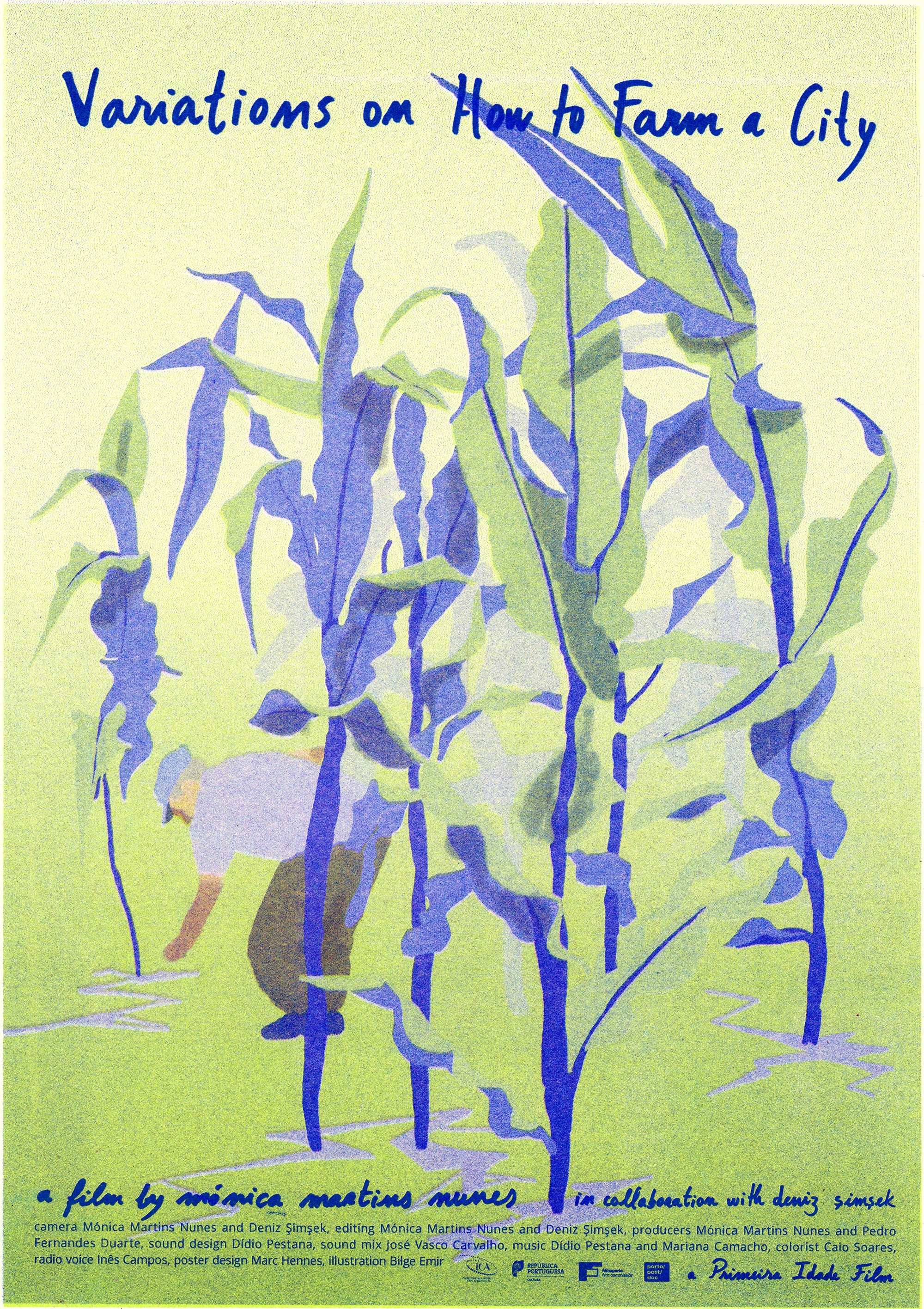
While new, monster housings are being erected, people grow a small farm in their vicinity. Soon the bulldozers come and ransack it.
Social & External
A documentary about punk and subculture scene of Pula, Croatia from 1978 to 1991, the city that gave birth to one of the most vivid punk and alternative rock scenes in former Yugoslavia, despite having population of just over 60,000 residents.
Winter 2019. Spanish war photographer Gervasio Sánchez, who documented with his camera the long and tragic siege of Sarajevo during the Bosnian War (1992-95), returns to the city in search of the children he met among the ruins, those who survived to grow up, live and remember.
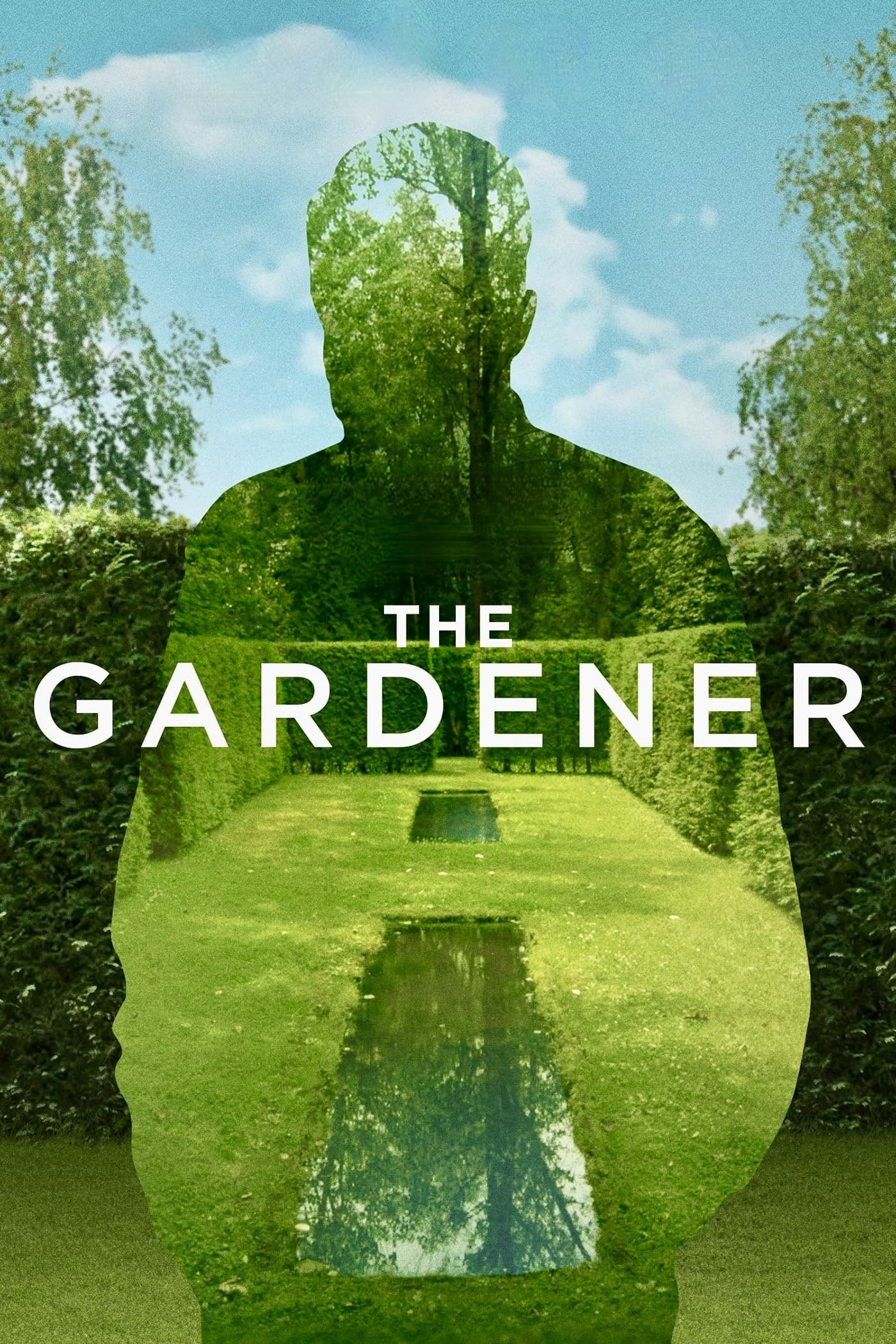
Created over 75 years and three generations, Les Quatre Vents stands as an enchanted place of beauty and surprise, a horticultural masterpiece of the 21st century. See how Frank Cabot gave birth to one of the greatest gardens in the world.
It shows the Neretva river from its source to the shores of the Adriatic Sea. The document also captures the original four-hundred-year-old bridge in Mostar.
Experimental filmmaker Selma Doborac presents a radical and uncompromising essay on the impossibility of depicting the atrocities of war through insightful subtitles and meditative footage of abandoned structures that belong to the present as well as to the past.
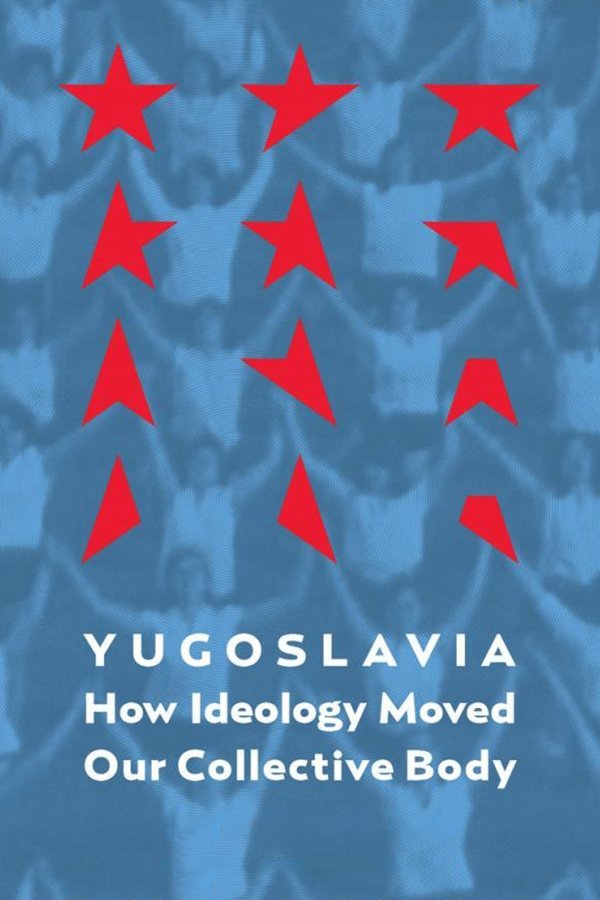
A research-based essay film, but also a very personal perspective on the history of socialist Yugoslavia, its dramatic end, and its recent transformation into a few democratic nation states.
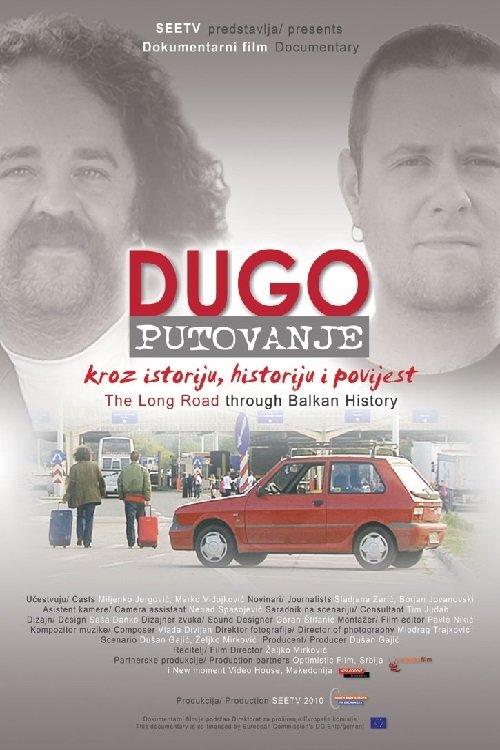
Bosnian Croat writer Miljenko Jergović and Serbian writer Marko Vidojković replace one another by the steering wheel of Yugo, a symbol of their common past while driving on the Brotherhood and Unity Highway that stretched across five of six republics of Yugoslavia.
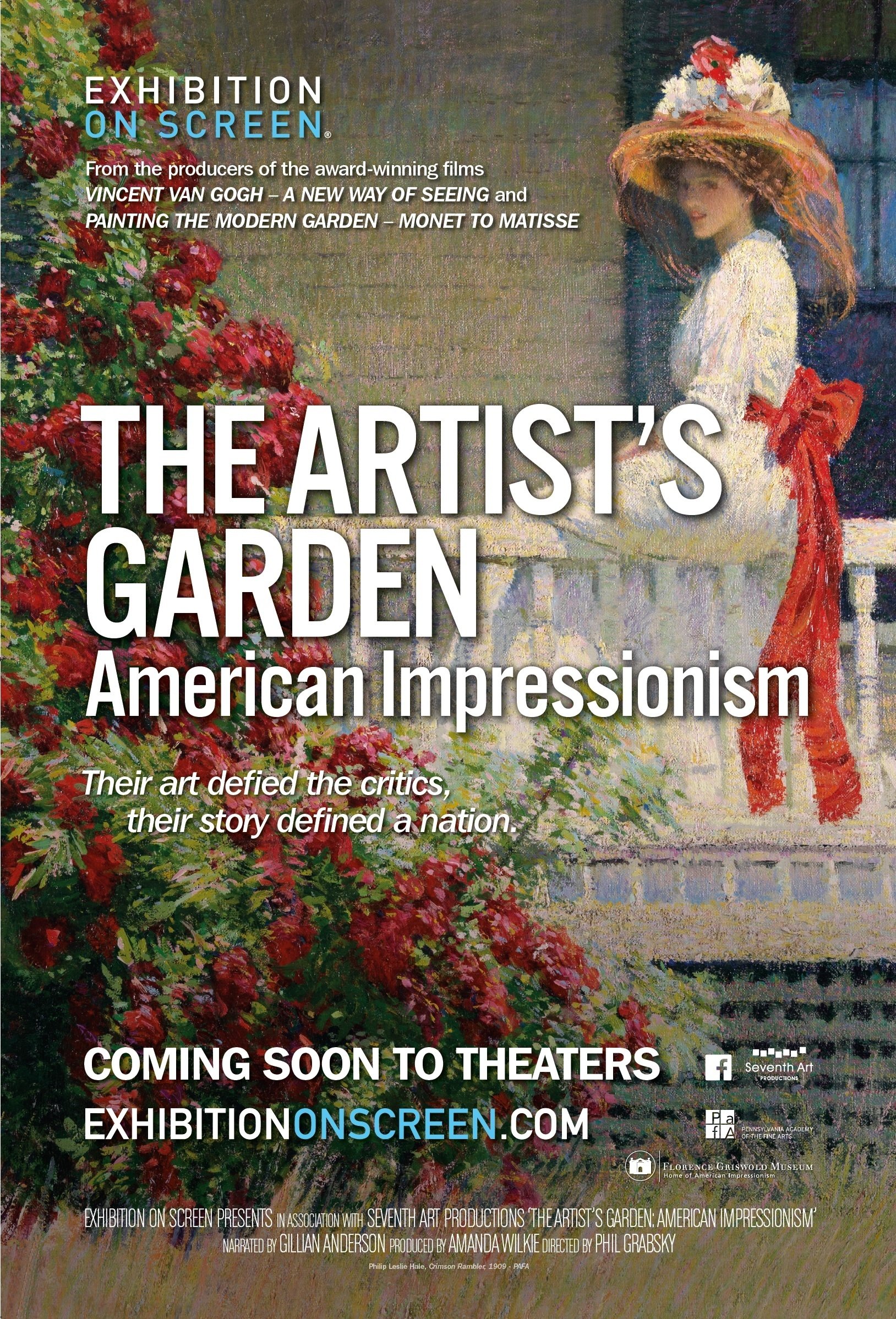
Taking its lead from French artists like Renoir and Monet, the American impressionist movement followed its own path which over a forty-year period reveals as much about America as a nation as it does about its art as a creative power-house. It’s a story closely tied to a love of gardens and a desire to preserve nature in a rapidly urbanizing nation. Travelling to studios, gardens and iconic locations throughout the United States, UK and France, this mesmerising film is a feast for the eyes. The Artist’s Garden: American Impressionism features the sell-out exhibition The Artist’s Garden: American Impressionism and the Garden Movement, 1887–1920 that began at the Pennsylvania Academy of the Fine Arts and ended at the Florence Griswold Museum, Old Lyme, Connecticut.
A personal interpretation of the blockade of Bosnia and Herzegovina's capital.
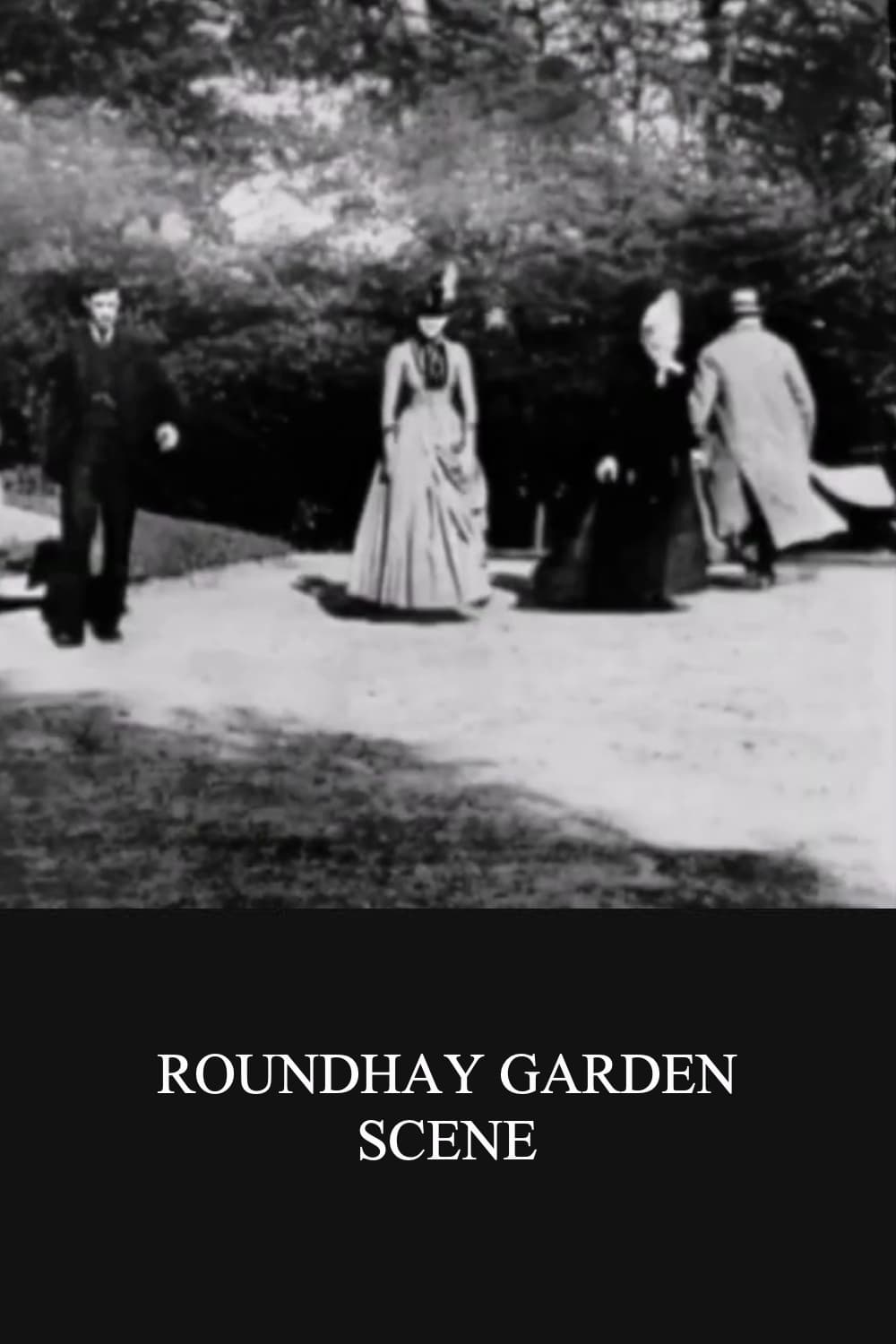
The earliest surviving motion-picture film, and believed to be one of the very first moving images ever created, was shot by Louis Aimé Augustin Le Prince using the LPCCP Type-1 MkII single-lens camera. It was taken on paper-based photographic film in the garden of Oakwood Grange, the Whitley family house in Roundhay, Leeds, West Riding of Yorkshire (UK), on 14 October 1888. The film shows Adolphe Le Prince (Le Prince’s son), Mrs. Sarah Whitley (Le Prince’s mother-in-law), Joseph Whitley, and Miss Harriet Hartley walking around in circles, laughing to themselves, and staying within the area framed by the camera. Roundhay Garden Scene is often associated with a recording speed of around 12 frames per second and runs for about 2 to 3 seconds.
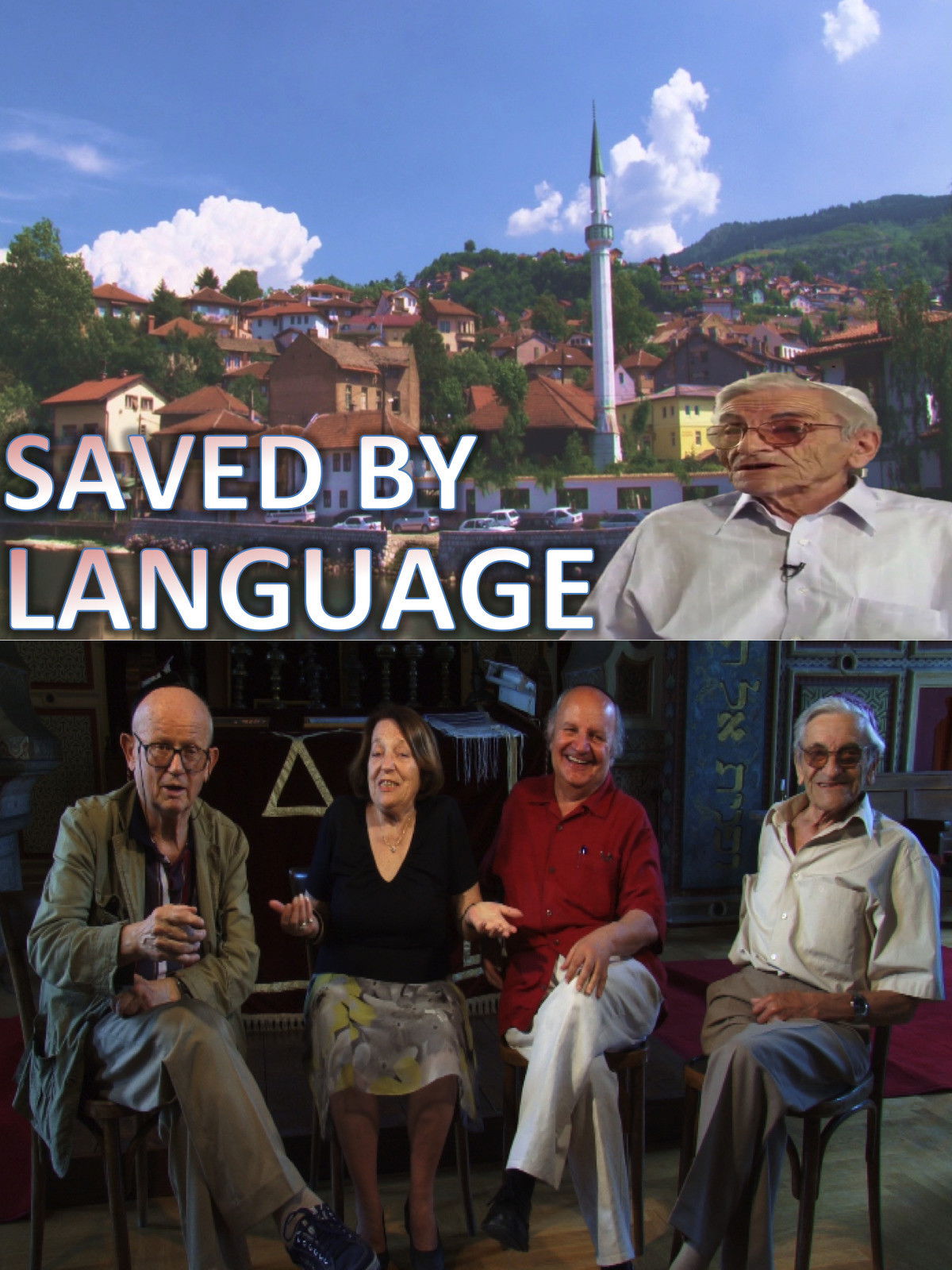
Can a language save your life? Yes it can, even an ancient one from the 15th century. Saved by Language tells the story of Moris Albahari, a Sephardic Jew from Sarajevo (born 1930), who spoke Ladino/Judeo-Spanish, his mother tongue, to survive the Holocaust. Moris used Ladino to communicate with an Italian Colonel who helped him escape to a Partizan refuge after he ran away from the train taking Yugoslavian Jews to Nazi death camps. By speaking in Ladino to a Spanish-speaking US pilot in 1944 he was able to survive and lead the pilot, along with his American and British colleagues, to a safe Partizan airport.
Film inspired by the beauty of medieval tombstones, stećaks, scattered around the mountains of Bosnia-Herzegovina and Mak Dizdar’s poem about them. Film explores the distant past immortalized in inscriptions on these ancient tombstones.
The Happy Child is a story of "New Wave" rock genre predominant in the ex-Yugoslavia during the socialist 70's and 80's.
Sprout. In the vacant lots against the hammering of buildings always under construction, between walls of granite, cement and sheet metal with rust, moss and cats; on the hillside between the train and the river, next to the traffic on the highway, facing the subway, vegetable gardens sprout. In this city, the choreography of ancient gestures of cultivating the land is repeated day after day, without fail. Sowing, digging, harvesting, watering, eating, talking, resting and returning the next day. The longest day of the year brings S. João and nobody goes to bed, but when the sun rises, the discreet gestures of resistance will restart.
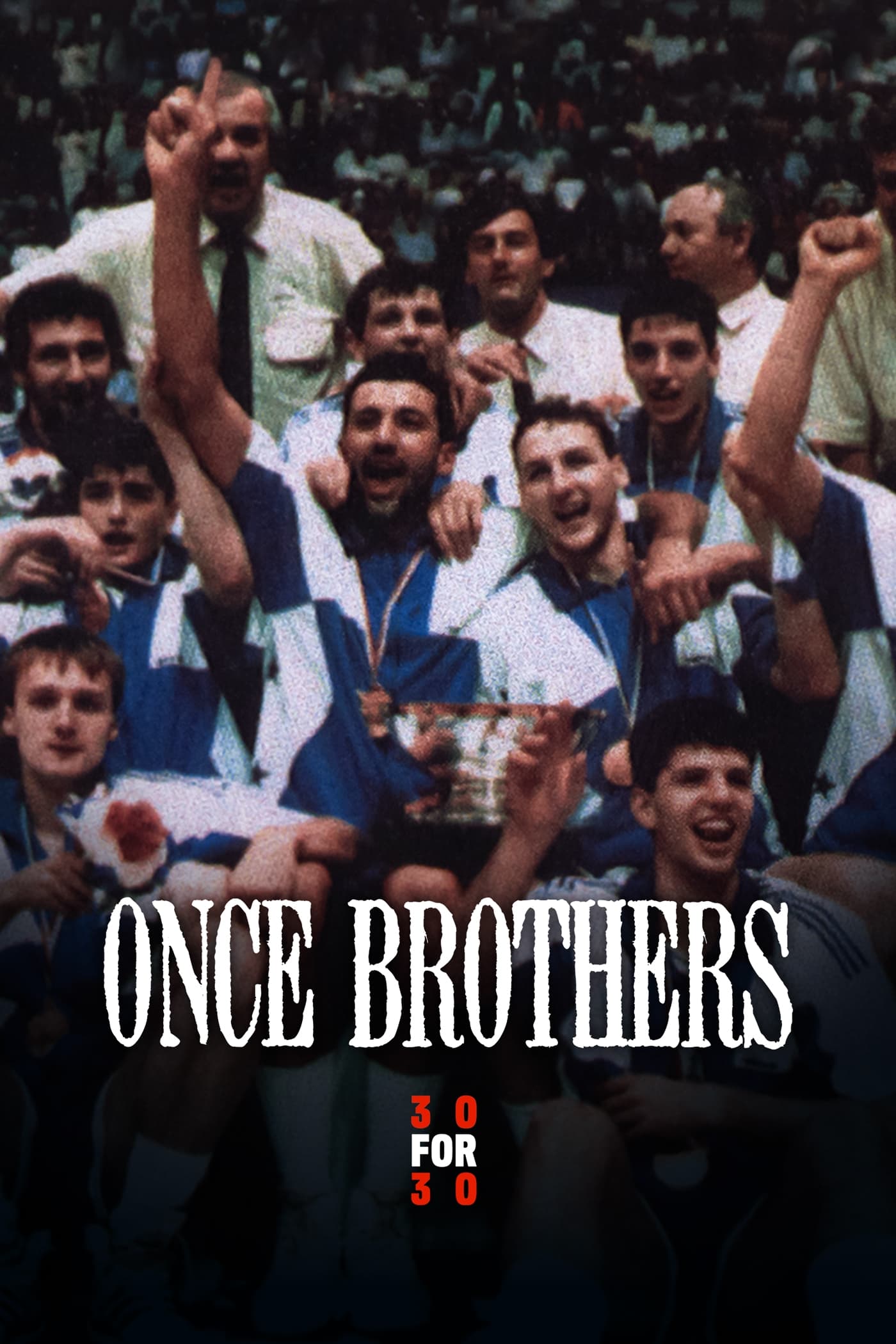
Drazen Petrovic and Vlade Divac were two friends who grew up together sharing the common bond of basketball. Together, they lifted the Yugoslavian National team to unimaginable heights. After conquering Europe, they both went to USA where they became the first two foreign players to attain NBA stardom. But with the fall of the Soviet Union on Christmas Day 1991, Yugoslavia split up. A war broke out between Petrovic's Croatia and Divac's Serbia. Long buried ethnic tensions surfaced. And these two men, once brothers, were now on opposite sides of a deadly civil war. As Petrovic and Divac continued to face each other on the basketball courts of the NBA, no words passed between the two. Then, on the fateful night of June 7, 1993, Drazen Petrovic was killed in an auto accident. This film will tell the gripping tale of these men, how circumstances beyond their control tore them apart, and whether Divac has ever come to terms with the death of a friend before they had a chance to reconcile.
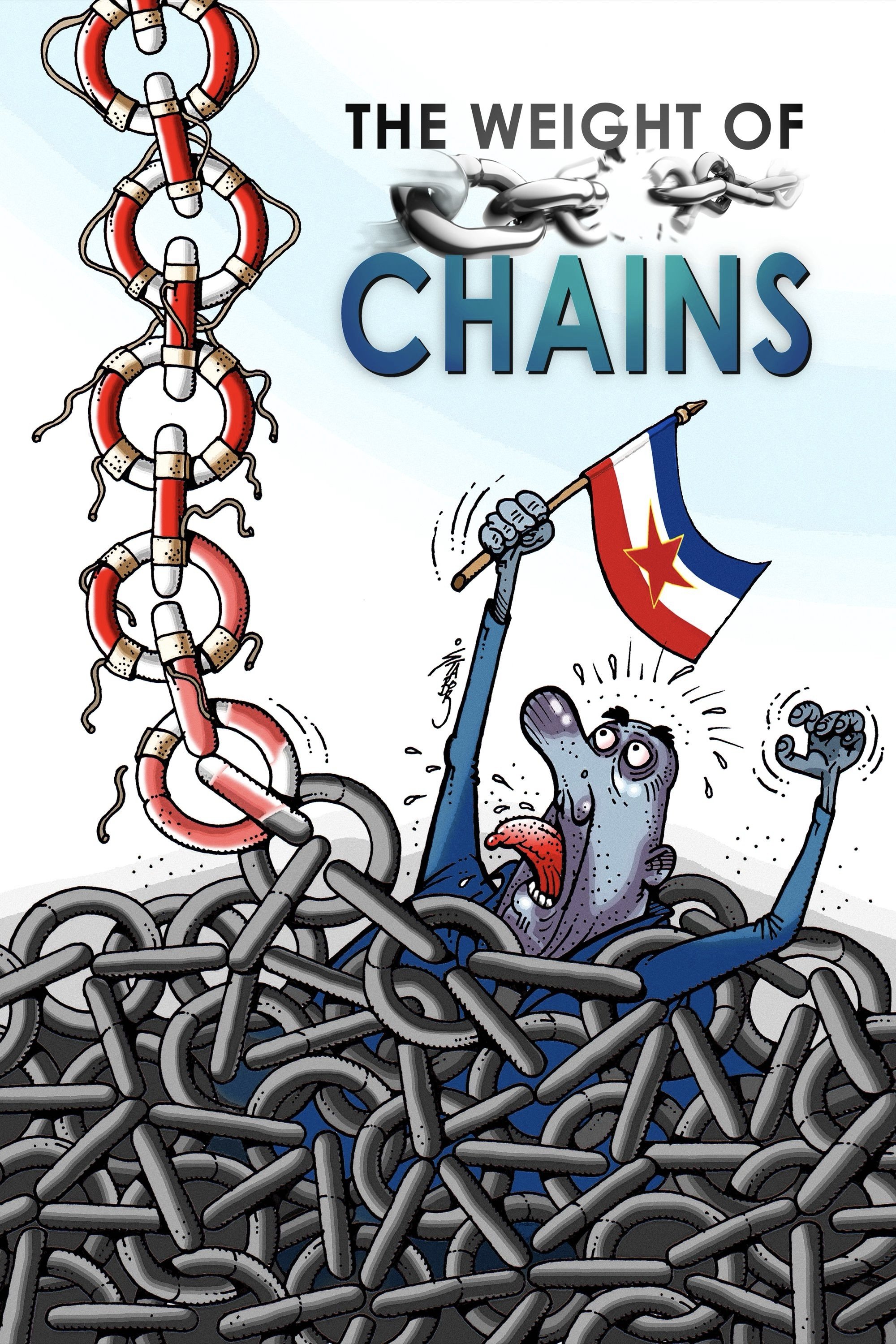
The Weight of Chains is a Canadian documentary film that takes a critical look at the role that the US, NATO and the EU played in the tragic breakup of a once peaceful and prosperous European state - Yugoslavia. The film, bursting with rare stock footage never before seen by Western audiences, is a creative first-hand look at why the West intervened in the Yugoslav conflict, with an impressive roster of interviews with academics, diplomats, media personalities and ordinary citizens of the former Yugoslav republics. This film also presents positive stories from the Yugoslav wars - people helping each other regardless of their ethnic background, stories of bravery and self-sacrifice.
In the community gardens of New York
We discover a modest, almost derisory garden, located in the heart of the women's prison in Rennes, Brittany, France.
Zdravko Čolić is the biggest pop star in Yugoslavia. We follow him during his "Traveling Earthquake Tour", lerning who is the man behind the microphone, dancers, glittery suits... and in front of the audience.
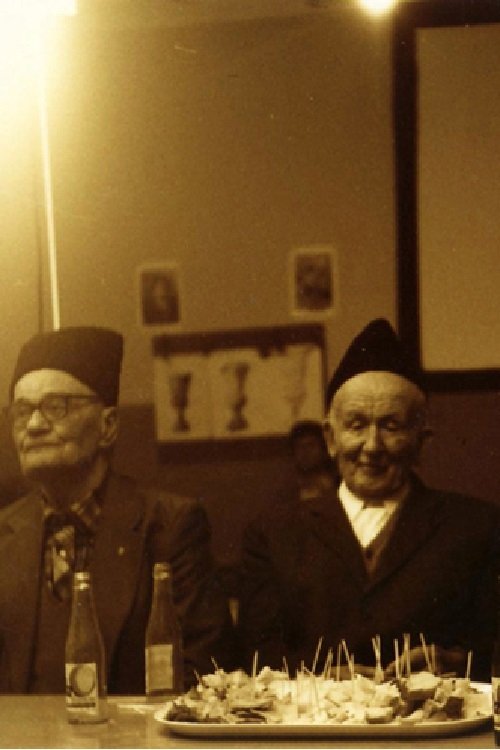
The protagonists of this docudrama are old farmers who migrated to Banat after the First World War, in 1922. The film is focused on a couple of important events in their impressive lives, which are woven into lively scenes and stories full of wise instances. Their statements become spontaneous recounts of the lives of people in this region.
Through deeply personal interviews with her siblings and an examination of the photographs, letters, and belongings left behind, Mariska assembles a new portrait of her mother Jayne Mansfield, an extraordinary and complex woman.
In the Realms of the Unreal is a documentary about the reclusive Chicago-based artist Henry Darger. Henry Darger was so reclusive that when he died his neighbors were surprised to find a 15,145-page manuscript along with hundreds of paintings depicting The Story of the Vivian Girls, in What is Known as the Realms of the Unreal, of the Glodeco-Angelinnian War Storm, Cased by the Child Slave Rebellion.
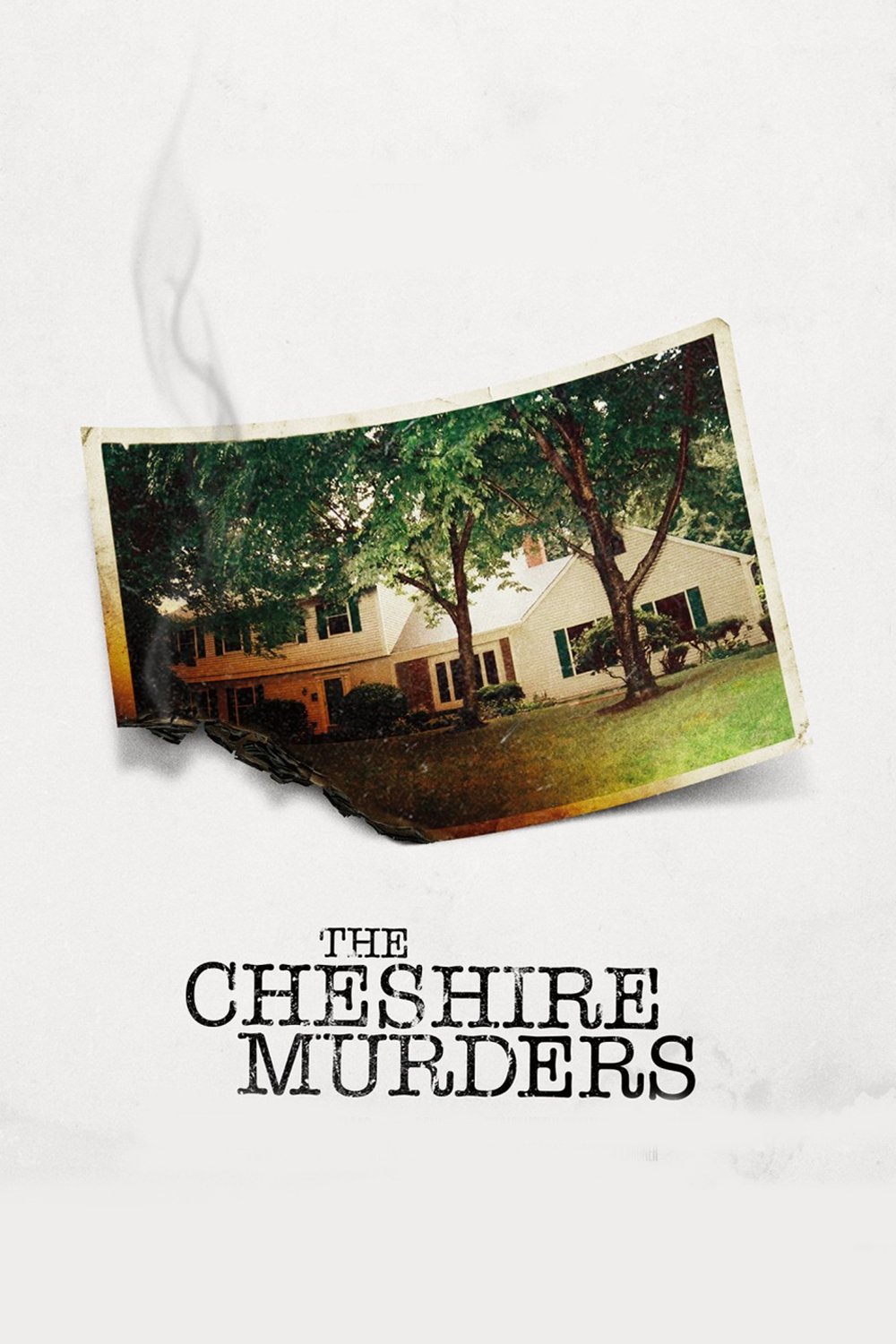
In the early-morning hours of July 23, 2007, in Cheshire, Conn., ex-convicts Steven Hayes and Joshua Komisarjevsky broke into the family home of William Petit, his wife, Jennifer, and their daughters, Michaela, 11, and Hayley, 17. Dr. Petit was beaten and tied to a pole in the basement. The three women were bound in their bedrooms while the men ransacked the house. The brutal ordeal continued throughout the morning, ending with rape, arson and a horrific triple homicide.
The film follows adventurer Jeff Johnson as he retraces the epic 1968 journey of his heroes Yvon Chouinard and Doug Tompkins to Patagonia.
A detailing of the rise to prominence and global sporting superstardom of six supremely talented young Manchester United football players (David Beckham, Nicky Butt, Ryan Giggs, Paul Scholes, Phil and Gary Neville). The film covers the period 1992-1999, culminating in Manchester United's European Cup triumph.
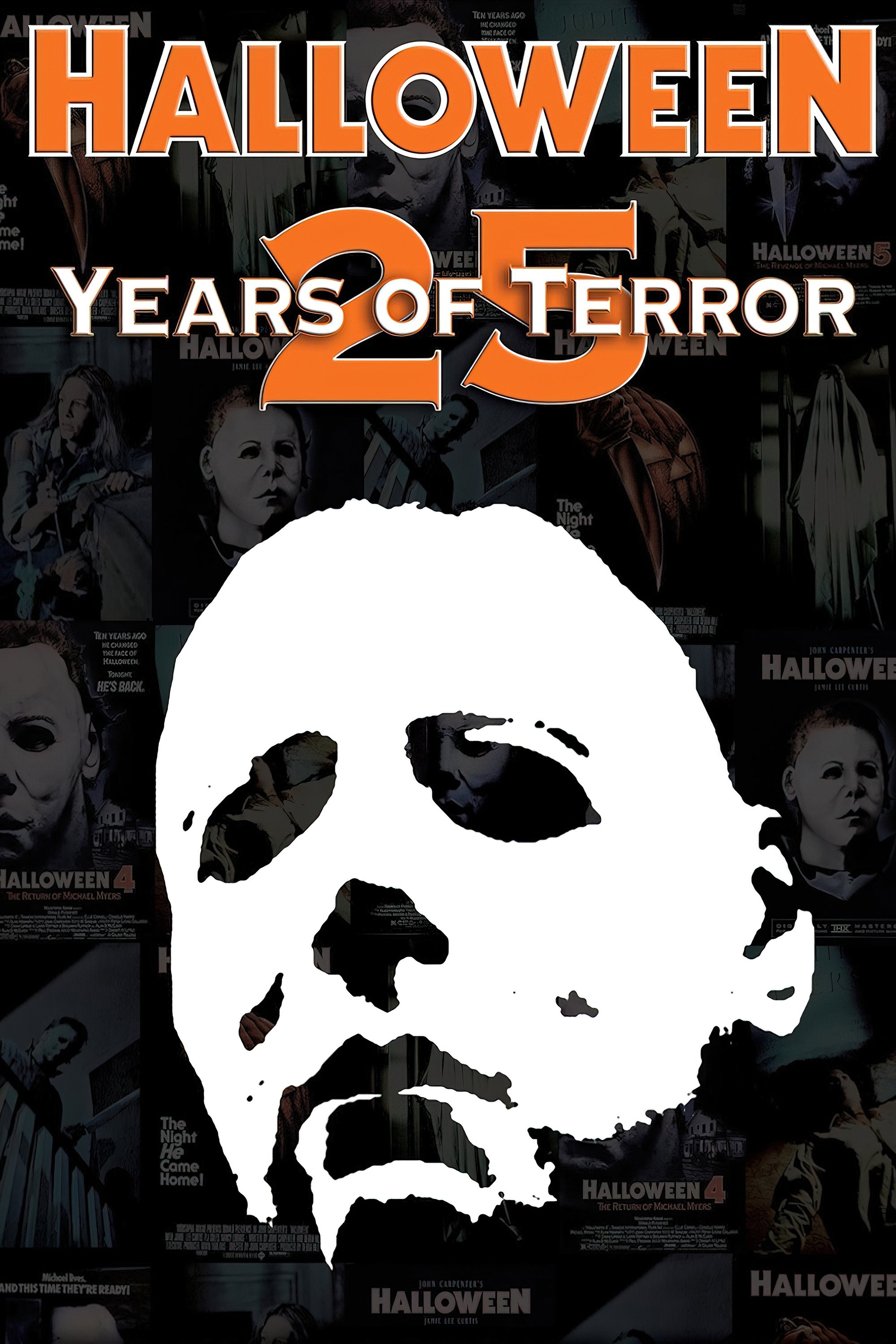
Follow the evolution of the 'Halloween' movies over the past twenty-five years. It examines why the films are so popular and revisits many of the original locations used in the films - seeing the effects on the local community. For the first time, cast, crew, critics and fans join together in the ultimate 'Halloween' retrospective.
Al Pacino's deeply-felt rumination on Shakespeare's significance and relevance to the modern world through interviews and an in-depth analysis of "Richard III."
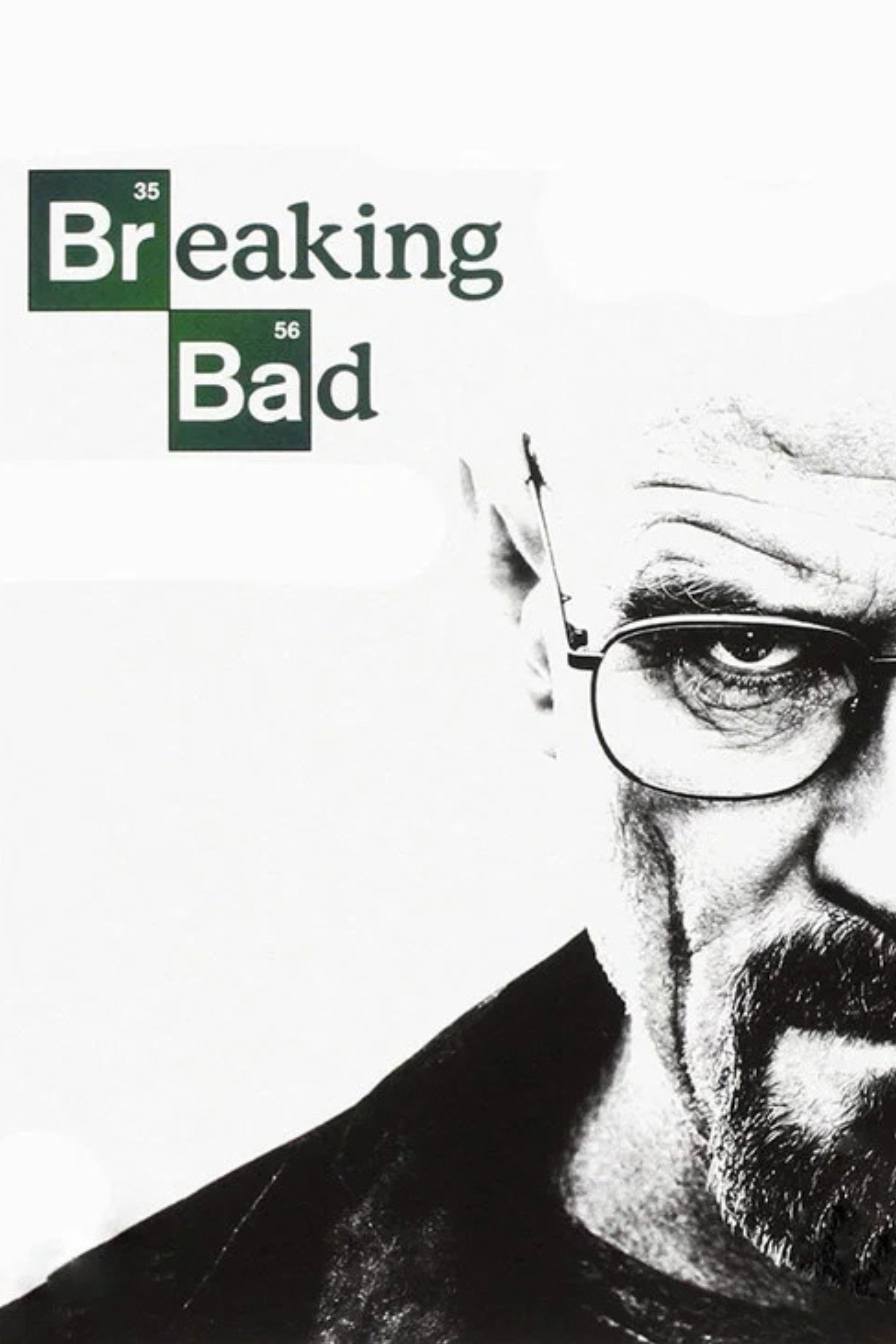
A documentary about the making of season five of the acclaimed AMC series Breaking Bad.
Unravel the case of Utah therapist Jodi Hildebrandt, whose child abuse arrest with parenting YouTuber Ruby Franke exposed a twisted tale of manipulation.
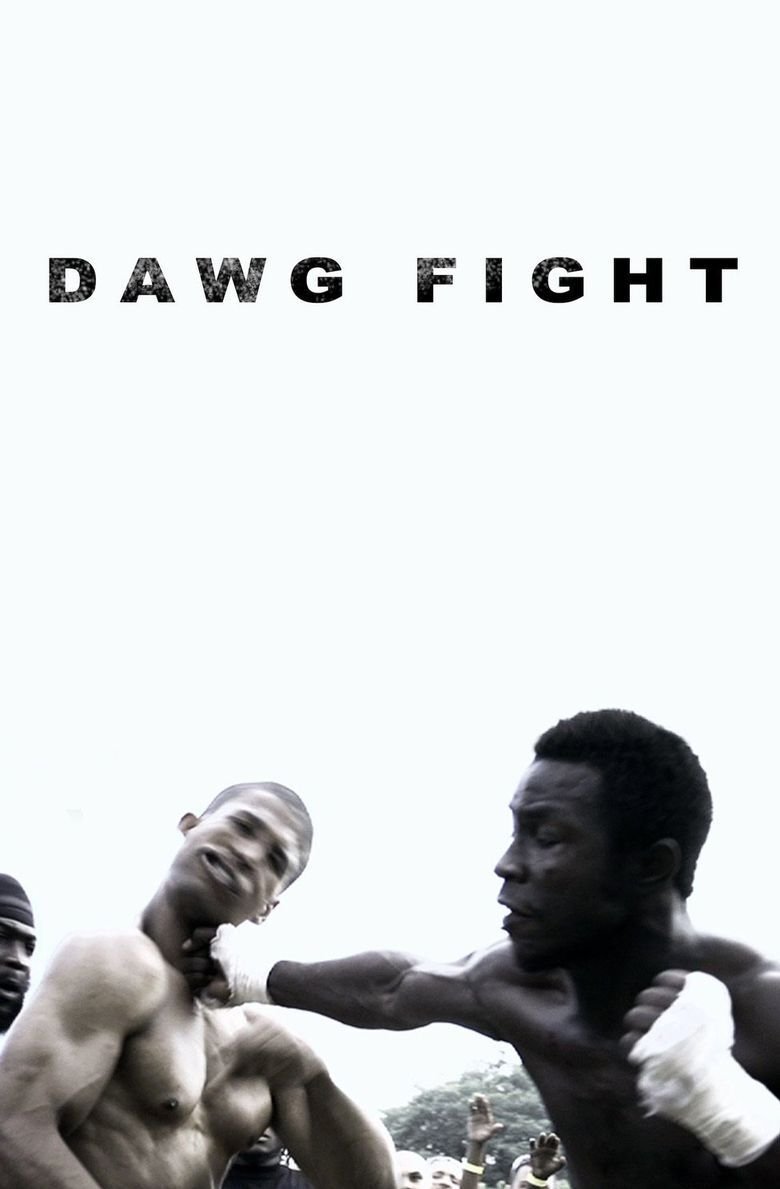
In a crime-plagued neighborhood near Miami, brutal, bare-knuckled backyard fights give young men a chance to earn money -- and self-respect.
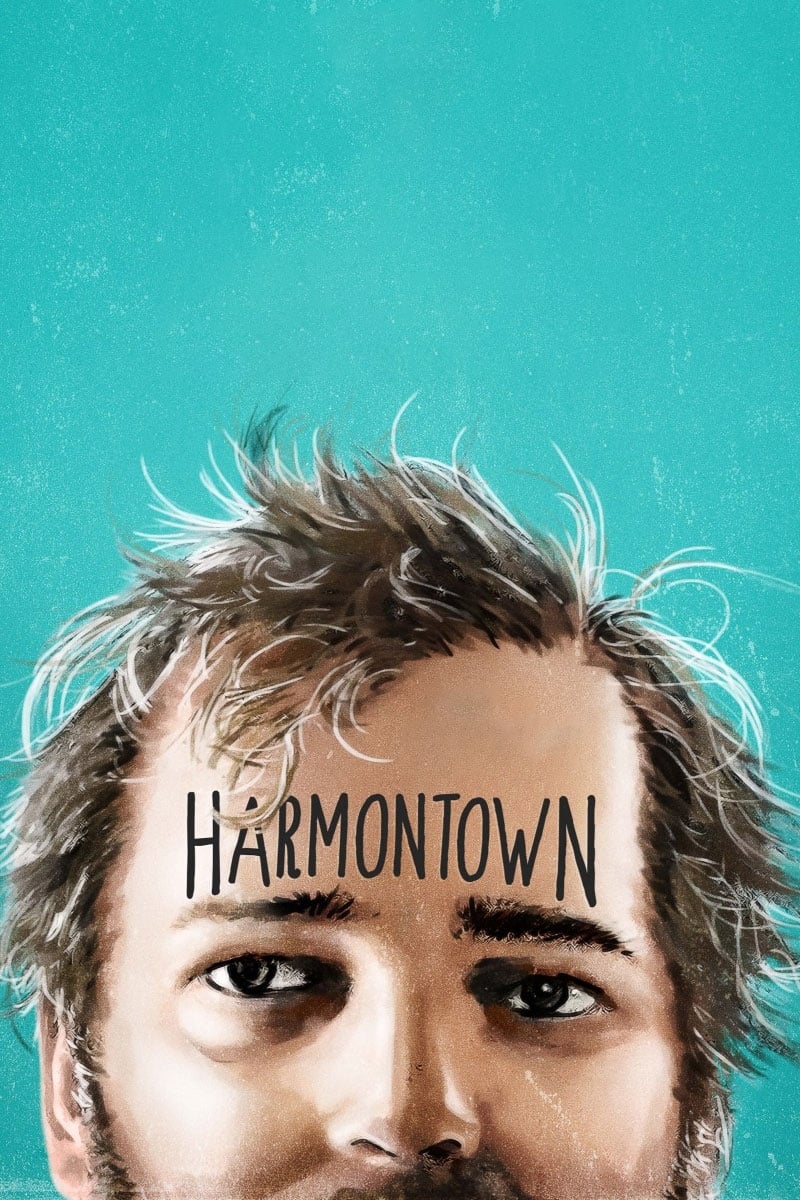
A comedic, brutally honest documentary following self-destructive TV writer Dan Harmon as he takes his live podcast on a national tour.
The life and career of an actor, artist, and icon. His own journey through his own camera.
Alexander McQueen's rags-to-riches story is a modern-day fairy tale, laced with the gothic. Mirroring the savage beauty, boldness and vivacity of his design, this documentary is an intimate revelation of McQueen's own world, both tortured and inspired, which celebrates a radical and mesmerizing genius of profound influence.
Vulgar, taunting texts blow up the phones of a teen and her boyfriend. Who's sending them — and why? This twisty documentary reveals the shocking answer.
Amber Heard and Nicole Kidman discuss their characters Mera and Atlanna.
Daniel Craig candidly reflects on his 15 year adventure as James Bond. Including never-before-seen archival footage from Casino Royale to the upcoming 25th film No Time To Die, Craig shares his personal memories in conversation with 007 producers, Michael G Wilson and Barbara Broccoli.
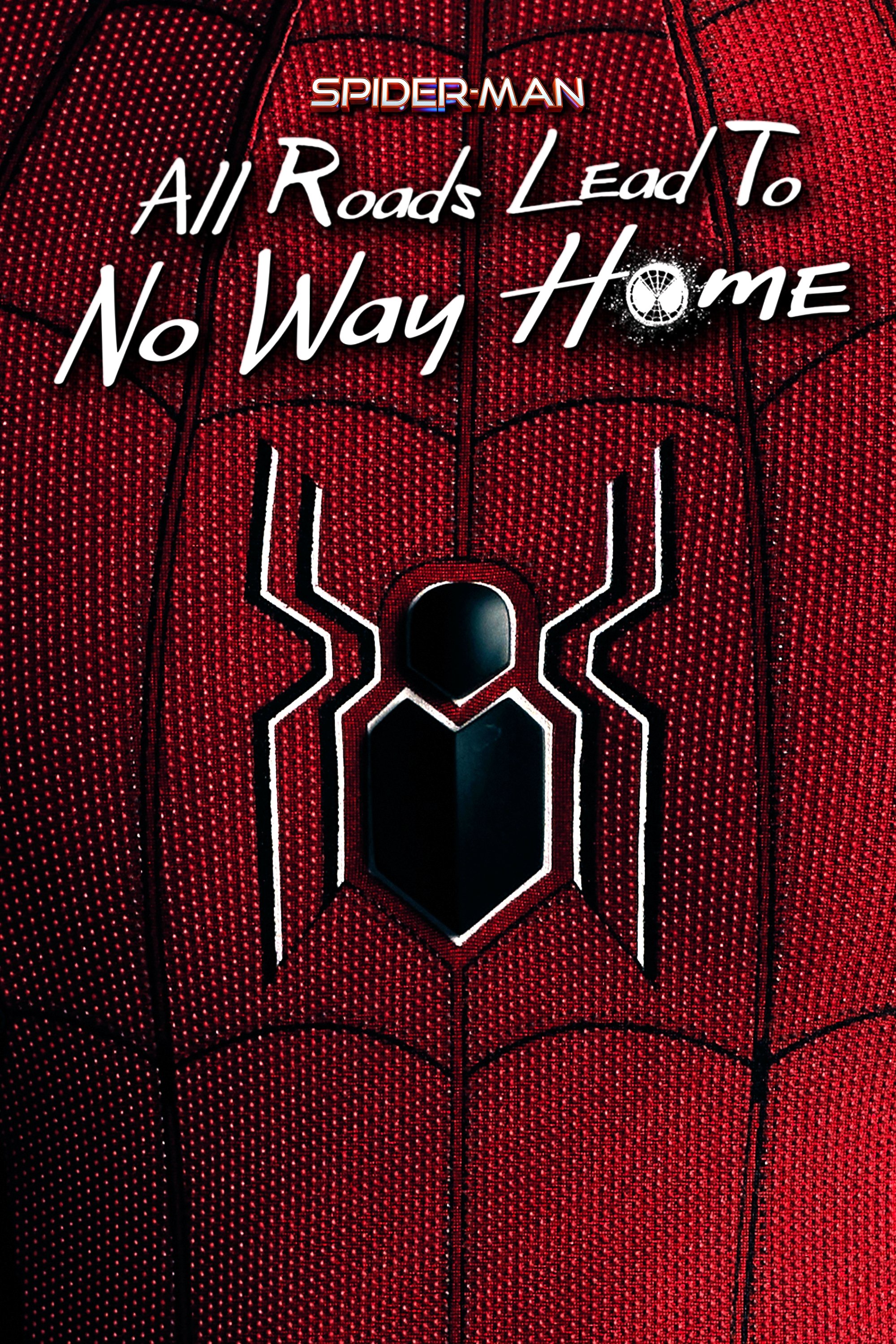
JB Smoove and Martin Starr host a celebration of 20 years of "Spider-Man" movies, from the Sam Raimi trilogy to Marc Webb's movies and the trio from Jon Watts.
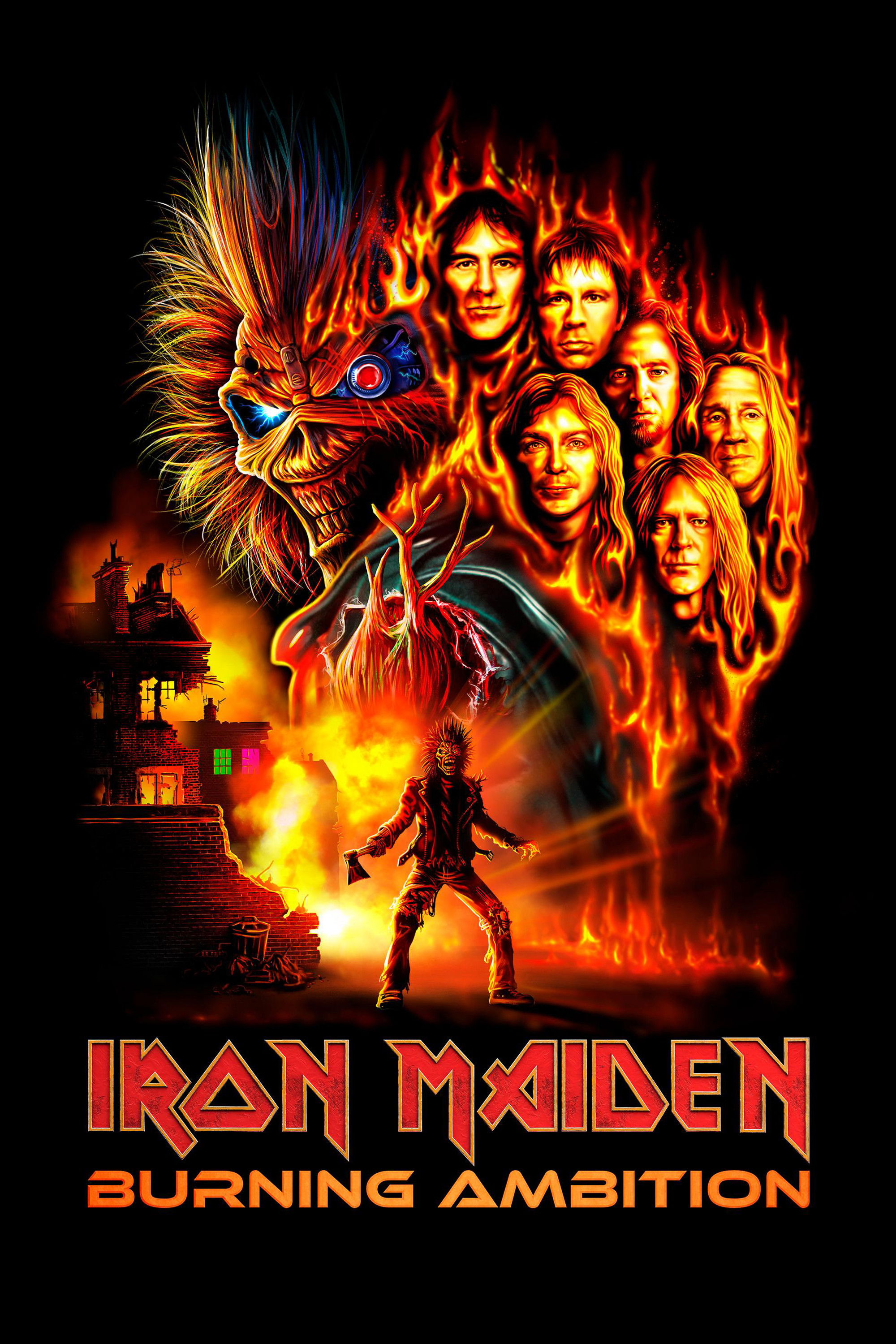
With unprecedented access to the official archives and intimate recollections from the band, both current and past, Iron Maiden: Burning Ambition invites fans to experience one of the most iconic journeys in music history. Spanning five decades, this electrifying documentary charts the band’s rise from the pubs of East London to the world’s biggest stadiums. Featuring exclusive interviews with band members and contributors such as Javier Bardem, Lars Ulrich and Chuck D, as well as all-new animated sequences of the band's legendary mascot, Eddie, the film offers a rare and intimate look at Iron Maiden’s uncompromising vision and unwavering connection with their truly global army of fans.
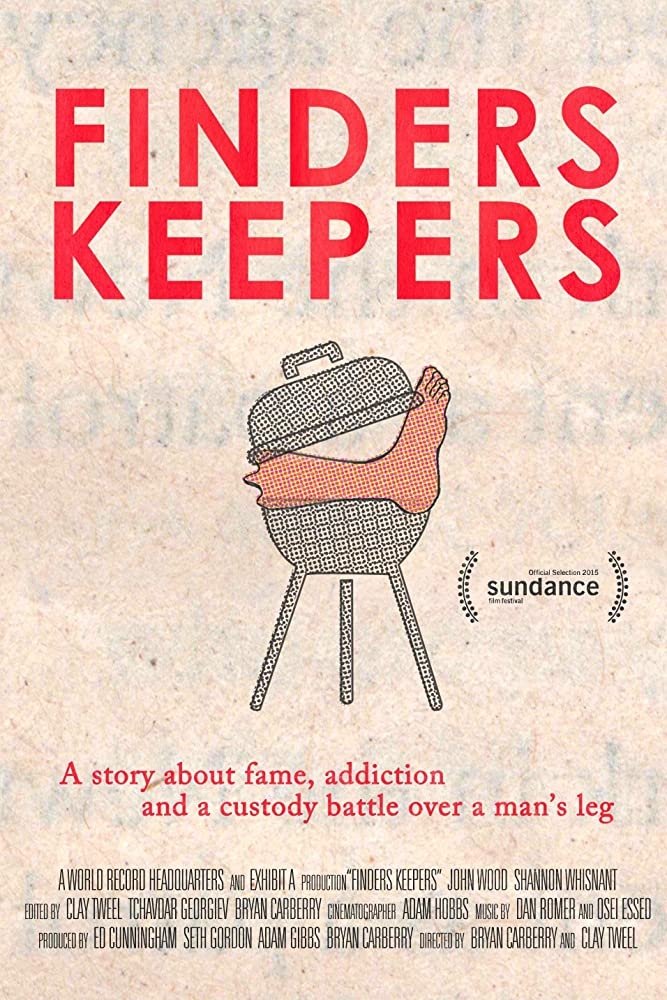
In this documentary, recovering addict and amputee John Wood finds himself in a stranger-than-fiction battle to reclaim his mummified leg from Southern entrepreneur Shannon Whisnant, who found it in a grill he bought at an auction and believes it therefore to be his rightful property.
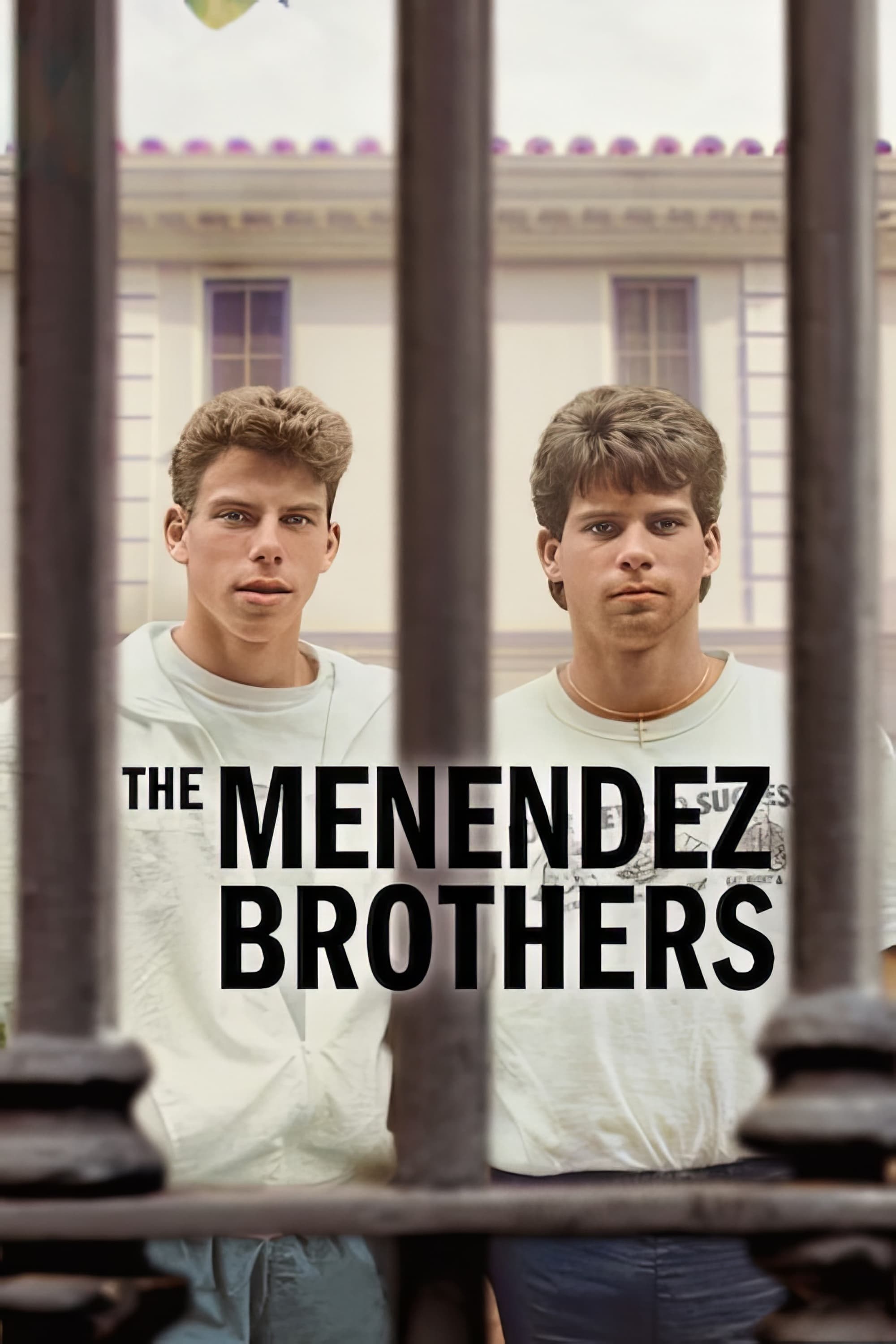
Serving life in prison for murdering their parents, Lyle and Erik Menendez speak out in this documentary explaining the shocking crime and ensuing trials.