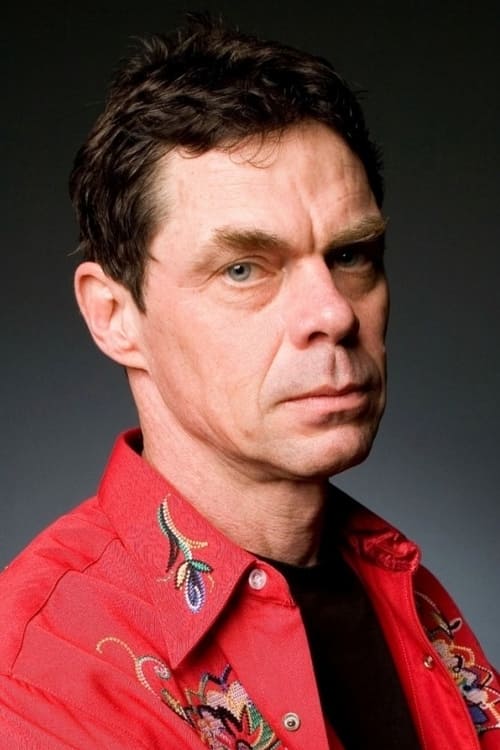
2019 marks the 30th year since the fall of the Berlin Wall and the end of the Cold War. Rich Hall examines the relationship between the West and the USSR in his inimitable fashion.
Social & External
Unknown Role

A story about the clash of two cultures, two worlds - traditional Tajik culture and the new, invading and imperialist in its nature, Soviet culture, about the formation of self-awareness of the Tajik dekhkanin in the 1920s-1930s.... Poor Hasan thinks and experiences a lot before he is able to comprehend the changes in his life, to realize that old traditions and customs are no longer valued. Bent by need and disenfranchisement, he finds the strength to stand up against the Basmachi.
Laika, a stray dog, was the first living being to be sent into space and thus to a certain death. A legend says that she returned to Earth as a ghost and still roams the streets of Moscow alongside her free-drifting descendants. While shooting this film, the directors little by little realised that they knew the street dogs only as part of our human world; they have never looked at humans as a part of the dogs’ world.
When Russia's first nuclear submarine malfunctions on its maiden voyage, the crew must race to save the ship and prevent a nuclear disaster.
Torn by personal guilt, Italian General Umberto Nobile reminisces about his 1928 failed Arctic expedition aboard the airship Italia.
At the dawn of the Space Race, seven test pilots set out to become the first American astronauts to enter space. However, the road to making history brings momentous challenges.
In 2012 two members of anarchistic female band Pussy Riot were sentenced to two years in a Mordovian labor camp for "hooliganism motivated by religious hatred". Russian film collective Gogol’s Wives follow each step of the feminist punk band’s battle against Putin including their first disruptive performances on a trolley bus, shooting a video about transparent elections, a controversial performance in a Red Square cathedral, and footage shot in a jail cell. Support comes from many corners including Madonna who painted the words "Pussy Riot" on her back and wore a balaclava during her Moscow show. The documentary portrays the grim state of present-day Russia, a country starkly divided between conservatism and anarchy. Pussy Riot believes that art has to be free and they're willing to take it to extremes. "Pussycat made a mess in the house," they say, and the house is Russia. The filmmakers do not seek to moralize, they simply edit events and leave viewers to draw their own conclusions.
At the peak of Perestroika, in 1987, in the village of Gorki, where Lenin spent his last years, after a long construction, the last and most grandiose museum of the Leader was opened. Soon after the opening, the ideology changed, and the flow of pilgrims gradually dried up. Despite this, the museum still works and the management is looking for ways to attract visitors. Faithful to the Lenin keepers of the museum as they can resist the onset of commercialization. The film tells about the modern life of this amazing museum-reserve and its employees.
Portentously portrays the evacuation of Portland, Oregon, when threatened by a nuclear attack on its state-of-the-art civil defense system.
U.S. nuclear tests in space, and the development of the military intercontinental ballistic missile (ICBM).
Documentary footage of late 1950s Russia covers such cities and towns as Moscow, Leningrad, Kiev, Yalta, the Black Sea, Kharkov, Sochi, Sukumi, Gori, Bukhara, Samarkand, Frunzo and Siberia.
The actor Gøril Mauseth goes on a 11.000 kilometer travel with the Trans-Siberian to play Anna Karenina in a new language in Leo Tolstoj's Russia, discovering the language, and the reasons Tolstoj wrote what he wrote, changing her forever.
Historic Russian battles to repel invaders serve as prelude to the story of events that redrew the map of Eastern Europe and parts of Asia in the 20th century. Following the turmoil of the Bolshevik Revolution, Communist Russia faces the venom of Nazi aggression. 1940's film footage reveals the harsh reality of total war, as the Red Army and Soviet civilians alike confront a brutal and tenacious enemy. The following decades are darkened by tensions between the USSR and foreign powers, and violent measures taken to silence voices of dissent. Finally, the Soviet people's yearning for a freer society leads to accelerating reforms and the ultimate dissolution of the USSR.
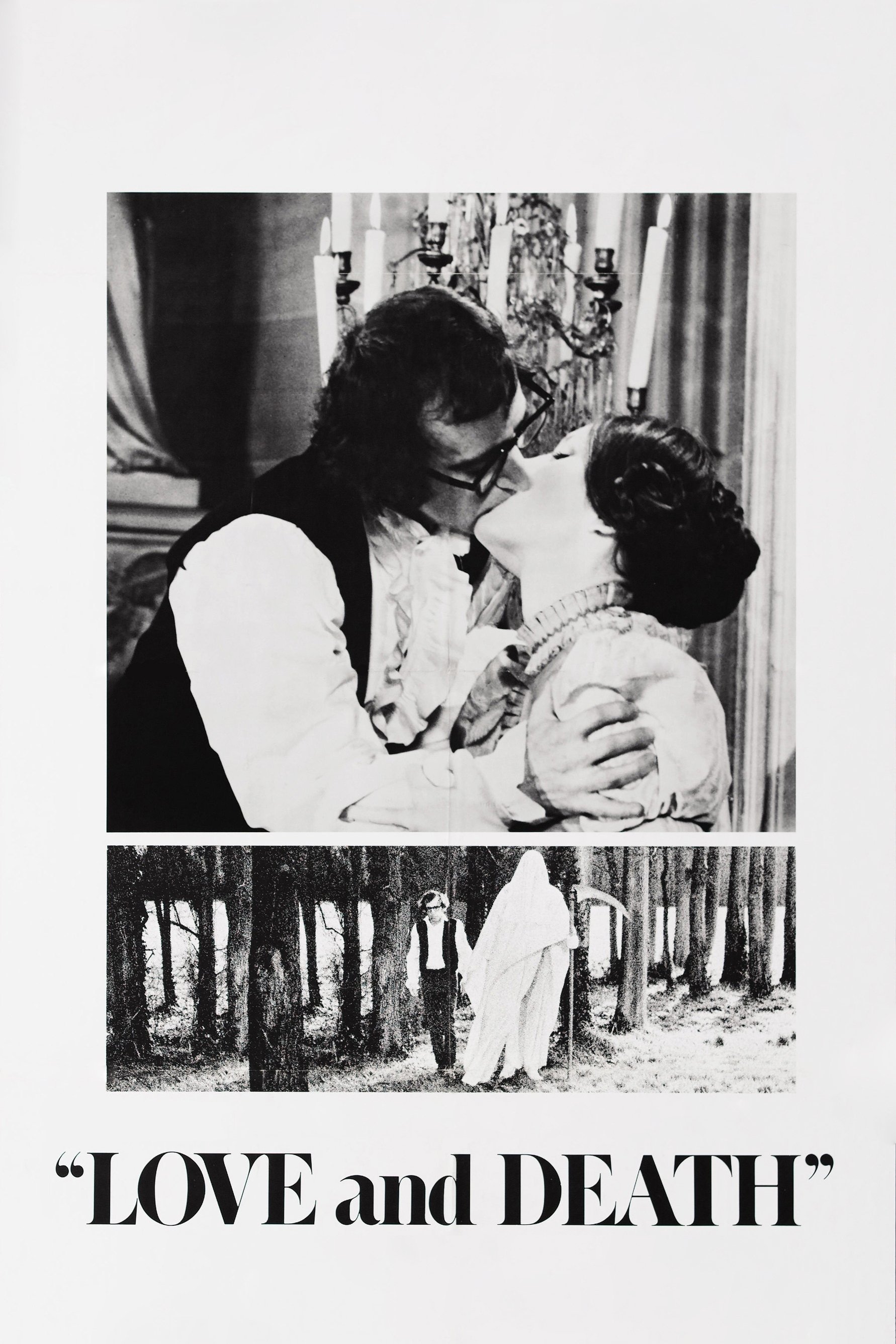
In czarist Russia, a neurotic soldier and his distant cousin formulate a plot to assassinate Napoleon.
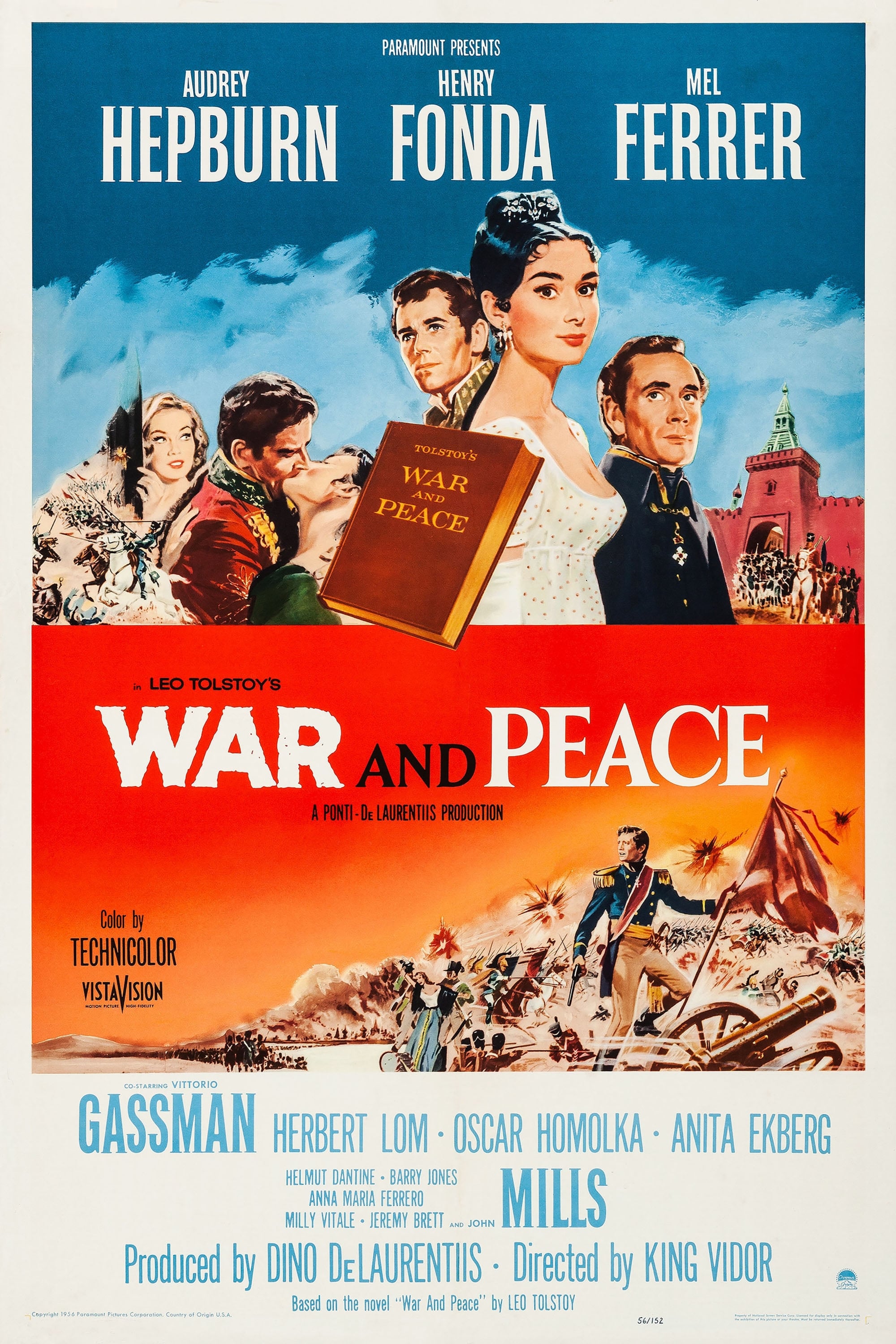
The love story of young Countess Natasha Rostova and Count Pierre Bezukhov is interwoven with the Great Patriotic War of 1812 against Napoleon's invading army.
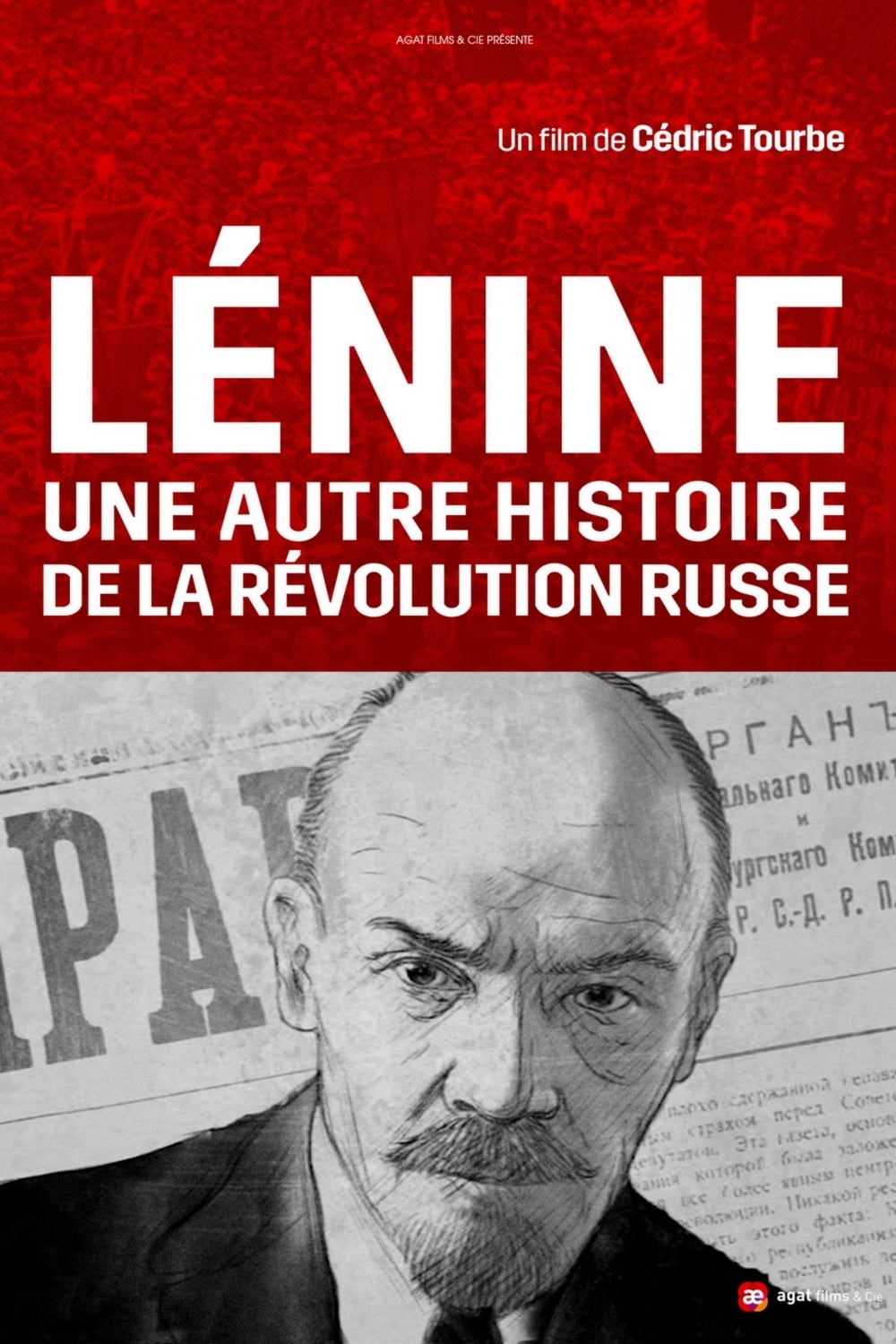
Vladimir Ilyich Ulyanov, better known as Lenin, is remembered as the instigator of the October Revolution of 1917 and, therefore, as one of the men who changed the shape of the world at that time and forever, but perhaps the actual events happened in a way different from that narrated in the history books…
In Russia, in 1907, a rich lenient husband of a loose unfaithful woman is brutally murdered. She and her two lovers are suspects, but what about the stranger she met just before the murder? With no friends left, she and the stranger bond.
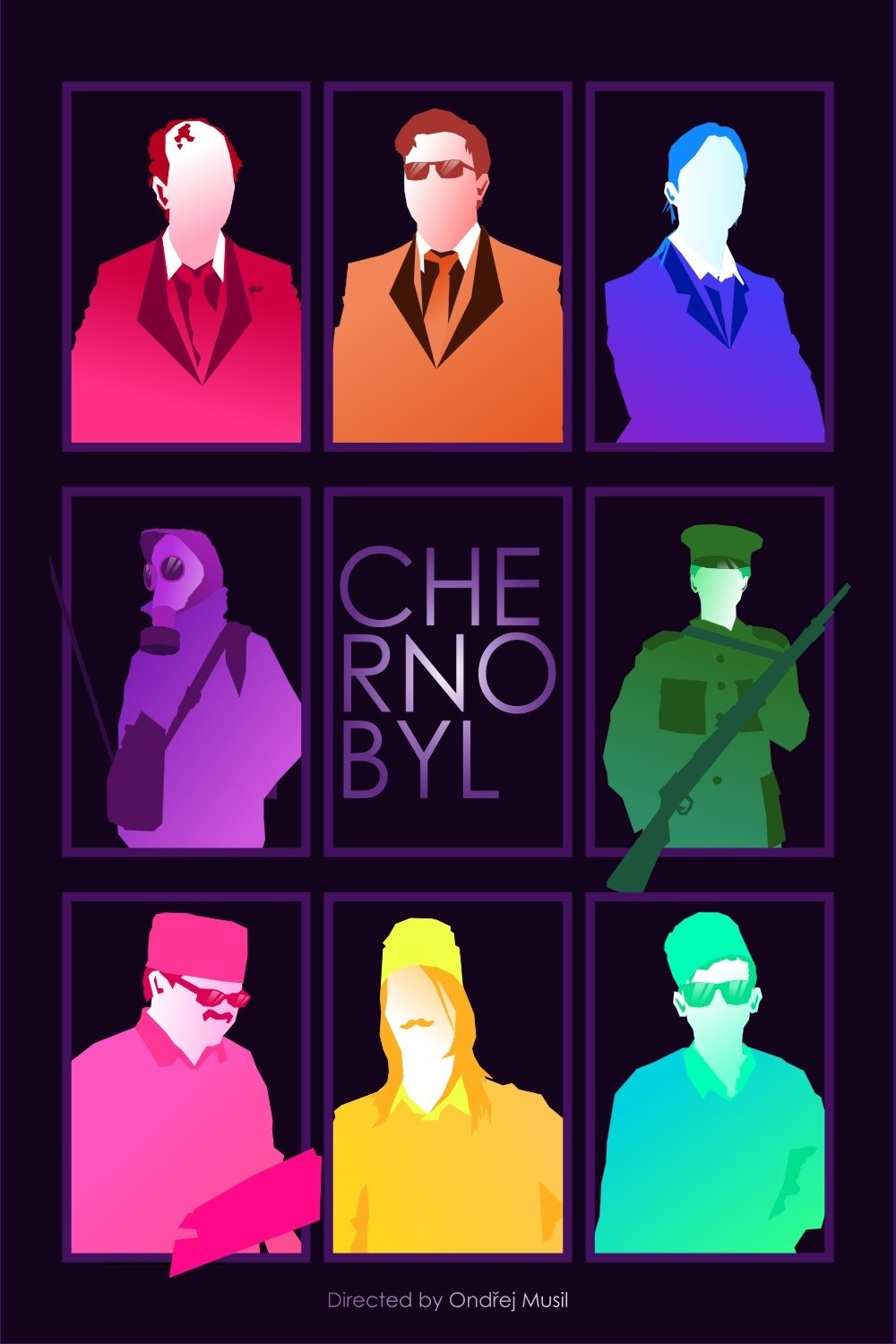
Thirty years after the Chernobyl disaster, which occurred on the night of April 26, 1986, its causes and consequences are examined. In addition, a report on efforts to strengthen the structures covering the core of the nuclear plant in order to better protect the population and the environment is offered.
This documentary talks to women training with machine guns, to undergraduates taking courses in How to Stay Alive, to retired generals who run schools for mercenary killers, and to self-appointed clergy who say their native America has "gone soft on the Devil and the Reds" and has become a "Disneyland for Dummies".
USSR, November, 1941. Based on the account by Vasiliy Koroteev this is the story of Panifilov's Twenty-Eight, a group of twenty-eight Red Army soldiers commanded by General Ivan Panfilov, that stopped the advance on Moscow of a column of fifty-four Nazi tanks of the 11th Panzer Division for several days. Though lightly armed they fight tirelessly and defiantly, with uncommon bravery and unwavering dedication, to protect Moscow and their Motherland.
During the Cold War, an American scientist appears to defect to East Germany as part of a cloak and dagger mission to find the formula for a resin solution—but the plan goes awry when his fiancee, unaware of his motivation, follows him across the border.
When Allied forces liberated the Nazi concentration camps in 1944-45, their terrible discoveries were recorded by army and newsreel cameramen, revealing for the first time the full horror of what had happened. Making use of British, Soviet and American footage, the Ministry of Information’s Sidney Bernstein (later founder of Granada Television) aimed to create a documentary that would provide lasting, undeniable evidence of the Nazis’ unspeakable crimes. He commissioned a wealth of British talent, including editor Stewart McAllister, writer and future cabinet minister Richard Crossman – and, as treatment advisor, his friend Alfred Hitchcock. Yet, despite initial support from the British and US Governments, the film was shelved, and only now, 70 years on, has it been restored and completed by Imperial War Museums under its original title "German Concentration Camps Factual Survey".
Oliver Stone charts the history of the United States from the Second World War to the present.
Set both in Latin America and the United States, the film explores the historic and current relationship of Washington with countries such as Venezuela, Bolivia and Chile. Pilger says that the film "...tells a universal story... analysing and revealing, through vivid testimony, the story of great power behind its venerable myths. It allows us to understand the true nature of the so-called "war on terror". According to Pilger, the film’s message is that the greed and power of empire is not invincible and that people power is always the "seed beneath the snow".
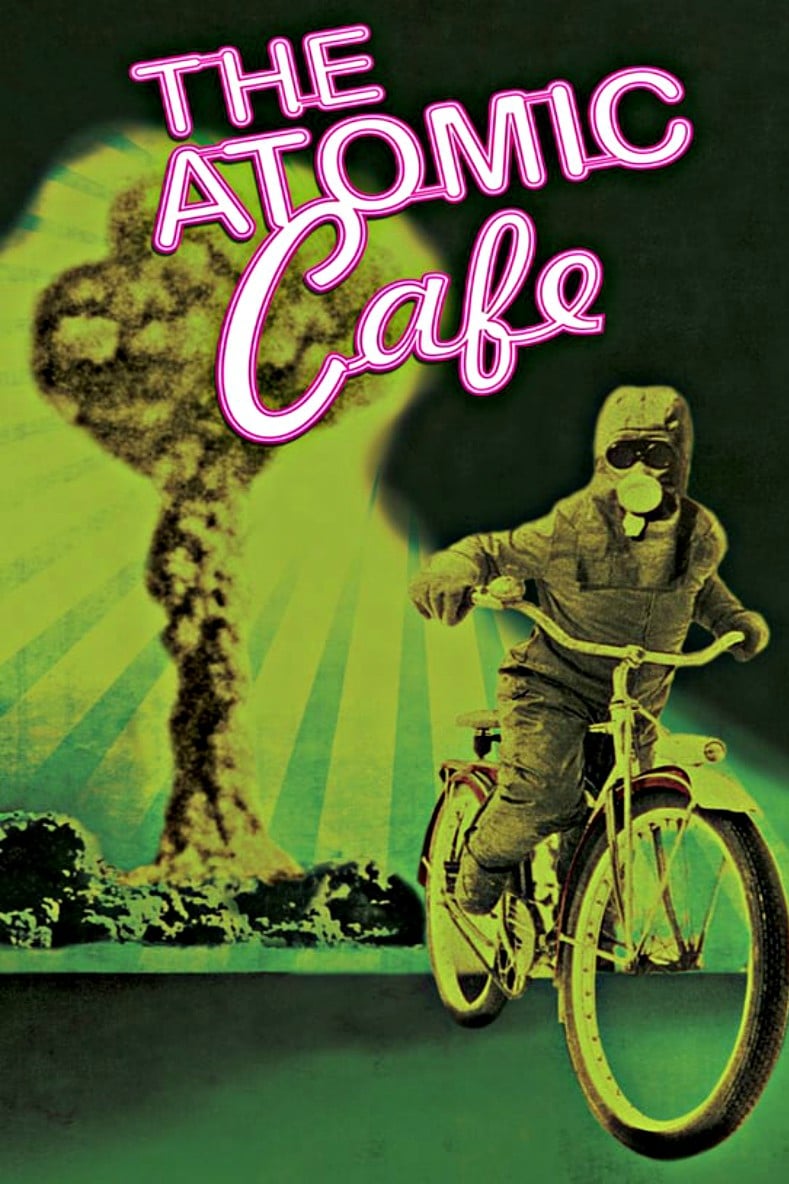
A disturbing collection of 1940s and 1950s United States government-issued propaganda films designed to reassure Americans that the atomic bomb was not a threat to their safety.
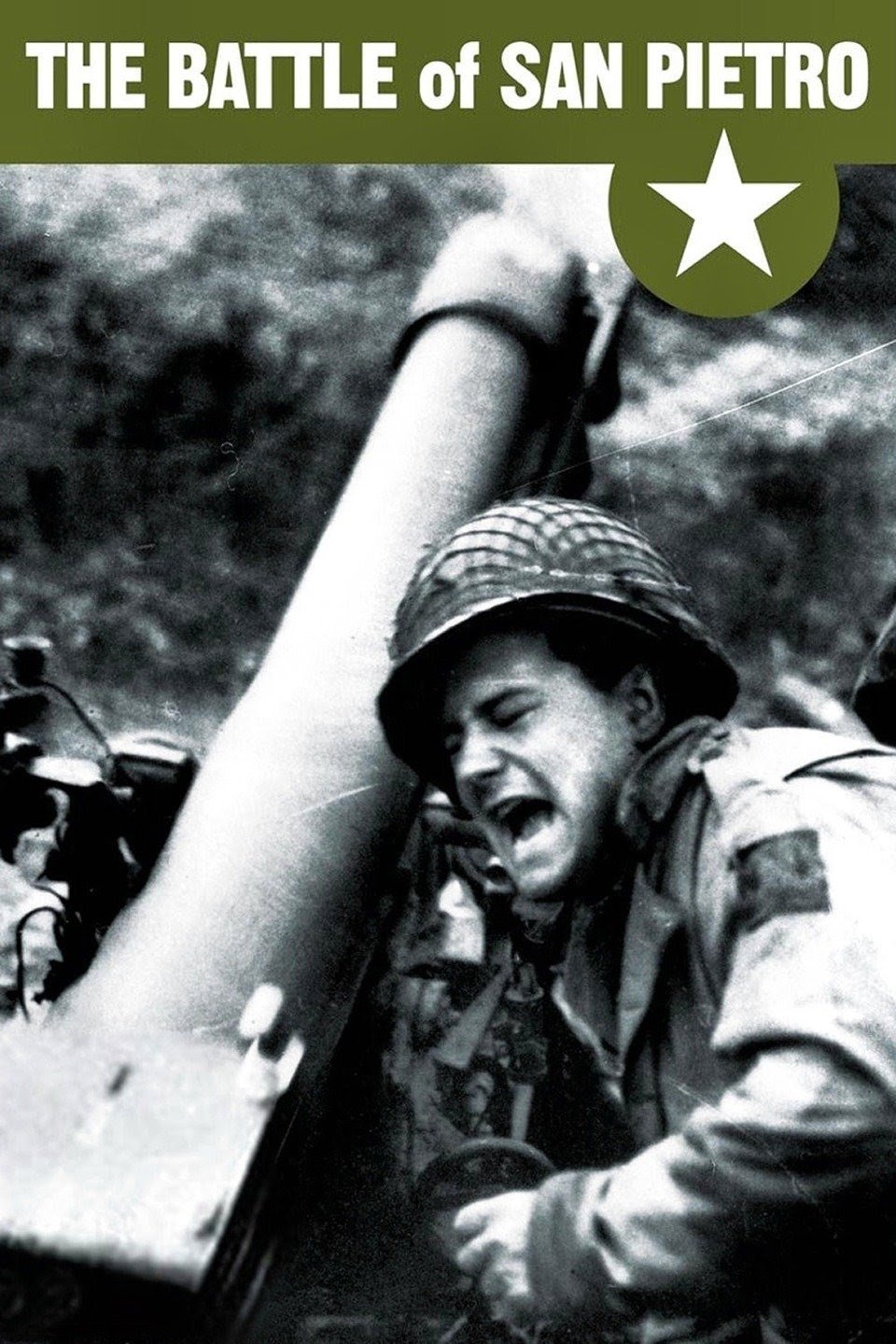
This documentary movie is about the battle of San Pietro, a small village in Italy. Over 1,100 US soldiers were killed while trying to take this location, that blocked the way for the Allied forces from the Germans. Preserved by the Academy Film Archive in 2005.
Prelude to War was the first film of Frank Capra's Why We Fight propaganda film series, commissioned by the Pentagon and George C. Marshall. It was made to convince American troops of the necessity of combating the Axis Powers during World War II. This film examines the differences between democratic and fascist states.
A documentary highlighting the Soviet Union's legendary and enigmatic hockey training culture and world-dominating team through the eyes of the team's Captain Slava Fetisov, following his shift from hockey star and celebrated national hero to political enemy.
Thirty-six years after the Chernobyl nuclear reactor exploded in Soviet Ukraine, newly uncovered archival footage and recorded interviews with those who were present paint an emotional and gripping portrait of the extent and gravity of the disaster and the lengths to which the Soviet government went to cover up the incident, including the soldiers sent in to “liquidate” the damage. Chernobyl: The Lost Tapes is the full, unvarnished true story of what happened in one of the least understood tragedies of the twentieth century.
A documentary on the expletive's origin, why it offends some people so deeply, and what can be gained from its use.
Diaries, audiotapes, videotapes and testimonials from friends and colleagues offer insight into the life and career of Gilda Radner -- the beloved comic and actress who became an icon on Saturday Night Live.
For the 20th anniversary of "Titanic," James Cameron reopens the file on the disaster.
Colonel Stok, a Soviet intelligence officer responsible for security at the Berlin Wall, appears to want to defect but the evidence is contradictory. Stok wants the British to handle his defection and asks for one of their agents, Harry Palmer, to smuggle him out of East Germany.
Produced and presented as evidence at the Nuremberg war crimes trial of Hermann Göring and twenty other Nazi leaders, this film consists primarily of dead and surviving prisoners and of facilities used to kill and torture during the World War II.
A behind-the-scenes documentary about the Clinton for President campaign, focusing on the adventures of spin doctors James Carville and George Stephanopoulos.
The history of cinematic sound, told by legendary sound designers and visionary filmmakers.
When Sgt. First Class Brian Eisch is critically wounded in Afghanistan, it sets him and his sons on a journey of love, loss, redemption and legacy.
A portrait of a formidable political figure, unraveling the contrasting facets of an iron-fisted tyrant and a man haunted by fear.
Former United States Secretary of Defense, Donald Rumsfeld, discusses his career in Washington D.C. from his days as a congressman in the early 1960s to planning the invasion of Iraq in 2003.
The most comprehensive retrospective of the '80s action film genre ever made.