This short impressionist documentary looks at the creation of a Button Blanket by integrating the performance of a traditional dance with the art of the West Coast Heiltsuk Nation.
Social & External
Follow filmmaker Elle-Máijá Tailfeathers as she creates an intimate portrait of her community and the impacts of the substance use and overdose epidemic. Witness the change brought by community members with substance-use disorder, first responders and medical professionals as they strive for harm reduction in the Kainai First Nation.
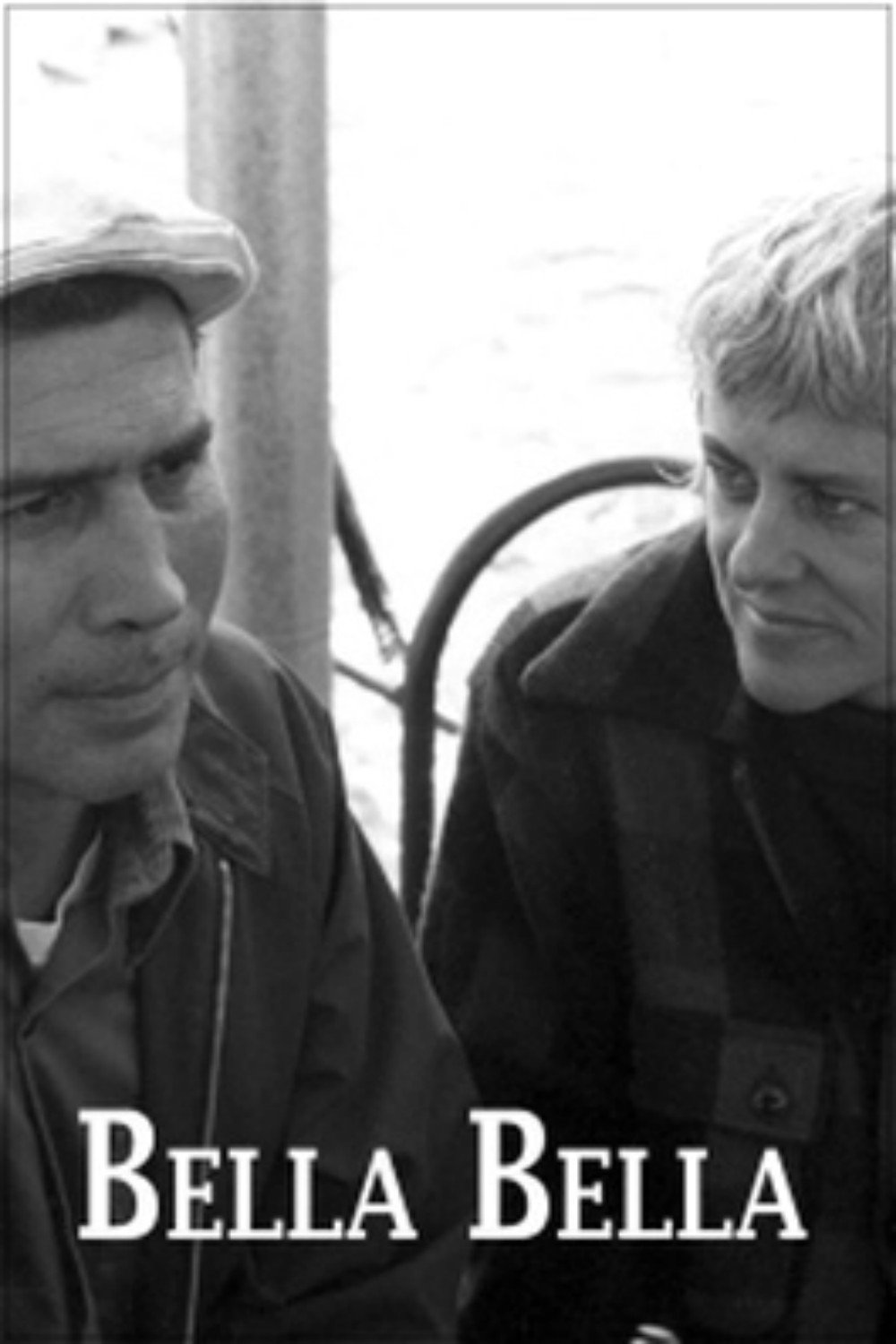
This documentary short is an introduction to the Bella Bella (Heiltsuk) of Campbell Island, 500 km North of Vancouver on the Pacific Coast. Since the coming of settlers, these fishing people have watched their ancient Heiltsuk culture and their independence all but disappear. Today, in an energetic attempt to become self-sufficient, they are regaining both - successfully combining economic development with cultural revival.
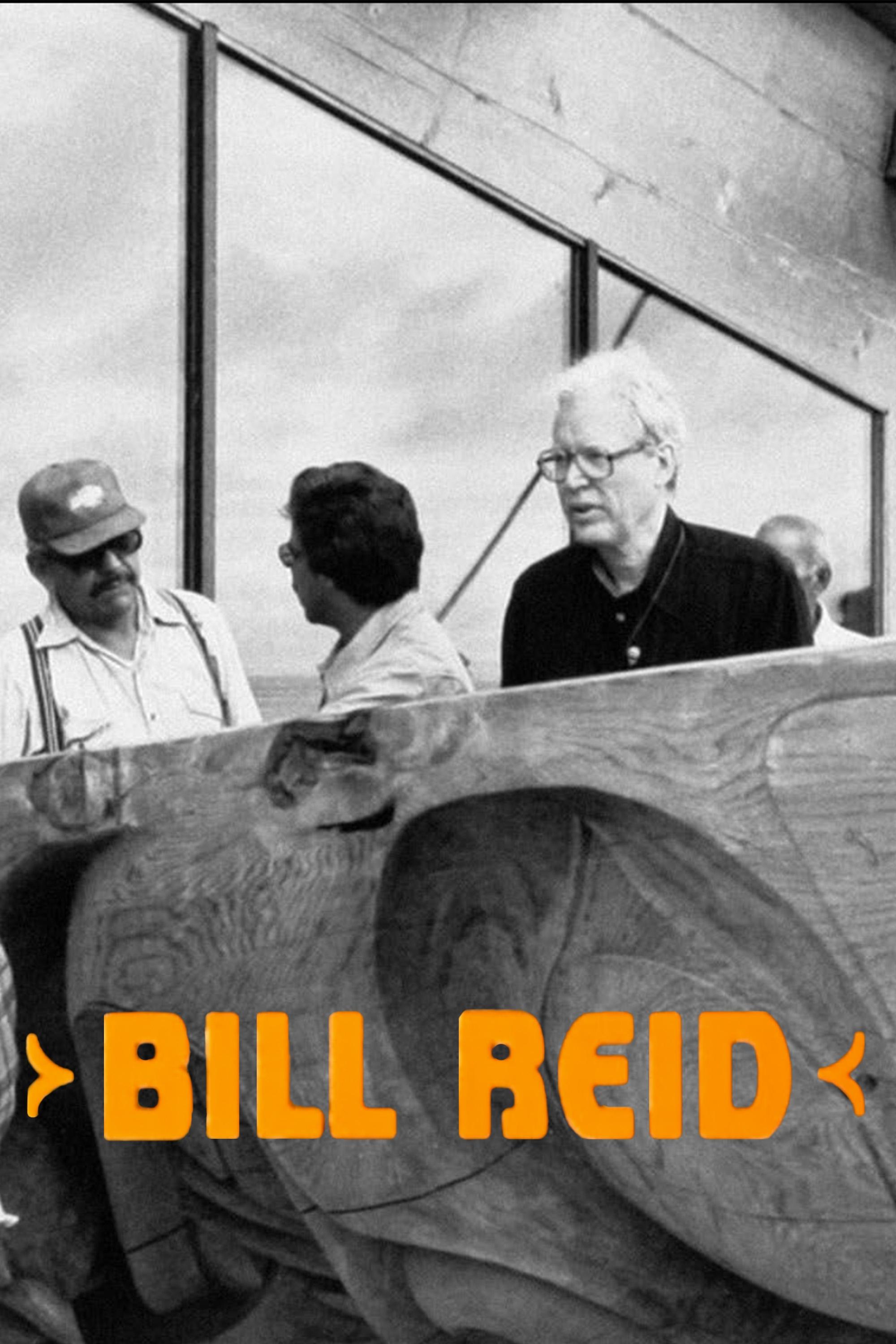
Follows Haida artist Bill Reid, from British Columbia. A jeweller and wood carver, he works on a traditional Haida totem pole. We watch the gradual transformation of a bare cedar trunk into a richly carved pole to stand on the shores of the town of Skidegate, in the Queen Charlotte Islands of B.C.
An NFB crew filmed a group of three families, Cree hunters from Mistassini. Since times predating agriculture, this First Nations people have gone to the bush of the James Bay and Ungava Bay area to hunt. We see the building of the winter camp, the hunting and the rhythms of Cree family life.
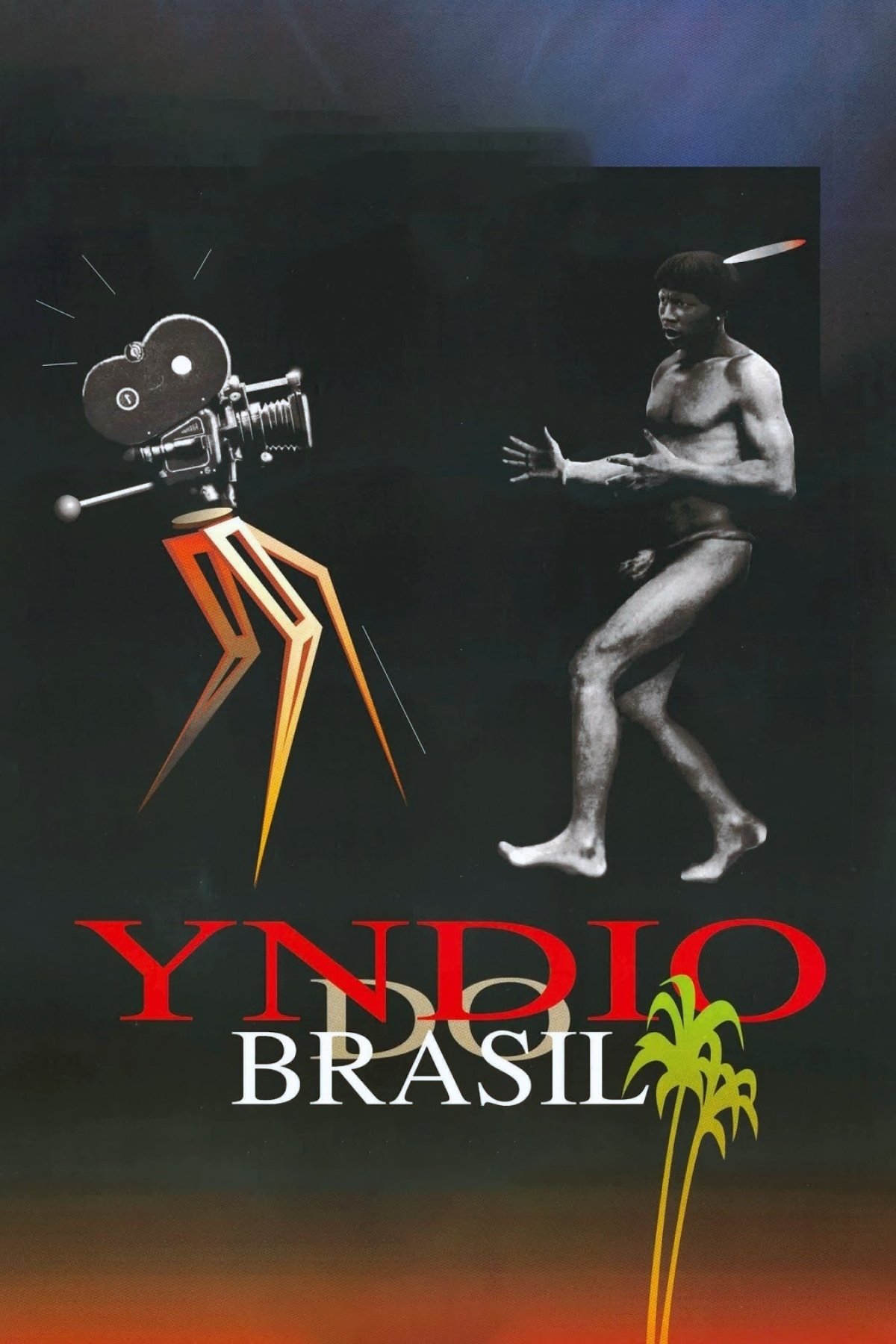
Yndio do Brasil is a collage of hundreds of Brazilian films and films from other countries - features, newsreels and documentaries - that show how the film industry has seen and heard Brazilian indigenous peoples since they were filmed in 1912 for the first time: idealised and prejudiced, religious and militaristic, cruel and magic.
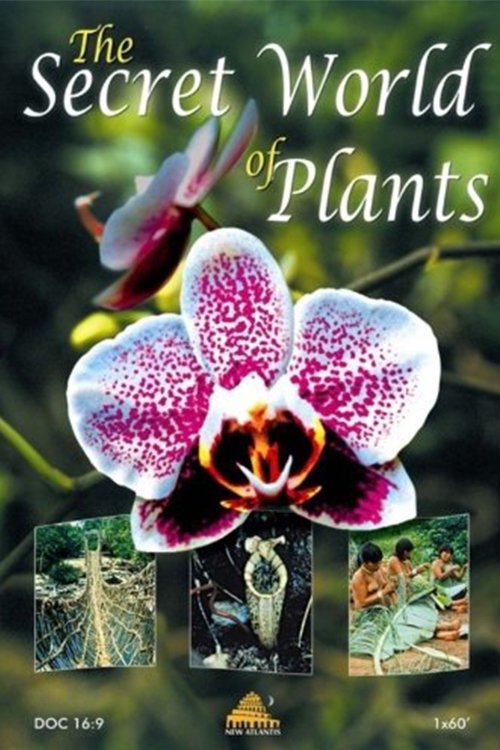
The secret world of plants gets us closer to these motionless and quiet creatures, so attractive and surprising as the rest of the living creatures. The documentary reveals the most unknown aspects of the vegetable kingdom. We learn about the secret of the eternal youth of a 3500 years old sequoia and be charmed by the 'rafflesia arnoldi' flowers, able to reach up to one meter of diameter.
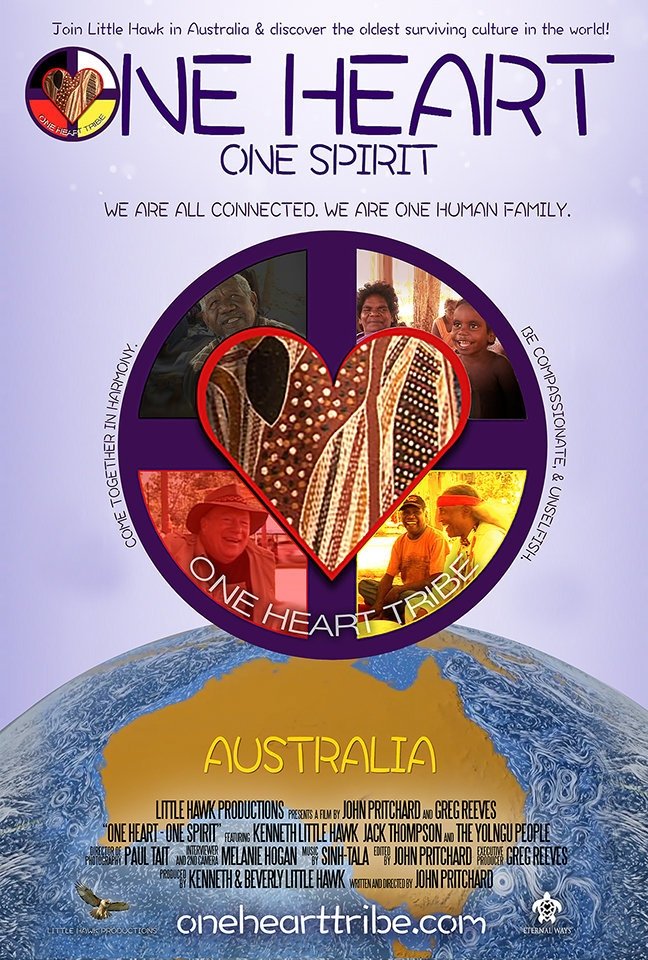
An Aboriginal Australian and Native American documentary narrated by award-winning actor Jack Thompson, One Heart-One Spirit tells the story of Kenneth Little Hawk, an elder Micmac/Mohawk performing artist, meeting the oldest surviving culture on the planet: the 40,000 year old Yolngu nation located in northern Australia.
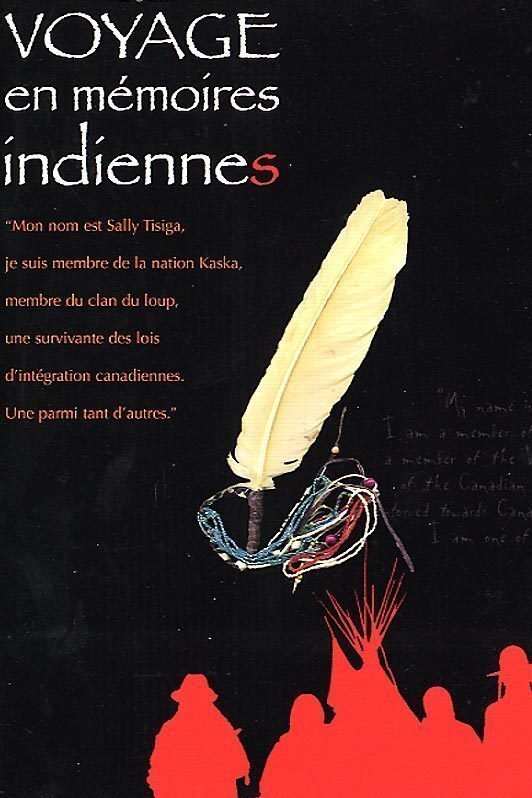
A woman with indiginous roots in her 40s goes on a trip into her past: When she was four years old she had been taken away from her mother by the canadian authorities, like many others. This is her very sad story as an example for many others.
Presents the history of the conflict between the Canadian government and the Kwakiutl Indians of the Northwest Pacific over the ritual of the Potlatch. Archival photographs and films, wax roll sound recordings, police reports, the original potlatch files, and correspondence of agents form the basis of the reconstruction of period events, while the film centres on a Potlatch given today by the Cranmer family of Alert Bay.
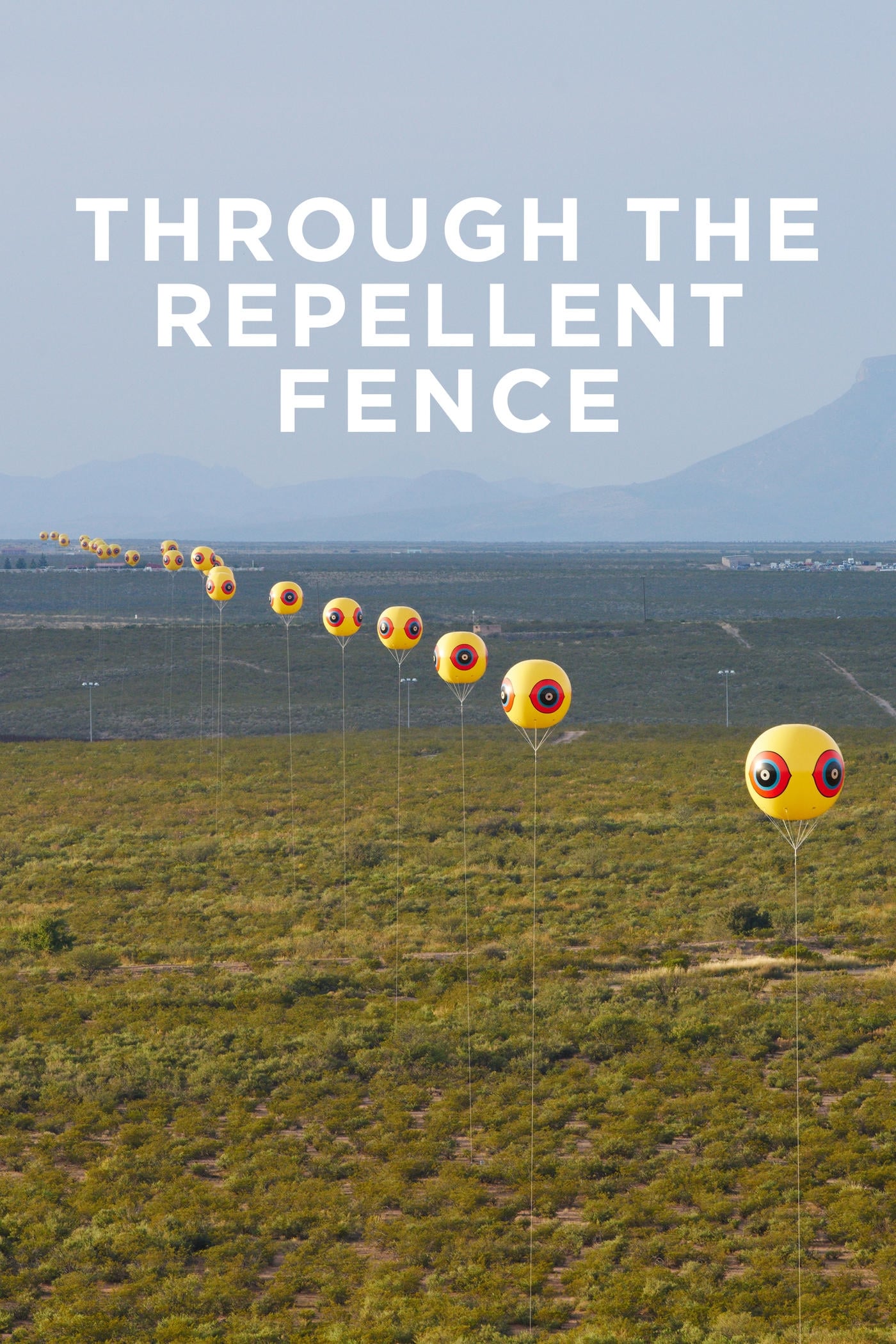
The film follows Postcommodity, an interdisciplinary arts collective comprised of Raven Chacon, Cristóbal Martinez and Kade L. Twist, who put land art in a tribal context. The group bring together a community to construct the Repellent Fence, a two-mile long ephemeral monument “stitching” together the US and Mexico.
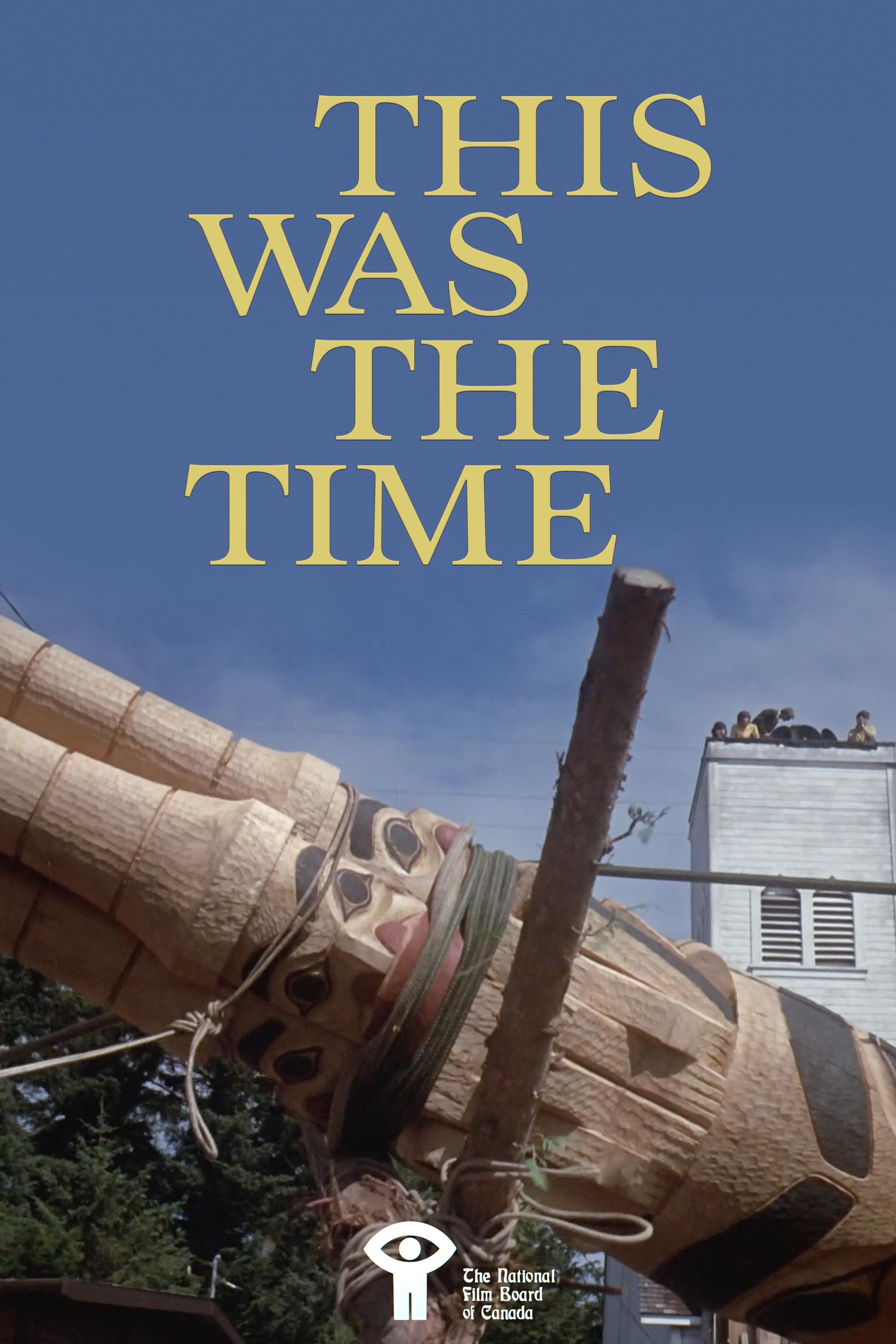
When Masset, a Haida village in Haida Gwaii (formerly known as the Queen Charlotte Islands), held a potlatch, it seemed as if the past grandeur of the people had returned. This is a colourful recreation of Indigenous life that faded more than two generations ago when the great totems were toppled by the missionaries and the costly potlatch was forbidden by law. The film shows how one village lived again the old glory, with singing, dancing, feasting, and the raising of a towering totem as a lasting reminder of what once was.
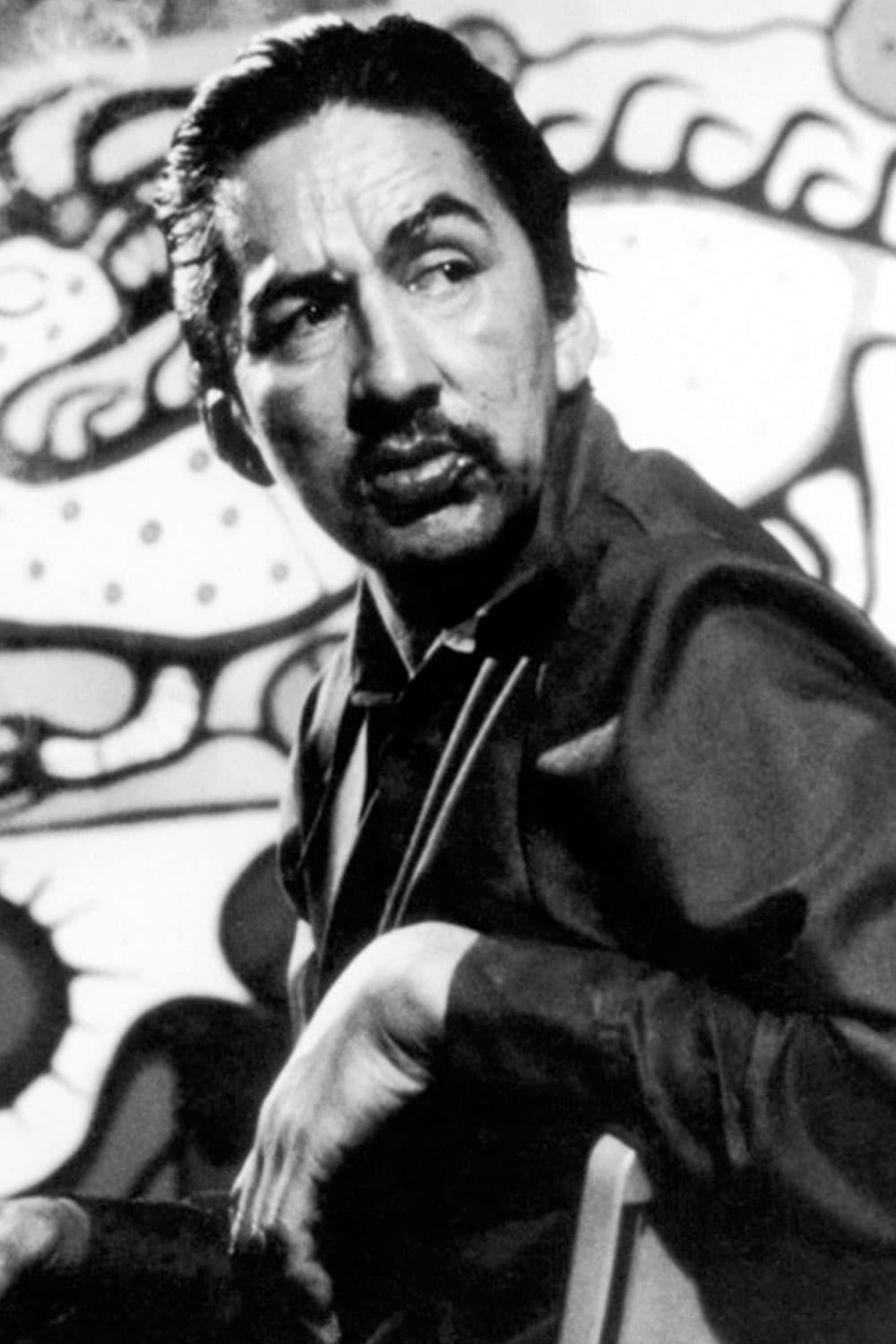
In this revealing study of Norval Morrisseau, filmed as he works among the lakes and woodlands of his ancestors, we see a remarkable Indigenous artist who emerged from a life of obscurity in the North American bush to become one of Canada's most renowned painters. Morrisseau the man is much like his paintings: vital and passionate, torn between his Ojibway heritage and the influences of the white man's world.
Tom Hill, a Seneca artist and curator, explores the works of four contemporary Indigenous artists.
Documentary about filmmaker Bonnie Ammaaq's memories of life on Baffin Island, where her family moved for eleven years during her childhood from the hamlet of Igloolik to return to the traditional Inuit way of life.
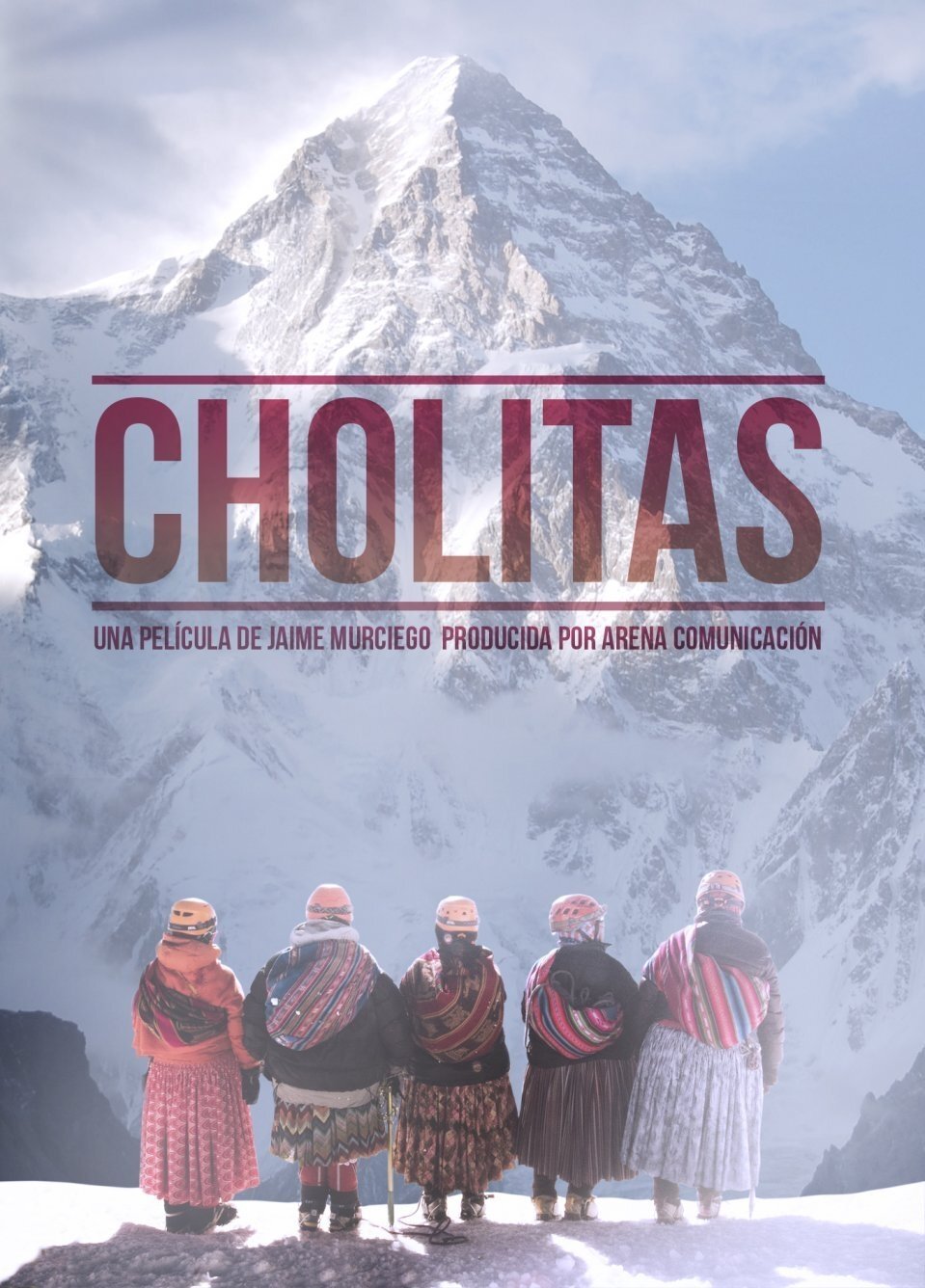
Five Bolivian indigenous women share one goal: climbing the highest mountain in America.
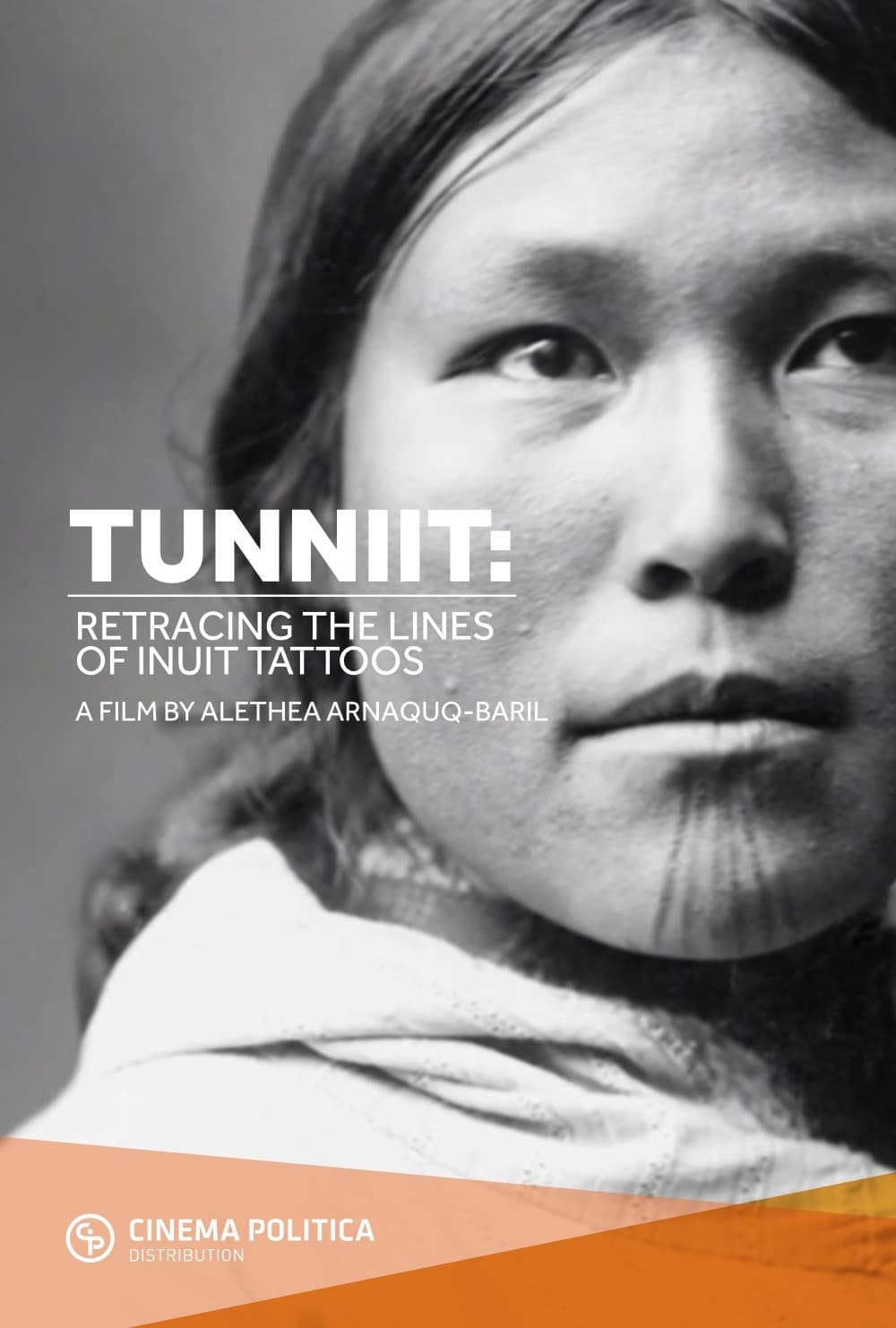
Inuit traditional face tattoos have been forbidden for a century, and almost forgotten. Director Alethea Arnaquq-Baril, together with long-time friend and activist Aaju Peter, is determined to uncover the mystery and meaning behind this beautiful ancient tradition. Together they embark on an adventure through Arctic communities, speaking with elders and recording the stories of a once popularized female artform. Central to the film is Arnaquq-Baril’s personal debate over whether or not to get tattood herself. With candour and humour, she welcomes us into her world, to experience firsthand the complex emotions that accompany her struggle. Past meets present in this intimate account of one woman’s journey towards self-empowerment and cultural understanding.
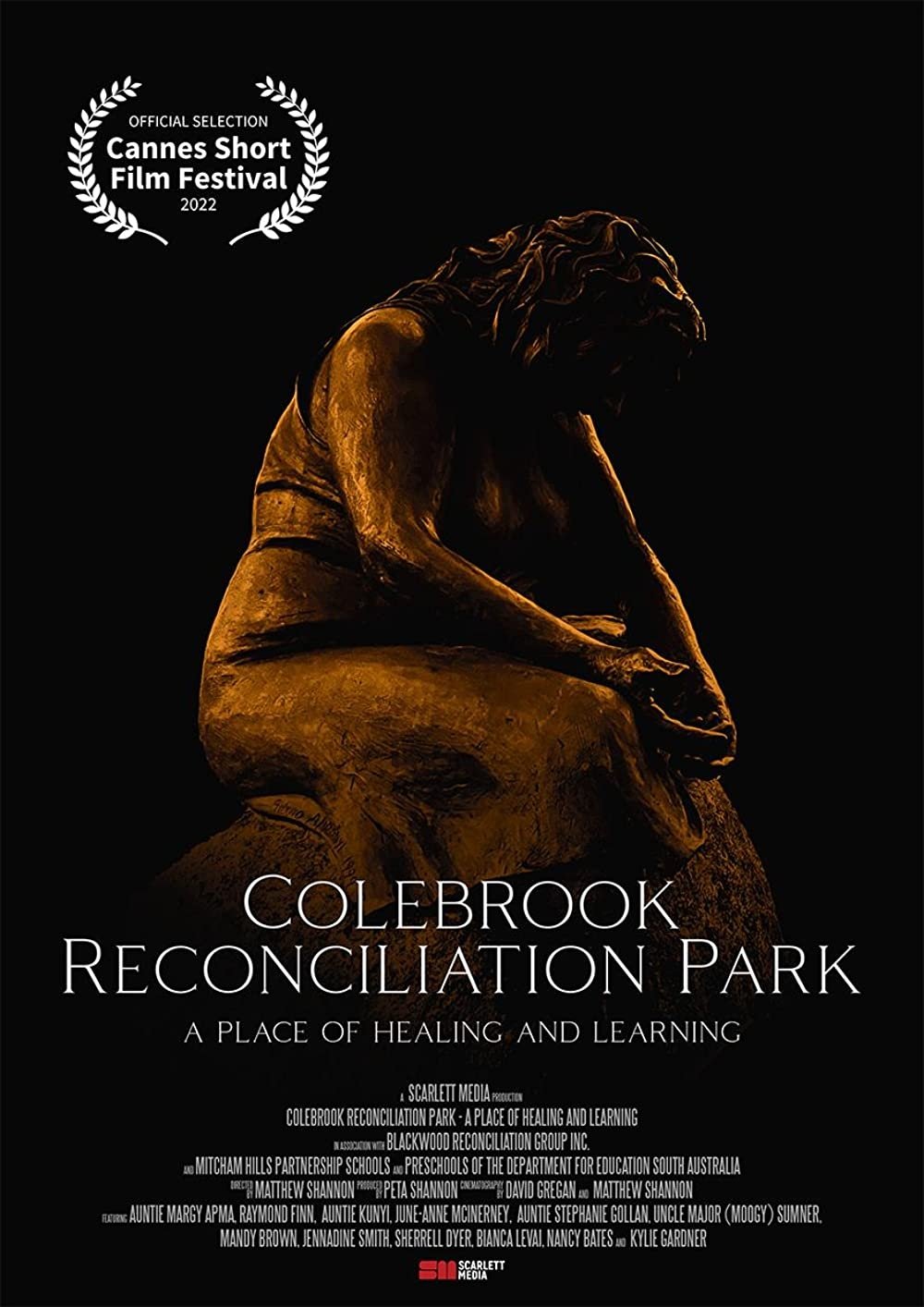
Colebrook Blackwood Reconciliation Park is where the Colebrook Training Home once stood. It is now a permanent memorial for the Aboriginal children of the “Stolen Generation” and their families.
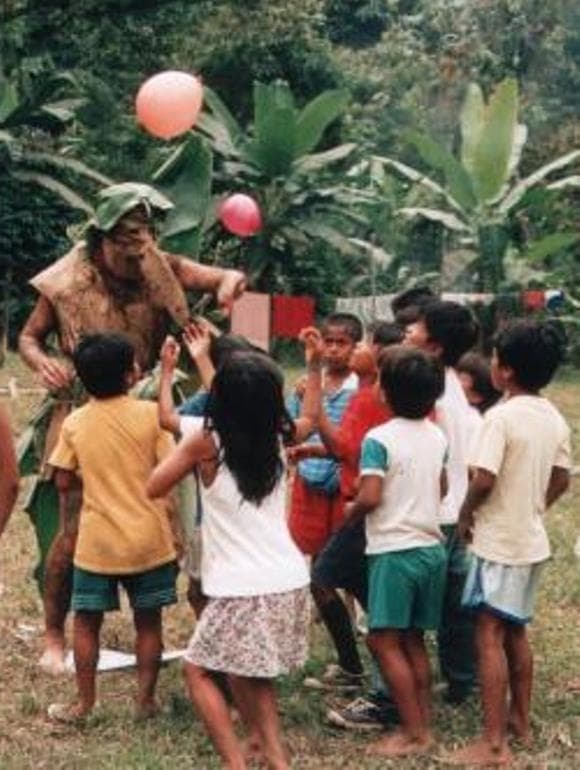
A 13-year-old Indian boy is found unconscious after being attacked in the jungle by the evil spirit Fayu Ujmu. A shaman attempts to ritually tame the spirit and advises the boy’s father to capture it. This story is based on a Chachi Indian legend; it was shot with indigenous inhabitants of the jungle community of Loma Linda, on the Rio Cayapas.
In the Realms of the Unreal is a documentary about the reclusive Chicago-based artist Henry Darger. Henry Darger was so reclusive that when he died his neighbors were surprised to find a 15,145-page manuscript along with hundreds of paintings depicting The Story of the Vivian Girls, in What is Known as the Realms of the Unreal, of the Glodeco-Angelinnian War Storm, Cased by the Child Slave Rebellion.
A documentary about how a dominant cultural and demographic institution both sustains their traditional activities and adapts to the digital revolution.
A detailing of the rise to prominence and global sporting superstardom of six supremely talented young Manchester United football players (David Beckham, Nicky Butt, Ryan Giggs, Paul Scholes, Phil and Gary Neville). The film covers the period 1992-1999, culminating in Manchester United's European Cup triumph.
A documentary on the expletive's origin, why it offends some people so deeply, and what can be gained from its use.
Alexander McQueen's rags-to-riches story is a modern-day fairy tale, laced with the gothic. Mirroring the savage beauty, boldness and vivacity of his design, this documentary is an intimate revelation of McQueen's own world, both tortured and inspired, which celebrates a radical and mesmerizing genius of profound influence.
Through deeply personal interviews with her siblings and an examination of the photographs, letters, and belongings left behind, Mariska assembles a new portrait of her mother Jayne Mansfield, an extraordinary and complex woman.
Amber Heard and Nicole Kidman discuss their characters Mera and Atlanna.
A documentary about the making of David Fincher's 2008 film THE CURIOUS CASE OF BENJAMIN BUTTON. Virtually every element in the evolution of the Fincher's film is documented here, from the project's attachment to numerous other directors during the 1990s, to its shoot in 2006 and 2007 in New Orleans, to its complex, CGI-intensive postproduction process.
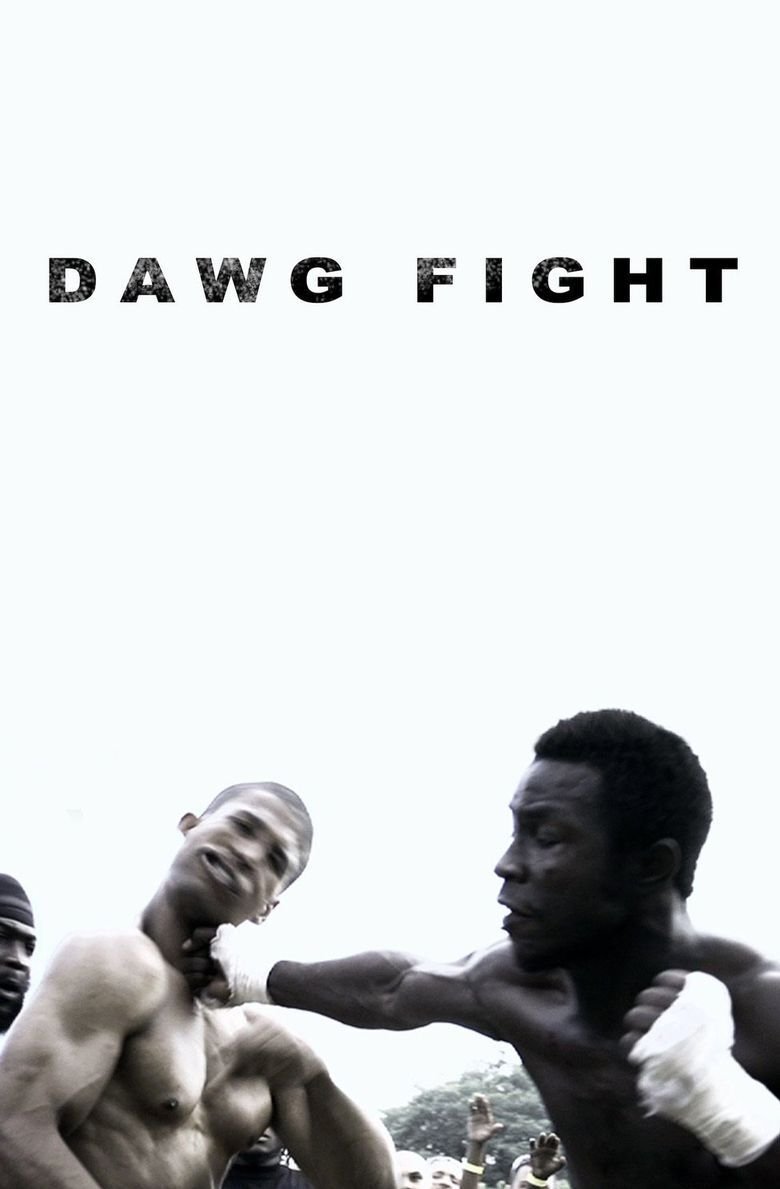
In a crime-plagued neighborhood near Miami, brutal, bare-knuckled backyard fights give young men a chance to earn money -- and self-respect.
A documentary about the making of season five of the acclaimed AMC series Breaking Bad.
With unprecedented access to the official archives and intimate recollections from the band, both current and past, Iron Maiden: Burning Ambition invites fans to experience one of the most iconic journeys in music history. Spanning five decades, this electrifying documentary charts the band’s rise from the pubs of East London to the world’s biggest stadiums. Featuring exclusive interviews with band members and contributors such as Javier Bardem, Lars Ulrich and Chuck D, as well as all-new animated sequences of the band's legendary mascot, Eddie, the film offers a rare and intimate look at Iron Maiden’s uncompromising vision and unwavering connection with their truly global army of fans.
Documentarian Ross McElwee originally set out to make a travelogue of sorts tracing General William T. Sherman's infamous scorched-earth march through the Confederacy in the latter stages of the Civil War. Instead, haunted by a recent breakup with a girlfriend, McElwee ends up documenting his progress -- or lack thereof -- in starting a new relationship. His journey then becomes one of self-reflection and self-discovery rather than a historical/sociological exploration.
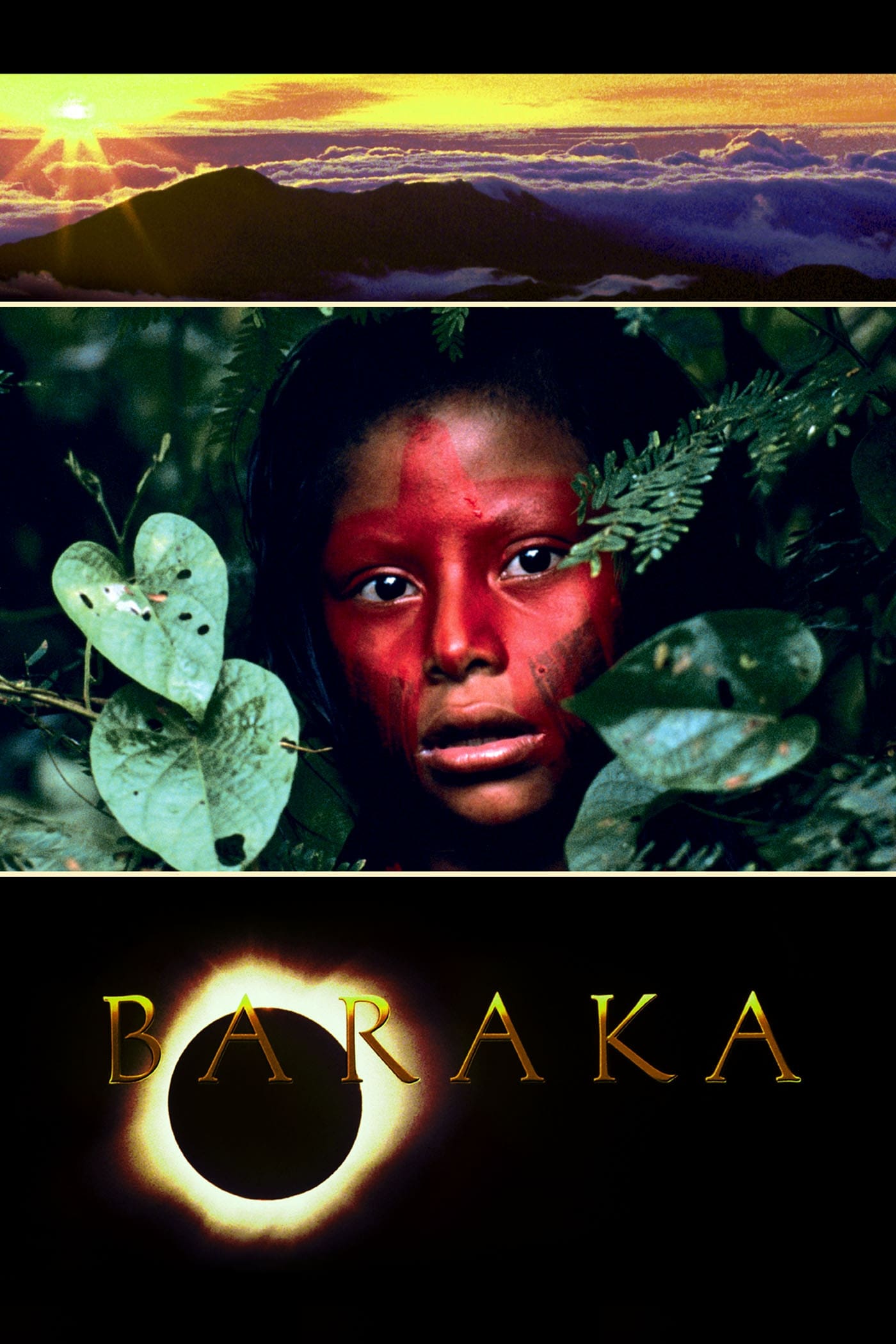
A paralysingly beautiful documentary with a global vision—an odyssey through landscape and time—that attempts to capture the essence of life.
Unravel the case of Utah therapist Jodi Hildebrandt, whose child abuse arrest with parenting YouTuber Ruby Franke exposed a twisted tale of manipulation.
A visual montage portrait of our contemporary world dominated by globalized technology and violence.
SEDUCED AND ABANDONED combines acting legend Alec Baldwin with director James Toback as they lead us on a troublesome and often hilarious journey of raising financing for their next feature film. Moving from director to financier to star actor, the two players provide us with a unique look behind the curtain at the world's biggest and most glamourous film festival, shining a light on the bitter-sweet relationship filmmakers have with Cannes and the film business. Featuring insights from directors Martin Scorsese, 'Bernando Bertolucci' and Roman Polanski; actors Ryan Gosling and Jessica Chastain and a host of film distribution luminaries.
Nine filmmakers each profile a young girl from a different part of the world to weave a global tapestry of youth in the 21st century.
Al Pacino's deeply-felt rumination on Shakespeare's significance and relevance to the modern world through interviews and an in-depth analysis of "Richard III."
A purely observational non-fiction film that takes viewers into the ethically murky world of end-of-life decision making in a public hospital.
The film follows adventurer Jeff Johnson as he retraces the epic 1968 journey of his heroes Yvon Chouinard and Doug Tompkins to Patagonia.