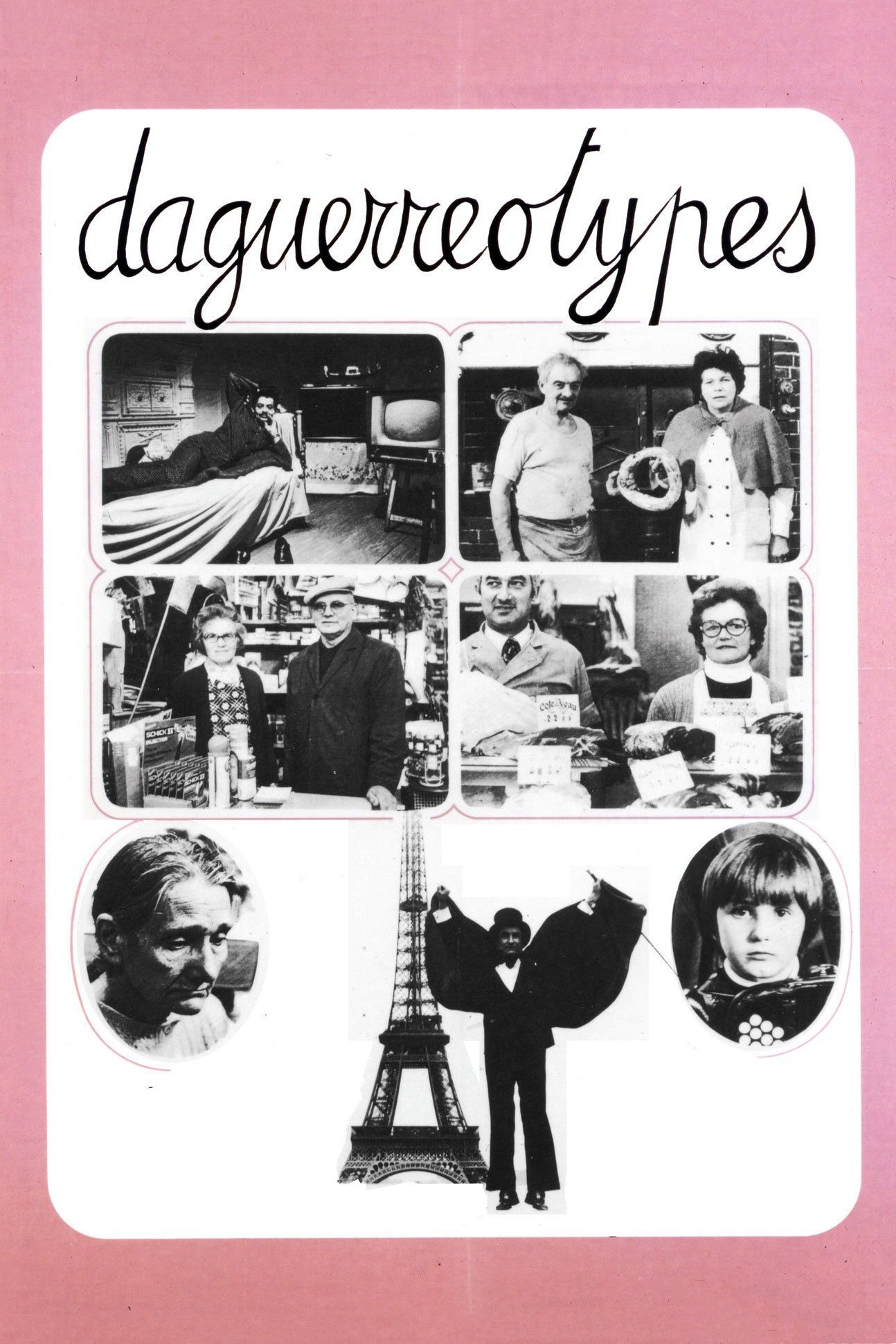
This film deals with the issue of mandatory military service in Switzerland. For four months, from February to May 1990, filmmaker Jacqueline Veuve and her team filmed a platoon engaged in basic training at Colombier, Switzerland.
Social & External
Fantasizes an 'Old' Middle East, wherein communities were not divided along ethnic and religious lines; a Middle East in which even metaphorical borders had no place
The film about Max Bill (1908-1994) moves between the dynamic fields of art, aesthetics and politics. Max Bill was probably the most important swiss artist of the 20th century and the most famous student to come out of the legendary Bauhaus in Dessau. He was an ardent anti-fascist and all his avant-garde work as an artist, sculptor, architect and typographer showed a social responsibility and environmental awareness right through his life. His views have become incredibly topical.
Delphine Seyrig, an extraordinary woman and actress, died on October 15, 1990. From "Last Year at Marienbad" by Alain Resnais to "India Song" by Marguerite Duras, she played in 34 films for cinema, 13 films for television and 33 plays. Jacqueline Veuve, filmmaker and friend of Delphine Seyrig, wanted to break the silence that has fallen on her memory by making a documentary that traces with emotion and subjectivity the life of the mythical actress, the fierce feminist but also the simple friend.
Atypical dive into the world of a particularly talented artist of today: Alexandre Tharaud. Born of parents who were themselves familiar with the stage, Alexandre combines his passion for the piano and his fertile intranquillity under the eye of an intimate camera. A film conducted in the form of an exploration of intimate moments where the artist is much more in front of himself than the public, a confrontation at once gentle and brutal to his passion, to his unattainable star. Translated with www.DeepL.com/Translator (free version)
Between 1947 and 1951, more than 80 000 Greek men, women and children were deported to the isle of Makronissos (Greece) in reeducation camps created to ‘fight the spread of Communism’. Among those exiles were a number of writers and poets, including Yannis Ritsos and Tassos Livaditis. Despite the deprivation and torture, they managed to write poems which describe the struggle for survival in this world of internment. These texts, some of them buried in the camps, were later found. «Like Lions of stone at the gateway of night» blends these poetic writings with the reeducation propaganda speeches constantly piped through the camps’ loudspeakers. Long tracking shots take us on a trance-like journey through the camp ruins, interrupted along the way by segments from photographic archives. A cinematic essay, which revives the memory of forgotten ruins and a battle lost.
Memoirs of the Italian Opera by the singers and musicians of the Casa Verdi, Milan, the world’s first nursing home for retired opera singers, founded by composer Giuseppe Verdi in 1896. This documentary, which has achieved cult-like status among opera and music lovers, features former singers who reminisce about their careers and their past operatic roles.
Hans Werner Hirsch a.k.a. Surava was a journalist. He wrote about the deportation of French Jews, and the Swiss government chased him because the Swiss government was Nazi-friendly. The Swiss intelligence service (Bundespolizei) knew him as a "communist Jew". In fact, he worked for a left newspaper, but he wasn't a Jew. Surava took his courage to write about the "censored" inhumanity in Europe.
When director Daniel Schmid grew up, his parents ran a hotel in the Alps, and this singular setting was to influence his film. Rather by coincidence, he came to Berlin in the early 1960s and became part of the new German wave. Schmid worked with, among others, Wenders and Fassbinder, for example, as an actor in Wender’s The American Friend. He met Ingrid Caven, who was to play a diva in several of his films. This is a documentation of a part of modern European film history and a good analysis of artistry and how it corresponds to the individual behind the camera. A wealth of archival footage brings us close to many directors and actors in Schmid’s circle. If you’ve never seen a Daniel Schmid film, you are sure to want to after watching this portrait of his life.
The key to the communal laundry room in the block of flats on the Rue de Genève 85 in Lausanne serves a much greater function than merely unlocking the door. This encounter between a symbol of typical Swiss mentality with a penchant for order and the tenants who have been housed here by the city’s social services department is not something to be taken for granted. Although the laundry room is normally located in the cellar, the tenants in this building share a tiny laundry room off the entrance hall because the cellar is reserved for prostitution. To maintain order and cleanliness, the landlord hires Claudina, a new “laundry woman”.
Anoosh and Arash are at the center of Tehran’s underground techno scene. Tired of hiding from the police and their stagnating career, they organize one last manic techno rave under dangerous circumstances in the desert. Back in Tehran they try their luck selling their illegally printed music album without permission. When Anoosh is arrested, there seems to be no hope left. But then they receive a phone call from the biggest techno festival in the world. Once landed in Switzerland, the haze of the instant euphoria evaporates quickly when the seriousness of the situation starts to dawn on them.
A high-rise apartment built in the 1960s provides housing for 2500 people from 42 nations. Separated from the city by a river and bounded by towering sandstone cliffs, everyone attempts to live and survive in their own way. Foreigners who have a go at being Swiss, and Swiss who observe with scepticism. They meet in the corner shop run by an Iraqi living in exile, send their kids to a children’s club managed by a missionary, and old drinking mates meet regularly over a beer in the neighbourhood’s only bar. Despite all the differences, they are rather proud of the fact that they come from here.
A documentary of an expedition to Churchill, Manitoba to film the Northern Lights.
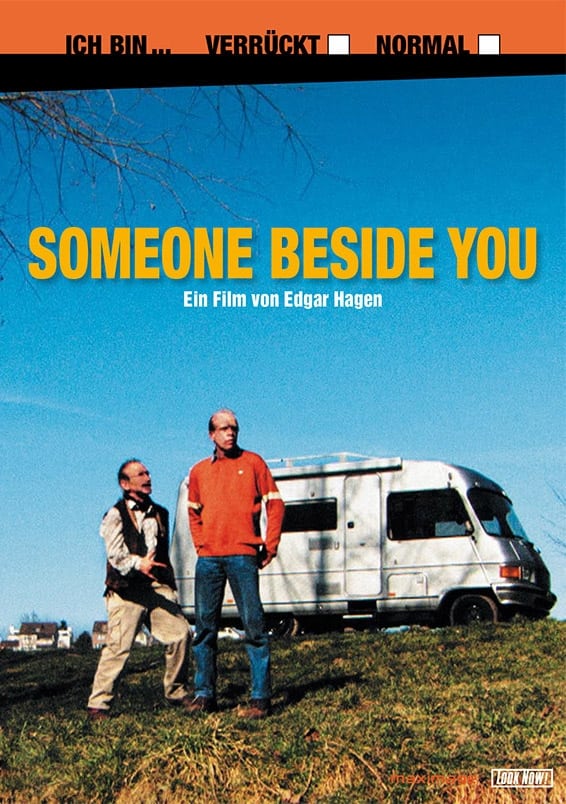
Over 350,000 tons of highly radioactive waste and spent fuel rods are in temporary storage on site at nuclear power complexes and at intermediate storage sites all over the world. More than 10,000 additional tons join them every year. It is the most dangerous waste man has ever produced. Waste that requires storage in a safe final repository for hundreds of thousands of years. Out of reach of humanity and other living creatures. The question is, where? Together with Swiss-British nuclear physicist Charles McCombie, who has been searching for a safe final storage site for highly radioactive nuclear waste for thirty-five years, director Edgar Hagen investigates the limitations and contradictions involved in this project of global significance. Supporters and opponents of nuclear energy struggle for solutions whilst dogmatic worldviews are assailed by doubt
Balifilm was originally commissioned as a stage performance, created from diary images and sounds collected in 1990 and 1992 by Peter Mettler on the island of Bali. The soundtrack is a live recording of eight Gamelan musicians playing the bronze and wooden instruments of Indonesia during the projection of the film. balifilm is a personal, lyrical observation and expression of the creative pulse of an extraordinary culture.
How can structures, which take up defined, rigid portions of space, make us feel transcendence? How can chapels turn into places of introspection? How can walls grant boundless freedom? Driven by intense childhood impressions, director Christoph Schaub visits extraordinary churches, both ancient and futuristic, and discovers works of art that take him up to the skies and all the way down to the bottom of the ocean. With the help of architects Peter Zumthor, Peter Märkli, and Álvaro Siza Vieira, artists James Turrell and Cristina Iglesias, and drummer Sergé “Jojo” Mayer, he tries to make sense of the world and decipher our spiritual experiences using the seemingly abstract concepts of light, time, rhythm, sound, and shape. The superb cinematography turns this contemplative search into a multi-sensory experience.
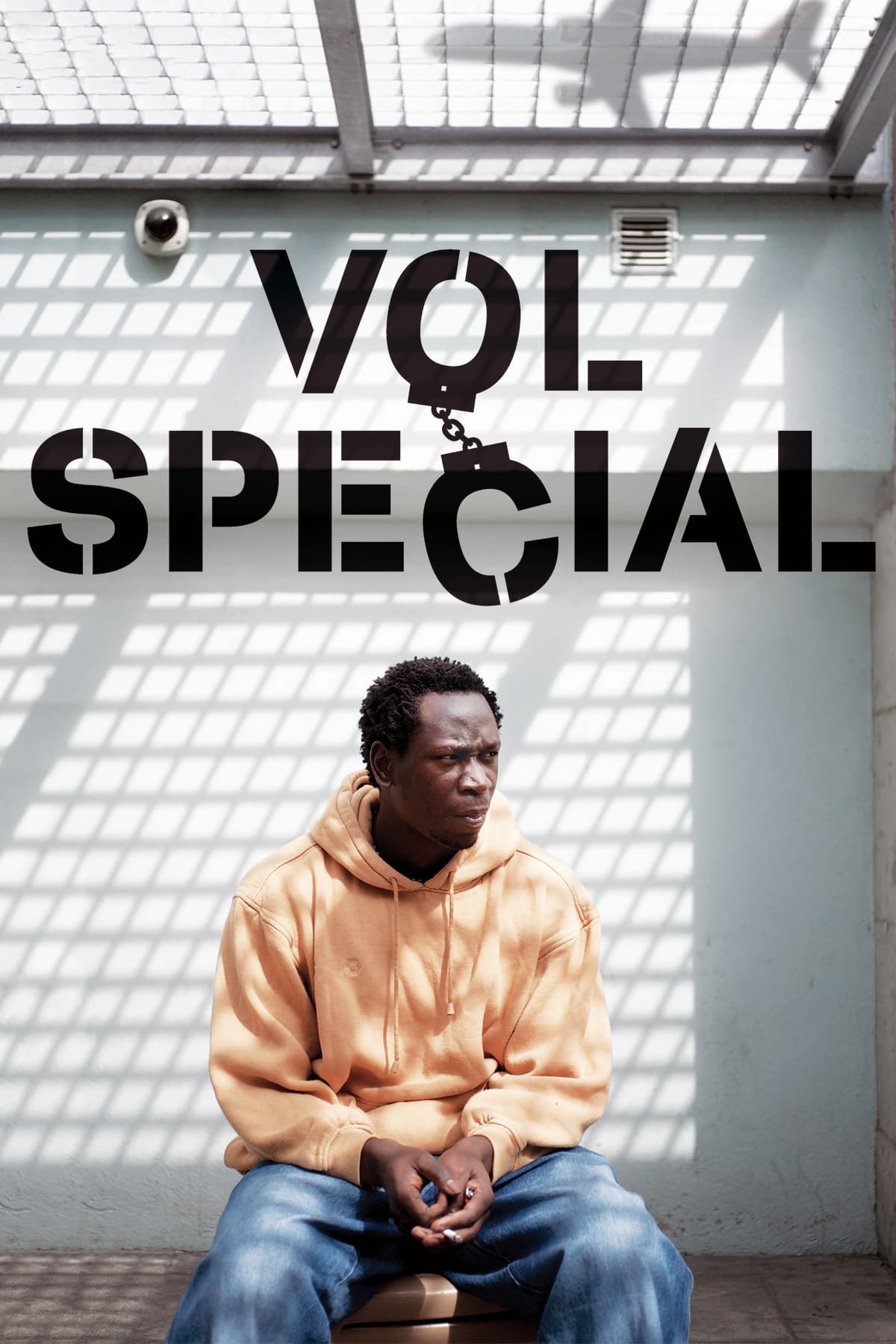
Switzerland still carries out special flights, where passengers, dressed in diapers and helmets, are chained to their seats for 40 hours at worst. They are accompanied by police officers and immigration officials. The passengers are flown to their native countries, where they haven't set foot in in up to twenty years, and where their lives might be in danger. Children, wives and work are left behind in Switzerland. Near Geneva, in Frambois prison, live 25 illegal immigrants waiting for deportation. They are offered an opportunity to say goodbye to their families and return to their native countries on a regular flight, escorted by plain-clothes police officers. If they refuse this offer, the special flight is arranged fast and unexpectedly. The stories behind the locked cells are truly heartbreaking.

The extraordinary destiny of two people. After the Second World War, Lois is an actress in Broadway theatre, television and Hollywood films. Her husband, Edgar Snow, is world famous. A pioneer fascinated by China, he is the first journalist to film and interview Mao Tse-tung. Suspected by the American authorities of Communist sympathies, Ed and Lois are blacklisted. Together with their two small children, they go to Switzerland, mid-way between China and America, where they find a new home. A story of revolution, utopia, disillusionment, and hope.


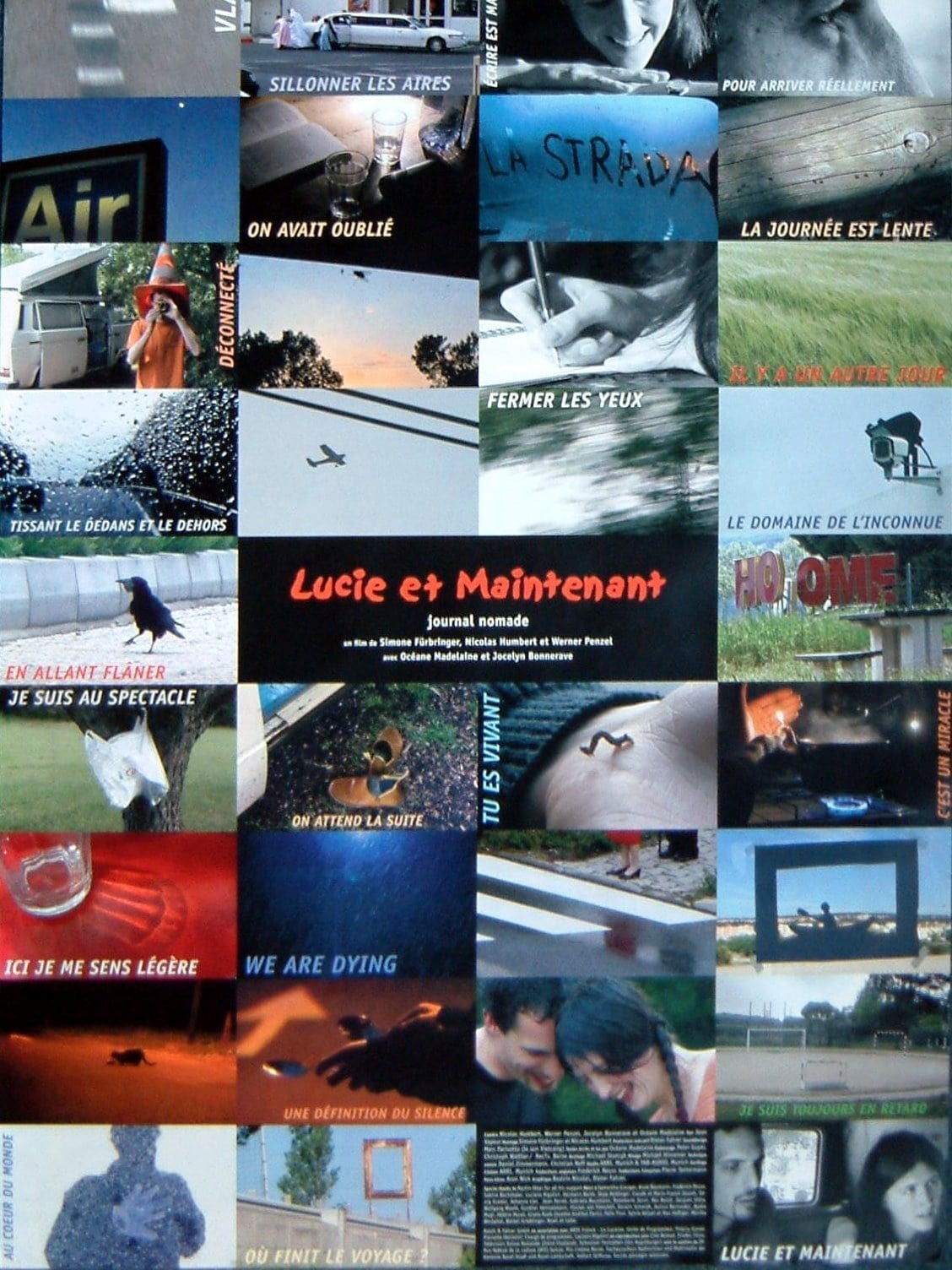
In May of 1982 Julio Cortázar, the Argentinean writer and his companion in life, Carol Dunlop set out in their VW bus on a journey along the highway from Paris to Marseille that, for each of them, was to be their final one. Twenty-five years later, Océane Madelaine and Jocelyn Bonnerave set out to undertake the journey again.
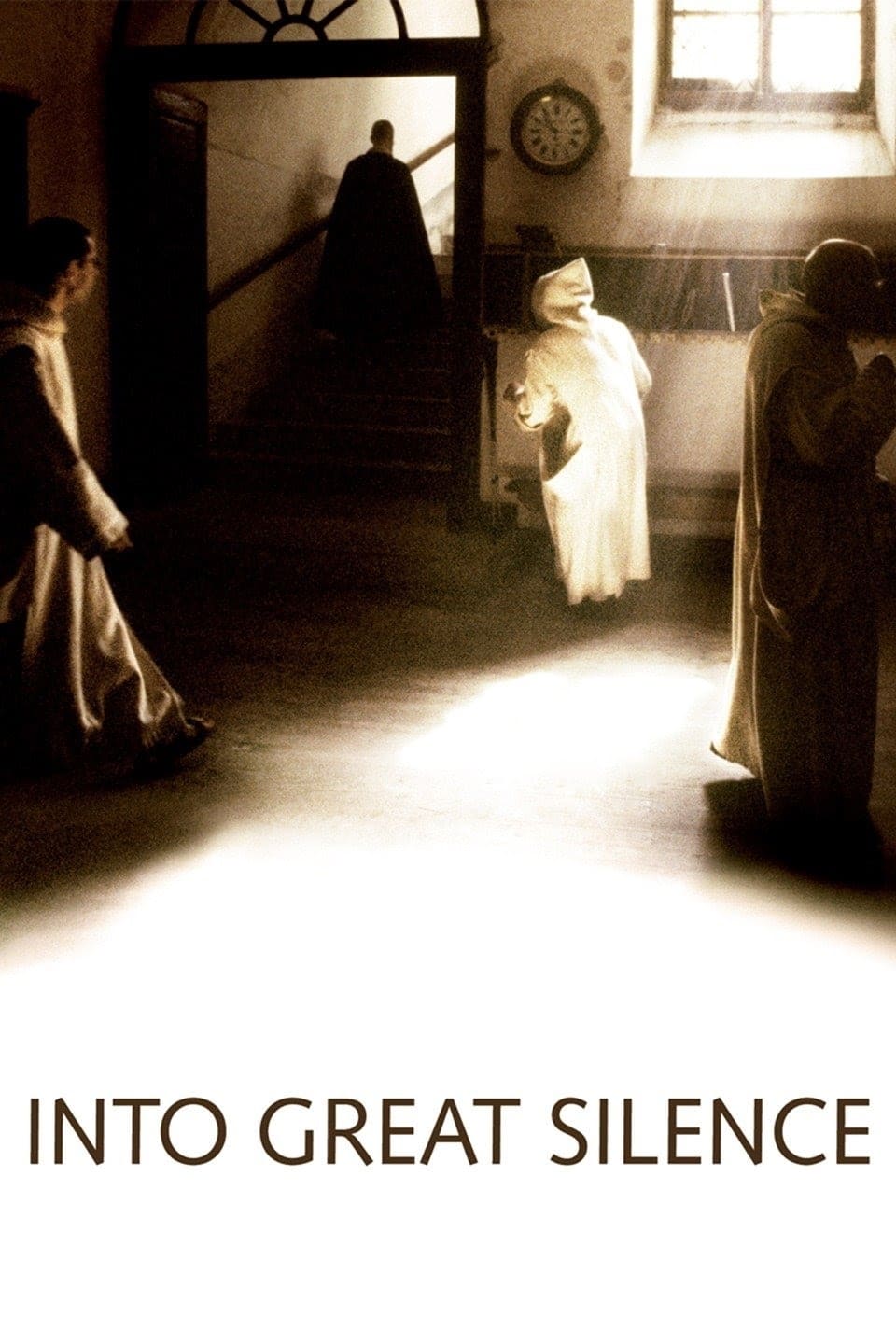
An intimate portrayal of the everyday lives of Carthusian monks of the Grande Chartreuse, high in the French Alps (Chartreuse Mountains). The idea for the film was proposed to the monks in 1984, but the Carthusians said they wanted time to think about it. The Carthusians finally contacted Gröning 16 years later to say they were now willing to permit Gröning to shoot the movie, if he was still interested.
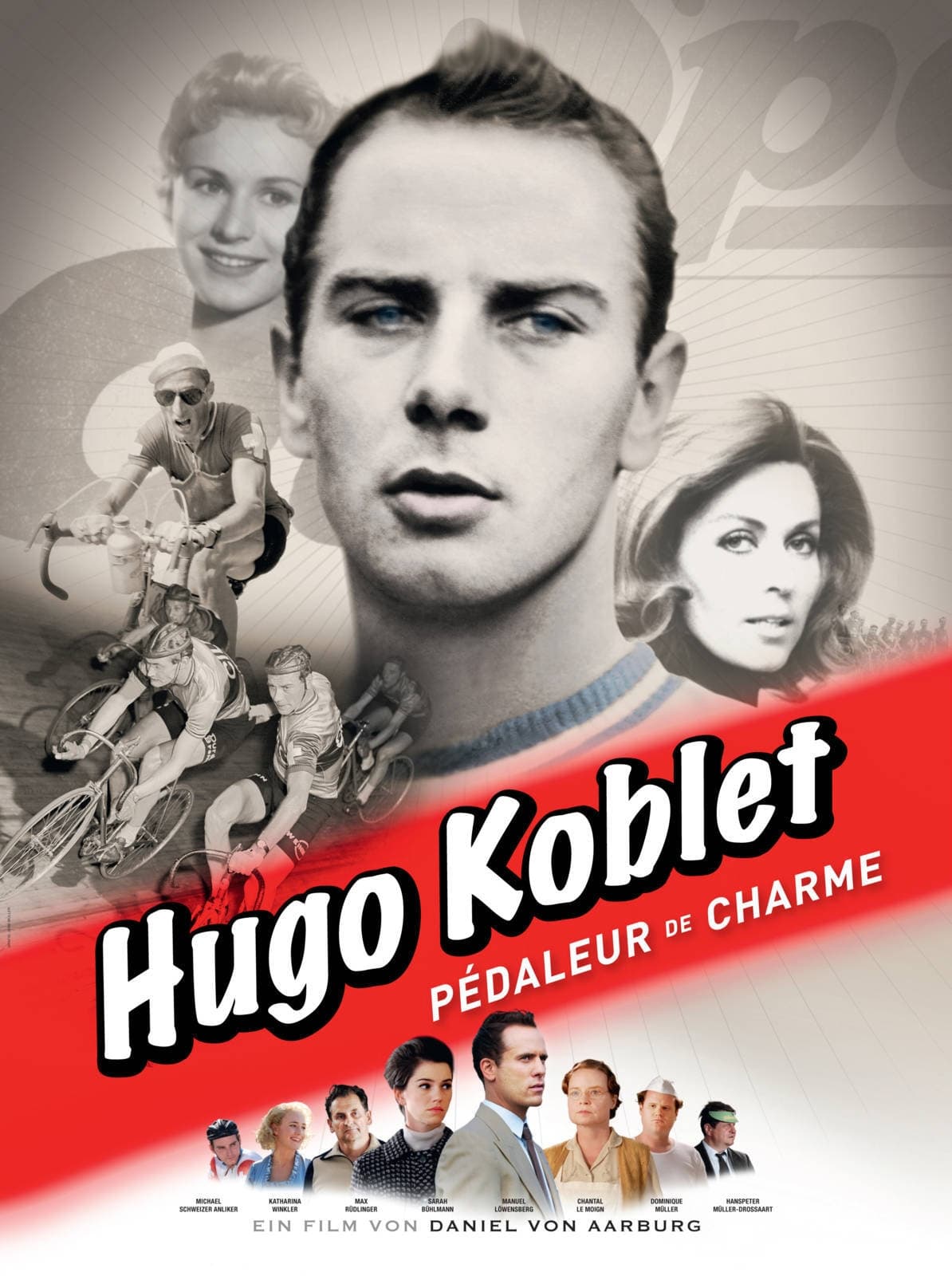
Zurich-born Hugo Koblet was the first international cycling star of the post-war period. He was a stylist on the bicycle and in life, and a huge heartthrob. Koblet had a meteoric rise and won the Giro d'Italia in 1950. Once he had reached the zenith of his career, Koblet was put under pressure by overly ambitious officials and ended up ruining his health with drugs. In 1954, he married a well-known model and they became a celebrity dream couple. After his athletic career ended, Koblet began to lose his footing. Threatened by bankruptcy, he crashed his Alfa into a tree.
A visual montage portrait of our contemporary world dominated by globalized technology and violence.
Documentary of the making of the sequel to the popular Schwarzenegger film, The Terminator.
A documentary about the life and films of director John Ford.
A compilation of over 30 years of private home movie footage shot by Lithuanian-American avant-garde director Jonas Mekas, assembled by Mekas "purely by chance", without concern for chronological order.
A detailing of the rise to prominence and global sporting superstardom of six supremely talented young Manchester United football players (David Beckham, Nicky Butt, Ryan Giggs, Paul Scholes, Phil and Gary Neville). The film covers the period 1992-1999, culminating in Manchester United's European Cup triumph.
SEDUCED AND ABANDONED combines acting legend Alec Baldwin with director James Toback as they lead us on a troublesome and often hilarious journey of raising financing for their next feature film. Moving from director to financier to star actor, the two players provide us with a unique look behind the curtain at the world's biggest and most glamourous film festival, shining a light on the bitter-sweet relationship filmmakers have with Cannes and the film business. Featuring insights from directors Martin Scorsese, 'Bernando Bertolucci' and Roman Polanski; actors Ryan Gosling and Jessica Chastain and a host of film distribution luminaries.
JB Smoove and Martin Starr host a celebration of 20 years of "Spider-Man" movies, from the Sam Raimi trilogy to Marc Webb's movies and the trio from Jon Watts.
A documentary focused on plastic pollution in the world's oceans.
A documentary about how a dominant cultural and demographic institution both sustains their traditional activities and adapts to the digital revolution.
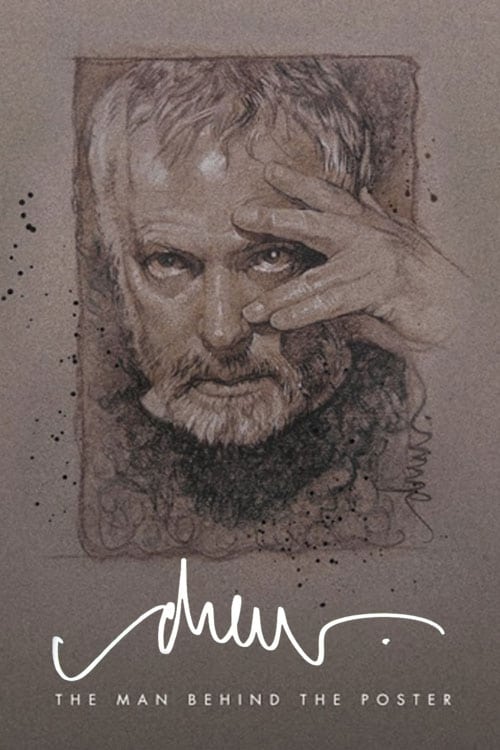
A documentary on legendary movie-poster artist Drew Struzan.
Al Pacino's deeply-felt rumination on Shakespeare's significance and relevance to the modern world through interviews and an in-depth analysis of "Richard III."
Stars of "The Walking Dead," Andrew Lincoln and Danai Gurira, walk down memory lane and visit iconic locations where pivotal moments between their characters, Rick and Michonne, were filmed.
A documentary about the making of David Fincher's 2008 film THE CURIOUS CASE OF BENJAMIN BUTTON. Virtually every element in the evolution of the Fincher's film is documented here, from the project's attachment to numerous other directors during the 1990s, to its shoot in 2006 and 2007 in New Orleans, to its complex, CGI-intensive postproduction process.
A documentary on the expletive's origin, why it offends some people so deeply, and what can be gained from its use.
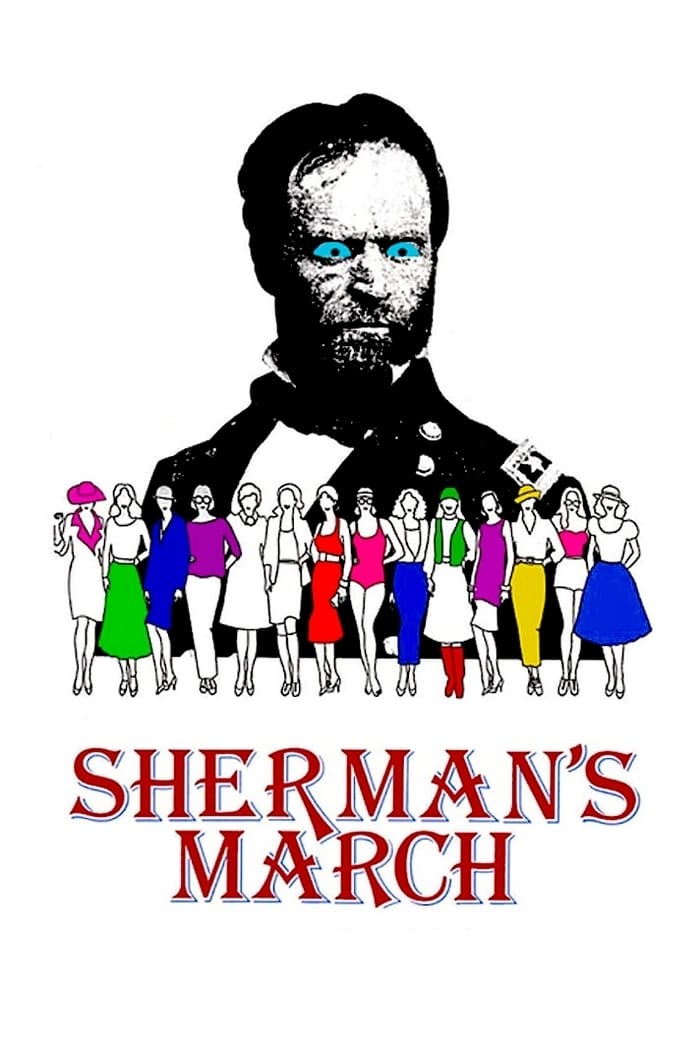
Ross McElwee sets out to make a documentary about the lingering effects of General Sherman's march of destruction through the South during the Civil War, but is continually sidetracked by women who come and go in his life, his recurring dreams of nuclear holocaust, and Burt Reynolds.
Filmmakers discuss the legacy of Alfred Hitchcock and the book “Hitchcock/Truffaut” (“Le cinéma selon Hitchcock”), written by François Truffaut and published in 1966.
Brilliant, long in-the-works story of the life and art of the world's greatest comedian and the cinema's first genius, Charlie Chaplin. Produced, written and directed by renowned film critic Richard Schickel.
This special explores the return of Obi-Wan Kenobi and Anakin Skywalker to the screen, as well as Ewan McGregor and Hayden Christensen to their classic roles. Director Deborah Chow leads the cast and crew as they create new heroes and villains that live alongside new incarnations of beloved Star Wars characters, and an epic story that dramatically bridges the saga films.
Retrospective documentary about the making of the horror cult classic "The Return of the Living Dead."
During the 1982 Cannes Film Festival, Wim Wenders asked a number of global film directors to, one at a time, go into a hotel room, turn on the camera, and answer a simple question: "What is the future of cinema?"